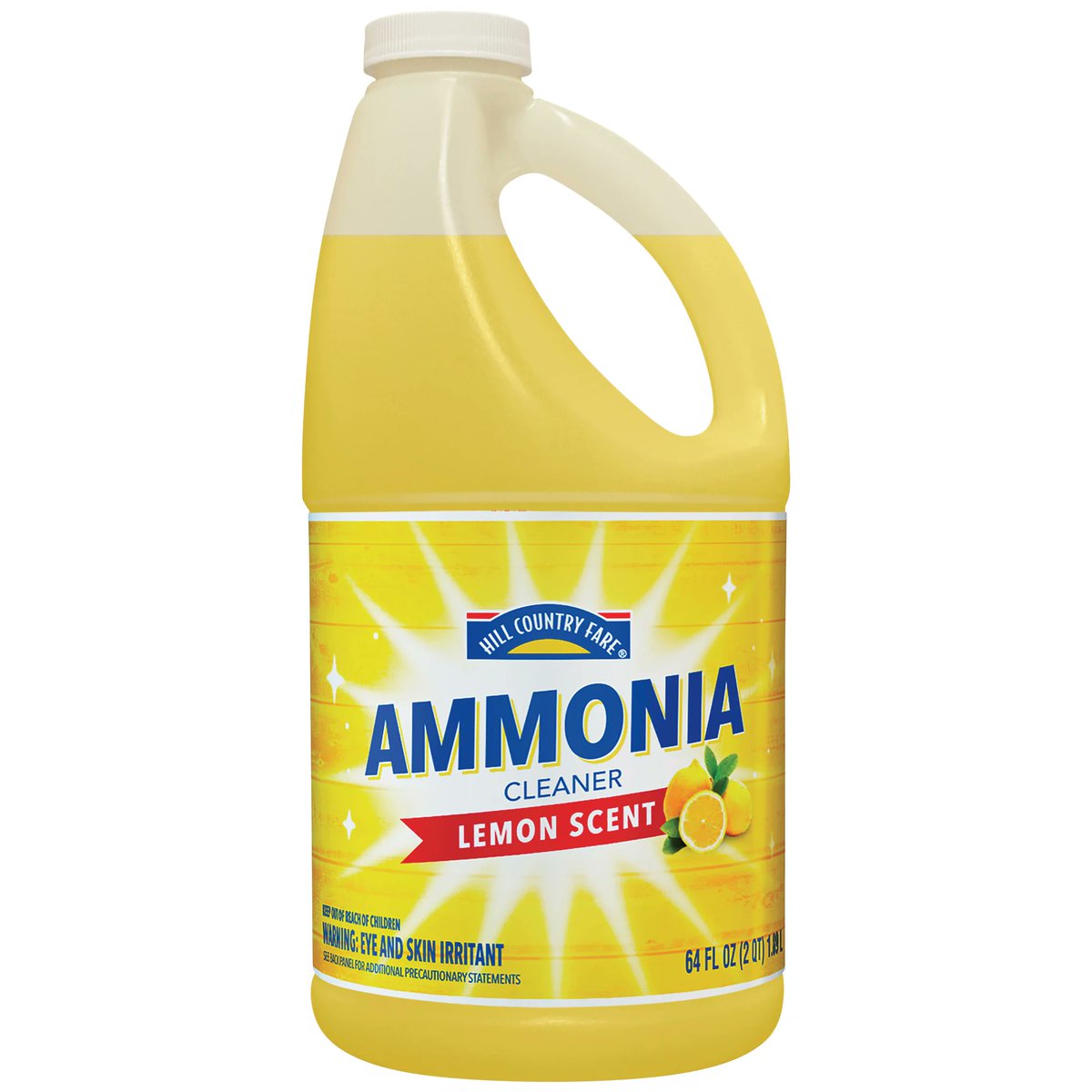
This is Amon, king of the Egyptian gods. And this is ammonia, the stuff we use in fertilizers. Ammonia is named after Amon. So Amon probably can't send the rains but he can help you unclog your sink. Here's why:
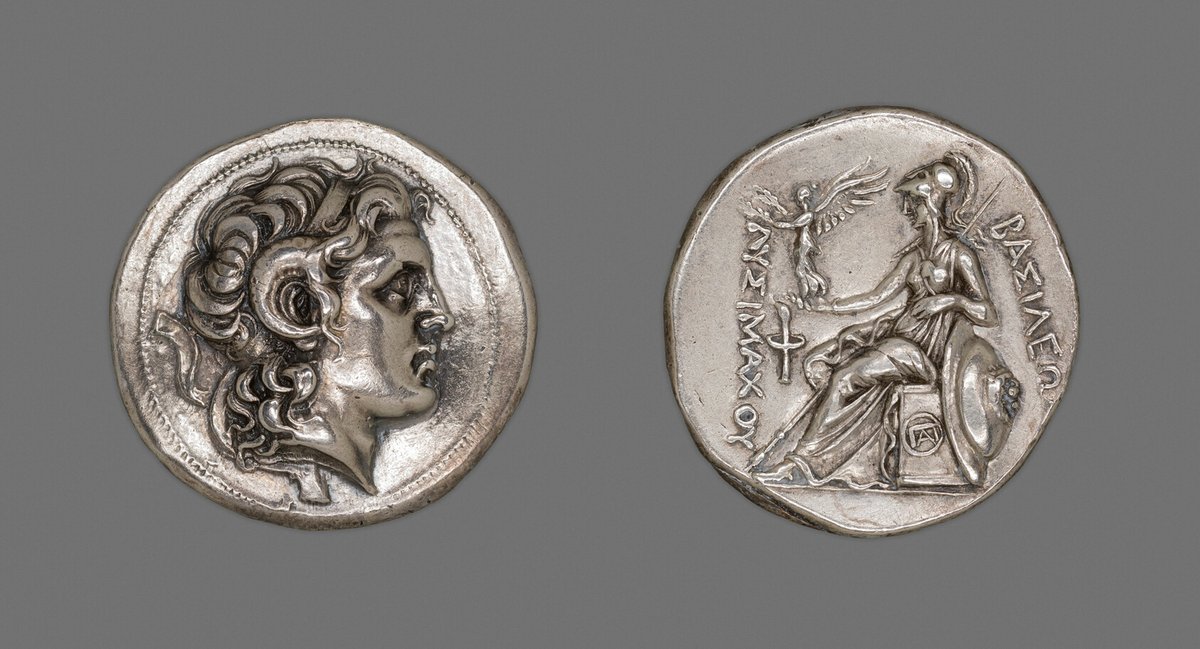
When the Greeks met the Egyptians, they often combined Egyptian gods with their own to highlight similarities in the pantheon. Here's Zeus-Ammon, a combination of the Greek king god and the Egyptian king god (mashups like this are called "syncretism"):
The king of the gods often has ram's horns (see also Marduk in Babylon). Alexander was particularly taken with Zeus-Ammon and liked to think of himself as the god's son. Which is why you'll often see Alexander with horns on coins.
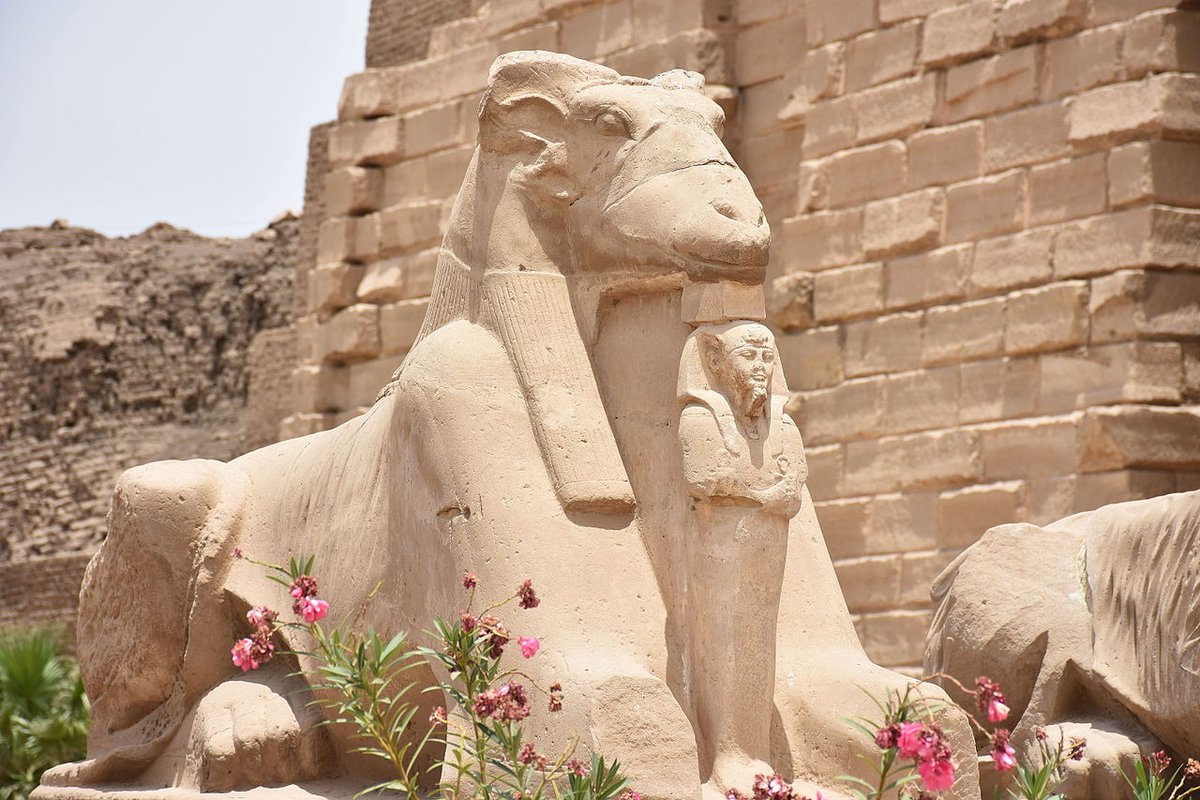
There was a temple to Zeus-Amon at the remote Siwa oasis in modern-day Libya. Remains still stand. Alexander trekked for days to find it. There was a certain kind of salt there which the Romans, naturally, named hammoniacum (after "Ammon").
Now this was probably not the substance we now call salammoniac, which can be used in scouring metals. But people thought it was in the 16th century, so this substance got the name of the salt near the temple of Zeus-Ammon.

Salammoniac contains ammonium chloride (NH4Cl), and it can react with alkali to produce the gas now called ammonia. Both are named after the original hammoniacum, even though that probably *wasn't* salammoniac, but it is now because words.
Anyway a great way to get ammonia is to combine nitrogen and hydrogen in a process called the Haber process, after the 20th century German chemist Fritz Haber, seen here looking like the Germaniest, chemistiest German chemist that ever Germaned a chemist.
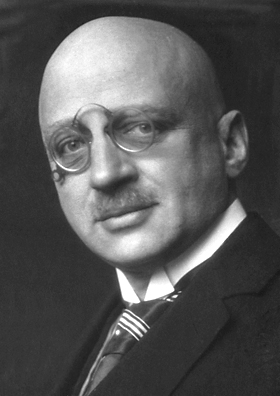
Haber's work helped create the gases that wiped out millions during World War I. It also helped fertilize vastly more land, more quickly, than ever before, feeding untold numbers--which is why they called him "the man that pulled bread from the air."
These terrifying godlike powers seem fairly suitable for a man who was literally calling the Egyptian king of gods back into existence across time and space, and now he lives under your sink. You're welcome.
• • •
Missing some Tweet in this thread? You can try to
force a refresh

You know what, this is actually a decent question. I’ll bite.
Hebrew has a number of words that we typically translate as “God.” One is elohim, and it basically means any higher power or absolute authority.
Similar to English when we say “LeBron is a GOD of the court.” 🧵
We don’t mean that LeBron is immortal, or created the world. Just that his abilities in the arena of basketball are in another class entirely from the common run of men.
In the Bible a god is any higher power you serve with total devotion. You can say of someone “his belly is his god” or “his wallet is his god,” and you mean he’ll do anything or sacrifice anything to get more food or money. Again, this pretty much works in English too.
Everyone seems upset so I’d like to gently point out that there’s no rule you have to endorse all aspects of Elon’s life just because you like the role he’s currently playing in public policy
You’re allowed to approve one and disapprove the other, that’s an option
Sorry if this seems basic I just…do people remember we’re not signing up for lifelong contracts here?
Like, I just want to give you permission to like some things about a person and not other things. That’s…extremely normal. You know this. Right? You know this?
Look the shining was OKAY. And Salem’s Lot. Exactly zero of it will be remembered after your death. Do you seriously not realize this? You are not a person of significance. If you think you are because you are currently famous that is a serious indictment of your intelligence
It’s ok to be a producer of high quality contemporary entertainment. Just like it’s ok to be a plumber. Every generation needs plumbers. Every generation needs people to distract it with scary stories. There’s no shame in that. But it doesn’t mean you have meaningful thoughts lol
Hello, let me tell you about an easter egg I noticed in C.S. Lewis's Space Trilogy this weekend.
Start with another Lewis book. One of my absolute favorite passages in all of his works is also one that has always frustrated me. It's in Chapter 4 of The Four Loves, on friendship.
Lewis writes that each of our friends draws out a certain side of us, so that the image of god in each of us is partly called out of us by those we love--"That, says an old author, is why the Seraphim in Isaiah's vision are crying 'Holy, Holy, Holy' to one another."
Absolutely everyone is allowed to “perform gender” except men who want to be manly
For Dylan Mulvaney, no accessory is too trivial and no object too banal to count as an indispensable marker of some essential “girlhood”. For a “trans woman” absolutely any bag, trinket, or utensil is a necessary and beautiful expression of femininity.
But if a dude wants a rocks glass he’s being a ridiculous and childish and he should just get over it.
Here’s my problem with the Game of Thrones-ification of the fantasy genre: I’m starting to think it’s a fundamental misunderstanding of what fantasy is for.
(The following thoughts brought to you by the finale of Witcher season 3, in which unexpected deaths and betrayals become so much the norm that they’re more hackneyed and boring than the tropes they claim to subvert. Spoilers follow.)
Okay so you’ve got a template—either a typical plot format or a recognizable character type (e.g. Ned Stark: the virtuous patriarch. He’s supposed to win!)