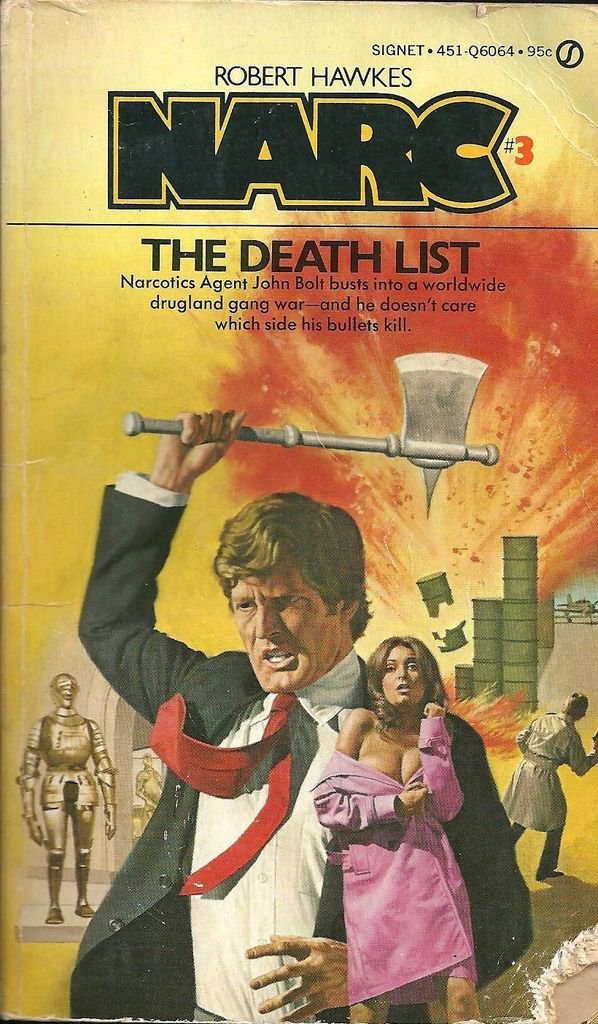
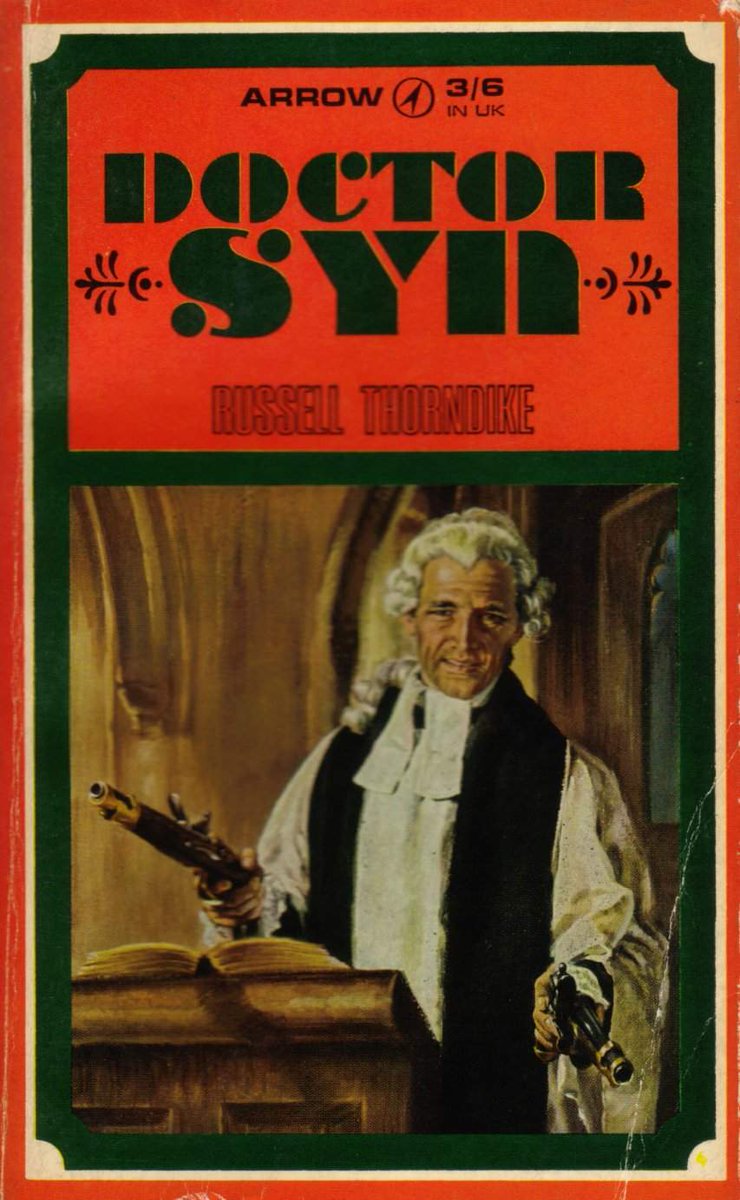
Are you writing a sci-fi or fantasy novel? Are you struggling to choose a title for it?
Well good news! I've analysed the titles of 1,500 DAW sci-fi and fantasy novels, and I think I've found the secret.
Come with me...
Well good news! I've analysed the titles of 1,500 DAW sci-fi and fantasy novels, and I think I've found the secret.
Come with me...
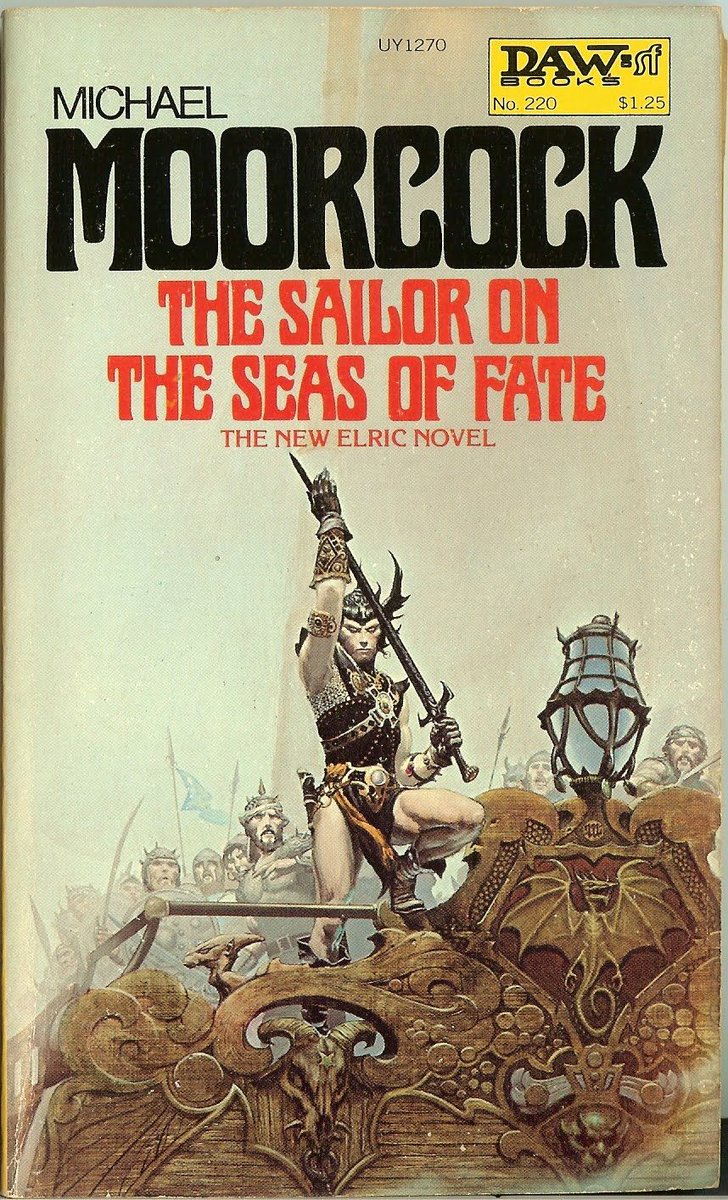
It turns out the most commonly used word in a DAW fantasy title is... sword!
Well d'uh! But think about it: 'sword' is being used as a shorthand term rather than a descriptive term here. It tells the reader it's one of 'those' fantasy novels, the sort they like...
Well d'uh! But think about it: 'sword' is being used as a shorthand term rather than a descriptive term here. It tells the reader it's one of 'those' fantasy novels, the sort they like...
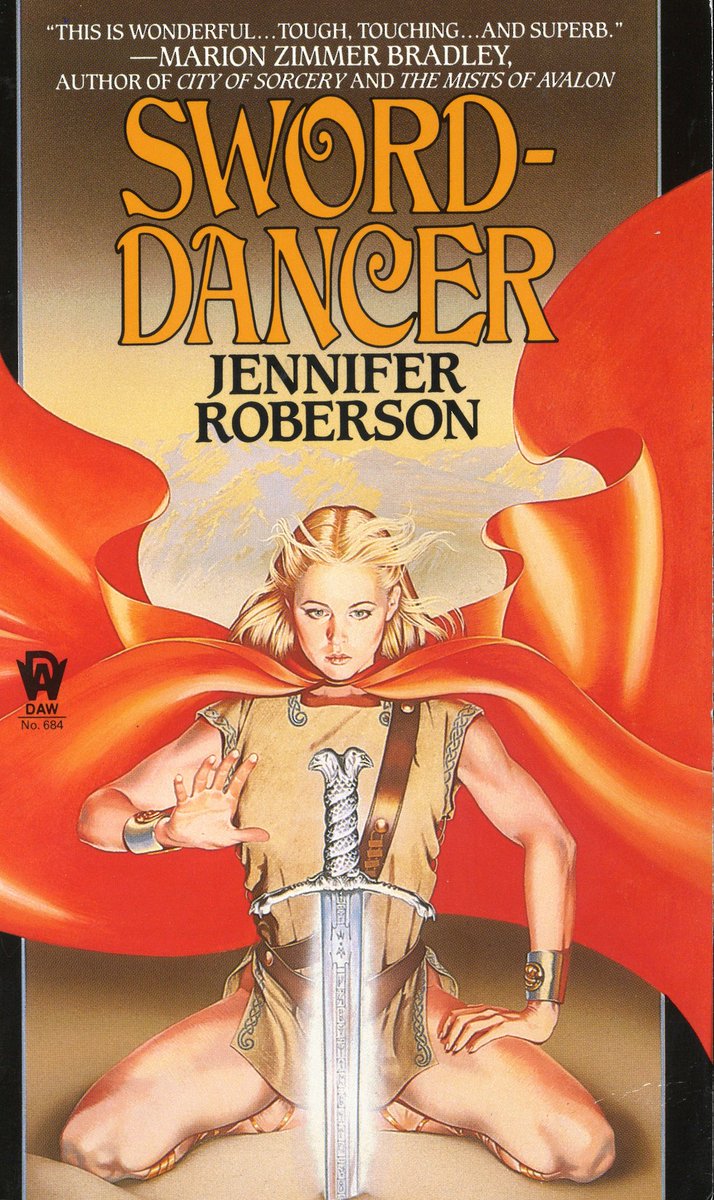
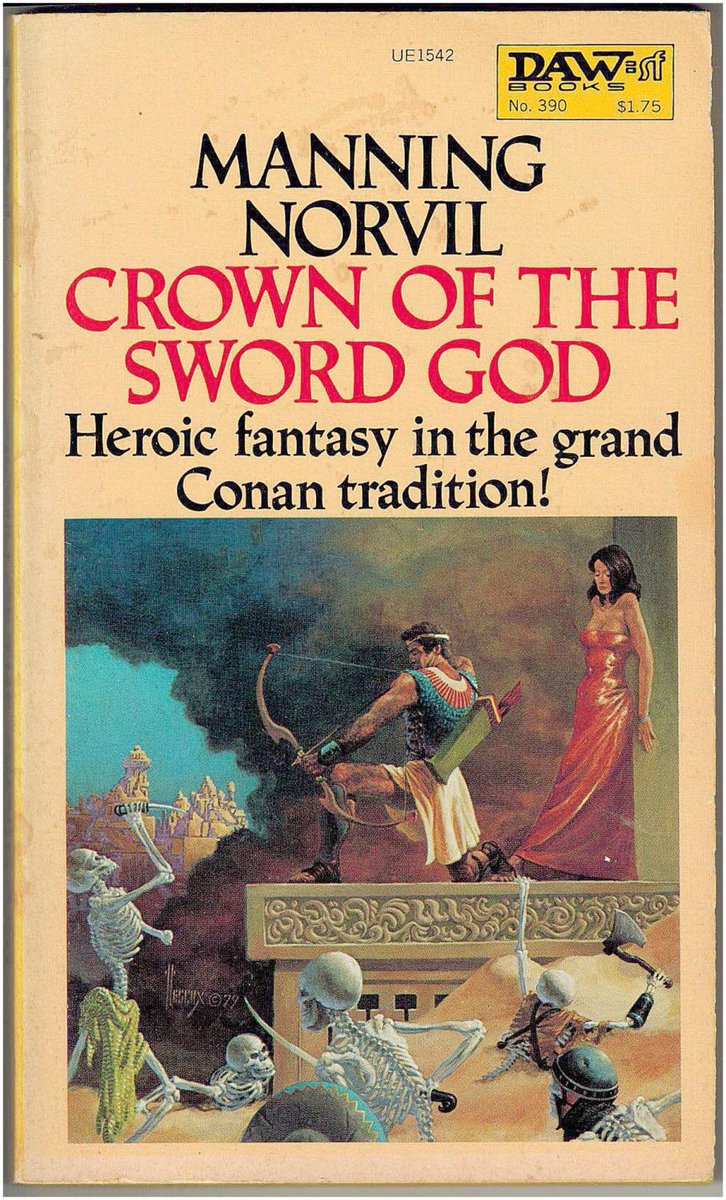
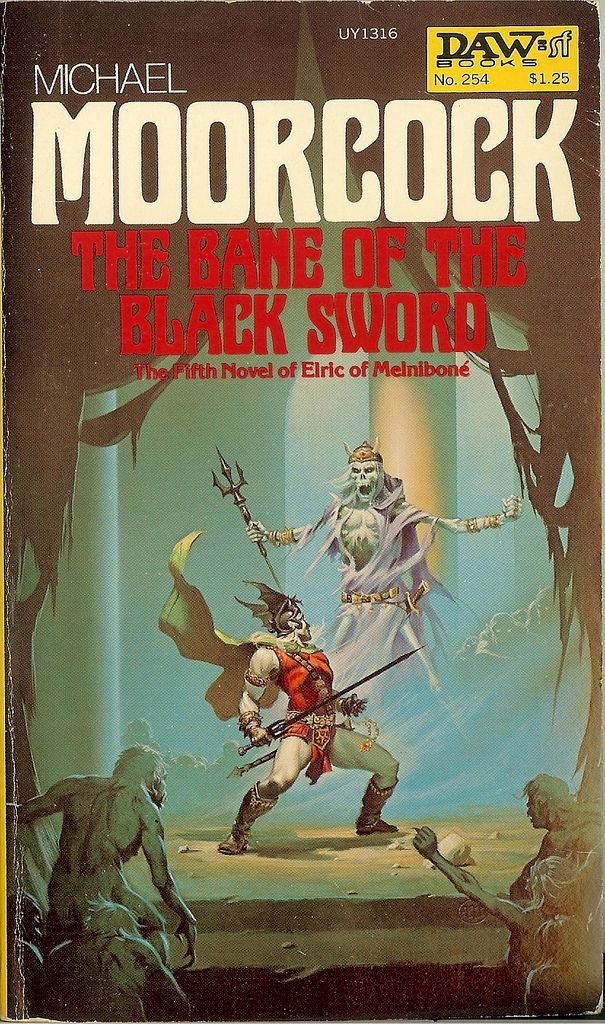
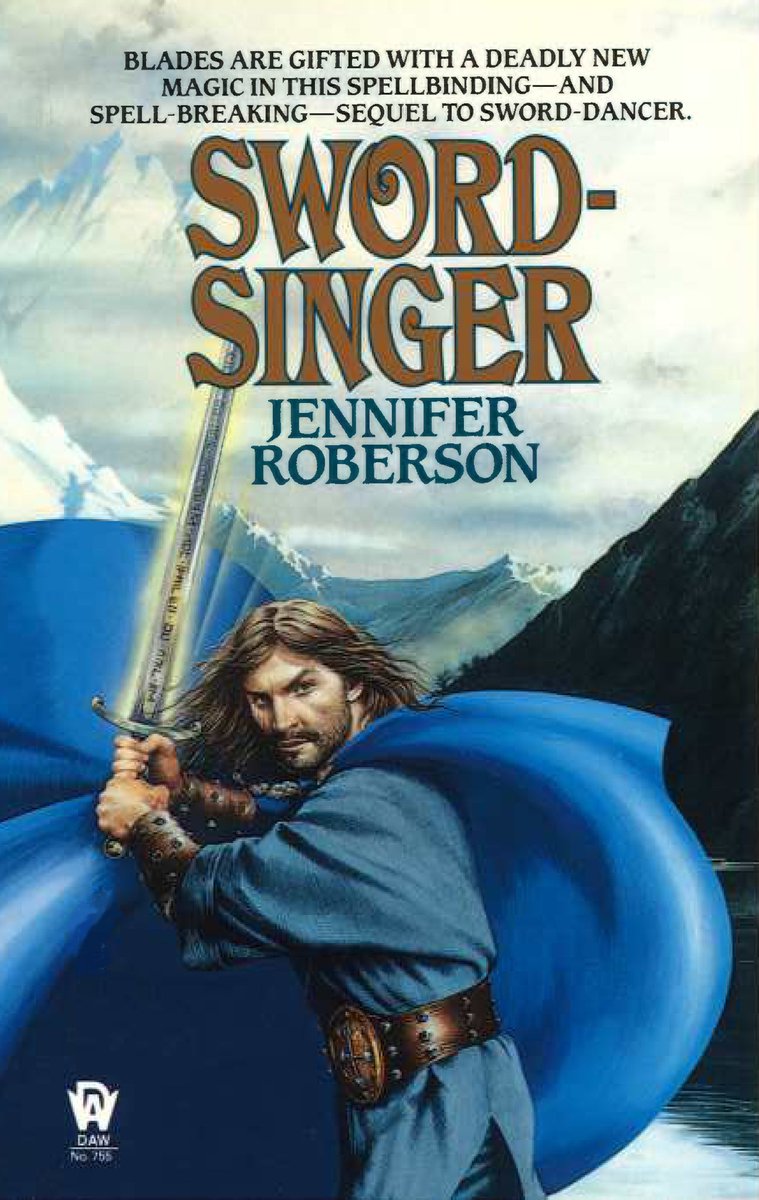
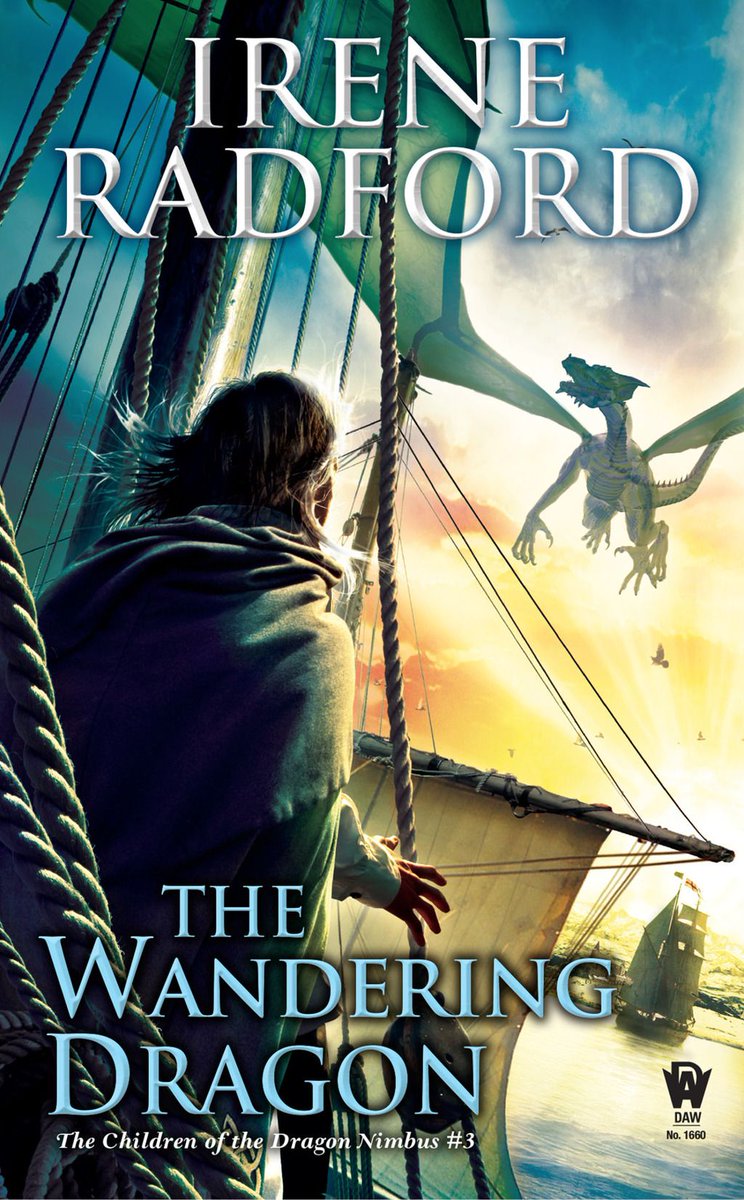
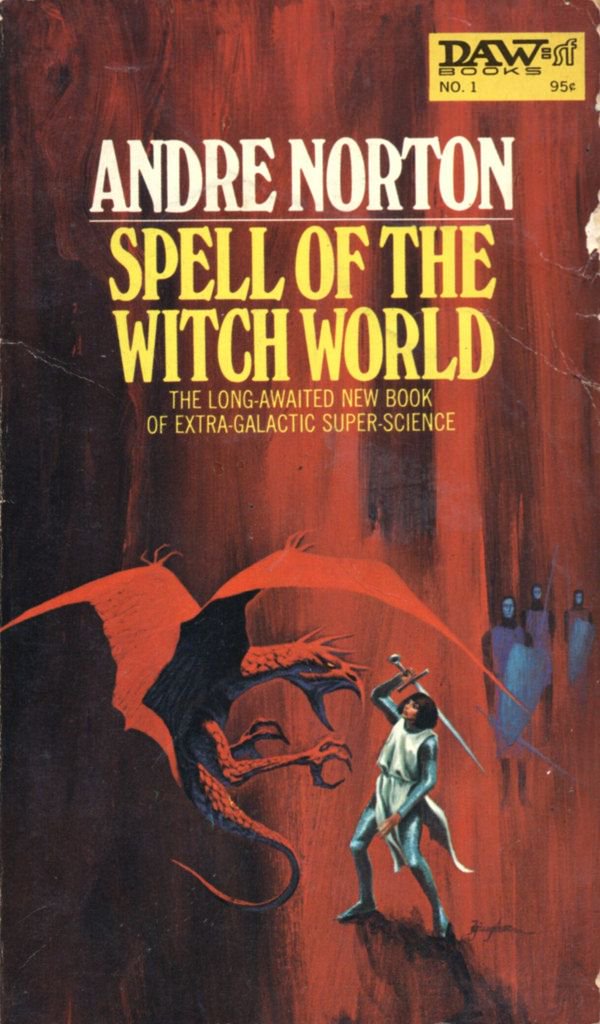
...much like the word 'dragon' does. Dragons are a shoo-in for any fantasy book title (assuming there is a dragon in the story!) because it clearly signals to the audience this is a fantasy novel.
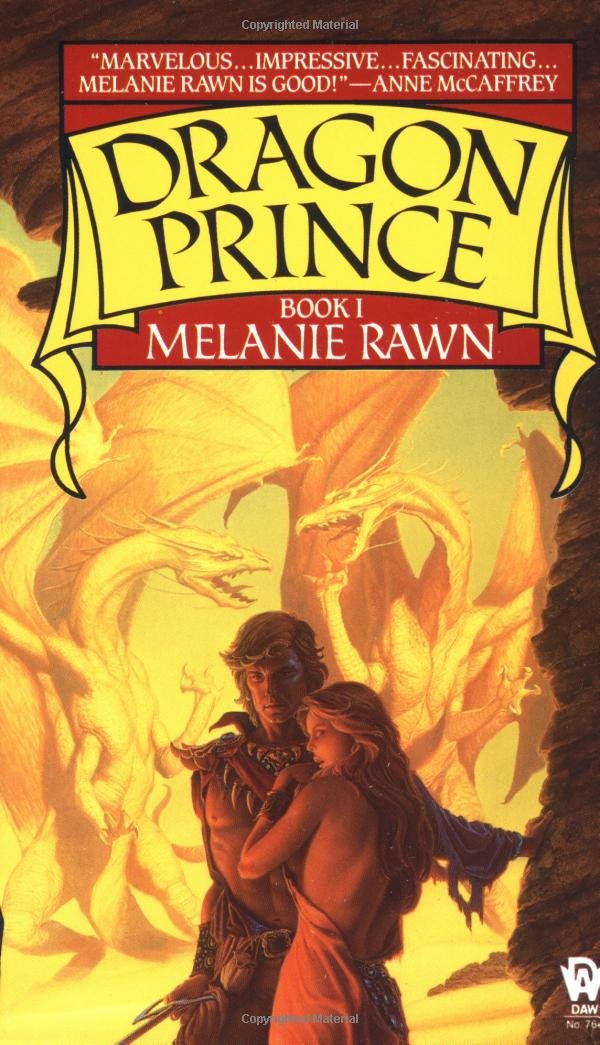
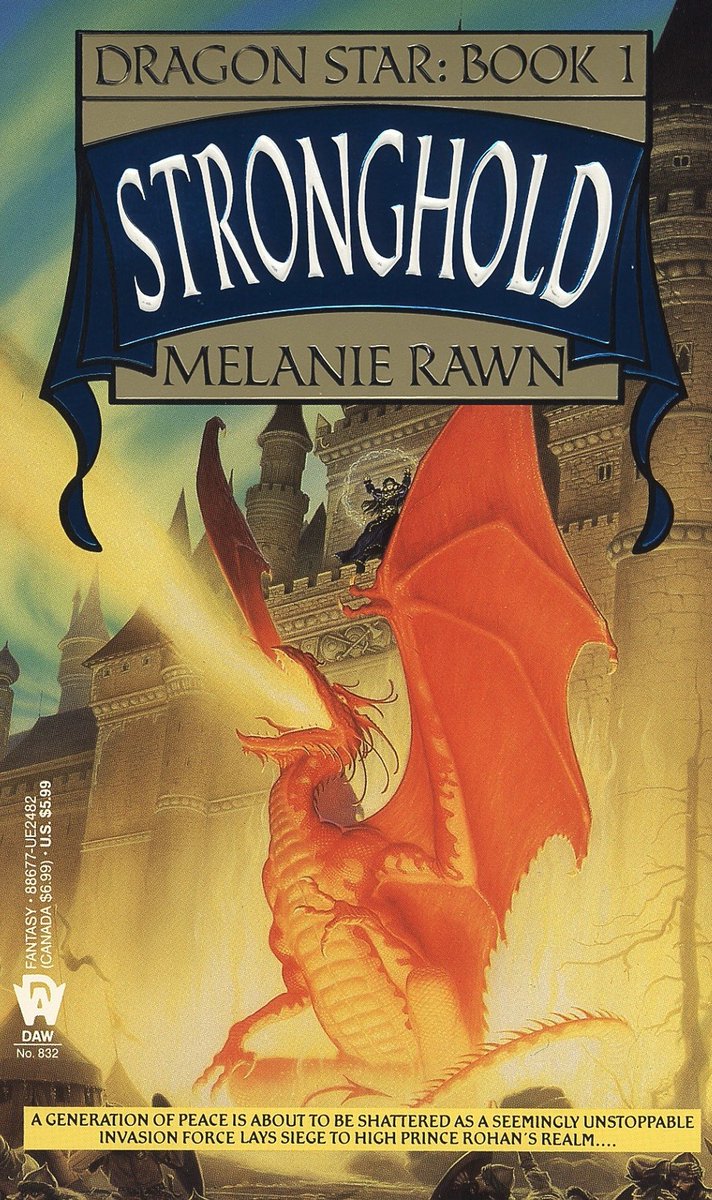
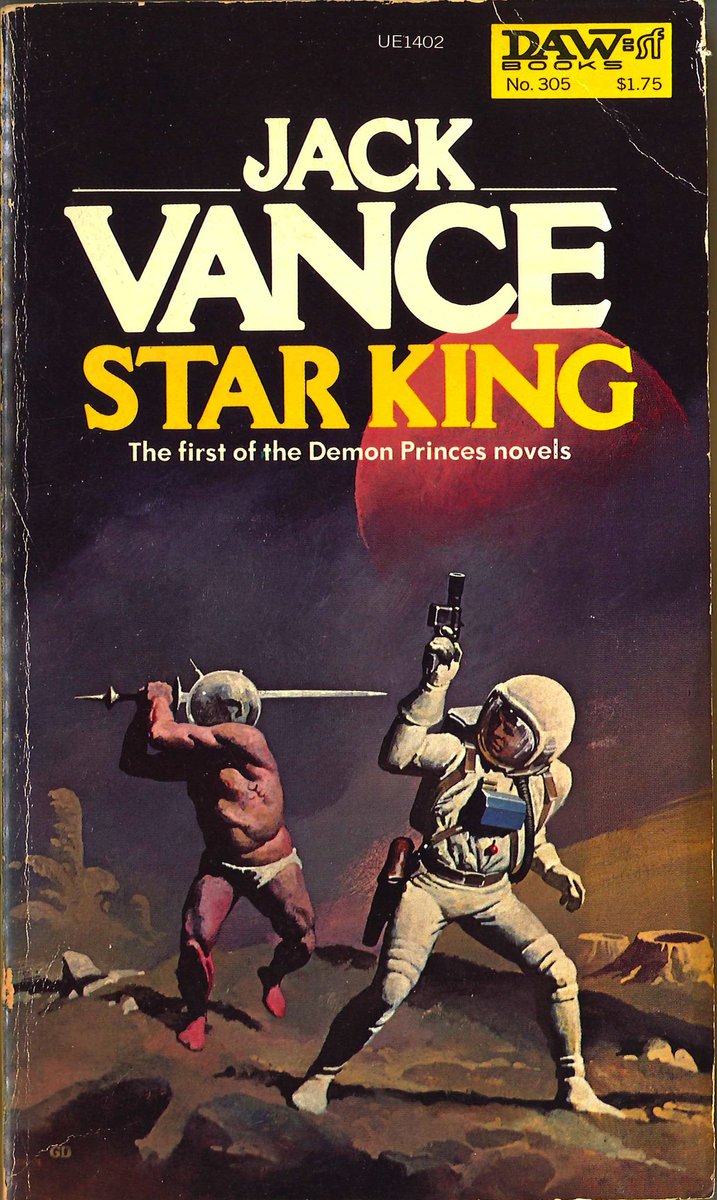
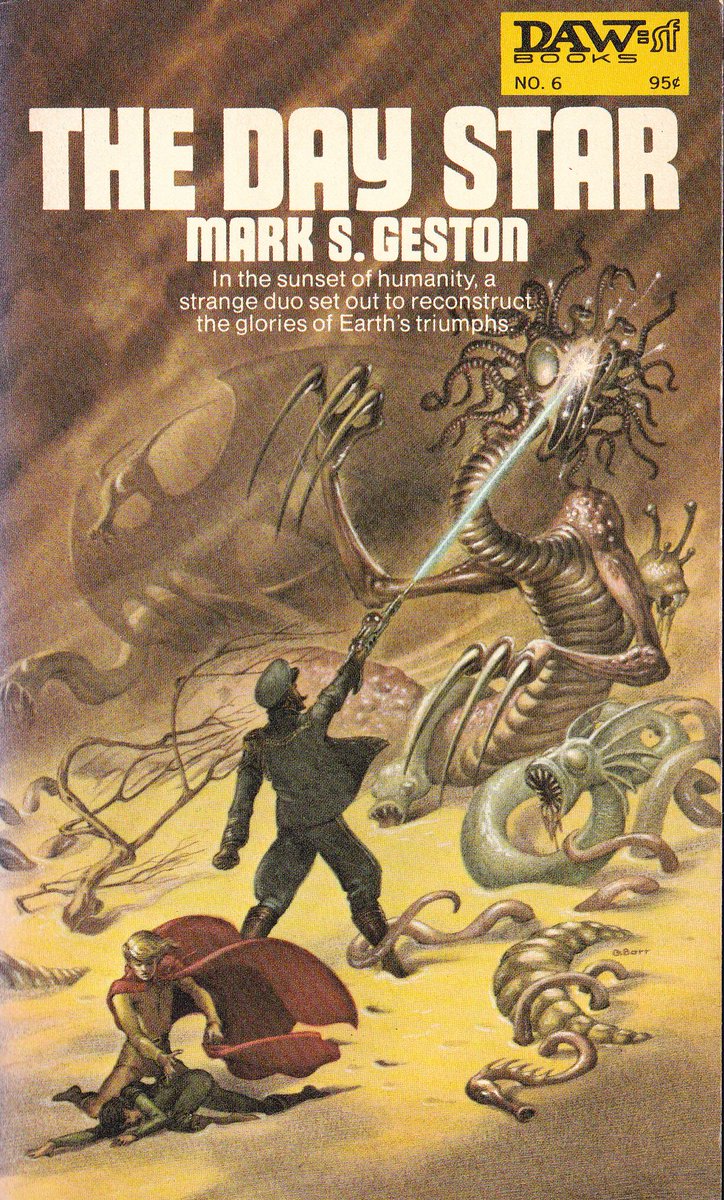
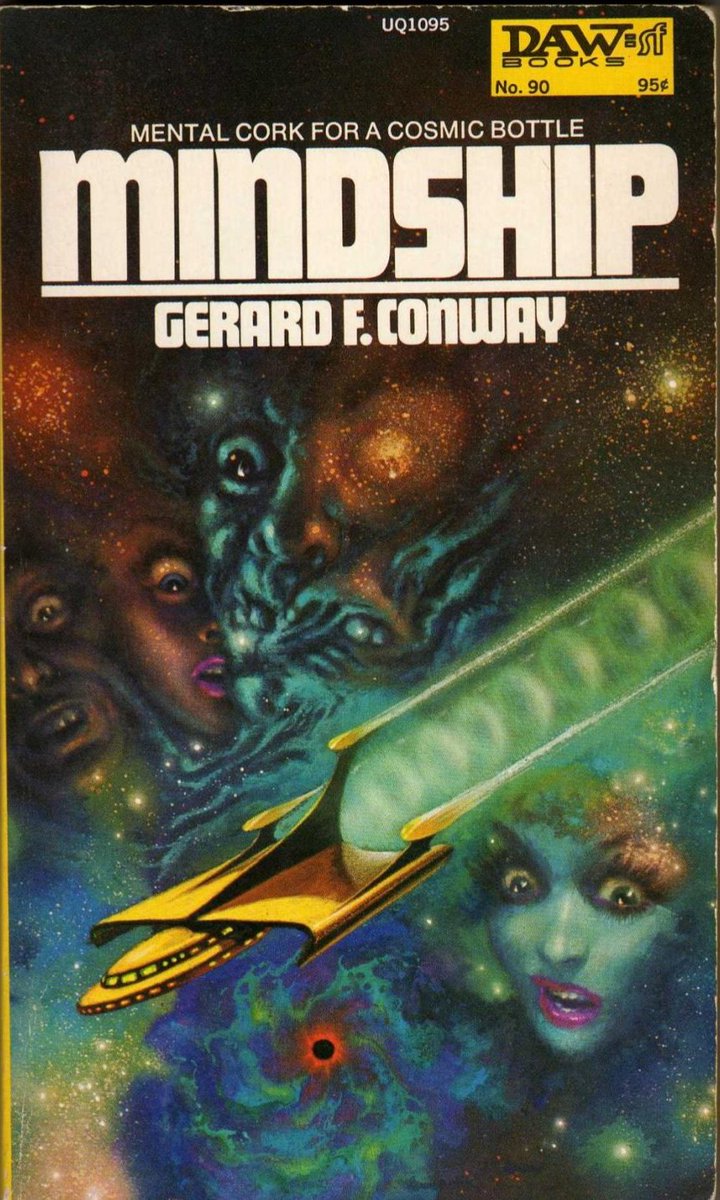
For sci-fi books the most popular word seems to be 'star.' Again, it's not a descriptive term, it's a signal - this is set in space.

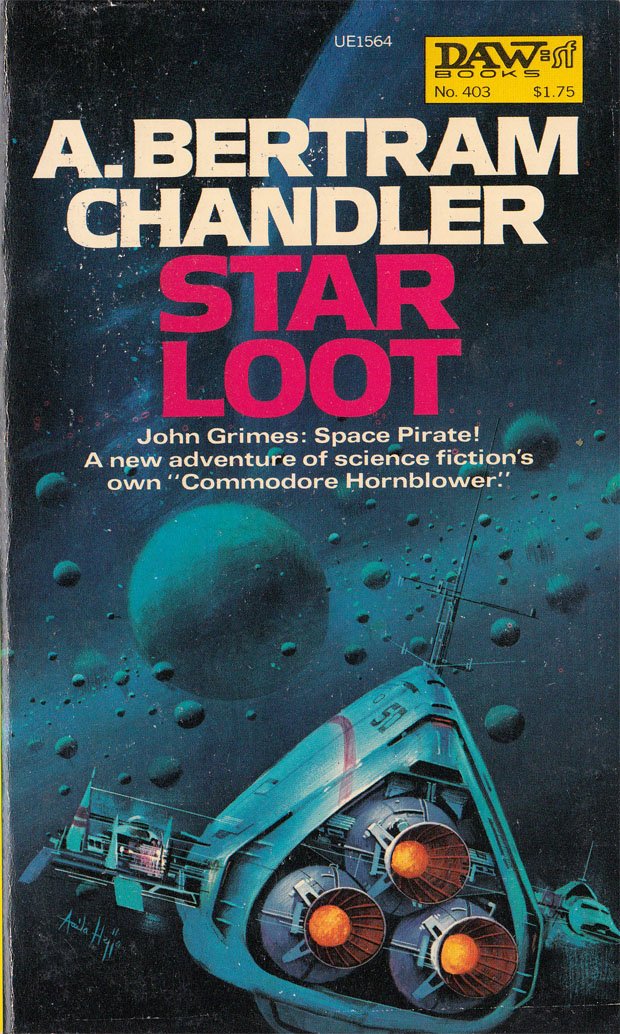
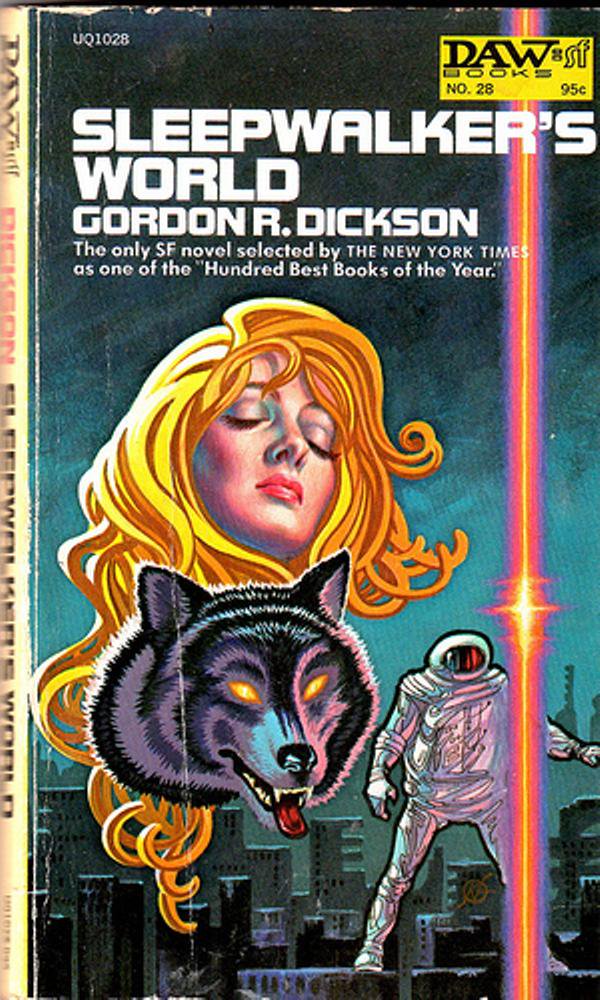
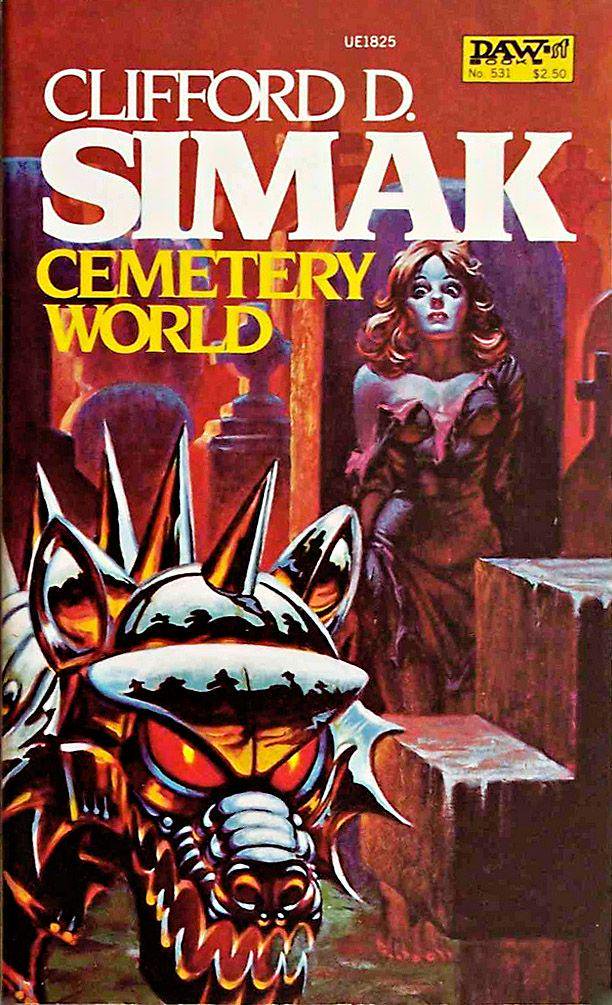
Sci-fi novels also like to use the word 'world'; it indicates that the reader is going to be fully immersed in an alien setting. Good news for fans of world building...

Fun fact: sci-fi and fantasy novels both seem to love the theme of darkness. 'Shadow' is always a very popular word for the title.
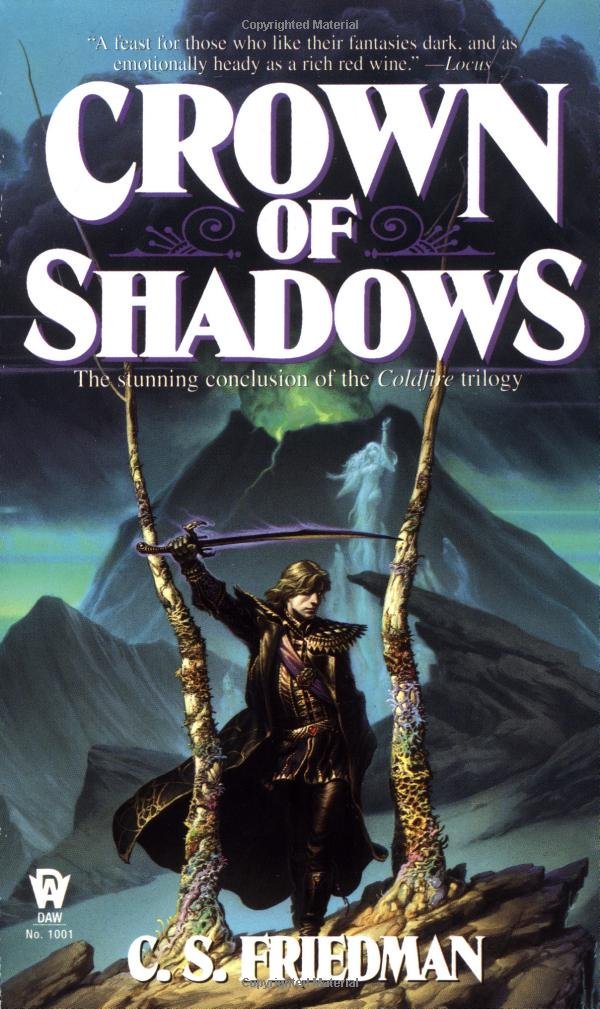
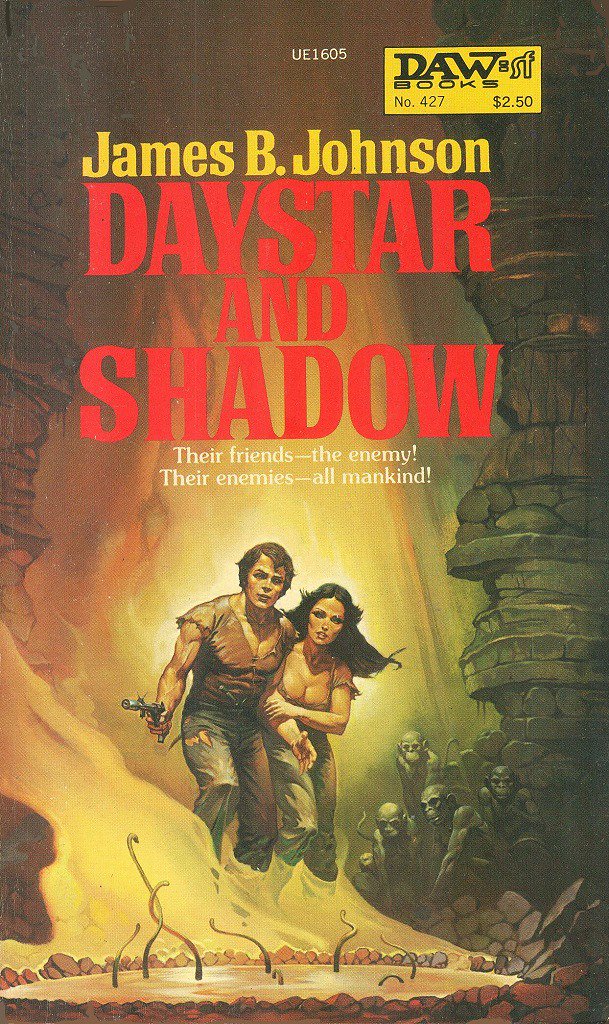
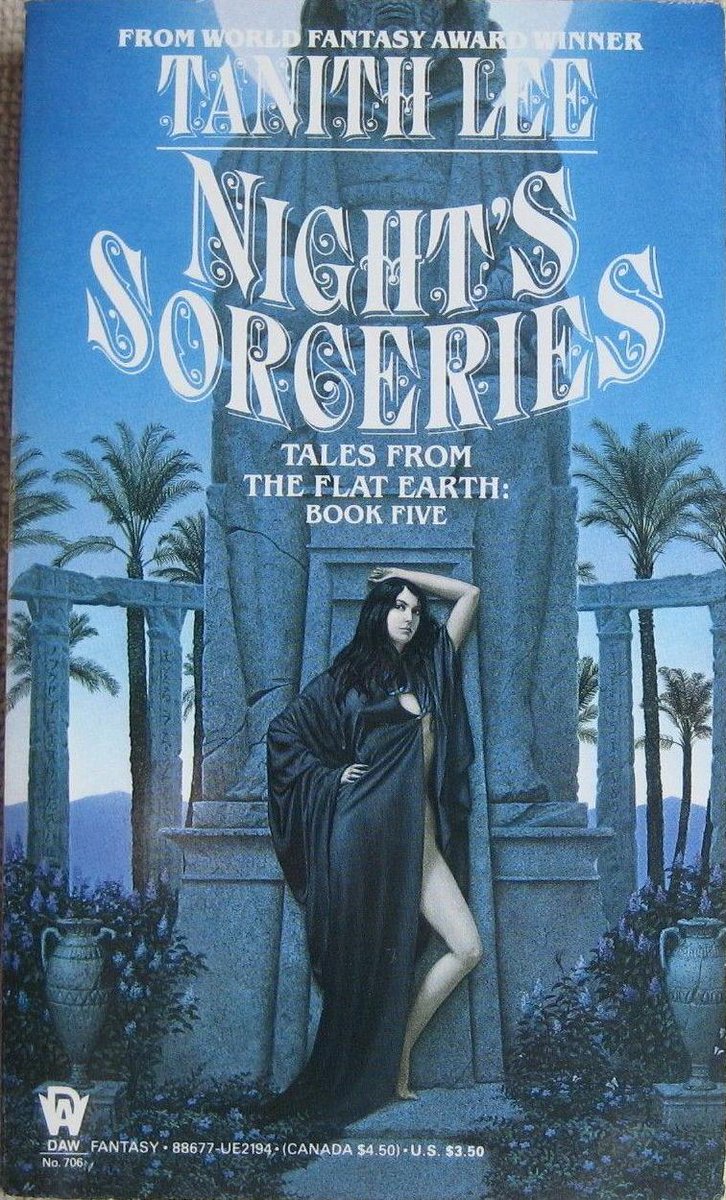
Other popular words are 'night', 'darkness', 'twilight' and 'dark'. Gloomy is good for book titles!

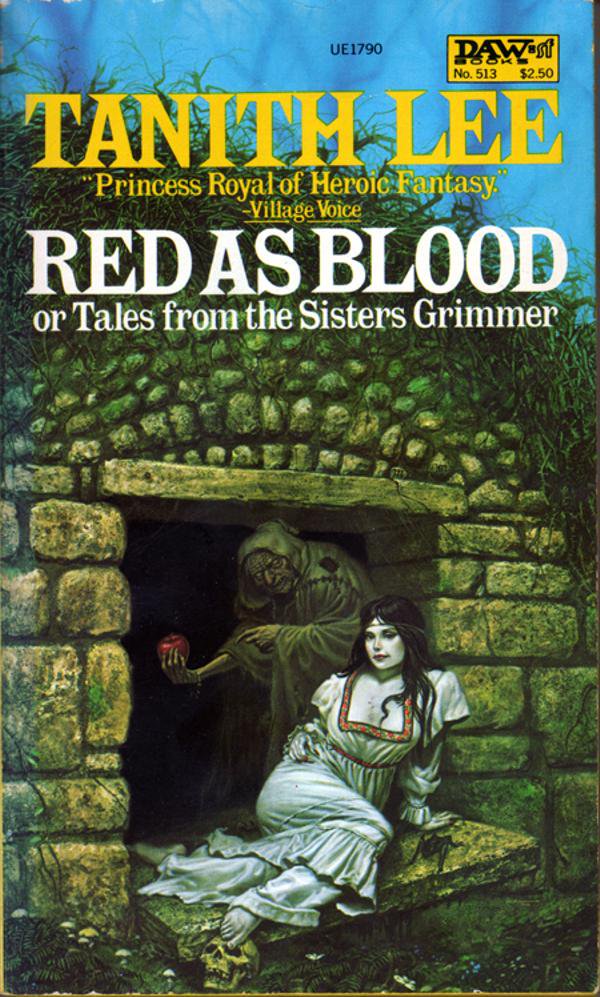
'Blood' is certainly a good word to drop into a dark fantasy title, but surprisingly 'death' is less popular (based on my sample of DAW book titles).
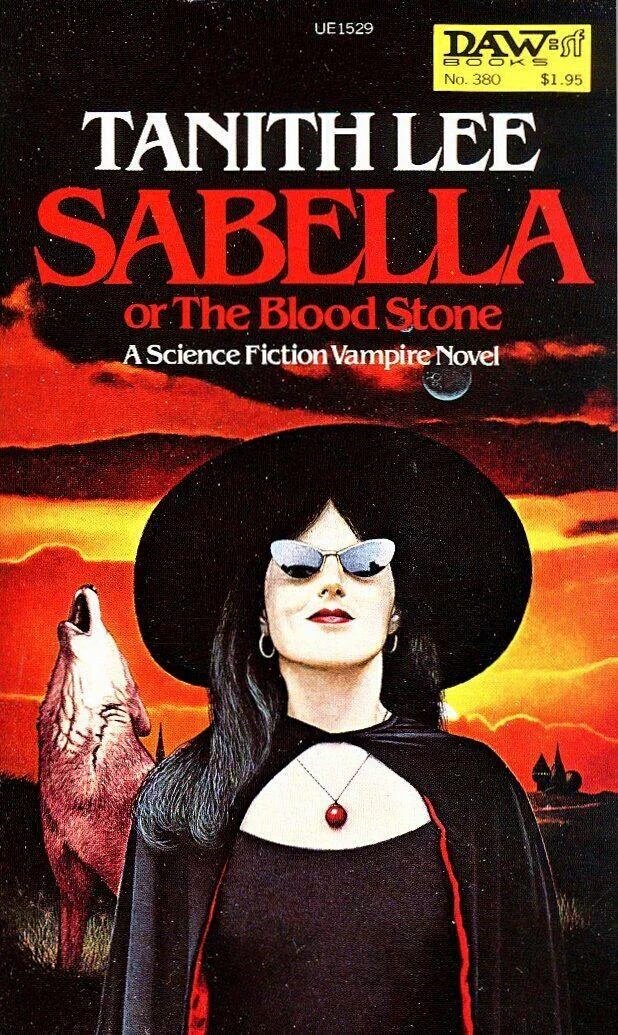
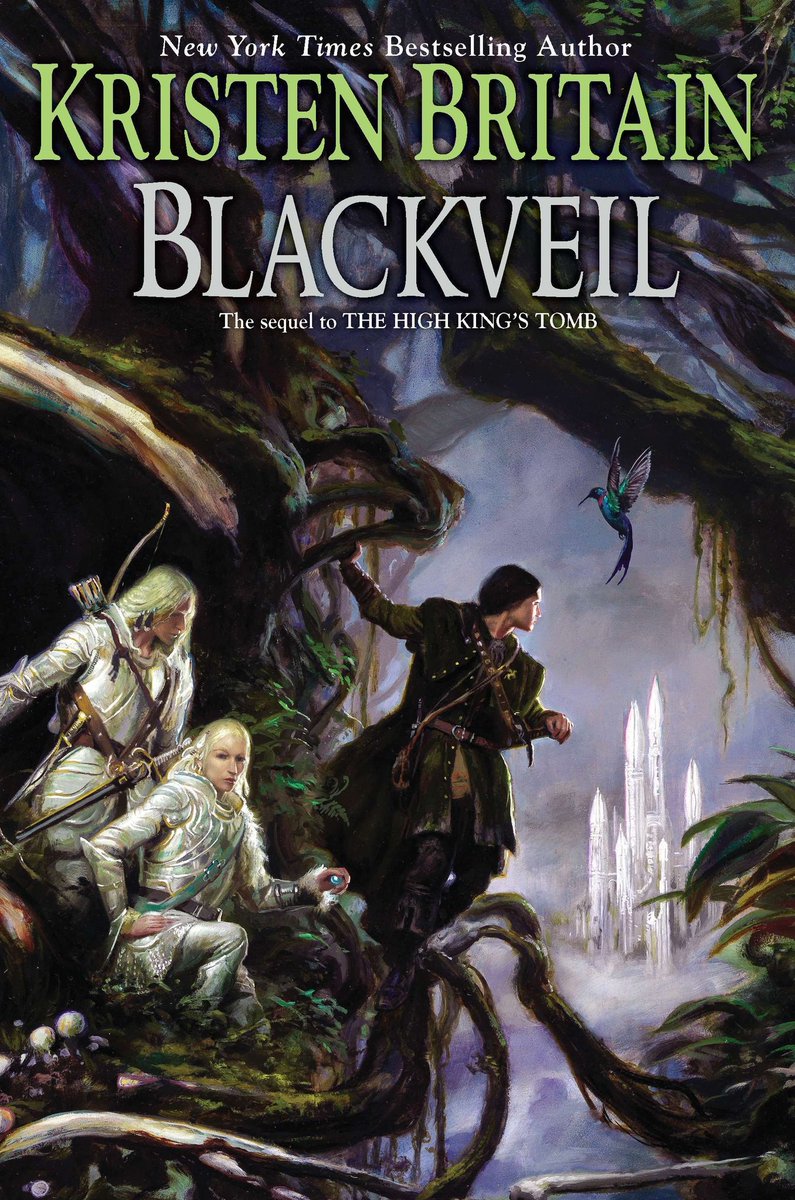
And when it comes to colours, the most popular one to put in a sci-fi or fantasy book title isn't black... it's green!
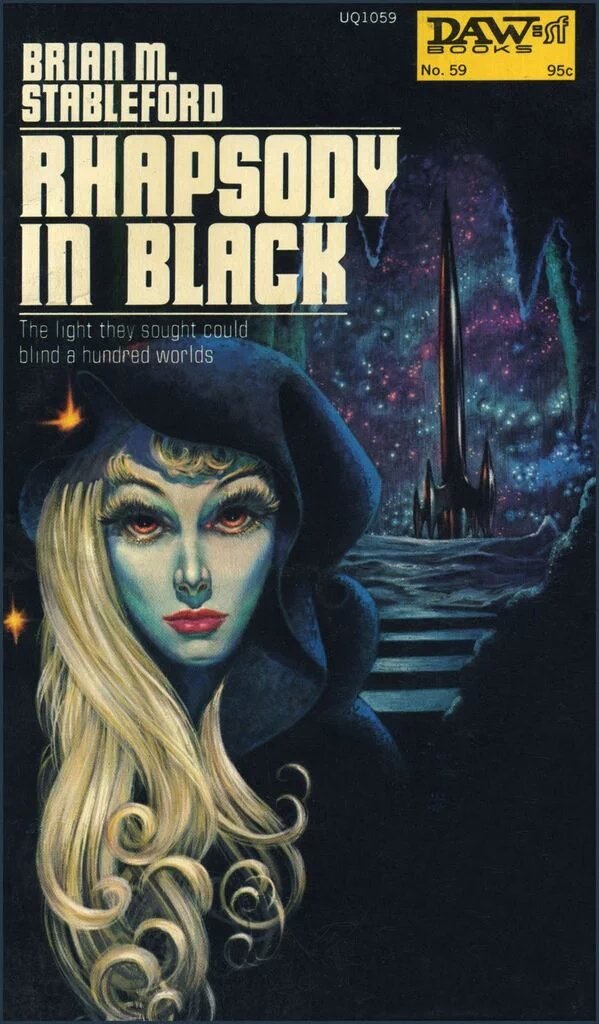
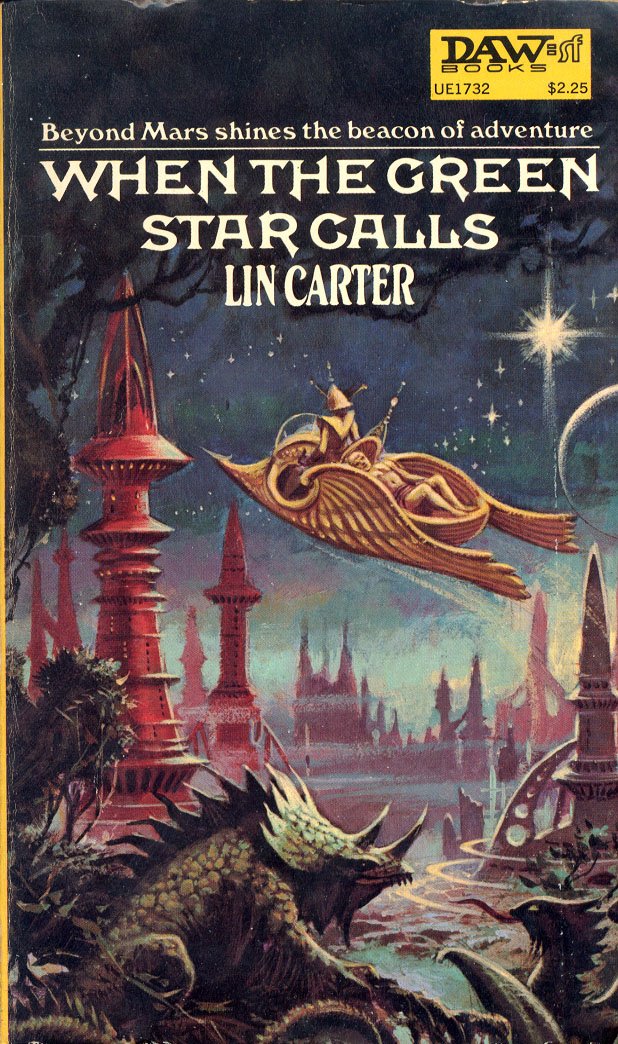
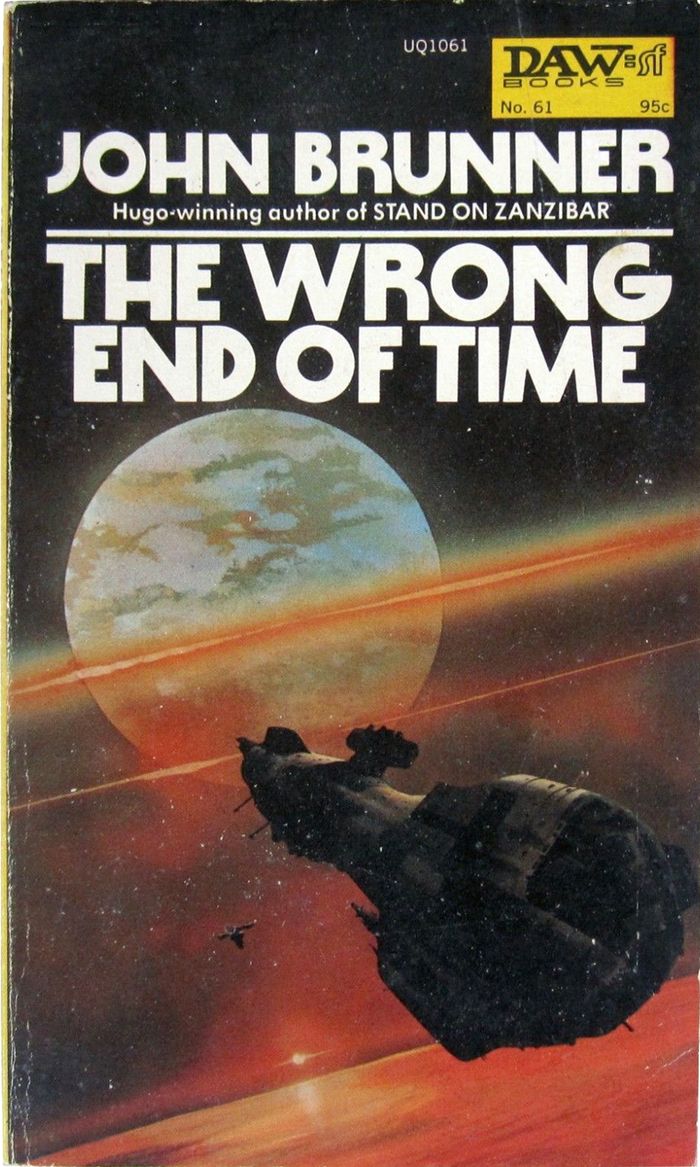
'Time' is a popular title word for both fantasy and sci-fi books...

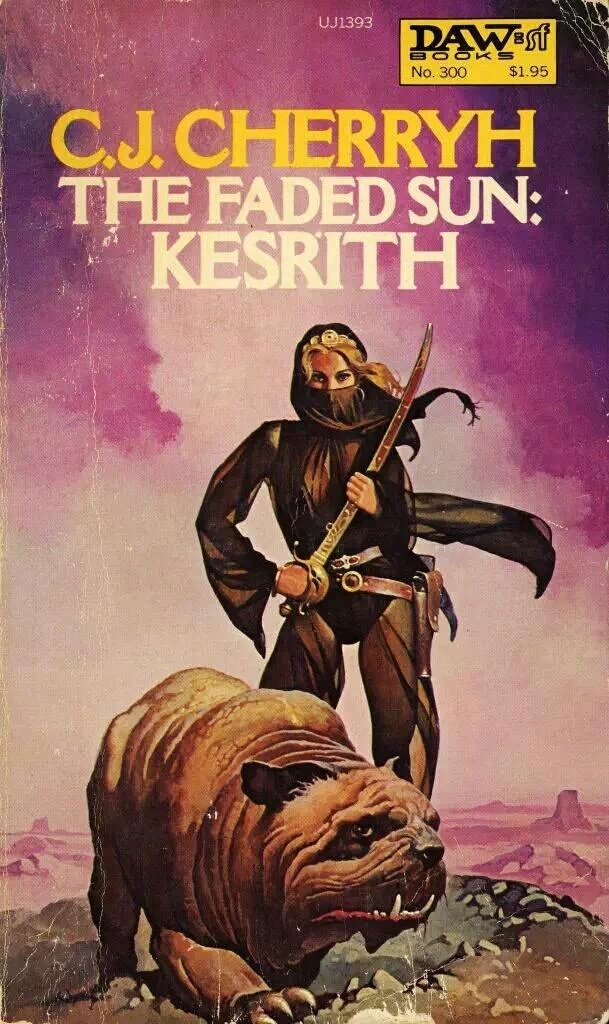
...and 'sun' is also a popular title choice that works across both genres.

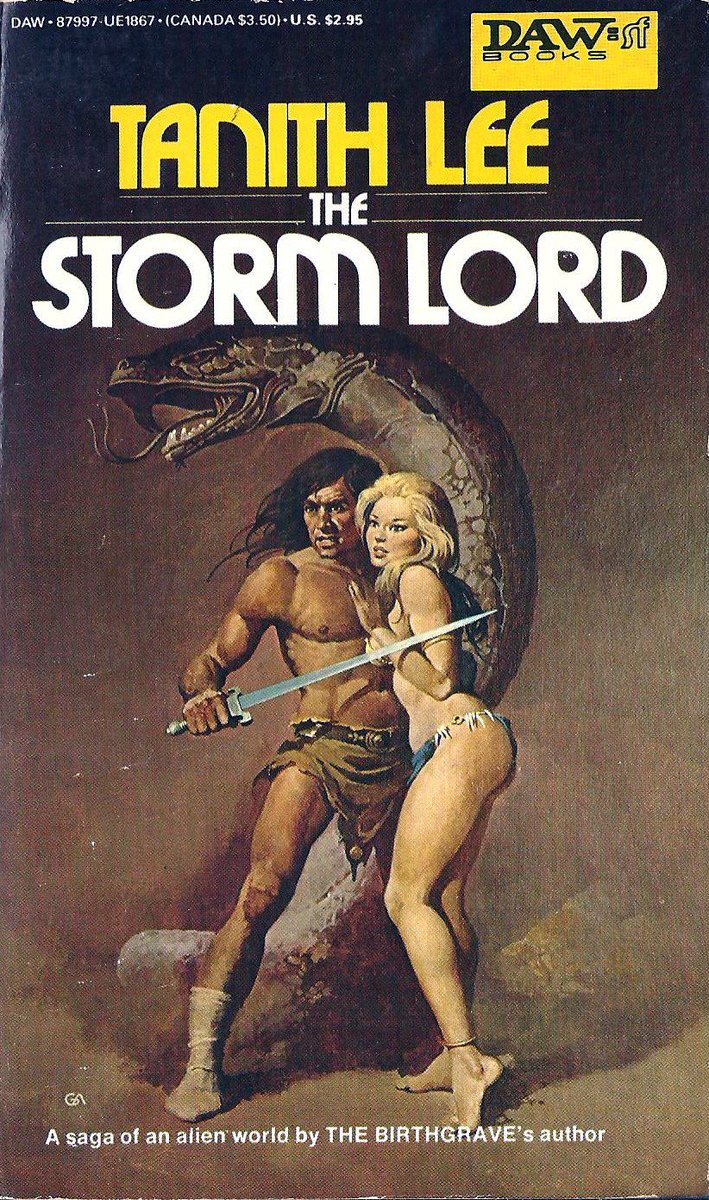
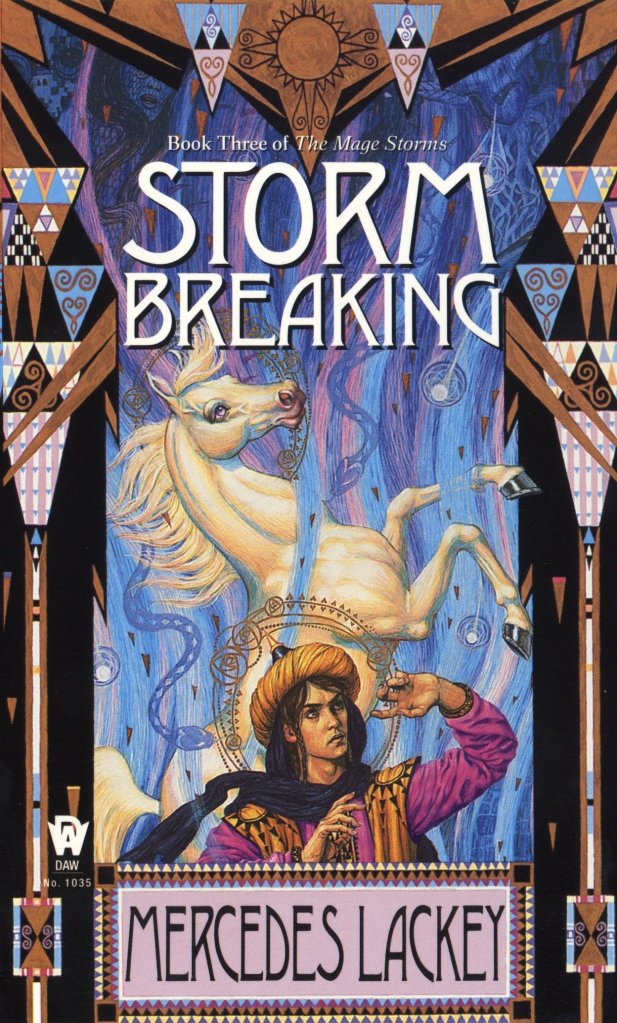
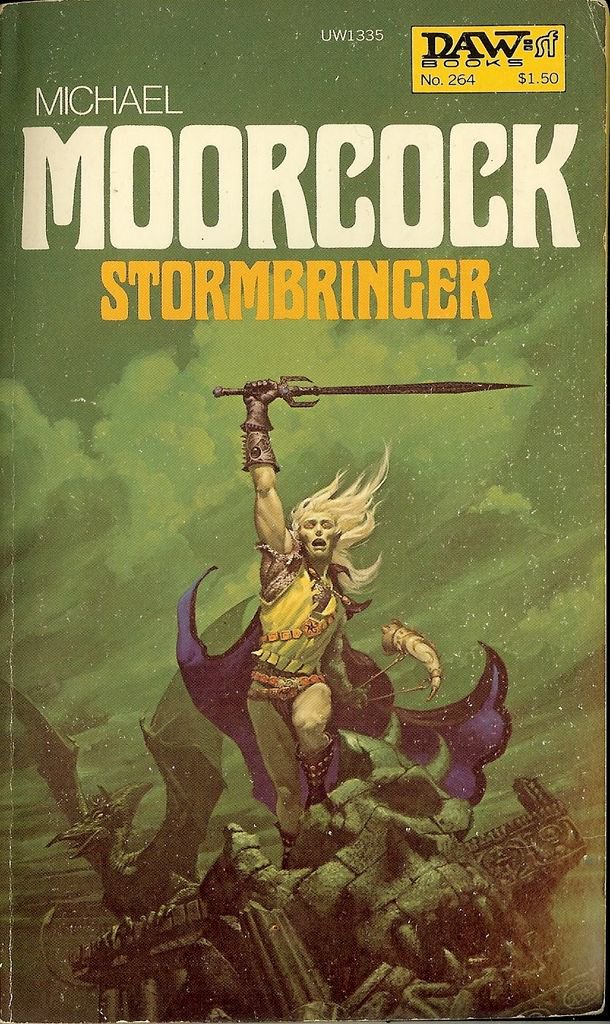
When it comes to weather the most popular word is 'storm'.
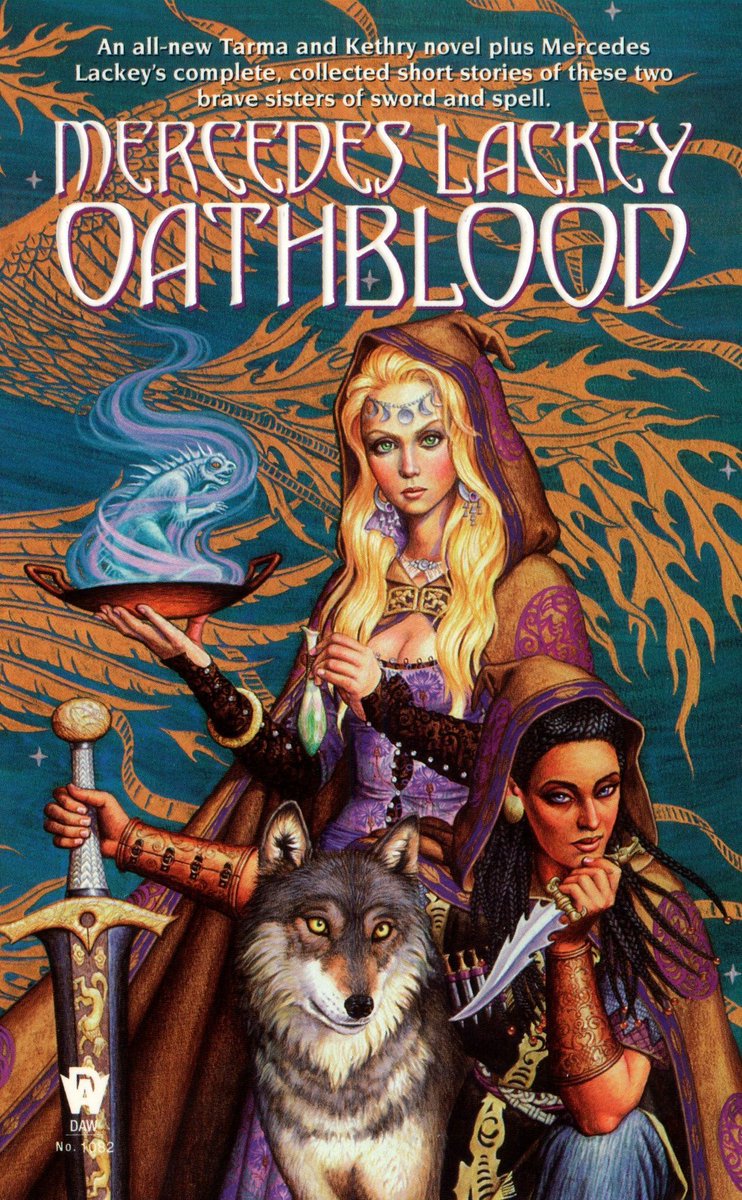
But far and away the most popular thing to put in a sci-fi or fantasy title is a compound word!
Creating a new term out of two common words is one of the most frequently used tricks to make a title stand out in these genres.
Creating a new term out of two common words is one of the most frequently used tricks to make a title stand out in these genres.
So for your next sci-fi or fantasy novel might I suggest calling it:
- Blood Of The Dragonsword
- Fireshadow's Sun
- Timeblood: Dark World of the Greenstar Dragon
- Swordstar: the dragonblood chronicles
- Sunblood: Darkness of the Storm World
More books another time...
- Blood Of The Dragonsword
- Fireshadow's Sun
- Timeblood: Dark World of the Greenstar Dragon
- Swordstar: the dragonblood chronicles
- Sunblood: Darkness of the Storm World
More books another time...
• • •
Missing some Tweet in this thread? You can try to
force a refresh