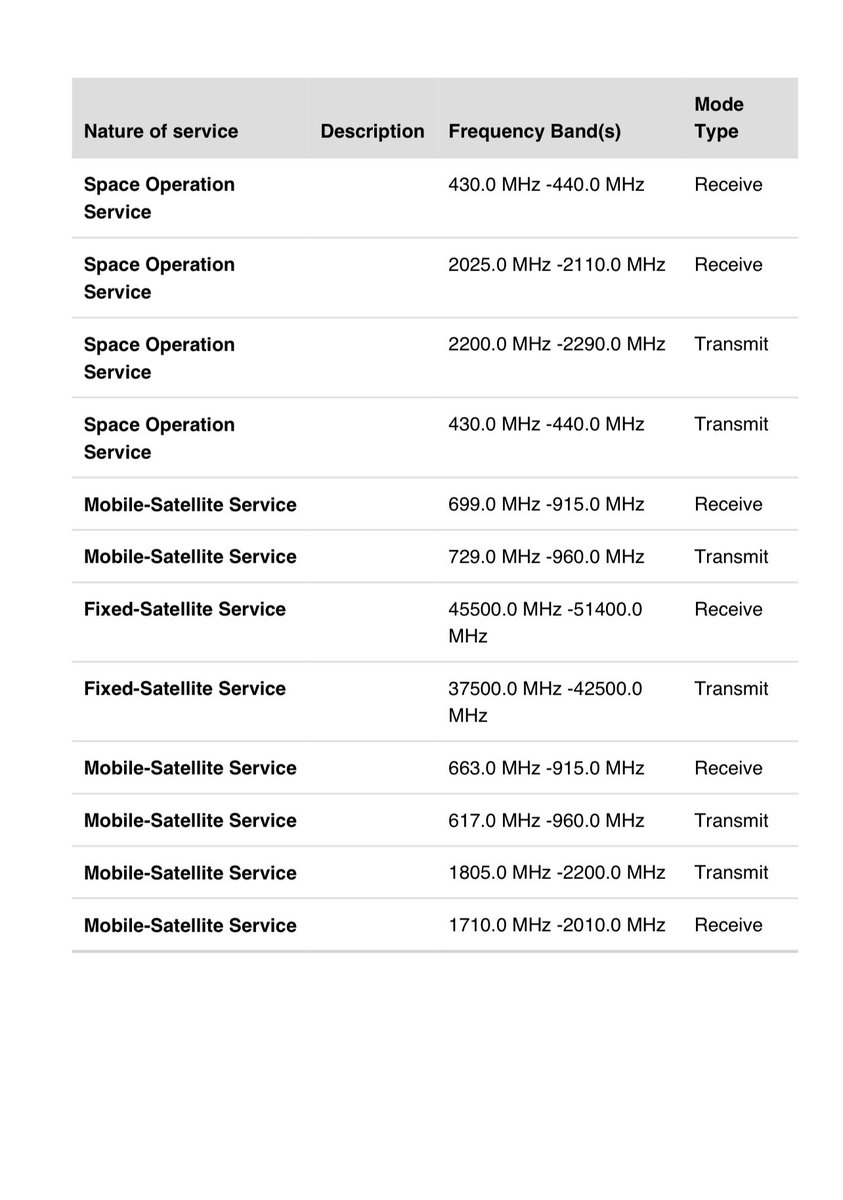
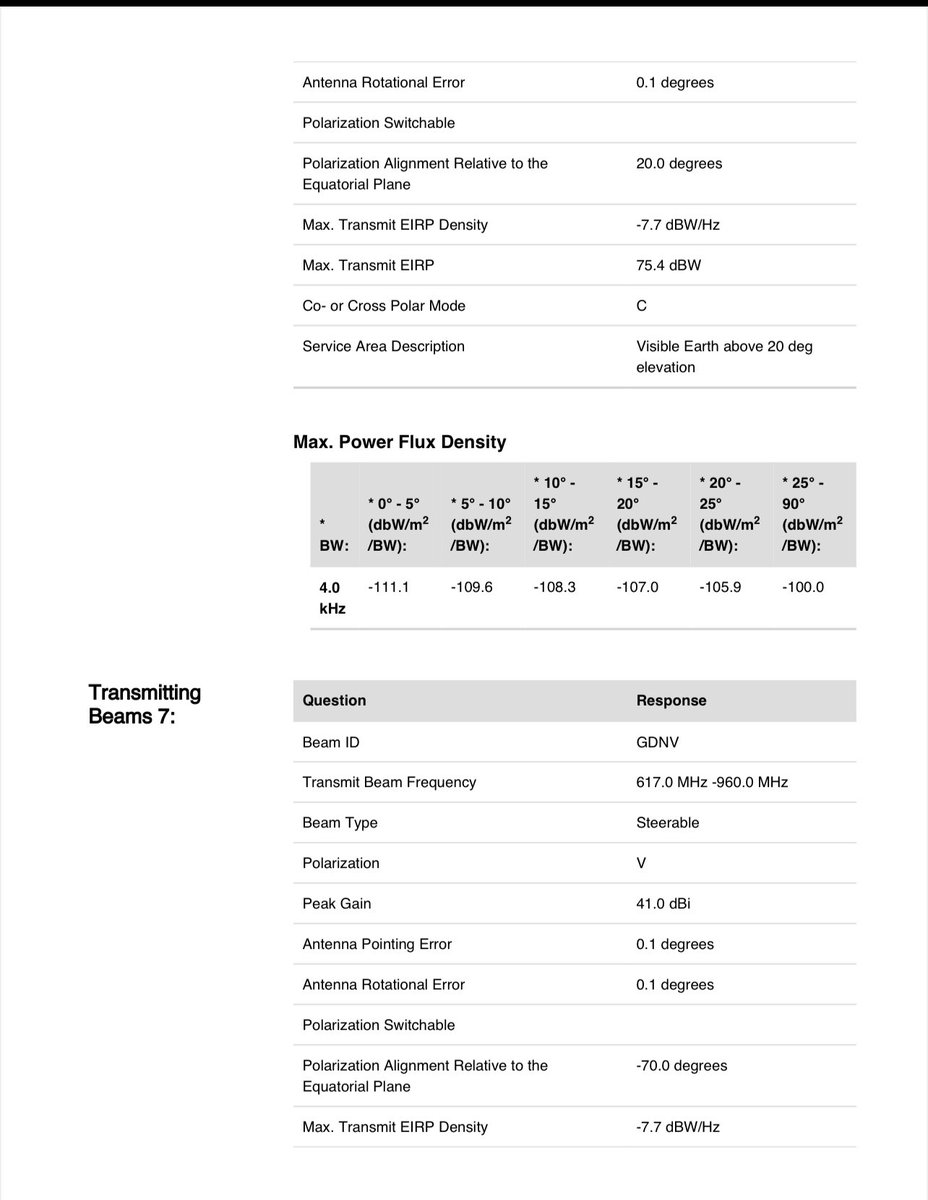
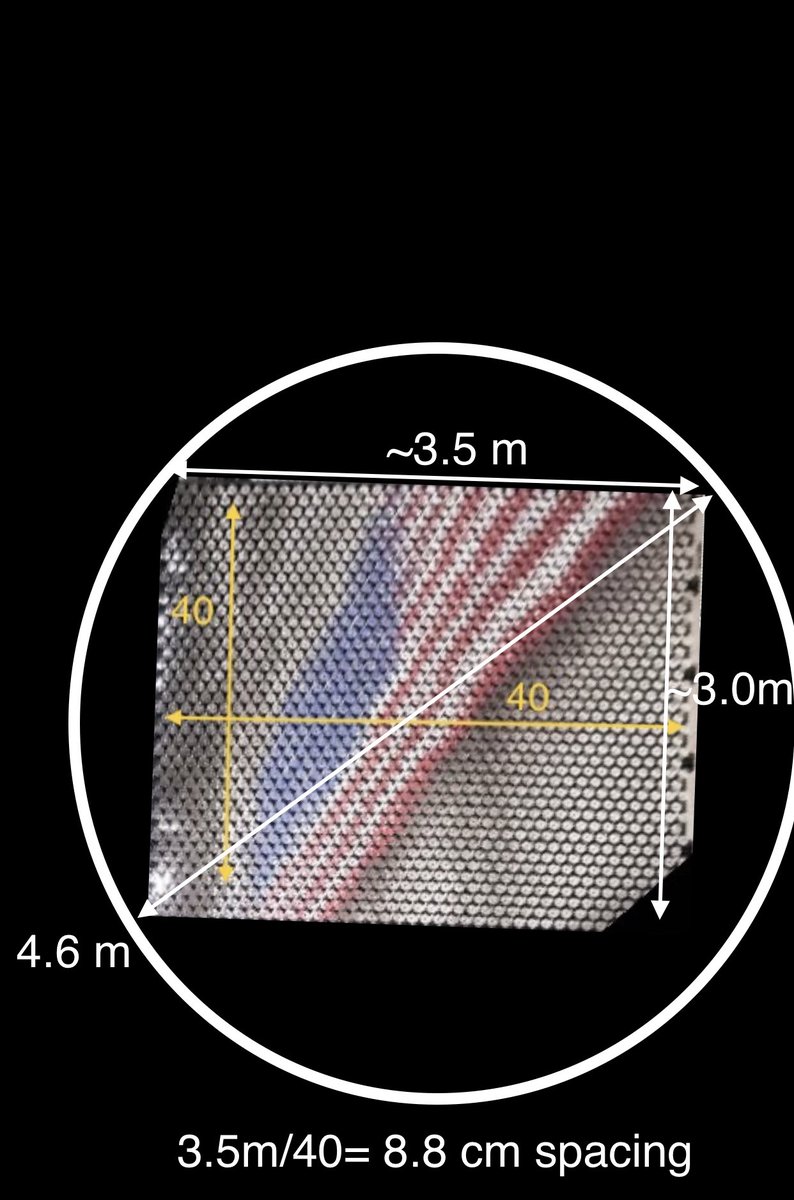
Might be a good time to compare AST SpaceMobile constellation to Space-X Starlink 2GHz VLEO.
🧶🐈⬛
1/n
🧶🐈⬛
1/n
For Elon Musk financing his Mars transportation system needs to maximize payload to orbit.
For Abel Avellan designing an efficient system to connect the unconnected is the purpose drives him to keep total payload down.
2/n

For Abel Avellan designing an efficient system to connect the unconnected is the purpose drives him to keep total payload down.
2/n

Elon wants 7,500 satellites at VLEO orbits 340km at any one given time.
He has onboard eNb
Abel Avellan wants 168 larger satellites at 715-740 km altitude.
He has terrestrial gNb
This is dramatically different in several ways.
One is more sustainable and efficient.
3/n
He has onboard eNb
Abel Avellan wants 168 larger satellites at 715-740 km altitude.
He has terrestrial gNb
This is dramatically different in several ways.
One is more sustainable and efficient.
3/n

Let’s talk about drag, dwell time and replenishment for a while.
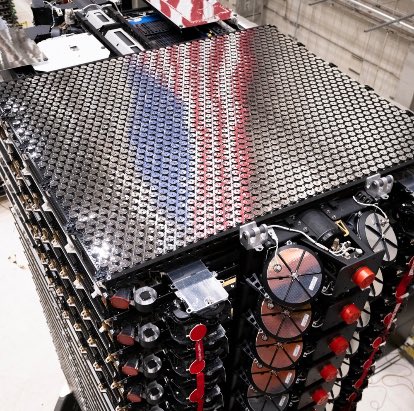
AST formfactor is unique in presenting a very thin section perpendicular to direction of travel and incoming debris. Less than one sqm per satellite. Affecting its ballistic coefficient.
This lowers drag.
4/n
AST formfactor is unique in presenting a very thin section perpendicular to direction of travel and incoming debris. Less than one sqm per satellite. Affecting its ballistic coefficient.
This lowers drag.
4/n
Starlink v2 minis also fly with some of its area parallell to earths surface but has some solar panels tracking the sun. Effectively causing extra drag a bit like having a pair of sails up going against the wind.
This gives it worse ballistic coefficient.
5/n
This gives it worse ballistic coefficient.
5/n

But the biggest factor is how drag differs with altitude:
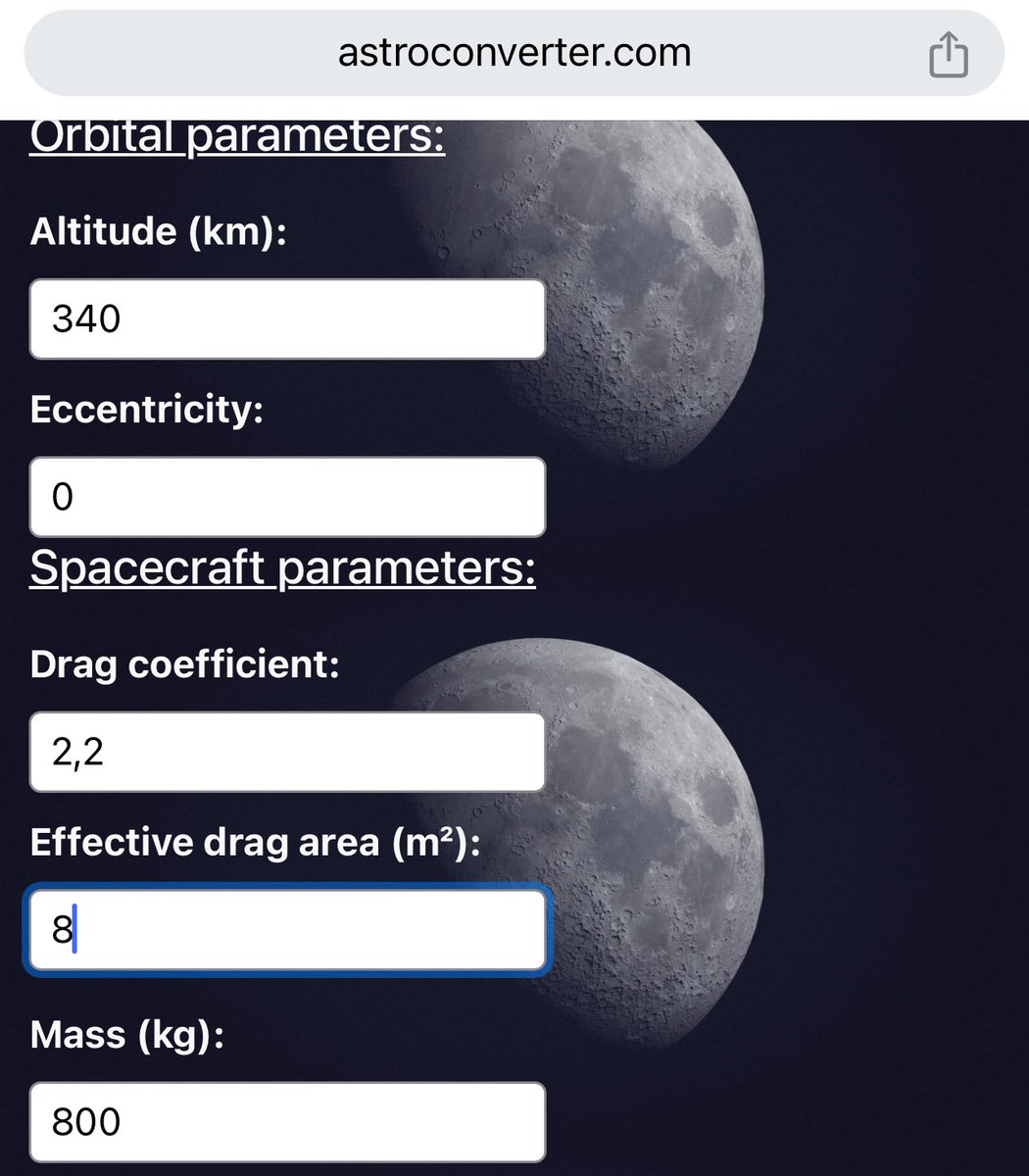
Let’s calculate some parameters for a Starlink v2 mini at VLEO altitude requested of 340 km.
Dwell time at operational altitude w/o using thruster is ~1 year.
Because drag slows it down.
6/n
Let’s calculate some parameters for a Starlink v2 mini at VLEO altitude requested of 340 km.
Dwell time at operational altitude w/o using thruster is ~1 year.
Because drag slows it down.
6/n

Now lets do a BlueBird block 2.
Wait what?
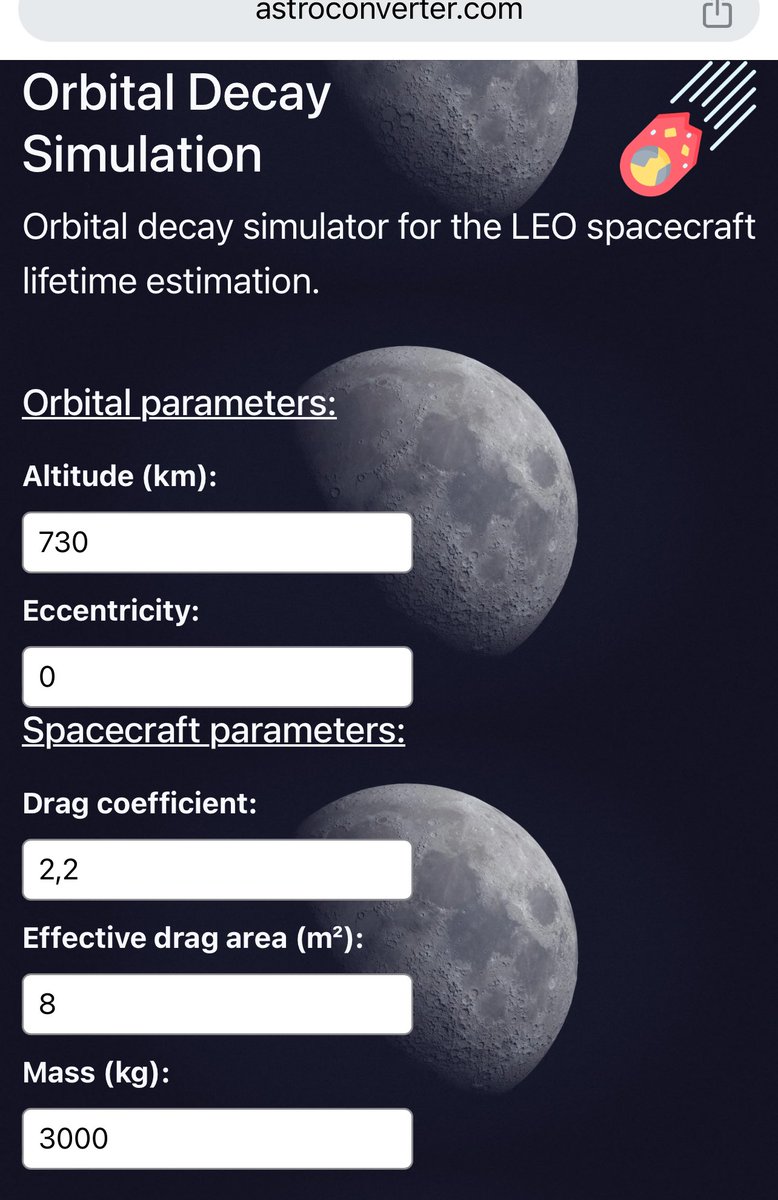
Drag is so low, it doesn’t deorbit for 25 years w/o actively / on purpose maneuvering to slow it down.
And it is built to last at least ten years.
It has onboard redundancy.
7/n
Wait what?
Drag is so low, it doesn’t deorbit for 25 years w/o actively / on purpose maneuvering to slow it down.
And it is built to last at least ten years.
It has onboard redundancy.
7/n

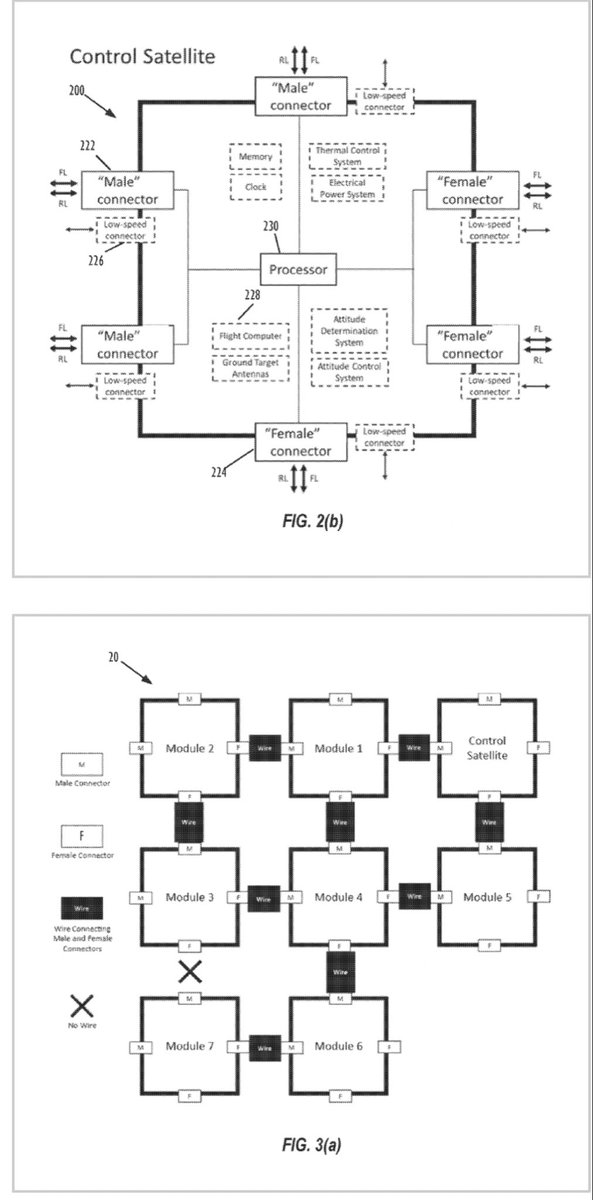
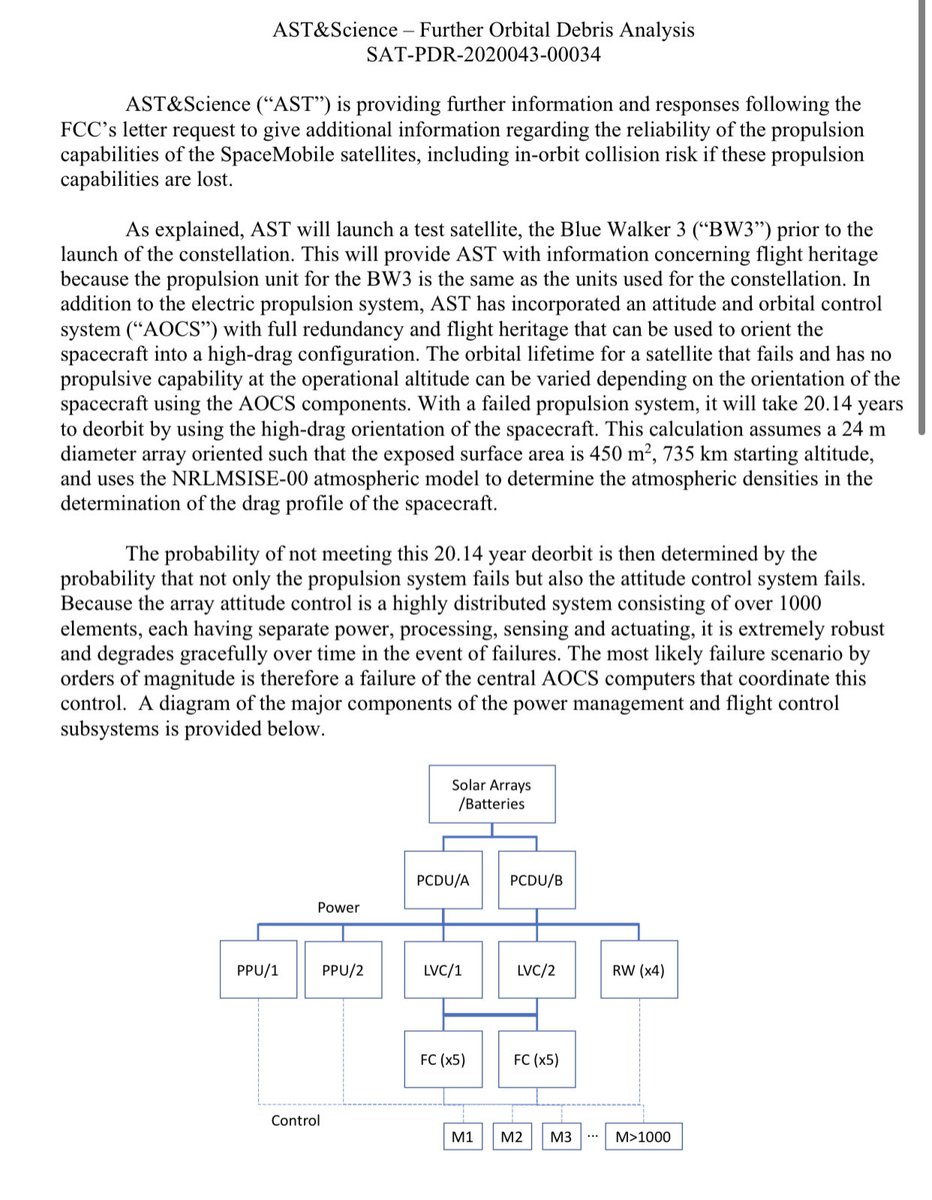
Here are a few examples of BB block2 onboard / satellite level redundancy.
Distributed functions in the array microns. And duplication of subsystems also in the controlsat (it has for exsmple 10 flight computers and needs just one to work)
It is built to last.
8/n
Distributed functions in the array microns. And duplication of subsystems also in the controlsat (it has for exsmple 10 flight computers and needs just one to work)
It is built to last.
8/n
So how does 168 $ASTS satellites that work 10 years compare to 7,500 satellites that work one year (let’s make that two by burning fuel in orbit raise maneuver).
Replinish rate of the first is 168/10= 16.8 sats per year.
Replenish rate of the second is 7,500/2 = 3750 sats/yr
9/
Replinish rate of the first is 168/10= 16.8 sats per year.
Replenish rate of the second is 7,500/2 = 3750 sats/yr
9/
At 3000 kgx 16.8 sats that is 50,400 kg to orbit per year
V/s
800kg x 3750 sats/yr that is
3,000,000 kg to orbit per year.
Starlink VLEO being 5952% more inefficent.
And utterly unsustainable torching that amount of debris in space and a lot of fuel lifting it each year.
10/
V/s
800kg x 3750 sats/yr that is
3,000,000 kg to orbit per year.
Starlink VLEO being 5952% more inefficent.
And utterly unsustainable torching that amount of debris in space and a lot of fuel lifting it each year.
10/
But more is better?
Well, it is good for who ever sells rocket fuel and eNb:s to Space-x.
But we now need to discuss footprint, coverage and such things.
It is not just drag that differs.
11/n
Well, it is good for who ever sells rocket fuel and eNb:s to Space-x.
But we now need to discuss footprint, coverage and such things.
It is not just drag that differs.
11/n
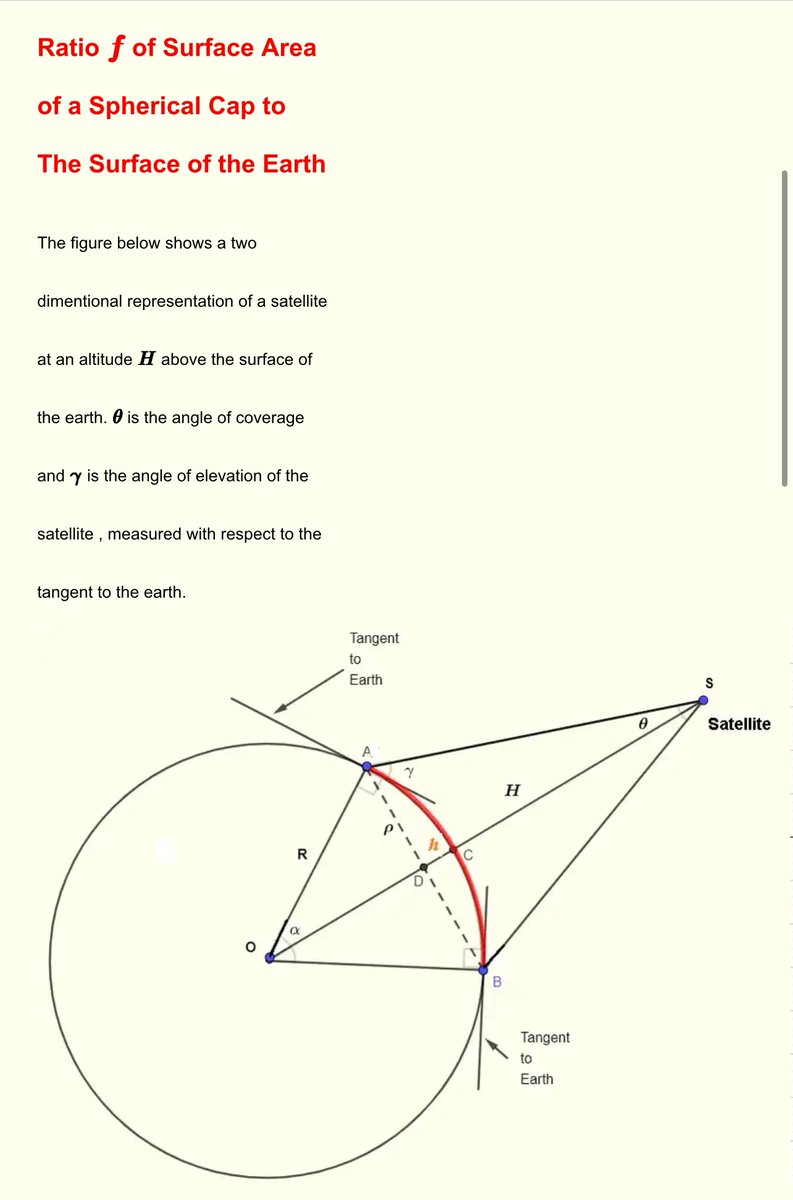
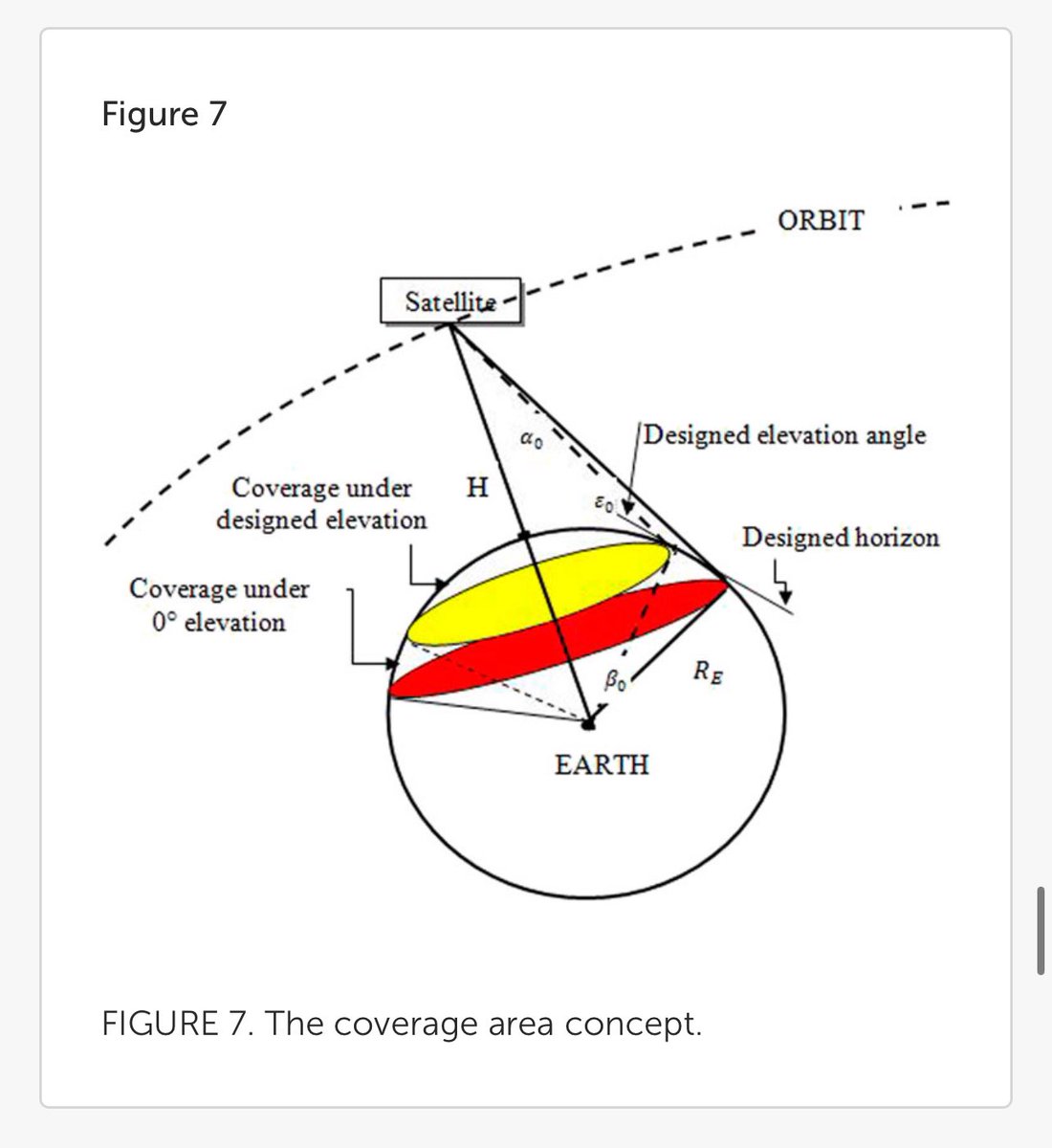
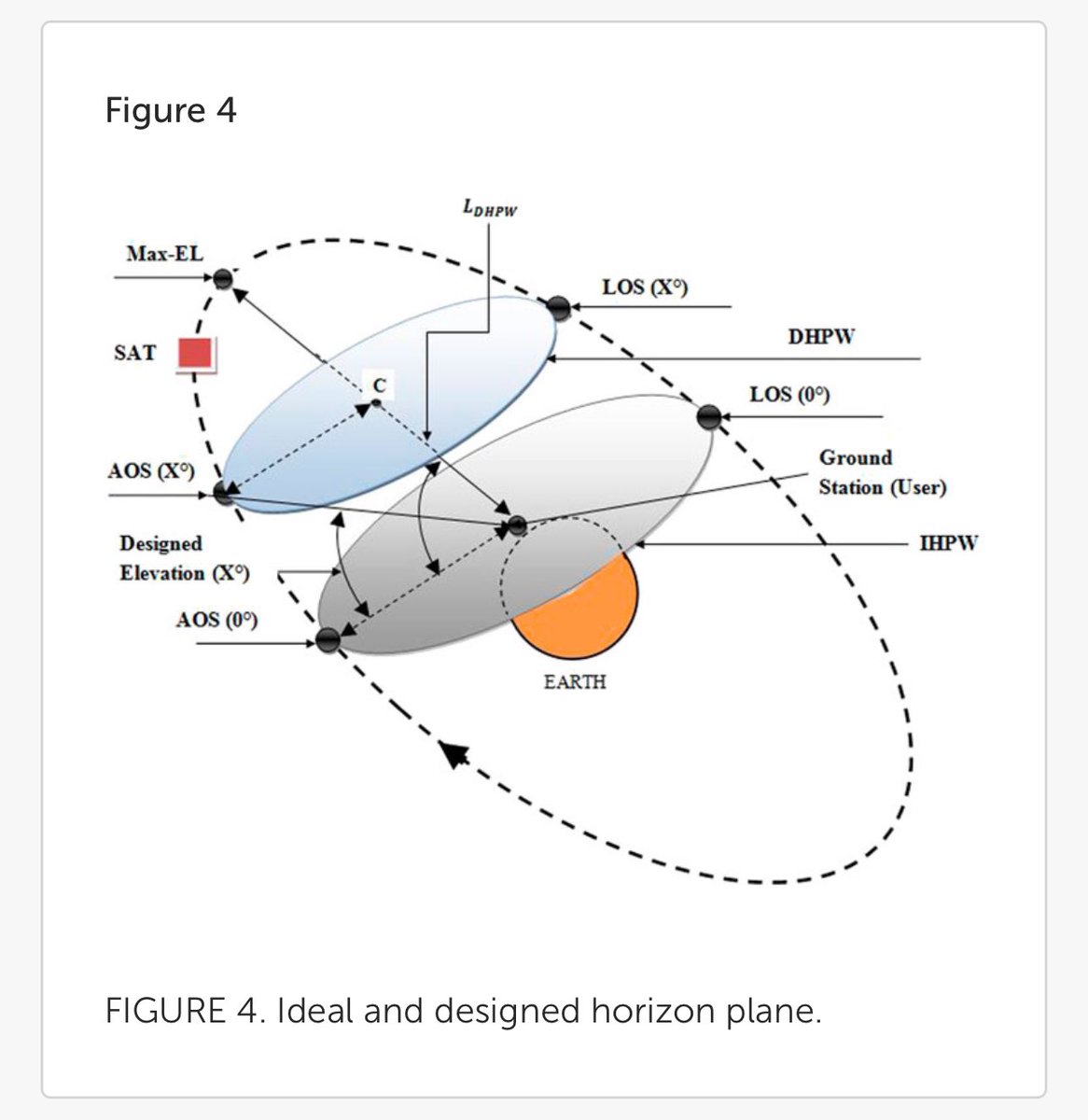
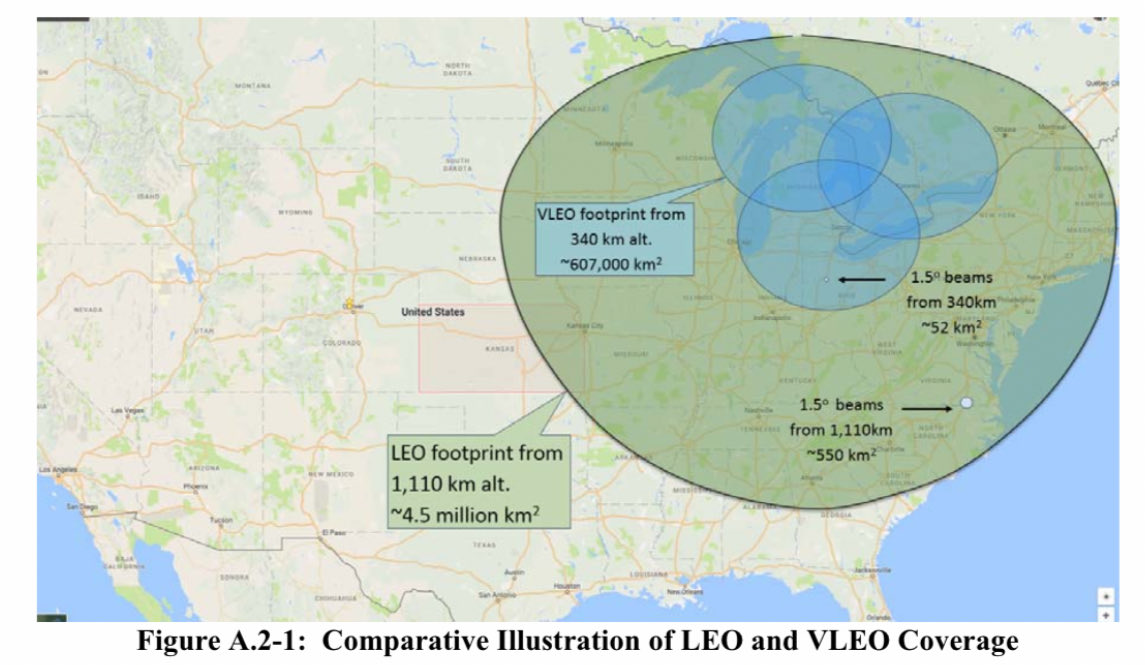
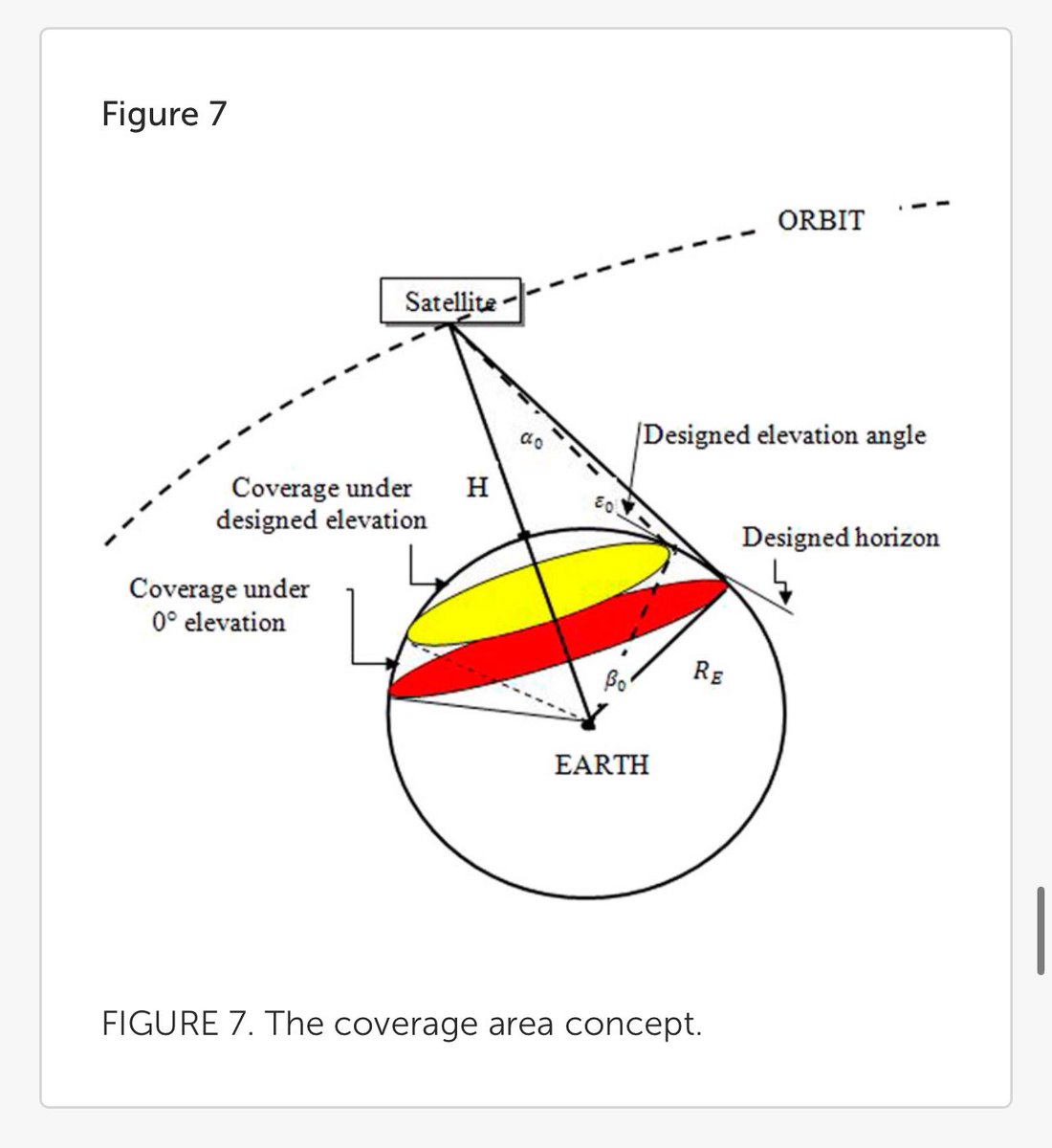
Coverage area ”footprint” depends on two things.
The altitude of the satellite and the cutoff elevation angle of the satellite.
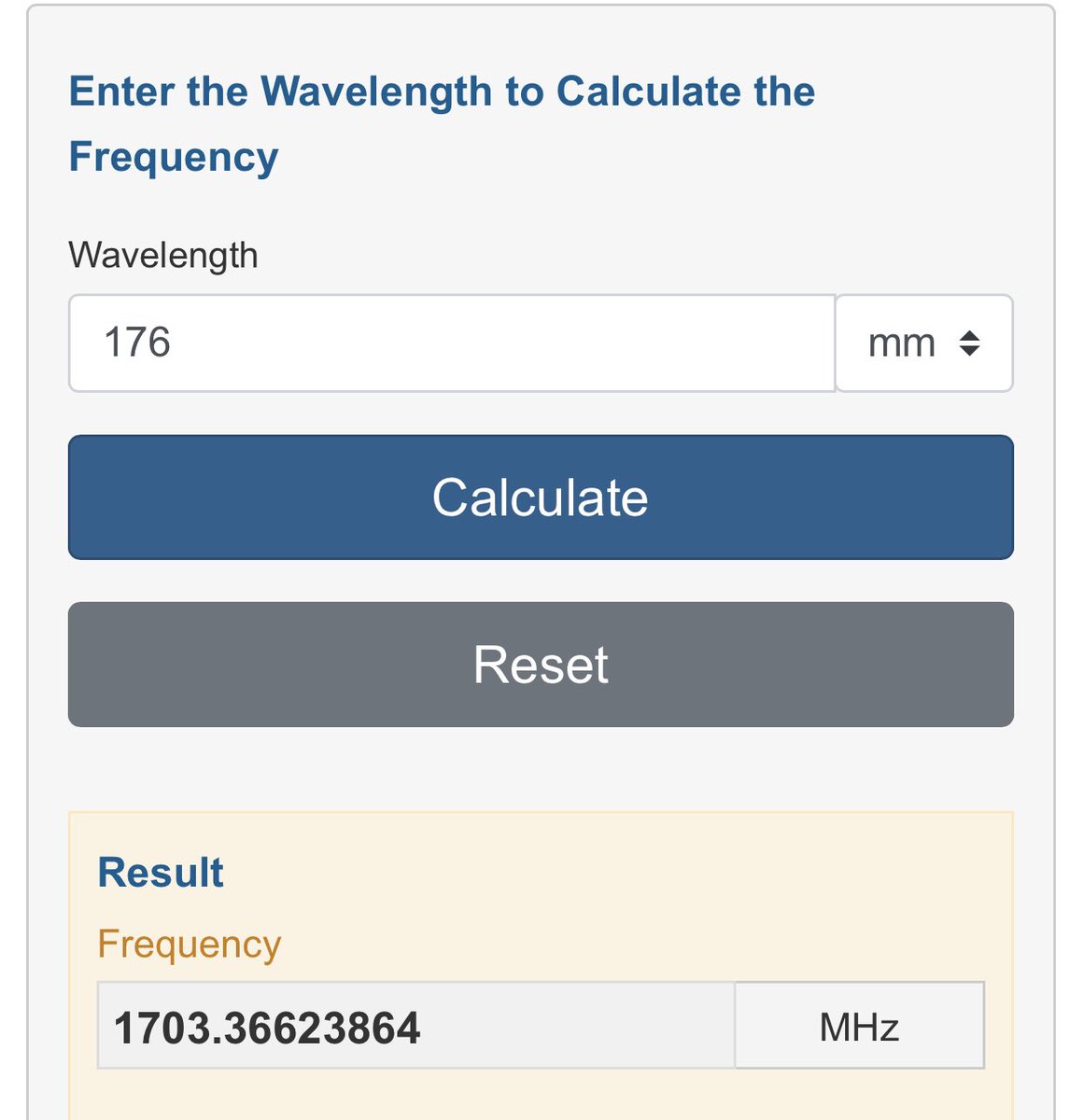
ASTs satellites are much larger, as antenna elements goes. This is used to create circular cells also at slant angles allowing for low elevation.
12/
The altitude of the satellite and the cutoff elevation angle of the satellite.
ASTs satellites are much larger, as antenna elements goes. This is used to create circular cells also at slant angles allowing for low elevation.
12/
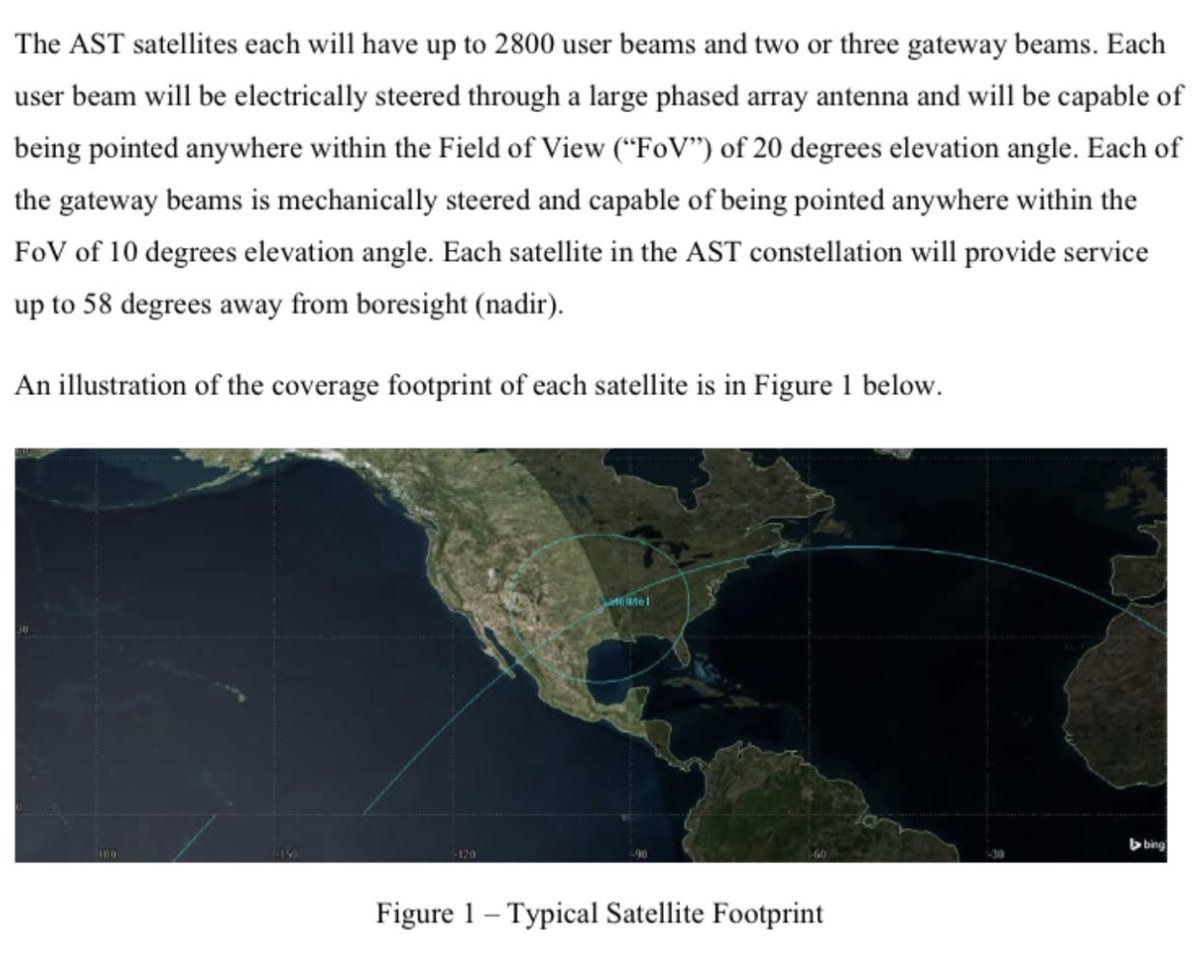
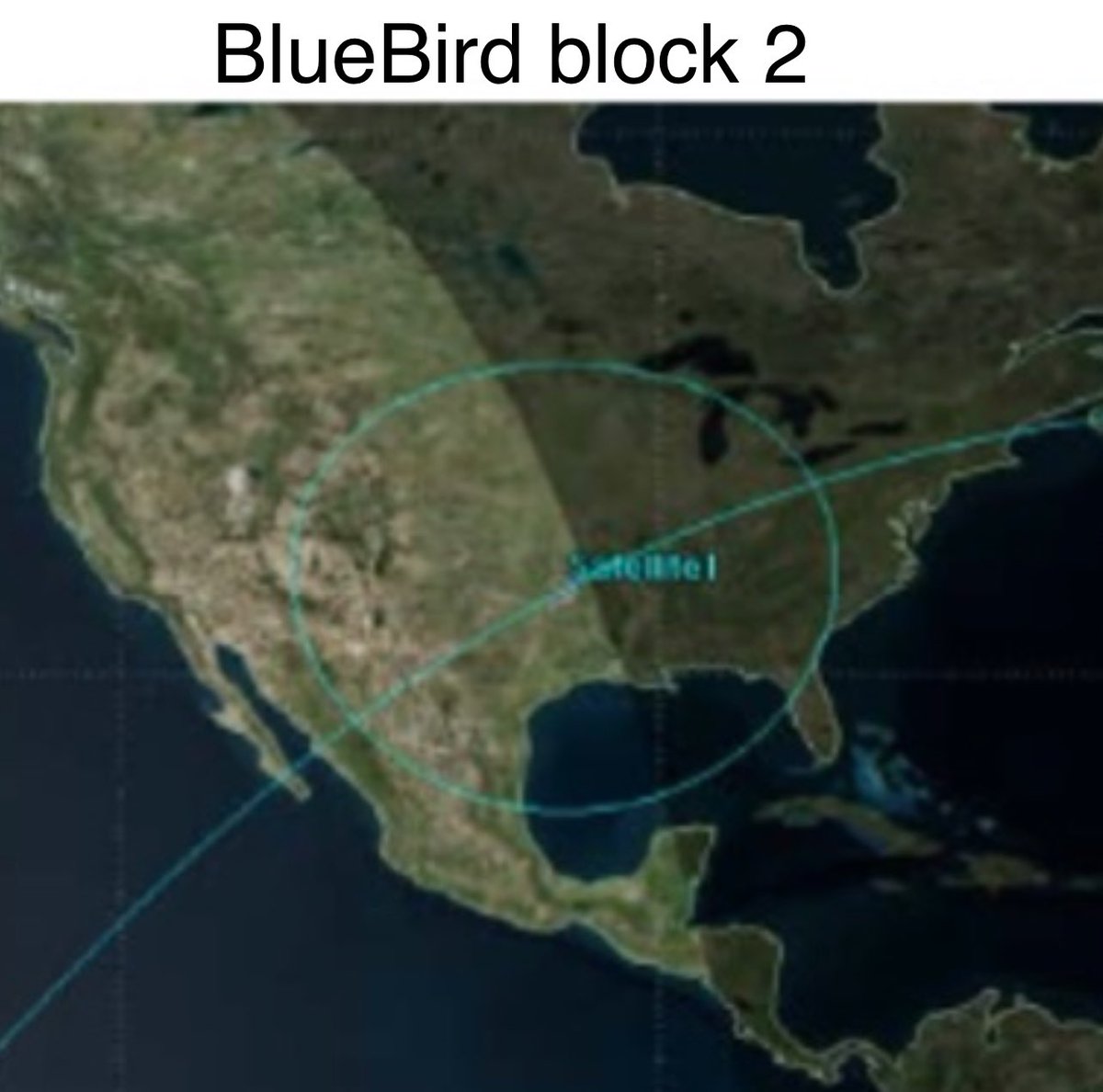
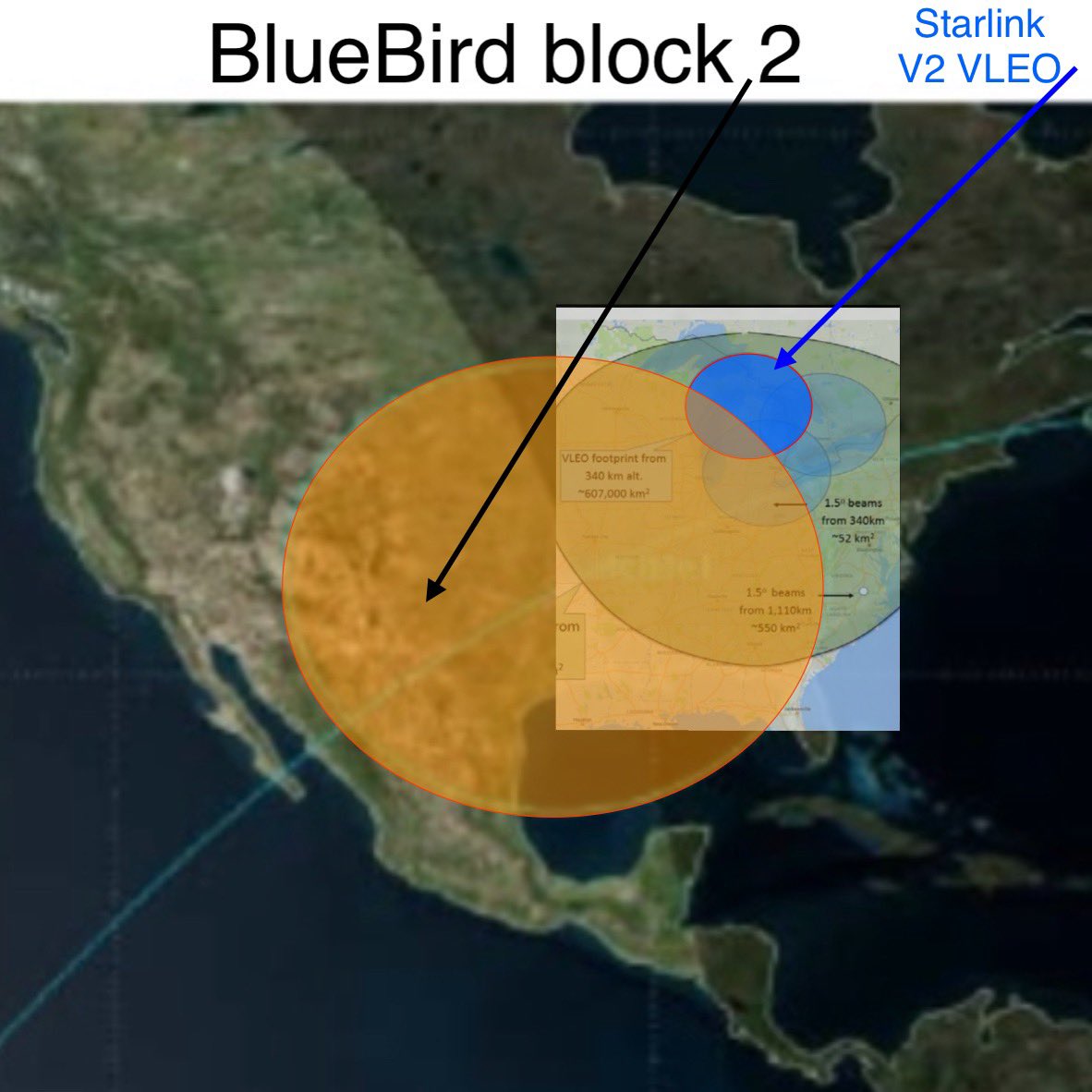
Let’s try our besr and fuse these two footprints in the same image.
Quite a big difference.
This affects sat to sat handoff frequency and thus the complexity and the quality of service.
13/n
Quite a big difference.
This affects sat to sat handoff frequency and thus the complexity and the quality of service.
13/n
How do they arrive at these different footprints?
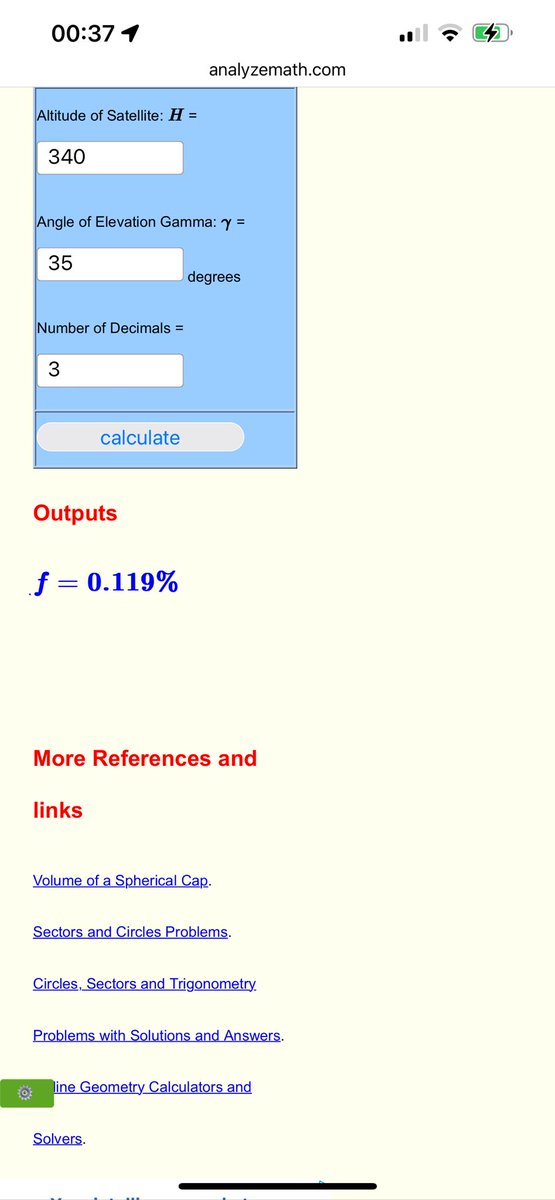
Let’s do the math ourselves.
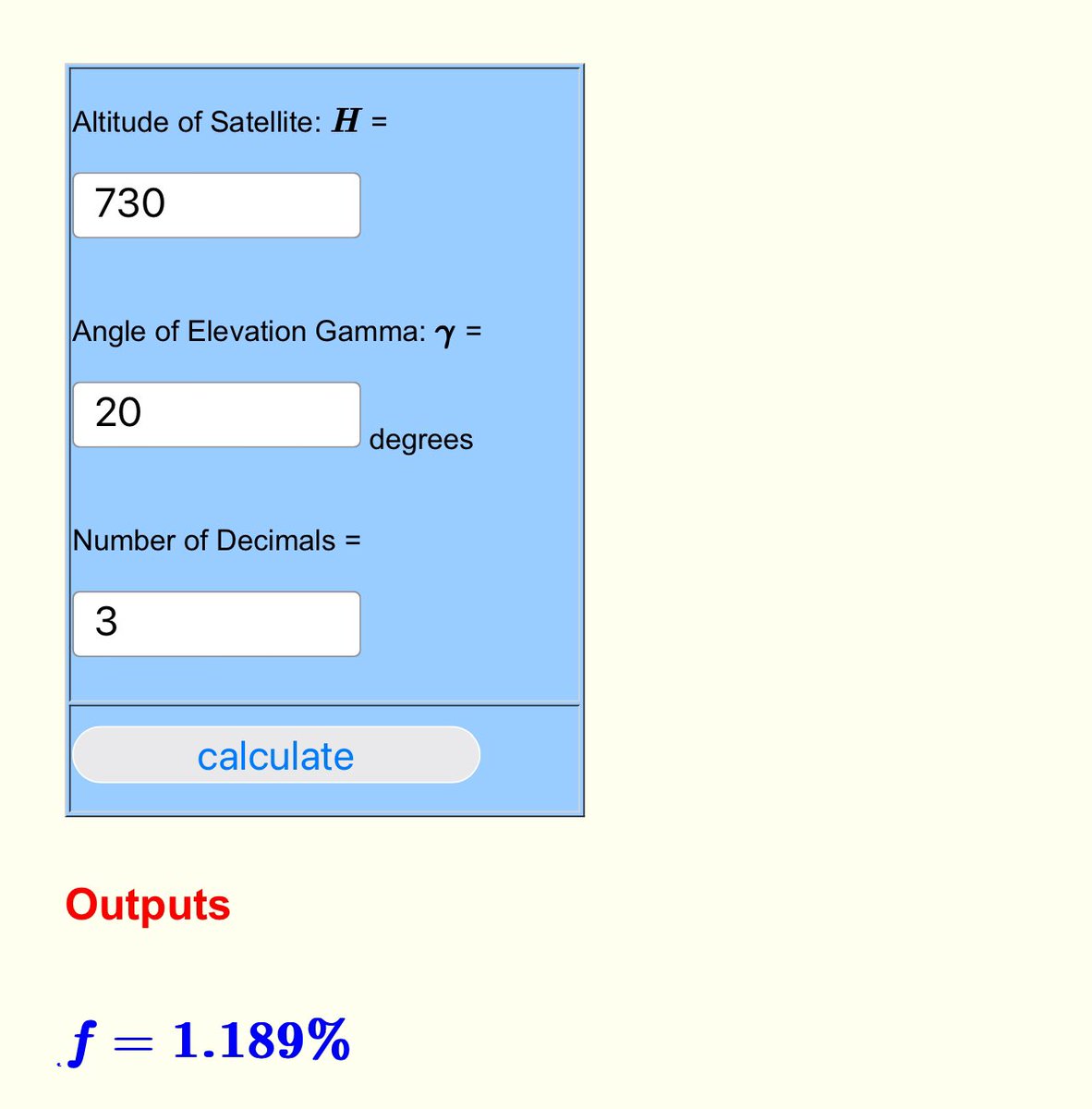
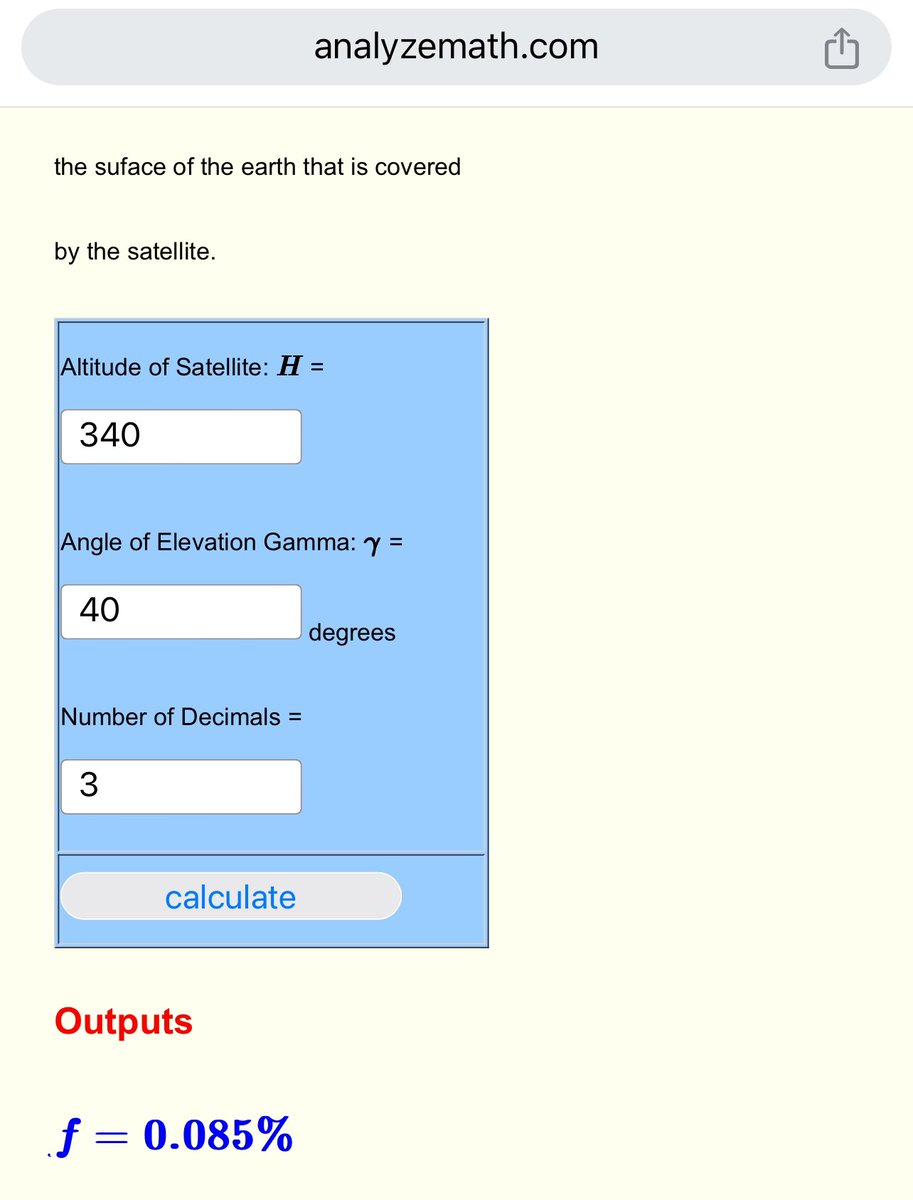
Being kind and allowing a 35 degree elevation angle cutoff for Starlink creates a footprint that is 0.119% of earths surface.
$ASTS BlueBird block 2?
1.189%
10x
14/n analyzemath.com/Geometry_calcu…
Let’s do the math ourselves.
Being kind and allowing a 35 degree elevation angle cutoff for Starlink creates a footprint that is 0.119% of earths surface.
$ASTS BlueBird block 2?
1.189%
10x
14/n analyzemath.com/Geometry_calcu…
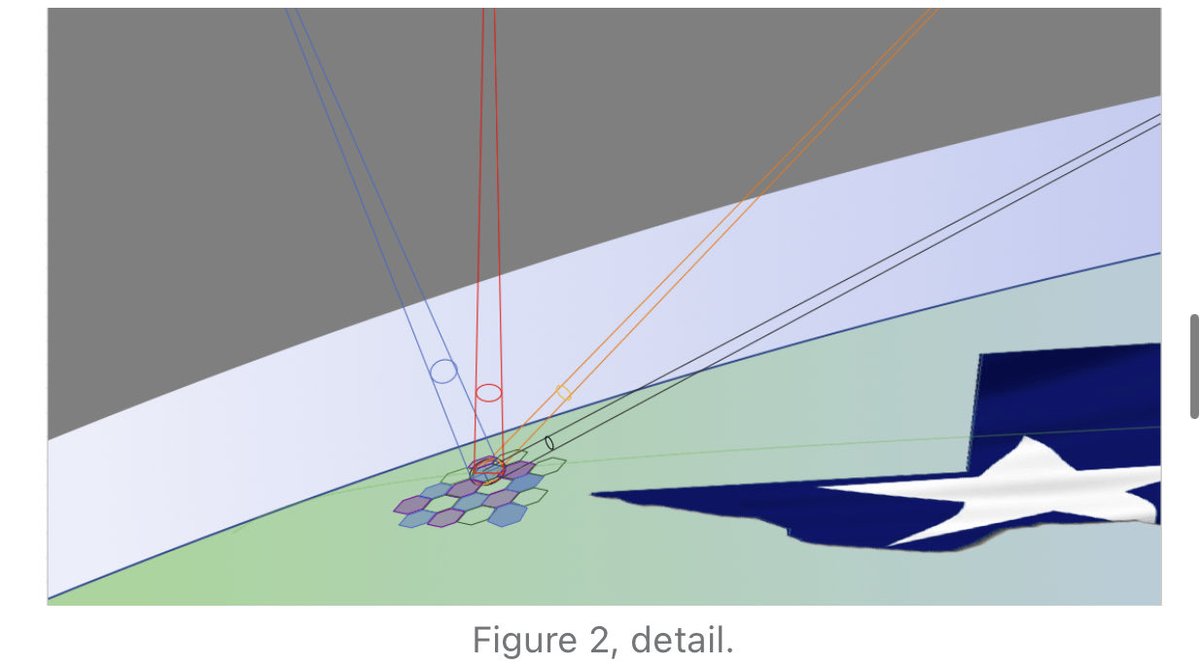
Why can’t Starlink v2 mini do as low elevation angles as BlueBirds block2?
Attenuation is one. But Starlinks would create elongated beamcells at those angles..
In this image AST can do the black beam, v2 mini can not, just the others. Because AST has more elements
15/n
Attenuation is one. But Starlinks would create elongated beamcells at those angles..
In this image AST can do the black beam, v2 mini can not, just the others. Because AST has more elements
15/n
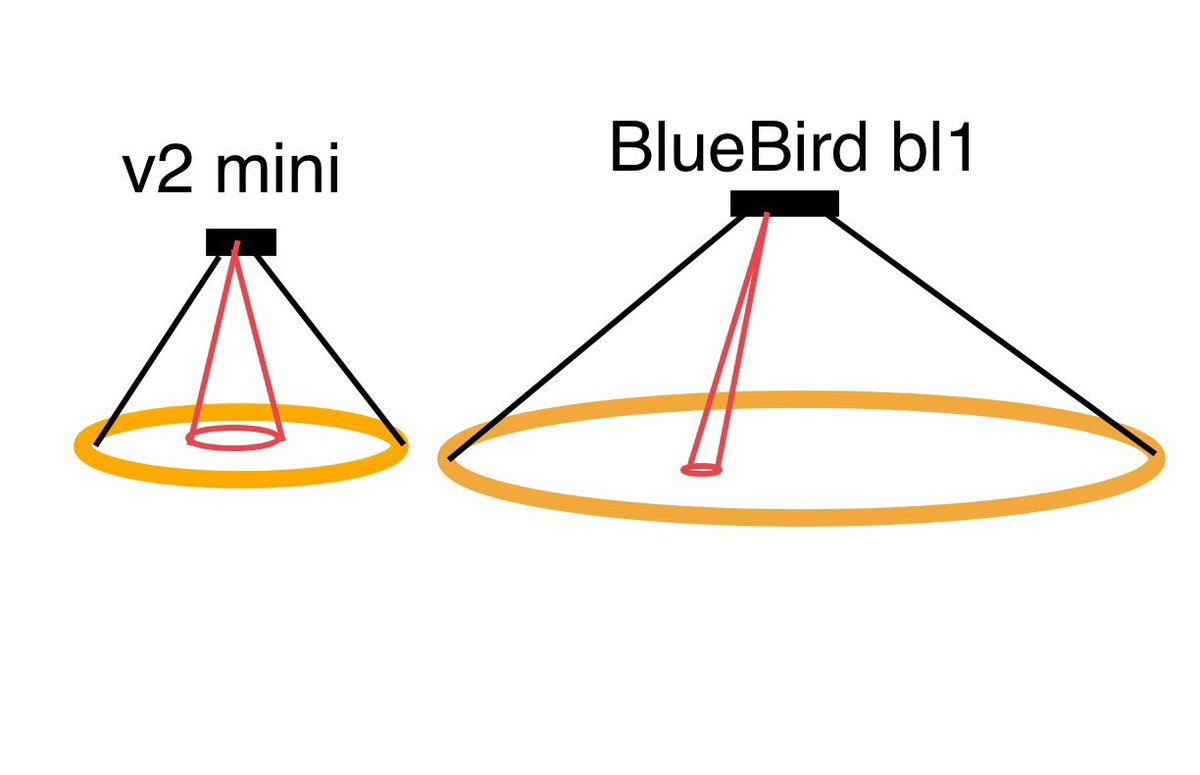
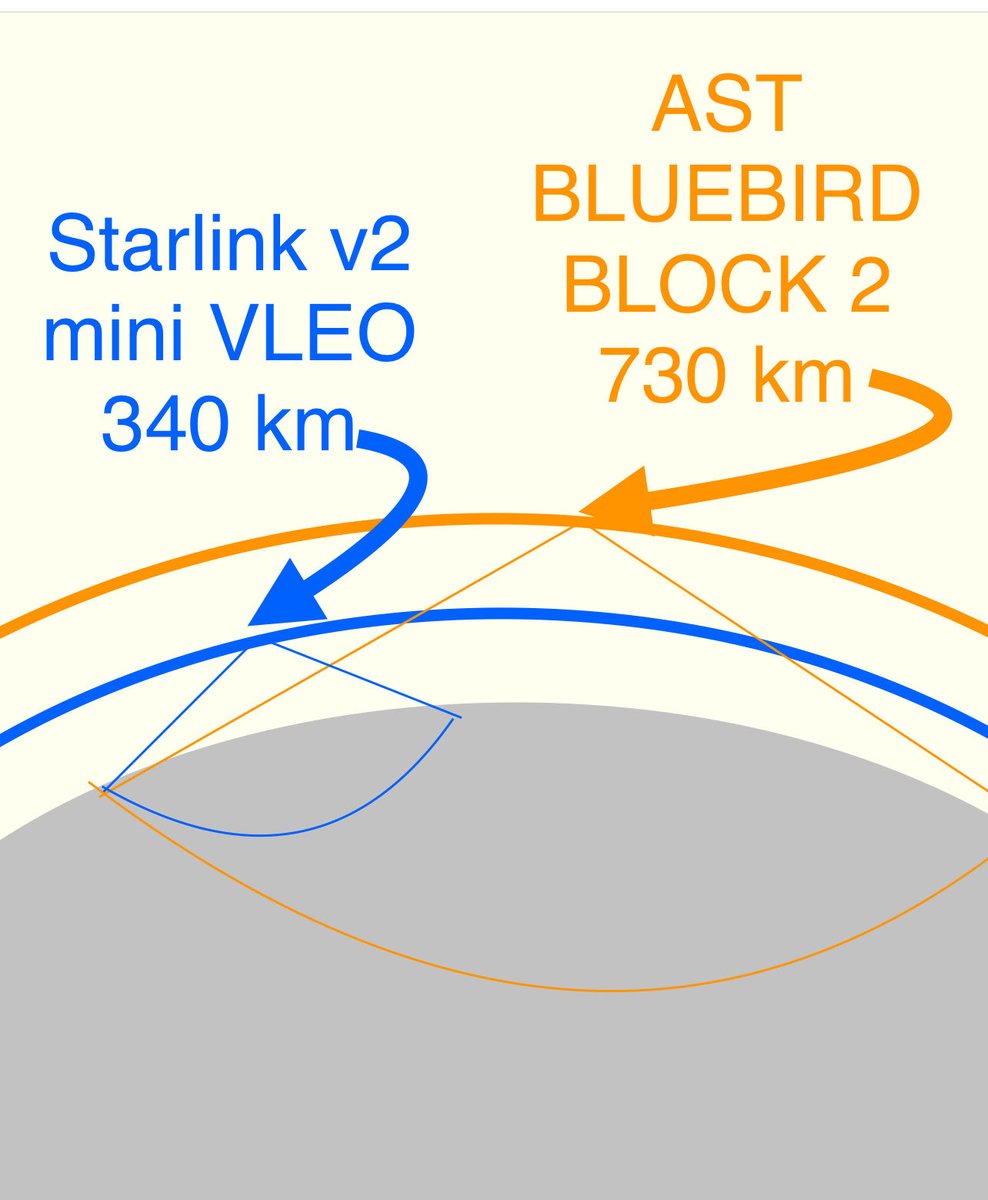
And so it affects this geometry.
Let me illustrate that in one image.
Here you go (it is just illustrative, not to exact scale).
Just trying to visualize the dual effect of lower orbit and higher elevation angle both shrinking footprint.
16/n
Let me illustrate that in one image.
Here you go (it is just illustrative, not to exact scale).
Just trying to visualize the dual effect of lower orbit and higher elevation angle both shrinking footprint.
16/n

So. Starlink needs 59.5 x the weight to orbit, torches 223 c controlsats (incl melting down 3750 base stations upon reentry each year) and their arrays in space while AST has their basestations recycled and upgraded in order to create a helluva lot of sat to sat handovers?
17/n
17/n
Is that all there is to it?
Not really, because v2 minis lack power and bc of this they fly tandem with another sat that provides OISL backhaul and feeder links for them.
So 2x the starlink waste.
18/n
Not really, because v2 minis lack power and bc of this they fly tandem with another sat that provides OISL backhaul and feeder links for them.
So 2x the starlink waste.
18/n
But. Starlinks can go higher to lower waste.
Sure they can. But their array isn’t directive enough. It has fewer elements and that s-band lacks punch. So throughput and quality of service wouldn’t be even close to ASTS system if they did.
19/n
Sure they can. But their array isn’t directive enough. It has fewer elements and that s-band lacks punch. So throughput and quality of service wouldn’t be even close to ASTS system if they did.
19/n
I hope you appreciated my comparison.
Customer Aquisition Cost to Life Time Value needs to be considered.
AST has a mutualistic business together with business, b❤️b model to help reach customers.
Elon has a my way or the highway, b💥b model trying to steal customers.
20/n
Customer Aquisition Cost to Life Time Value needs to be considered.
AST has a mutualistic business together with business, b❤️b model to help reach customers.
Elon has a my way or the highway, b💥b model trying to steal customers.
20/n
The ~50 MoUs AST holds with MNOs globally and importantly their collaboration with Nokia is not perceived as a threat to MNOs terrestrial business and their backhaul.
Starlink who owns the OISL backhaul in Space is a threat.
Lets see how this difference plays out.
21/21
Starlink who owns the OISL backhaul in Space is a threat.
Lets see how this difference plays out.
21/21
#ESG thread about d2c satellites 👆@JRosenworcelFCC @ITUSecGen
• • •
Missing some Tweet in this thread? You can try to
force a refresh