THE THING was released 42 years ago this week. Regarded as a pinnacle of science fiction-horror moviemaking as well as one of John Carpenter’s greatest films, the story of how it came to the screen is as outrageous as the creature from the title…
1/37

1/37


Development of the film began in the mid-70s when producers David Foster and Lawrence Turman wanted to adapt the novella Who Goes There? Which had been adapted in 1951’s The Thing from Another World. Universal bought the rights for Foster and Turman to produce.
2/37
2/37


Turman and Foster’s choice as director was John Carpenter. The studio said no, though, as they already had Tobe Hooper under contract. Tobe Hooper had directed The Texas Chainsaw Massacre in 1974, so had previous success in horror.
3/37
3/37


Hooper’s script was a horror-comedy. Turman said “It would have been one of the worst movies ever made.” The studio relented and went with Bill Lancaster as writer and John Carpenter as director. Carpenter had loved Christian Nyby’s The Thing From Another World so accepted.
4/37
4/37
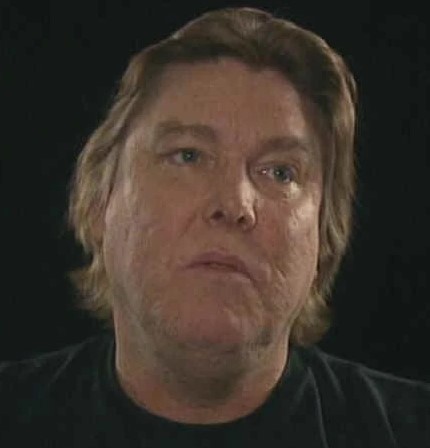
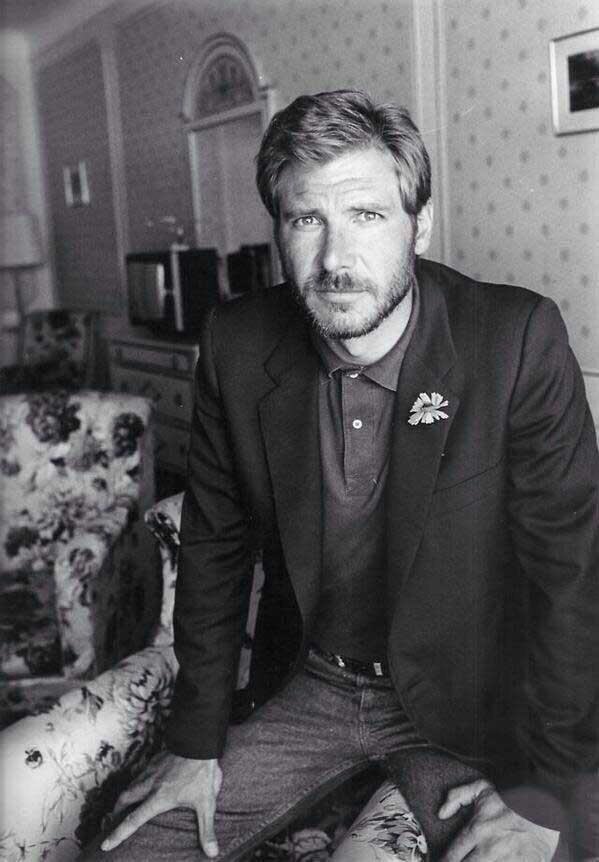
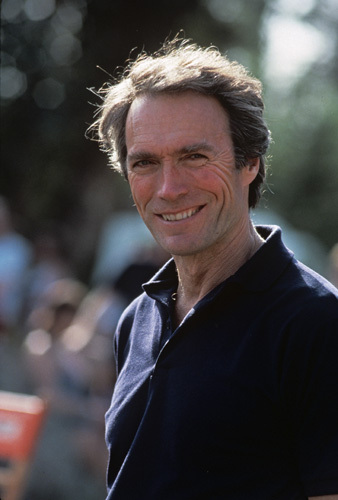
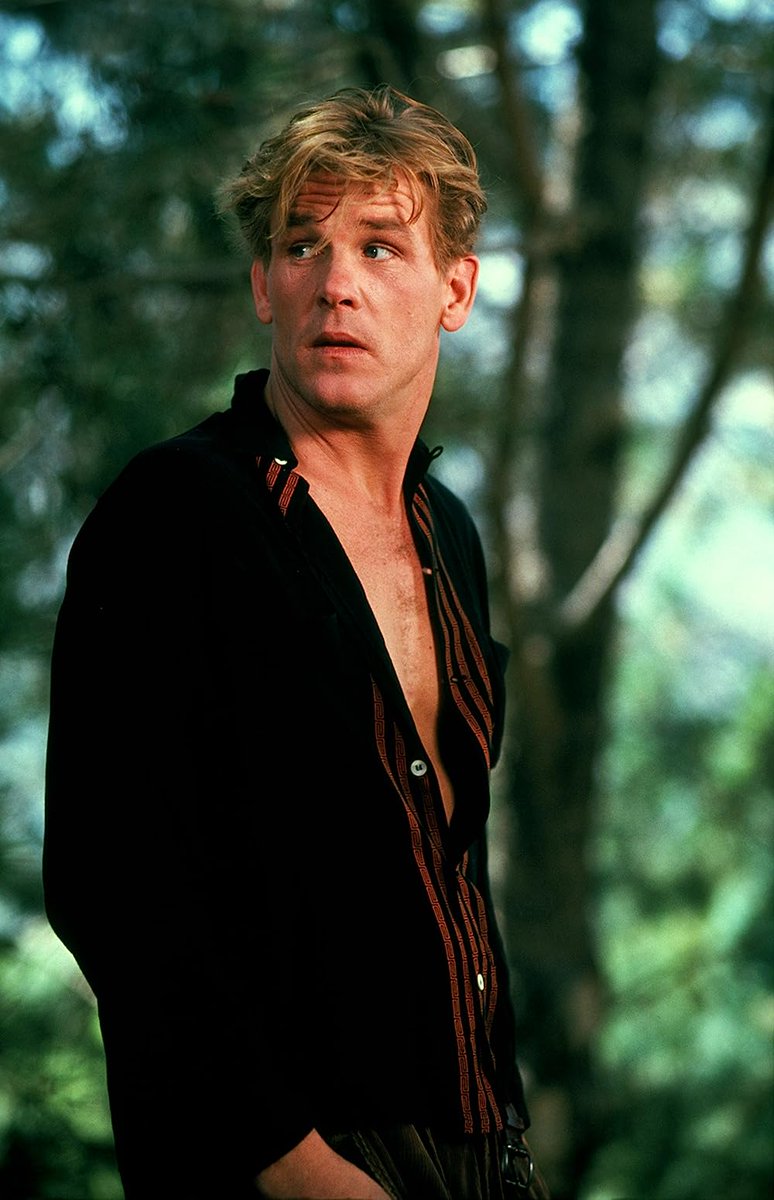
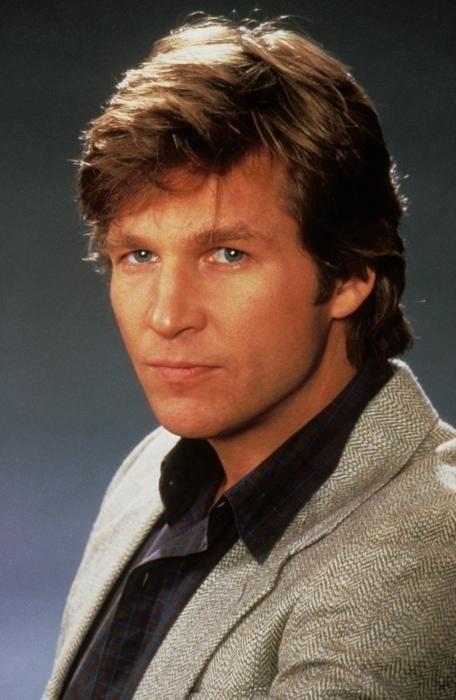
Some big names were discussed to play lead character R. J. MacReady. Bill Lancaster wrote the script thinking of Harrison Ford and Clint Eastwood as Macready. And Nick Nolte and Jeff Bridges both turned the role down.
5/37
5/37
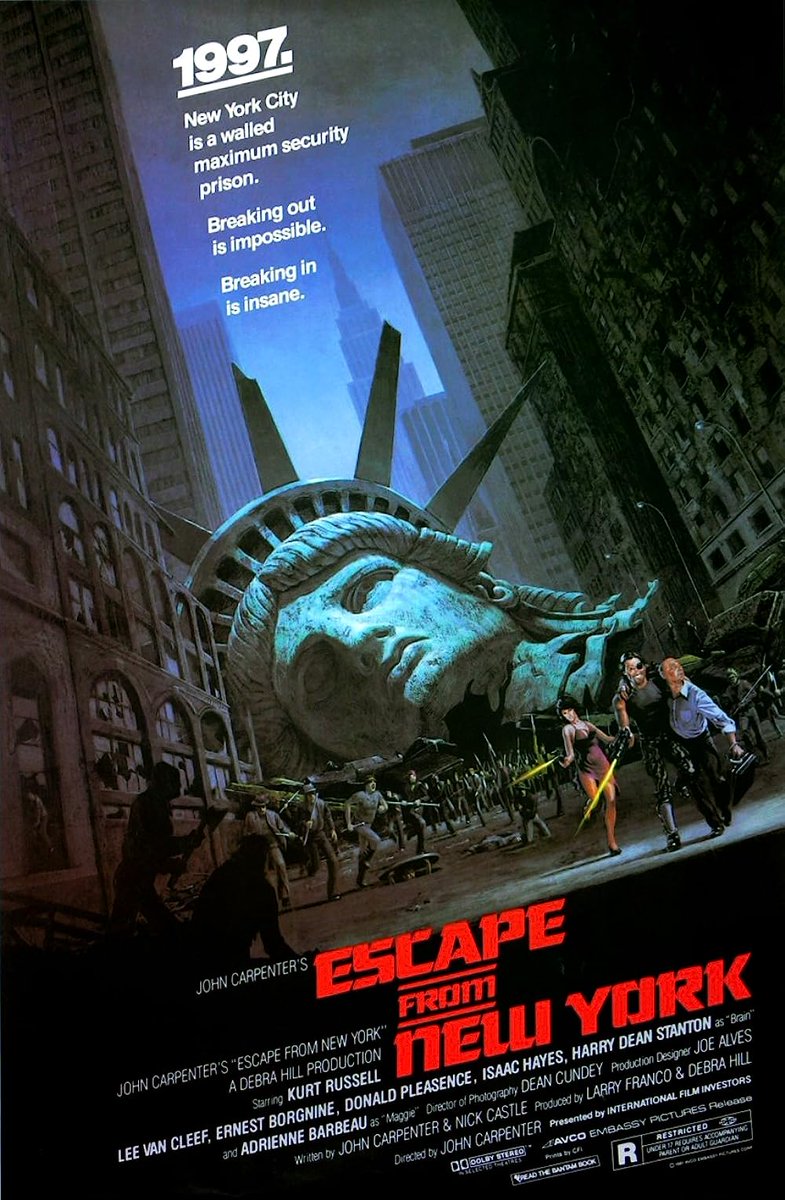
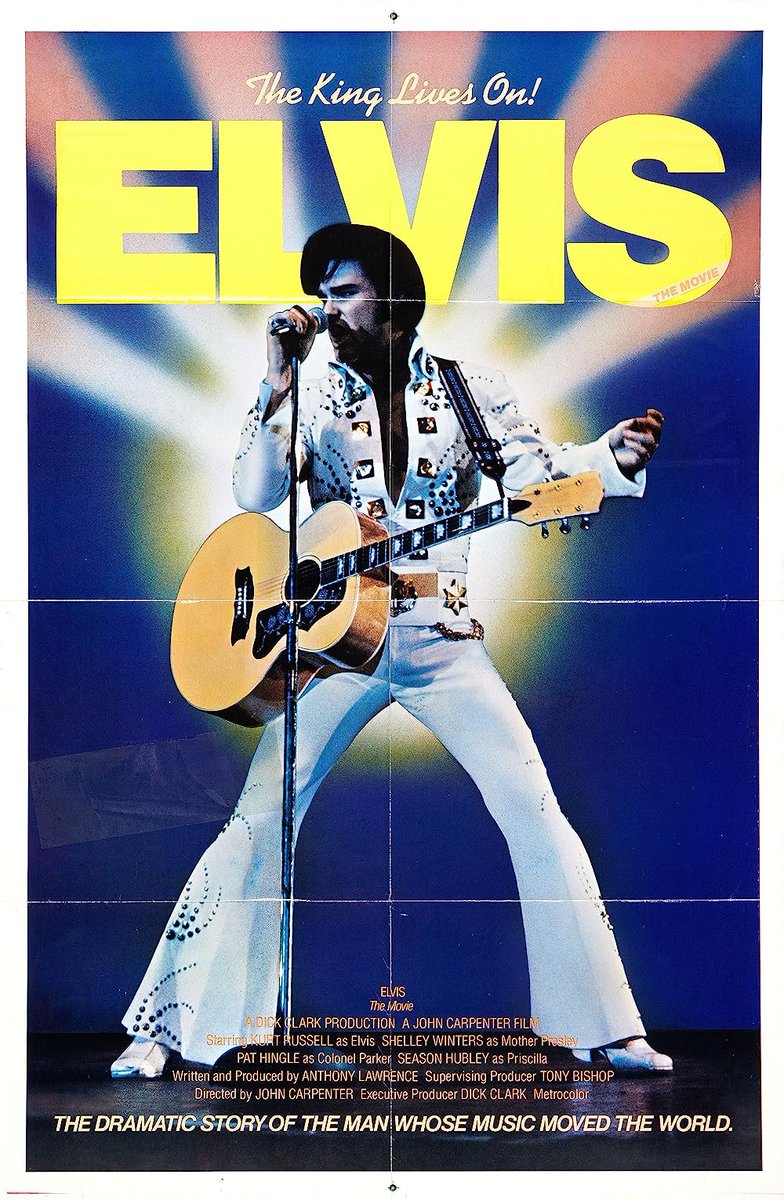
Carpenter turned to his pal Kurt Russell. They’d worked together a year earlier on Escape From New York and also in Carpenter’s TV movie, Elvis. Based on those performances, the studio were easily convinced to hire him as MacReady.
6/37
6/37
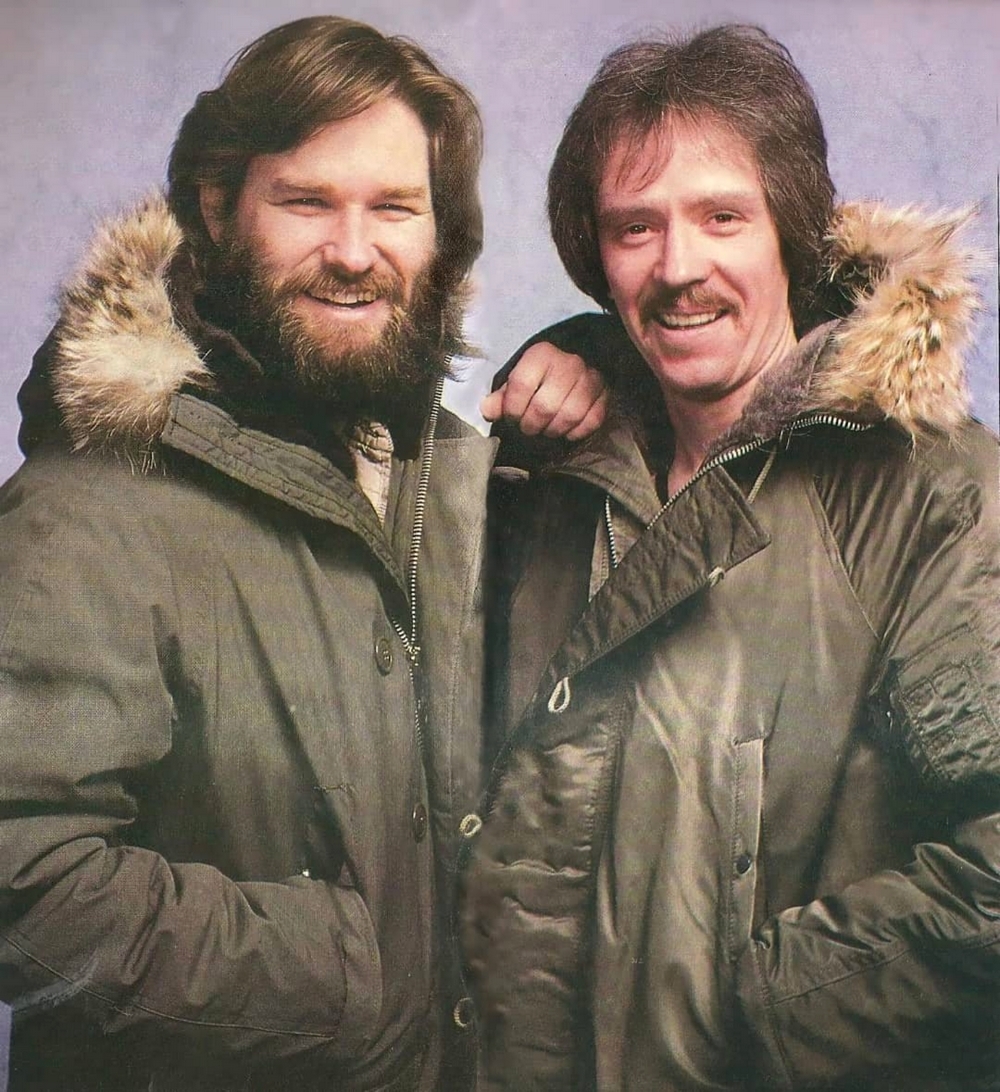
Russell added to the character. He’d take a drag on a cigarette before Carpenter shouted ‘Action’ to make his breath visible. And filming the helicopter scene, the pilot turned the controls over to Russell. If you watch, you can see the helicopter wobble when Russell takes over.
7/37
7/37
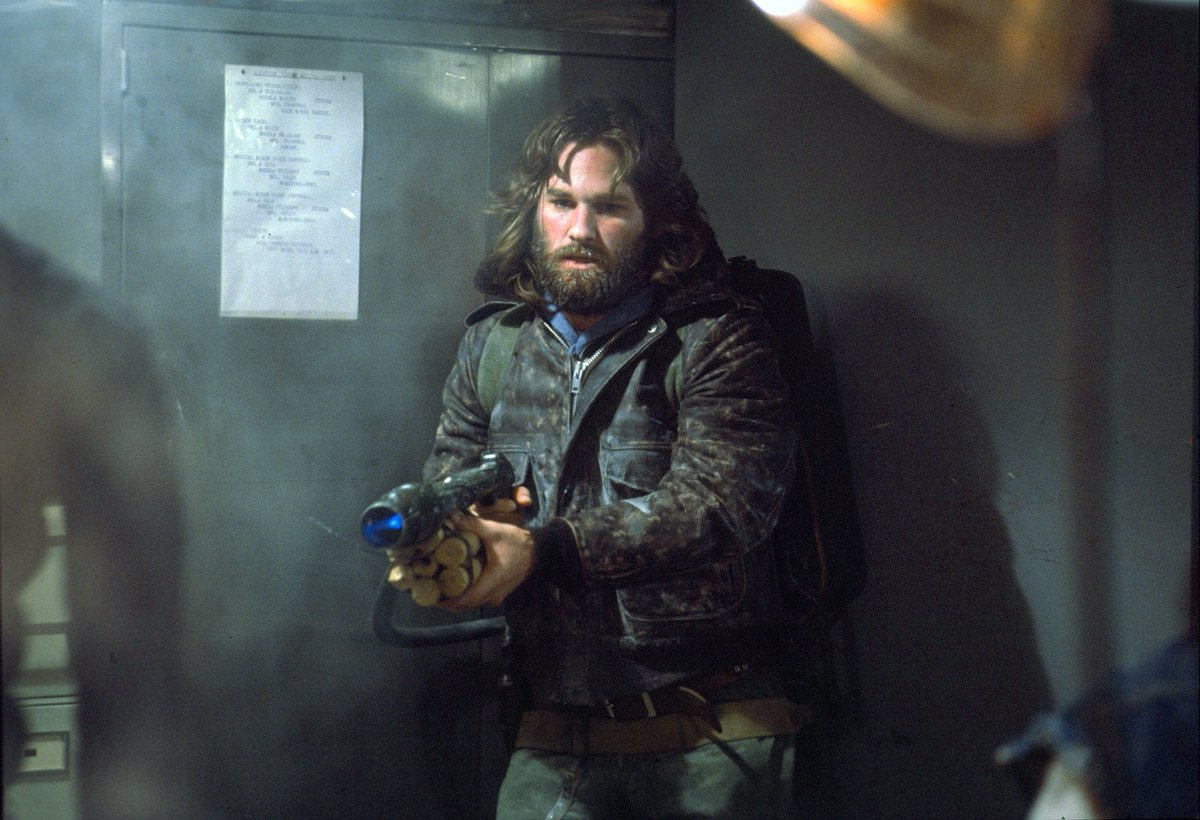

There was a backstory for MacReady. He was a former Vietnam helicopter pilot involved in a tragedy during the war, which left him ashamed and disgrace. Because of this he suffers from PTSD, alcoholism and insomnia. This this explains the drinking scotch from the bottle.
8/37
8/37
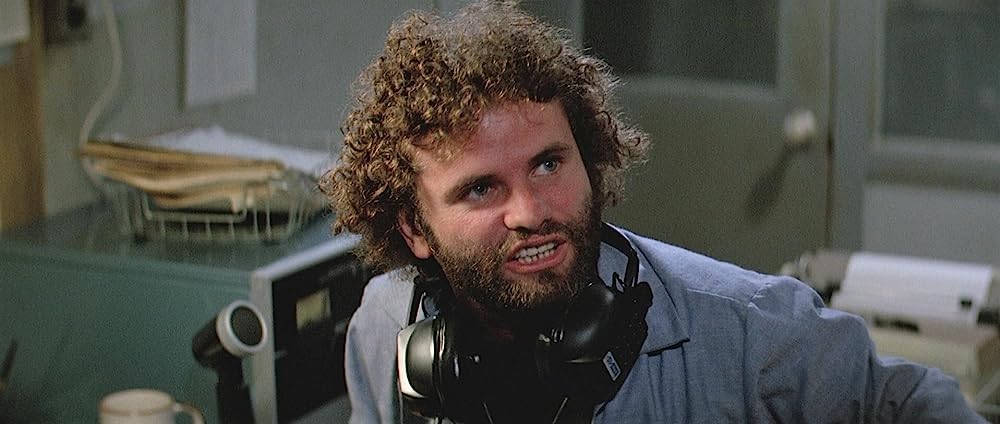
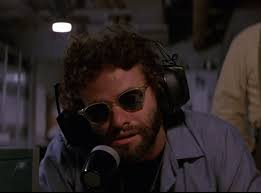
Thomas G. Waites plays Windows, so-called because he wears a pair of sunglasses pretty much permanently. Waites showed up during rehearsals wearing the glasses and said “I want everyone to call me Windows from now on”. Carpenter agreed, and they changed the name.
9/37
9/37
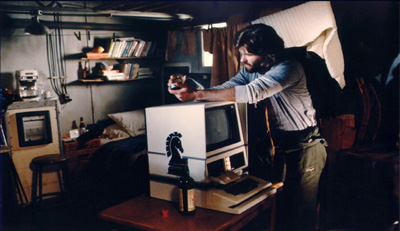
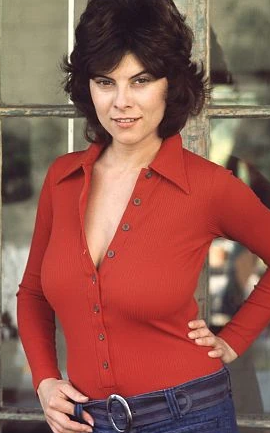
One of the early scenes sees MacReady playing computer chess. The computer was voiced by actress Adrienne Barbeau, who was John Carpenter’s wife at the time.
10/37
10/37
Our latest podcast is on THE SOCIAL NETWORK. Full of big laughs and opinions so please check it out 😃
alltherightmovies.com/podcast/the-so…
alltherightmovies.com/podcast/the-so…
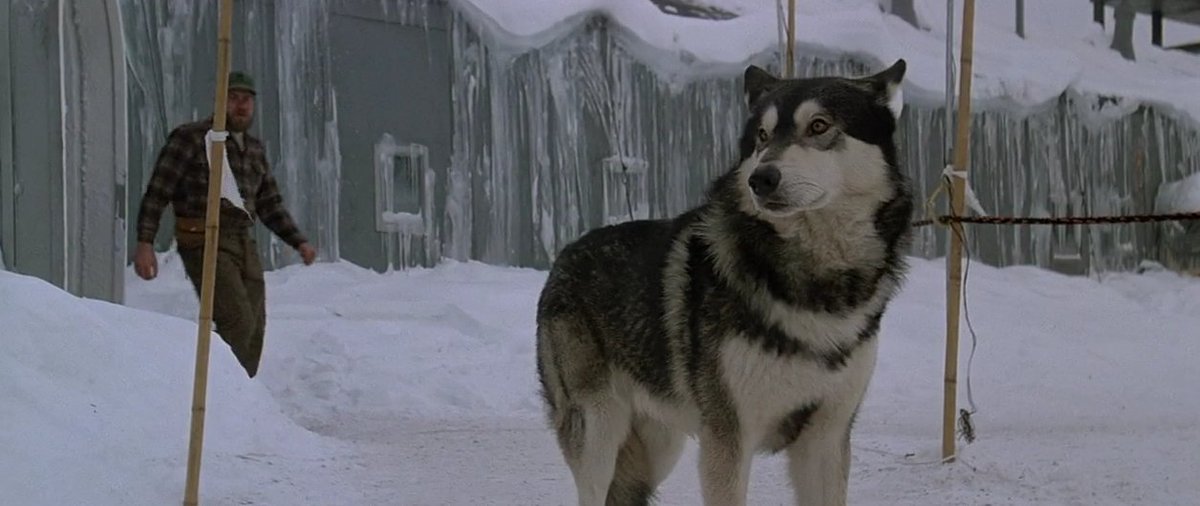
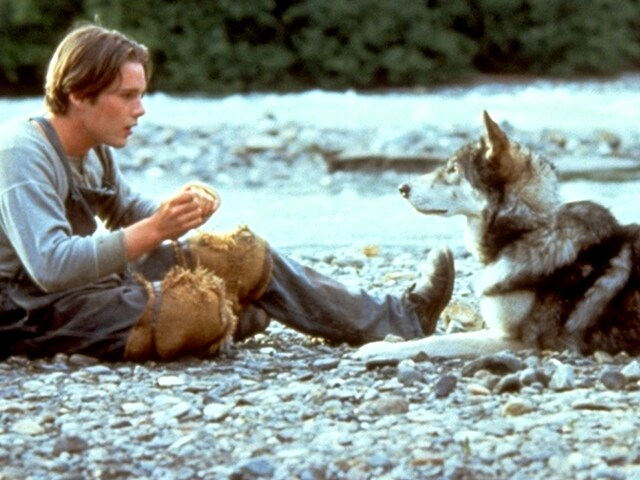
The dog through the first act was played by a Wolfdog called Jed. Born in 1977, The Thing was Jed’s first movie, and he went on to appear in White Fang series.
11/37
11/37
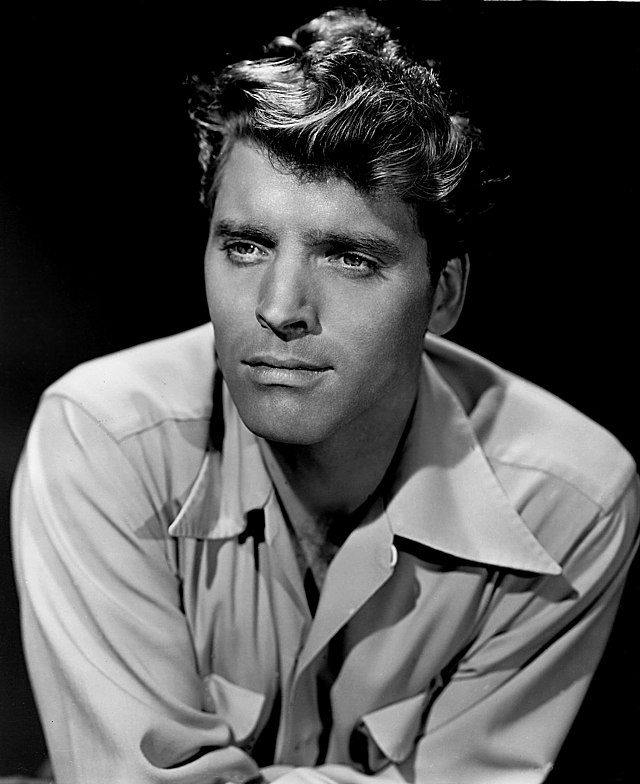
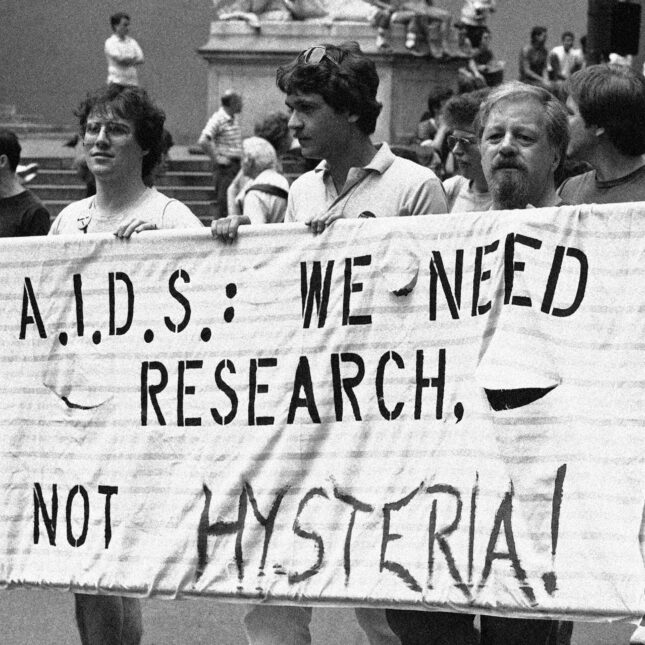
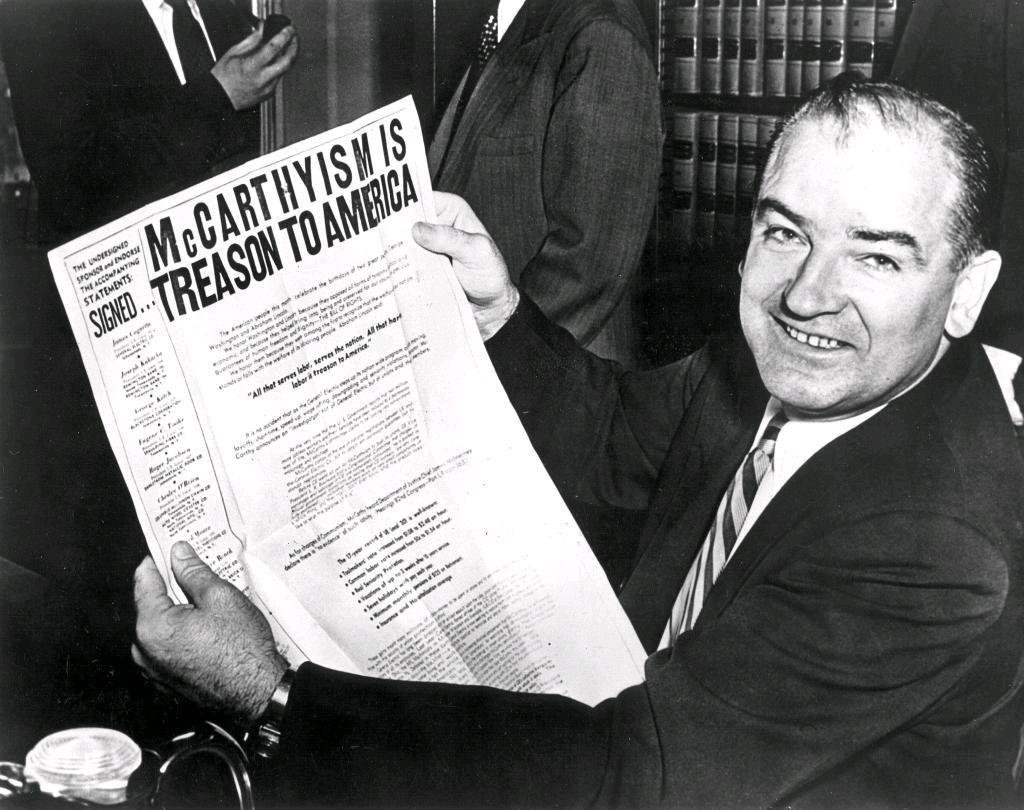
Bill Lancaster was son of Burt Lancaster, a Hollywood star in the 1950s. It’s been said Lancaster took inspiration from the AIDs epidemic and also communism and McCarthyism. The idea that anybody can become the enemy – an enemy within.
12/37
12/37
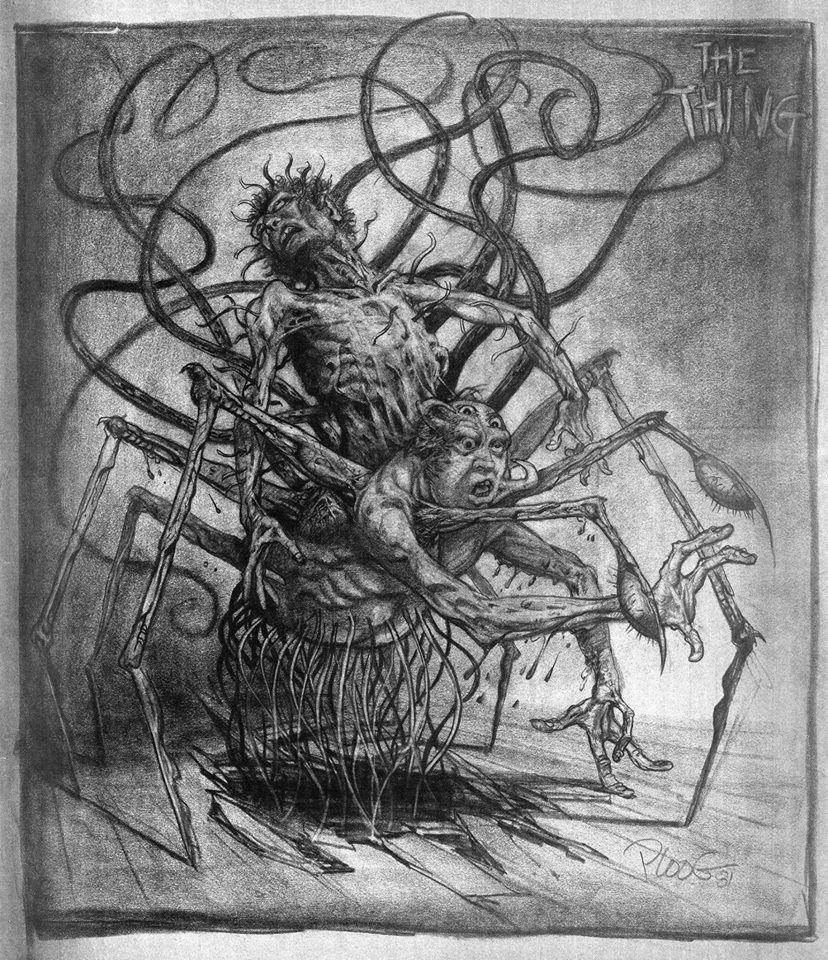
The special effects supervisor was 23 year-old Rob Bottin, who worked with Carpenter on The Fog. It was Bottin who suggested The Thing should be able to look like anything. Carpenter said his ideas were "too weird", and had him work with Mike Ploog on concepts.
13/37
13/37
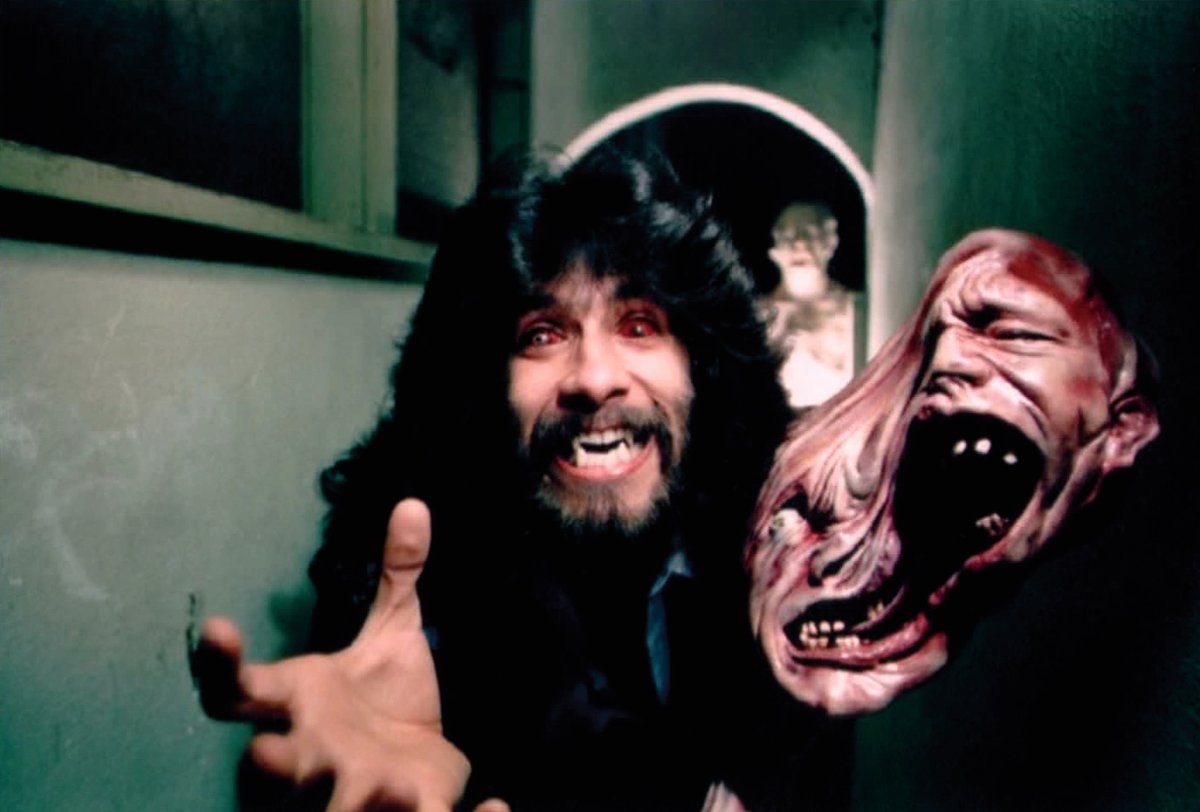
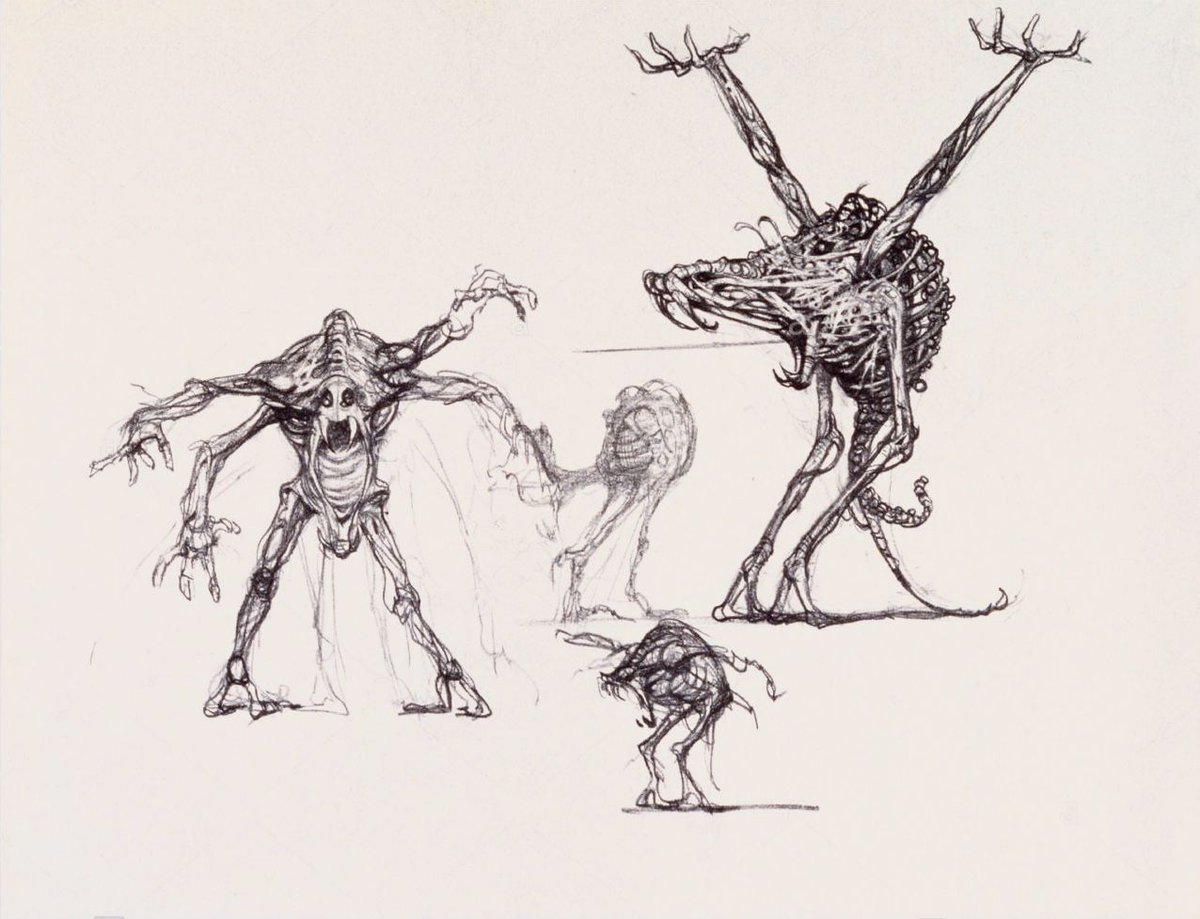
Bottin had a stressful time with the defibrillator scene. During the shoot, Carpenter said he wanted real flames round the scene. As a result, the model Bottin built caught fire. It took 4 months to build the first one and they had to build a replacement within a week.
14/37
14/37
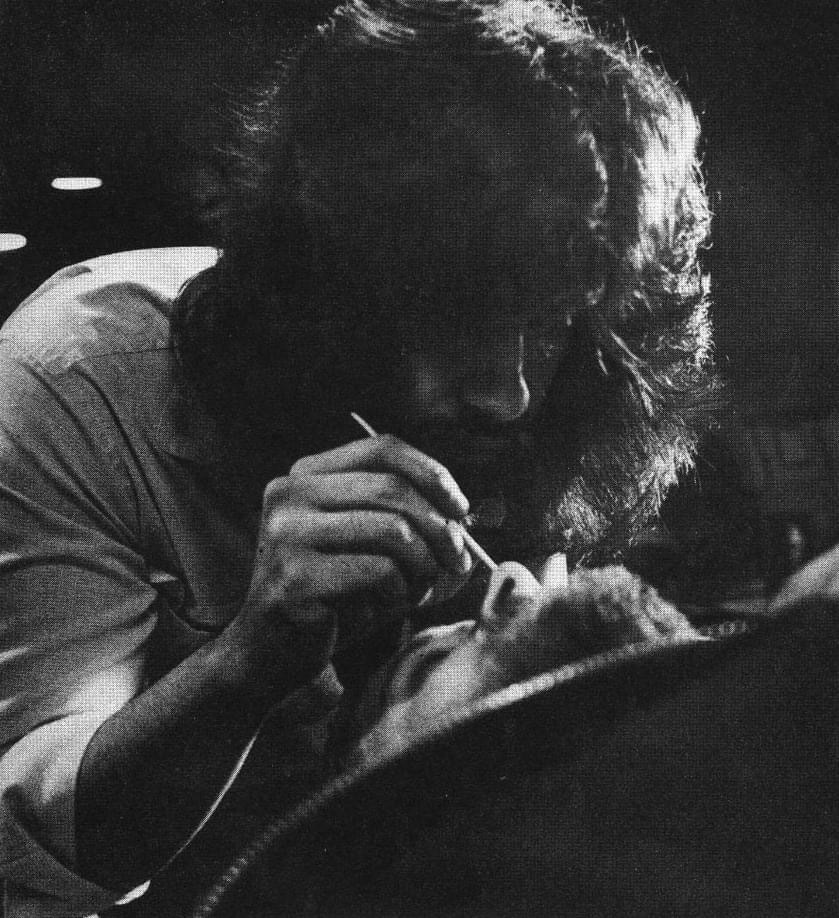
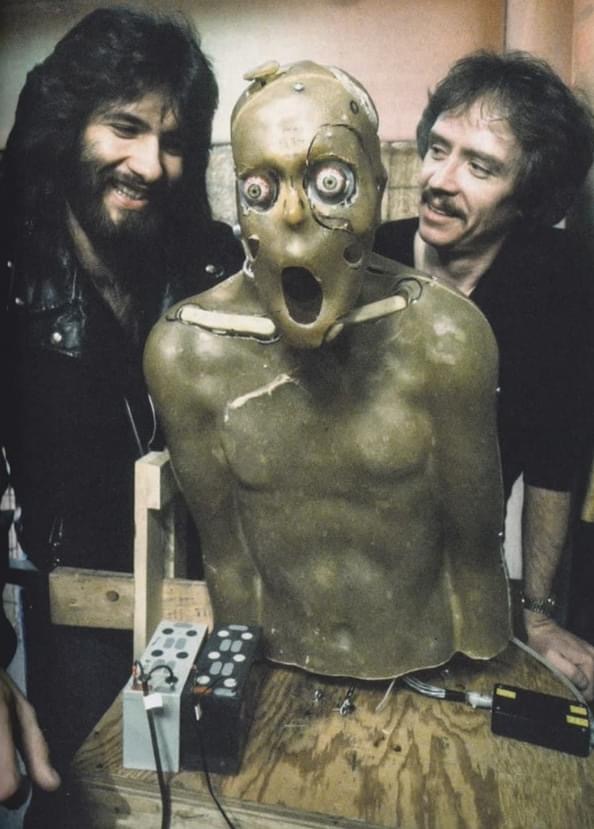


Bottin later said he barely stopped working which took its toll. He was working 22 hour days at one point, became ill and was hospitalised with severe exhaustion, double pneumonia and a bleeding ulcer. He also suffered from nightmares of the creatures he was creating.
15/37
15/37
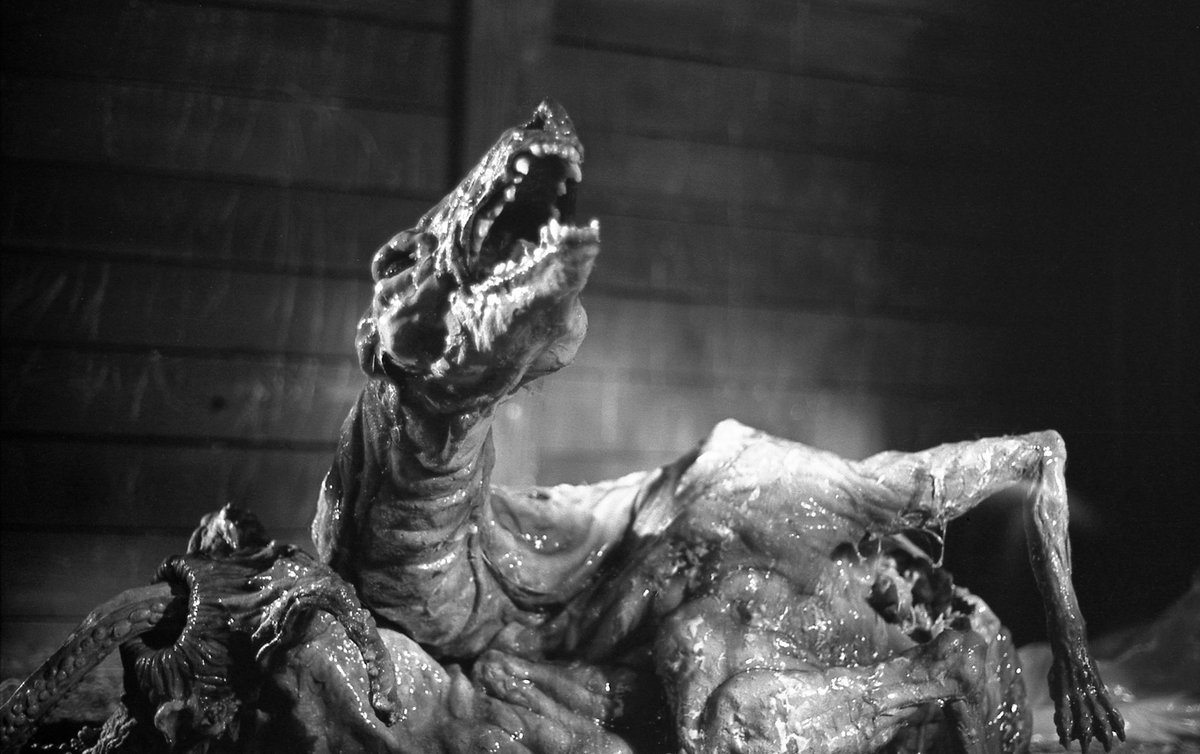
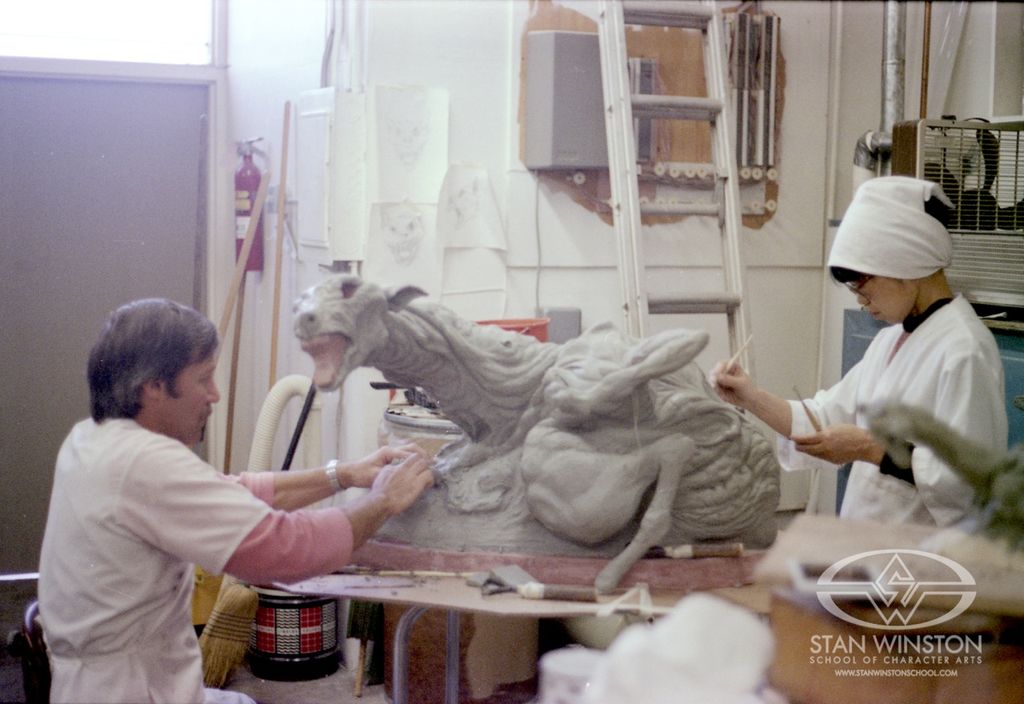
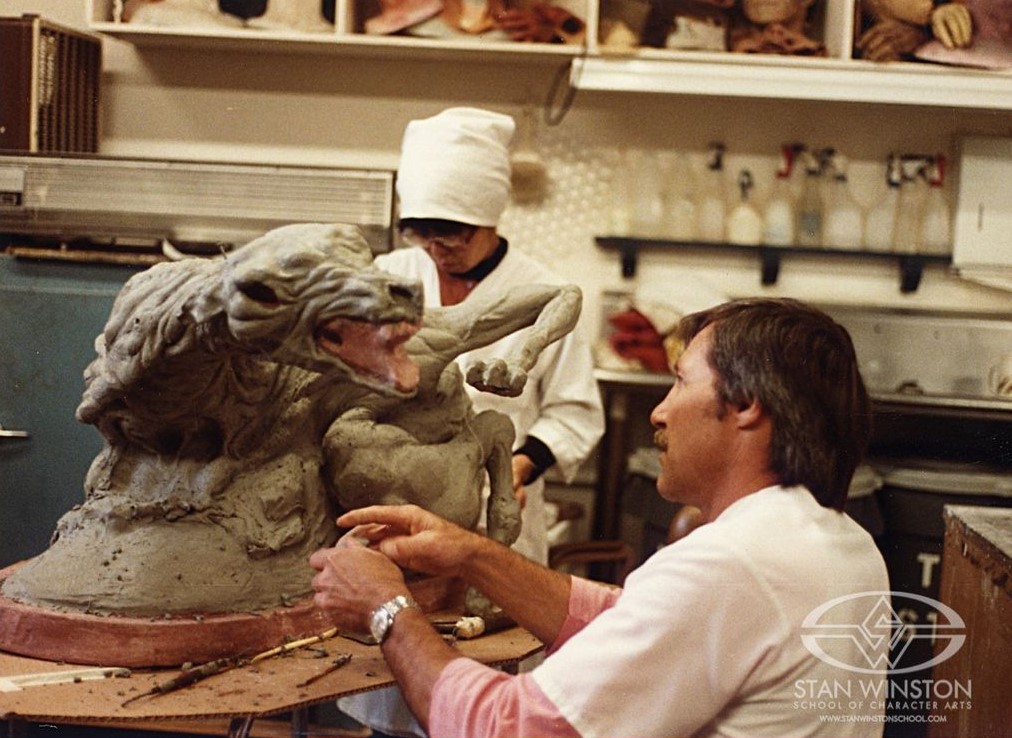
The kennel sequence was overseen by effects legend Stan Winston. Bottin had just worked on werewolf movie The Howling and said: “If I have to do another stinking mechanical dog, I’ll go nuts! I didn’t care if it was mutated or if it was on a skateboard. No more dogs!”
16/37
16/37
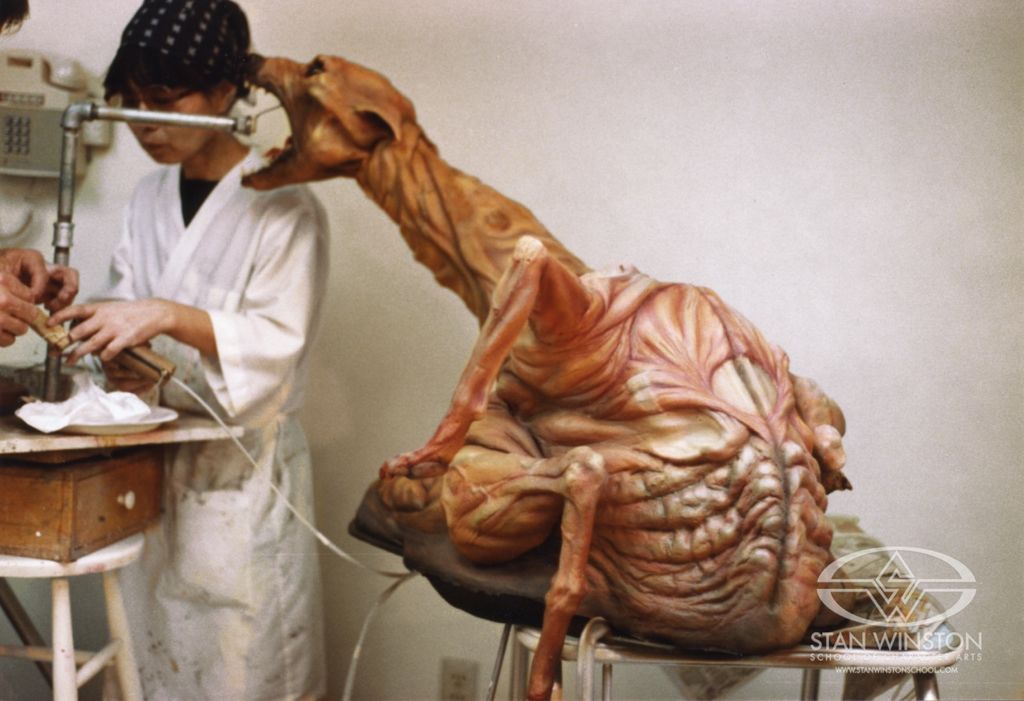
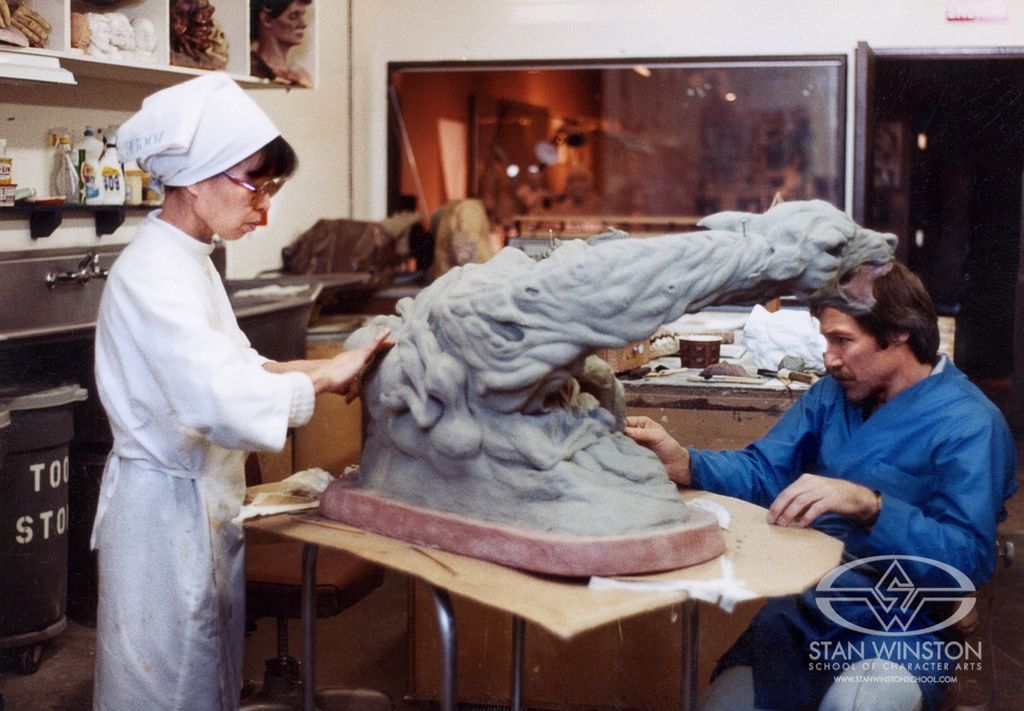
The dog in the sequence was a puppet and the moment where the tentacles shoot out was done with reverse photography. To get the sound of the dogs barking frantically, sound designer Colin Mouat put strays in his house and walked round the outside tapping on the windows.
17/37
17/37

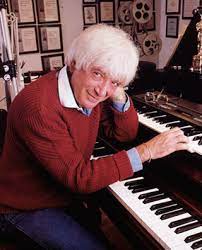
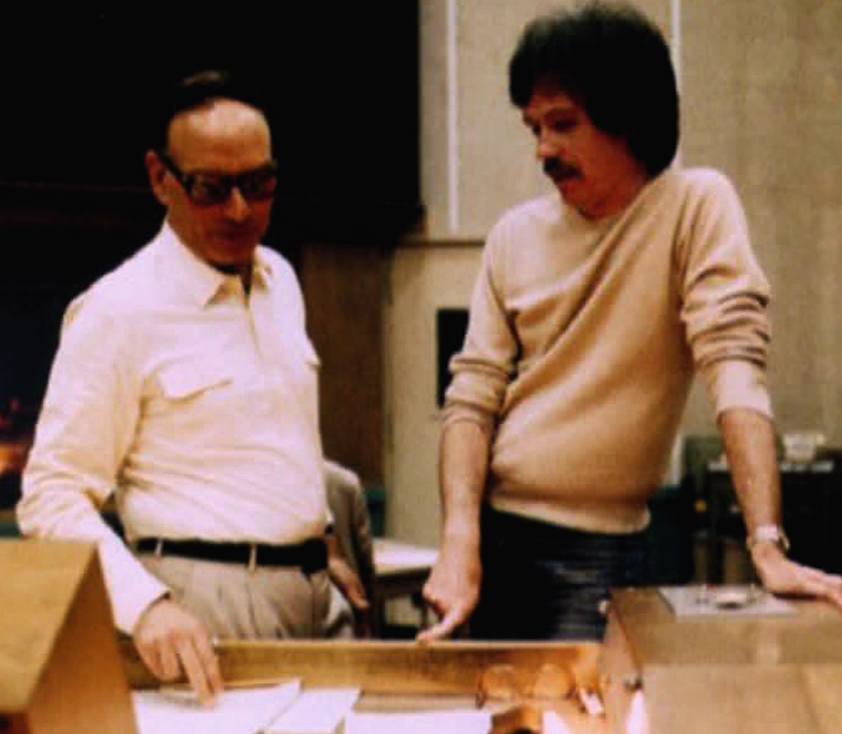
Carpenter’s first choice of composer was Jerry Goldsmith. When he passed, the studio suggested Spaghetti Western legend Ennio Morricone. Carpenter flew to Rome to meet Morricone, who said: “[John] listened to a few pieces I’d written, said ‘less notes’ then left.”
18/37
18/37
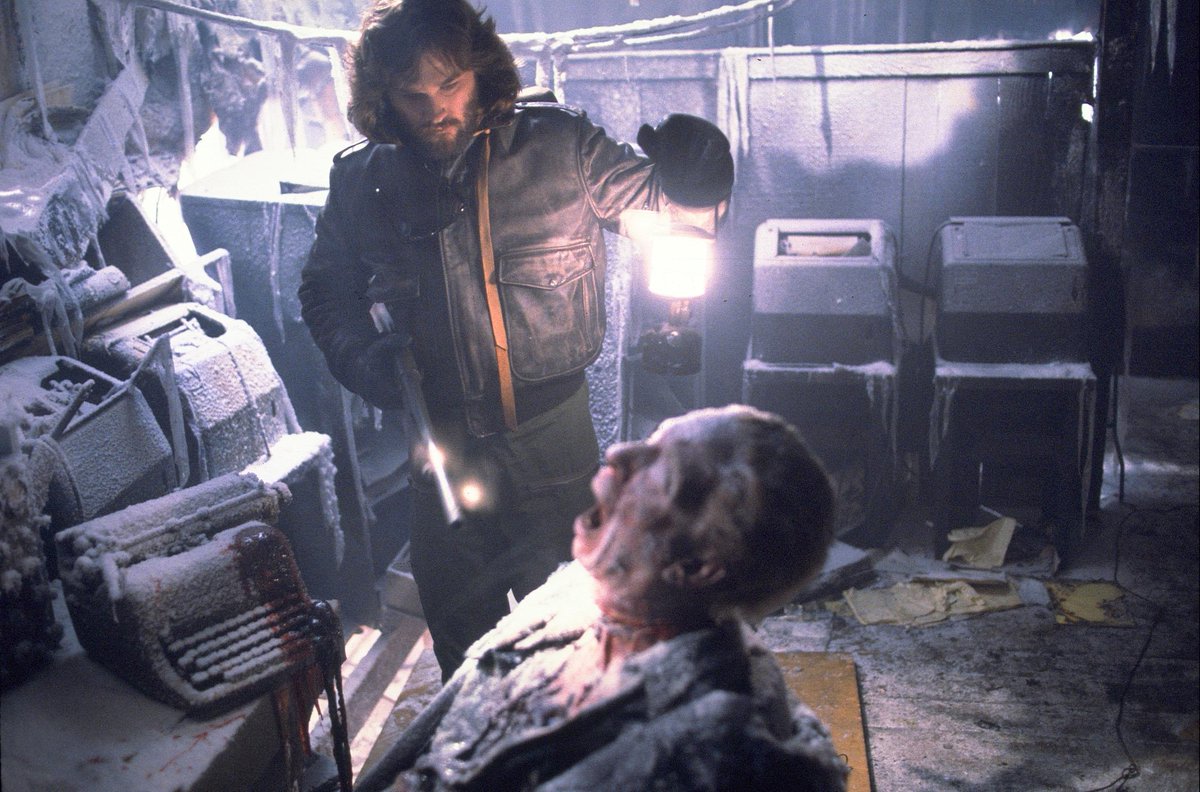
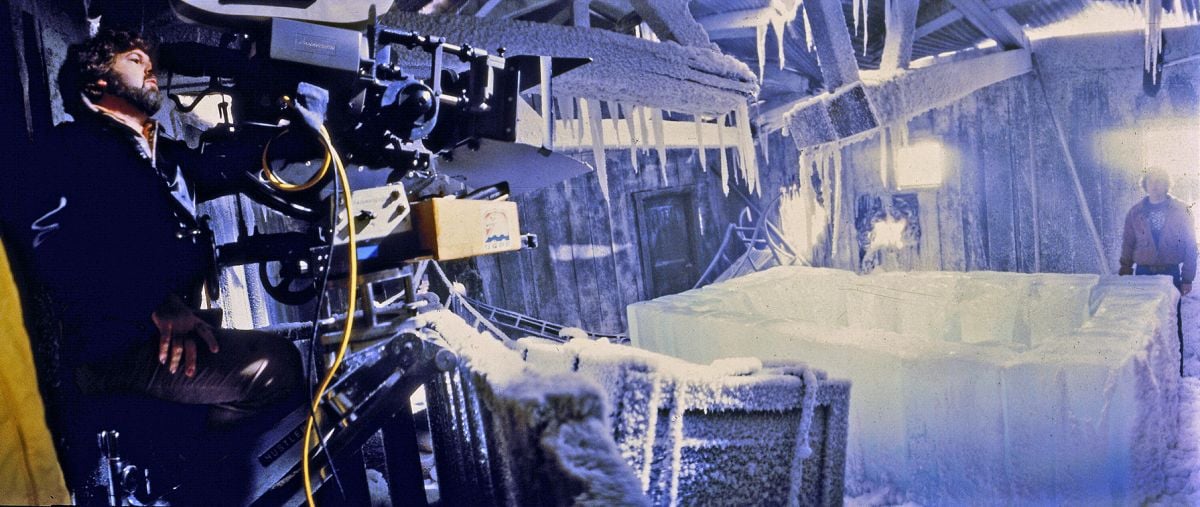
The film is set in the South Pole but filmed in L.A. and British Columbia. Therefore, the sets and stages were refrigerated down to 4 degrees Celsius, when it was really about 40 degrees outside. So any shots when we can see the actors’ breaths on the screen are real.
19/37
19/37
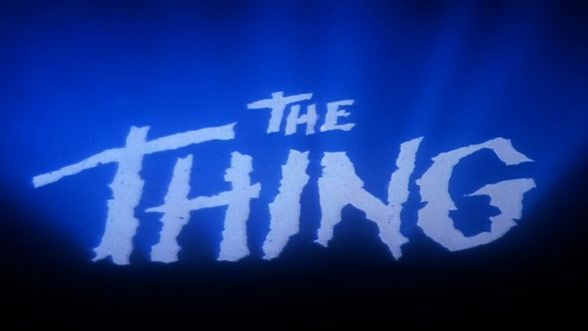
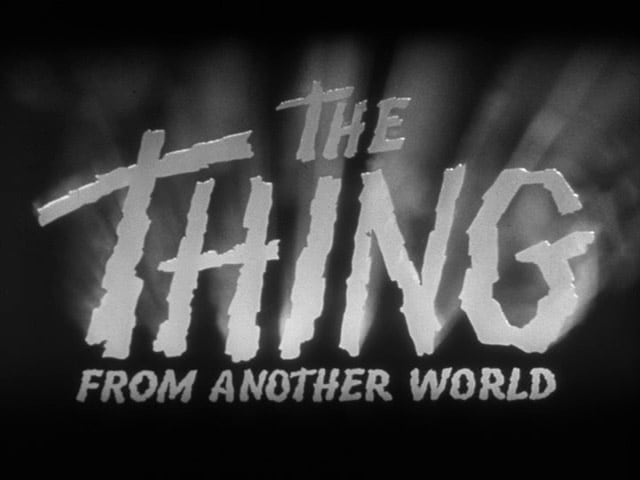
The opening title of The Thing is an adapted version of the title from the 1951 original. The effect was done by placing the logo behind a smoke-filled tank covered by a plastic bag. The bag was ignited, creating the effect of the title burning onto the screen.
20/37
20/37
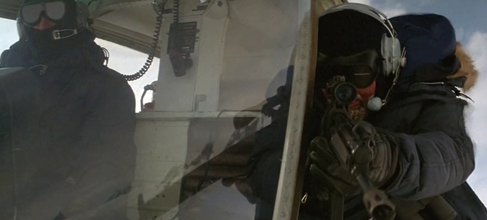
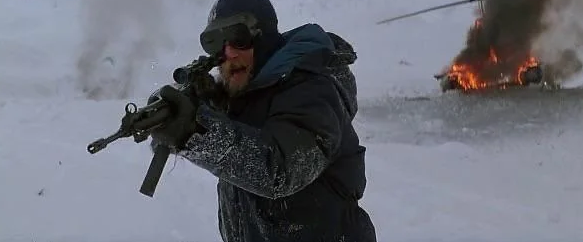
The film starts with a dog being shot at by two Norwegians in a helicopter. If you know Norwegian there’s a spoiler when the scientist shouts “Get the hell outta there. That’s not a dog, it’s some sort of thing! It’s imitating a dog, it isn’t real! GET AWAY YOU IDIOTS!!”
21/37
21/37
We see the dog wander into somebody’s room which is presumably how the scientists become infected. We can’t tell whose room it is because we only see a silhouette on the wall. To keep the identity of the character hidden, Carpenter used an extra to cast the shadow.
22/37
22/37
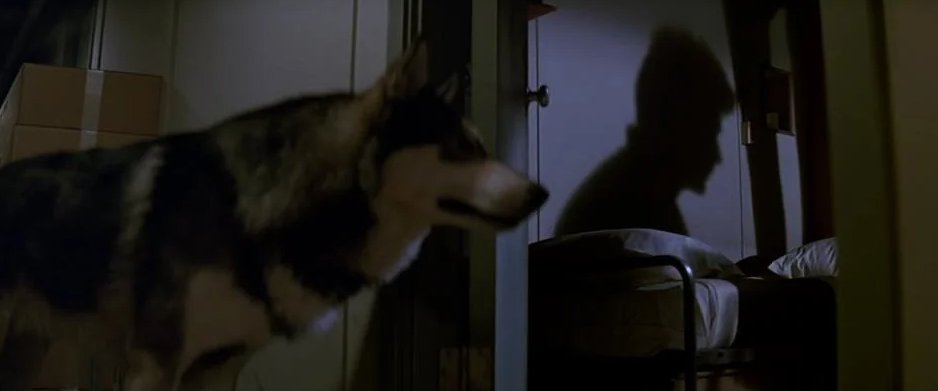
The scene below wasn’t in the script. To make sure editor Todd Ramsay understood the film, Carpenter asked Ramsay to explain the pathology of The Thing. Ramsay struggled to so Carpenter added in the scene to make it clear how The Thing absorbs a lifeform.
23/37
23/37
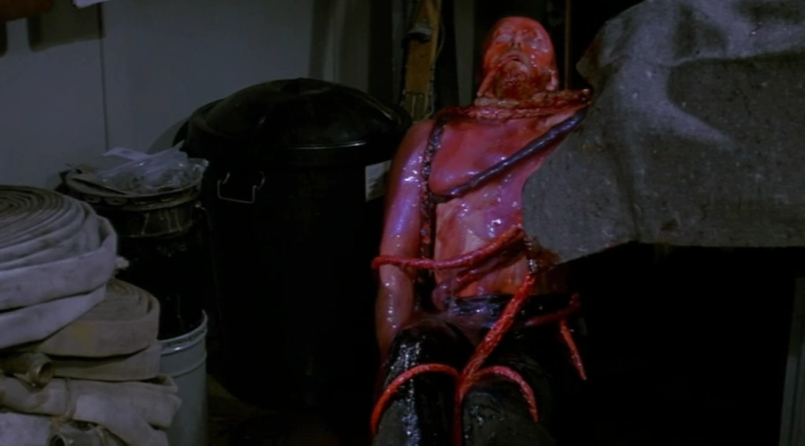
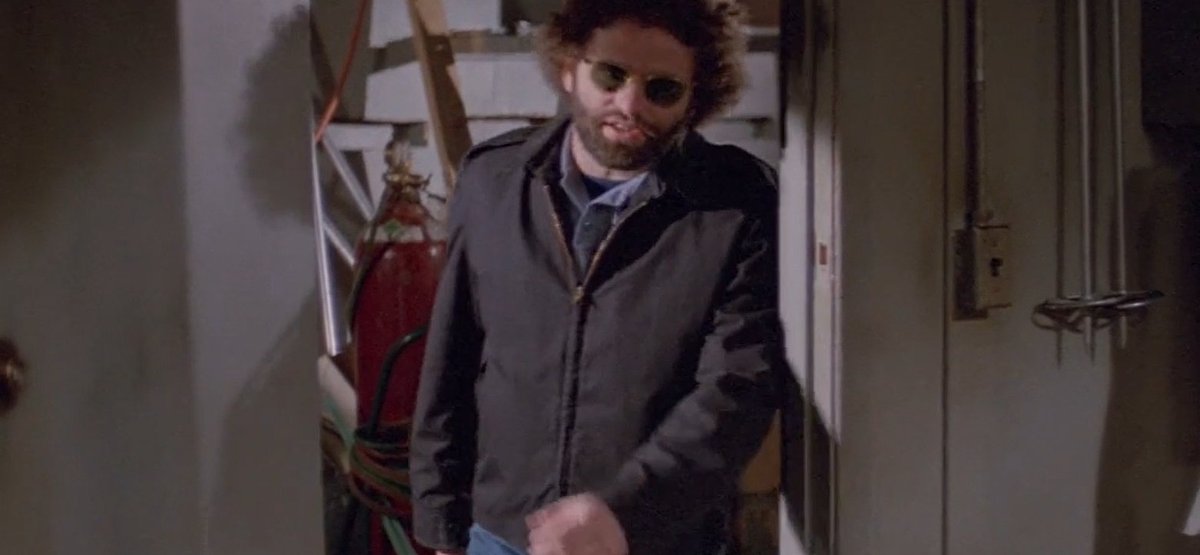
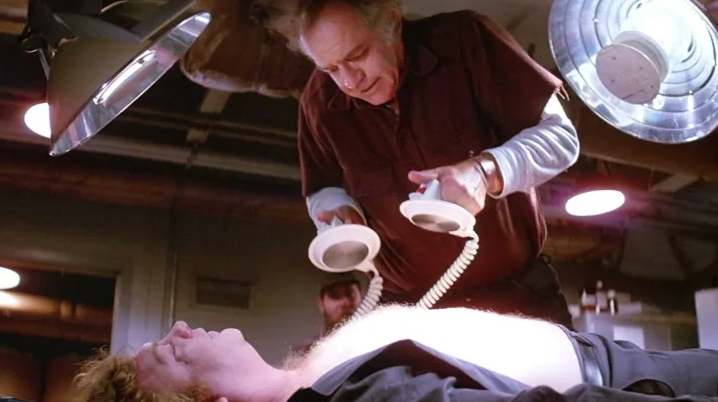
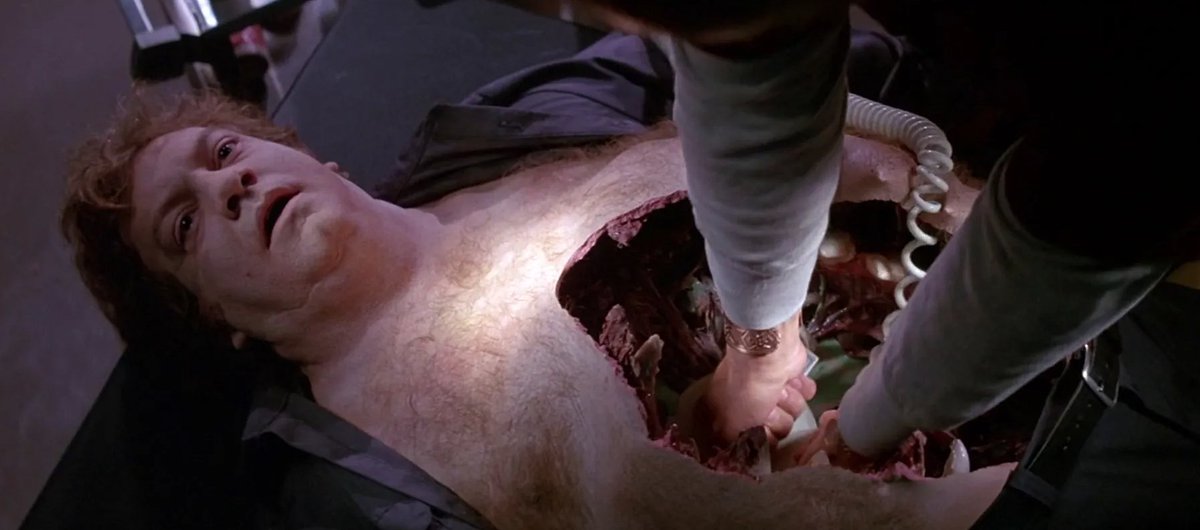
The defibrillator sequence is unforgettable. To achieve the effect of Copper’s arms being bitten off, they had a real-life amputee wear a mask of actor Richard Dysart. They bloodied up his amputated arms, and that’s what appears in the film.
24/37
24/37
One of the most popular scenes is the blood test. The ‘jumping blood’ was one long piece that included a fake hand. 2 shots before the blood jumps out we cut from Kurt Russell’s hand to the fake and so we become accustomed to the fake hand.
25/37
25/37
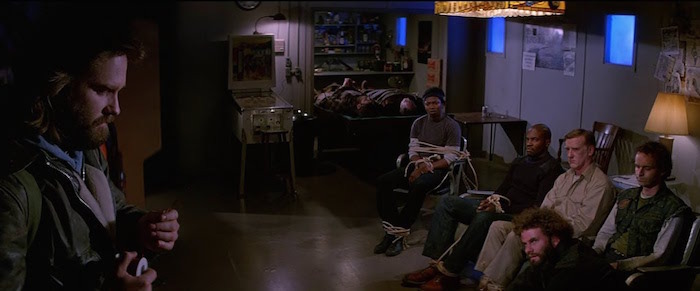
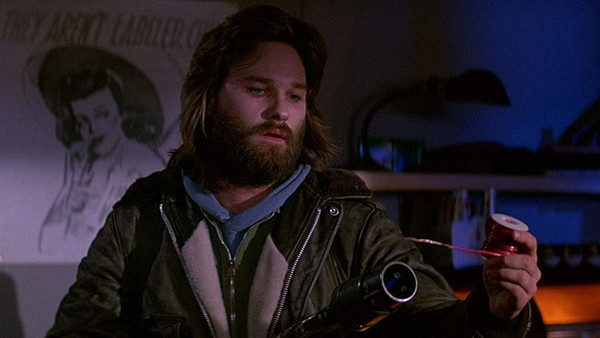
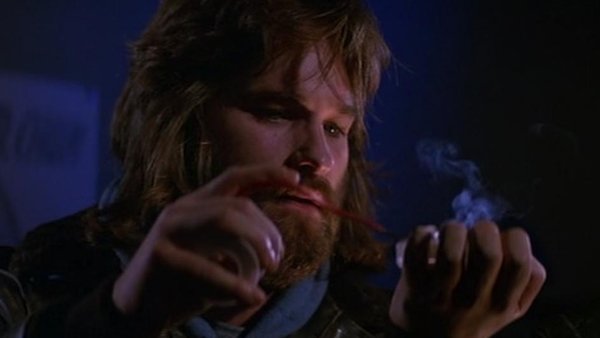
At the end of the scene, MacReady lets loose with a flamethrower. The next day Russell came in covered in bandages and said to Carpenter “I’ve been burned. I can’t finish the scene.” Carpenter was distraught but Russell then whipped off the bandages and said “aaaaaaahhh”
26/37
26/37
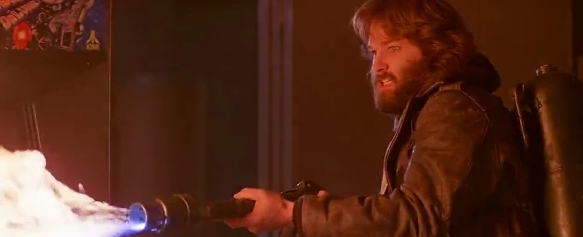
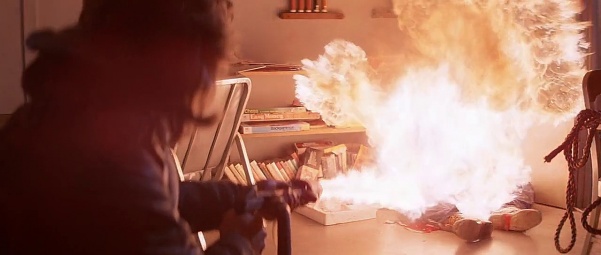
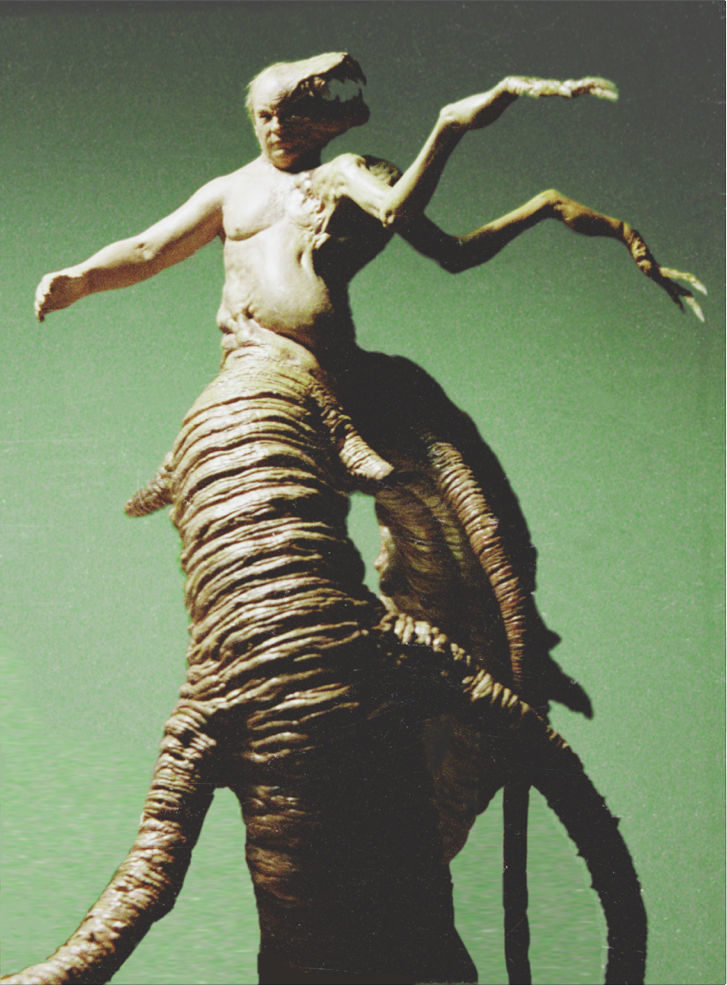
The climax of the film sees MacReady take on the creature in a showdown. Carpenter toyed with the idea of using stop motion animation to show The Thing emerging from the ground. Carpenter had some stop motion tests created, and decided against using it too extensively.
27/37
27/37
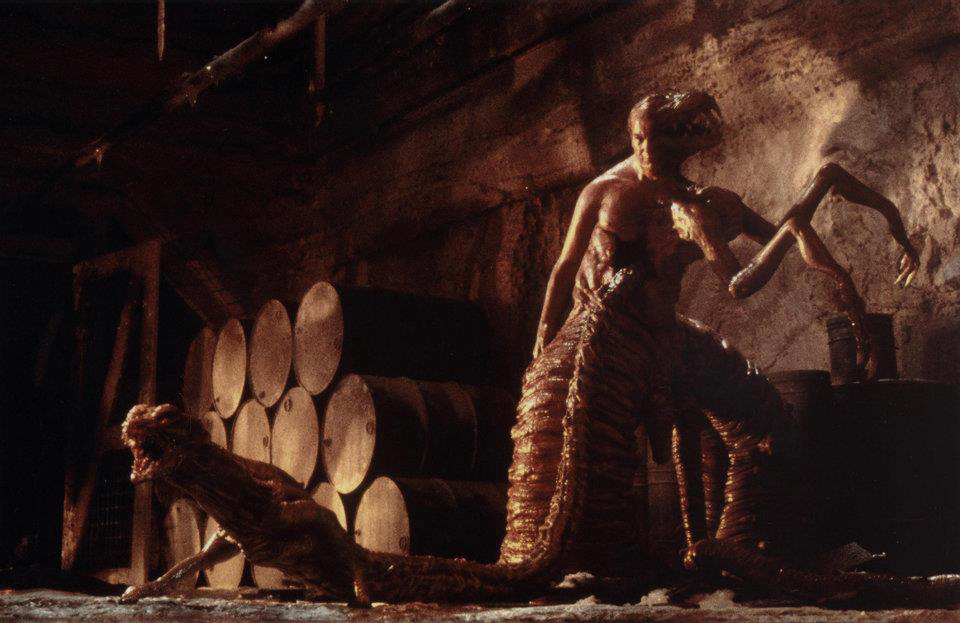
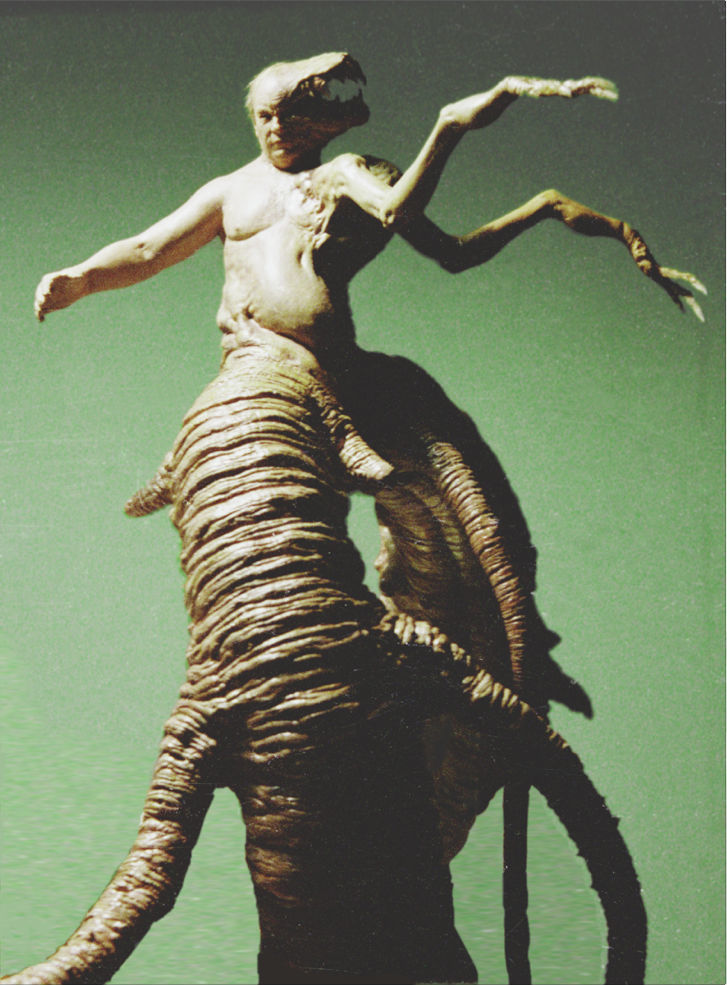
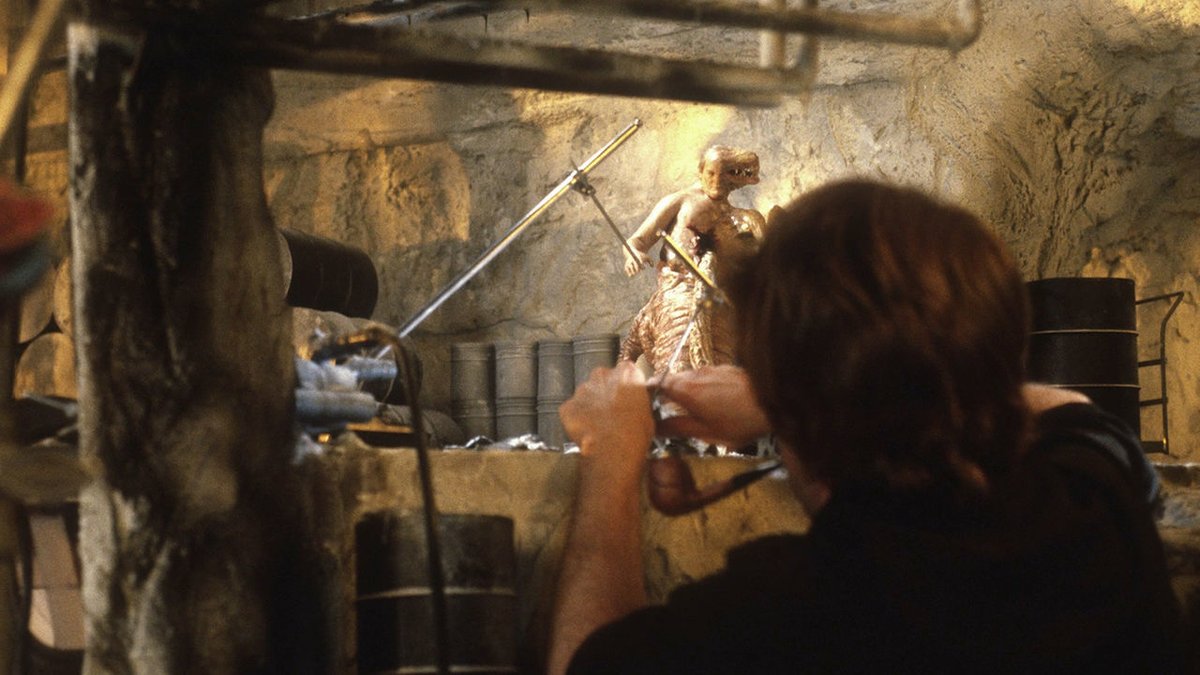
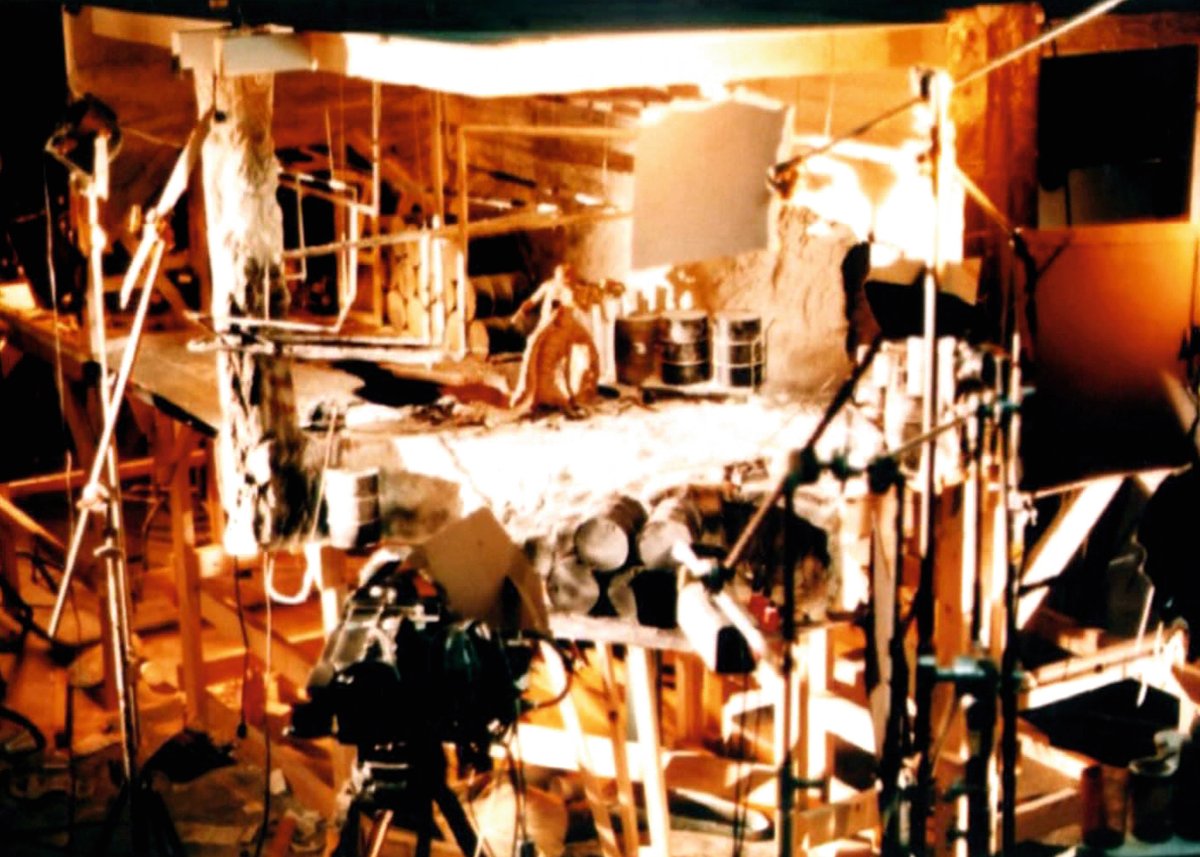
Carpenter and Bottin went with an animatronic puppet instead. It took a team of 50 technicians to operate the puppet. Bottin had regrets later saying he ran out of time and could have done something better.
28/37
28/37
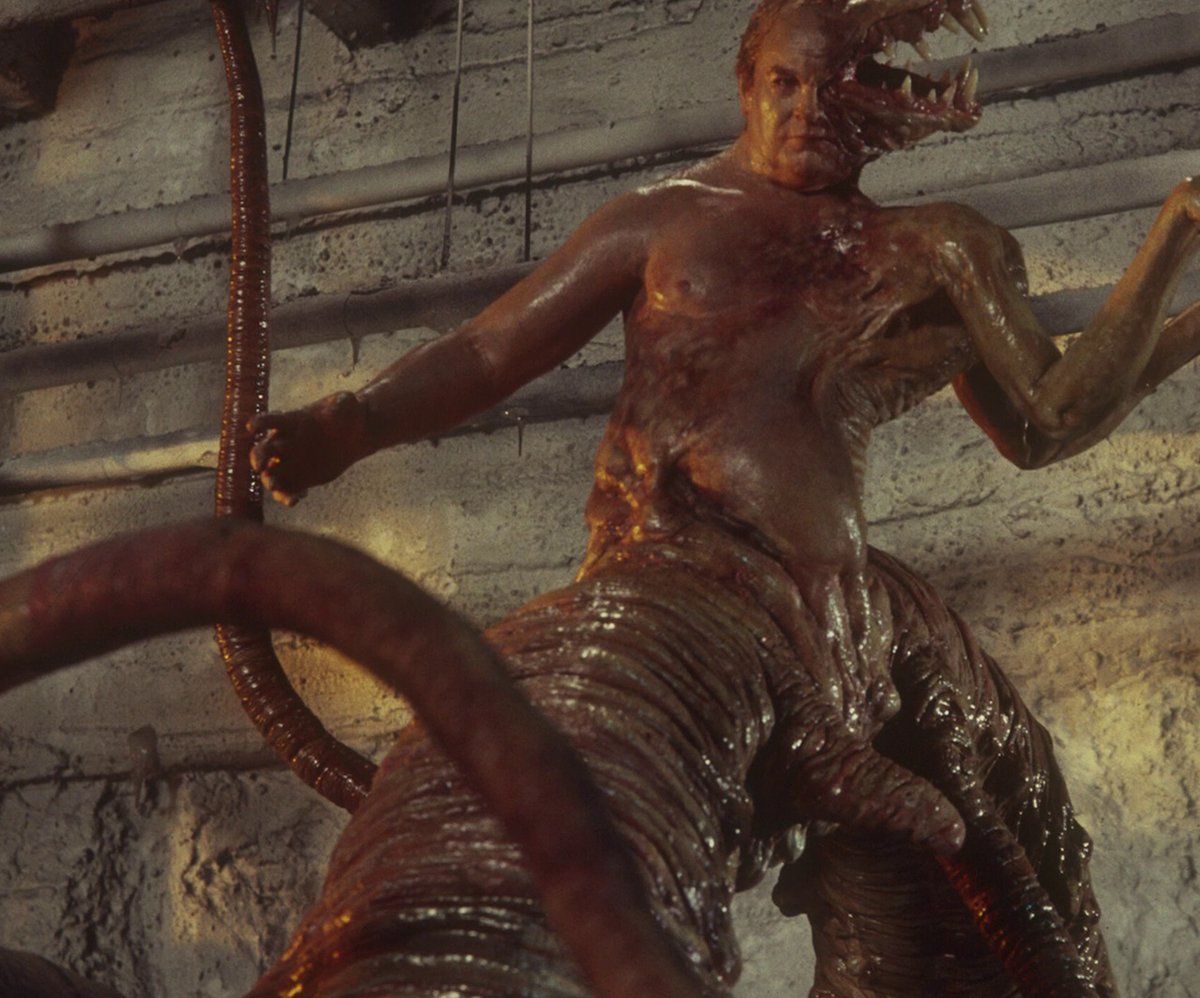
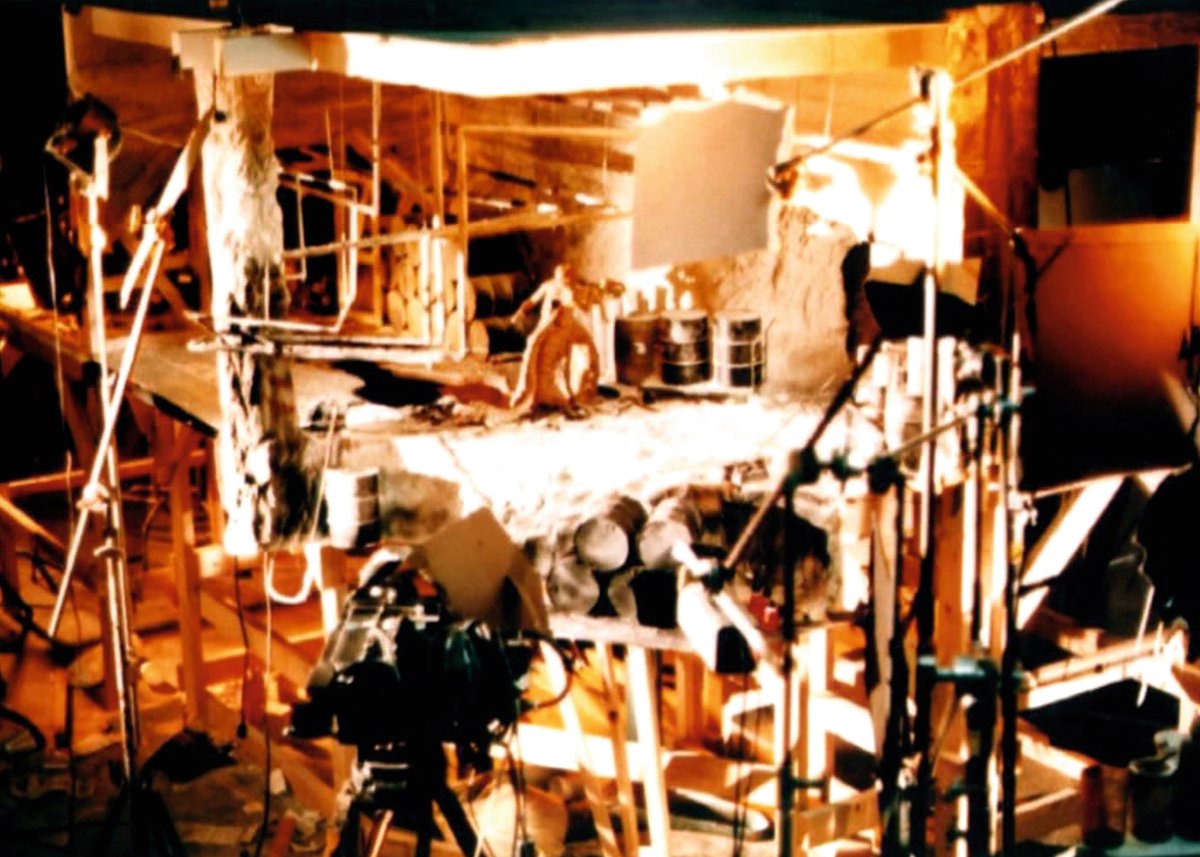
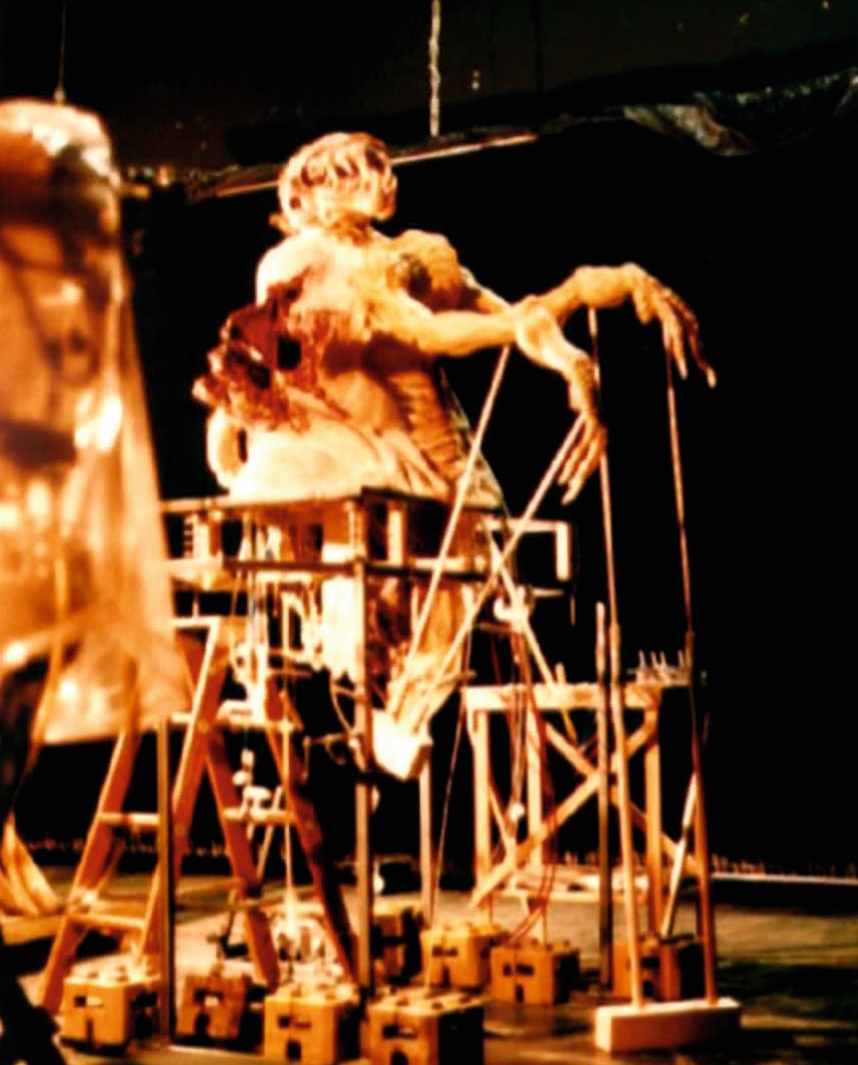
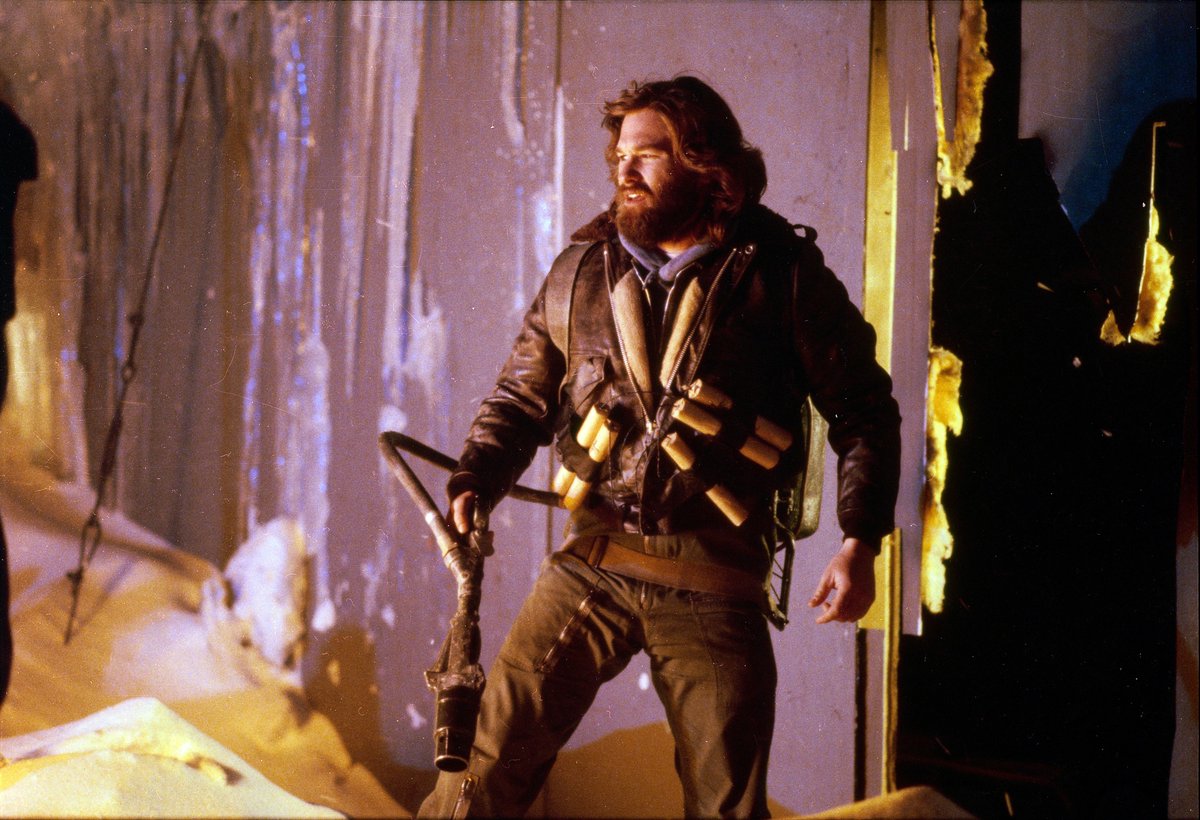
Carpenter’s Director of Photography was Dean Cundey. They used a muted colour palette and constantly-moving camera to create some great images…
29/37
29/37
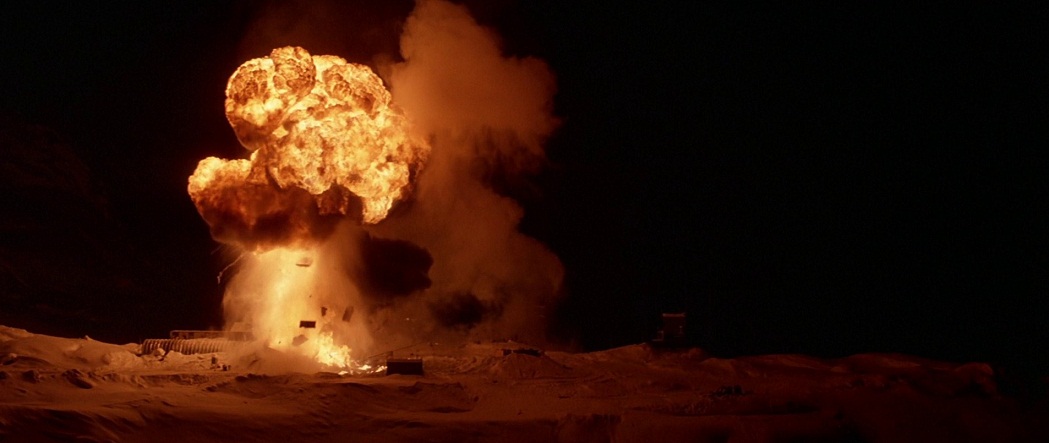
The explosions in the climax were real and, in the moment where MacReady throws the dynamite, it created a much bigger explosion than Kurt Russell was expecting. You can see Russell off to the side shielding himself from the blast
30/37
30/37
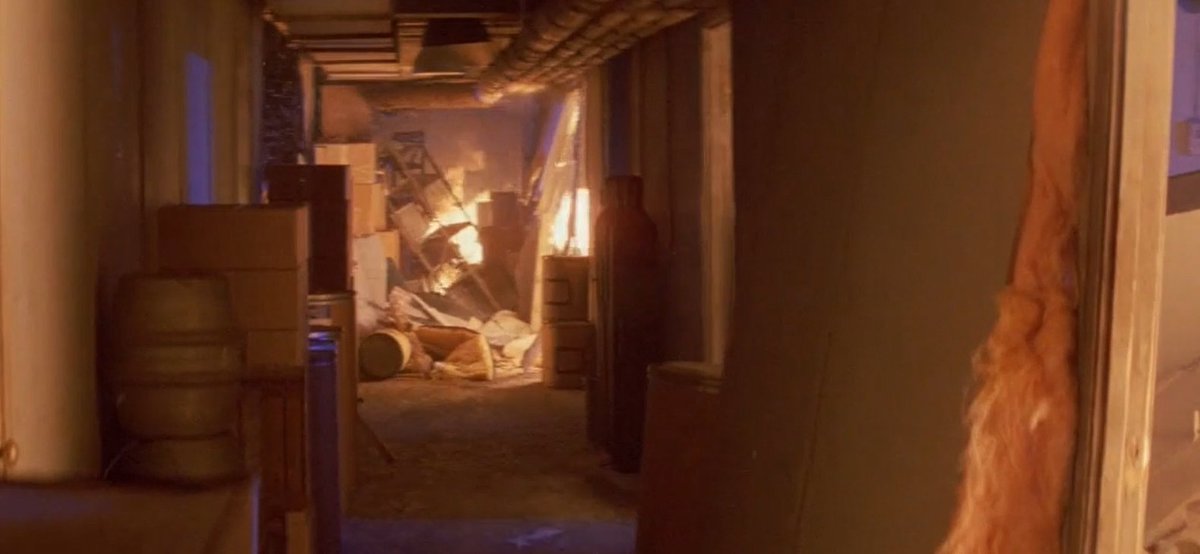
The ending of the film has been theorised over for years. Carpenter wanted an ambiguous ending and it was Kurt Russell who came up with the idea of the two men staring each other down.
31/37
31/37
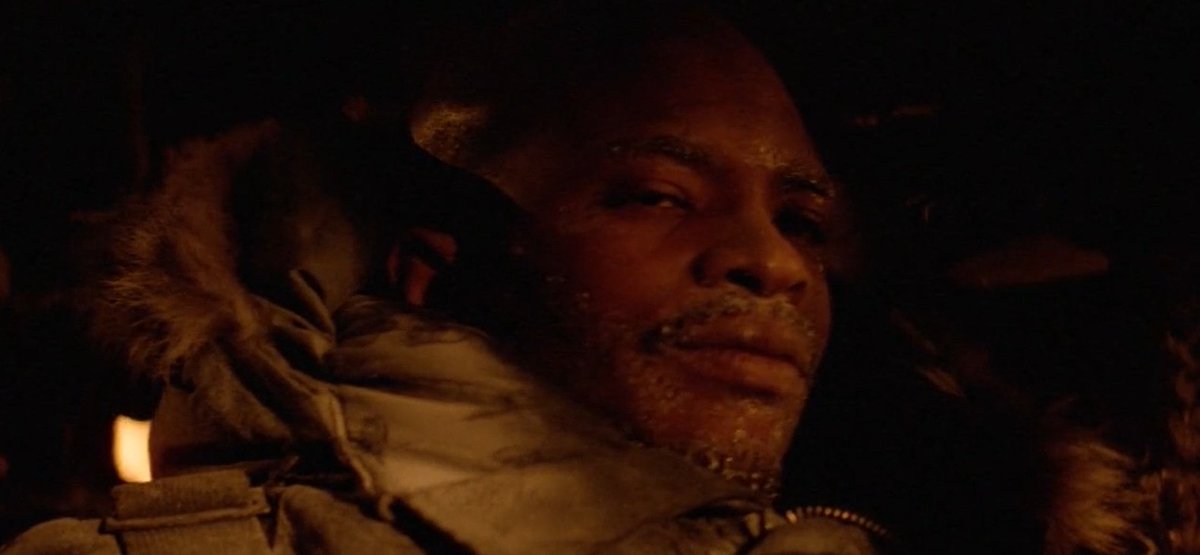
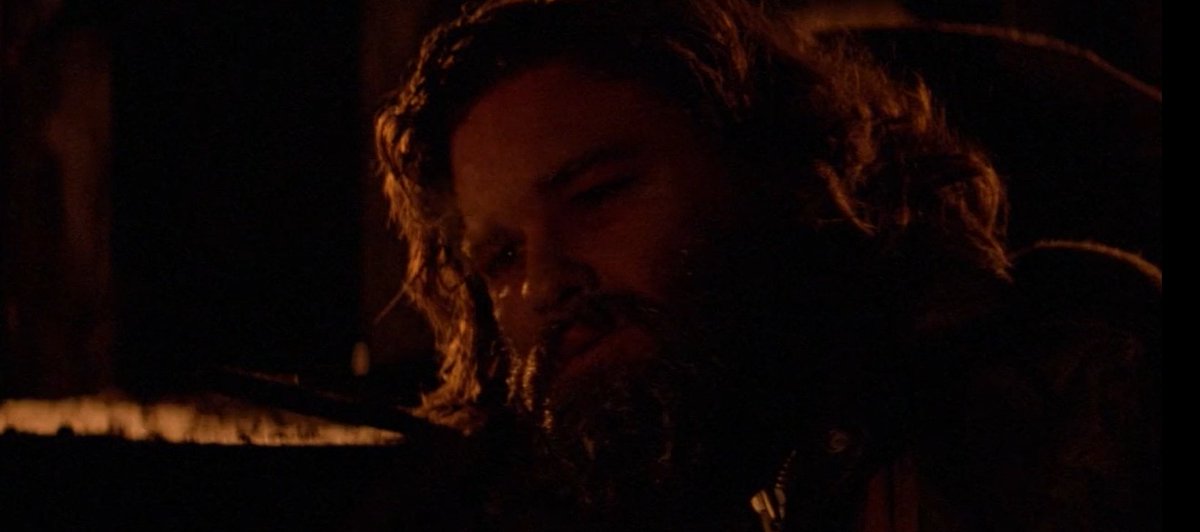
Bill Lancaster wrote two endings. One ended with both MacReady and Childs turning into The Thing. The other ended with MacReady and Childs being picked up by rescue helicopter and MacReady saying, “which way to a hot meal?”
32/37
32/37
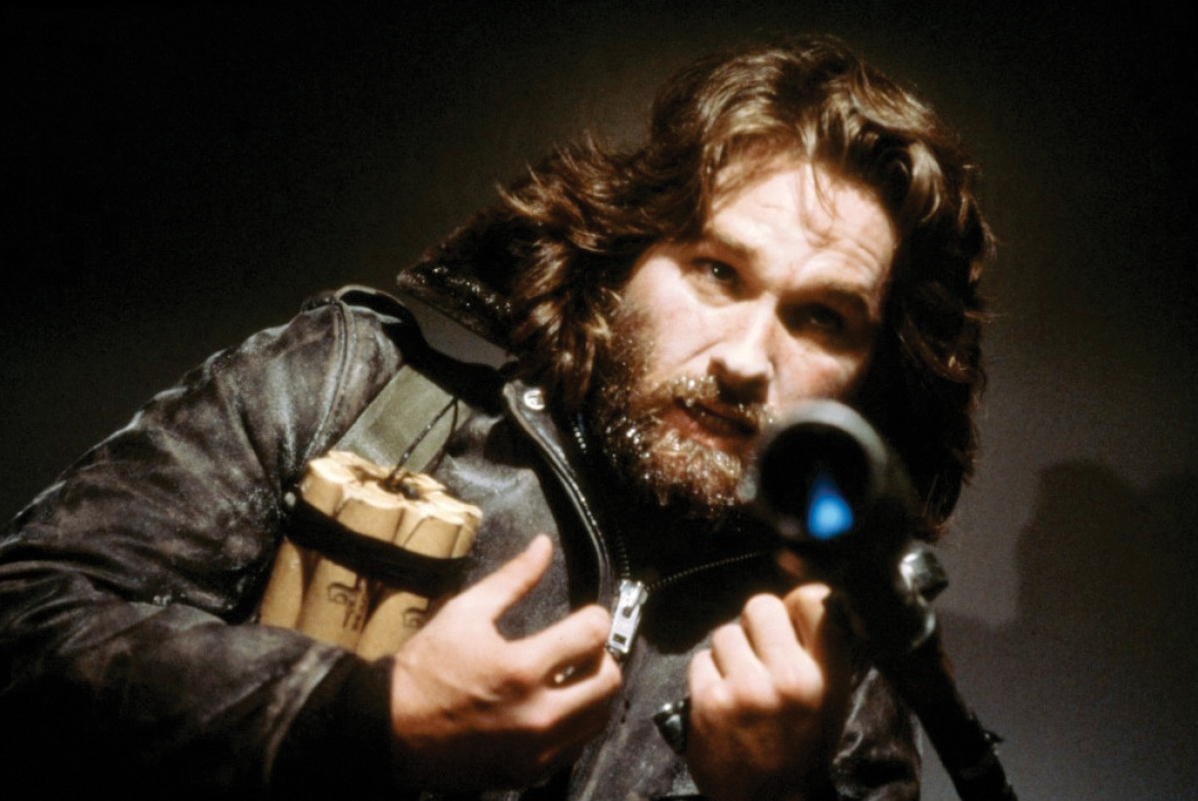
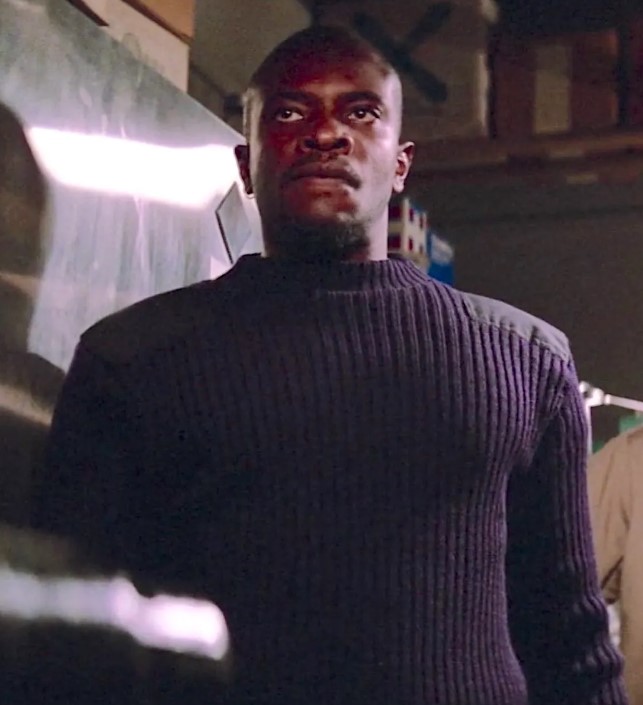
One theory revolves around the bottle of scotch MacReady hands Childs. MacReady has been throwing Molotov Cocktails earlier, and it’s said that this bottle is filled with gasoline, not scotch. Childs drinks it and, because he’s The Thing, can’t tell the difference.
33/37
33/37
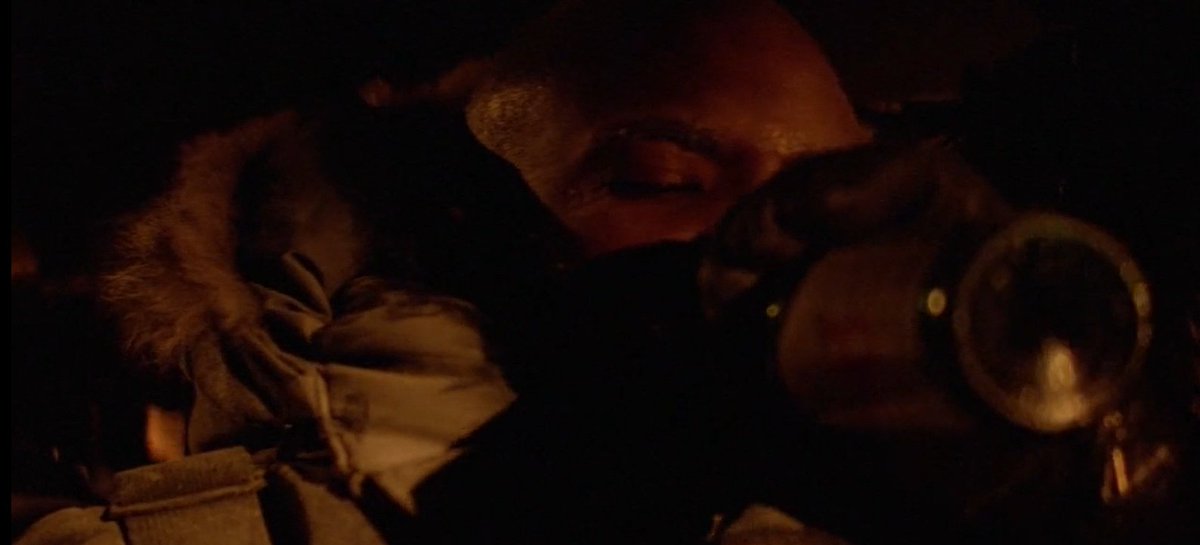
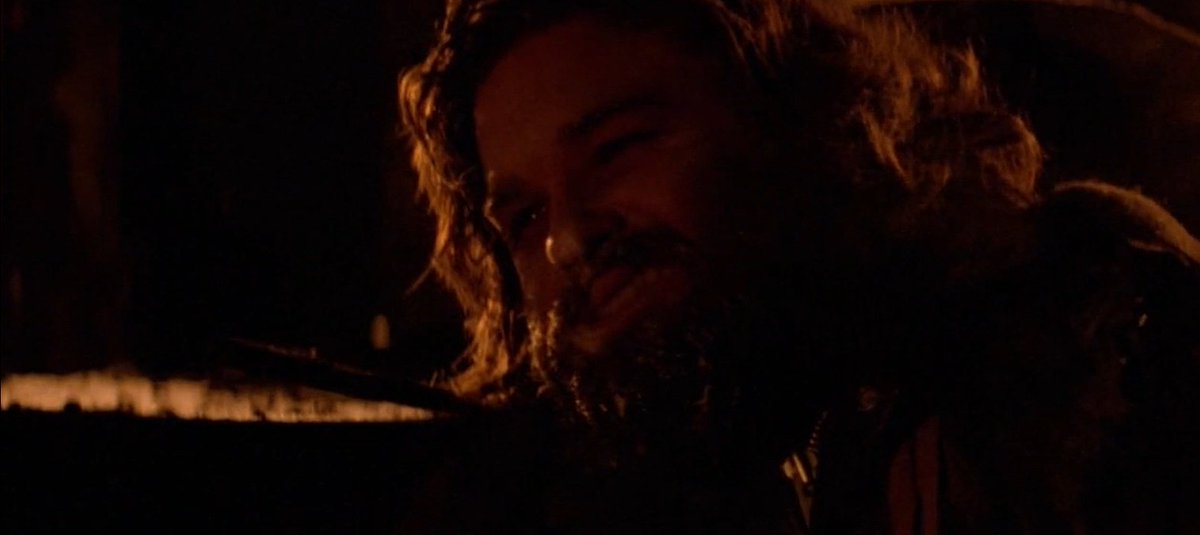
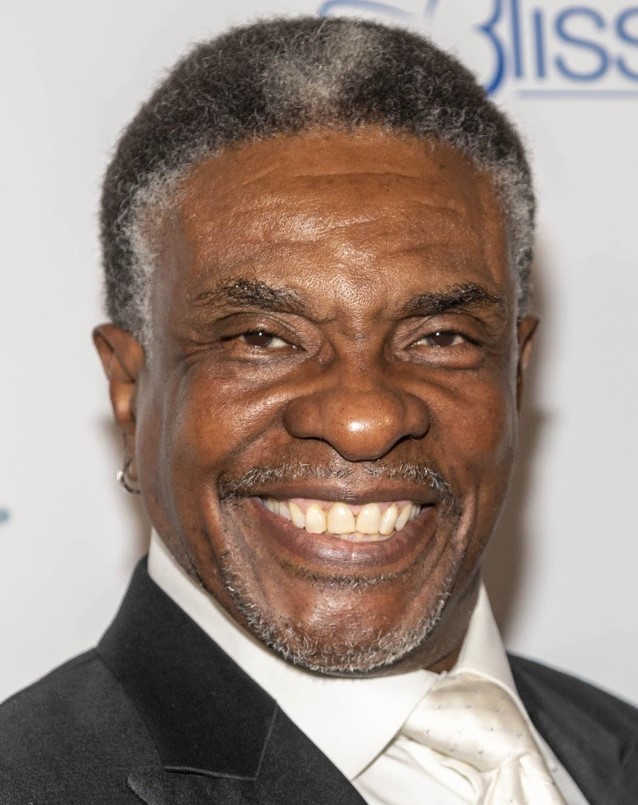
And, at a horror convention in 2008, Keith David (Childs) was asked if he ever knew who, at the end, was The Thing. He said, “Well, I don’t know about Kurt, but it sure as hell wasn’t me.”
34/37
34/37
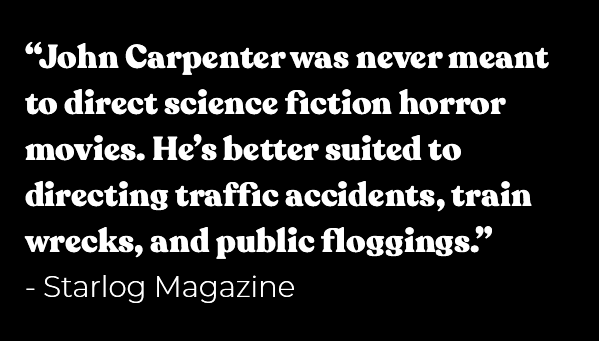
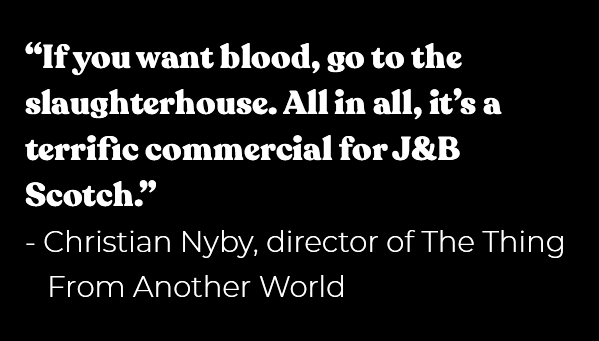
The Thing was a huge flop on its release in 1982. On a production budget of $15m, The Thing grossed just $19.6m. Critics didn’t like the movie very much either:
35/37
35/37
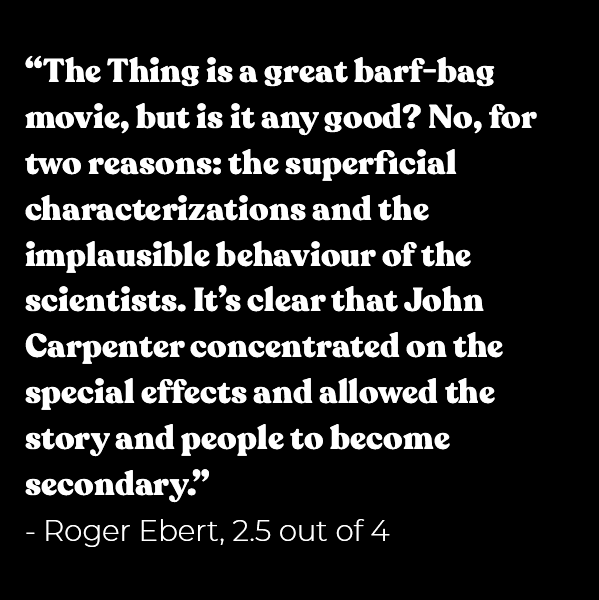
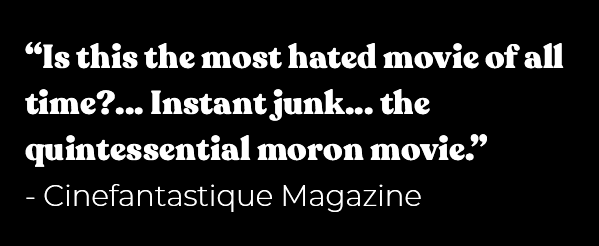
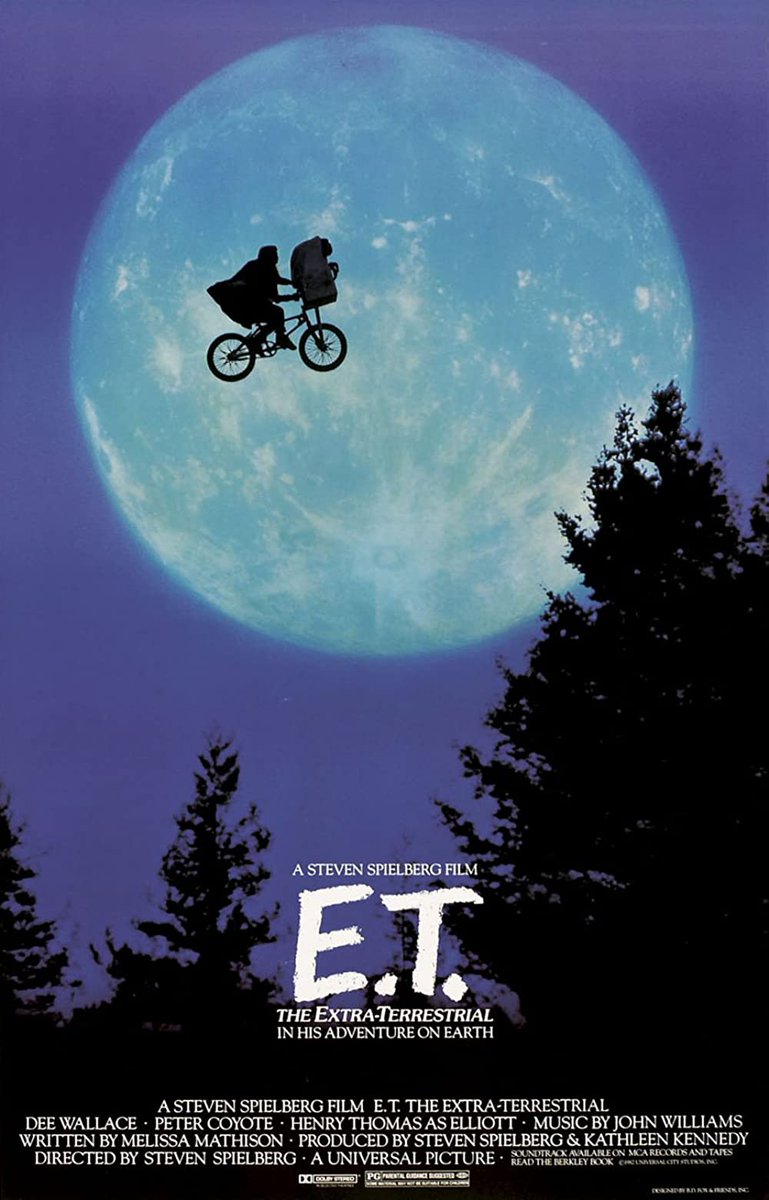
The failure of The Thing has been attributed to E.T. the Extra-Terrestrial. E.T. was a huge family movie about a friendly alien, commentators have said audiences weren’t looking for the gruesome killer monster that Carpenter was peddling.
36/37
36/37
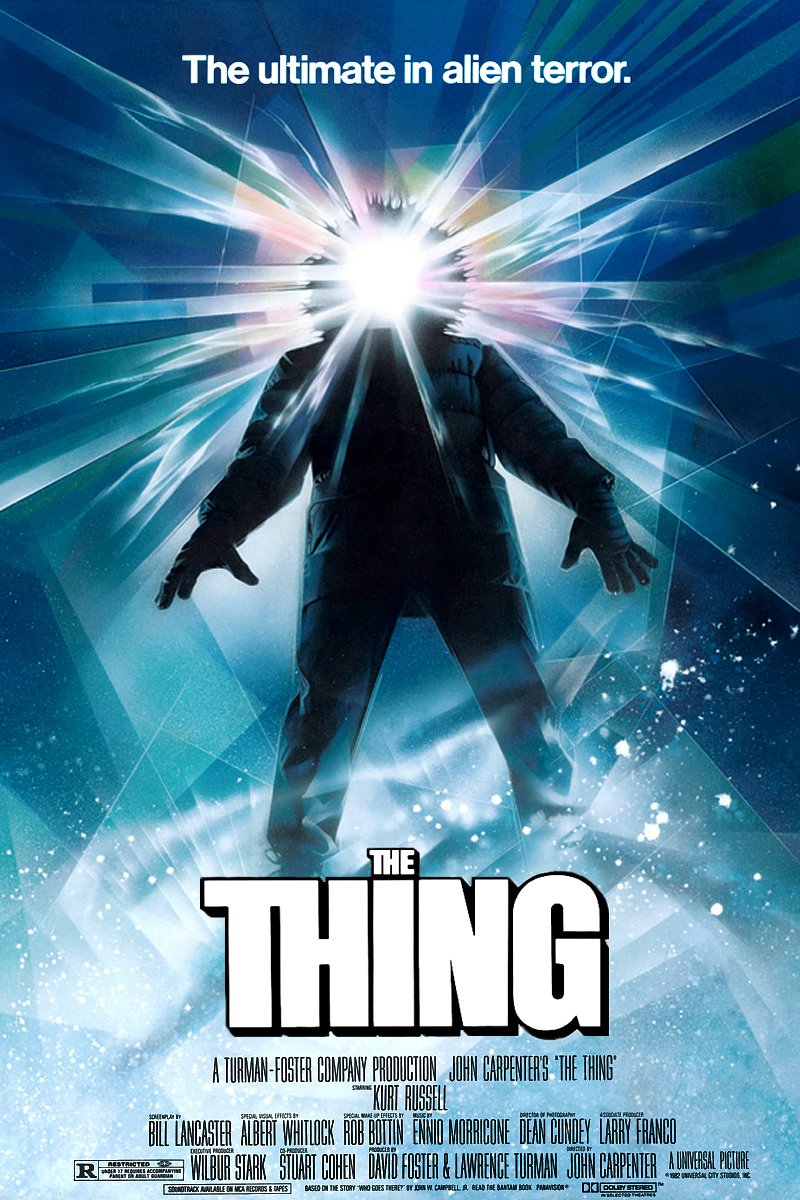
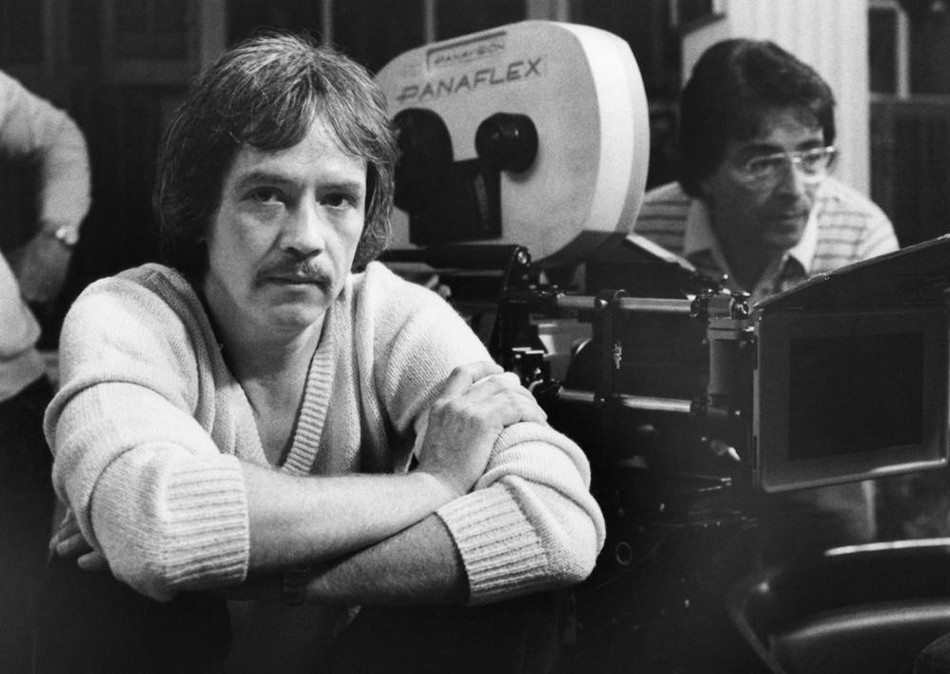
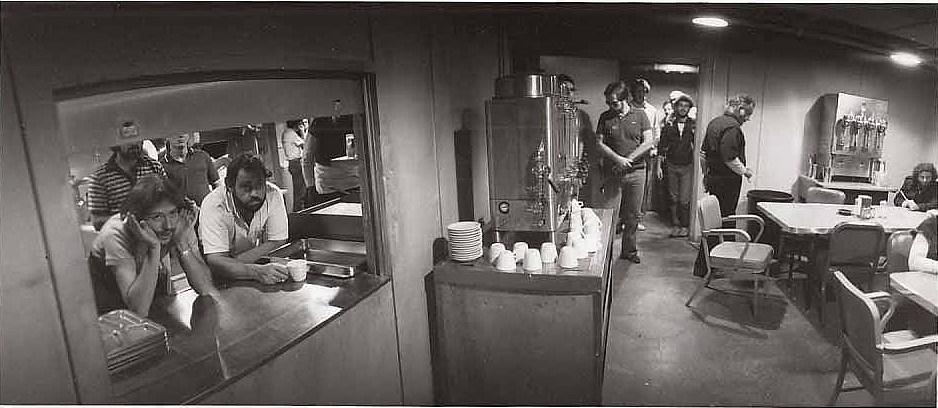
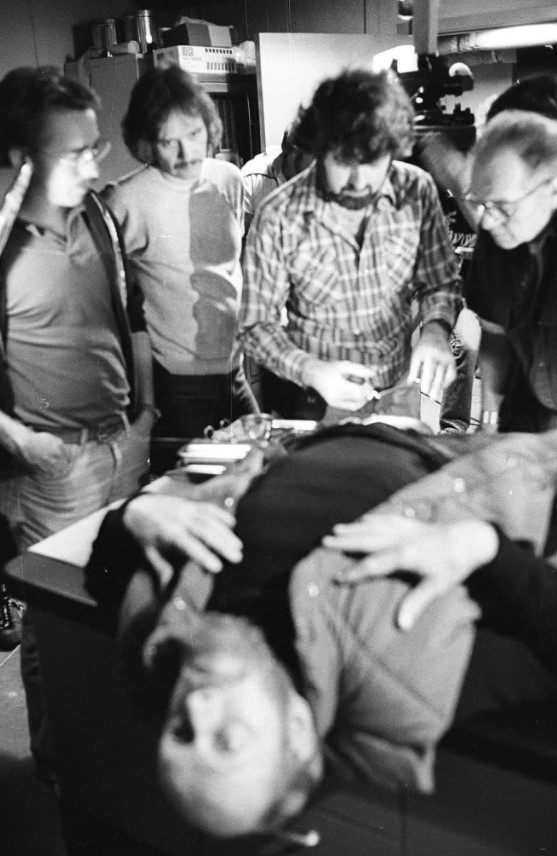
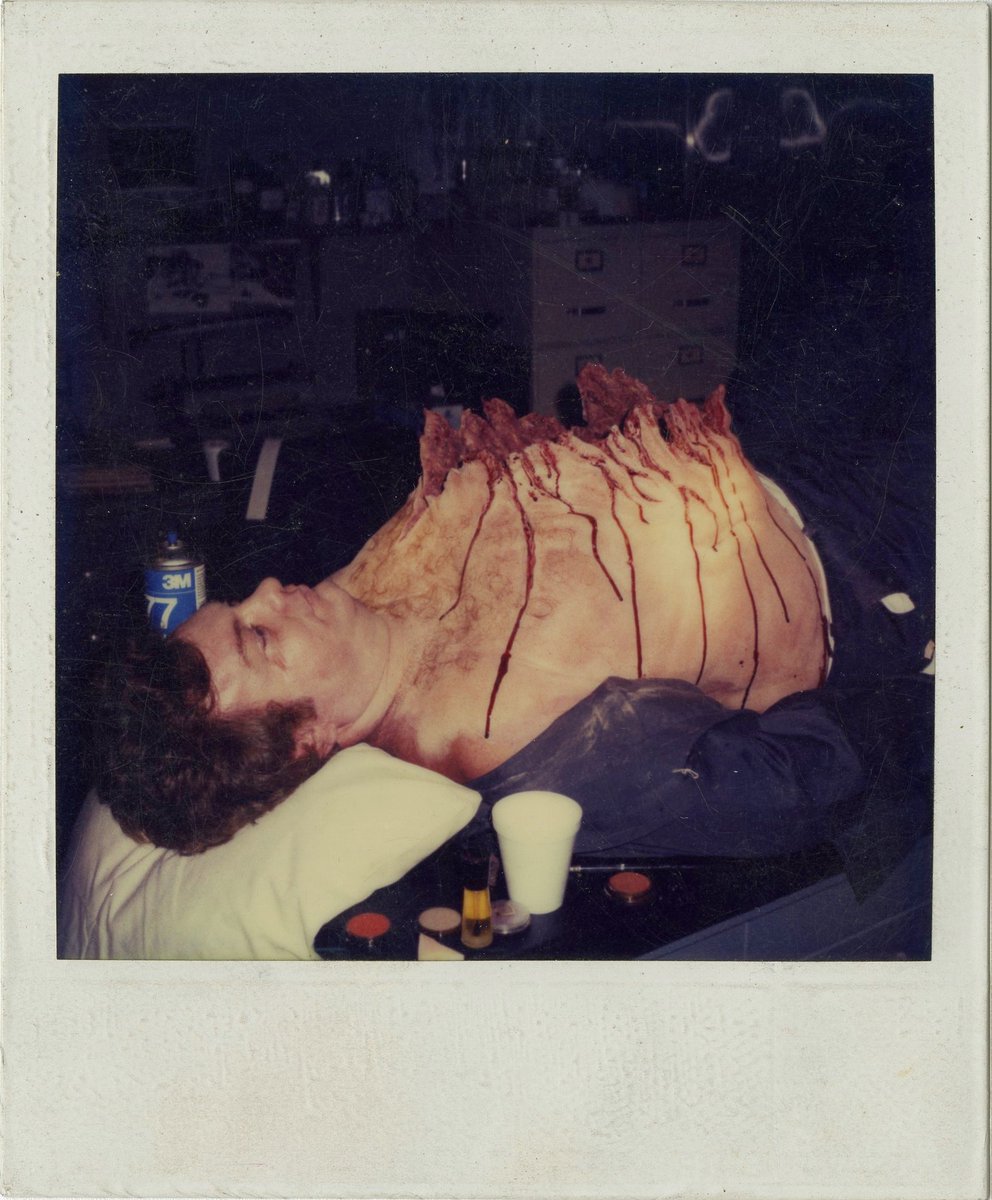
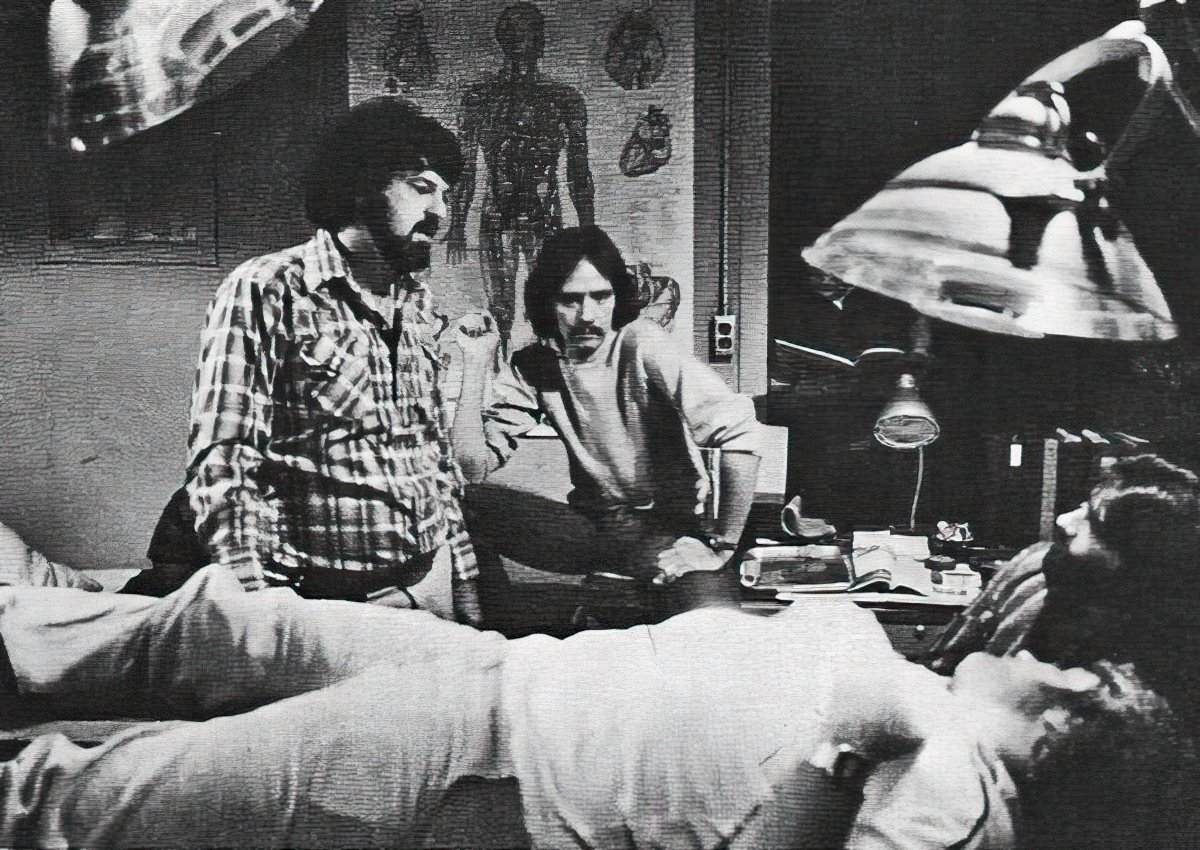
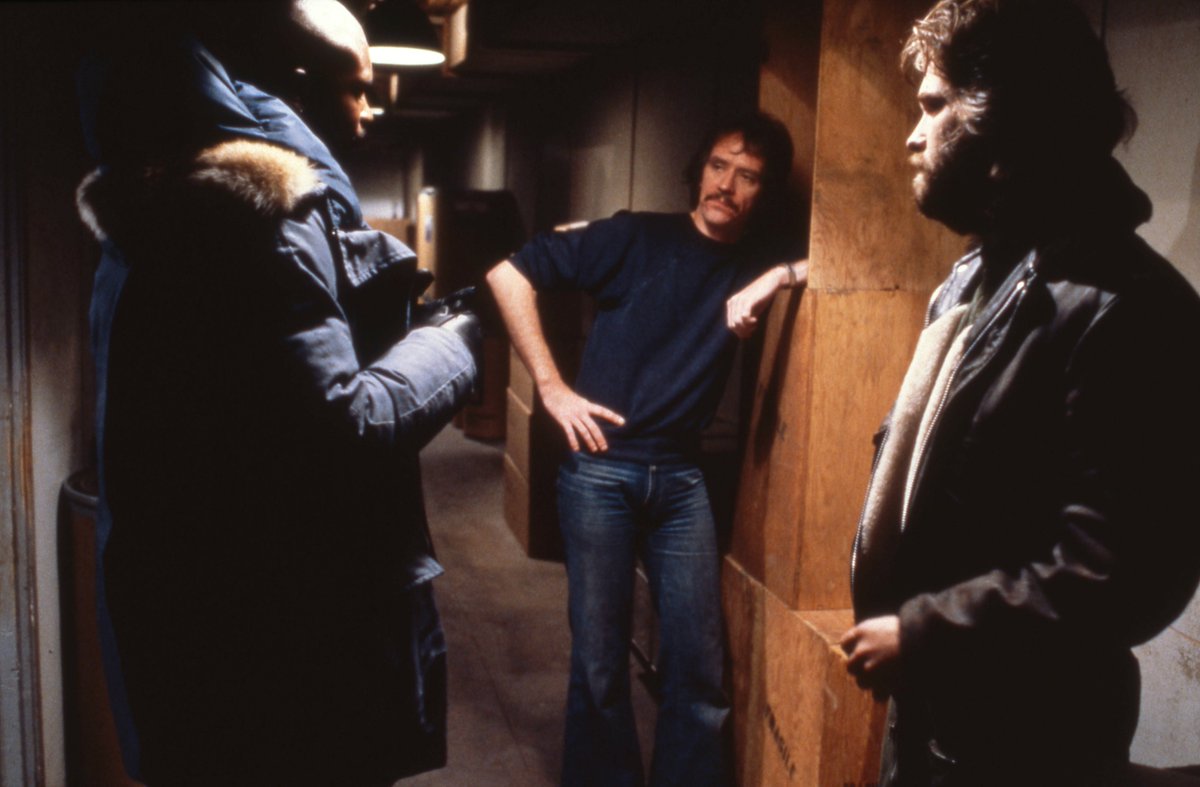
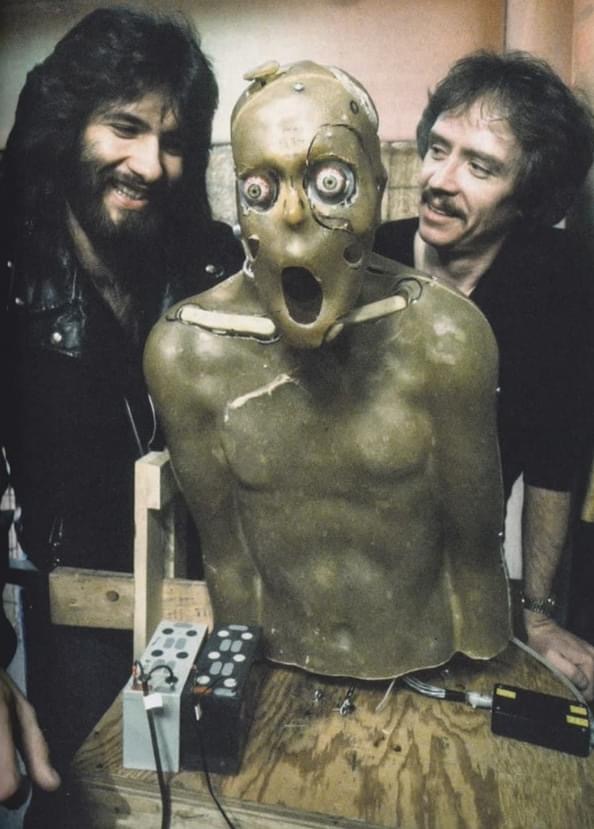
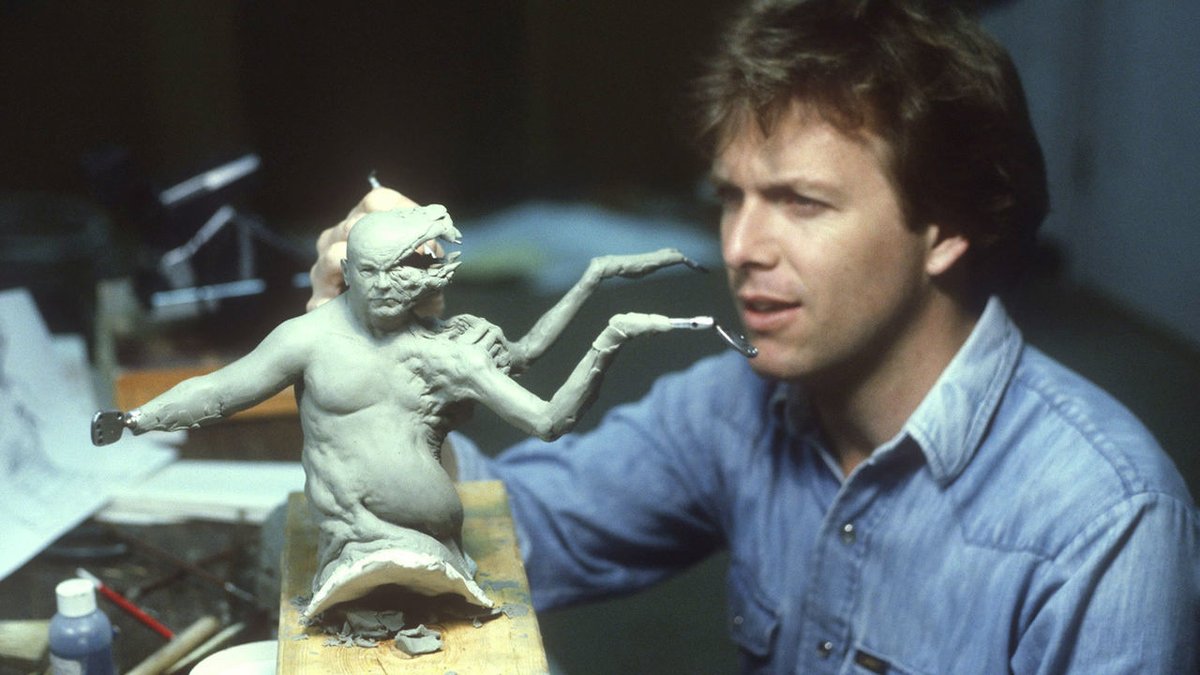
Over time, The Thing grew in stature and is now regarded as a stone-cold classic. To finish, some great behind the scenes snaps from the set of The Thing…
37/37
37/37
If you liked our making of story of THE THING, please share the opening post 😄
https://x.com/ATRightMovies/status/1805900944883753372
Our most recent podcast is a deep dive into THE SOCIAL NETWORK. It's full of the standard ATRM laughs and opinions so please check it out 😀
alltherightmovies.com/podcast/the-so…
alltherightmovies.com/podcast/the-so…
• • •
Missing some Tweet in this thread? You can try to
force a refresh