World's Most Incredible Sculptures
Where art meets emotion and creativity knows no bounds—let's discover:
Masterpieces that leave us in awe🧵
Where art meets emotion and creativity knows no bounds—let's discover:
Masterpieces that leave us in awe🧵

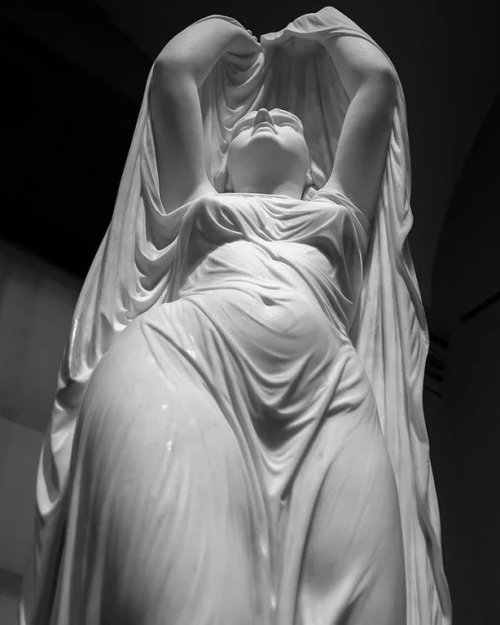
1. Undine Rising from the Waters is a stunning marble sculpture created by American artist Chauncey Bradley Ives in 1884.
2. The Pietà by Ippolito Scalza, a masterwork hewn from a singular block of marble between 1570 and 1579, poignantly captures the Virgin Mary cradling the lifeless form of Jesus Christ.
3. The Nike (Winged Victory) of Samothrace is a revered votive monument that was originally discovered on the island of Samothrace, situated north of the Aegean Sea—an exceptional work of art from the Hellenistic era of Greek sculpture, crafted during the early 2nd century BC.

4. Apollo and Daphne is a life-sized marble statue sculpted by Bernini from 1622 to 1625. He was 24 when he started it for Cardinal Scipione Borghese, who commissioned it.
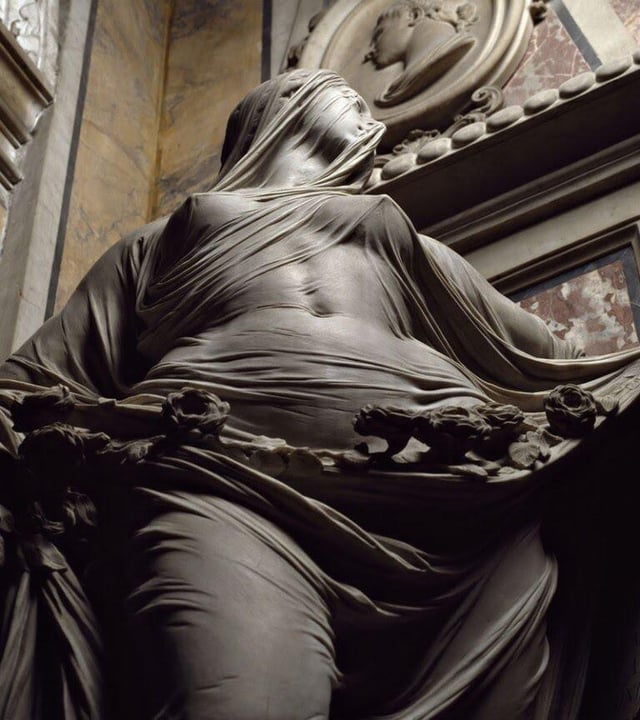
5. Modesty (Chastity, Veiled Truth) is a marble sculpture by Antonio Corradini, completed in 1752 and housed in the Cappella Sansevero in Naples, Italy. It is regarded as one of the masterpieces of the Rococo period.
6. The Ecstasy of Saint Teresa is a renowned sculpture by Gian Lorenzo Bernini, crafted between 1647 and 1652.
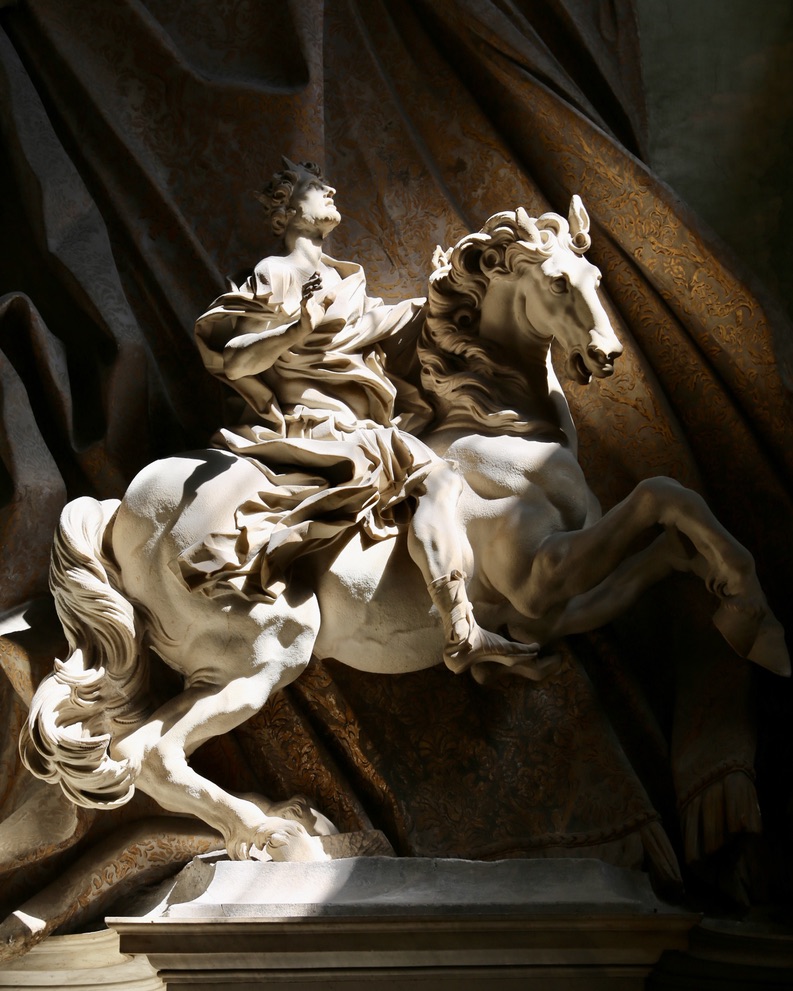
7. The Vision of Constantine by Gian Lorenzo Bernini is a sculpture depicting Emperor Constantine I’s pivotal vision of a cross in the sky before the Battle of the Milvian Bridge in 312 AD.
8. The Veiled Christ is an extraordinary marble sculpture crafted by the Neapolitan artist Giuseppe Sanmartino in 1753.
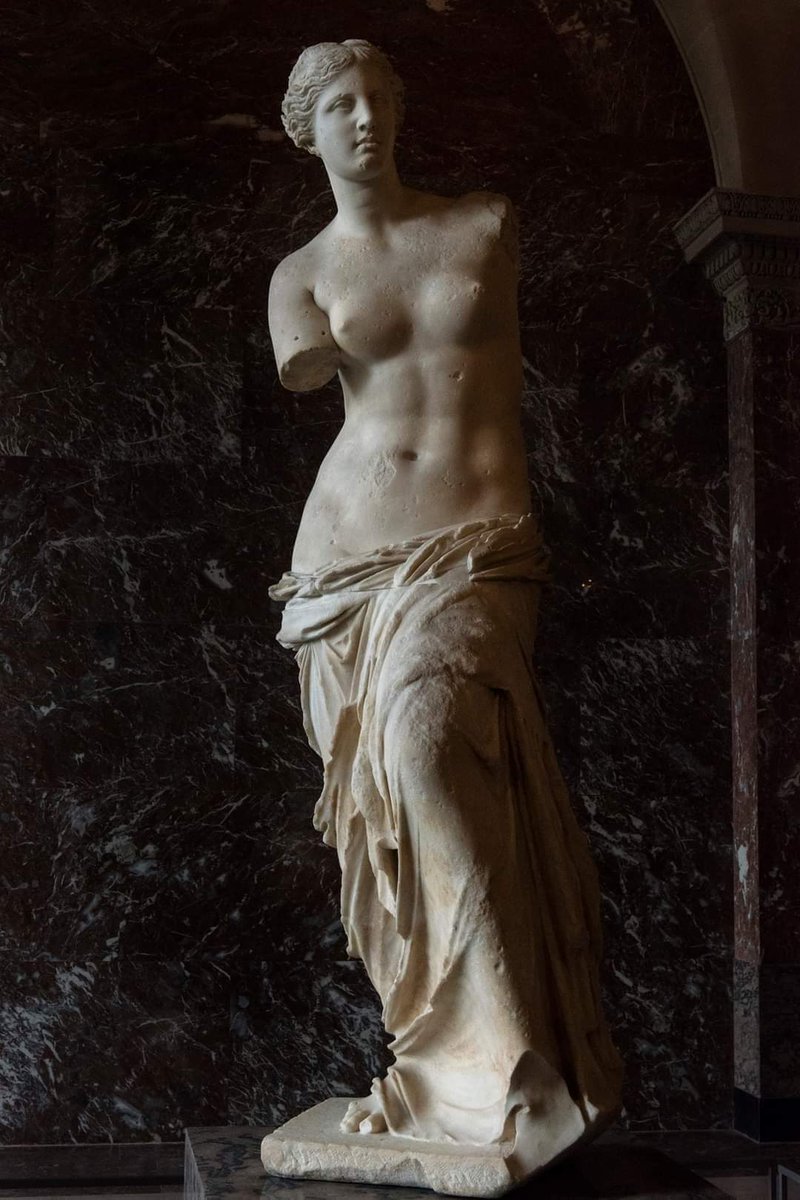
9. The Venus de Milo is an ancient Greek marble statue of Aphrodite/Venus, discovered on the island of Milos in 1820 and now housed at the Louvre Museum in Paris.
10. Bernini's David, carved over 8 months from 1623 to 1624 (Bernini was 26 at the time), was commissioned by Cardinal Scipione Borghese, Bernini's patron and a powerful figure in the Catholic Church.
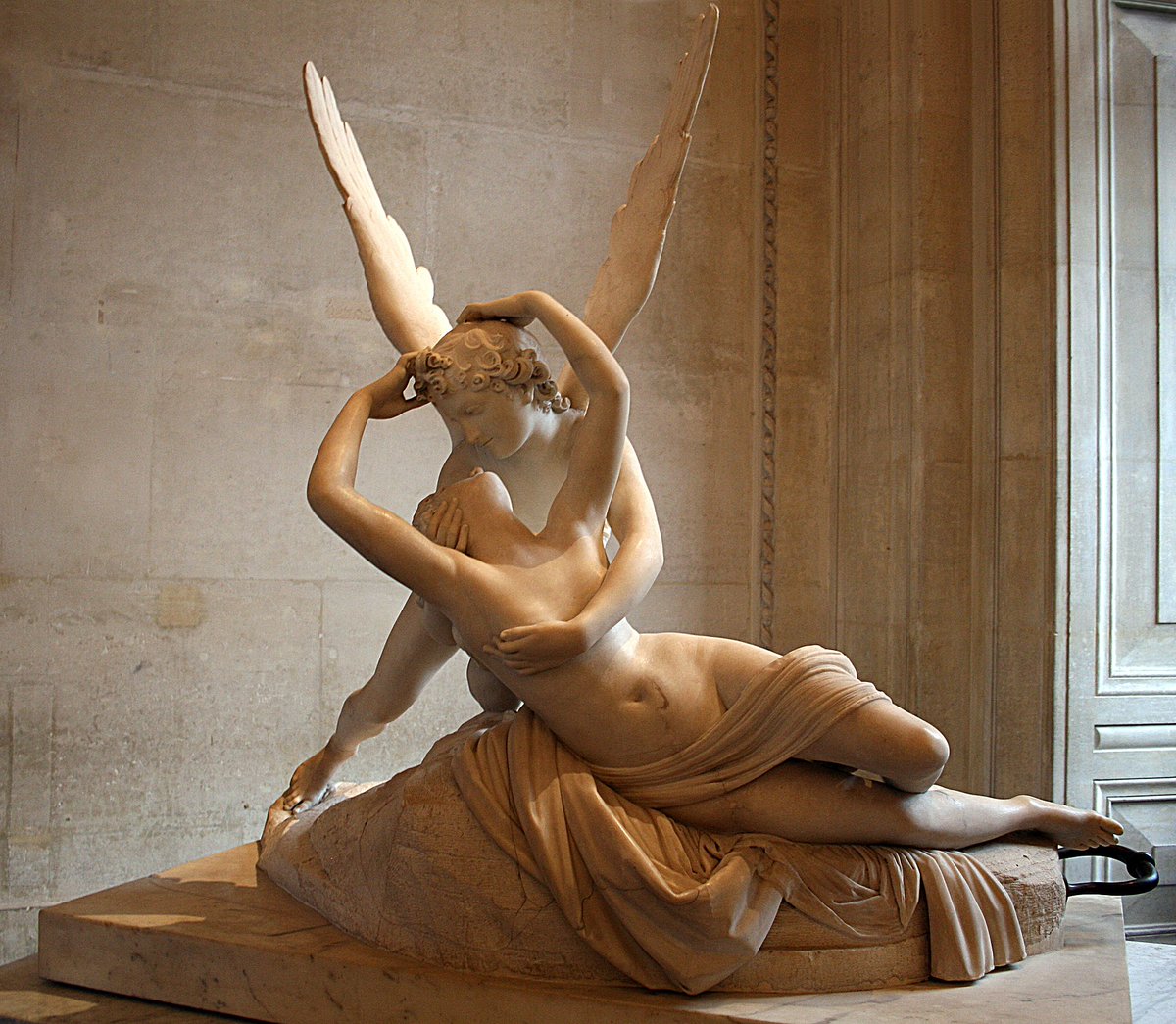
11. Amore e Psiche (also known as Psyche Revived by Cupid’s Kiss) is a Neoclassical masterpiece by Antonio Canova. It depicts Cupid tenderly awakening the lifeless Psyche with a kiss, capturing a moment of great emotion.
12. The Abduction of Proserpina (1621–1622), a large Baroque marble sculpture by Gian Lorenzo Bernini, crafted when he was only 23 years old upon its completion.
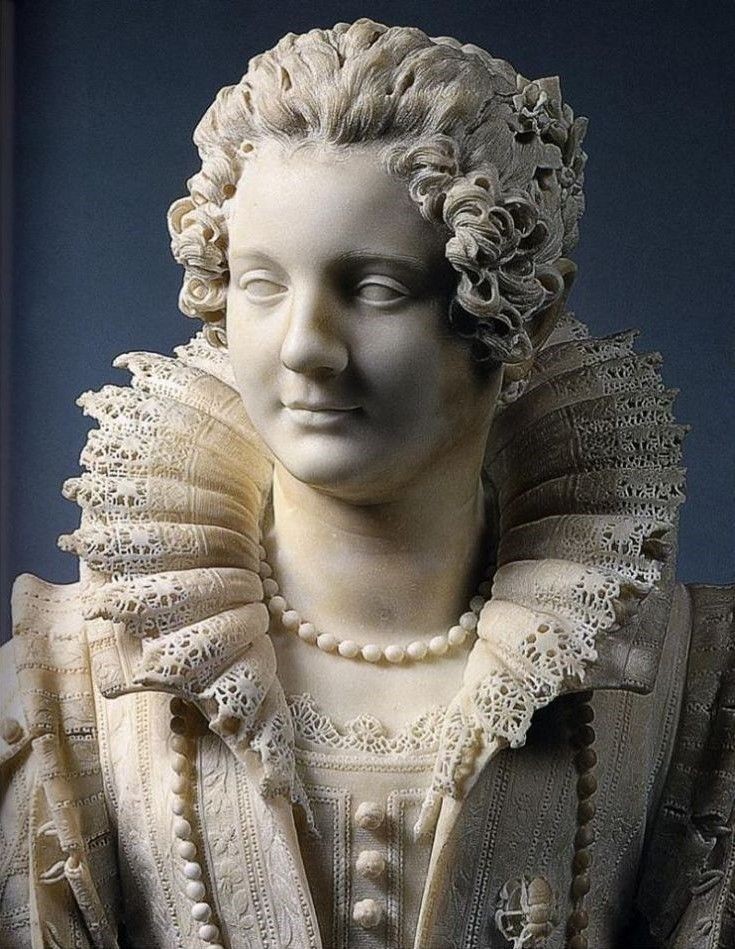
13. Giuliano Finelli's bust of Maria Duglioli Barberini (1626). The intricate details of her dress, including the insertion lace, are all meticulously carved from marble.
14. Neptune and Triton is a marble sculpture by Gian Lorenzo Bernini, created between 1622 and 1623.
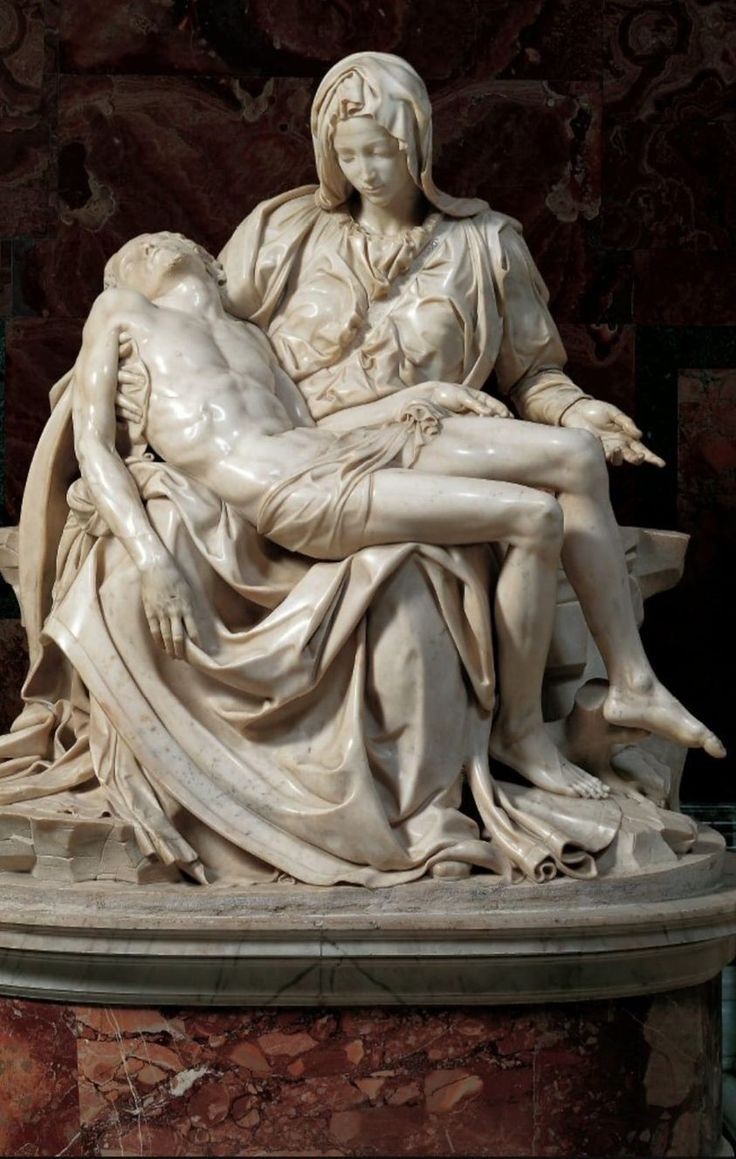
15. Pietà by Michelangelo, circa 1499. This exquisite marble sculpture is housed in St. Peter's Basilica, Vatican City.
16. The Saint Bartholomew sculpture, a marble statue of the Christian martyr who suffered skinning and decapitation for his faith, was created by Marco d’Agrate, an Italian sculptor, in 1562.
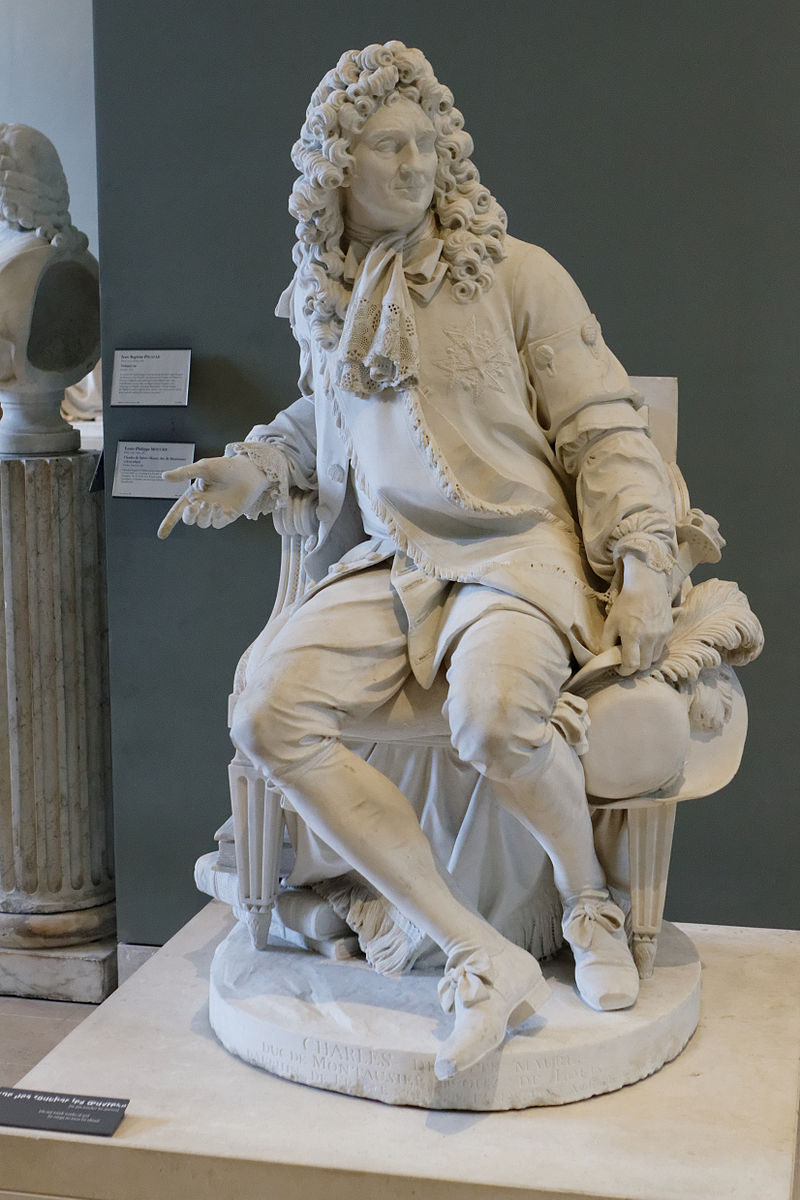
17. The Charles de Sainte-Maure statue, intricately carved by French sculptor Louis-Philippe Mouchy in 1781, is sometimes referred to as the Marble Lace Handkerchief.
18. Ajax (Aiace) and Cassandra is a marble sculpture by Jago, made of Carrara marble. It was completed in 2022.
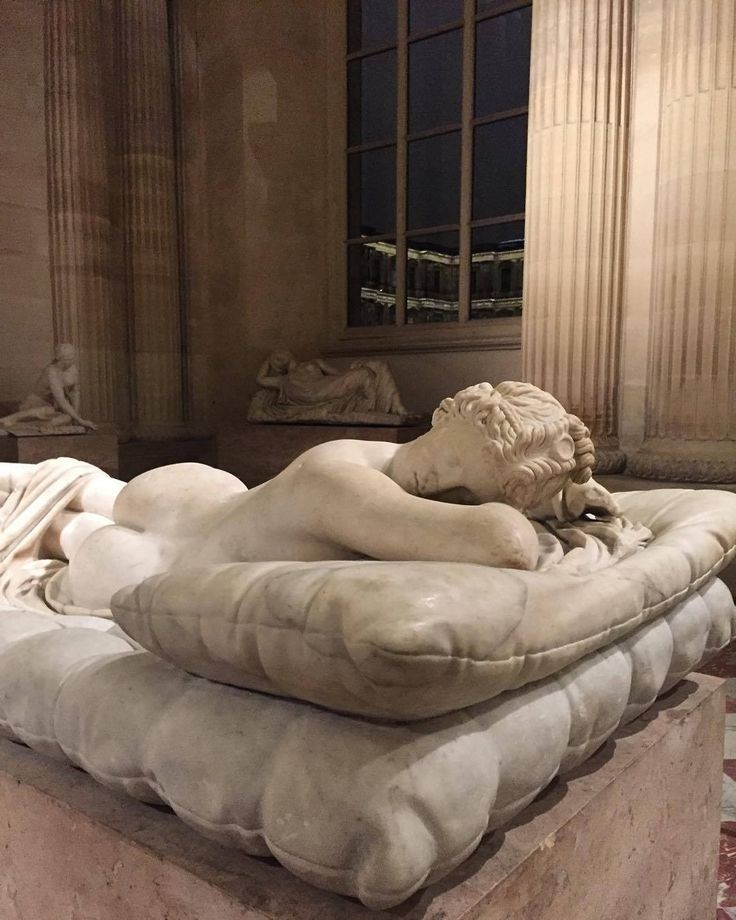
19. The Sleeping Hermaphroditus is an ancient marble sculpture depicting Hermaphroditus, life-size. In 1620, Italian artist Gian Lorenzo Bernini sculpted the mattress on which the statue now lies.
20. The Farnese Bull is a massive Roman, elaborate copy of a Hellenistic original group sculpture. It is the largest single sculpture yet recovered from antiquity, carved from a single block of marble in the 2nd century BCE.
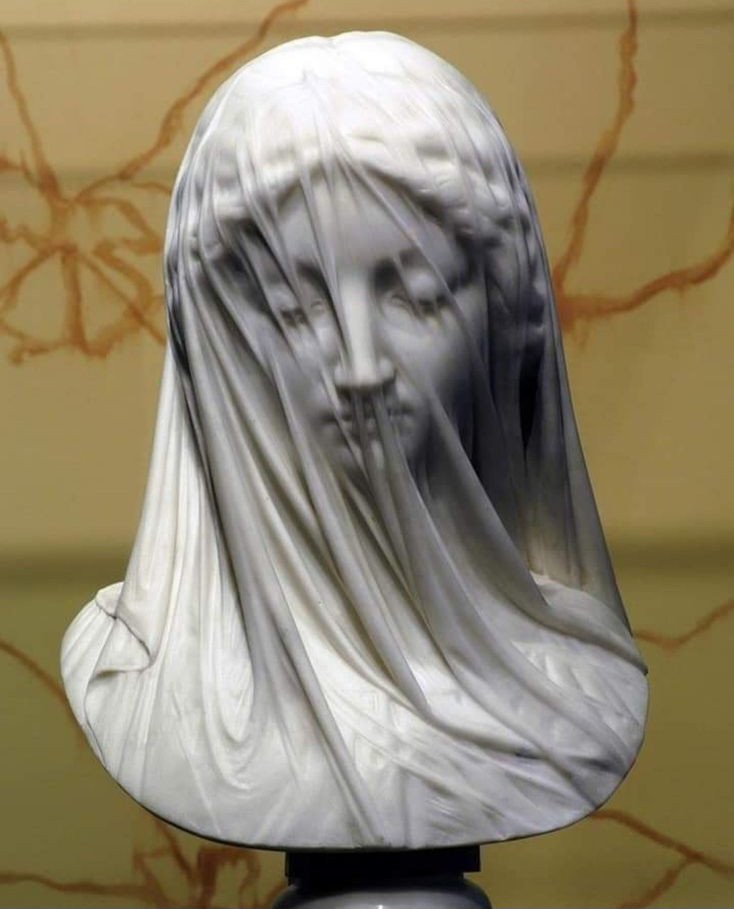
21. The Veiled Virgin, by Italian artist Giovanni Strazza, depicts the bust of a veiled Virgin Mary. It was likely created in the early 1850s.
22. Release from Deception (Il Disinganno) is a masterful marble sculpture by Francesco Queirolo, created between 1752 and 1759. The net is made of marble, too!
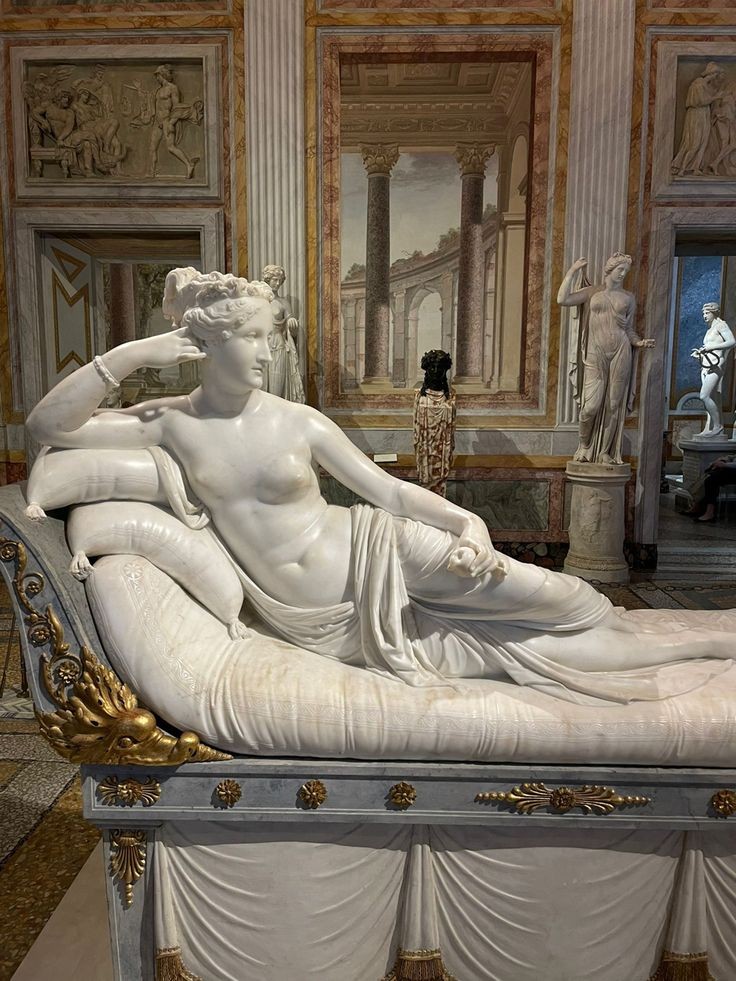
23. Paolina Borghese as Venus Victorious, sculpted by Antonio Canova between 1805 and 1808, portrays Napoleon's sister as Venus, holding the apple of victory.
24. The Beata Ludovica Albertoni (1671–1674) is among Bernini’s final works, created when he was 71 years old.
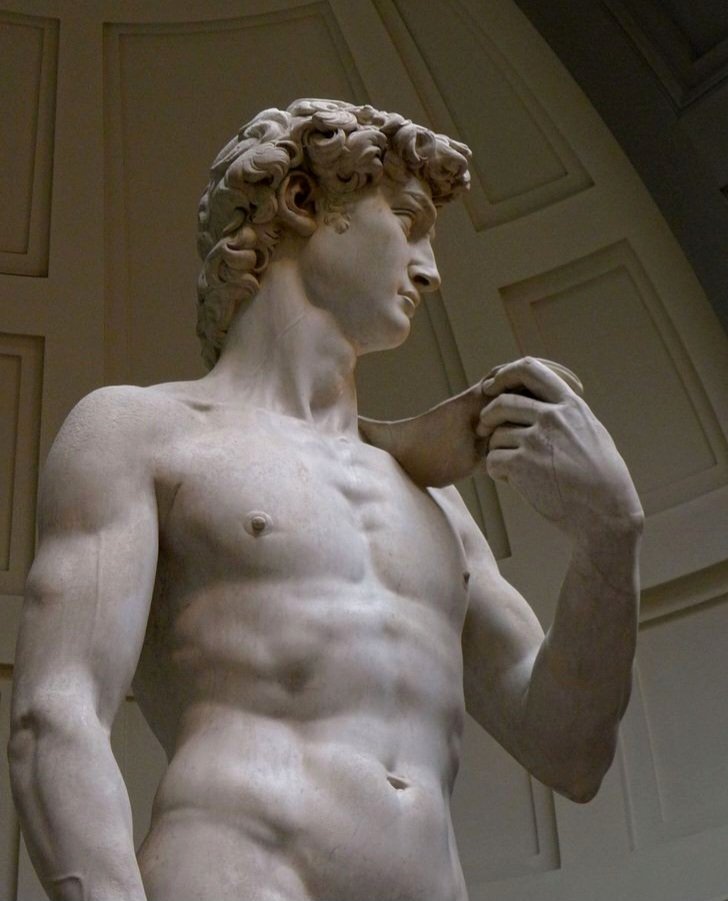
25. Michelangelo's David, created between 1501 and 1504, depicts the biblical hero David, who famously defeated the giant Goliath with a stone and a sling.
Our journey concludes here. Thank you for reading this far.
Which sculpture do you hold as your favorite? What would you add to this list?
Please share the post below to help extend its reach:
Which sculpture do you hold as your favorite? What would you add to this list?
Please share the post below to help extend its reach:
https://x.com/xmuse_/status/1807427698974925087?t=e2ztc-Zb4ASxfxWgdl_KQQ&s=19
• • •
Missing some Tweet in this thread? You can try to
force a refresh