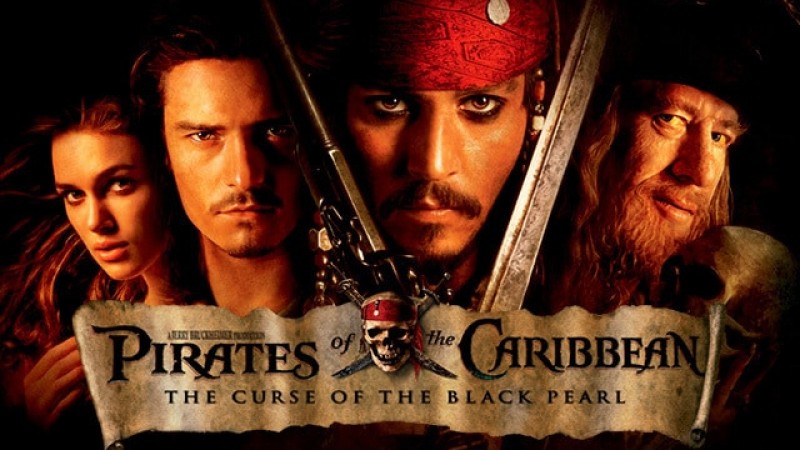
PIRATES OF THE CARIBBEAN: THE CURSE OF THE BLACK PEARL was released 21 years ago today. One of the biggest blockbusters of its time - that led to one of the biggest ever movie franchises - the story of how it came to the screen is either madness, or brilliance…
1/38

1/38

In the early 1990s, screenwriters Ted Elliott and Terry Rossio were keen on reinventing the pirate genre for the big screen. They came up with ideas around a swashbuckling adventure based upon the Pirates of the Caribbean Disney World ride.
2/38
2/38


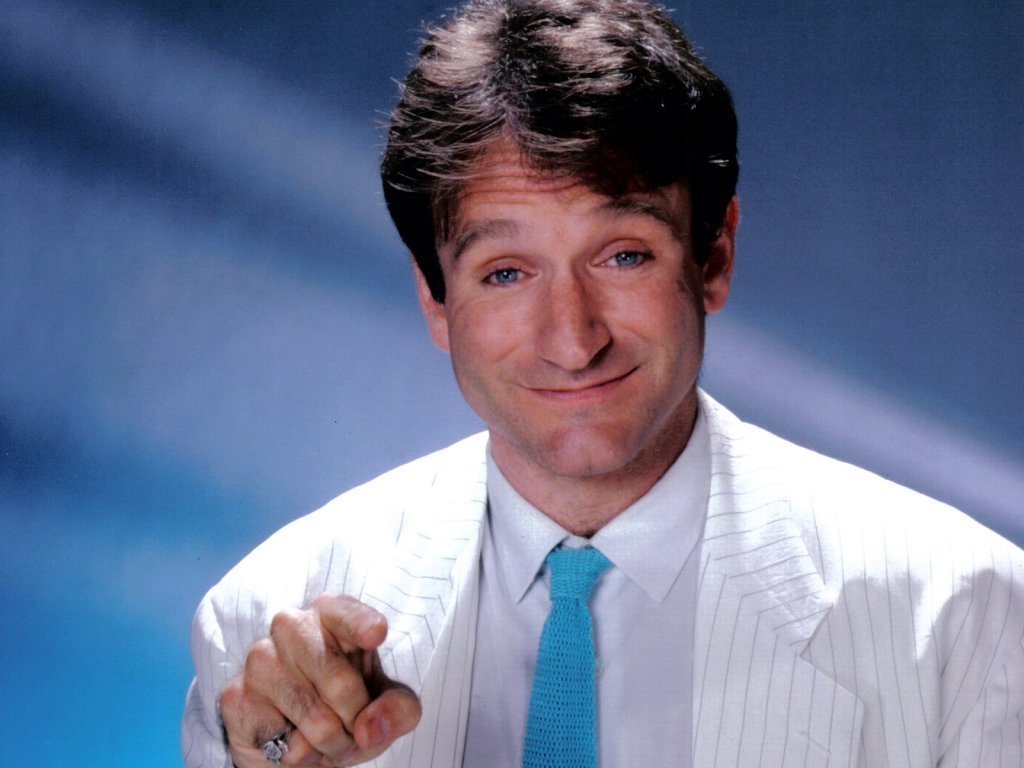
Steven Spielberg picked up the script and was keen on directing. He wanted Bill Murray, Steve Martin or Robin Williams as Captain Jack Sparrow. The problem was, Disney didn’t like the script or the vision, so the project was shelved.
3/38
3/38


In the early 2000s, Disney resurrected the idea and turned to game show producer-turned-screenwriter Jay Wolpert to rework the script. In his story, Will Turner was a prison guard who released Jack Sparrow to save Elizabeth Swann from a villain called Captain Blackheart.
4/38
4/38


Thinking it lacked big screen potential, Disney had plans for a straight-to-DVD movie with Cary Elwes as Jack Sparrow. Writer Stuart Beattie had a lot of knowledge of piracy and worked on the script. Beattie had written the script with Hugh Jackman in mind as Captain Jack.
5/38
5/38


Then, in 2002, producer Jerry Bruckheimer picked up the project. Bruckheimer brought original writers Terry Rossio and Ted Elliott back in to develop the script. They introduced a supernatural element based upon the theme park ride narration.
6/38
6/38


Bruckheimer’s choice as director was Gore Verbinski, who loved the idea as pirate films had been popular in the Golden Age of Hollywood. At this point, Matthew McConaughey was being considered as Jack Sparrow as he resembled Burt Lancaster, star of The Crimson Pirate.
7/38
7/38


Disney wanted a big star in the lead part of Captain Jack Sparrow and Michael Keaton, Jim Carrey, and Christopher Walken were considered. Verbinski suggested Johnny Depp. The studio weren’t keen as they thought he wasn’t bankable, but agreed.
8/38
8/38


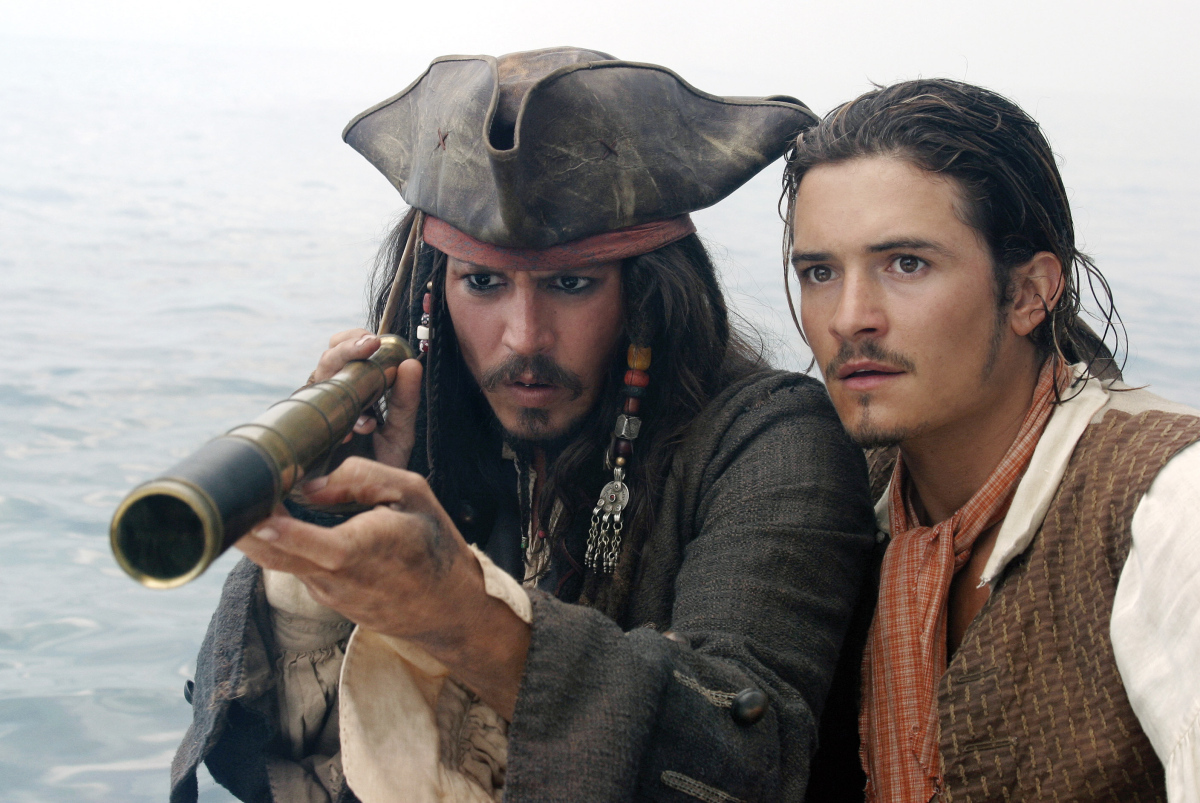
Researching pirates, Depp discovered they were the rock stars of their day. As such, he based Jack’s mannerisms on Rolling Stones guitarist Keith Richards, and his look was inspired by Adam Ant. And, to hide his tattoos, the make up team smeared Depp with charcoal.
9/38
9/38


There is a scab on Jack’s jaw that gets bigger through the movie. Depp requested this as a visual gag. And Depp lost so many hats overboard during filming that they started making them out of rubber so they would float.
10/38
10/38


The second male lead is Will Turner. Jude Law, Ewan McGregor, Tobey Maguire and Christian Bale were all considered.
11/38
11/38


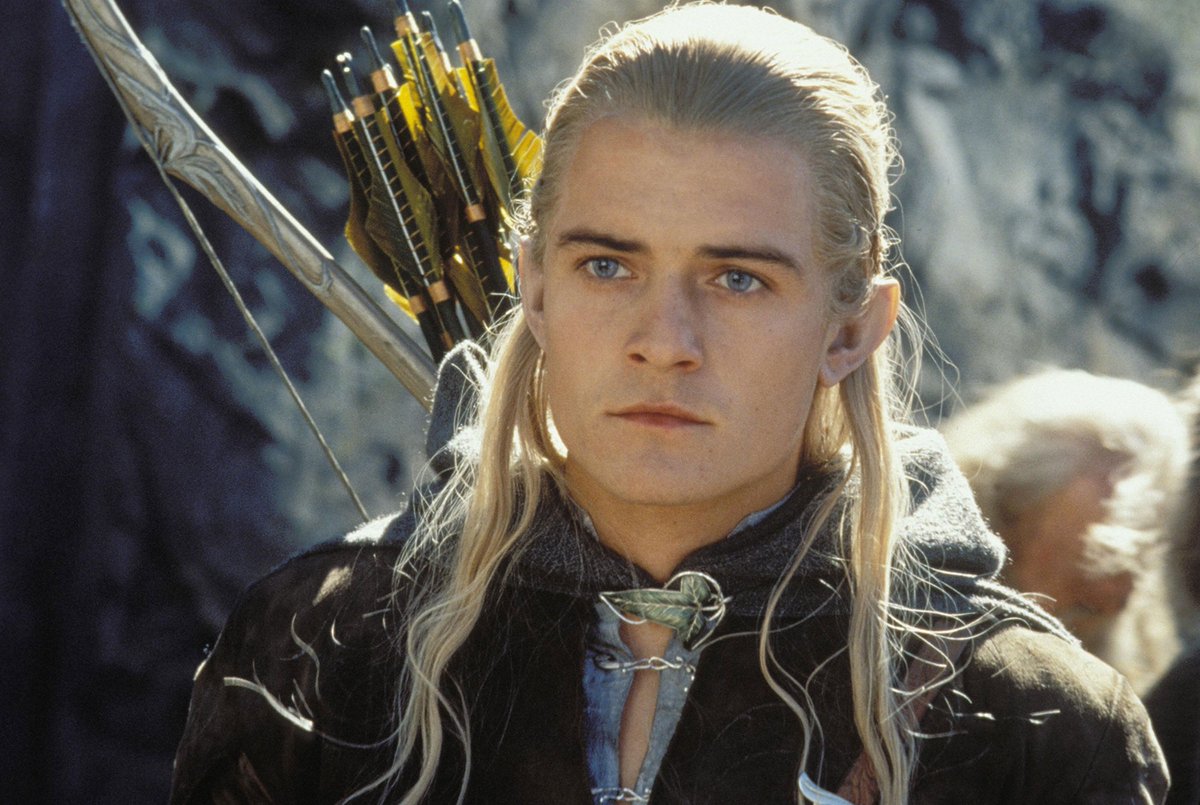
The role came down to two names: Heath Ledger and Orlando Bloom. Disney asked Verbinski to cast Bloom as, due to his involvement with The Lord of the Rings, felt he was likely to bring in a bigger box office.
12/38
12/38

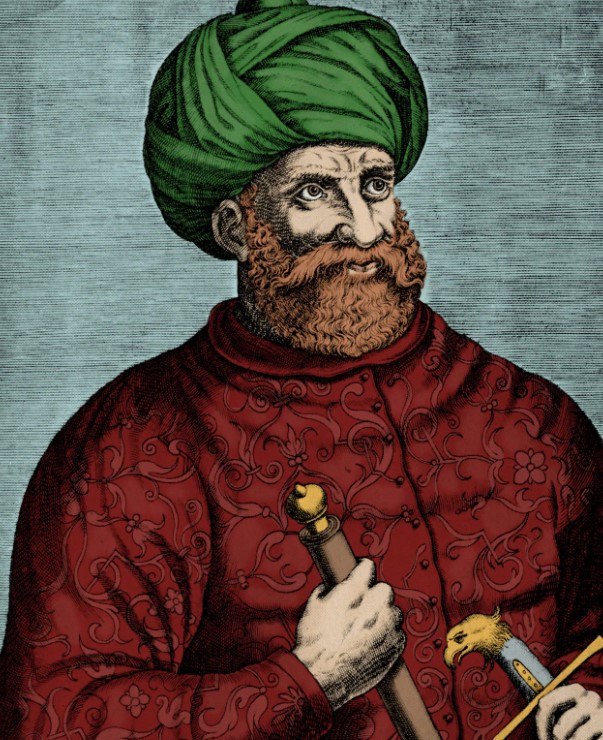
The villain is Captain Barbossa, adapted from famed pirate Barbarossa. The role was offered to Robert De Niro but, thinking the movie wouldn’t do well, De Niro declined.
13/38
13/38

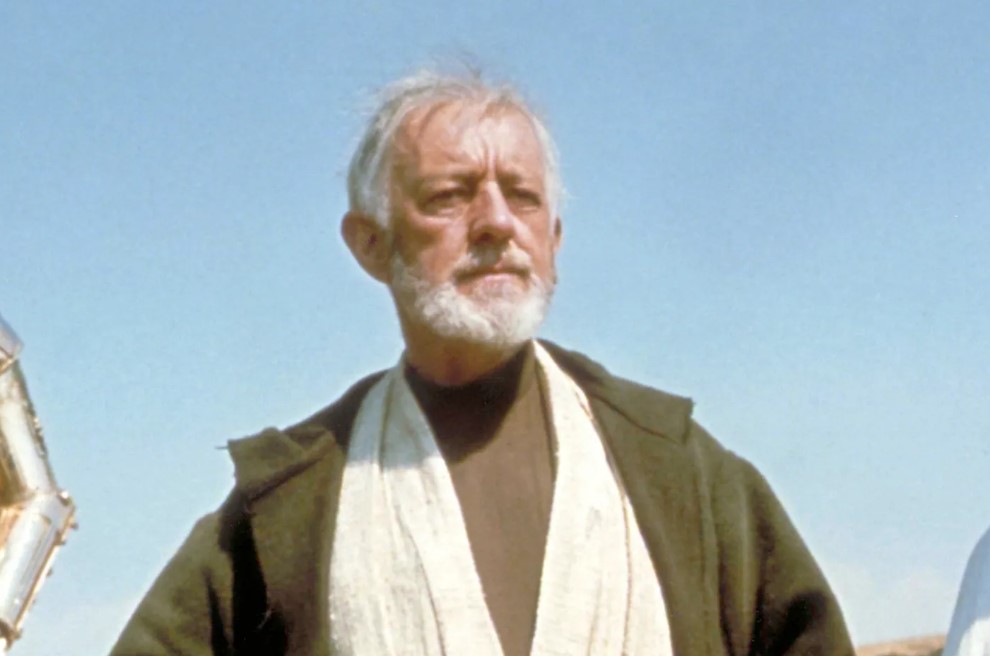
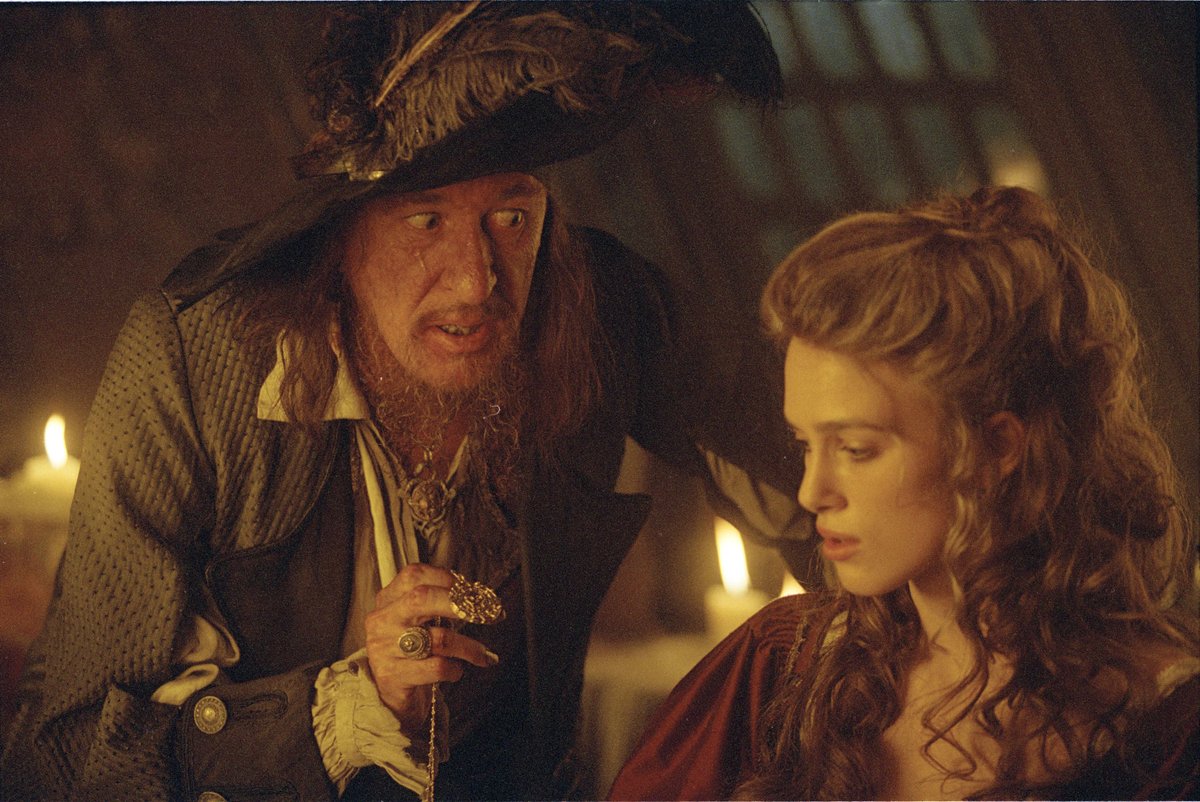
Verbinski then wrote a letter to Geoffrey Rush offering him the part. He said Rush was his third choice for the role but couldn’t get Alec Guinness or Peter Sellers. Rush was suitably charmed, and signed on.
14/38
14/38


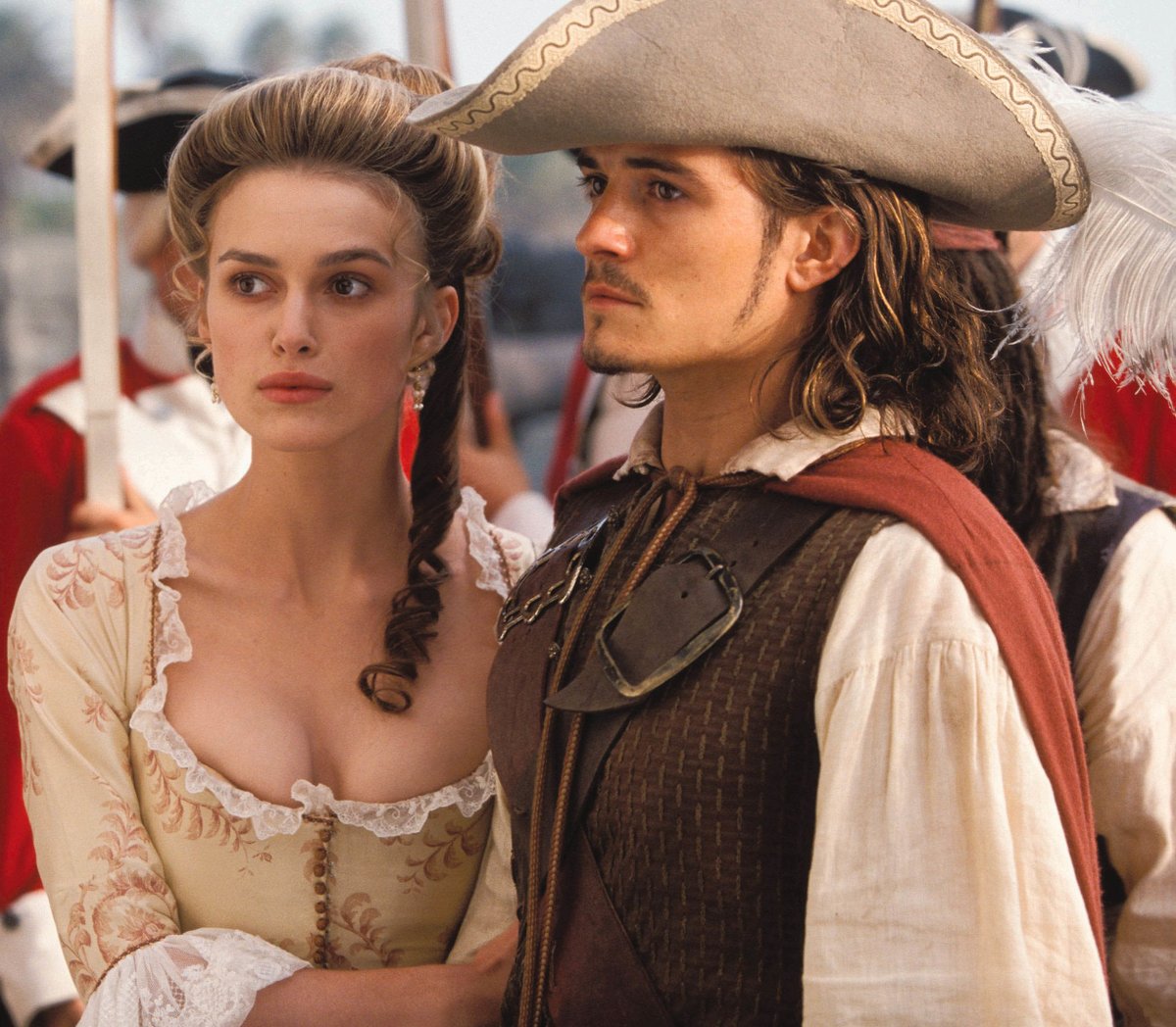
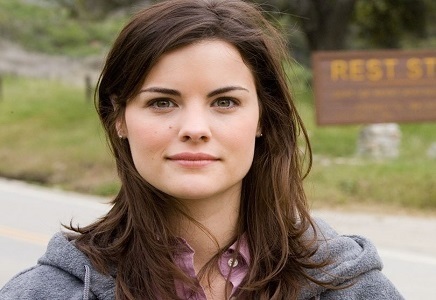
The female lead is Governor’s daughter, Elizabeth Swann. Amanda Bynes, Jessica Alba, and Jaimie Alexander were considered before Keira Knightley was cast.
15/38
15/38



Rush made one request of Verbinski, He said that whenever he and Keira Knightley shared the screen, he wanted to be on the left. Otherwise, nobody would look at him at all.
16/38
16/38

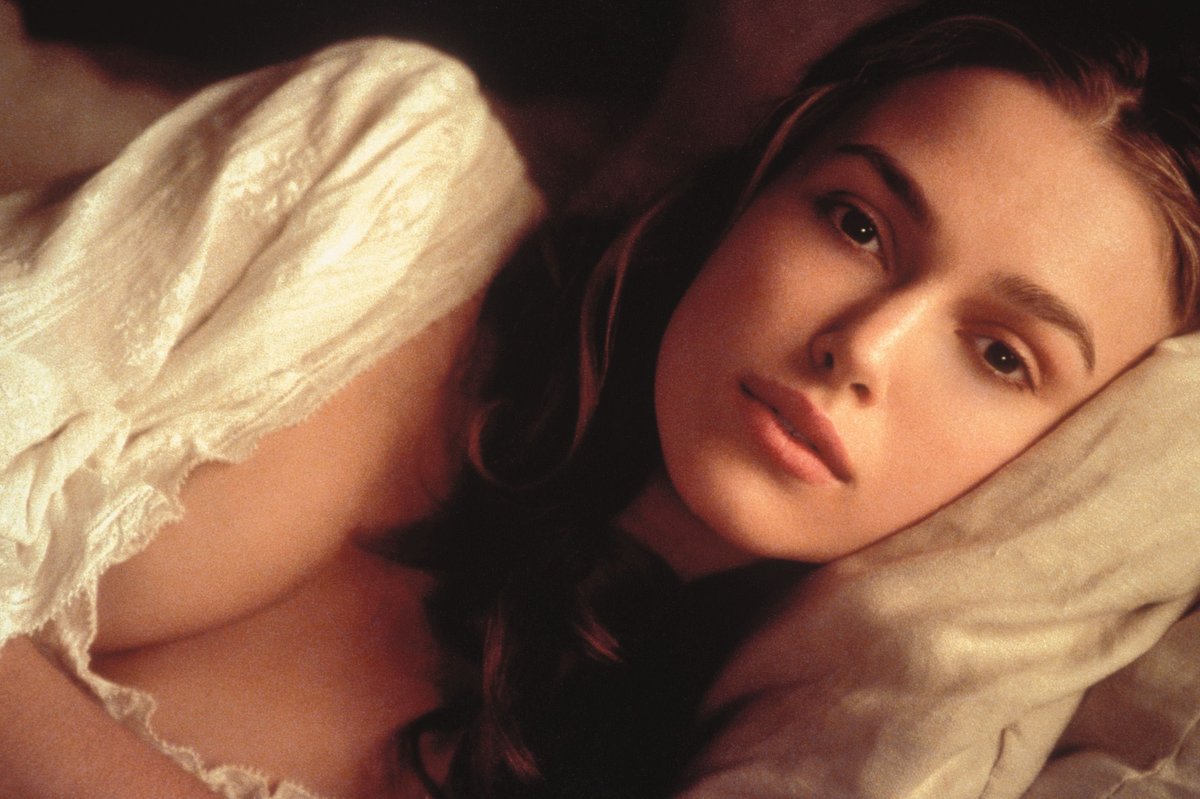
Knightley was only 17 during filming so her mother travelled with her to all shooting locations. Knightley was so sure she was going to get fired after a few days, she only packed a few things to go with her to start filming.
17/38
17/38


The lady pirate Anamaria (Zoe Saldana) was a reference to Anne Bonny and Mary Read. Saldana did not enjoy her time on the film and later said: “People were disrespecting me because they look at my number on a call sheet and they think I'm not important. F*** you."
18/38
18/38


Verbinski wanted a veteran British actor as Elizabeth’s father. Tom Wilkinson and Sylvester McCoy were considered before Jonathan Pryce was cast.
19/38
19/38


The other Jack – the monkey - was portrayed by a female named Tara, and a male called Levi. The moment where Jack smiles while sitting on Barbossa’s shoulder wasn’t planned and complete luck.
20/38
20/38


The title was originally Pirates of the Caribbean, but The Curse of the Black Pearl was added as a subtitle by Disney chairman Michael Eisner. Verbinski wasn’t a fan so Disney's marketing team printed the subtitle as small as possible on promotional materials.
21/38
21/38


Originally, Depp wanted Jack to have no nose. He lost it in a sword fight but it was sewn back on. Due to bad circulation, it was now blue and Jack would be terrified of pepper. Verbinski quickly rejected the idea.
22/38
22/38


In an early version, Norrington (Jack Davenport) proposed to Elizabeth but she said no. Enraged, Norrington join Barbossa, and the two of them try to take over the Caribbean. This was changed so Norris serves as a love interest and rival to Will but still a decent man.
23/38
23/38


Keira Knightley has talked about the Old Hollywood skill of "bosom make-up" that was used on her. Every morning she and the make up team would go through a 45 minute process. "They painted my t**s on me” she later said.
24/38
24/38


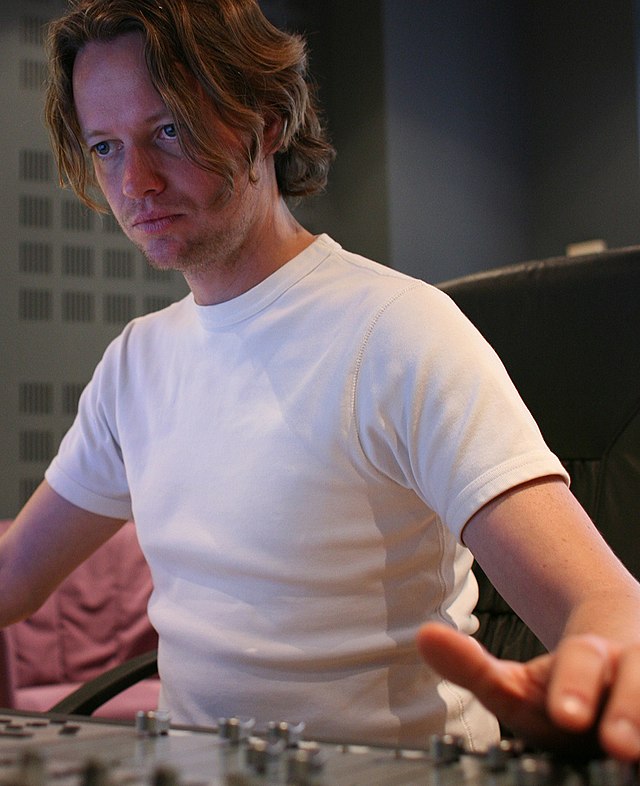
Alan Silvestri was hired to write the music but had to pull out, though some posters still have his name. Hans Zimmer and Klaus Badelt were then brought in as composers.
25/38
25/38



Verbinski would often come up with set piece ideas on set and stunt coordinator George Ruge would figure out how to do them there and then. Sometimes this would come after months of rehearsing one stunt. One example is Jack boarding the Black Pearl.
26/38
26/38


The pistol that Jack uses isn't a prop, but a real handgun crafted in London as far back as 1760. The production team bought it from an antique dealer based in Connecticut.
27/38
27/38


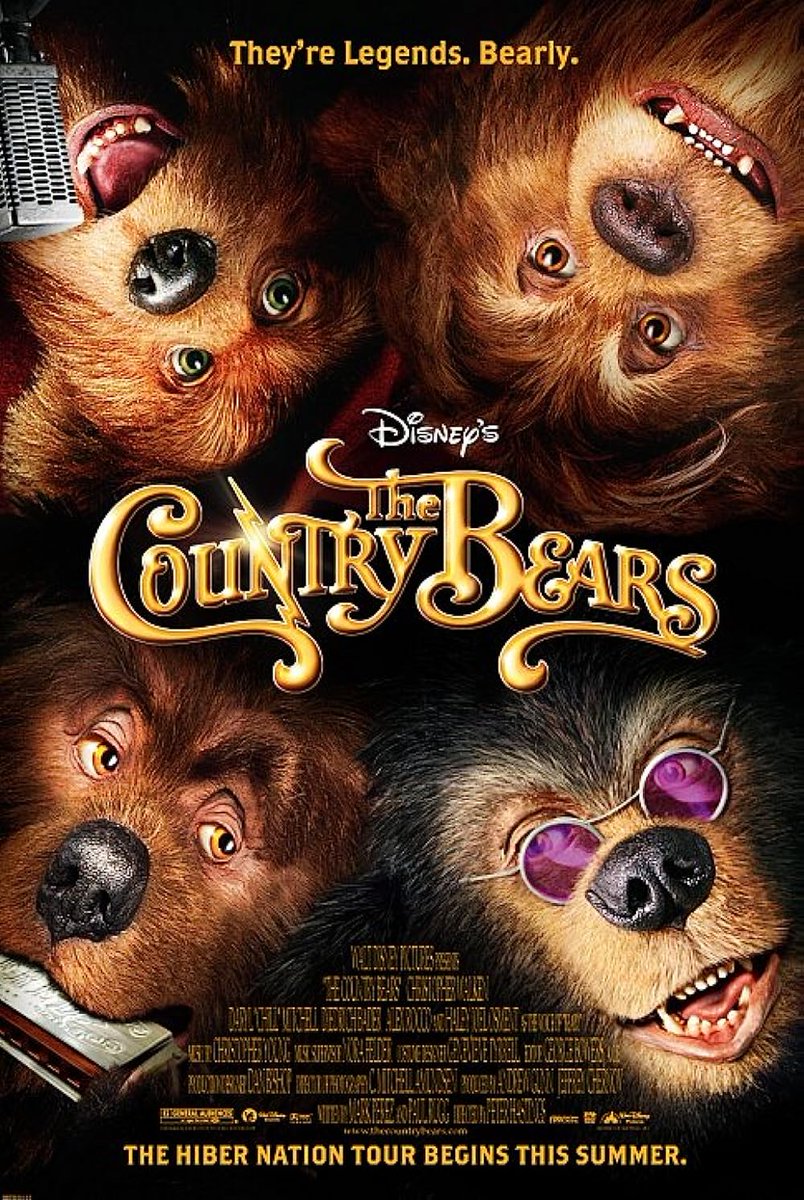
When The Country Bears (also based on a Disney ride) failed at the box office, Michael Eisner got nervous. He reportedly told Verbinski he thought Depp’s performance was ruining the film and that if they hadn’t been so far into filming, he would’ve shut down production.
28/38
28/38


When returning from a night shoot on a Caribbean island, Keira Knightley's boat struck a reef and sank. Knightley, her mother and the boats skipper were stranded through the night and had to be rescued. As such, Verbinski stopped late night location shoots.
29/38
29/38


Also during production, a fire broke out on one of the major soundstages. Nobody was hurt, but the damage was about $350k and filming was delayed.
30/38
30/38
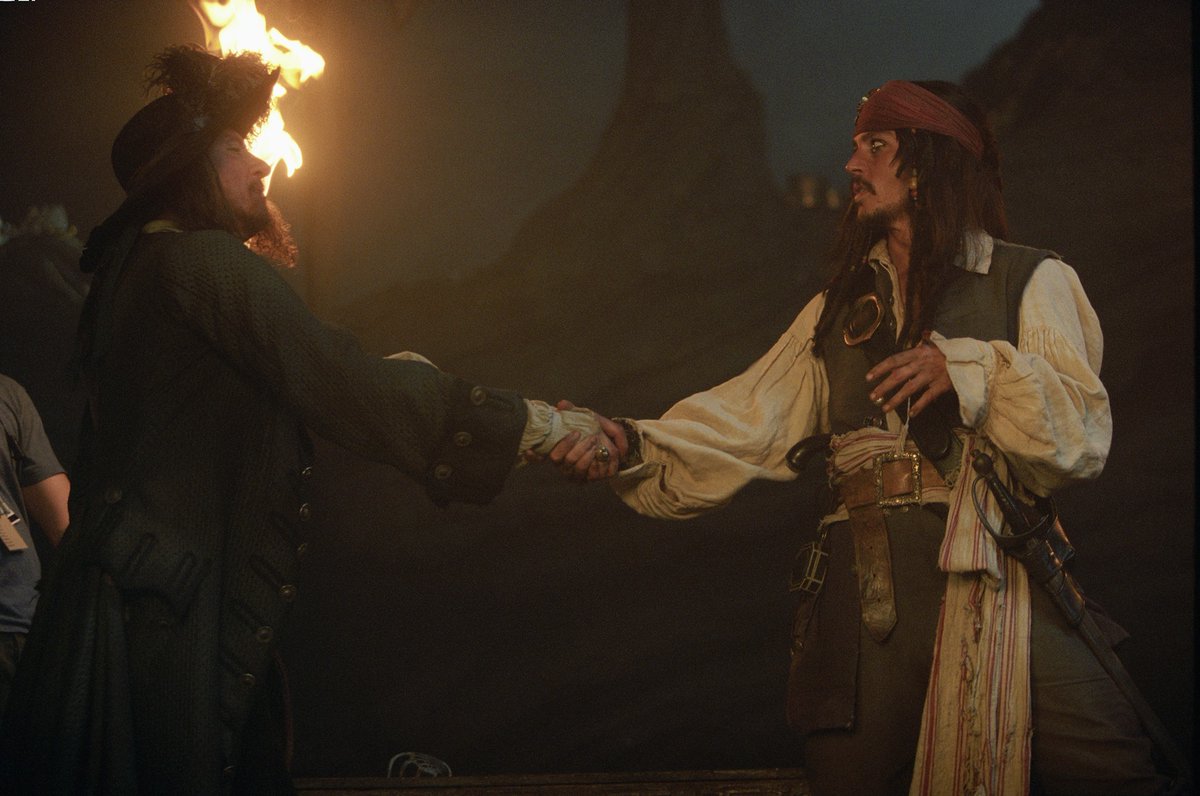

To stay on schedule, Verbinski and the crew had to constantly be shooting, meaning many of the backgrounds had to be fully created in post-production CGI by effects house ILM. As ever, ILM’s work on the film was world class.
31/38
31/38
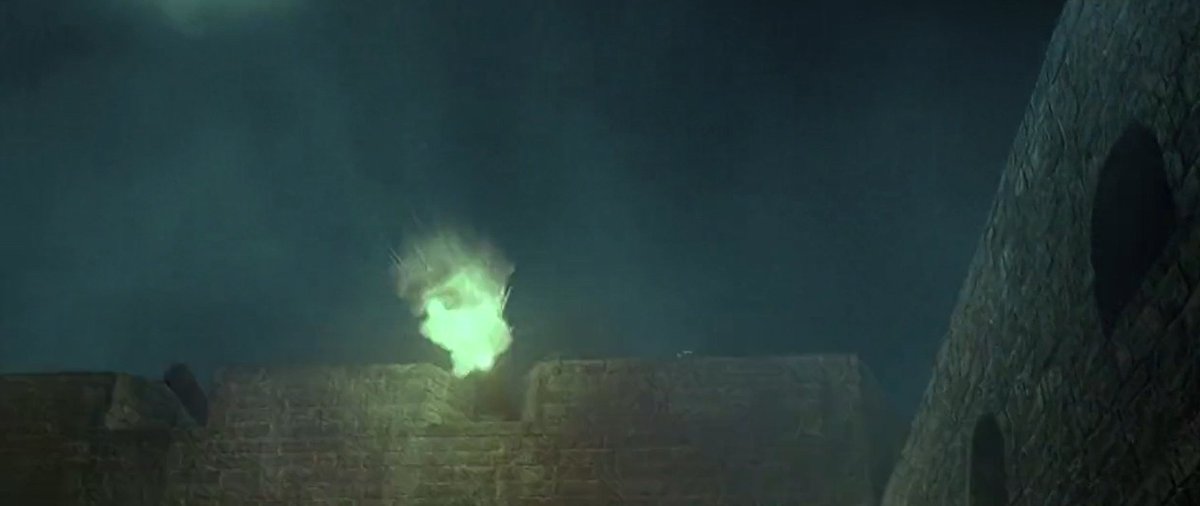
There’s a very subtle nod to Disney. During the Black Pearl's siege of the town, the smoke from the last cannon shot billows into a Mickey Mouse head shape….
32/38
32/38

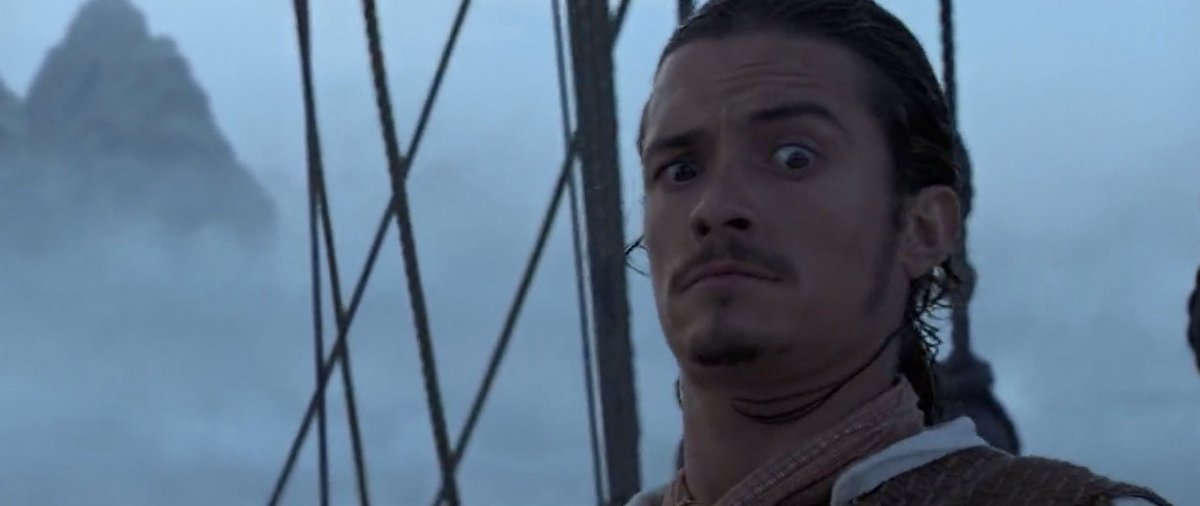
The scene where Will does an impersonation of Captain Jack was Orlando Bloom’s idea. He suggested it to Jerry Bruckheimer, who told Verbinski it was a good idea.
33/38
33/38

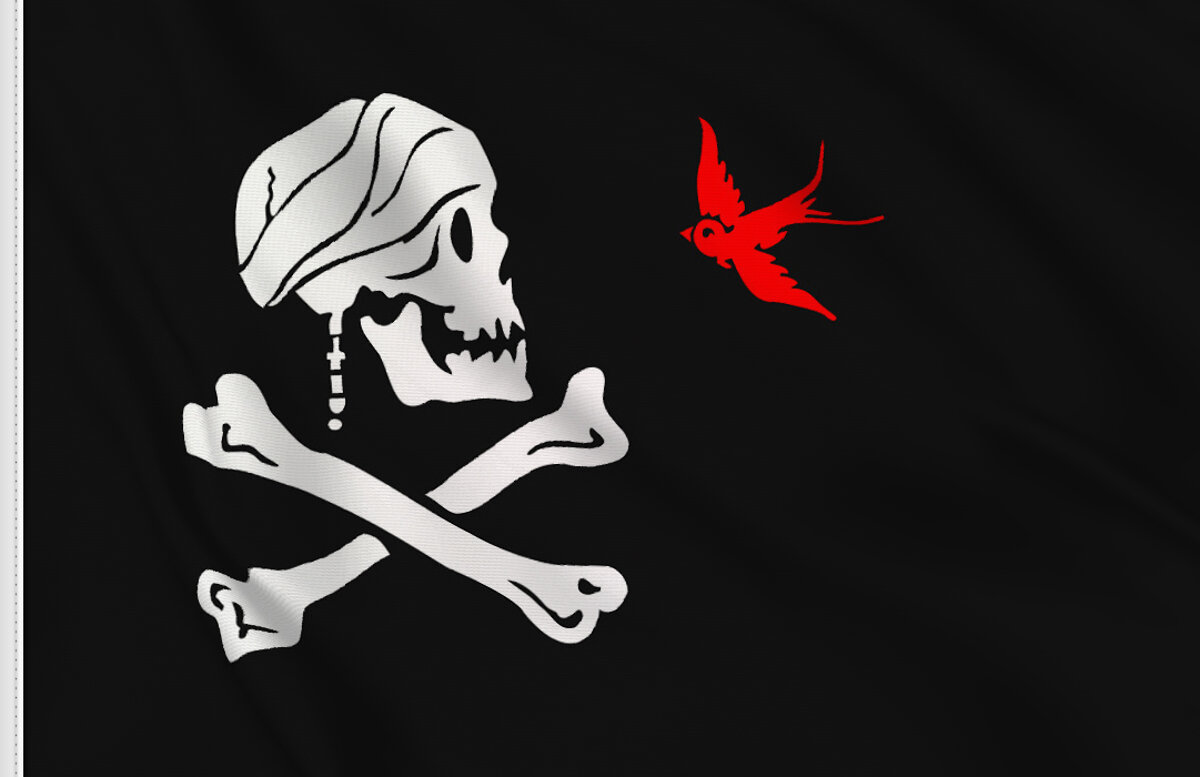
Captain Jack’s pirate flag is based on real life. The skull is from ‘Calico’ - Jack Rackham's flag. Rackham was the longtime lover of notorious pirate Anne Bonny.
34/38
34/38


When filming in the cave, lots of make-up had to be added to the actors so they wouldn't looked washed out. When Verbinski realised how good it looked on Johnny Depp, he asked the crew to use it on him throughout filming.
35/38
35/38


In the first cut of the film, Jack wasn’t shown taking one of the coins. Test audiences were confused about whether he had a coin from the beginning or if he’d always been a ghost. A shot was found that could be reversed and slowed to make it obvious he took a coin.
36/38
36/38


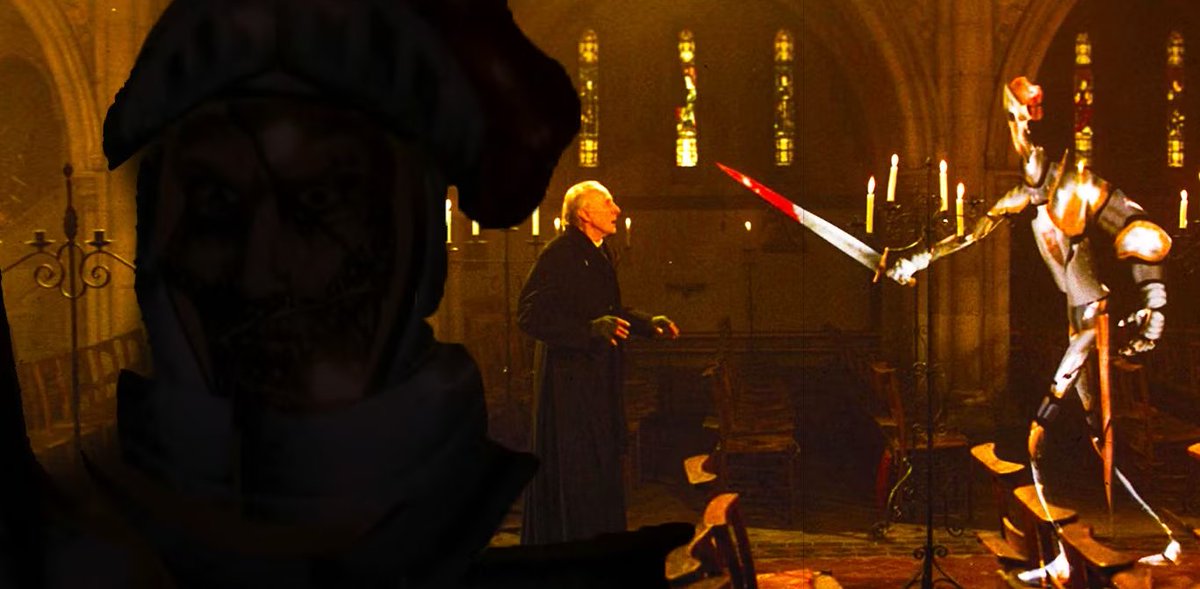
To make it more obvious which Black Pearl crew member was which when in skeletal form, the eyes used for the characters are the real actors' eyes. Effects house ILM suggested this to Verbinski to give the skeletons more personality.
37/38
37/38


The premiere was at Disneyworld, the first film to do so. On a budget of $140m, the film grossed $654.3m. It was a huge hit, and the 4th-highest grossing film of the year.
38/38
38/38


If you liked our making of story of PIRATES OF THE CARIBBEAN: THE CURSE OF THE BLACK PEARL, please share the opening post 😃
https://x.com/ATRightMovies/status/1810609395962708458
Our latest podcast is on THE SOCIAL NETWORK. Full of laughs and opinions so please give it a listen 😃
alltherightmovies.com/podcast/the-so…
alltherightmovies.com/podcast/the-so…
• • •
Missing some Tweet in this thread? You can try to
force a refresh