The Rich Legacy of Indian Mathematics: A Comparative Thread
The term "algorithm" comes from al-Khwarizmi (c. 825), whose works introduced Indian arithmetic to the West. Indian mathematicians had been using algorithmic methods in texts like the Sulvasutras (prior to 800 BCE) and Aryabhatiya (c. 499 CE).
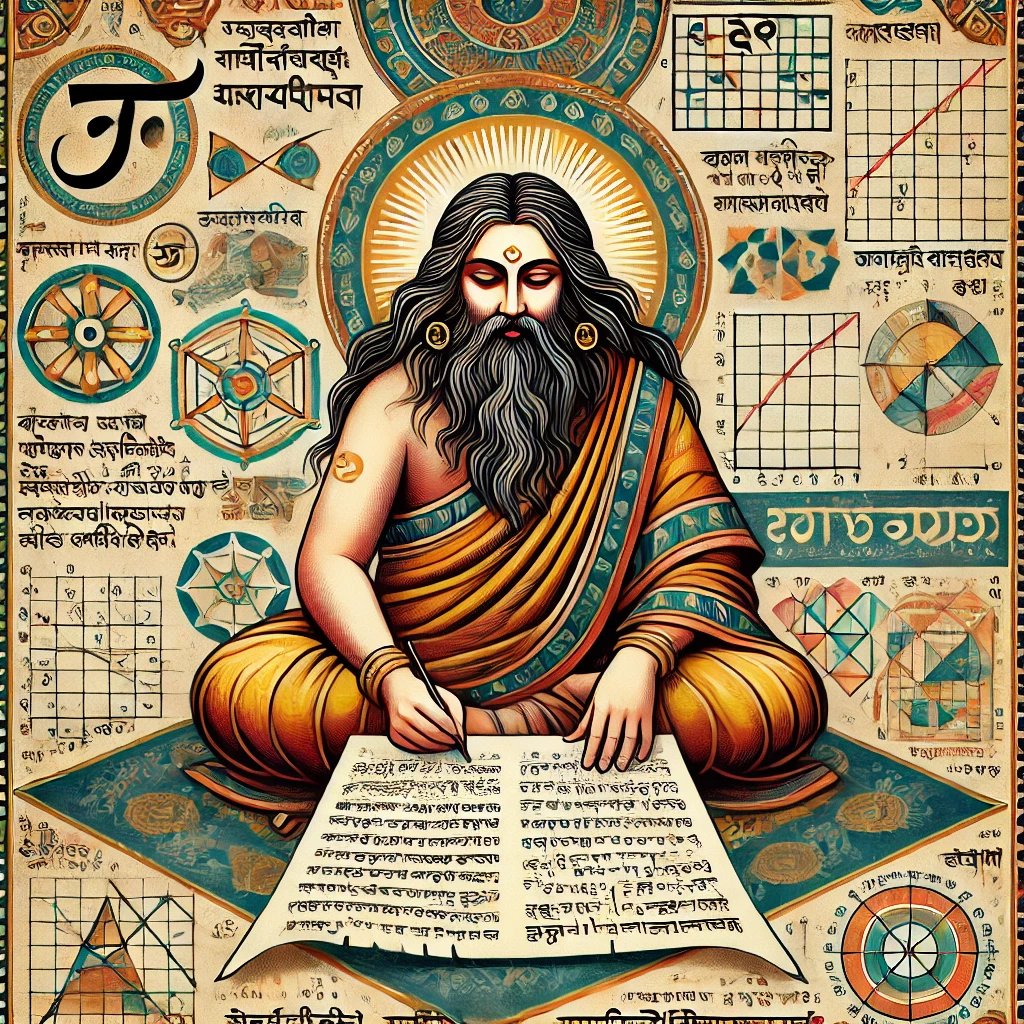
While the West struggled with Roman numerals, Indian numerals, praised by Pierre Simon de Laplace (18th century), revolutionized arithmetic with their simplicity and efficiency.
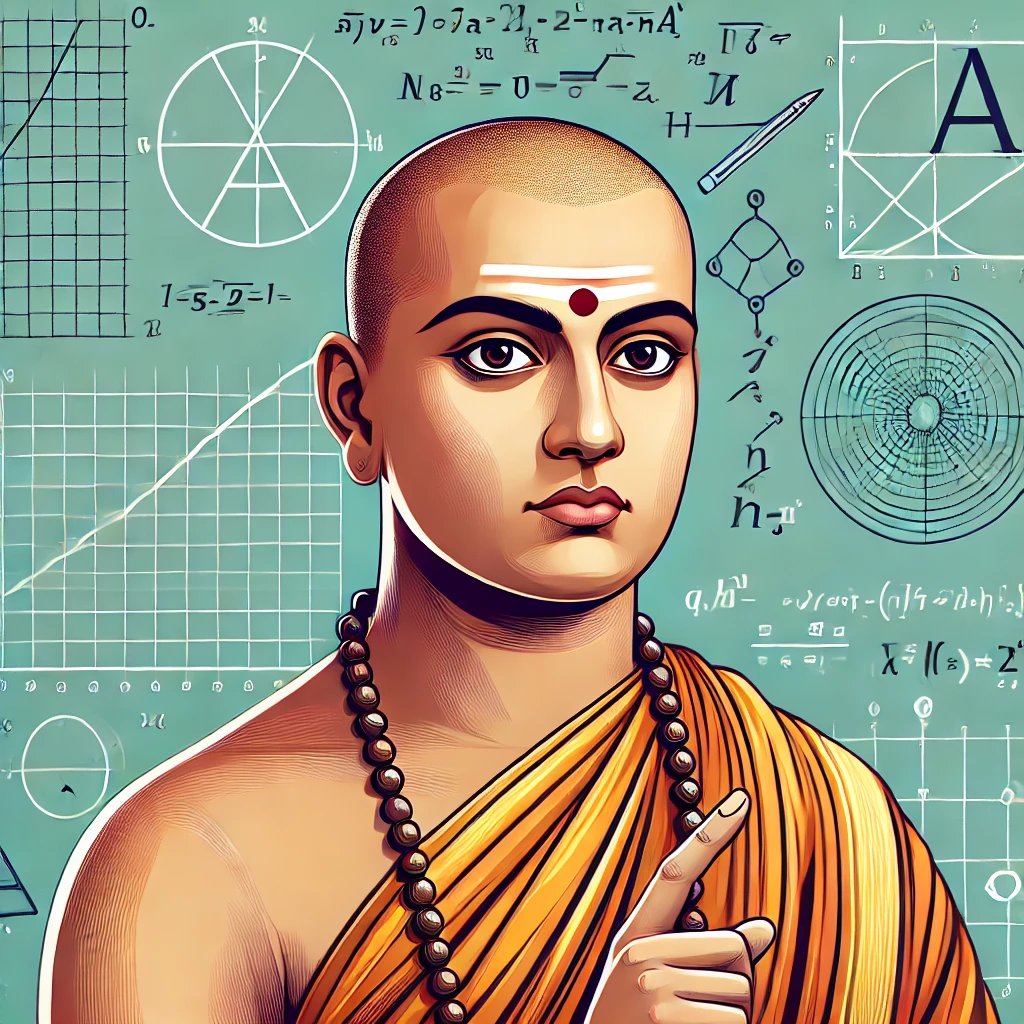
Euclid's Elements (c. 300 BCE) influenced Western math, but Panini’s Ashtadhyayi (prior to 500 BCE), a generative grammar for Sanskrit, had a similar profound impact on Indian mathematics and modern linguistics.
Pascal’s combinatorics (17th century) came much later than Pingala’s Chandahsastra (c. 300 BCE), which introduced algorithms for binary conversion and binomial coefficients.
Ptolemy’s geocentric model (2nd century CE) dominated Western astronomy. Meanwhile, Aryabhata (c. 499 CE) proposed a heliocentric model with Earth’s rotation, significantly advancing astronomical models.
Fermat posed the Pell’s equation (1657), solved by Euler and Lagrange (1770s). Yet, the Indian Chakravala method for this equation, found in Bhaskaracharya’s Bijaganita (c. 1114), was more efficient and predates the Western solution.
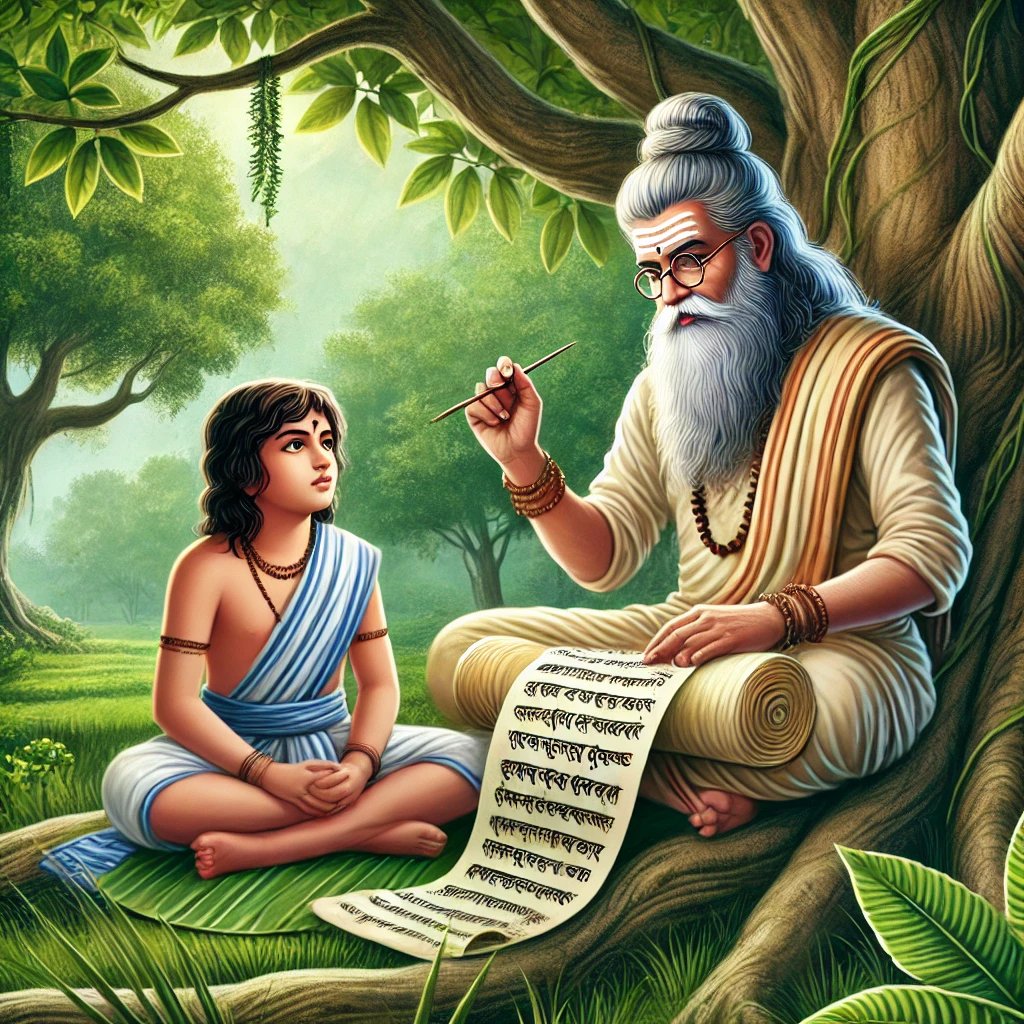
The Gregory-Leibniz series for Pi (1670s) was predated by Madhava of Sangamagrama (c. 1380-1460), who discovered the series and developed correction terms for better approximations.
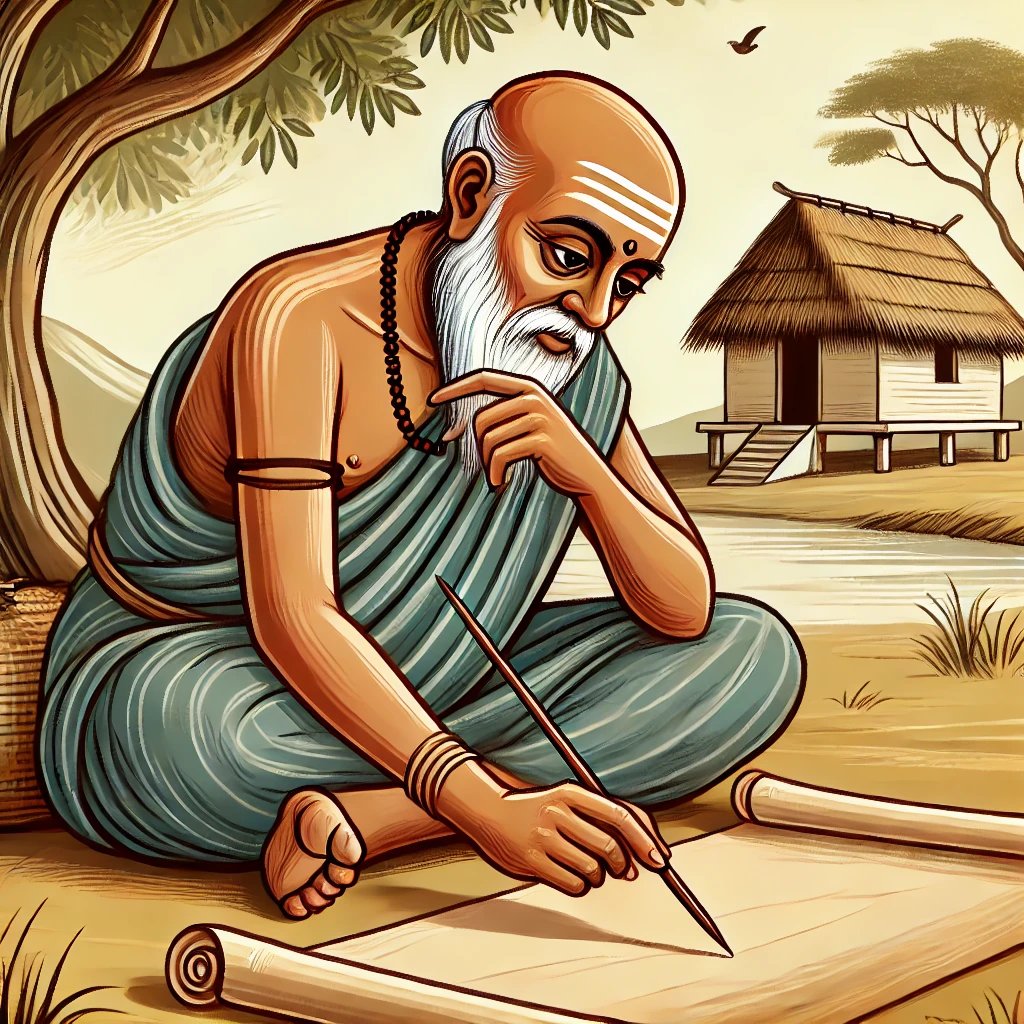
Madhava of Sangamagrama (c. 1380-1460) pioneered the discovery of infinite series for trigonometric functions, notably the series for Pi, and developed correction terms for rapid convergence, significantly advancing mathematical analysis centuries before Western mathematicians.
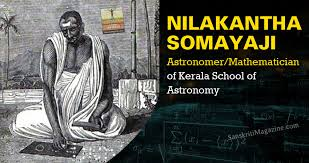
Commentaries on Euclid’s Elements (5th century) provided insights in the West. Indian commentaries on Aryabhatiya by Bhaskara I (c. 629 CE) and Nilakantha Somayaji (1444-1544) offered detailed explanations and refinements.
Indian mathematicians like Srinivasa Ramanujan (1888-1920) continued the tradition of innovative mathematical thinking, influencing modern mathematics with their work on infinite series and number theory.
Source: brhat.in/openlibrary/it…
• • •
Missing some Tweet in this thread? You can try to
force a refresh

What our History Books taught us: 1857 ‘mutiny’ happened because of some upset sepoys whose religion was defiled due to use of cartridges greased with Cow blood and pig fat. Then just randomly some others joined in.
What History Books
should have Taught us: The seeds of discontent were already sown in the hearts of Bharatiyas (read Dalhousie and Salt Tax tweets). However, it was important that it was planned properly such that a simultaneous uprising took place from all sides for the
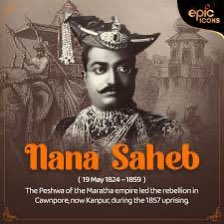
War of Independence to be concluded successfully. It started in London where Azimullah Khan (representative of Nana Sahib, to contest refusal of claim to the Peshwa gadi by the British due to sudden unacceptability of the Hindu Law of
I picked up Termites by @abhijitjoag thinking, "I already know the Left is destroying the world." But, @ShefVaidya ma'am insisted that I read this. My father had got a copy for me. After reading it, I realized: even if you think you know this subject, you must read this book.
It's the historical mapping, intellectual genealogy, and precise tracking of how ideological revolutions elsewhere mirror patterns unfolding in India today.
While listening to Sudha Murthy talk about importance of learning history to build the future and horrors of partition where she spoke about Sindhis, reminded me of my conversation with a friend who encouraged me to read about Sindhis - their stories, struggles and rise. These are some real stories of real people.
Hindu Dharma speaks of four Purusharthas—Dharma, Artha, Kama & Moksha.
Marriage is seen as the gateway to achieving all four.
Scriptures prescribe duties for every human, including continuing the lineage with good offspring.
In the Gita (7.11), Krishna says: “Dharma-aviruddho bhooteshu kamo’smi” — Desire that does not violate dharma is divine.
🧵 2/8
Sanatana Dharma lays out the Ashrama System:
1️⃣ Brahmacharya – celibate student life, vidyārjana.
2️⃣ Grihastha – family life, righteous wealth earning & raising children.
3️⃣ Vanaprastha – withdrawal from worldly life.
4️⃣ Sannyasa – total renunciation.
Each stage helps one walk toward the Purusharthas.
🧵 3/8
A healthy society needs people who are well-read, well-bred & well-fed.
Thus, raising good offspring is a responsibility.
A balanced marriage—where husband & wife understand each other’s needs—prevents friction.
A fractured family → fractured upbringing.
Why did a High Court have to send CISF commandos so that Hindus could light a simple Karthigai Deepam lamp?
Why did the State block them even after clear judicial orders?
And why should every Hindu pay attention to what happened at Thiruparankundram?
Let us break it down.
What is the issue? 🔍
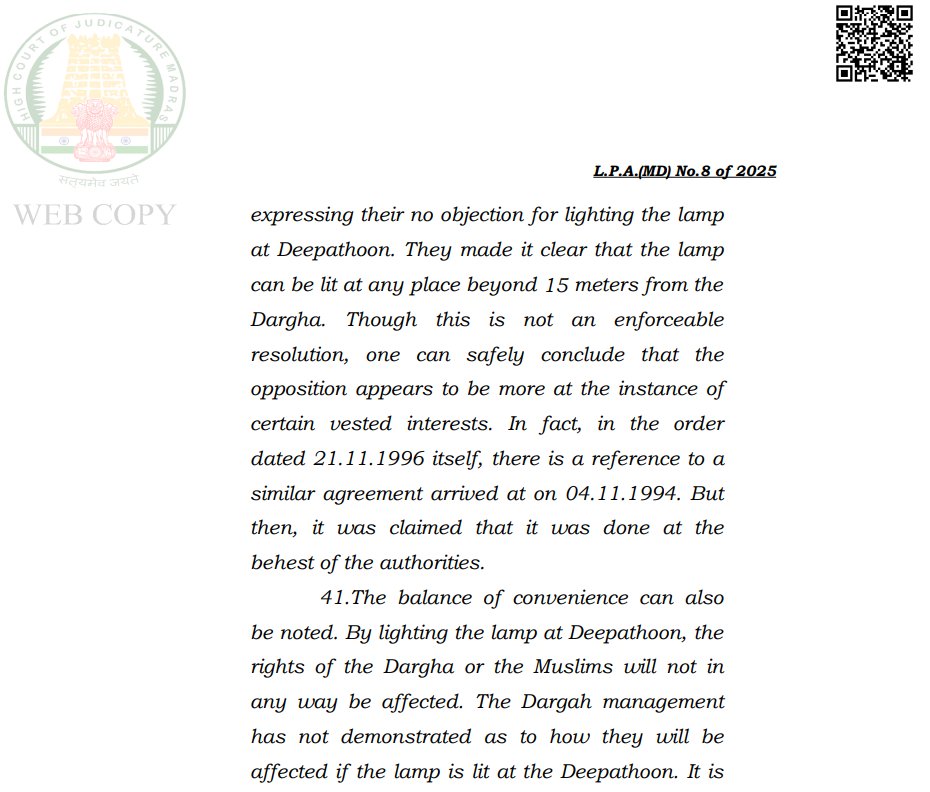
• Thiruparankundram hill houses an ancient Murugan temple and a Dargah
• For centuries, Hindus lit Karthigai Deepam at the Deepathoon, a stone pillar at the peak
• Because of “law and order” situation around the Dargah zone, officials shifted the ritual to a lower mandapam
• Court records confirm the Deepathoon stands on temple land as per a 1920s ruling
• Devotees went to Court to restore the traditional practice
What does “law and order” mean here? 🚨
Court documents reveal the State repeatedly used:
• Fear of “clashes” if the lamp was lit at the peak
• Claims that Hindus trying to reach the hill might create trouble
• Blanket restrictions under Section 163 BNSS (earlier 144 CrPC)
• Police reports “potential mob activity”
• The Court noted the Dargah agrees to Deepam being lit beyond 15 metres