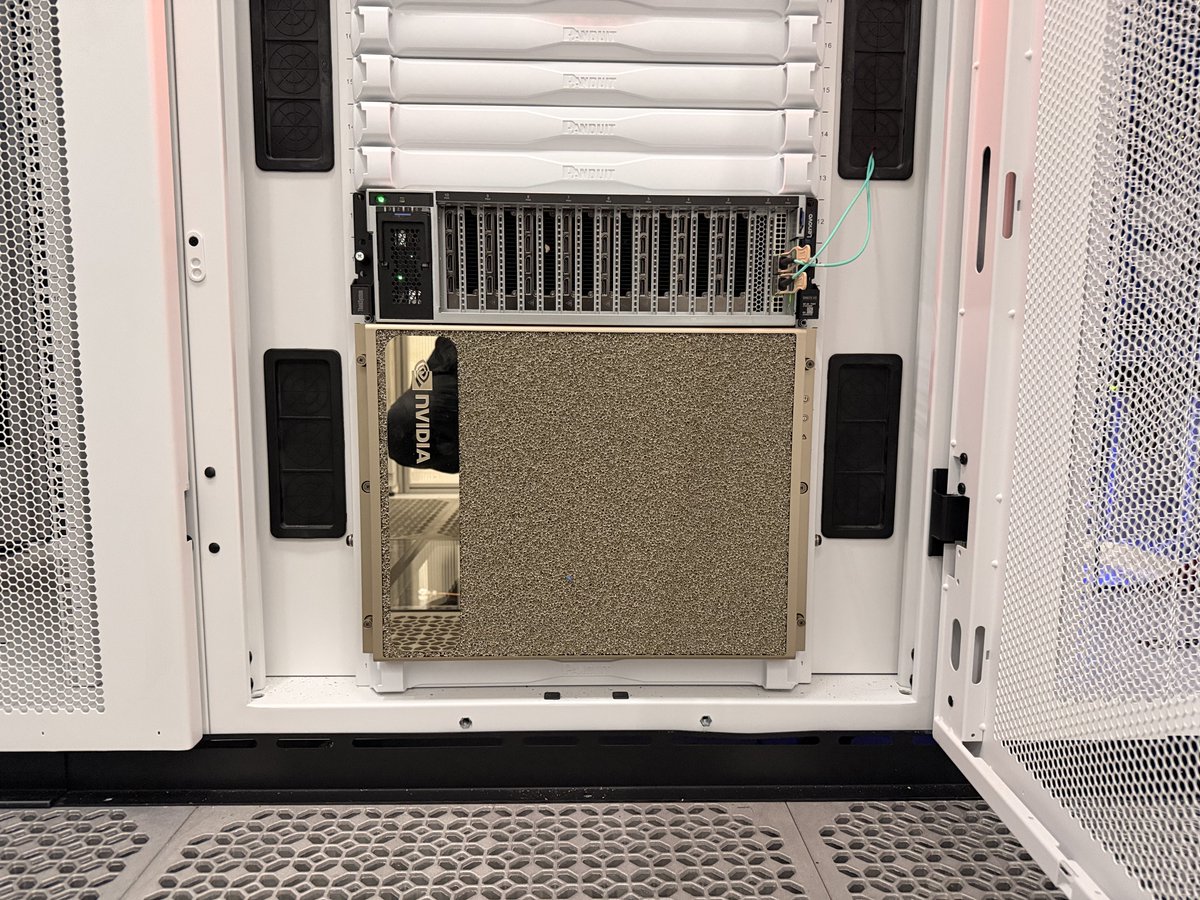
🧵
It might look like something from space, but some folks think lumps of rock like this could help us solve one of the biggest problems facing the planet.
Others fear they could trigger ecological catastrophe.
Presenting the weird, unsettling story of polymetallic nodules
It might look like something from space, but some folks think lumps of rock like this could help us solve one of the biggest problems facing the planet.
Others fear they could trigger ecological catastrophe.
Presenting the weird, unsettling story of polymetallic nodules

These potato-sized mineral lumps form over millions of yrs on the ocean floor as metals accrete around organic fragments.
Up until 150 years ago no-one knew polymetallic nodules even existed. Today they're a very big deal.
So. Here are the 2 main things you need to know abt them
Up until 150 years ago no-one knew polymetallic nodules even existed. Today they're a very big deal.
So. Here are the 2 main things you need to know abt them

1. These nodules contain ASTOUNDING concentrations of certain metals - esp nickel, manganese, cobalt and copper. The grades of metals are multiples better than anything you can find on land (esp now we've mined out most of the easy stuff).

And
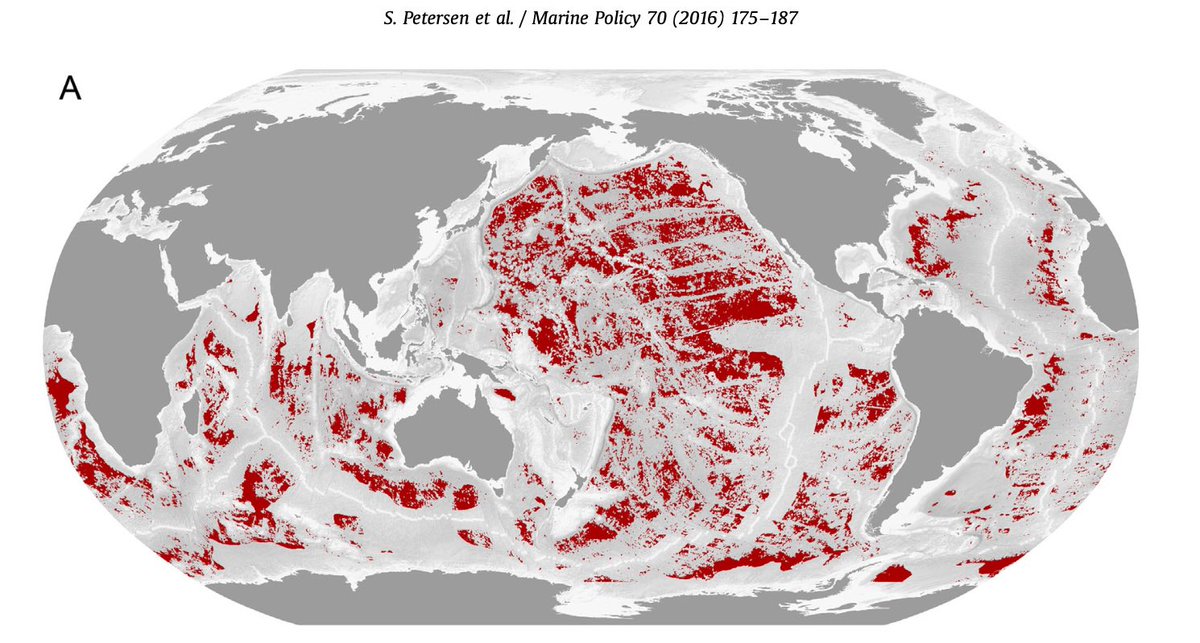
2. You find these polymetallic nodules in vast quantities on some parts of the seabed. Most notably the Clarion Clipperton zone in the Pacific.
Look at this map. As far as anyone can tell, you will find loads of these nodules in the red parts.
So, quite a lot of them.
2. You find these polymetallic nodules in vast quantities on some parts of the seabed. Most notably the Clarion Clipperton zone in the Pacific.
Look at this map. As far as anyone can tell, you will find loads of these nodules in the red parts.
So, quite a lot of them.
Worth saying: these nodules aren't the only type of mineral you can find under the sea.
In Material World I also wrote abt seafloor massive sulphides: essentially extinct black smokers which used to puff volcanic fumes from the seabed. There's LOTS of copper embedded in them too
In Material World I also wrote abt seafloor massive sulphides: essentially extinct black smokers which used to puff volcanic fumes from the seabed. There's LOTS of copper embedded in them too

Anyway it so happens these are PRECISELY the metals we need LOADS of if we're going to make enough electric cars to eliminate our carbon emissions. Which brings us to a knotty problem.
We've mined the easy stuff.
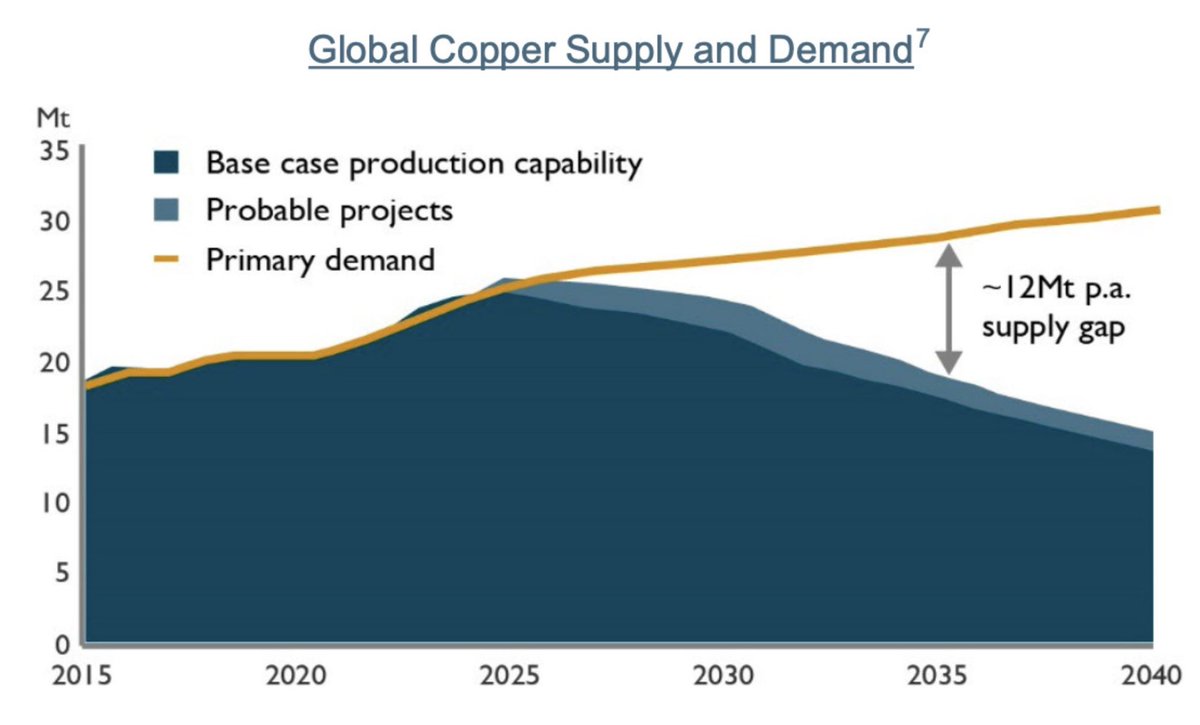
Today mining copper means blasting ever bigger holes in the ground
We've mined the easy stuff.
Today mining copper means blasting ever bigger holes in the ground

Little appetite for that so there's a looming shortfall - a gap between plans for new mines and the likely demand we'll need for the copper in our wind turbines/electric cars/solar panels.
This could well be filled from terrestrial mining - but there's lots of resistance.
This could well be filled from terrestrial mining - but there's lots of resistance.
Or consider cobalt.
Most of the world's supply comes from the Democratic Rep of Congo.
Conditions in many of the mines there are abject. For more, read Cobalt Red by Siddarth Kara.
And NB you need LOTS of cobalt for smartphone cells and high performance EV batteries.
Most of the world's supply comes from the Democratic Rep of Congo.
Conditions in many of the mines there are abject. For more, read Cobalt Red by Siddarth Kara.
And NB you need LOTS of cobalt for smartphone cells and high performance EV batteries.

Then there's nickel...
Needed in vast quantities for long-range EV batteries.
Most comes from Indonesia.
There are MASSIVE environmental question marks about its exploitation: rainforest being torn down, toxic waste dumped into the sea.
The mucky reality of critical metals👇
Needed in vast quantities for long-range EV batteries.
Most comes from Indonesia.
There are MASSIVE environmental question marks about its exploitation: rainforest being torn down, toxic waste dumped into the sea.
The mucky reality of critical metals👇

Anyway, given this, a lot of people are saying: hold on, instead of destroying pristine ecosystems on land, could we just get minerals from the sea instead?
Consider cobalt. USGS says there's many multiples of terrestrial resources. We'd never have to rely on DRC cobalt again!
Consider cobalt. USGS says there's many multiples of terrestrial resources. We'd never have to rely on DRC cobalt again!

And some argue it's less damaging than terrestrial mining.
"You just hoover those potatoes up. You don't even need to drill," they say. Some mining companies have funded research saying the damage - tailings, disruption etc - would be less than on land onlinelibrary.wiley.com/doi/10.1111/ji…
"You just hoover those potatoes up. You don't even need to drill," they say. Some mining companies have funded research saying the damage - tailings, disruption etc - would be less than on land onlinelibrary.wiley.com/doi/10.1111/ji…
Problem is: there's SO much we know we don't know about the impact.
Up until recently no one thought those potatoes played much role in ecosystems.
But we now know they're a crucial part of some fish habitats.
They might even produce oxygen! 👀 nature.com/articles/s4156…
Up until recently no one thought those potatoes played much role in ecosystems.
But we now know they're a crucial part of some fish habitats.
They might even produce oxygen! 👀 nature.com/articles/s4156…
But right now all that might prove moot.
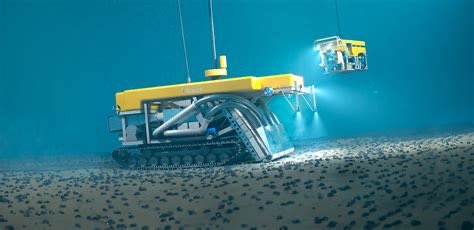
Countries around the world are lining up to try to mine the deep sea.
And while the commercial case has yet to be proved (and folks have been predicting this would be the "next big thing" for decades) the mining tech is finally ready...
Countries around the world are lining up to try to mine the deep sea.
And while the commercial case has yet to be proved (and folks have been predicting this would be the "next big thing" for decades) the mining tech is finally ready...


As I write, nations are meeting at the International Seabed Authority in Jamaica to negotiate the rules over high seas mining.
You might not have heard of the ISA but it has power to decide who gets to mine over 50% of the seabed, as the boss once told me
You might not have heard of the ISA but it has power to decide who gets to mine over 50% of the seabed, as the boss once told me
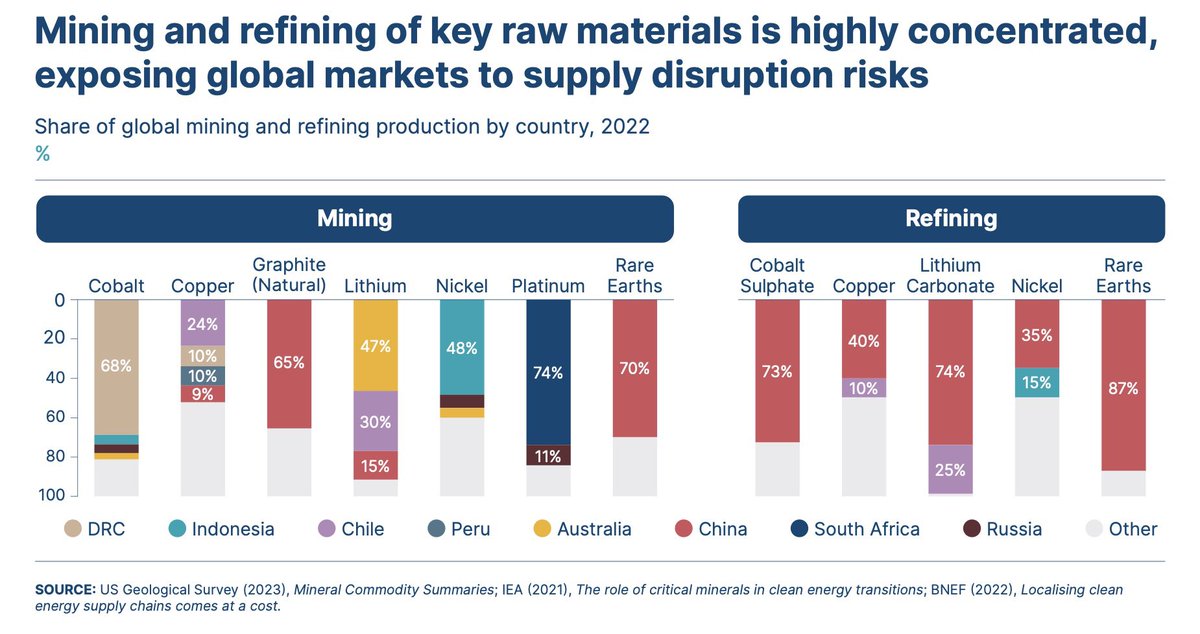
Chief among those trying to mine the seabed is China.
It already dominates refining of pretty much every critical material (look at the red bits in the right section of the chart). But not the ores (left section).
Deep sea mining provides a chance to control the WHOLE chain.
It already dominates refining of pretty much every critical material (look at the red bits in the right section of the chart). But not the ores (left section).
Deep sea mining provides a chance to control the WHOLE chain.
Sidenote: the US never signed up to the UN treaty so doesn't get a vote at the ISA.
However it is also keeping an eye on deep sea mining. & it has access to loads of polymetallic nodules via the pacific islands it once took in its quest for guano en.m.wikipedia.org/wiki/Guano_Isl…
However it is also keeping an eye on deep sea mining. & it has access to loads of polymetallic nodules via the pacific islands it once took in its quest for guano en.m.wikipedia.org/wiki/Guano_Isl…
So... deep sea mining is fast becoming a new front, not just about economics or green tech but abt big power diplomacy.
Then again you could say the same thing about much of what I call the Material World. The underbelly of the modern world.
UK edition out in paperback TOMORROW!
Then again you could say the same thing about much of what I call the Material World. The underbelly of the modern world.
UK edition out in paperback TOMORROW!

• • •
Missing some Tweet in this thread? You can try to
force a refresh