Did you know that Deadpool was a B-list superhero?
The reason why Deadpool is what we know today:
Ryan Reynold's outrageous marketing campaigns.
The reason why Deadpool is what we know today:
Ryan Reynold's outrageous marketing campaigns.

When Deadpool first appeared in the early 1990s comics, he was not as well-known or popular as other Marvel characters like Spider-Man or the X-Men.
The first Deadpool film - released in 2016 - changed everything.
The first Deadpool film - released in 2016 - changed everything.

It was a box-office superhit - $800M on a $58M budget.
Here’s a breakdown of how Ryan Reynolds and the marketing team revolutionized the promotion of the Deadpool film, turning it from a B-list character into a household name.
Here’s a breakdown of how Ryan Reynolds and the marketing team revolutionized the promotion of the Deadpool film, turning it from a B-list character into a household name.
Reynolds first played the role of Deadpool in X-Men Origins: Wolverine (2009).
The character was not well-received due to a poorly executed representation.
The character was not well-received due to a poorly executed representation.
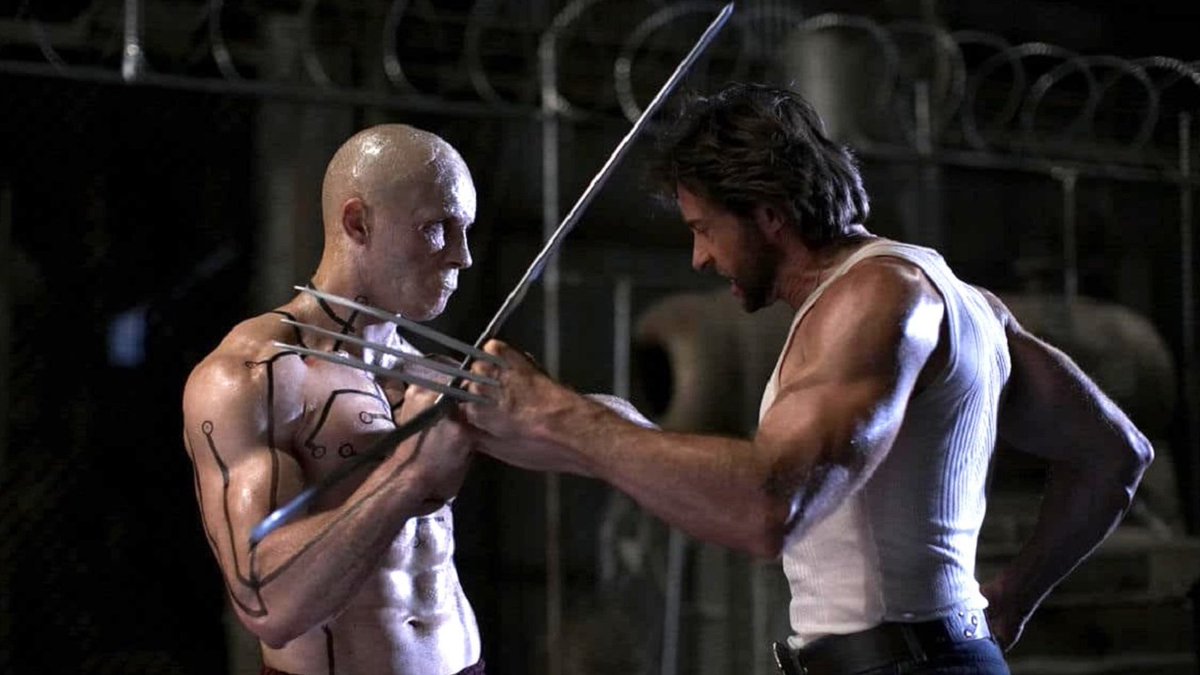
But, Reynolds was a fan of the character and believed in his potential for a standalone film.
After the negative reception of his first portrayal, Reynolds wanted a more authentic representation of Deadpool.
After the negative reception of his first portrayal, Reynolds wanted a more authentic representation of Deadpool.
He pushed for a film that captured the character's humor, irreverence, unique personality, and frequent talking to the audience - traits central to the comics.
The script for Deadpool underwent a lengthy process, with writers Reese and Wernick crafting drafts over six years.
The script for Deadpool underwent a lengthy process, with writers Reese and Wernick crafting drafts over six years.
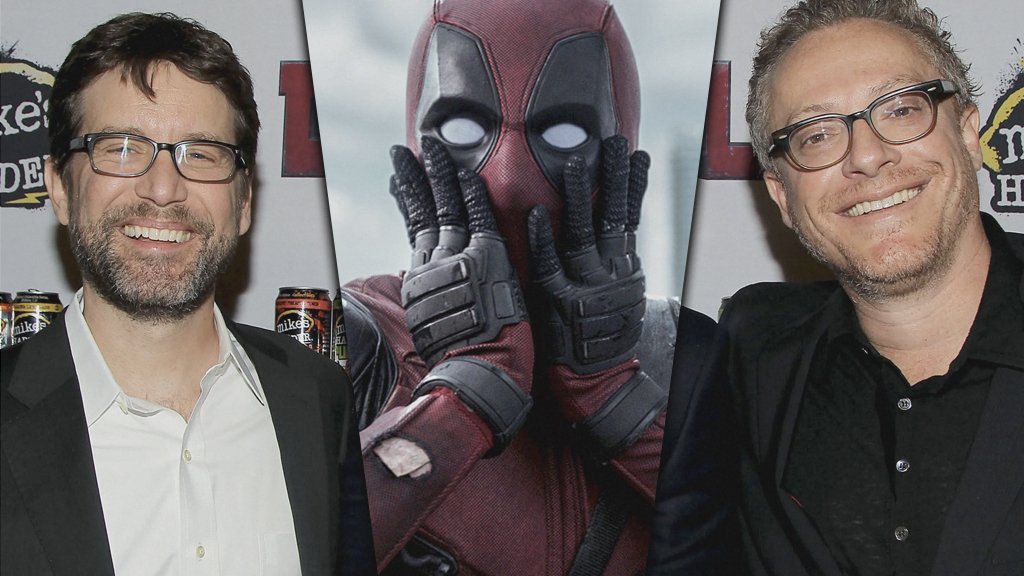
Reynolds wanted Deadpool to become a household name.
So he came back with a wild idea:
Compare Deadpool (an unknown anti-hero) to the veterans of the veterans: → The Avengers → X-Men → Justice League.
So he came back with a wild idea:
Compare Deadpool (an unknown anti-hero) to the veterans of the veterans: → The Avengers → X-Men → Justice League.

20th Century Fox nearly had a heart attack when they heard Reynolds' pitch.
They wanted nothing to do with it.
Compare Deadpool to the greatest superhero franchises of all time?
"We can't do that, it'll sound like we're mocking them."
"Those are the kings of the box office."
They wanted nothing to do with it.
Compare Deadpool to the greatest superhero franchises of all time?
"We can't do that, it'll sound like we're mocking them."
"Those are the kings of the box office."
Reynolds sat them down and said, "Listen..."
"If you want a name in superhero movies you'll need millions in traditional marketing."
"But if you want to be recognized tomorrow. We need something outrageous."
"You should look at something and think it's a little crazy."
"If you want a name in superhero movies you'll need millions in traditional marketing."
"But if you want to be recognized tomorrow. We need something outrageous."
"You should look at something and think it's a little crazy."
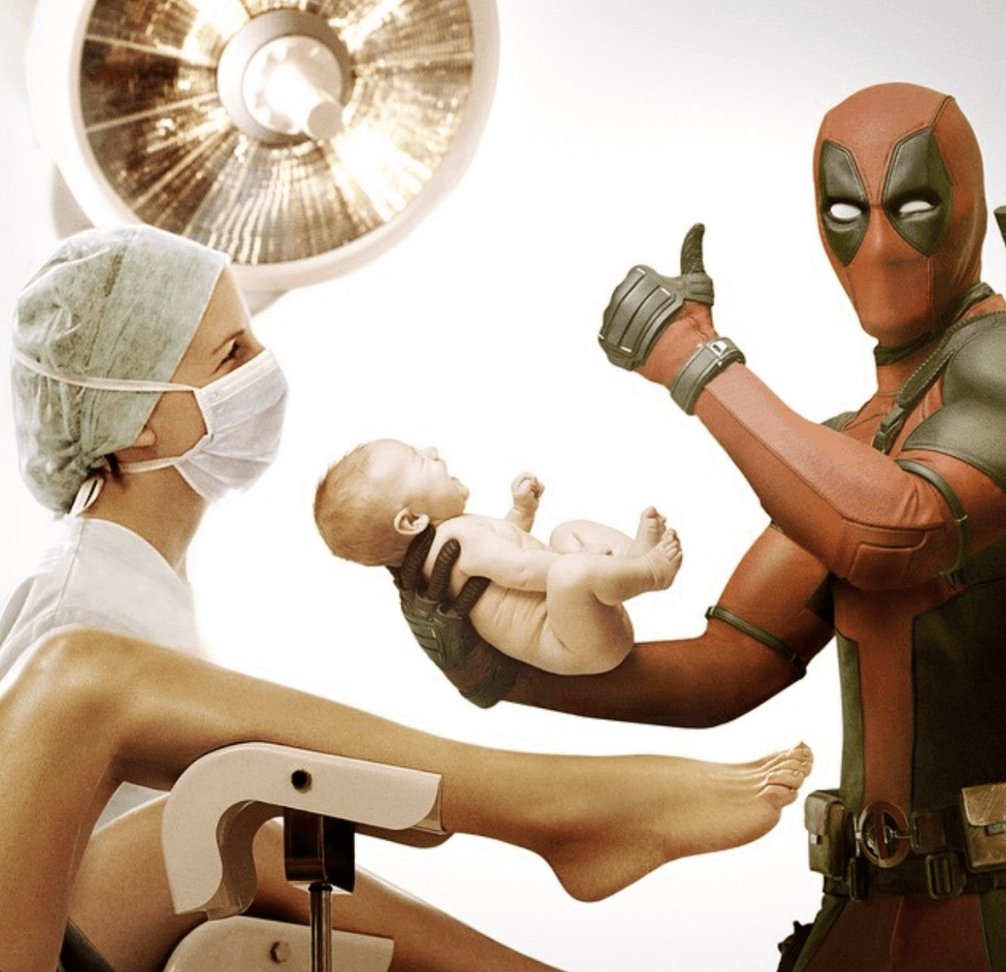
Fox was still against it - it wasn't until test footage leaked in July 2014, with millions of positive responses, when Fox finally gave Deadpool the green light.
Lately, rumor has it that Reynold may have been involved leaking that viral marketing video...
Lately, rumor has it that Reynold may have been involved leaking that viral marketing video...
So they decided to run 'outrageous' campaigns everywhere.
Even though the studio was still dead against it.
Some of their outrageous campaigns included:
Launching the "12 Days of Deadpool" campaign just before Christmas in 2015.
Even though the studio was still dead against it.
Some of their outrageous campaigns included:
Launching the "12 Days of Deadpool" campaign just before Christmas in 2015.
Over twelve days, they released new posters, images, and videos that showcased the film's humor and action, encouraging fans to share the content across social media.
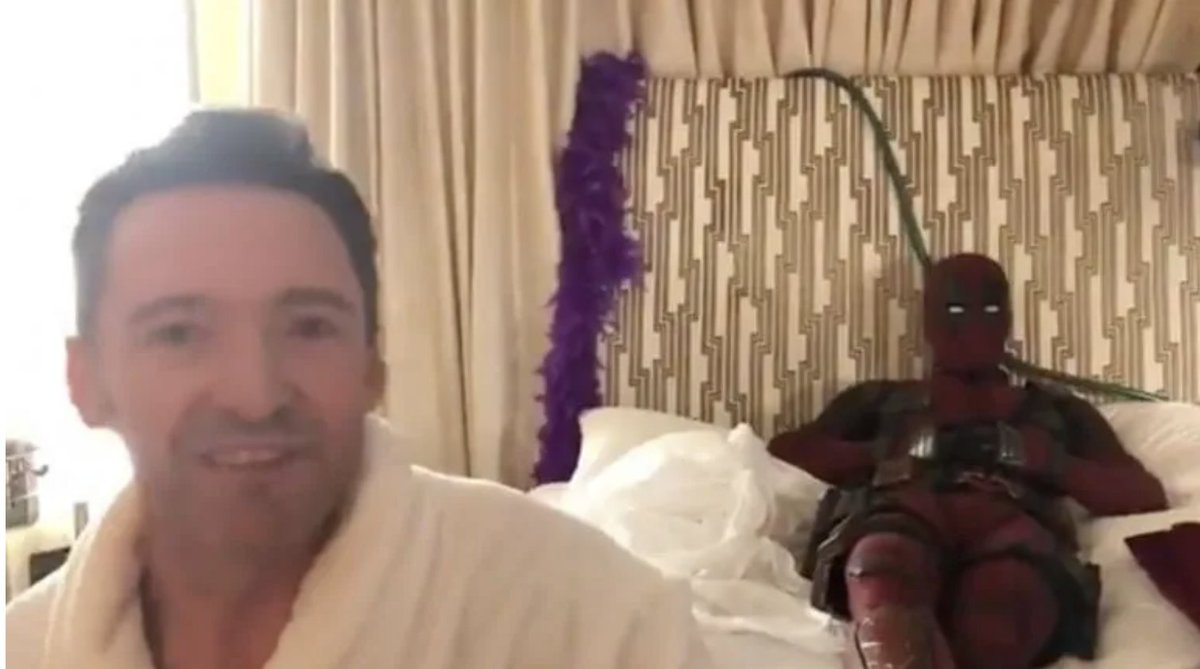
Deadpool also made surprise appearances at various events.
Deadpool also made surprise appearances at various events.
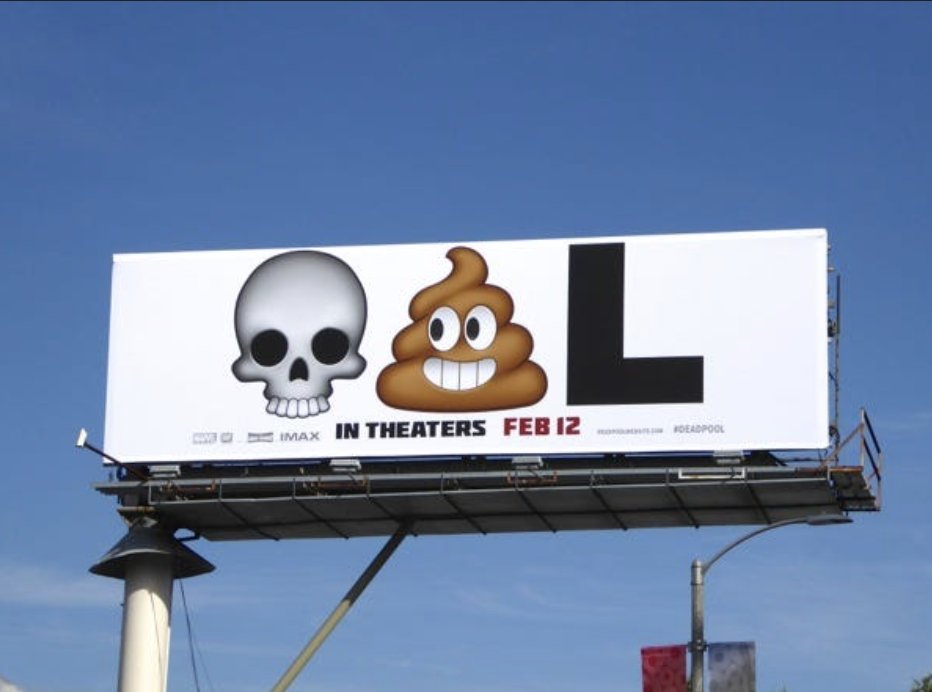
These included interrupting Hugh Jackman's birthday message to his wife, which generated media coverage and social media buzz.
One of the most memorable marketing stunts involved creating a fake Tinder profile for Deadpool.
One of the most memorable marketing stunts involved creating a fake Tinder profile for Deadpool.
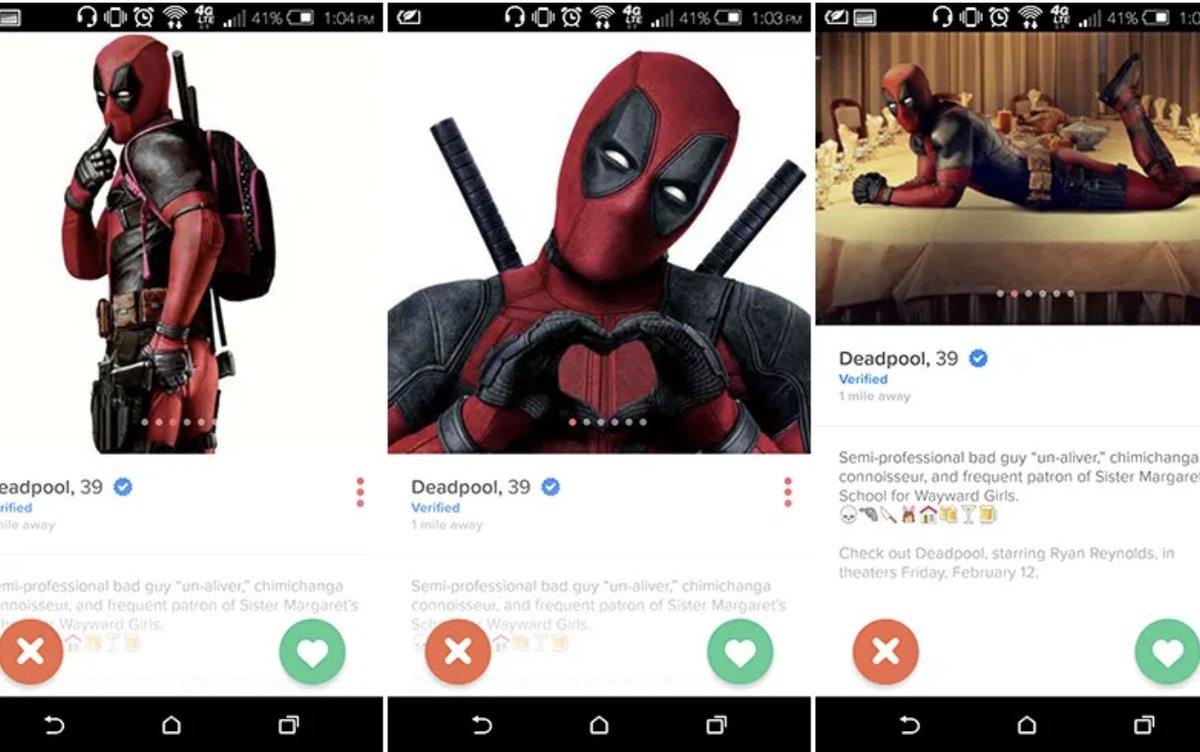
People lost their minds.
All of Hollywood nearly had a heart attack too.
"Who does Deadpool think he is?
The week after, Deadpool was trending on every social media platform.
Quickly becoming the R-rated superhero phenomenon we know today.
All of Hollywood nearly had a heart attack too.
"Who does Deadpool think he is?
The week after, Deadpool was trending on every social media platform.
Quickly becoming the R-rated superhero phenomenon we know today.
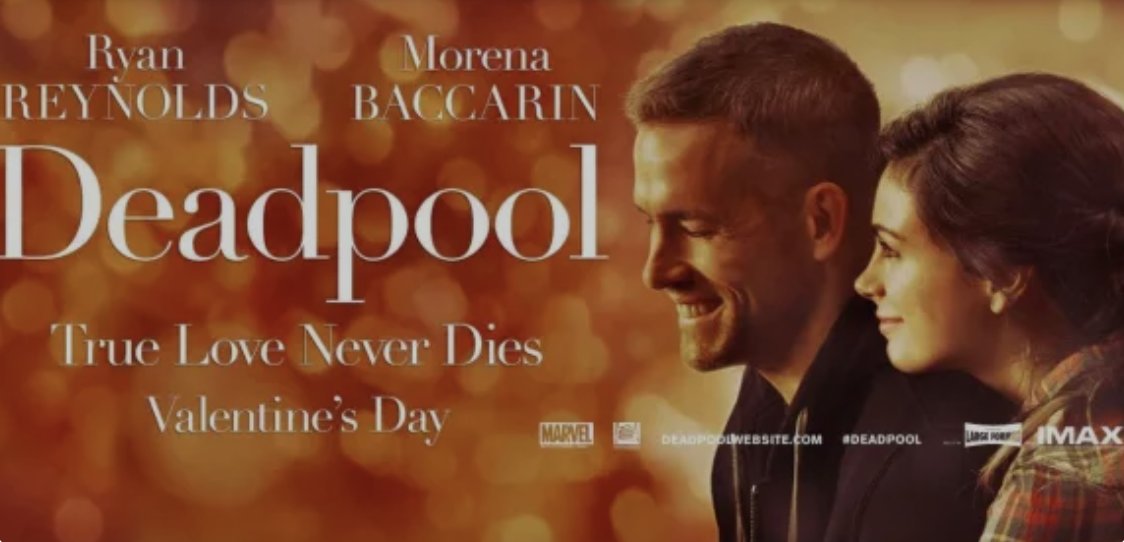
Have you heard of the “fourth wall”?
The term "fourth wall" refers to the imaginary wall that separates the characters in a performance from the audience.
Breaking the fourth wall happens when a character looks directly at the camera and speaks to the audience.
The term "fourth wall" refers to the imaginary wall that separates the characters in a performance from the audience.
Breaking the fourth wall happens when a character looks directly at the camera and speaks to the audience.
Deadpool addresses the audience directly in many of the promotional material.
He jokes about the film industry and pokes fun at other superheroes.
This approach resonated with audiences and generated significant buzz before the film's release.
He jokes about the film industry and pokes fun at other superheroes.
This approach resonated with audiences and generated significant buzz before the film's release.
Ryan Reynolds turbocharged Deadpool's rise to stardom.
My main takeaways from this story?
My main takeaways from this story?
• Outrageous ideas get attention.
• Outrageous ideas sell when they're backed up by the product.
• Even well-intentioned studios will try to kill good ideas out of fear.
• Outrageous ideas sell when they're backed up by the product.
• Even well-intentioned studios will try to kill good ideas out of fear.
I run - we know how to help companies go viral in 2024 across social media platforms.
We've generated over 1,000,000,000 impressions for our clients over the last 2.5 years.
DM me to work together.Swipelabs.io
We've generated over 1,000,000,000 impressions for our clients over the last 2.5 years.
DM me to work together.Swipelabs.io
• • •
Missing some Tweet in this thread? You can try to
force a refresh