Mambo Italiano Profile picture
Aug 3, 2024 16 tweets 6 min read Read on X
The question might seem trivial, but give it a moment’s thought:

Why does Venice 🇮🇹 float?

What does it rest on?
And, most importantly, why doesn’t it sink?

A Thread🧵 to explain it to you Image
It seems to float above the lagoon, but in reality, it emerges from the waters thanks to its foundations.

Yes, because Venice is built on wooden piles, which is why it is also known as the "upside-down forest”.

How is it possible that, despite the passage of time, these very piles, driven into the sediment of the lagoon, have not deteriorated?

Let's find out together as we retrace the history of this revolutionary engineering project.Image
Tradition holds that Venice was founded on March 25, 421 AD.
It is astonishing to realize that for centuries, its foundations - thousands of wooden piles driven into the ground and immersed in water - have not rotted. Image
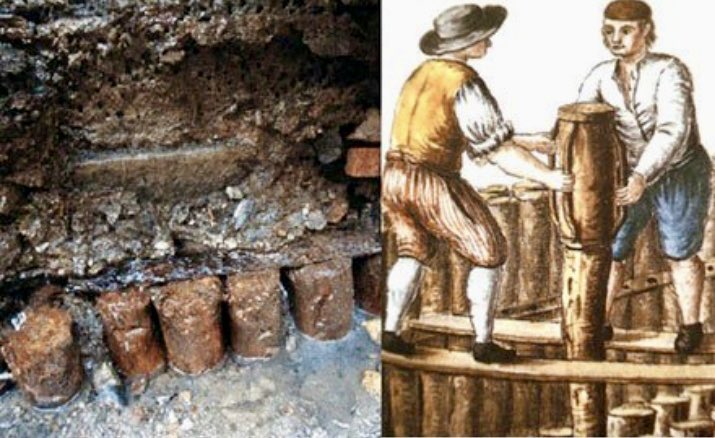
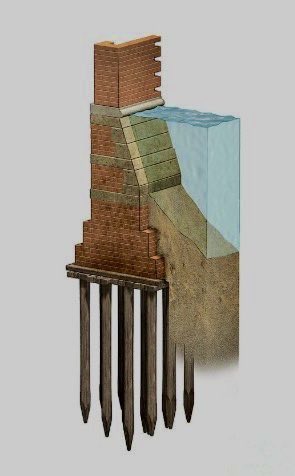
The technique used is called "pile-driving," which replaced the natural seabed with an artificial one, formed by a dense network of piles (about 9 per square meter), with diameters ranging from 10 to 25 cm and lengths extending from one meter to three and a half meters. Image
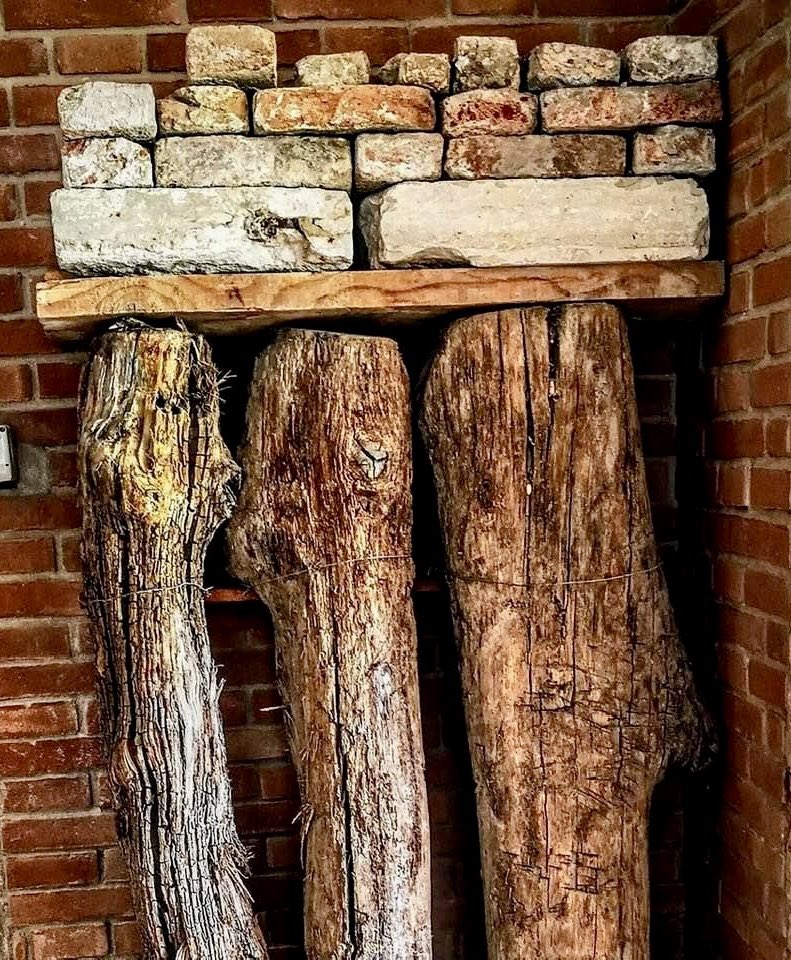
They marked the area destined for the foundation of the new palace with two series of parallel pile foundations, 80 cm apart. These are the so-called perimeter indirect foundations. Image
Depending on natural resistance to atmospheric agents and water, as well as availability in the area, various types of wood were chosen, from oak (dense and resistant, better suited to bearing heavy loads and withstanding harsh environmental conditions) to fir, larch, and pine (known for their hardness and durability).Image
The piles were driven into the ground by percussion, a technique typical of driven piles, literally hammered into the ground, ensuring excellent resistance through lateral friction with the soil.
To ensure the right solidity, a support layer (about 50 cm thick) was placed above the piles, consisting of layers of planking or stone.Image
One of the main reasons the wooden piles do not rot is the anoxic environment (devoid of oxygen) in which they are located. When wood is completely submerged in water and mud, it is deprived of oxygen: this causes the microorganisms that decompose wood to die, as they need oxygen to survive and proliferate.Image
Another key factor is the process of mineralization. Over time, minerals present in the water and surrounding soil penetrate the wooden piles, making them harder and increasing their longevity and resistance to decomposition. Image
Finally, the role of mud, which not only acts as a cushion, evenly distributing the weight of the city above the piles and preventing structural failures but is also rich in fine sediments that form a protective layer around the piles, further isolating them from oxygen and microorganisms.Image
Over the centuries, Venice has benefited from continuous maintenance work and engineering interventions to ensure the stability of its foundations. Image
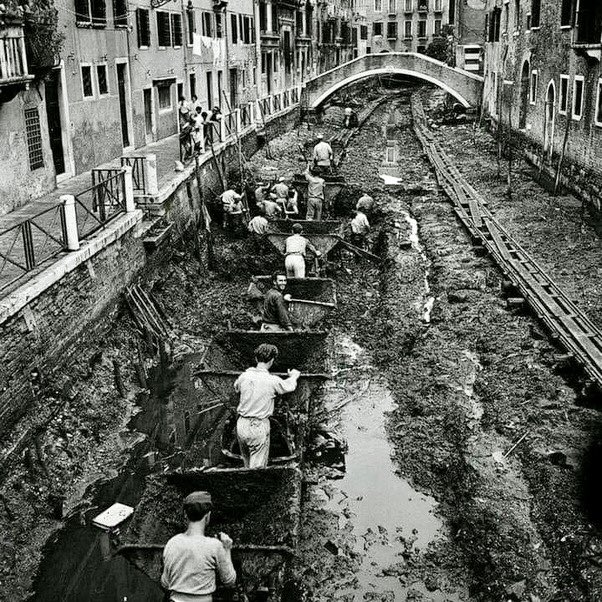
Today, thanks to technological advancements, it is possible to monitor and replace deteriorated piles, ensuring the safety and durability of the structures. Image
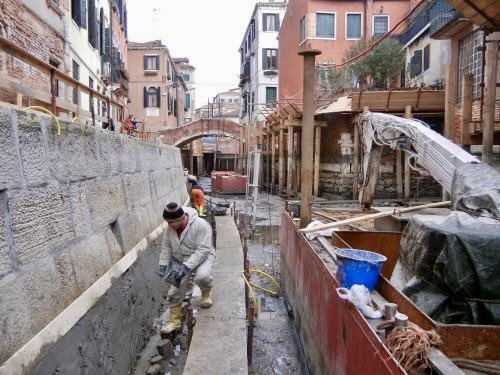
Despite all this, erosion and wear are inevitable, and thus, from time to time, even Venice yields.
Image
Image
When we wander joyfully through Venice, let's never forget what lies beneath our feet.
It's a gesture of love and awareness. Image
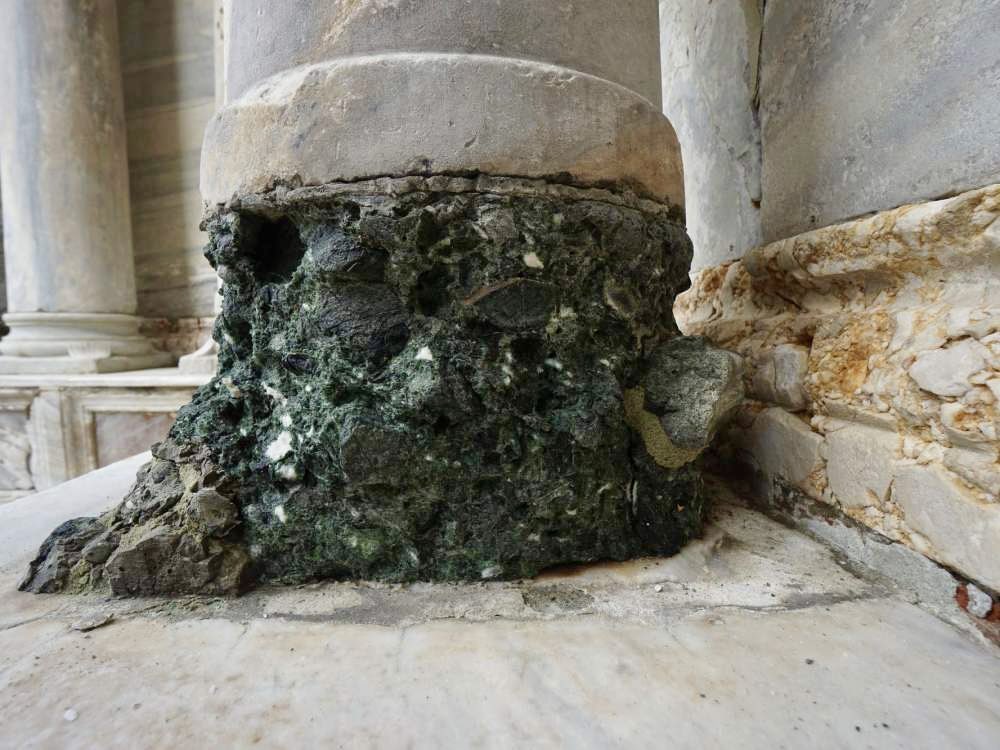
Venice is beautiful, but let's remember that it suffers, and it won't be there forever... In fact, some are quite pessimistic about its disappearance. Image
If you have enjoyed this thread, please be kind enough to share it.
It has been created with love, respect, and the hope that the world's most unique city may endure forever. Image

• • •

Missing some Tweet in this thread? You can try to force a refresh

 

Keep Current with Mambo Italiano

Mambo Italiano Profile picture

Stay in touch and get notified when new unrolls are available from this author!

Read all threads

This Thread may be Removed Anytime!

PDF

Twitter may remove this content at anytime! Save it as PDF for later use!

Try unrolling a thread yourself!

how to unroll video
  1. Follow @ThreadReaderApp to mention us!

  2. From a Twitter thread mention us with a keyword "unroll"
@threadreaderapp unroll

Practice here first or read more on our help page!

More from @mamboitaliano__

Mar 13
Italian bombshells sorted by birth region

1. Monica Bellucci, Umbria 🇮🇹 Image
2. Sophia Loren, Lazio 🇮🇹 Image
3. Gina Lollobrigida, Lazio 🇮🇹 Image
Read 25 tweets
Nov 9, 2025
Why is Italy literally split in two? 🇮🇹

For me, the answer is obvious, I know the history of my country

But maybe not everyone knows the truth

I asked Grok, and it gave the best explanation ever!

I’ll share it in the comments 👇
Explanation part 1

The North–South Economic Divide in Italy: Historical, Economic, and Socio-Cultural Causes

The economic divide between Northern Italy (regions such as Lombardy, Veneto, Piedmont) and the South (the Mezzogiorno, including Campania, Apulia, Basilicata, Calabria, Sicily, and Sardinia) is one of the most persistent structural problems in Italian history.

Despite the unification of 1861, today the southern per-capita GDP stands at roughly 58–60% of that of the Centre-North, with unemployment rates twice as high (over 20% in the South versus 6–8% in the North) and a dependence on state subsidies that has generated a vicious circle of welfare dependency.

This imbalance is not innate but arises from a complex interplay of historical, economic, socio-cultural, and other factors (geographical, political, institutional).
Below is an exhaustive analysis—based on historical and economic studies—showing how the gap pre-existed the Unification but dramatically widened in the decades that followed.
Explanation Part 2

Historical Causes

The roots of the divide go back thousands of years, accentuated by unification and by dynamics of “internal colonialism.”
Before unification (that is, prior to 1861), the North benefited from autonomous development: the Lombard invasion (6th century) fostered the rise of medieval city-states (10th–13th centuries), which developed a mercantile and proto-industrial bourgeoisie and became integrated into European trade routes.

By contrast, the South was dominated by foreign monarchies (Normans, Swabians, Angevins, Spaniards, Bourbons), which imposed a centralized feudal system marked by unproductive latifundia and a lack of local autonomy.
The Kingdom of the Two Sicilies (1816–1861) had a primitive agrarian economy plagued by endemic malaria, deforestation, and poor irrigation, despite abundant natural resources; per-capita GDP was similar to or slightly higher than that of the North (according to Daniele and Malanima), yet the infrastructural gaps were enormous: 14,700 km of roads compared to 75,500 in the North, and only 184 km of railways versus more than 2,300.

The unification of 1861 imposed the Piedmontese model (centralist and liberalist), treating the South as an “internal colony”: southern resources financed northern debt (which had risen by 565% before 1860) and the “industrial triangle” (Turin–Milan–Genoa).
This led to brigantaggio (1860–1870), a peasant revolt suppressed by 120,000 soldiers under martial law (the Pica Law, 1863), which alienated the South from the nascent state and perpetuated hostility.

In the twentieth century, the First World War (1915–1918) channelled industrial contracts to the North, while Fascism (1922–1943) invested in southern infrastructure (e.g. the Apulian aqueduct) but in a clientelistic manner, without structural reform.
The Second World War devastated the South (Allied bombings, mafia-US alliances), and the post-war economic boom (1950–1970) industrialized the North through the Marshall Plan, leaving the Mezzogiorno largely agrarian.
Read 6 tweets
Oct 11, 2025
On October 8th, the MICHELIN Keys were unveiled!

The hotel world’s equivalent of the MICHELIN Stars 🗝️✨

Here’s the full list of breathtaking Italian hotels that earned this prestigious distinction

A 🧵 Thread that will make you dream Image
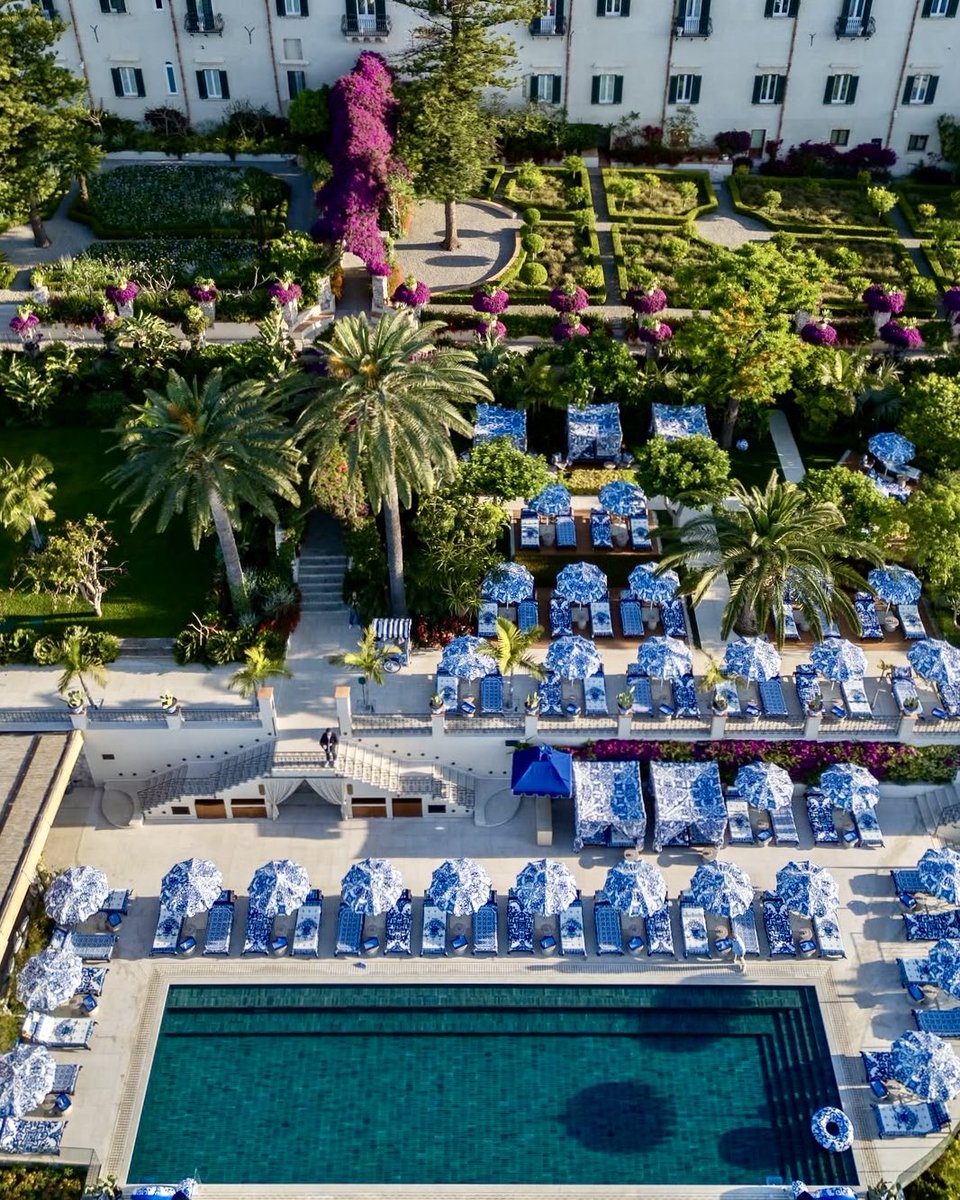
Four Seasons, Florence (🗝️🗝️🗝️)
Borgo Santo Pietro, Siena (🗝️🗝️🗝️)
Read 25 tweets
Sep 11, 2025
The curious tale of a deconsecrated Church transformed into a breathtakingly beautiful office and then demolished

Milan, Italy 🇮🇹

A Thread 🧵 Image
Location

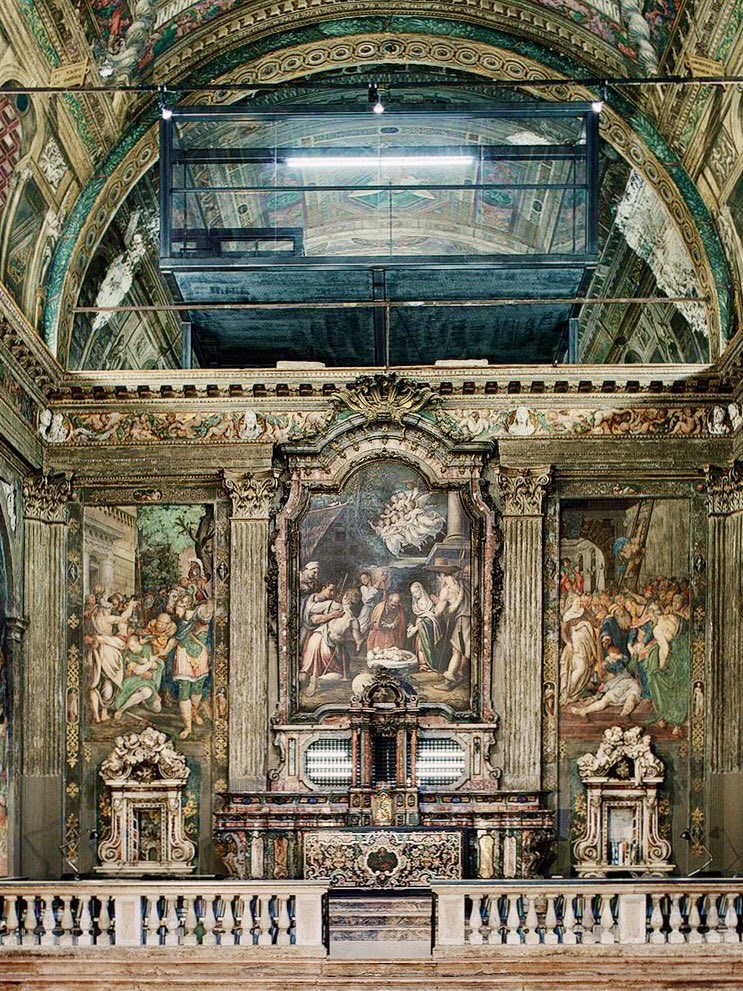
San Paolo Converso sits on Corso Italia, right in the heart of Milan, a hidden gem among the city’s historic streets Image
CLS Studio Installation (2014)

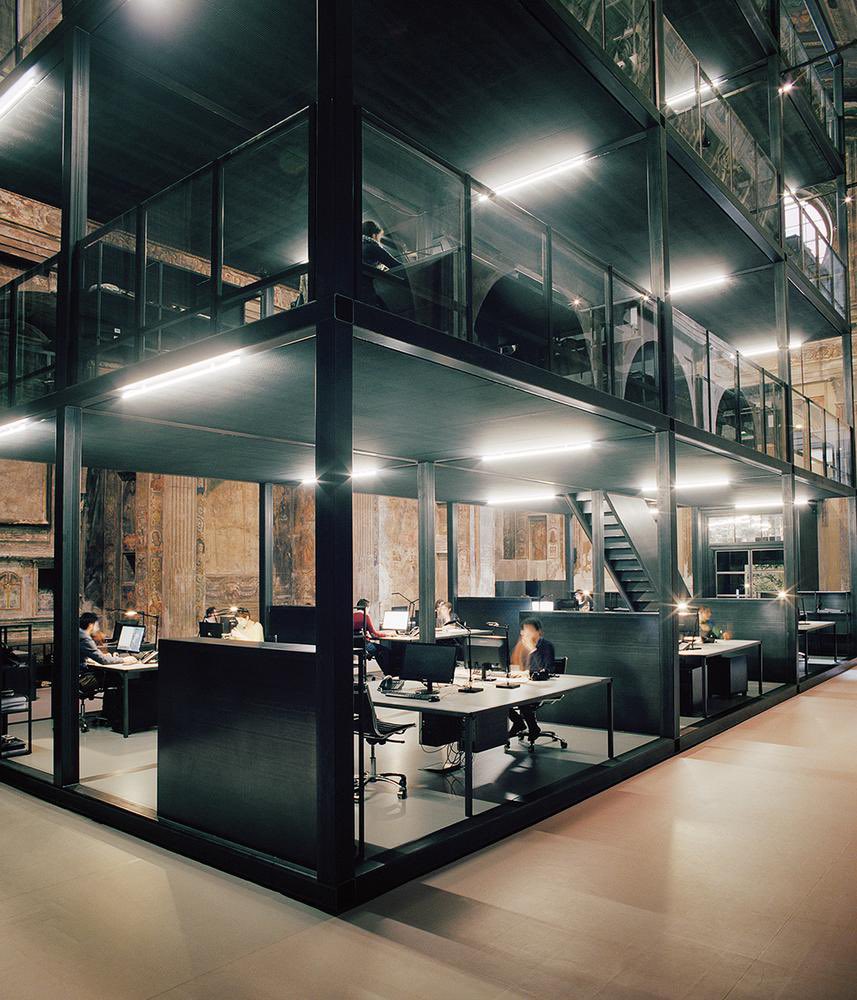
In 2014, the architecture firm CLS transformed the church into their office

They built an impressive four-story glass-and-iron structure among the ancient vaults and frescoes, accommodating 70 workstations (project 👇) Image
Read 11 tweets
Sep 3, 2025
One of the smallest yet most brilliant and delicious Italian 🇮🇹 inventions of all time

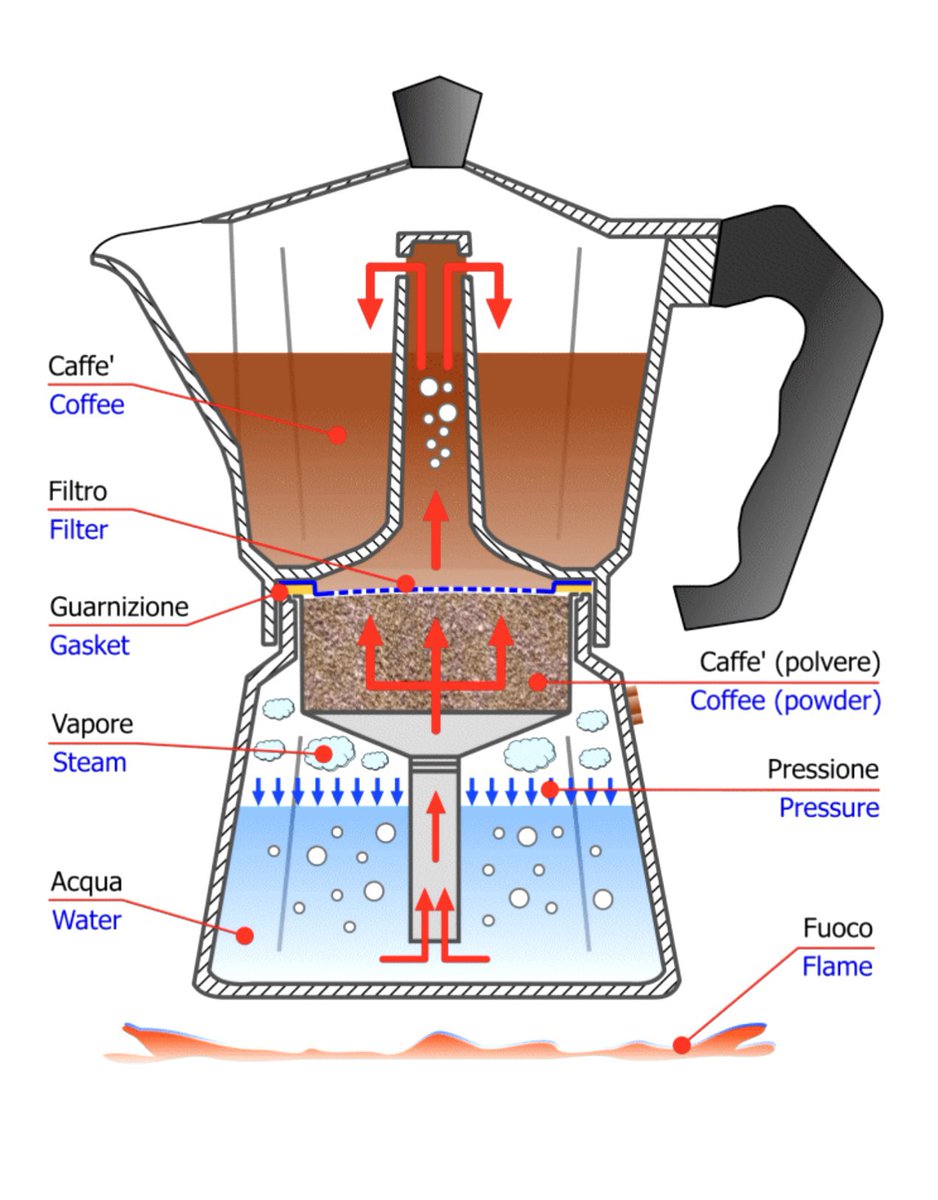
How the Moka works

A Thread 🧵 Image
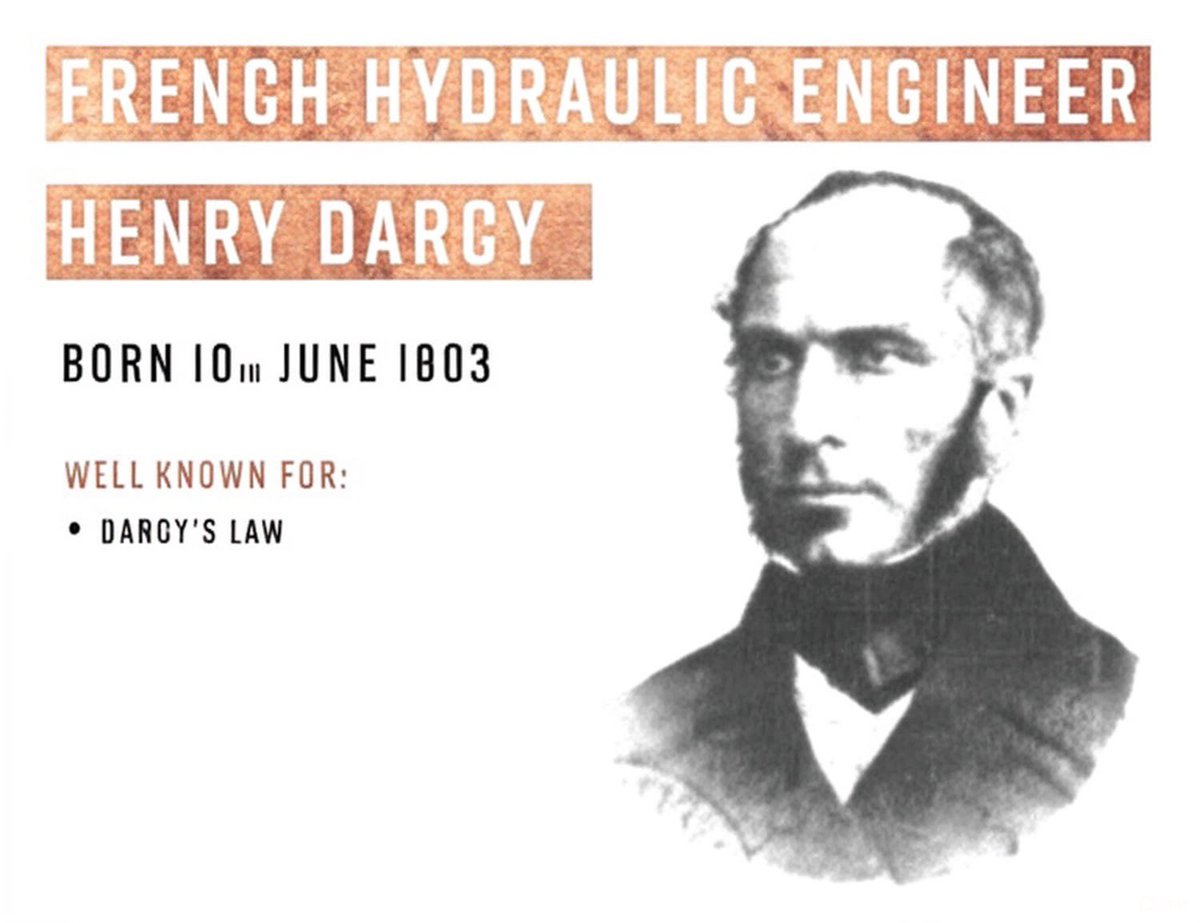
Henry Darcy, a French engineer and expert in hydraulics, is famous for Darcy’s law, formulated in 1856

It describes how fluid flows through a porous material depending on pressure differences, permeability, thickness, and viscosity Image
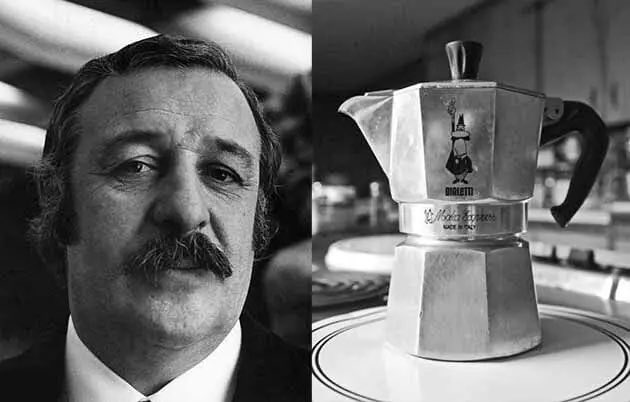
Fast forward to 1933: Italian engineer Alfonso Bialetti invented the moka pot

Thanks to Darcy’s law, his invention works perfectly and still sits in kitchens worldwide Image
Read 14 tweets
Sep 2, 2025
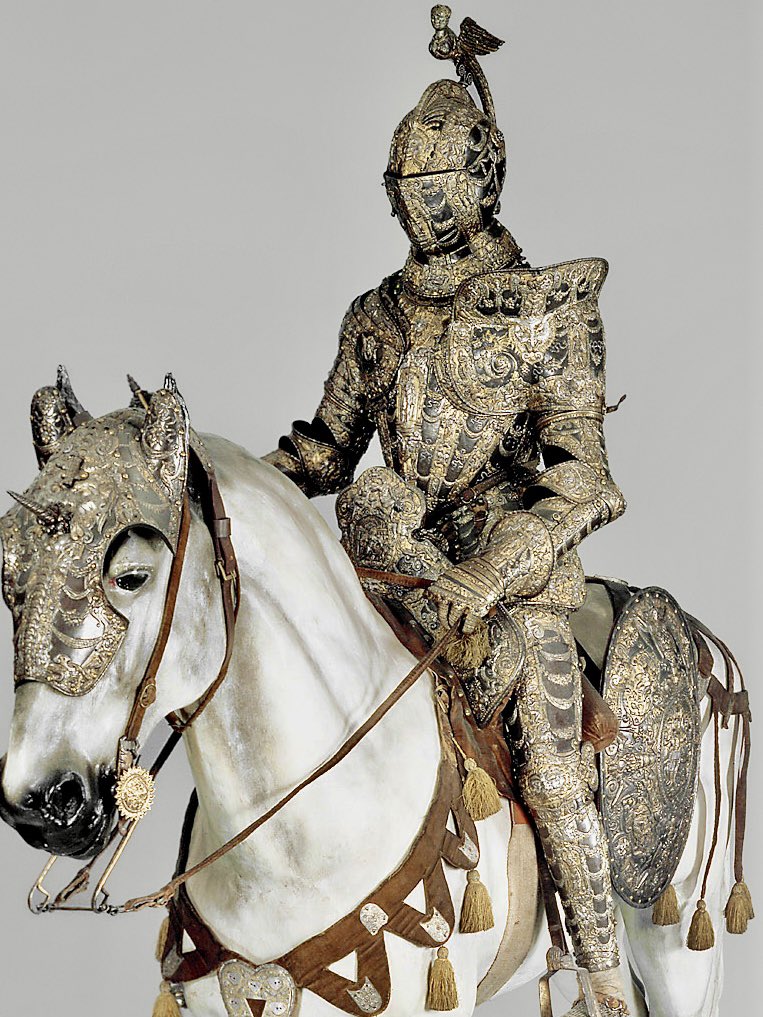
This set of antique-style armor, made for both man and horse, is one of the most richly decorated pieces of armor from the 16th century

It belonged to Alessandro Farnese, son of Ottavio Farnese and Margherita of Parma, the illegitimate daughter of Emperor Charles V Image
The armor was created between 1576 and 1580 and is the work of a Milanese master, possibly Lucio Piccinino

The designs were made by Andrea Casalini, a goldsmith active at the court of Parma Image
Read 9 tweets

Did Thread Reader help you today?

Support us! We are indie developers!


This site is made by just two indie developers on a laptop doing marketing, support and development! Read more about the story.

Become a Premium Member ($3/month or $30/year) and get exclusive features!

Become Premium

Don't want to be a Premium member but still want to support us?

Make a small donation by buying us coffee ($5) or help with server cost ($10)

Donate via Paypal

Or Donate anonymously using crypto!

Ethereum

0xfe58350B80634f60Fa6Dc149a72b4DFbc17D341E copy

Bitcoin

3ATGMxNzCUFzxpMCHL5sWSt4DVtS8UqXpi copy

Thank you for your support!

Follow Us!

:(