Think Defence Profile picture
Aug 11, 2024 β€’ 19 tweets β€’ 6 min read β€’ Read on X
𝗧𝗛π—₯π—˜π—”π——

Let's talk about...

Sandbags

Their interesting history and uses today Image
Sandbags are not a new invention, their use as a weapon or training aid goes back to medieval times, but arguably, as a field defence they were not widely used until the early 18th century Image
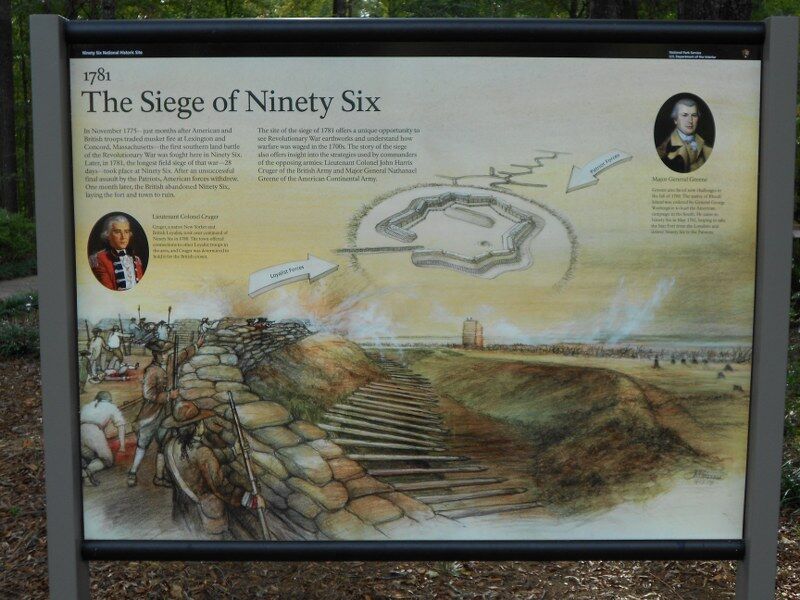
As muskets emerged as common weapons, sandbags were used, like gabions, wherever a quick and simple means of protection were needed, here at the 1781 Battle of Ninety Six in South Carolina, bloody colonials! Image
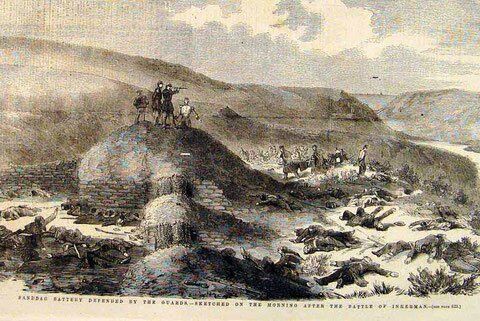
The 1854 Battle of Inkerman, especially the action at the Sandbag Battery were notable Image
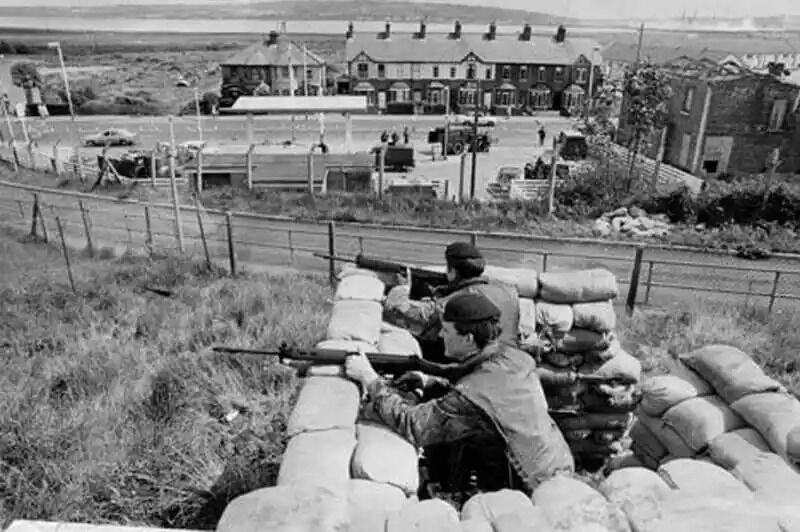
Since then, where portable defence against shot and shell were needed, sandbags were there to be found Image
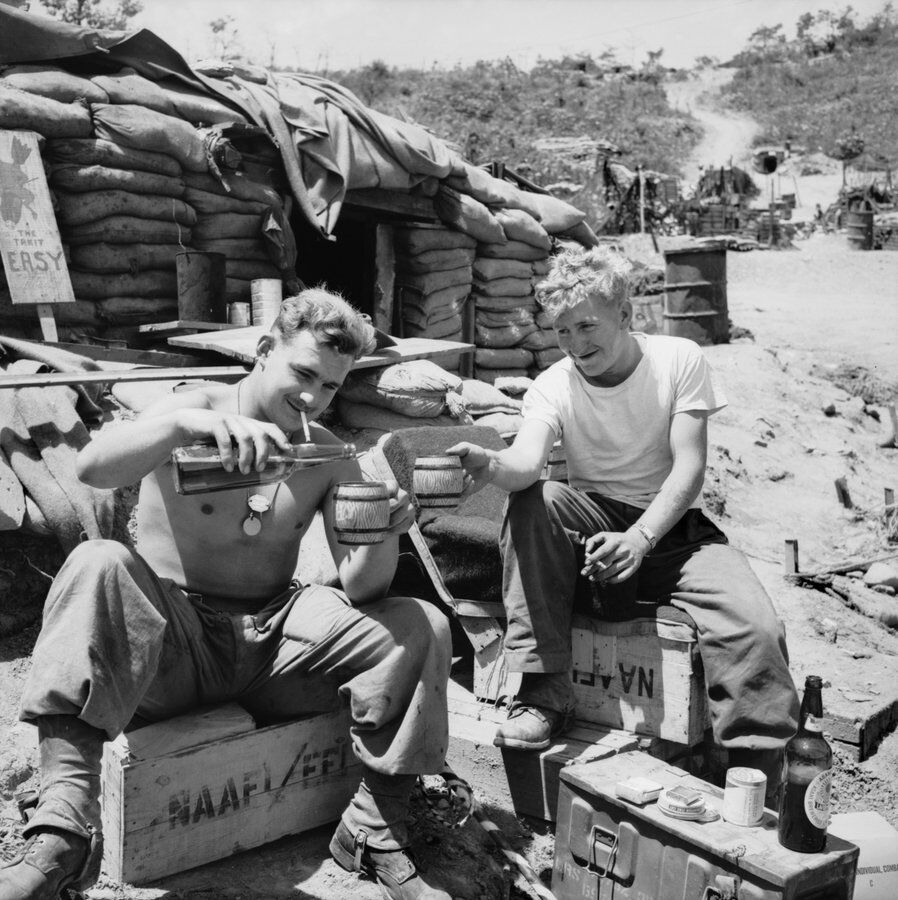
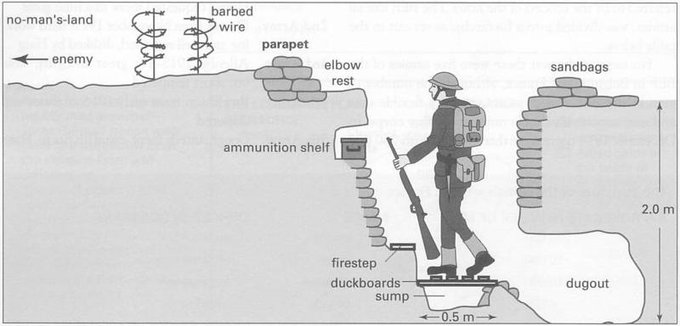
Their use in trenches is generally for revetting the walls and providing additional protection for the parapet (front) and parados (rear). In above ground uses, they form walls and can be used for overhead protection Image
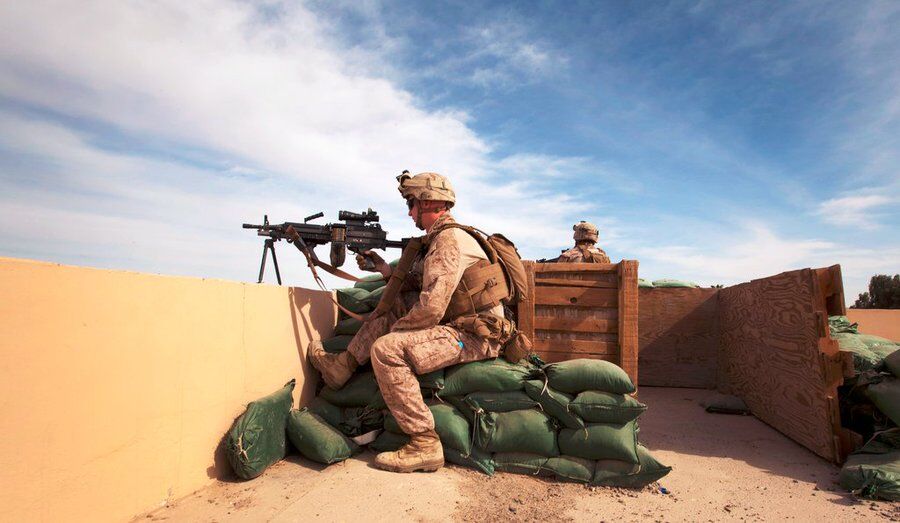
More recently, hessian has in some cases given way to synthetic materials but they are still widely used, some instances perhaps more impressive than others! Image
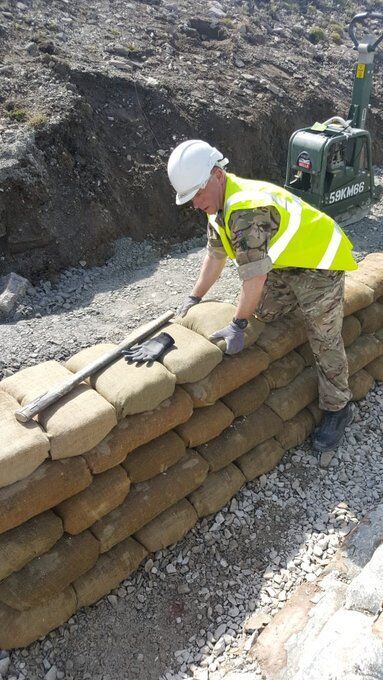
There is quite a bit of science behind sandbags but principles remain fairly simple, don't overfill, lay in a bond like bricks, chokes tucked in, tamp down, tie in and slope back. As shown by Sgt K a reserve soldier from ⁦170 Works Group here, an artist beyond compare Image
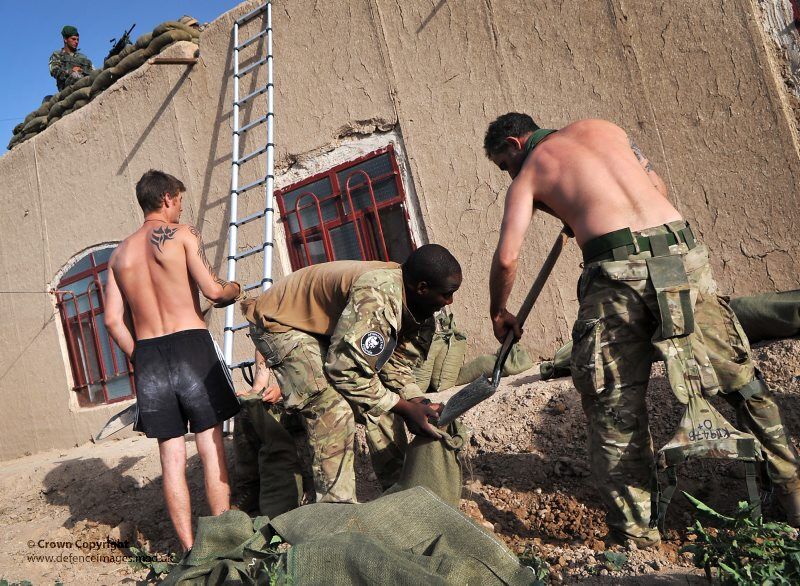
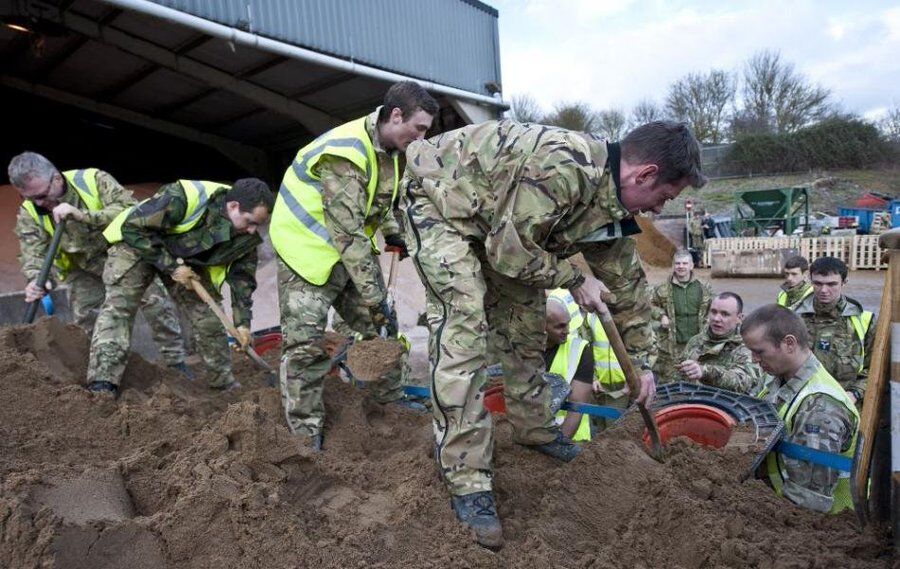
Filling sandbags is not complicated and the same method has been used since sandbags were first used. Someone holds them open, and someone else fills them using a spade or shovel of some kind. Image
There are better ways, equipment and techniques that maximise fill rate either with manual or mechanical approaches. The most simple is to use a traffic cone Image
Purpose made devices are also available, like the BCB International Sandbagger, and there are plenty of others.
Excavator and loading shovel attachments, like the design below
All the way up to purpose made automated filling machines
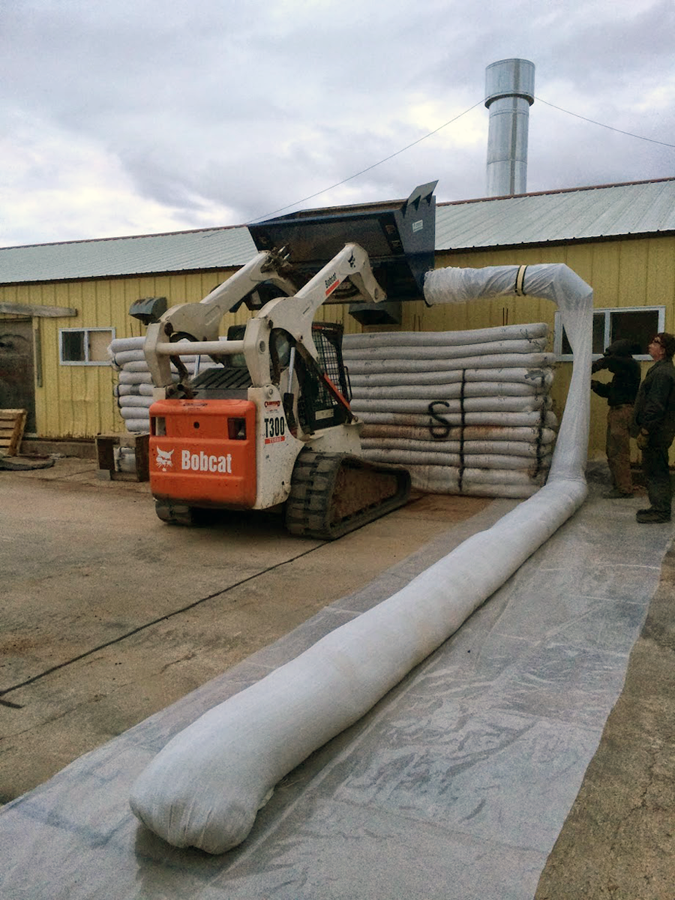
In some construction methods, continuous tube earth bags are used such as seen below, less used in a military context where gabions such as Hesco Bastion or JS Franklin DefenceCell is more common Image
Occasionally, 1 tonne bulk bags can be used as giant sandbags, the RAF even have a specific designation for them if they are used in areas such as civil contingencies. The image below shows them being used as flooding control. Image
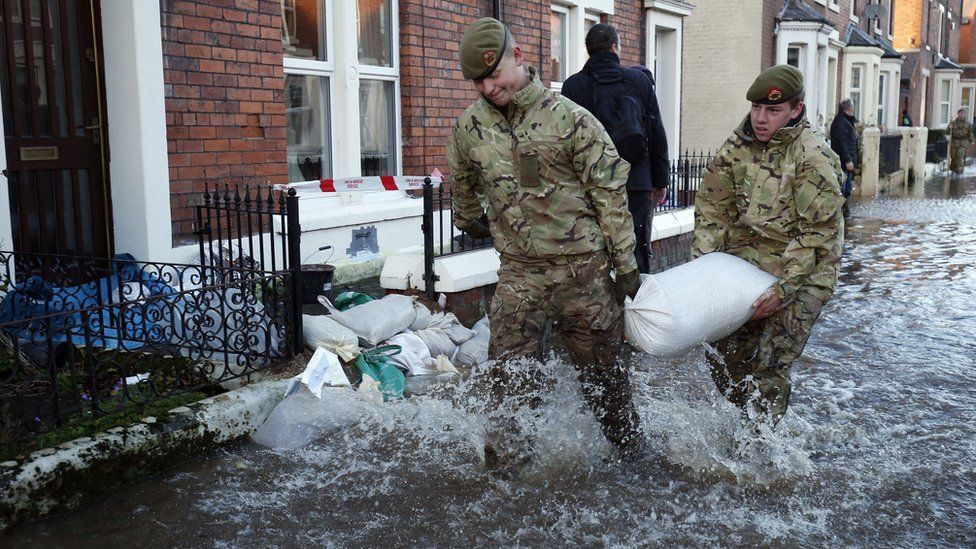
But for the most part, the smaller sandbag is used, although many flood experts argue they are the least effective method for that application. Image
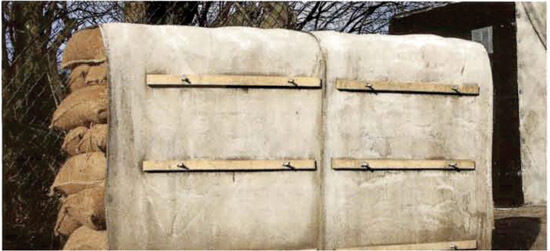
Some use bitumen or cement slurries to stabilise traditional hessian/jute sandbags although this creates a brittle surface that quickly degrades. Concrete Canvas overlay is a proven and much better alternative, although again, not as widely used Image
Sandbags have a fairly long history, and remain a flexible and effective means of creating temporary barriers and means of protection. Whilst hessian my have given way to woven plastics, and filling with a shovel increasingly replaced with machines, they are not going away Image
Hope you found that useful, cheers!

END Image

β€’ β€’ β€’

Missing some Tweet in this thread? You can try to force a refresh

γ€€

Keep Current with Think Defence

Think Defence Profile picture

Stay in touch and get notified when new unrolls are available from this author!

Read all threads

This Thread may be Removed Anytime!

PDF

Twitter may remove this content at anytime! Save it as PDF for later use!

Try unrolling a thread yourself!

how to unroll video
  1. Follow @ThreadReaderApp to mention us!

  2. From a Twitter thread mention us with a keyword "unroll"
@threadreaderapp unroll

Practice here first or read more on our help page!

More from @thinkdefence

Jan 12
Let's discuss…

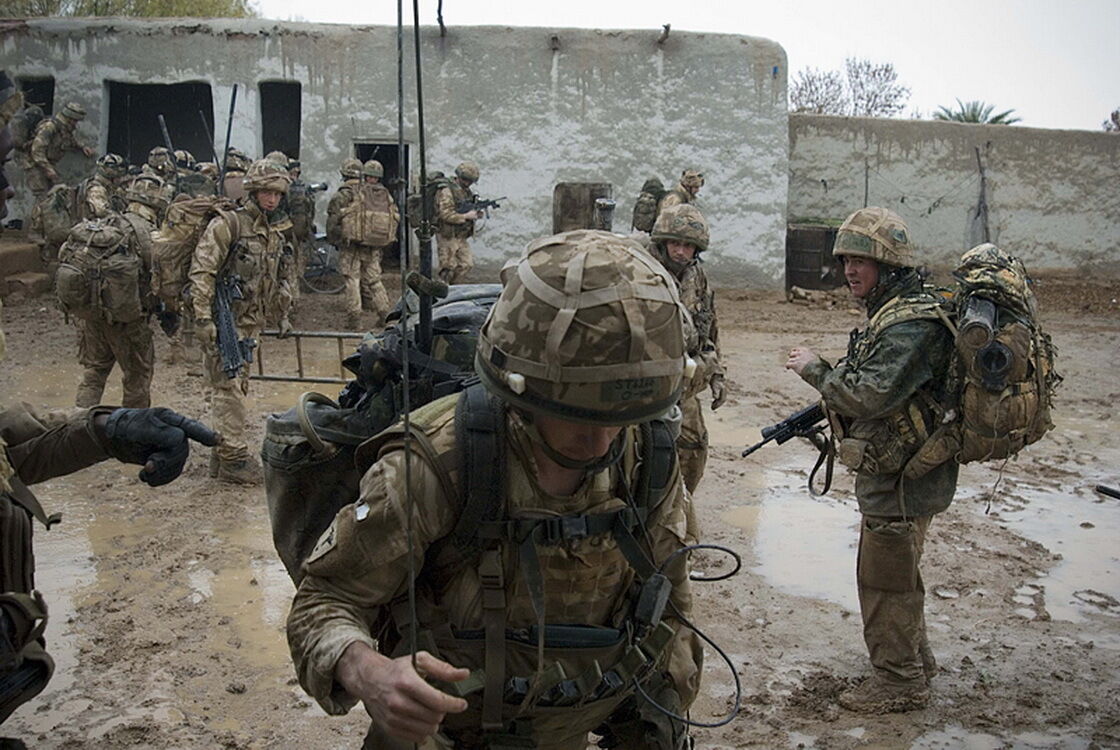
The overburdened infantry is discussed with clockwork like regularity. Excessive weight carried by infantry soldiers severely impacts their physical and mental agility, whilst dramatically increasing injury rates.

THREAD Image
"The fighting value of a soldier is in inverse proportion to the load he carries."

Army Hygiene Advisory Committee Report No. 3 β€” On the Maximum Load to be Carried by a Soldier

1923 Image
The upward trend of carried weight over decades saw its zenith during operations in Afghanistan, and this led to a realisation that it was both unsustainable and undesirable. Much work has been done since, but have we resolved it? Image
Read 19 tweets
Dec 15, 2025
Let's have a chat about...

Anti Tank Ditches Image
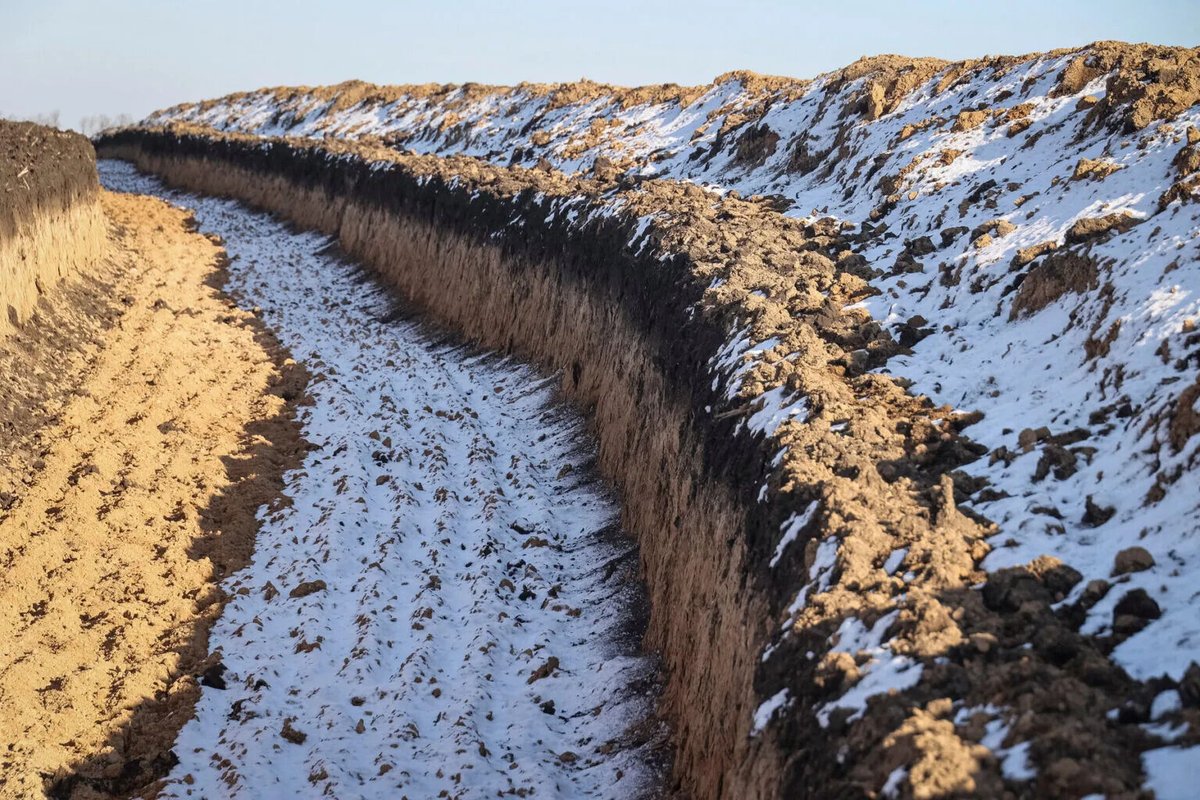
Anti Tank Ditches are no different to any other obstacle. The reason they exist is to delay, frustrate, divert, shape, influence, canalise, and, absorb enemy resources. To be effective, they must be under observation, and covered by fire.
Properly constructed obstacles oblige enemy forces to use armoured combat engineering equipment, always in short supply. In exposing this equipment to fire, they will naturally be reduced in number.
Read 22 tweets
Nov 12, 2025
Let's discuss…

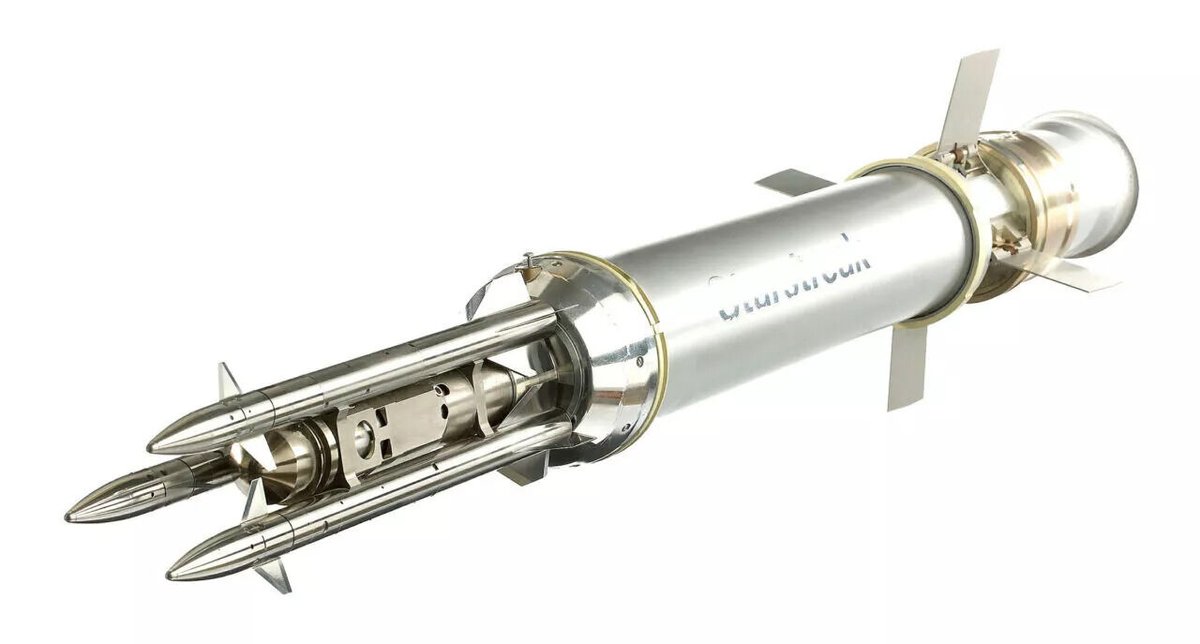
The Starstreak High Velocity Missile (HVM)

A back-story, of the most badass missile on the planet Image
Starstreak High-Velocity Missile was designed to provide close air defence against conventional air threats such as fixed-wing fighters and late unmasking helicopter targets. The British Army describes the Starstreak High-Velocity Missile (HVM) as; Image
Despite the Javelin AA missile coming into service in the mid-eighties, the MoD established a requirement for a system that would complement Rapier for manoeuvre forces in Germany.
Read 23 tweets
Oct 29, 2025
Lets talk about...

The SS Empire Traveller, fuel, and Cherbourg in WWII

a back-story Image
June 6, 1944, D-Day, marked the Allied invasion of Normandy, but the real challenge was sustaining the advance. Fuel was criticalβ€”tanks, trucks, and planes guzzled it. Without steady supply, the liberation of Europe would stall.
After the beaches were secured, logistics was the next obvious challenge. Allied forces consumed over 800,000 gallons of fuel daily by late June. Initial supplies came via Mulberry harbours and beach offloading, but storms wrecked one Mulberry, exacerbating shortages. Image
Read 23 tweets
Oct 15, 2025
Let's discuss…

Infantry Handcarts

THREAD Image
The wheel is one of man’s oldest inventions, with wheelbarrows and handcarts almost as old. Simply put, they enable a soldier to transport loads over a greater distance, and with less energy expenditure than without.
There are various designs, including one-person, two-person, front wheel, central wheel, push, pull, and single or double wheel options.
Read 23 tweets
Sep 3, 2025
Lets talk about…

If the RAF ever moved Australia to get CVA01 cancelled?

𝗧𝗛π—₯π—˜π—”π—— Image
This is one of those recurring themes that people love to discuss, whether they think it is a yes or a no, and they remain convinced that there are either mountains of evidence, or none. People also assume that no one has ever actually looked
The truth is boring, ambiguous, and had precisely zero impact on the cancellation of the aircraft carrier in question. Various sources are attributed to the accusation, Admiral Raymond Lygo and Sir Michael Quinlan being often described as the source of the Nile!
Read 14 tweets

Did Thread Reader help you today?

Support us! We are indie developers!


This site is made by just two indie developers on a laptop doing marketing, support and development! Read more about the story.

Become a Premium Member ($3/month or $30/year) and get exclusive features!

Become Premium

Don't want to be a Premium member but still want to support us?

Make a small donation by buying us coffee ($5) or help with server cost ($10)

Donate via Paypal

Or Donate anonymously using crypto!

Ethereum

0xfe58350B80634f60Fa6Dc149a72b4DFbc17D341E copy

Bitcoin

3ATGMxNzCUFzxpMCHL5sWSt4DVtS8UqXpi copy

Thank you for your support!

Follow Us!

:(