𝗧𝗛𝗥𝗘𝗔𝗗
Let's talk about...
Sandbags
Their interesting history and uses today
Let's talk about...
Sandbags
Their interesting history and uses today

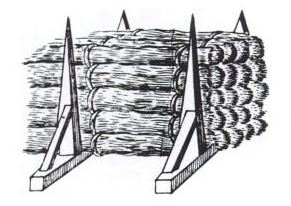
Sandbags are not a new invention, their use as a weapon or training aid goes back to medieval times, but arguably, as a field defence they were not widely used until the early 18th century

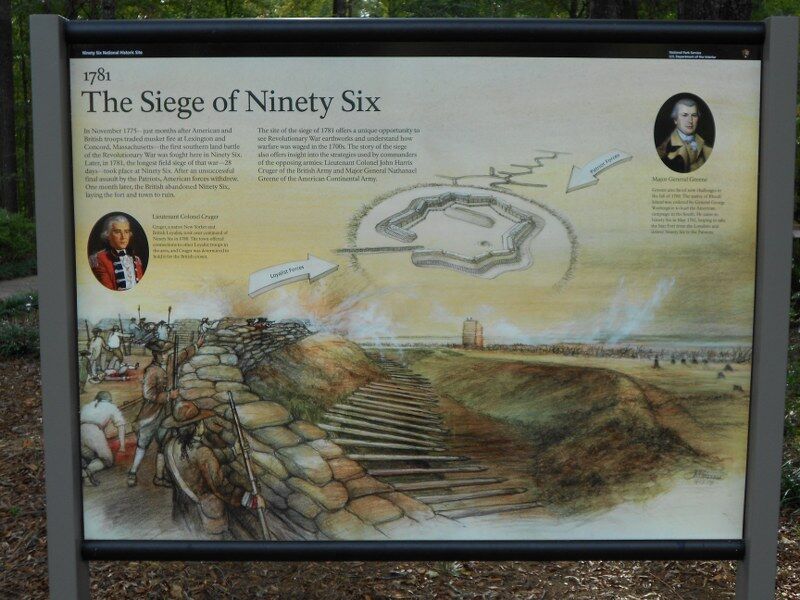
As muskets emerged as common weapons, sandbags were used, like gabions, wherever a quick and simple means of protection were needed, here at the 1781 Battle of Ninety Six in South Carolina, bloody colonials!
The 1854 Battle of Inkerman, especially the action at the Sandbag Battery were notable
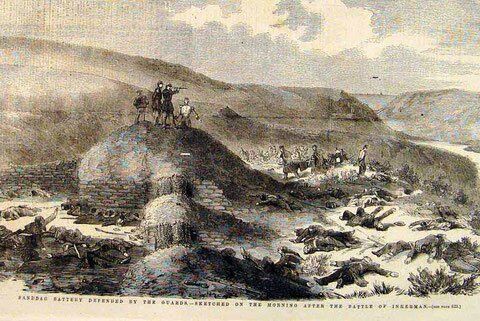
Since then, where portable defence against shot and shell were needed, sandbags were there to be found
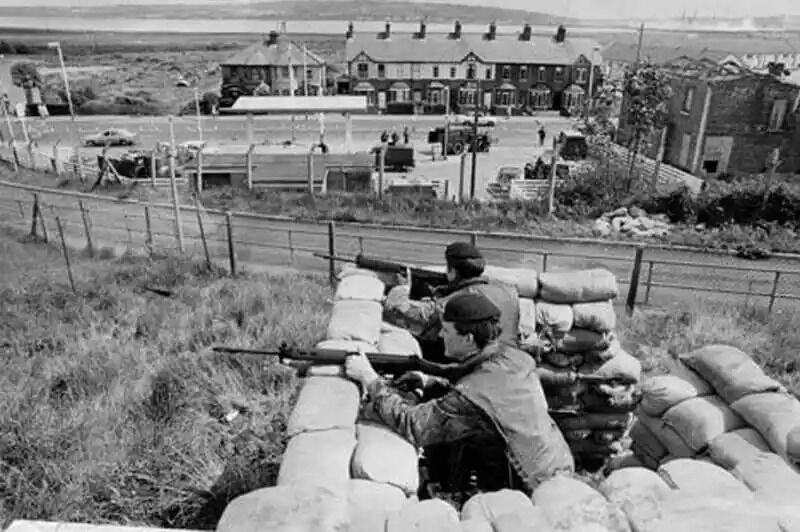
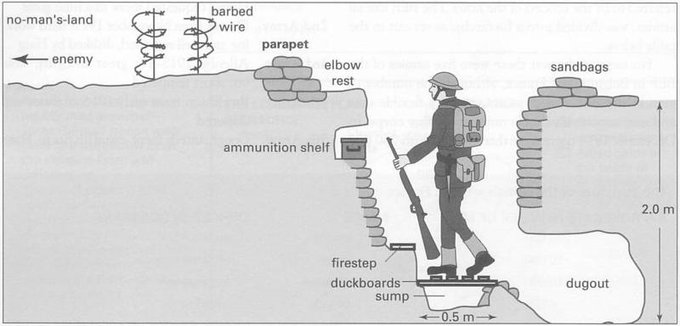
Their use in trenches is generally for revetting the walls and providing additional protection for the parapet (front) and parados (rear). In above ground uses, they form walls and can be used for overhead protection
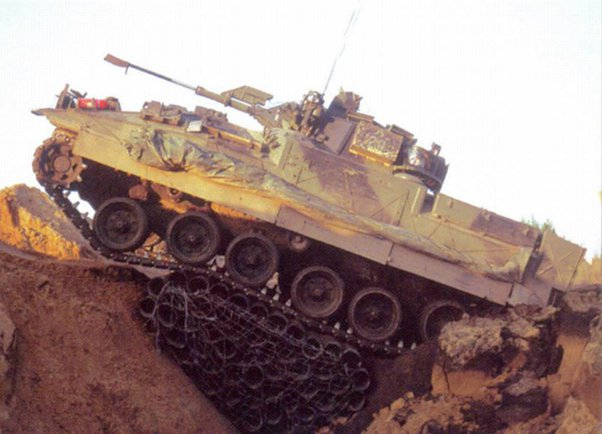
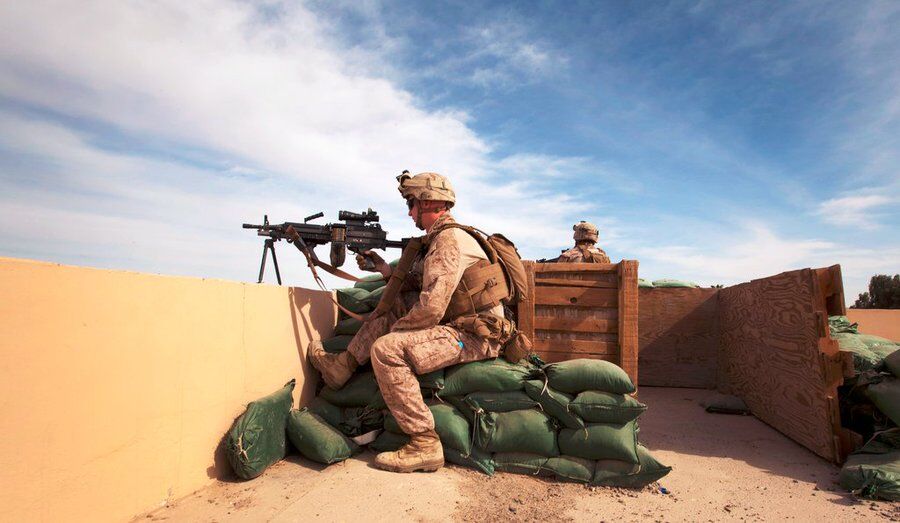
More recently, hessian has in some cases given way to synthetic materials but they are still widely used, some instances perhaps more impressive than others!
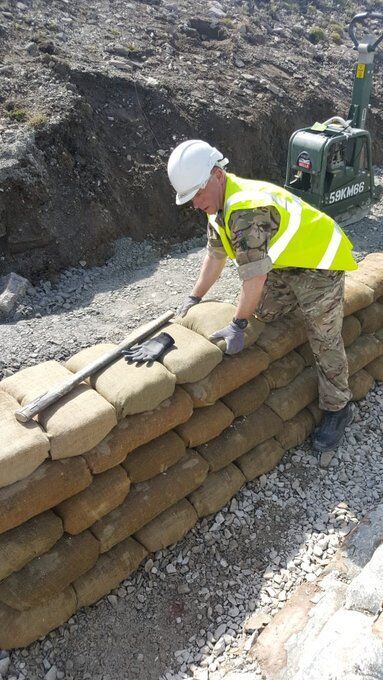
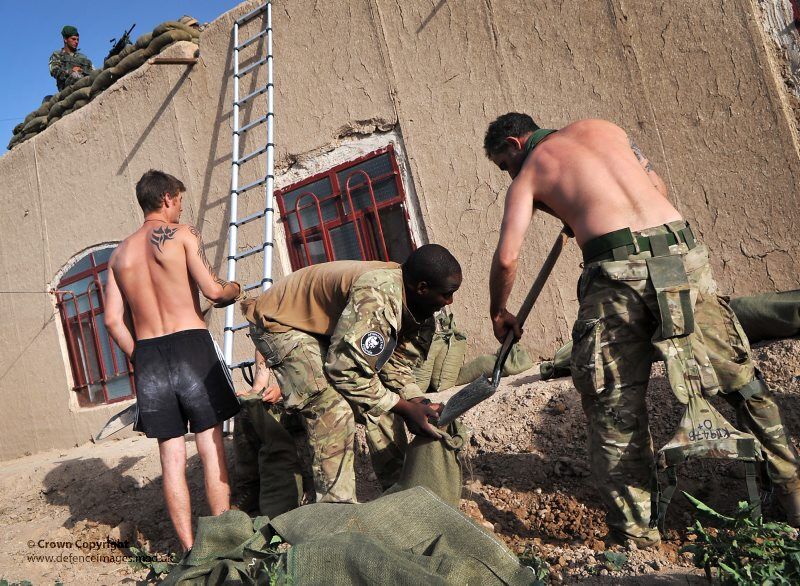
There is quite a bit of science behind sandbags but principles remain fairly simple, don't overfill, lay in a bond like bricks, chokes tucked in, tamp down, tie in and slope back. As shown by Sgt K a reserve soldier from 170 Works Group here, an artist beyond compare
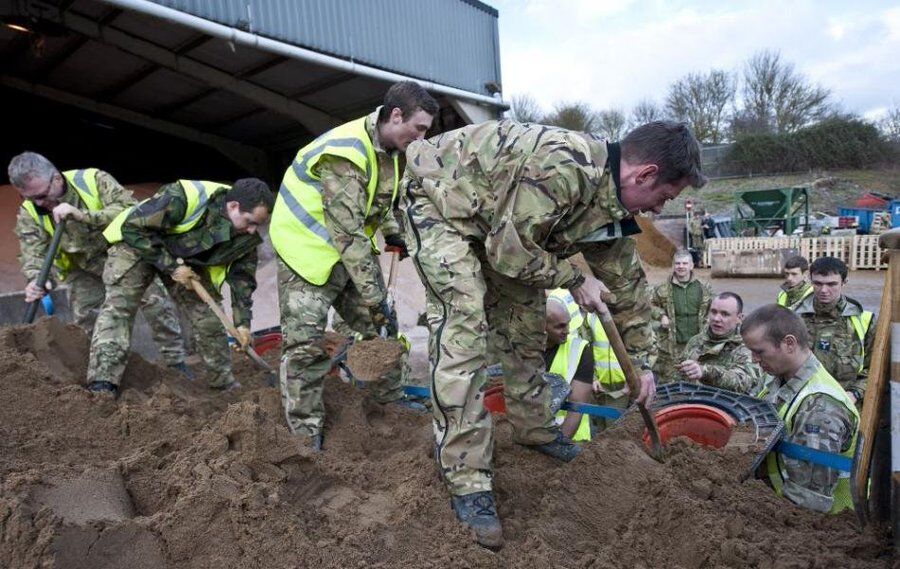
Filling sandbags is not complicated and the same method has been used since sandbags were first used. Someone holds them open, and someone else fills them using a spade or shovel of some kind.
There are better ways, equipment and techniques that maximise fill rate either with manual or mechanical approaches. The most simple is to use a traffic cone
Purpose made devices are also available, like the BCB International Sandbagger, and there are plenty of others.
Excavator and loading shovel attachments, like the design below
All the way up to purpose made automated filling machines
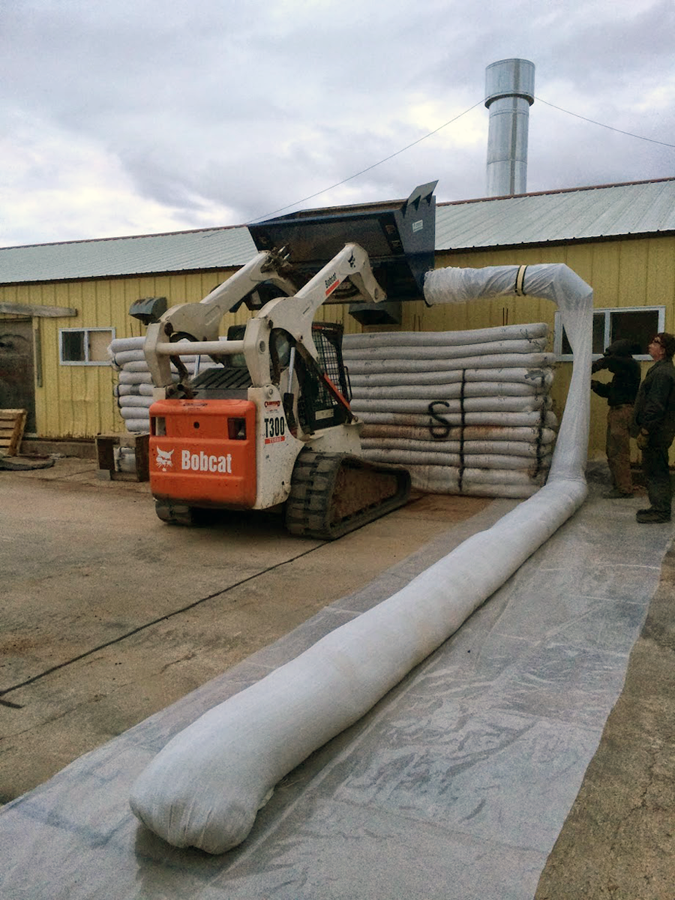
In some construction methods, continuous tube earth bags are used such as seen below, less used in a military context where gabions such as Hesco Bastion or JS Franklin DefenceCell is more common
Occasionally, 1 tonne bulk bags can be used as giant sandbags, the RAF even have a specific designation for them if they are used in areas such as civil contingencies. The image below shows them being used as flooding control.

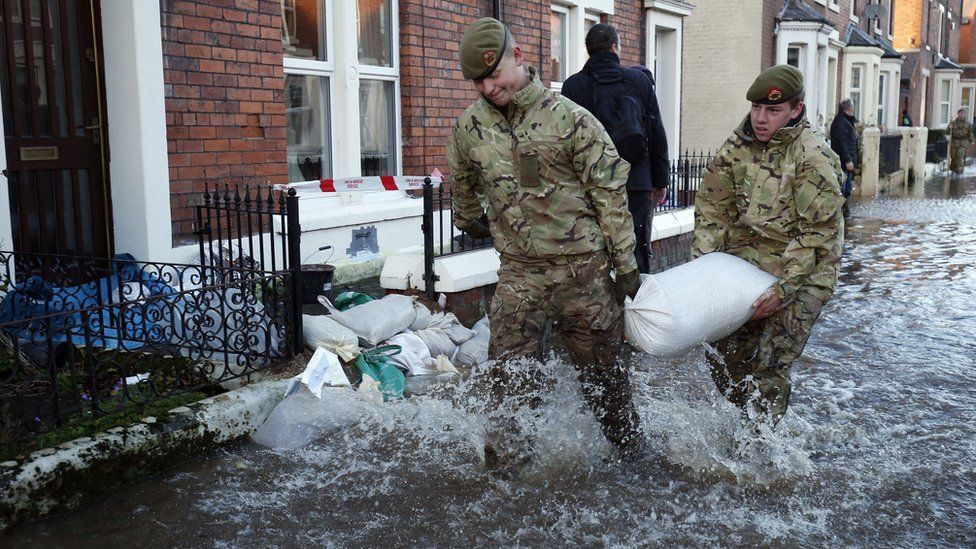
But for the most part, the smaller sandbag is used, although many flood experts argue they are the least effective method for that application.
Some use bitumen or cement slurries to stabilise traditional hessian/jute sandbags although this creates a brittle surface that quickly degrades. Concrete Canvas overlay is a proven and much better alternative, although again, not as widely used
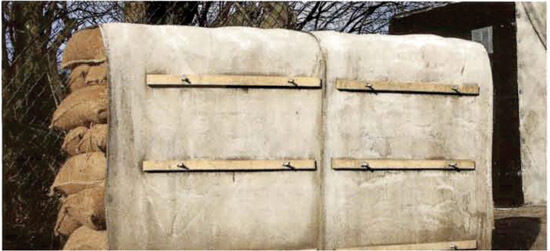
Sandbags have a fairly long history, and remain a flexible and effective means of creating temporary barriers and means of protection. Whilst hessian my have given way to woven plastics, and filling with a shovel increasingly replaced with machines, they are not going away

Hope you found that useful, cheers!
END
END
• • •
Missing some Tweet in this thread? You can try to
force a refresh