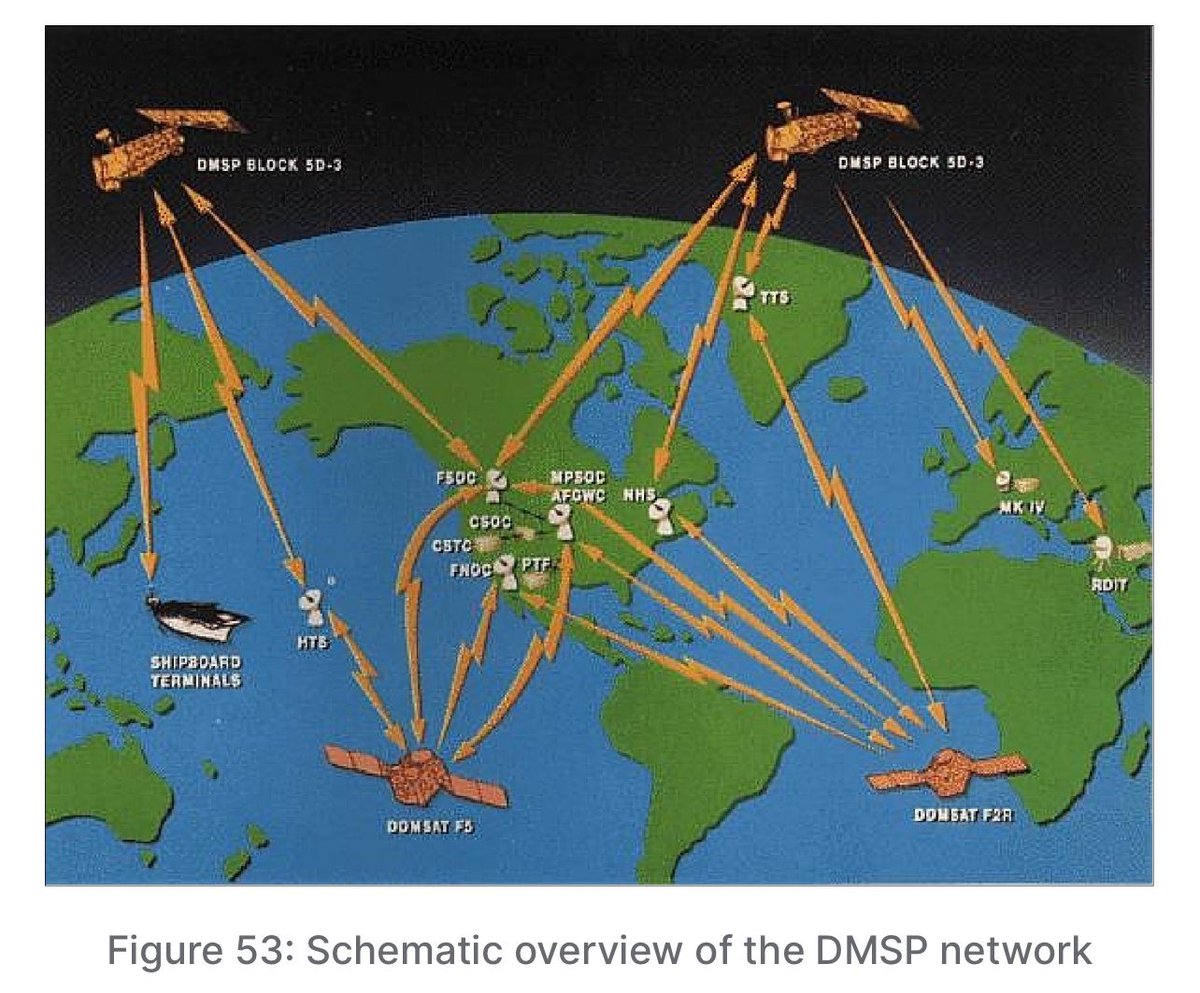
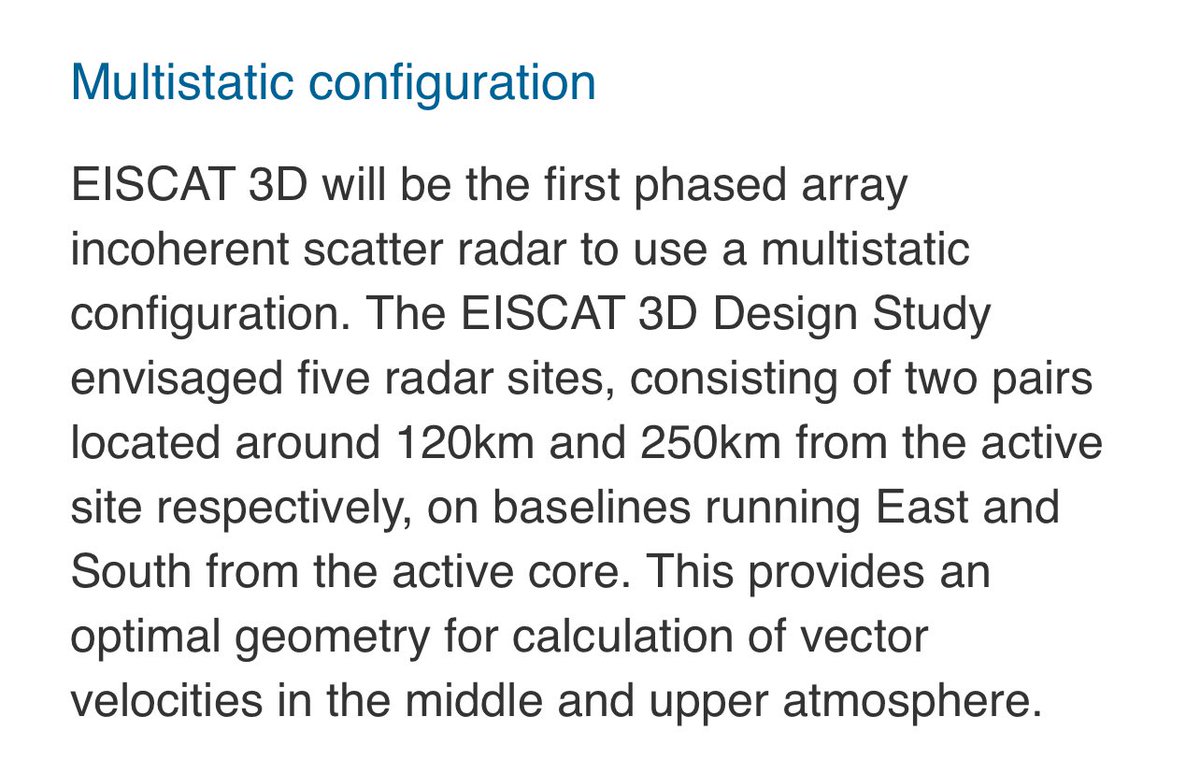
A few aspects of a NTN system design affects the area spectral efficiency of the system.
I have touched on them and how they relate to Shannons law.
High directivity that creates narrow beams and small cells is key.
See my pinned tweet.
Then there is also interference.🧶🐈⬛
I have touched on them and how they relate to Shannons law.
High directivity that creates narrow beams and small cells is key.
See my pinned tweet.
Then there is also interference.🧶🐈⬛

We can think of this as the area spectral efficiency aSE as the main metric by which MNOs will choose which Satellite Network Operator Mobile to work with.
And interference is the metric by which regulators select which SNO-Ms are allowed to operate at all.
Gain affects both
/2
And interference is the metric by which regulators select which SNO-Ms are allowed to operate at all.
Gain affects both
/2

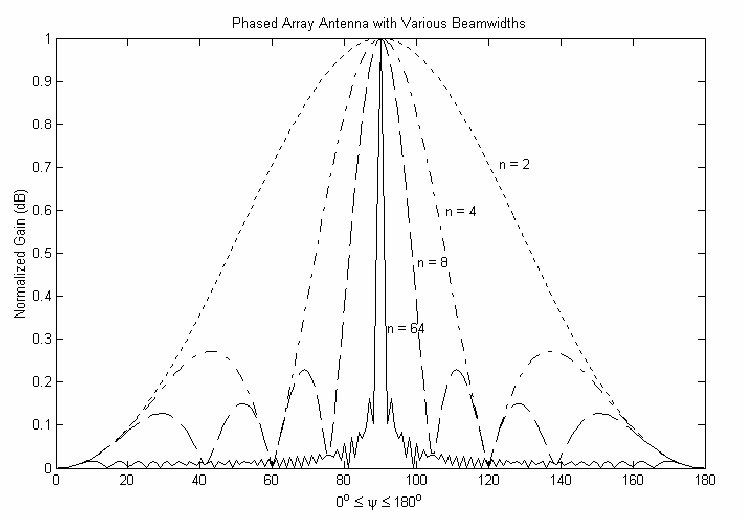
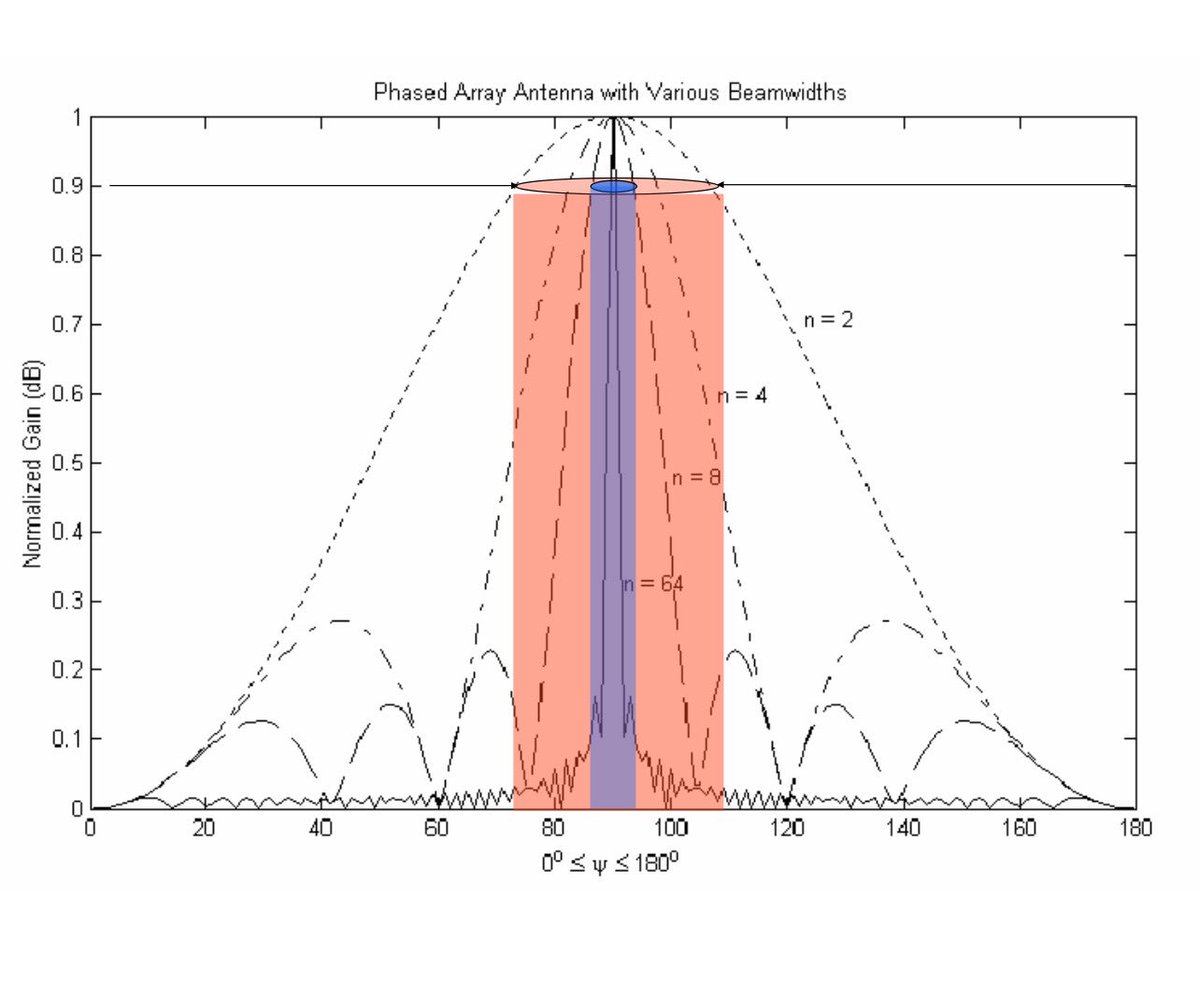
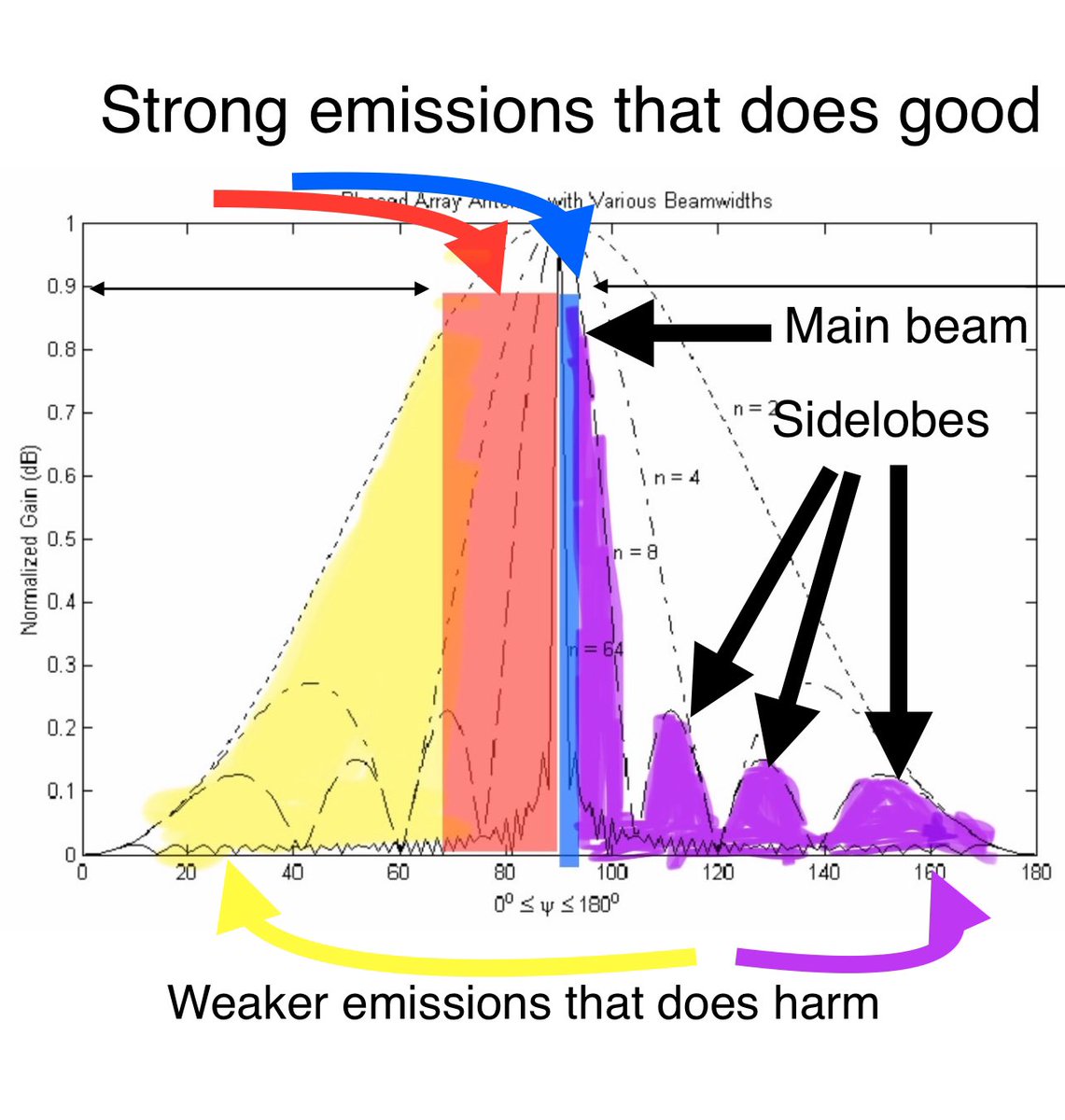
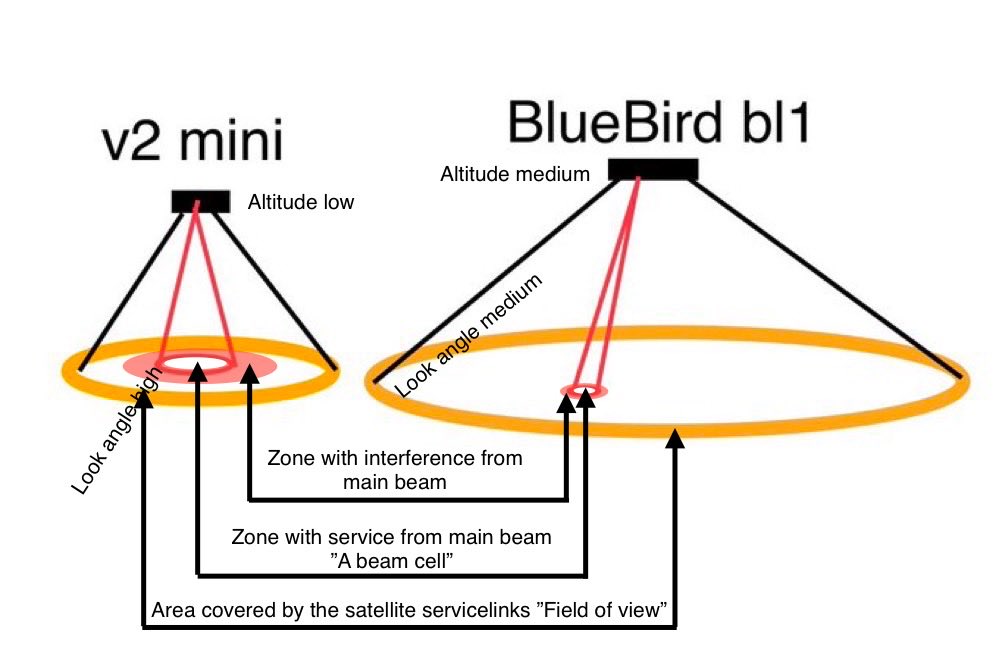
Lets consider this image.
It shows the wide beam of smaller arrays (from 2 antennas wide) and the narrow beam of a medium sized array (up to 64 antennas wide)
Creating a beam cell we use the central strongest part of the beam marked in red and blue.
Narrow is good for aSE
/3
It shows the wide beam of smaller arrays (from 2 antennas wide) and the narrow beam of a medium sized array (up to 64 antennas wide)
Creating a beam cell we use the central strongest part of the beam marked in red and blue.
Narrow is good for aSE
/3
But there will also be unwanted emissions to the side of this central strongest portion
(Yellow for the 2 elements beam and purple for 8 elements beam).
/4
(Yellow for the 2 elements beam and purple for 8 elements beam).
/4
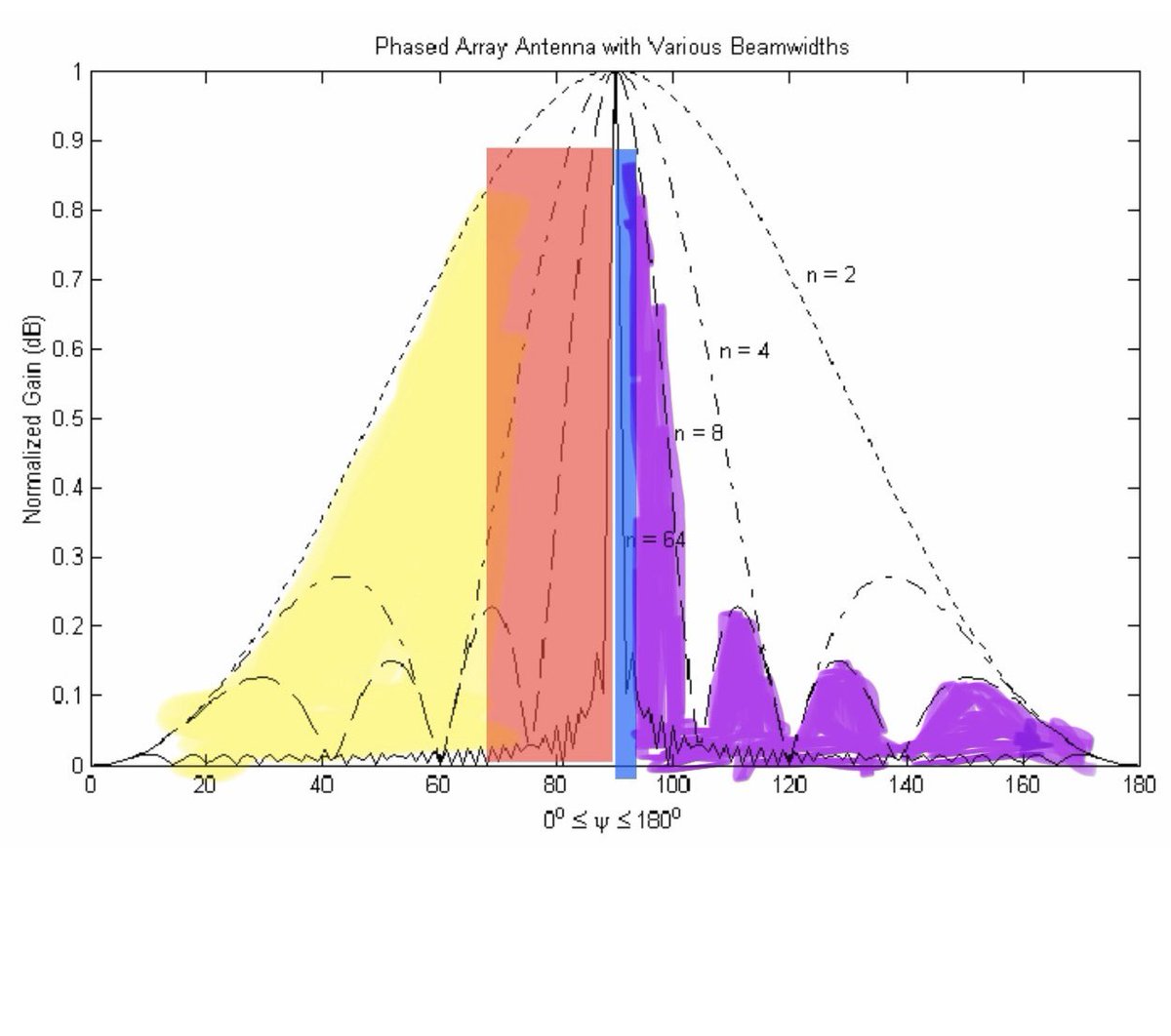
As you see something called sidelobes occur as the number of antenna elements increase.
Notice also that the relative signal strength of the unwanted emissions drop off much faster when directivity is high.
/5
Notice also that the relative signal strength of the unwanted emissions drop off much faster when directivity is high.
/5
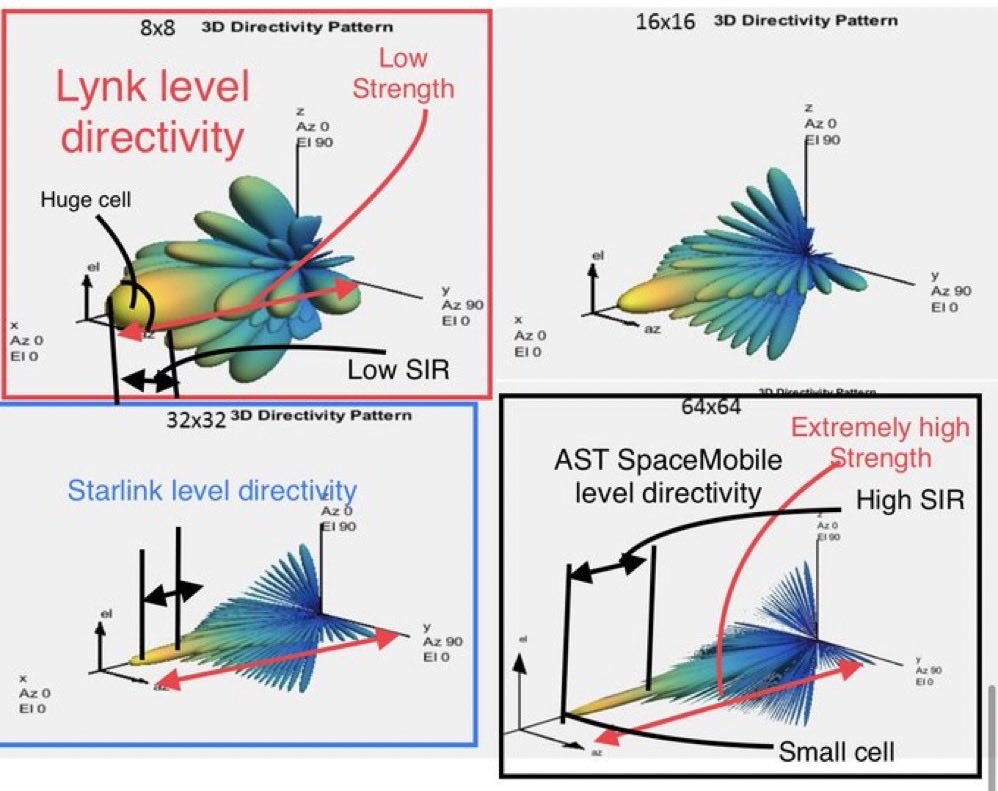
Looking at an array close to the size used for SCS by Starlink and AST we see very high directivity (pencil beam) many sidelobes and comparatively weak sidelobes.
The signal strength (of the unwanted emissions, blue) drop off rapidly next to the narrow good emmisions (green)
/6
The signal strength (of the unwanted emissions, blue) drop off rapidly next to the narrow good emmisions (green)
/6

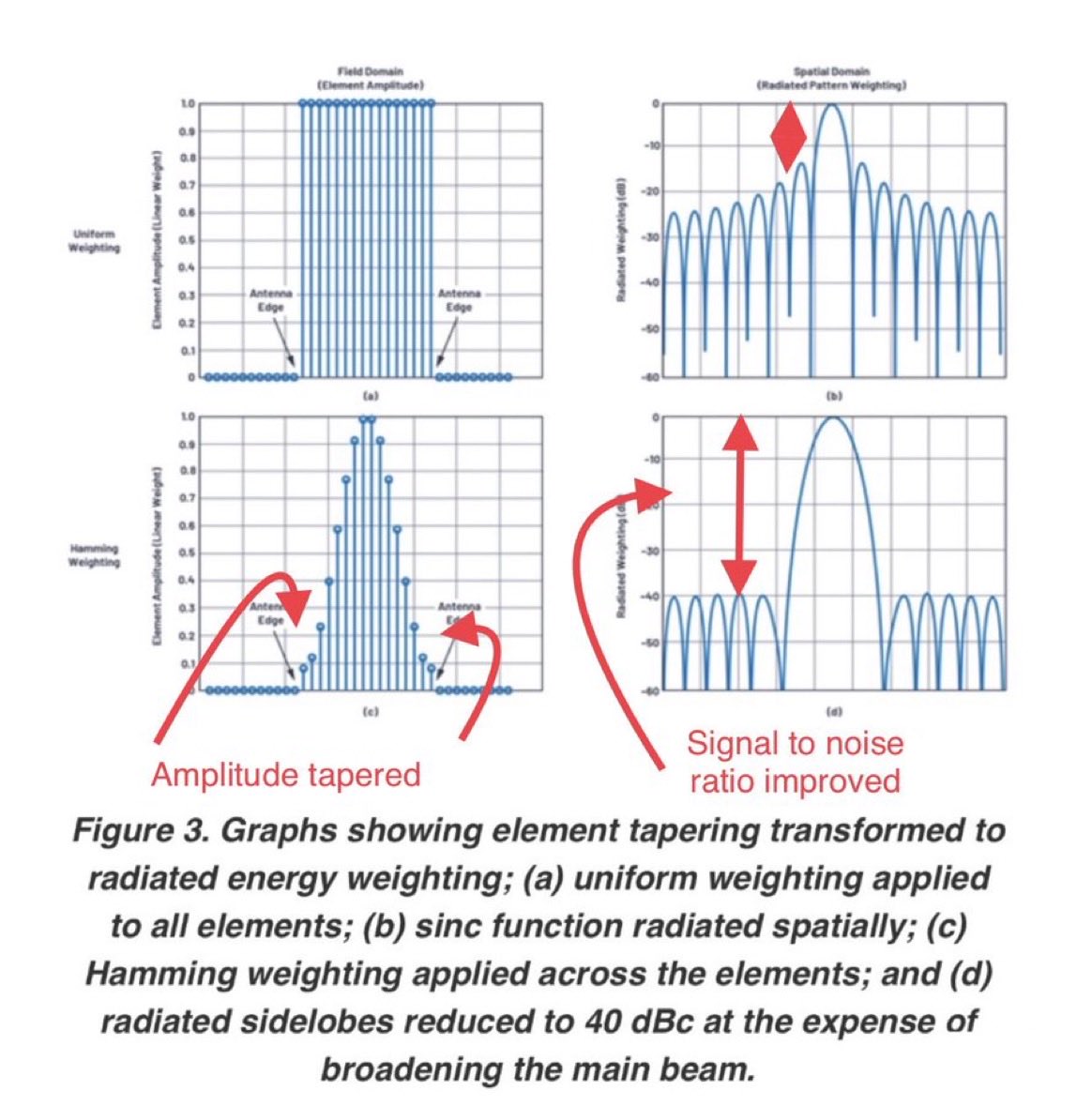
The emissions of a beam is spatially differentiated like that.
AST has a patented trick, the patent is in their name and thus exclusive.
It is called weighting or tapering
The signal strength of the many elements is adjusted to lower the sidelobes even more.
/7
AST has a patented trick, the patent is in their name and thus exclusive.
It is called weighting or tapering
The signal strength of the many elements is adjusted to lower the sidelobes even more.
/7
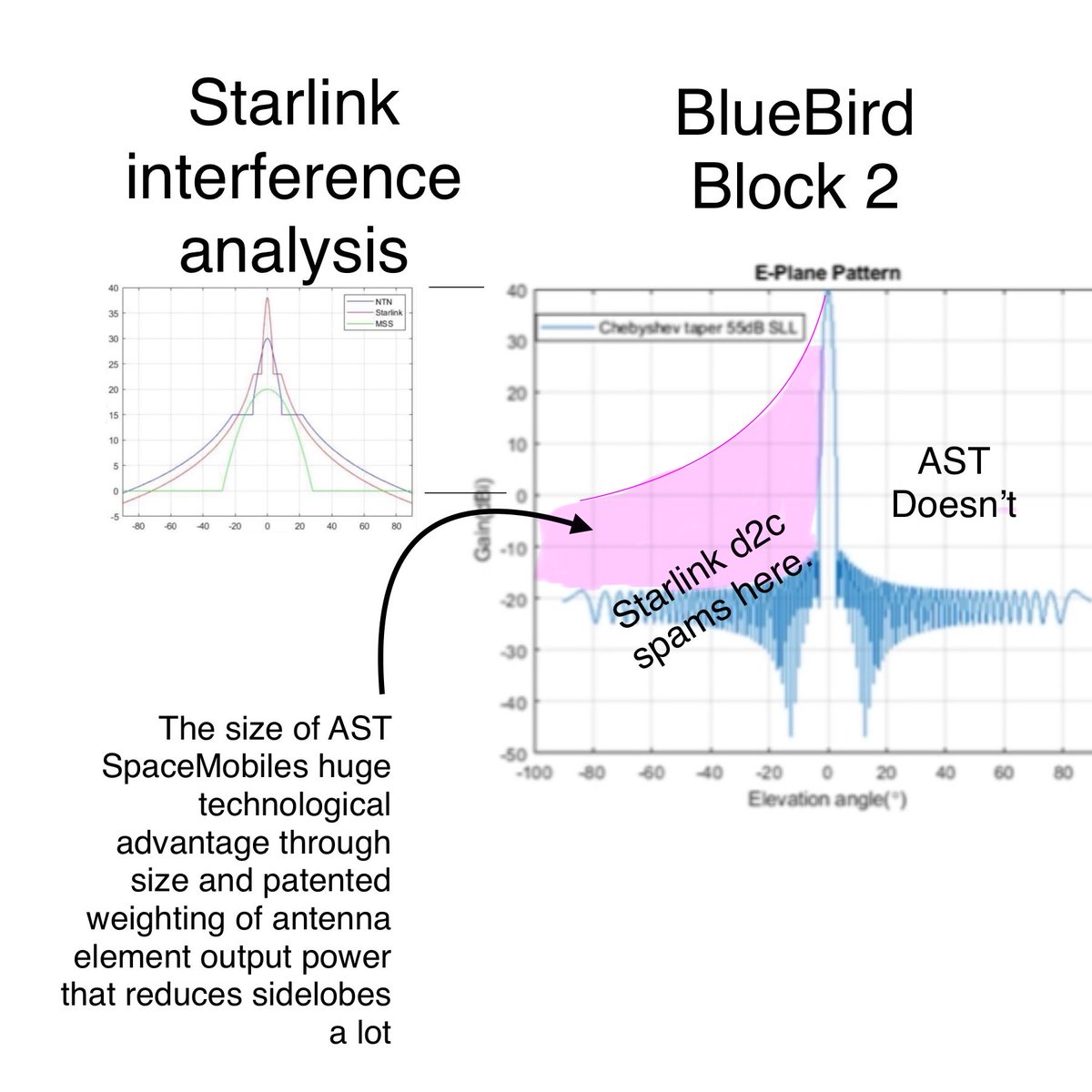
You would be unaware of these facts if you paid money for the highly regarded satellite consultant d2c report but the emissions distributed spatially in this manner is also distributed in the frequenzy domain.
RF equipment is not perfect and doppler exists.
/8
RF equipment is not perfect and doppler exists.
/8
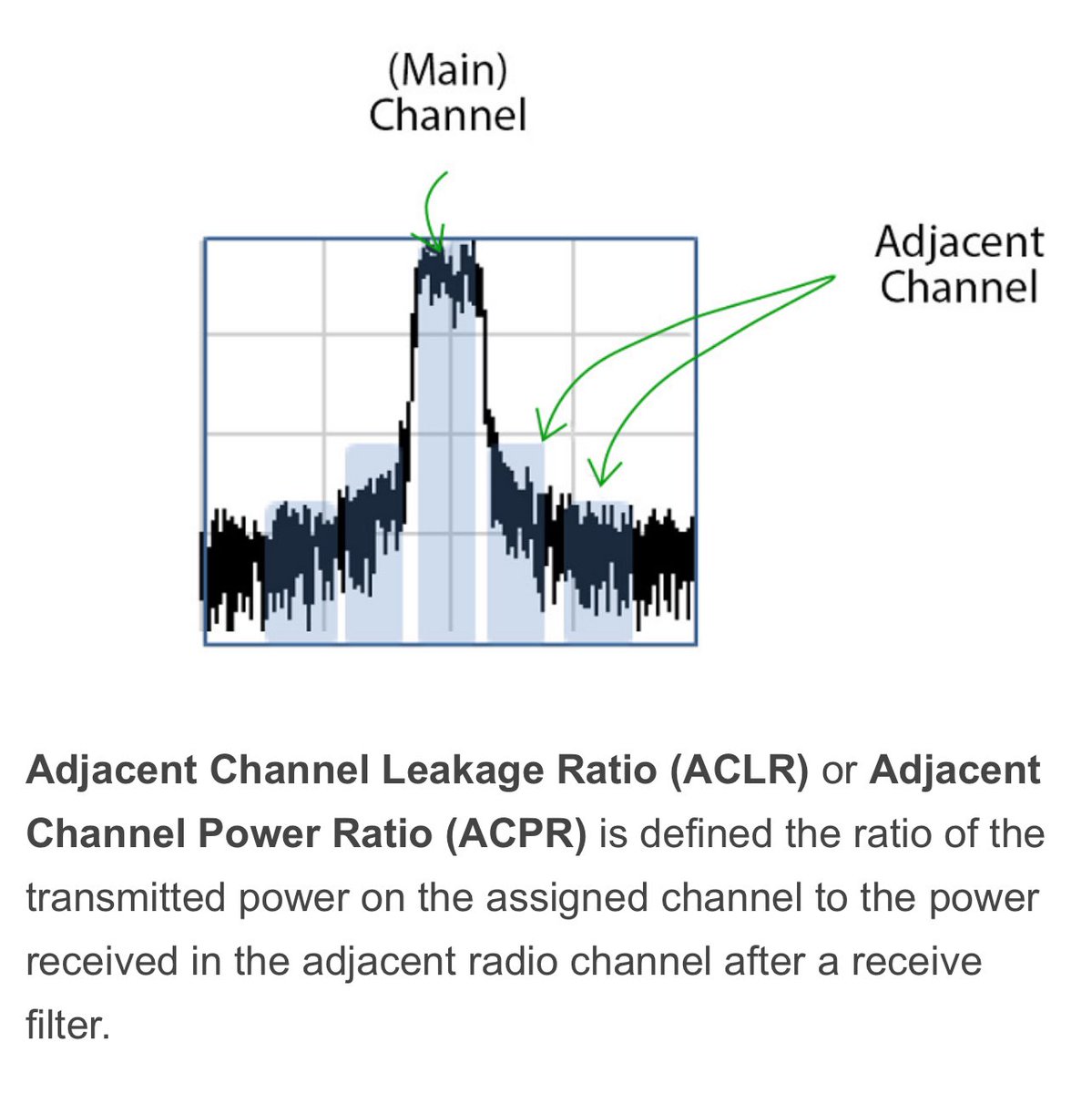
So the charachteristics of an array that maximize the in channel emissions to where they are wanted and tapers them down where they are not wanted does the same to out of band emissions.
This is very important because interference aggregates.
/9
This is very important because interference aggregates.
/9
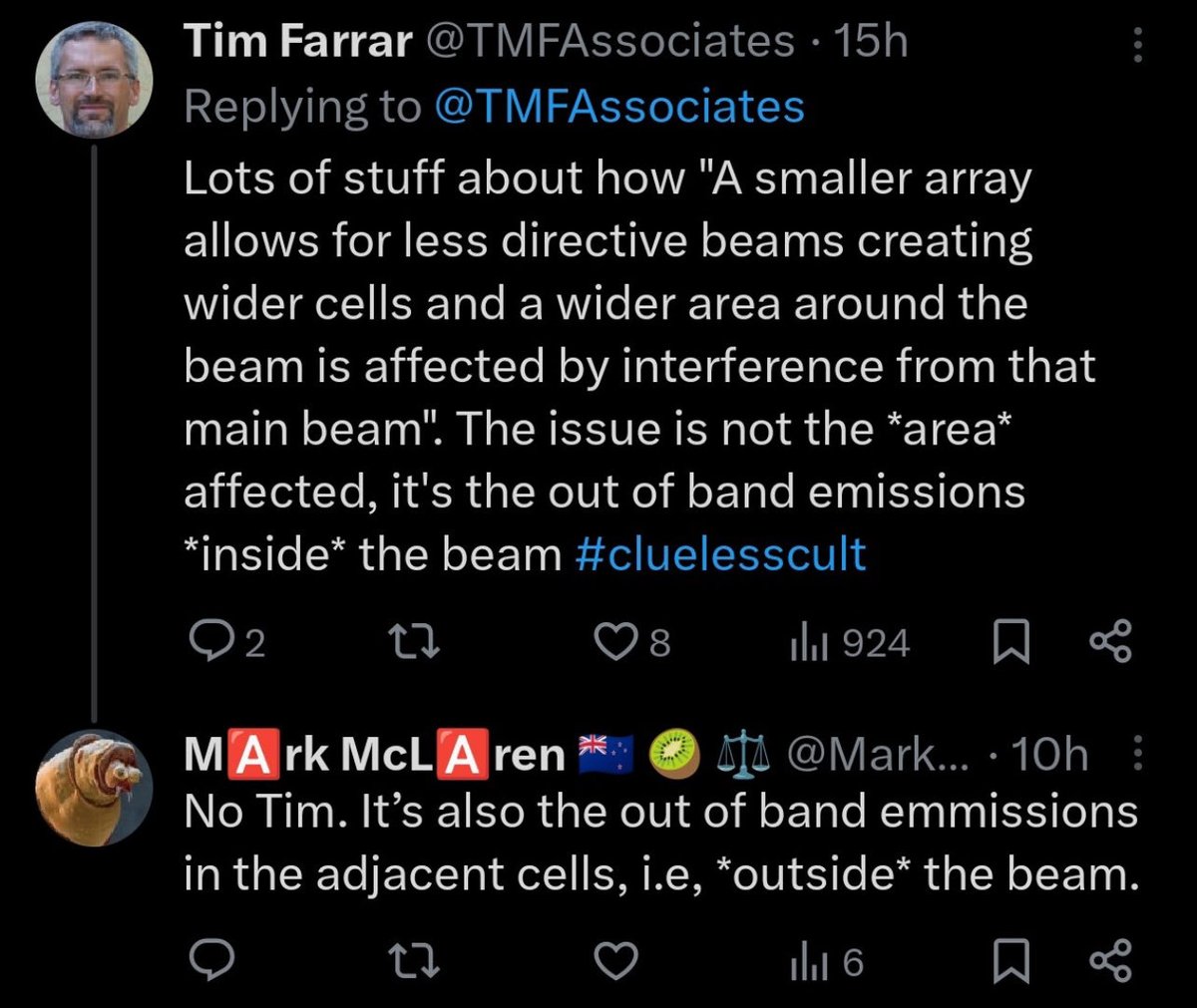
In a recent rage tweet the highly regarded expert which charges people for his misconceptions wrote a rant about how it is only the out of band emissions inside the beam that is of interest and ridiculed me for talking about sidelobes and aggregate emissions.
M🅰️rk replied.
/10
M🅰️rk replied.
/10
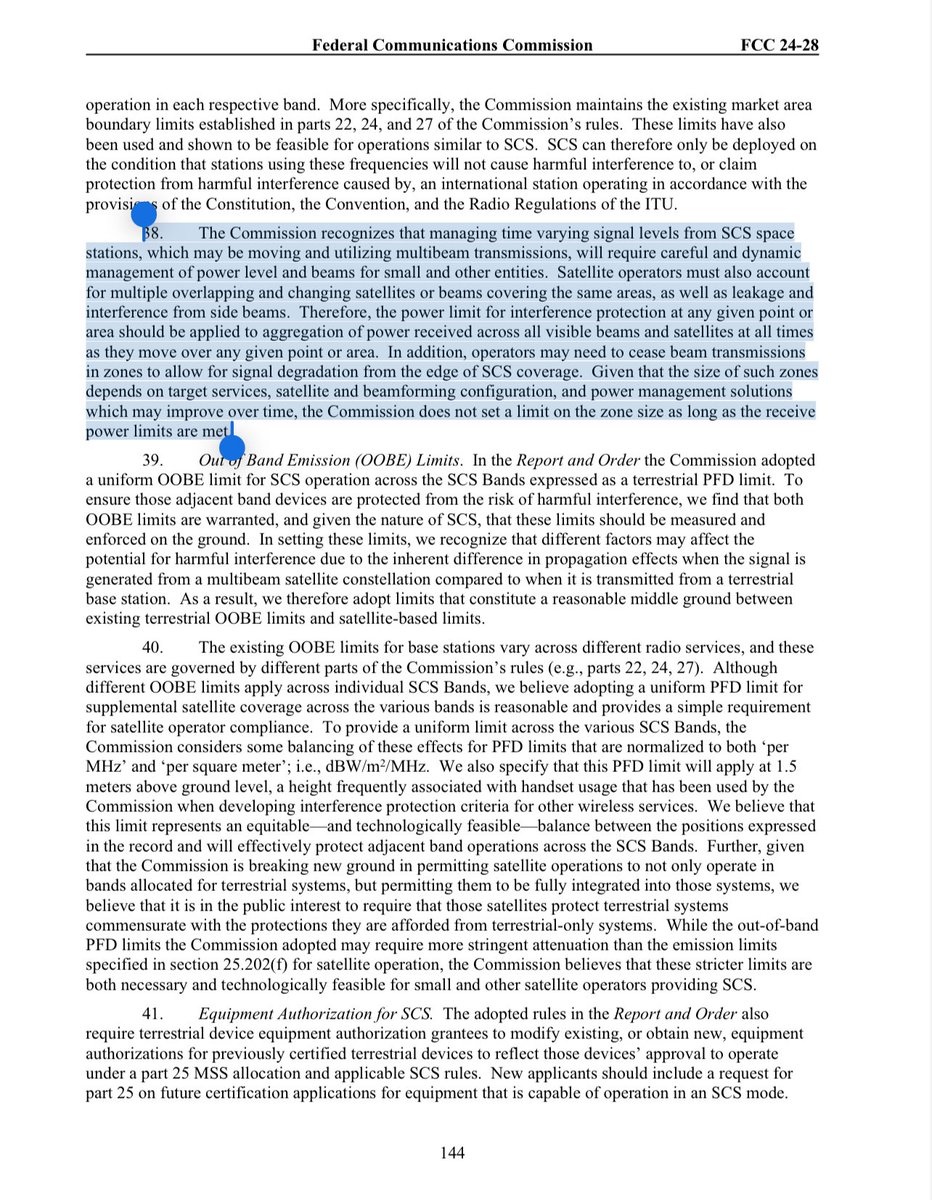
However if you (which the highly regarded expert on the matter clearly did not) actually read the FCC report and order it is very explicit that power flux density in band as well as out of band is limited by its aggregate level (all sources) as it hits a victim spot.
/12
/12
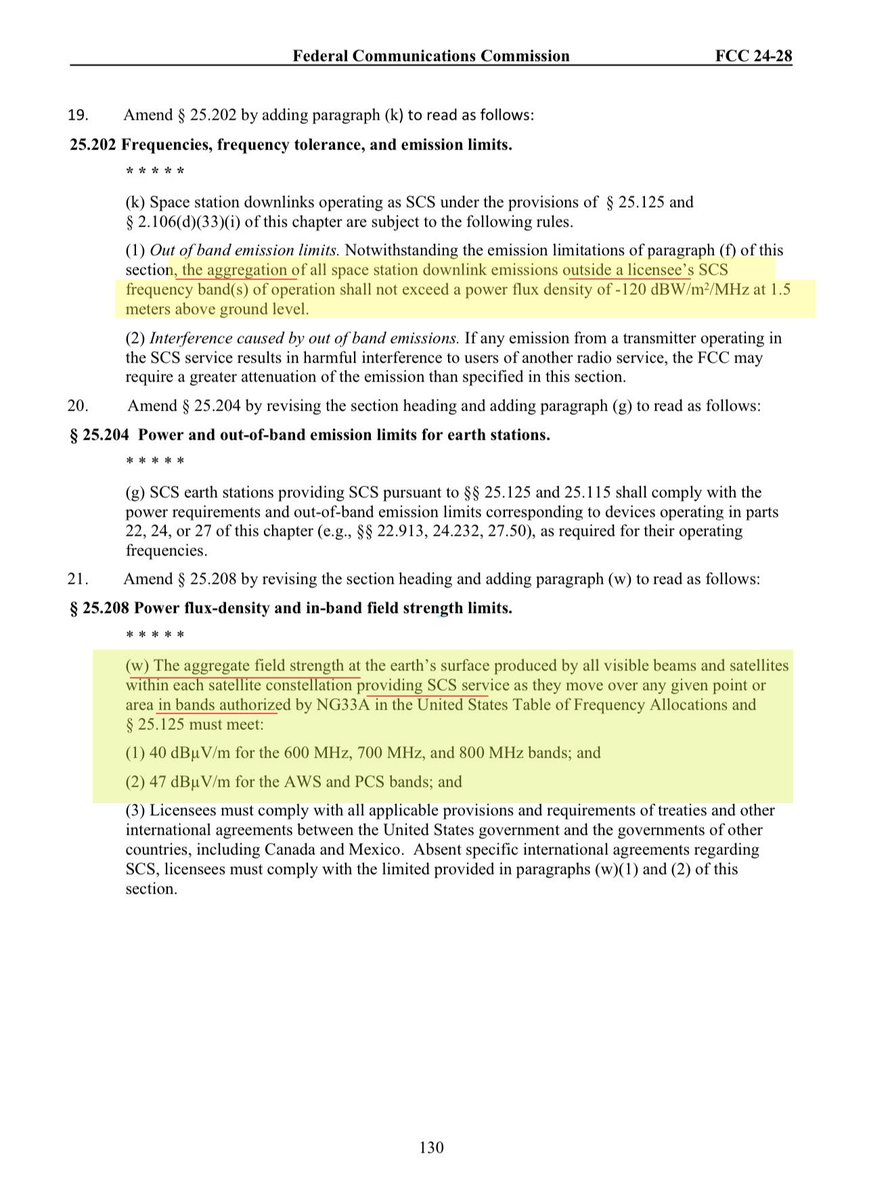
(This follows a theme from ITU WRC-23 where the limits also in starlinks VSAT bands were adjusted to account for the aggregate emisdions of thousands of satellites. These new ITU regulations were released the other day.)
They were adjusted
Similar work is on the way for NTN
/13
They were adjusted
Similar work is on the way for NTN
/13
So in order to be allowed to do good a satellite network _in aggregate_ needs to not do harm.
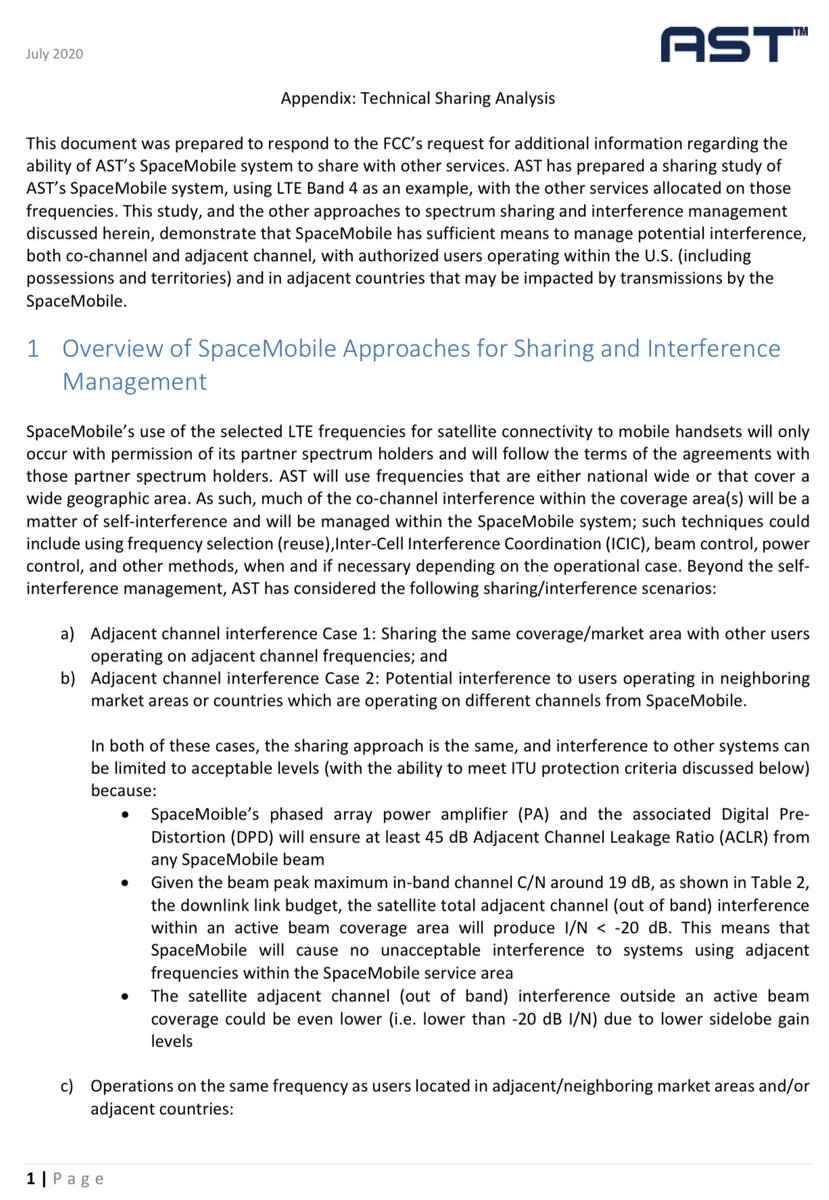
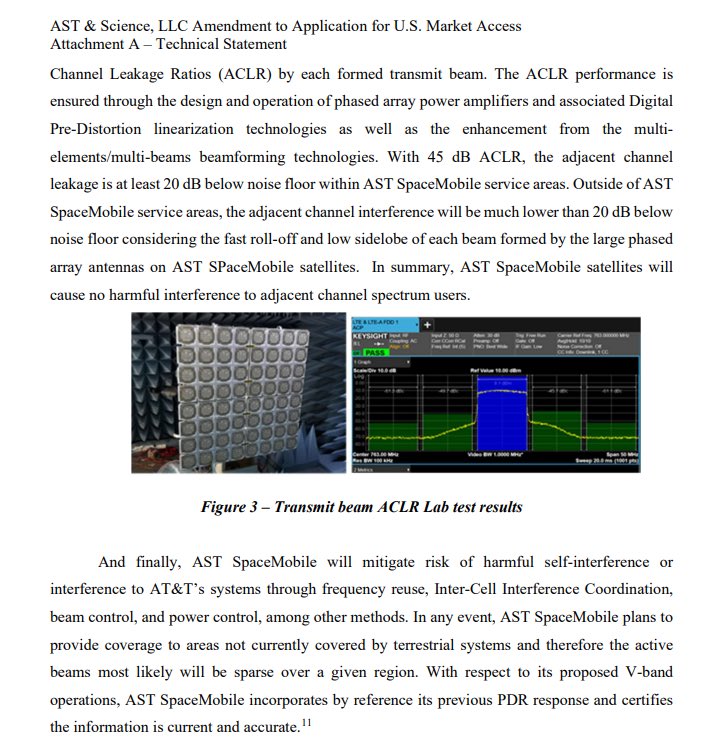
Since 2020 filings, reiterated in 2024, we know of AST designing their system for class leading ACLR adjacent channel leakage ratio.
This is related to the quality of the RF equipment.
Since 2020 filings, reiterated in 2024, we know of AST designing their system for class leading ACLR adjacent channel leakage ratio.
This is related to the quality of the RF equipment.
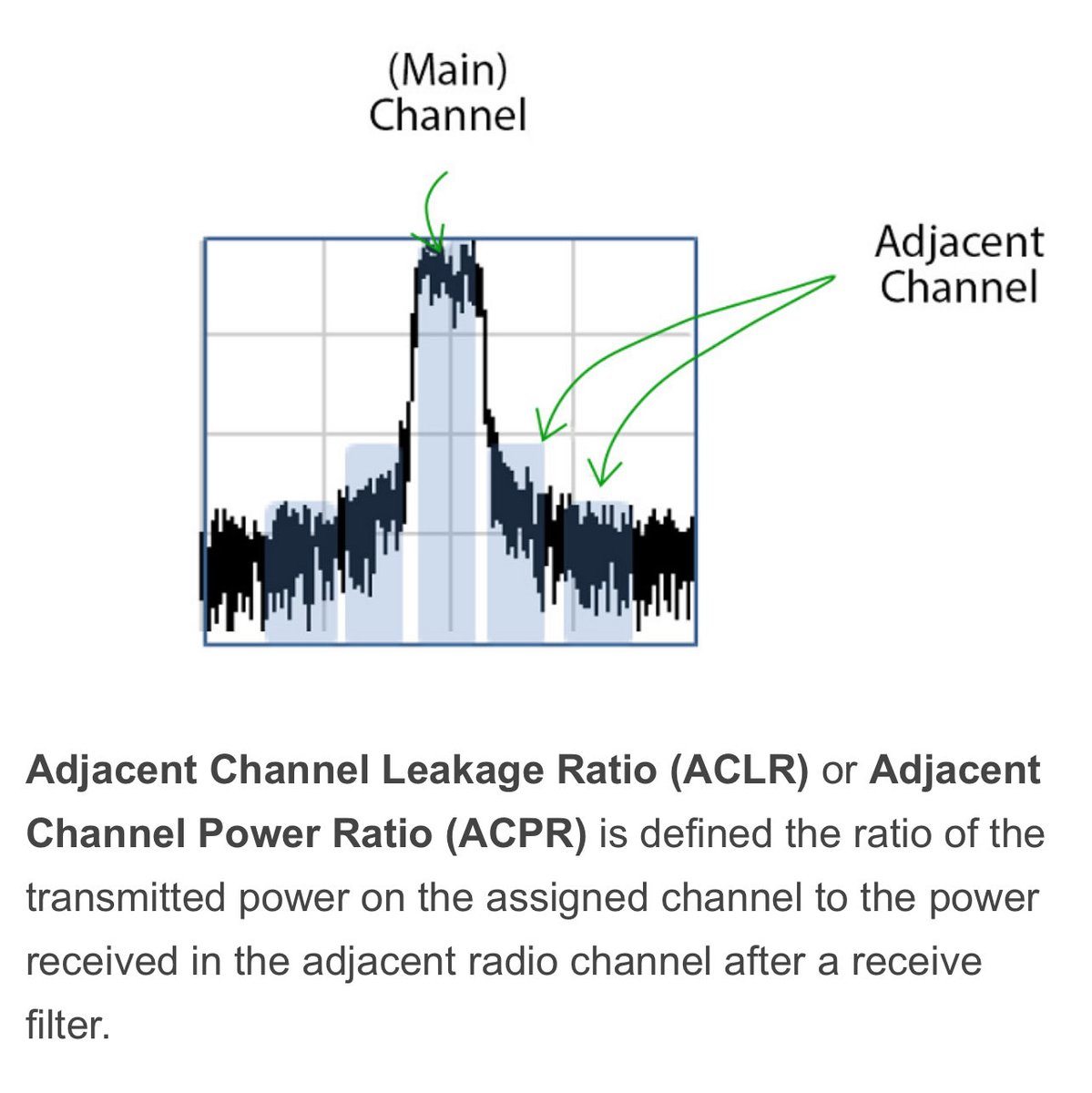
The equipment generating signals need to generate them in the approved band and a relatively low ratio of unwanted emissions in other band.
AST has done extensive testing and engineering to produce their enhanced FPGAs and ASICs to meet high ACLR standards. Since 2020.
/15
AST has done extensive testing and engineering to produce their enhanced FPGAs and ASICs to meet high ACLR standards. Since 2020.
/15
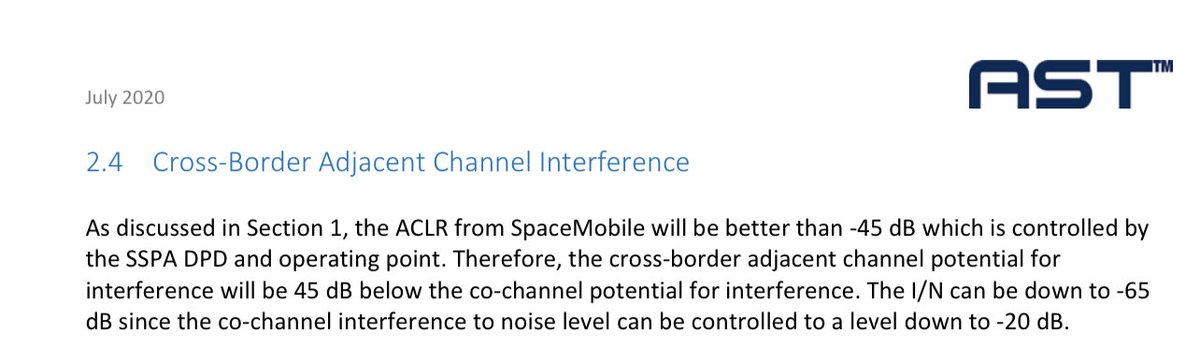
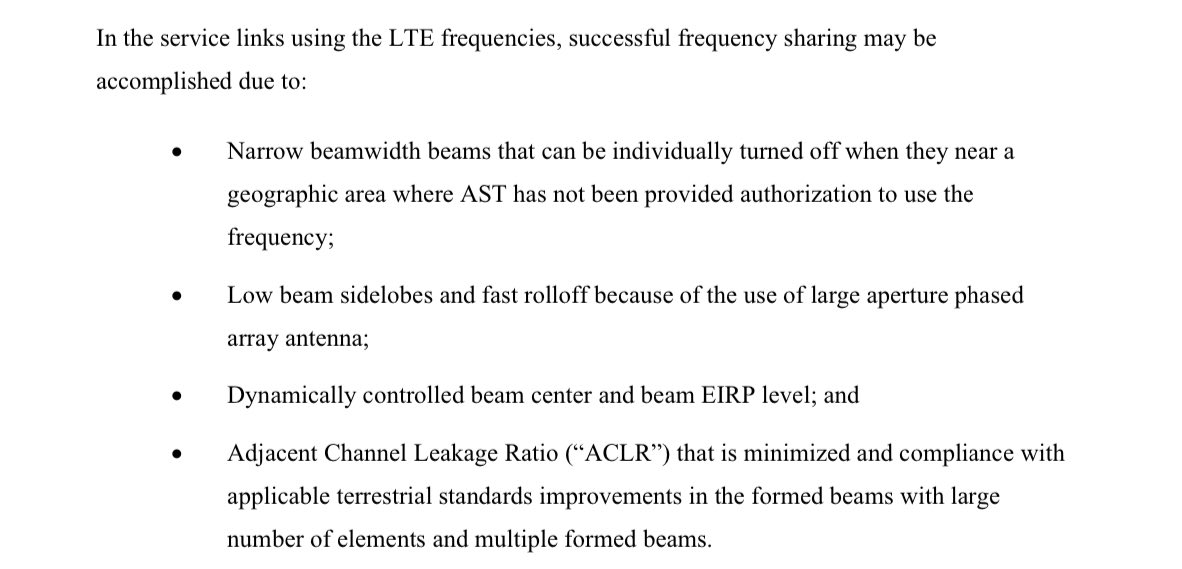
Again. You would not know this if you just paid money to read the misconceptions of a biased expert.
Do your own DD instead. Read the filings.
This means for AST they can do good to subs, while not doing harm to terrestrial networks or space systems like that of Omnispace.
/16
Do your own DD instead. Read the filings.
This means for AST they can do good to subs, while not doing harm to terrestrial networks or space systems like that of Omnispace.
/16
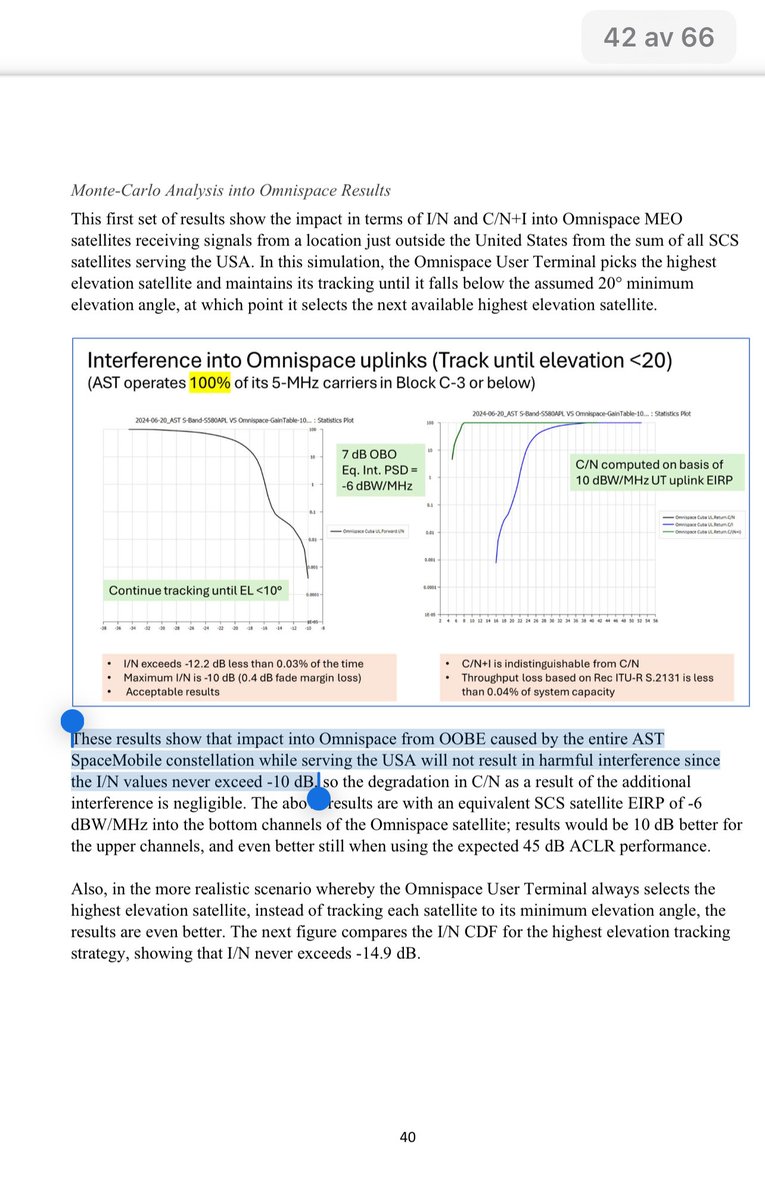
TL/DR using 2018-2024 to design purpose built 5G-6G technology beats using 2022-23 timeframe to upgrade SWARM IoT modems to 4G.
When it comes to achieving class leading ACLR, patented tapering and higher directivity than the competition.
Building Best Available Technology
17/n
When it comes to achieving class leading ACLR, patented tapering and higher directivity than the competition.
Building Best Available Technology
17/n

With this said it is my estimate that the Commission will not lower their OOBE PFD interference protection limits. On the contrary they will serve as international regulatory benchmark.
Instead Starlink will throttle their power to comply.
18/n
Instead Starlink will throttle their power to comply.
18/n
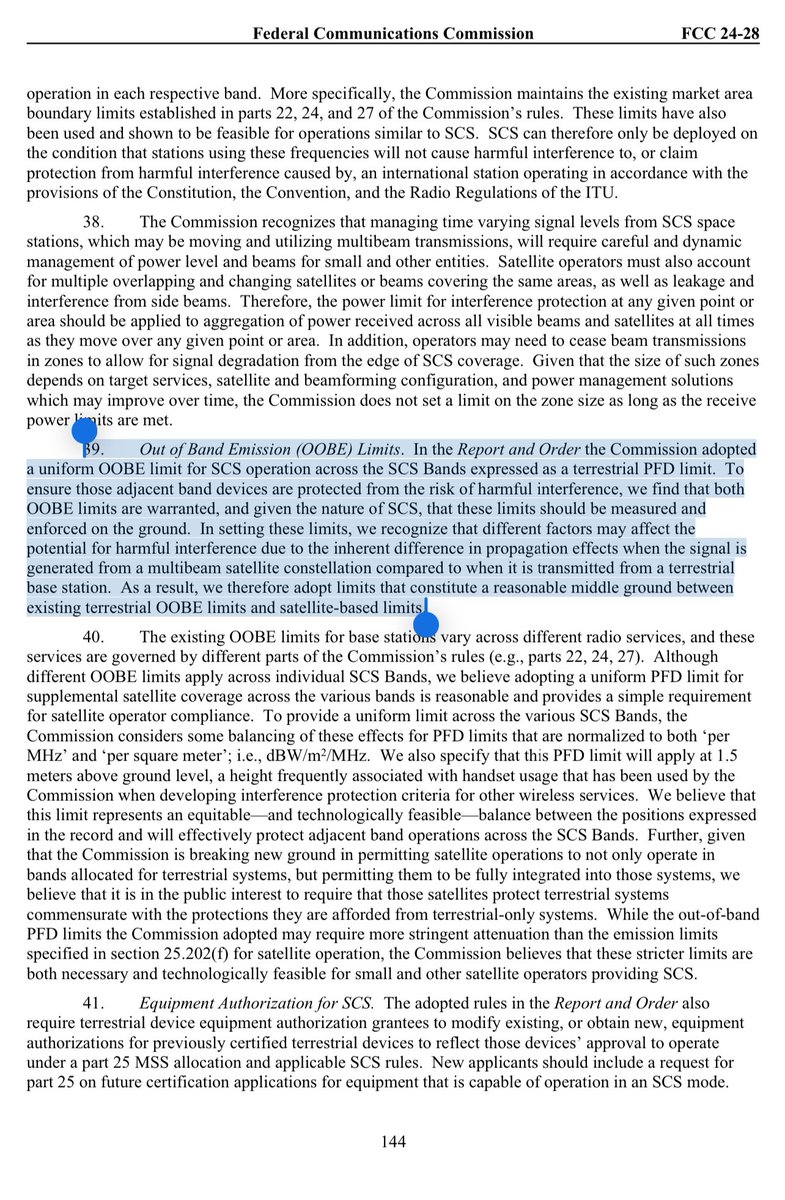
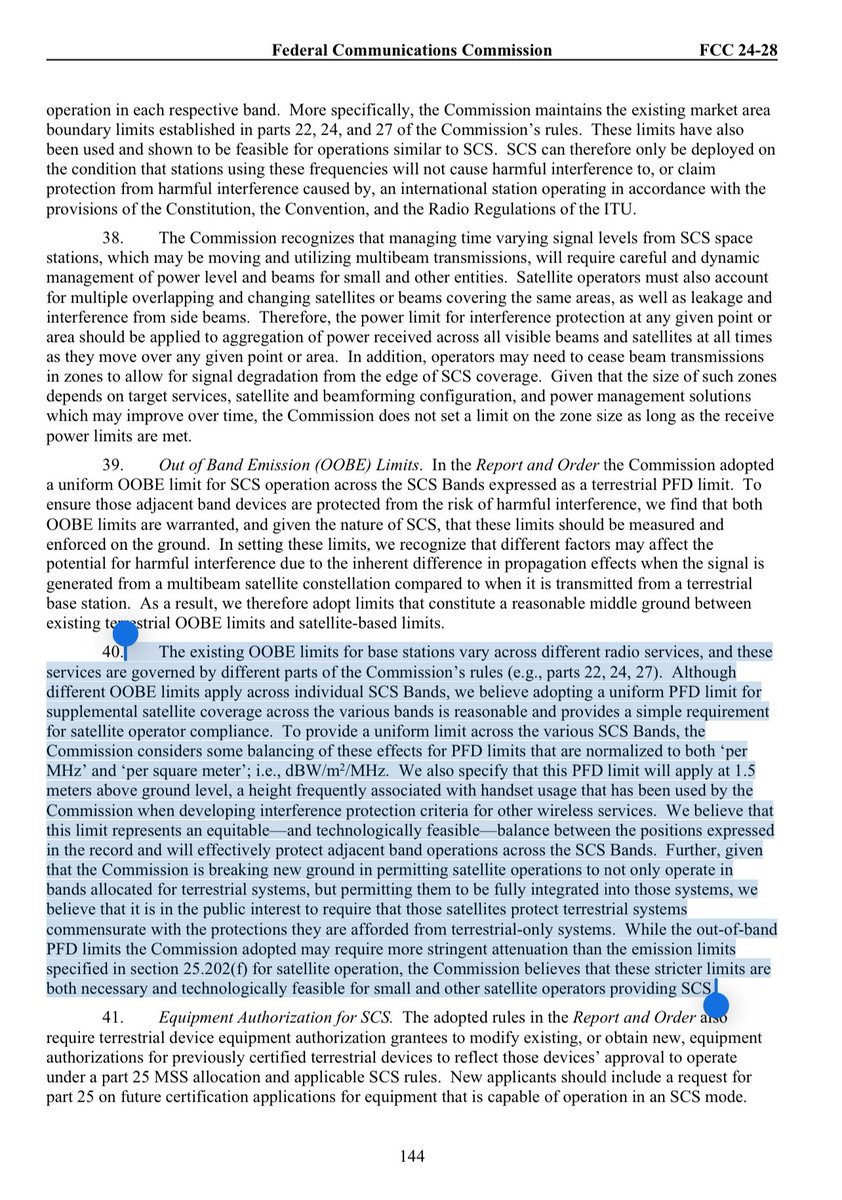
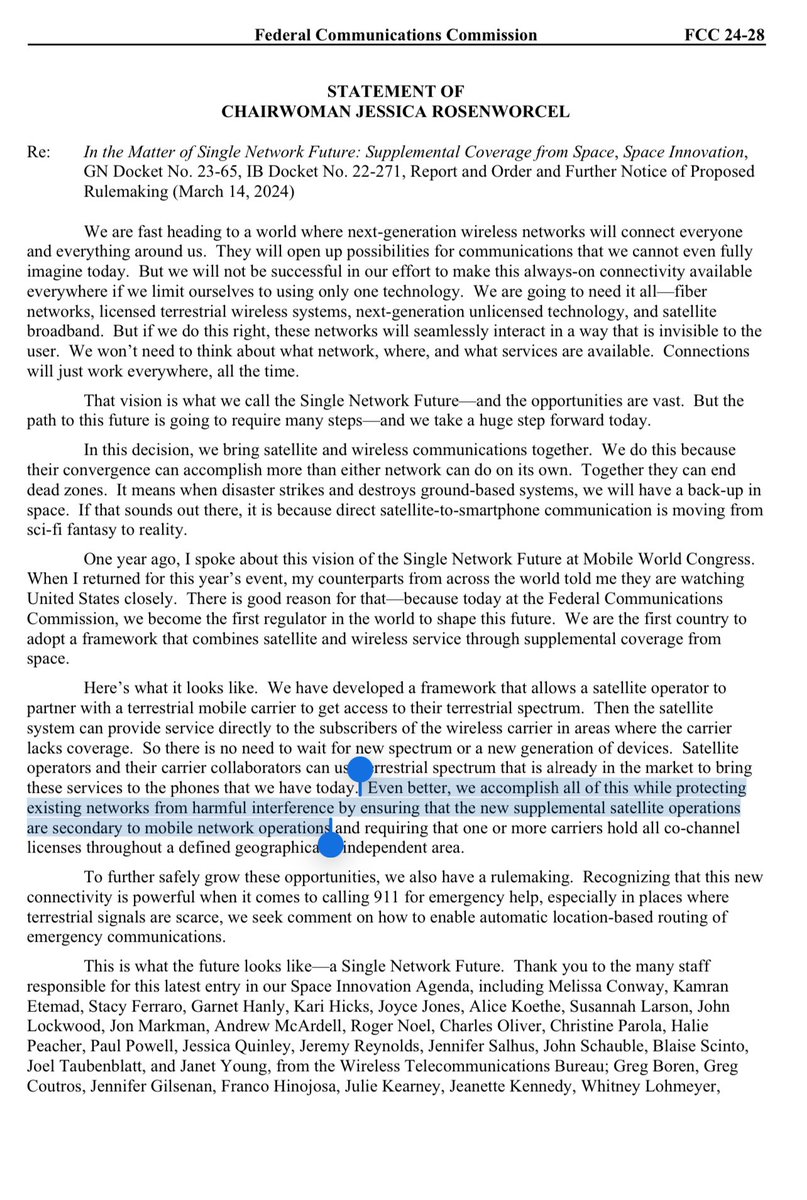
Reading the SCS report & order you will find that the Commission already did a thorough job on striking a balance between the different aspects they need to consider.
I would recommend also pages 89-91. And this one.
Notice also statement of chair
19/n docs.fcc.gov/public/attachm…
I would recommend also pages 89-91. And this one.
Notice also statement of chair
19/n docs.fcc.gov/public/attachm…
It is important to understand that at any given level of OOBE PFD limits AST still has comparative advantages.
When AST deploys their midband tier, they will use same limits as Starlink.
And at any limit AST will have much better aSE. The metric by which MNOs select partner.
20
When AST deploys their midband tier, they will use same limits as Starlink.
And at any limit AST will have much better aSE. The metric by which MNOs select partner.
20
Link on the subject of ”what if”.
It is unlikely Space-x gets their way.
But also under such conditions ASTs system would be the more attractive to MNOs in midband.
Because of higher spectral efficiency and MIMO with lowband.
/21
It is unlikely Space-x gets their way.
But also under such conditions ASTs system would be the more attractive to MNOs in midband.
Because of higher spectral efficiency and MIMO with lowband.
/21
https://twitter.com/catse___apex___/status/1813608147904589926
It is also relevant that the new antennas allowing for 13 frequenzy bands and the new processing used by AST is allowing very wide Spectrum blocks that allow AST to use also guard bands (if need be) in a way that would eat too much of Starlinks relatively narrow bandwidth.
22/22
22/22
Bonus material. Here is the thread that the regarded expert finds offensive.
The guy should probably use ”Butthurt by facts” as a slogan.
And with that I rest my case.
The guy should probably use ”Butthurt by facts” as a slogan.
And with that I rest my case.
https://twitter.com/catse___apex___/status/1824799850195505359
• • •
Missing some Tweet in this thread? You can try to
force a refresh