
1. 🧵 So, I’m going to name and shame some journalism plagiarism — starting with work stolen from my current outlet, @newlinesmag
In May 2021 — we ran a feature on Arab Divas. @nytimes ran a nearly identical piece in July, complete with the same photos

In May 2021 — we ran a feature on Arab Divas. @nytimes ran a nearly identical piece in July, complete with the same photos
https://twitter.com/TulikaBose_/status/1833535224732651687


2. 🧵 On November 9th, 2021 — we ran a feature about how Agatha Christie did some real-life archaeology in Egypt. It wasn’t long before @smithsonian ripped this article, too — in February of the next year.


3. 🧵 On Feb 3rd, 2021, we ran a piece about an oil tanker threatening to ruin Yemen’s coast. @NewYorker ran a *very* similar piece in October of that year


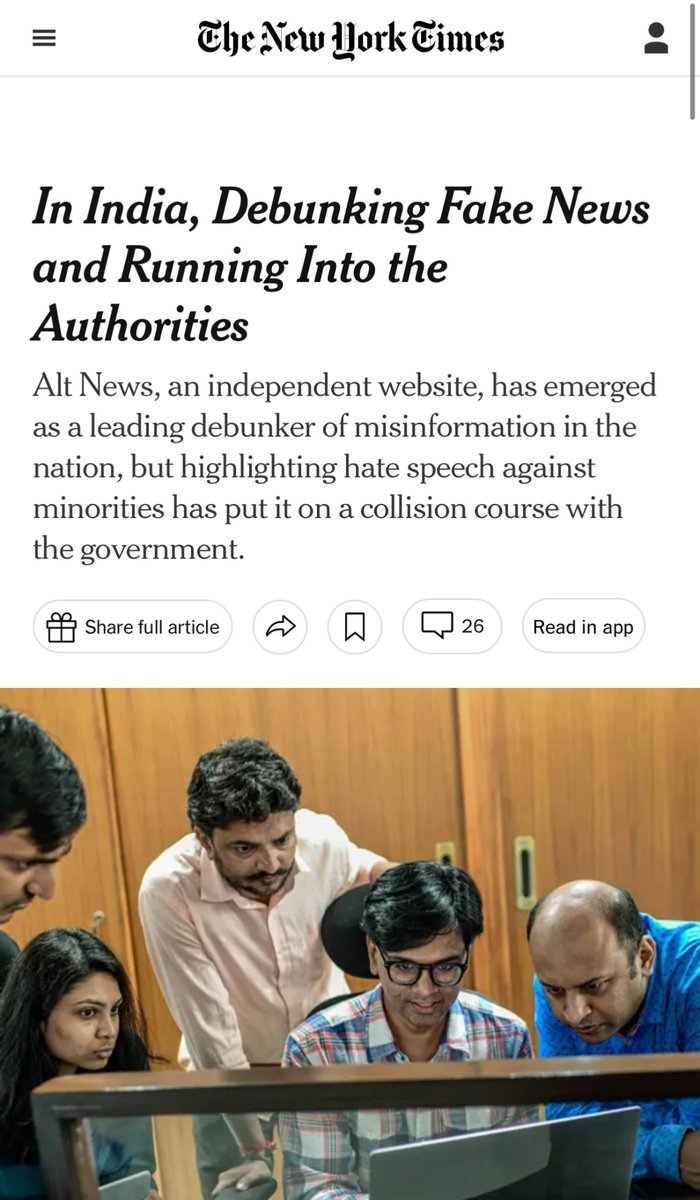
4. 🧵 On September 8, 2022, we ran a piece about the perils of fact-checking in India. @nyt followed up by ripping off *the same piece* shortly afterwards

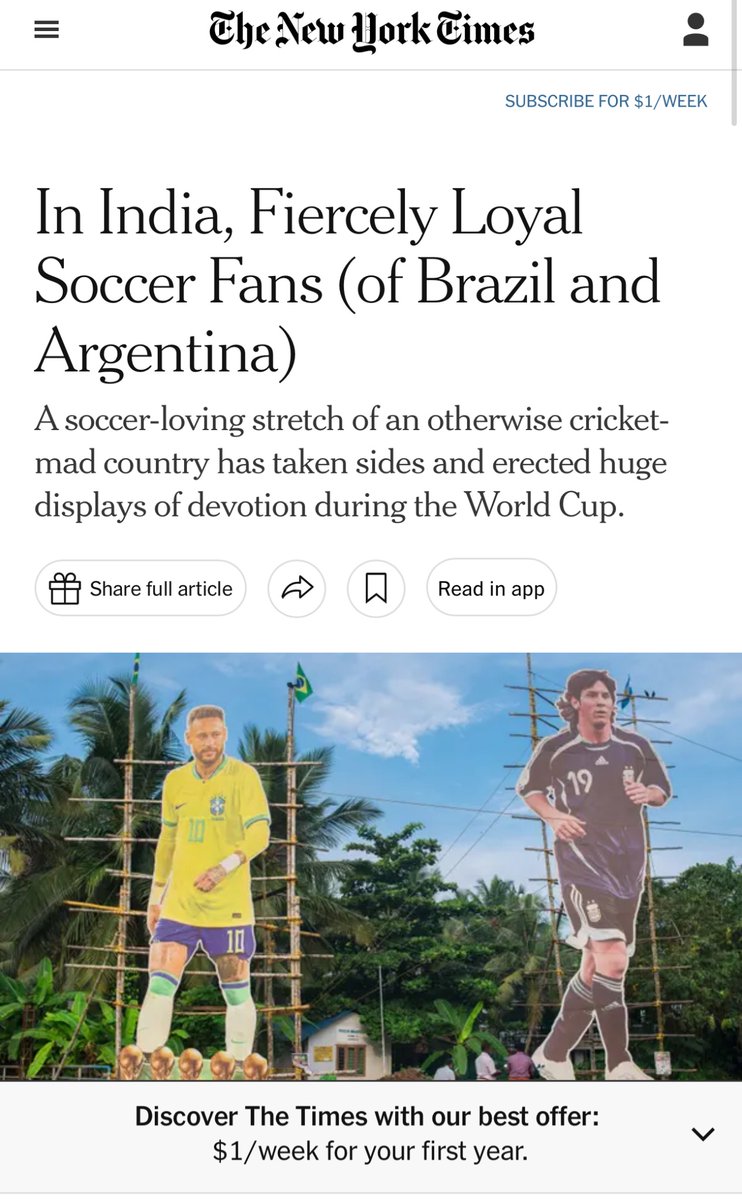
5. 🧵 December 5, 2022. We ran a piece on soccer fever in India. Want to guess who ripped it? @nytimes

6. 🧵 In other cases, publications will simply reach out to the same writers and copy the exact same piece. Hey, @TheAtlantic
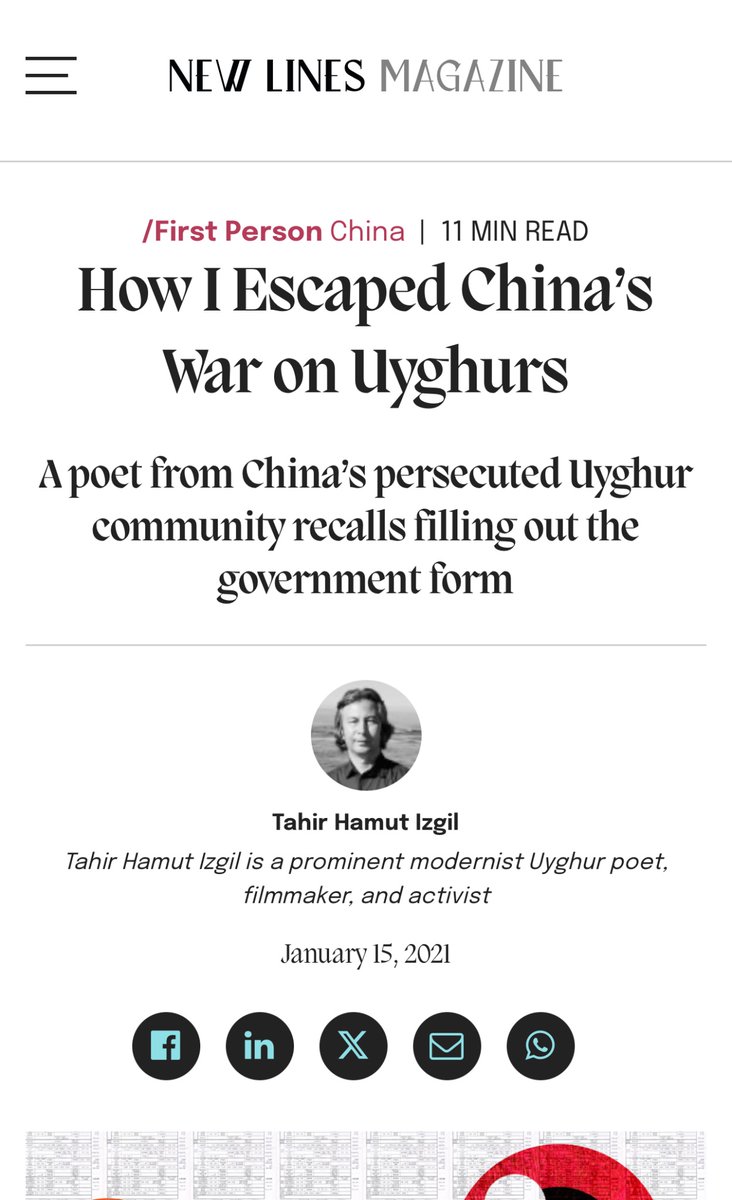
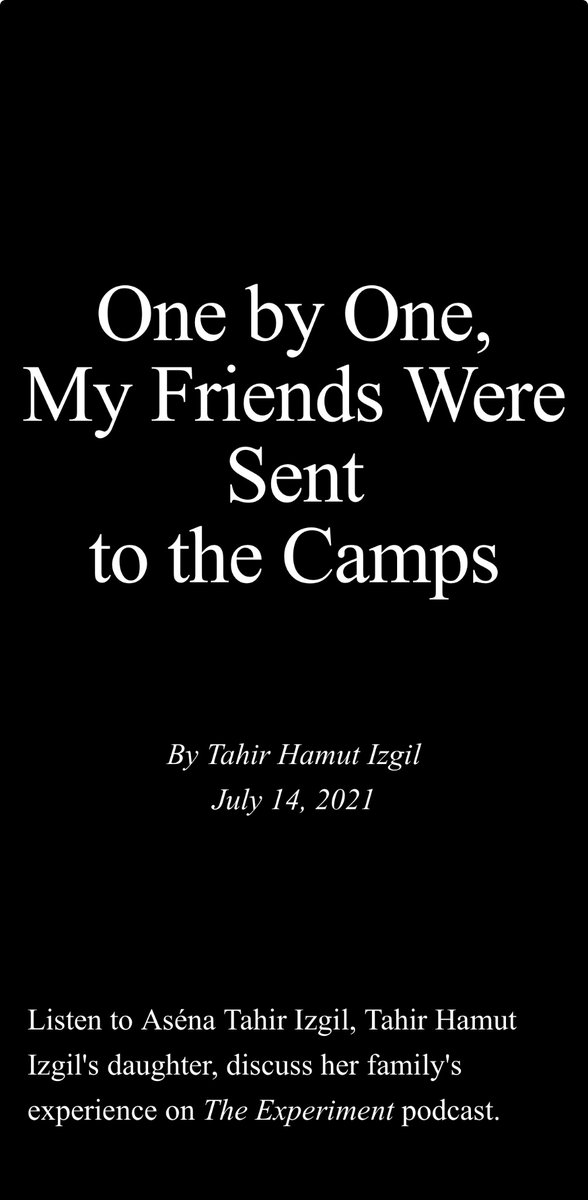
7. 🧵 I’m all for making stories more accessible — and a really special thing about @newlinesmag is the fact that we have writers, everywhere. An incredible diaspora network. That’s what you get with incredible editors of color in a newsroom.
8. 🧵 But when white publications *fire their writers and journalists of color* and then blatantly steal stories and ideas from publications that have staff of color — something starts to feel very wrong
9. 🧵 There are ways around this. You don’t have to steal. You can *support* these newsrooms (by subscribing) and if you’re *inspired* by a piece — link to it at least! Change the angle! Something!
10. 🧵 I’m going to note that my pub is being noticed, and our editor-in-chief just won an editor of the year award, as he should. But that’s not enough.

11. 🧵 @newlinesmag is by no means the only small pub with a unique perspective being ripped off — @bethejuggernaut — for ex — has also had their stories stolen. We need to stop this from happening.
12. 🧵 Commissioning editors — have some shame. And do your research. Before greenlighting — a feature should be unique + original. Appropriating work and intellectual IP from journos of color isn’t cute. It’s cringe
• • •
Missing some Tweet in this thread? You can try to
force a refresh






