Kaliningrad THREAD #RussiaDecolonized
Welcome to the 18th thread in the series.
Welcome to the 18th thread in the series.
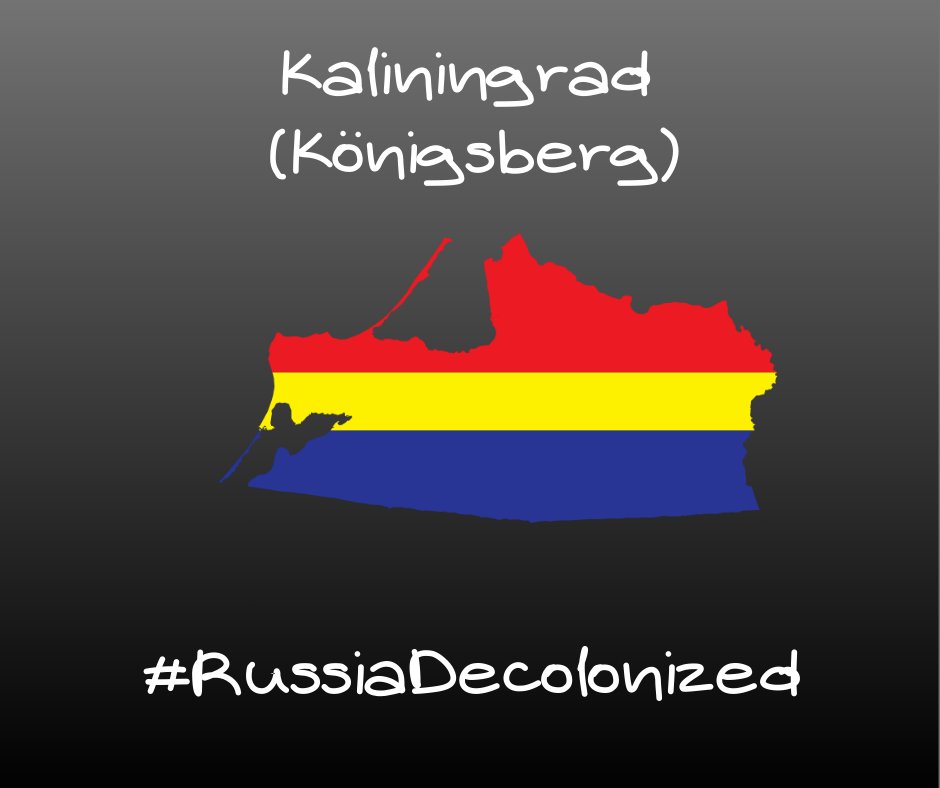
Kaliningrad was historically Königsberg. Renamed in 1946, it became Kaliningrad after WWII. In 2023, Poland, Lithuania, and Latvia reverted to historical names in official use: Królewiec (Polish), Karaliaučius (Lithuanian), and Karaļauči (Latvian). /1
The city was founded in 1255 by the Teutonic Knights during the Baltic Crusades, on an Old Prussian settlement. It was named in honor of King Ottokar II of Bohemia, who led campaigns against the pagan Old Prussians. /2
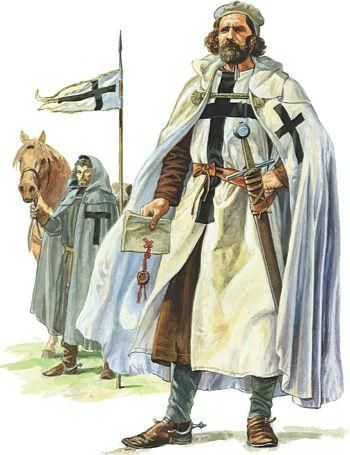
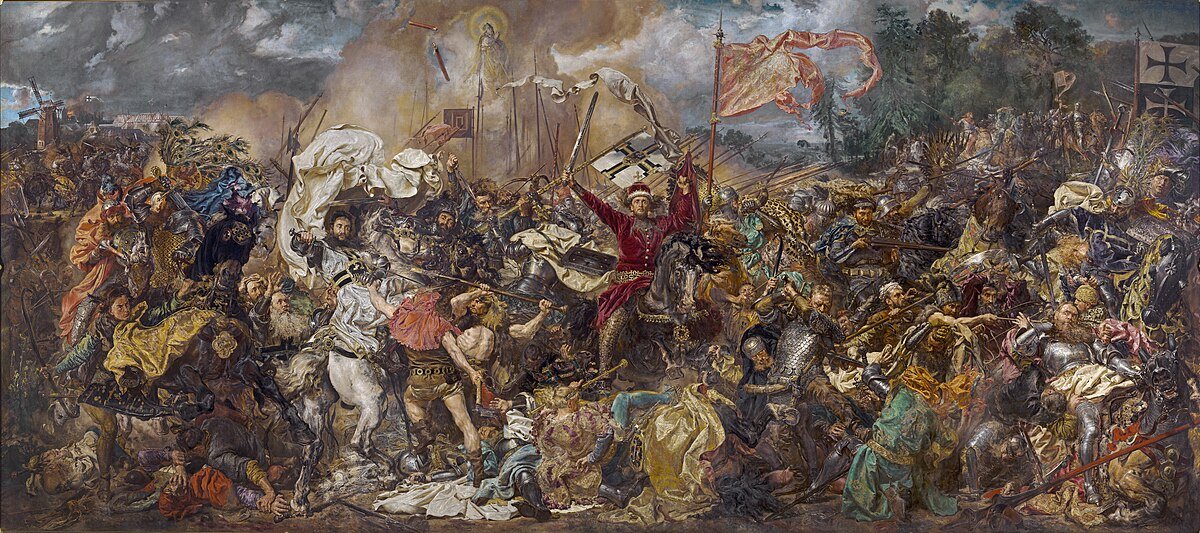
The Teutonic Order’s power waned after their defeat at the Battle of Grunwald (1410) by Polish-Lithuanian forces during the Polish-Lithuanian-Teutonic War. /3
In 1466, the Teutonic Order ceded major territories to Poland and recognized the Polish King as their overlord, marking the end of their dominance. /4
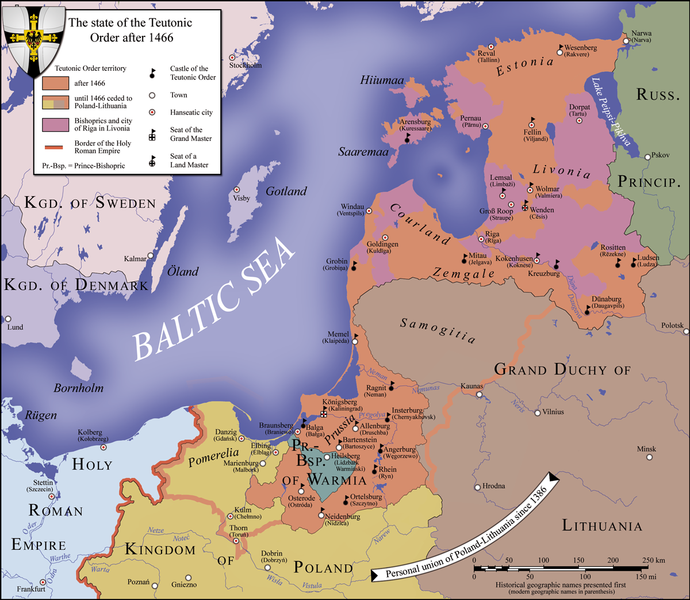
In 1525, the Grand Master of the Teutonic Order, Albert of Brandenburg, secularized its lands, forming the Duchy of Prussia with Königsberg as its capital. /5
The Duchy of Prussia was a fief of Poland but gained full sovereignty in 1657 with the Treaty of Wehlau, marking Prussia’s emergence as a European power. /6
The Hohenzollern rulers of Prussia were also Electors of Brandenburg. The unification of Brandenburg and Prussia gave them a strong political base to expand their influence. /7

As Prussia grew, winning the Silesian Wars and the Seven Years' War, the political center shifted from Königsberg to Berlin due to its central location. /8
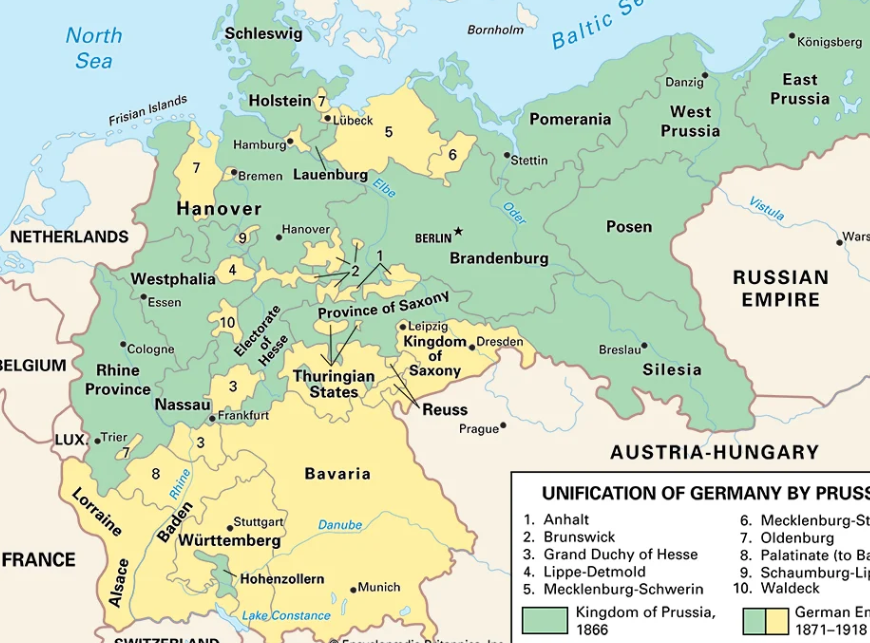
Through wars in the 19th century (Danish, Austro-Prussian, and Franco-Prussian), Prussia solidified its dominance and became the leading power in Germany. /9
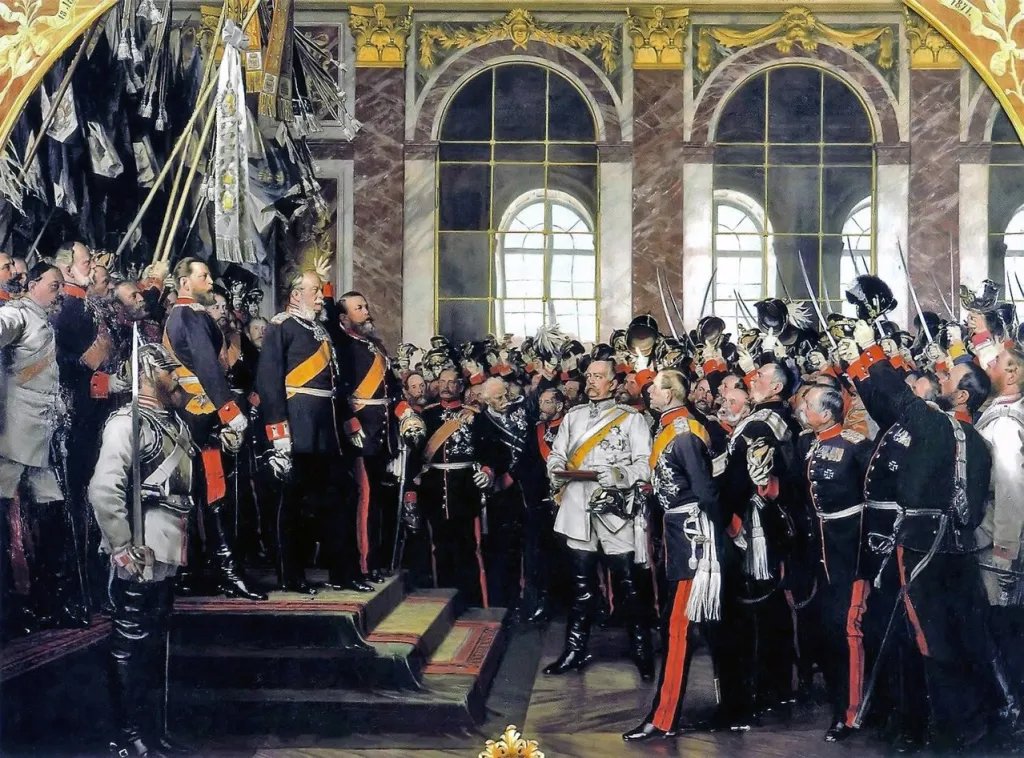
In 1871, Chancellor Bismarck united the German states (excluding Austria) into the German Empire, with Berlin as the capital, further reducing Königsberg's role. /10
Though no longer a capital, Königsberg remained a vital Baltic port and a hub for trade, industry, education, and military significance. /11
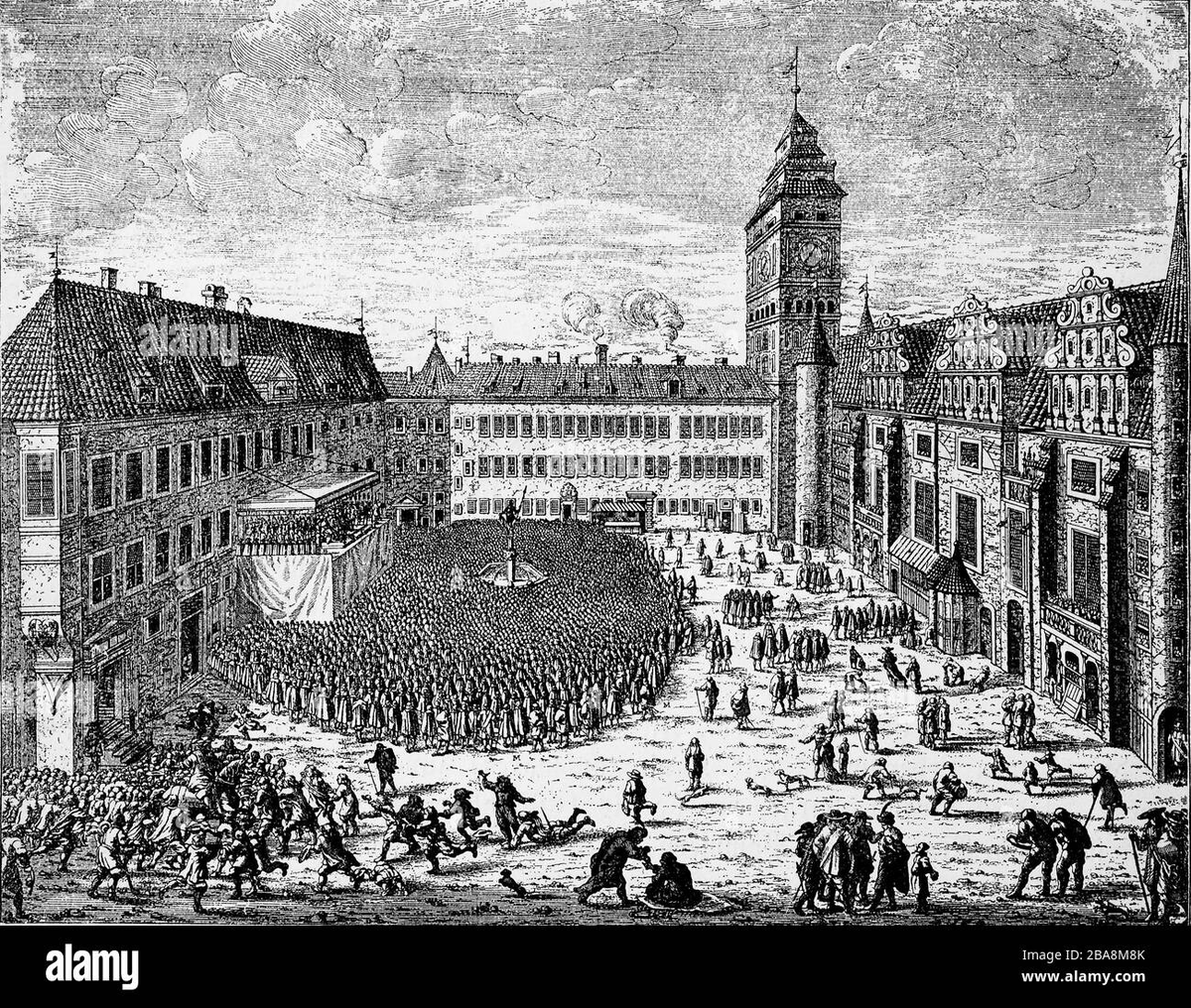
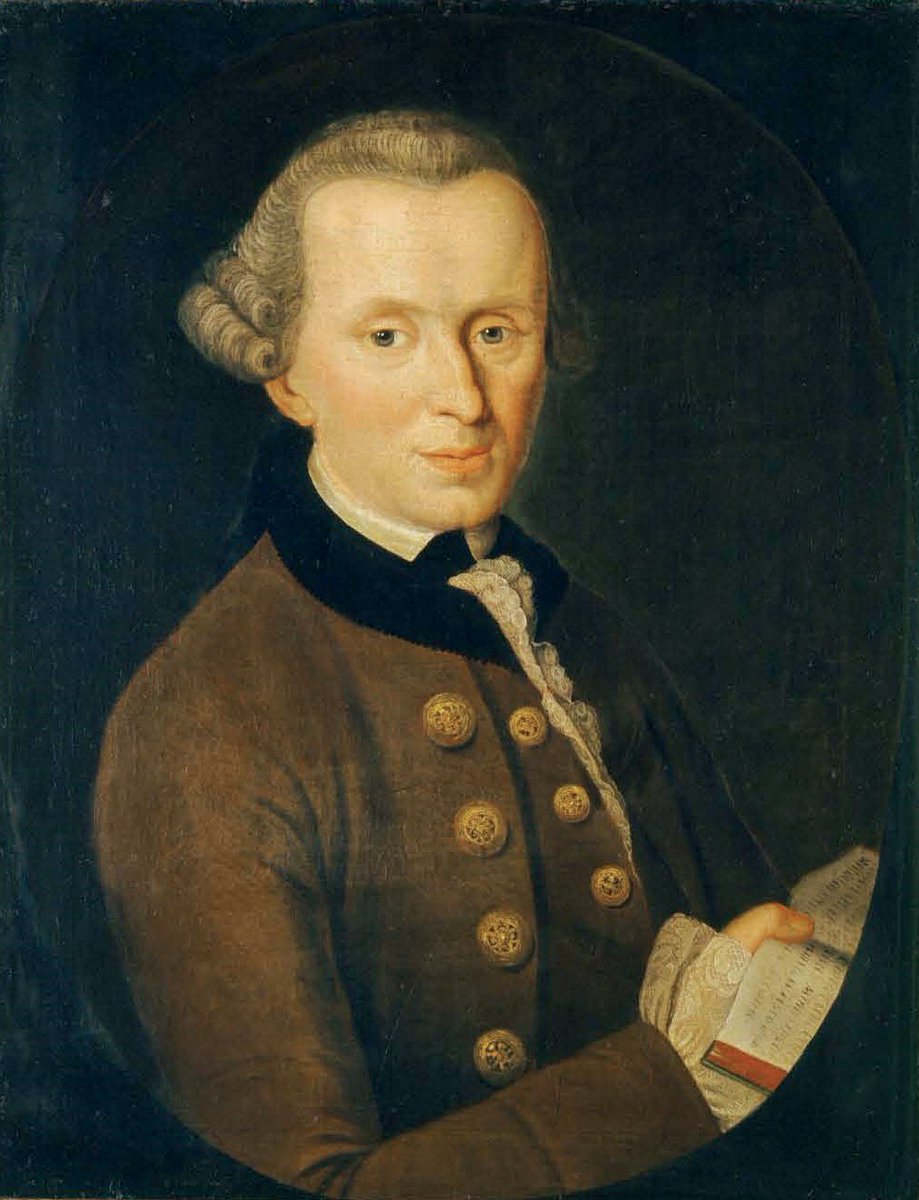
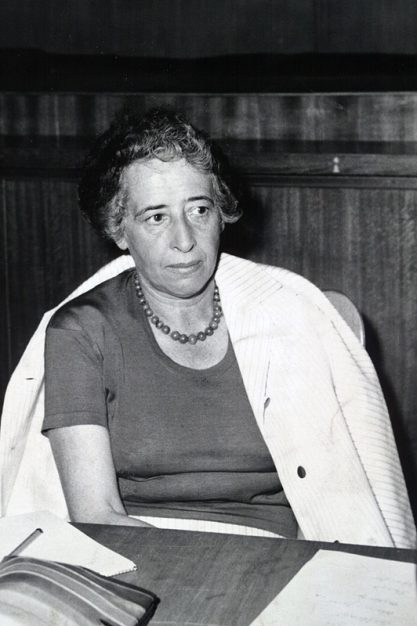
Königsberg was also a prominent intellectual center, home to philosophers like Immanuel Kant, poet Simon Dach, and political theorist Hannah Arendt. /12
As East Prussia’s easternmost city, Königsberg was heavily fortified. During WWI, Russian forces attempted to capture East Prussia but were repelled by the German army. /13
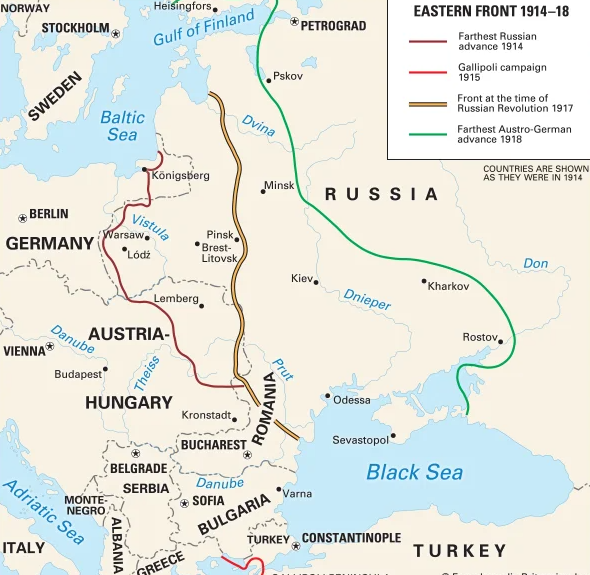
Like the rest of Germany, East Prussia faced economic hardship and food shortages during WWI, complicating its recovery after the war. /14
Königsberg’s post-WWI isolation worsened due to the Polish Corridor, adding to economic struggles during the interwar period. /15
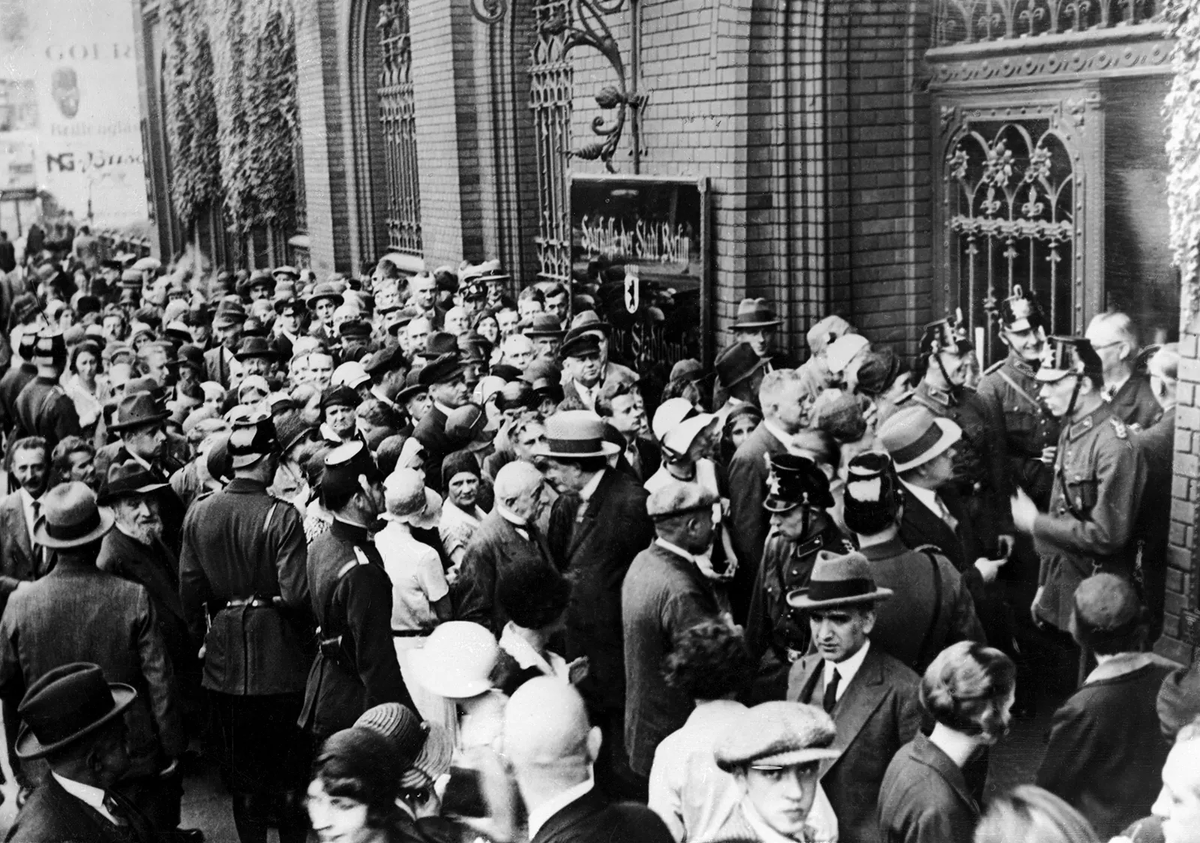

In 1933, when the Nazis rose to power, Königsberg became a crucial military hub as Hitler expanded eastward into Lithuania and Poland. /16
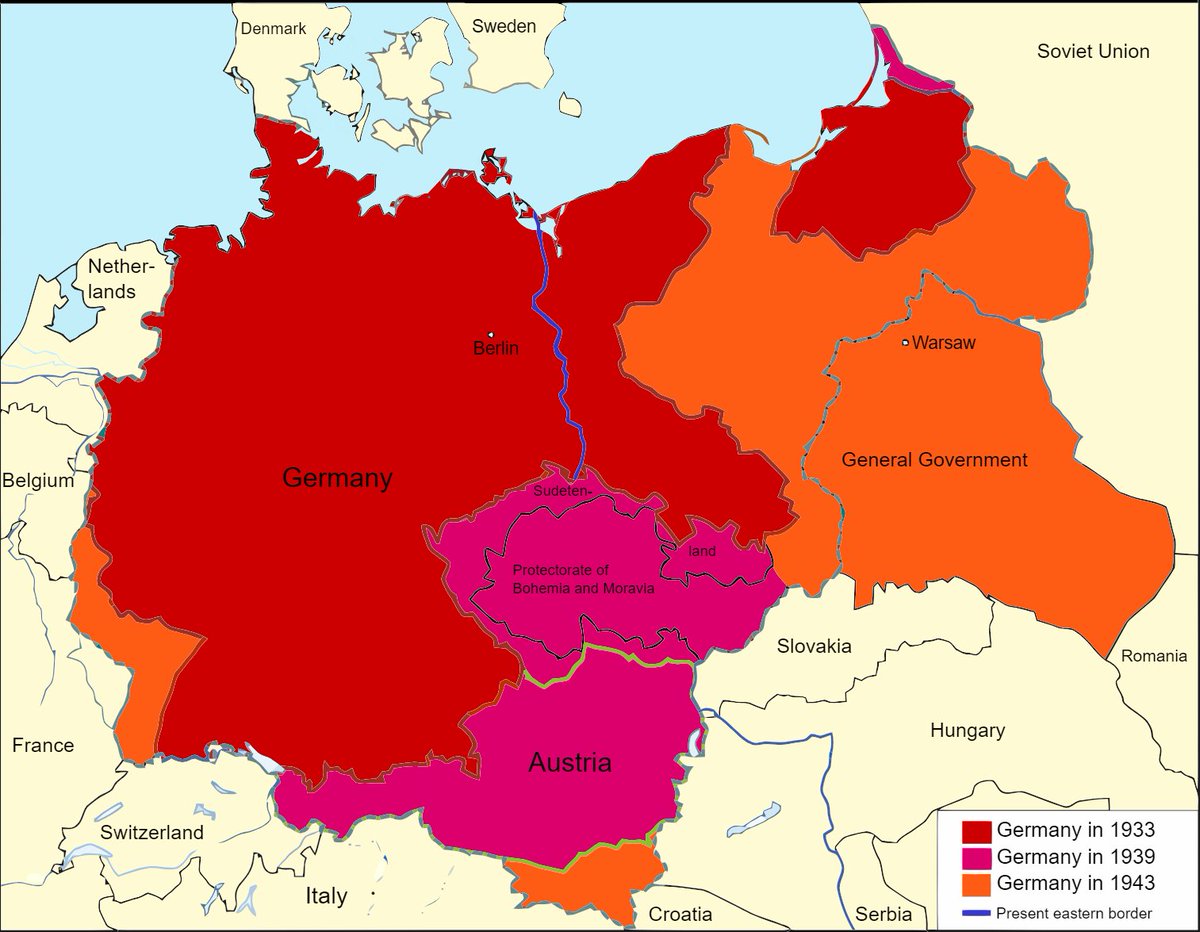
Königsberg was devastated in WWII and fell to Soviet forces on April 9, 1945, after an offensive in East Prussia. /17
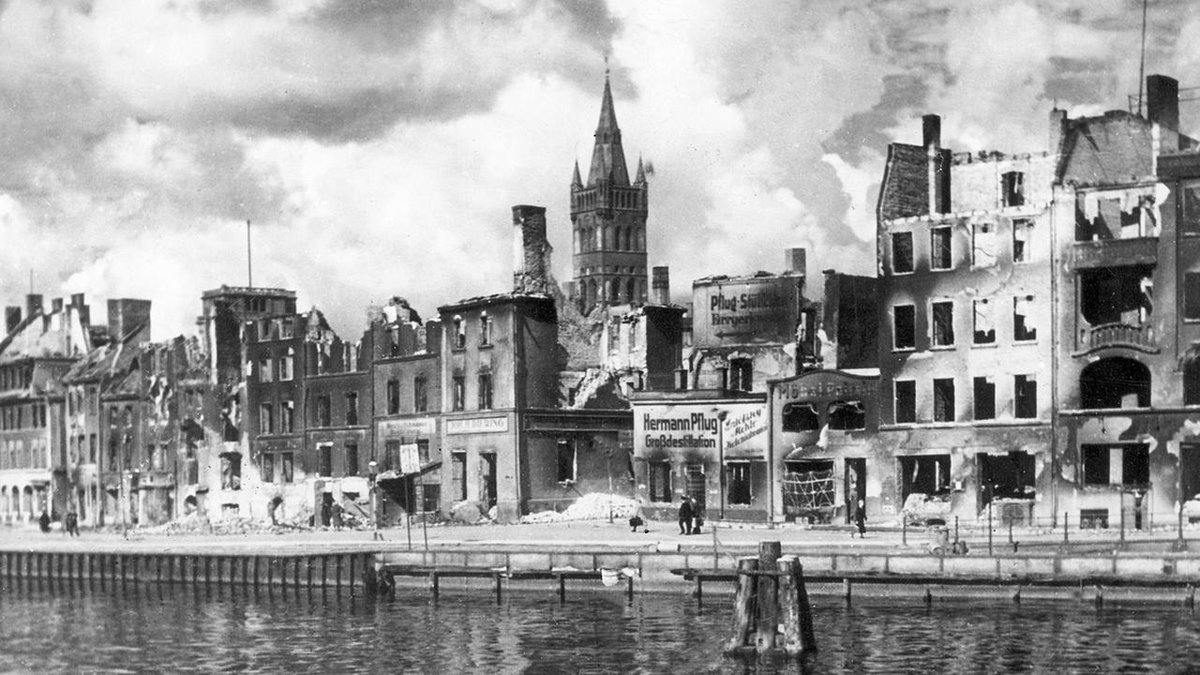
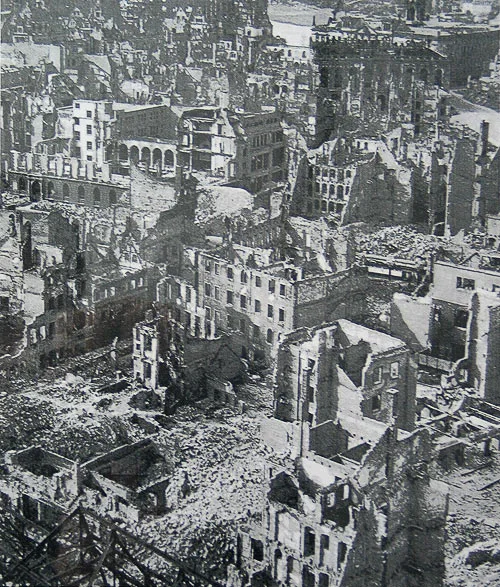
The Soviet capture of the region led to civilian suffering, including starvation, violence, and war crimes committed by Soviet troops. /18
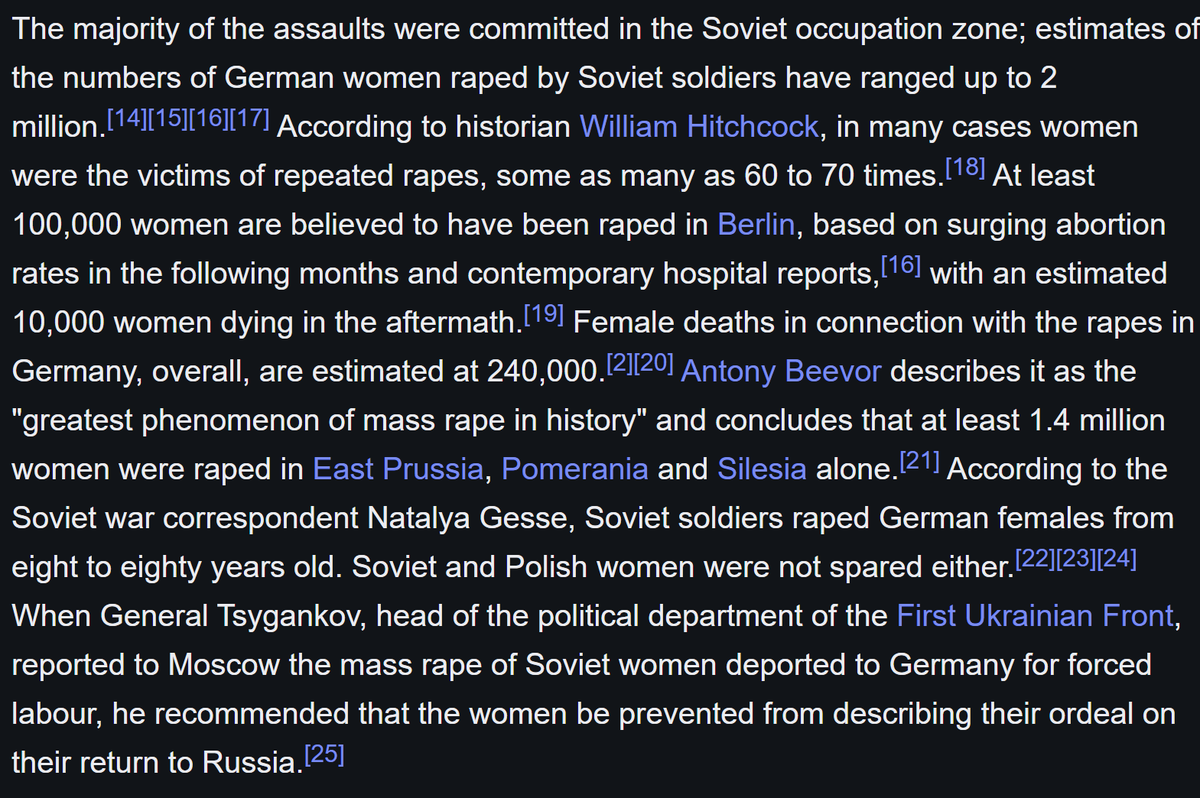
After WWII, Königsberg was annexed by the Soviet Union, its German population expelled or killed. The city was renamed Kaliningrad after Soviet politician Mikhail Kalinin, who died the same year. /19
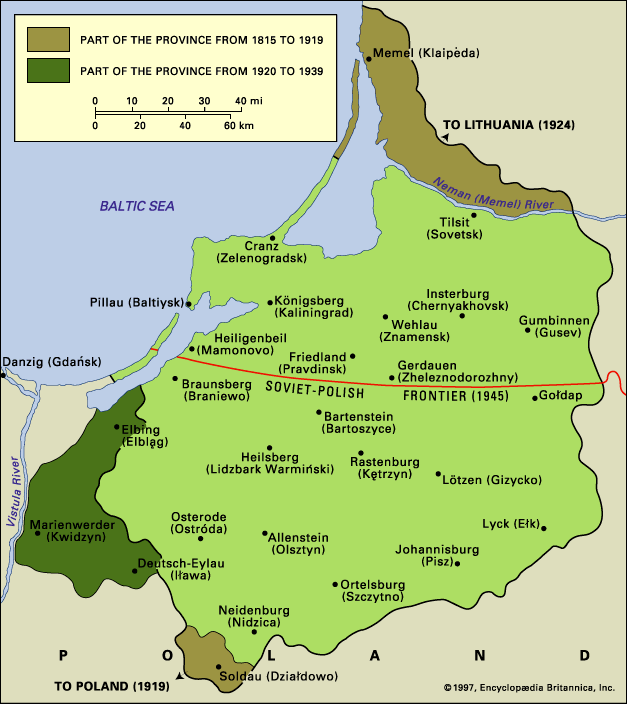
Southern East Prussia went to Poland, while the northern Memelland region was incorporated into the Lithuanian SSR. /20
During the Cold War, Kaliningrad became a key Soviet military outpost in the Baltic, often utilizing German infrastructure. The city was rebuilt in Soviet style. /21
Much of Königsberg’s Prussian heritage was destroyed. For example, the USSR replaced the historic Königsberg Castle with the House of Soviets, which was demolished in 2024. /22
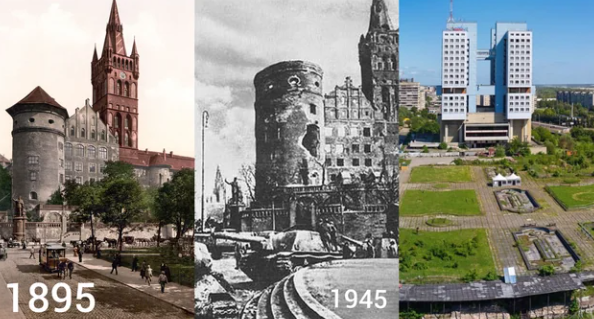
The House of Soviets was a symbol of Soviet neglect. It was painted blue for Putin’s 2005 visit, but the building remained empty and incomplete. In August 2024 the buildung was demolished. /23
In 1990, after German reunification, Germany officially renounced claims to all former German lands east of the Oder River. /24
After the Soviet collapse, Kaliningrad became a Russian exclave, relying on transit agreements with Lithuania. Rail transit continues, though EU airspace is closed to Russian planes. /25
In the 1990s, German-Russian projects aimed to restore historical sites. Nostalgic tourism also surged as Germans visited their ancestral lands. /26
However, since the 2000s, Russian authorities have often labeled historical preservation efforts as "Germanization" and prevented these. /27
Interestingly, while few cities like Leningrad reverted to historical names (St. Petersburg), Kaliningrad retains its Soviet names, such as Nesterov, Komsomolsk, Sovetsk, and Kaliningrad itself. /28
GEOGRAPHY
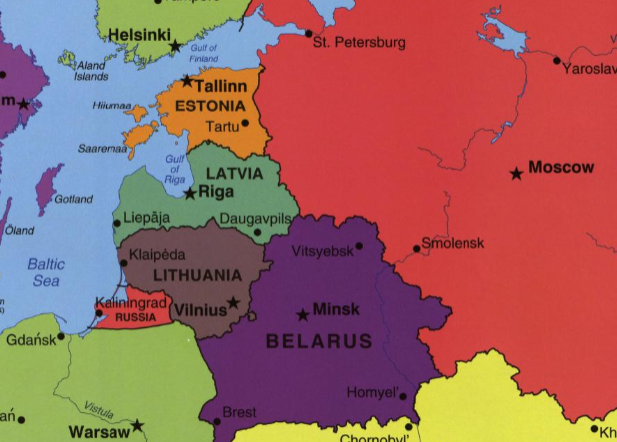
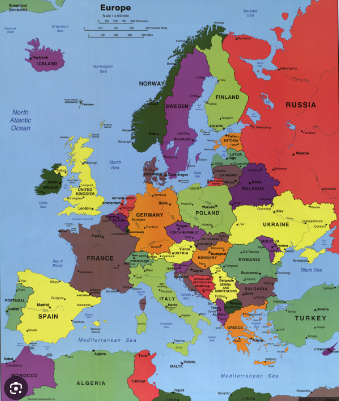
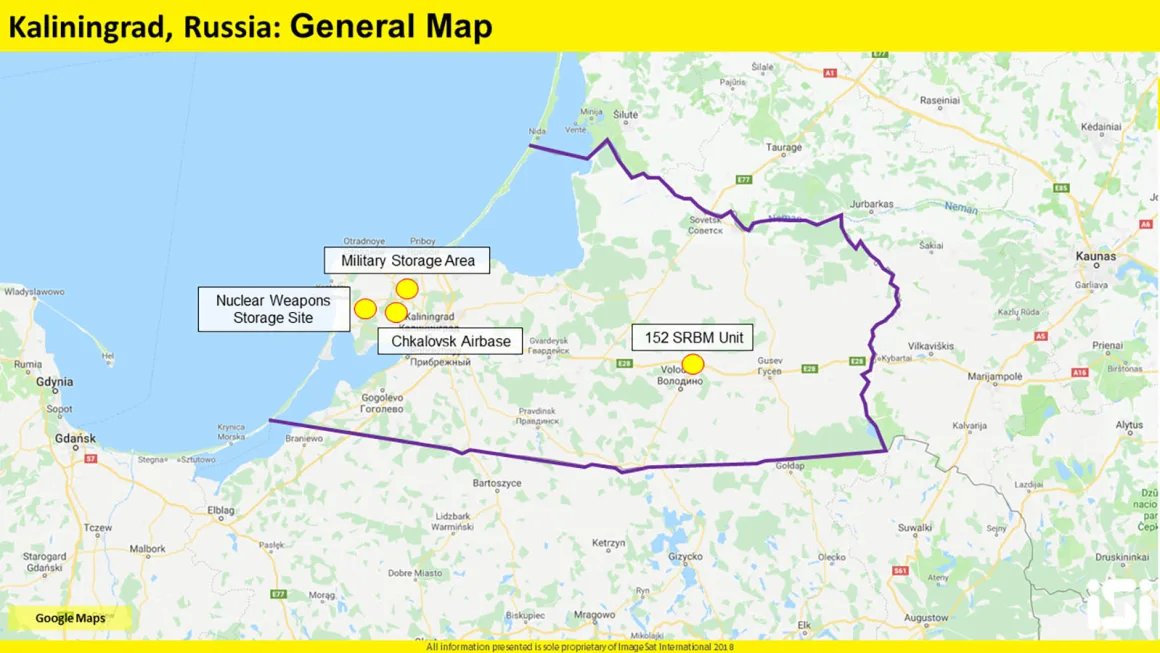
Kaliningrad Oblast is a Russian exclave between Poland and Lithuania, on the shores of the Baltic Sea. Its strategic location near Central Europe makes it vital for Russia. The region is mostly flat with well-developed rail infrastructure. /29
Kaliningrad Oblast is a Russian exclave between Poland and Lithuania, on the shores of the Baltic Sea. Its strategic location near Central Europe makes it vital for Russia. The region is mostly flat with well-developed rail infrastructure. /29

Until recently, people from Kaliningrad and neighboring European countries frequently traveled across borders for shopping and other activities. /30
Kaliningrad is Russia’s only ice-free Baltic Sea port year-round. The Baltic Fleet is headquartered there, with its main base in Baltiysk (formerly Pillau), both located in Kaliningrad Oblast. /31

ECONOMY
Kaliningrad Oblast ranks 31st in GDP per capita among Russian regions, placing it in the upper half of all entities, but its still far from the top. The existence of its ice-free port and proximity to the European Union are economic advantages. /32
Kaliningrad Oblast ranks 31st in GDP per capita among Russian regions, placing it in the upper half of all entities, but its still far from the top. The existence of its ice-free port and proximity to the European Union are economic advantages. /32

The oblast has a special economic status that provides tax incentives to attract investors. Many jobs are in the military sector. The region also has huge amber resources, supporting both amber export and processing industries. /33

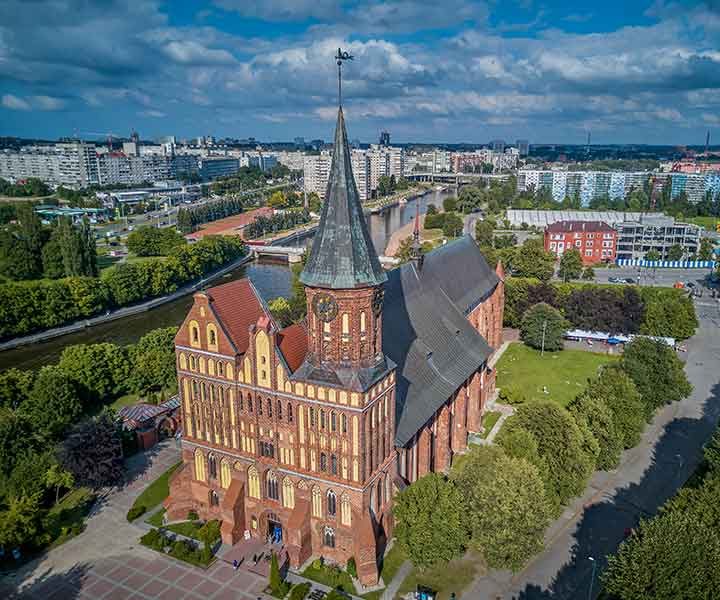
Kaliningrad offers options for both recreational and cultural tourism. Tourism is an important part of the economy, including both internal and international visitors, though international tourism has decreased in recent years. /34
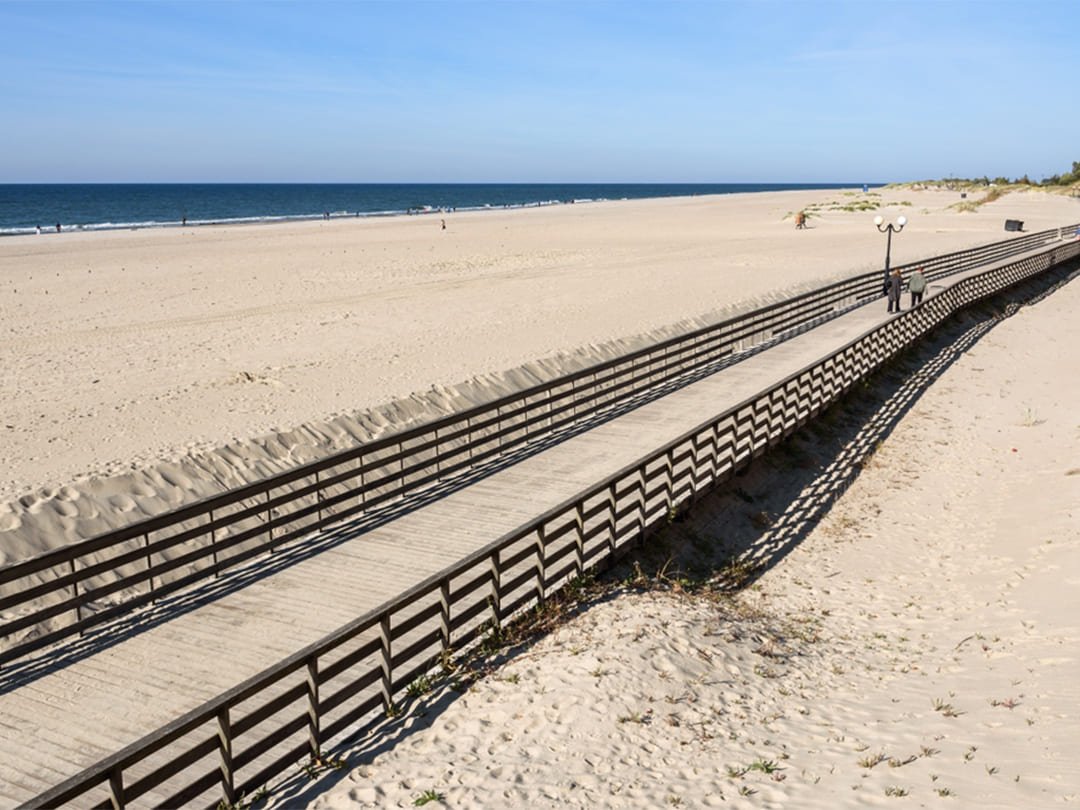
Kaliningrad's economy depends heavily on transit from Russia, with nearly 100 trains carrying goods each month. In 2022, EU sanctions complicated this, but the EU made an exemption for Kaliningrad for unknown reasons. /35
https://twitter.com/1082338523309633537/status/1834689035257696724
POPULATION
The oblast has a relatively large city, Kaliningrad, with 500,000 residents, while the rest of the population lives in smaller towns and villages. The total population of the oblast is just over one million. /36
The oblast has a relatively large city, Kaliningrad, with 500,000 residents, while the rest of the population lives in smaller towns and villages. The total population of the oblast is just over one million. /36
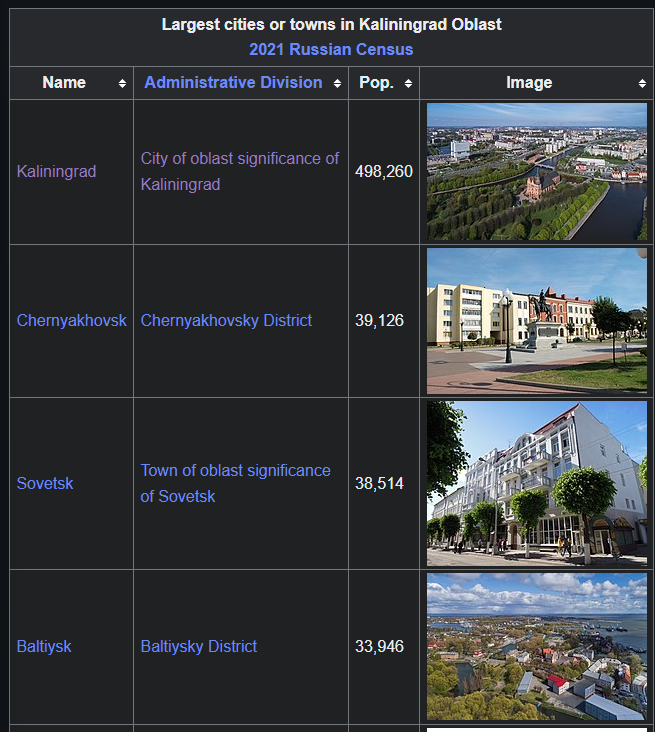
The region is almost entirely populated by ethnic Russians. In 1989, there were around 60,000-70,000 Ukrainians and Belarusians (each), but these minorities either assimilated or emigrated. /37
As mentioned before, the German population was completely expelled after 1945, which also affected religion, significant parts of architectural heritage, and more. /38
FREEDOM MOVEMENT
No countries claim the region, as Kaliningrad's neighbors respect international law, unlike Russia. /39
No countries claim the region, as Kaliningrad's neighbors respect international law, unlike Russia. /39
The Baltic Republican Party was founded on December 1, 1993, with the goal of creating an autonomous Baltic Republic and restoring the name Königsberg. However, despite not gaining widespread popularity, the party was banned by Kremlin authorities in 2003. /40
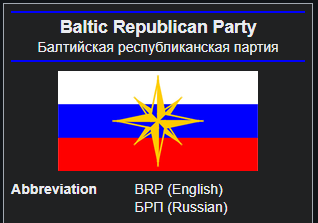
Currently, there are a few Telegram channels and notable figures. For example, Vadim Petrov, an activist from Kaliningrad, coordinator of the Baltic Republican Party, and member of @fnl_org believes the best future for the region is as an independent 4th Baltic state. /41
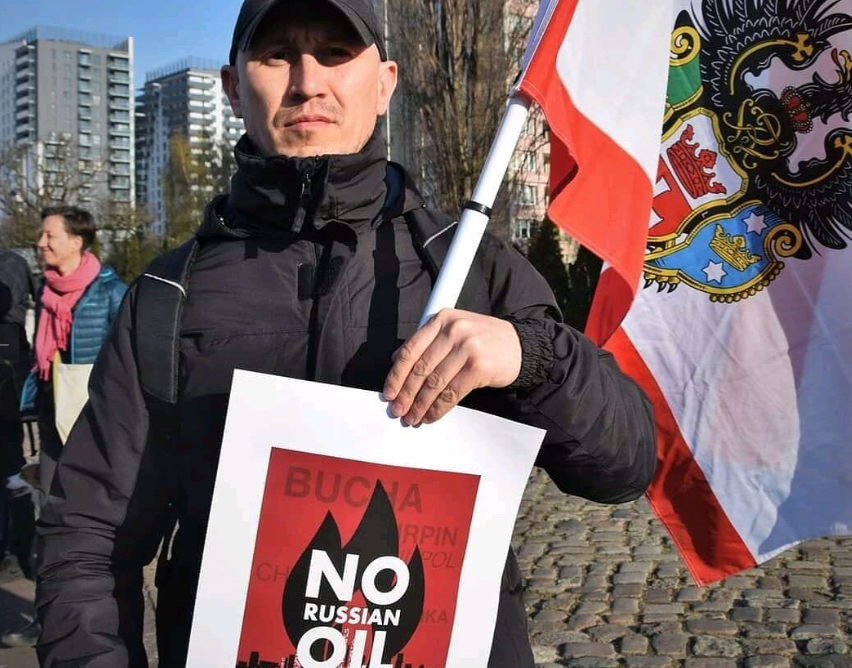
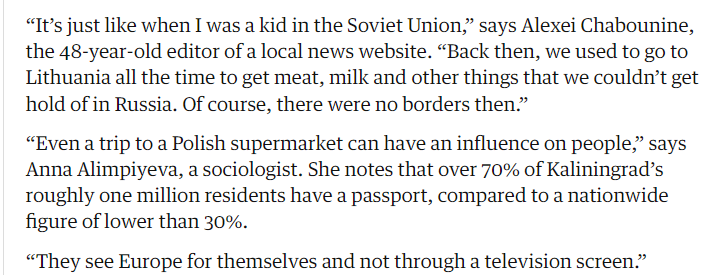
@fnl_org Overall, one might get the impression that people in the region are slightly more liberal. Many have traveled abroad, especially to the EU, and may be more resistant to Kremlin propaganda since they've seen Europe with their own eyes. /42
@fnl_org CONCLUSION
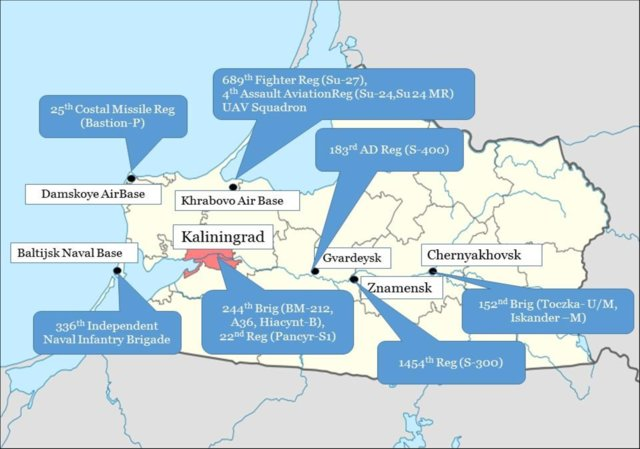
Kaliningrad is a highly militarized region, with many military personnel and retirees who view it as a "trophy" city from WWII. However, its some society appears slightly more liberal compared to the Russian average. /43
Kaliningrad is a highly militarized region, with many military personnel and retirees who view it as a "trophy" city from WWII. However, its some society appears slightly more liberal compared to the Russian average. /43
@fnl_org The modern Russian government isn't very different from the post-war USSR. In most cases, Kaliningrad is treated similarly, as if it had no history before 1945 and suddenly emerged from nowhere. /44

@fnl_org Discussions about reconstructing Prussian architecture and interest in local history are often labeled as "Germanization" and separatism by the Kremlin. /45
@fnl_org To stop such developments Russia must cease being an imperialist dictatorship that prioritizes territorial expansion and the genocide of its neighbors over internal growth. Sadly, Russians have not been able to halt this, and the path to reversing it remains uncertain. /46
Thank you for reading and consider to support the project by buying me a coffee. Likes, retweets, and comments are also helpful. Thank you for your support!
buymeacoffee.com/VTretyak
buymeacoffee.com/VTretyak
• • •
Missing some Tweet in this thread? You can try to
force a refresh