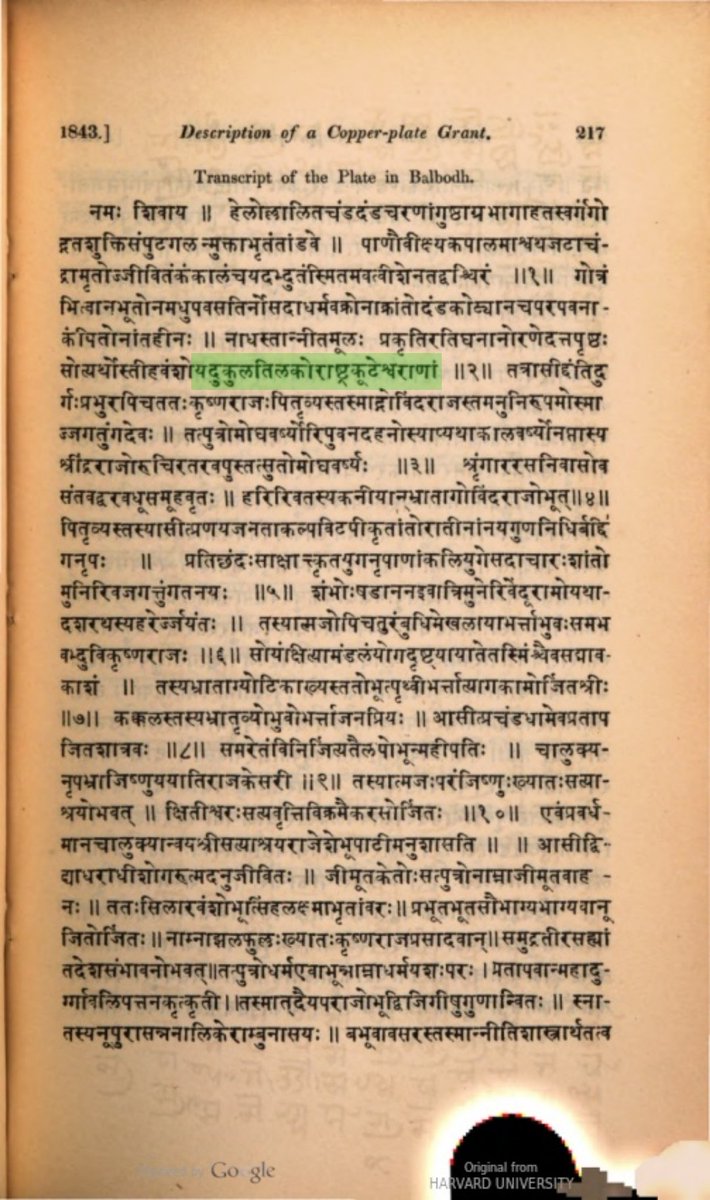
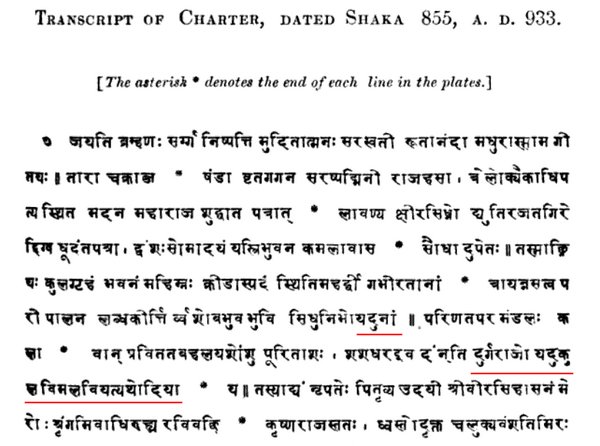
Navigating Political Waters ✍🏻
Sar-i-Lashkar Lakhujirao Jadhavrao's 7 Switches of Services Amidst 15 Years of Turmoil
🧵→
Sar-i-Lashkar Lakhujirao Jadhavrao's 7 Switches of Services Amidst 15 Years of Turmoil
🧵→

Lakhuji Jadhavrao changed service under the Mughal and Nizam seven times in 15 years.
This is a very important topic that creates confusion among chauvinistic scholars, so I will be posting his career switches through contemporary sources from G. B. Mehendale's Marathi book.
This is a very important topic that creates confusion among chauvinistic scholars, so I will be posting his career switches through contemporary sources from G. B. Mehendale's Marathi book.
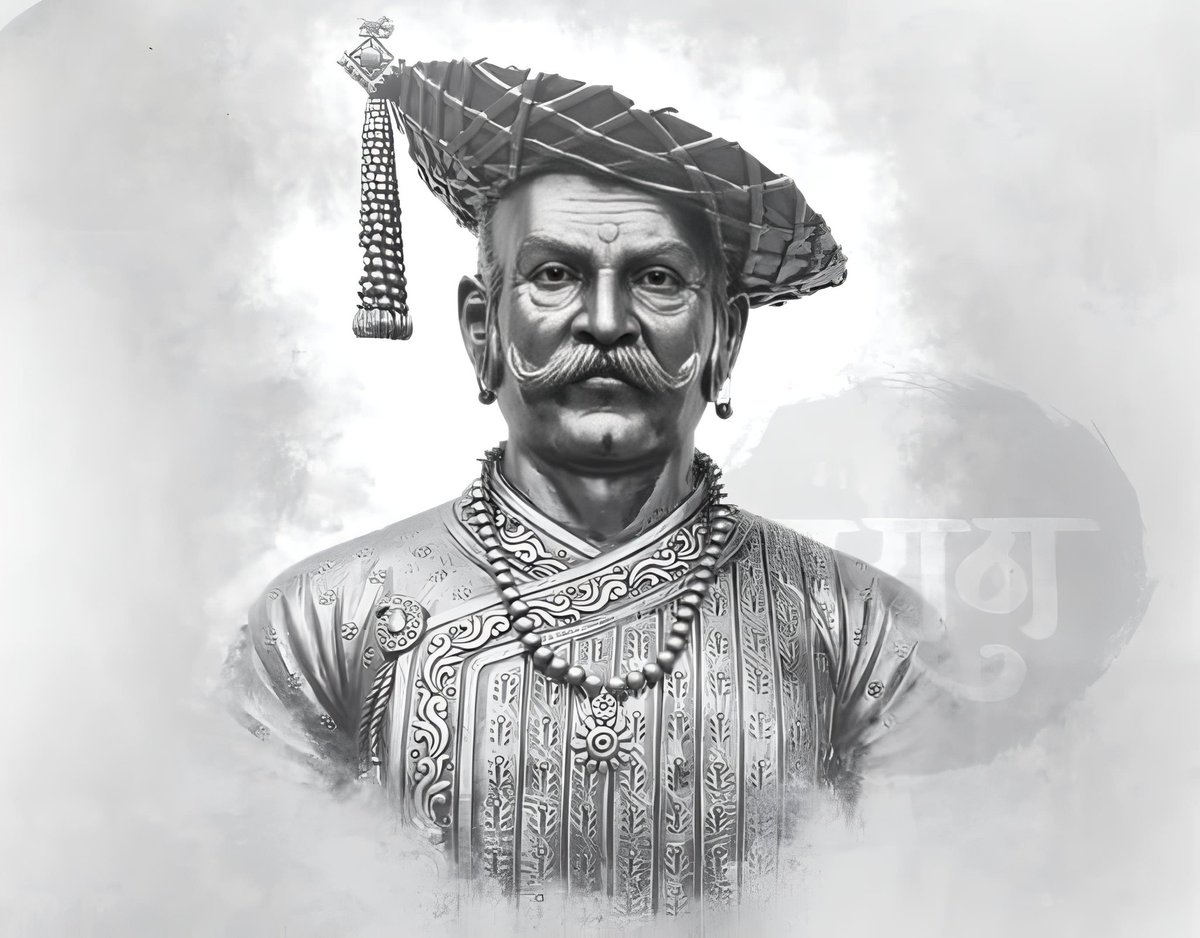
Lakhujirao Jadhavrao began his career by defeating Rana Amar Singh of Mewar. On 9 Safar Hijri 1023 (11 March 1614), Lakhujirao received a praise worthy letter, 18 elephants, and many other gifts from Prince Shah Jahan.
Badshahnama Volume 1 Part 1 Pg. 169 (Persian)
Badshahnama Volume 1 Part 1 Pg. 169 (Persian)


Google translation in the above post is very poor.
To provide more confirmation, I am attaching snippets from G. B. Mehendale's Marathi book 'Shri Raja Shiv Chatrapati Vol. 2 (Marathi)', which will further confirm that the Badshahnama is accepted even by the greatest historians.
To provide more confirmation, I am attaching snippets from G. B. Mehendale's Marathi book 'Shri Raja Shiv Chatrapati Vol. 2 (Marathi)', which will further confirm that the Badshahnama is accepted even by the greatest historians.
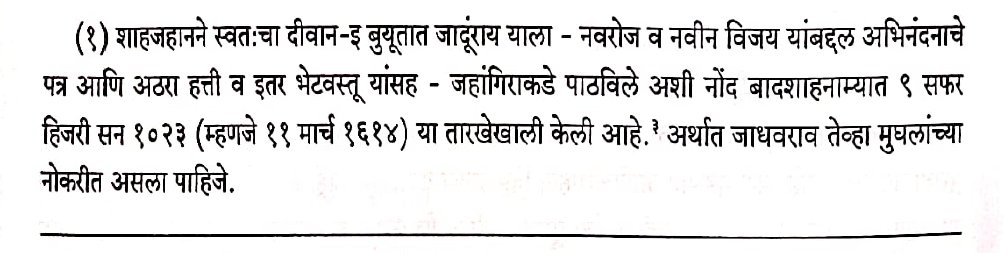

Somewhere between the end of 1615 and the beginning of 1616, Lakhujirao again joined the Mughals. This simply means that Lakhujirao joined Nizam after 11 March 1614 or before the end of 1615.
Tuzuk-i-Jahangiri Vol. 1
Tuzuk-i-Jahangiri Vol. 1


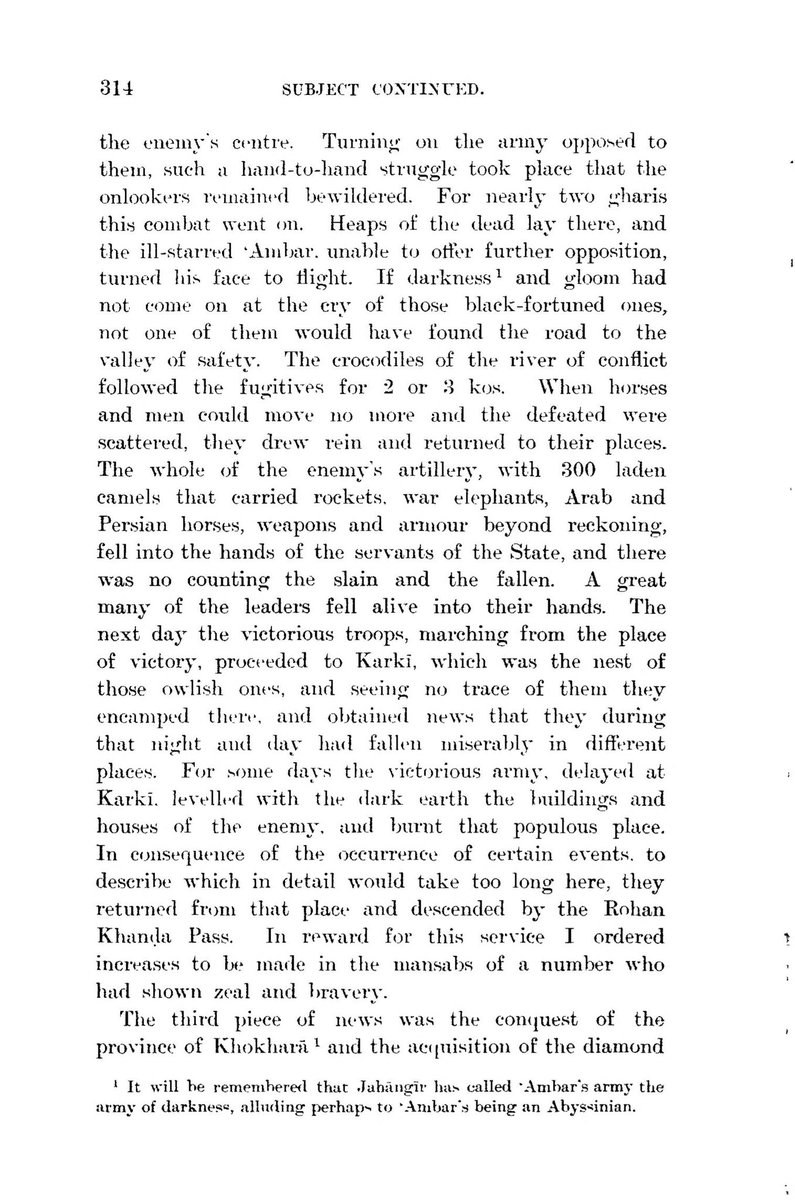
This is where confusion is created among readers. They often think that Lakhujirao Jadhavrao joined the Mughals in 1615-16, but they overlook the entry in the Badshahnama because it is not translated, and not every scholar can read Persian as precisely as G. B. Mehendale did here
All of the above statements are also supported by Futuhat-i Adilshahi. Unfortunately, I do not have a copy of that book, so I am leaving the footnote.
The footnote mentions that it is supported by Futuhat-i Adilshahi Pg. 265 (Persian). If anyone has it, they can cross-check it.
The footnote mentions that it is supported by Futuhat-i Adilshahi Pg. 265 (Persian). If anyone has it, they can cross-check it.

Lakhujirao Jadhavrao again deserted the Mughals after 4 February 1616 and joined Nizam.
It clearly states, "By the persuasions of Adil Khan (Adil Shah) and deceit by Ambar (Malik Amber), he left and gave up loyalty." This clearly means that he joined Nizam.
It clearly states, "By the persuasions of Adil Khan (Adil Shah) and deceit by Ambar (Malik Amber), he left and gave up loyalty." This clearly means that he joined Nizam.


Read this 👇

On 1 Rajab, Hijri 1037 (16 February 1618), Lakhujirao Jadhavrao and three others were granted a 5000-foot/5000-cavalry Mansabdari by the Mughals. Means he again joined Mughals and served Nizam between 1616-17 only.
Badshahnama Vol. 1 Part 1 Pg 182 (Persian)
Badshahnama Vol. 1 Part 1 Pg 182 (Persian)


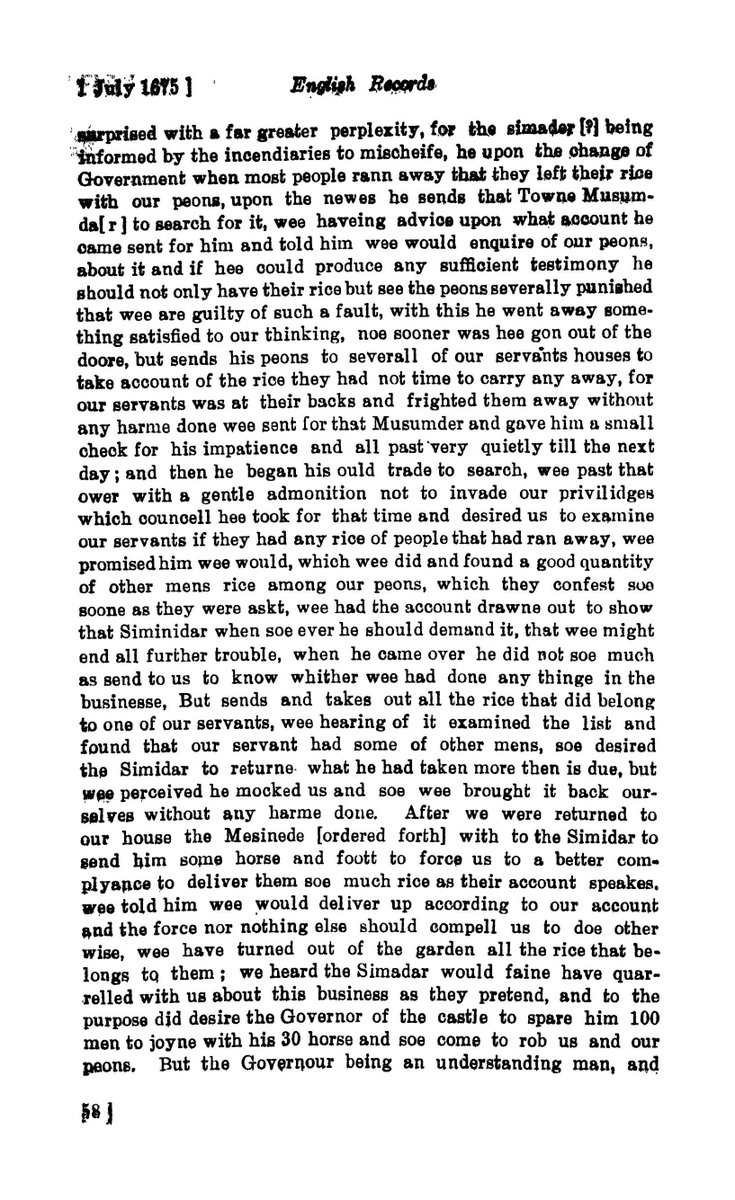
After this, there is an entry in English factory records stating that Lakhujirao Jadhavrao deserted Nizam and joined the Mughals during 1621, meaning he went to Nizam sometime between 26 February 1618 and 30 October 1621.
On 5 October 1621, a representative of the English Company visited Malik Amber.
This is important because the eyewitness is going to report about Lakhujirao Jadhavrao later on.
The English Factories in India, 1618-1621
This is important because the eyewitness is going to report about Lakhujirao Jadhavrao later on.
The English Factories in India, 1618-1621


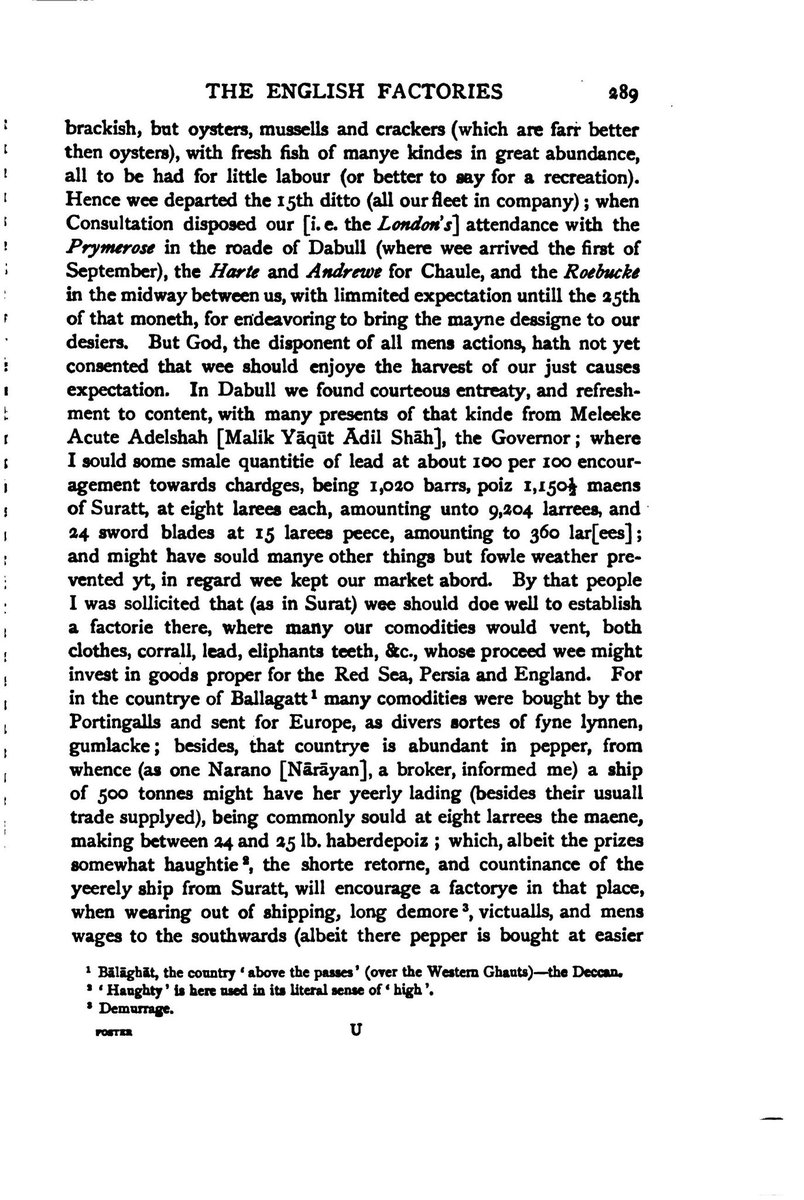

On 30th October 1621, he reported that one of Malik's Vazirs fled with 5000 horses.
The name was not mentioned in that report but will be included in the subsequent report which I will be posting below.
The name was not mentioned in that report but will be included in the subsequent report which I will be posting below.


Nicholas Bangham reported on 18 November 1621 that Lakhujirao Jadhavrao rebelled and Shah Jahan welcomed him.
The English Factories in India, 1618-1621
The English Factories in India, 1618-1621

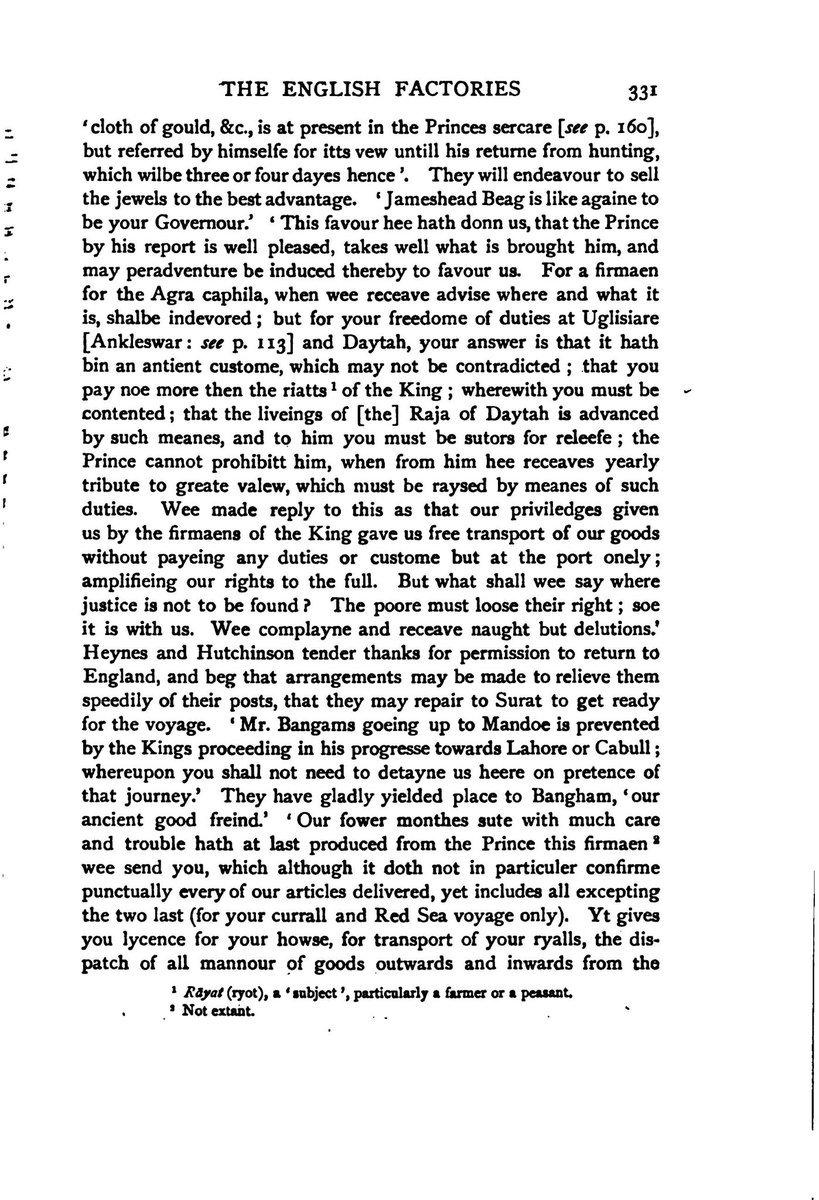
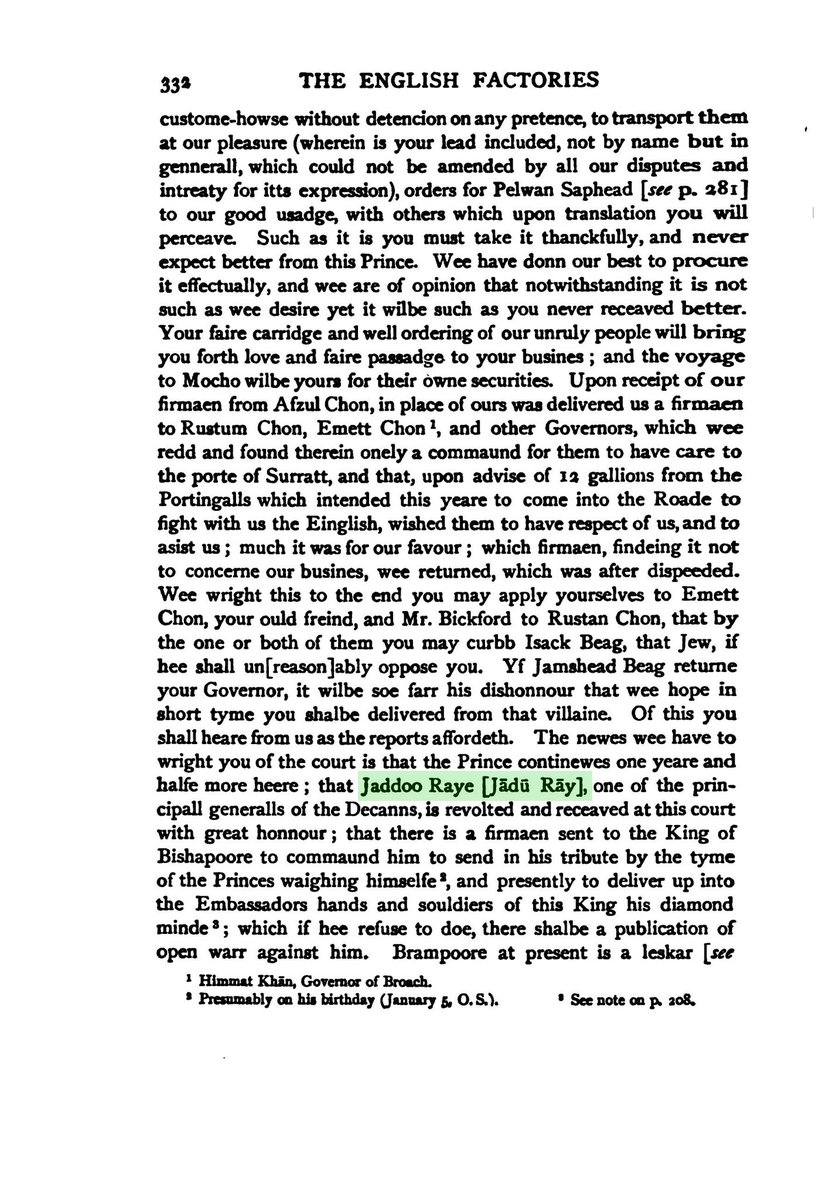
This fact is further confirmed by entries in Tuzuk-i-Jahangiri Vol 2 on 19 November 1621 and 12 December 1621.

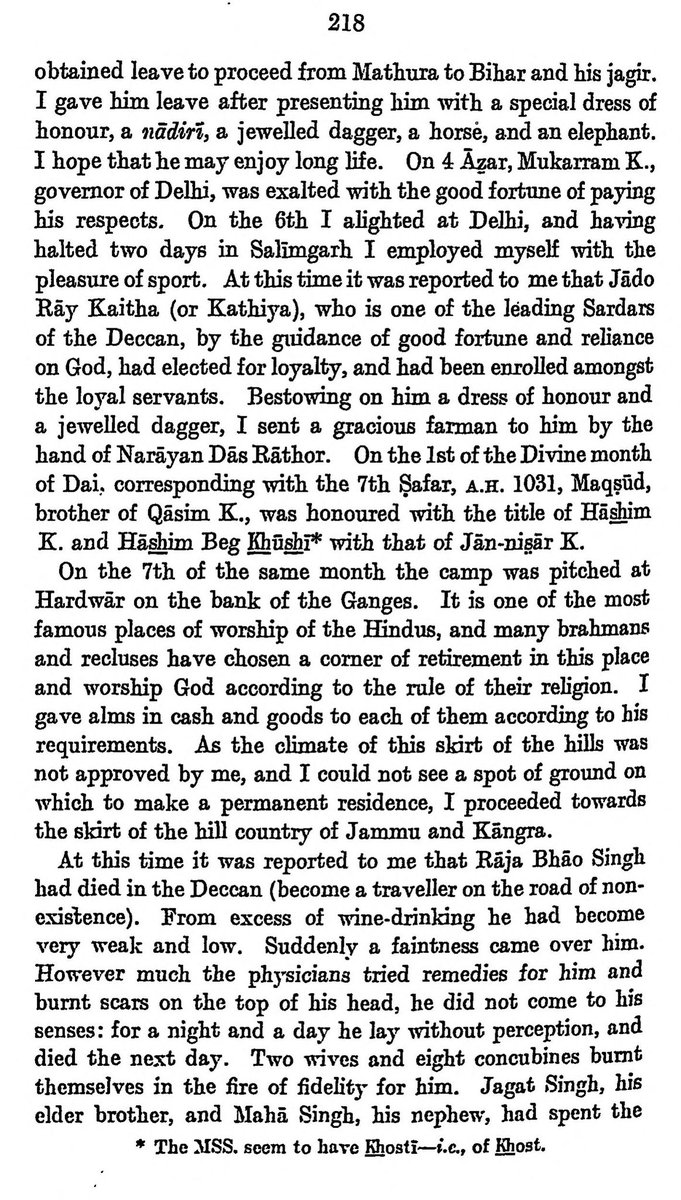
Till October 1624, during the Battle of Bhatwadi, Lakhujirao Jadhavrao was on the Mughal side, as confirmed by Iqbalnama-e-Jahangiri.
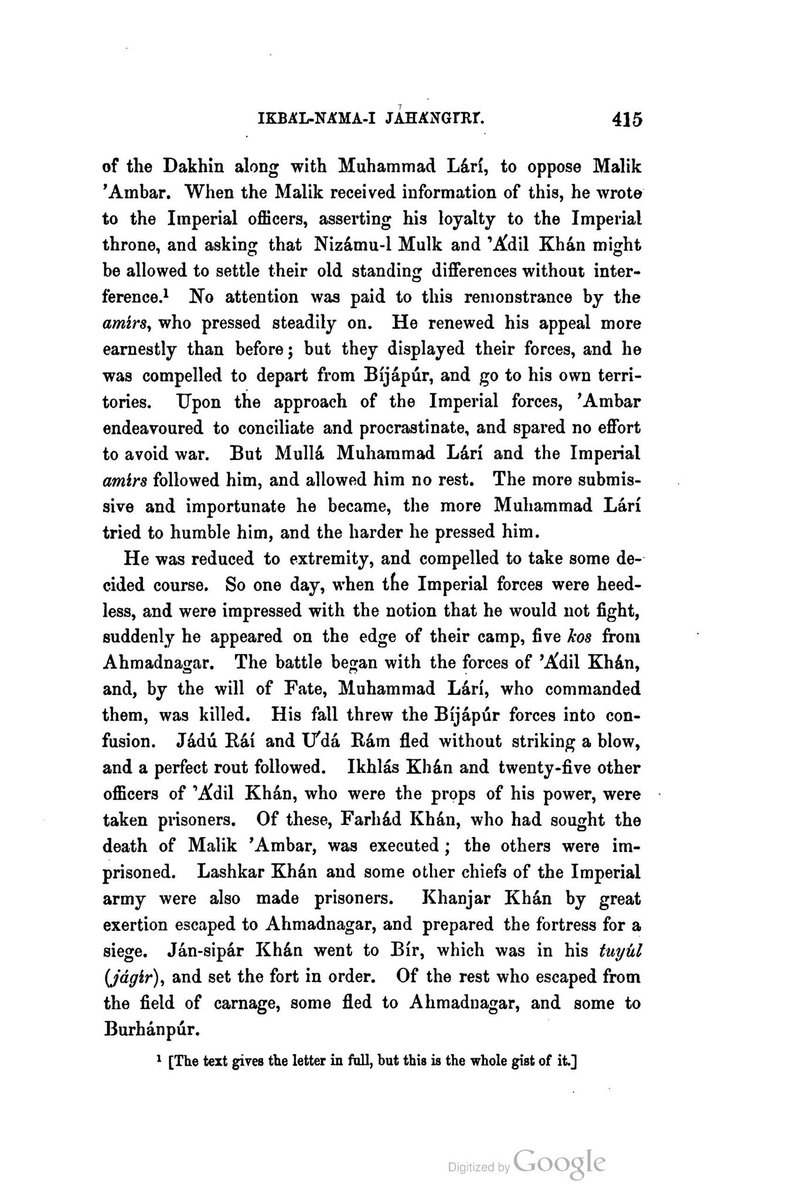
After the Battle of Bhatwadi,
In 1626, Lakhujirao came to Nizam after deserting the Mughals.
Finally, as we all know, Lakhujirao Jadhavrao was treacherously murdered by Nizam in court on 25 July 1629.
In 1626, Lakhujirao came to Nizam after deserting the Mughals.
Finally, as we all know, Lakhujirao Jadhavrao was treacherously murdered by Nizam in court on 25 July 1629.

1) Before March 1614 : Mughals
2) After March 1614-16 : Nizam
3) Beginning of 1616 : Mughal
4) After February 1616 : Nizam
5) February 1618 : Mughal
6) Somewhere After 1618-21: Nizam
7) October 1621 : Mughal
8) Somewhere Between 1629 (Before July) : Nizam
2) After March 1614-16 : Nizam
3) Beginning of 1616 : Mughal
4) After February 1616 : Nizam
5) February 1618 : Mughal
6) Somewhere After 1618-21: Nizam
7) October 1621 : Mughal
8) Somewhere Between 1629 (Before July) : Nizam

• • •
Missing some Tweet in this thread? You can try to
force a refresh