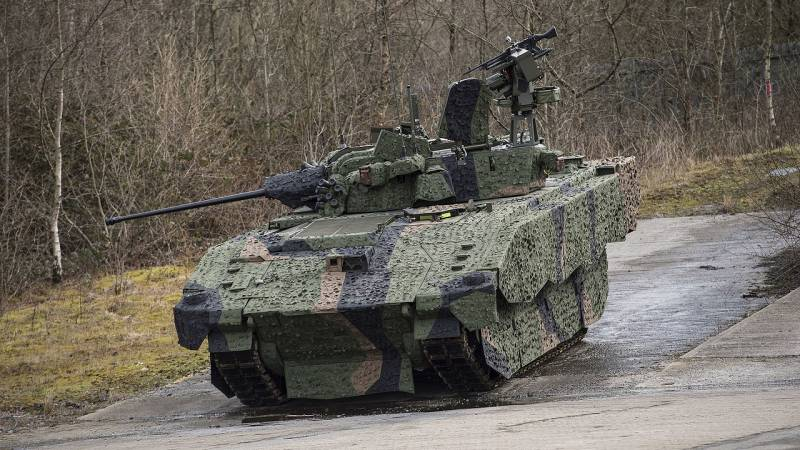
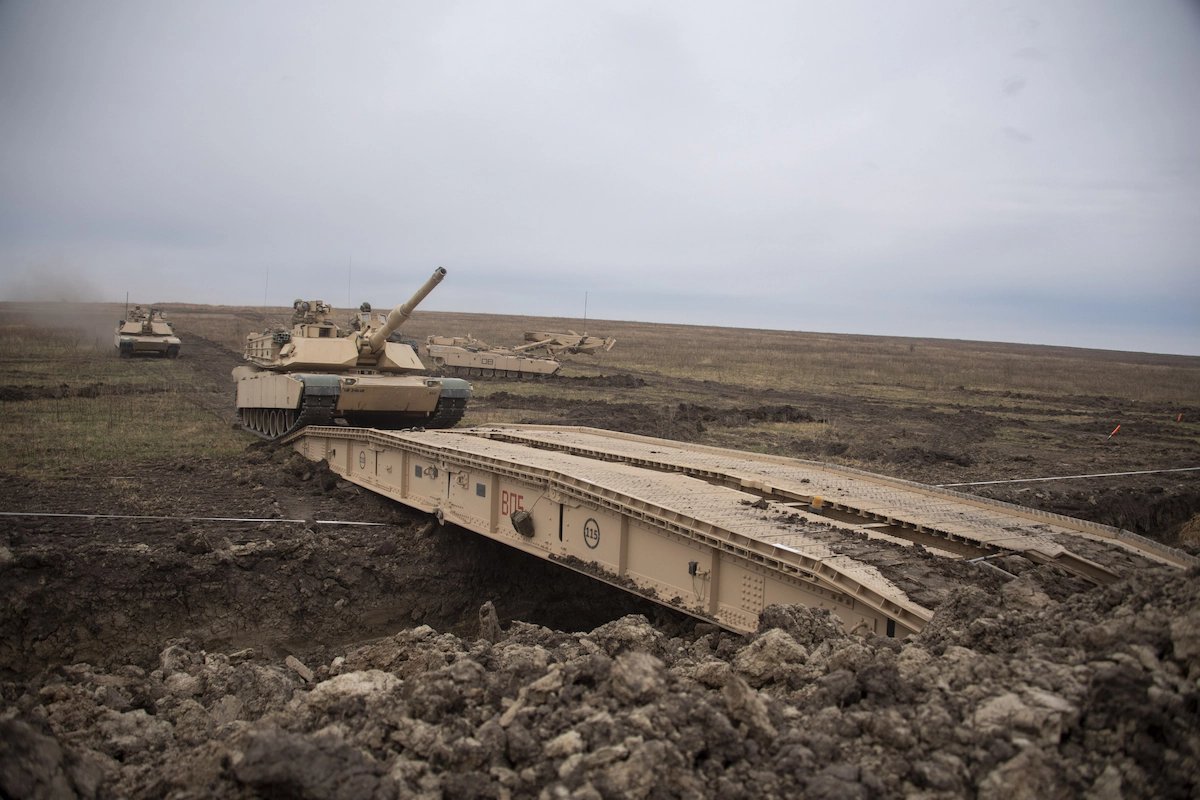
The UK was the birthplace of the tank and though today it has only a single upgrade programme to show for heavy tracked armour, it was the origin of many key technologies and capabilities used by tanks the world over. A🧵of a few highlights of the glory days of British armour R&D


The first practical gas turbine powered vehicle, the FV200 Turbine Test Vehicle, a Conqueror. 'Practical' is a caveat - the Germans actually had the first gas turbine tank, a Jagdtiger in WW2, but it had a problematic habit of setting trees and other nearby objects on fire.


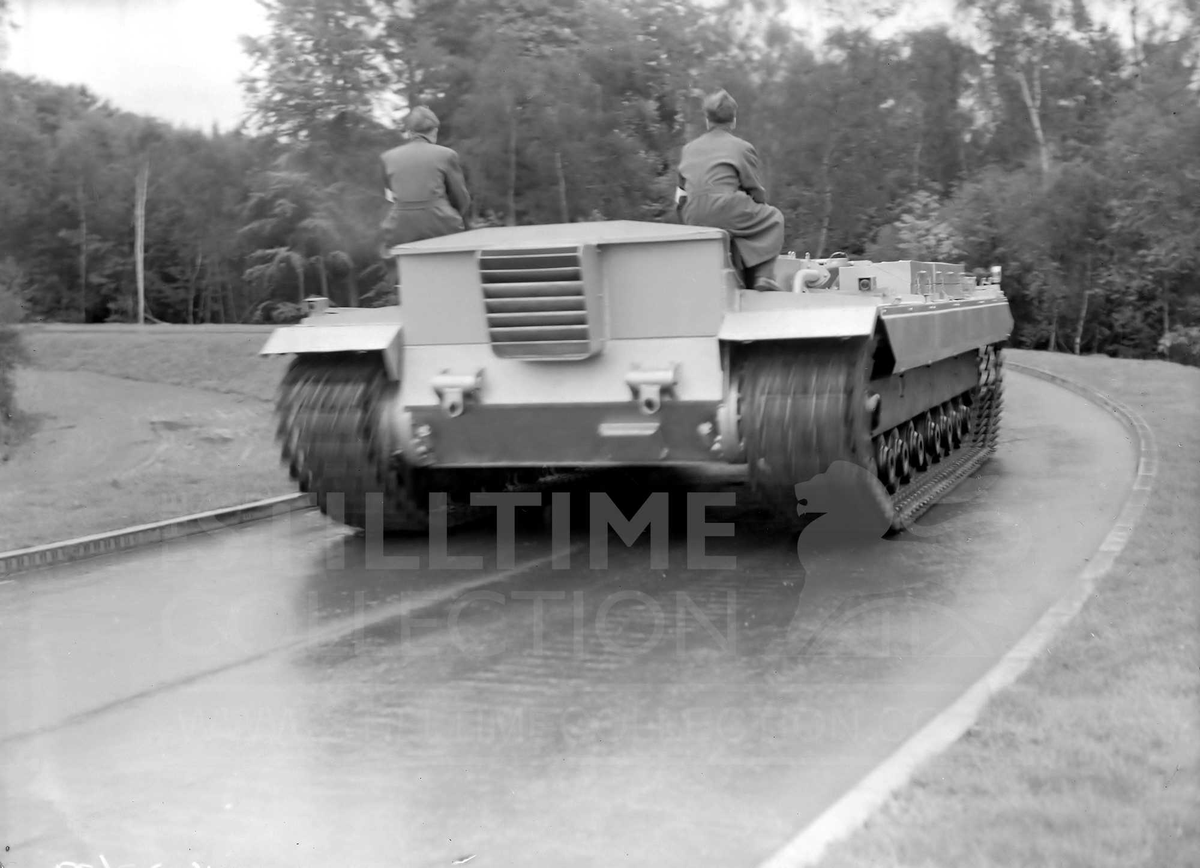

FV4211 (initially the Chieftain Mk5/2), an all-aluminium tank that was the first with composite armour, initially called Burlington but renamed to Chobham, based around the concept of composite materials under permanent compression, laid in a matrix with additional materials...

...including rubber & steel. This led to essentially all modern tank armour today.
Speaking in 1976 when revealing the existence of Chobham, the MoD said ‘It is no exaggeration to say it represents the single most significant development in the design of tanks since World War 2’
Speaking in 1976 when revealing the existence of Chobham, the MoD said ‘It is no exaggeration to say it represents the single most significant development in the design of tanks since World War 2’
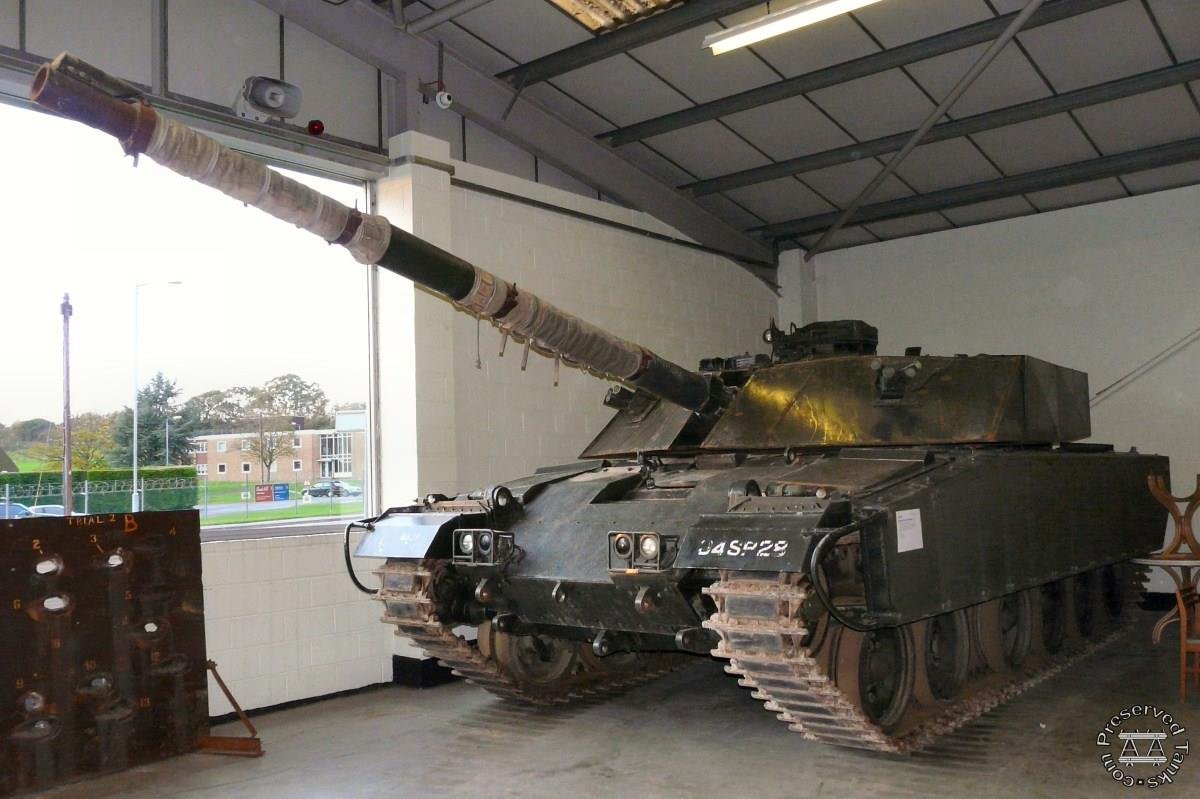
It didnt really take off, but the first stealth tank was a British concept. Designed as a candidate 'future stealthy tank' for the sensor part of a weapon programme trial, the Signature Integration Demonstrator (SID, underneath a Chieftain Mk12). There were attempts at stealth...
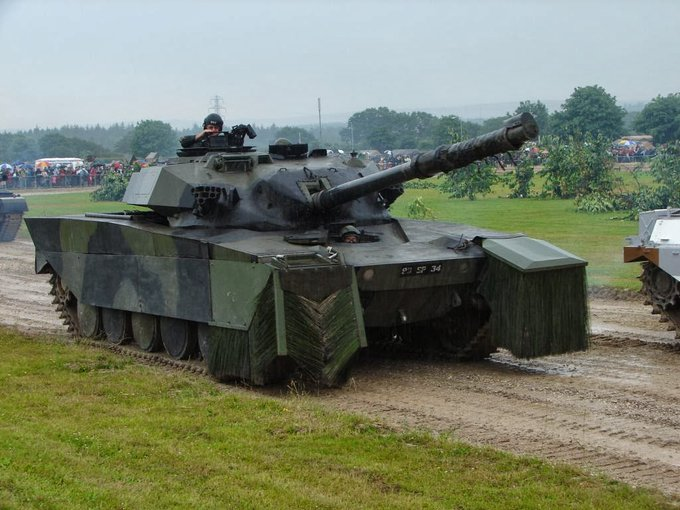
...tanks before this but none were fully functioning tanks and just subsystems testbeds. SID minimised thermal, acoustic and radar signatures at all aspects. It was so successful that sensors trialled against it failed to find it, and caused a programme and requirements reset.

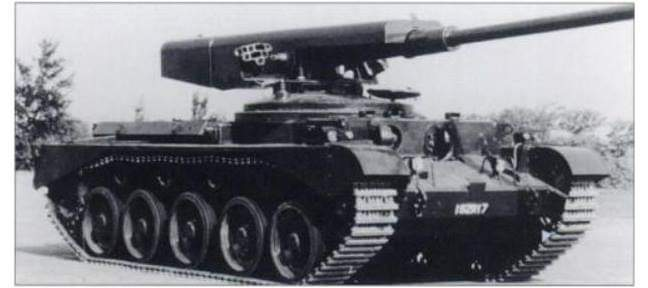
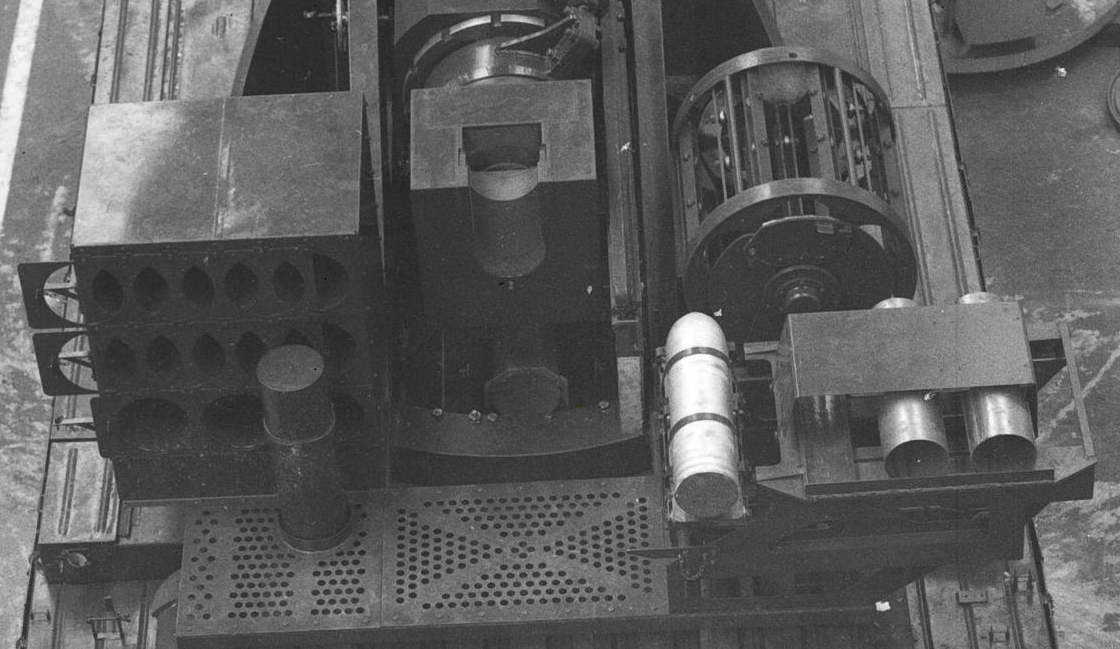
COMRES 75 was the first AFV with fully external autoloaded gun, though some will point at the US T114 with a 3-round 106 mm autoloaded recoilless gun, but it was the first in the vein of an actual tank, a Comet with a autoloaded 20 pdr gun feeding from coaxial tubular magazines
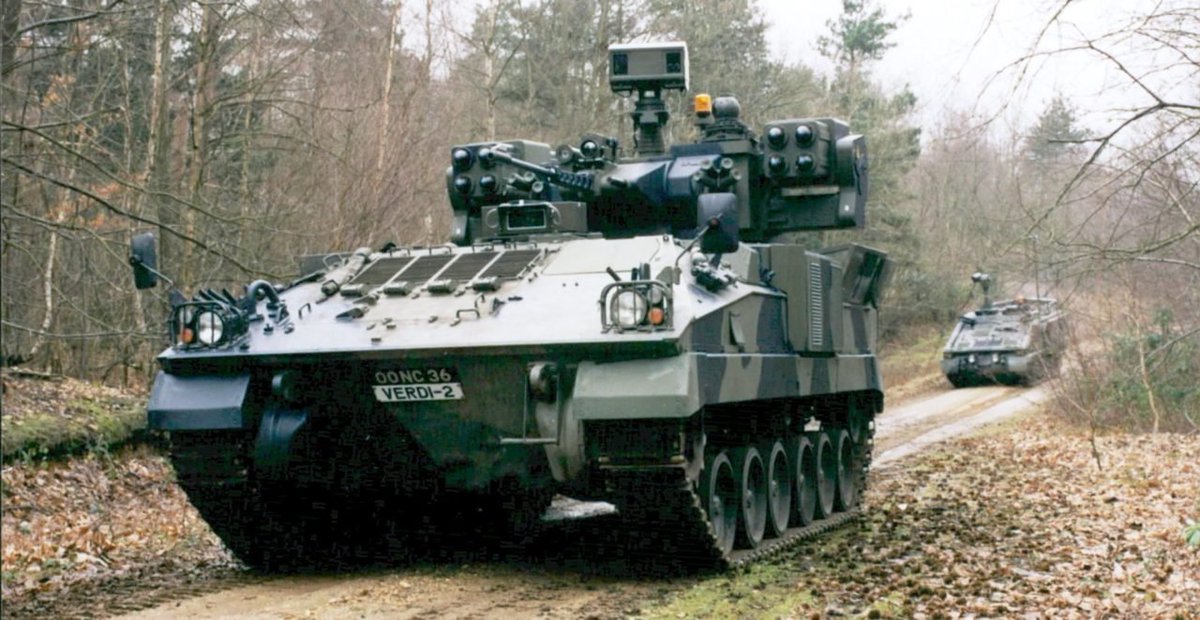
VERDI was the first fully digitised AFV with common interoperable crew stations and remains ridiculously advanced even by todays standards. I did a rushed summary of it recently, the comments have great anecdotes from those that trialled it:
https://x.com/JonHawkes275/status/1793983491258142975
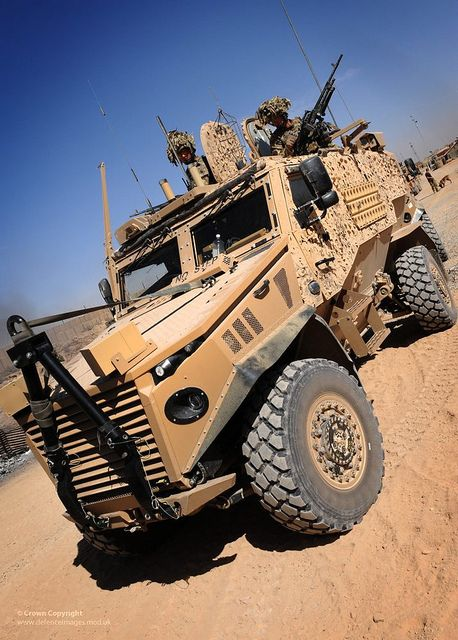
Advanced Composite Armoured Vehicle Platform (ACAVP), or the "plastic tank". Other countries including the US had made substantial composite structures, but ACAVP was the first complete composite armoured vehicle hull. Made in two parts (upper and lower) from the...

...thickest composite cross sections ever manufactured for any application at the time, it used a Warrior IFV running gear and a Fox turret. Though not progressed, the skills and knowledge enabled many contemporary composite work possible, including the Foxhounds crew compartment

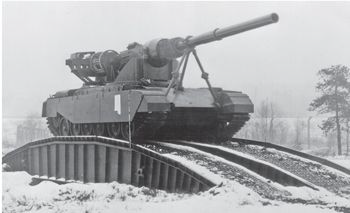
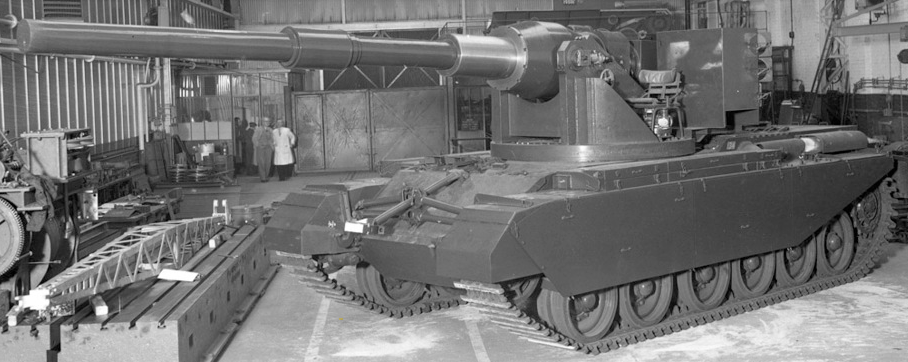
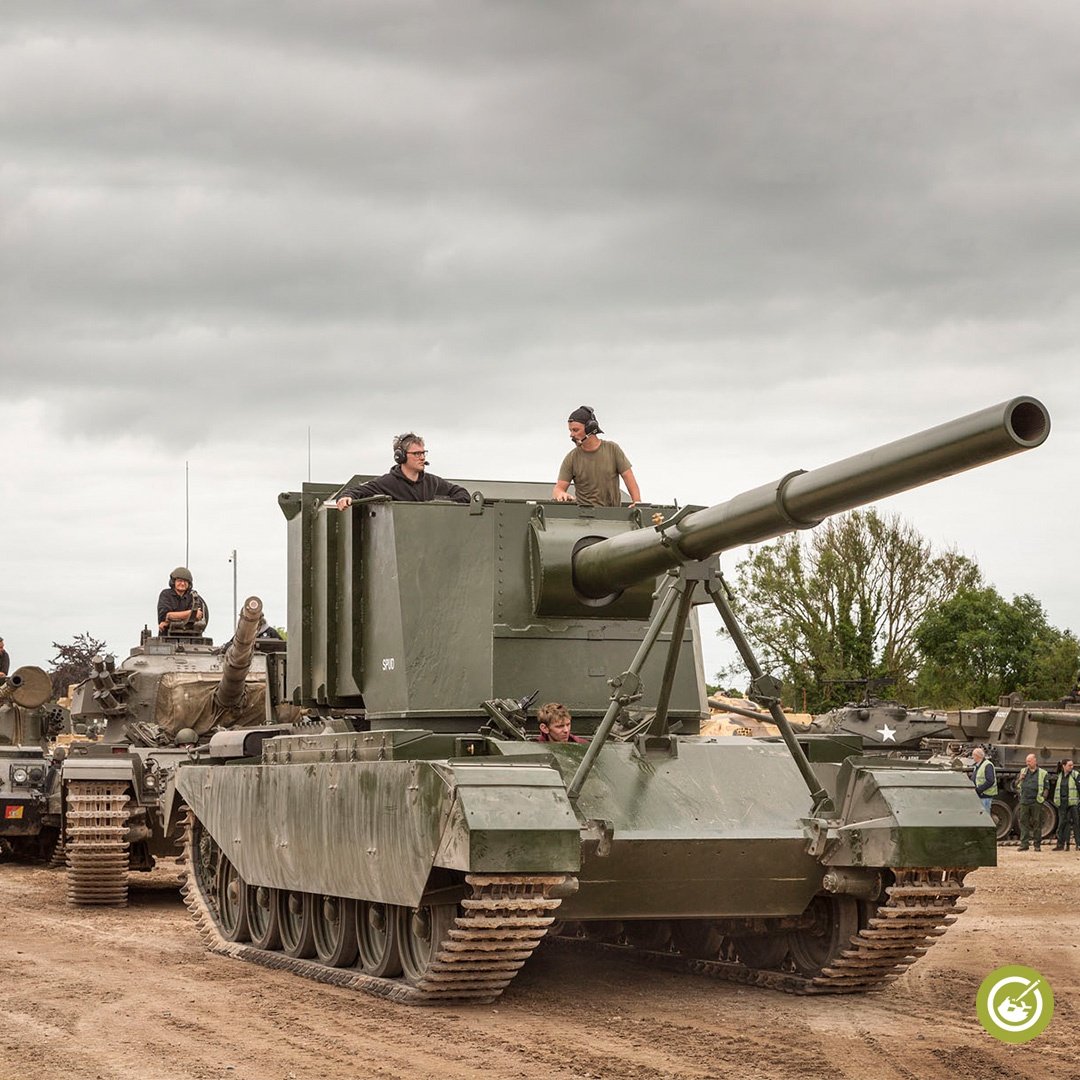
FV4005 remains the vehicle with the largest calibre anti-armour gun ever made, with a monstrous L4 183 mm. The FV4005 Stage 2 'Centaur' prototype has recently been restored and can be seen out and about from time to time at the Tank Museum now.
The great minds at Chertsey and other UK establishments also invented an incredible proportion of the key technologies of modern tanks, a few highlights of those:
Work on electromechanical gun stabilisation started in 1943, and following tests on Centaur the first 2-axis all-electromechanical stab was on a Centurion MkII, first true fire on the move capability and fitted to production tanks from 1948. (this video is Leo 2, but a good demo)
The first Laser Range Finder in a tank was completed on a Chieftain in 1974, the Barr & Stroud LF2 using Ruby lasers, which were admittedly pretty rubbish being large, unreliable, power hungry and with high false reading rates. But the start of a key capability for today's tanks.
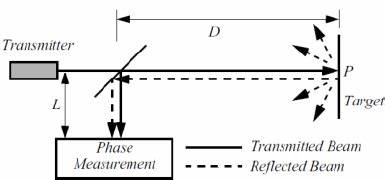
The world's first mobile LRF had previously been built in 1963 at the Chobham establishment, a Q-switched Ruby Laser that 'filled the entirety of a small van' and may or may not have set Chobham Common on fire briefly during trials, though it later was blamed on a stray cigarette
An anecdote I recall from a talk with William Suttie was that in a UK/US meeting about future techs where the US said confidently that LRF may never be possible, but they were confident that a nuclear powered tank would be in trials within 5 yrs. The glorious mindset of the 60s!

The first hunter killer crew working concept (commander finds target and hands off via the systems to the gunner to engage) was implemented on Conqueror using automatic gun laying systems developed on the FV201.
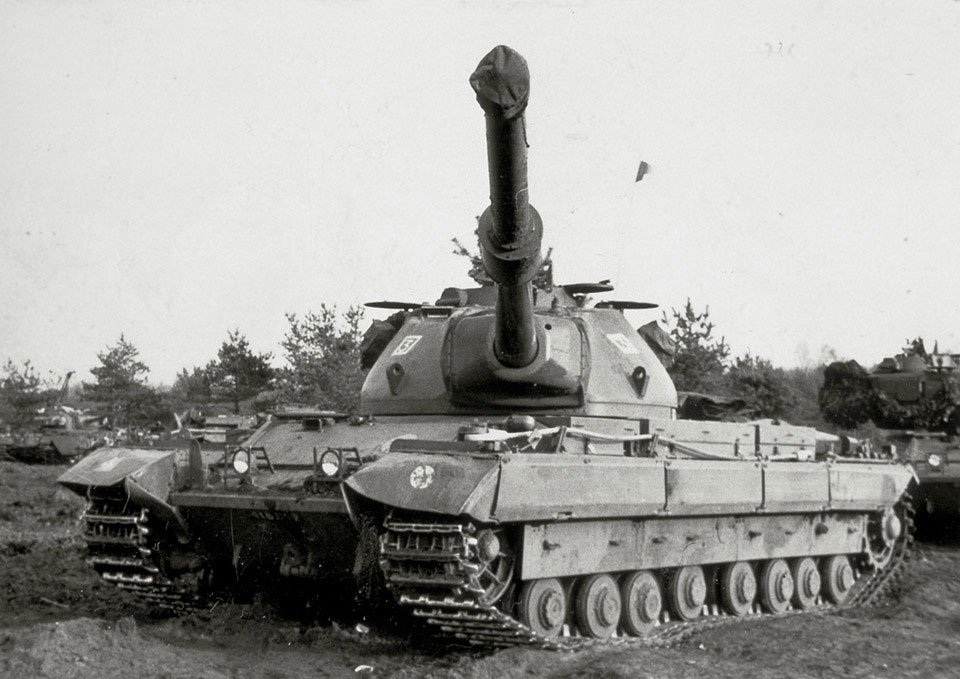
Another achievement was the first fully integrated thermal imaging sight, meaning it was integrated to the FCS. The TICM (Thermal Imager Common Module) based Thermal Observation and Gunnery Sight (TOGS) would go on to be fitted to Chieftain and Challenger 1.

The brains from the gun and fire control team also developed the first panoramic thermal sight with de-rotation optics, the Panoramic Thermal Imager Laser Integrated, or PANTILI, and the first panoramic thermal sight with an integrated CO2 laser.
And a mountain more of first implementations:
- Fume extractor
- Muzzle Boresight (Centurion 1953)
- Muzzle Reference System (Chieftain 1974)
- Digital FCS (Chieftain IFCS 1979)
- Solid state electric gun control (1981)
- Integrated automatic target detection and tracking (1988)
- Fume extractor
- Muzzle Boresight (Centurion 1953)
- Muzzle Reference System (Chieftain 1974)
- Digital FCS (Chieftain IFCS 1979)
- Solid state electric gun control (1981)
- Integrated automatic target detection and tracking (1988)
So, when people say the UK is regaining its tank development and manufacturing capabilities with the CR3 upgrade we can be excited, but also could perhaps ask quite how far back that means, because sure in the 2010s they were building a few AFV here and there, but regaining...
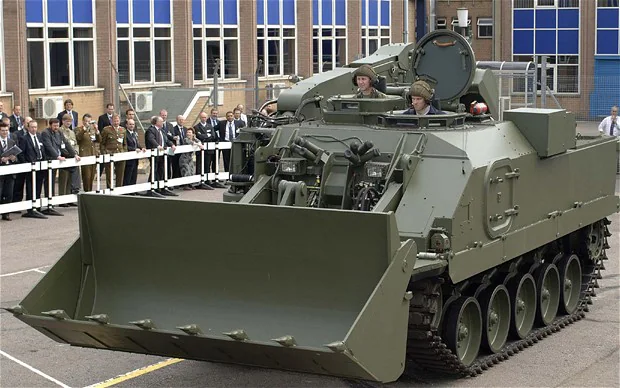

...what has been lost when the establishments were closed down would be something far grander and impactful, and will take a huge commitment and resource. True explorative R&D not tied to a specific vehicle acquisition that drove most of the modern world's AFV technology.
And a note that the majority of the AFV above are now residing at the @TankMuseum in Bovington, which remains one of the best museums of any type out there and well worth a pilgrimage for the AFV oriented people out there.
See if you can spot a few in this photo I took in May.
See if you can spot a few in this photo I took in May.

@tomas_morton ...(sand based maybe iirc?) whereas Burlington was about making discrete packs that were ~50% lighter than steel equivalents, using compressed composite matrices etc. An armour where a filling or void had an impact is a different concept and goes farther back in time - a fair...
@tomas_morton ...few examples in WW2 on both sides.
It may all be semantics, but I think composite as intended here is a different beast to what the Russians were doing on T-64 at that point. There are many who are better at armour than I who I'm sure will correct me though.
It may all be semantics, but I think composite as intended here is a different beast to what the Russians were doing on T-64 at that point. There are many who are better at armour than I who I'm sure will correct me though.
• • •
Missing some Tweet in this thread? You can try to
force a refresh