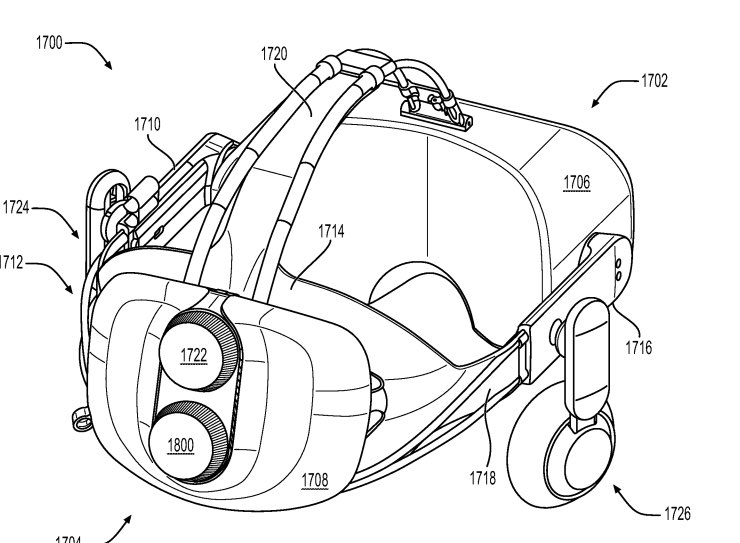
The first time that Valve added linuxARM64 binaries for SteamVR was all the way back in late 2019 after the Index launched
They would scrub these files from future releases after we released the first "Valve Deckard" video that me and my community members put together in 2021 🧵
They would scrub these files from future releases after we released the first "Valve Deckard" video that me and my community members put together in 2021 🧵

Some of the most notable references to "Deckard" were found in the ARM Lighthouse binaries
The reference to deckard_appications.vrmanifest was, and still is, one of the most interesting
As far we know, this new type of vrmanifest file is still not being used by SteamVR
The reference to deckard_appications.vrmanifest was, and still is, one of the most interesting
As far we know, this new type of vrmanifest file is still not being used by SteamVR

The first VRLink driver reference was also found back then. Only including a dll for a single Realtek Device
Was probably for a now-referenced "Steam VRLink Dongle" to make it easier to wirelessly connect Deckard to a PC
They repurposed and launched it on the Meta Quest store
Was probably for a now-referenced "Steam VRLink Dongle" to make it easier to wirelessly connect Deckard to a PC
They repurposed and launched it on the Meta Quest store

Later in 2021, right before the Steam Deck launched:
We got access to a build of SteamOS 3.0 that had logging references to the Deckard hardware
Including "" which would list thermals of a Qualcomm XR2-like SoC deckard.py
We got access to a build of SteamOS 3.0 that had logging references to the Deckard hardware
Including "" which would list thermals of a Qualcomm XR2-like SoC deckard.py

Alongside that SteamOS "", there was also a "" file which logs different stats
We got another look at the Valve Deckard project using LinuxARM64 binaries in this file Deckard.py
SteamVR.py
We got another look at the Valve Deckard project using LinuxARM64 binaries in this file Deckard.py
SteamVR.py

Around then, I started hearing whispers that Valve was funding the FEX project. Which is an x86(-64) to ARM emulator on Linux
And they were testing running SteamVR titles in early demoes of that work
I had trouble believing this. I often got false info from trolls back then
And they were testing running SteamVR titles in early demoes of that work
I had trouble believing this. I often got false info from trolls back then
FEX is one of the important tools listed in the new ARM Proton leak from last Friday
If you have a good enough device, combining it with an ARM Build of Proton would allow x86(-64) Windows apps to run on LinuxARM64 systems
If you have a good enough device, combining it with an ARM Build of Proton would allow x86(-64) Windows apps to run on LinuxARM64 systems

Speaking of the ProtonARM leaks: Many people are missing something important as they re-report the pure basics of what they found on @SteamDB
Earlier this year, we caught wind a new branch of Steam Apps that were tied to SteamVR
I wrote an article here:
Earlier this year, we caught wind a new branch of Steam Apps that were tied to SteamVR
I wrote an article here:
https://x.com/SadlyItsBradley/status/1806471231656296815
What is missed by the overall tech media: this "ValveTestApp" list of both regular and VR games being emulated to (linux)ARM64 is also a sub-App of the branch I just mentioned
And is listed alongside a few androidARM VR-only apps that stick out like a sore thumb
And is listed alongside a few androidARM VR-only apps that stick out like a sore thumb

Valve is seemingly ensuring that developers who would want to easily port over titles from androidARM HMDs such as Meta Quest, ByteDance Pico, and... (well thats pretty much it) are able to do so
Valve recommends VR Apps to be built on OpenXR
WayDroid + OpenXR = Easier Porting
Valve recommends VR Apps to be built on OpenXR
WayDroid + OpenXR = Easier Porting
I should also note that any work being done here would also allow Valve to make/support other LinuxARM devices
I see a focus on pointing out the 2D titles as proof against any VR Headset
But signs point to Valve ensuring any AR/VR product they launch, supports ALL their library
I see a focus on pointing out the 2D titles as proof against any VR Headset
But signs point to Valve ensuring any AR/VR product they launch, supports ALL their library
One of the stats/logging modules in the earlier SteamOS Deckard leaks told us they plan to use their Gamescope compositor on Deckard
We have been following all the publicly available changes/commits to Gamescope due to this. Many of these changes are focused on VR Overlays
We have been following all the publicly available changes/commits to Gamescope due to this. Many of these changes are focused on VR Overlays

Similar to what Apple calls Spatial Computing, SteamVR on PC had a pretty great handle on this concept for a while
The idea of manipulating 2D/3D panels across your VR/AR space isn't novel
I believe Valve wants to implement these concepts for Gaming
The idea of manipulating 2D/3D panels across your VR/AR space isn't novel
I believe Valve wants to implement these concepts for Gaming
https://x.com/SadlyItsBradley/status/1741565122416439746
Valve rebuilt their Theater Mode for VR to run as an overlay instead of an entirely different app
Something I find interesting: it has a recently added Stereo 3D function in the backend.. which is pointless for the majority of the Steam Library right now
Something I find interesting: it has a recently added Stereo 3D function in the backend.. which is pointless for the majority of the Steam Library right now
https://x.com/SadlyItsBradley/status/1780340673440358751
Anyway. I think that's good for now
I wanted to write this up because I missed an opportunity to predict the ARM leak in article-form months ago. And wanted to ensure that people see the leak in the same light as I do
I didn't publish it because I lacked the confidence to go through with it
Going back to my community's early datamines made me quite sad. Me and my friends spent many hours since 3 YEARS AGO trying to figure out the mysteries of Deckard
We were all fueled by the hopes/copes that it would come out sooner. But something like this takes a lot of (Valve) time, if it happens. Many of us have PTSD from misinterpreting previous datamines that would end up becoming Steam Deck, Deck OLED, and Steam Link for Meta Quest
Some of us have even stopped believing that Valve would release a VR headset at all. The latest leak from Friday gave me a boost of confidence. I still believe they will
I wanted to write this up because I missed an opportunity to predict the ARM leak in article-form months ago. And wanted to ensure that people see the leak in the same light as I do
I didn't publish it because I lacked the confidence to go through with it
Going back to my community's early datamines made me quite sad. Me and my friends spent many hours since 3 YEARS AGO trying to figure out the mysteries of Deckard
We were all fueled by the hopes/copes that it would come out sooner. But something like this takes a lot of (Valve) time, if it happens. Many of us have PTSD from misinterpreting previous datamines that would end up becoming Steam Deck, Deck OLED, and Steam Link for Meta Quest
Some of us have even stopped believing that Valve would release a VR headset at all. The latest leak from Friday gave me a boost of confidence. I still believe they will
• • •
Missing some Tweet in this thread? You can try to
force a refresh