
Let's continue the threads about Finland's preparation for the threat of war and crisis situations.
Next part is the Finnish nationwide civil defence system 🧵
Next part is the Finnish nationwide civil defence system 🧵

In early 2022, Finland had about 50 500 civil defence shelters with space for a total of 4,8 million people.
Civil defence shelters provide protection against, for example explosions and shrapnel, collapsing buildings, blast waves as well as radiation and hazardous substances.
Civil defence shelters provide protection against, for example explosions and shrapnel, collapsing buildings, blast waves as well as radiation and hazardous substances.

Civil defence shelters can be found in areas with a large number of people and large buildings, mainly in cities and population centres.
Most of the civil defence shelters are property-specific civil defence shelters.
Most of the civil defence shelters are property-specific civil defence shelters.
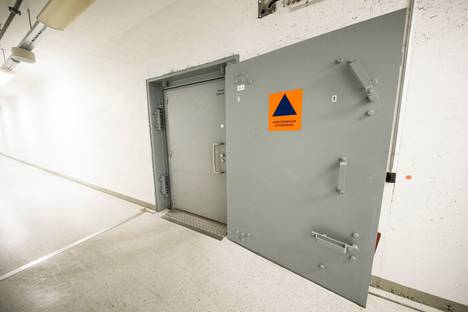
Public civil defence shelters have been built in large cities to complement the need for civil defence shelters and to protect people on the move.
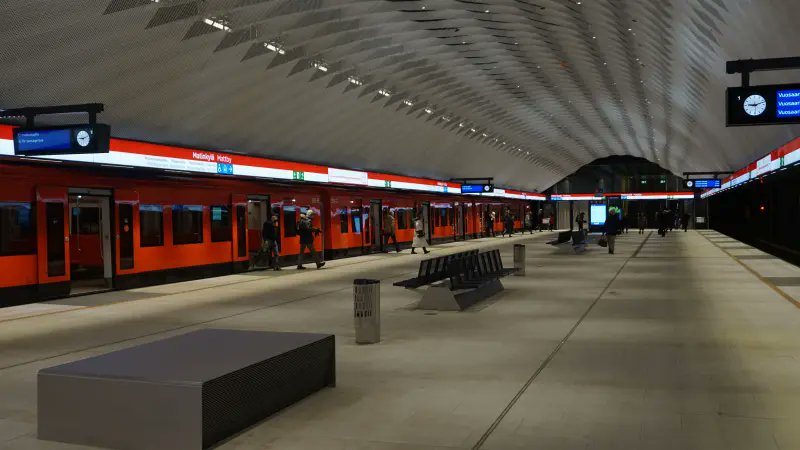
Metro stations for example, are designed to work as an emergency shelters.
Metro stations for example, are designed to work as an emergency shelters.
There are usually no civil defence shelters in sparsely populated areas, rural areas and residential areas with single-family homes.
In these areas, the authorities evacuate the population to a shelter in the vicinity of the area.
In these areas, the authorities evacuate the population to a shelter in the vicinity of the area.
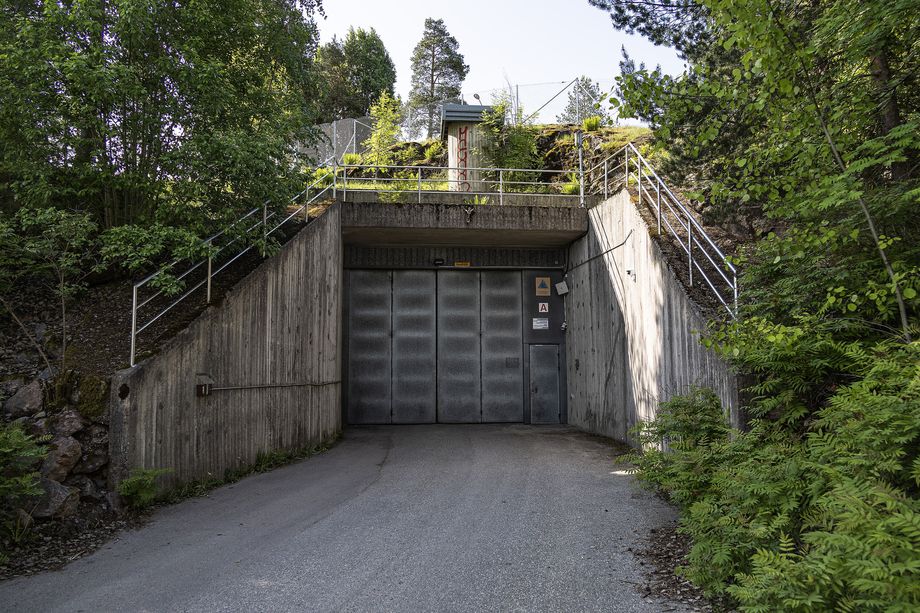
All civil defence shelters must be kept in such a condition that they can be made ready for use within 72 hours.
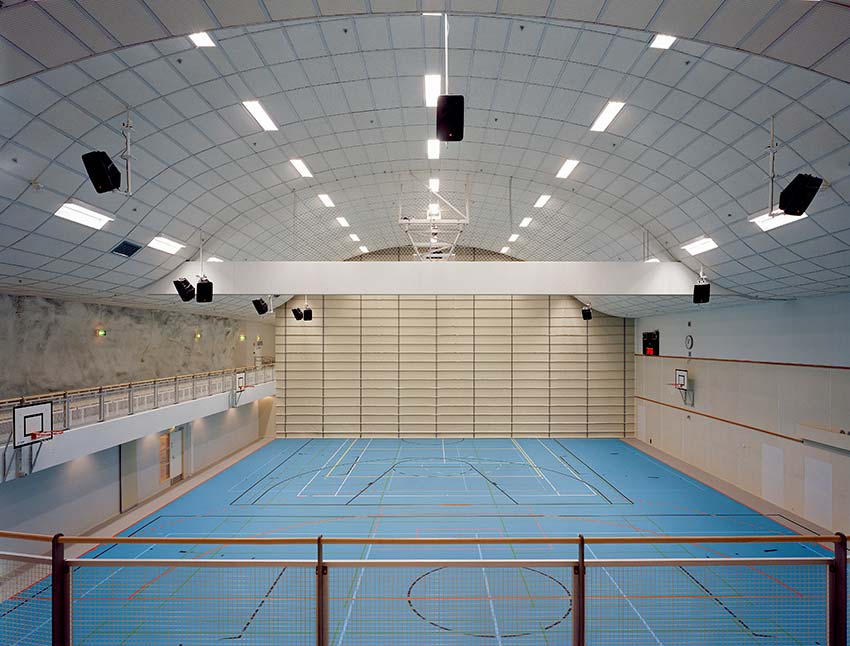
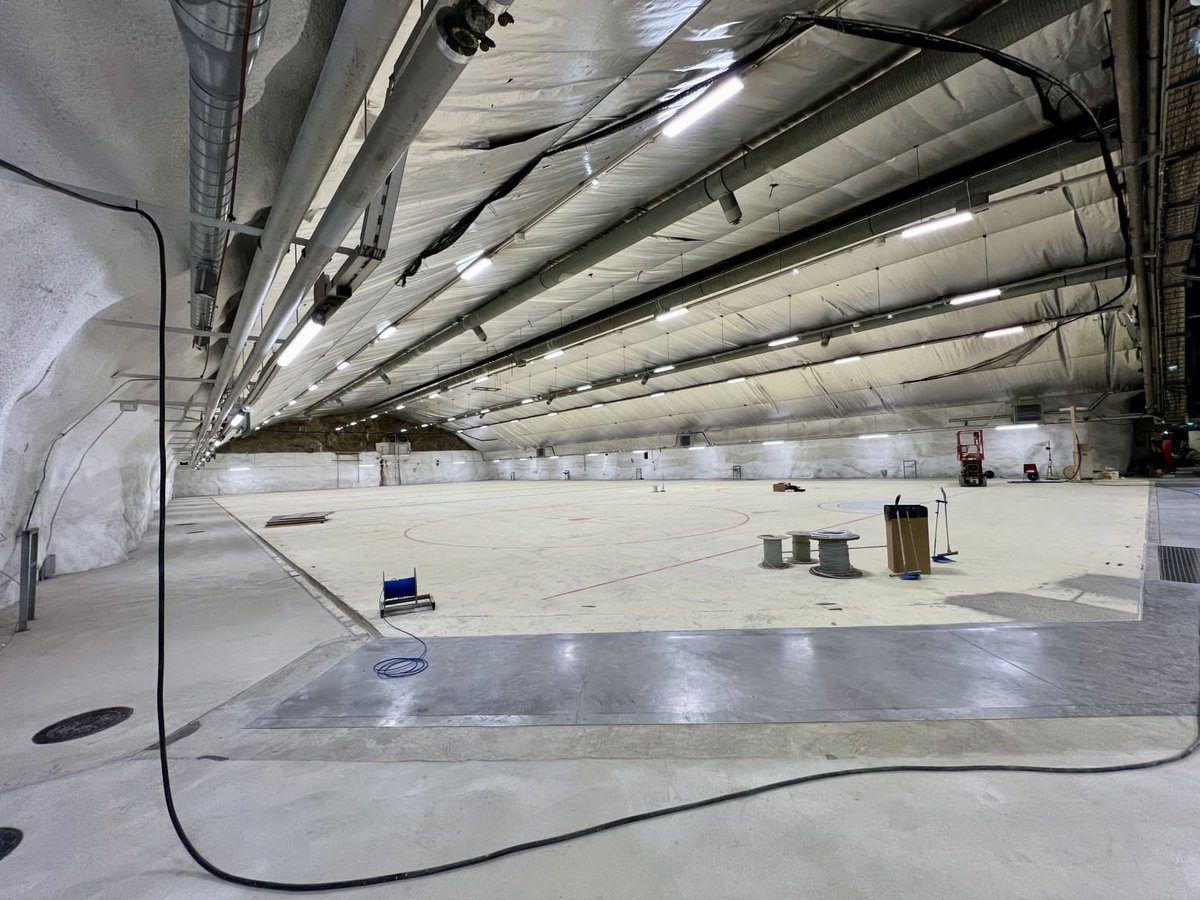
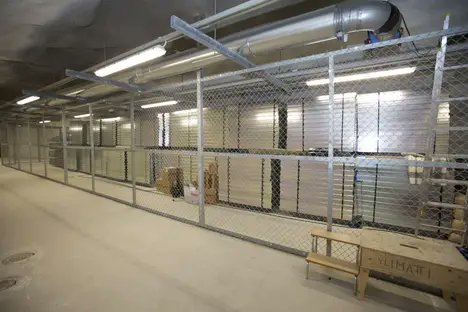
In normal conditions, civil defence shelters are usually used as recreational facilities or storage spaces, for example.
In normal conditions, civil defence shelters are usually used as recreational facilities or storage spaces, for example.
The equipment in the civil defence shelter in private buildings must be inspected and serviced at least every 10 years.
An inspection record must be kept of the inspection and service measures, and the record must be presented to the rescue authorities upon request.
An inspection record must be kept of the inspection and service measures, and the record must be presented to the rescue authorities upon request.
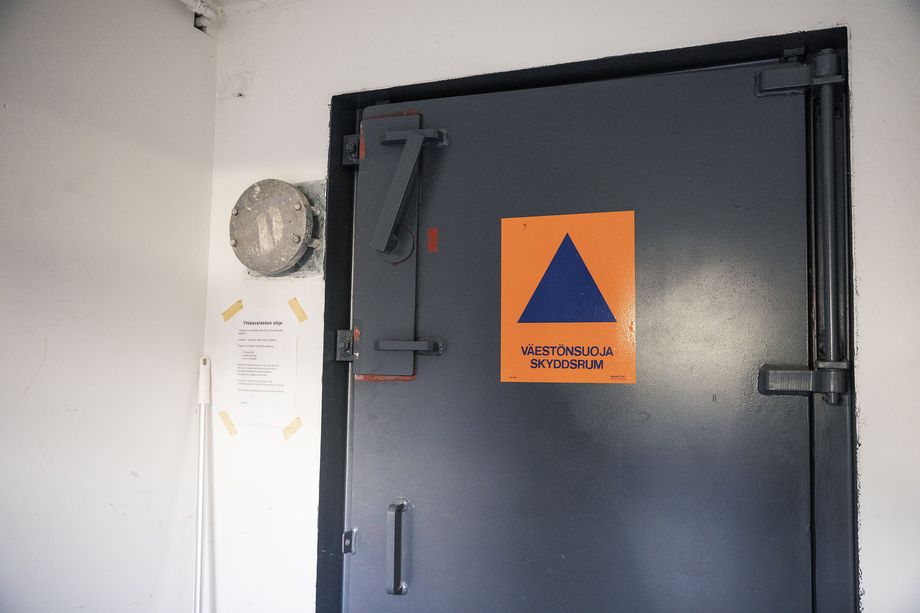
Under the Rescue Act, a civil defence shelter must be built when the floor area of the building exceeds 1,200 square metres and the building is used as a permanent dwelling or workplace or is otherwise permanently occupied.
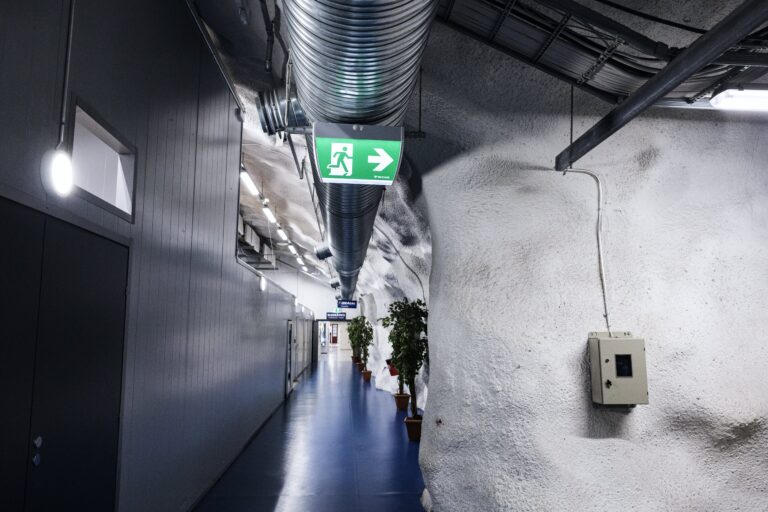
There are approximately 5,500 civil defence shelters in Helsinki alone, with approximately 900,000 places.
Number of shelters and places in the city is sufficient to cover the need for shelter not only of permanent residents, but also of people visiting the city.
Number of shelters and places in the city is sufficient to cover the need for shelter not only of permanent residents, but also of people visiting the city.

The bedrock shelters in cities are public civil defence shelters, shared civil defence shelters or a combination thereof.
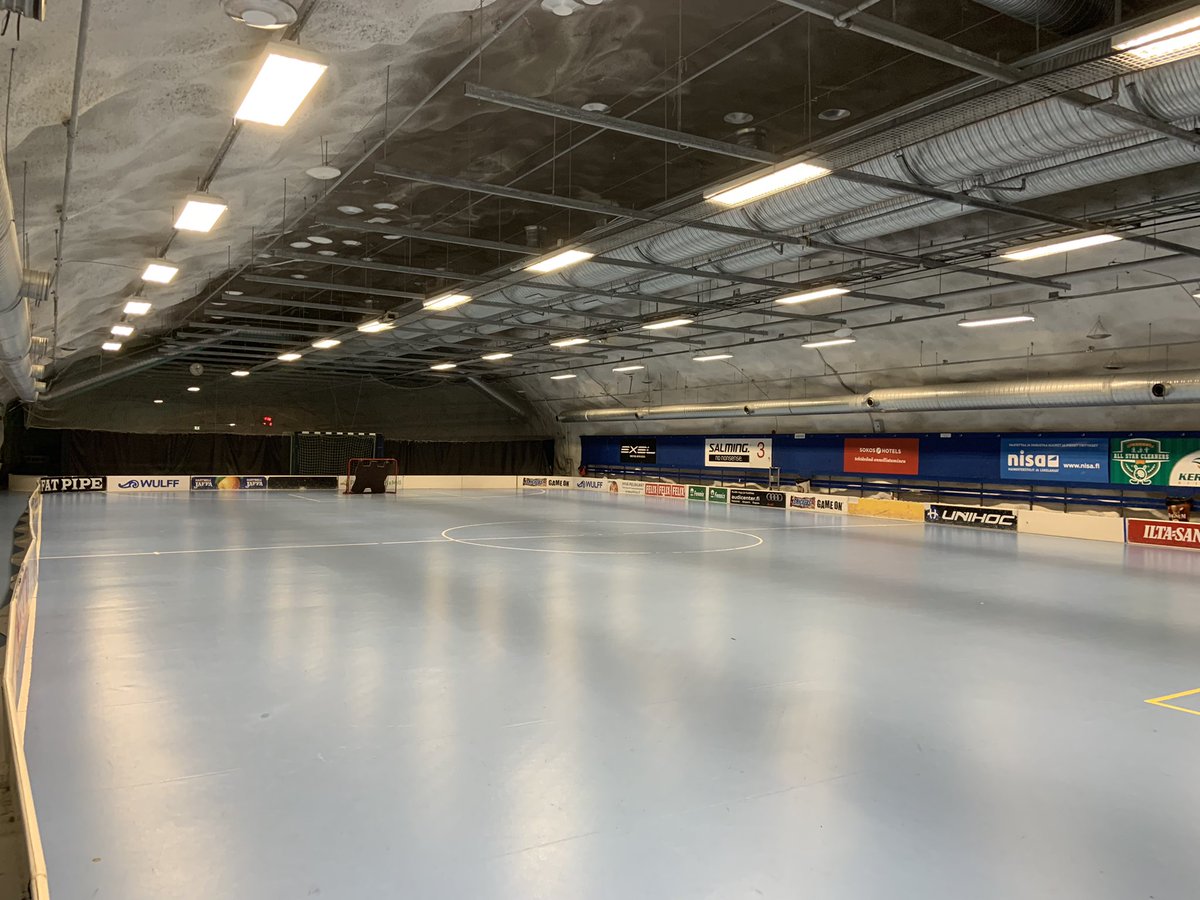
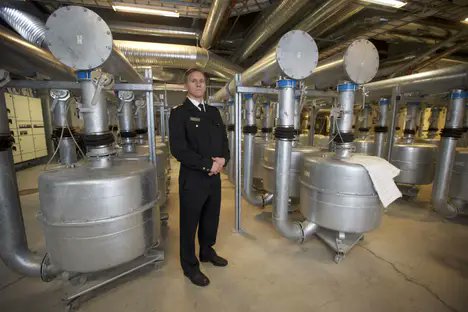
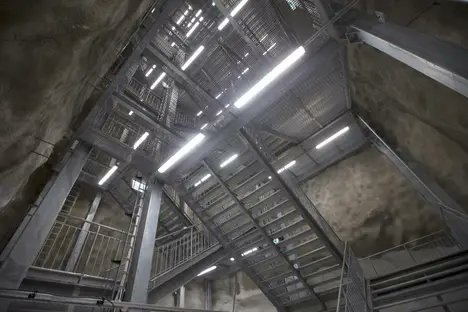
Ministry of Interior maintains hard shelters, capable of accommodating 3.6 million persons, in cities & in other densely populated areas where two-thirds of the country's population live. They are built to withstand the direct hit of a 100-kilotonne-of-TNT (420 TJ) nuclear bomb.
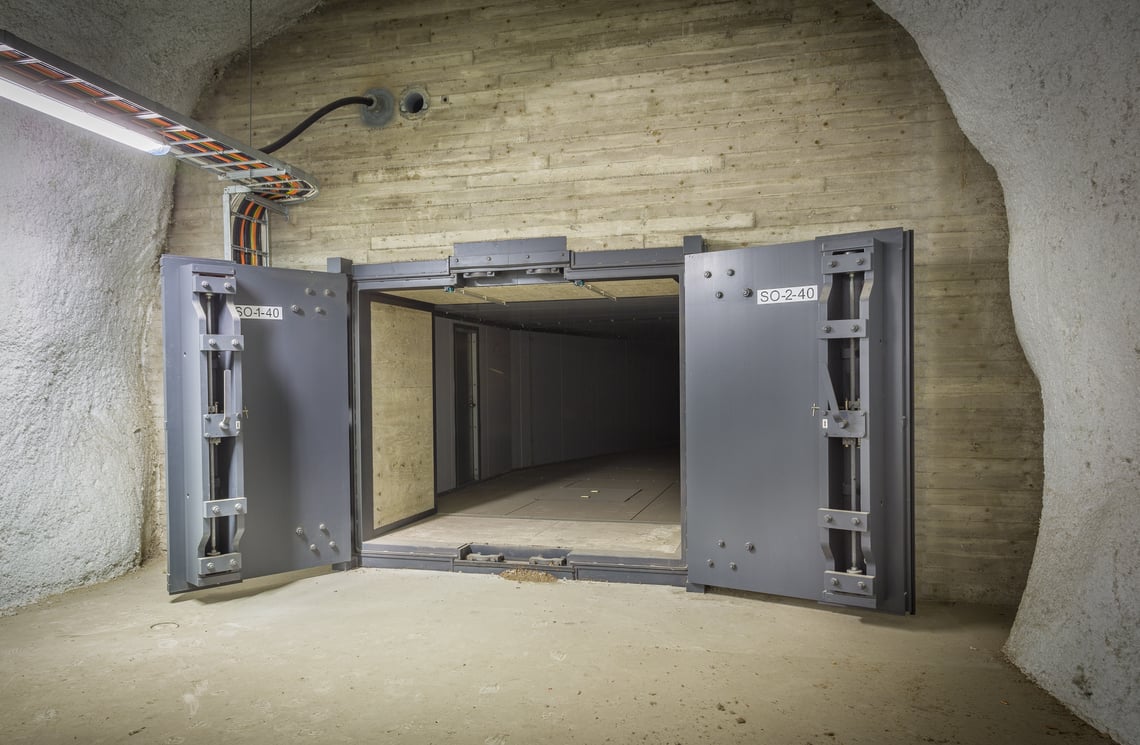
These "armageddon" bunkers have everything needed to sustain life for at least months, so people can survive the immediate aftermath of an nuclear war.
Let's hope that these shelters will remain recreational centers.
But if the time comes, Finland, as usual, is prepared.
But if the time comes, Finland, as usual, is prepared.

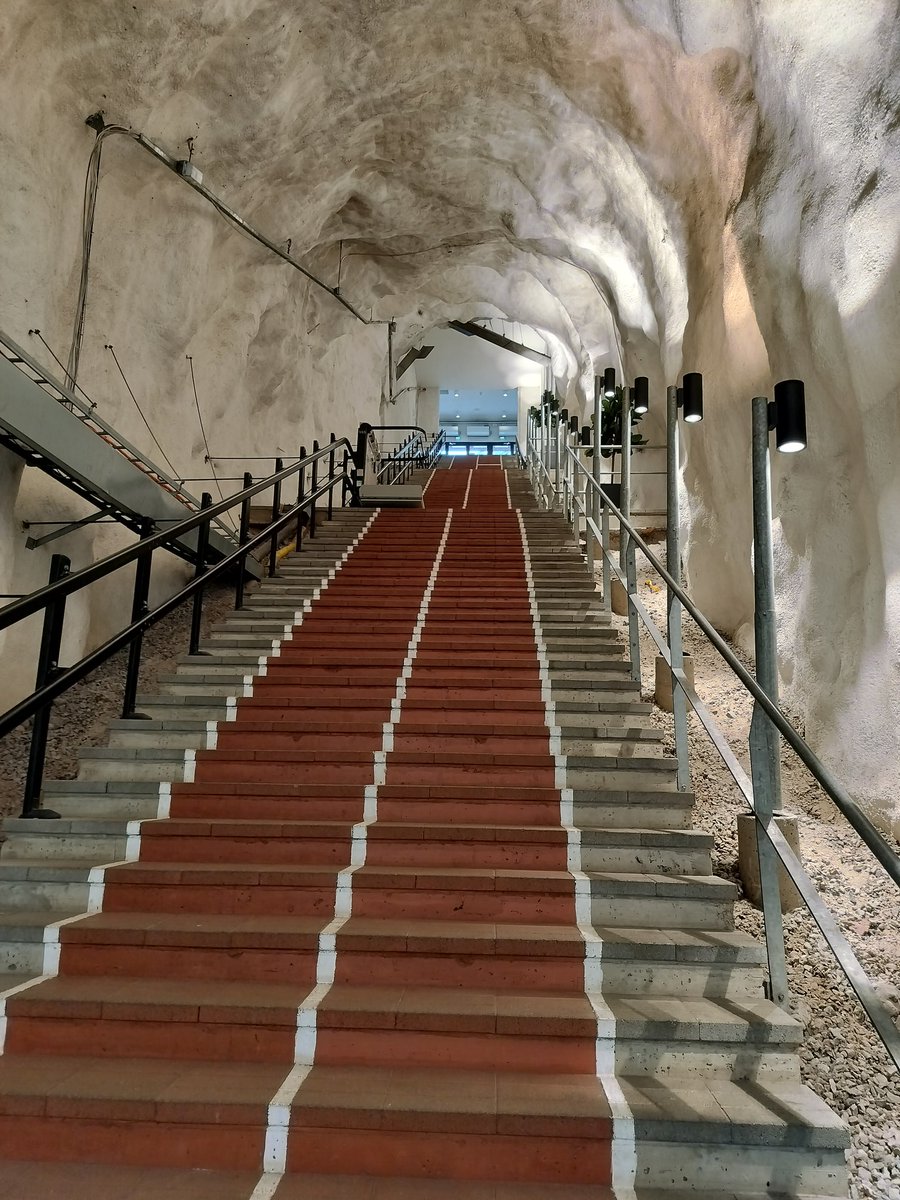
Päijänne water tunnel
https://x.com/TallbarFIN/status/1844711559605420236?t=mpHZKHM6SO0mpw-4DK0TuQ&s=19
• • •
Missing some Tweet in this thread? You can try to
force a refresh






