CBS News: Hungary’s Viktor Orbán seized control of universities rewrote the Constitution and neutered the courts. Is that what you're advocating for in the US?
JD Vance: I think Orbán made smart decisions that we could learn from in the US. (June 2024)
Rabidly anti-American.
If you’re not following us, please do. We would appreciate it. Thank you.
• • •
Missing some Tweet in this thread? You can try to
force a refresh

The Ghosts of American Racism: How Trump’s Presidency Rekindled Division and Authoritarianism
🧵1/5: Charlottesville wasn’t just a violent outburst—it was a harbinger.
The flames of 2017 lit up more than just torches; they illuminated a chilling resurgence of white supremacy, casting long shadows over the very foundation of American democracy.
The embers of America’s racist past never died.
They smoldered beneath the surface for generations, unseen but always present, waiting for a gust of wind or a deliberate hand to fan them into flame. Charlottesville marked one such moment.
As white nationalists marched with torches held high, chanting “blood and soil,” the ghosts of America’s racist past rose again, drawn to the silence of the nation’s highest office. From that silence, the old fire reignited, and the embers that had long smoldered beneath the surface burst into open flames.
Trump’s refusal to condemn these marchers was not an isolated moral failure—it was a strategic decision, the latest in a long line of political calculations designed to tap into America’s buried racial grievances. In an era where America prided itself on the progress of civil rights, Trump represented a shocking regression.
He didn’t merely allow the fire to spread—he stoked it, feeding off the flames of division and resentment that had been smoldering since the nation’s founding.
Trump became not just a racist president but the most racially divisive leader relative to his time in American history, actively working to raise the dead of America’s darkest chapters.
Raising Ghosts: Nixon’s Strategy and Trump’s Resurrection of Racial Division
2/5: The fire Trump reignited wasn’t new—it was the same fire that Nixon had tended with his Southern Strategy. In the aftermath of the civil rights movement, Nixon saw an opportunity to capitalize on the fears and frustrations of white Southern voters who felt alienated by the Democratic Party’s embrace of racial equality.
But Nixon’s strategy, guided by advisers like Lee Atwater, relied on coded language—what Atwater himself described as “abstract” racism in a 1981 interview with Harper’s Magazine.
Terms like “states’ rights” and “limited government” replaced the explicit racial slurs of earlier decades, giving white resentment a veneer of respectability.
As Atwater famously explained in that Harper’s article, the key was to be subtle:
“You start out in 1954 by saying, ‘n*****, n*****, n*****.’ By 1968, you can’t say ‘n*****’—that hurts you. So you say stuff like ‘forced busing,’ ‘states’ rights,’ and all that stuff.
You’re getting so abstract now [that] you’re talking about cutting taxes, and all these things you’re talking about are totally economic things, and a byproduct of them is [that] blacks get hurt worse than whites.”
Nixon’s War on Drugs, ostensibly framed as a crackdown on crime, was, in reality, a calculated political effort to target and destabilize Black communities and anti-war activists.
This strategy was candidly revealed by Nixon’s domestic policy chief, John Ehrlichman, in an interview from the early 1990s.
Ehrlichman admitted that by associating drugs with these groups, the administration could vilify them publicly and justify their mass arrests, effectively disrupting their political power. This admission was later published in Harper’s Magazine in 2016, shedding light on the ulterior motives behind the War on Drugs.
Reagan picked up where Nixon left off, feeding the same embers of racial division under the guise of law and order. Each administration added fuel to the flames, carefully maintaining a fire that never truly died, though hidden beneath coded language and political abstraction.
Then came Trump, who discarded the subtlety of his predecessors and openly fanned the flames that they had kept smoldering.
Trump’s approach, however, was different. He didn’t bother with Atwater’s abstractions. Where past Republican leaders had used dog whistles, Trump grabbed a megaphone.
His birther conspiracy—the baseless, racist claim that President Obama wasn’t born in the United States—was one of the most blatant attempts to stoke the embers of racial animus in modern political history. And it worked.
The birther movement morphed into the Tea Party, which cloaked its racial anxieties in the language of “limited government” and “personal liberty,” but these terms, as Atwater admitted, were thinly veiled code for the same fears that Nixon and Reagan had exploited.
The Tea Party pretended to be about limited government, but its true fuel was racial resentment. Ironically, many of its members would later depend on the Affordable Care Act (ACA) for healthcare—a system they had once fiercely opposed.
The ACA provided significant benefits to many lower-income and middle-class Americans, overlapping with the demographic that had supported the Tea Party, as discussed in Politico in 2017. Even as they protested against “government takeover,” many would come to rely on Medicaid expansion or marketplace subsidies to access affordable healthcare.
The flames grew higher as the Tea Party railed against the ACA, branding it as a government takeover that would lead to “death panels.” These claims had nothing to do with small government—they were demagoguery, designed to stoke the embers of fear and mistrust. Many of the very people protesting the ACA would later rely on it for health care, but that didn’t matter.
3/5: Charlottesville wasn’t merely a flare-up of racial animus—it was the moment when America saw the fire for what it was.
The torches held aloft by white nationalists weren’t just symbols of hate; they were emblems of a larger political strategy, one that had been carefully cultivated over decades.
Trump’s infamous remark that there were “very fine people on both sides” wasn’t just an act of equivocation—it was a signal to his supporters that the ghosts of America’s racist past were welcome in his America.
Trump’s presidency fanned those flames at a time when they should have been dying out. His decision to breathe new life into racial animus sets him apart from figures like Andrew Jackson, whose racism, however reprehensible, reflected the brutal norms of his time.
Trump’s presidency, however, comes at a moment when American institutions—media, education, and even the judiciary—have been complicit in creating the illusion of post-racial progress.
Yet, the very structure of these institutions, with deep roots in white supremacy, allowed Trump’s brand of racial division to flourish under the guise of free speech and political correctness gone too far. The fire, it seems, had never truly been extinguished—only hidden beneath layers of cultural myth-making.
The Authoritarian Flame
Authoritarianism, like racism, has always burned beneath the surface of American history, its flames fed by the lives of the vulnerable and the marginalized.
From the forced labor of enslaved people to the mass incarceration of Black men in the 21st century, this fire has consumed lives while enriching those in power.
Under Trump, this authoritarian flame has found new fuel—fueled by xenophobia, fear of immigrants, and a growing disdain for dissent. And it is the same communities, already scarred by history, who now find themselves in the line of fire once again.
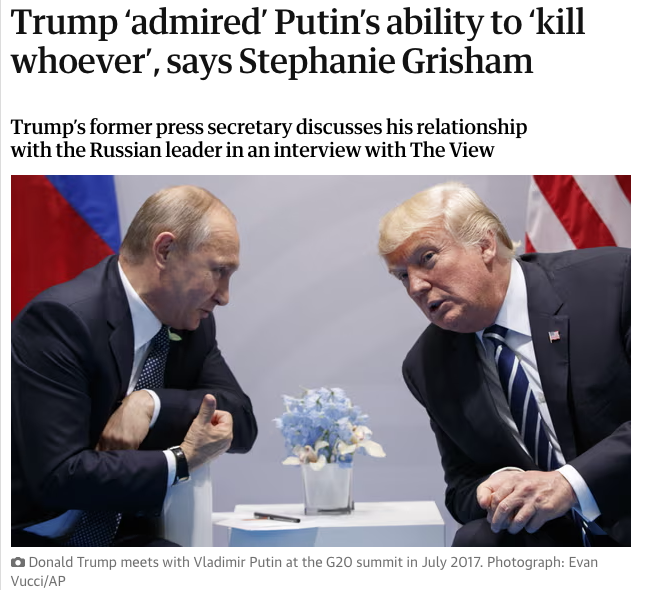
His administration’s aggressive immigration policies, which included family separations and mass deportations, were designed not only to punish but to divide. Trump, in his admiration for authoritarian leaders like Vladimir Putin and Xi Jinping, made no secret of his desire for similar power—the power to silence dissent, to crush opposition, to fan the flames of fear.
Trump expressed envy for these leaders’ ability to keep their nations under control, and in his own presidency, he sought to bring that authoritarian fire to American soil.
When Trump’s lawyers were questioned in court about whether he had considered using SEAL Team 6 to eliminate political opponents, the hypothetical, though unproven, aligned with Trump’s clear admiration for violent repression.
His willingness to see violence as a solution became unmistakable during the 2020 protests, when he reportedly asked if the military could shoot protesters. In these moments, the authoritarian flame blazed bright, revealing the extent of Trump’s willingness to burn down democratic norms to maintain control. theintellectualist.com/trump-presiden…
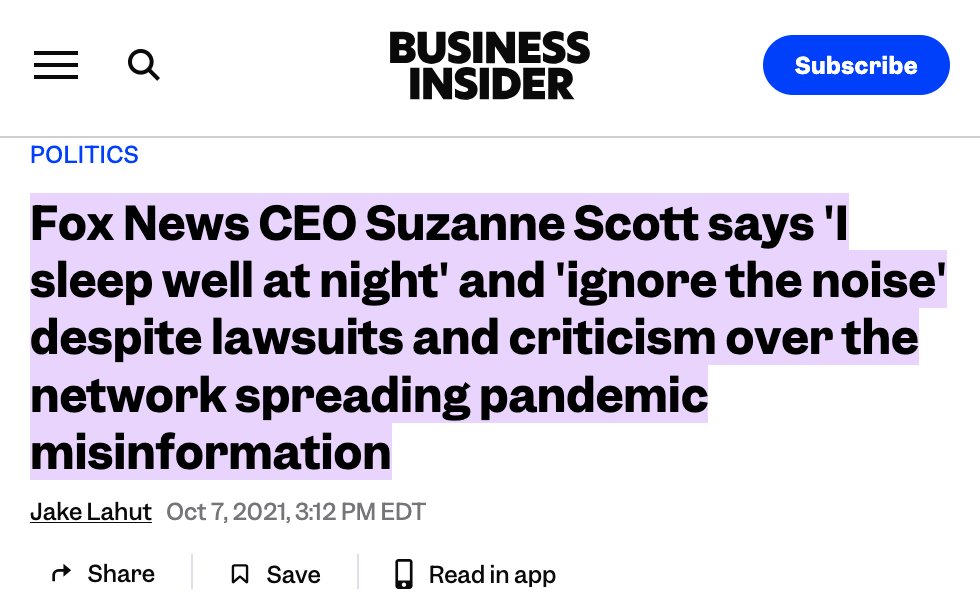
The Lies That Killed: How Fox News and Right-Wing Leaders Betrayed America During the Pandemic
🧵1/7: They trusted their television screens more than they trusted their doctors. In the end, it was the disembodied voices of broadcasters—not medical experts—that influenced the choices of life or death for many.
In the spring of 2020, when the world fell into an eerie hush and nations shuttered their doors against an invisible enemy, another contagion, far more insidious, crept into American homes. It wasn’t airborne in the traditional sense.
Instead, it traveled through the cables of television sets, radiated from radio waves, and surged through digital platforms. Its source was not a virus but an industry fueled by profit, politics, and the manipulation of public fear. At its helm was Fox News.
The COVID-19 pandemic, with all its terrifying uncertainty, became the perfect stage for the grand illusion orchestrated by a network that had, for decades, skillfully blurred the lines between entertainment and journalism.
Through their screens, millions of conservative Americans—many elderly and isolated—watched as the global pandemic became a sideshow to a far more captivating drama: the fight to maintain their way of life, their personal freedoms, and, most importantly, their trust in a network that had, for years, become synonymous with their identity.
Fox News’ role in American conservatism is not new. Since its launch in 1996, the network has historically aligned itself with conservative viewpoints and has played a prominent role in shaping the media landscape for conservative audiences.
However, as the pandemic raged across the country, claiming hundreds of thousands of lives, some observers noted a shift in the network’s coverage that raised concerns about public health implications. The need to keep viewers glued to their screens, to sell advertising, and to maintain political influence appeared to outweigh adherence to established public health guidance.
What unfolded over the next two years raised significant concerns about public health communication, as various narratives emerged that seemed to prey on cognitive biases, exploit cultural divisions, and, ultimately, contributed to public health challenges.
2/7: The seeds of Fox News’ pandemic disinformation campaign were sown long before the first cases of COVID-19 were reported in Wuhan. Decades earlier, with the repeal of the Fairness Doctrine in 1987, a floodgate opened for partisan media to shape public opinion with little regard for balance or fact-checking. For Fox News, this was an opportunity to tap into a conservative audience that felt alienated by mainstream media.
The network didn’t simply report the news; it curated a worldview—one in which its viewers, predominantly older, white, and Christian, were under siege by liberal elites, secularism, and an ever-expanding government.
By the time the pandemic arrived, Fox News had already mastered the art of shaping reality for its viewers. It wasn’t just a television network; it was an ideological fortress, and within its walls, truth became malleable. Science, once revered as a beacon of objectivity, was increasingly viewed by some as a tool of control wielded by an oppressive government.
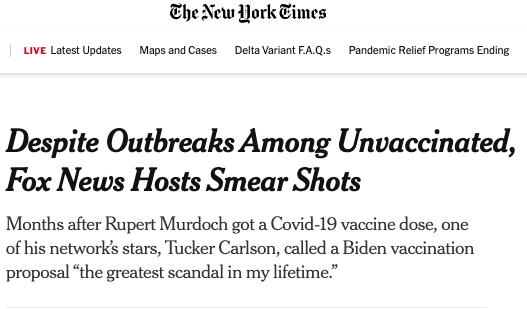
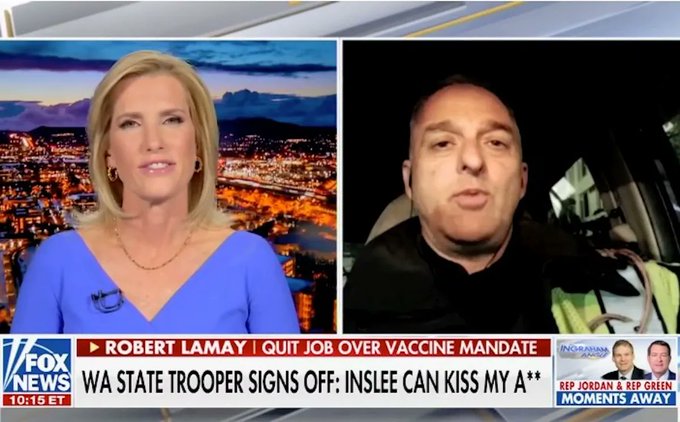
When the virus first appeared on American soil, the network’s hosts—most notably Sean Hannity, Laura Ingraham, and Tucker Carlson—were quick to downplay its severity. The pandemic, they insisted, was just another liberal hoax designed to undermine President Donald Trump’s re-election campaign.
The early days of Fox’s pandemic coverage reflected a strong skepticism toward public health measures. Mask mandates? A violation of personal liberty. Vaccines? An unproven experiment. The virus? Exaggerated by the left to seize control.
Carlson, in particular, became adept at presenting narratives that may have contributed to fear, painting an ominous picture of a world where government mandates stripped citizens of their freedoms, all while corporate elites and tech moguls grew richer.
What was more concerning was how these narratives played directly into the psychological vulnerabilities of Fox’s viewers. Elderly, economically anxious, and deeply religious, this demographic was already predisposed to distrust institutions.
Fox News didn’t just exploit this distrust; it appeared to weaponize it. In homes across America, the television screen became a portal to an alternate reality—one where the pandemic wasn’t a global catastrophe but a political game, and where the real enemy wasn’t a virus but the doctors, scientists, and politicians trying to save lives.
3/7: “You can’t trust them, but you can trust us.” It was a message Fox had perfected over the years, repeated so often that it became a mantra for its viewers. This psychological conditioning relied heavily on cognitive biases like confirmation bias and the illusory truth effect, where repeated exposure to the same false information eventually made it feel true, regardless of the evidence.
Fox News knew its audience well—older Americans, many living in rural or suburban areas, already skeptical of mainstream media and deeply invested in a particular version of American identity. For these viewers, the pandemic wasn’t just a health crisis; it was an existential threat to their way of life. Fox’s hosts capitalized on this fear, offering their audience a sense of familiarity through narratives that downplayed the severity of the situation.
Night after night, viewers were told that masks didn’t work, that vaccines were dangerous, and that the government was overreaching.
As the death toll climbed, so too did the network’s ratings. Hannity’s dismissal of the pandemic as “hysteria,” Ingraham’s promotion of unproven treatments like hydroxychloroquine, and Carlson’s skepticism toward vaccines became nightly staples, reinforcing the narrative that the pandemic wasn’t to be taken seriously.
The consequences were concerning.
Research has indicated a correlation between higher viewership of Fox News and lower vaccination rates, as well as higher COVID-19 mortality rates in certain regions, suggesting that media consumption may have influenced public health behaviors.
Counties with higher rates of Fox News viewership reported lower vaccination rates and increased COVID-19 death tolls. A study published in the American Journal of Political Science found that exposure to Fox News was associated with a significant drop in adherence to public health guidelines.
🧵 1/12: Trump’s 2024 economic plan is a ticking time bomb wrapped in false promises. Marketed as a path to prosperity, his policies are designed to supercharge inequality and push supply-side economics—a theory that’s never worked in the real world. theintellectualist.com/long-island-20…
2/12: Trump claims mass deportations make him look "tough," but expelling 11-13 million workers is morally indefensible, would devastate agriculture, likely violate human rights treaties, and trigger labor shortages and soaring prices. theintellectualist.com/long-island-20…
3/12: Imagine this: Removing millions from the workforce would lead to a 10-18% reduction in agricultural labor, crippling production and driving up food prices. These workers are essential to maintaining affordable food supply chains. theintellectualist.com/long-island-20…
How a Race on New York’s Long Island Could Define America’s Democratic Future
What happens when a district known for its beaches and billionaires holds the keys to the future of American democracy? We’re about to find out.
🧵1/6: The Hamptons—synonymous with wealth and luxury—might seem a world apart from political upheaval. Yet, nestled within New York’s 1st Congressional District, this iconic enclave has become a critical arena for an election that could reshape the national political landscape. The stakes couldn’t be higher: democracy’s survival may hinge on the outcome.
A District at the Crossroads of Democracy
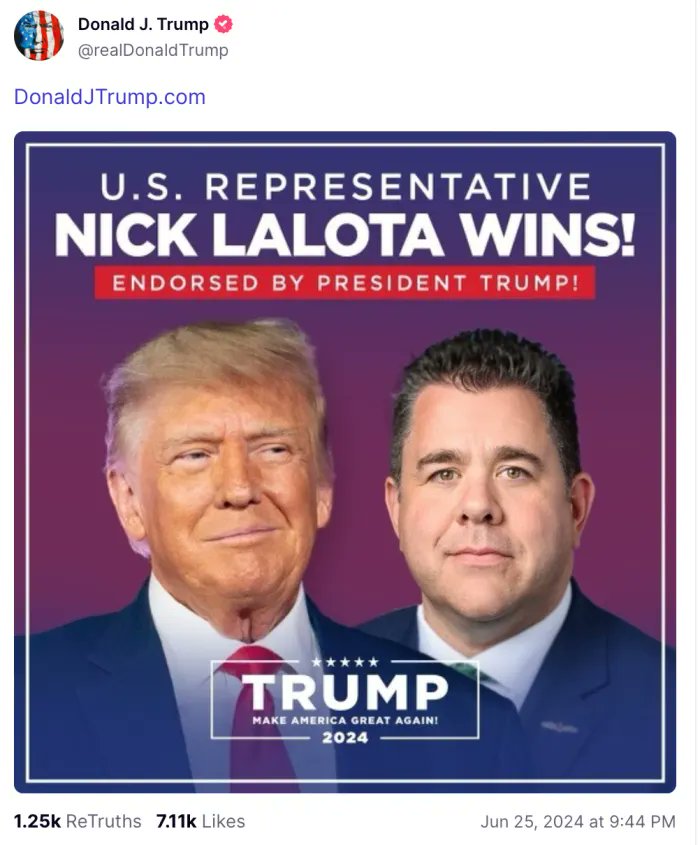
New York’s 1st Congressional District stretches from the extravagant homes of the Hamptons to working-class rural communities, bridging two worlds. Historically a bellwether, this district’s 2024 election is drawing national attention as voters face a stark choice. The race between Republican incumbent Nick LaLota and Democratic challenger John Avlon, a former Republican, is more than a contest for a congressional seat—it’s a defining moment for the future of the U.S. House of Representatives, and possibly the nation’s democratic stability.
New York’s 1st District stretches from the luxurious homes of the Hamptons to the more modest, working-class communities inland. This blend of affluence and everyday struggle is reflected in its political diversity. Historically a swing district, the 2024 election here has attracted national attention. Voters face a stark choice between Republican incumbent @NickLaLota and Democratic challenger @JohnAvlon, a former Republican.
This race is more than a contest for a House seat—it could impact the balance of power in the U.S. House of Representatives and influence the nation’s democratic future.
In 2024, all 435 House seats will be contested, but due to gerrymandering and entrenched partisan divisions, only about 30-35 races are considered truly competitive, making up less than 8% of the total. Political scientists have identified New York’s 1st District as one of these key battlegrounds.
This reflects a broader decline in electoral competitiveness, highlighting the need for systemic reforms to strengthen democracy.
2/6: A win for Nick LaLota in New York’s 1st Congressional District could have far-reaching consequences not only for the balance of power in the U.S. House of Representatives but also for the future of American democracy.
While this may seem like a local race, its national significance becomes clearer when we consider that the current Republican majority in the House is razor-thin—just a few seats. In such a closely divided chamber, every win matters in either maintaining or flipping control.
A victory for LaLota could be crucial in helping Republicans either hold or expand their slim majority, which in turn could shape the legislative and oversight priorities of Congress. Here’s how that could impact democracy.
Erosion of Democratic Norms
With a narrow majority, each seat counts toward shaping the House’s legislative agenda, and LaLota’s win could strengthen a Republican caucus increasingly aligned with Trump’s rhetoric and policies. Since the 2020 election, Trump and his allies have spread unfounded claims about widespread voter fraud, undermining public trust in elections.
A reinforced Republican majority could push further restrictions on voting, often under the pretext of election security. These efforts are seen by many as eroding democratic norms, particularly the belief in free and fair elections.
LaLota, by joining a narrow but empowered majority, would likely support such measures, including voting laws that critics argue disproportionately affect certain voters, such as minorities and lower-income groups. These restrictions could make it more difficult for some Americans to vote, reducing electoral participation and further undermining confidence in democratic institutions. theintellectualist.com/new-york-1st-d…
Undermining Checks and Balances
3/6: The U.S. government’s system of checks and balances relies on Congress to provide oversight of the executive branch.
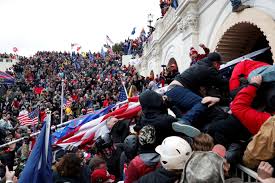
A Republican-controlled House, especially one with a slim but unified majority, could reduce or eliminate efforts to hold Trump and his allies accountable for past actions, including further investigations into his role in the January 6th insurrection.
With just a few seats making the difference between majority and minority control, LaLota’s win could tip the scales in favor of a party that may deprioritize critical oversight functions.
By helping maintain or expand the GOP’s majority, LaLota could contribute to a House that is less willing to check executive overreach, leading to less accountability for actions that could undermine democratic governance.
This would weaken the essential role of Congress in maintaining the balance of power among the branches of government.
Increasing Political Polarization
A narrow Republican majority, bolstered by LaLota’s potential win, could also worsen political polarization in the U.S. House. Trump’s influence on the Republican Party has moved it further to the right, creating an environment where bipartisan cooperation is rare.
A slim GOP majority could embolden more extreme factions within the party, making it harder to find common ground and exacerbating gridlock.
With polarization on the rise, each side may view elections as existential battles rather than opportunities for policy debate, leading to further entrenchment and tribalism. In this environment, elections become less about governance and more about holding onto power, which weakens the health of democratic institutions.
Donald Trump’s Reckless National Security Legacy: Playing With Fire, Burning the Nation
🧵1/5: “I had the absolute right to do it.” Those were the words of a man unmoored from the weight of responsibility, justifying the release of the nation’s most sacred secrets as if swatting away an inconvenience.
This wasn’t a misstep—it was a snapshot of a man whose presidency was shaped by reckless abandon, where classified intelligence was treated like poker chips at a high-stakes table.
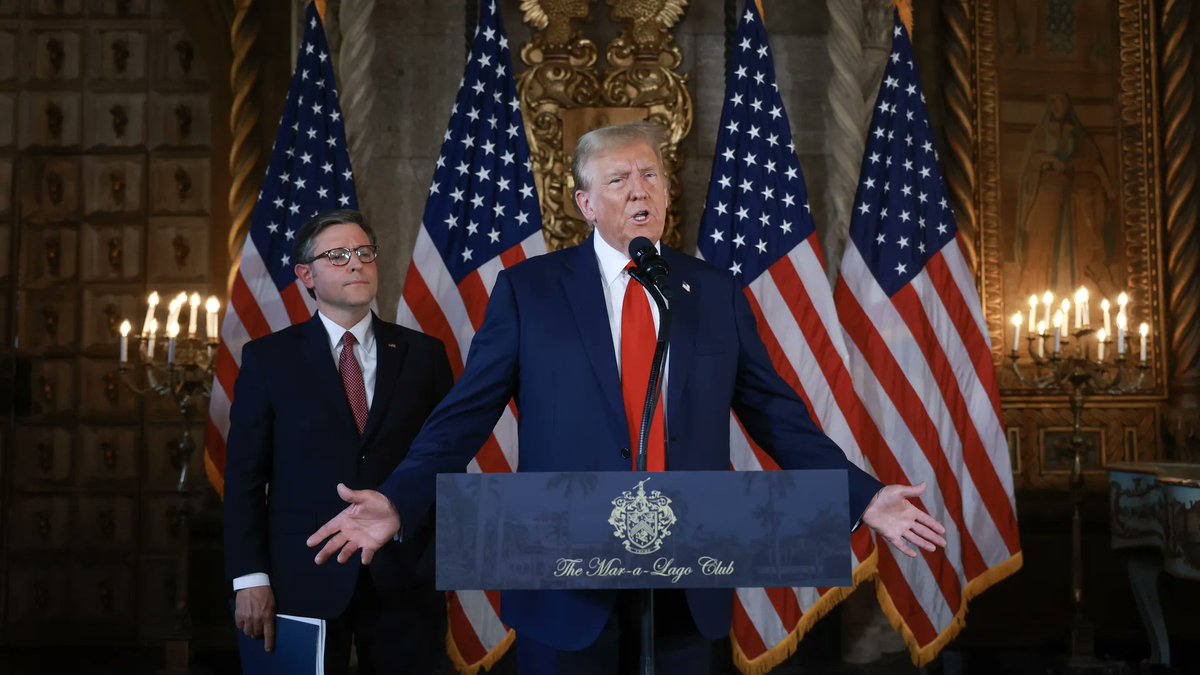
Trump’s secretive chats with Vladimir Putin, conducted behind closed doors and without oversight, were only part of the damage. Storing nuclear secrets at Mar-a-Lago—a gilded palace turned into a playground for foreign spies—marked the nadir of his contempt for national security. This was not just negligence; it was a dangerous defiance that puts the very fabric of global stability in jeopardy. theintellectualist.com/trump-secret-c…
2/5: Trump’s Secret Calls: A Whisper Away From Disaster
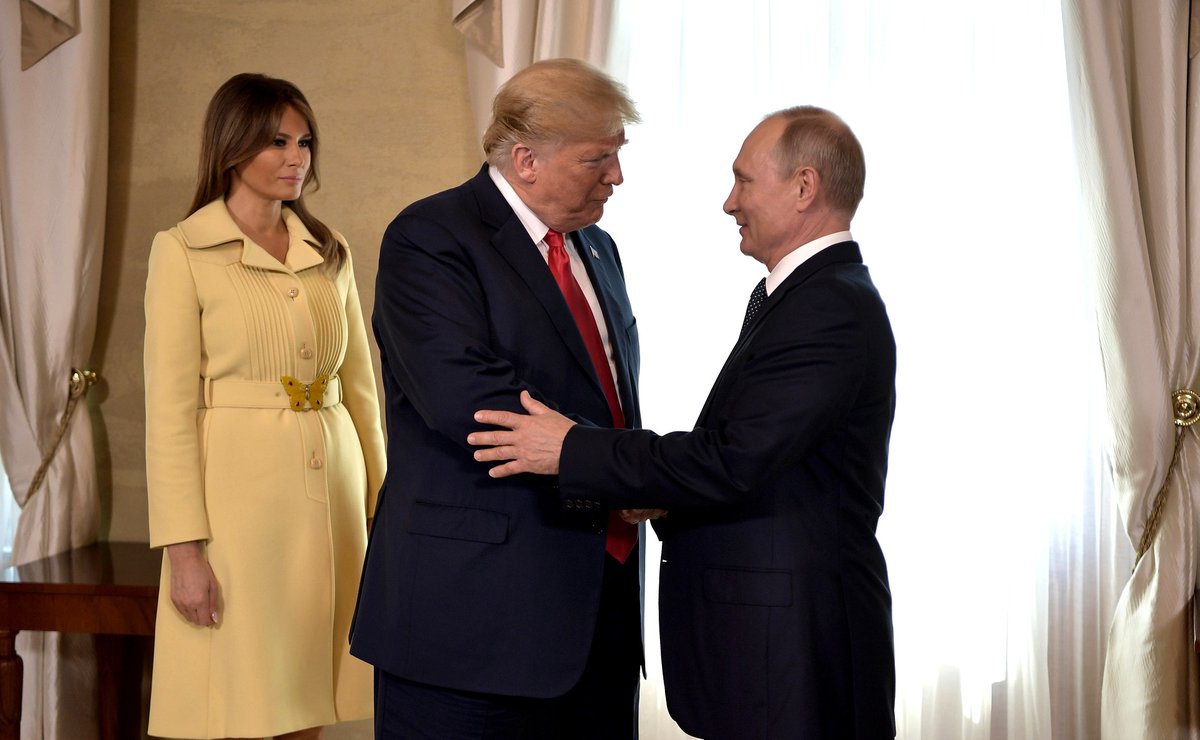
Picture this: Vladimir Putin on the other end of the line, his voice steady, measured. Donald Trump, now out of office, leaning back in Mar-a-Lago, speaking in hushed tones. Seven secret phone calls with the former KGB operative, all without the oversight of U.S. intelligence. What were they discussing? Military secrets? Sanctions? Backdoor deals that could reshape the geopolitical chessboard?
And all this after Trump left office—after he no longer had any authority, after the world had turned its back on his chaotic reign.
If it feels like a scene from a spy thriller, that’s because it should. Only this time, the enemy isn’t just across the ocean.
He’s the one who swore an oath to protect you.
Trump’s admiration for Putin didn’t start in a vacuum. It was a relationship forged in shadows, built on Trump’s obsession with authoritarian strength and disdain for the democratic systems that constrained him.
The secret phone calls were more than diplomatic blunders—they were glimpses into a dark alliance, an unholy exchange that could have compromised the safety of every American.
Trump’s Rogue Game: National Security as the Stakes
3/5: If global diplomacy is chess, Trump was playing blindfolded, tipping over his own pieces, and leaving the board open for the opposition to exploit.
Every decision wasn’t just impulsive—it was dangerous, like wagering the safety of an entire nation in a game where only his ego stood to win.
When Trump tweeted the high-resolution satellite image of an Iranian rocket site, it wasn’t just a casual blunder. It was the equivalent of handing a blueprint of America’s surveillance network to adversaries.
Russia, China—each could now see what was previously hidden, thanks to one man’s reckless need to boast. Trump wasn’t just undermining U.S. intelligence—he was broadcasting it for the world to consume, oblivious to the chaos that would follow.
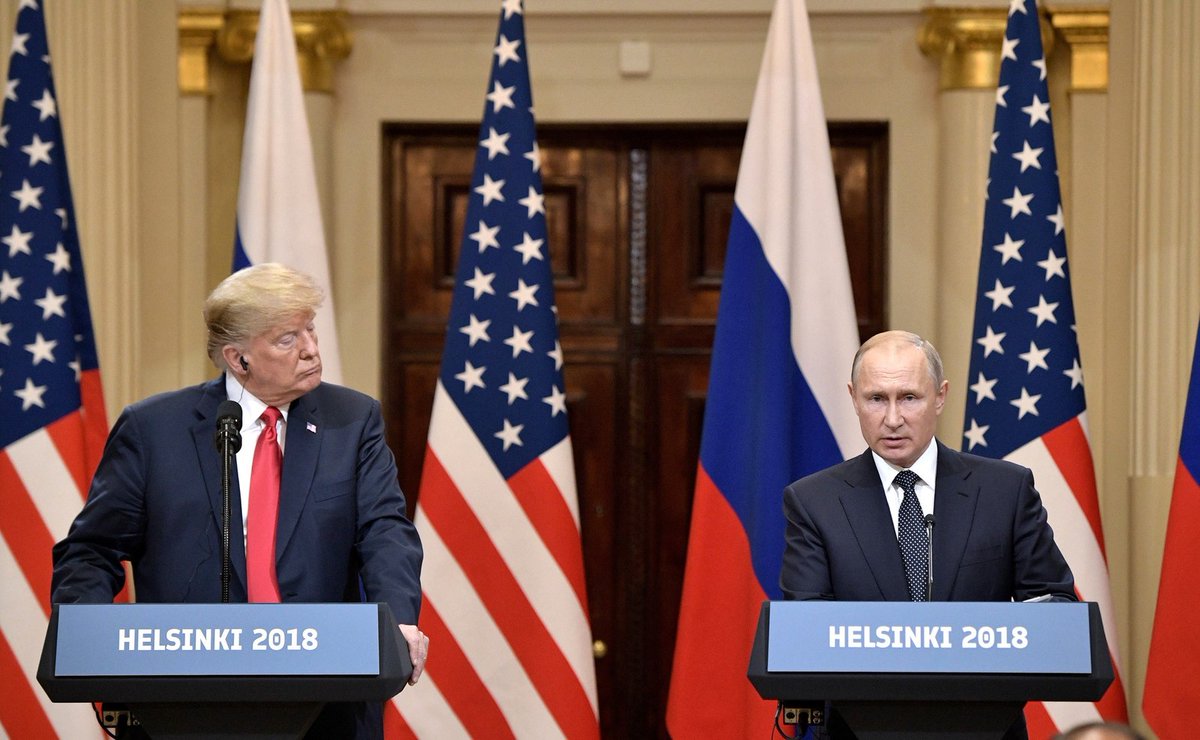
🧵1/12: Why did Donald Trump engage in 7 secretive calls with Vladimir Putin, long after his presidency? These conversations, cloaked in secrecy, raise profound concerns over U.S. national security and the unprecedented risks of private diplomacy. theintellectualist.com/trump-putin-re…
2/12: In a stunning breach of transparency, Trump covertly supplied COVID-19 test machines to Russia at Putin’s personal request. “Please don’t tell anybody,” Putin said. Trump’s compliance signals a hidden deference to Moscow’s agenda. theintellectualist.com/trump-putin-re…
3/12: What could Donald Trump and Vladimir Putin have discussed during 7 secretive phone calls after Trump’s presidency? The unknown details of these conversations deepen concerns over Trump’s ongoing ties to Moscow and his reluctance to disclose them. theintellectualist.com/trump-putin-re…