I will tolerate recurrent laryngeal nerve slander no longer! It's actually the result of several elegant solutions to difficult problems in embryology, and the length is a non-issue. A 🧵 1/13
https://twitter.com/docmilanfar/status/1850656979498508430
The fundamental problem in embryology is that you have to get from a single cell to a complex organism that is not symmetrical in two different axes, and about 10 orders of magnitude.
Oh, and everything must work at all times while growing. 2/13
Oh, and everything must work at all times while growing. 2/13
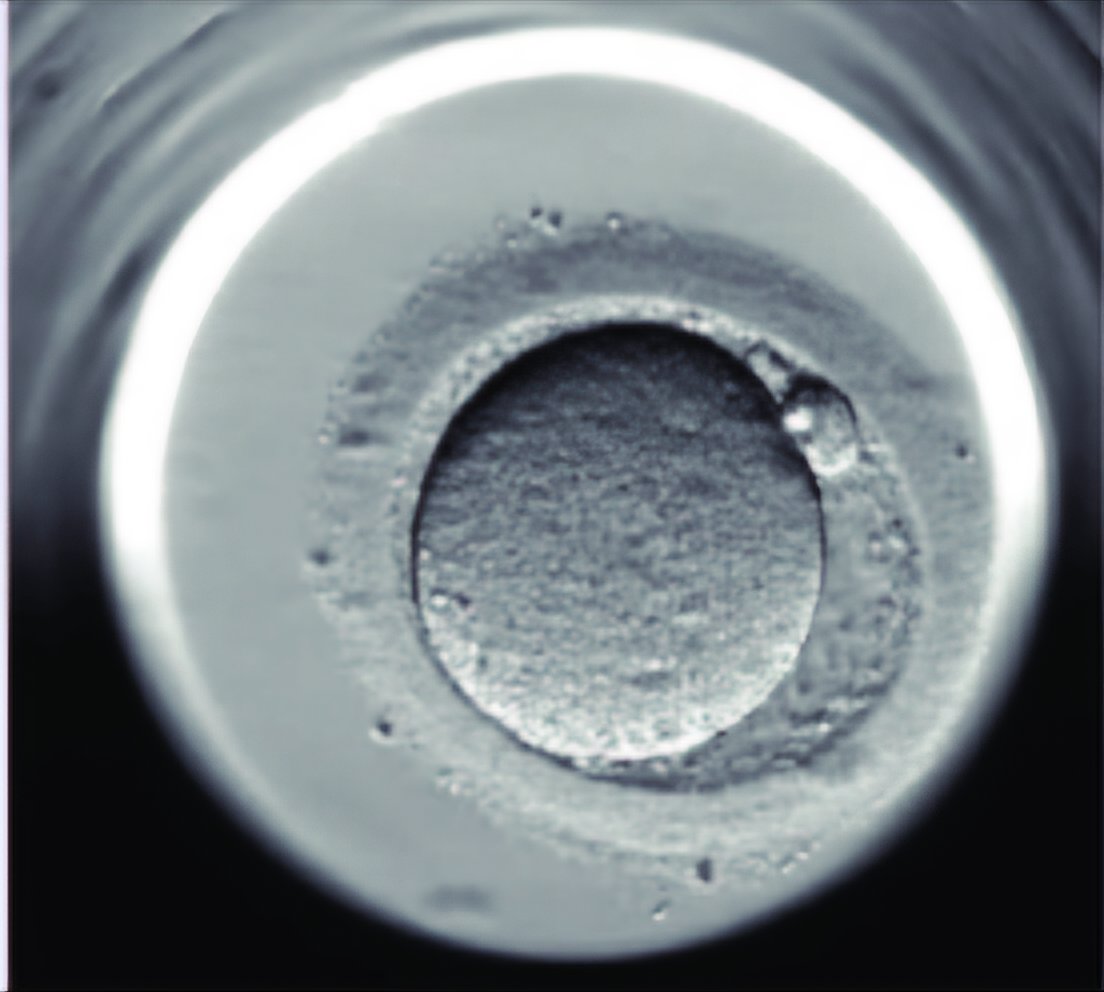

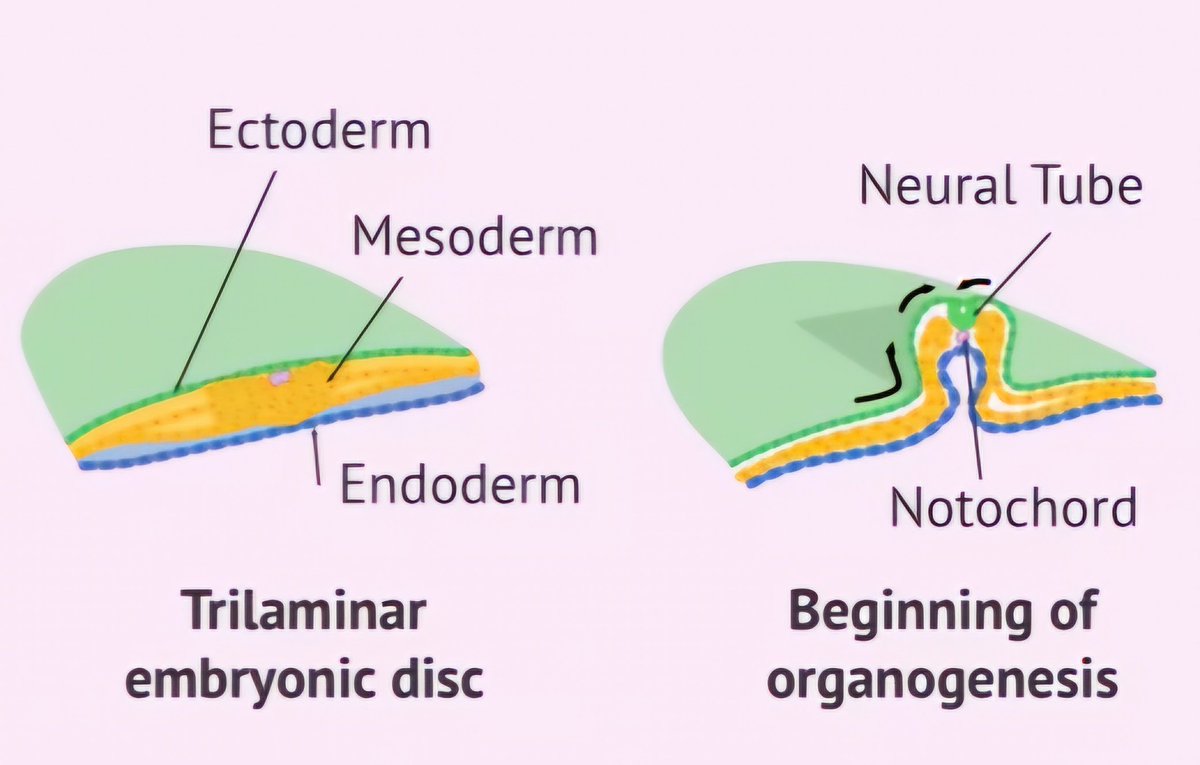
As the cells in the embryo divide, it seperates into two spaces with a flat disc in between. This disc becomes the template for how your body is structured from top to bottom, and side to side. 3/13
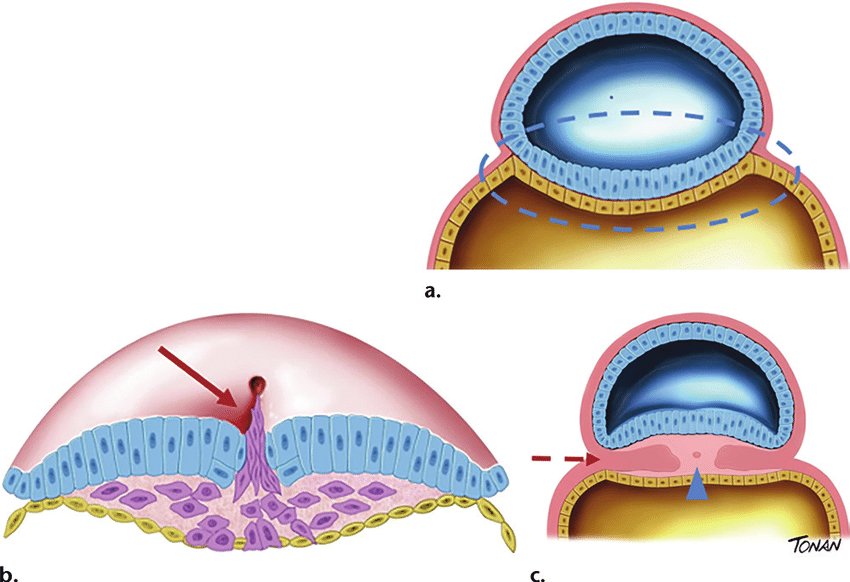
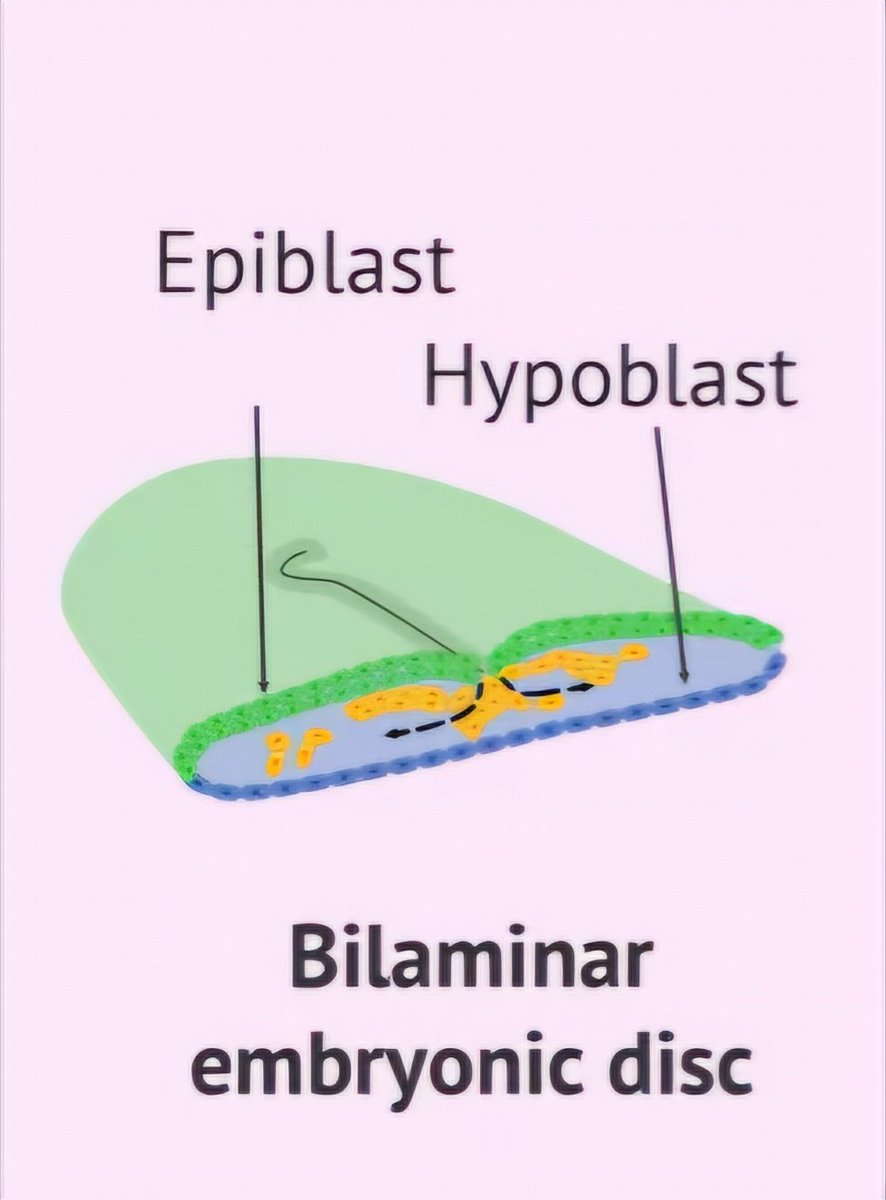
So how does this play out? Well, now that there's a disc with two layers, two tubes start to form.
The neural tube will become your spine and brain.
The endoderm will become your digestive and respiratory tracts. 4/13
The neural tube will become your spine and brain.
The endoderm will become your digestive and respiratory tracts. 4/13
But how do you make sure you don't get a head at each end of the body?
Because you start this process at the the end that will become your head (caudal), and propagates down towards the end of your spine.
And at the very caudal edge, the heart starts to form. 5/13
Because you start this process at the the end that will become your head (caudal), and propagates down towards the end of your spine.
And at the very caudal edge, the heart starts to form. 5/13
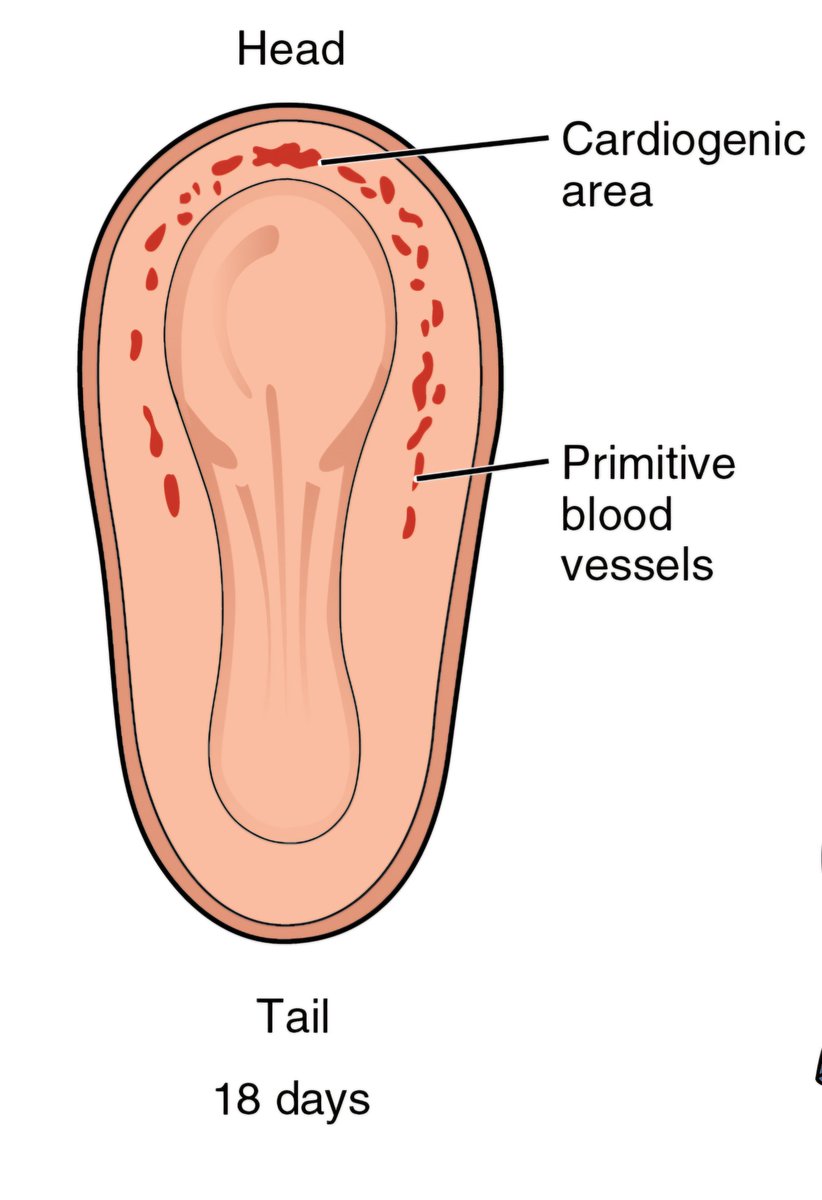
So absolute essentials start at the caudal end (which makes sense), but now you have an issue:
Your heart is not on the top of your head.
That means it needs to move.
And it does, twisting down into your chest. 6/13
Your heart is not on the top of your head.
That means it needs to move.
And it does, twisting down into your chest. 6/13
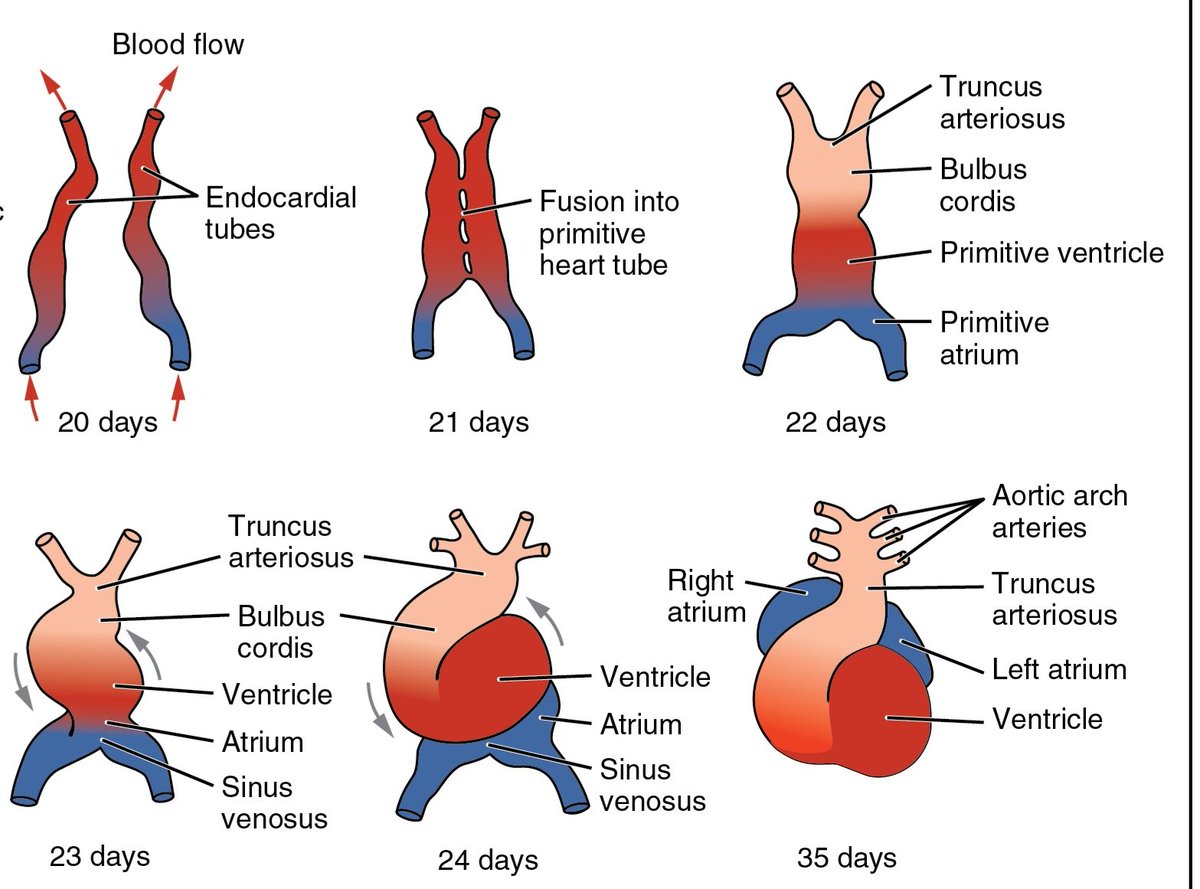
So now you can see why the recurrent laryngeal nerve is in a position to get caught by the aorta as it descends: the aorta is heading where it belongs, and moves through the space between the neural tube and the forming GI and respiratory tracts. 7/13
But why not wait on growing the nerve that will become the recurrent laryngeal nerve until after the aorta has already passed?
For that we need to get into how innervation works. And that involves chemotaxis. 8/13
For that we need to get into how innervation works. And that involves chemotaxis. 8/13
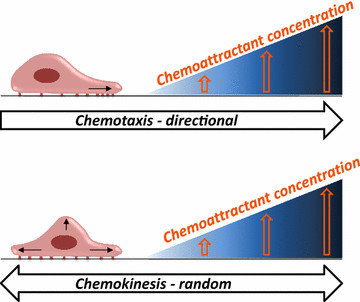
Basically, the tissues to be innervated are putting out signalling molecules that attract the nerve cells to extend to connect to the tissue (motor neurons send axons and sensory neurons send dendrites). 9/13

But because chemotaxis relies on gradients of signalling molecules, it works best over short distances. But once a nerve makes the connection to the tissue, it doesn't really care how much longer the axon gets as the organism grows. 10/13
In order to wait for the aorta to pass, you would have to put in embryological development signalling pathways to delay growth, then connect later when the tissues needing connected to are now even further away.
You add needless complexity, and make innervation harder. 11/13
You add needless complexity, and make innervation harder. 11/13
And it's not like there's any real downside for the organism having the nerve run down and back. It's deep inside and nestled next to structures far more essential for survival.
And any organism that large has to be able to tolerate nerves of comparable lengths anyways. 12/13
And any organism that large has to be able to tolerate nerves of comparable lengths anyways. 12/13
So stop hating on the recurrent laryngeal nerve.
If you see something in nature that doesn't make sense, maybe that's a sign that it's optimizing for problems you're not even thinking about that actually matter more during development. 13/13
If you see something in nature that doesn't make sense, maybe that's a sign that it's optimizing for problems you're not even thinking about that actually matter more during development. 13/13
• • •
Missing some Tweet in this thread? You can try to
force a refresh