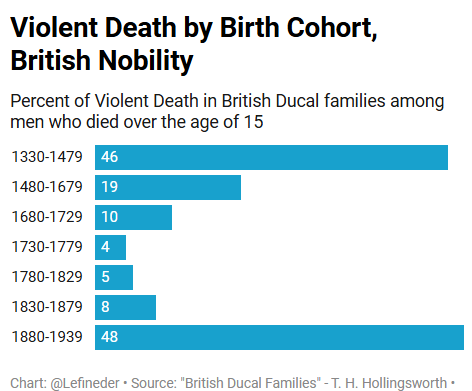
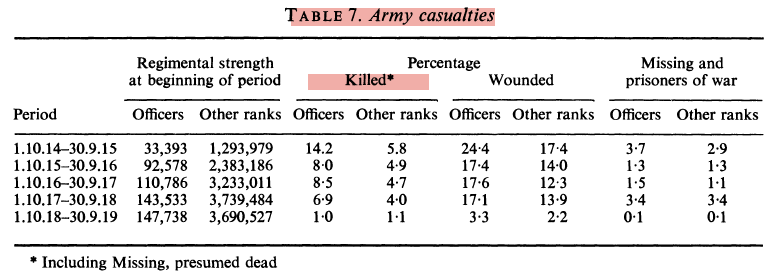
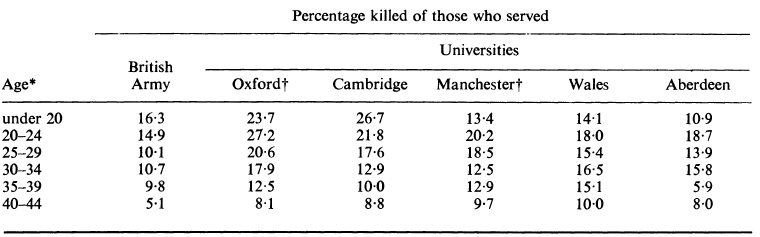
The World Wars overwhelmingly recruited from the upper classes of society, they killed close to half of the adult men in the British nobility, a similar percentage to those who died from violence during the Hundred Years War when the nobility was an explicit military class.
Much higher rates of mortality are also observed in people from elite universities, such as Oxford and Cambridge, at least 50% higher.
Looking at the average distance traveled by Roman letters in the Latin West over time, we can see how the fall of the Western Empire led to a breakdown of movement, trade, and communication across the Classical World.
In the 380s, the avg letter traveled more than 1,500 km from sender to recipient. In subsequent decades after the collapse of the Rhine front, the loss of Britain, and North Africa, the avg distance traveled by letters shrank by half.
The letters themselves tell of the difficulties faced by the writers in sending them.🧵
Sidonius Apollinaris, writing in the 450s, tells of the difficulties of sending letters across what was once a unified empire but is now separate kingdoms:
"Divided as we are between different kingdoms, we are held back from more frequent exchange of correspondence"
In another letter, around 470 AD, just before the fall of the empire he writes:
"The roads are blocked, the seas are shut, the provinces are cut off from each other by the movements of peoples hostile and unknown."
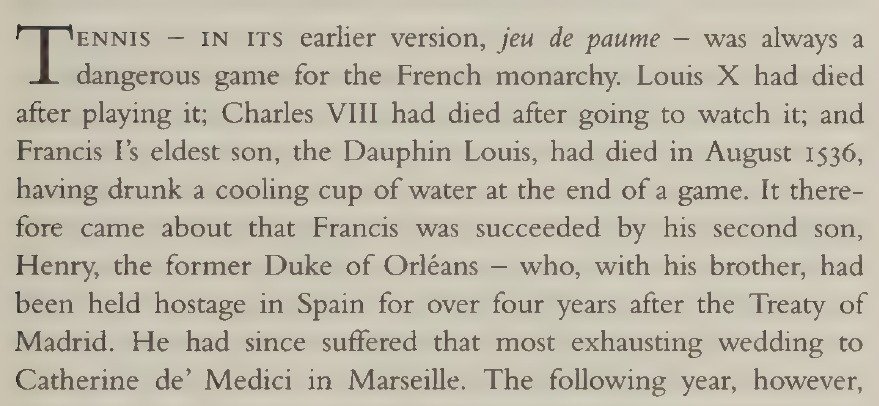
The effects of Tennis on French history. Multiple French monarchs died during Tennis matches.
Also:
"at the suggestion of a certain Dr Joseph Ignace Guillotin — whose name would later be famous in another connection — they moved to the jeu de paume, the large indoor tennis court nearby"
"Yet again tennis plays a significant part in French History"
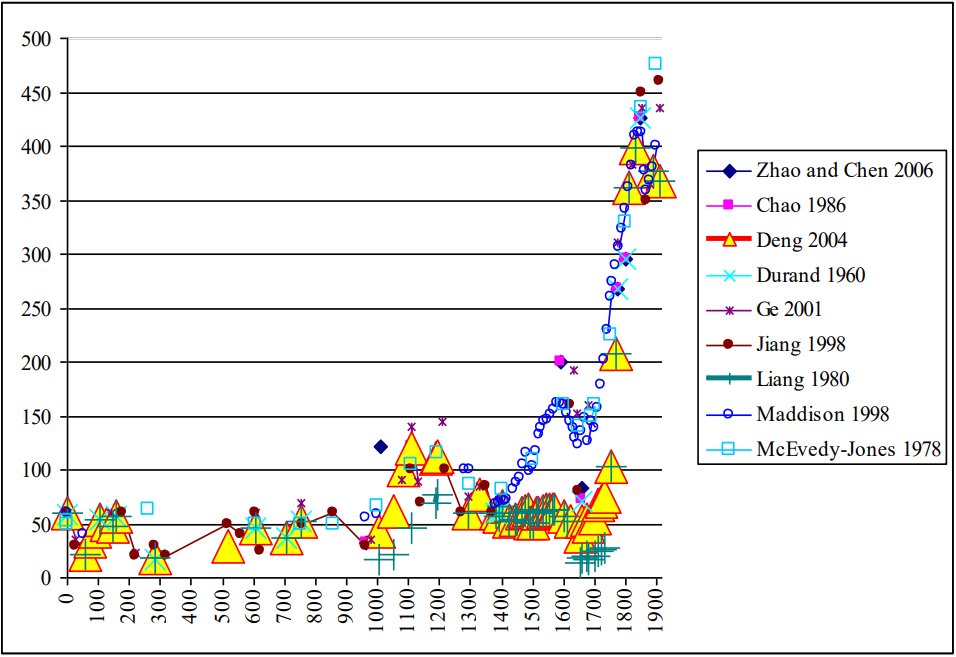
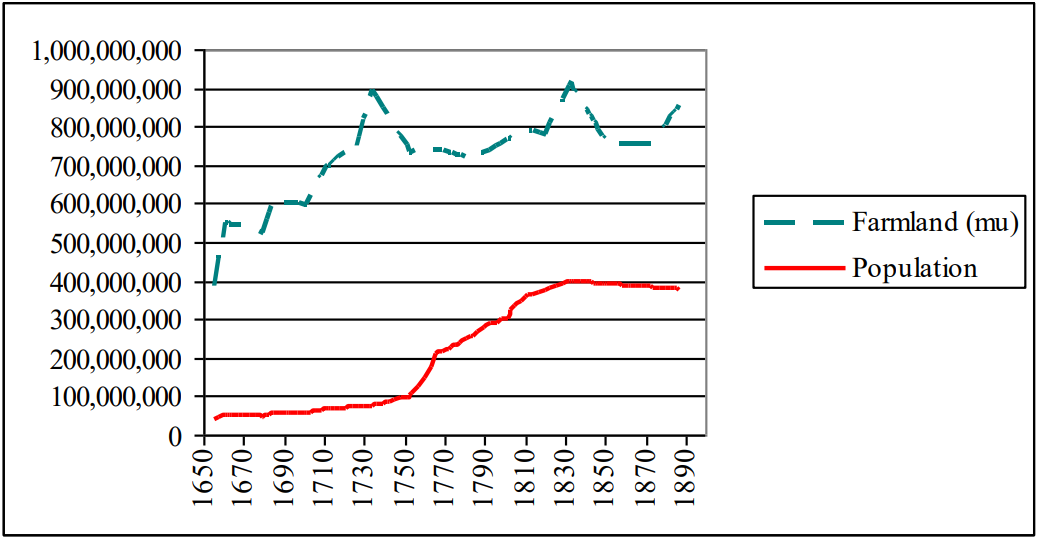
Under the Qing dynasty, China experienced a massive expansion in population, growing from 50-150 million persons in the Ming Era to around 400 million by the mid 19th century.
The main reasons for this extraordinary expansion🧵
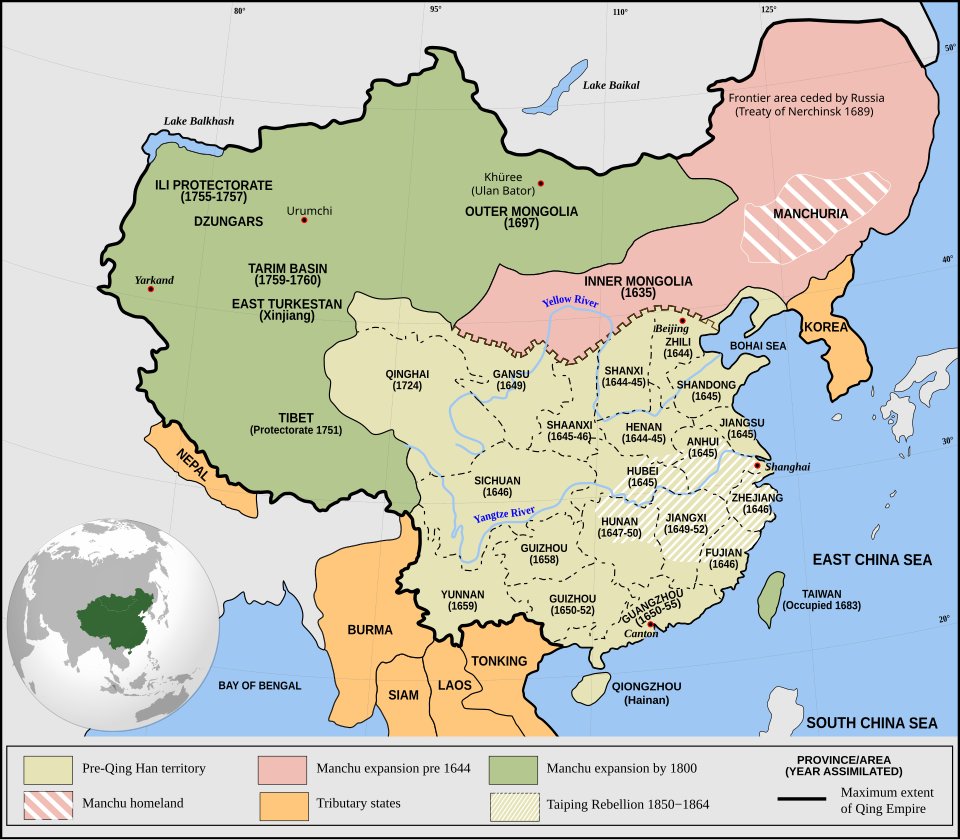
Was first its military expansion, by 1760, the Qing, under the "Ten Great Campaigns of conquest," had incorporated a massive amount of new land.
In the following decades, a mass movement of Han people into this new farmland significantly expanded agricultural production.
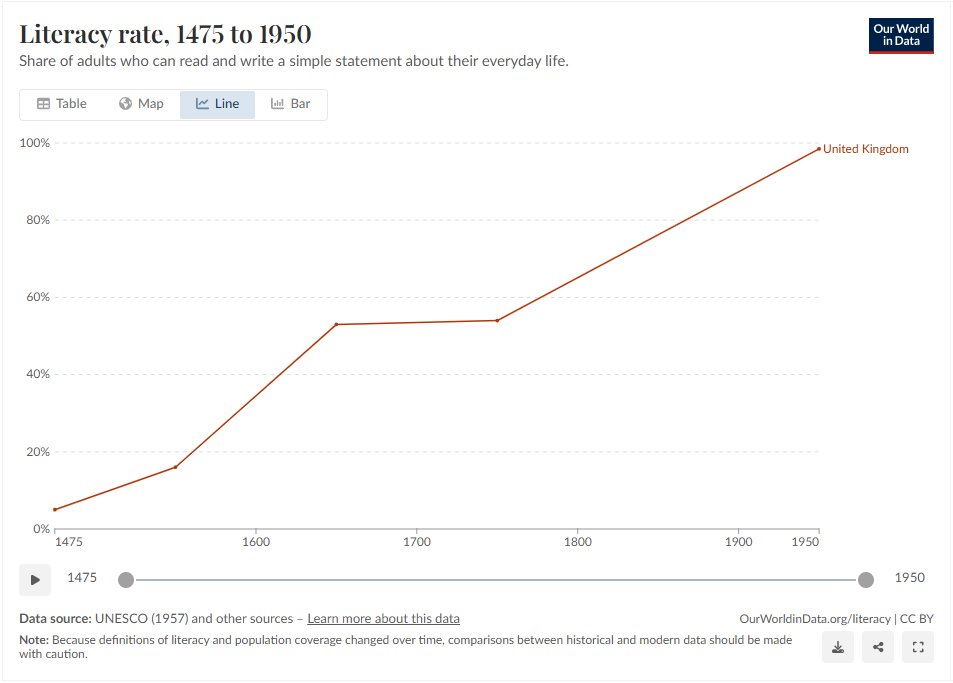
Between the late medieval era and 1800, literacy rates in Britain increased from 5% to over 60%.
This happened despite virtually no state investment in Education in a bottom-up process motivated by individual interest in acquiring literacy and Protestant religious zeal in spreading it.
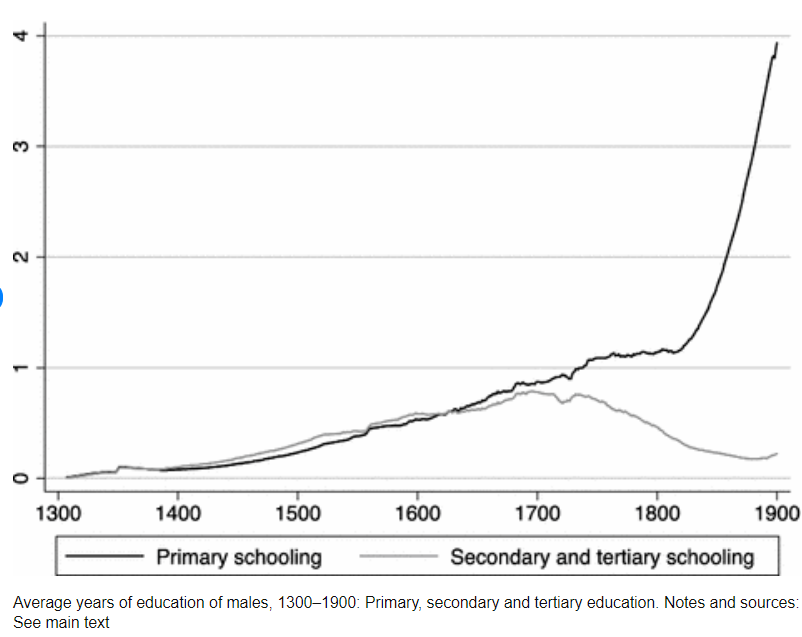
Before the mass establishment of a public education system, the average male during the early industrial revolution had, on average, 1 year of schooling.
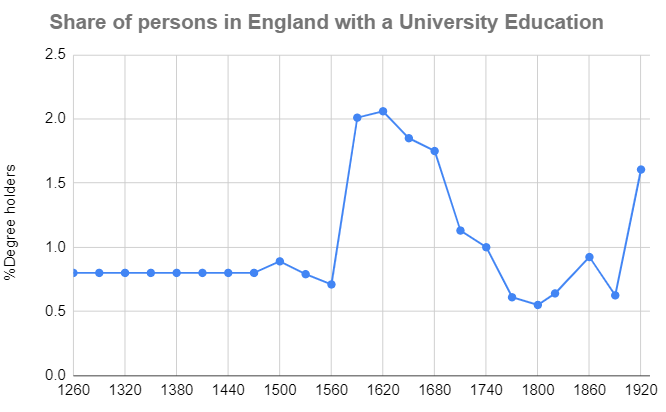
As far as higher learning, there were more men with a university degree in late medieval England than in early industrial-era England.
Mining first started in the 4th millennium BC and suffered major disruptions toward the end of Old Europe around 3000 BC and in the late Bronze Age with the collapse of Mycenaean civilization.
Unable to defend itself from Umayyad incursions, the independent Duchy of Aquitaine surrendered to Charles Martel, who turned back the Umayyad at the Battle of Tours.
Aquitaine was worth to the Franks much more than the sum of its people; it contained valuable silver mines, in particular the Melle mines, which became the most productive source of silver in the Carolingian empire.
Isotope analysis of Carolingian coins shows that before the 750s, most of the silver in coinage came from recycled Byzantine silver, while afterwards most came from Frankish mines, with Melle supplying the largest share.
The mining work has created a network of over twenty kilometers of tunnels.
Melle silver is characterized by low gold content, while the opposite is true for Byzantine silver. Isotope analysis of north-west European coinage shows a decline of gold content in silver coinage, indicating a transition from Byzantine to Melle silver.