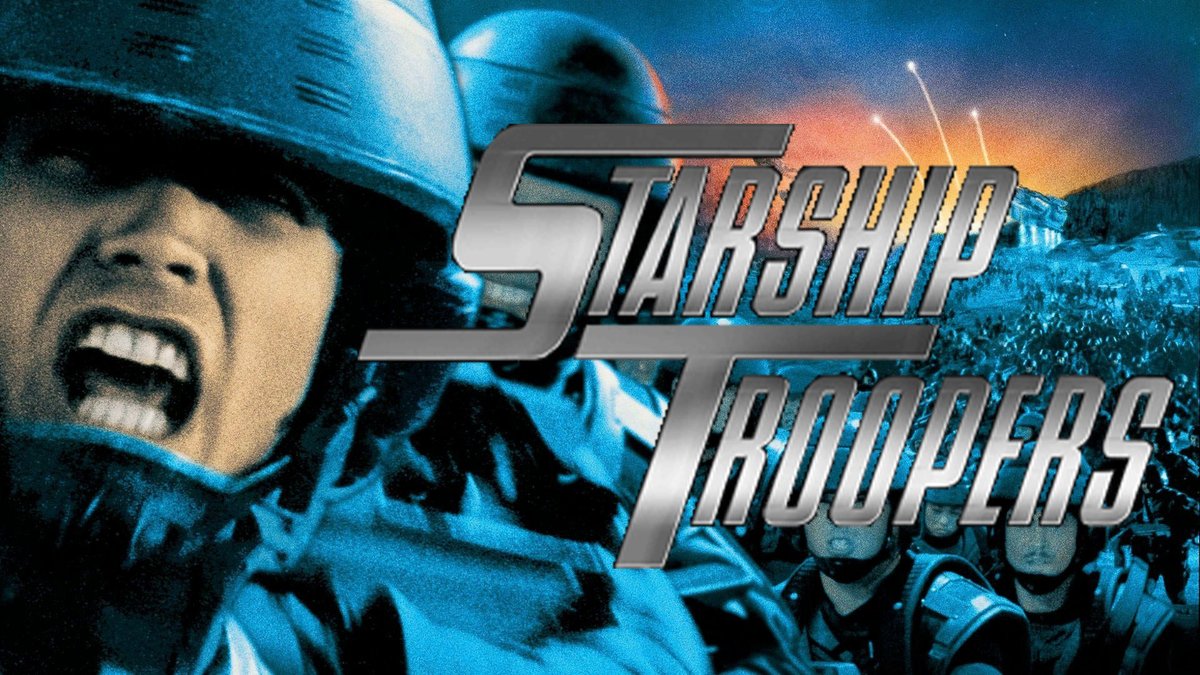
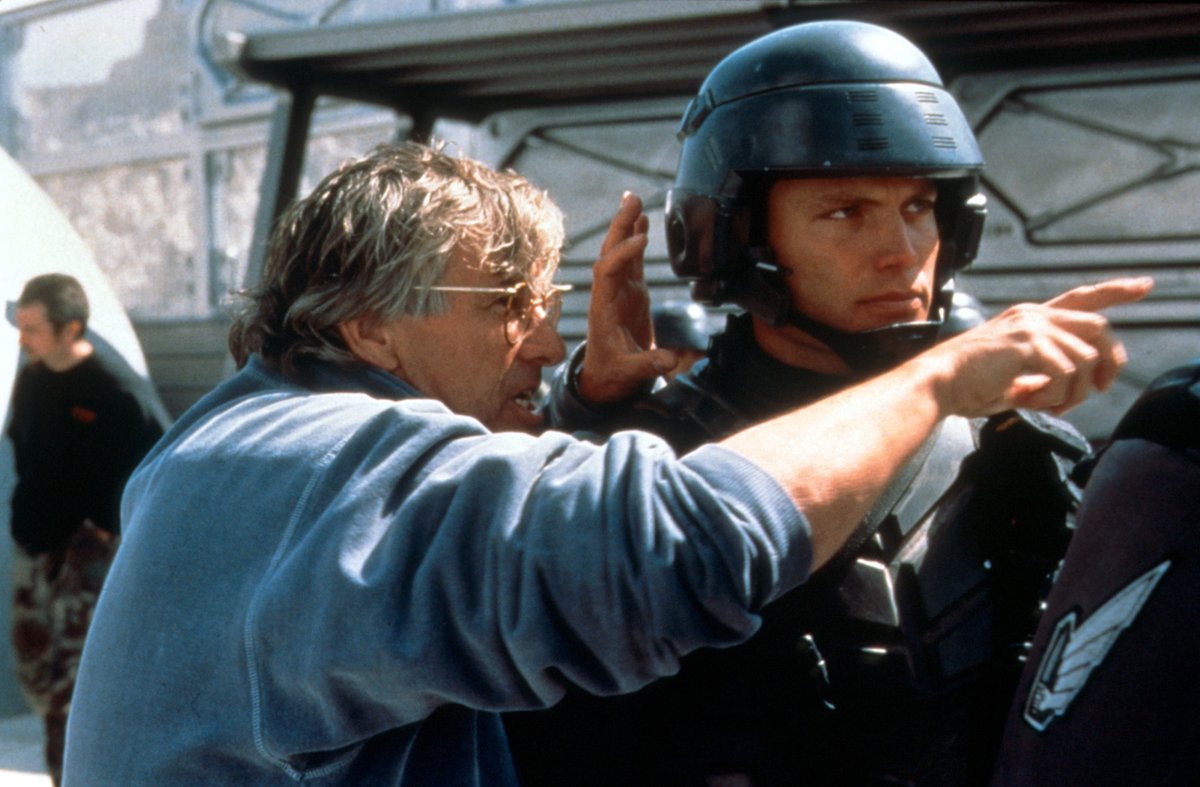
STARSHIP TROOPERS was released 27 years ago this week. Among the most popular films of director Paul Verhoeven, and a classic sci fi/action satire, the making of story is as outrageous as the film. Would you like to know more…?
1/69
1/69

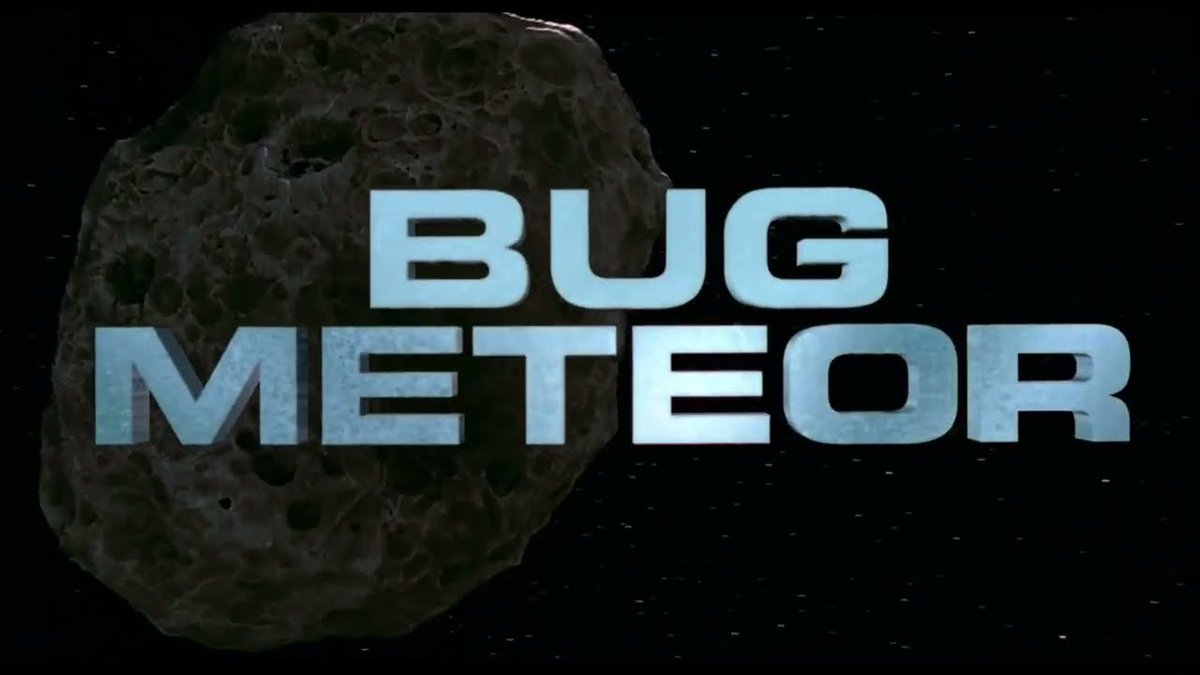
In the mid-1990s, RoboCop co-writer Ed Neumeier came up with an idea for his next screenplay. A future-set science fiction action film, it pitched humans against an alien species from the other side of the galaxy and was called Bug Hunt At Outpost 9.
2/69
2/69
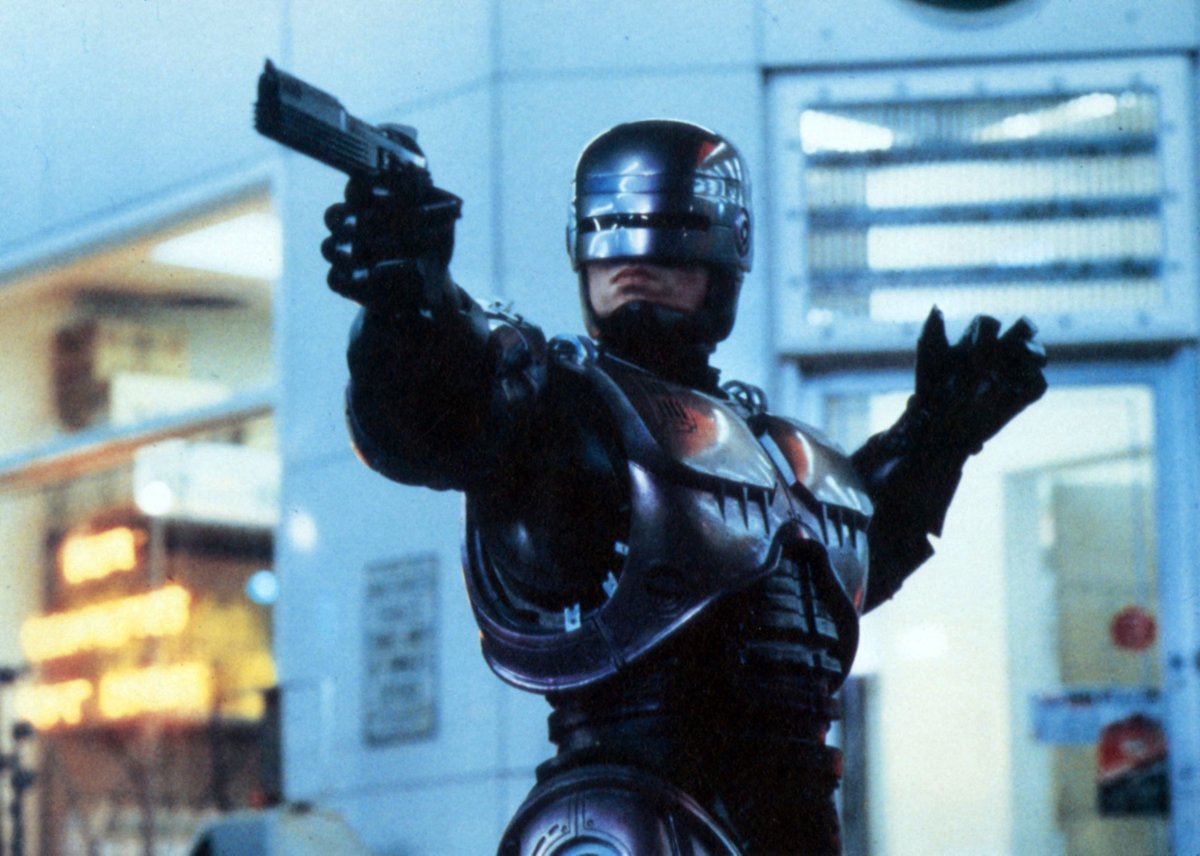
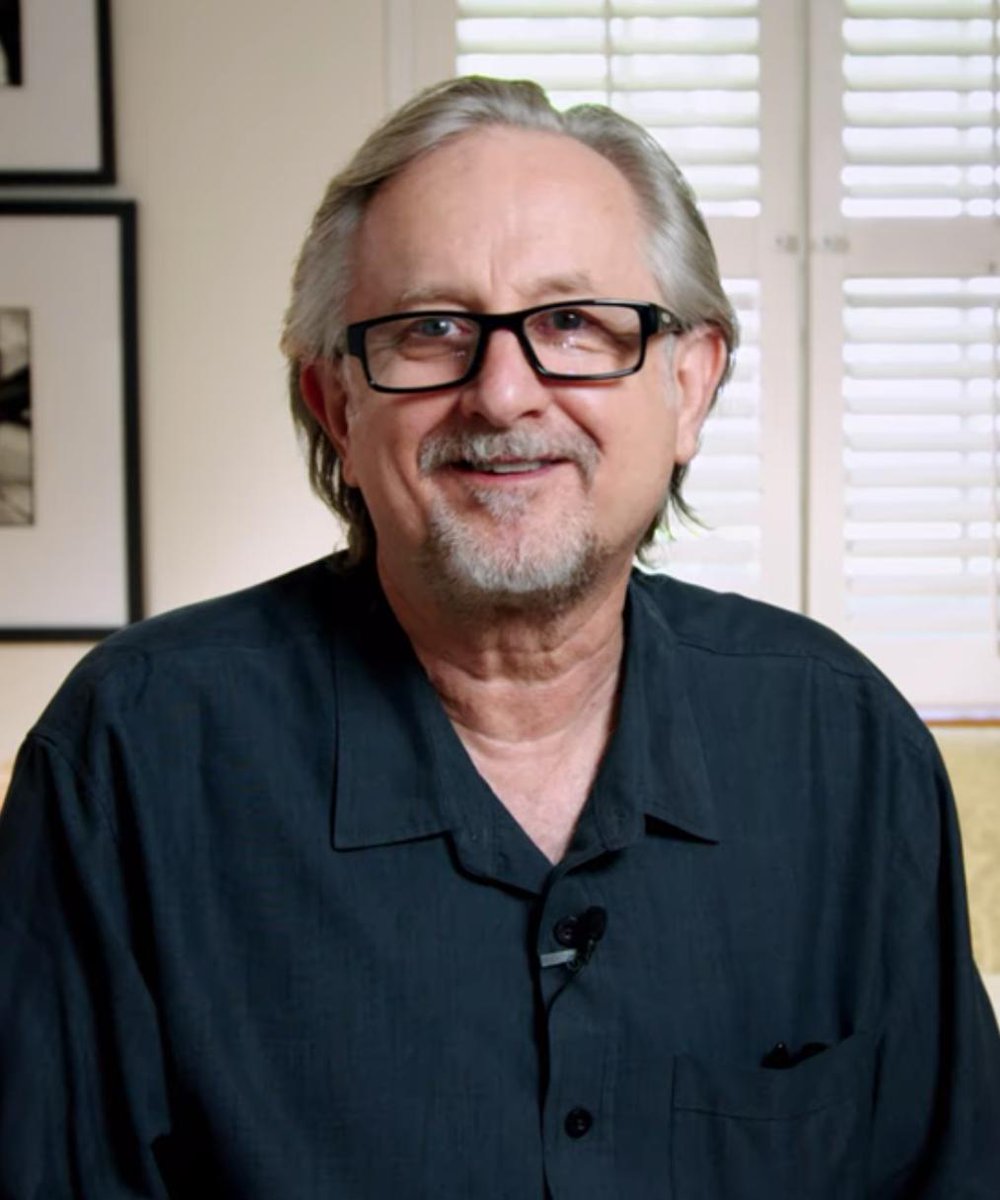
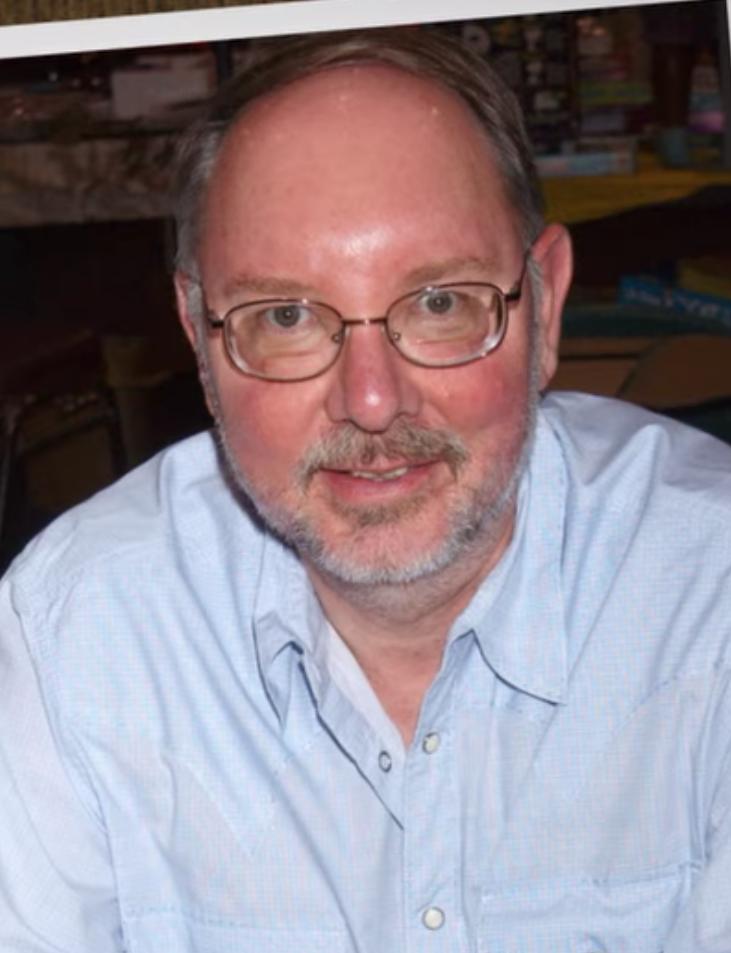
Neumeier took his idea to Jon Davidson, who had produced RoboCop. Noticing the similarities to Robert Heinlein’s 1959 novel Starship Troopers – and surprised to see the rights were available – Davidson licensed Heinlein’s book for Neumeier to adapt.
3/69
3/69

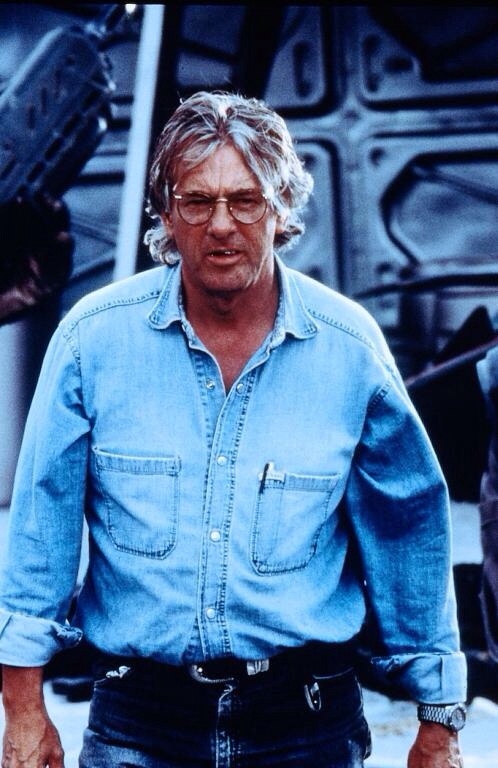
Reports later surfaced that James Cameron was approached about directing the film, though in reality there was only one man Davidson and Neumeier wanted – the director they worked with on RoboCop, Paul Verhoeven.
4/69
4/69
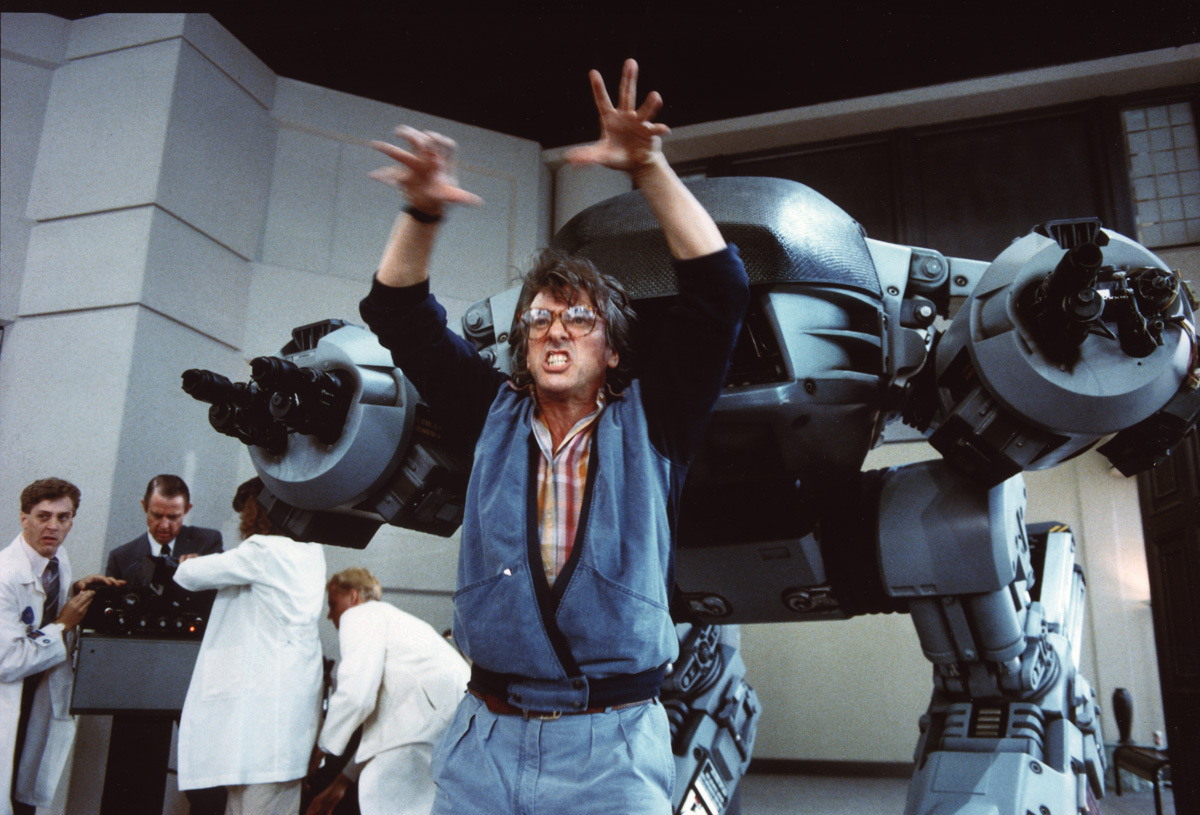
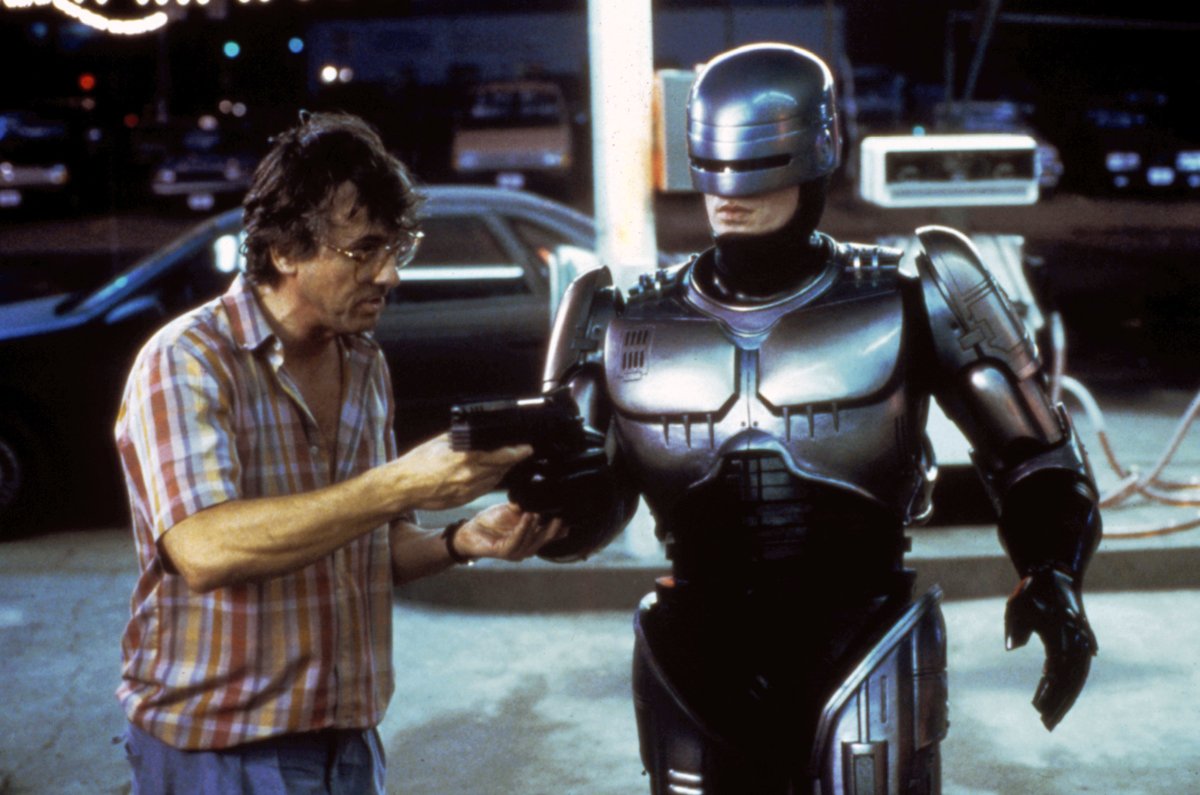
Verhoeven started reading Heinlein’s Starship Troopers’ novel but found it hard going and “very right wing.” Instead, he asked Neumeier to tell him the story. Liking what he heard, Verhoeven signed on and within weeks had produced over 400 storyboards.
5/69
5/69
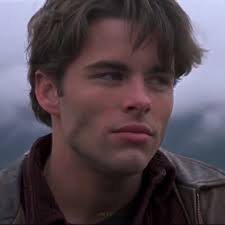
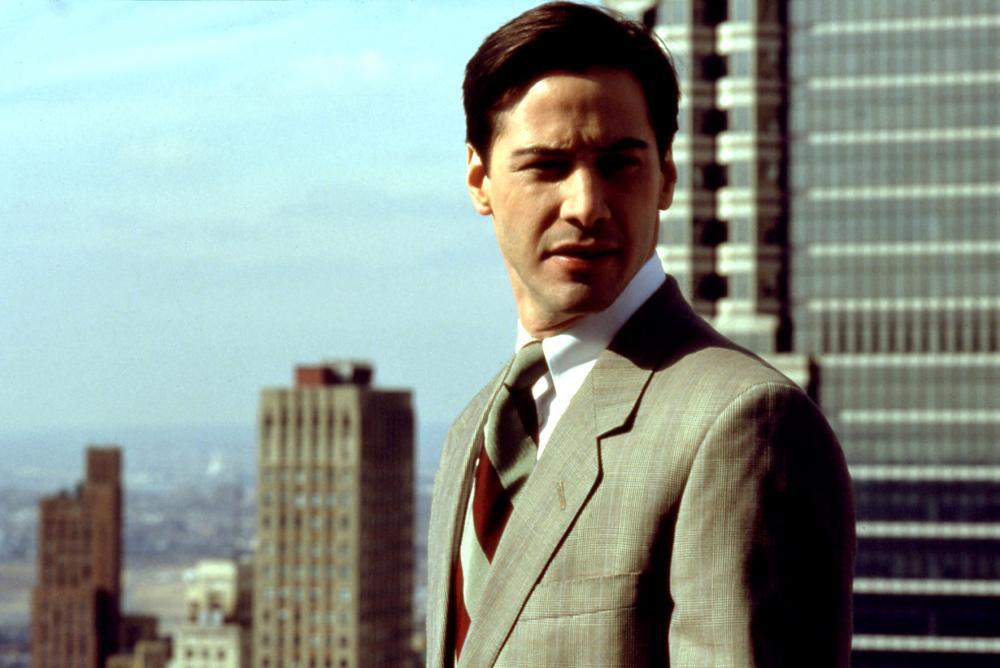
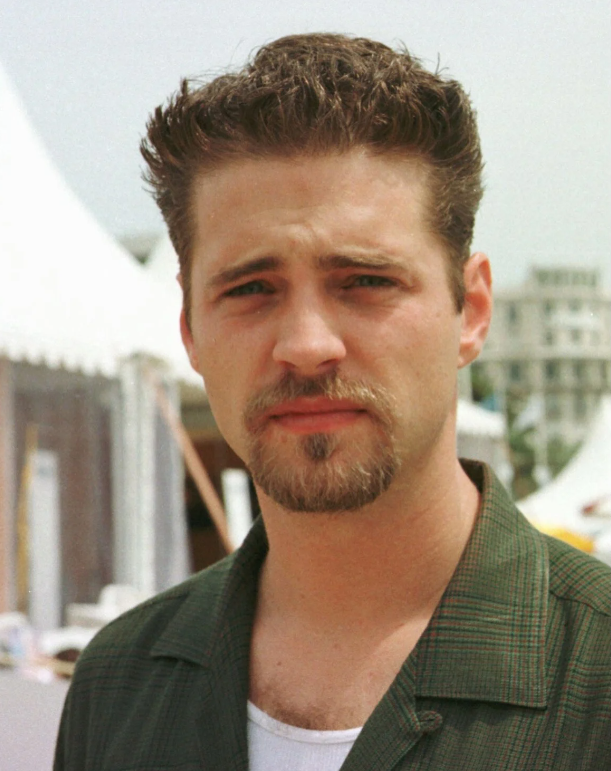
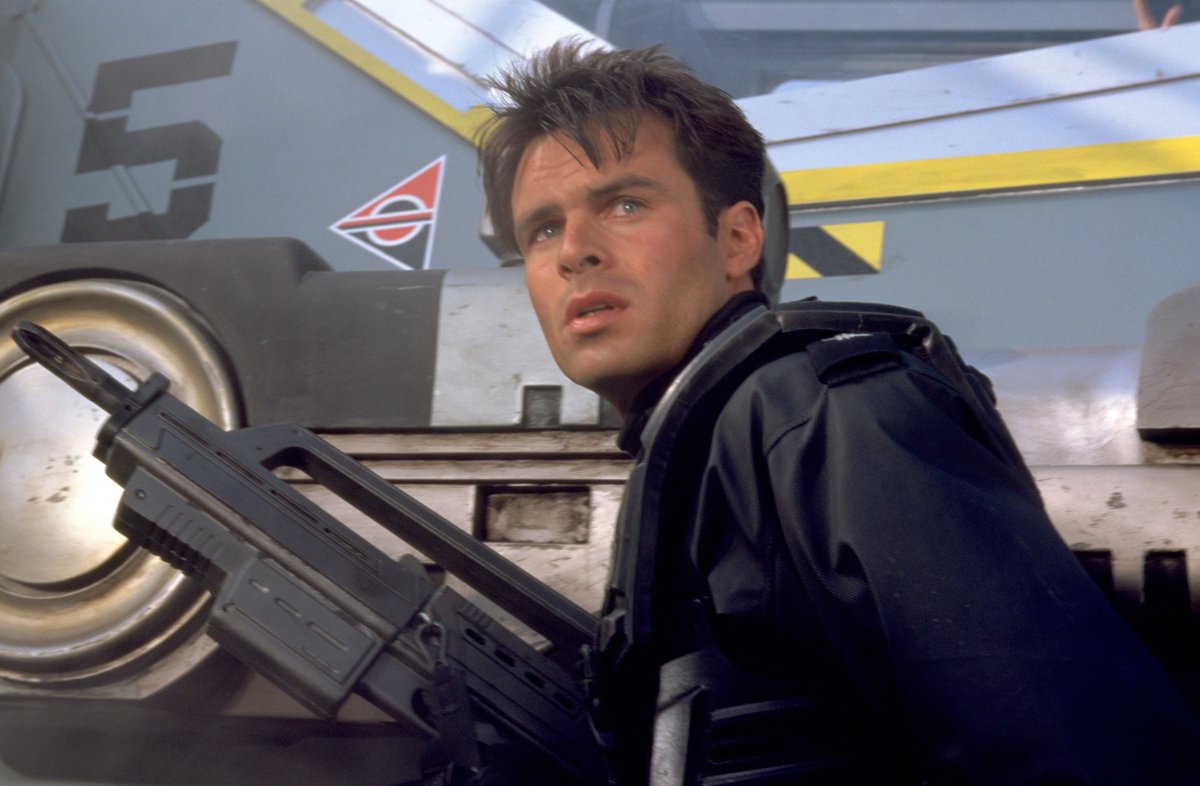
The lead character is Johnny Rico, an Argentinian high school student turned infantryman. James Marsden, Keanu Reeves and Jason Priestly were reportedly considered to play Rico and, apparently, Mark Wahlberg reportedly turned the role down.
6/69
6/69
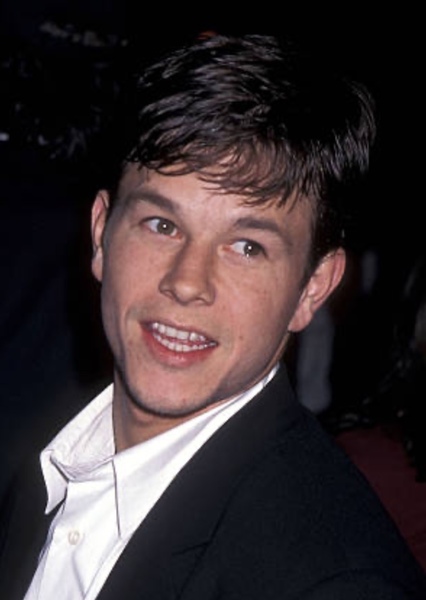
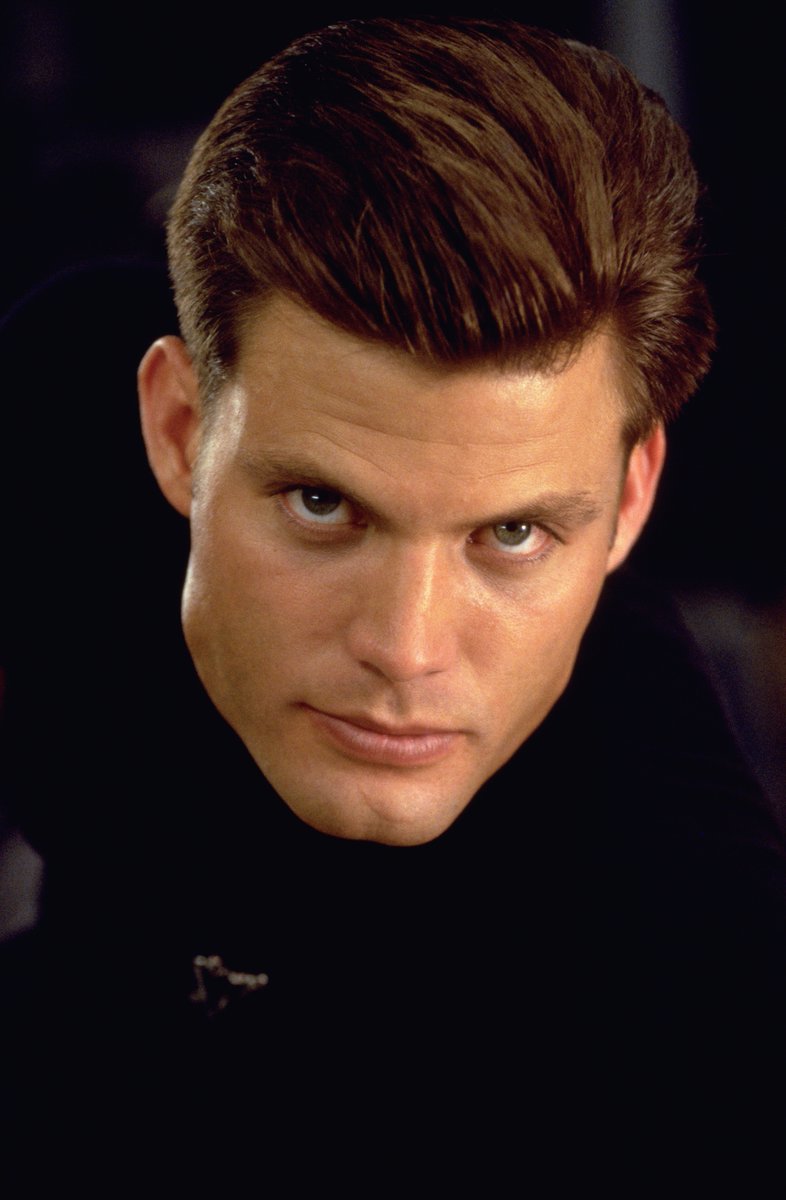
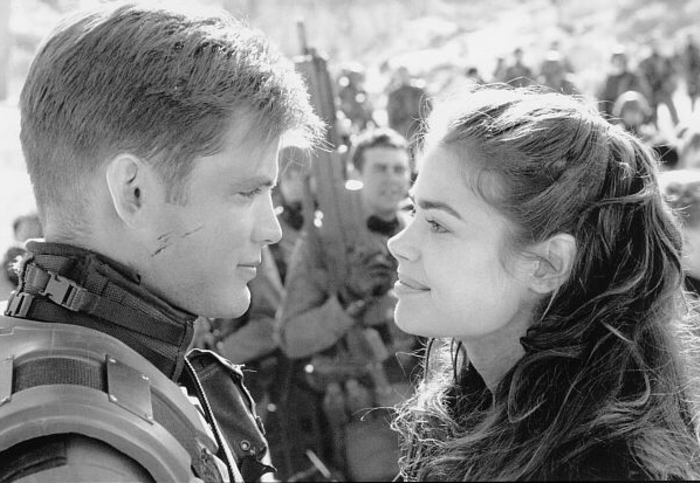
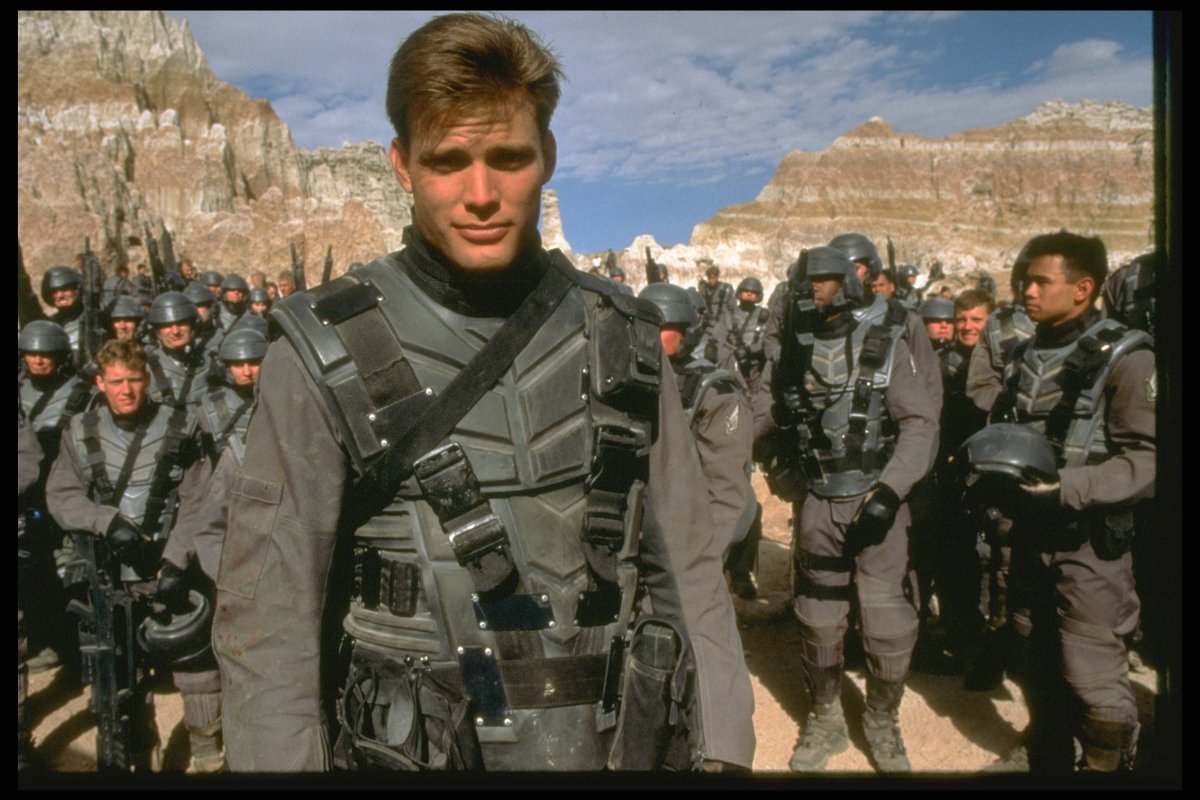
Keen on satirising the fascist state presented in the film, Verhoeven decided he was looking for an actor who might look like he’d fit into a Nazi propaganda film. So, when Casper Van Dien auditioned – and already knew how to handle a gun – he was cast.
7/69
7/69

Van Dien’s grandfather had been a marine during World War II, and took inspiration from that for the role. He also acted as a team player on the set, and would go round each cast member – including extras - to make sure they had enough water.
8/69
8/69
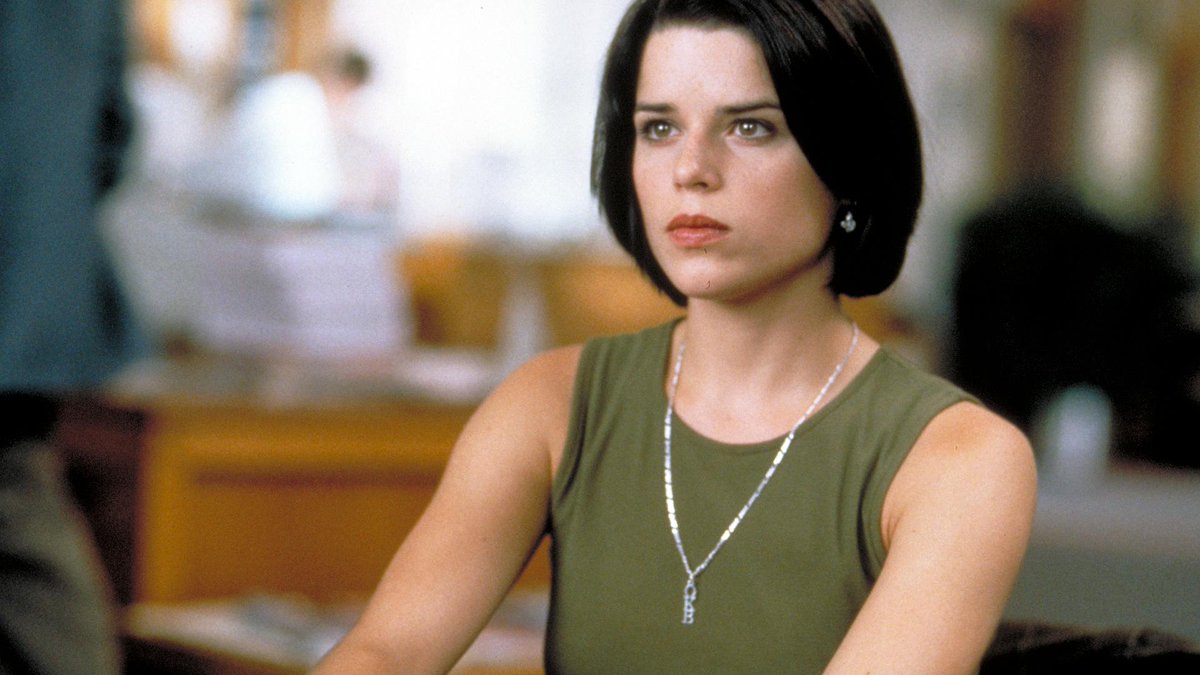
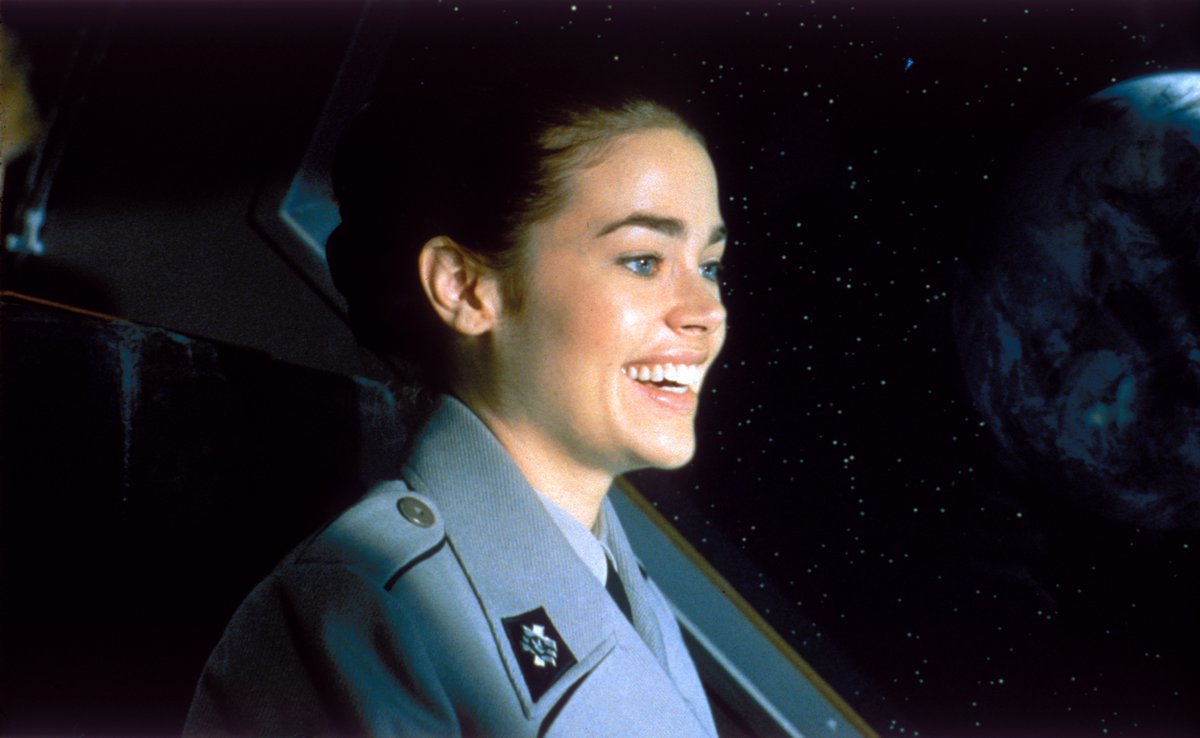
The female lead is Rico’s love interest, and starship pilot, Carmen Ibanez. Neve Campbell was the first person Verhoeven wanted, but she was scheduled in to film Scream 2. After a successful audition, model and TV actress Denise Richards was cast in the role.
9/69
9/69
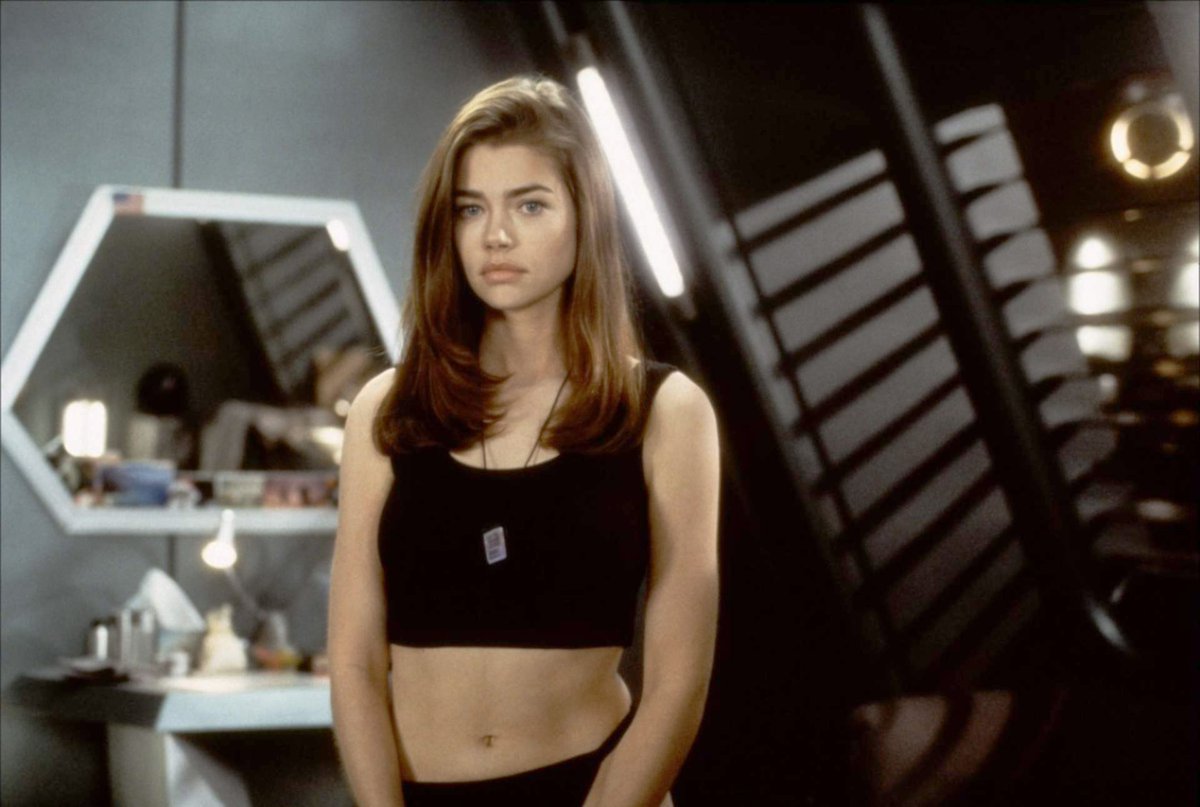
Richards said that at one point during filming, Verhoeven came to her and said he had an idea. It was a love scene that would require her to be naked. She refused to do it as it wasn’t in the script and she thought it served no purpose.
10/69
10/69
A key secondary character is Jean Rasczak – a teacher who becomes leader of the Roughnecks Special forces unit. Verhoeven considered casting Michael Douglas after working with him on Basic Instinct before Michael Ironside was cast.
11/69
11/69
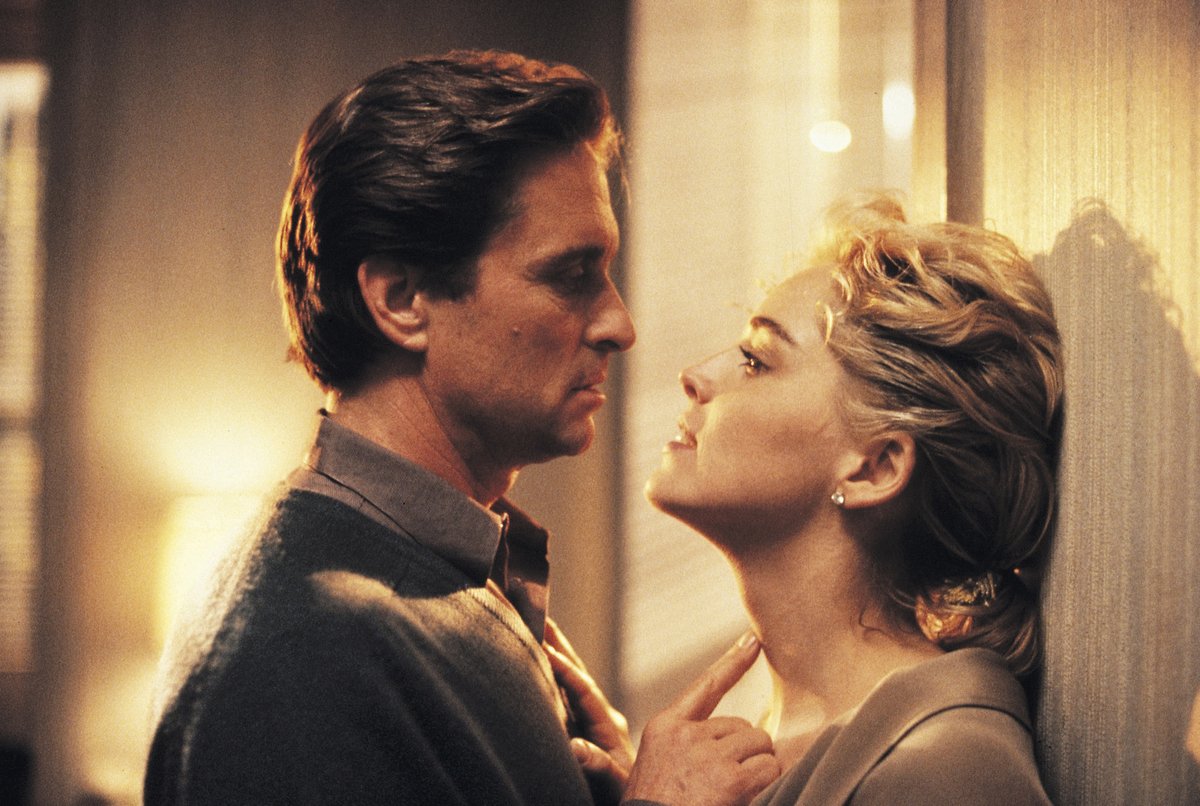
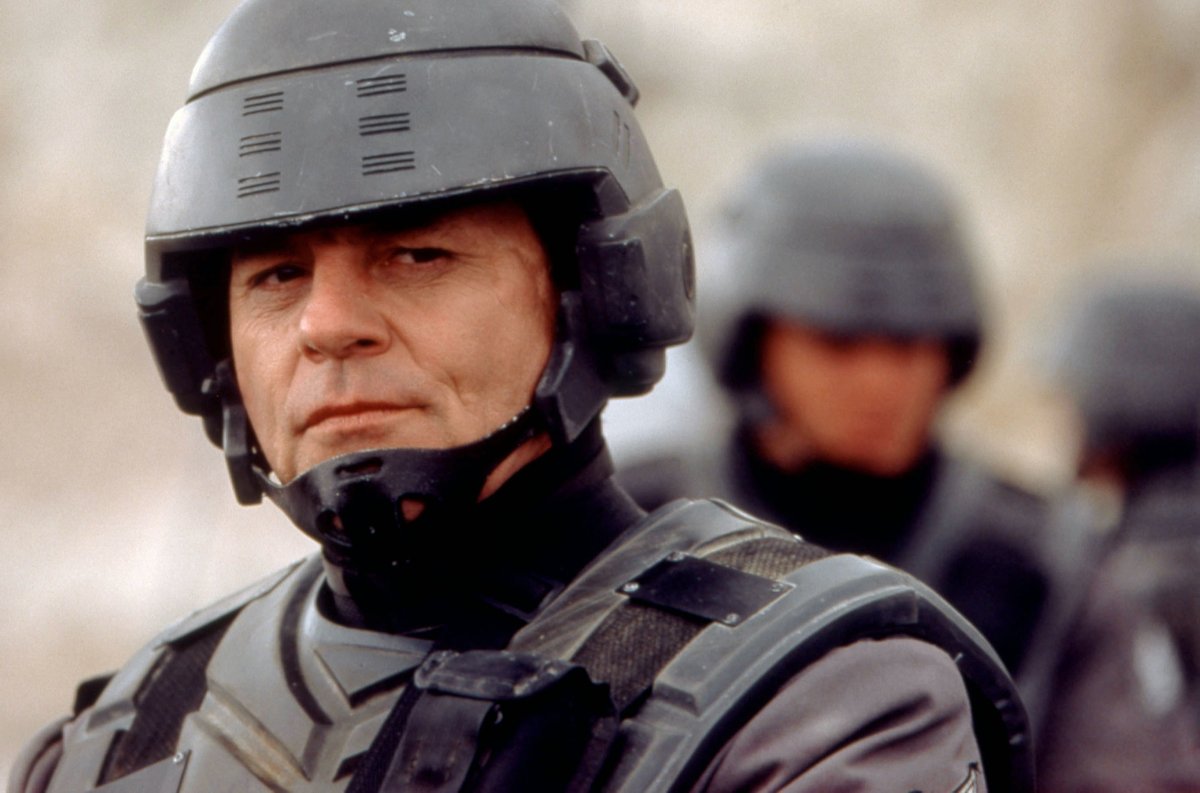
Ironside at first questioned why Verhoeven was making a film about fascism, but signed on when he realised it was a satire. And Van Dien said Ironside was his mentor on set and gave him advice on how to deliver a line or interact with crew members.
12/69
12/69
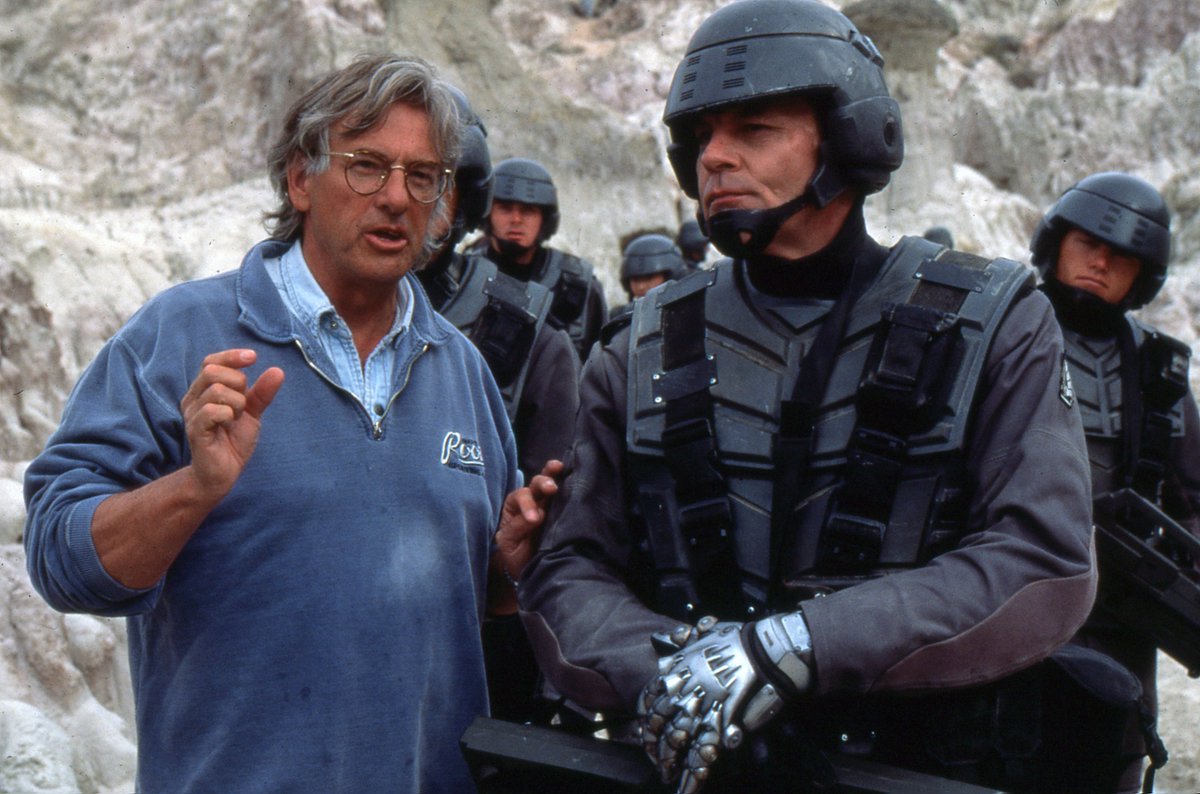
Rico’s second love interest is his classmate and fellow infantryman, Dizzy Flores. Dina Meyer was put forward by her agent to audition for Carmen. On reading the script though, Meyer said “No, I’m definitely Dizzy – the tomboy” and she was cast in the part.
13/69
13/69
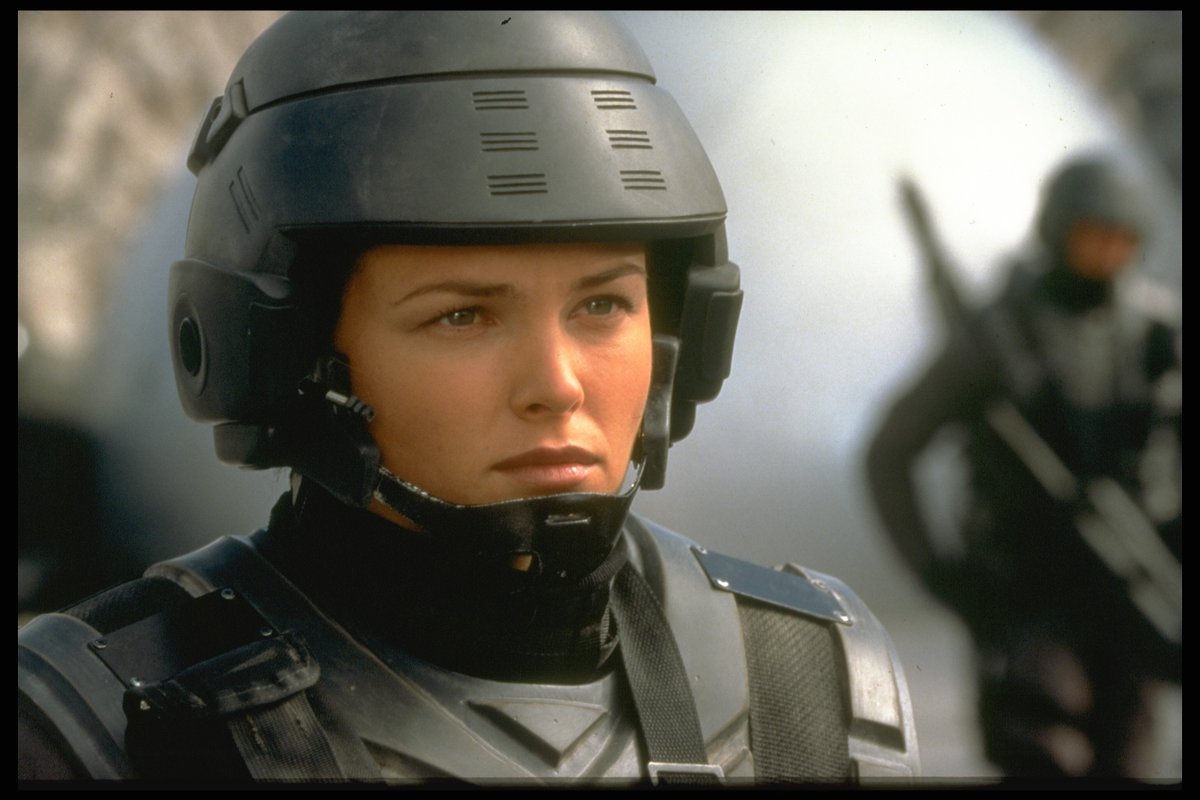
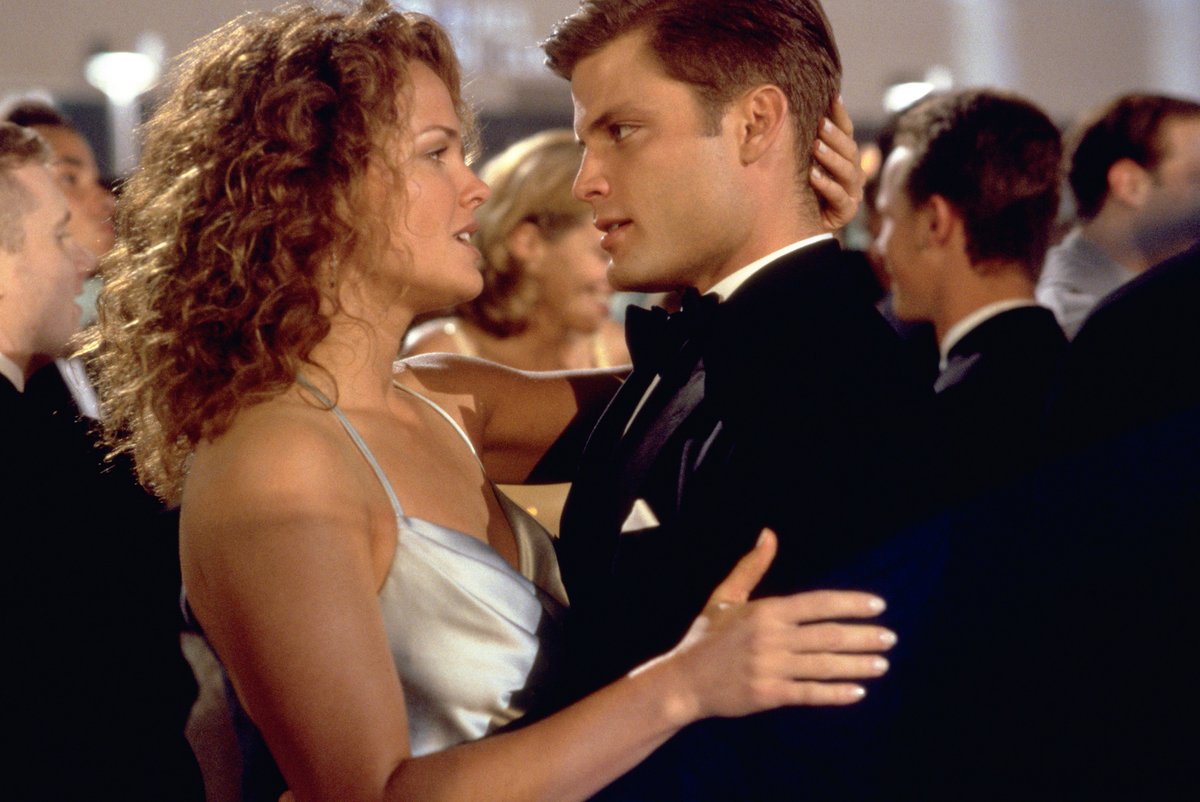
The screenwriter, Ed Neumeier, shows up very briefly in the film, too. He appears in one of the TV reports we see, where he plays a prisoner set to be executed live on TV.
14/69
14/69
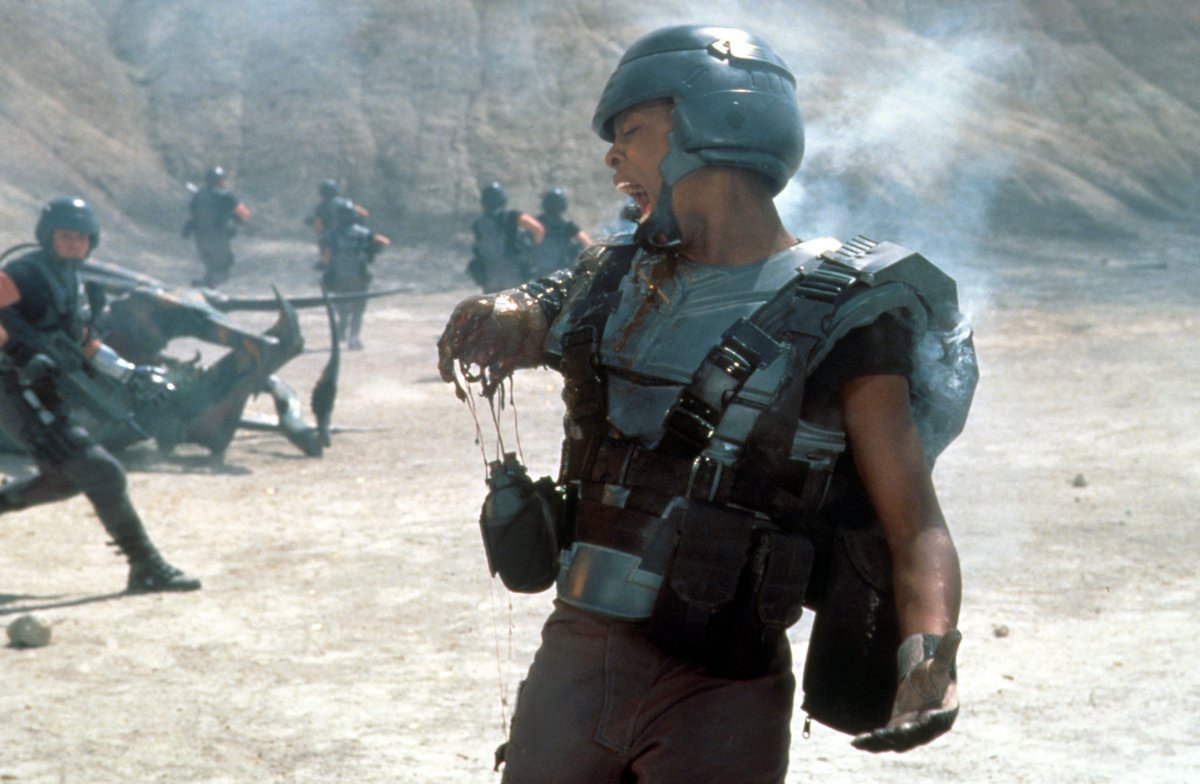
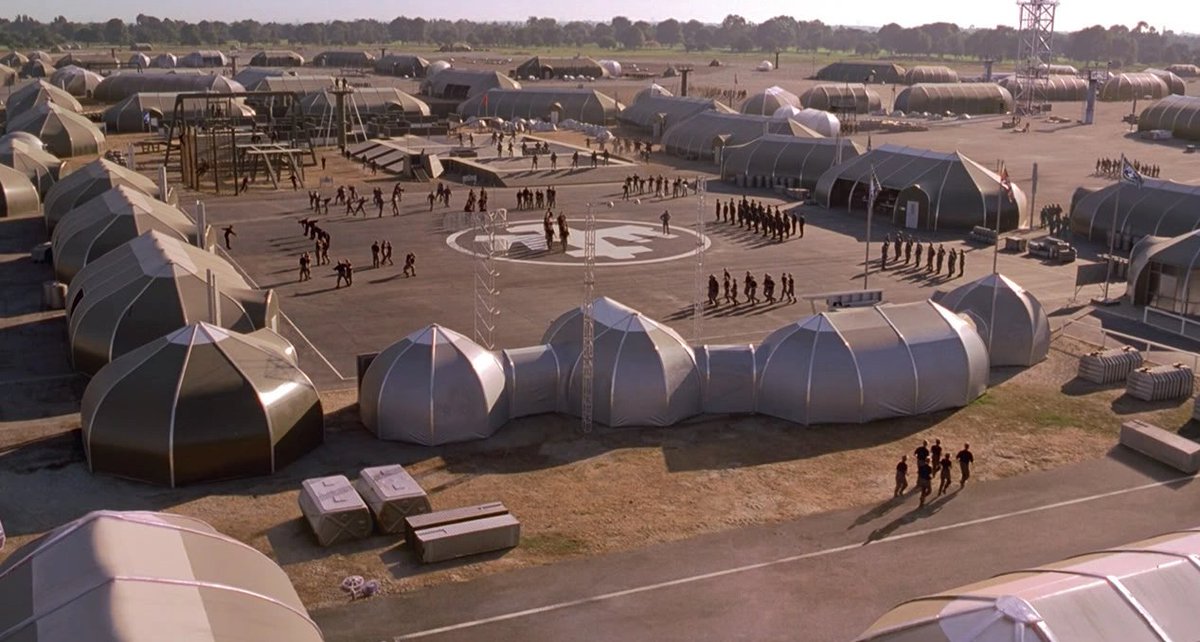
There are references to real life throughout the film. The boot camp is called the Arthur Currie Camp and is named after a Canadian Officer from World War I who was the first person to rise from the bottom rung of the ladder to become Commander of the Canadian Corps.
15/69
15/69
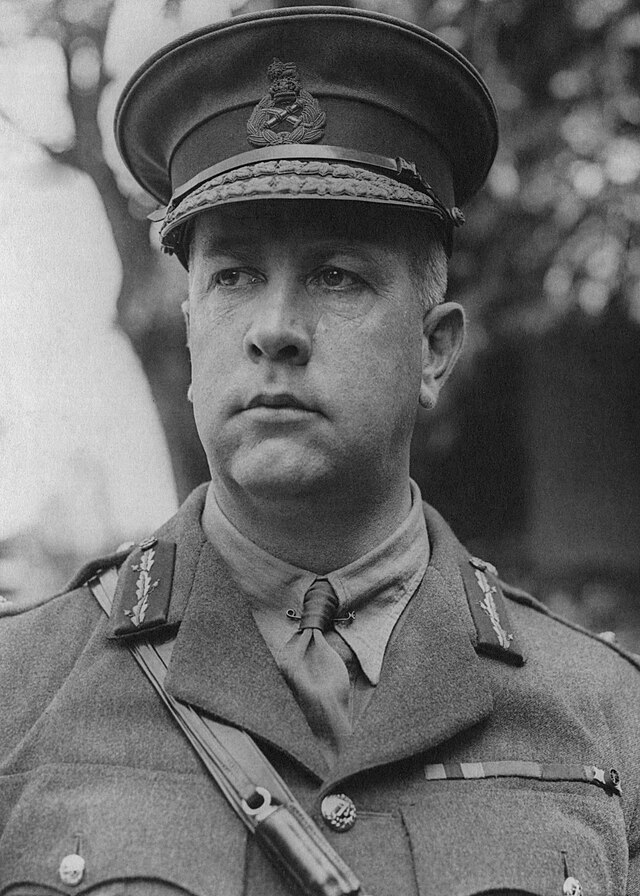
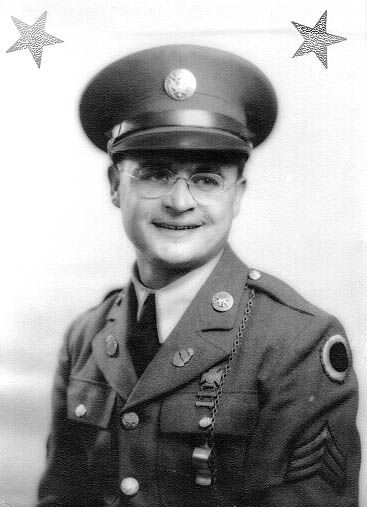
Carmen is assigned to a ship called The Rodger Young. Rodger Young was a World War II soldier who asked to be demoted so he could fight, and won the Medal of Honour when he sacrificed himself to save his platoon.
16/69
16/69
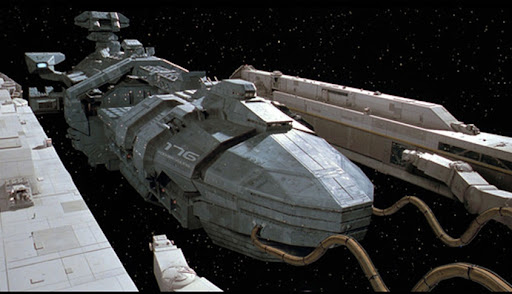
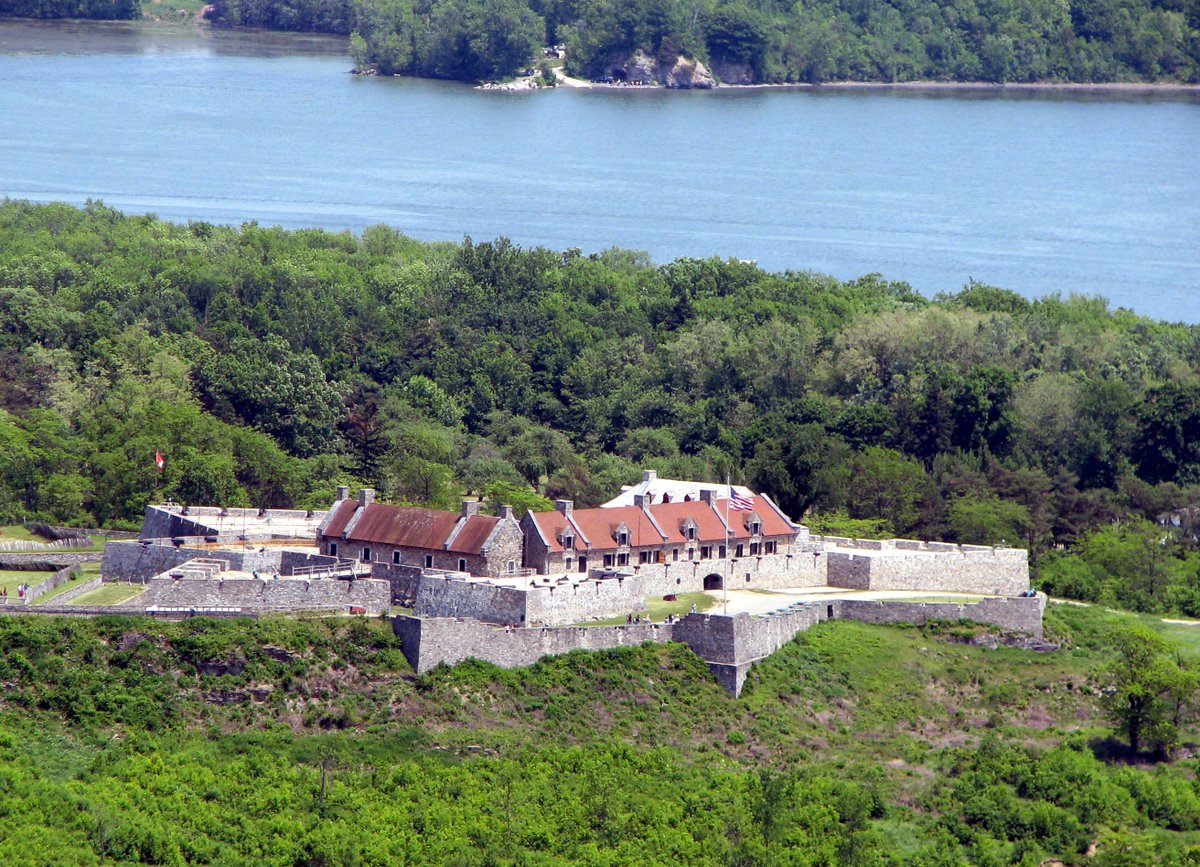
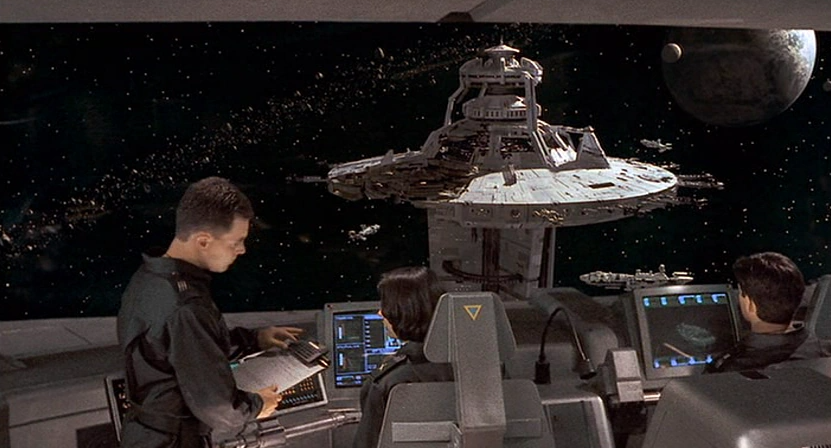
The Ticonderoga space station named after Fort Ticonderoga, which played a key role in the Revolutionary War. And the academy where Carmen is trained is called Tereshkova Base. Named after Valentina Tereshkova, the first woman in space in 1963.
17/69
17/69
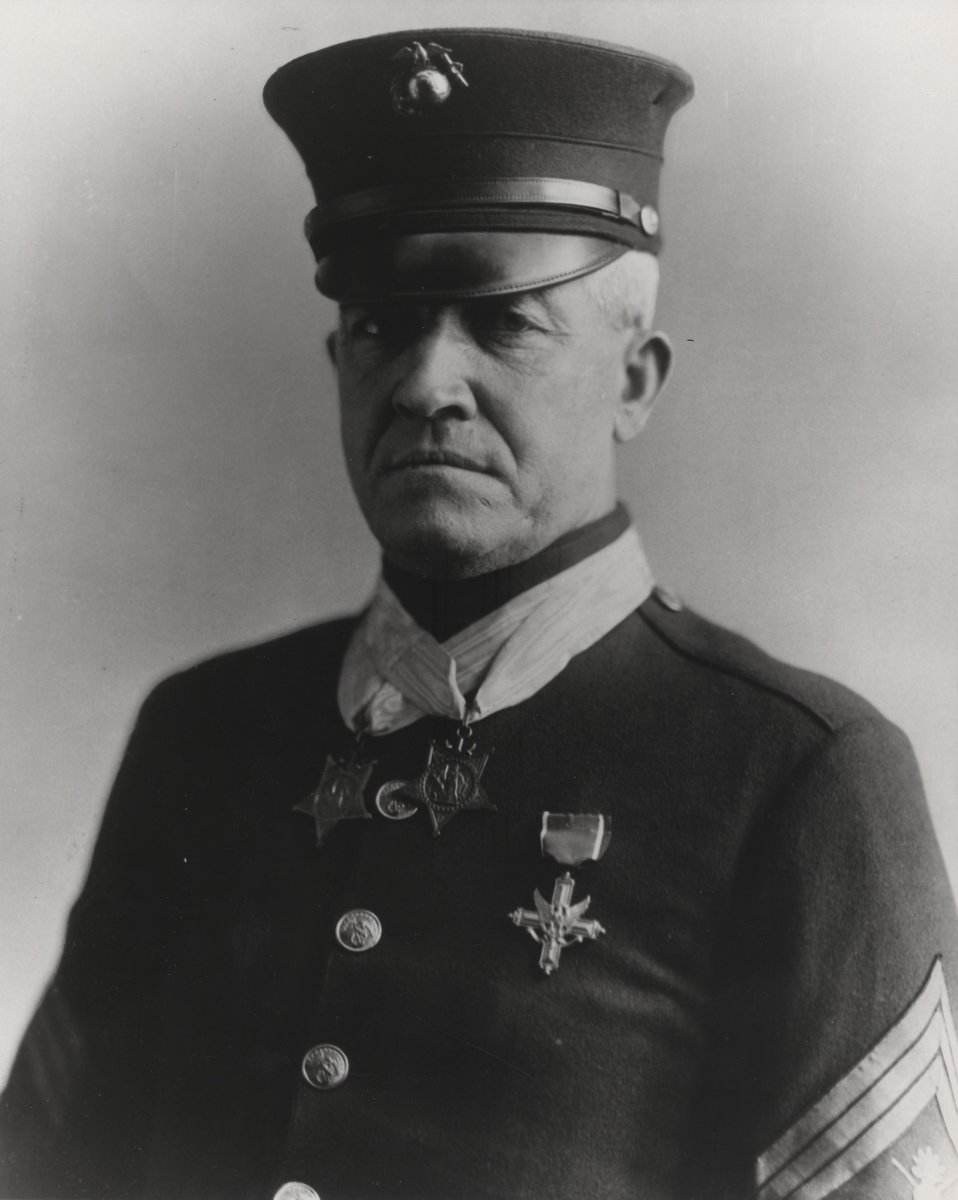
And Rasczak’s line “Do you want to live forever?” (which Rico repeats at the end of the film) was originally said by Sergeant Dan Daly to his troops before the Battle of Belleau Wood during World War I.
18/69
18/69

Once the Jon Davidson had the rights to the book, as well as changing the name to his original script, Ed Neumeier also wrote an entirely new draft to incorporate elements of Heinlein’s book. Many details are different though…
19/69
19/69
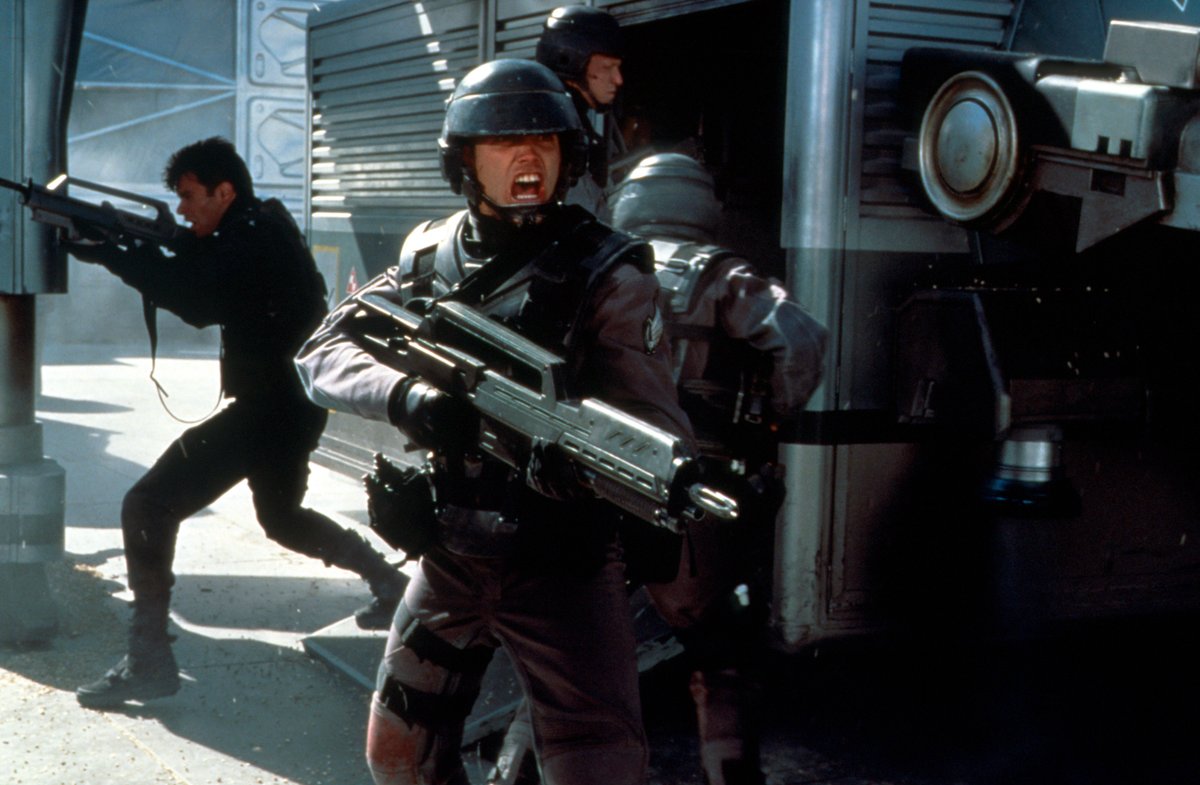
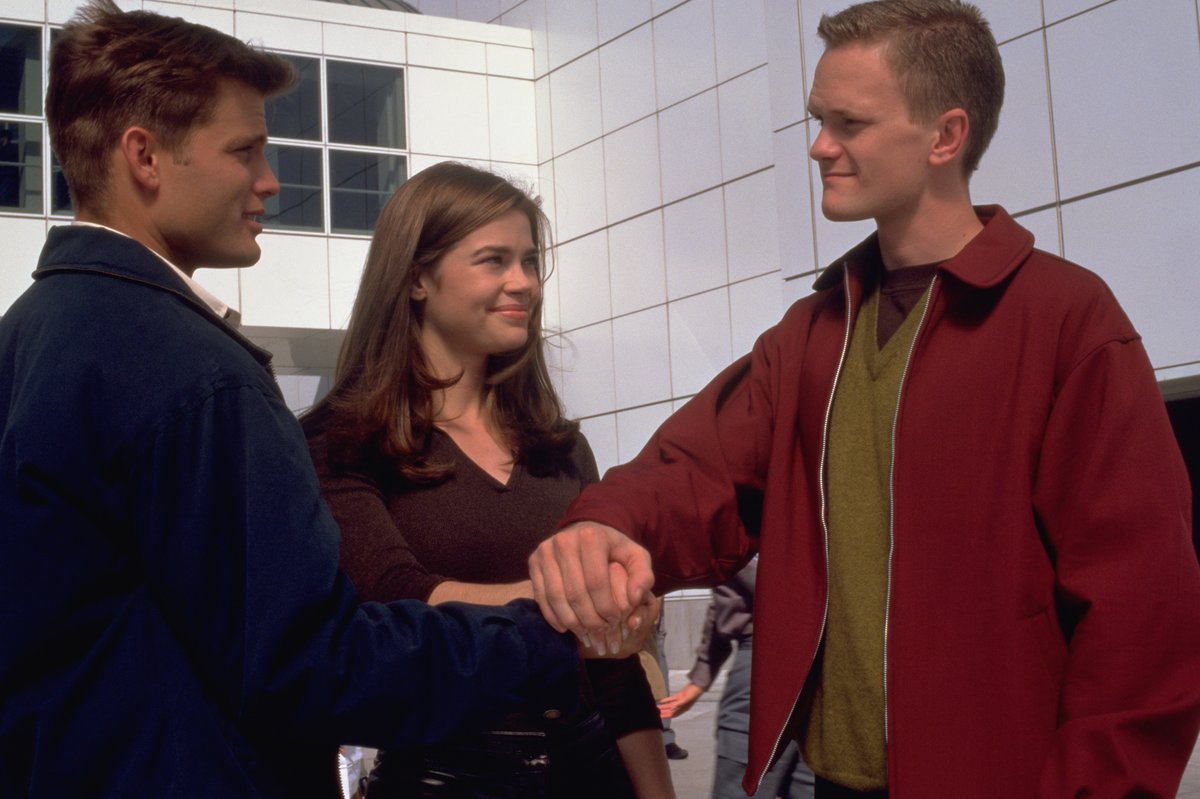
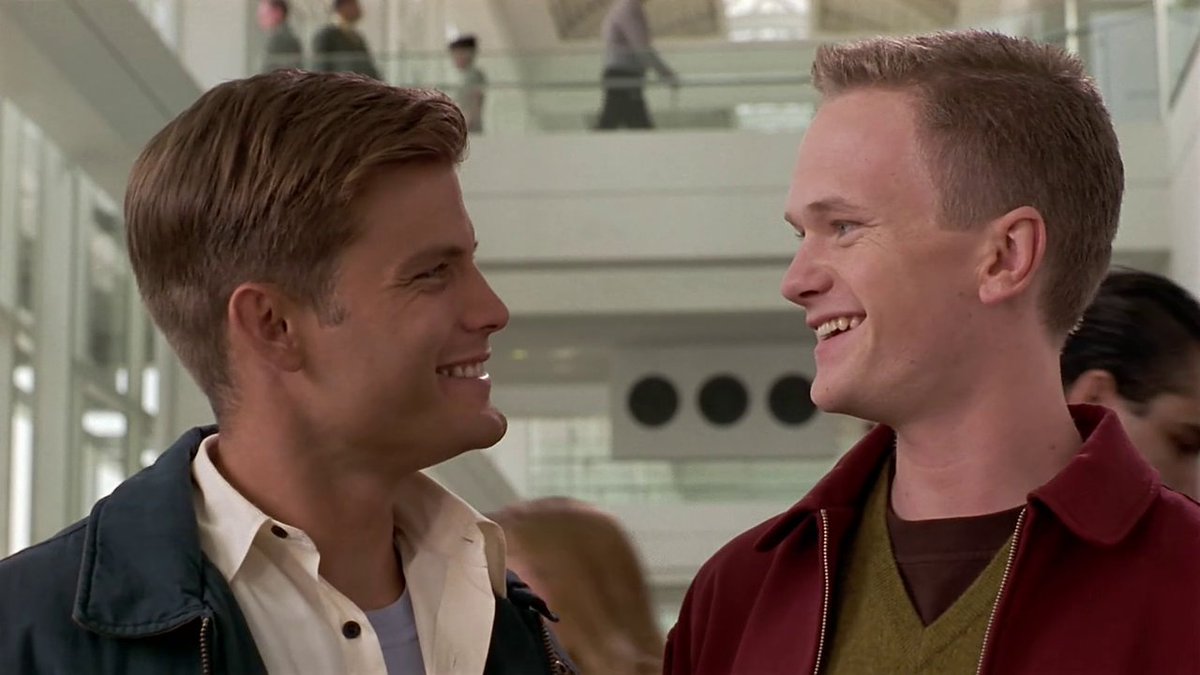
In the book, Rico is Filipino, Carmen isn’t his girlfriend, and Carl (Neil Patrick Harris) is killed when the bugs attack a research station. Ace (Jake Busey) is a combination of two characters called Ace and Pat Levy and, in the book, Diz is a man.
20/69
20/69
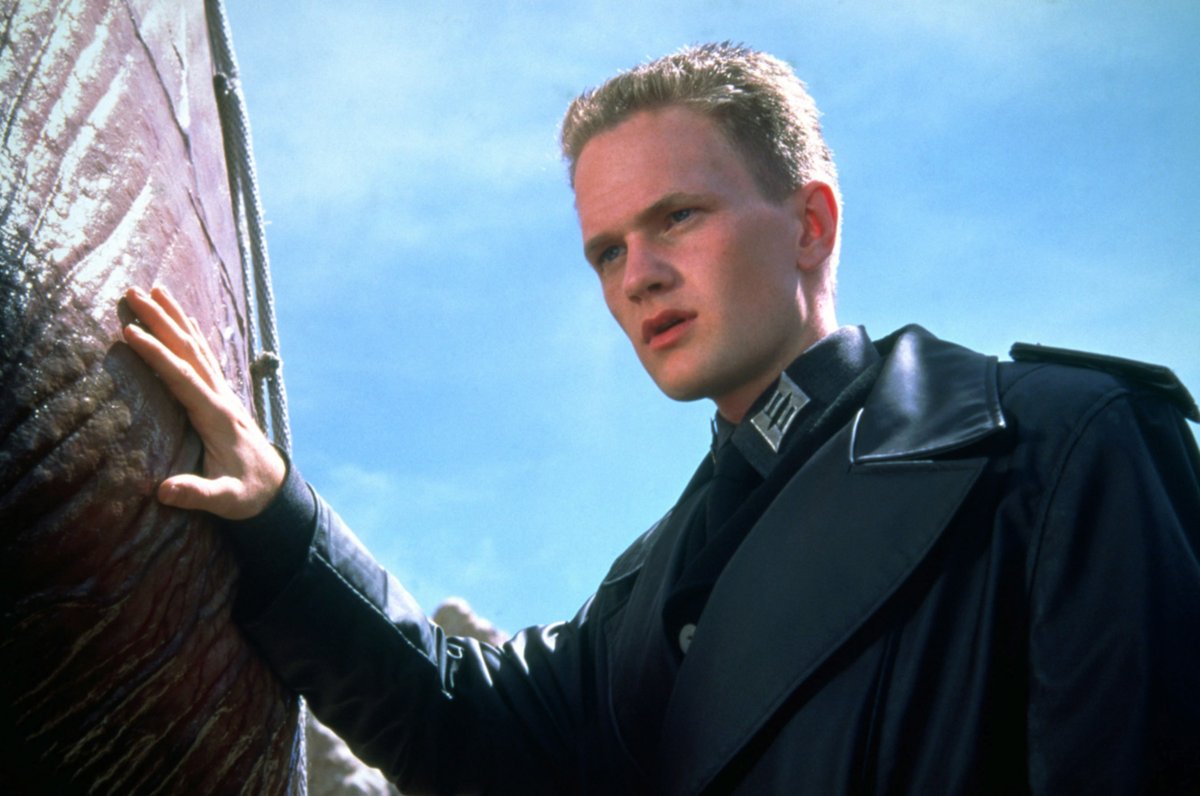
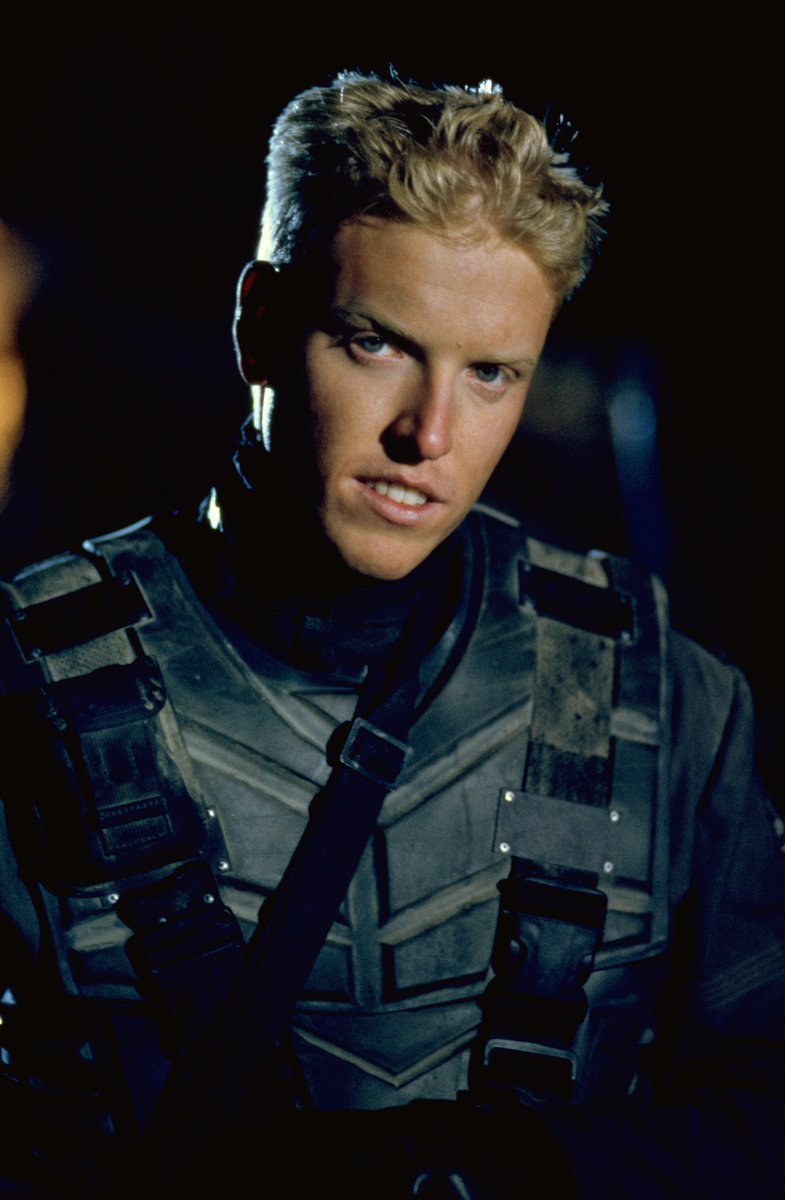
The only real similarity in the characters is that Neumeier took all the names from the books. Also in the book, Rico’s mother dies but not his father, and his dad joins the Mobile Infantry, and he and Johnny have a brief reunion.
21/69
21/69

In the novel, the teacher is called Jean Dubois, and Rasczak is a separate character and commander of the Roughnecks division. For the film, they’re combined the two into one character called Jean Rasczak.
22/69
22/69
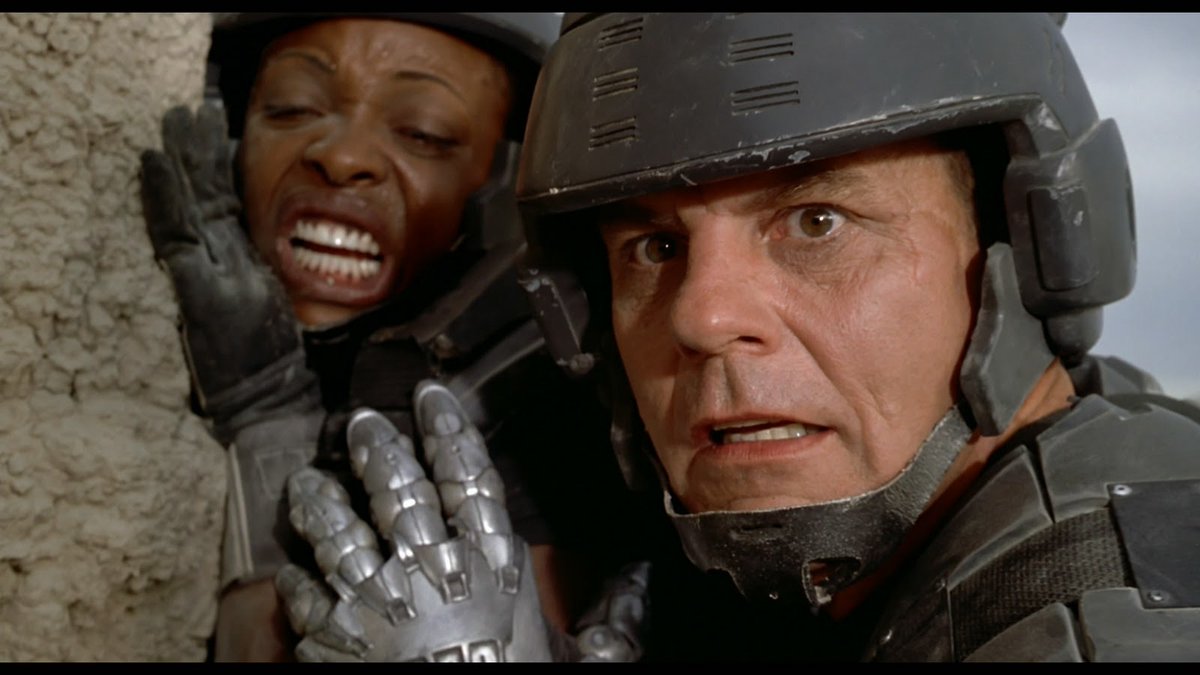

The Arachnids in the book aren’t mindless bugs, they have atomic bombs and guns. In Heinlein’s story, it’s one of those atomic bombs that destroys Buenos Aires, not a meteor, as in the film.
23/69
23/69
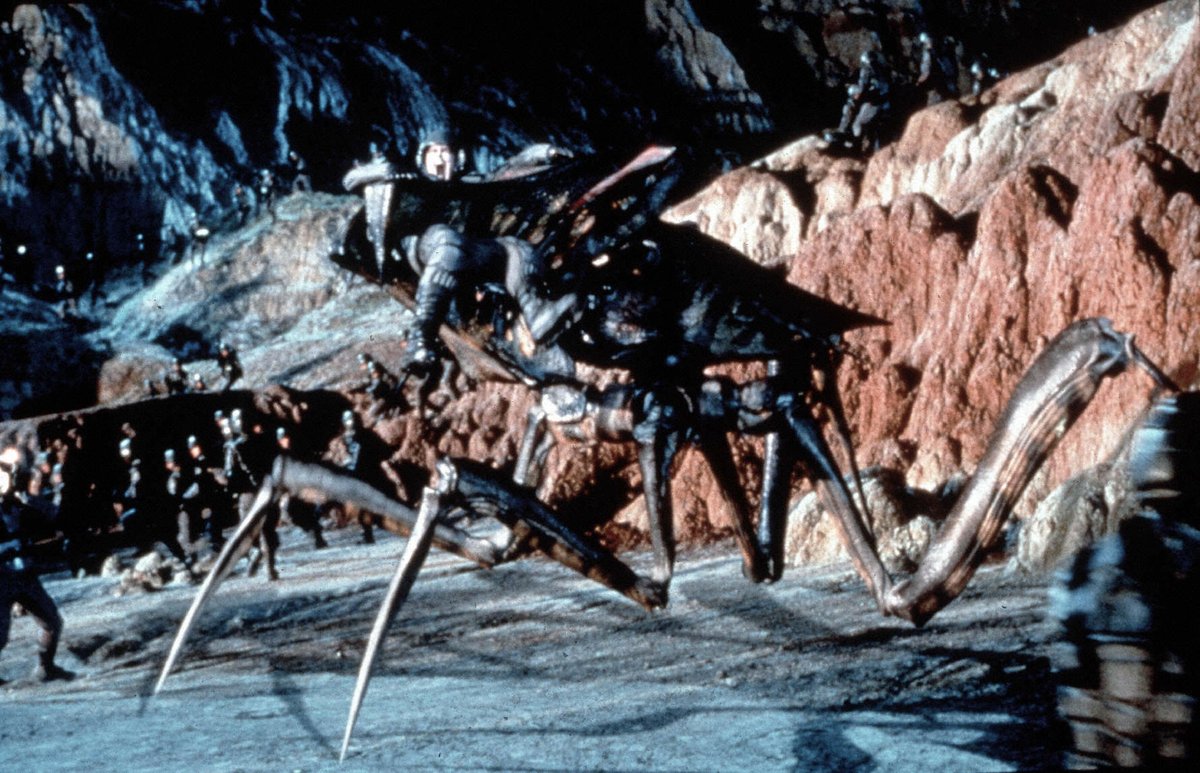
And there’s another alien species in the book called the Skinnies, who have joined forces with the Arachnids, and the humans are at war with them too. The Skinnies are similar to humans but are a lot taller and have green skin.
24/69
24/69
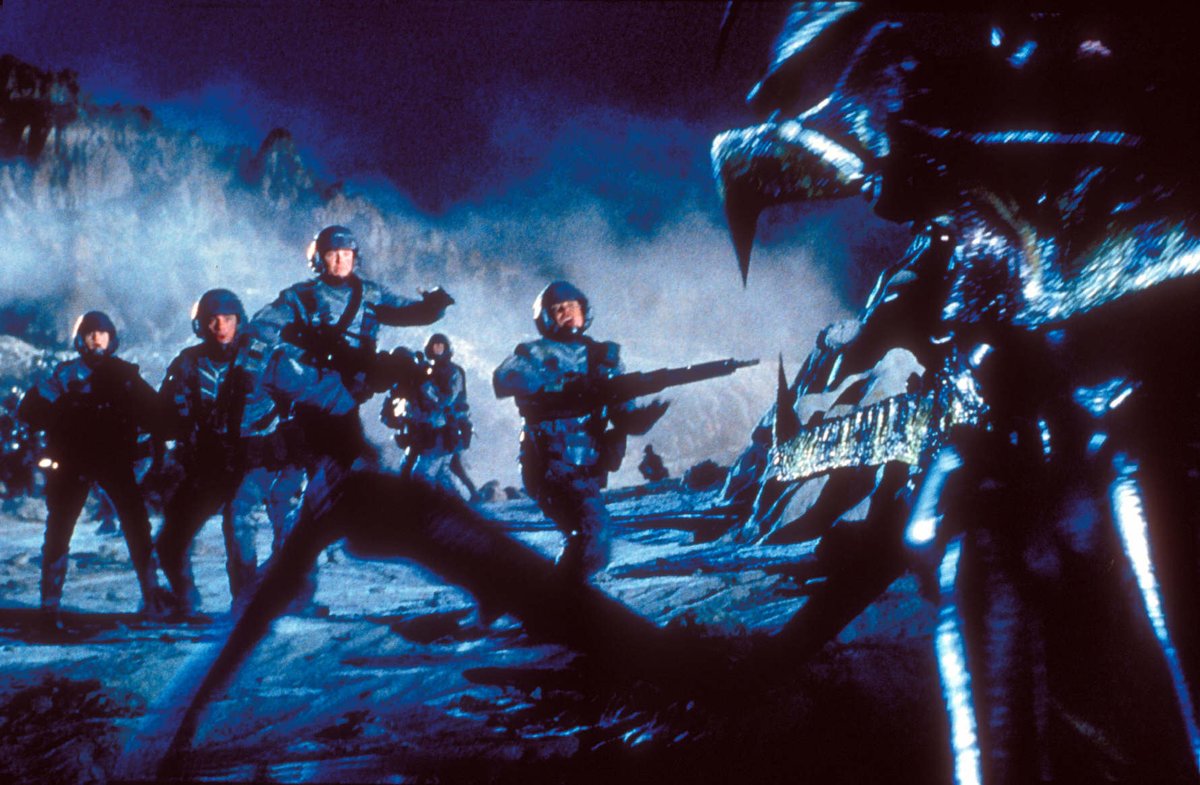
Heinlein’s Troopers have power armour which allows them to jump hundreds of feet in the air – Jon Davidson said budgetary restrictions prevented this being included in the film.
25/69
25/69
And perhaps the biggest difference is that the critique of fascism that runs through the film isn’t in the book at all. The book plays its narrative very straight, and the characters are mostly portrayed as heroes.
26/69
26/69
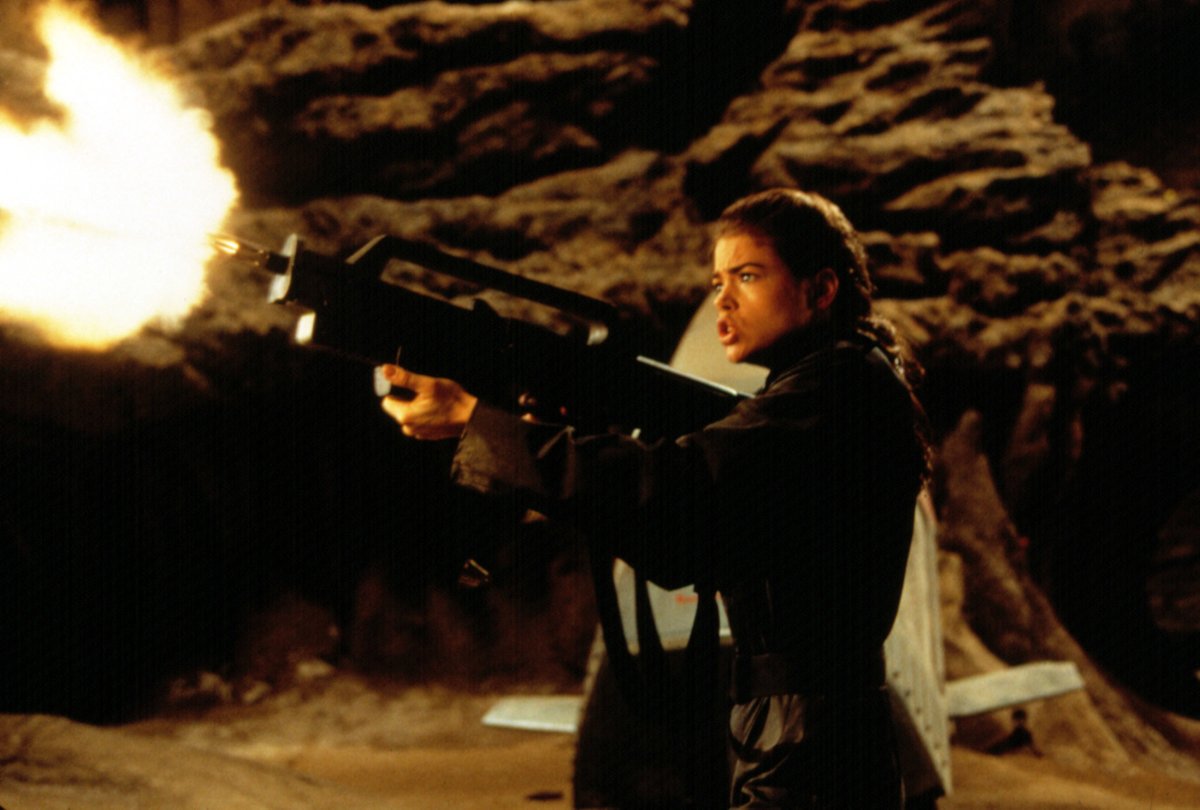
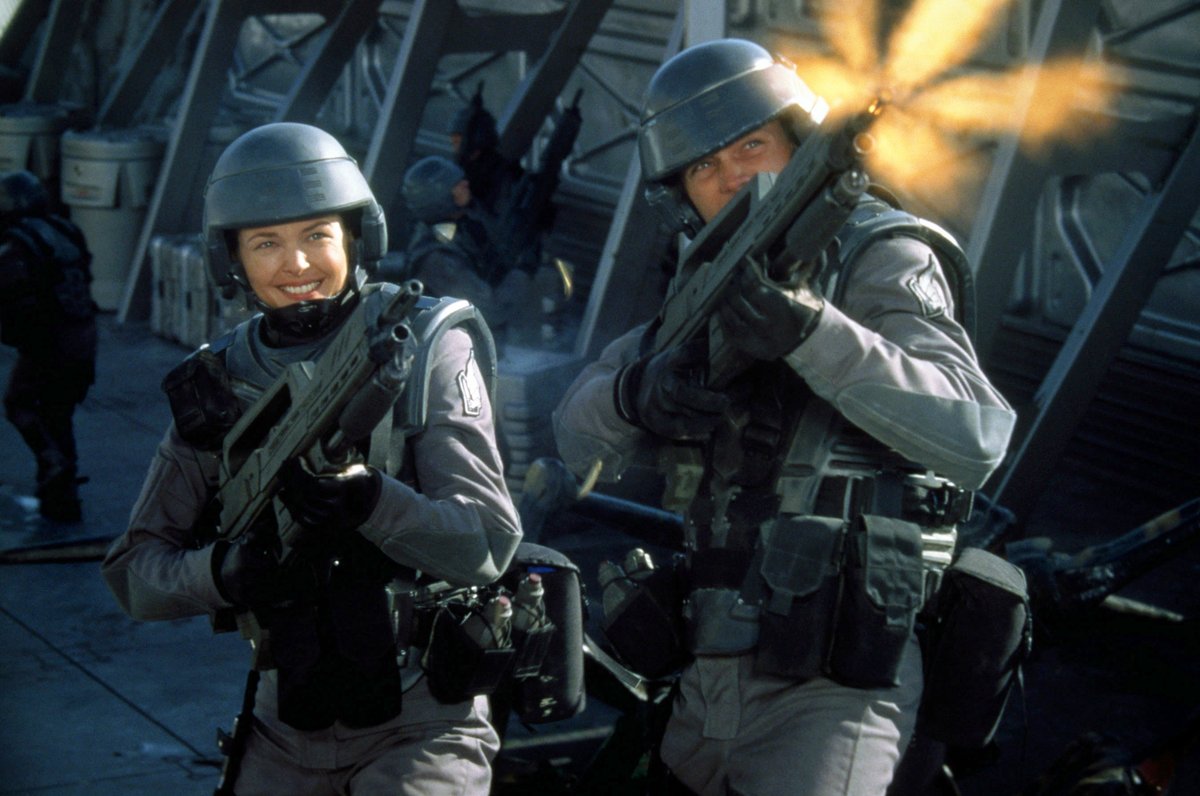
co-pilot Zander (Patrick Muldoon). When this was shown to test audiences though, there was a negative reaction to Carmen, so those scenes were removed.
27/69
27/69

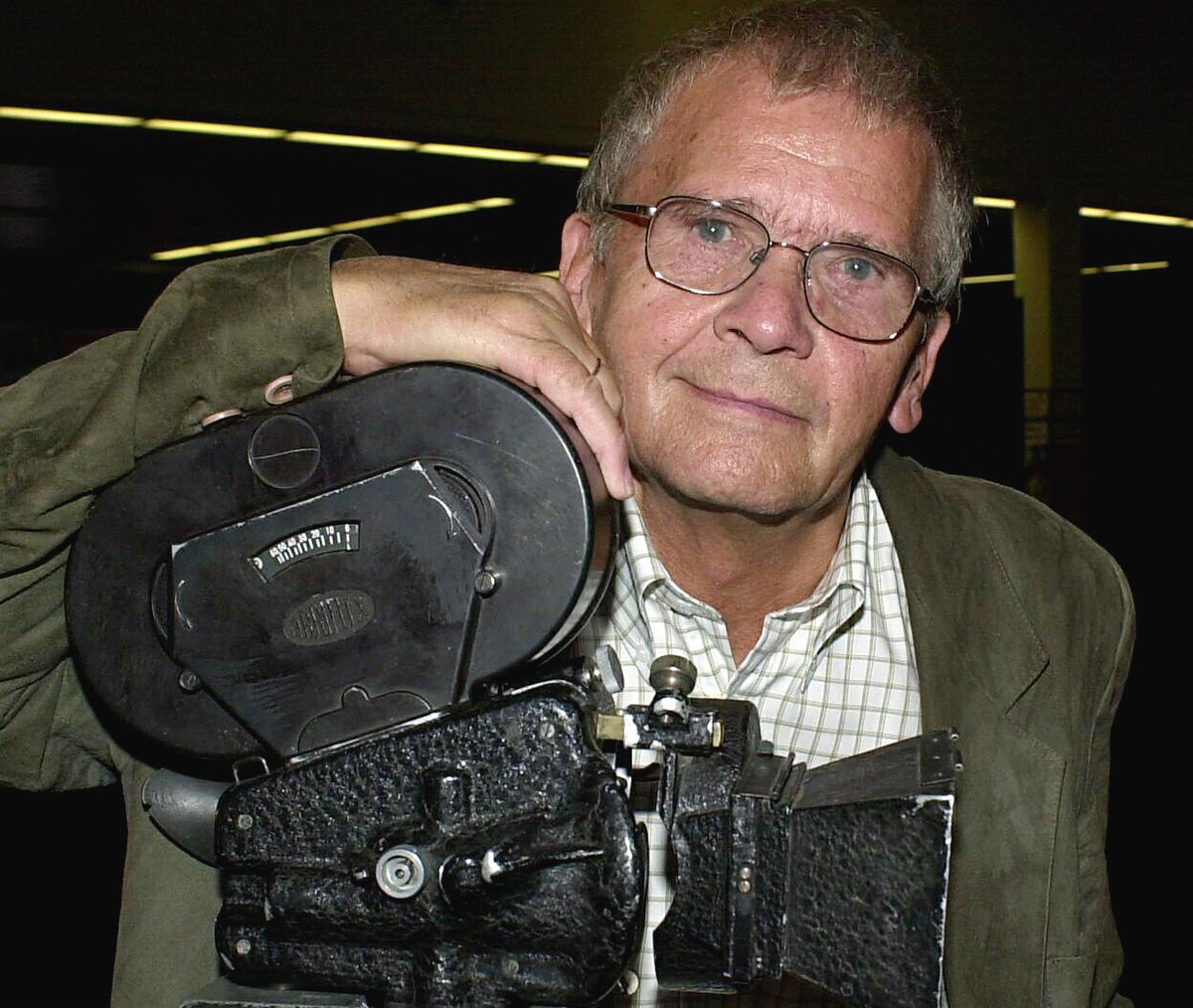
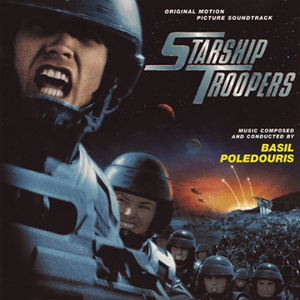
Some key RoboCop crew members were hired too. The Director of Photography on the film was Jost Vacano - working with Verhoeven for the 5th time. And the composer, Basil Poledouris, was working with PV for the third time.
28/69
28/69
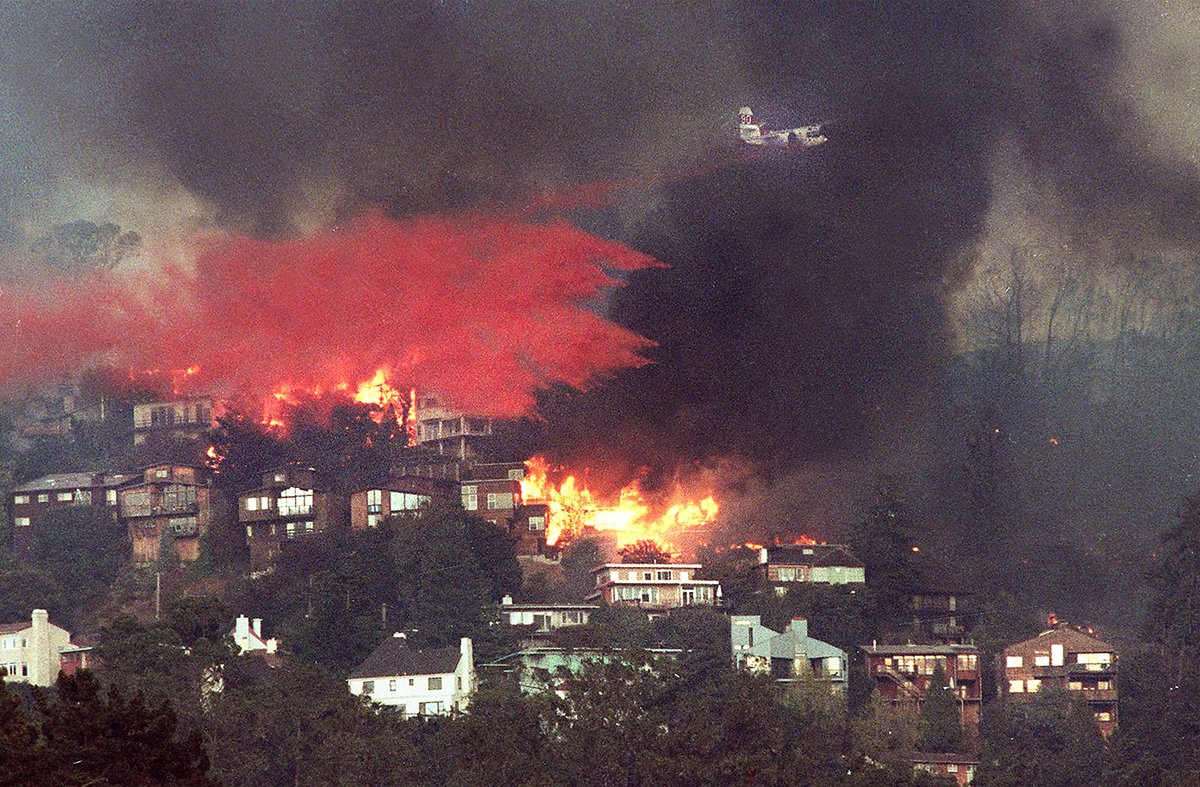
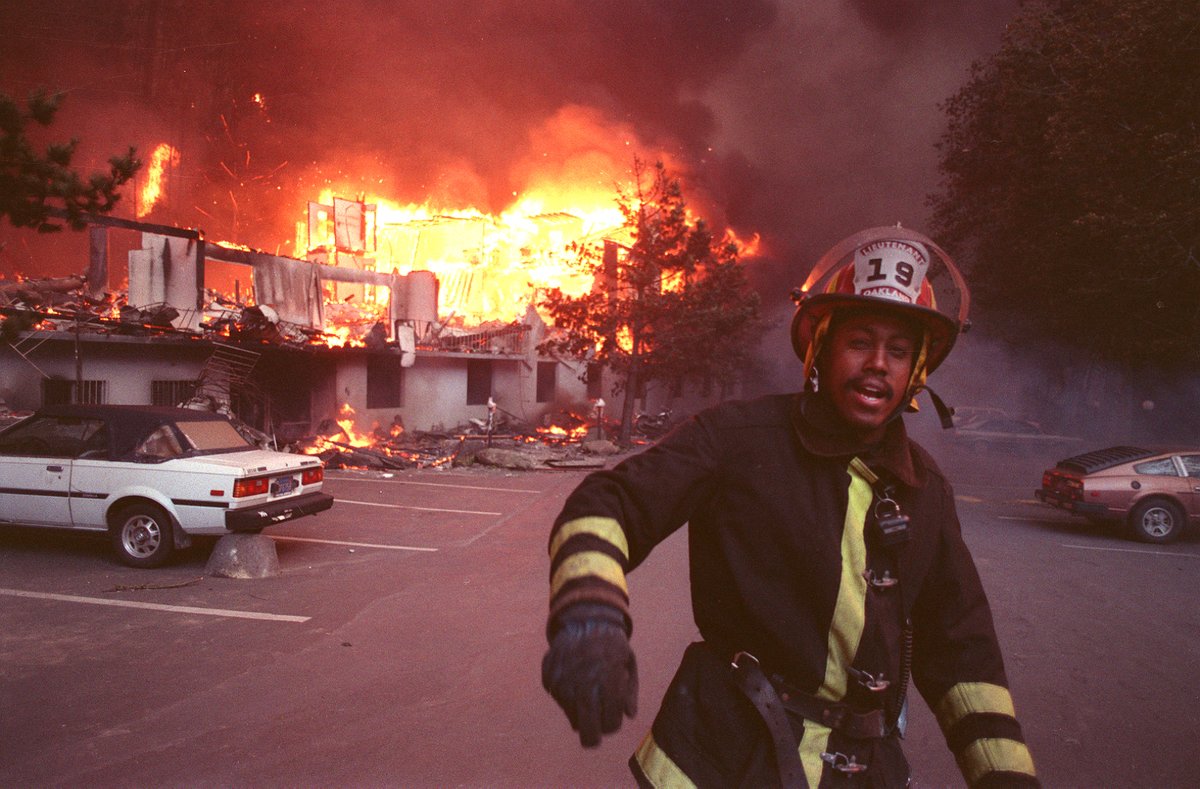
There was pre-existing footage used in the film too. The shots we see of Buenos Aires after the bug attack were videos taken from the Oakland Firestorm in California, which killed 25 people in 1991.
29/69
29/69
Basil Poledouris daughter, Zoë Poledouris, is in the film as well. At the graduation party in the first act, there’s a band on stage playing I Have Not Been To Oxford Town by David Bowie. The singer is Zoe Poledouris.
30/69
30/69
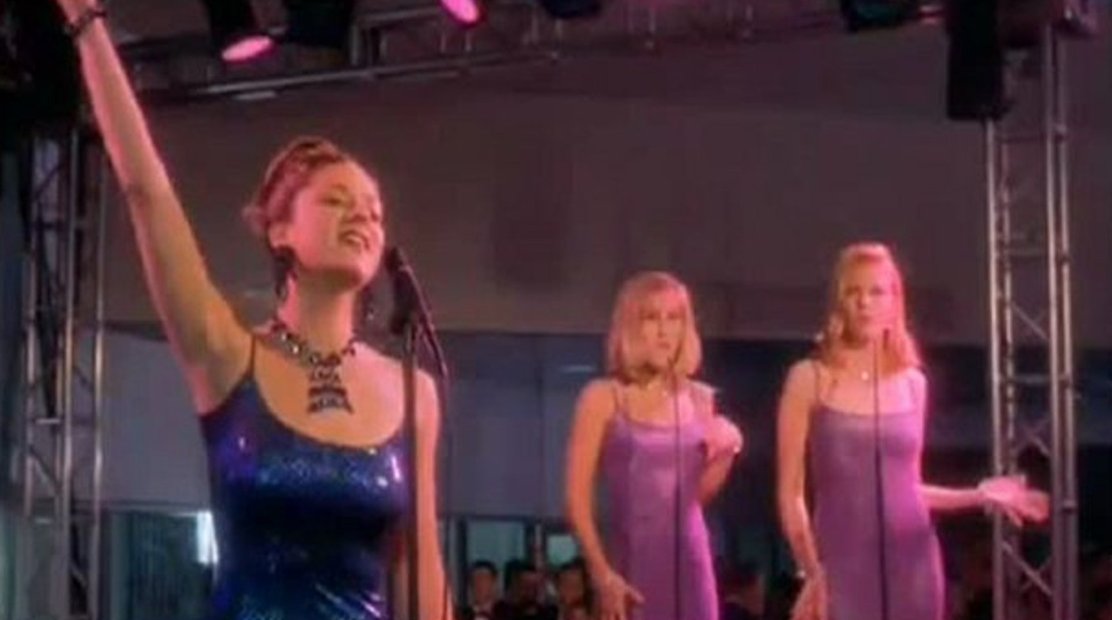
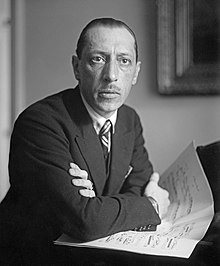
Zoe is a composer and said her father took inspiration from Igor Stravinsky and told her he wanted to write “a sci-fi ballet of madness and carnage.” Poledouris was given 6 months by Verhoeven to compose the score and brought in a percussion specialist to help.
31/69
31/69
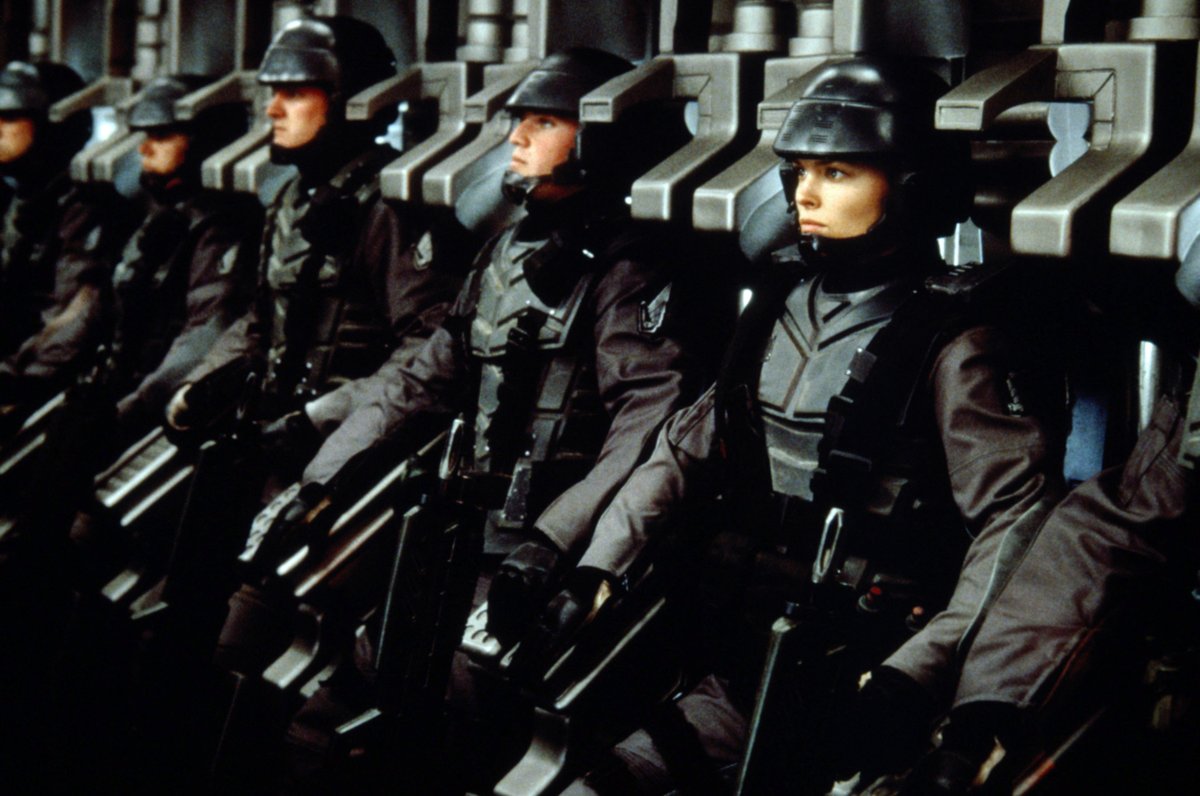
The costume designer was Ellen Mirojnick, and she took inspiration from Nazi fashion, and propaganda when designing the Federation military’s uniforms and iconography.
32/69
32/69

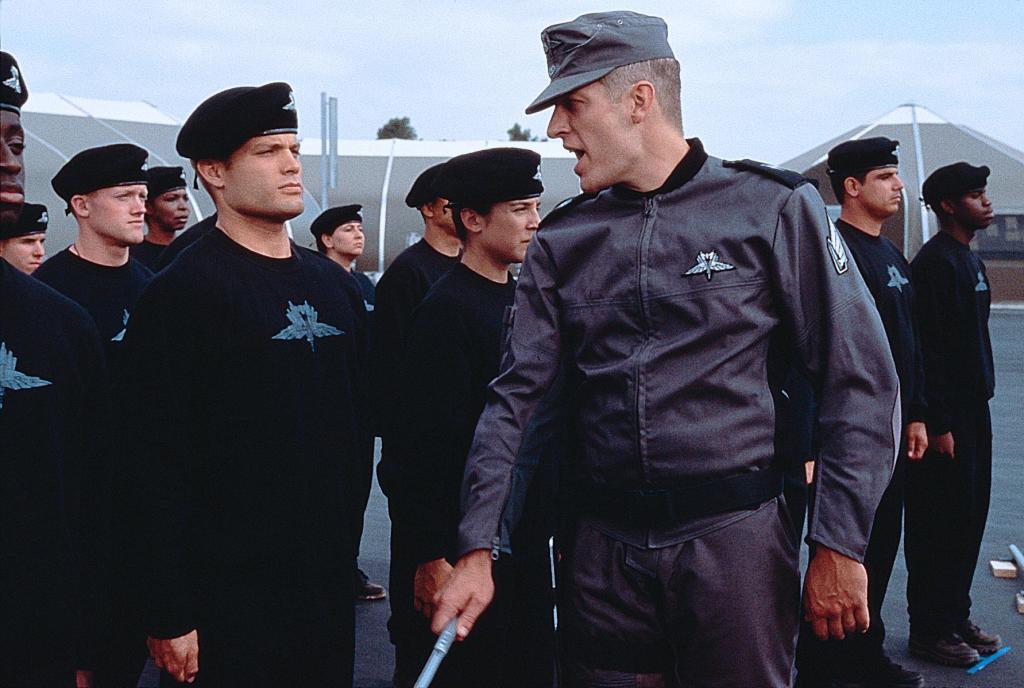
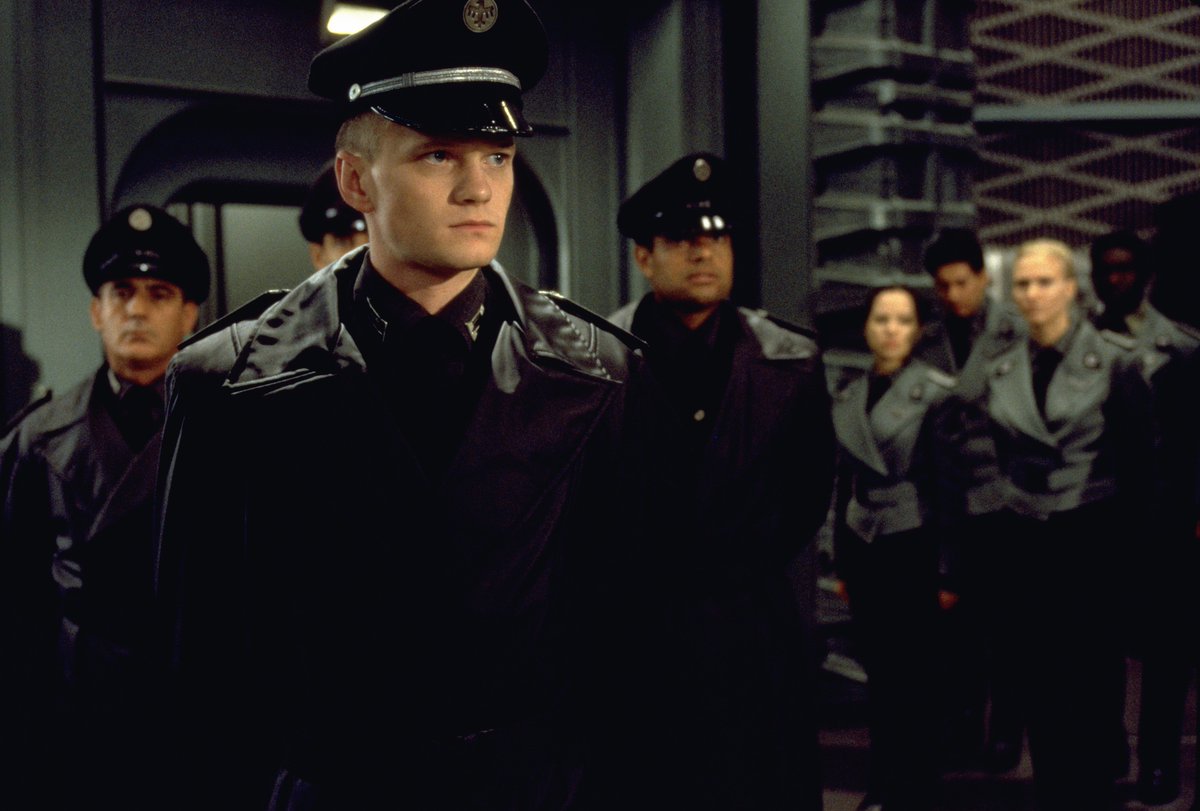
Verhoeven said when the studio saw the film, they complained that the Federation flag was a Nazi Orpo flag. Verhoeven replied, “no it’s not – it’s different colours.”
33/69
33/69

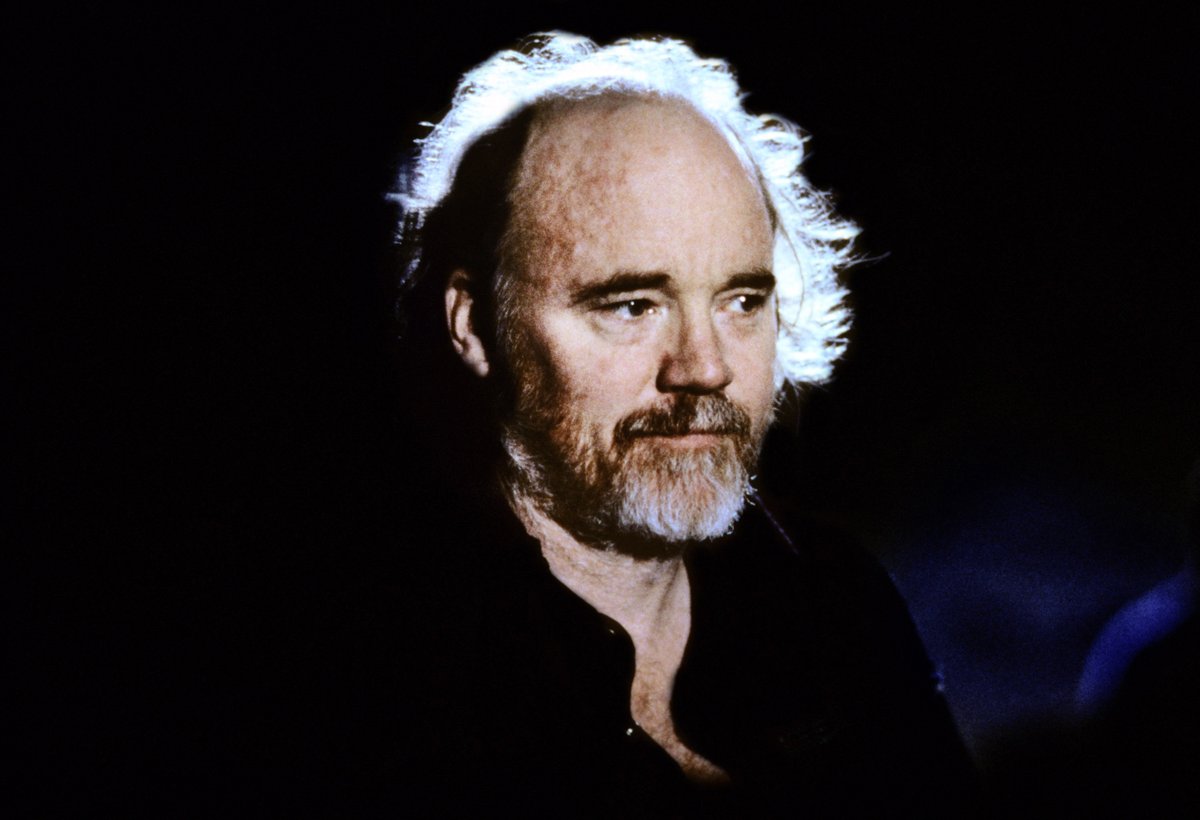
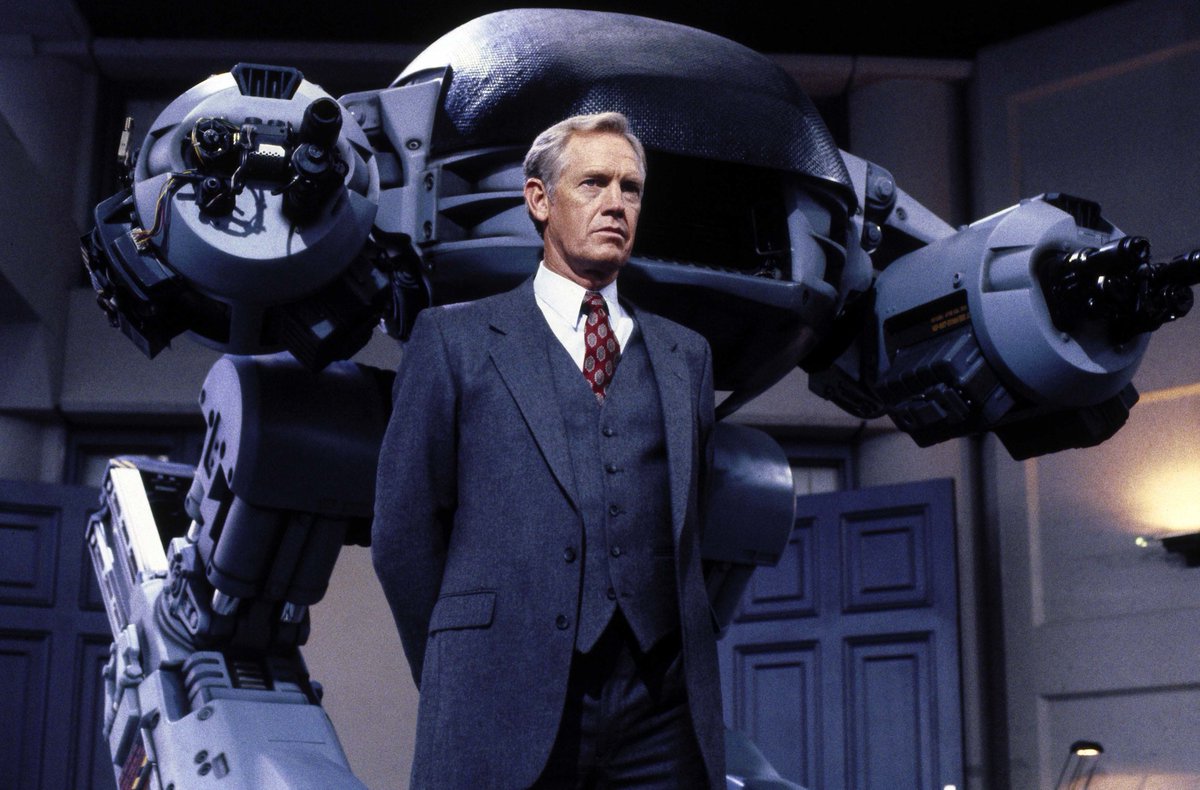
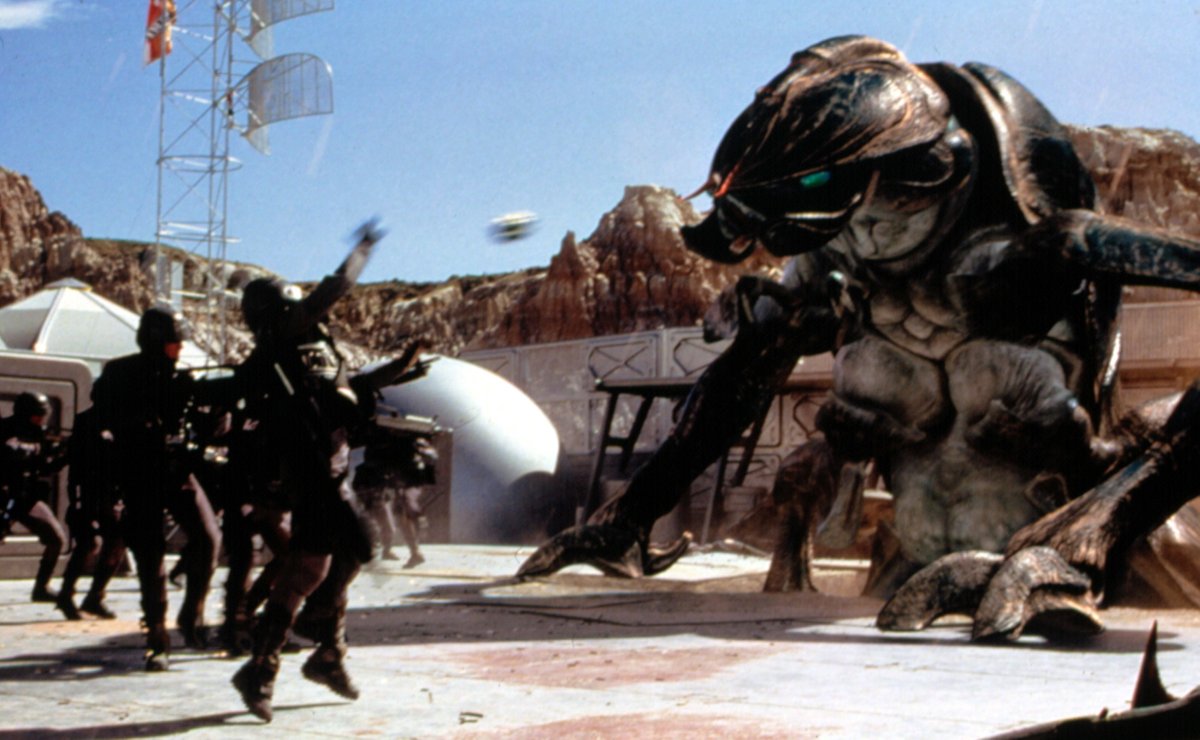
Special effects guru Phill Tippett was hired to do the bugs effects work as he’d done stop motion effects for ED-209 in RoboCop, and worked on Jurassic Park. Craig Hayes designed the bugs and to save time, they revised designs they’d done for Tremors 2: Aftershocks.
34/69
34/69
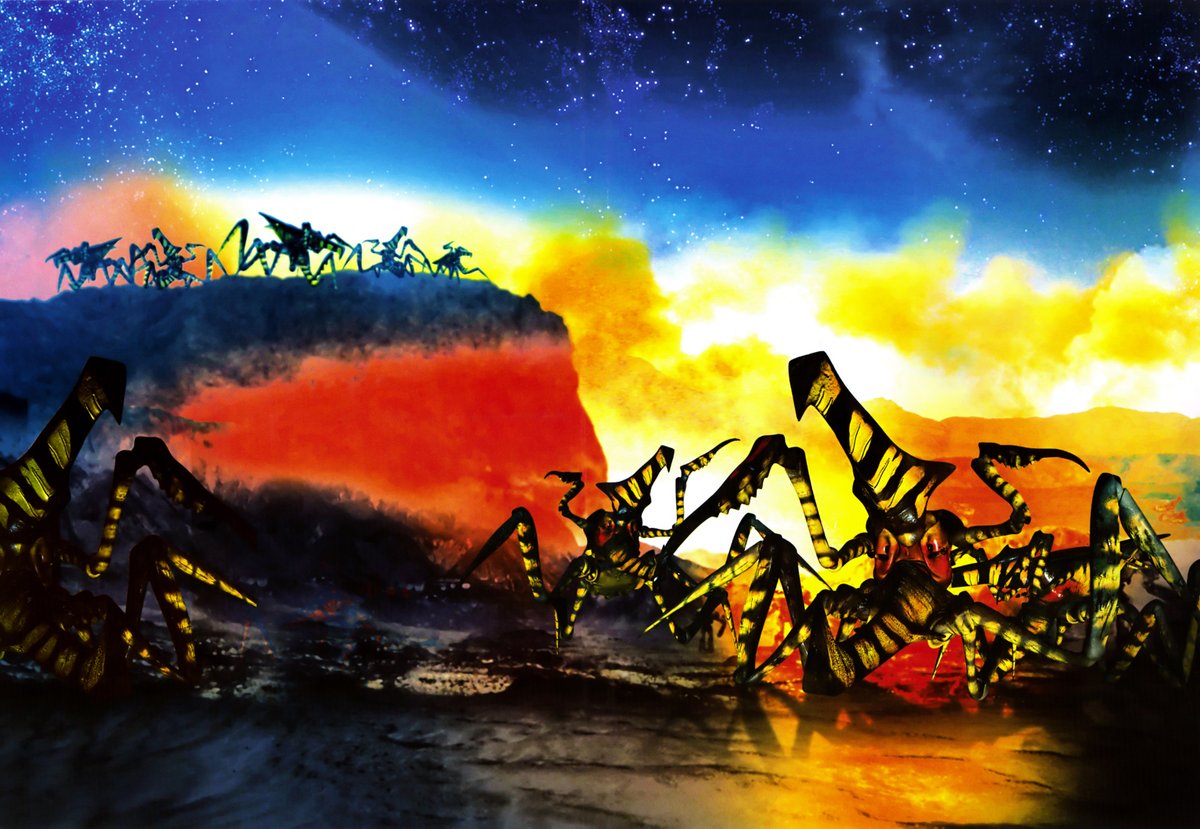
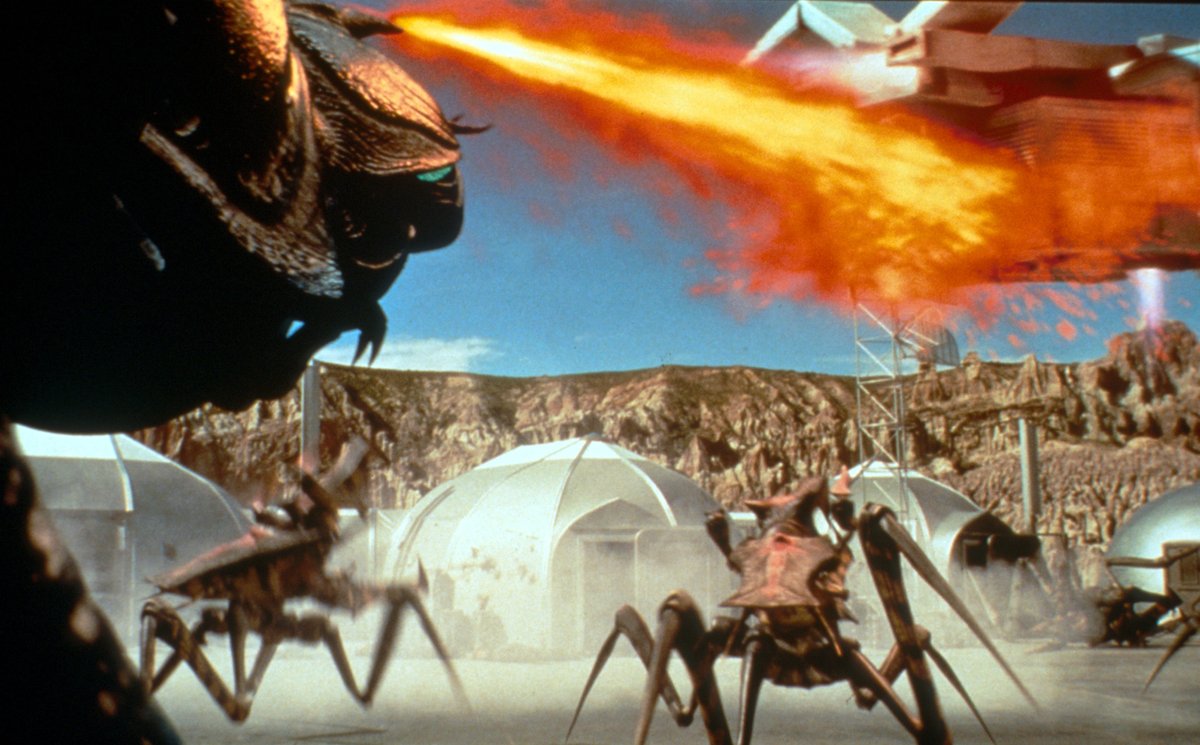
Tippett studio gave the bugs a hierarchy based on the military. So the warrior bugs that we see most of are the infantry. The tanker bugs are tanks, the hopper bugs are the airforce, and the plasma bugs are the heavy artillery.
35/69
35/69
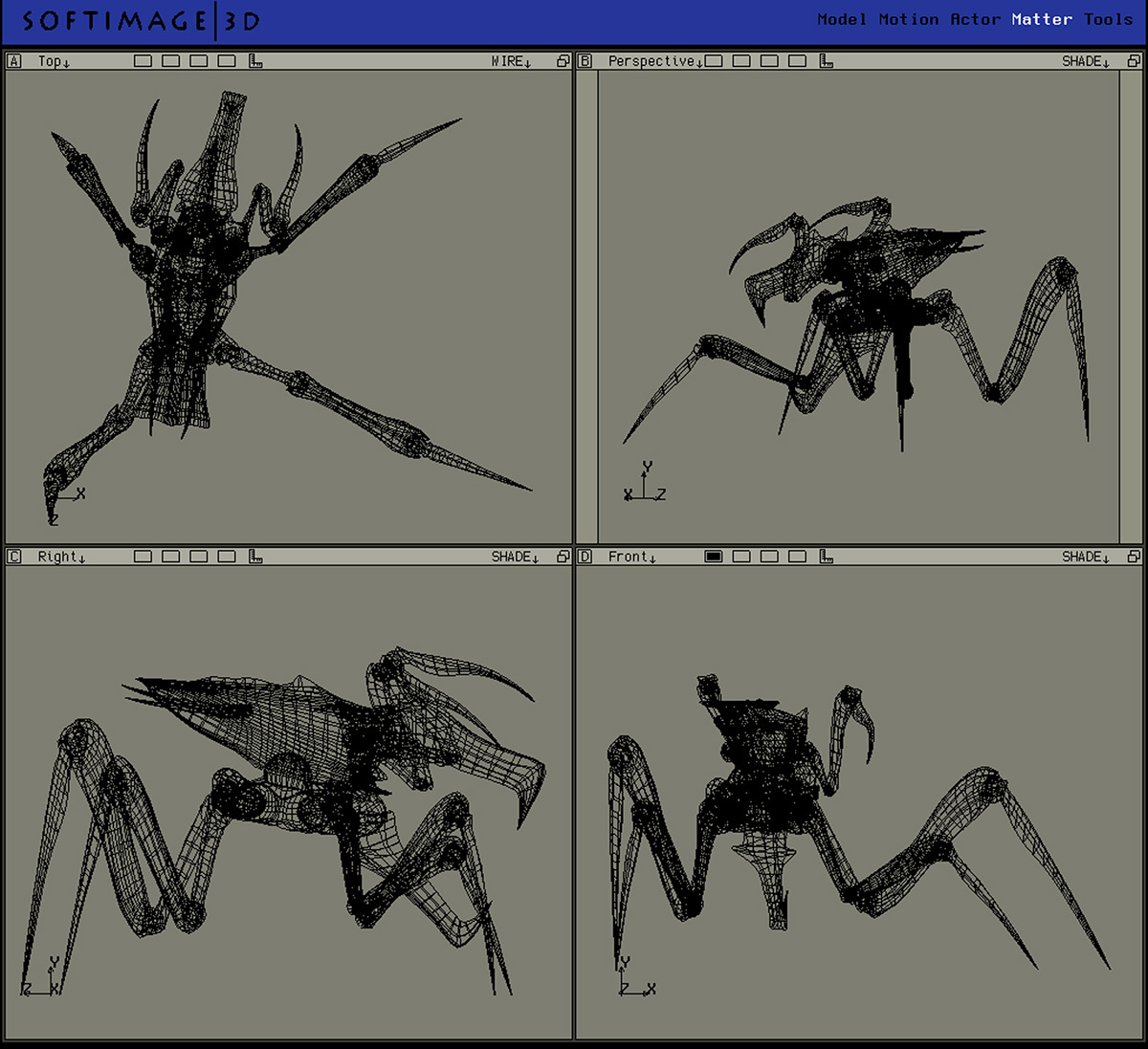
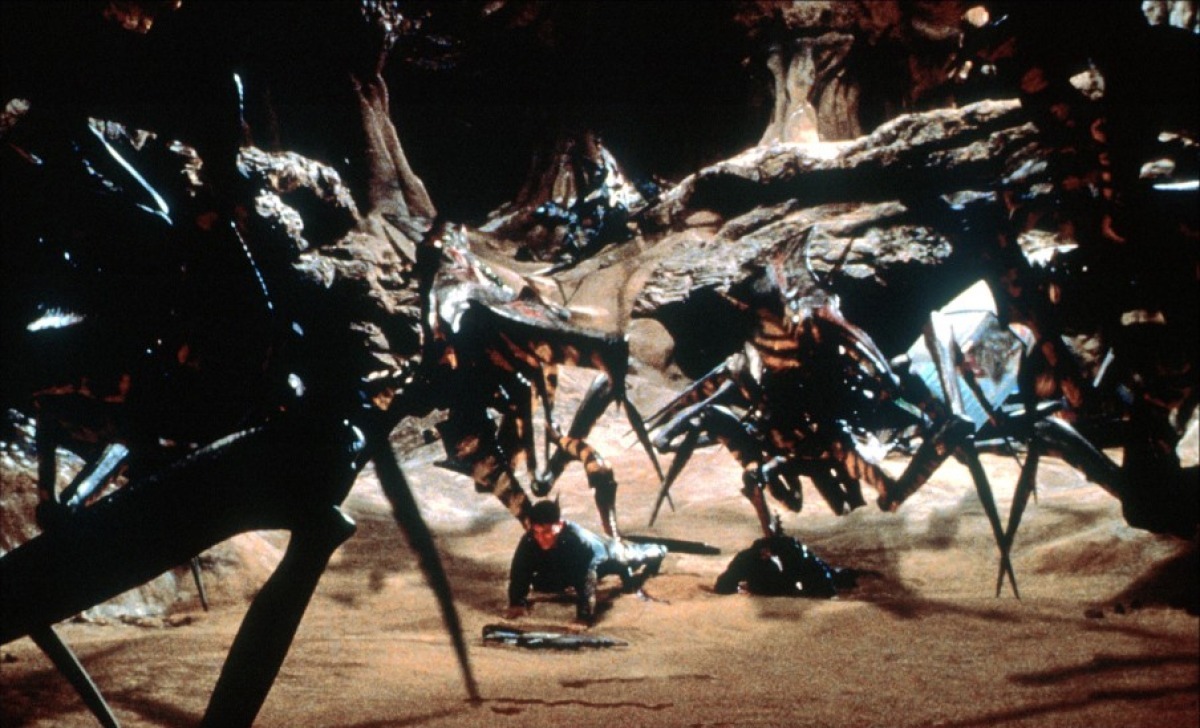
Tippett Studios then had to figure out how the bugs would move. They agreed the warrior bugs would weigh about 1700 pounds - the same as a polar bear - and did research on insects and bugs, then did a lot of animatics to figure out how they should move on screen.
36/69
36/69
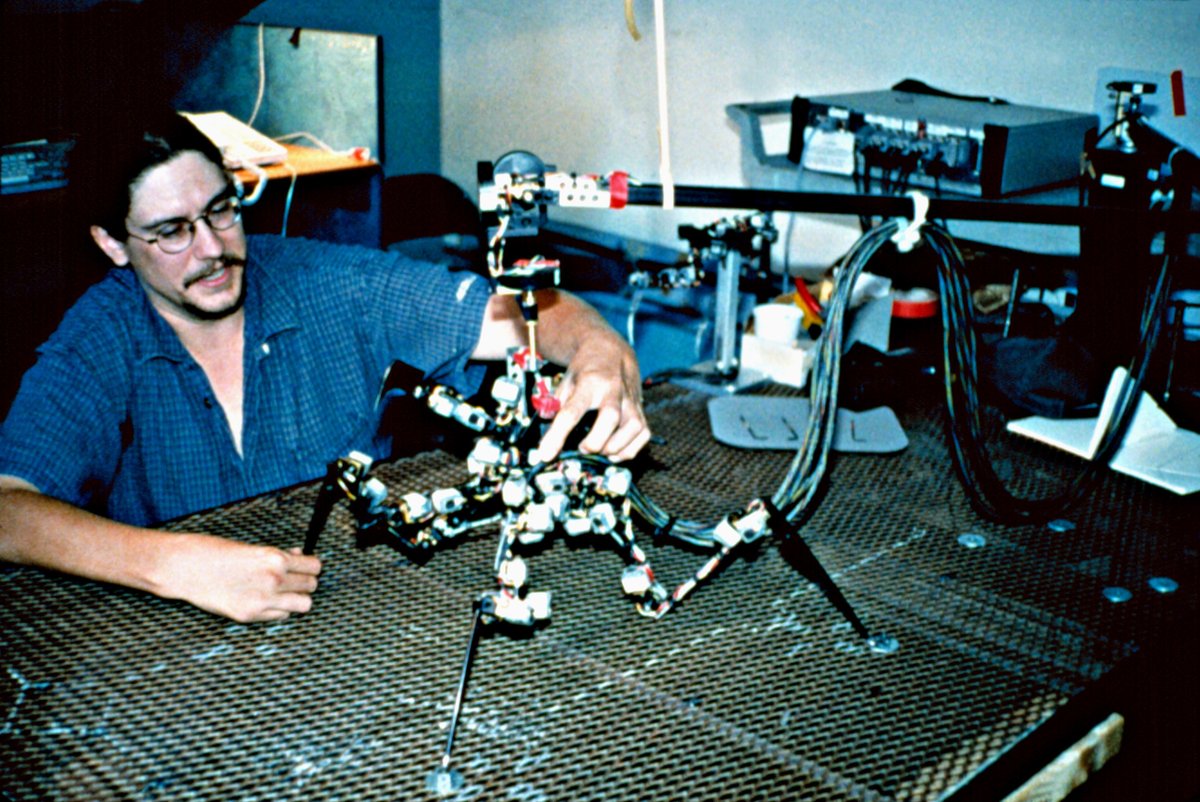
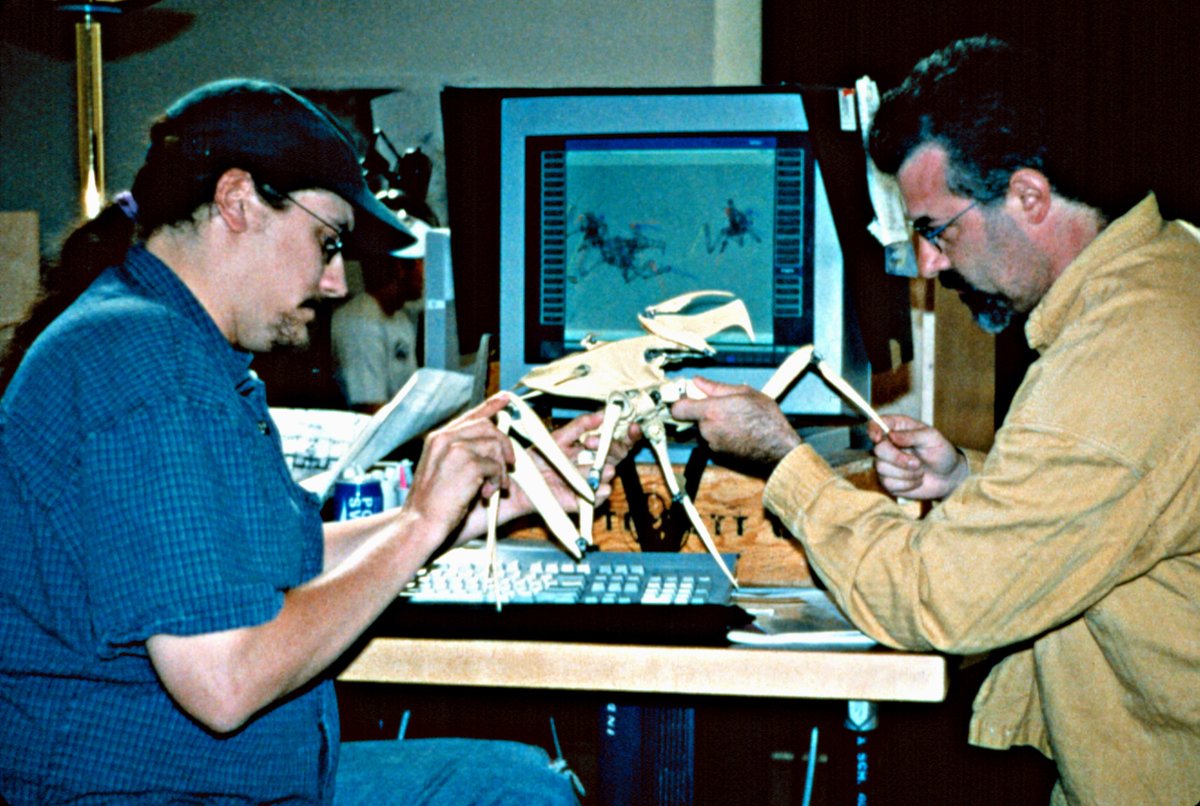
Because of the amount of detail, some of the shots where we see hundreds of warrior bugs on the screen would take 32 hours to render per frame. So for a 5 second shot, they were looking at about 5 months for rendering.
37/69
37/69
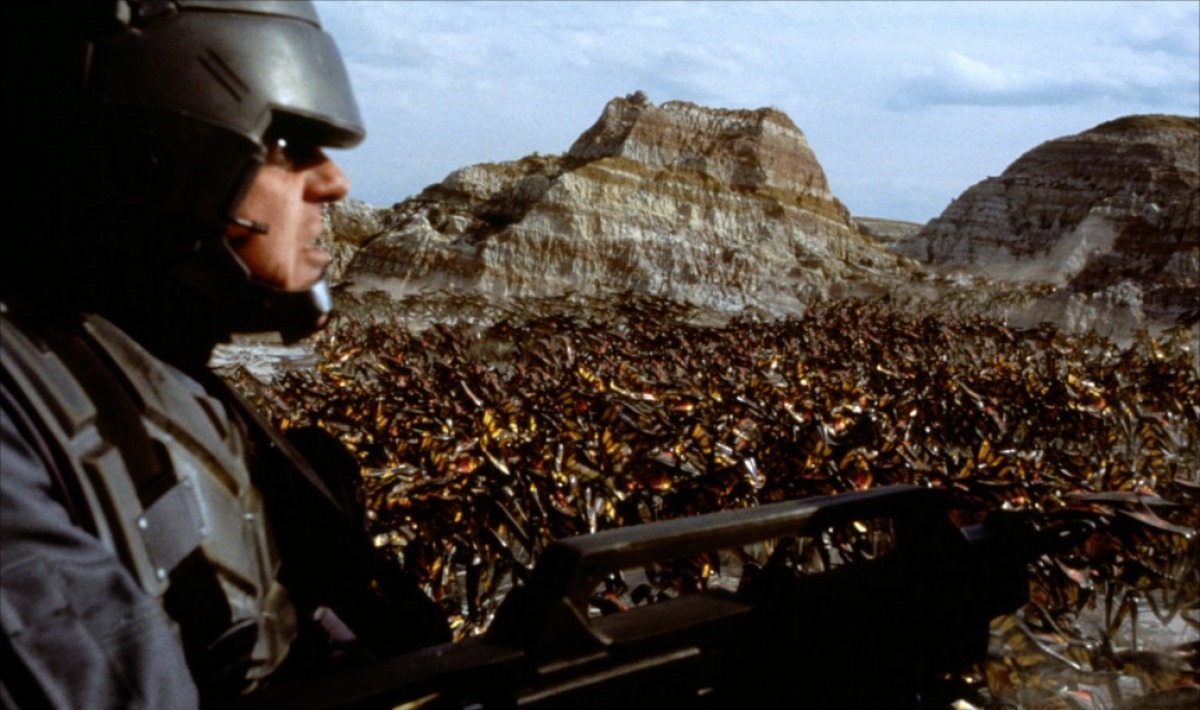
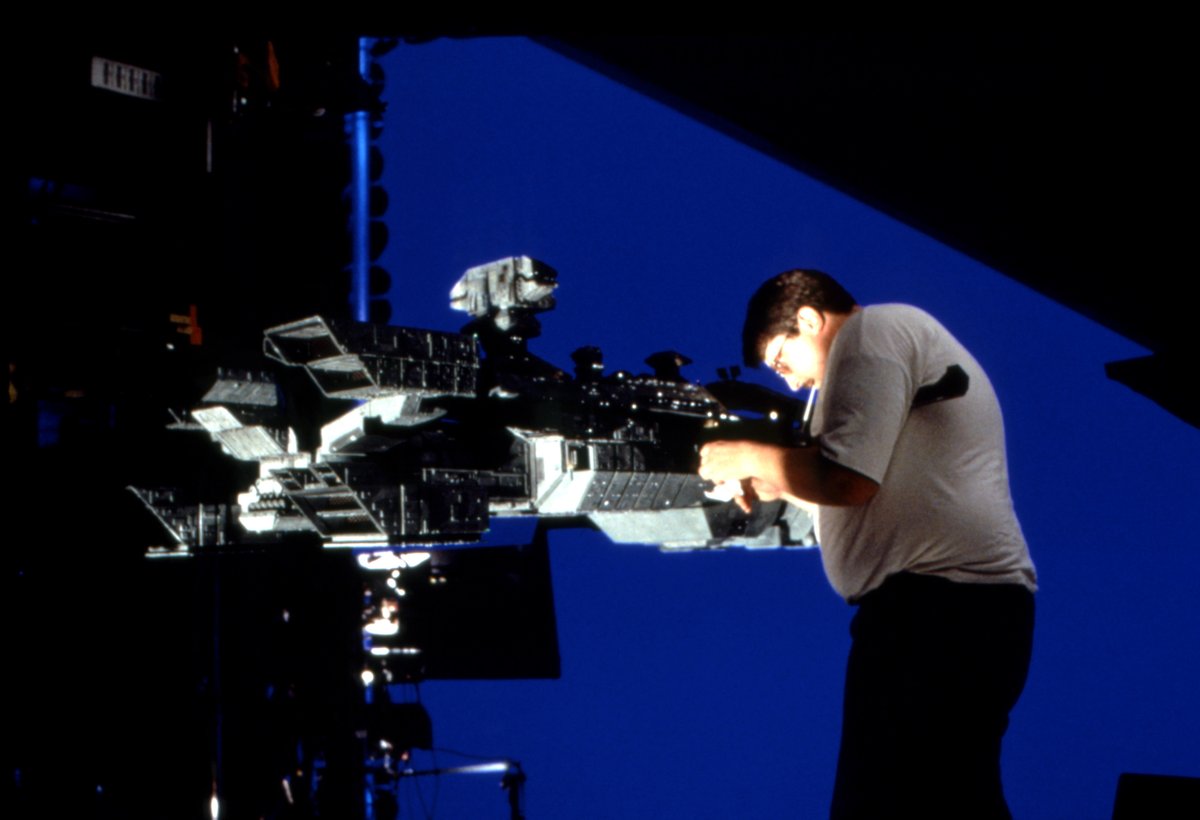
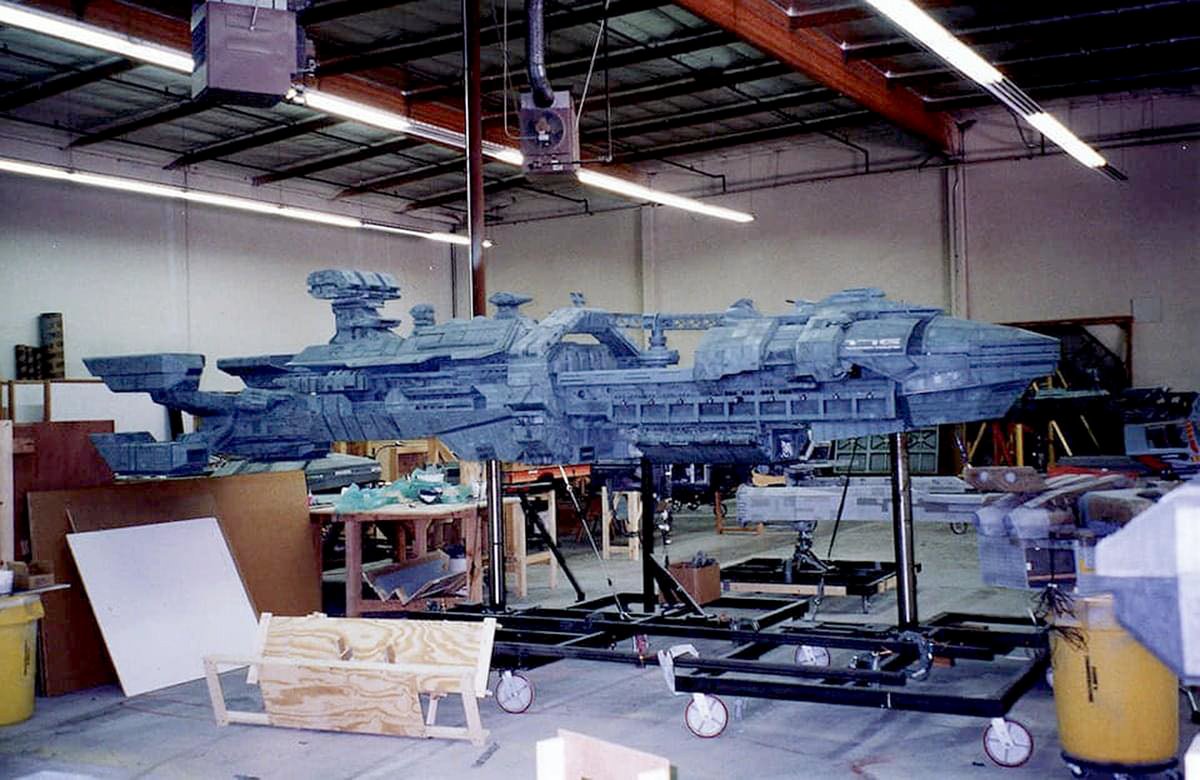
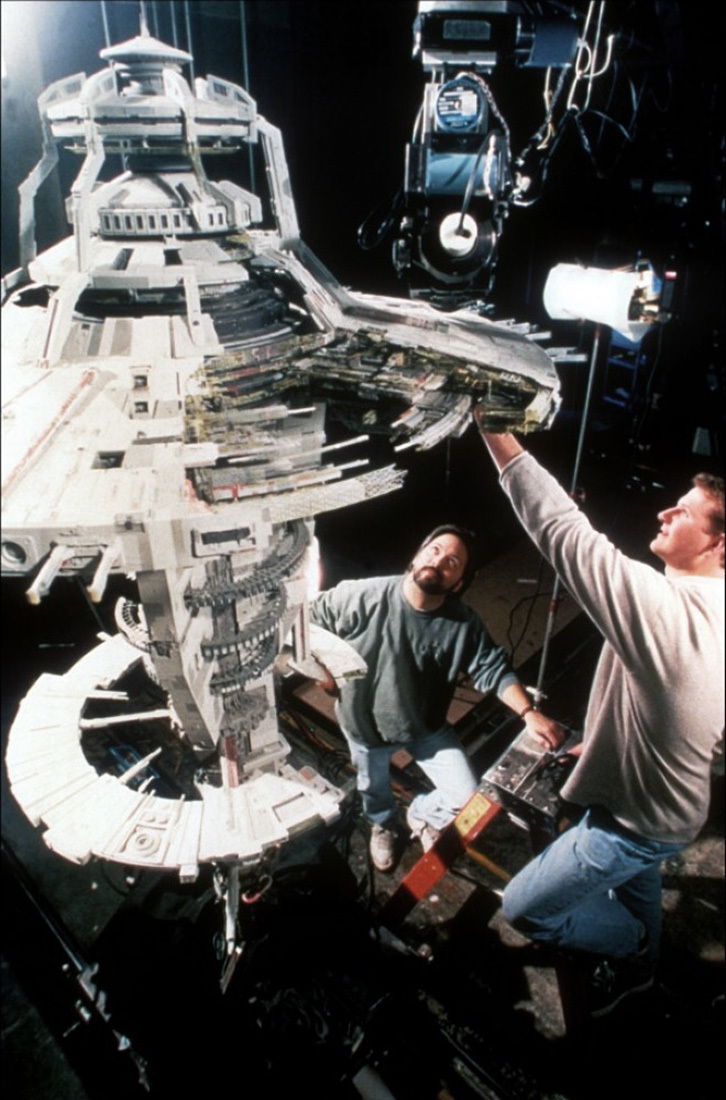
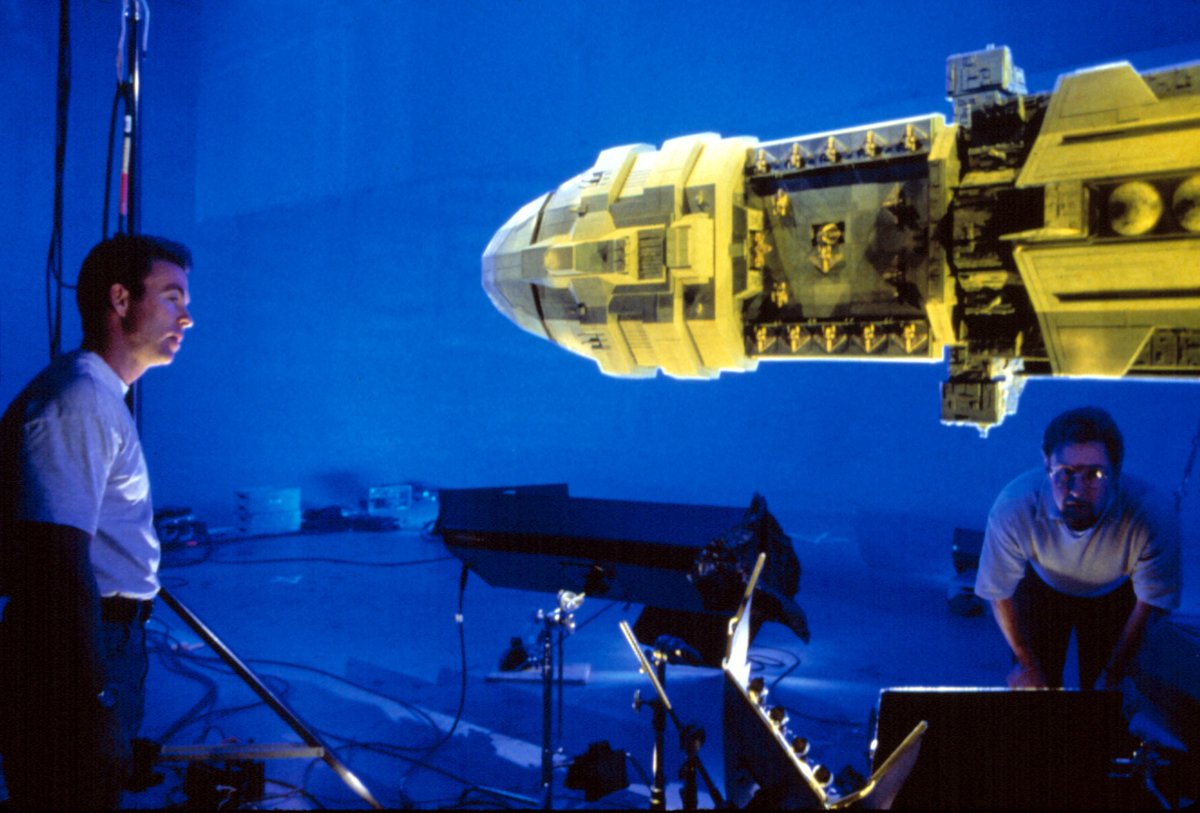
ILM and Boss Studios also worked on the film and handled the model spaceships, which took 14 months. When we see two ships crash in outer space, the models were 18 feet long, and Verhoeven just had them rammed into one another.
38/69
38/69
The interior set of the Rodger Young bridge was mounted on a gimbal and rocked back and forth to simulate crashes. And where we see the plasma bursts through the bridge window, the actors saw a green screen, and lights moved across it to create the effect of the bursts.
39/69
39/69
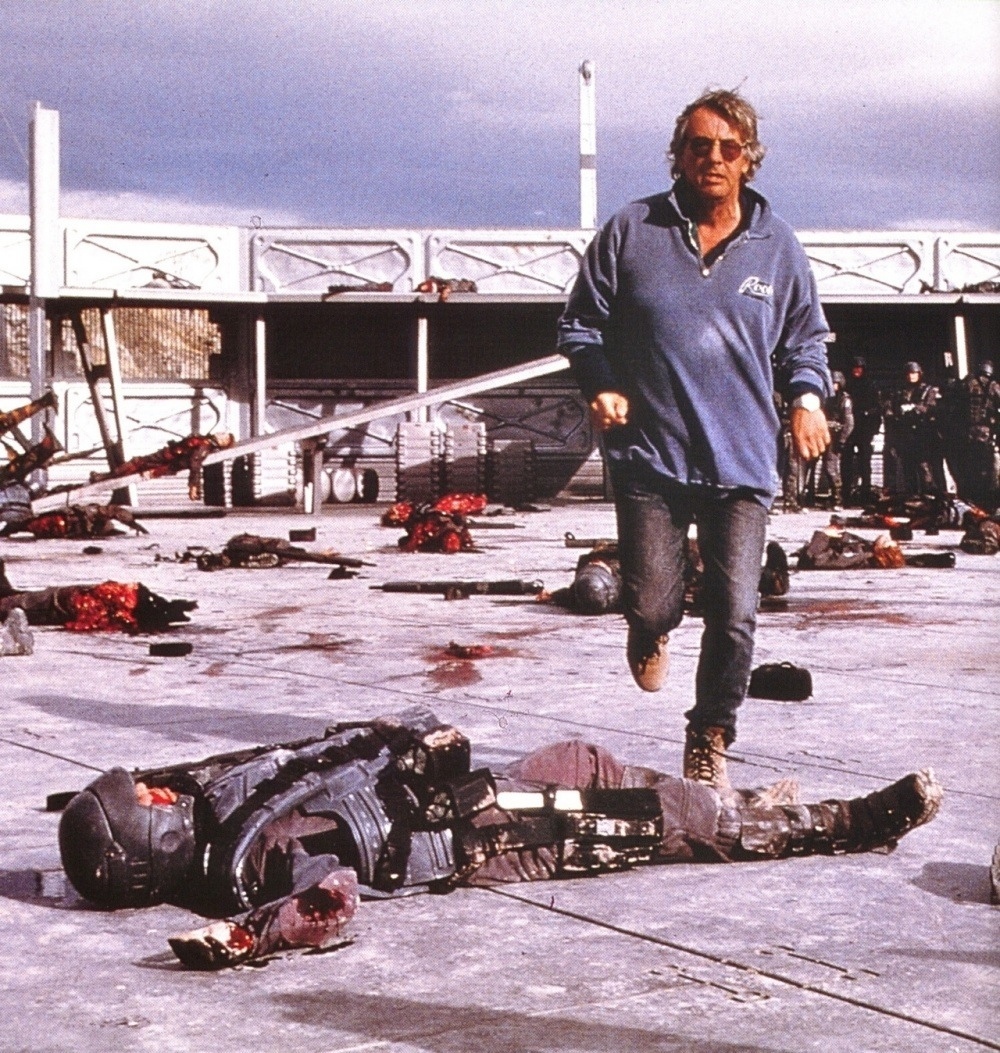
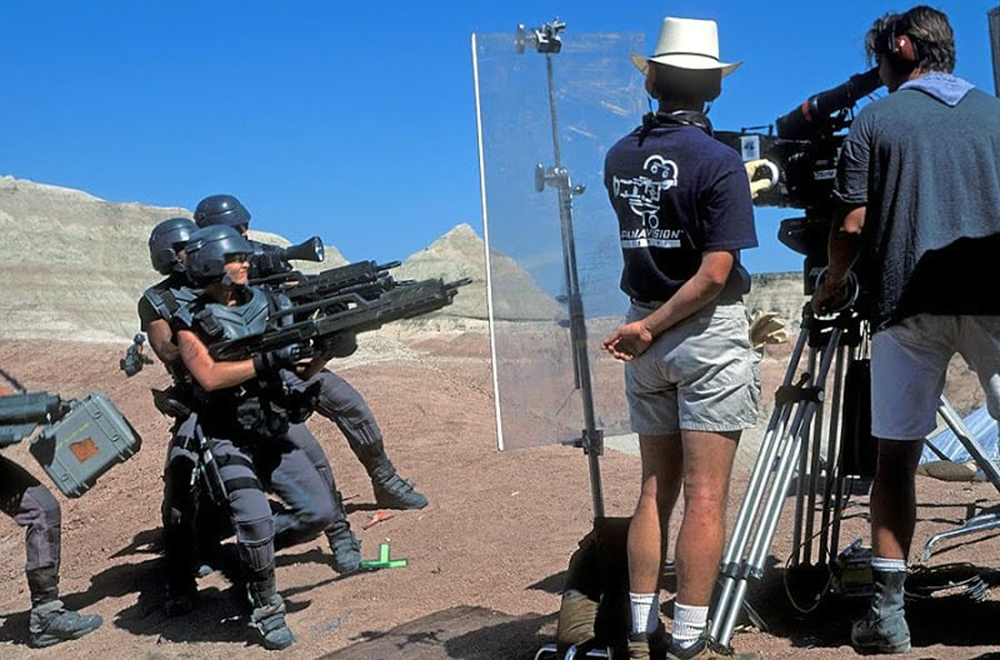
Verhoeven said the only reason the film got made is because Sony kept sacking Tristar’s chairmen. 5 studio heads came and went in the time he was making the movie and by the time the studio took any notice, he already had an assembly cut put together.
40/69
40/69
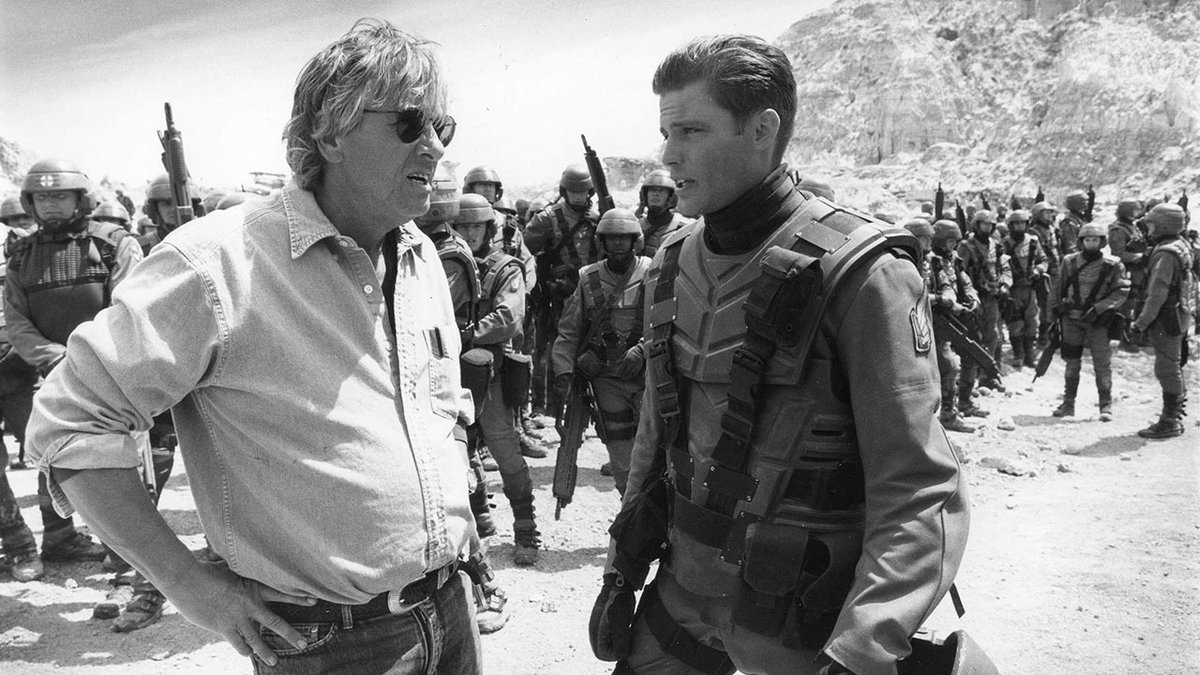
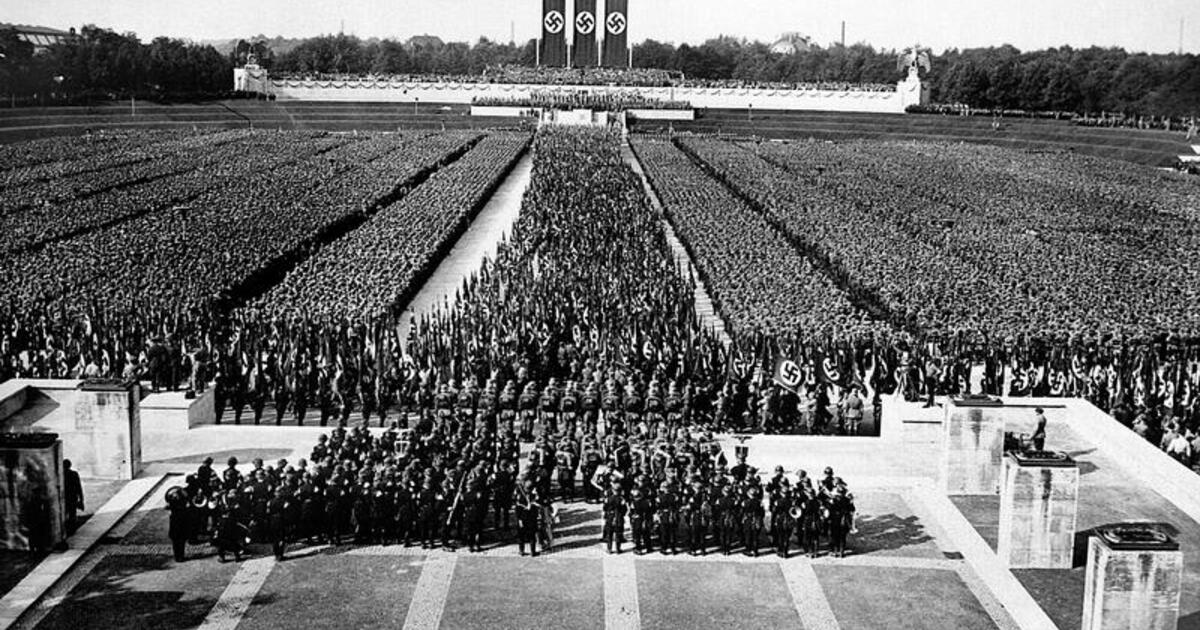
To create the Federation ad that opens the film, Verhoeven imitated a 1935 Leni Riefenstahl film called Triumph Of The Will. The opening shot of Starship Troopers is identical to a shot from that film that features Nazi soldiers saying they’ll do their part.
41/69
41/69
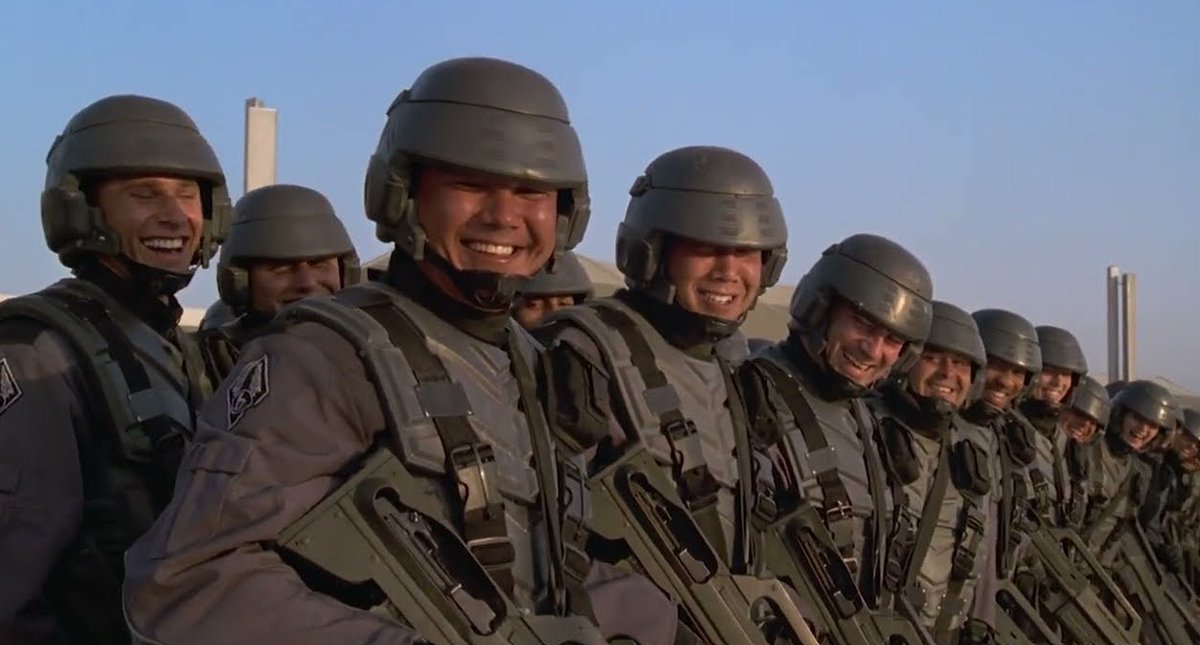
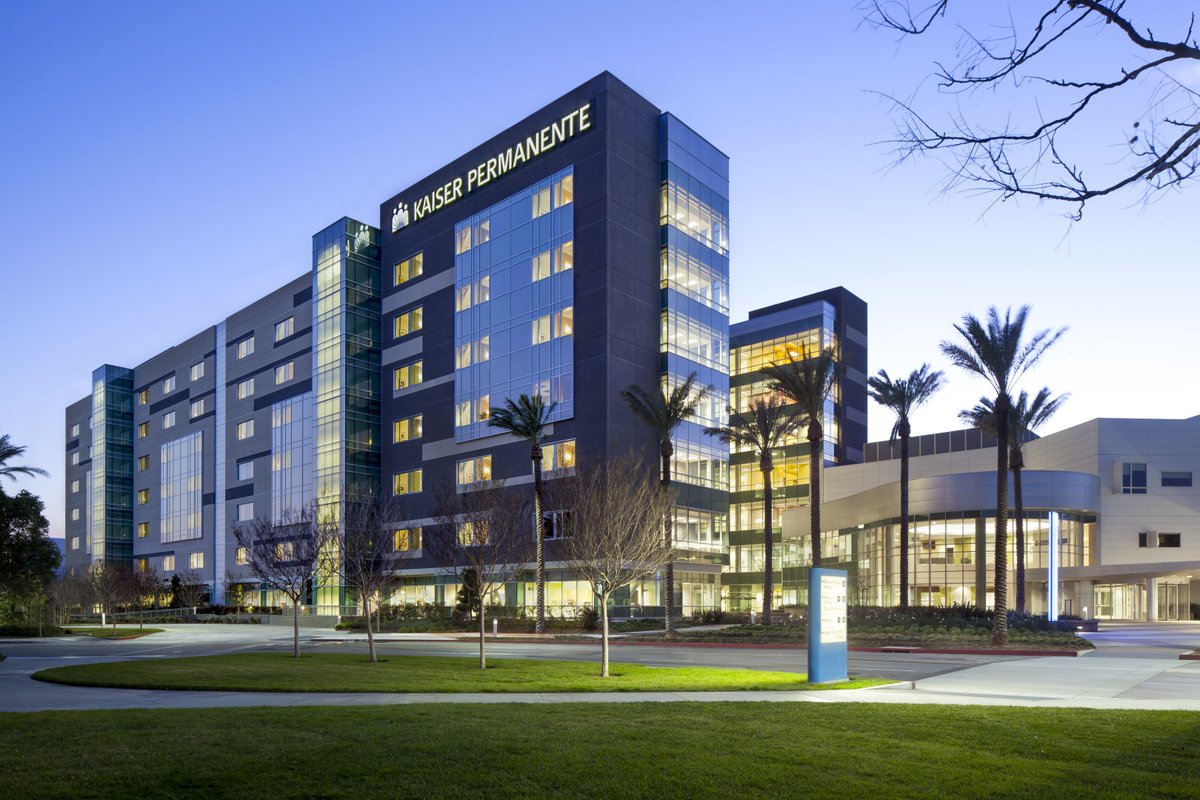
The high school scenes were filmed at the Kaiser Permanente Medical Centre in California. And filming the scene where they students get their maths test results, the background was a matte painting, and we pan down to the set.
42/69
42/69
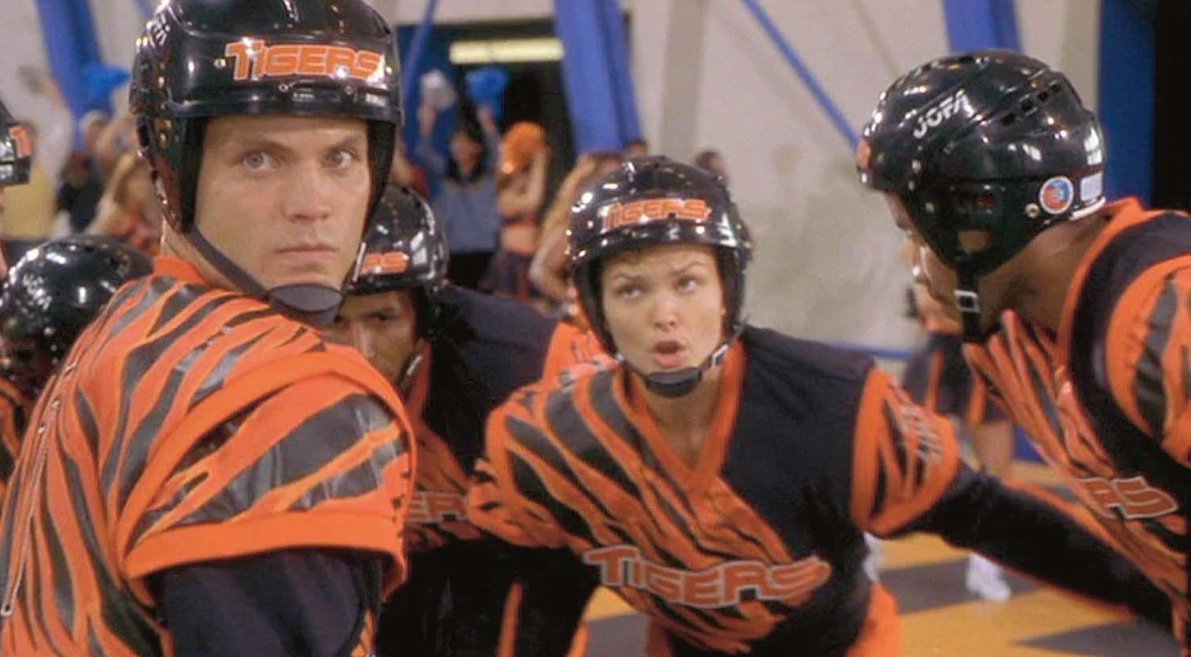
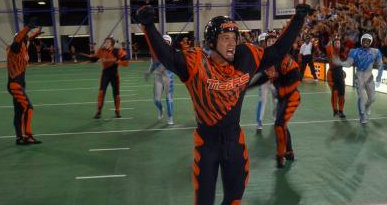
In the jumpball sequence., Rico scores a touchdown by somersaulting two opponents. That was performed by a stuntman called Joey Box; did a flip from a ladder, they cut at the right time, and the ladder was removed digitally in post.
43/69
43/69
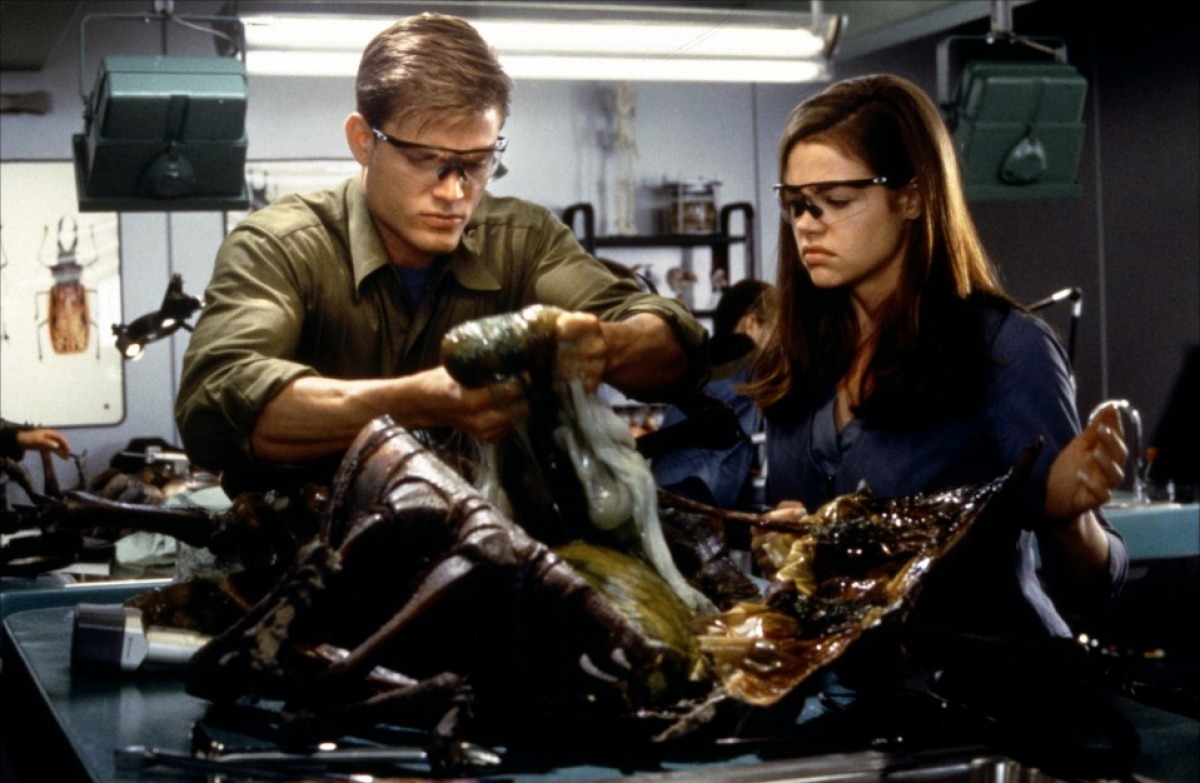
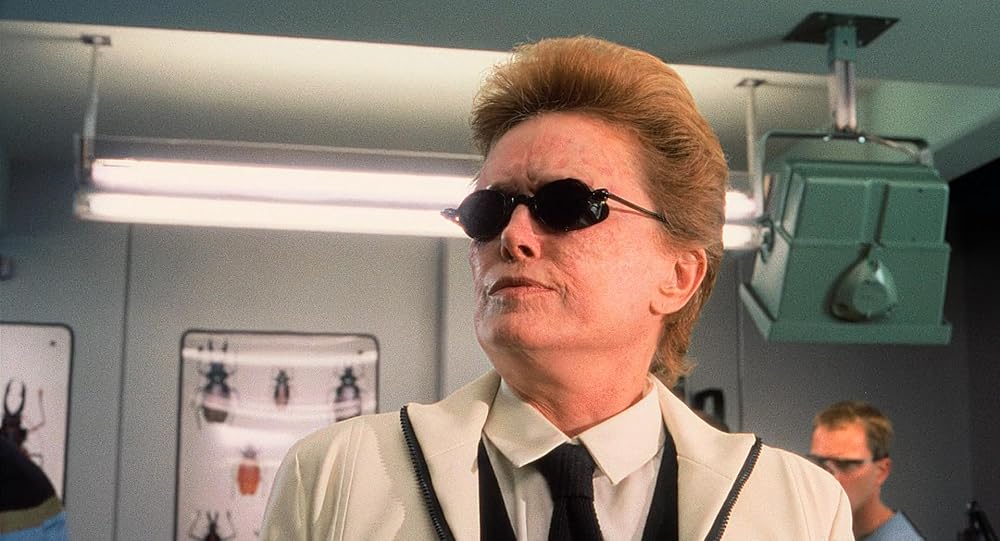
Another memorable high school moment is during bug dissection scene, where Carmen vomits. In fact, Denise Richards was spitting out mashed up bananas. And the teacher in the scene was played by Rue McClanahan, who also played Blanche in the Golden Girls.
44/69
44/69
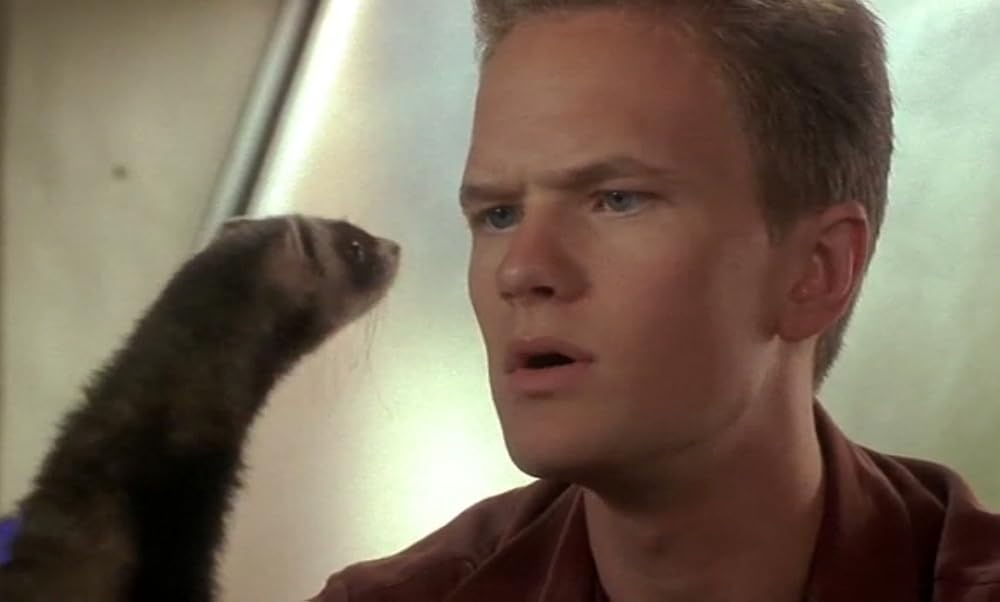
In original scripts, Carl had a pet turtle. This was rewritten as a ferret called Cyrano so they could film the scene it runs up the stairs to terrorise Carl’s mother. And Casper Van Dien described working with it as “the ferret from hell.”
45/69
45/69
To make the boot camp and military scenes realistic, Verheoeven hired military advisor Dale Dye. He put the actors through a one-week boot camp where he taught them how to work with weapons and work as part of a platoon.
46/69
46/69

Dale Dye has a cameo too. In the end sequence, when Carl is reading the mind of the Smart Bug, an officer says "What's it thinking colonel?" That officer is Dale Dye.
47/69
47/69
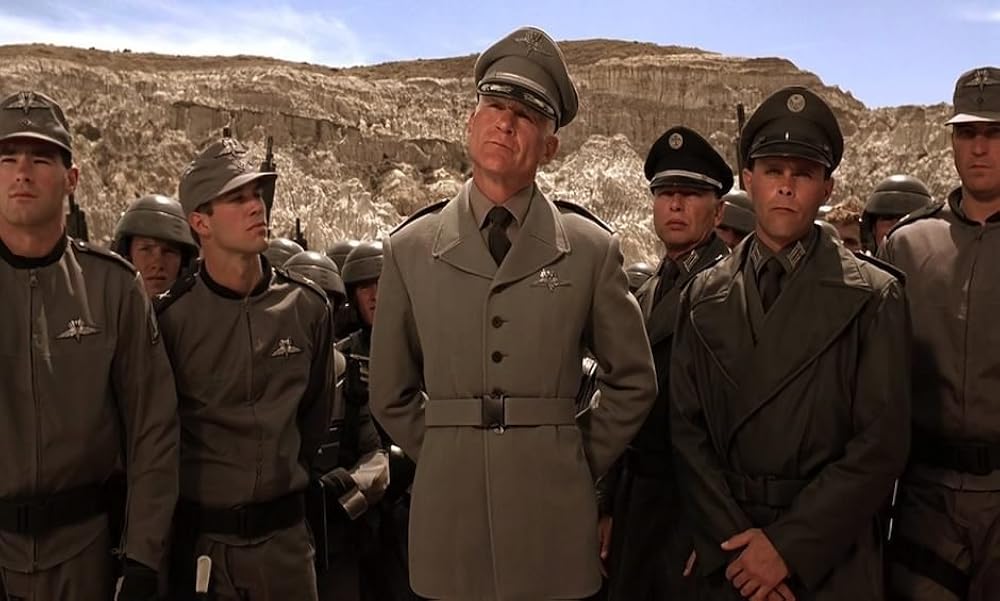
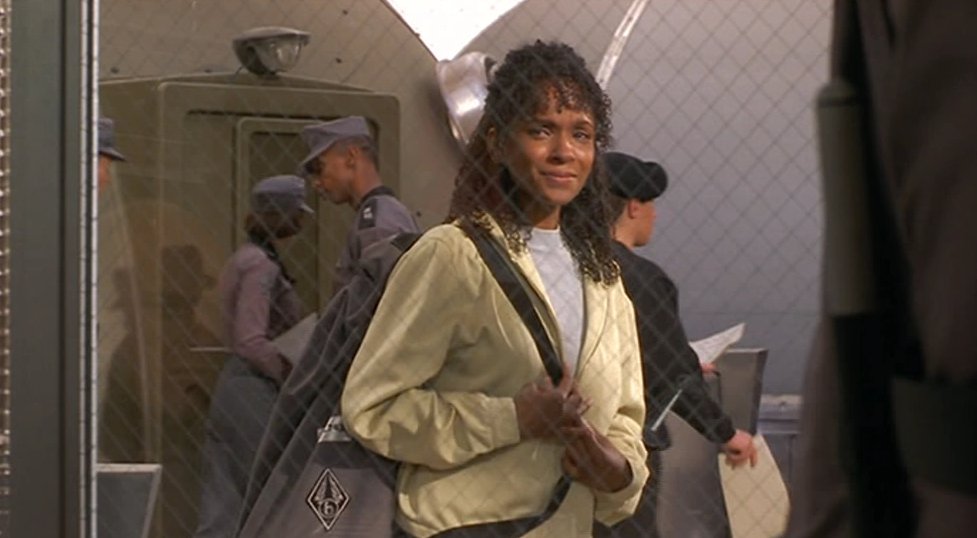
There is trouble at the boot camp when Djana’D is expelled after accidently killing Breckinridge during training. The actors who played them - Tami-Adrian George and Eric Bruskotter - met on Starship Troopers and, later married and had children.
48/69
48/69
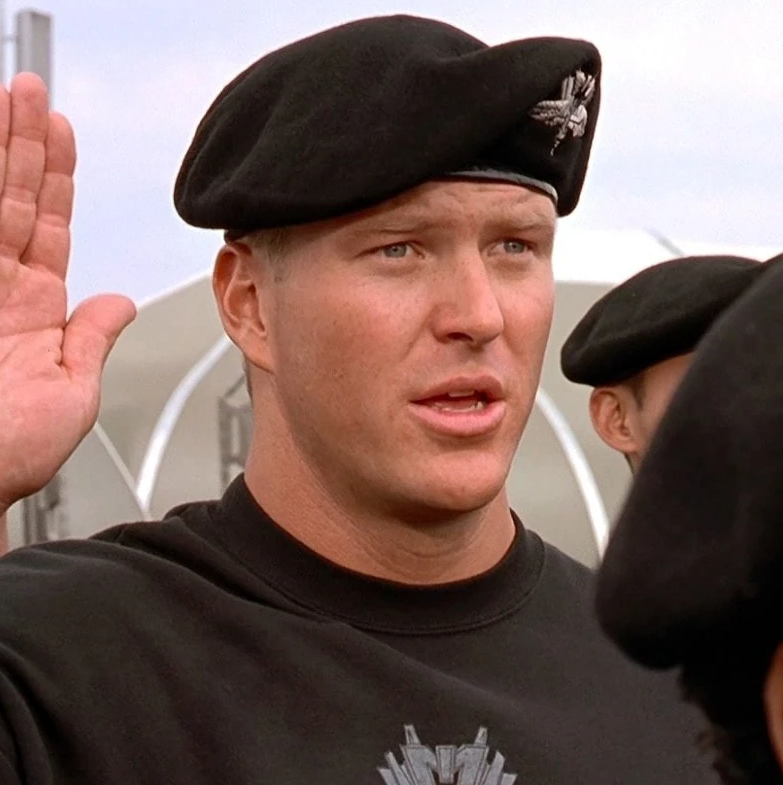
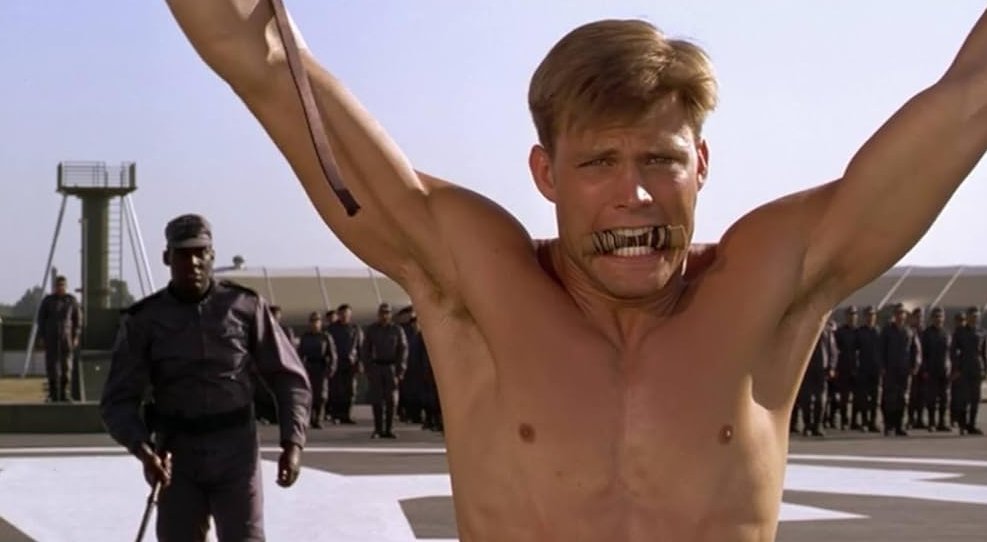
Rico is whipped by Corporal Bronski (Teo Smoot). Smoot was taught how to use a bullwhip by one of the stuntmen, Vic Armstrong, who had learned how to use a whip as a stuntman on Raiders of the Lost ark.
49/69
49/69
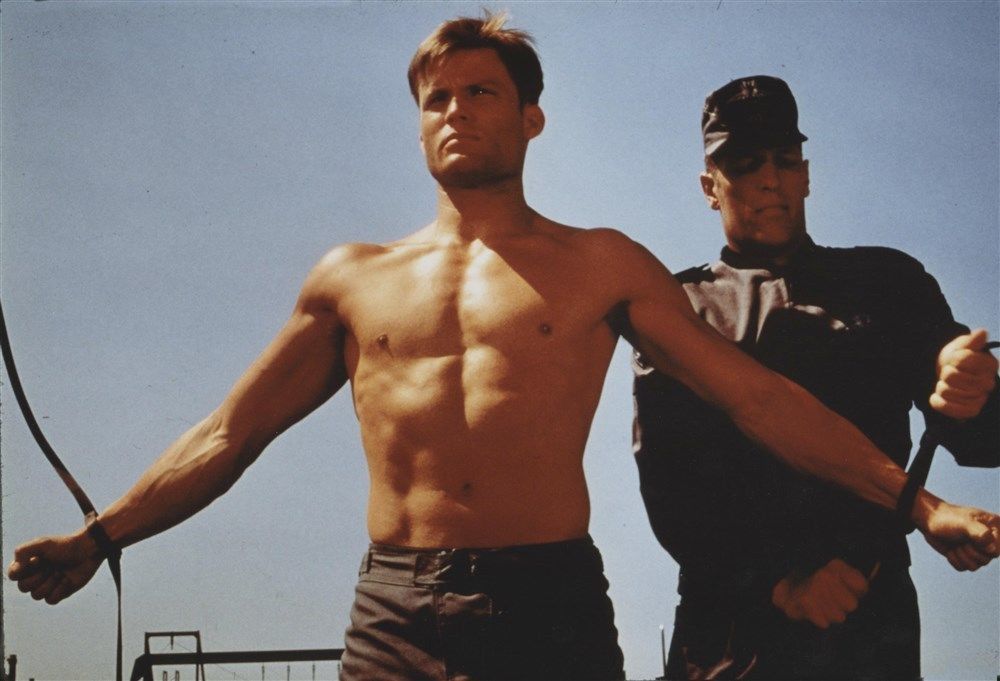
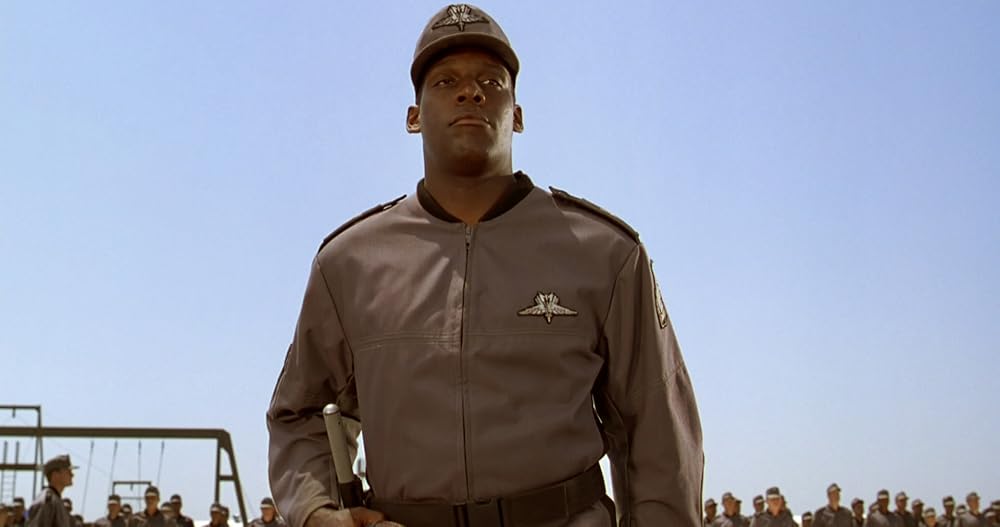
When they were filming the whipping scene, Smoot kept moving forward and getting too close to Van Dien. Verhoeven shouted at him but it made no difference, so they had to put sandbags on Smoot’s feet to stop him moving, which is why he’s filmed from the waist up.
50/69
50/69
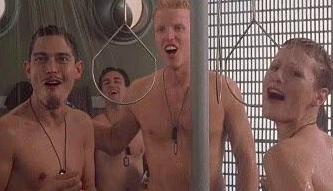
Before filming the shower scene where the marines are naked, the cast were worried. Verhoeven said it was no big deal so, when Dina Meyer said “Well, you do it then!” Verhoeven and Jost Vacano both stripped off and were nude too.
51/69
51/69

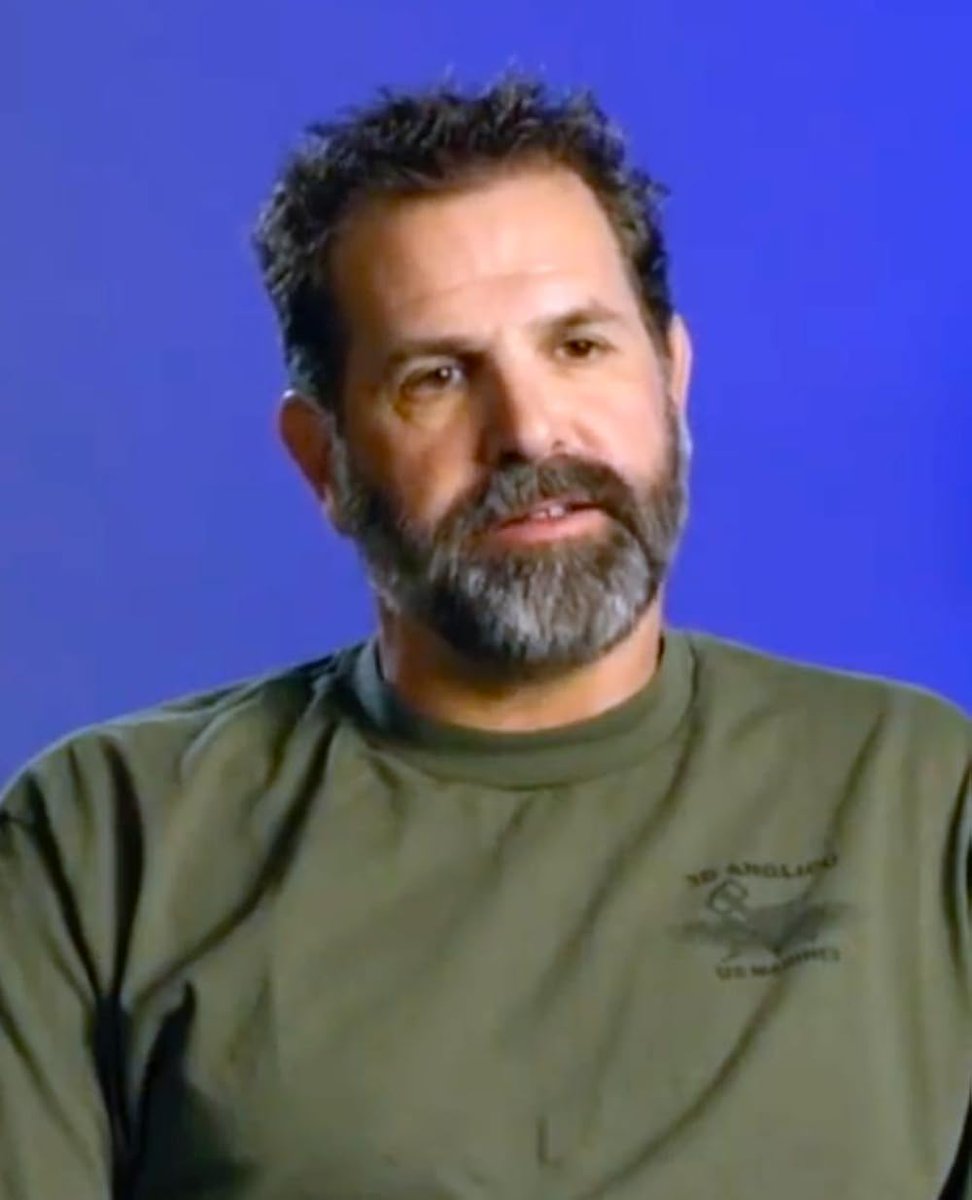
The production of Starship Troopers used more ammunition than any other movie at the time. The Weapons Coordinator was Rock Galotti, and he said they fired over 300,000 blank rounds during filming. And 17 gallons of fake blood were used throughout.
52/69
52/69
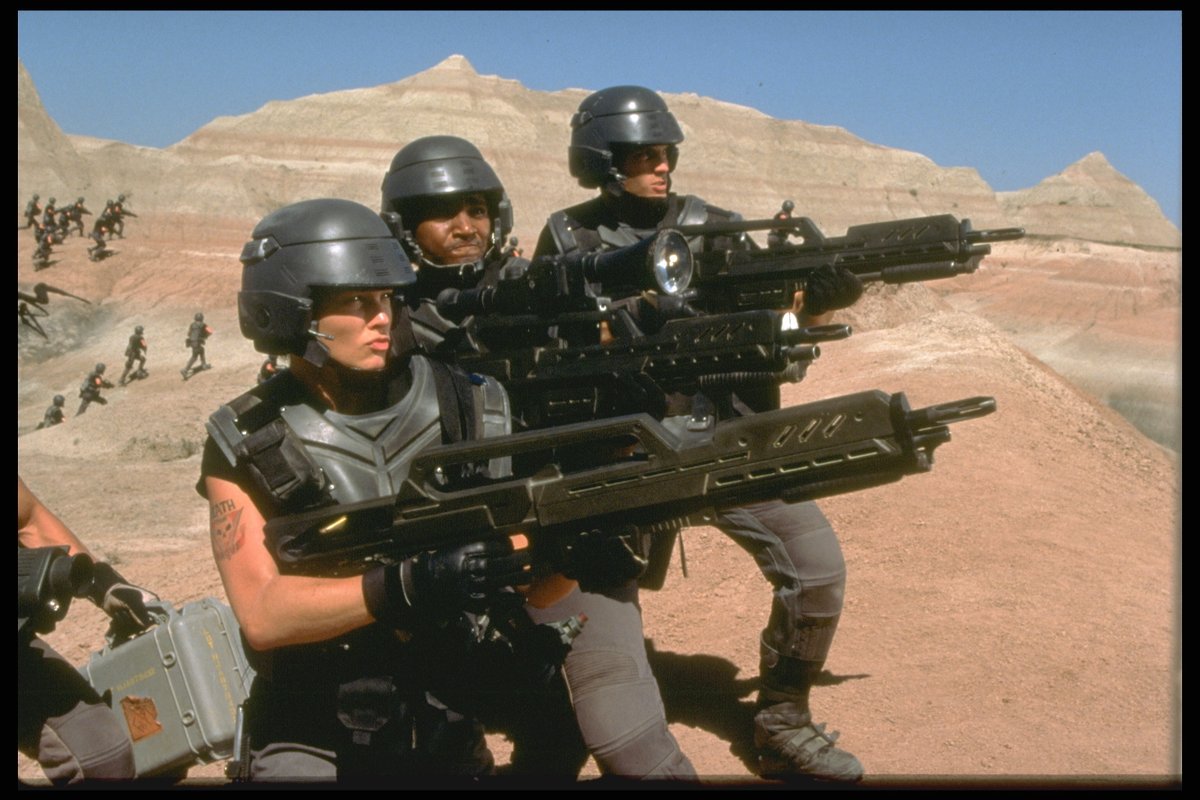
Filming the fight between Rico and Zander on Ticonderoga Station, they did 40 takes and Casper Van Dien accidentally punched Patrick Muldoon for real, busting his lip.
53/69
53/69
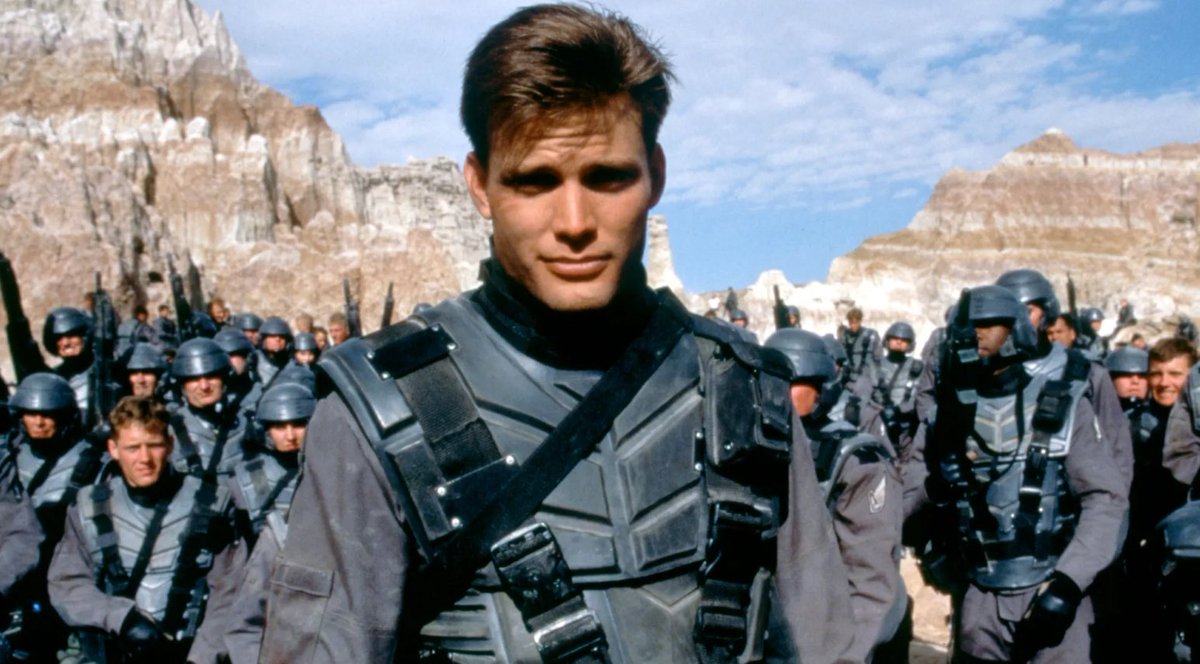
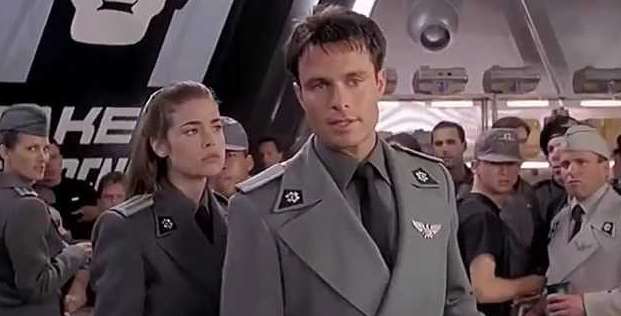
The child of a President shows up too. Gerald Ford’ s son, Steven. plays the commander of Willy’s Wildcats in the Battle of Klendathu. We see him on the ship shouting “You kill anything that has more than two legs, you get me?!”
54/69
54/69
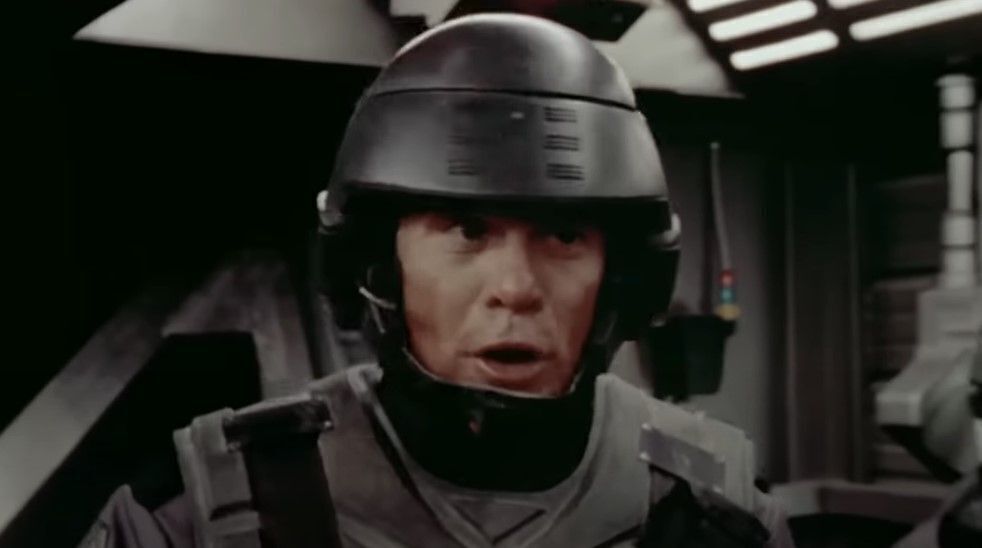
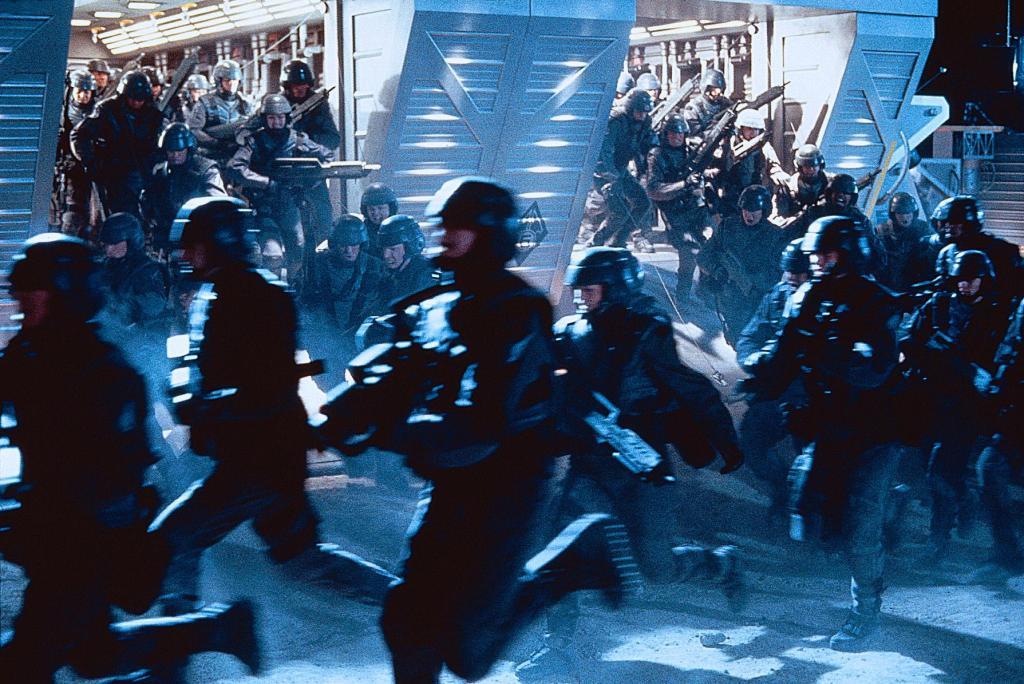
To clear the way for the infantry, Fleet perform an airstrike and wipe out thousands of bugs. Most of the explosions were real, with some CGI added. For the shot, they set up tonnes of explosives over a mile and detonated them in order to move closer to the camera.
55/69
55/69
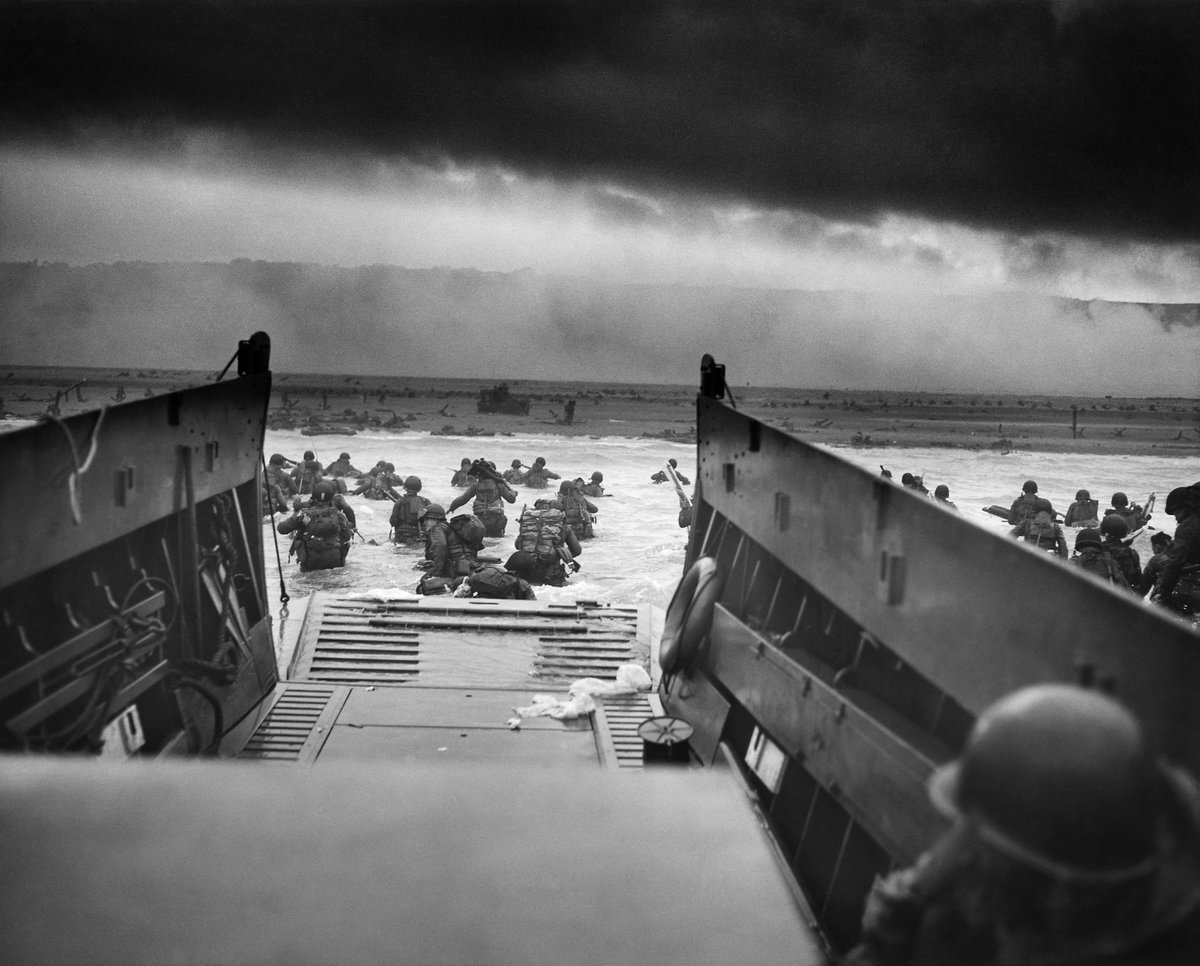
To create the Klendathu drop moment, Verhoeven watched footage of Allied forces landing at Normandy on D-Day during WWII. Verhoeven said it was difficult to orchestrate as they had 1300 extras at 8000 feet altitude running in armour weighing 32lbs.
56/69
56/69
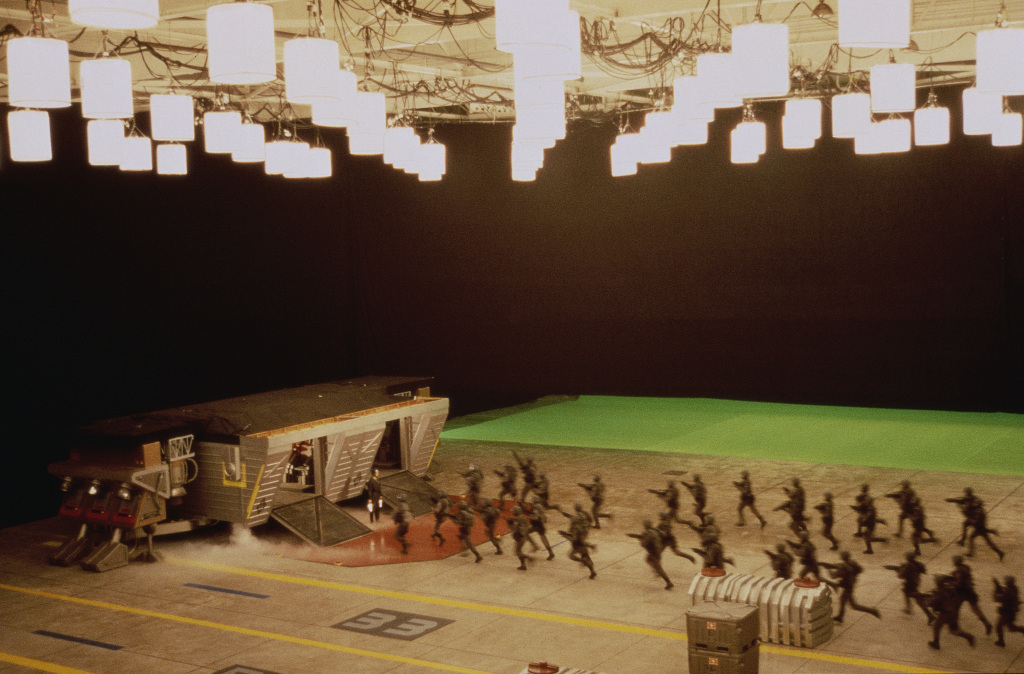
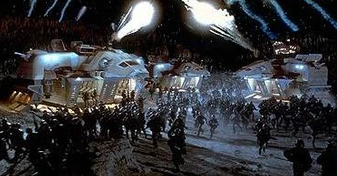
The moment that Rico jumps on to the Tanker Bug and detonates a grenade inside it caused some issues. Van Dien filmed the scene himself and found it so intense he broke a rib and chipped two of his teeth.
57/69
57/69
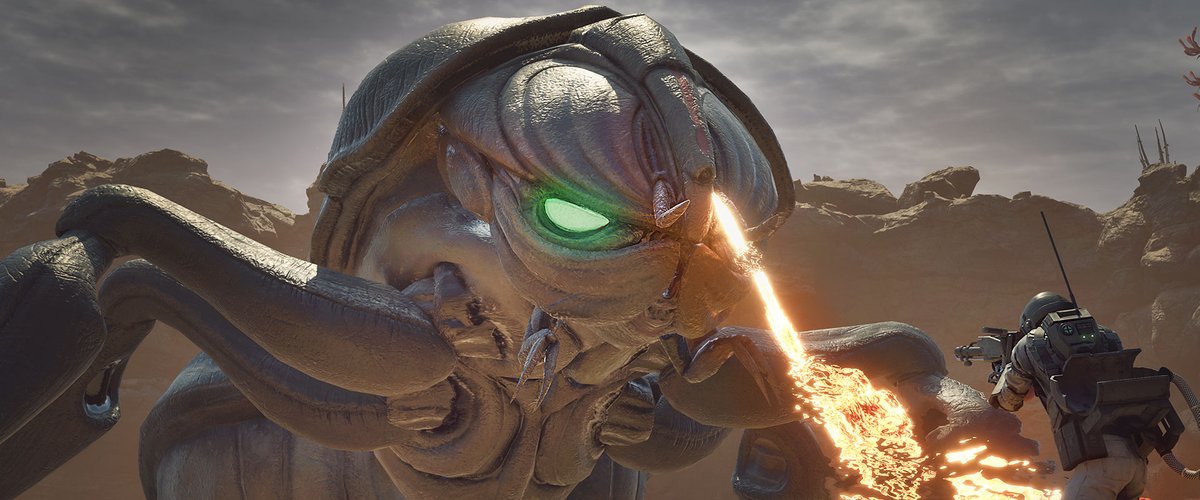
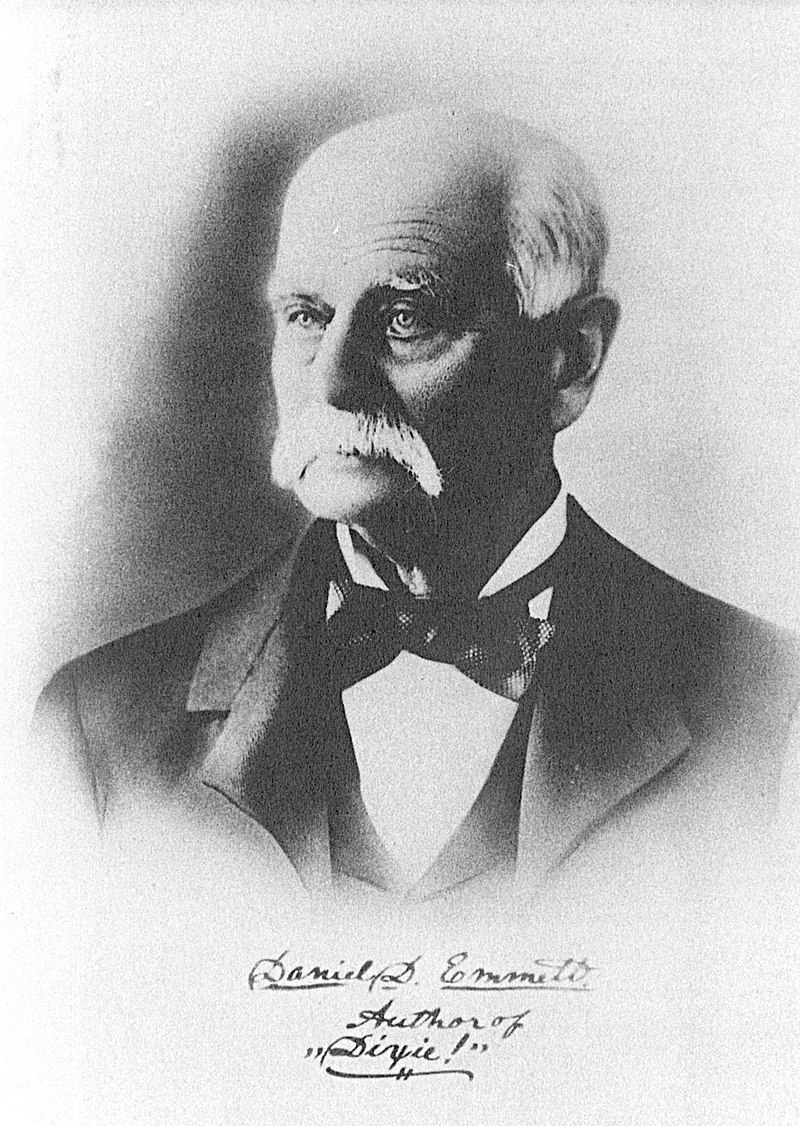
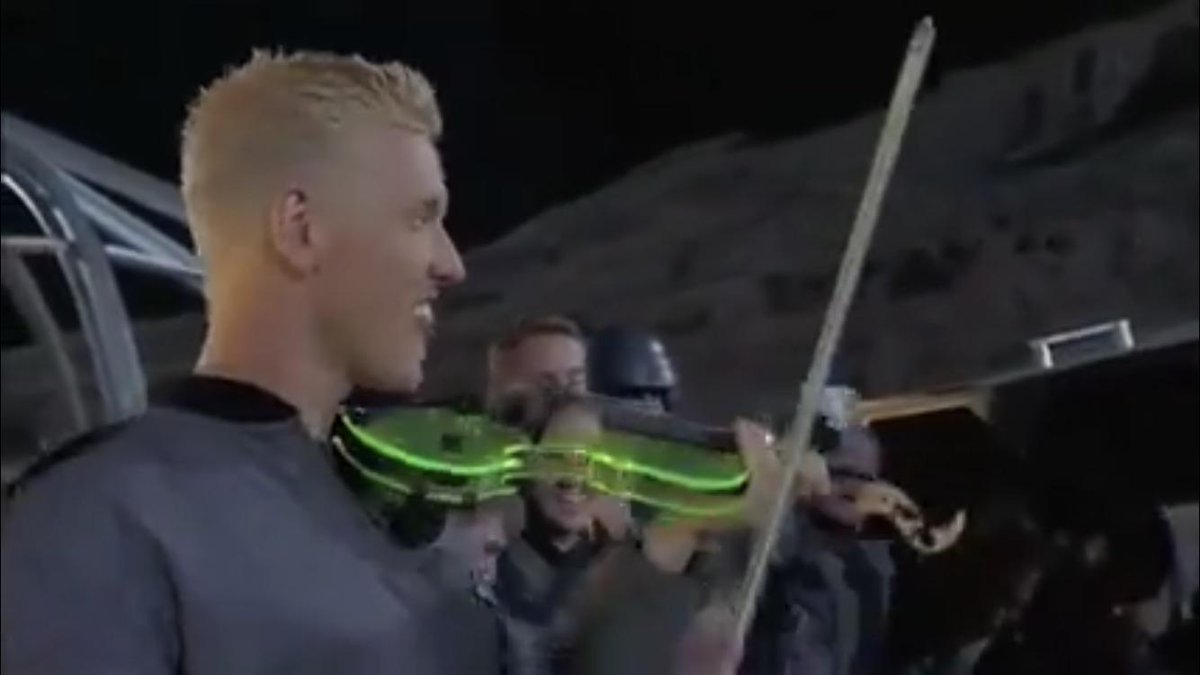
Another reference to real life is at the party. The piece Ace plays on the violin is called Dixie, written in 1859 by Daniel Emmett, founder of the Virginia Minstrels - the first blackface troupe. It became an anthem of the Confederate States during the Civil War.
58/69
58/69
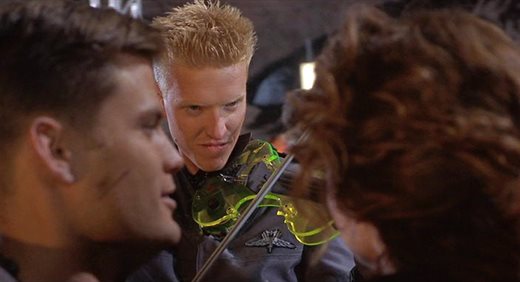
Jake Busey played the violin for real - he learned specially for the film and he was taught by Verhoeven’s wife, Martine.
59/69
59/69
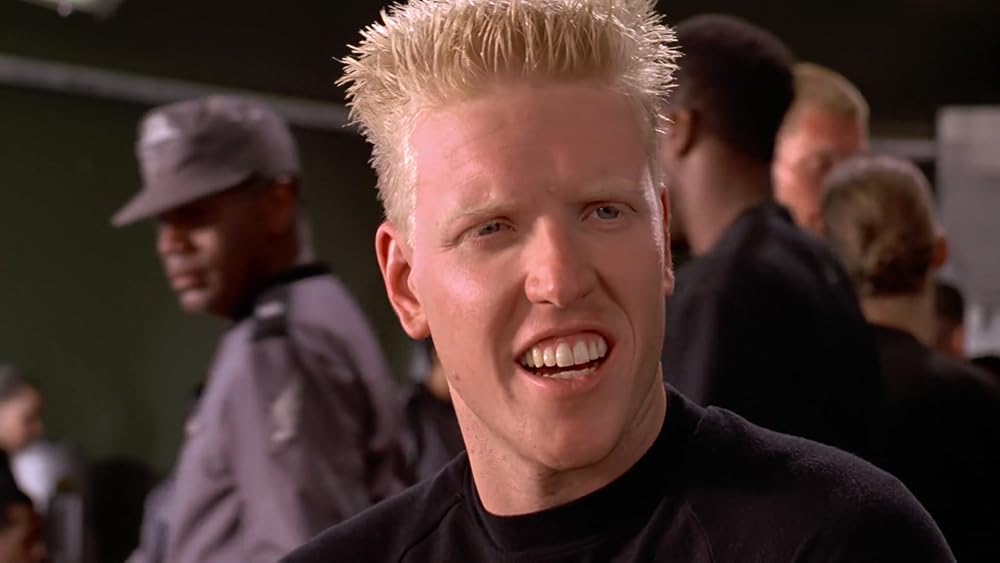
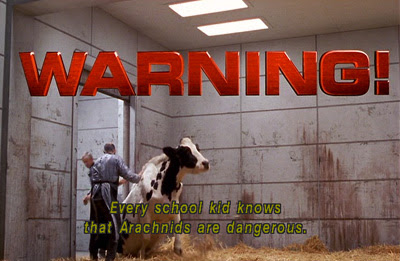
The second and third Federation ads have two clips that are censored. Verhoeven said the cow being killed was censored because they had complaints from animal rights protestors after initial screenings of the film.
60/69
60/69
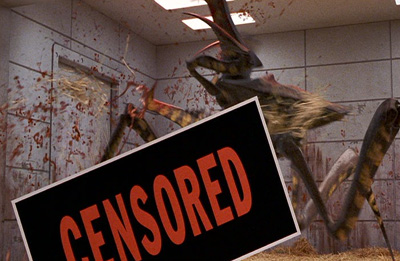
Rasczak’s last moments at Whisky Outpost was supposed to feature Diz. However, filming the moment the bug comes through the floor and bite’s Radczak’s legs off, Dina Meyer fell and was knocked unconscious. So she was being treated.
61/69
61/69
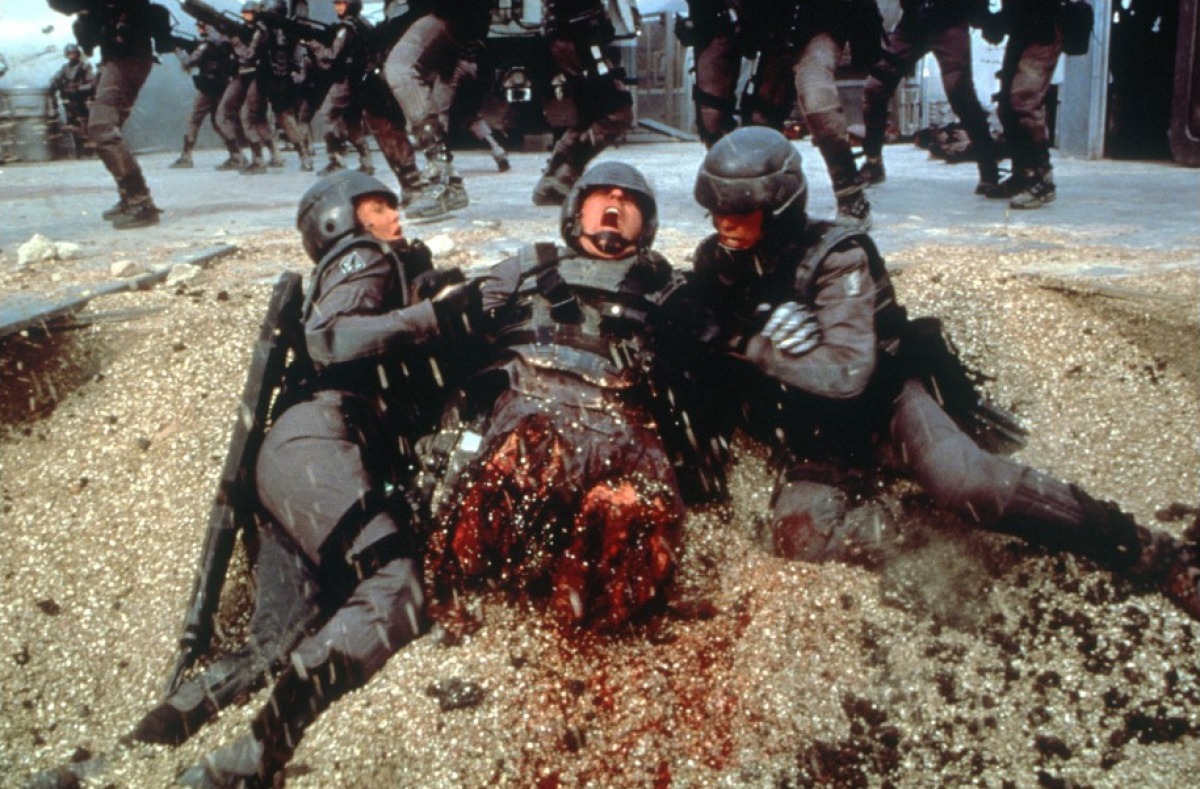
Filming the moment Diz is killed, Dina Meyer said to Verhoeven that she shouldn’t scream as she’s been stabbed through her back and out of her chest, so she’d have no air in her lungs. She said Verhoeven said to her "just scream".
62/69
62/69
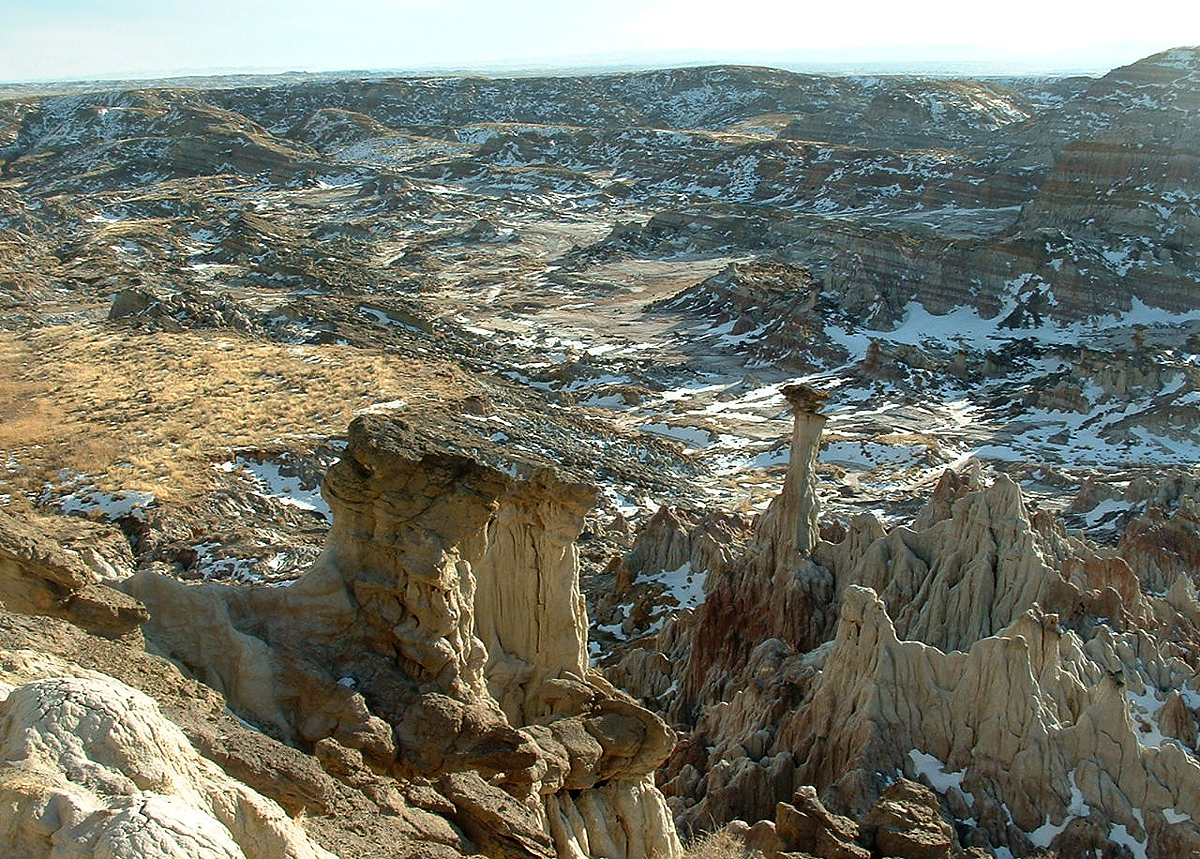
All of the planet scenes were filmed in the Badlands of Hell’s Half Acre in Wyoming. Torrential rain and a wind storm damaged some equipment and led to the crew having to evacuate the area for two weeks. When they returned, temperatures got to as high as 46 °C.
63/69
63/69
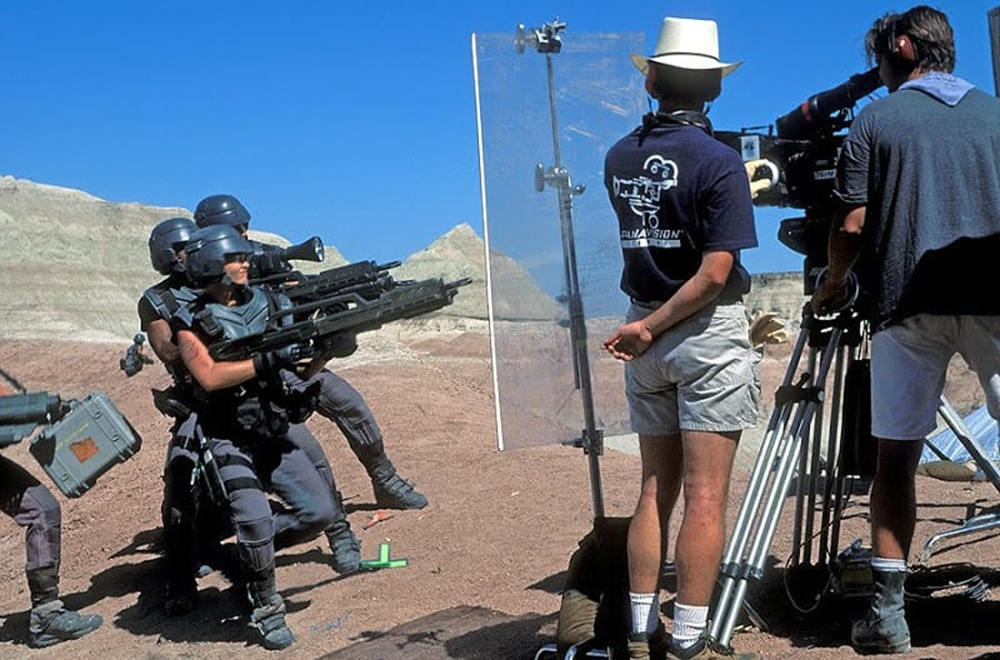
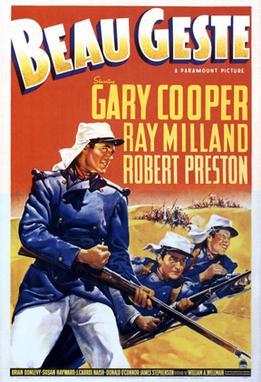
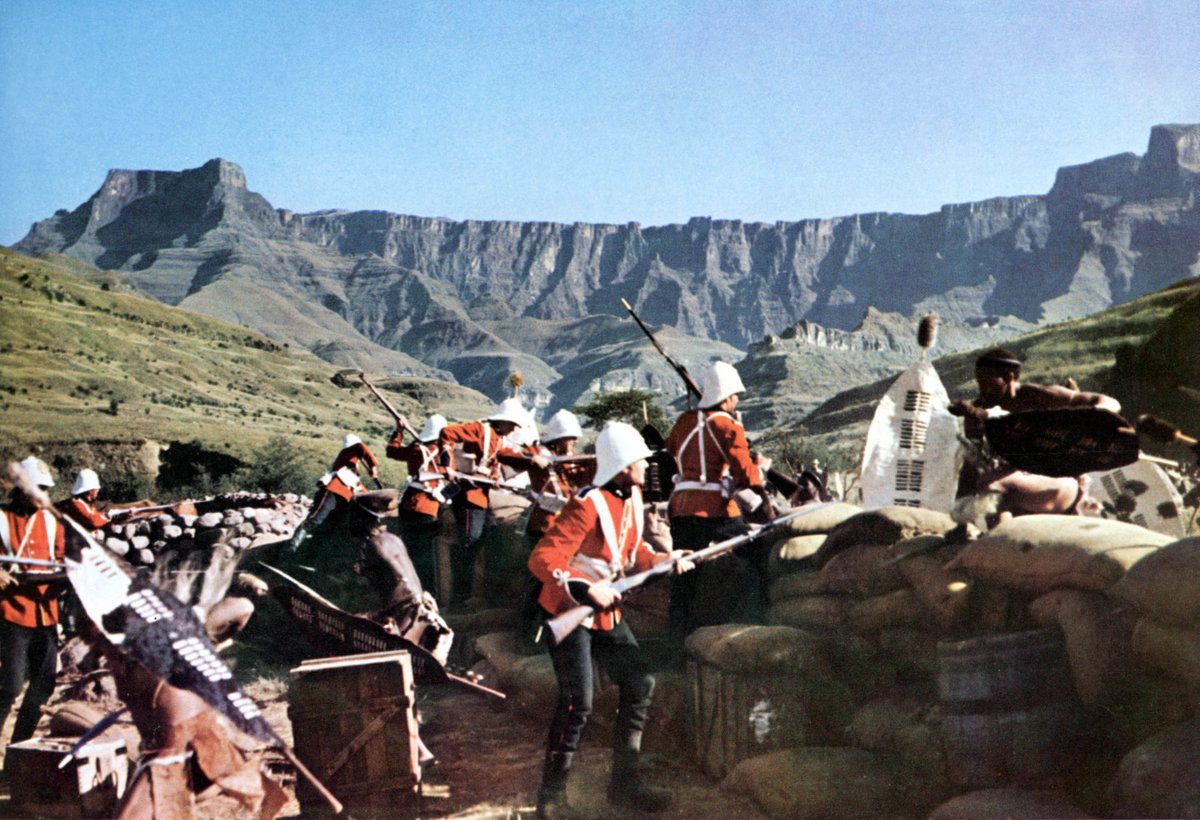
Whisky Outpost itself was a set. It took 6 weeks to build it and Verhoeven had the production team take influence from fortresses in Beau Geste - a French Foreign Legion film from the 30s - and Zulu.
64/69
64/69
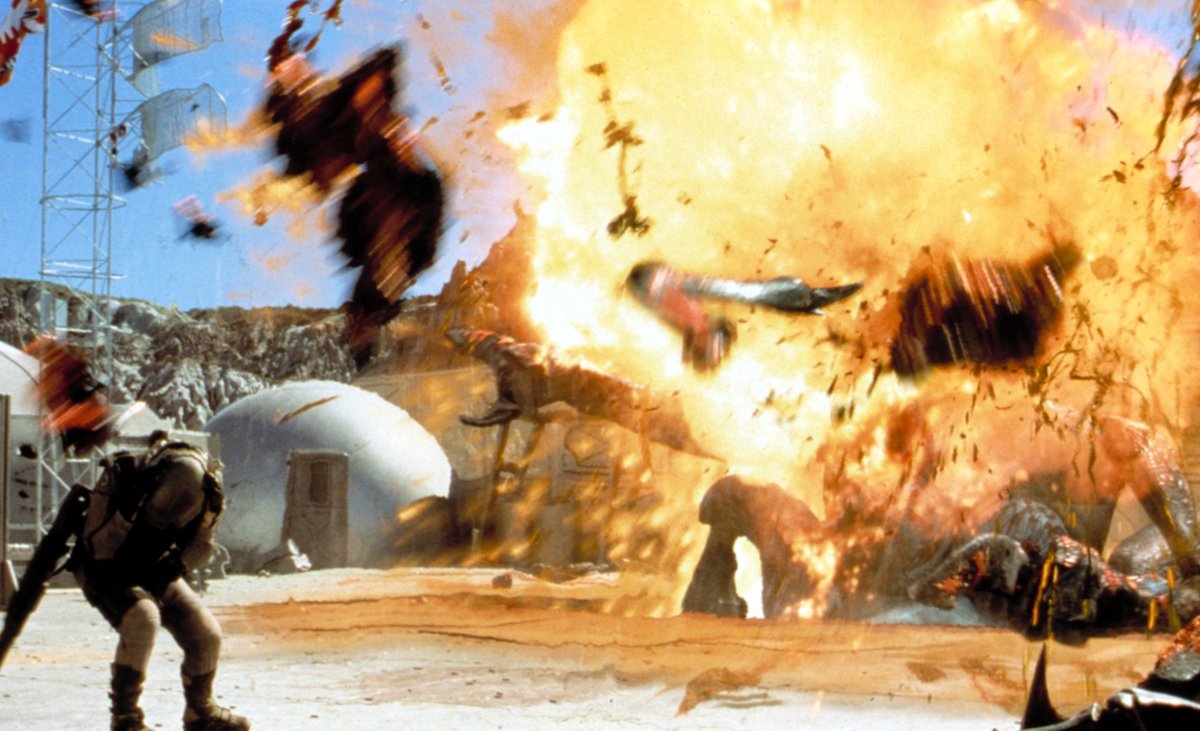
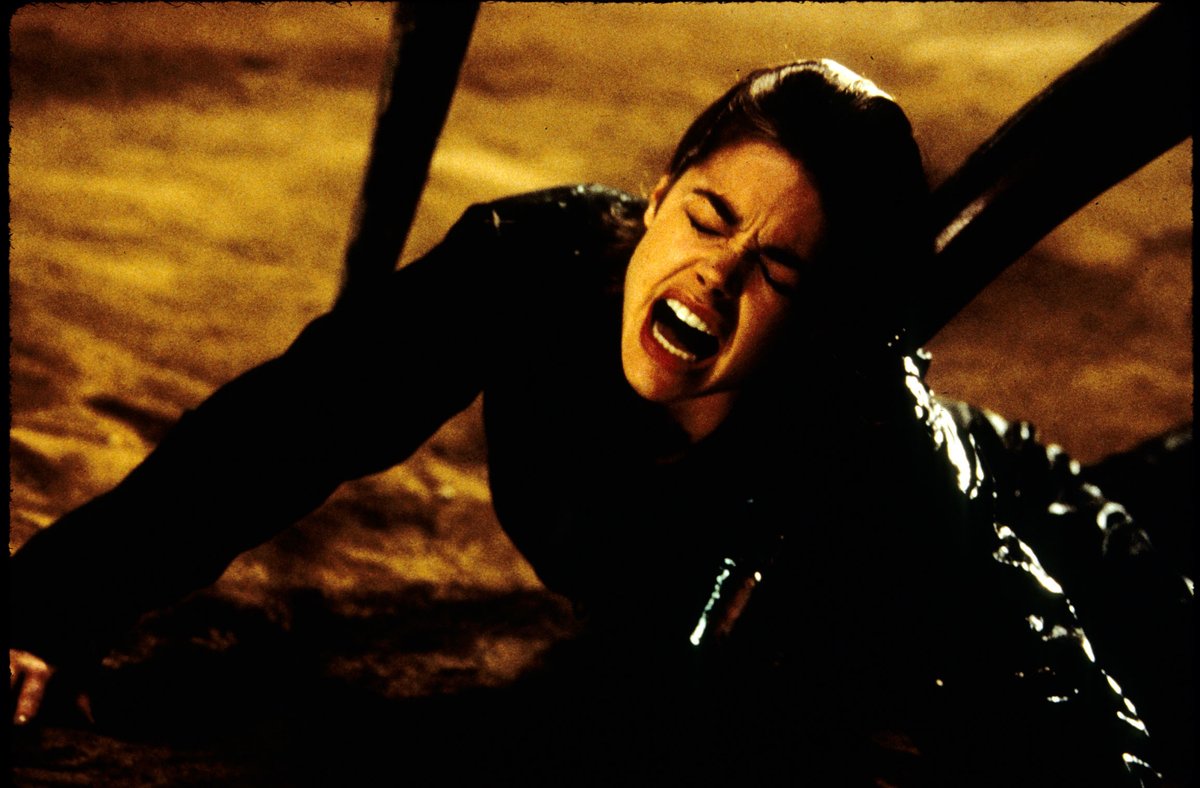
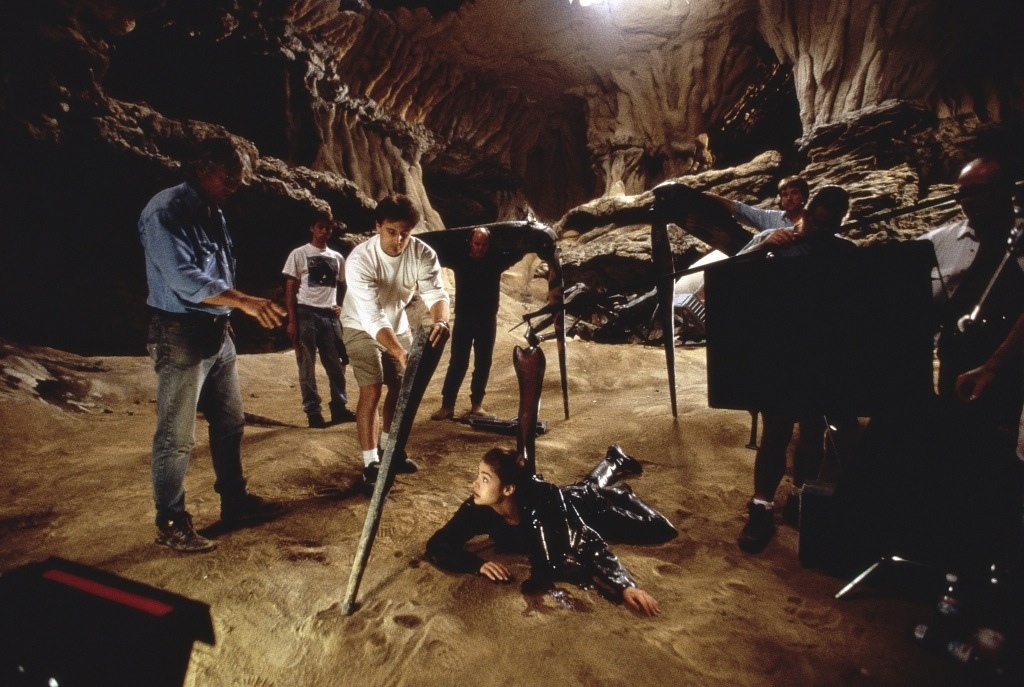
The film climaxes with Rico saving Carmen from the bug’s lair. Filming the scene, Richards, Van Dien and Busey had to sprint through the tunnel as the explosion went off for real behind them. Verhoeven told them it was dangerous, so they had to film it last.
65/69
65/69
When the gang are reunited in the final scene, Rico asks Carl if he’s responsible for psychically guiding him to Carmen and Carl says “that’s classified.” In the original script, Carl admitted he was responsible, but the fact he can now read human’s minds is classified.
66/69
66/69
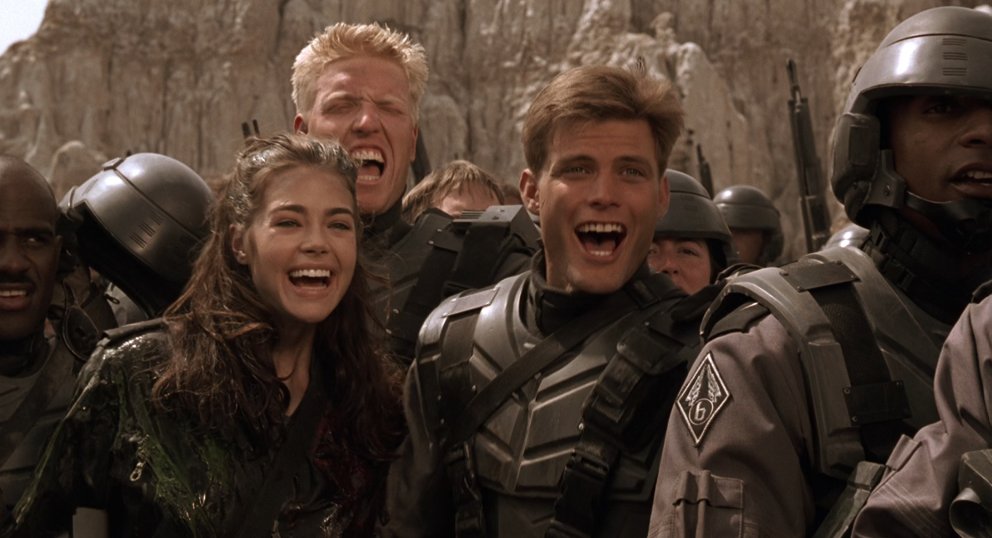
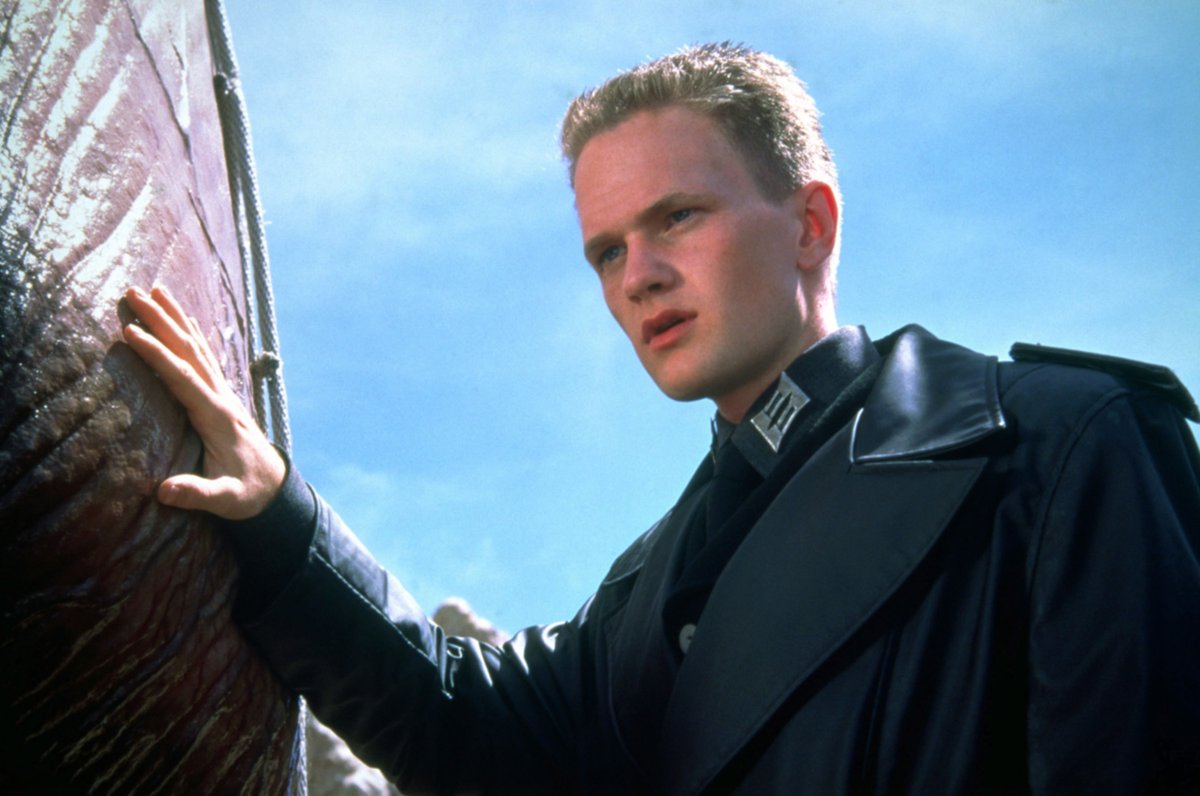
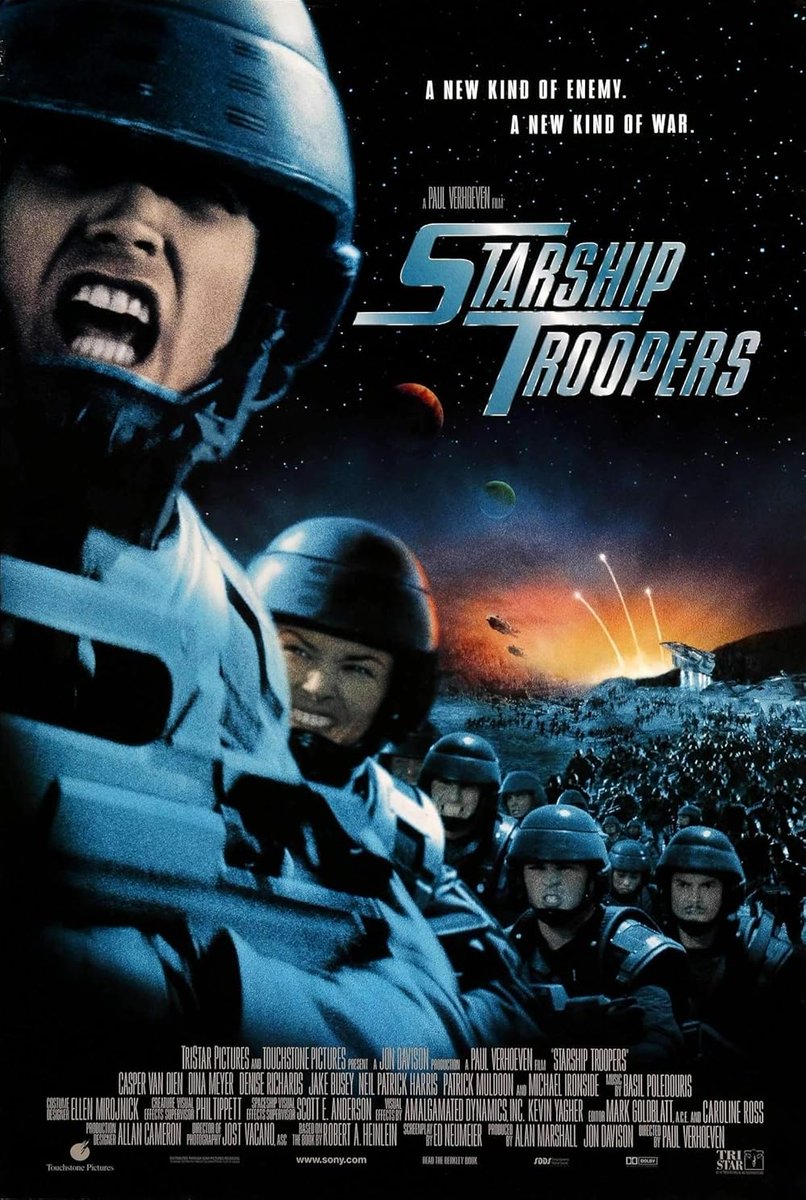
Verhoeven said the studio marketed the film as “just another bang bang bang movie” and a lot of critics didn’t realise it was meant to be a satire. He said he would get verbally attacked in interviews in countries that had problems with fascism like Italy and Germany.
67/69
67/69

As such, Starship Troopers didn’t perform so great on its release. The budget for the film was $105m and it took just $121m at the box office. However, over time, the satirical angle became understood and appreciated and now, the film is among Verhoeven’s most popular.
68/69
68/69
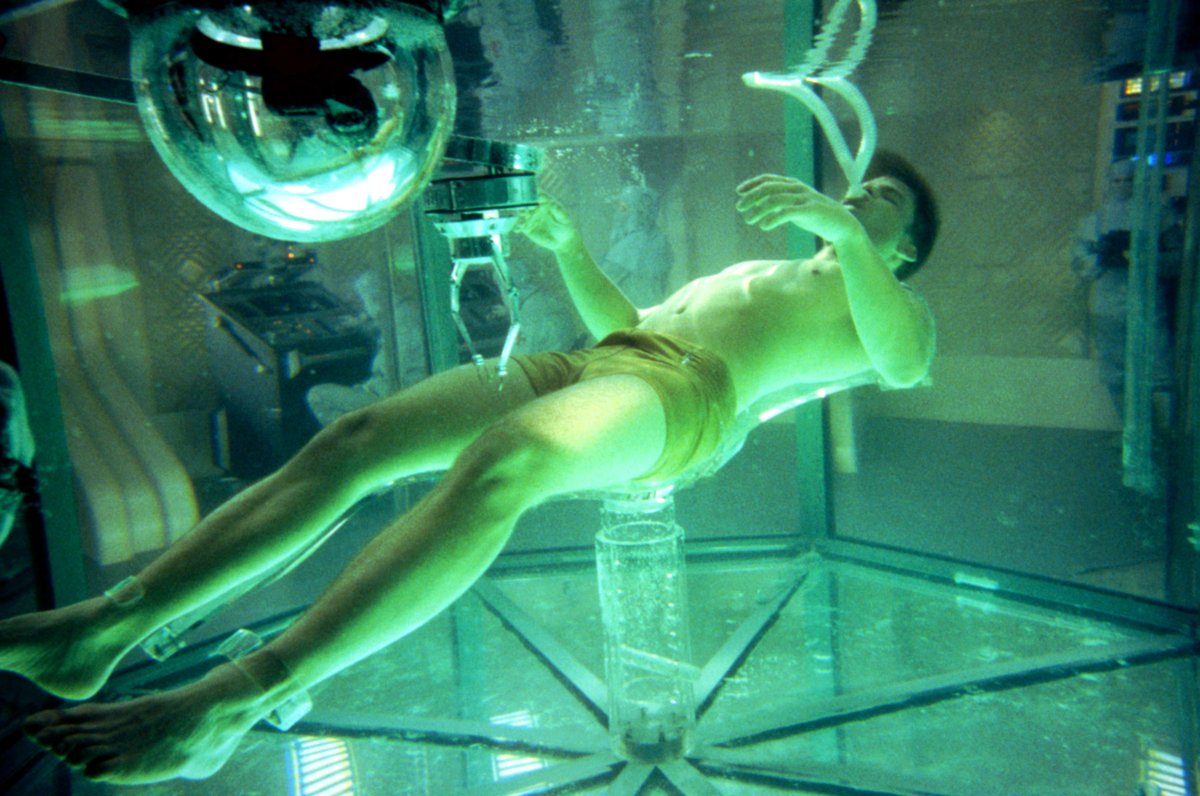
Finally… Van Dien said years later, he picked up his daughters from school and a group of 10 year olds were shouting “Hey! Johnny Rico!” His daughters hadn’t seen the film but got in the car and said “Dad - those boys have seen you naked. You’ve ruined my life.”
69/69
69/69
If you liked our making of story of STARSHIP TROOPERS, please share the opening post 😃
https://x.com/ATRightMovies/status/1856664169392603353
Our latest podcast is on APOLLO 13. Full of big laughs and opinions so please give it a listen 😄
alltherightmovies.com/podcast/apollo…
alltherightmovies.com/podcast/apollo…
• • •
Missing some Tweet in this thread? You can try to
force a refresh