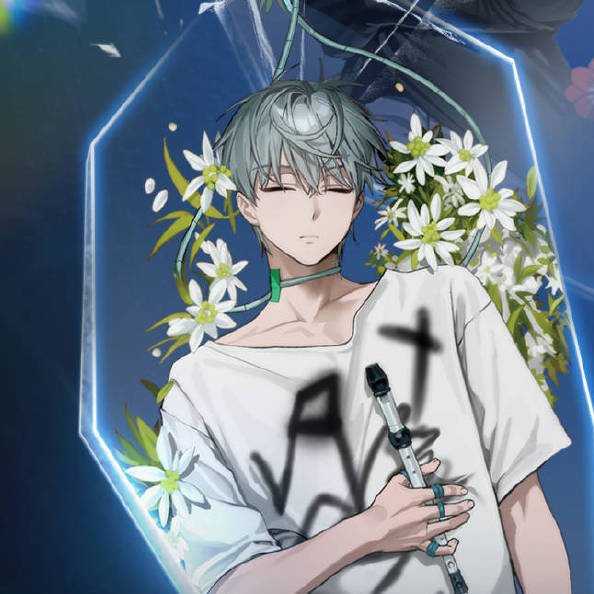
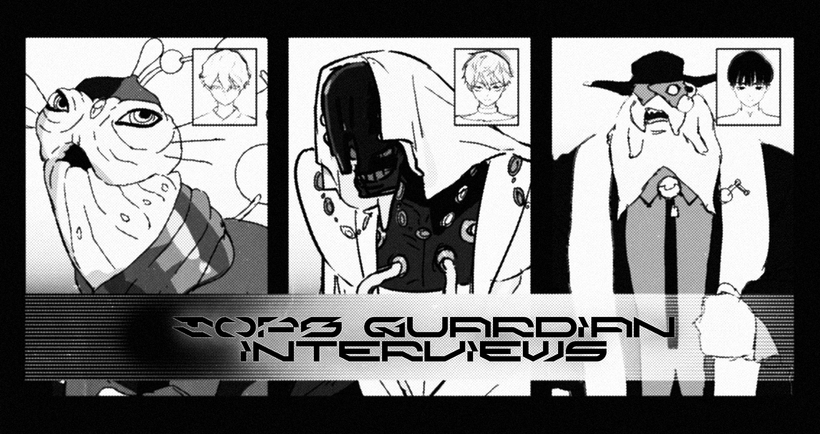
making sense of #alienstage timeline and processes behind each phase from birth-> anakt garden -> alien stage ⬇️ #alnst #에이스테 

note: purely theoretical! i’m using two frameworks to support my assumptions about the timeline: (1) erikson's stages of psychosocial development. since aliens want pet-humans to retain some human qualities even as they treat them like animals, we will view them as both
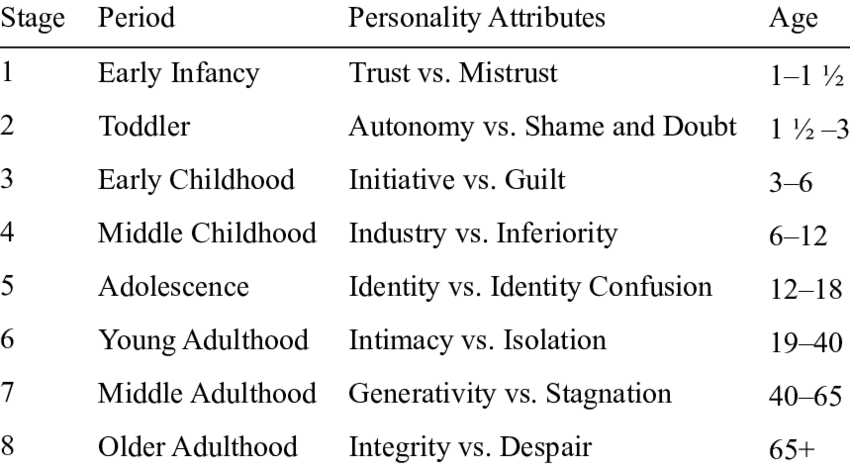
(2) my (limited) understanding of k-pop idol training and industry debut timeline, where recruitment and training generally start around 10-14 years old. mw, the average training period is 2 to 4 years, but there is no guarantee a trainee will debut as an idol after
0-5 [early stage] pet-humans may come from human editing shops, auctions, or adoptions. they may still be with their providers if they weren’t acquired from birth/infancy. this is when pet-humans develop basic feelings of trust or mistrust depending on the attention they receive

it's also when they shape their foundational sense of safety, wc is crucial for future compliance. consider this the stage where pet-humans are still more emotionally dependent on “parents" and only after they seem able to communicate properly are they sent off
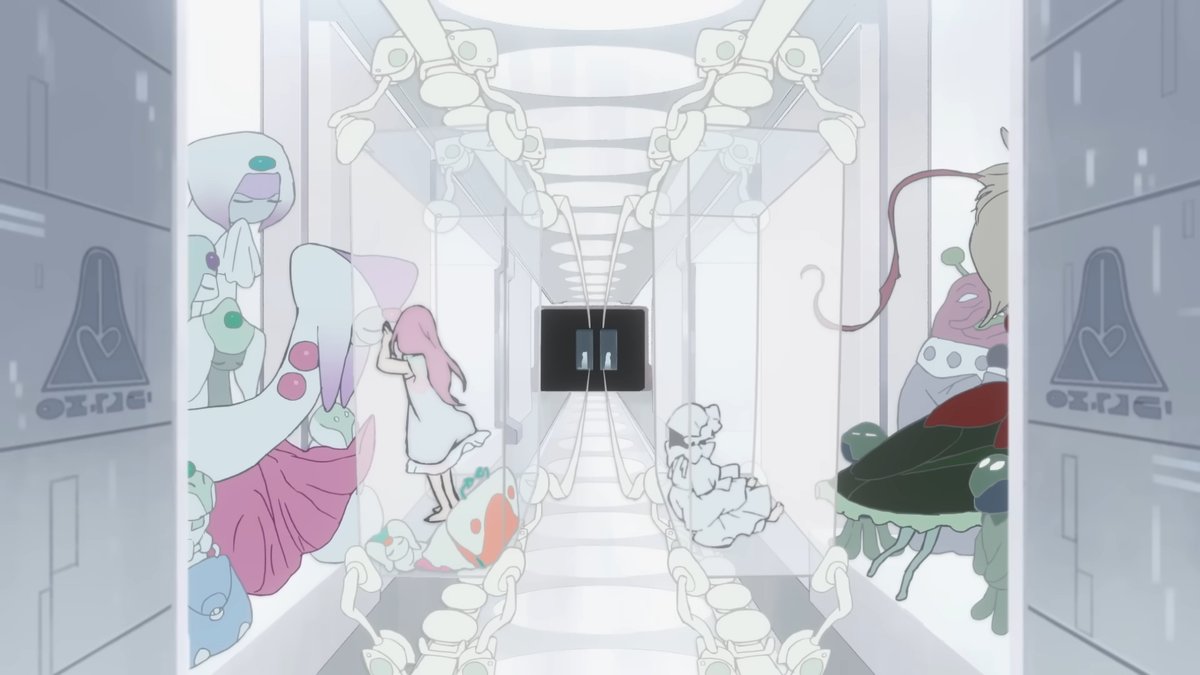
this is also the selection period, where potential is assessed, allowing pet owners to plan for specific traits they wish to develop further. we can assume two main criteria: no physical defects (with an emphasis on physical appearance) & good "crying" (vocal ability)

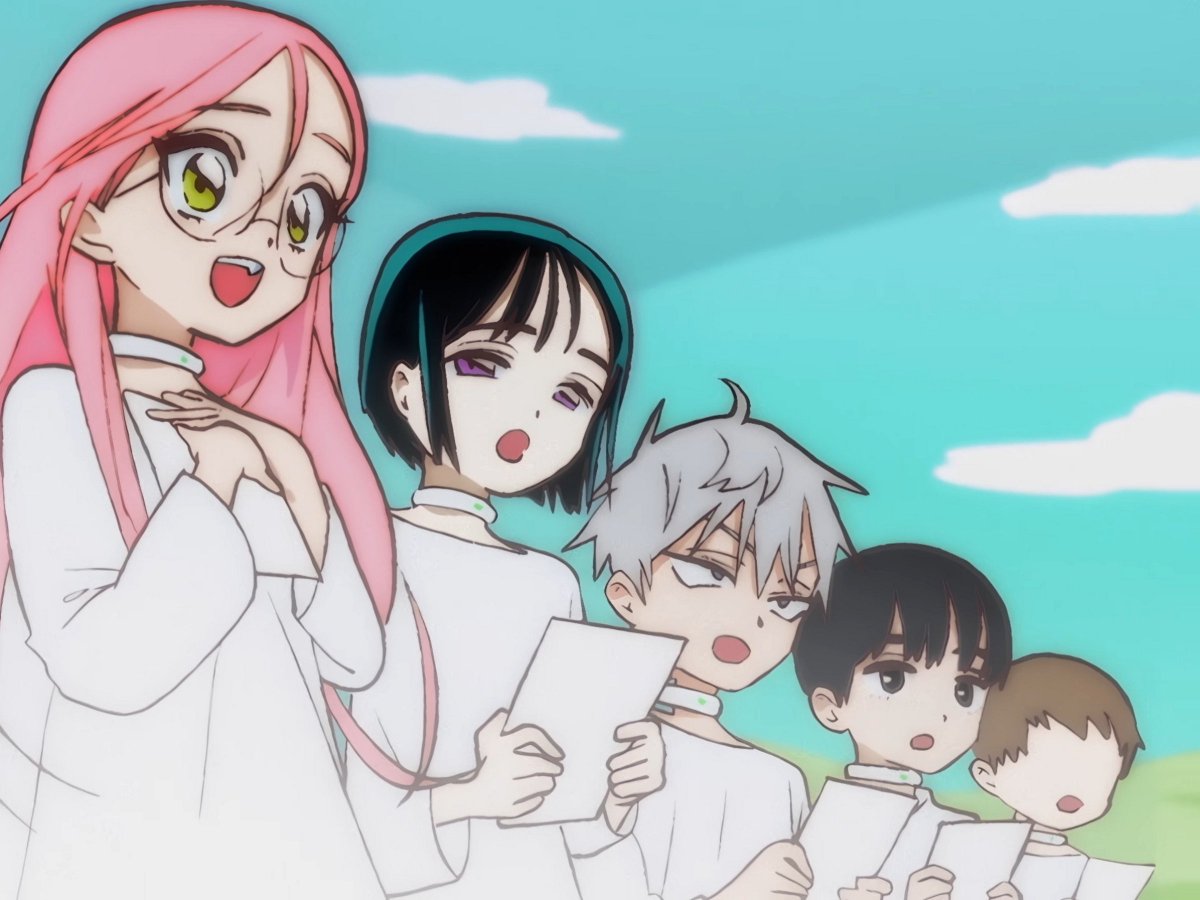
6-8 [entry to anakt garden] anakt garden is the top music-specialized school, designed as an idealized version of earth (like free-range cattle), assumed to “provide an environment that makes beautiful crying sounds,” it is renowned for having the best music education system
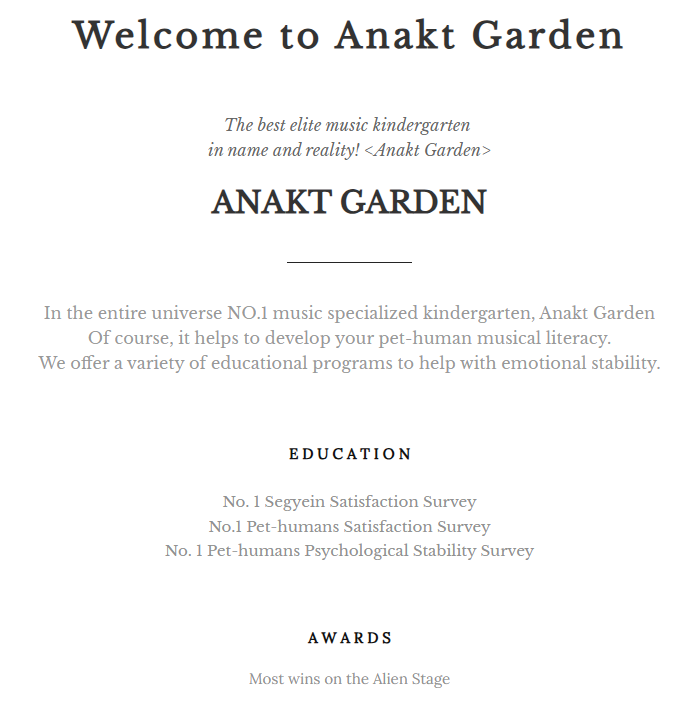
anakt garden is likely isolated to maintain a controlled environment for intensive training, but it's not entirely cut off from influential alien civilization. the space is artificial, heavily relying on simulations, with rural landscapes directly outside, just beyond the cities
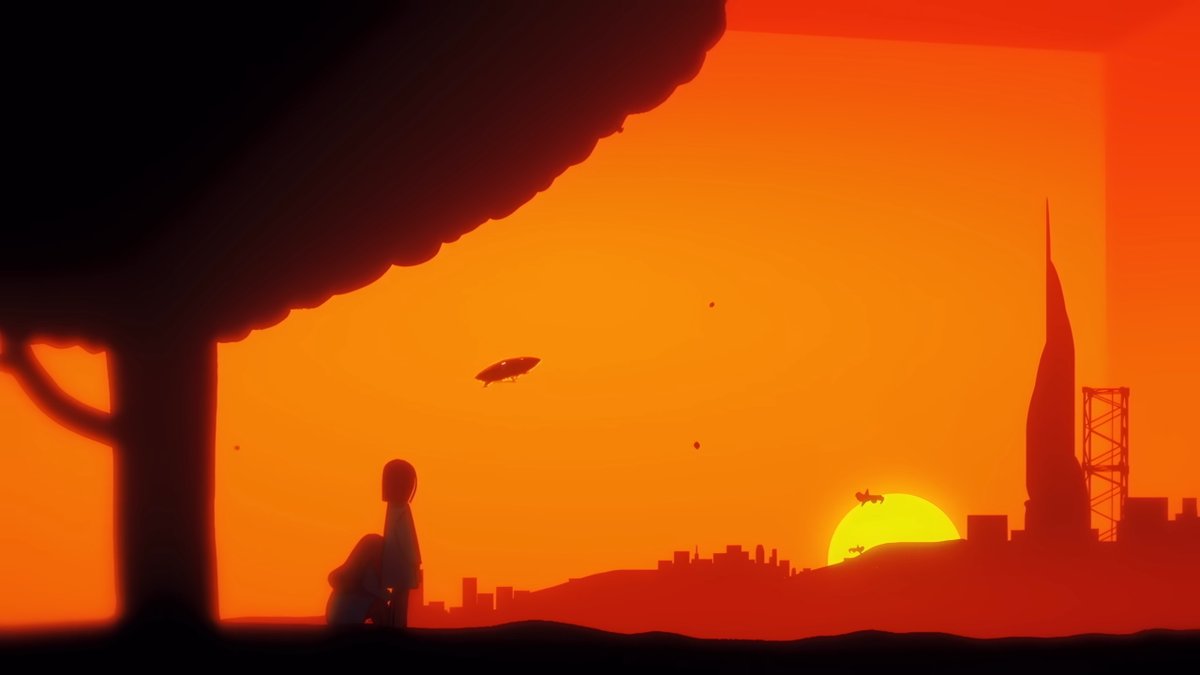
selected pet-humans are sent to anakt garden or similar institutions. like other elite schools, fees are steep, and admissions are highly competitive. once accepted, the children are shipped to anakt garden
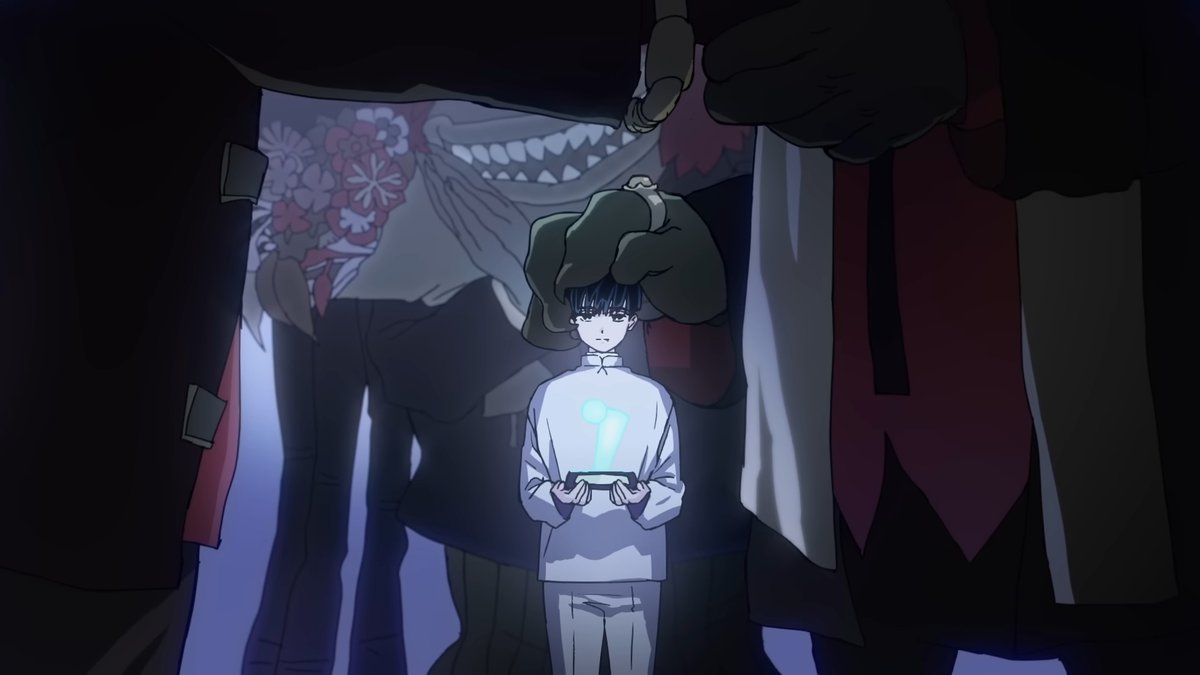
at this stage, pet-humans naturally start to explore their capabilities, but their environment is heavily controlled. alien owners can likely still visit their pet-humans, although they say goodbye because they will no longer live together
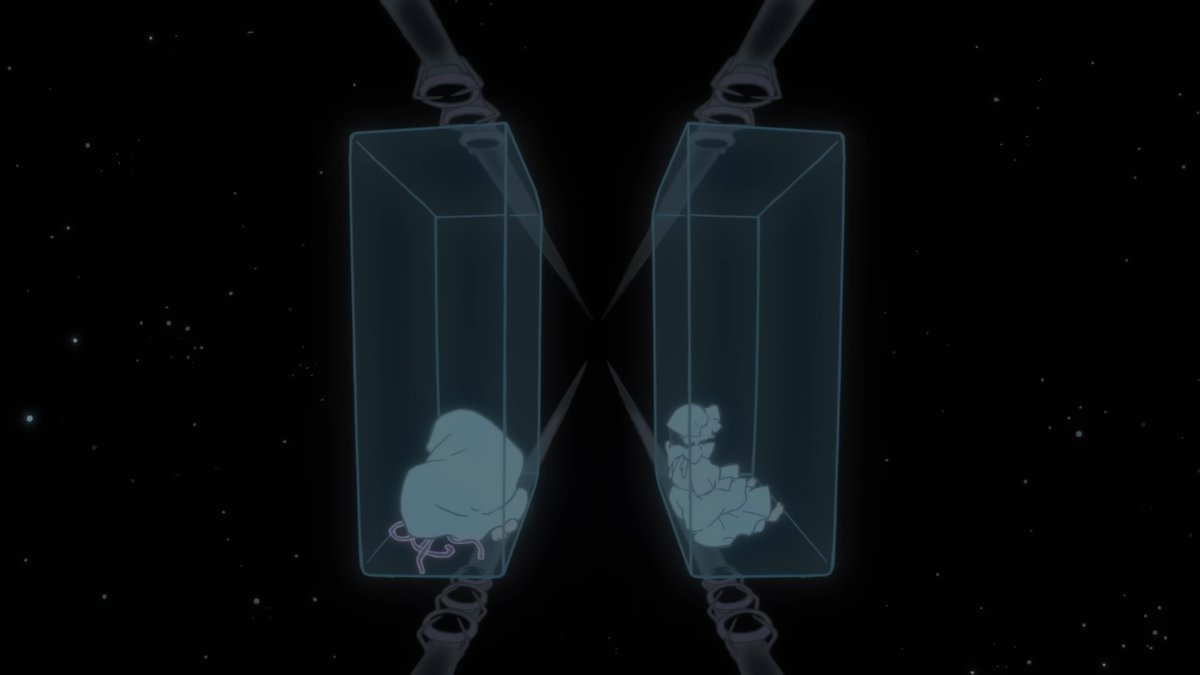
pet-humans may be introduced to fellow pet-humans for the first time and are required to socialize, such as through their mandatory playtime. this is also the transition from dependence on alien owners/providers to integrating into a group setting or peer environment
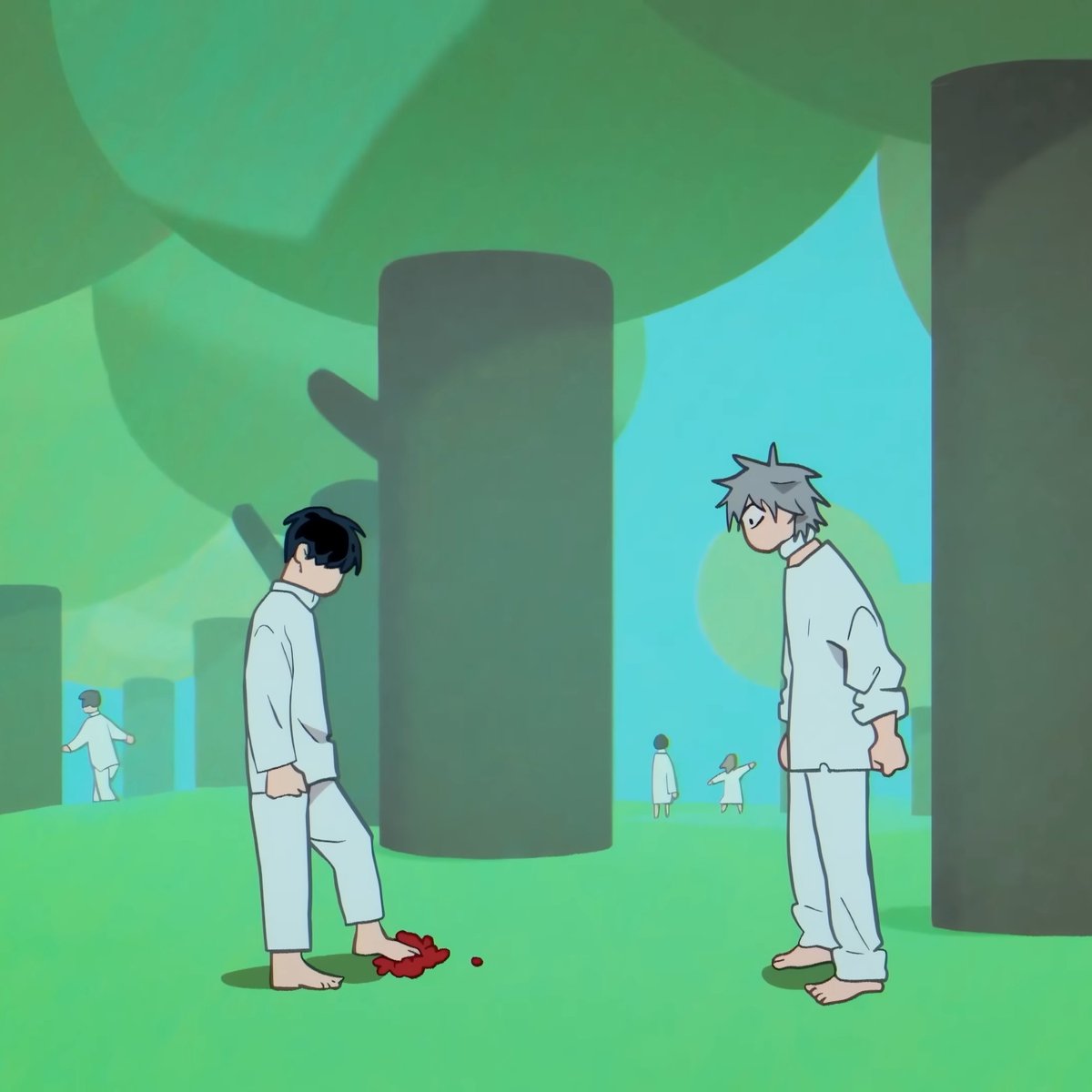

9-13 [intermediate training] education continues to shape both their abilities and their acceptance of purpose (as a pet-human). children take classes and begin training in foundational and technical skills such as singing, dancing, and likely, even social behavior
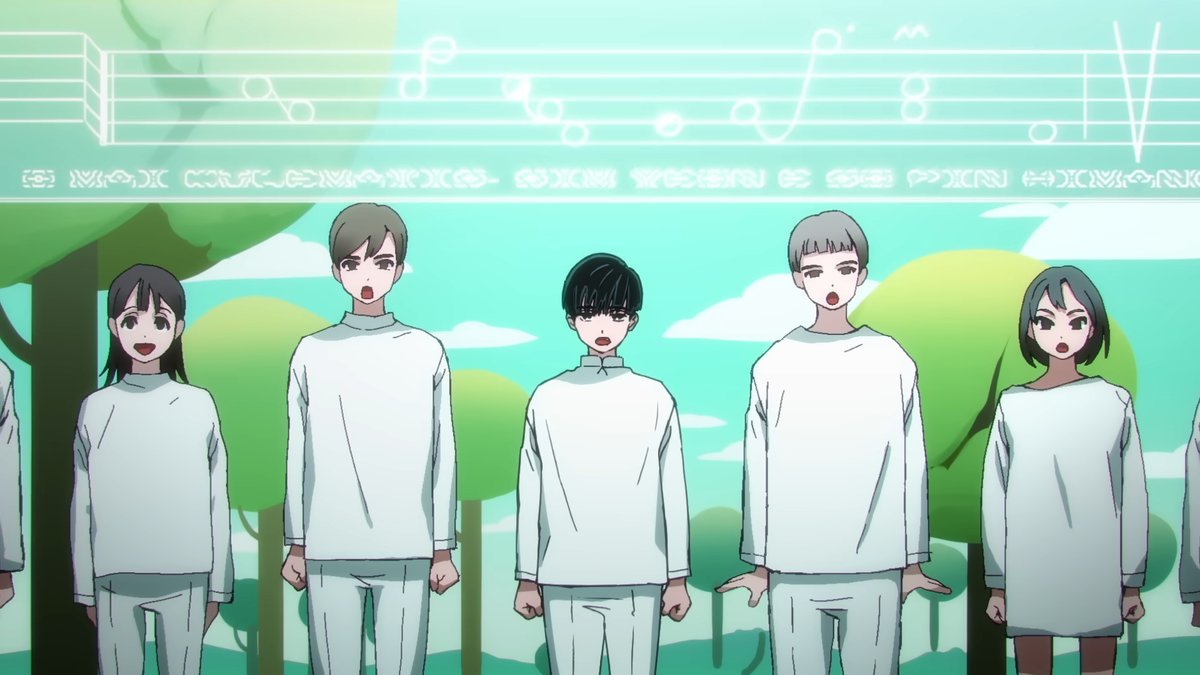
teachers and/or caretakers continue to observe pet-humans and they report their progress to their alien owners. students may be able to go out with permission, but unless authorized, they stay inside anakt garden patreon.com/posts/eng-anak…
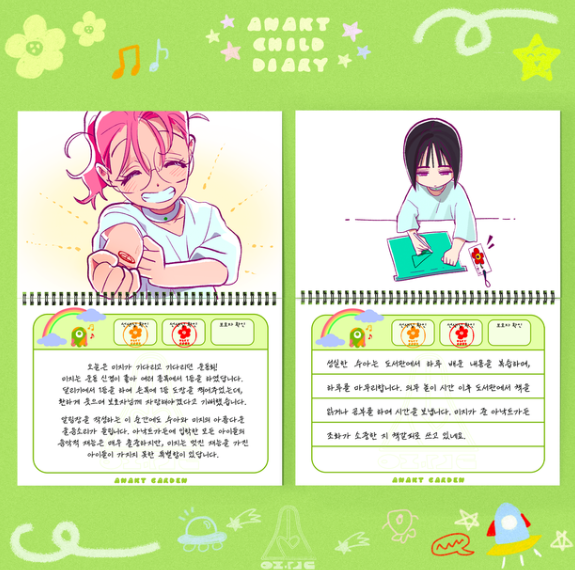
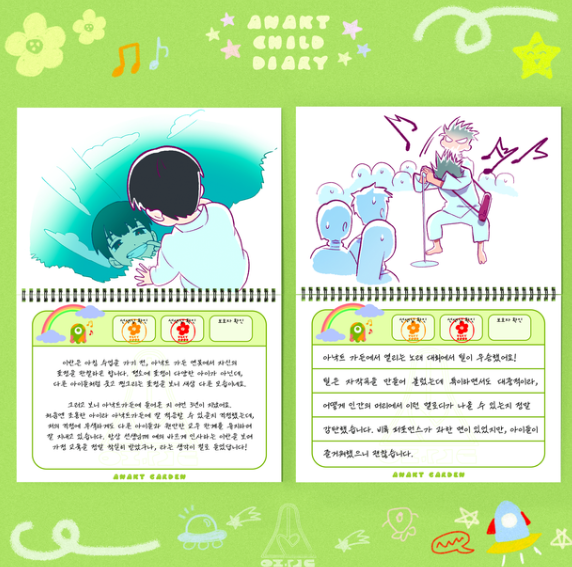
the next two phases involving anakt graduation and alien stage audition and preps is where it gets a little blurry. it's possible that these phases are either merged or timelines may overlap, e.g. anakt graduation may come later and pre-alien stage preparations are shorter
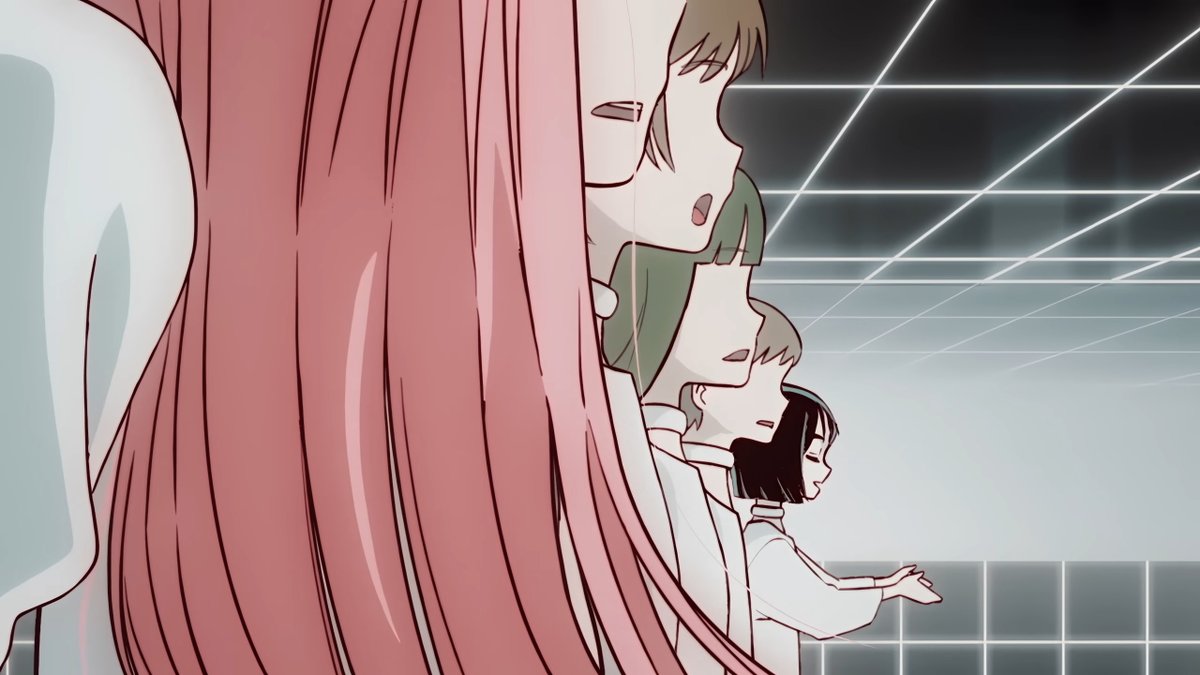

14-17 [advanced training & alien stage audition] continuation of the previous phase, but they take more advanced / music-intensive classes like music appreciation & interpretation, expression of music, etc. i also make the divide here bc this is the stage humans develop identity
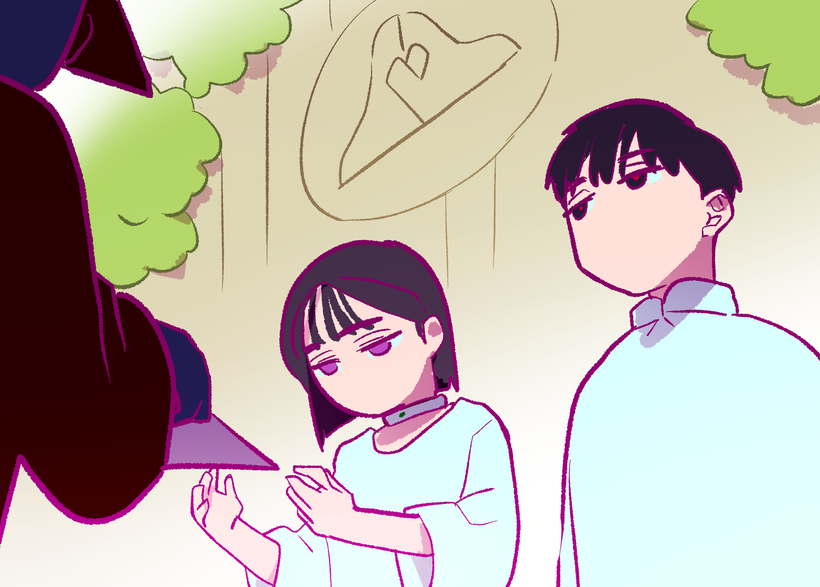
they may find themselves struggling between self (identity) and their assigned role (confusion). these years also heavily focus on their "brand" as a performer, such as song genres or idol positions. this is also the period they audition for alien stage
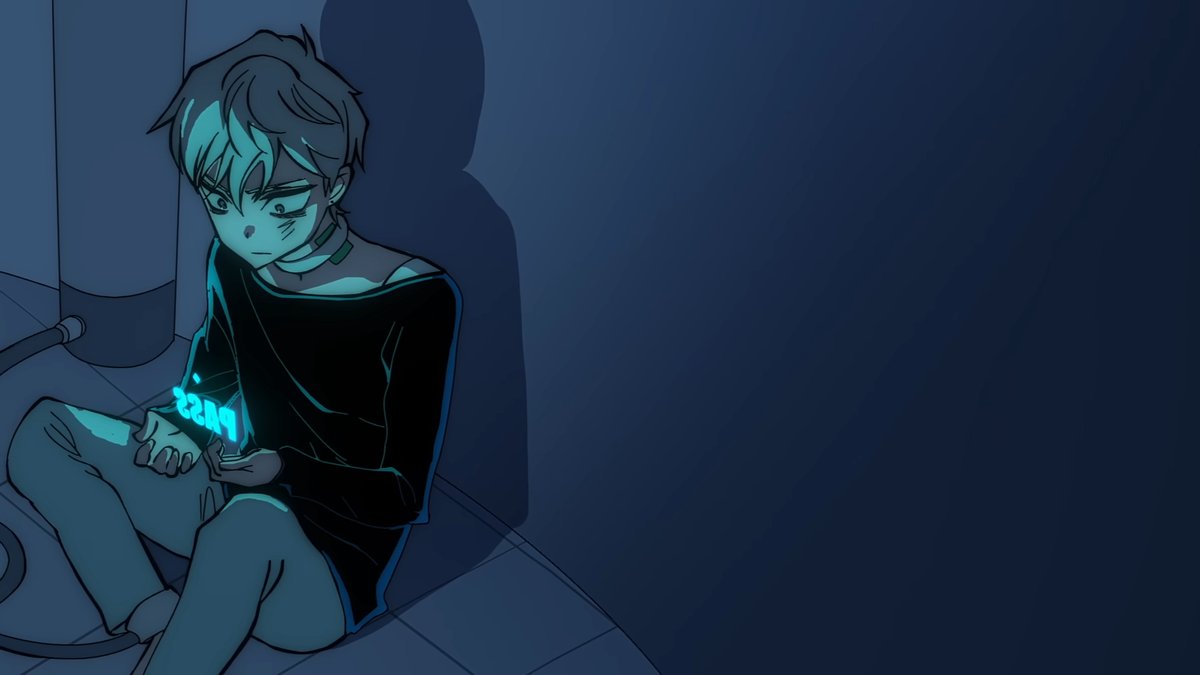
if they pass, they proceed to pre-debut preparation, wc is heavy on marketing. however, there are cases like sua and luka, who had such efforts even during their time at anakt garden
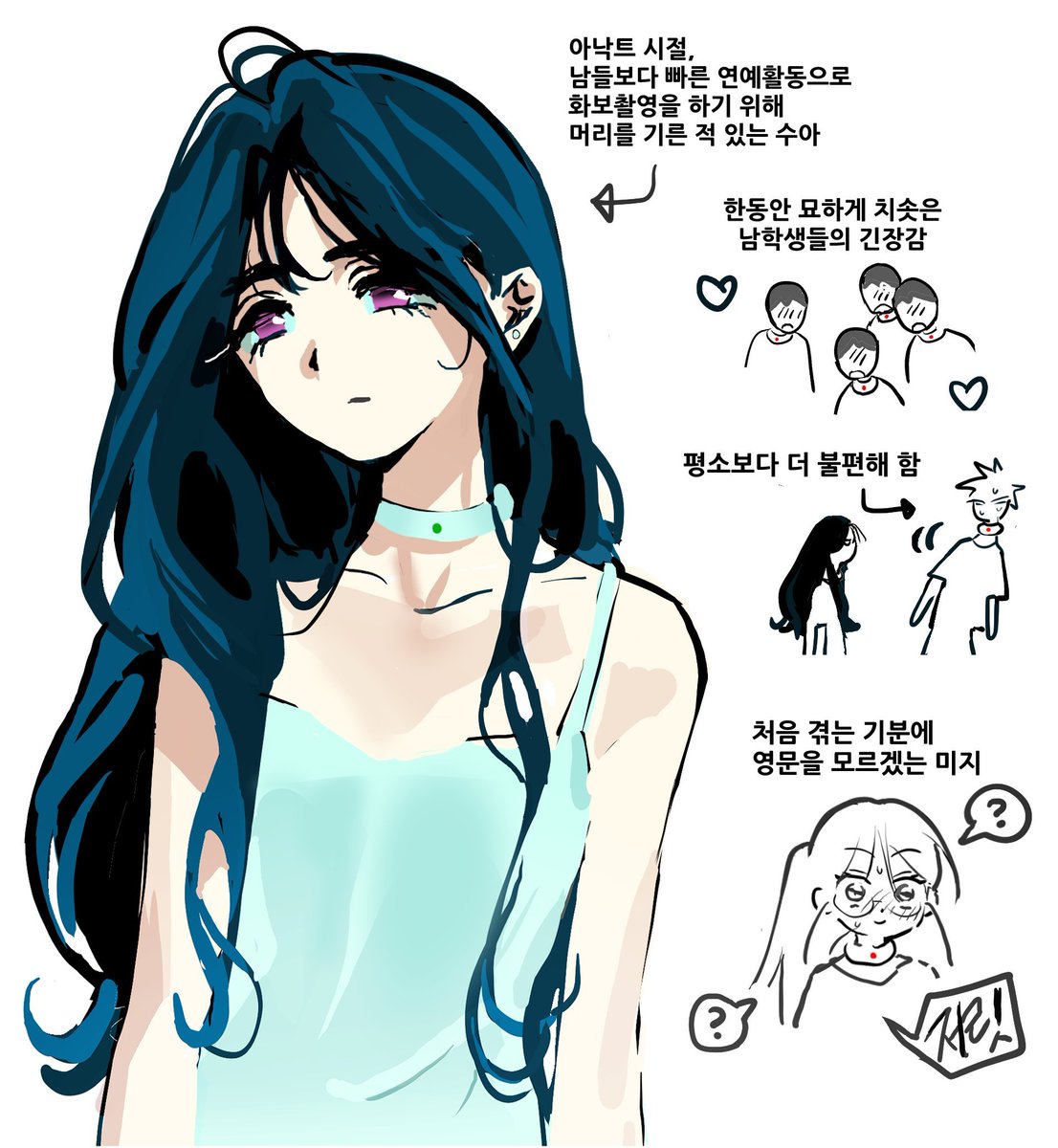
throughout a pet-human's time in anakt garden, they're subject to disciplinary action and various human experiments in the name of education and improvement
https://x.com/alnstmiwa/status/1829174788944011639


17-21 [anakt graduation and pre-alien stage preparation] upon graduation, pet-humans get their branding (name imprint) and enter alien stage. but i assume they enter a vaguely defined integration period that serves as the final phase before the season
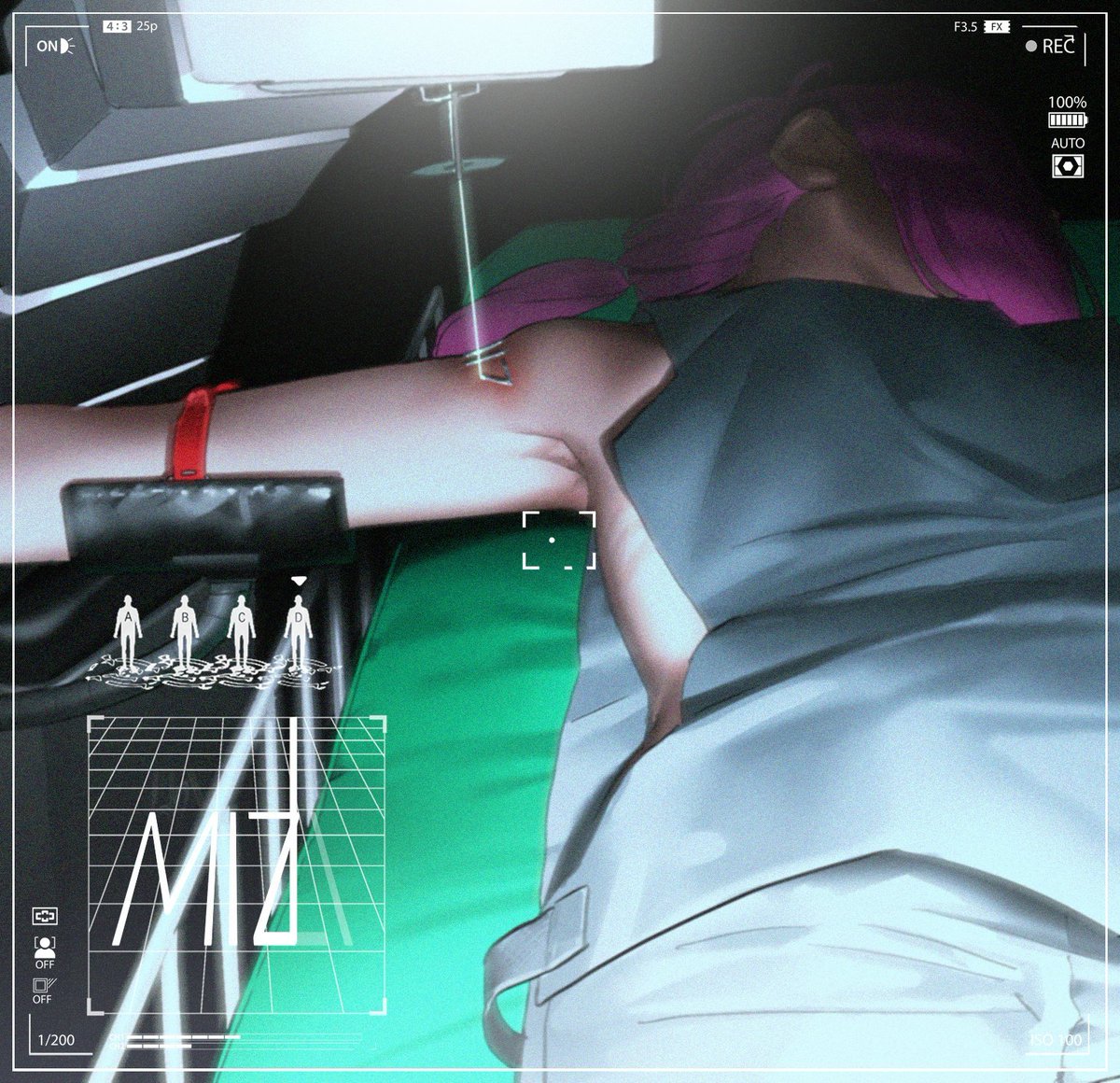
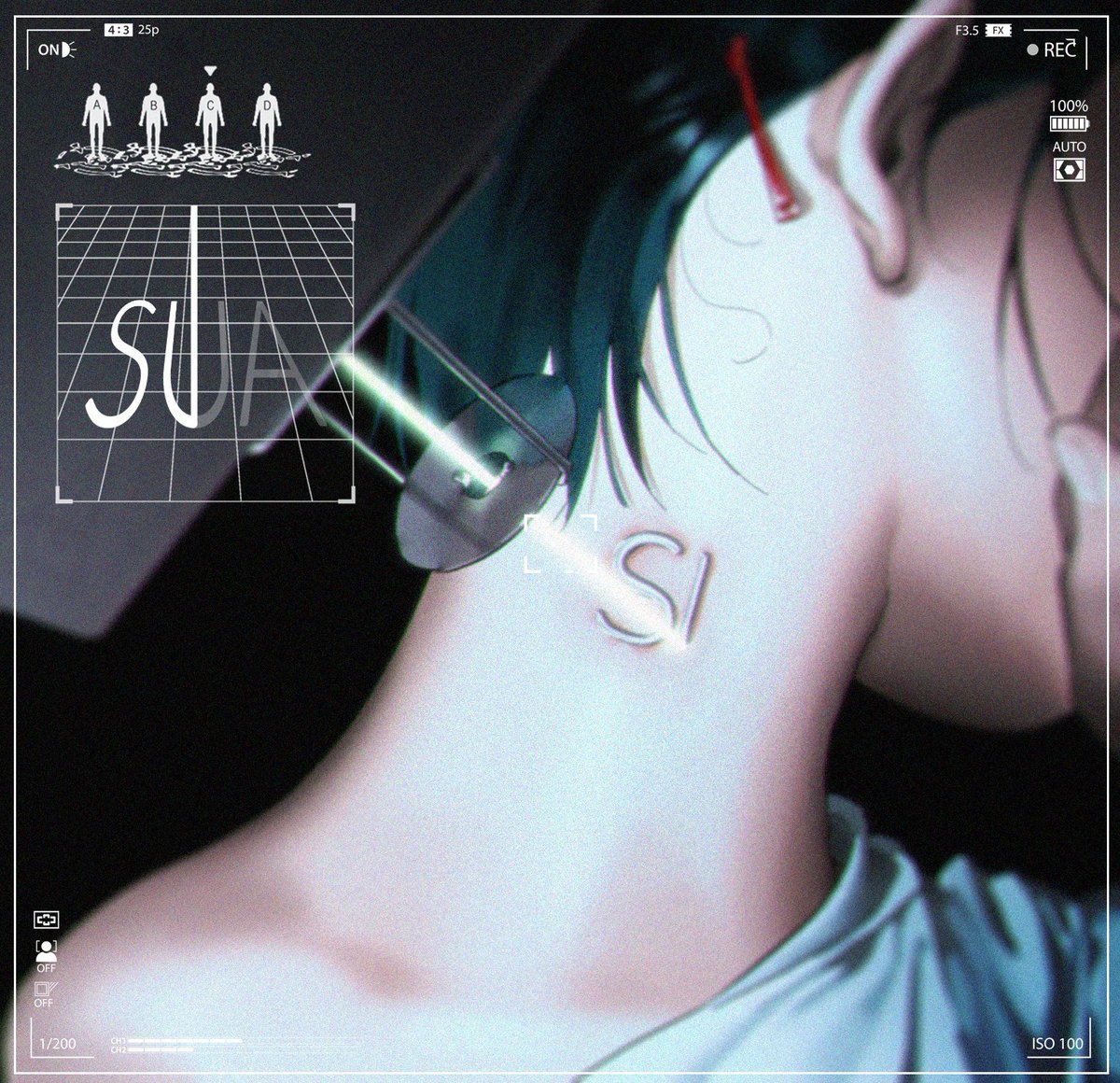
the assumption is they’re no longer at anakt garden and may have some time apart from the other graduates. alien owners (and/or sponsors) promote their pet-humans through social media or events, and pet-humans may even begin making a name for themselves by releasing albums
or closing brand deals, or maybe even joining shows. during this phase, pet-humans transition from "trainee" to "rookie" and undergo significant branding or style changes depending on trends or their target audience
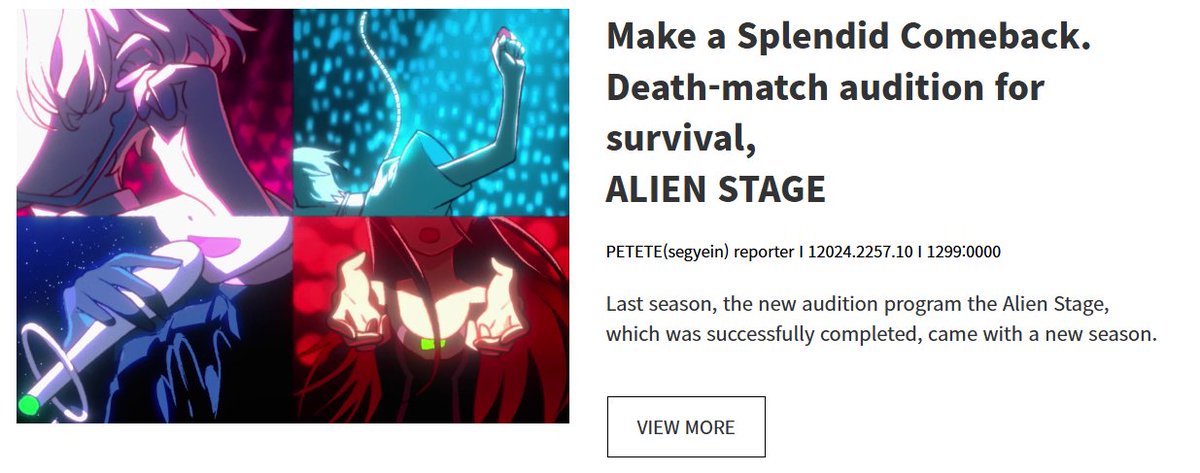
21+ [alien stage] current timeline. death-match audition, very much the definition of a survival idol show. contestants win rounds through votes and the pet-human winner is "promised" to "regain free will," and their alien owner climbs in status
other notes:
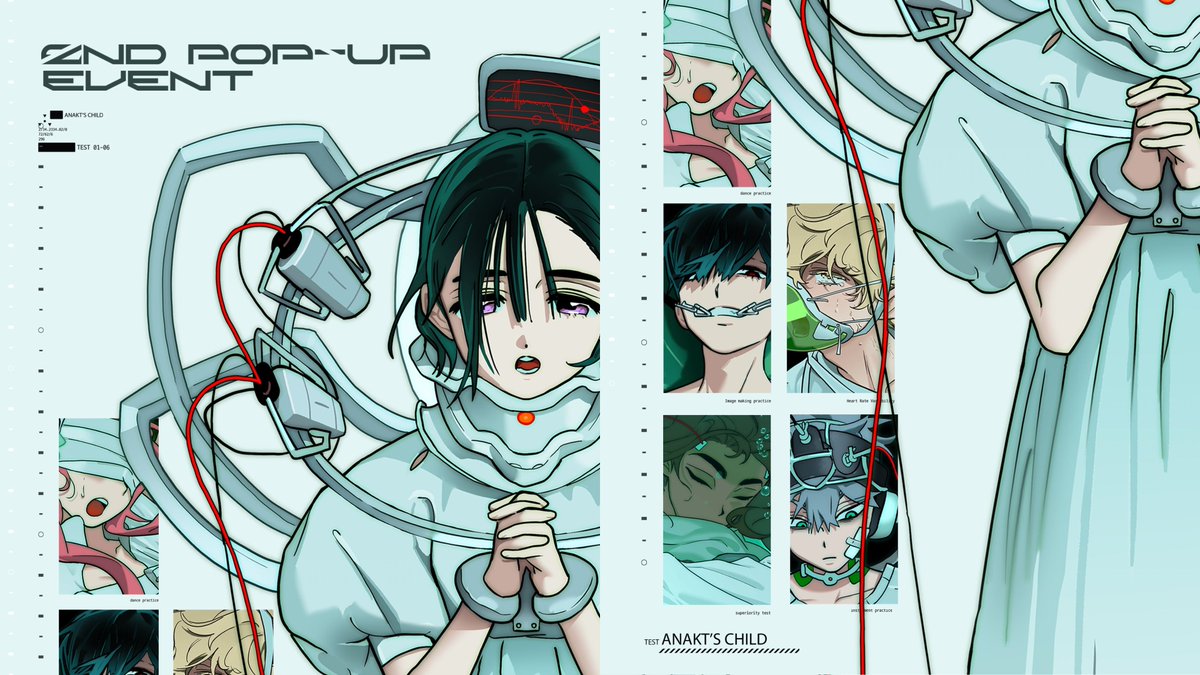
(1) selection process: there is an assumed selection process every stage. evaluations compose of the six tests we've been shown so far
(2) owners: act like agencies and sponsors. they're most involved in the early stages and post-alien stage audition. they retain
(1) selection process: there is an assumed selection process every stage. evaluations compose of the six tests we've been shown so far
(2) owners: act like agencies and sponsors. they're most involved in the early stages and post-alien stage audition. they retain
rights over their pets all throughout
(3) cultural integration: pet-humans are integrated into alien culture, learning nuances wc include alien social norms, language and entertainment expectations
(3) cultural integration: pet-humans are integrated into alien culture, learning nuances wc include alien social norms, language and entertainment expectations
i forgot to qrt 🥹
https://x.com/idoska_/status/1857074504754745504
• • •
Missing some Tweet in this thread? You can try to
force a refresh