Overwhelmed by the tangled chaos of Syria’s reignited proxy war? Global powers with their fingers deep in the conflict are scrambling to spin the narrative. Here’s a breakdown of the main players—what they stand for, and whose side of the geopolitical chessboard they’re on. 
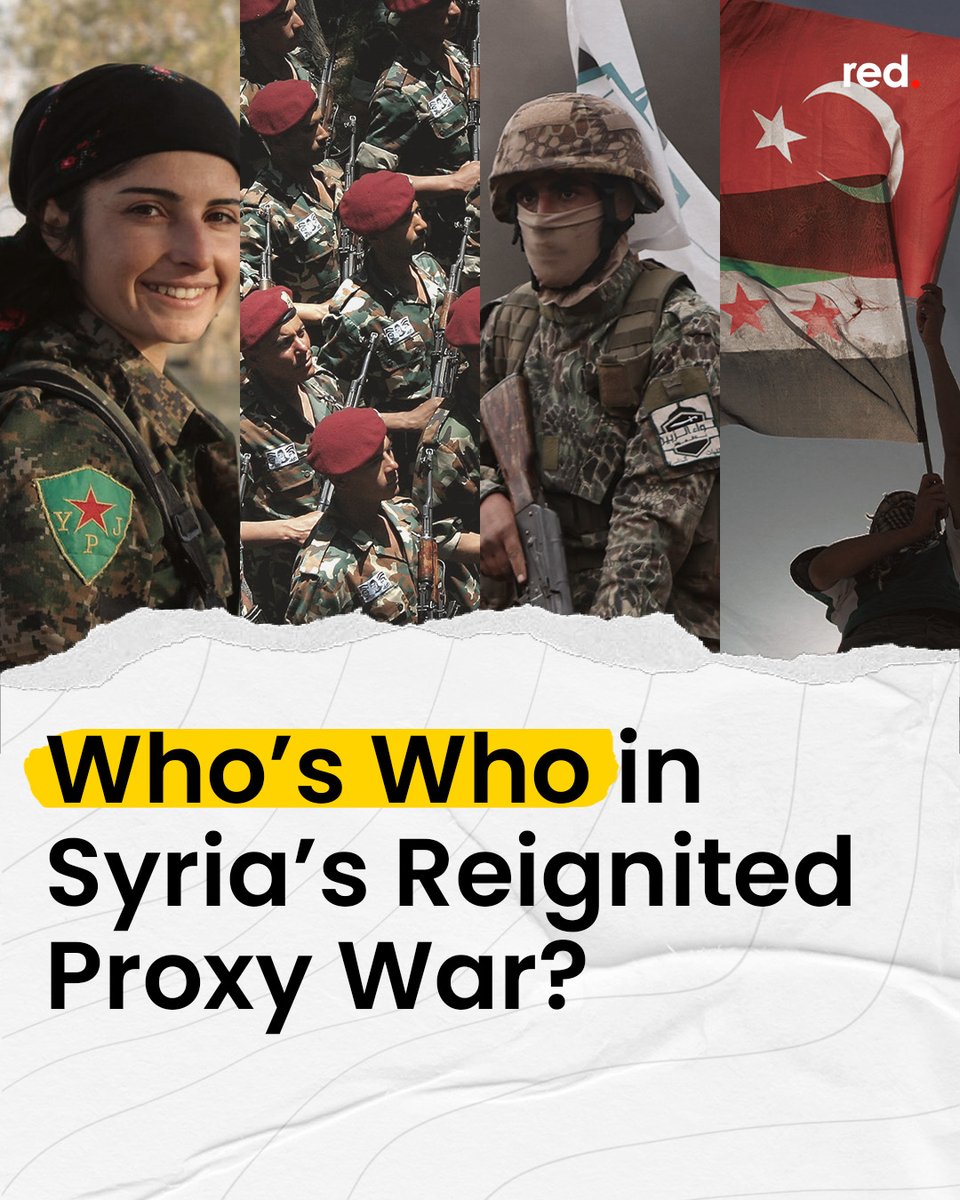
The Syrian proxy/civil war has reignited. Religious extremist armed groups, together with Turkish-backed militants, have shattered years of frozen fronts, storming and capturing Aleppo from the Syrian government’s forces.
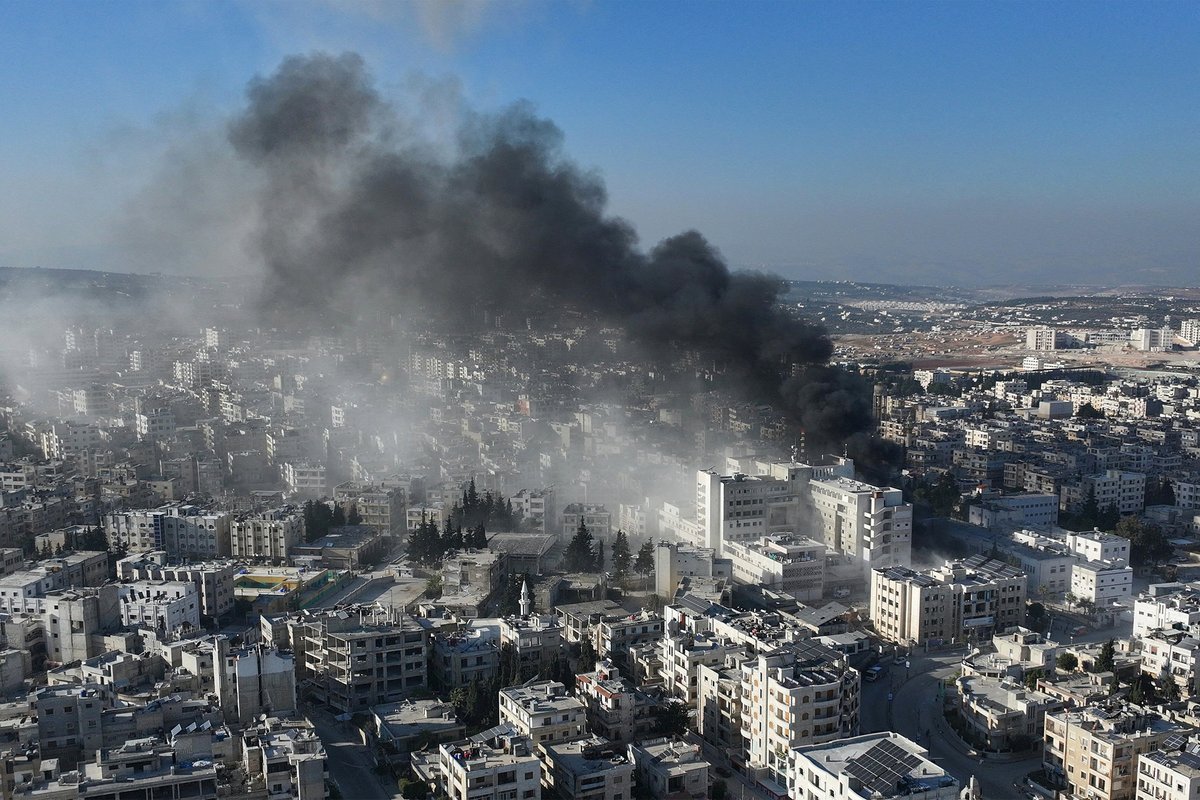
Syria’s strategic position in the heart of the Middle East has turned this 13-year conflict into a high-stakes chessboard, drawing in power players from all over the globe.

🟡 Al-Fatah al-Mubin
What mainstream media often lumps together as Syria’s “rebels” is officially known as “Al-Fatah al-Mubin” (Military Operations Command)—a newly formed coalition of anti-government militias with religious extremist elements at the helm.
What mainstream media often lumps together as Syria’s “rebels” is officially known as “Al-Fatah al-Mubin” (Military Operations Command)—a newly formed coalition of anti-government militias with religious extremist elements at the helm.
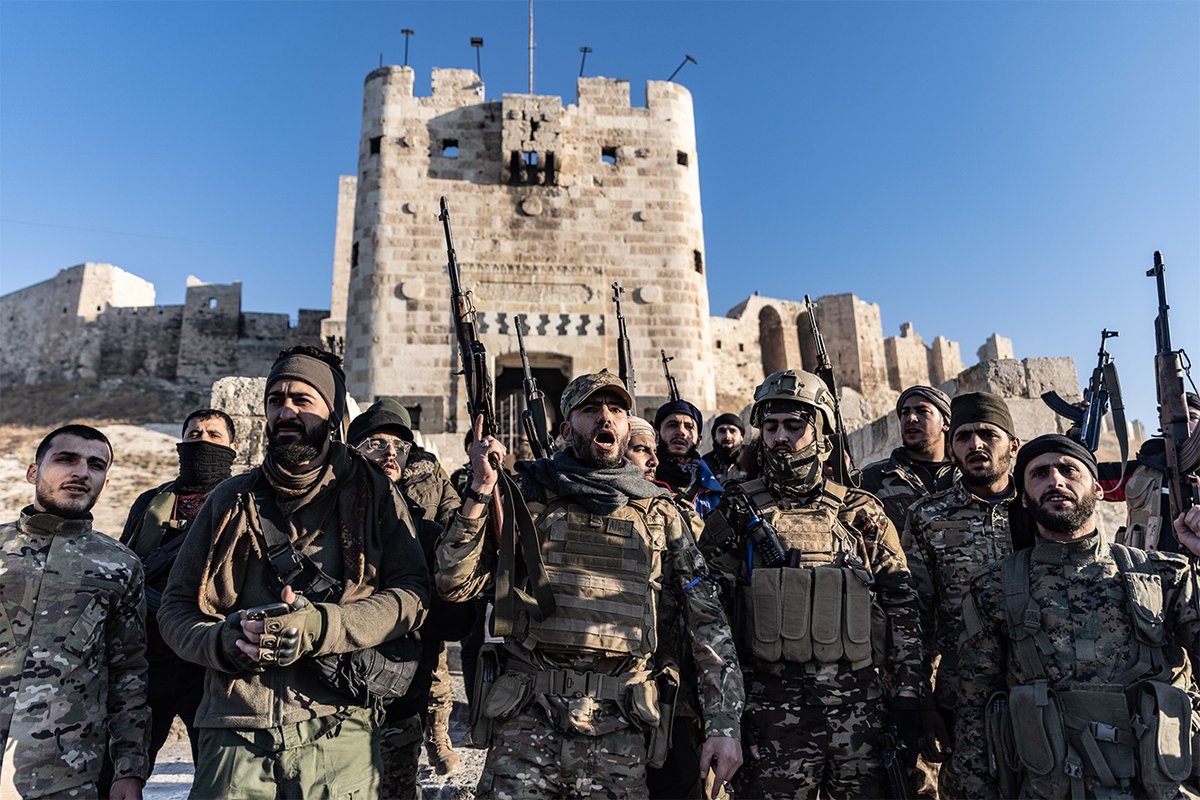
Their “Deterrence of Aggression” offensive around Idlib, Aleppo, and Hama marks the first territorial gains since the 2020 Idlib ceasefire froze the Syrian conflict.

🟡 Hay'at Tahrir al-Sham
Al-Fatah al-Mubin is led by Hay’at Tahrir al-Sham (HTS), which has roots in Syria’s Al-Qaeda affiliate, Jabhat al-Nusra, and is designated a terrorist group by the US.
Al-Fatah al-Mubin is led by Hay’at Tahrir al-Sham (HTS), which has roots in Syria’s Al-Qaeda affiliate, Jabhat al-Nusra, and is designated a terrorist group by the US.
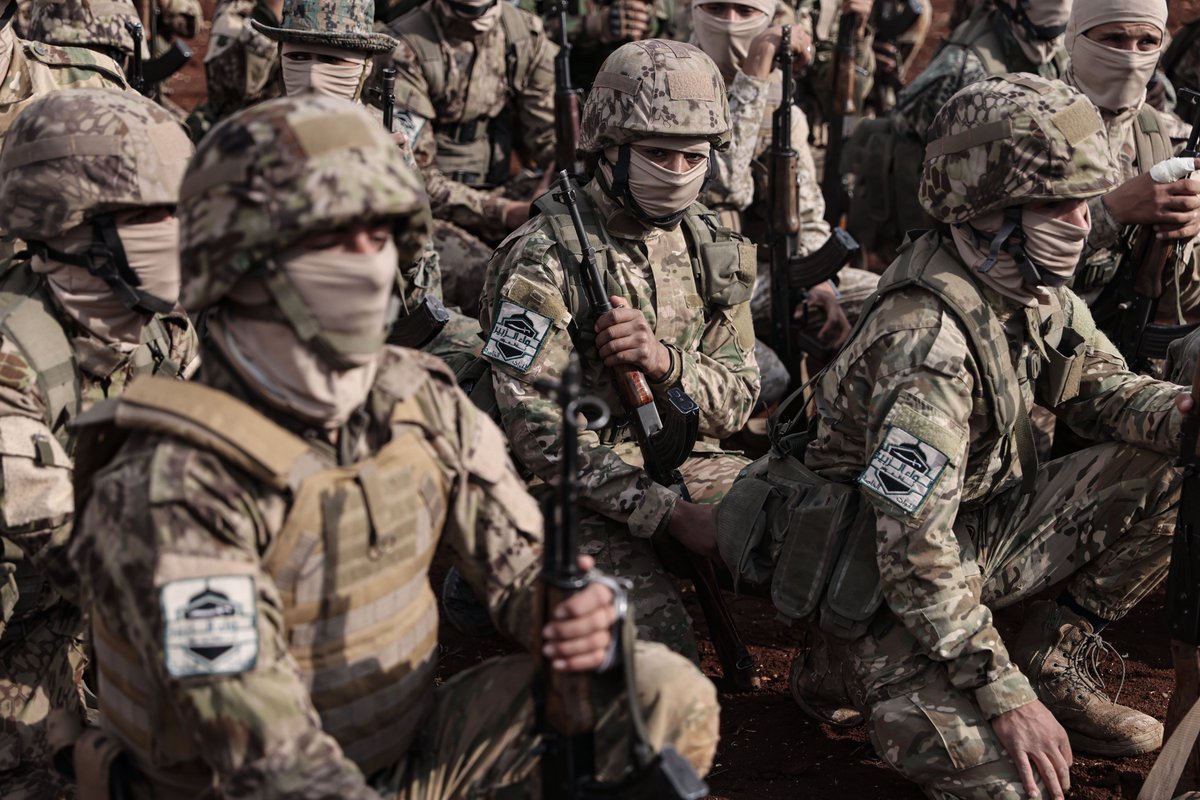
Their mission is to topple Syrian President Bashar al-Assad and to wipe out Iranian-backed Shia militias on sectarian grounds. HTS fields around 15,000 fighters, who historically have been beneficiaries of various Gulf states.
🟡 National Front for Liberation & Syrian National Army
The next big player in the coalition is the “National Front for Liberation,” a group of around 45,000 militants, which is part of the larger Syrian National Army, with 80,000 fighters that were armed by the US.
The next big player in the coalition is the “National Front for Liberation,” a group of around 45,000 militants, which is part of the larger Syrian National Army, with 80,000 fighters that were armed by the US.
The SNA, now deeply intertwined with Türkiye, has not only fought Assad but has increasingly taken up arms on Türkiye’s behalf against Kurdish-led forces in northeastern Syria.

🟡 Autonomous Administration of North and East Syria (AANES)
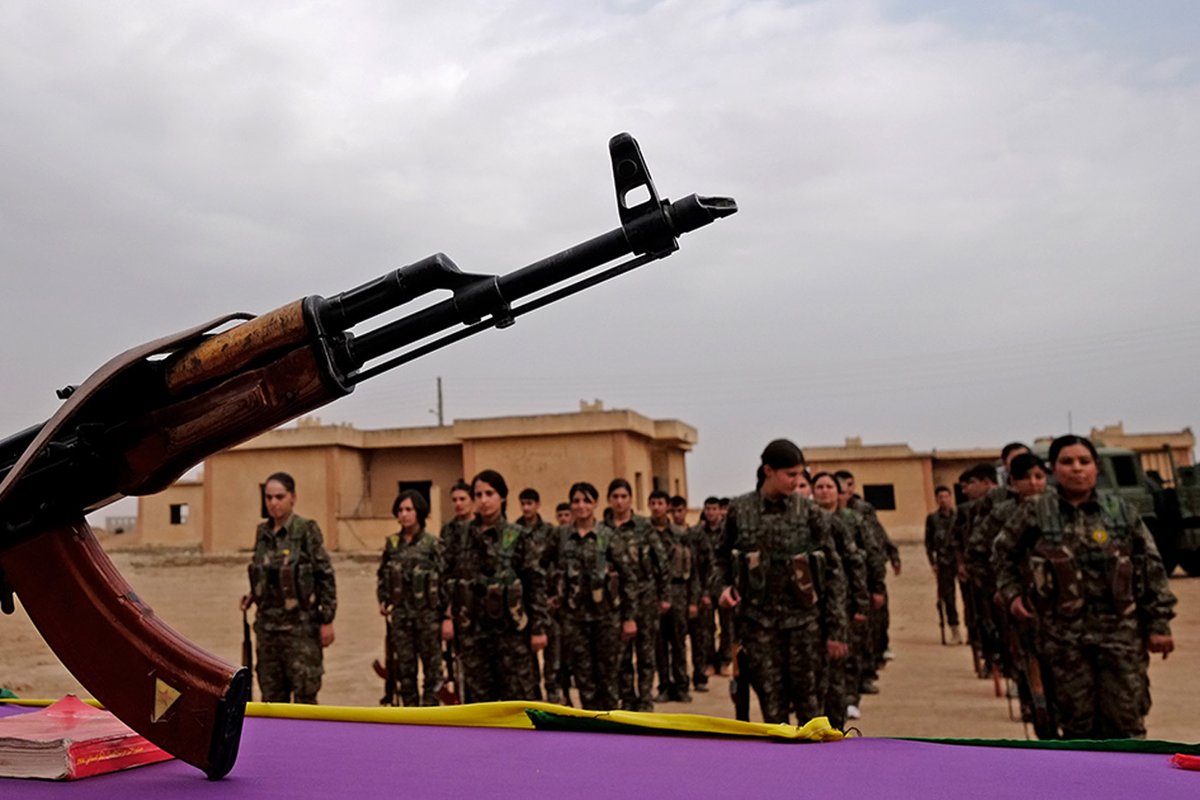
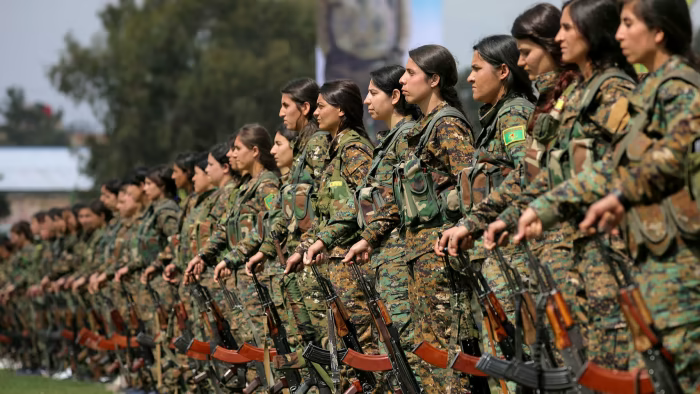
This predominantly Kurdish region fought for de-facto autonomy, establishing control over 4.6 million people between the war years.
This predominantly Kurdish region fought for de-facto autonomy, establishing control over 4.6 million people between the war years.

The Syrian Democratic Forces (SDF), led by the Kurdish People’s Protection Units (YPG), serve as the official military arm. Armed by the US as part of the international coalition against ISIS, the SDF’s political program is rooted in “Democratic Confederalism.”
Türkiye’s primary goal in Syria is the elimination of all Kurdish fighters, and during the current offensive, the SNA also launched major ground attacks on SDF territory.
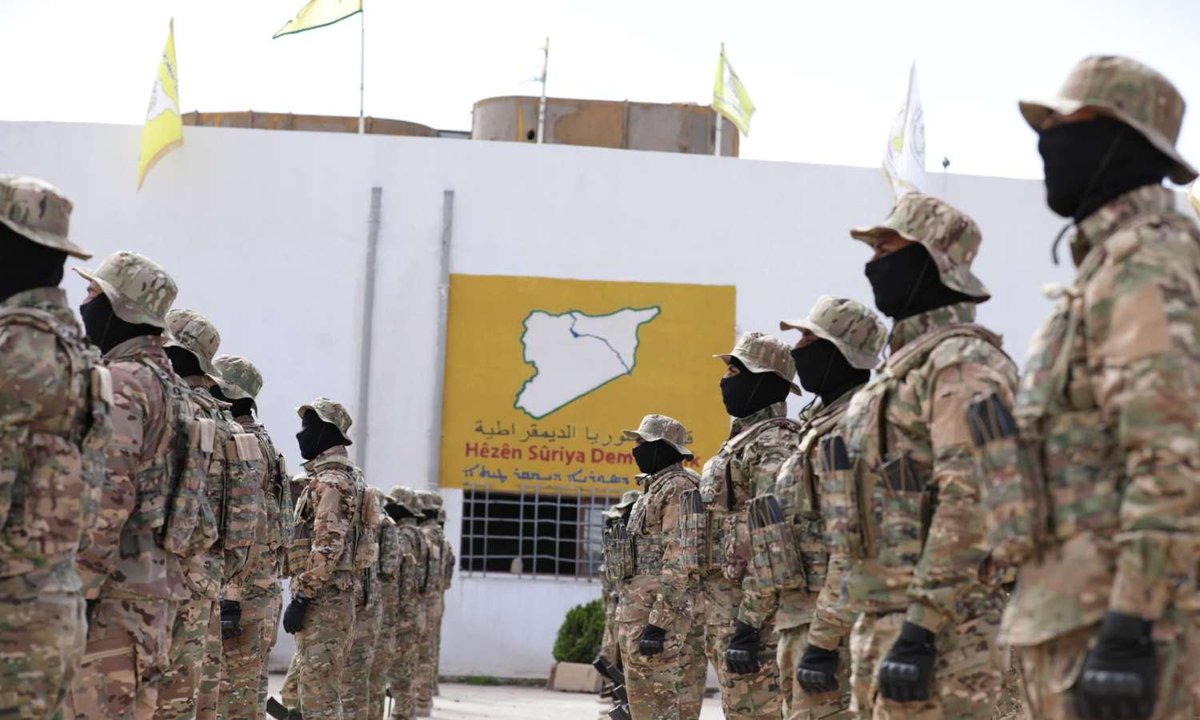
Since ISIS' territorial defeat, Turkish-backed proxies in Syria have become the SDF's primary adversary. In 2019, the Turkish army, alongside the SNA, captured vast swathes of SDF territory.
At the same time Türkiye's efforts to normalize relations with Damascus have stalled due to Ankara's refusal to withdraw it's forces from Syria until Kurdish forces are eliminated.

🟡 Syrian Government
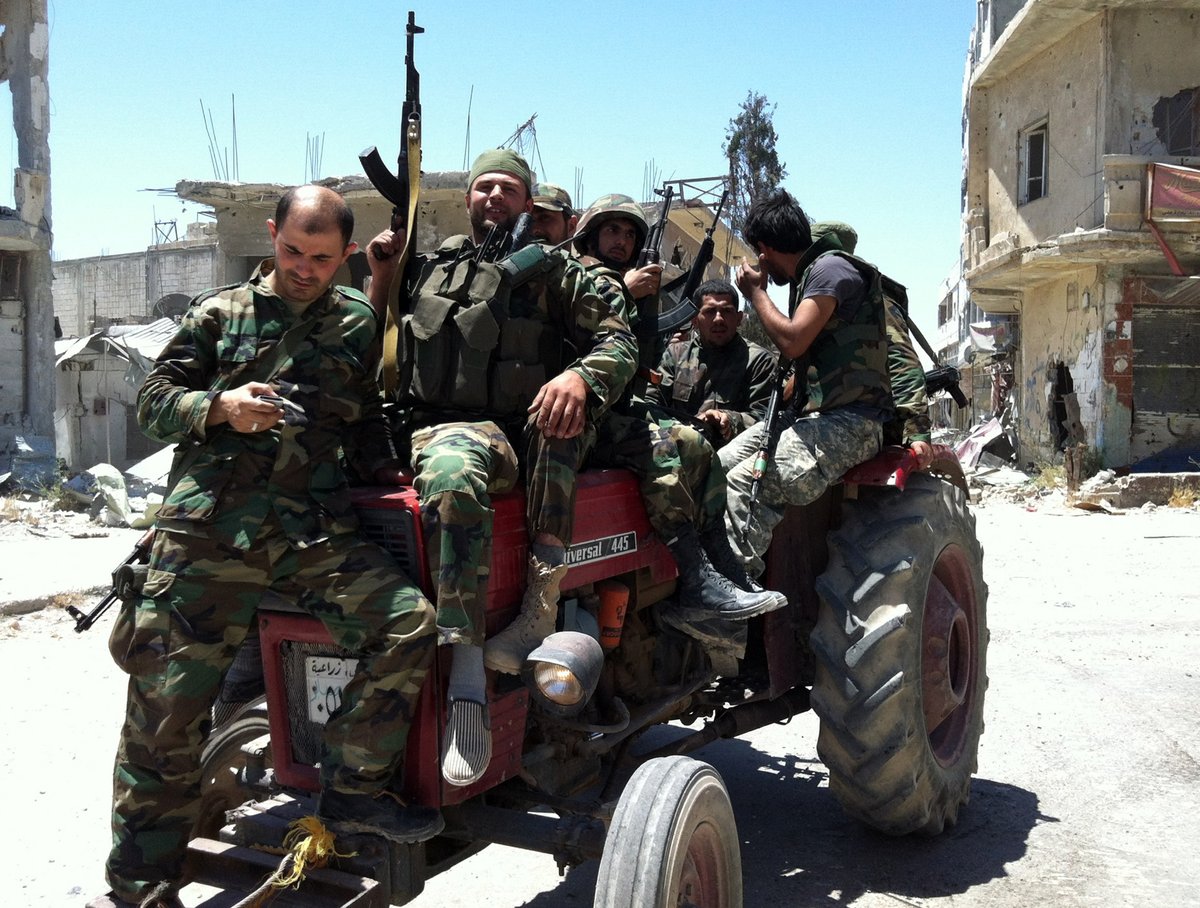
The Syrian Arab Army formed the backbone of the Syrian government’s military might against IS, Al-Qaeda, and the rest of the armed opposition during the Syrian war.
The Syrian Arab Army formed the backbone of the Syrian government’s military might against IS, Al-Qaeda, and the rest of the armed opposition during the Syrian war.

Russian air support, Iran, and particularly Lebanon’s Hezbollah provided support on the battlefield. Hezbollah has shared interests against sectarian religious extremist groups with Damascus, and the government allows Hezbollah’s weapons to be delivered through its territory.
Days before the current offensive, the Israeli PM said Syria is “playing with fire” for its continued support for Hezbollah, while Türkiye has failed to wipe out the Kurds, and the US has also unsuccessfully tried to detach Syria from its alliance with Iran...

...while being unable to secure a Ukrainian victory against Russia. All these factors have resulted in Syria becoming the proxy battleground where all these countries share the same interest, even while they publicly denounce each other, as is the case for Türkiye with Israel.

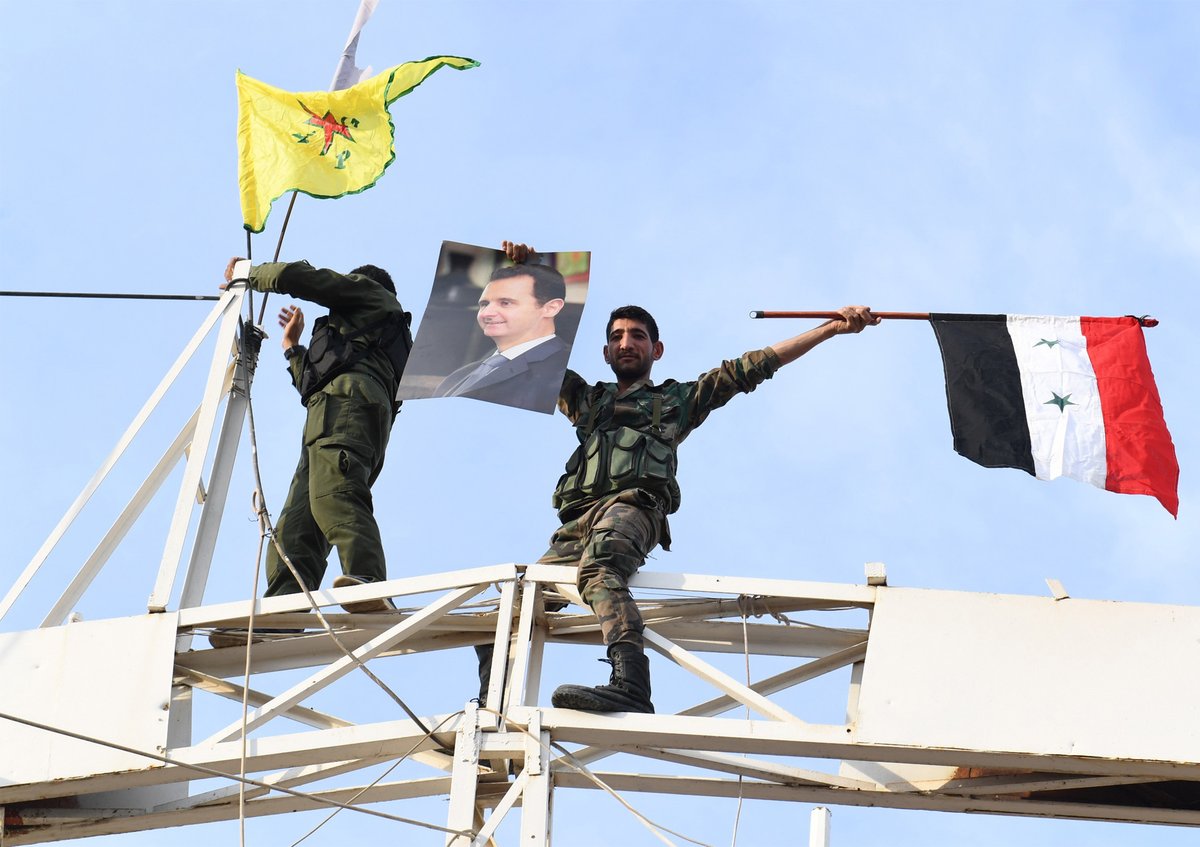
On the flip side, Syria’s Kurds, who do not share a natural alliance with the Syrian government, Russia, Iran, and Hezbollah, find their interests temporarily aligned.
• • •
Missing some Tweet in this thread? You can try to
force a refresh