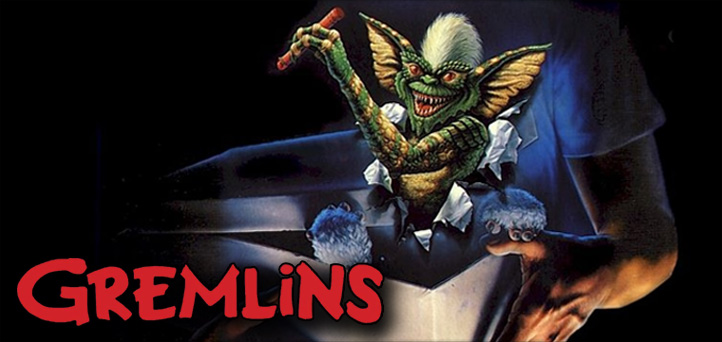
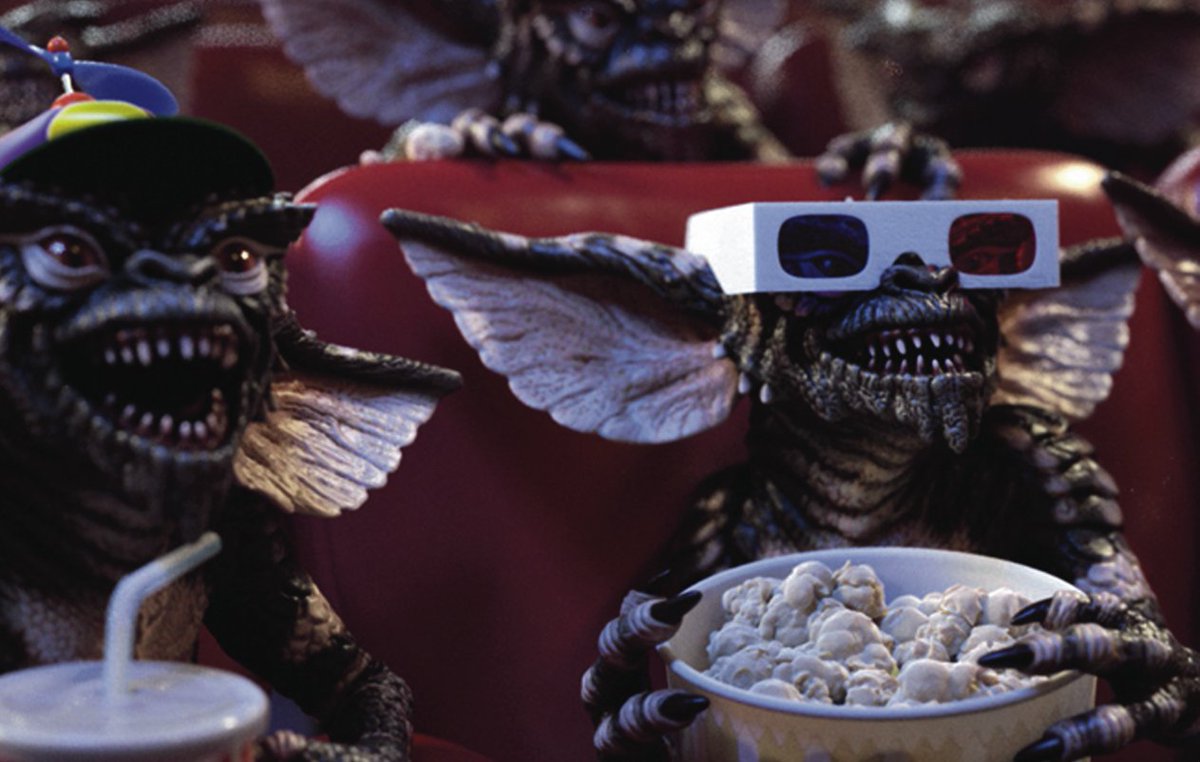
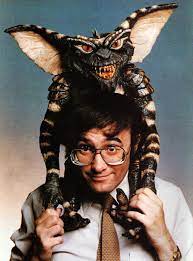
GREMLINS was released was released 40 years ago. A 1980s Christmas creature classic, and among the most popular films of director Joe Dante, the tale of how the film came to the screen will have you scared to eat after midnight...
1/27
1/27
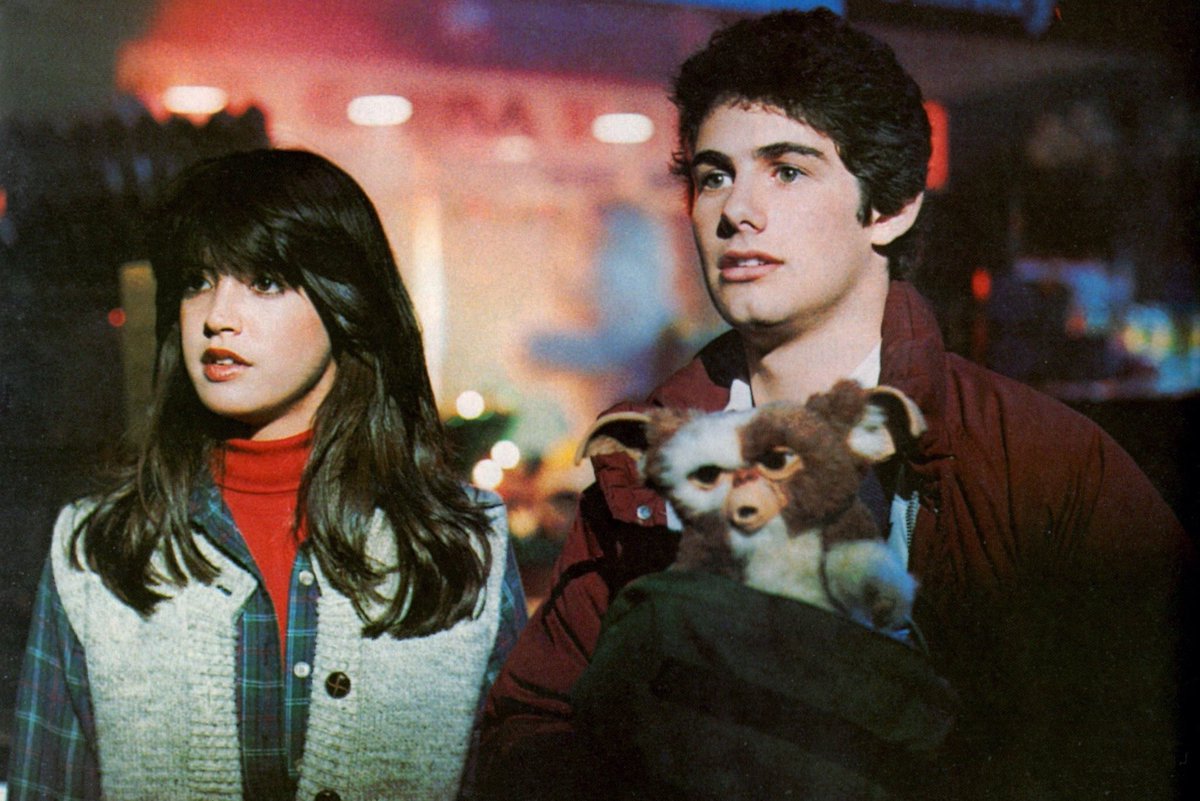
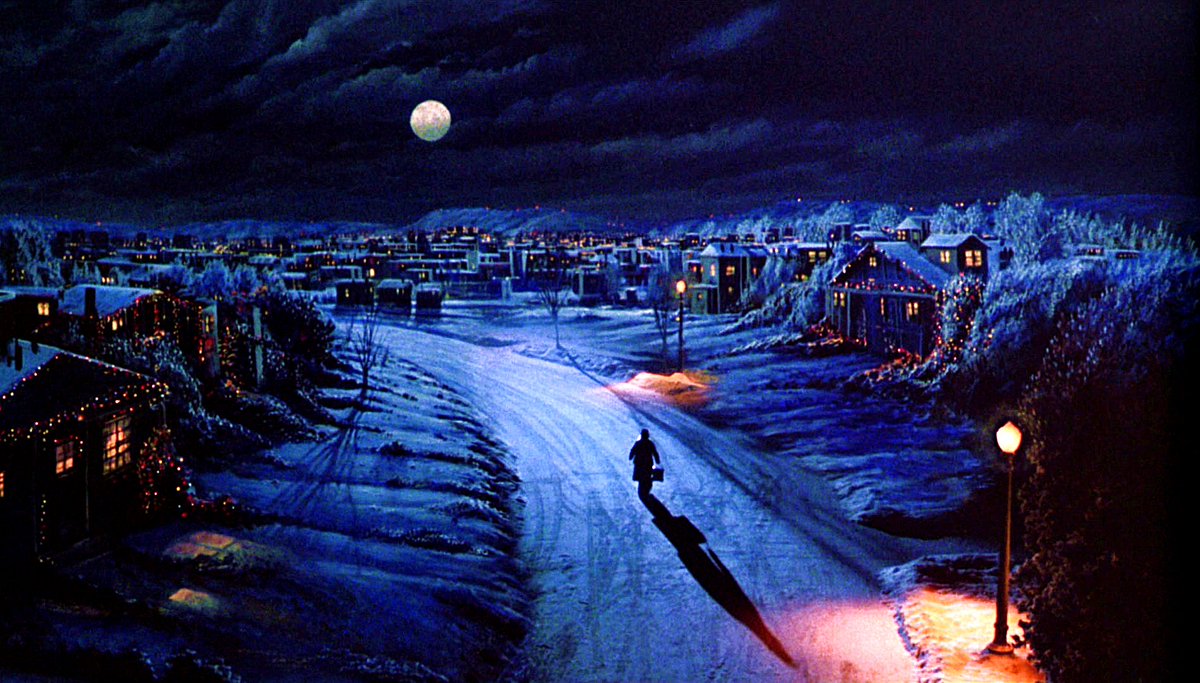
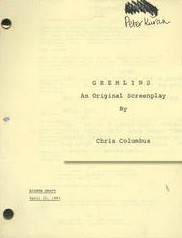
Gremlins was conceived by Chris Columbus when he was an NYU student as a script to show potential employers. He never thought it would be a film but it got into the hands of Steven Spielberg who said “it’s one of the most original things I’ve come across” and bought it.
2/27
2/27
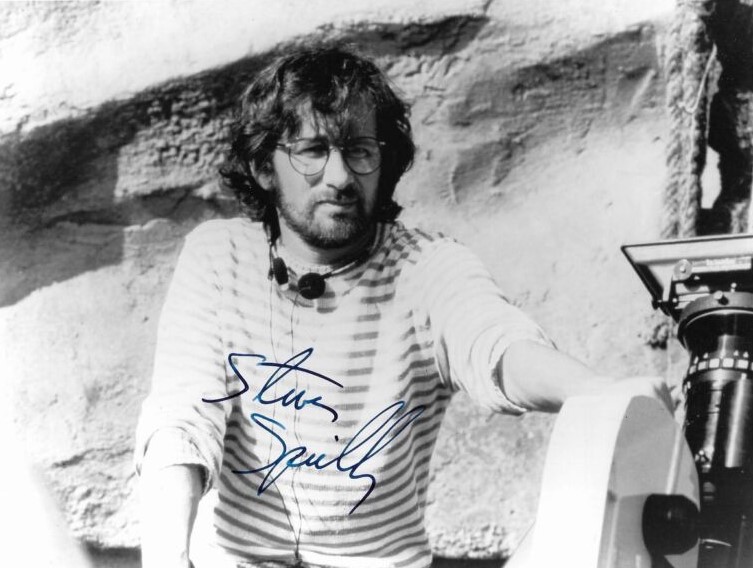
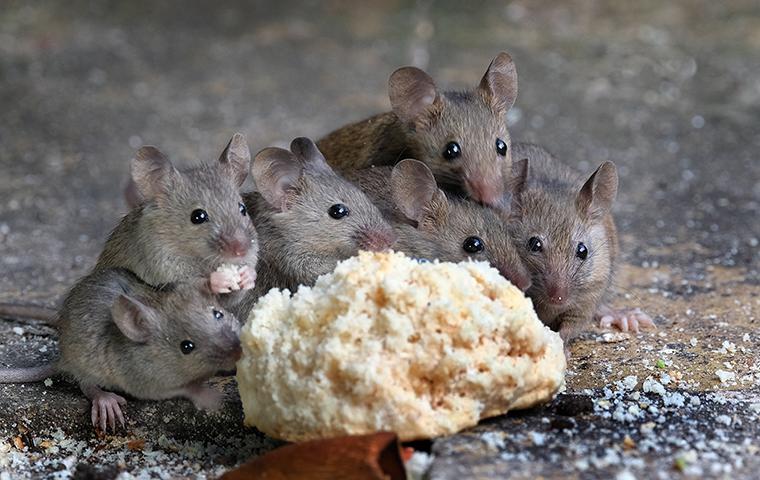
Columbus lived in a Manhattan loft apartment and he said “At night, what sounded like a platoon of mice would come out and to hear them skittering around in the blackness was really creepy.” These unwanted housemates were the inspiration for Gremlins.
3/27
3/27
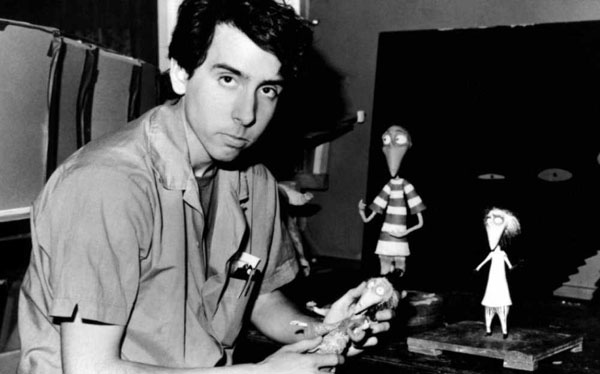
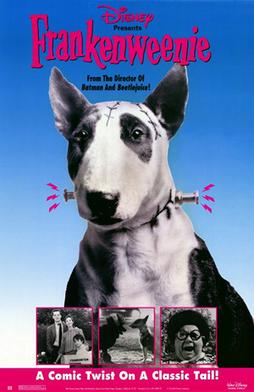
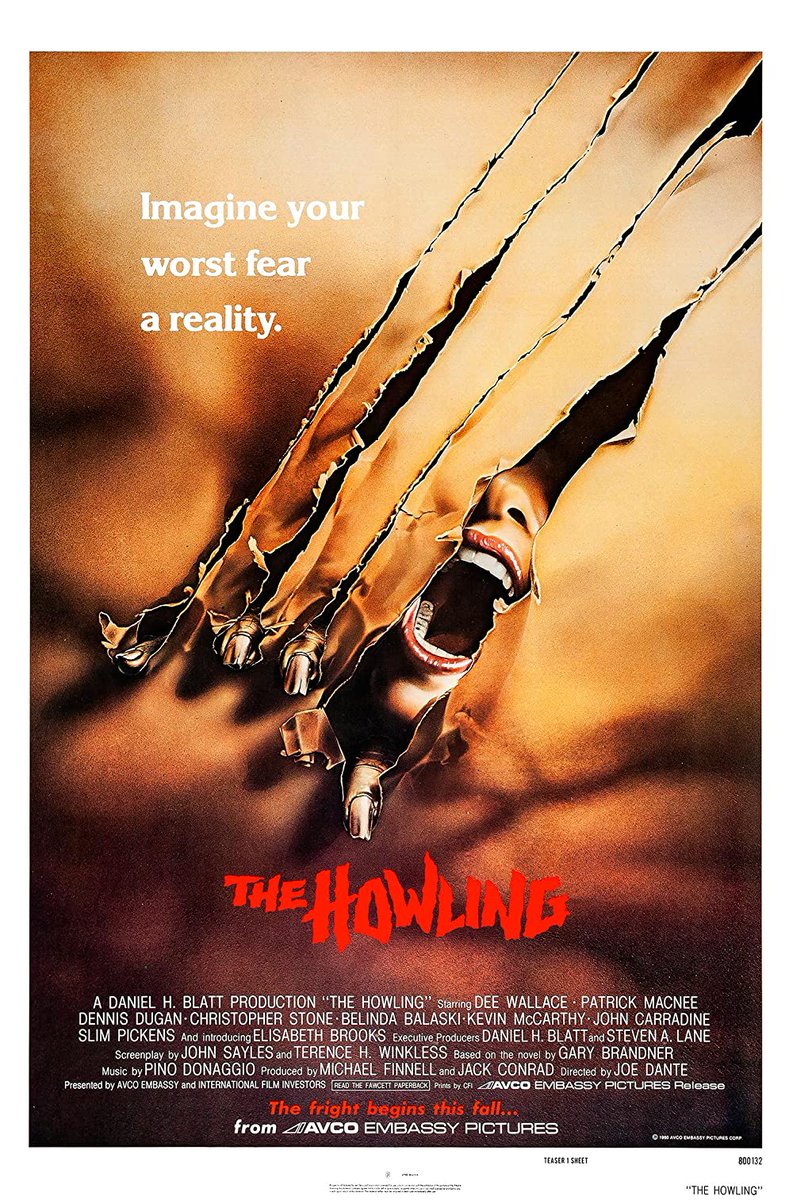
Spielberg briefly considered Tim Burton as director after seeing his short film Frankenweenie. After seeing Joe Dante’s werewolf flick The Howling though, Spielberg decided he was perfect for his creature feature.
4/27
4/27
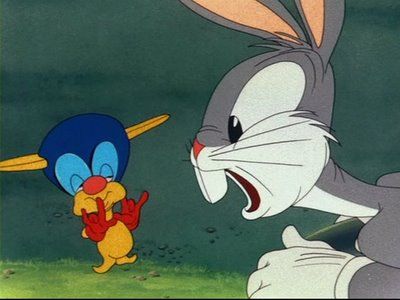
Dante said “The first time I heard of gremlins was in a Bugs Bunny cartoon, where they are trying to tear an airplane apart.” This was based on Roald Dahl’s short story The Gremlins – the first time the word had been used.
5/27
5/27
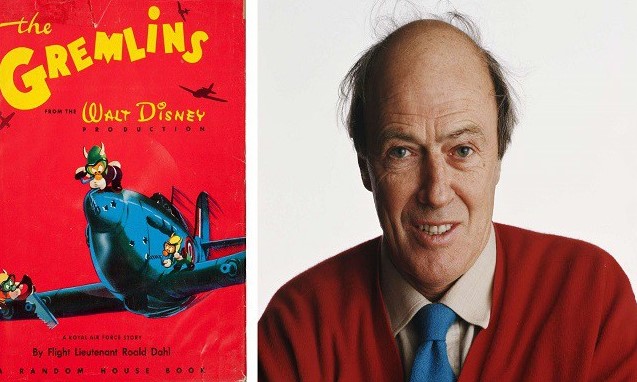
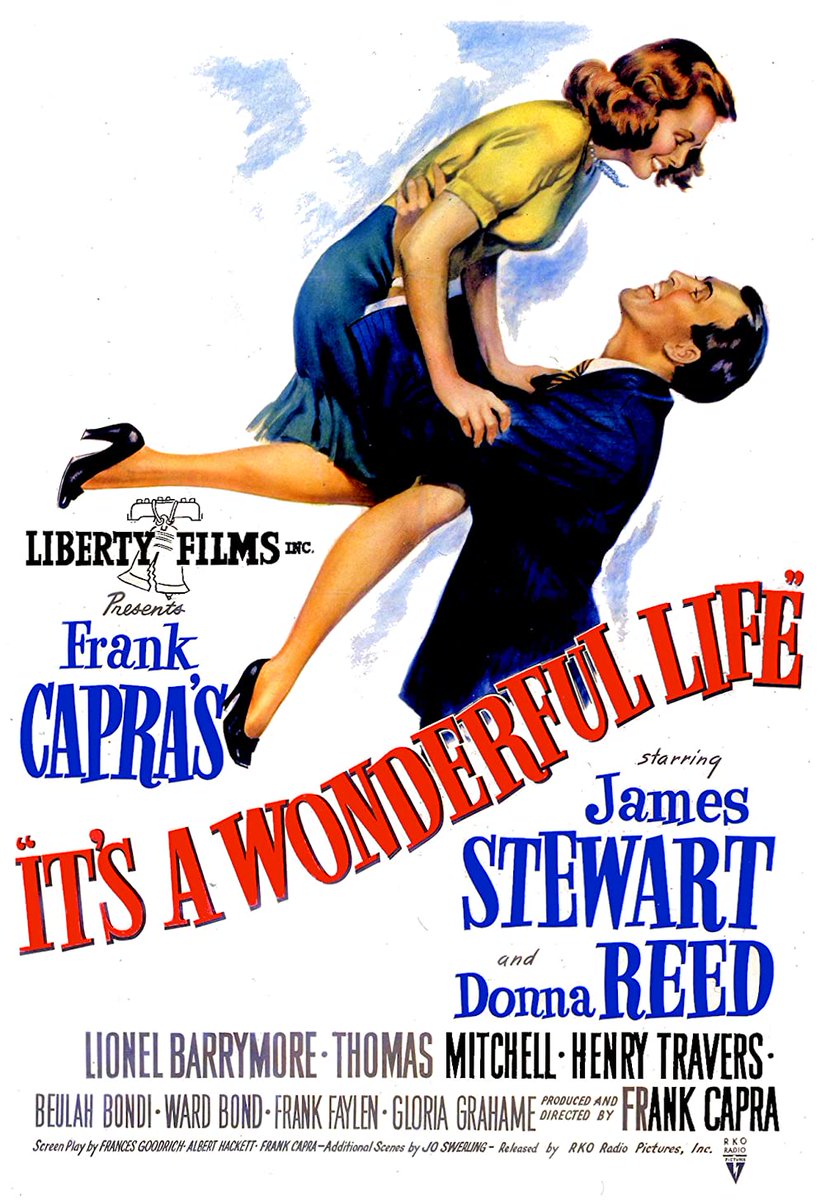
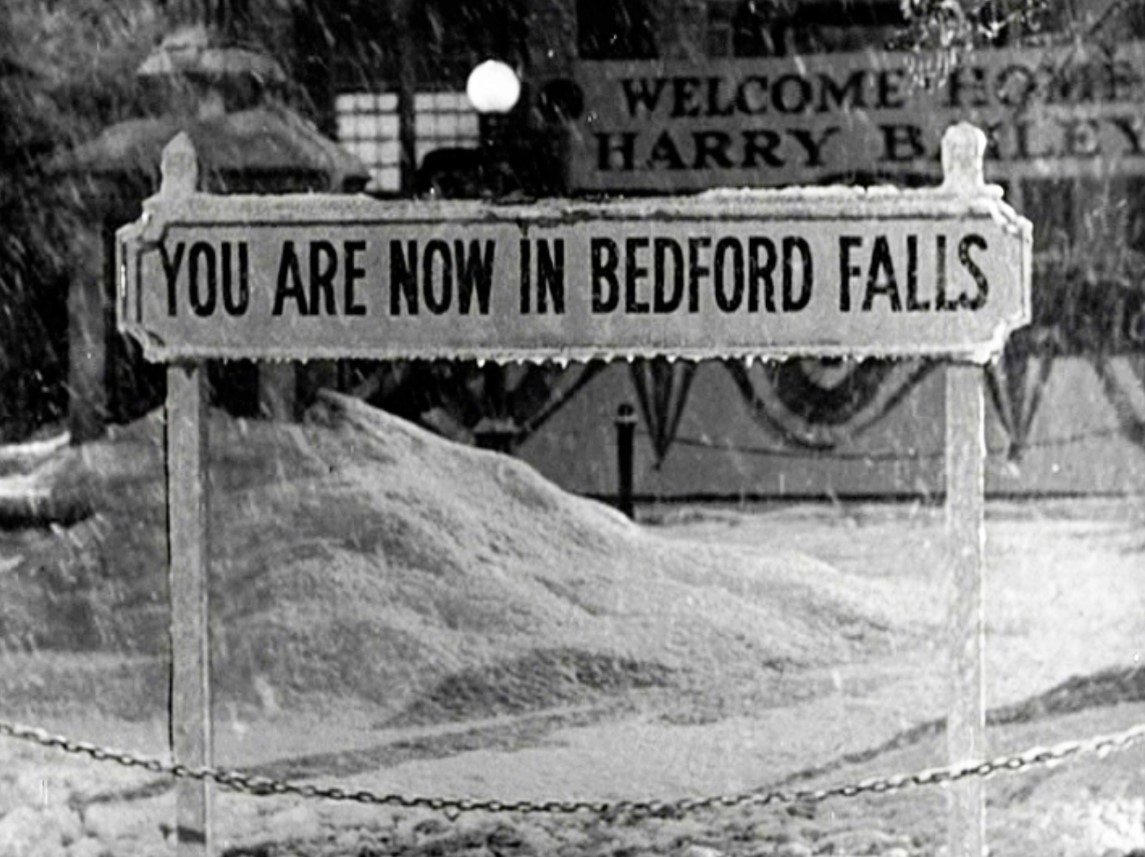
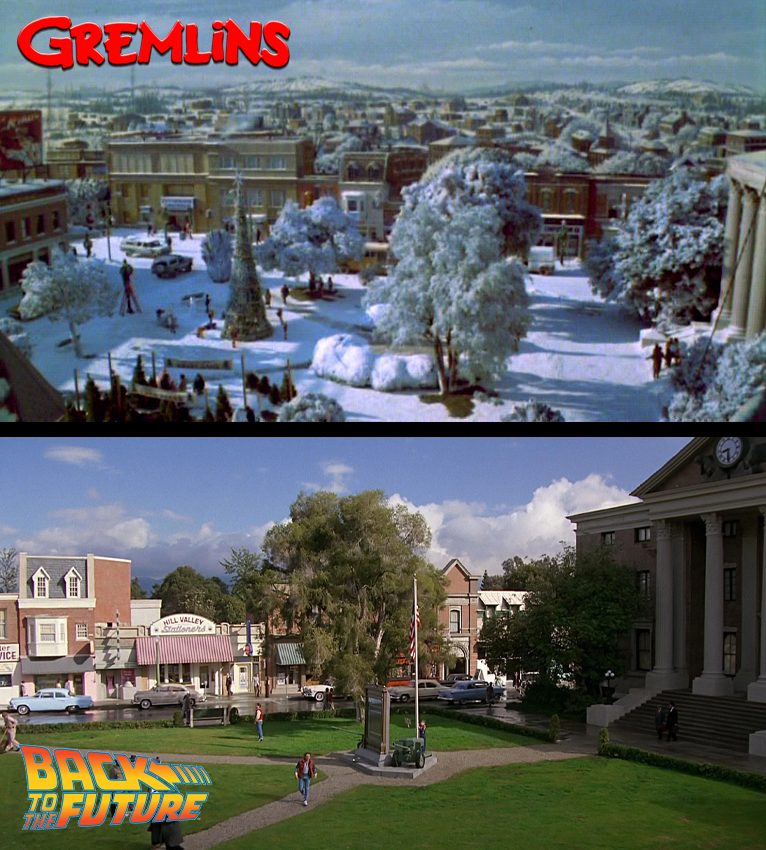
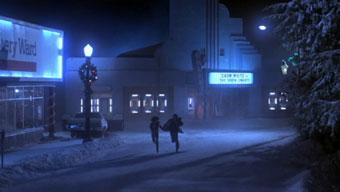
Dante took inspiration from Frank Capra’s Christmas classic in It’s A Wonderful Life. Capra’s town of Bedford Falls became Kingston Falls in Gremlins. And the set was the same used for Hill Valley in Back To The Future.
6/27
6/27
There are many Spielberg references:
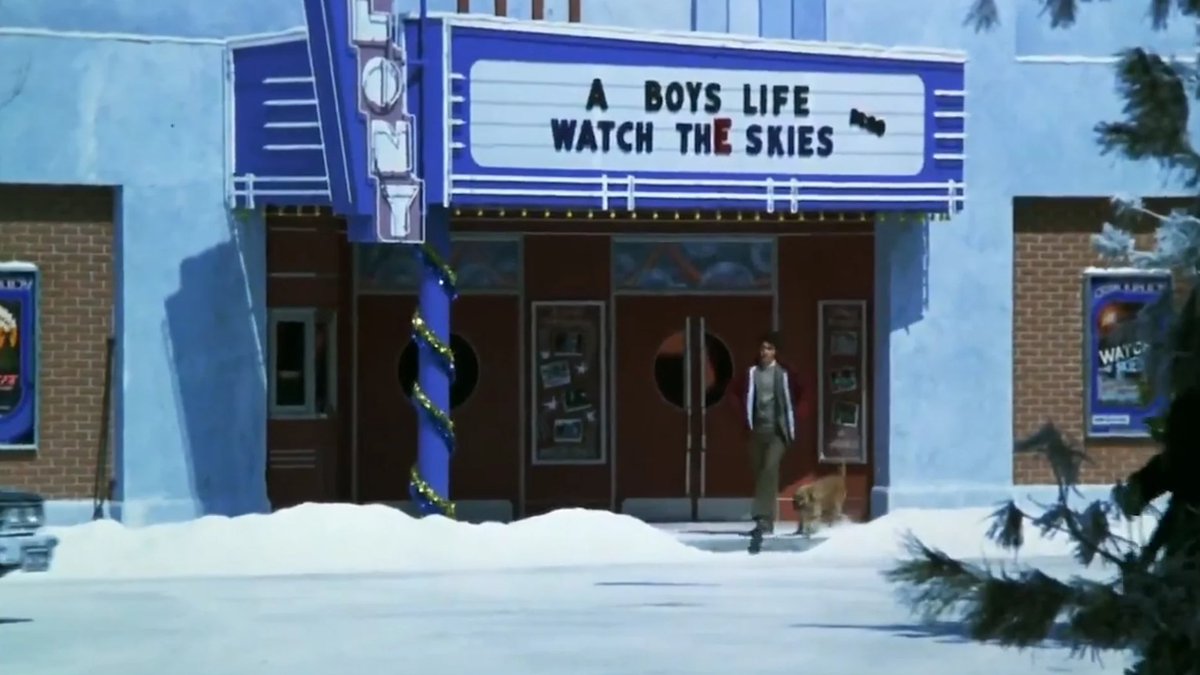
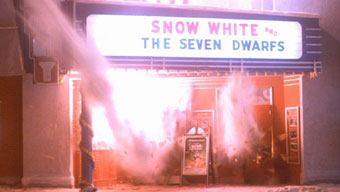
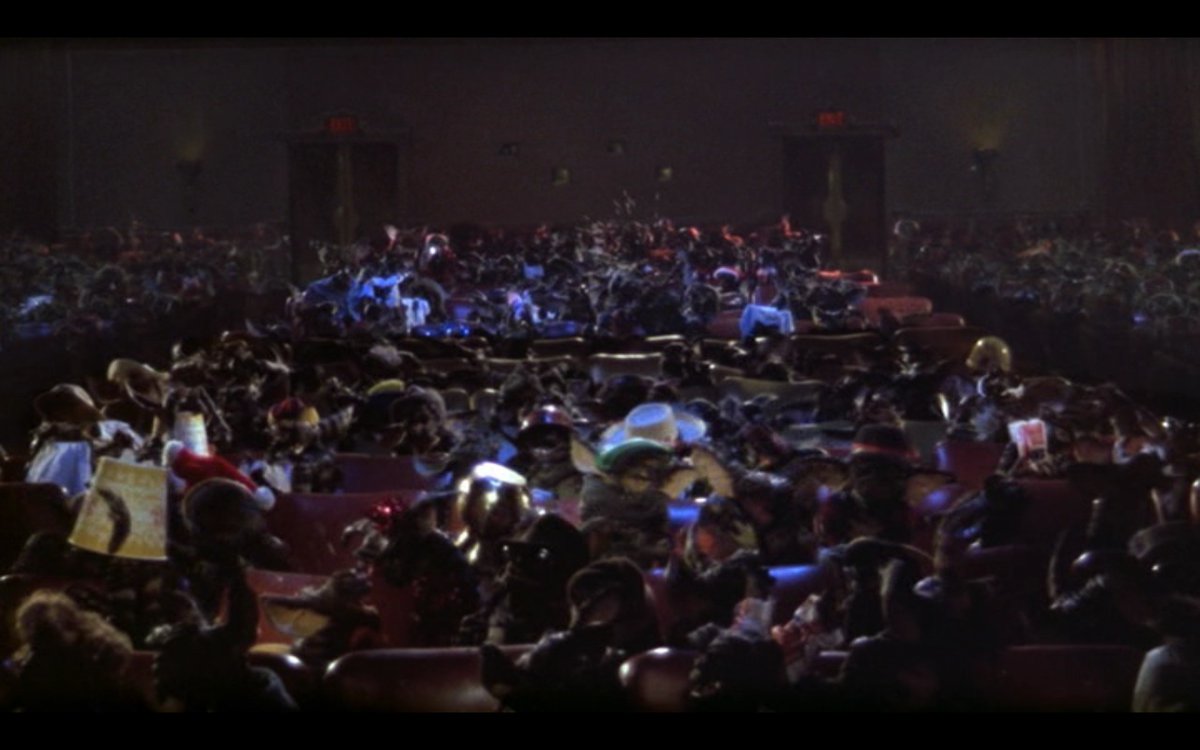
•The picture house plays A Boy’s Life and Watch The Skies – working titles of ET & Close Encounters.
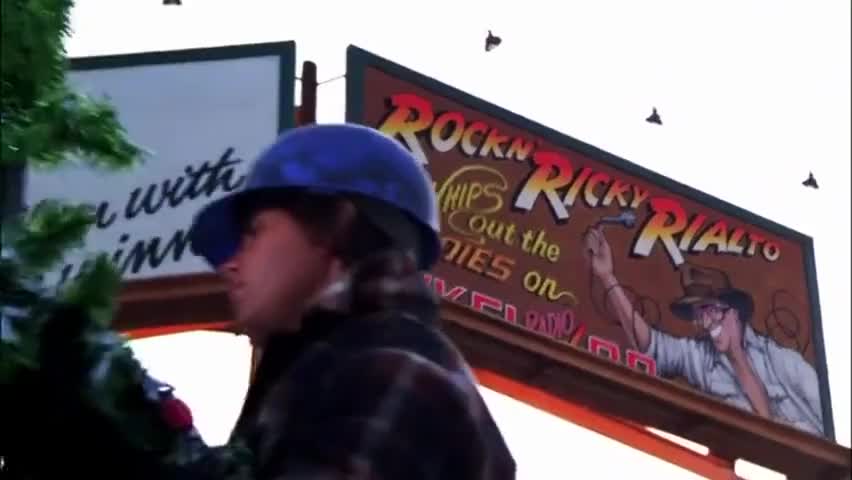
•There’s a billboard of Rockin Ricky Rialto – an Indiana Jones-a-like
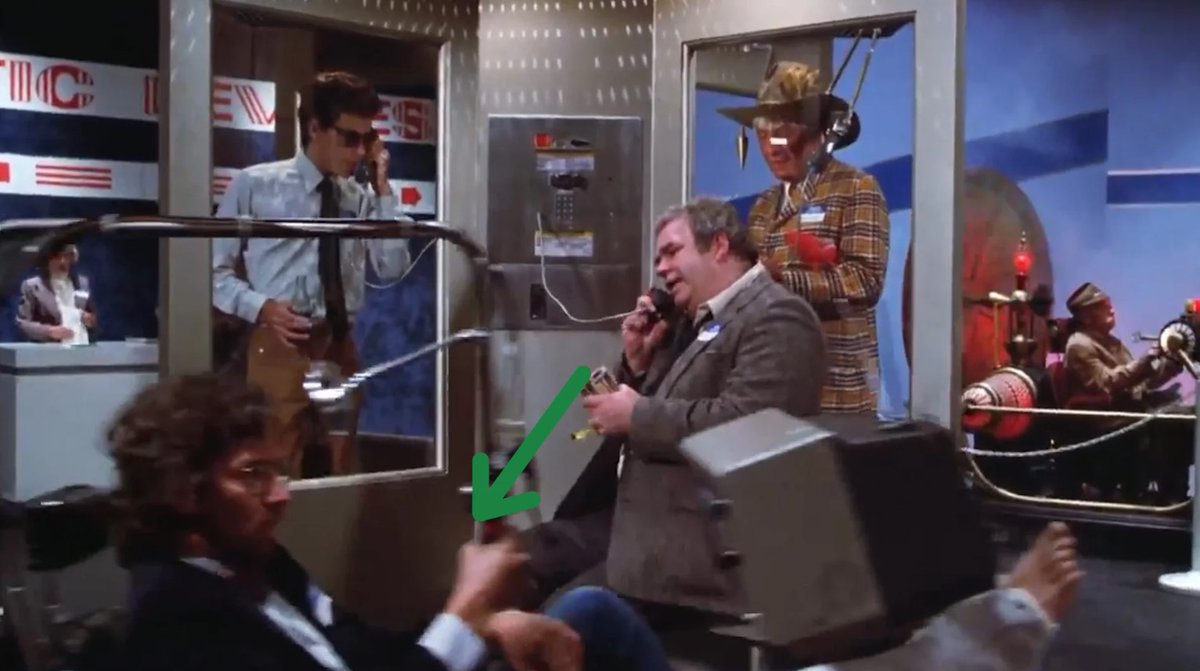
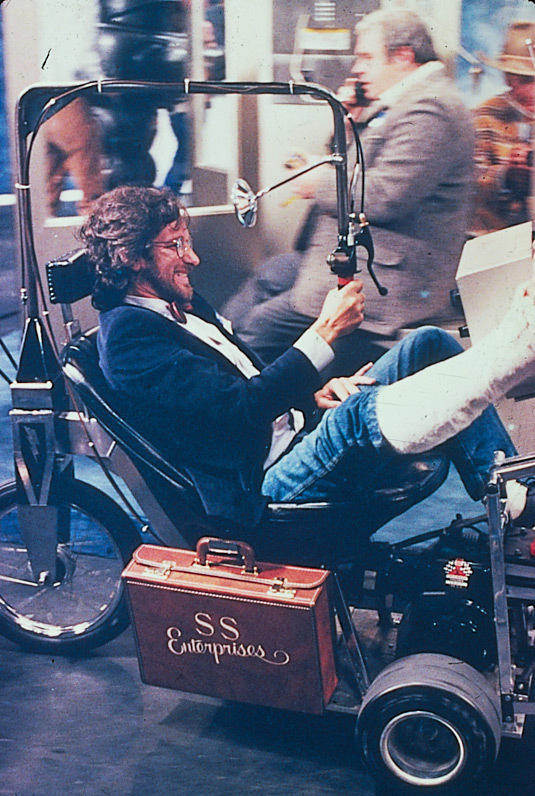
•Spielberg has a cameo in the science convention scene.
7/27
•The picture house plays A Boy’s Life and Watch The Skies – working titles of ET & Close Encounters.
•There’s a billboard of Rockin Ricky Rialto – an Indiana Jones-a-like
•Spielberg has a cameo in the science convention scene.
7/27
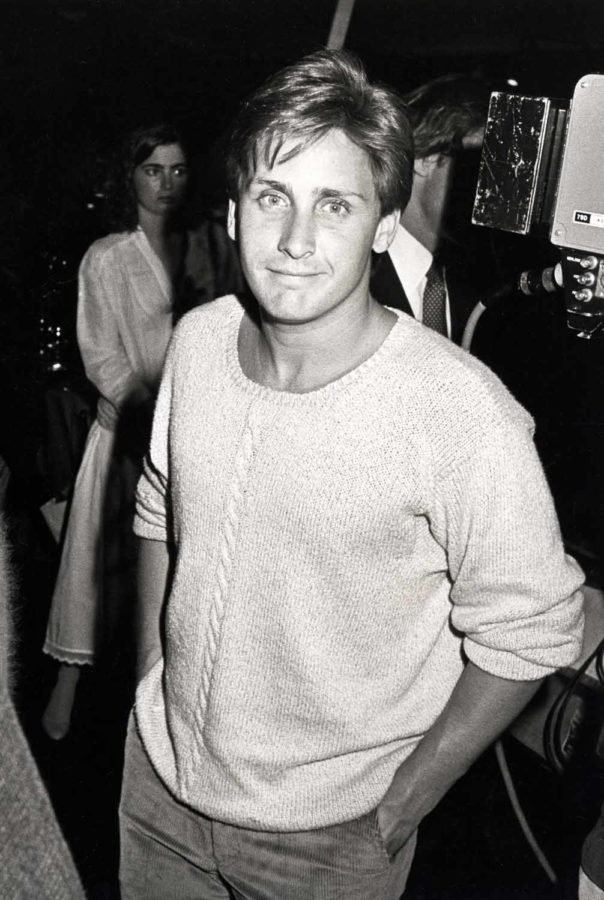
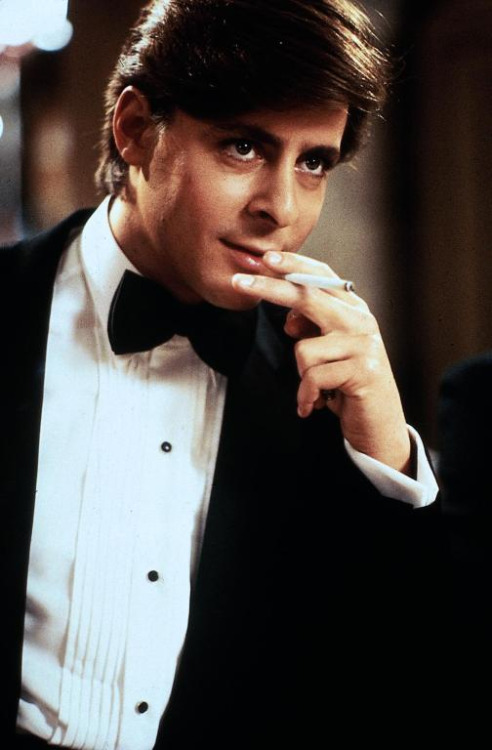
Up-and-coming stars were up for the lead role of Billy. Emilio Estevez and Judd Nelson were the front runners. Spielberg watched Estevez’s tape he said “Look, he’s internalizing!” So he didn’t get the part.
8/27
8/27
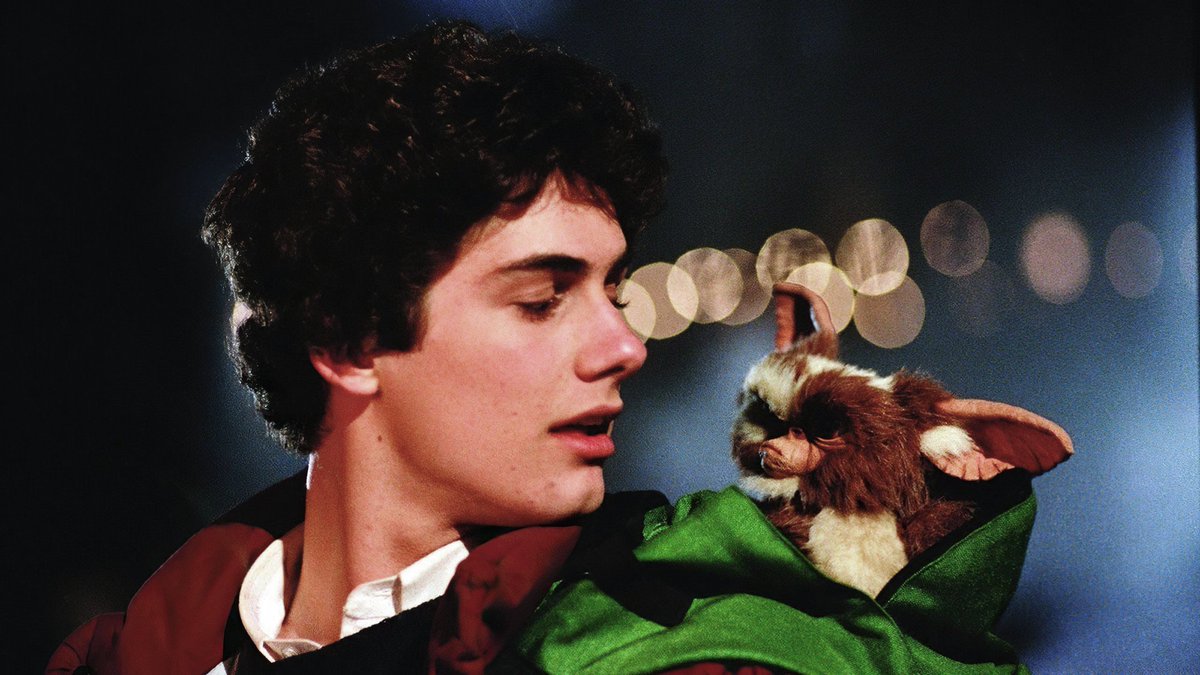
Zach Galligan got the gig because of his chemistry with Phoebe Cates in their screen test. He rested his head on Cates’ shoulder and looked into camera. When Spielberg saw, he said "Look at that! He's in love with her already. I don't need to see anything else."
9/27
9/27
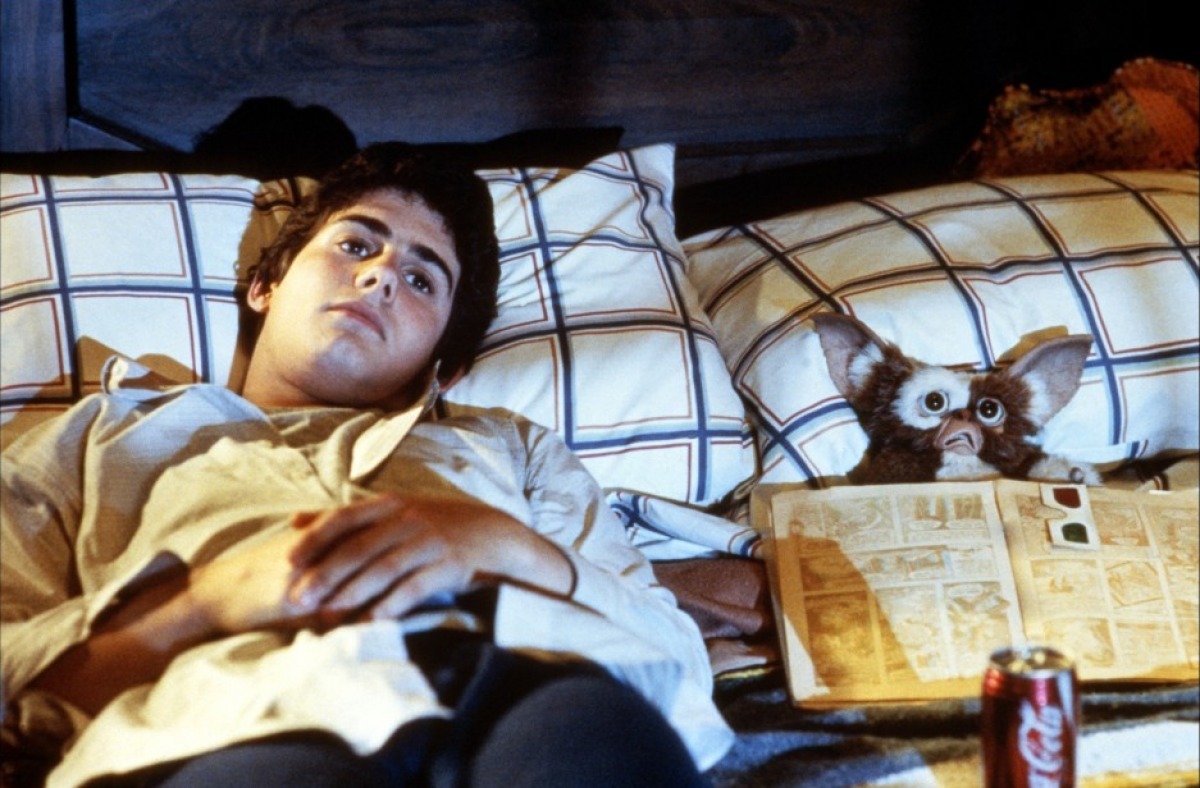
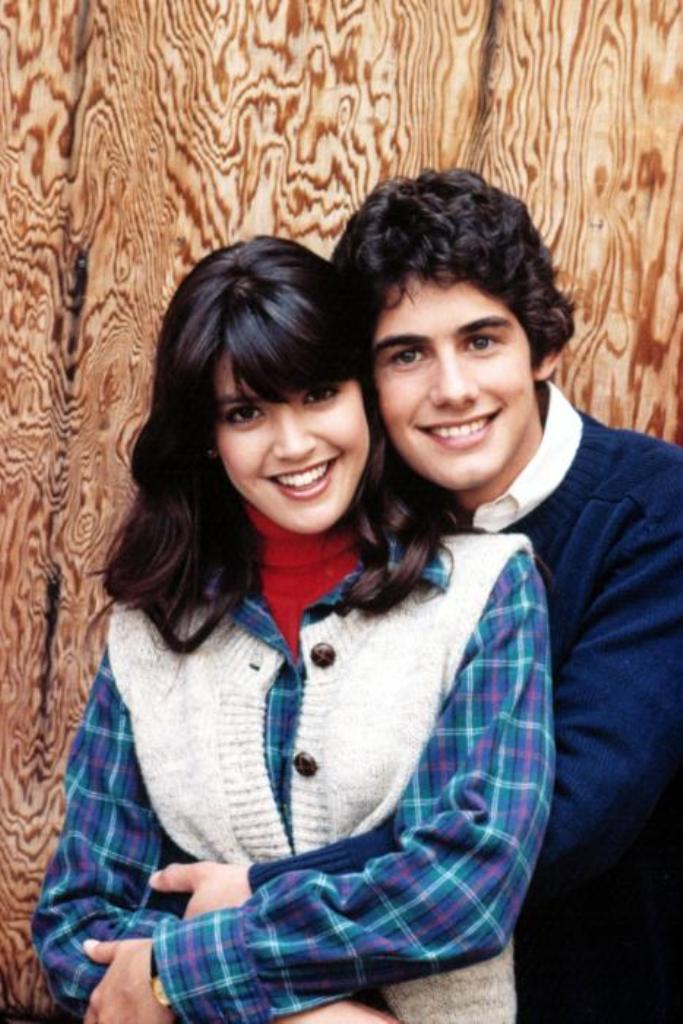
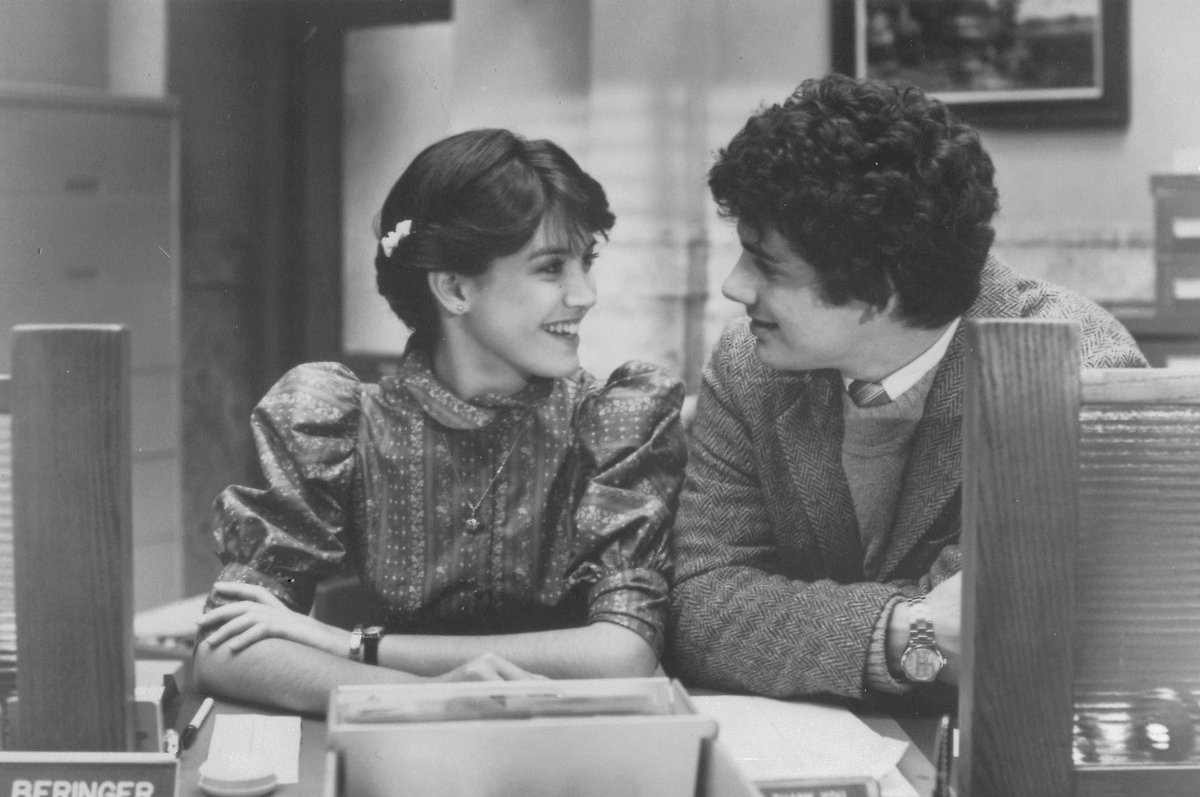
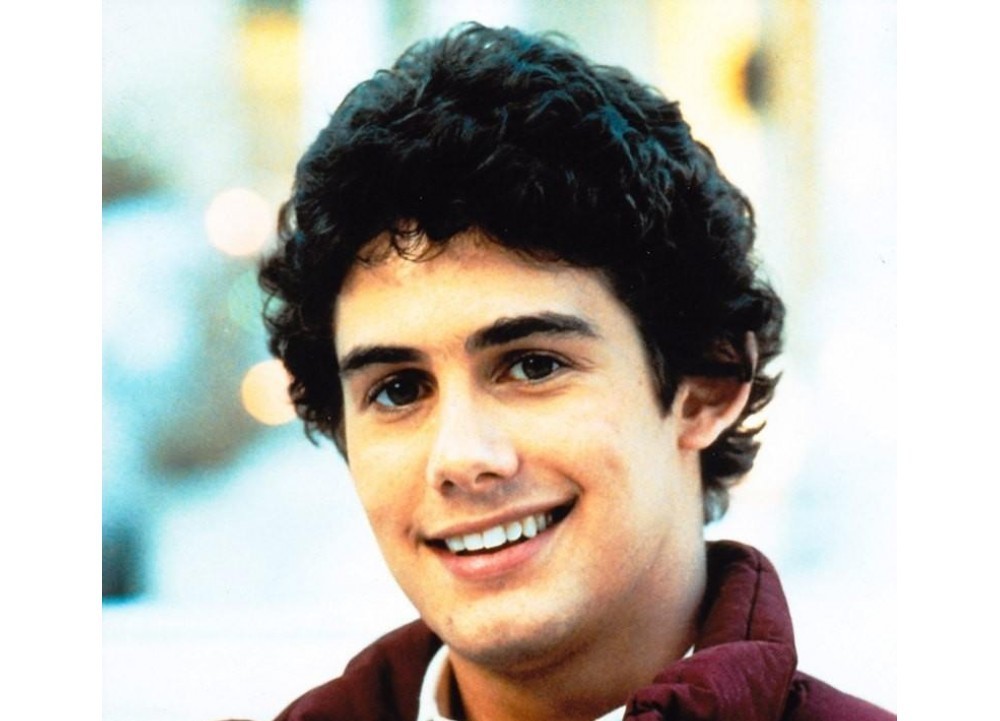
These feelings weren’t necessarily reciprocated by Phoebe Cates who said that kissing Zach Galligan was like kissing her brother. Galligan blamed Steven Spielberg for making him feel nervous.
10/27
10/27
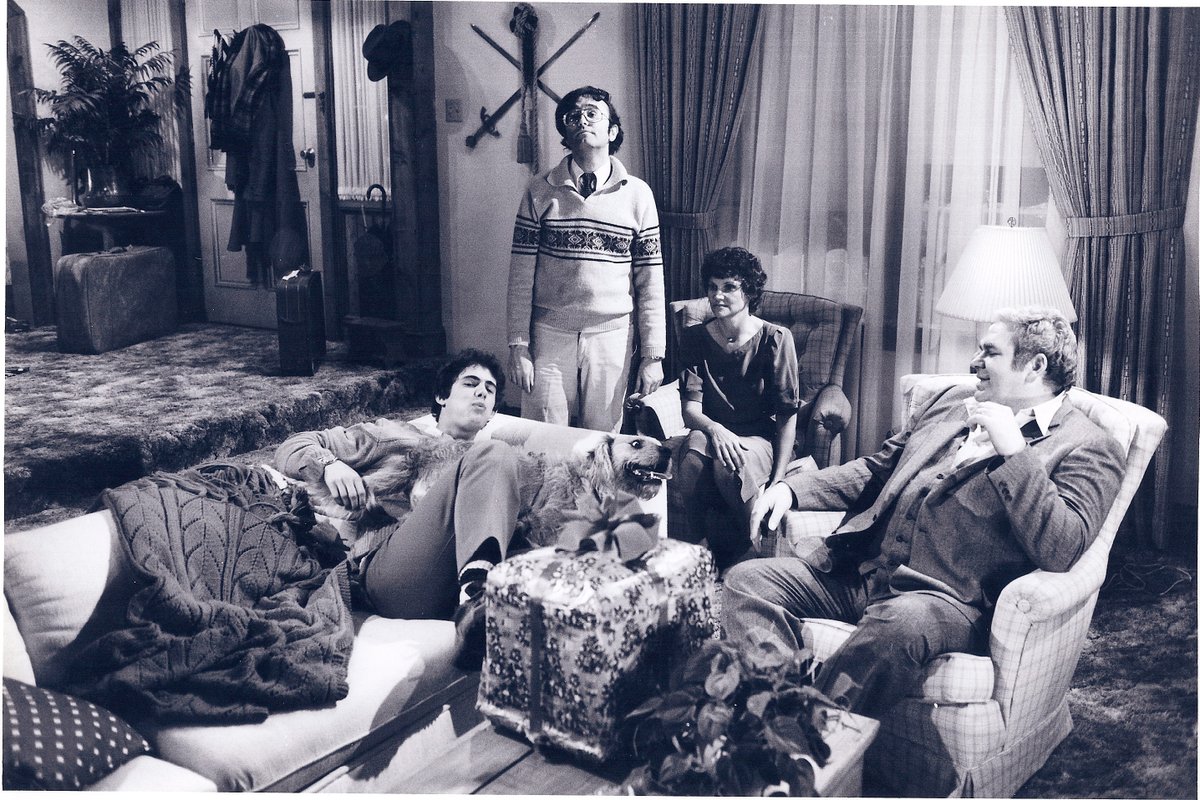
Dante had to keep telling Galligan to close his mouth during scenes as he was either gawping at Cates or Spielberg. Dante said "The editor used to say 'Can you get him to keep his mouth closed? I gotta keep cutting around it!'"
11/27
11/27
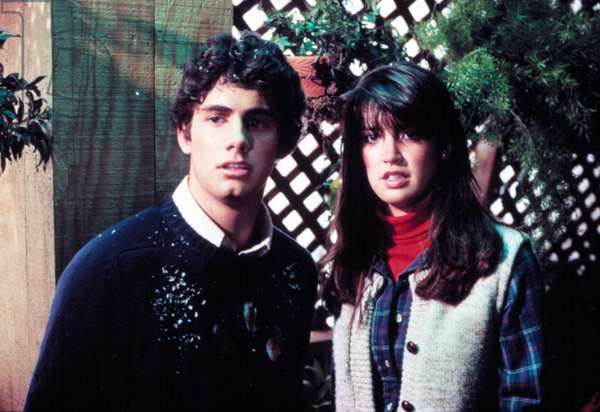
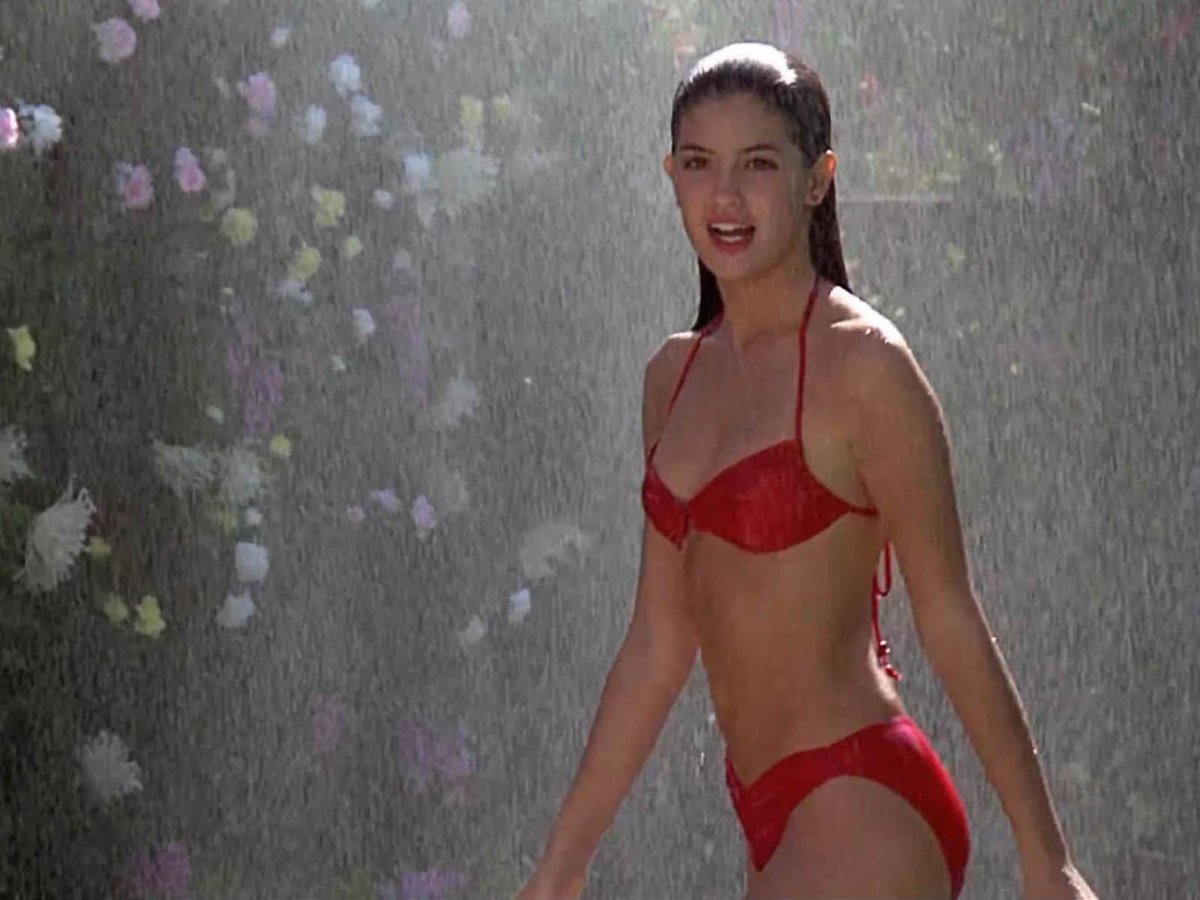
Phoebe Cates had starred in Fast Times At Ridgemont High a couple of years earlier which made her a star. Cates has a topless scene in that film and the studio weren’t convinced on her for Gremlins but Dante told them she was “Awfully wholesome” and she was cast as Kate.
12/27
12/27
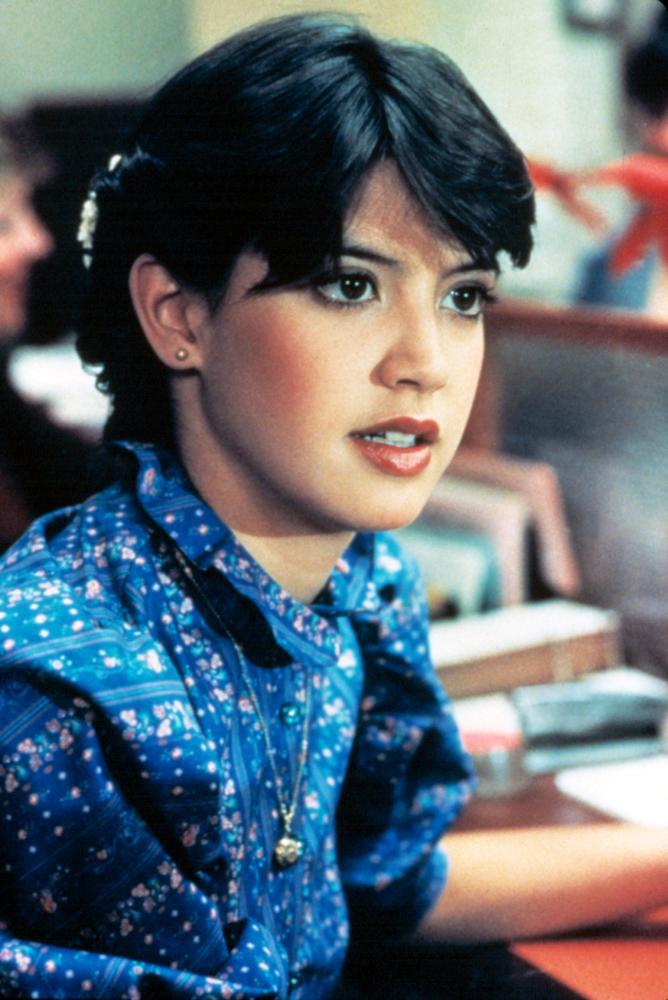
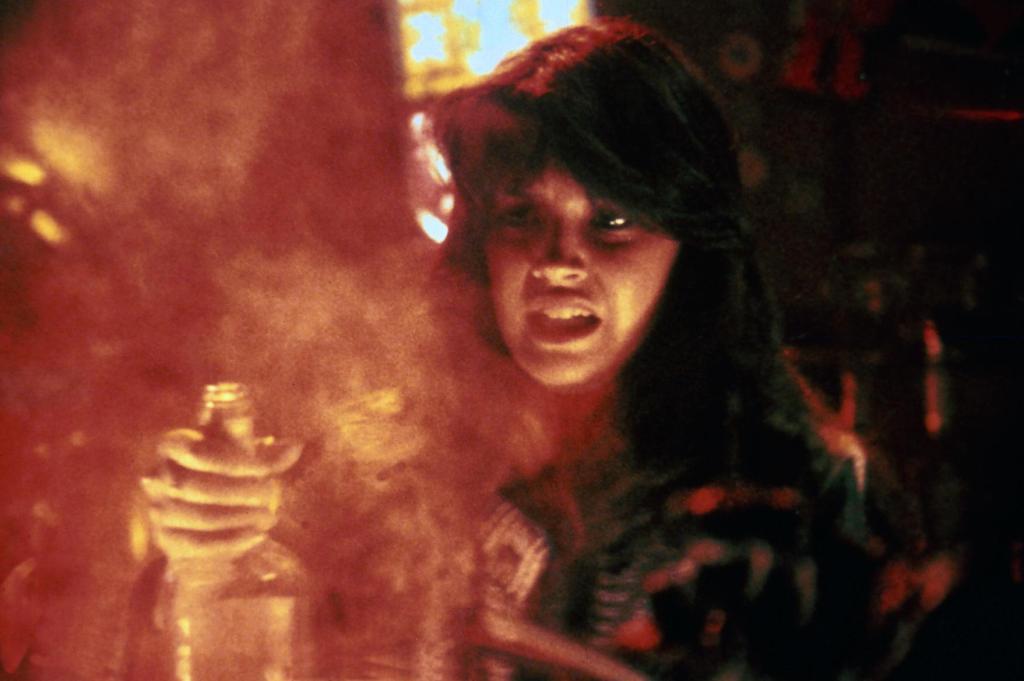
Spielberg didn’t like the scene where Kate tells the story of her dad dying in the chimney as it wasn’t clear if it was funny or serious. That was the reason Dante wanted to keep it in because it was a great metaphor for the film. Spielberg bowed to Dante’s vision.
13/27
13/27
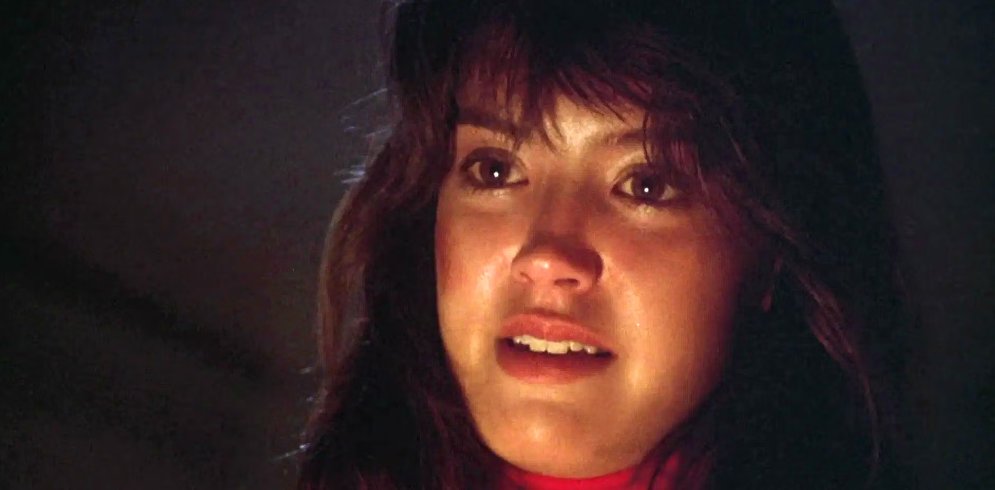
Filming the scene where the cinema explodes was a problem for Phoebe Cates. She said the explosion “Singed my eyebrows and shattered the windows on a university building a mile away.”
14/27
14/27
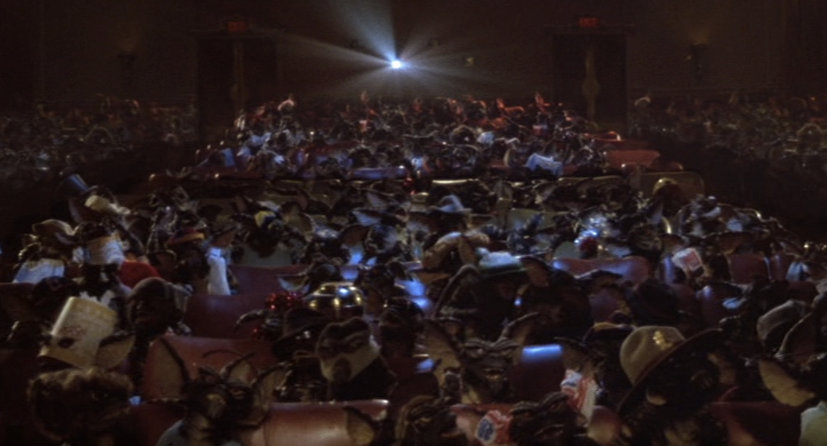
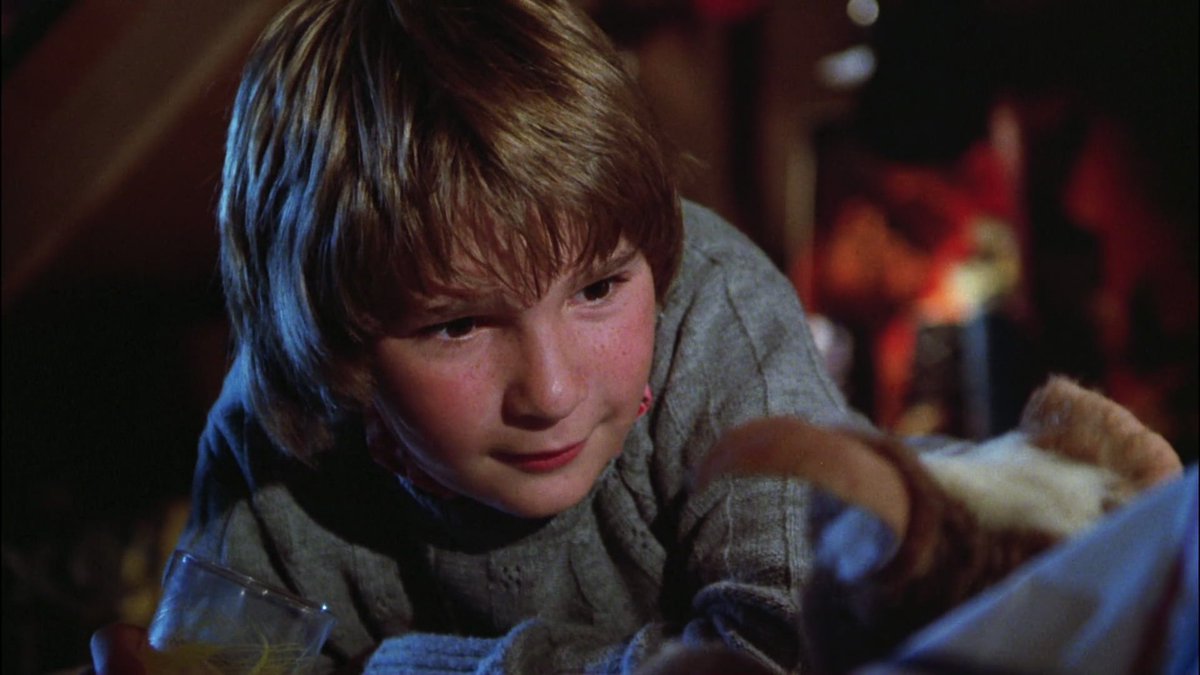
Corey Feldman was meant to have a part in ET but his part was cut so Spielberg cast him as Pete Fountaine. He wanted to impress his school friends so took some Mogwai fur into school and got laughed at when they said “What’s a Mogwai?”
15/27
15/27
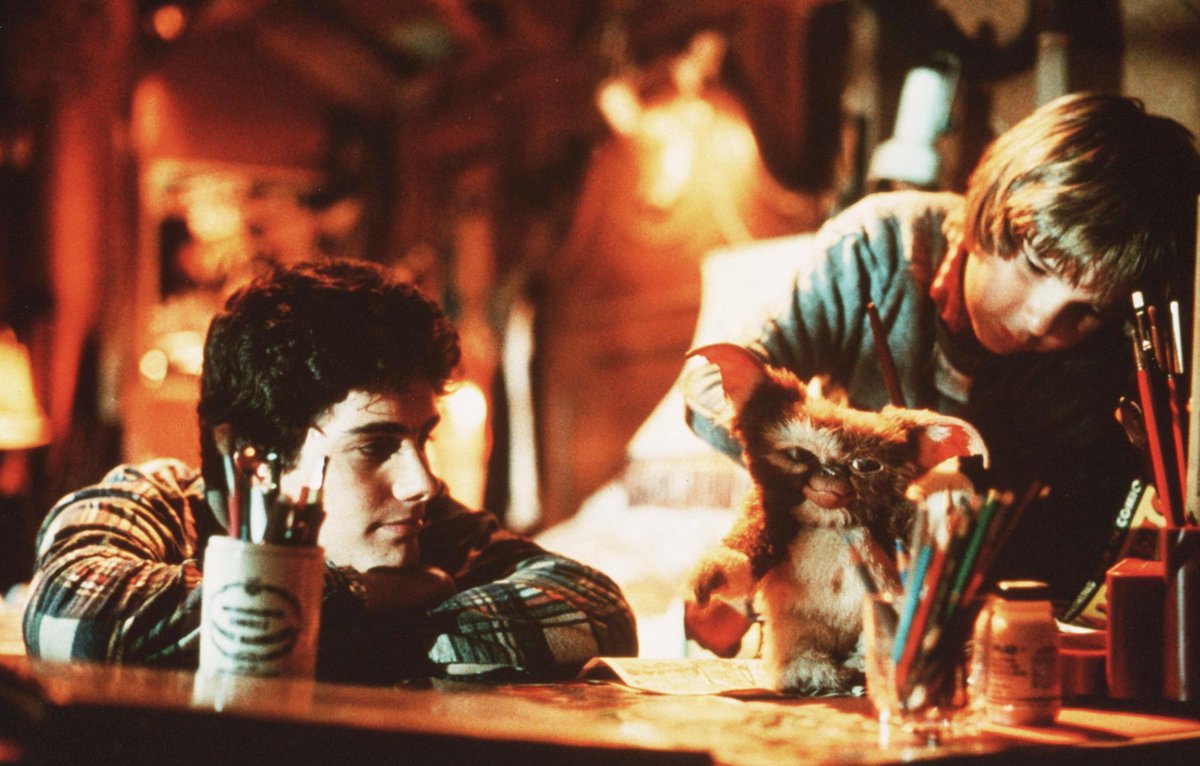
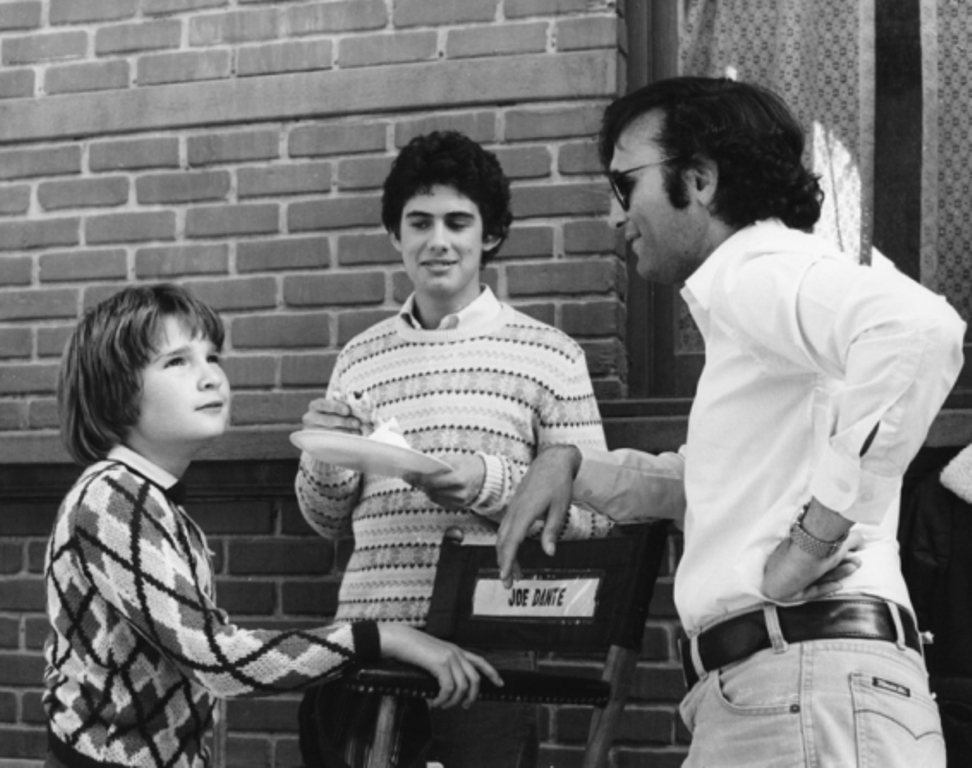
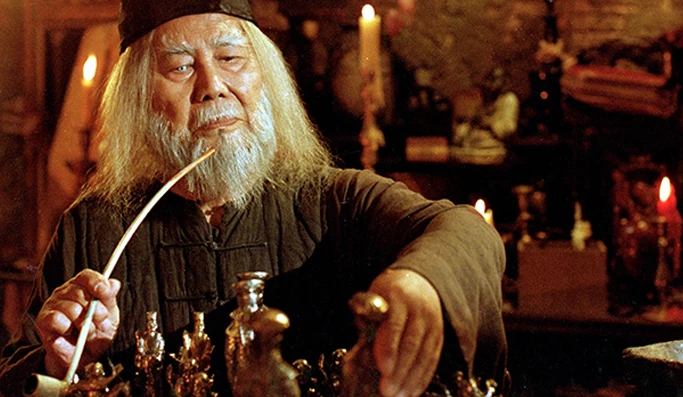
The man who plays shop owner Mr Wing (who sells the Gremlins) was 79 year old Keye Luke. He had to made up to look old as he had a great complexion. He told Zach Galligan his secret was “No fried food.”
16/27
16/27
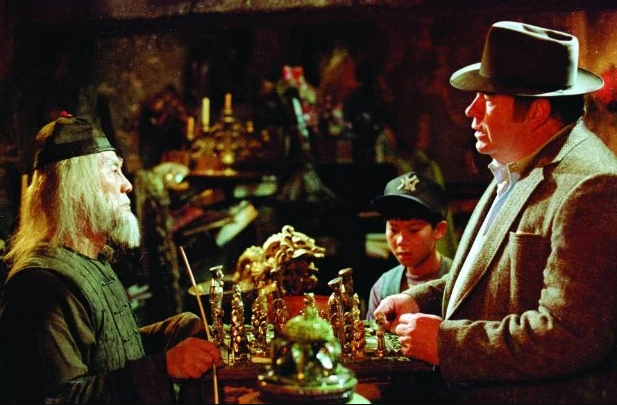
Pat Hingle (Commissioner Gordon in Batman) screen-tested for Rand Peltzer but didn’t get it because he was too good and his performance might dominate the film. Country singer Hoyt Axton was cast. He improvised most of his lines and sang to the crew between takes.
17/27
17/27
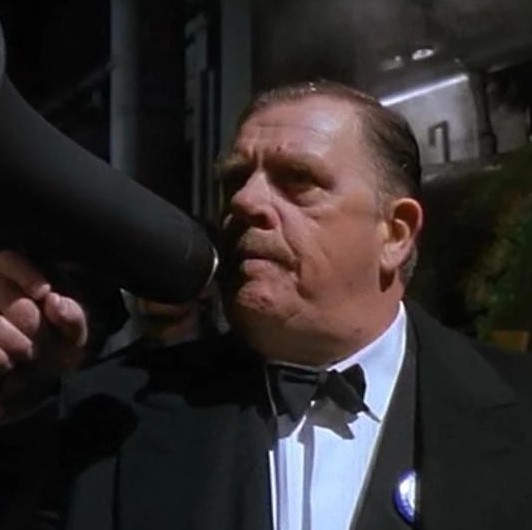
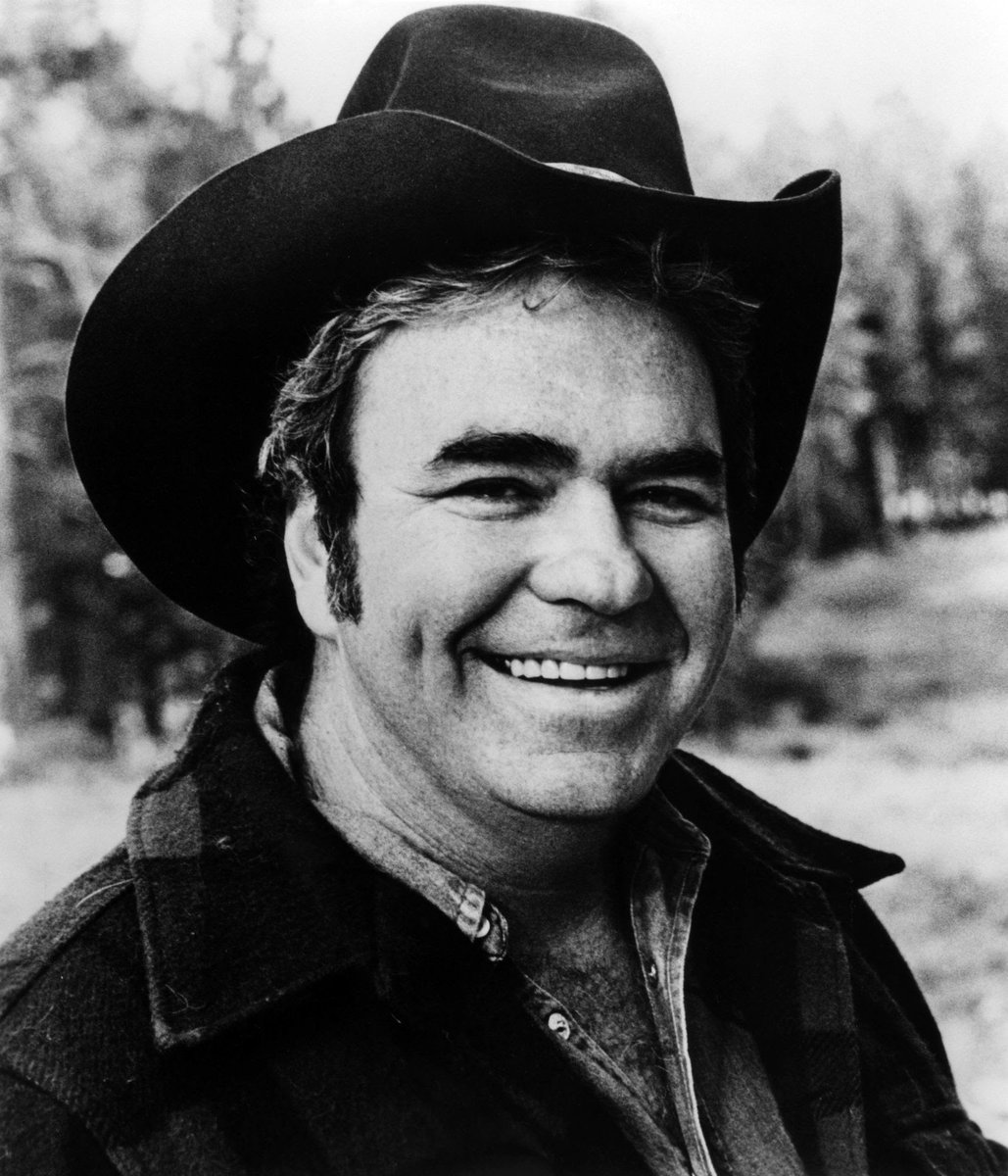
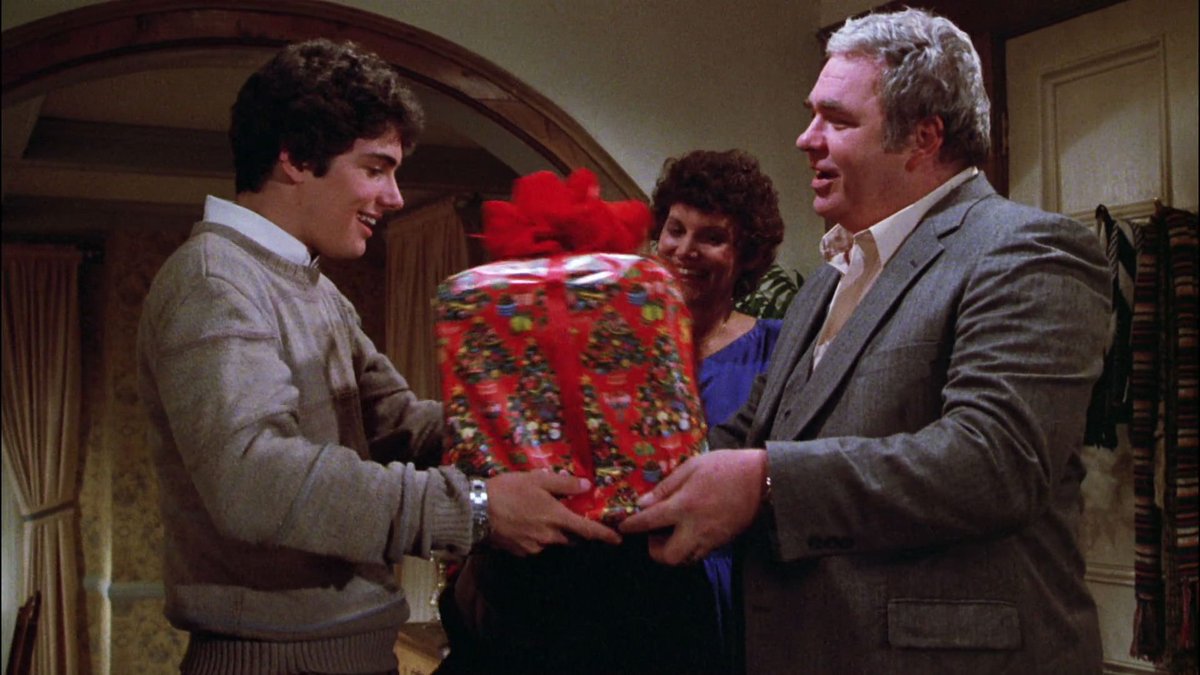
Miserly Mrs Deagle is a nod to Ebenezer Scrooge from A Christmas Carol and the names of her cats reflects the fact that she is the richest person in town. They were named Dollar Bill, Peso, Ruble & Drachma.
18/27
18/27
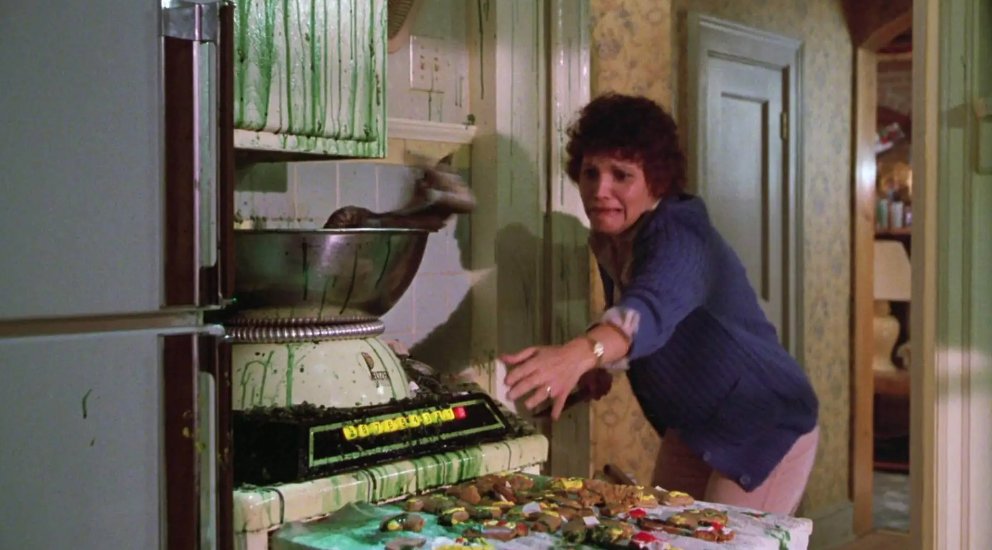
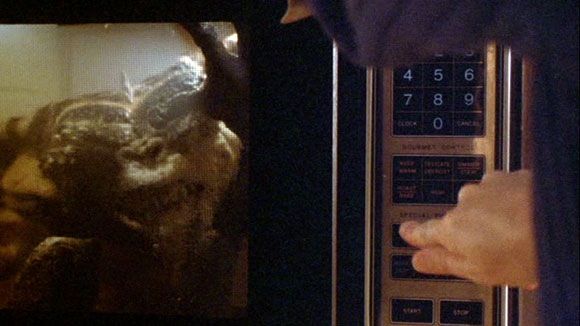
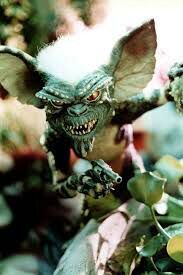
The original script was darker: Gizmo turned into Stripe, Gremlins ate Billy’s dog and decapitated Billy’s mother and threw her head down the stairs. Spielberg and Dante agreed to tone down the violence to make it more family friendly. It still has its moments though…
19/27
19/27
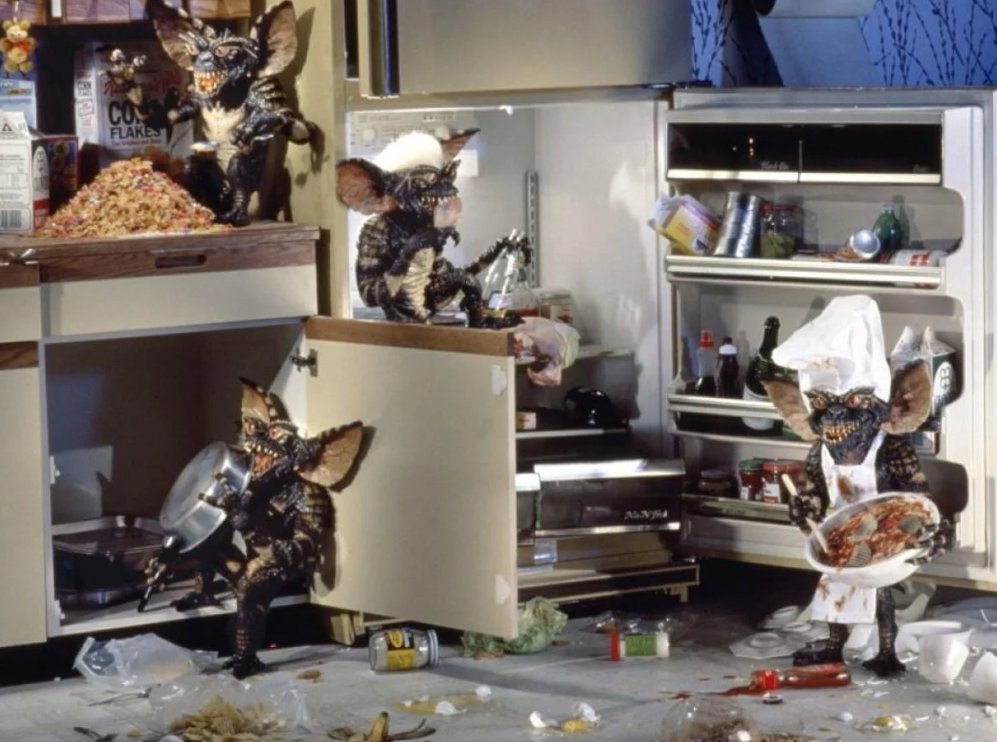
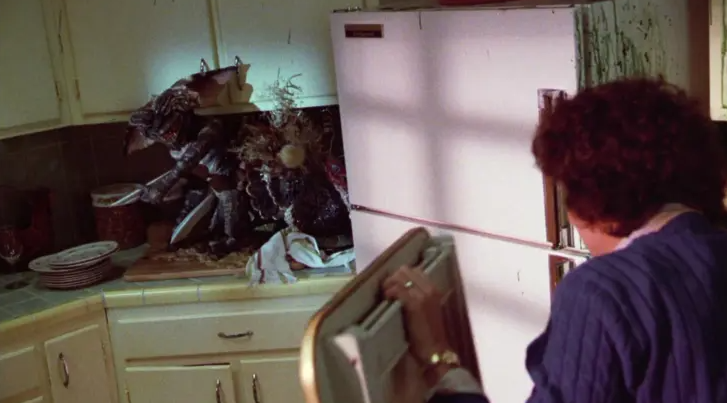
Effects maestro Chris Walas was given the script for Gremlins. He said “I’d written one word on the front cover of the screenplay: ‘HA!’ I didn’t think it could be done. The technology didn’t exist. I didn’t have a shop or a crew. But I was desperate for money.”
20/27
20/27
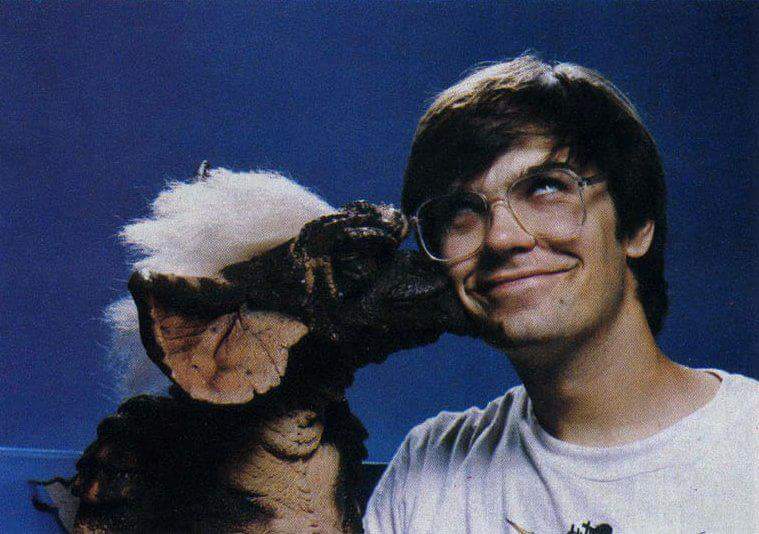
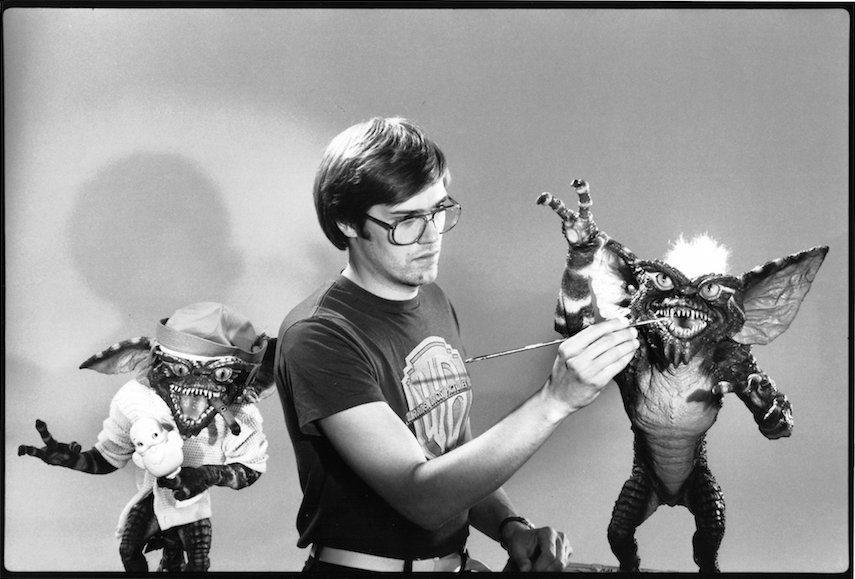
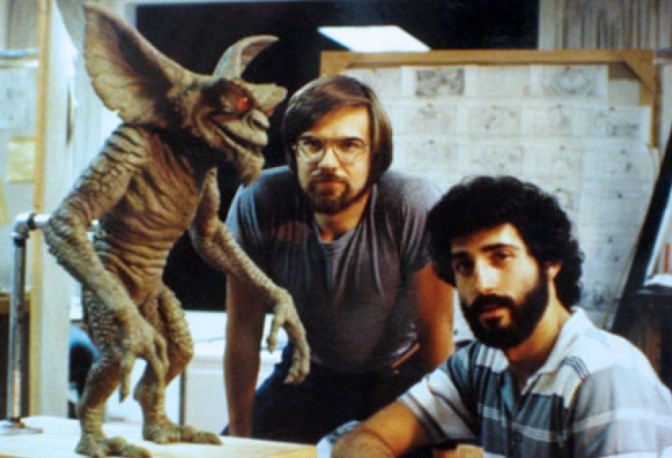
To animate the Gremlins, stop motion was tried and failed. They also tried a monkey in a gremlin suit but the monkey tore Dante’s office apart. Dante said to effects supervisor Chris Walas “So puppets then?”
21/27
21/27
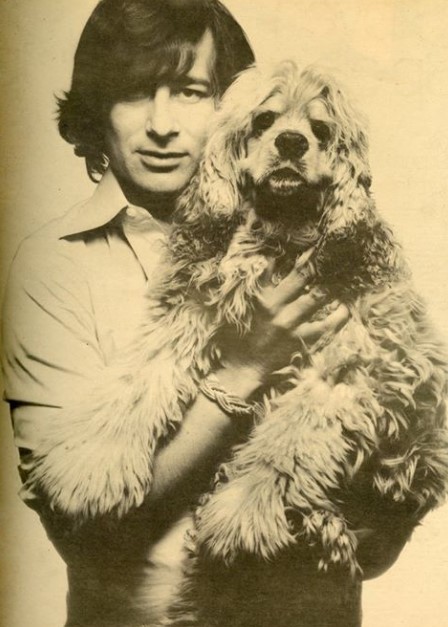
Spielberg had a big influence on the look of the Mogwai but kept changing his mind about their colour, which annoyed Walas no end. He eventually settled that the Mogwai should look like his dog – brown and white.
22/27
22/27
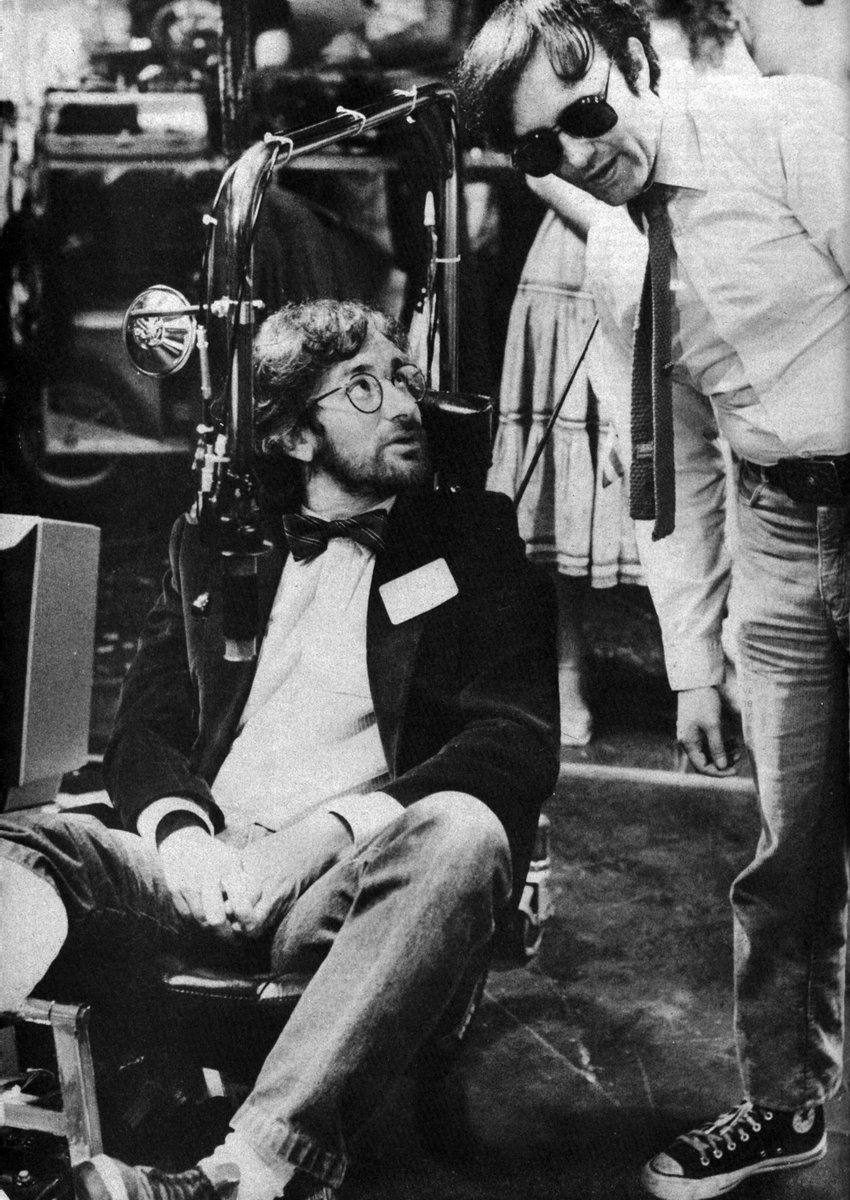
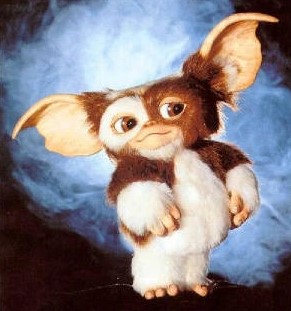
Puppet Gizmo broke down a lot and wasted a lot of time. The crew drew up a “horrible things to do to Gizmo” list. On that list was pining him to a dartboard, which is why you get that scene in the film. They said that having this in the film was cathartic.
23/27
23/27
Voice artist Frank Welker played Spike and suggested Howie Mandell for the voice of Gizmo. Mandell is now known to modern audiences as the host of US TV show Deal Or No Deal and as a host on America’s Got Talent.
24/27
24/27

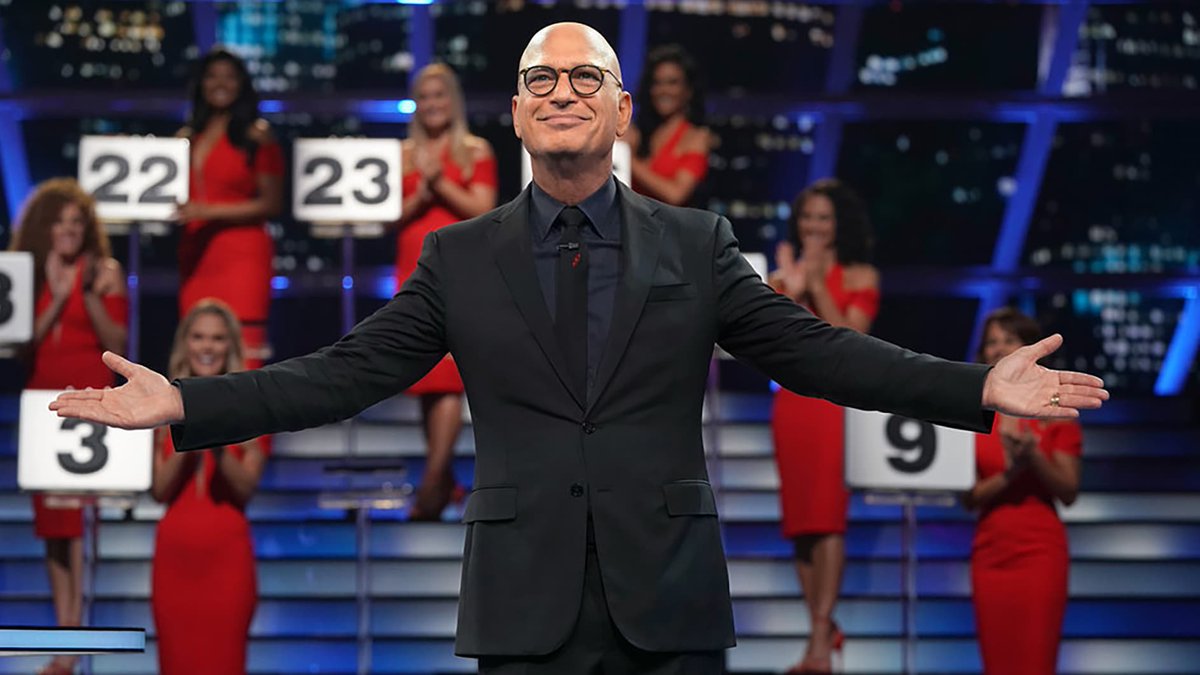
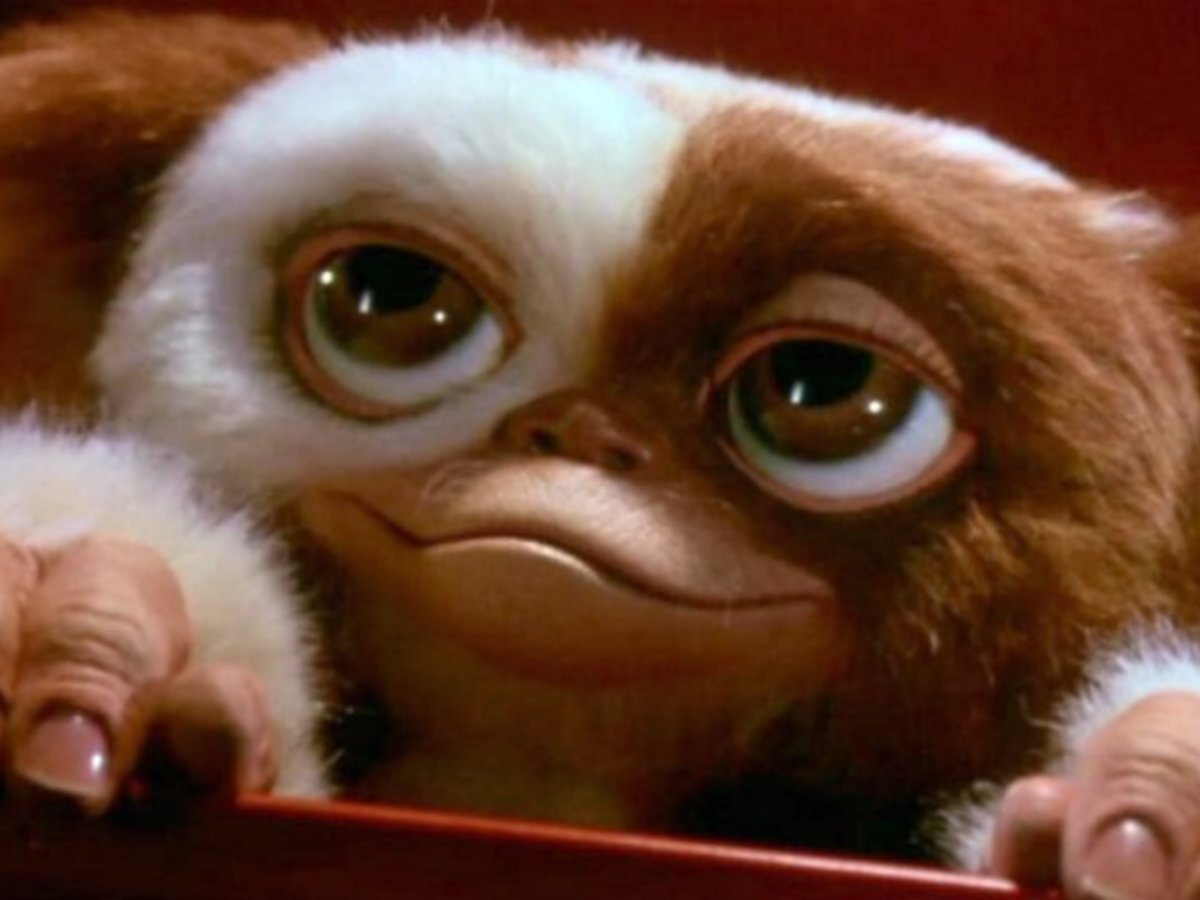
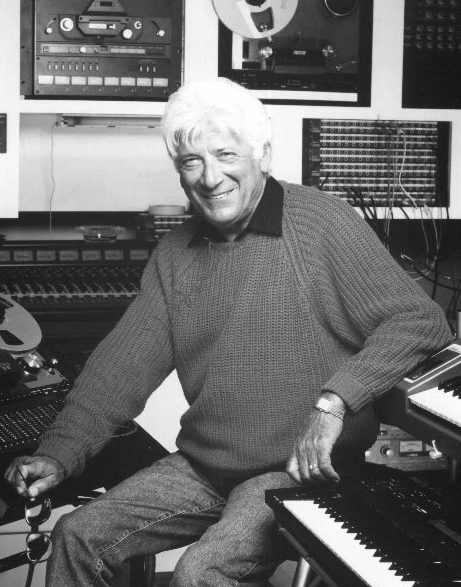
Mandell didn’t provide the vocals for Gizmo when he sings. Jerry Goldsmith did the score for the film and he hired a 13 year old girl, who was a member of his synagogue, to sing.
25/27
25/27
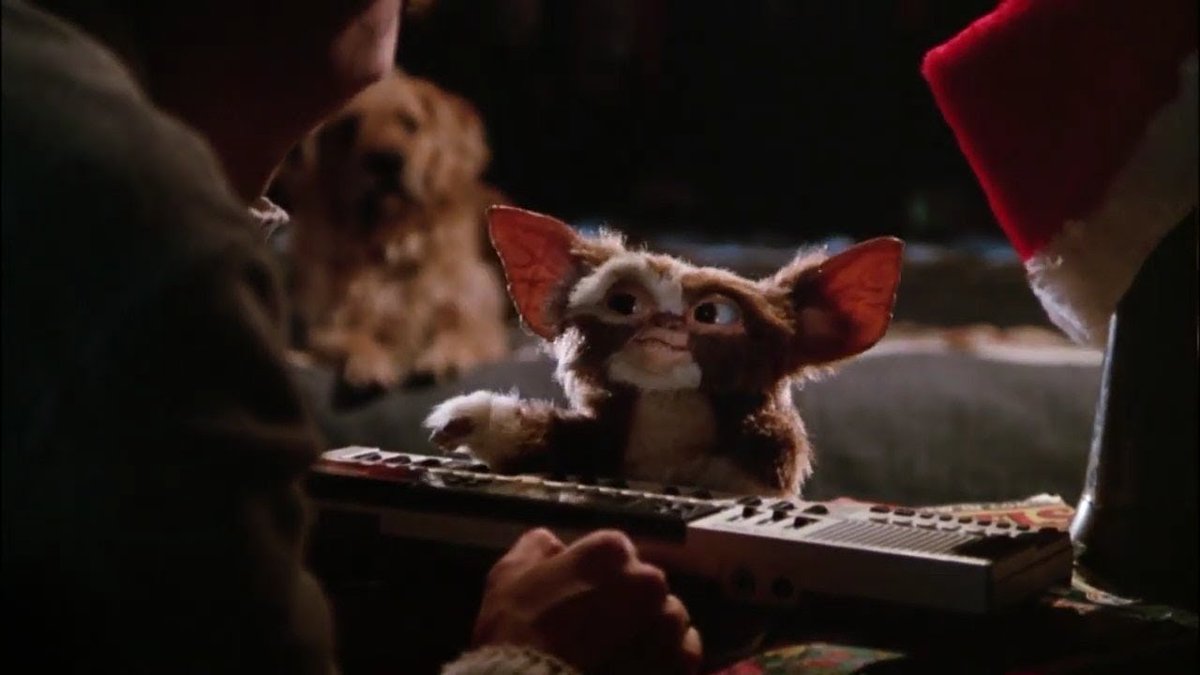
Once the film was finished, it was screened for Warners. They suggested Dante reduce the number of gremlins in the film because there were too many. So Spielberg sarcastically suggested cutting them out altogether and changing the title of the film to ‘People’.
26/27
26/27
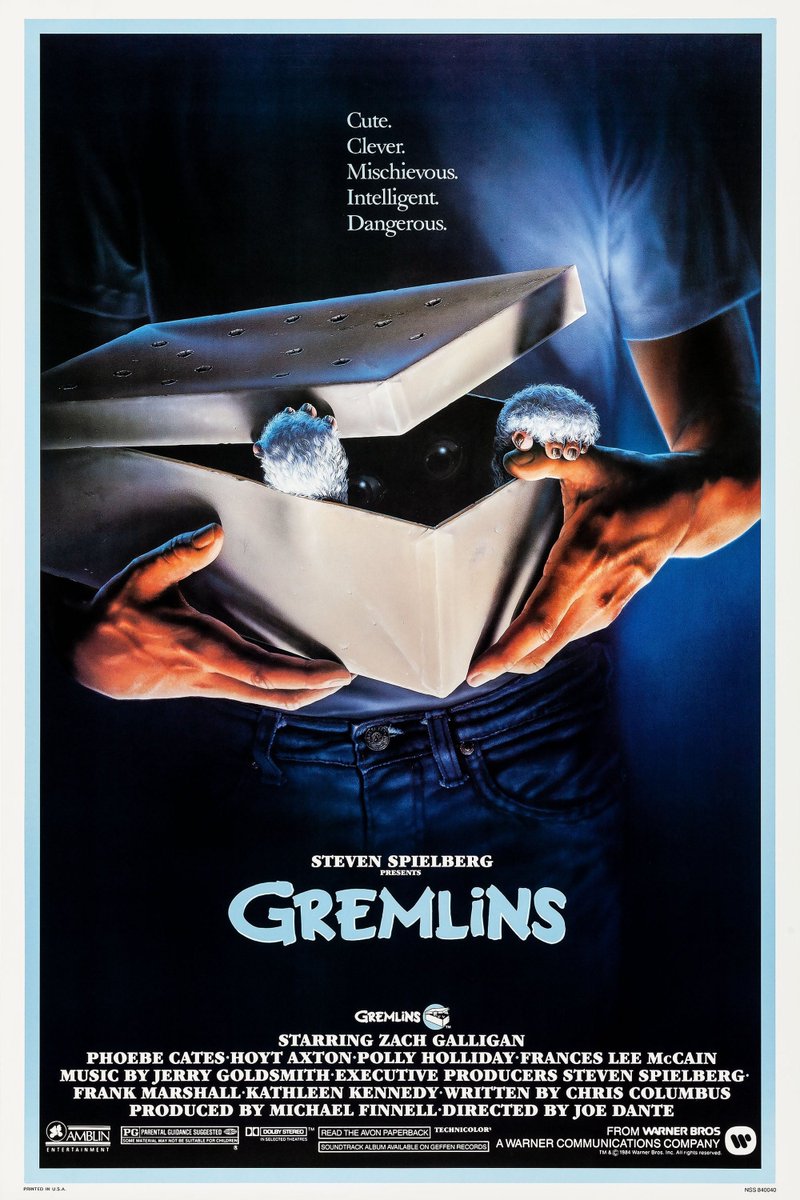
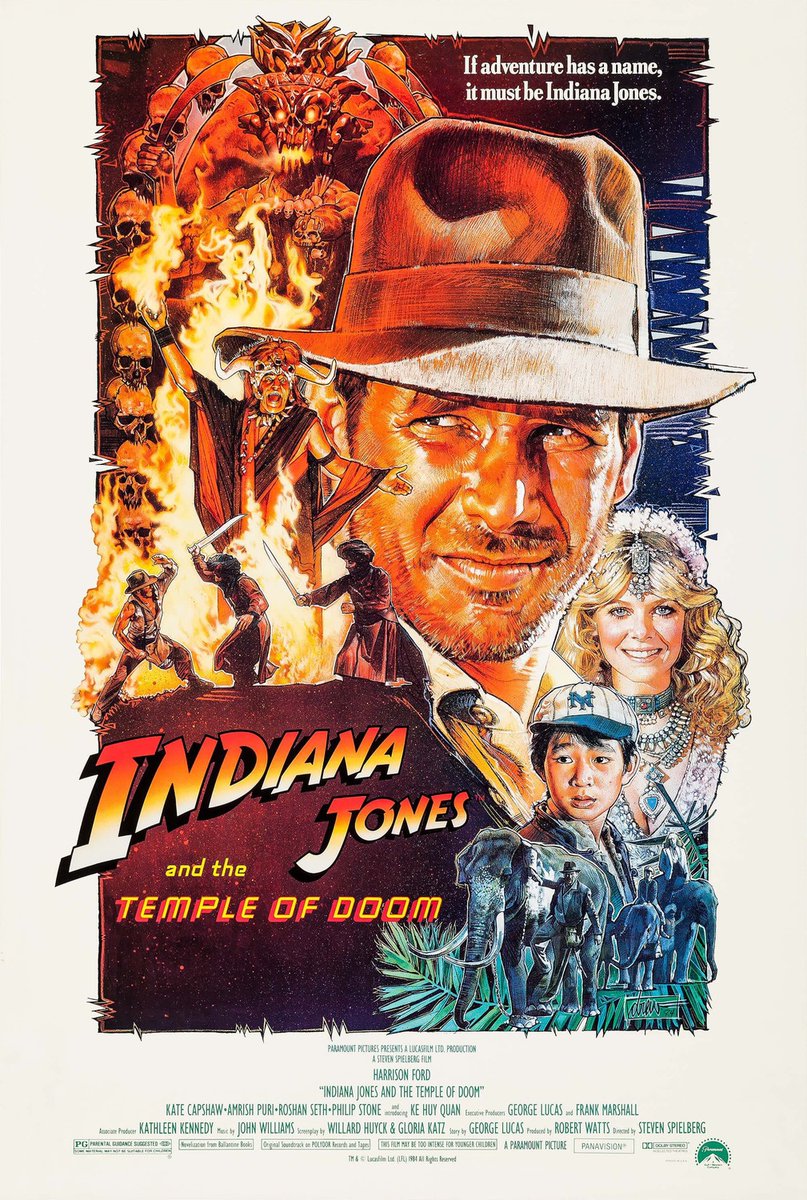
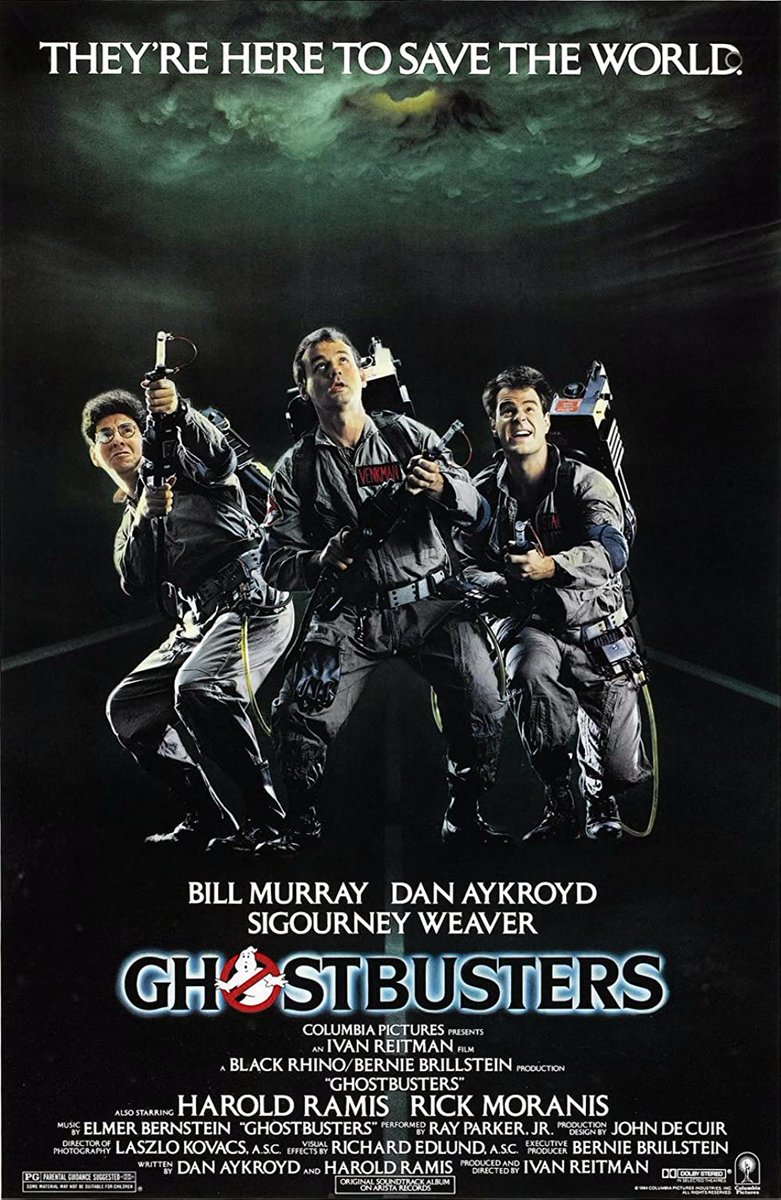
Gremlins was planned for Christmas but it was released in summer as WB didn’t have a movie to go toe to toe with Indiana Jones and Ghostbusters. It was a huge hit, made $212m from its $11m budget and is today a Christmas favourite.
27/27
27/27
If you liked our making of story of GREMLINS, please share the opening post 😀
https://x.com/ATRightMovies/status/1864619647426826558
Our latest podcast is on THE GREAT ESCAPE. Full of big opinions and laughs so please check it out 😄
alltherightmovies.com/podcast/the-gr…
alltherightmovies.com/podcast/the-gr…
• • •
Missing some Tweet in this thread? You can try to
force a refresh