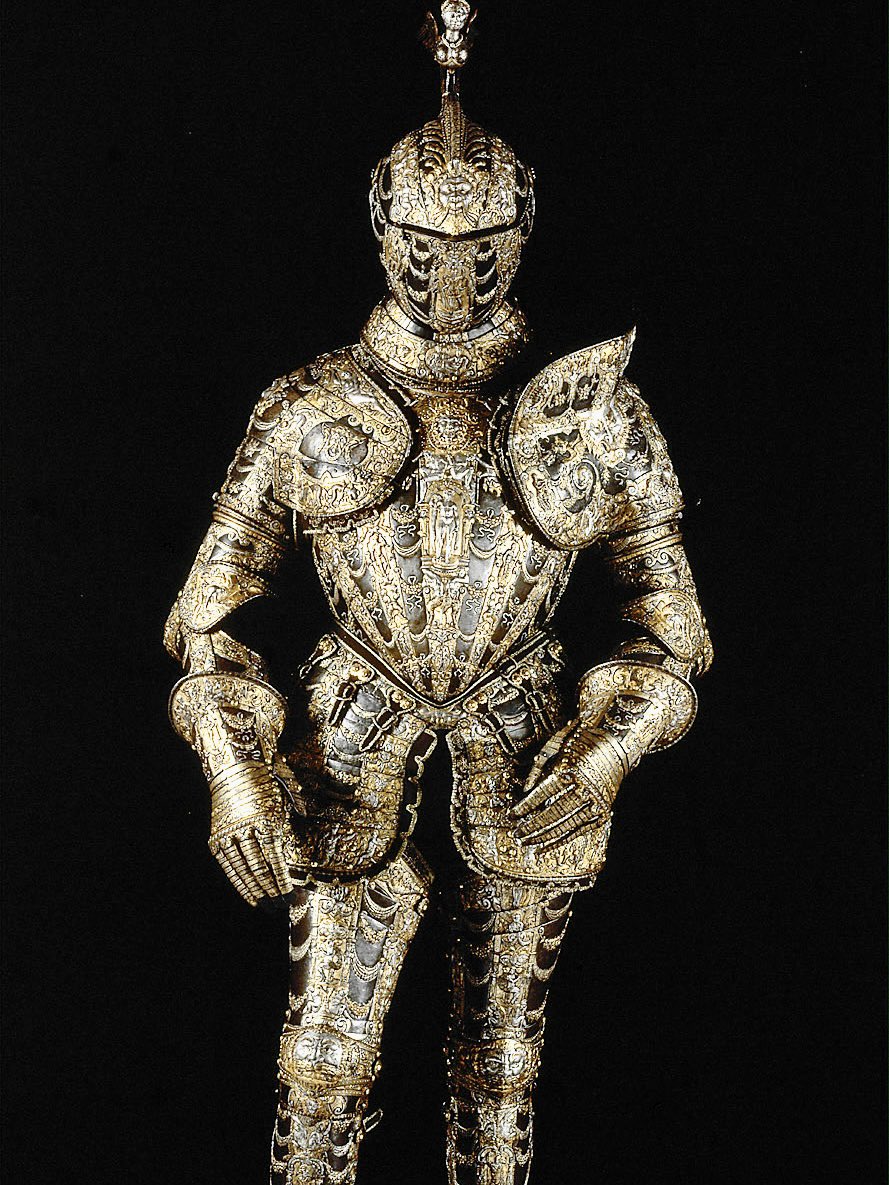
Terminus
From the Roman Empire to Mars 🏛️
A Thread 🧵 to uncover the meaning of “Terminus” and why, according to Elon Musk, it could be the name of the first extraterrestrial colony
From the Roman Empire to Mars 🏛️
A Thread 🧵 to uncover the meaning of “Terminus” and why, according to Elon Musk, it could be the name of the first extraterrestrial colony

Elon Musk has always admired the evocative power of the Roman Empire
But why Terminus? What does this word represent?
But why Terminus? What does this word represent?
Terminus was the Roman God of boundaries, particularly those marking the physical limits of property
His worship reflected the importance Romans placed on clearly defined borders and their inviolability, which were seen as fundamental to both social order and justice
His worship reflected the importance Romans placed on clearly defined borders and their inviolability, which were seen as fundamental to both social order and justice

The God’s name itself comes from the Latin word terminus, meaning “limit” or “boundary,” and his role was central to Roman religious and civic life
He is often depicted as a bust atop a boundary stone inscribed with “Concedo Nulli”—“I yield to no one”!
He is often depicted as a bust atop a boundary stone inscribed with “Concedo Nulli”—“I yield to no one”!
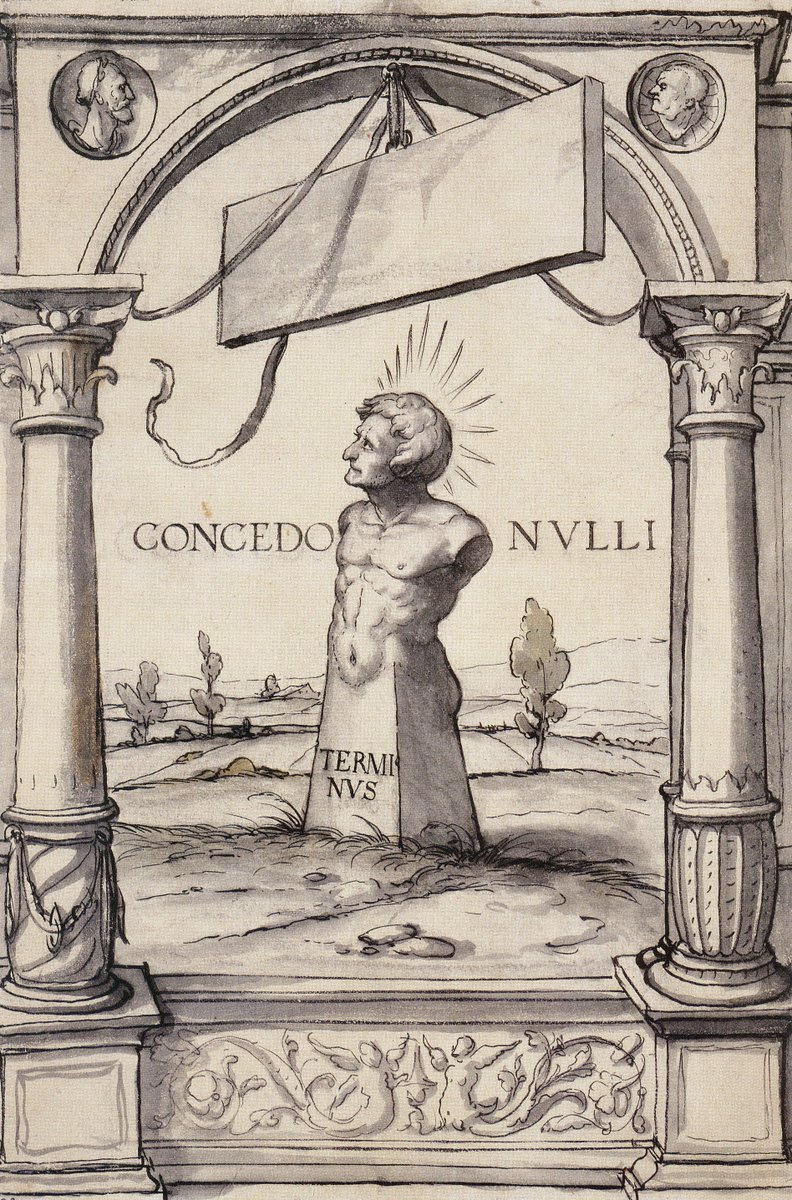
According to Roman mythology, it was King Numa Pompilius, the second king of Rome, who introduced the cult of Terminus
He was renowned for establishing the religious practices that shaped early Roman society, emphasizing rituals and moral guidelines to ensure stability
He was renowned for establishing the religious practices that shaped early Roman society, emphasizing rituals and moral guidelines to ensure stability

Terminus embodied a sacred principle: respect for boundaries ensured not only peace between individuals but also the prosperity and cohesion of the state
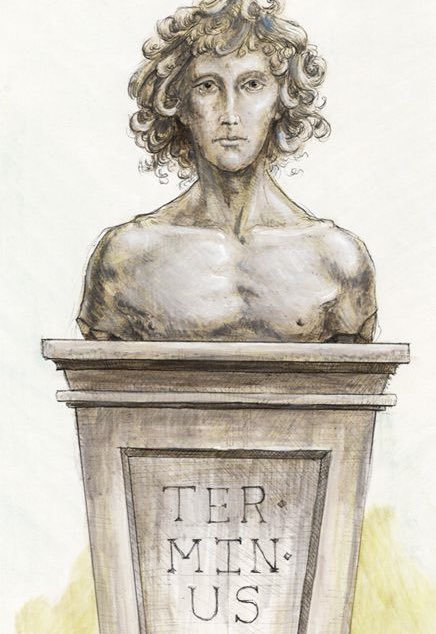
The worship of Terminus revolved around the veneration of termini—sacred stones placed at property boundaries
These markers were considered inviolable, and moving or damaging them was seen as both a sacrilege and a legal crime
These markers were considered inviolable, and moving or damaging them was seen as both a sacrilege and a legal crime
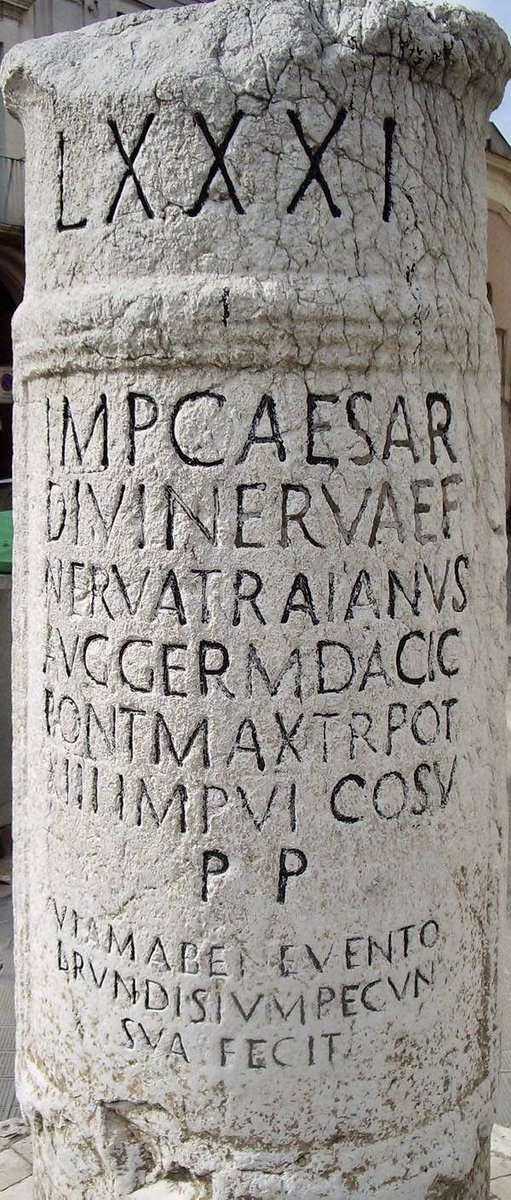
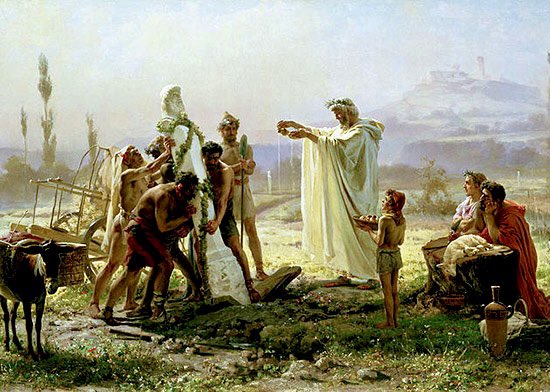
Each year, on February 23, the Romans celebrated the Terminalia, a festival in honor of the God
During this occasion, neighboring landowners would gather at the boundary stones to decorate them with garlands, offer sacrifices of wine, cakes, and sometimes the blood of an animal
During this occasion, neighboring landowners would gather at the boundary stones to decorate them with garlands, offer sacrifices of wine, cakes, and sometimes the blood of an animal

This ritual symbolized harmony and mutual respect among neighbors
The cult emphasized that boundaries were not merely lines of demarcation but objects of divine protection
The cult emphasized that boundaries were not merely lines of demarcation but objects of divine protection
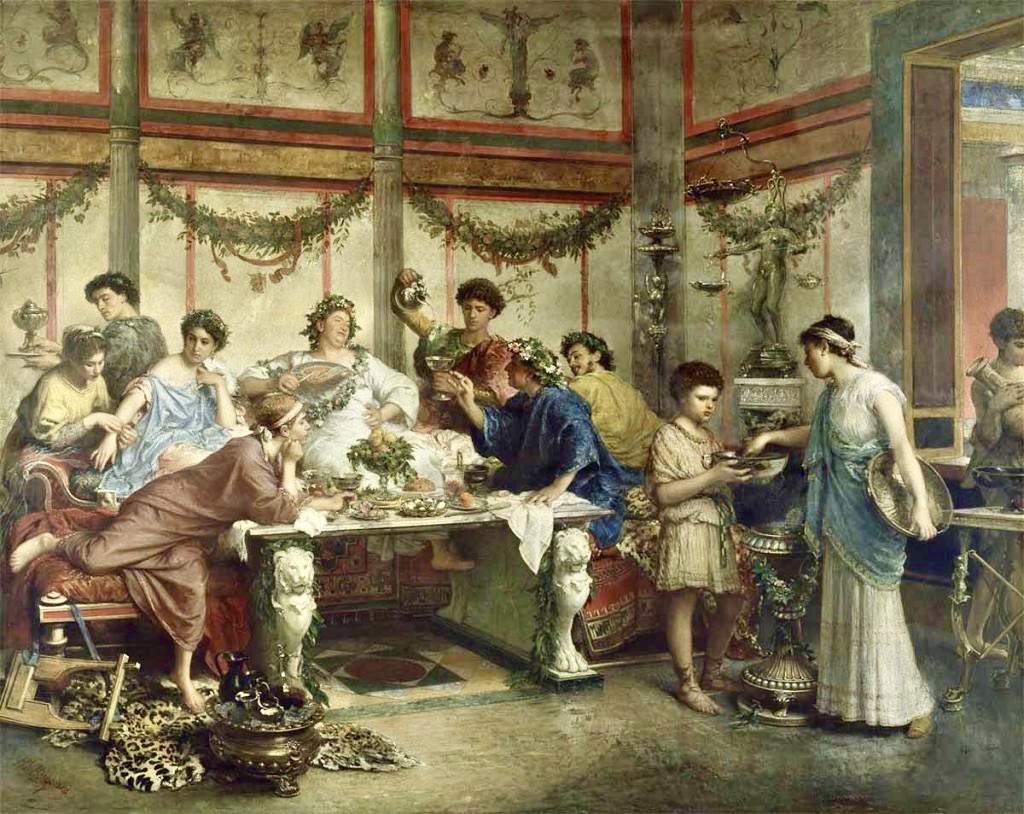
The centrality of Terminus in Roman religion was also reflected in the Temple of Jupiter Optimus Maximus on the Capitoline Hill, where a small altar dedicated to Terminus was integrated into the main sanctuary
(Cinema reconstruction 👇)
(Cinema reconstruction 👇)

According to legend, during the construction of the temple, the altar to Terminus could not be relocated, as doing so was believed to be a bad omen
This event was interpreted as a sign of Rome’s eternal stability and unchanging boundaries
This event was interpreted as a sign of Rome’s eternal stability and unchanging boundaries
The significance of Terminus extended beyond religion, reinforcing core values such as order and adherence to rules
Terminus symbolized the stability of the Roman state and the certainty of its borders, both on a personal and territorial level
Terminus symbolized the stability of the Roman state and the certainty of its borders, both on a personal and territorial level
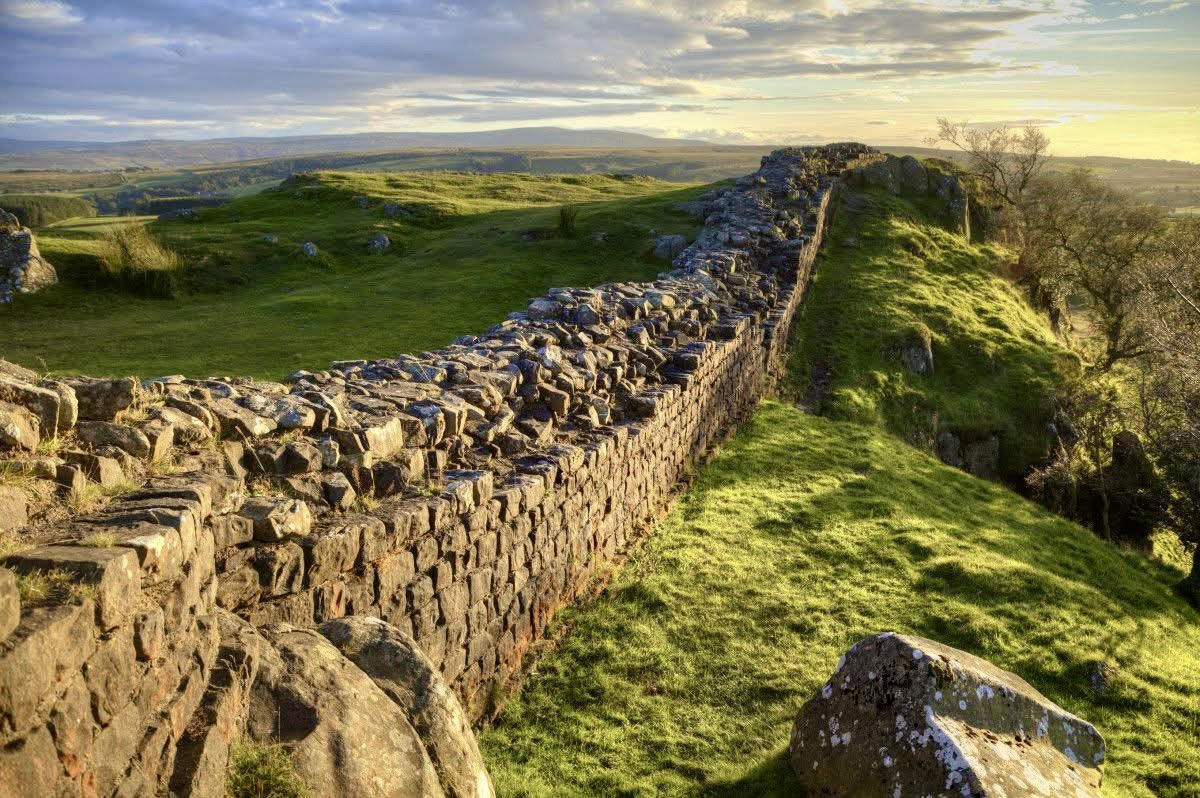
This sacredness attributed to boundaries influenced property laws and practices even after the fall of the Roman Empire

With the rise of Christianity, the cult of Terminus gradually declined, but many principles tied to the respect for boundaries remained deeply embedded in Romanized cultures
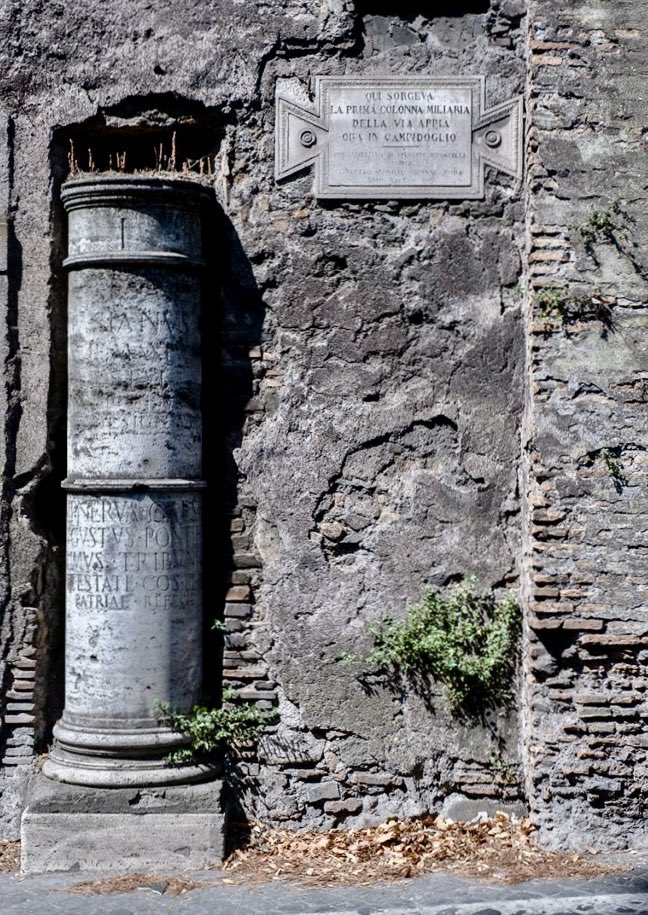
Ultimately, Terminus was far more than just a deity—he embodied the Roman ideals of order, justice, and the divine protection of borders, values that served as the foundation of Roman society and politics for centuries
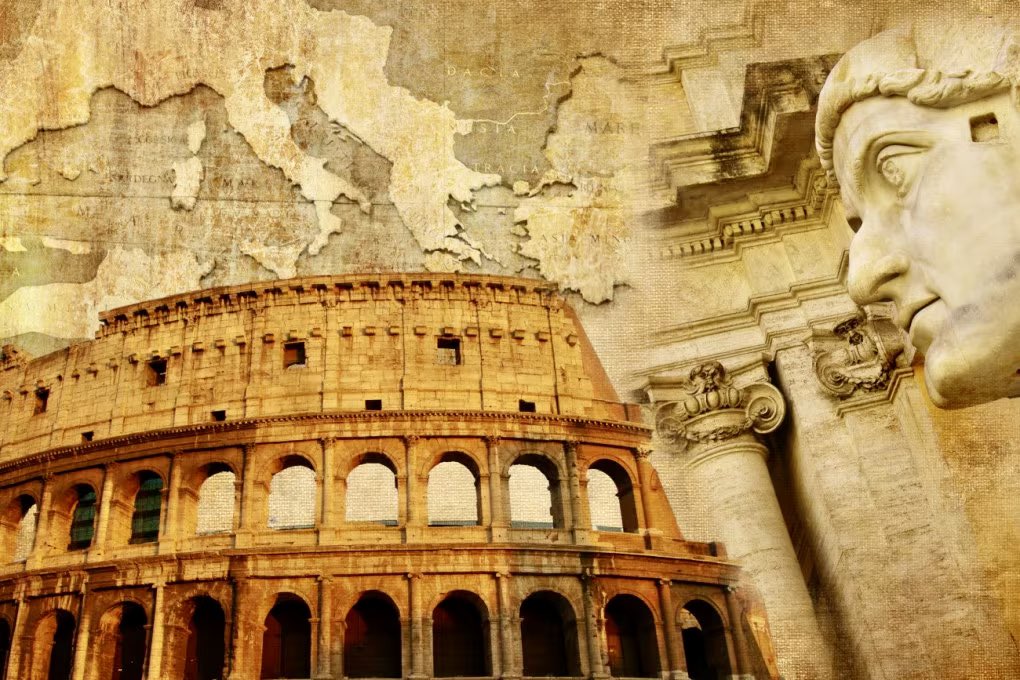
No wonder Elon Musk finds this name so compelling—it evokes a sense of permanence, order, and the next great frontier: the boundaries of a new world 💫
What do you think, after this deep dive into the name Elon Musk seems to favor?
Do you approve?
Do you approve?
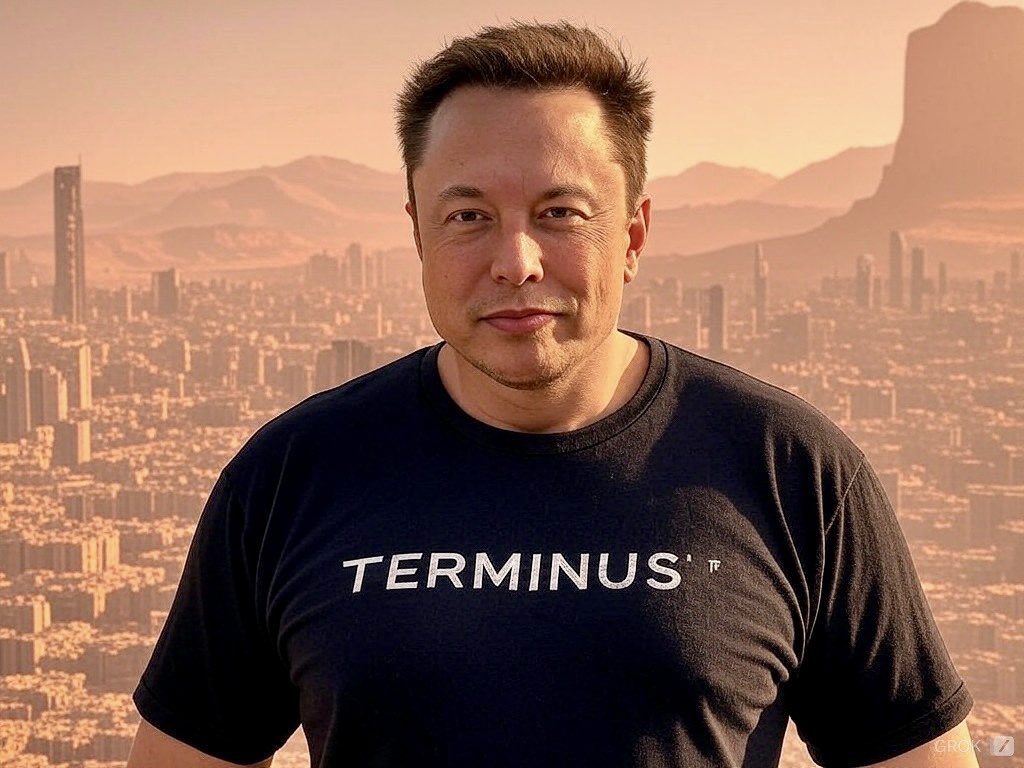
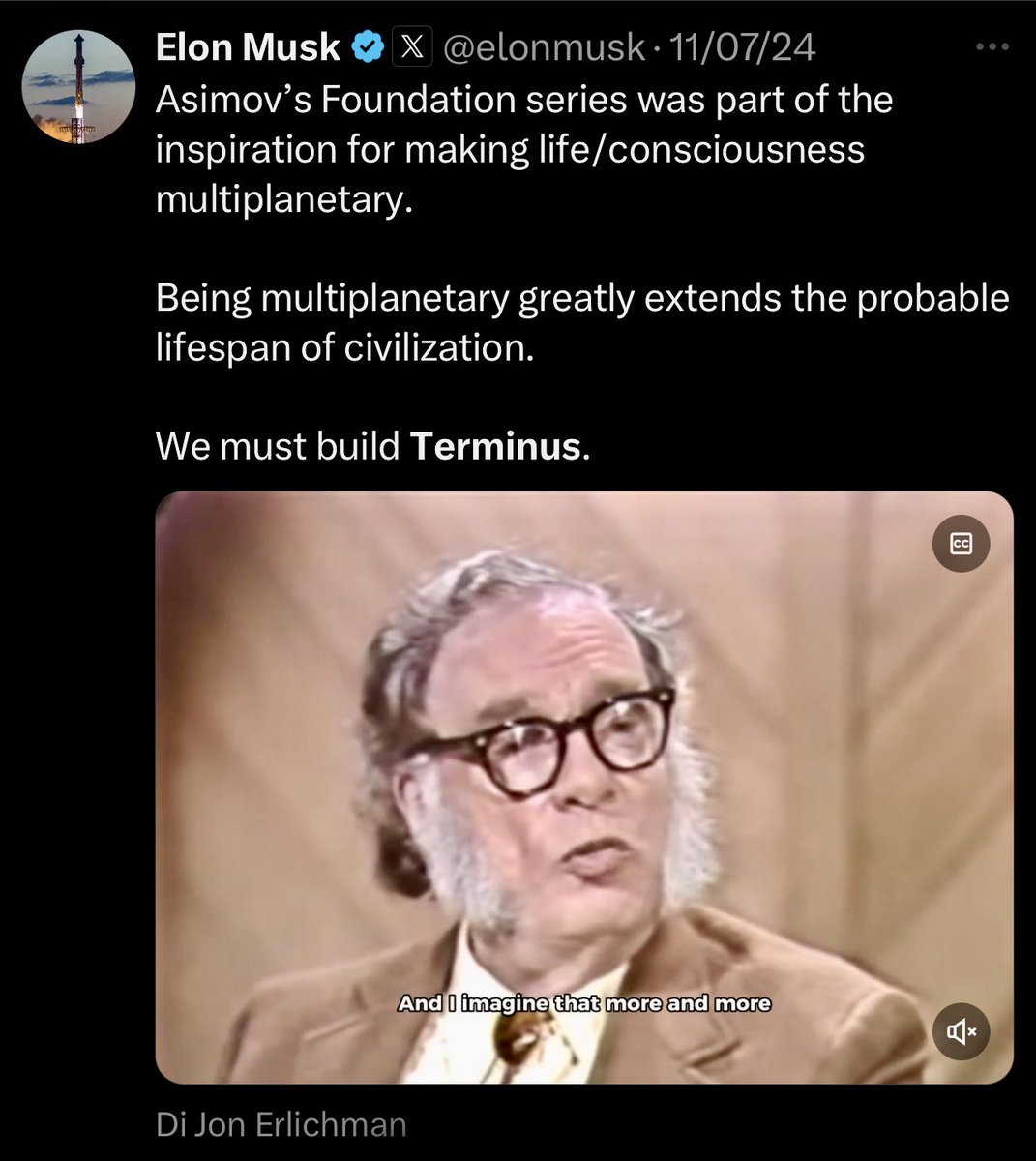
Are you ready to hear over the loudspeaker:
“Spaceship departing for Terminus, please proceed to boarding”?
“Spaceship departing for Terminus, please proceed to boarding”?
In thanking you for reading this far, I must confess that I love the idea and hope to live long enough to see a magnificent Martian pantheon come to life 🏛️
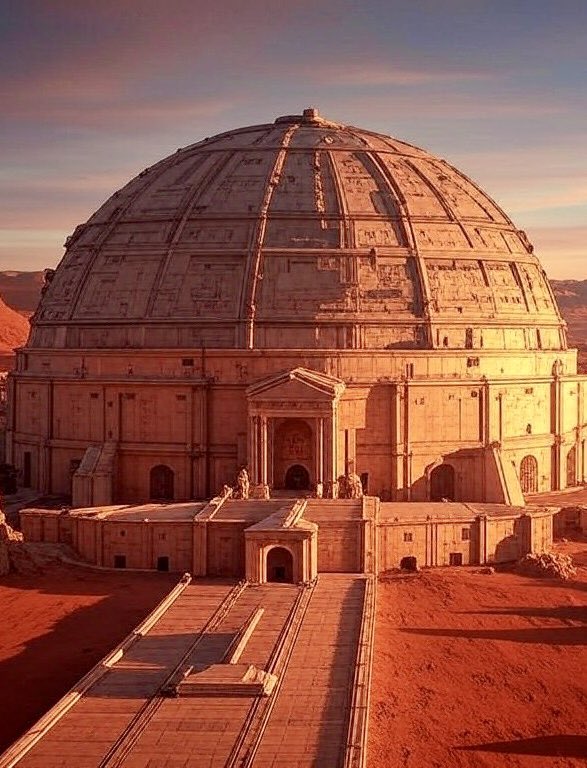
Feel free to share your pictures here, perhaps created with the stunning new Grok, showing how you imagine Terminus!
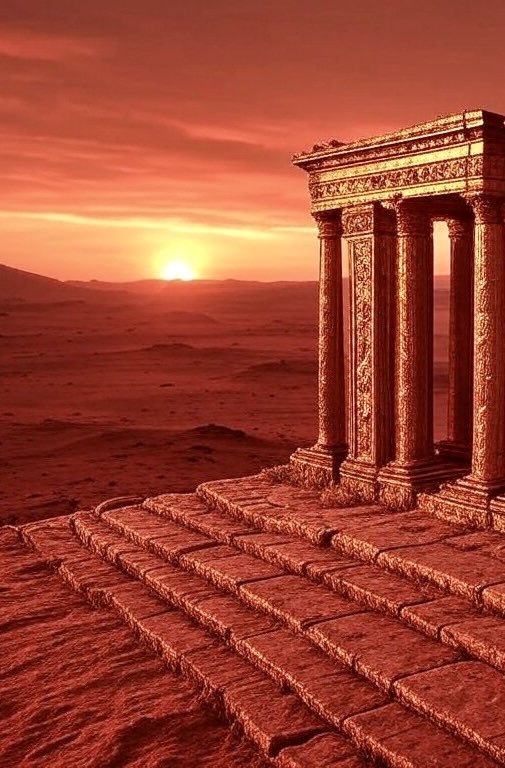
Bonus:
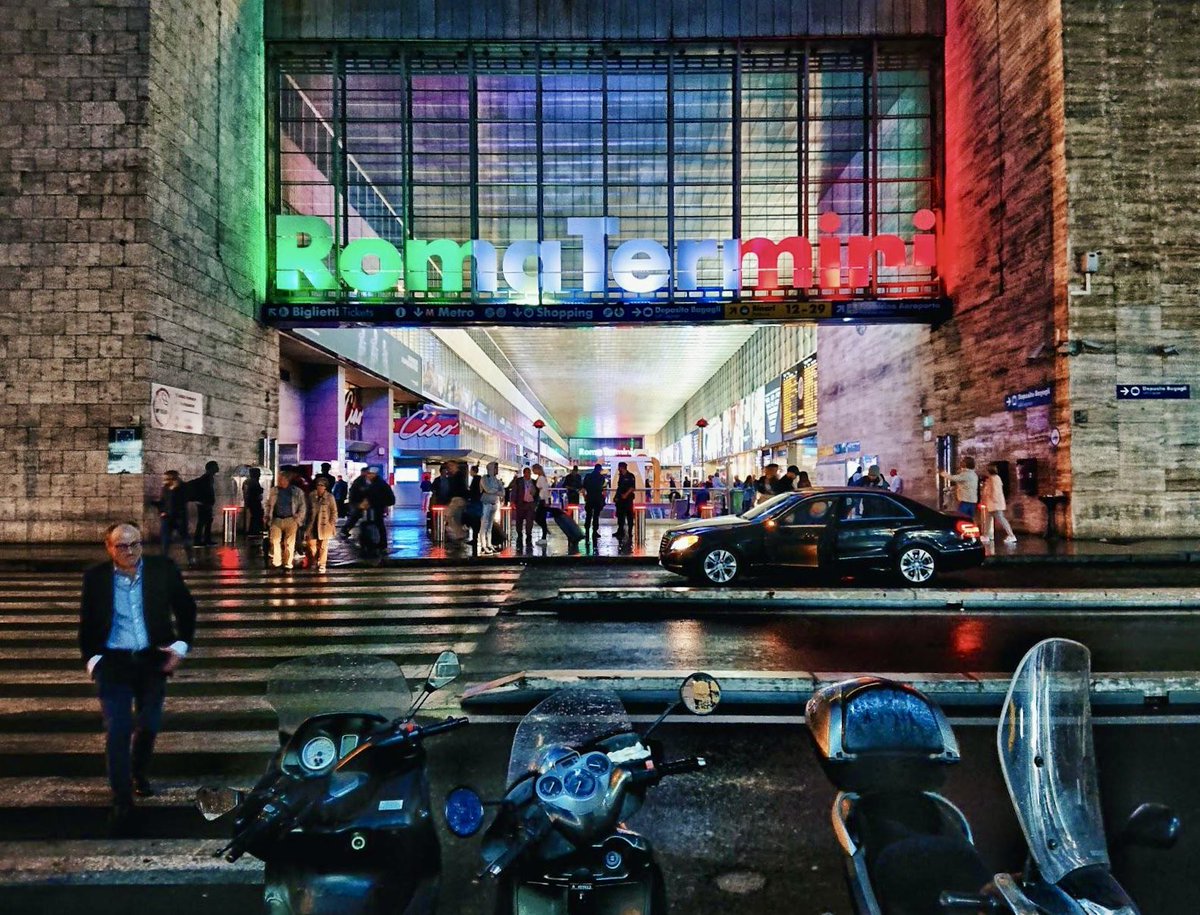
By the end of this thread, you’ve also learned why Rome’s main train station in Italy 🇮🇹 is called “Roma Termini”
By the end of this thread, you’ve also learned why Rome’s main train station in Italy 🇮🇹 is called “Roma Termini”
• • •
Missing some Tweet in this thread? You can try to
force a refresh