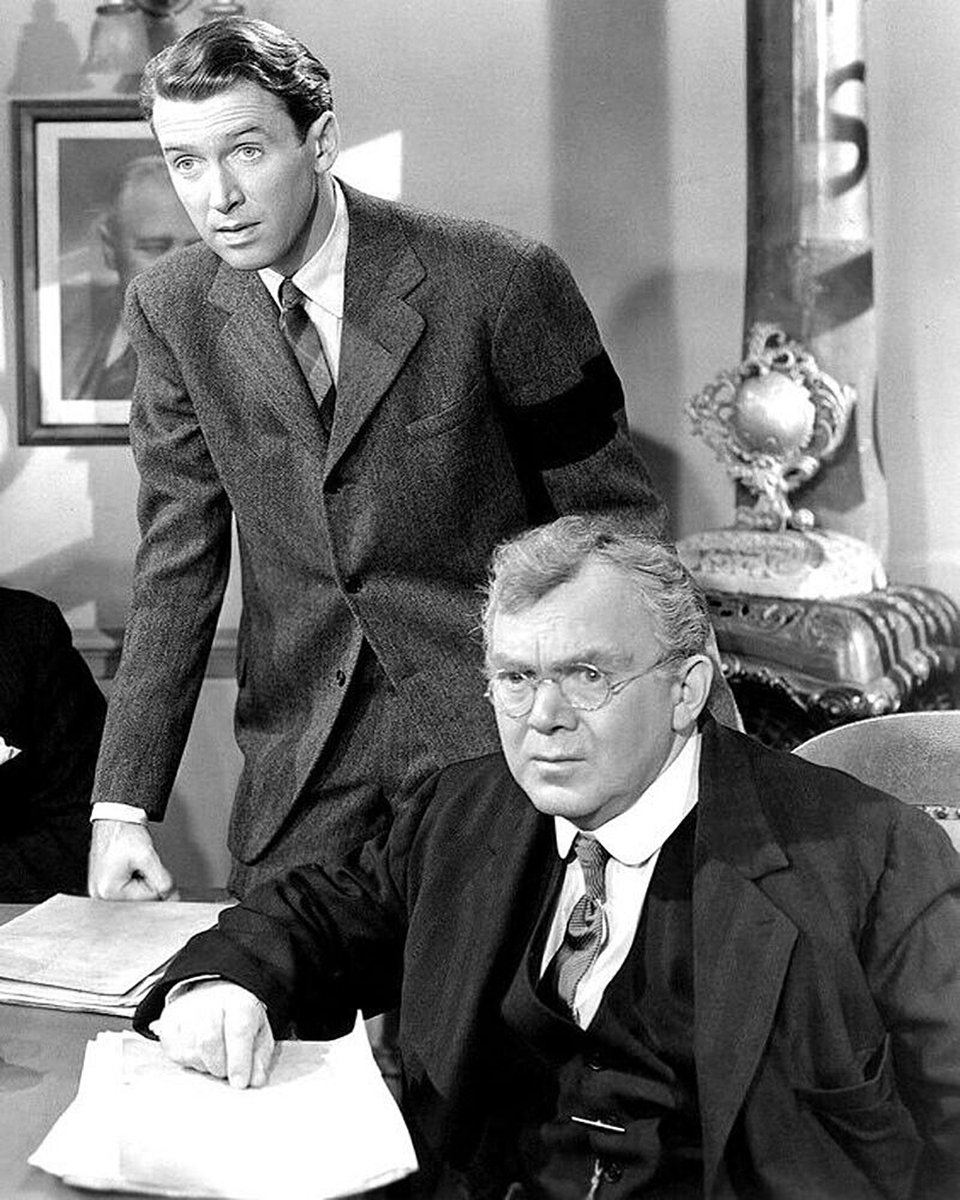
IT’S A WONDERFUL LIFE was released 78 years ago this week. One of the most beloved of all Christmas movies, and among the most popular films of its star James Stewart, the tale of how it was created is like throwing a lasso round the moon…
1/47
1/47


In 1941, American novelist Philip van Doren Stern finished his latest book, a Christmas-set story called The Greatest Gift. After two years of being rejected by publishers, the writer had it published as 24-page booklet and sent it to friends and family.
2/47
2/47
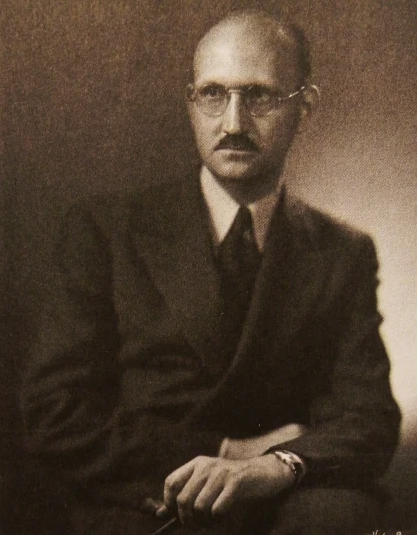
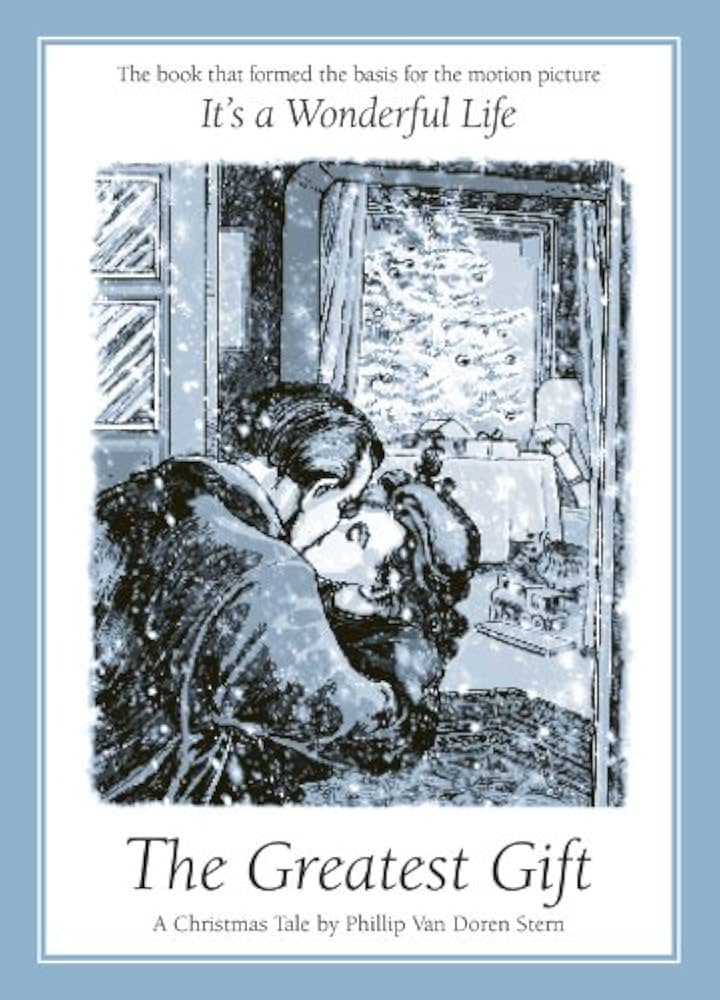
As a result, the story ended up falling into the hands of David Hempstead. A producer at Hollywood studio RKO Pictures, Hempstead fell in love with the novella and had RKO buy the film rights for $10,000.
3/47
3/47
Screenwriters Clifford Odets, Marc Connelly, and Dalton Trumbo were all hired in turn to adapt Van Doren Storen’s story but, after several drafts were produced, development stalled and RKO shelved the project.
4/47
4/47
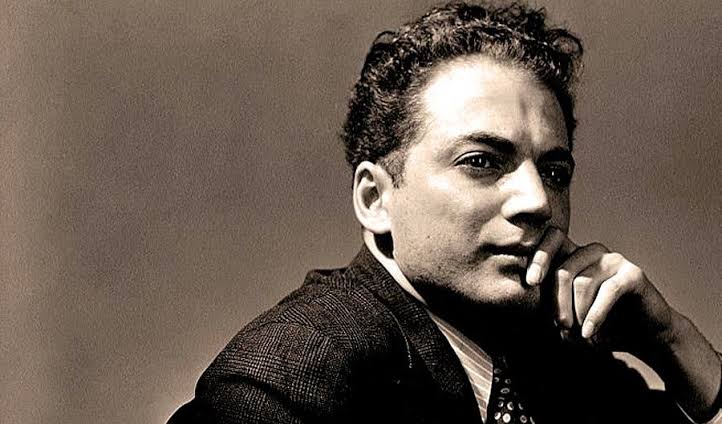
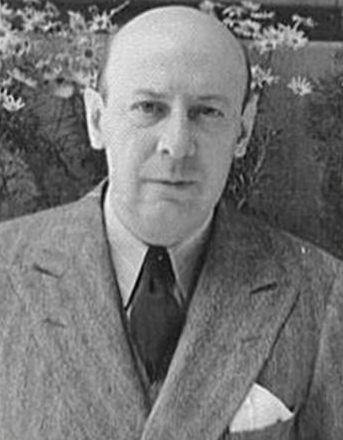
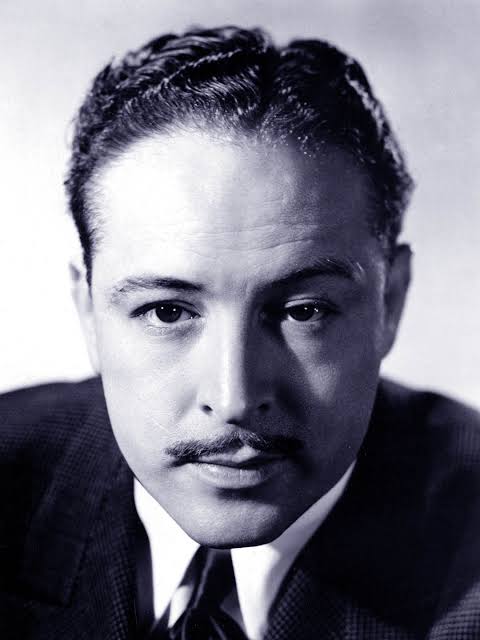
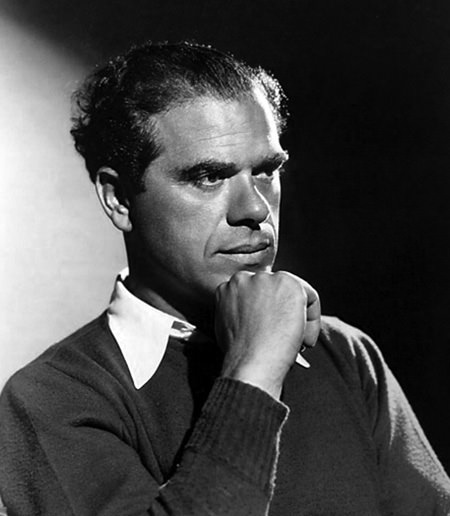
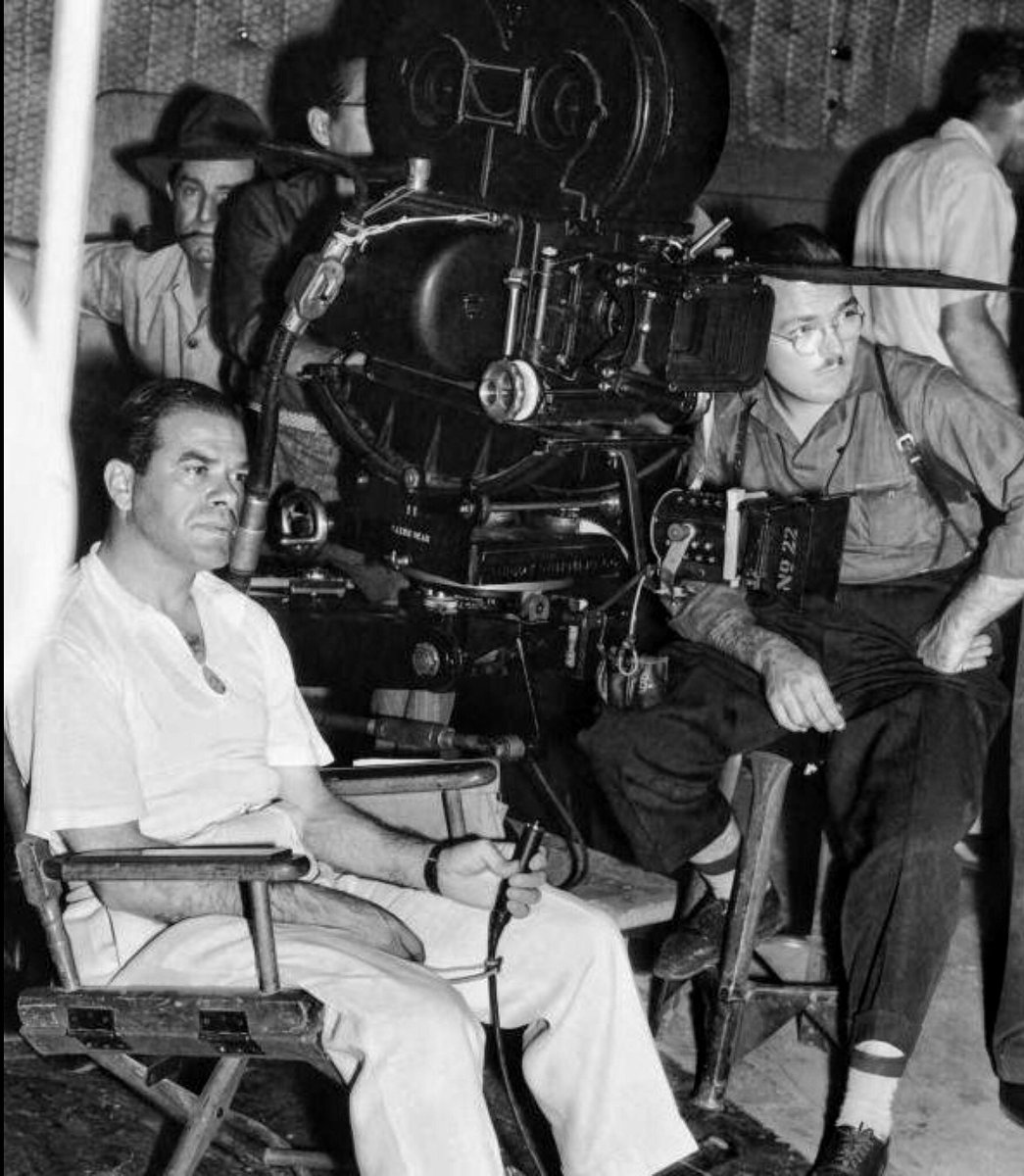
Around the same time, 3-time Oscar-winning director Frank Capra was returning to the US having served in the Second World War. Looking to get back into movies, he teamed up with Oscar winners William Wyler and George Stevens to set up Liberty Films.
5/47
5/47

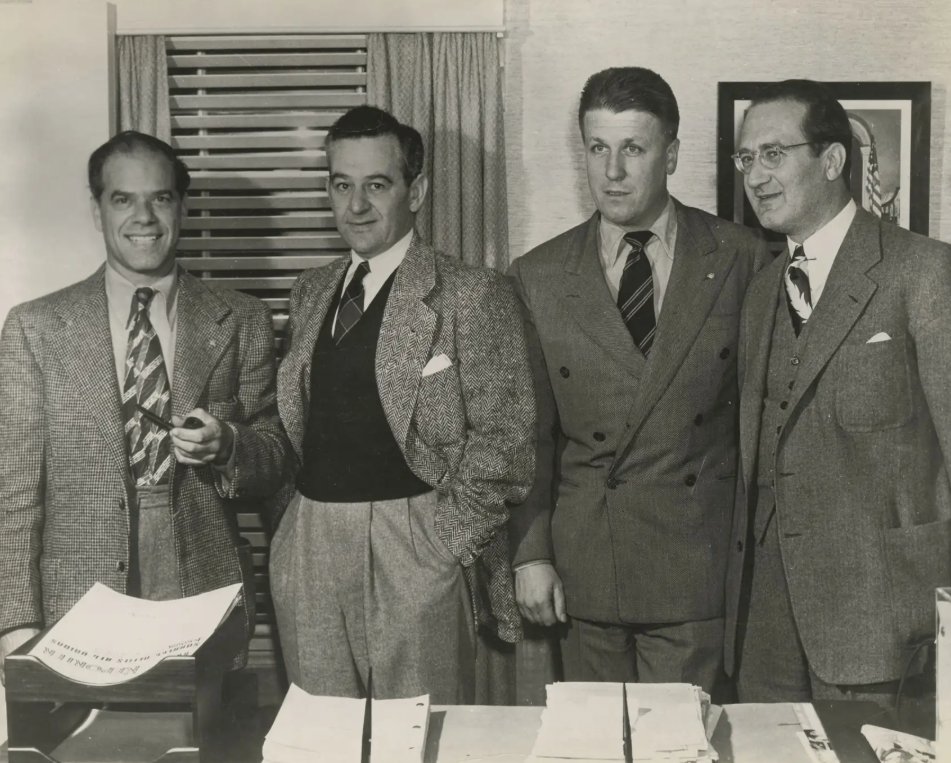
Liberty had arranged a 9-film distribution deal with RKO and on reading the script for The Greatest Gift, Capra saw its potential. A $10,000 deal was struck whereby Liberty would buy the rights and produce the film, and RKO would distribute.
6/47
6/47
Capra scrapped the original script, bringing in the husband-wife team of Albert Hackett and Frances Goodrich to help him rewrite it. They did not get along. Goodrich said of Capra “Oh, that horrid man. He just couldn’t wait to get writing it all by himself.”
7/47
7/47
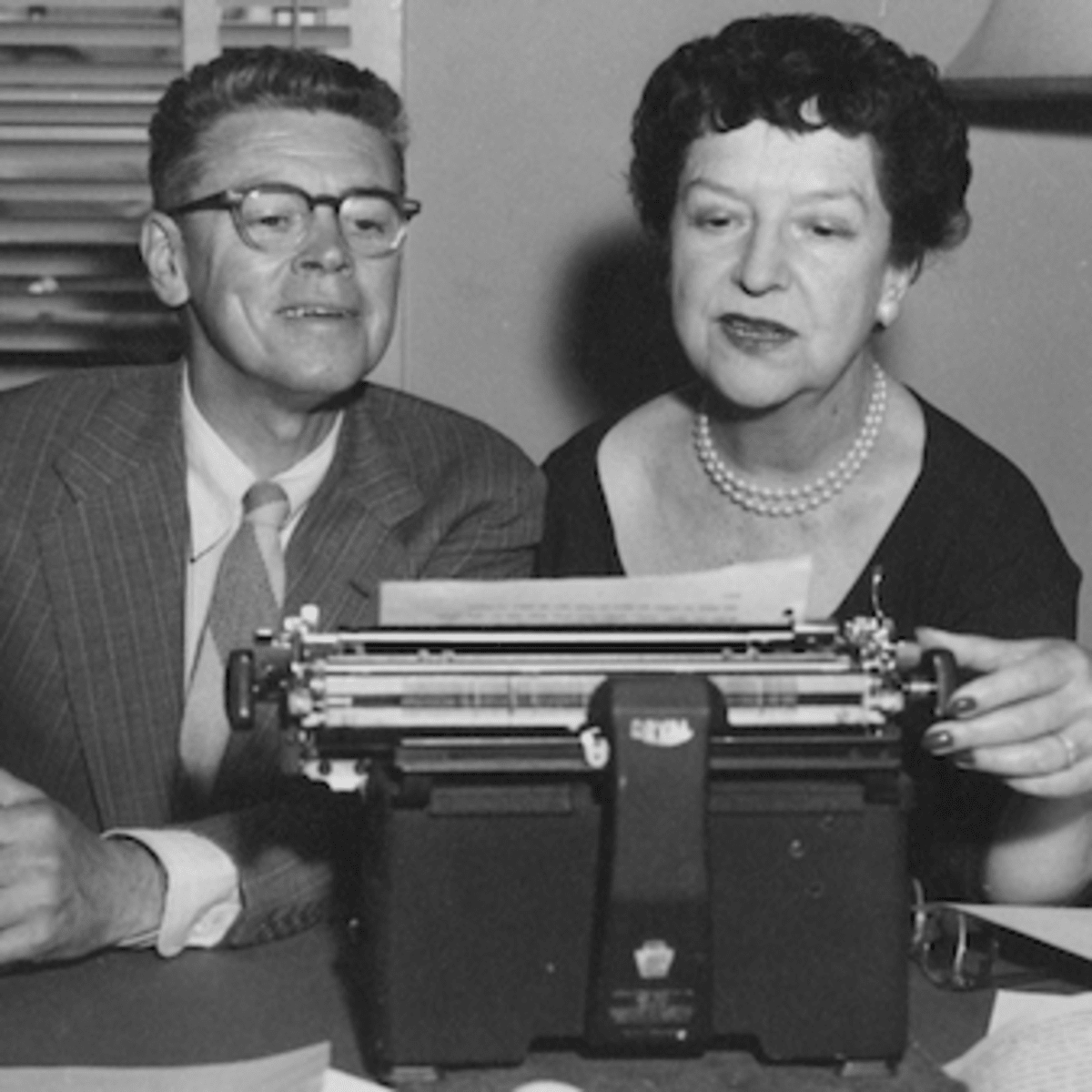
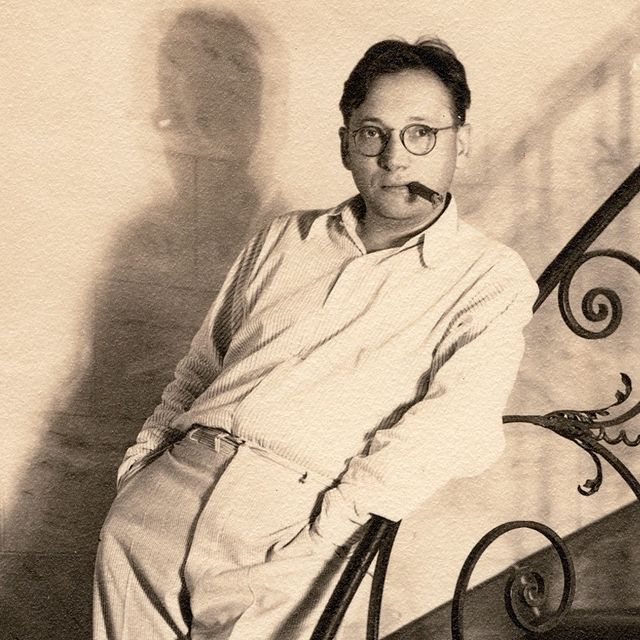
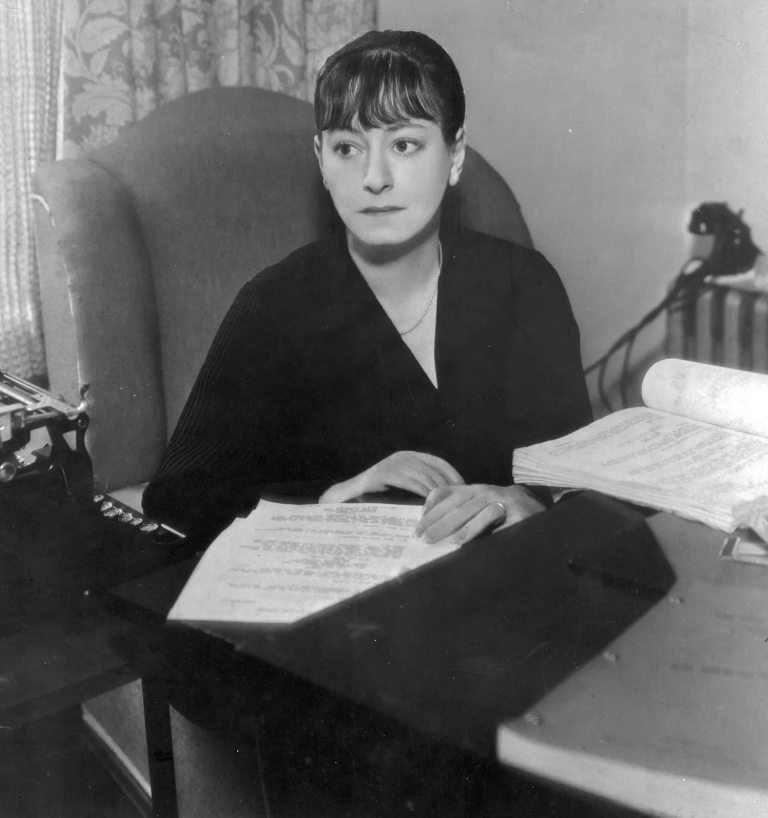
When Hackett and Goodrich were sending drafts, Capra would rewrite them in secret with a writer called Jo Swerling. He also brought in Dorothy Parker as a consultant. Hackett would call Capra “A very arrogant sonofabitch.” Eventually though, the script was completed.
8/47
8/47
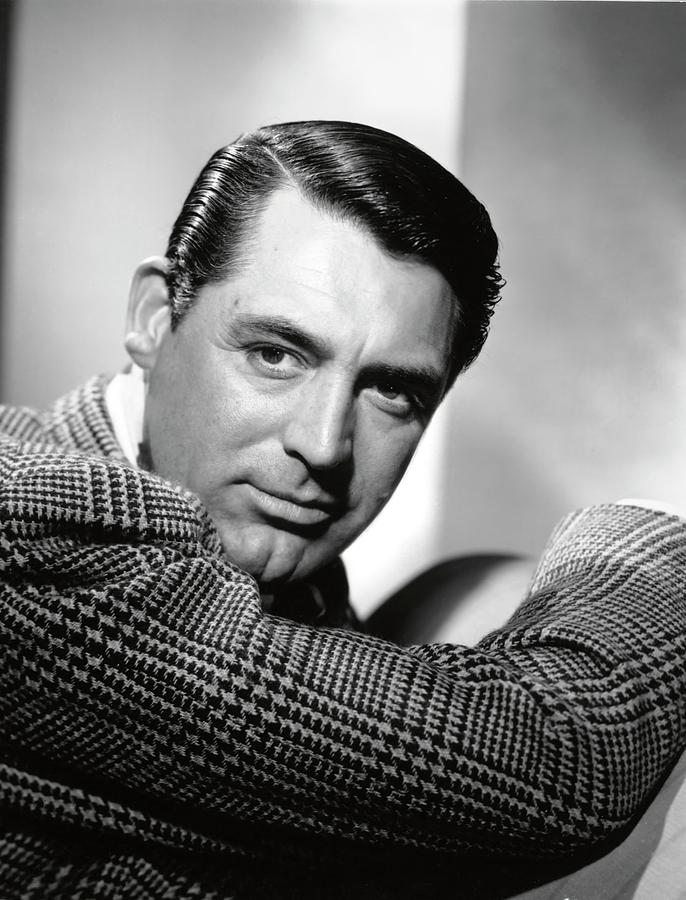
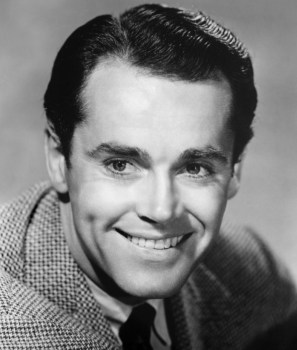
By this point, the title of the film was It’s A Wonderful Life, and its lead character named George Bailey. When RKO bought the rights, they saw Cary Grant as the perfect George, but Capra wasn’t convinced. He considered Henry Fonda, but only really wanted one actor…
9/47
9/47
Hollywood superstar James Stewart had also recently returned from serving in the war, and Capra wanted him. He met with Stewart’s agent, Lew Wasserman, who reportedly said Stewart would gladly play the part without hearing the story.
10/47
10/47

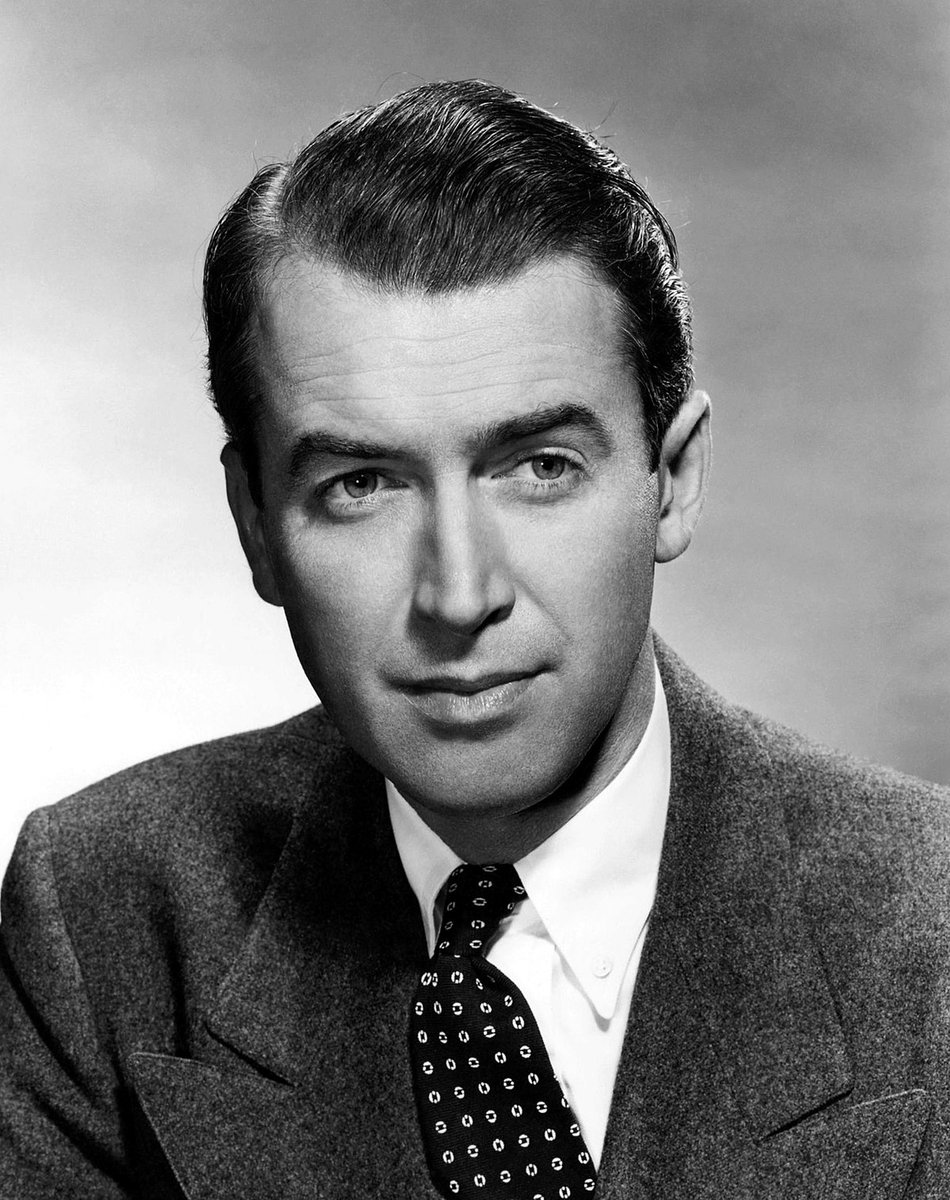
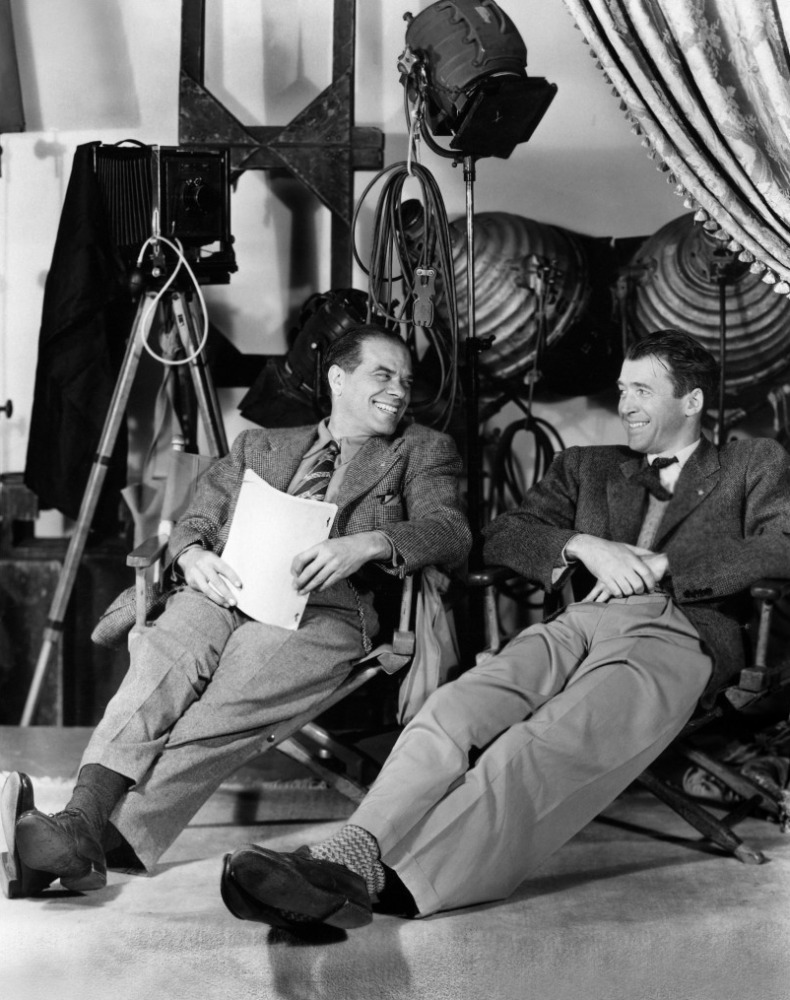
Capra and Stewart met at a restaurant and Capra pitched the story, saying afterwards “Actually, this doesn’t sound good, does it?” Stewart replied “If you want me to be a guy that wants to kill himself and an angel comes down who can’t swim, when do we start?”
11/47
11/47
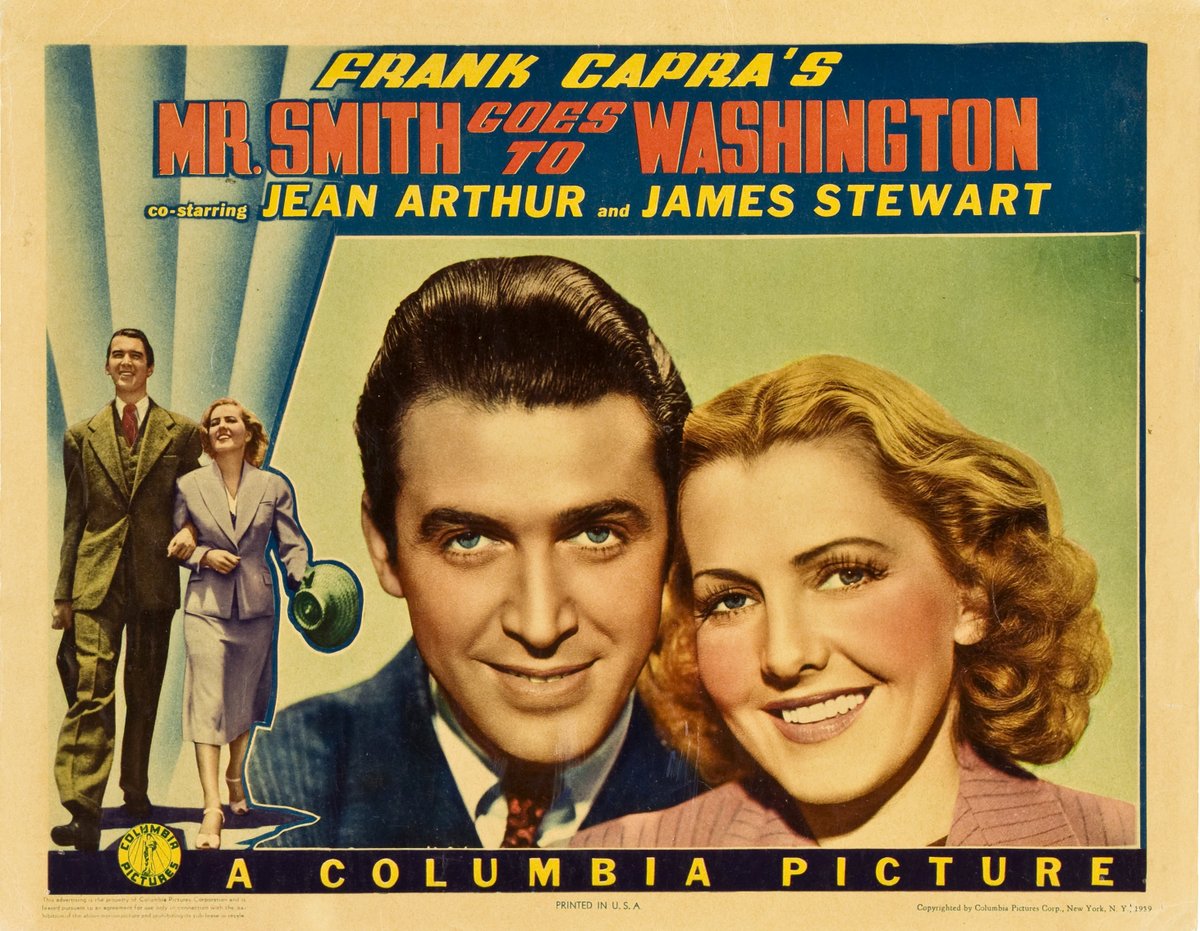
In casting George’s wife, Mary, Capra turned to Jean Arthur. He’d worked with her on You Can’t Take It With You and Mr Smith Goes To Washington, and thought her perfect. However, Arthur had recently pulled out of a Broadway play with exhaustion, so said no.
12/47
12/47
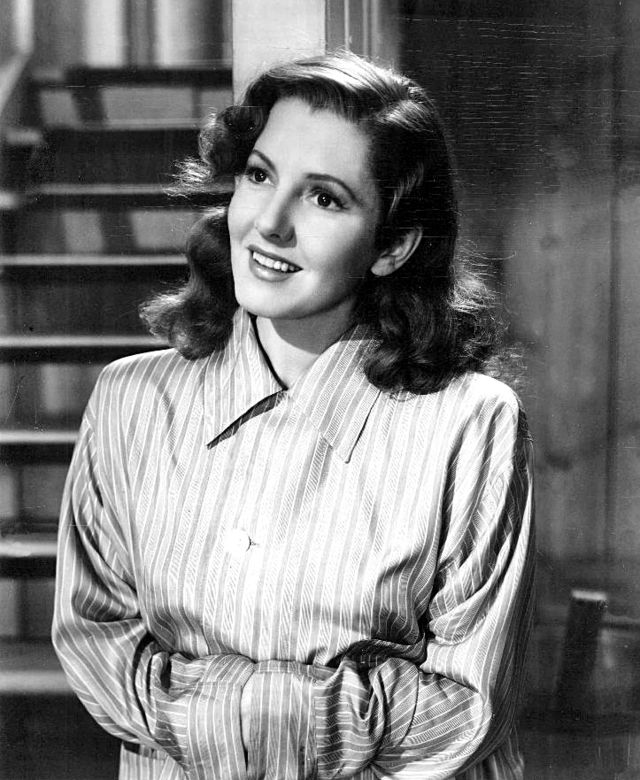
Martha Scott, Ann Dvorak and Olivia De Havilland were also considered to play Mary, and Ginger Rogers turned it down because Mary was too bland. In her autobiography, Rogers later wrote about turning the part down: “Foolish, you say?”
13/47
13/47
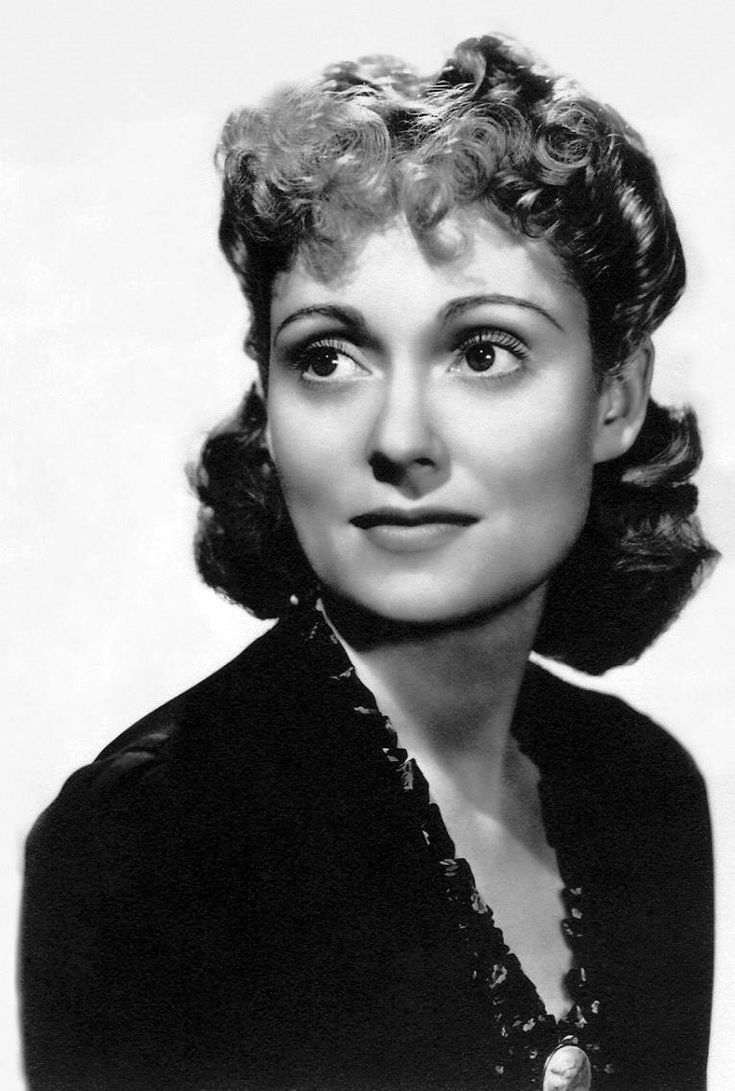
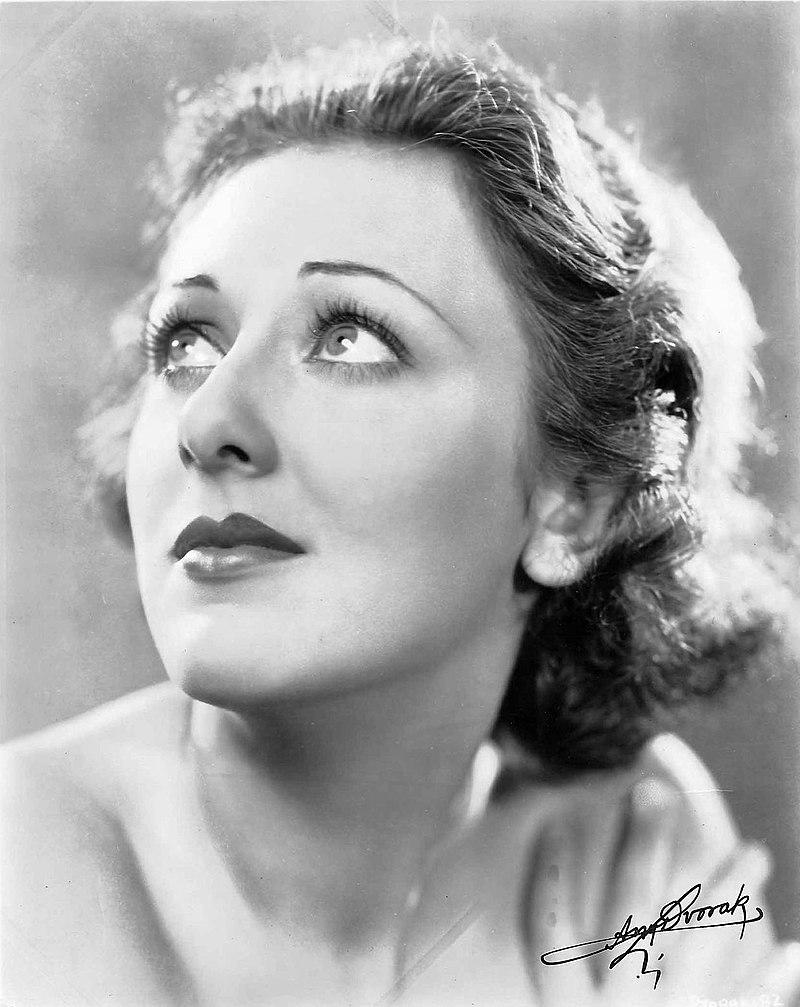
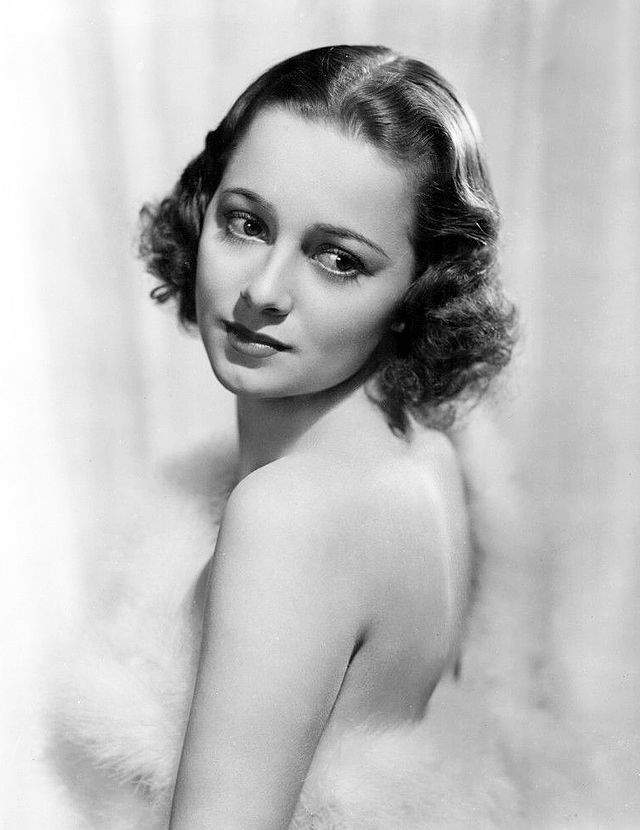
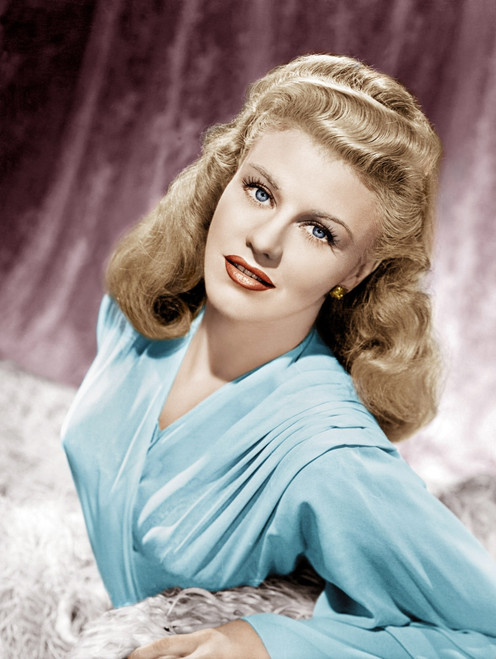
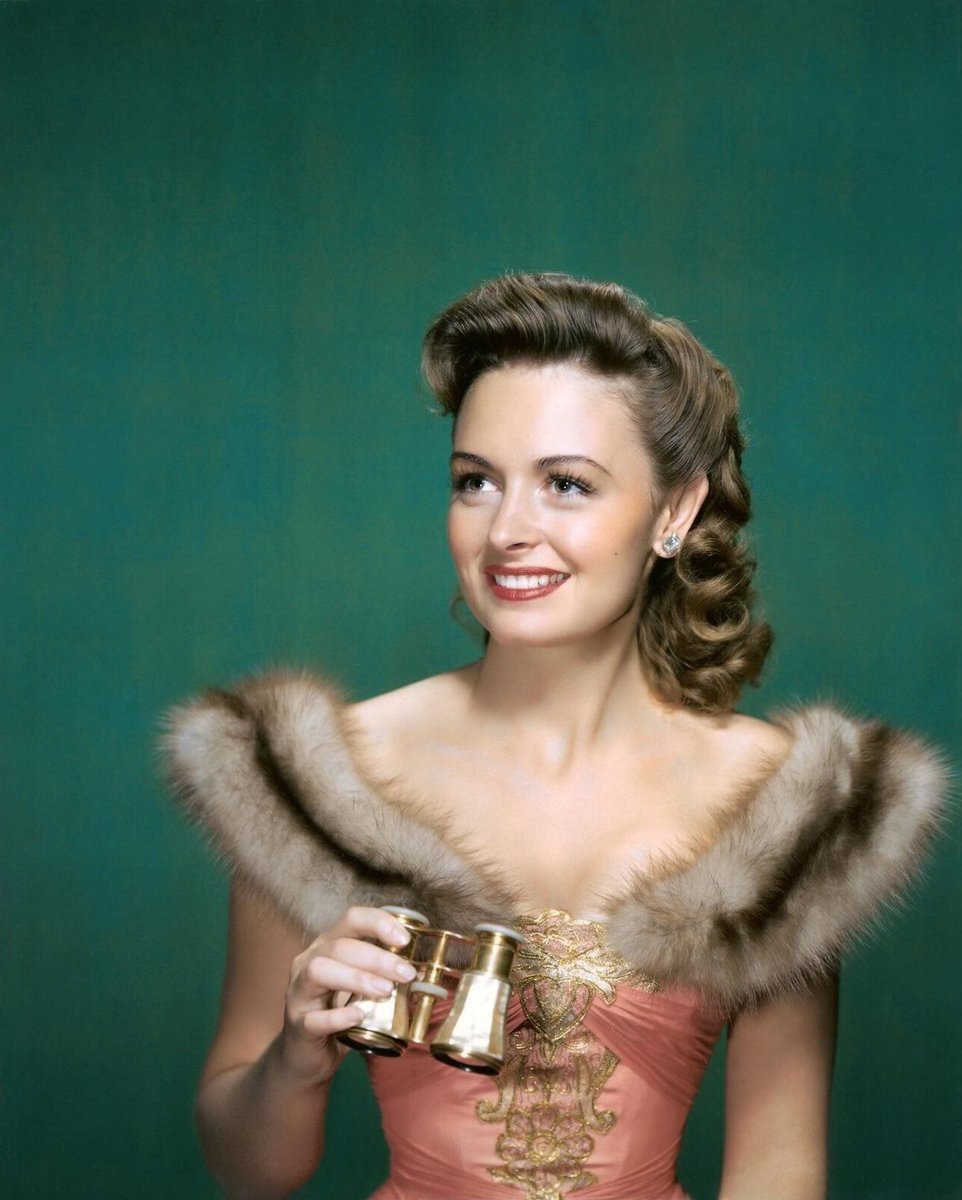
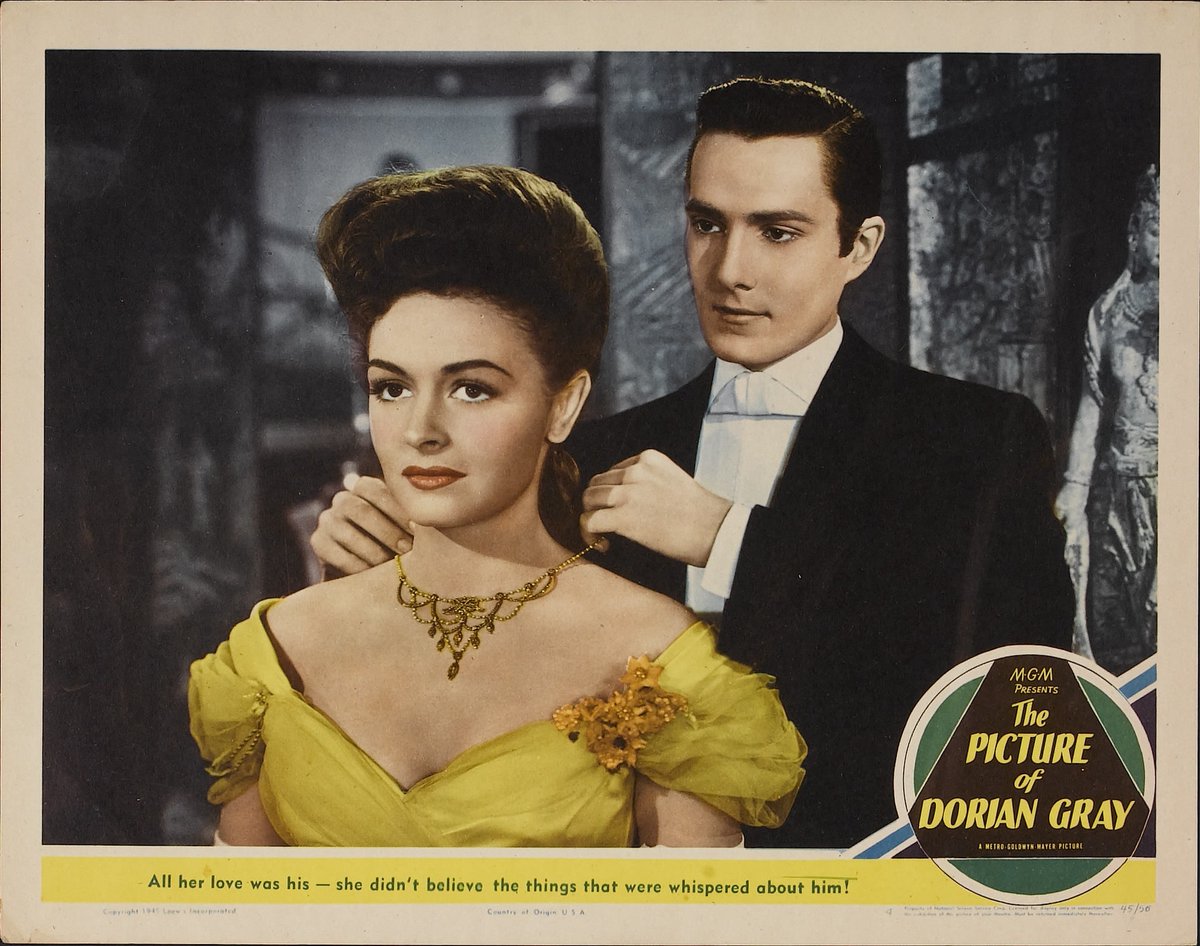
Donna Reed was an up-and-coming actress who had recently starred in The Picture Of Dorian Gray. She was under contract at MGM at the time but after some studio negotiations, MGM agreed to loan her to Capra for his film.
14/47
14/47
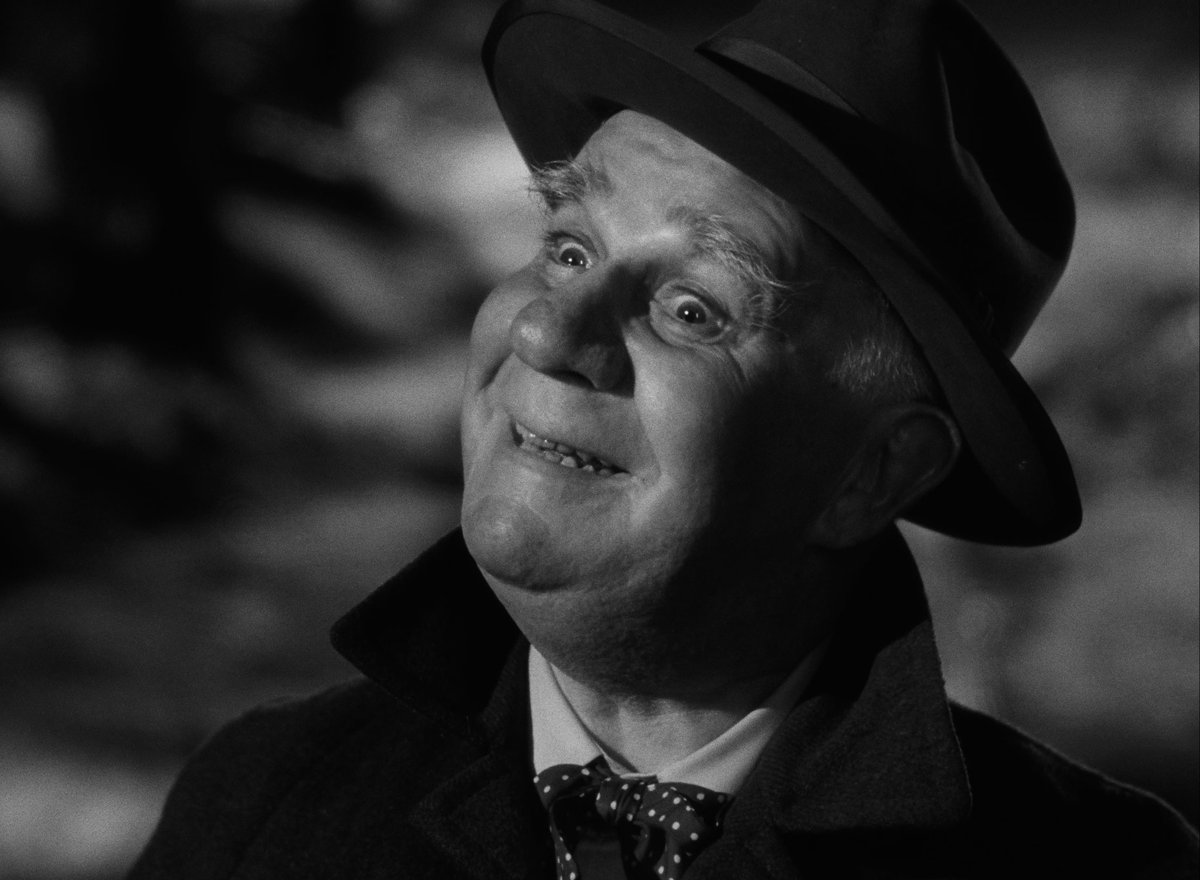
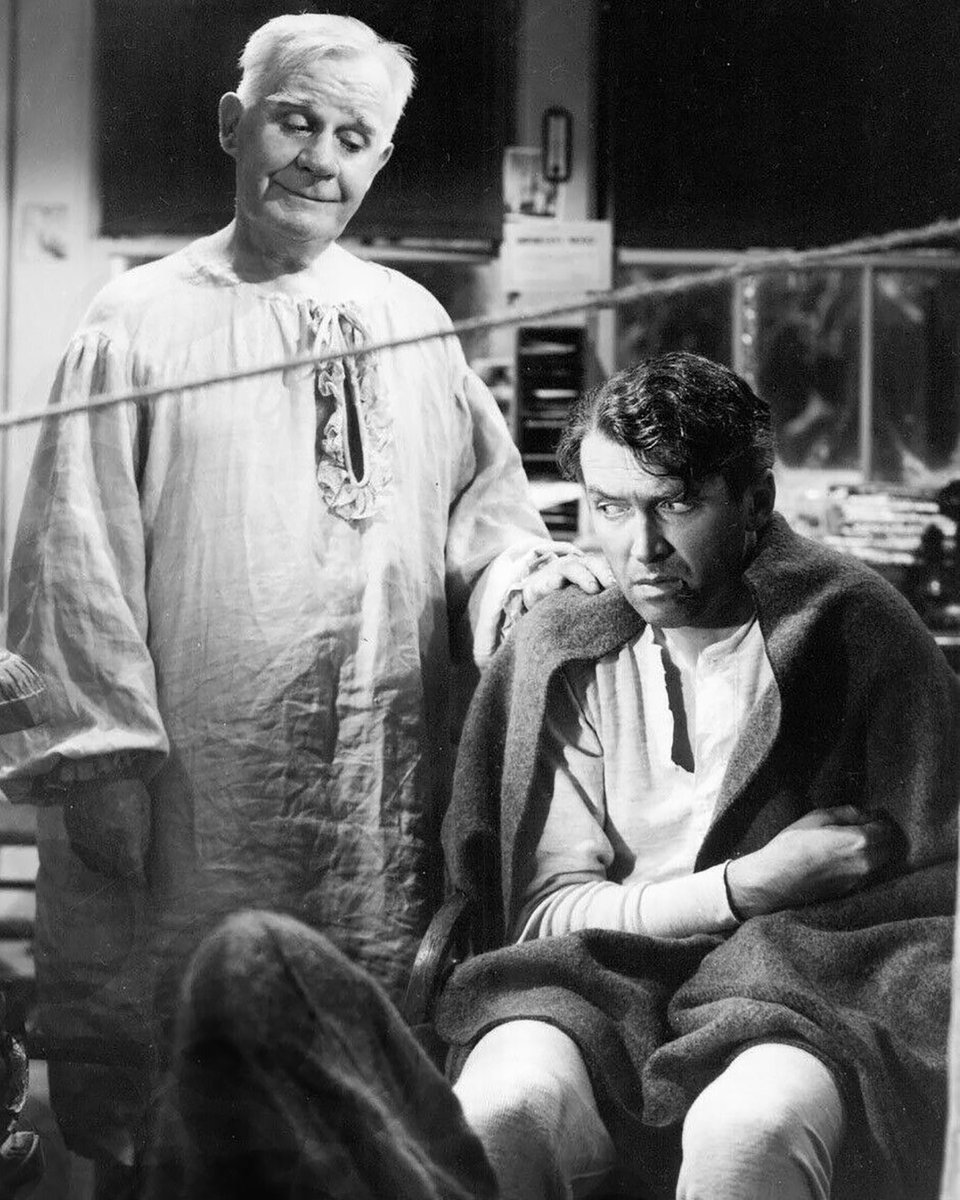
In the original story, George was helped out by “a stranger.” In the film though, the character became Clarence Odbody, a guardian angel seeking his wings. Film and stage actor Henry Travers was cast in the role.
15/47
15/47
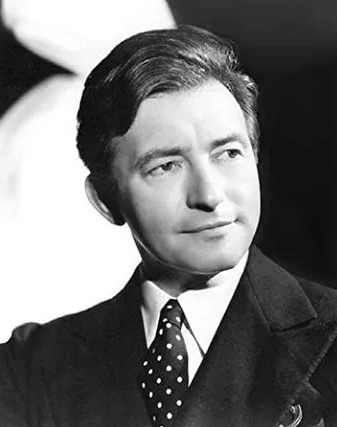
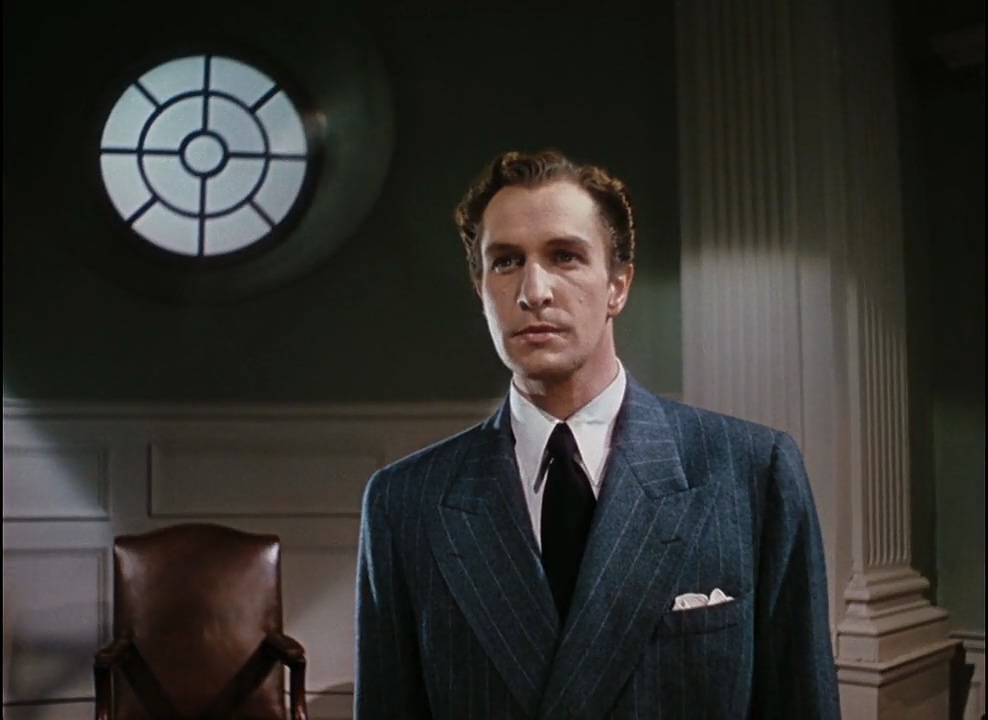
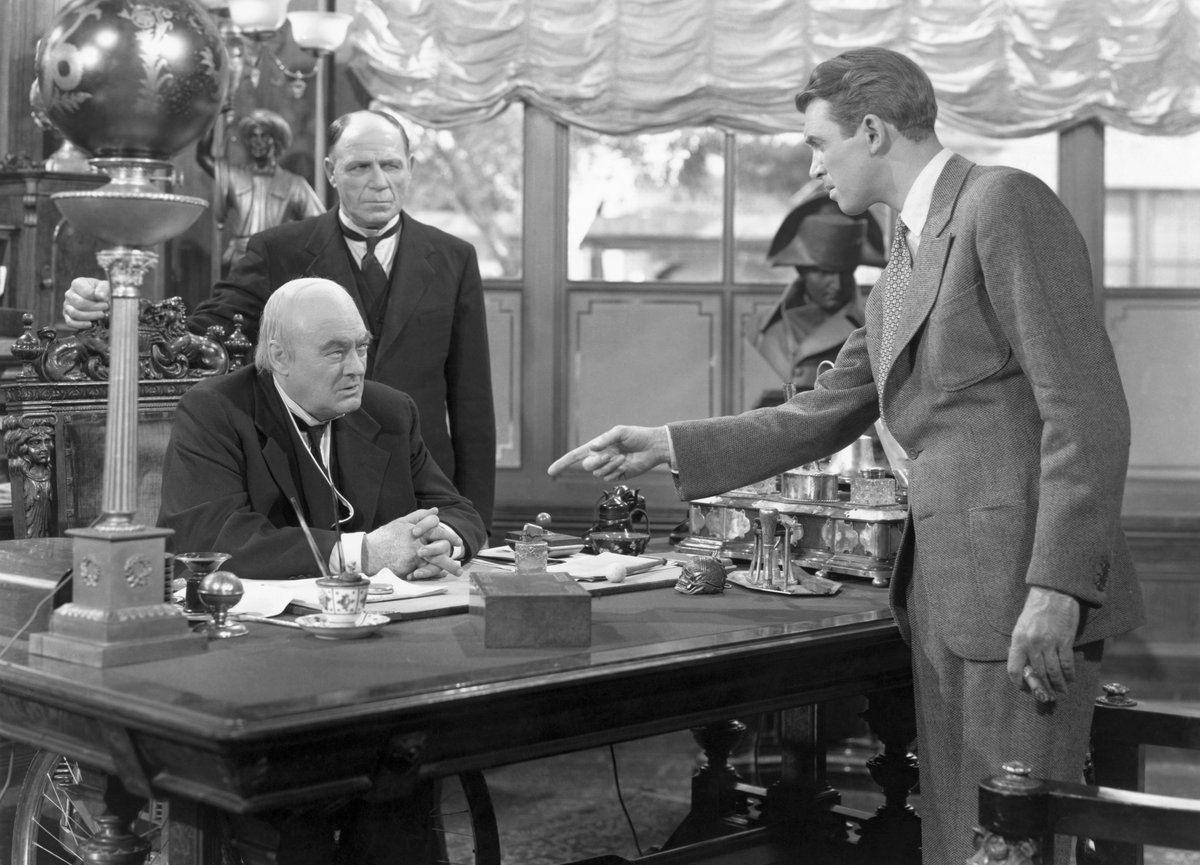
The antagonist of the film is local baron Henry Potter. Claude Rains and Vincent Price were both up for the role but, after hearing Lionel Barrymore’s radio portrayal of Ebeneezer Scrooge, Capra cast him in the part.
16/47
16/47
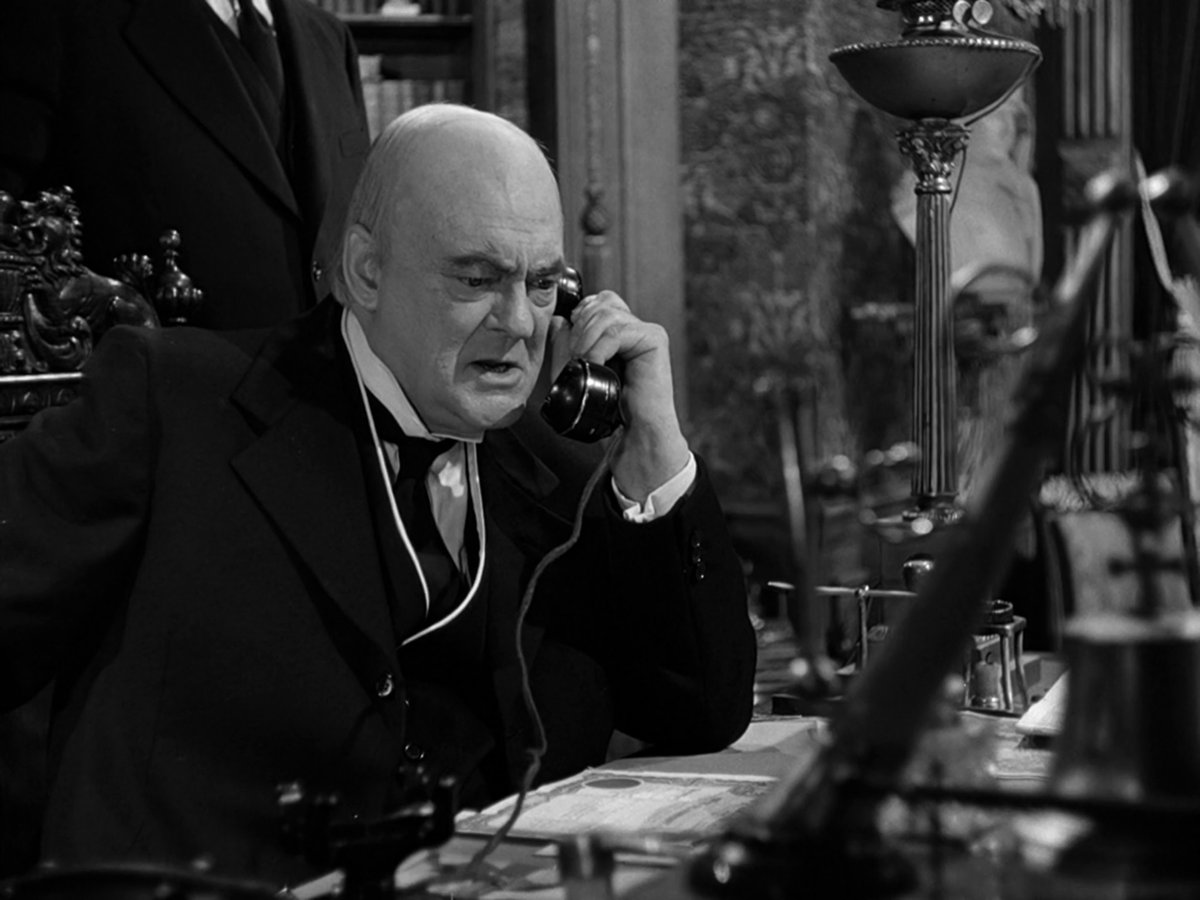
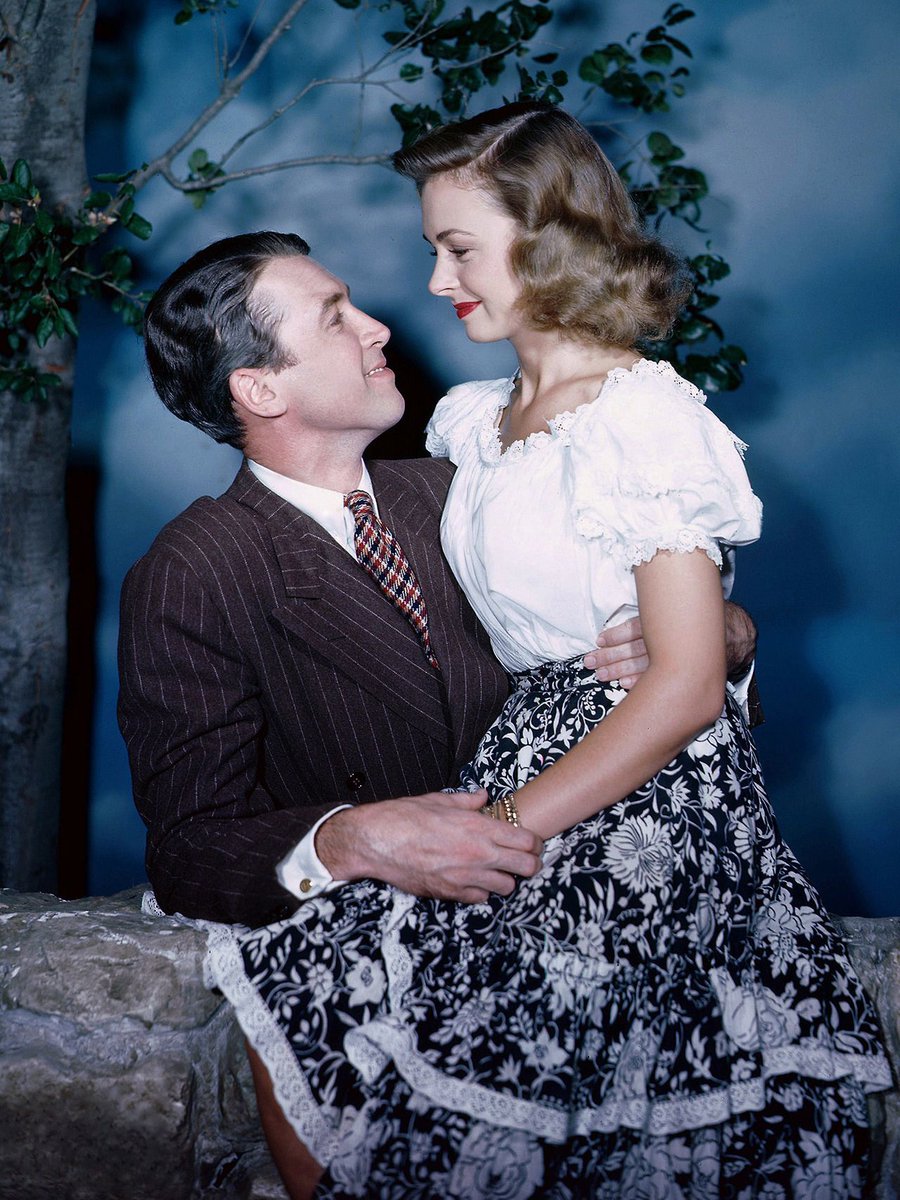
Donna Reed grew up on a farm in Iowa and, as such, Barrymore challenged her to a cow-milking contest on the set. Reed won easily and said it was the easiest $50 she ever made.
17/47
17/47
George’s mother, Ma Bailey, was played by Beulah Bondi, an actress who played James Stewart’s mother 5 times on screen, including in Mr Smith Goes To Washington. Apparently, Stewart called Bondi “Mom” until her Passing in 1981.
18/47
18/47
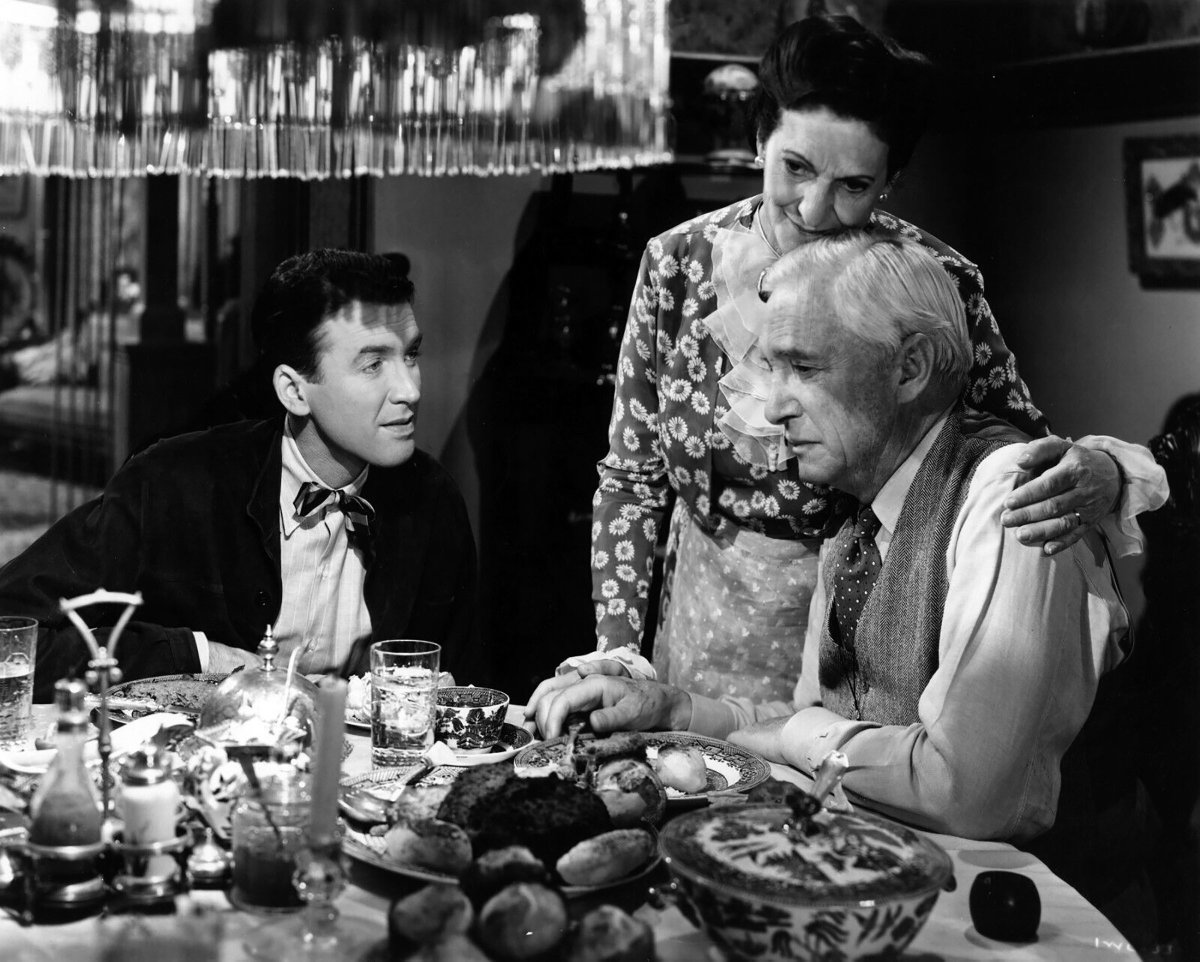
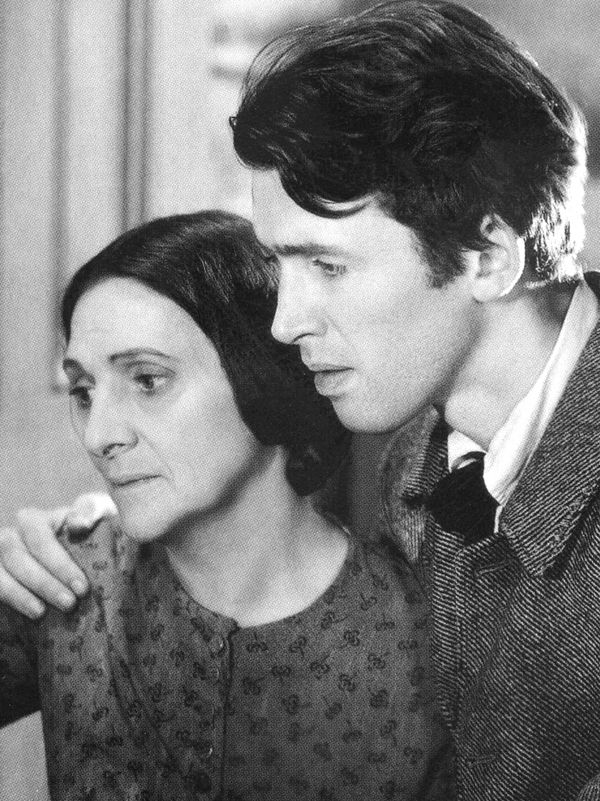
In Dalton Trumbo’s early draft, George Bailey was a cynical politician who tried to commit suicide after losing an election. Clarence then showed him Bedford Falls, not as it would be if he’d never been born, but if he had gone into business instead of politics.
19/47
19/47
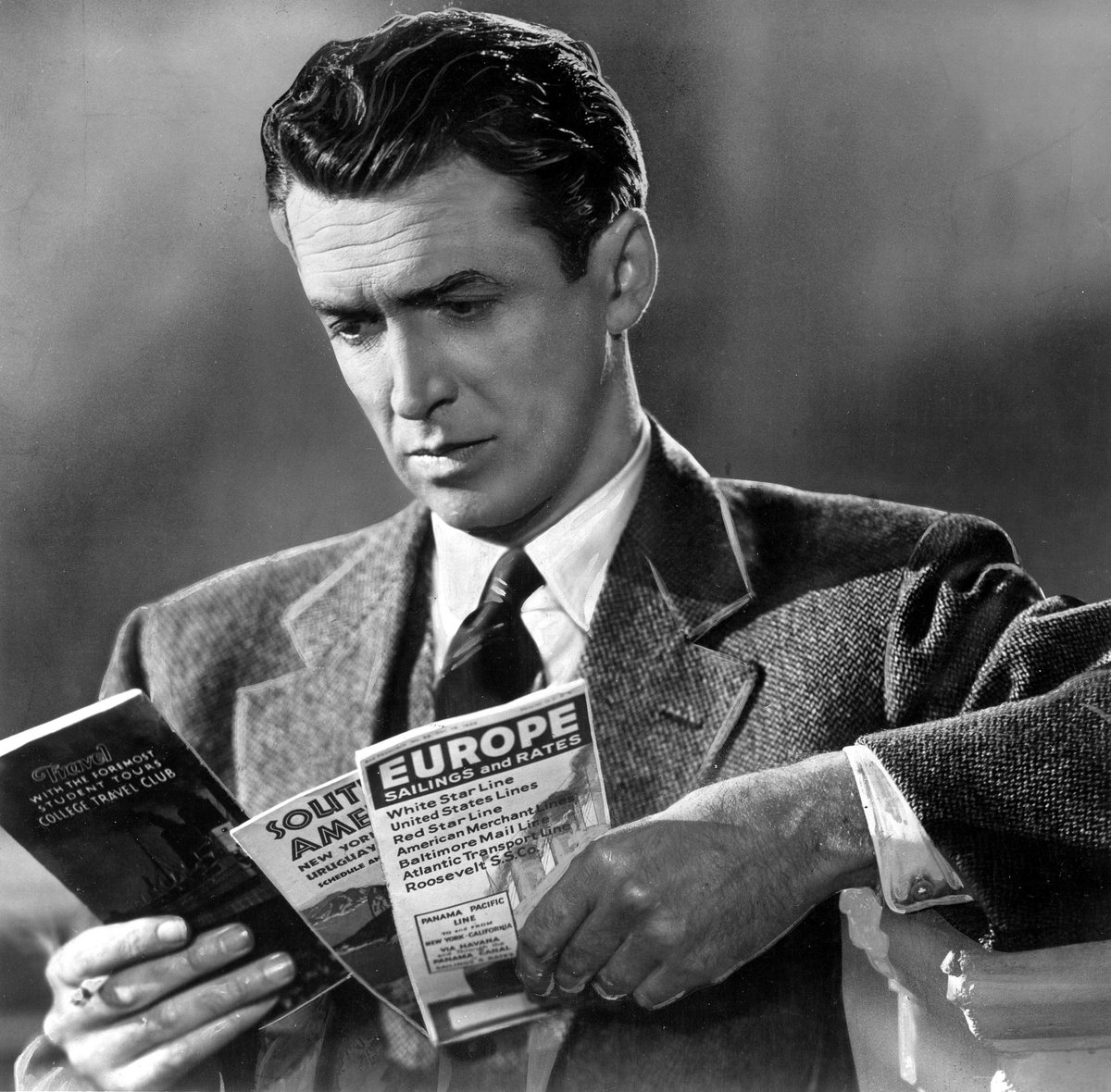
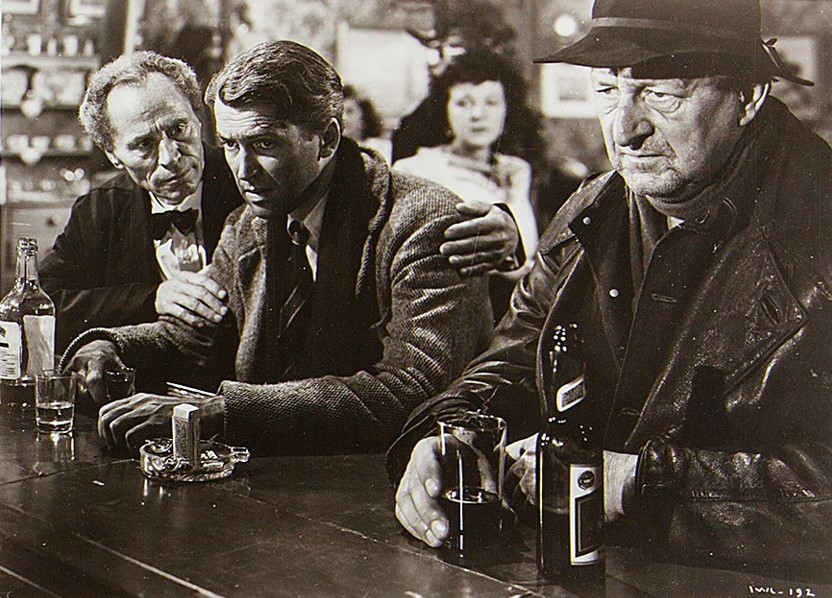
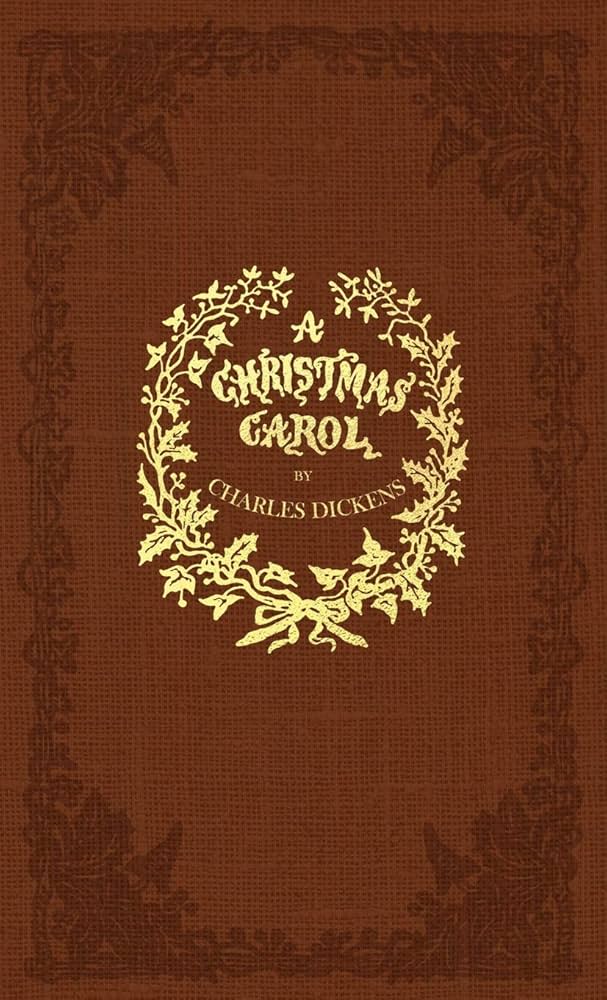
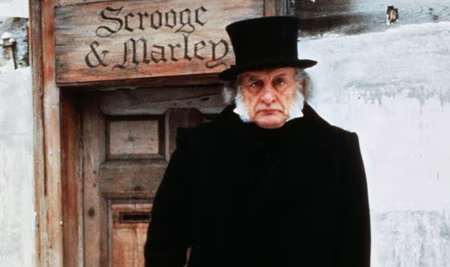
The story takes influence from Charles Dickens’ A Christmas Carol. George being shown Bedford Falls without him has similarities to Ebeneezer Scrooge being visited by the three Ghosts of Christmas. And Potter is clearly inspired by the miserly Scrooge.
20/47
20/47
Capra also inserted elements of his own life. George’s brother, Harry (Todd Karns), becomes an engineer and George’s friend, Sam (Frank Albertson), works in plastics. These both come from Capra’s education in chemical engineering.
21/47
21/47
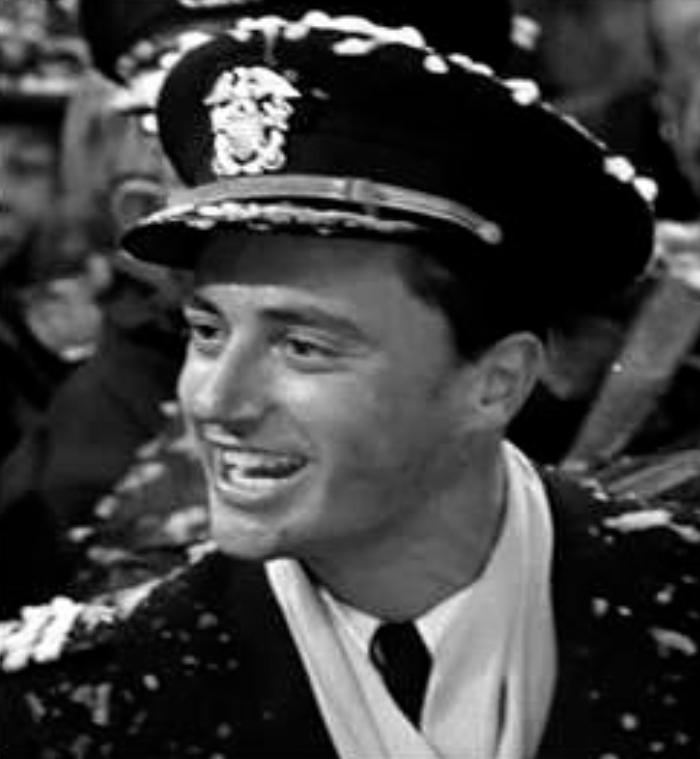
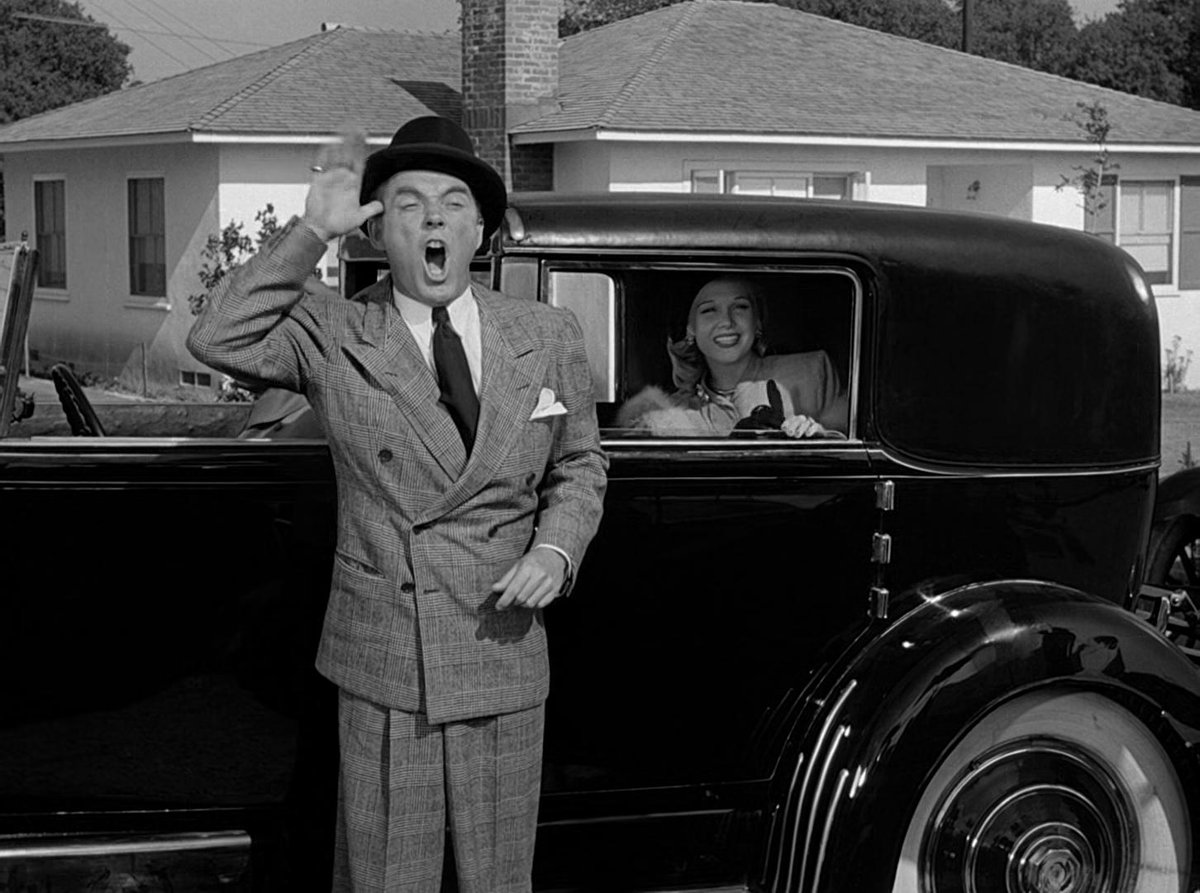
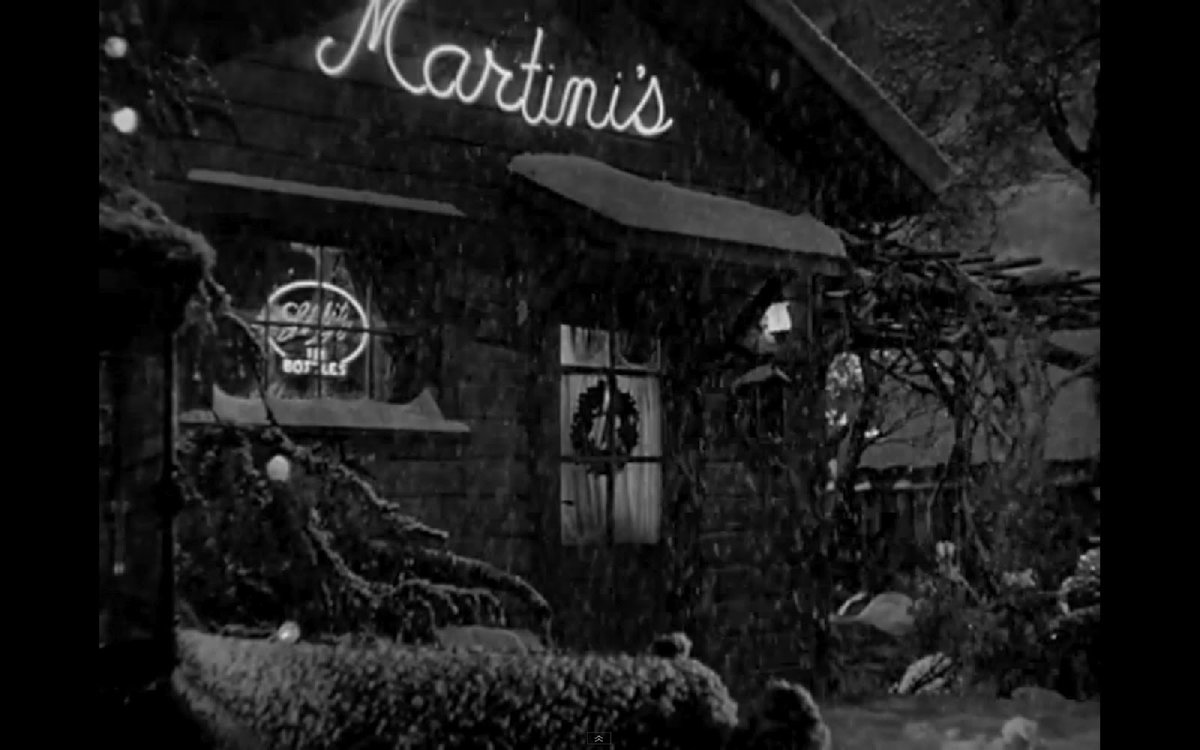
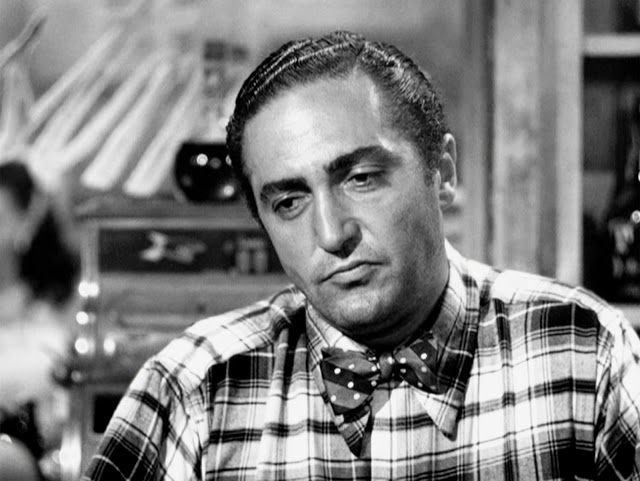
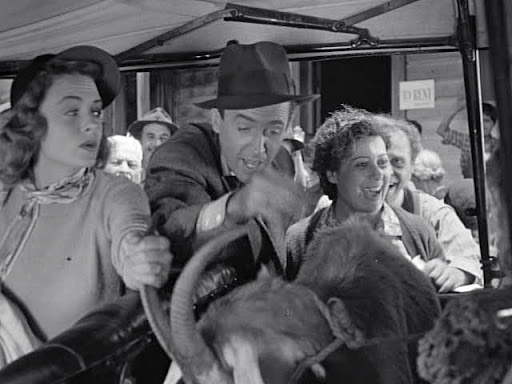
The Martinis, who own the bar George visits, are based on Capra’s own family, who emigrated to the US from Sicily in 1903. In the movie, we see a goat in their car. ‘Capra’ means ‘goat’ in Italian.
22/47
22/47
In creating the character of George, Capra took inspiration from Amadeo Giannini, a banker who started the Bank of Italy, which became the Bank of America. He was one of the first bankers to offer services to the working class and immigrants in America.
23/47
23/47
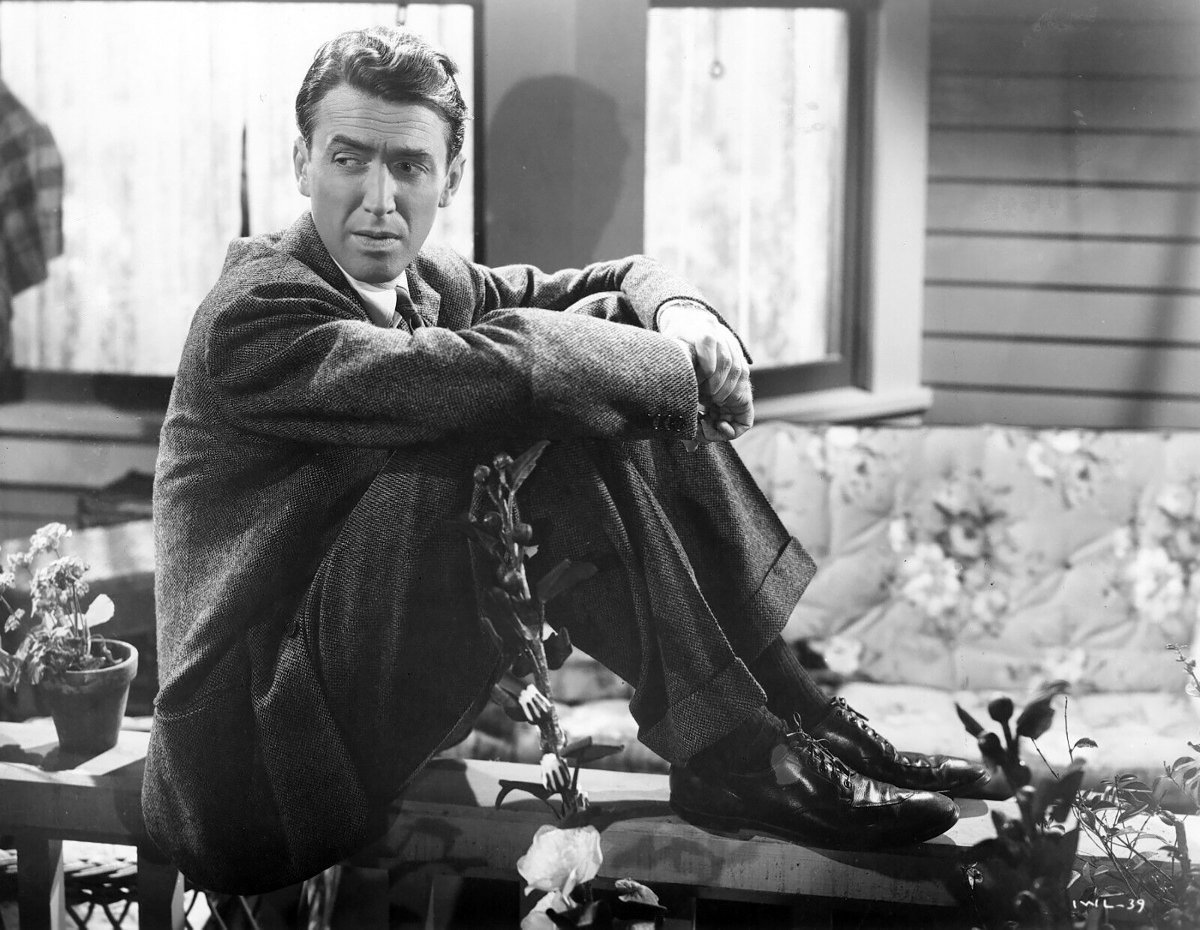
There were many changes from the book to the film. In the book, George’s surname is Pratt, not Bailey. Also in the novel, we never find out why George wants to kill himself – the story starts on the bridge. And Potter was created for the film.
24/47
24/47
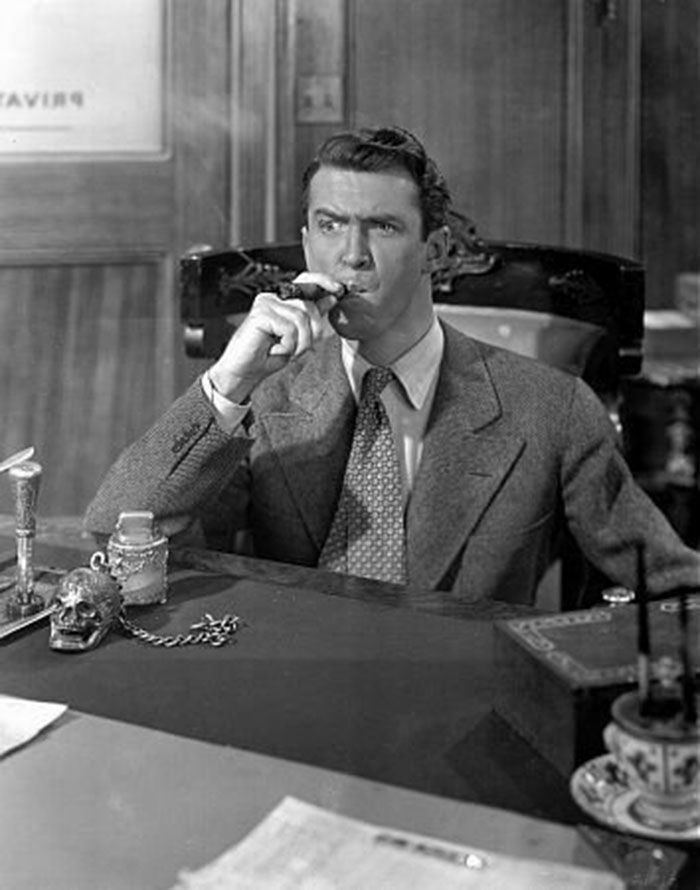
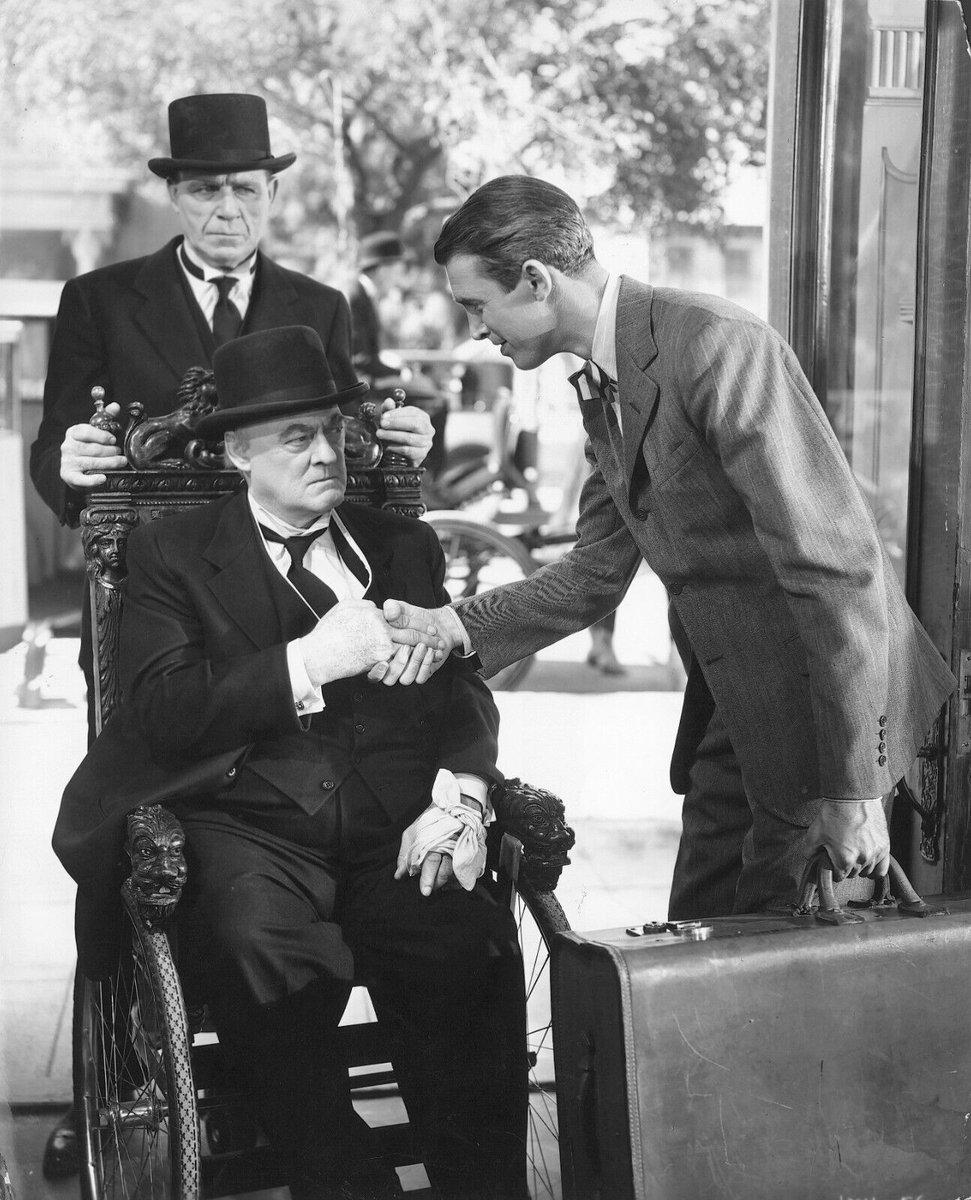
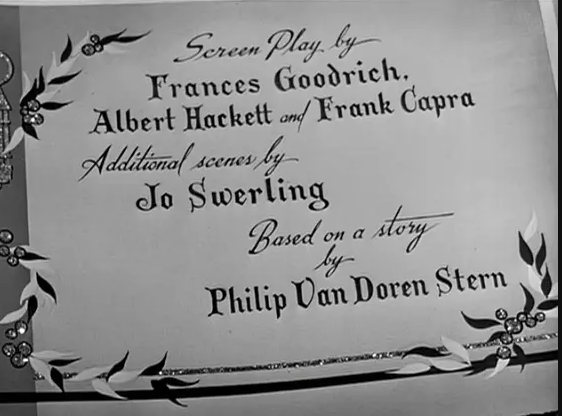
After the issues writing the film, there were problems when it came to assigning accreditation. Albert Hackett and Frances Goodrich wanted sole credit. Capra agreed to reducing Jo Swerling’s credit, but not his own. And Swerling never spoke to him again.
25/47
25/47
There were fallout surrounding the Director of Photography too. The film had 3 DPs in total. First, Capra hired the experienced Victor Milner but fired him after a few weeks as he wasn’t happy with how the film was looking. Almost everything was re-shot.
26/47
26/47
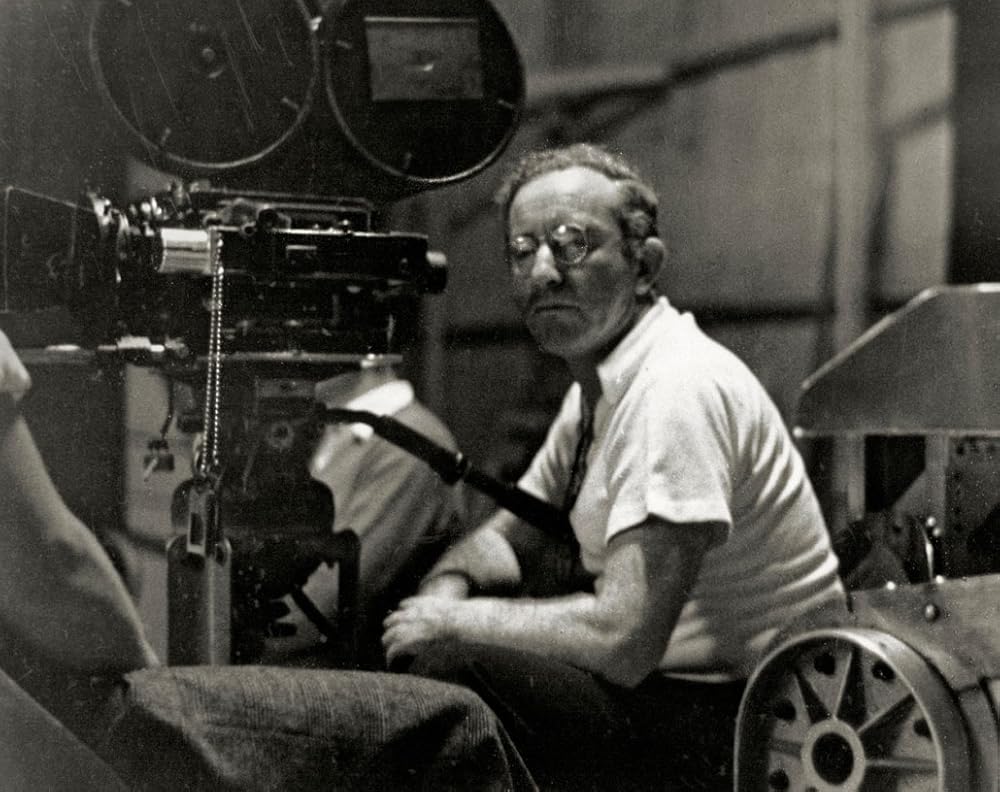
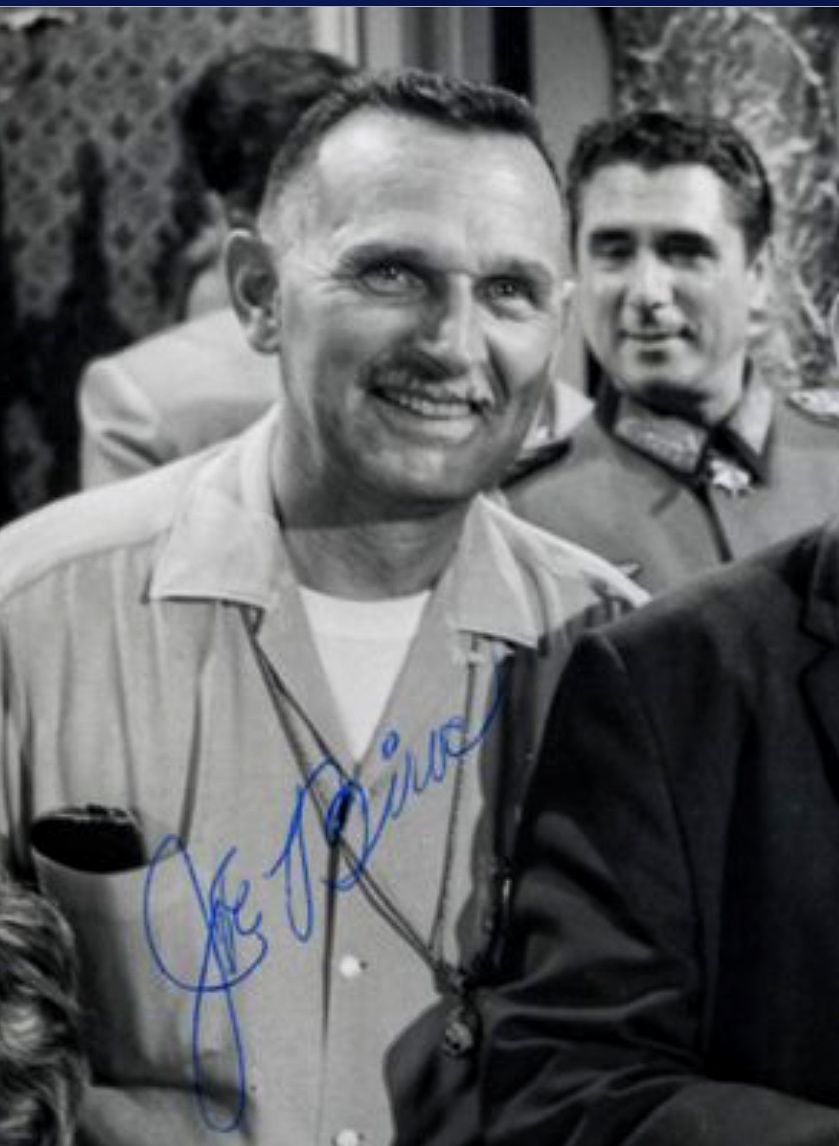
Capra turned to his trusted collaborator Joseph Walker, having worked with him 20 times before. However, after a disagreement over lighting, Walker was fired mid-shoot and his assistant, Joseph Biroc, was promoted to DP to complete the film.
27/47
27/47
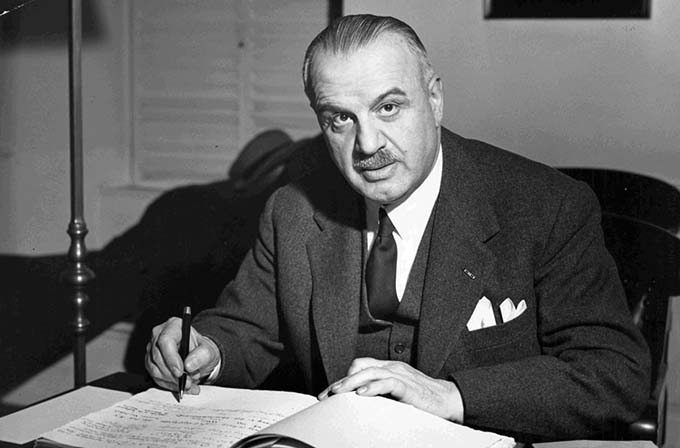
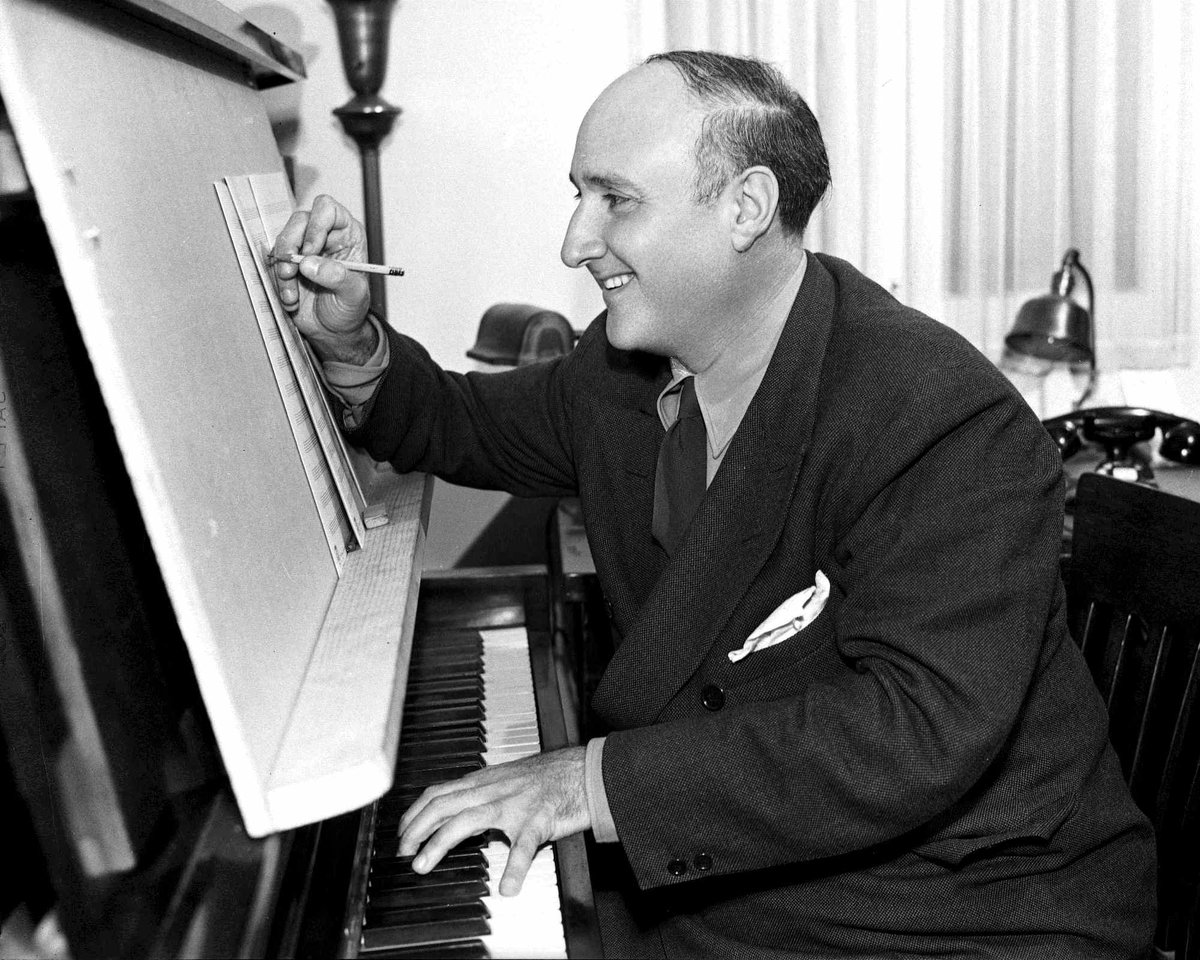
The music was written by Dmitri Tiomkin, a 2-time Oscar-nominated composer. Capra wasn’t keen on some of the cues Tiomkin wrote so replaced them with stock RKO music or removed them entirely. In his autobiography, Tiomkin called the film “A scissors job.”
28/47
28/47
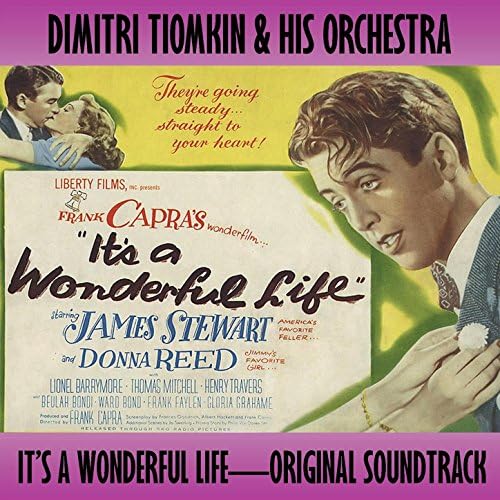
The film was shot in California during a summer heatwave. It got so hot that at one point Capra had to give the cast and crew a day off. And in the scene where George runs through Bedford Falls shouting “Merry Christmas”, we see sweat glistening on Stewart’s face.
29/47
29/47
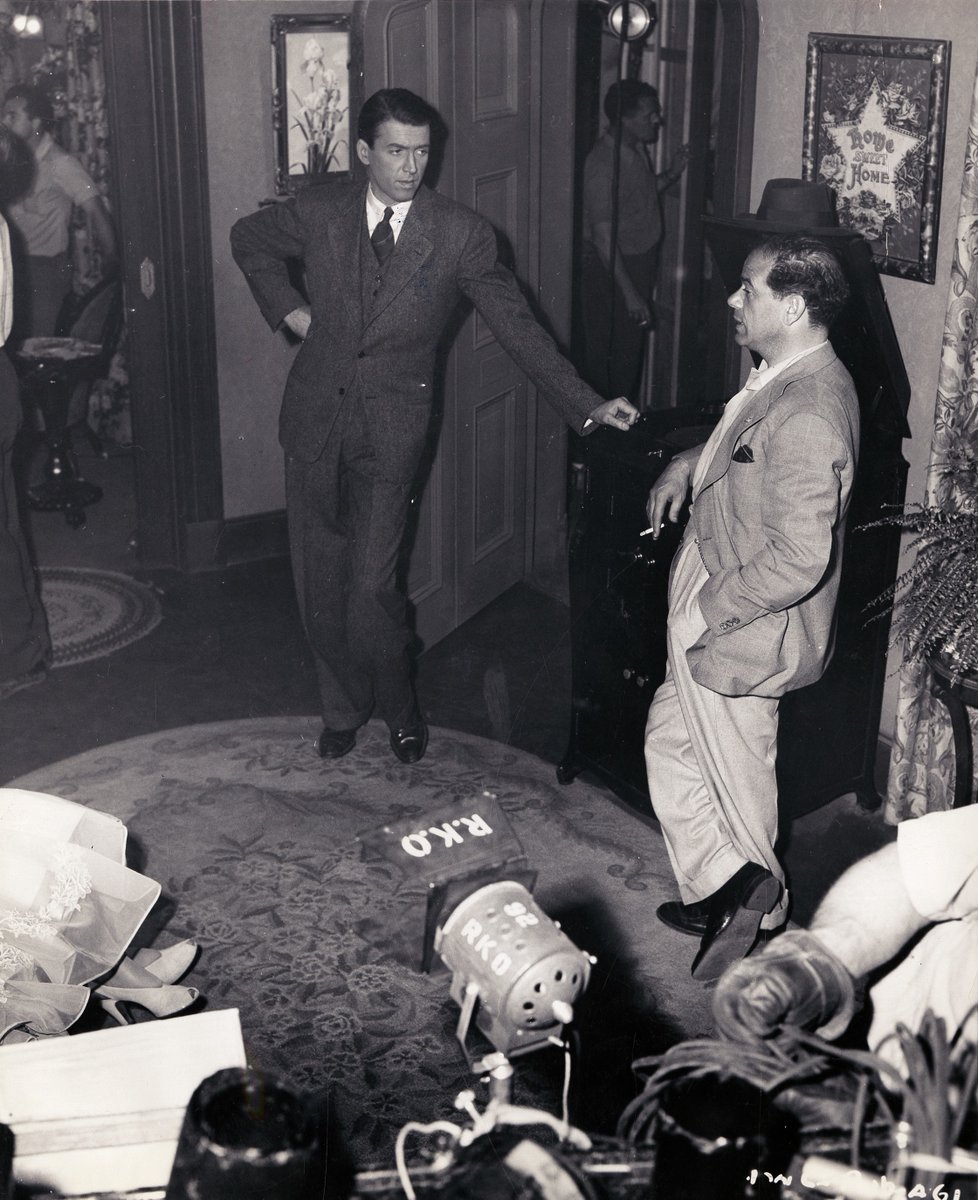
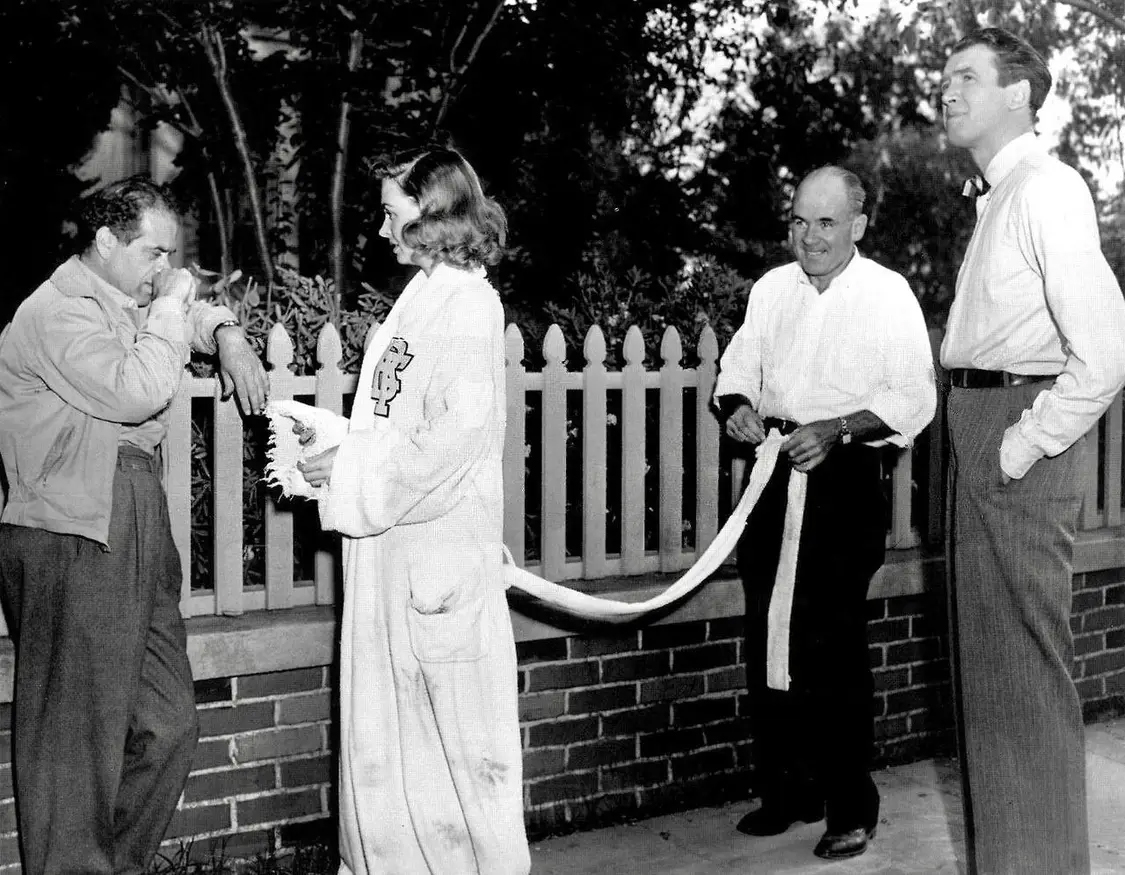
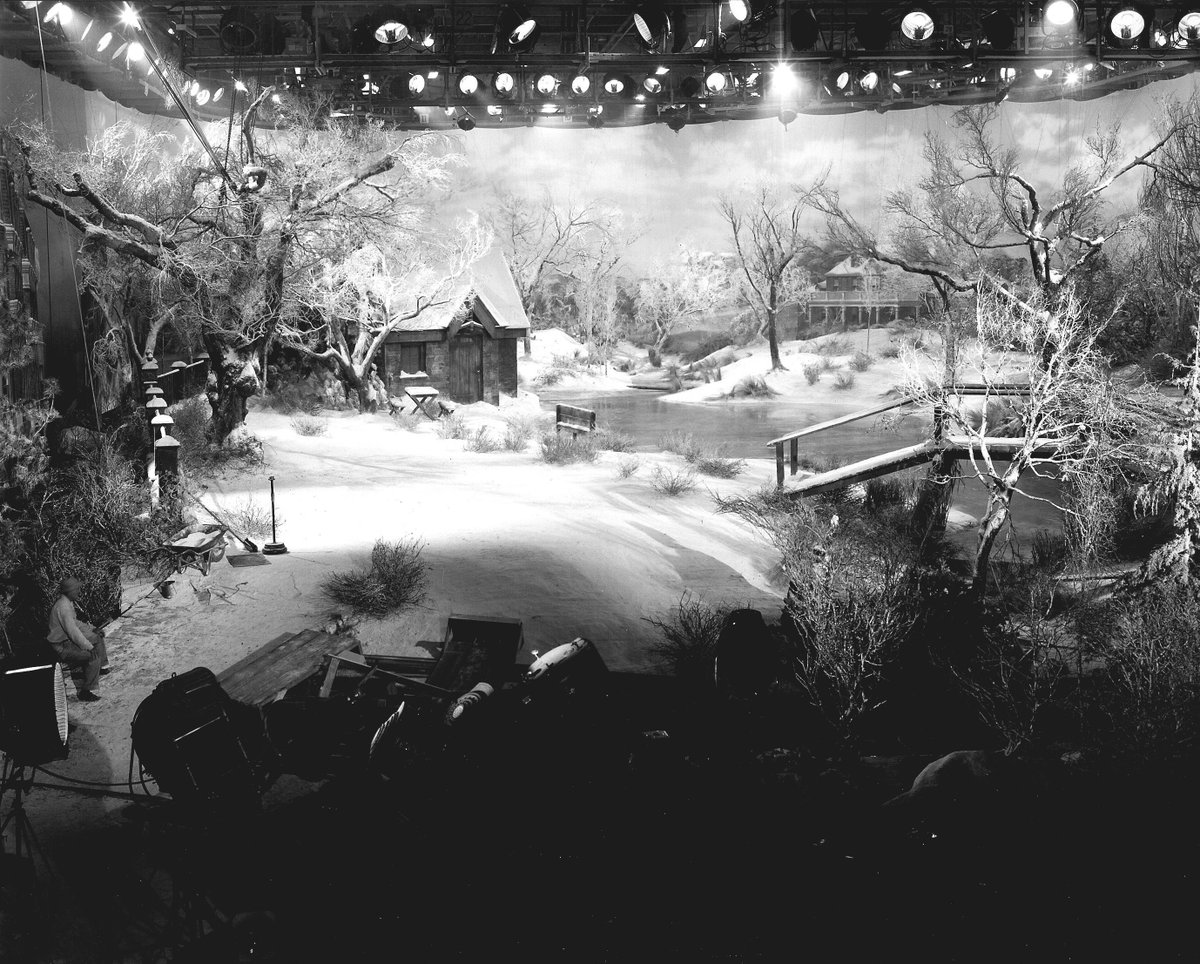
The film opens with a young George sledging on a lake. It was filmed on a huge indoor set but originally, the boys were playing ice hockey on a lake which was part of Potter’s property, causing Potter to release his dogs. This was what caused Harry to fall into the ice.
30/47
30/47
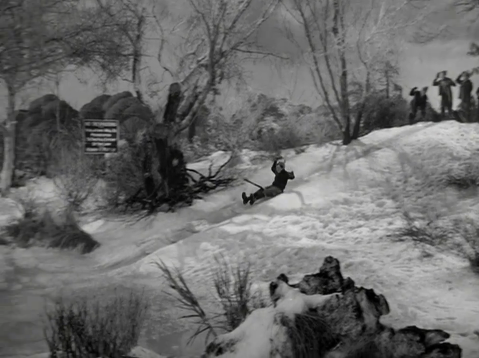
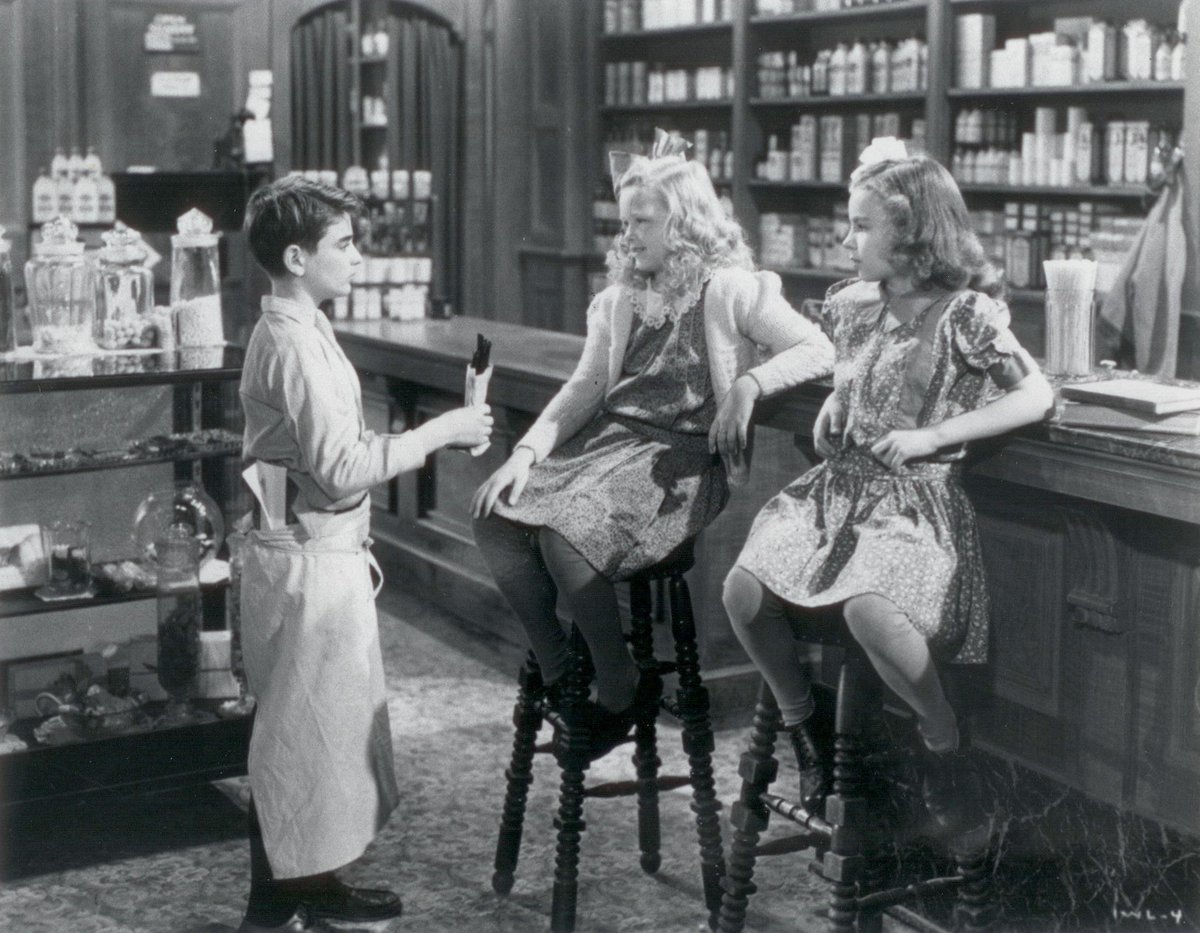
Young George was played by Robert J. Anderson, and he later said that when they filmed the scene when Mr Gower (H.B. Warner) slaps George on the ear, Warner got drunk for real and the slaps and hugs were al real.
31/47
31/47

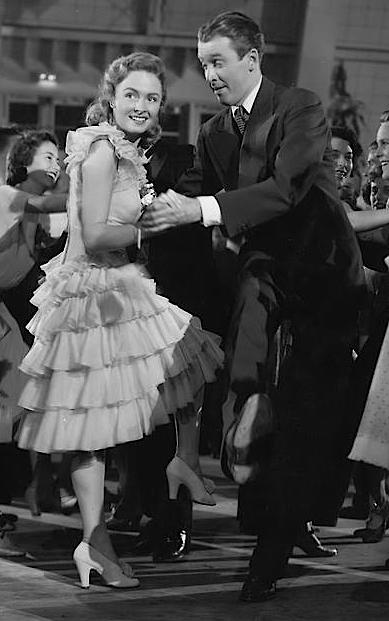
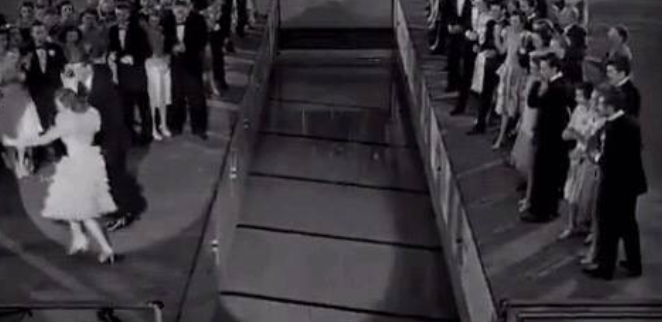
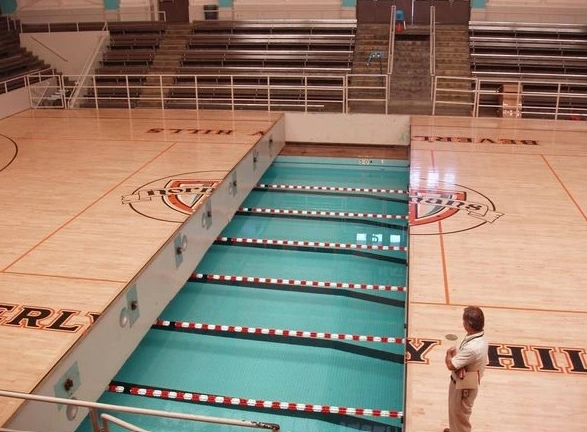
The high school dance sequence was filmed at Beverly Hills High School. It’s still there, and used by students, to this day. And the retractable floor was also used in a rom-com called Whatever It Takes in 2000, in a very similar scene.
32/47
32/47
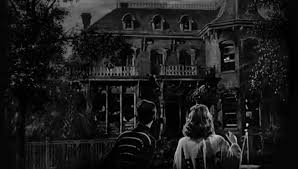
To film the scene when George and Mary throw stones through the windows of an abandoned house, Capra had an ace marksman lined up to shoot out the window on cue. Donna Reed, though, had played baseball in high school, and did it herself without any help.
33/47
33/47
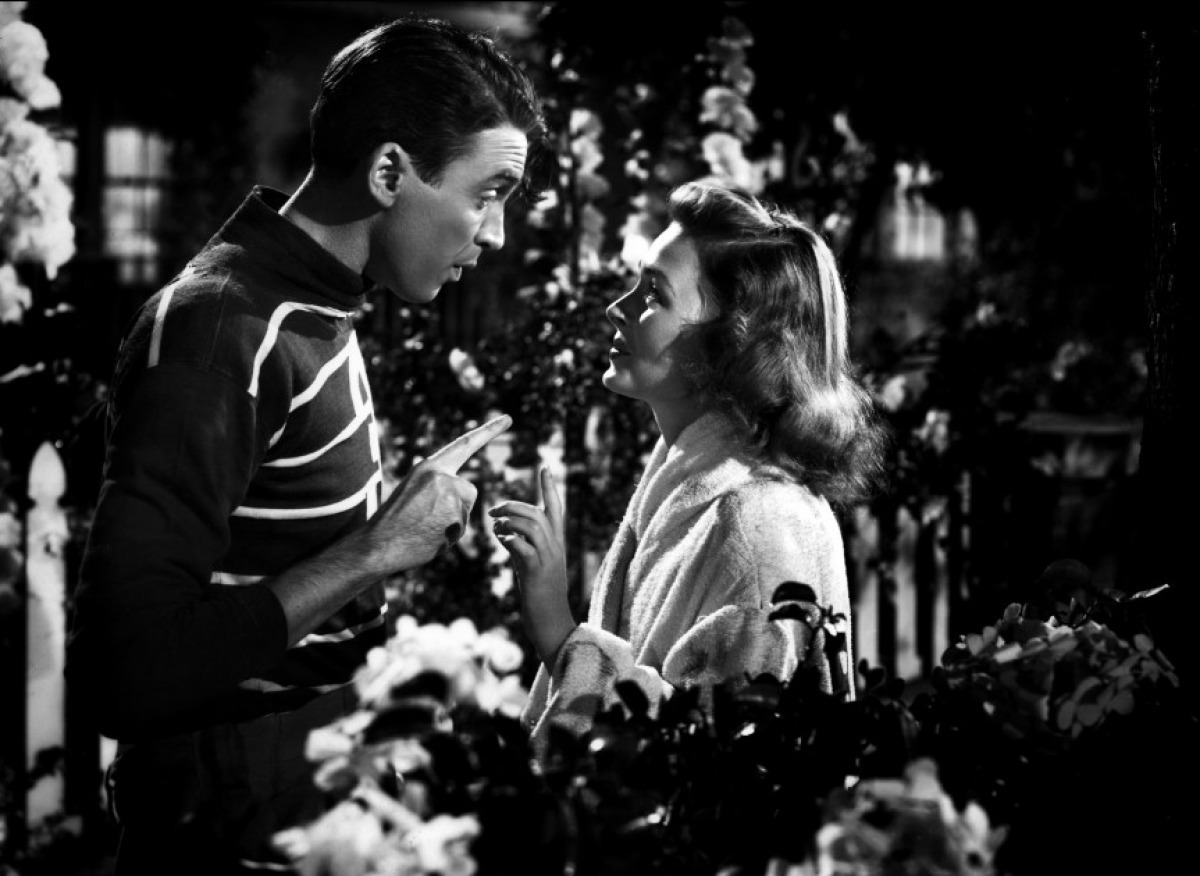
George and Mary’s first kiss takes place when George is on the phone to Sam. Capra filmed it in real time, so there was a unit filming Stewart and Reed, and a second unit filming Frank Albertson. And Reed, Stewart, and Albertson were really on the phone to each other.
34/47
34/47
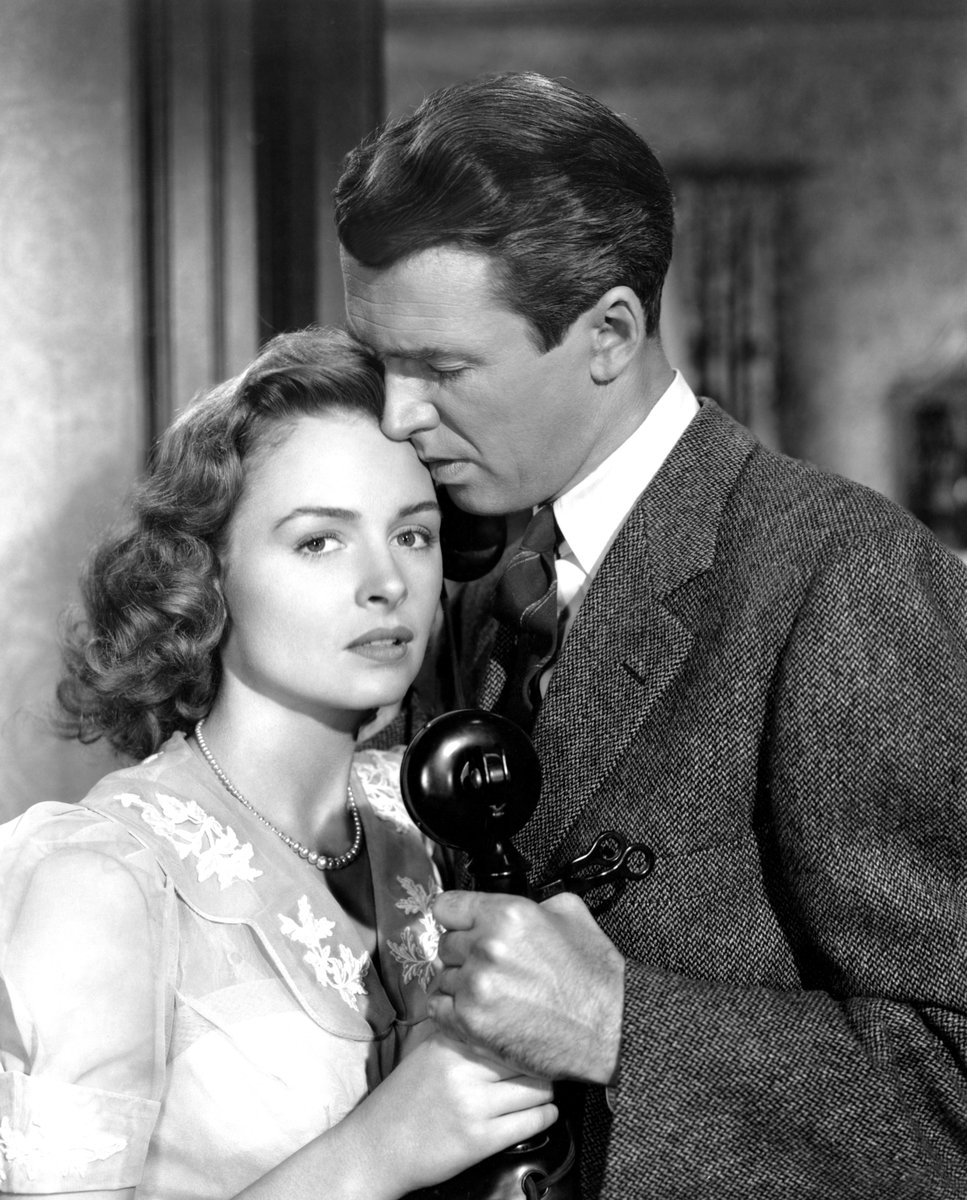
In one scene, Uncle Billy (Thomas Mitchell) leaves the Bailey home and, off-camera, we hear him stumble into some trash cans. In reality, a crew member dropped a tray of props just after Mitchell walked out of shot, and Mitchel improvised shouting “I’m aaaaaalright!”
35/47
35/47
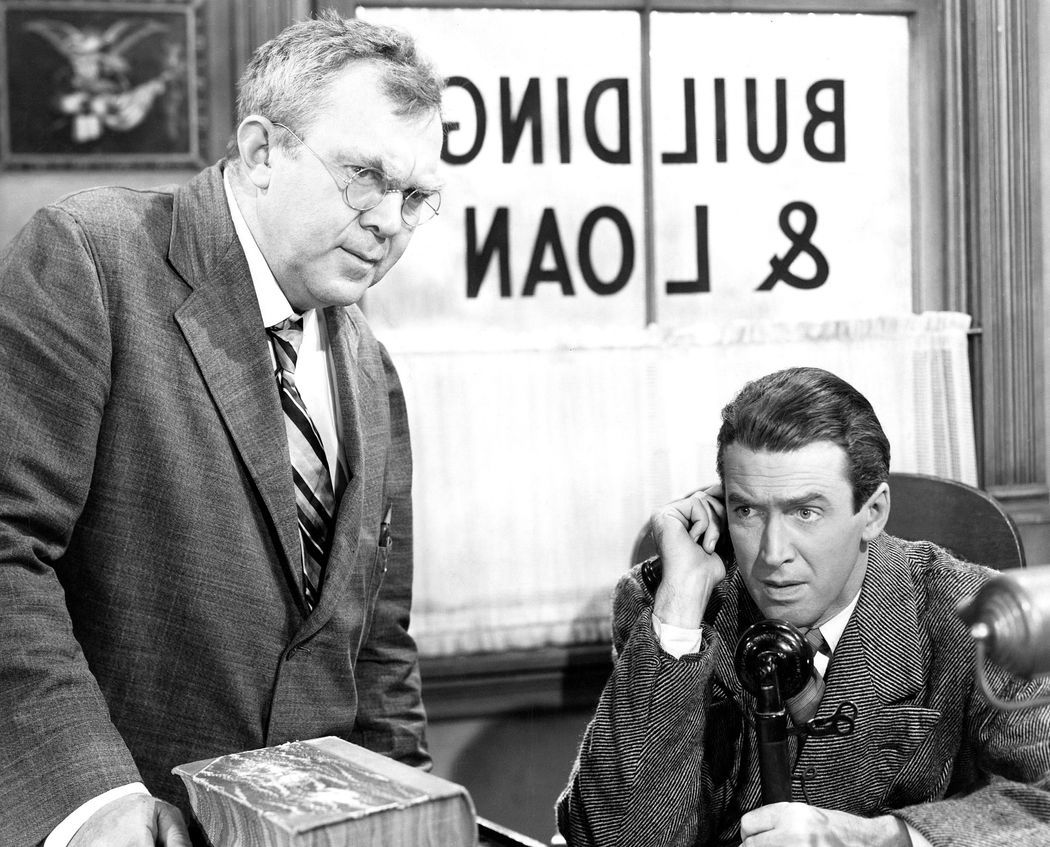
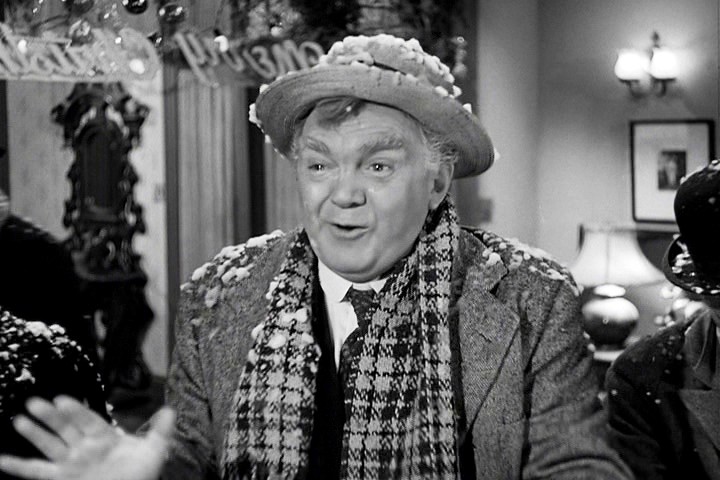
Capra used that take in the final cut and gave the crew member who dropped the props a $10 bonus for improving the sound. And if you watch carefully, we see George smile – that was Stewart smiling at Mitchell’s ad-lib.
36/47
36/47
During Wedding Day sequence in the bank, Ms. Davis (Ellen Corby) asks George for $17.50. It was in the script that she’d ask for $17, but Capra asked Corby, to ask for $17.50 instead. It took Stewart by surprise, and he improvised kissing her on the cheek in response.
37/47
37/47
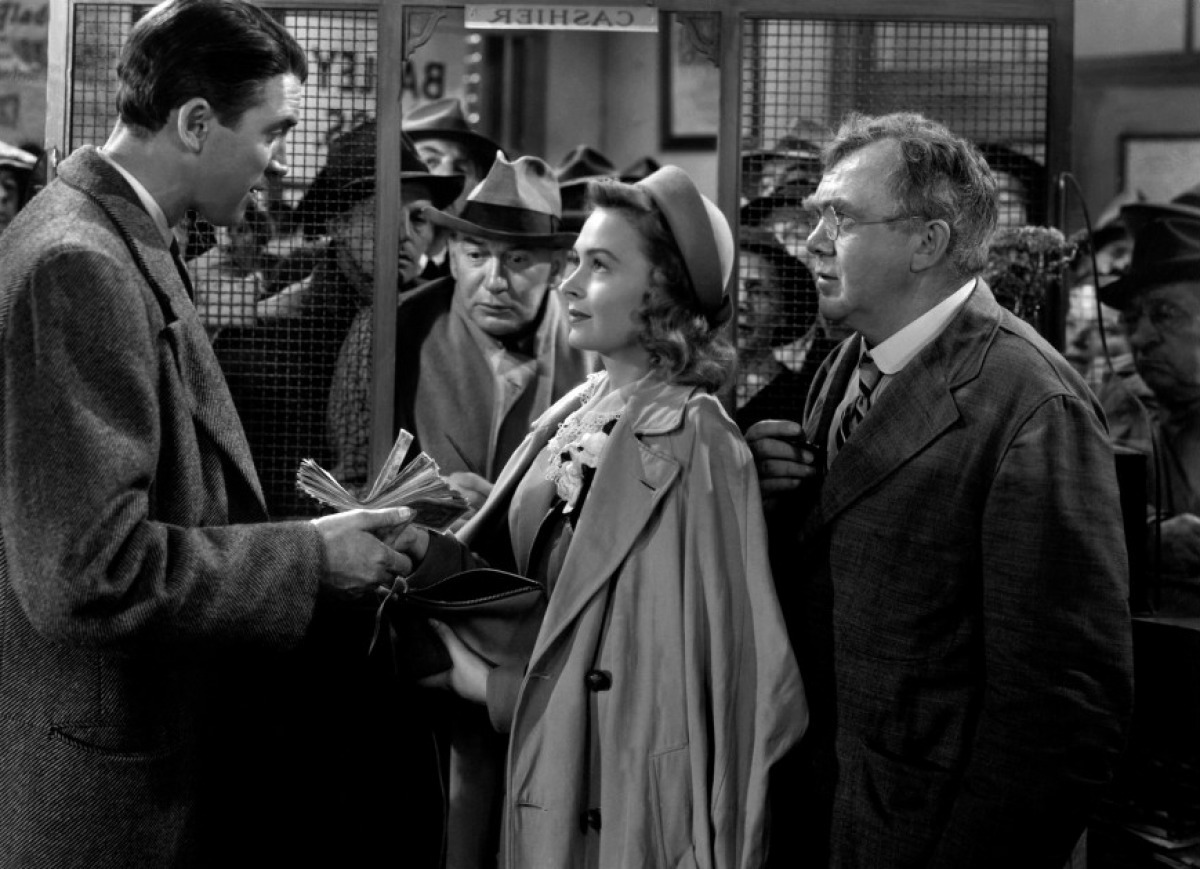
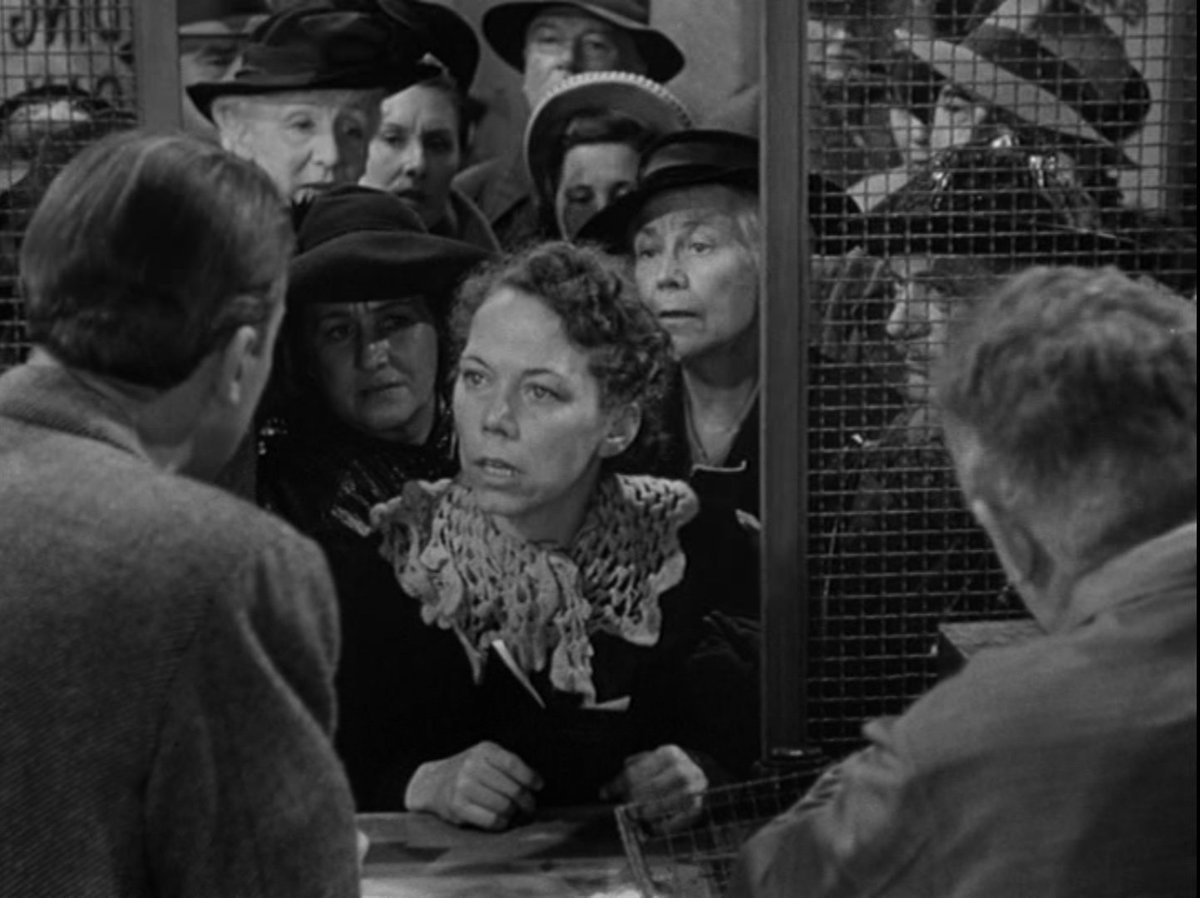
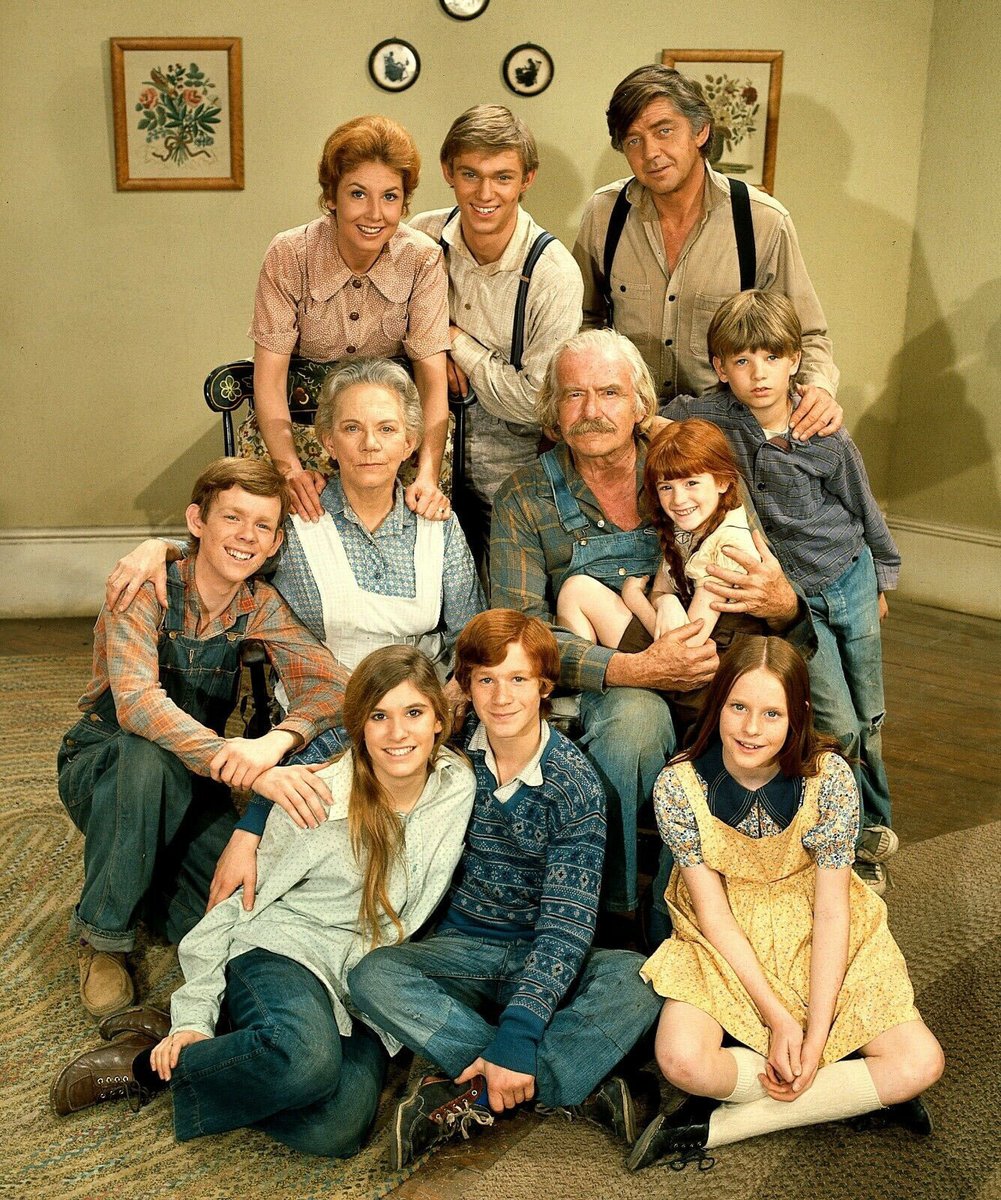
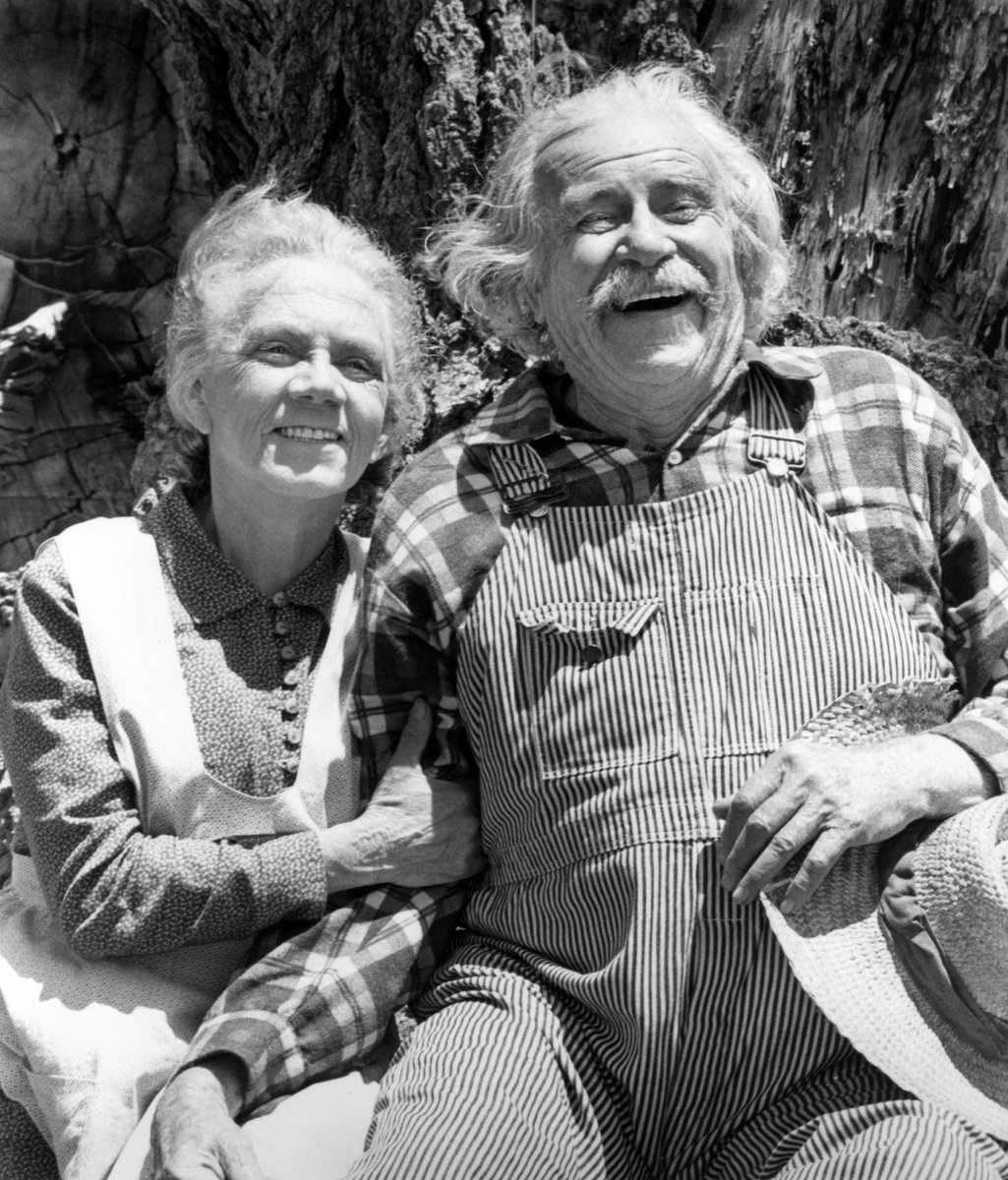
Also, Ellen Corby, who played Ms Davis, went on to play the Grandma in the huge hit US hit TV show The Waltons, where she won three Emmys.
38/47
38/47
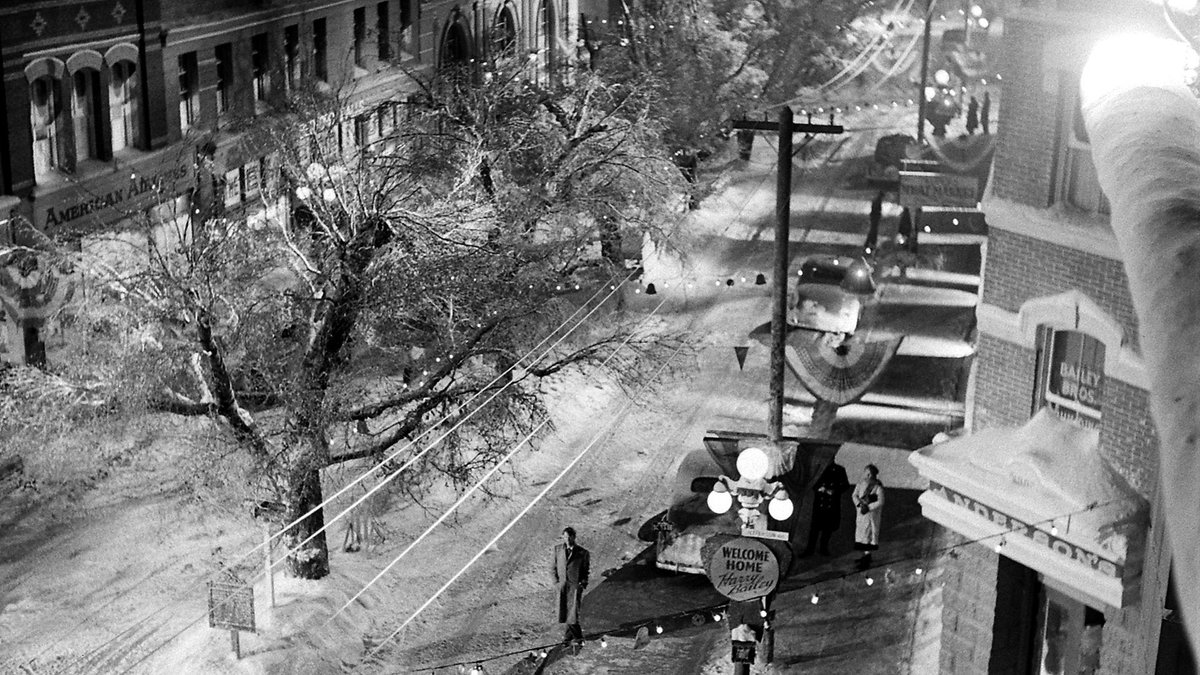
The Bedford Falls set took 2 months to build and was one of the biggest movie sets ever. It covered 4 acres, included 75 stores and buildings, a working bank, a main street, a factory district and a residential and slum area. The main Street was 300 yards long.
39/47
39/47

There were also 20 transplanted oak trees and, for the snow scenes, 3000 tons of shaved ice, 600 tons of plaster and 6000 gallons of chemicals. And pigeons, cats and dogs were allowed to roam the set to give it a lived-in feel.
40/47
40/47
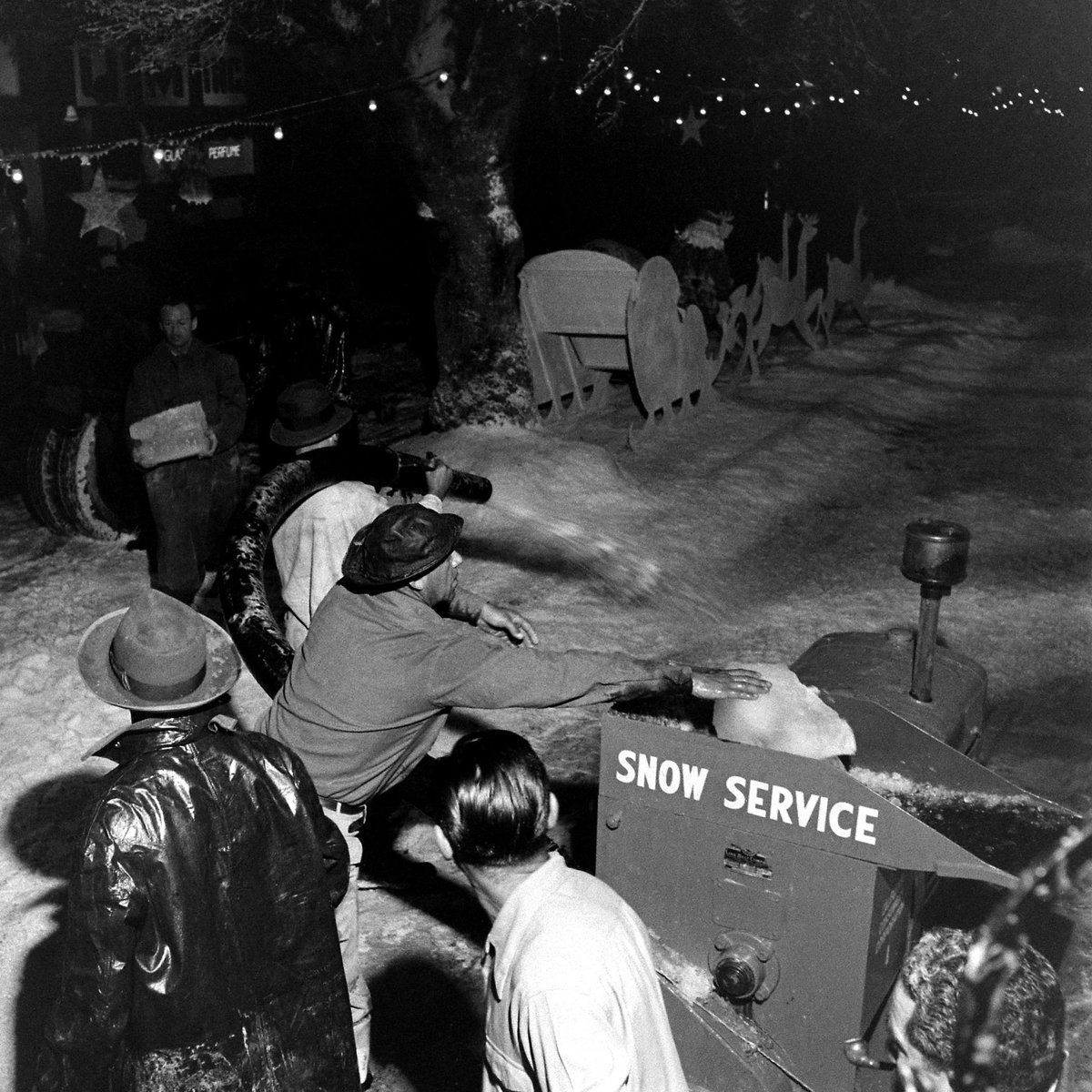
Snow on film was always created by dropping white-painted cornflakes into the scene, meaning sound and dialogue had to be dubbed in post as the flakes would crunch under the actors’ feet. Capra wanted to record the sound live so set the crew to work…
41/47
41/47
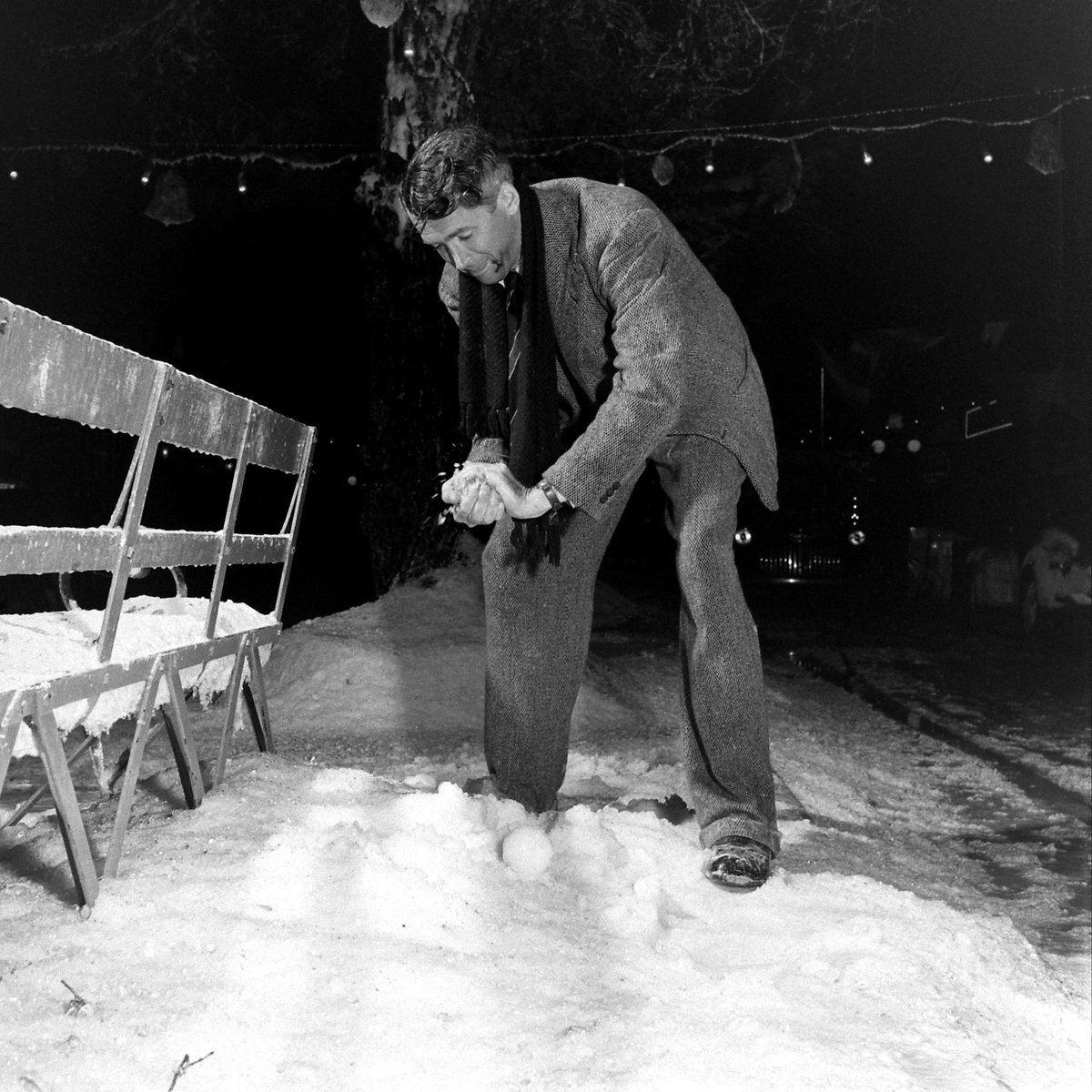
The crew delivered, creating a new effect using soap, water, and foamite (the substance in fire extinguishers). They pumped 6000 gallons of this through a wind machine to creates the effect of snowfall. The RKO effects team won a special Oscar for their innovation.
42/47
42/47
One of George’s daughters is called is Zuzu, played by Karolyn Grimes. Zuzu is named after a brand of biscuits that were popular in the US in the 40s, which is why George says, “Zuzu! My little ginger snap,” when he sees her.
43/47
43/47
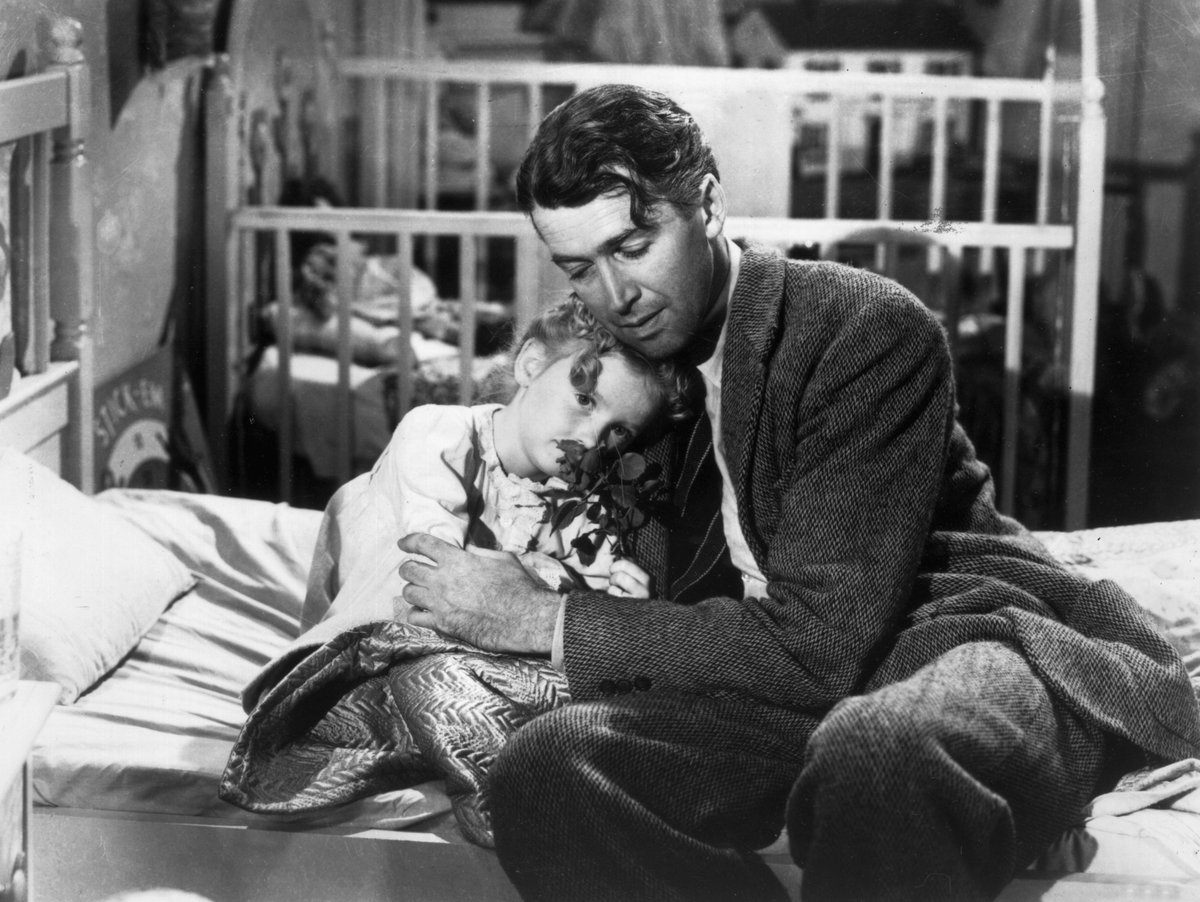
In 1946, movies were operating under the Hays Code which prohibited things like profanity, nudity or violence. It also stated that antagonists must be punished, or repent. Capra broke this rule. Potter steals the $8000 but, as far as we know, gets away with it.
44/47
44/47
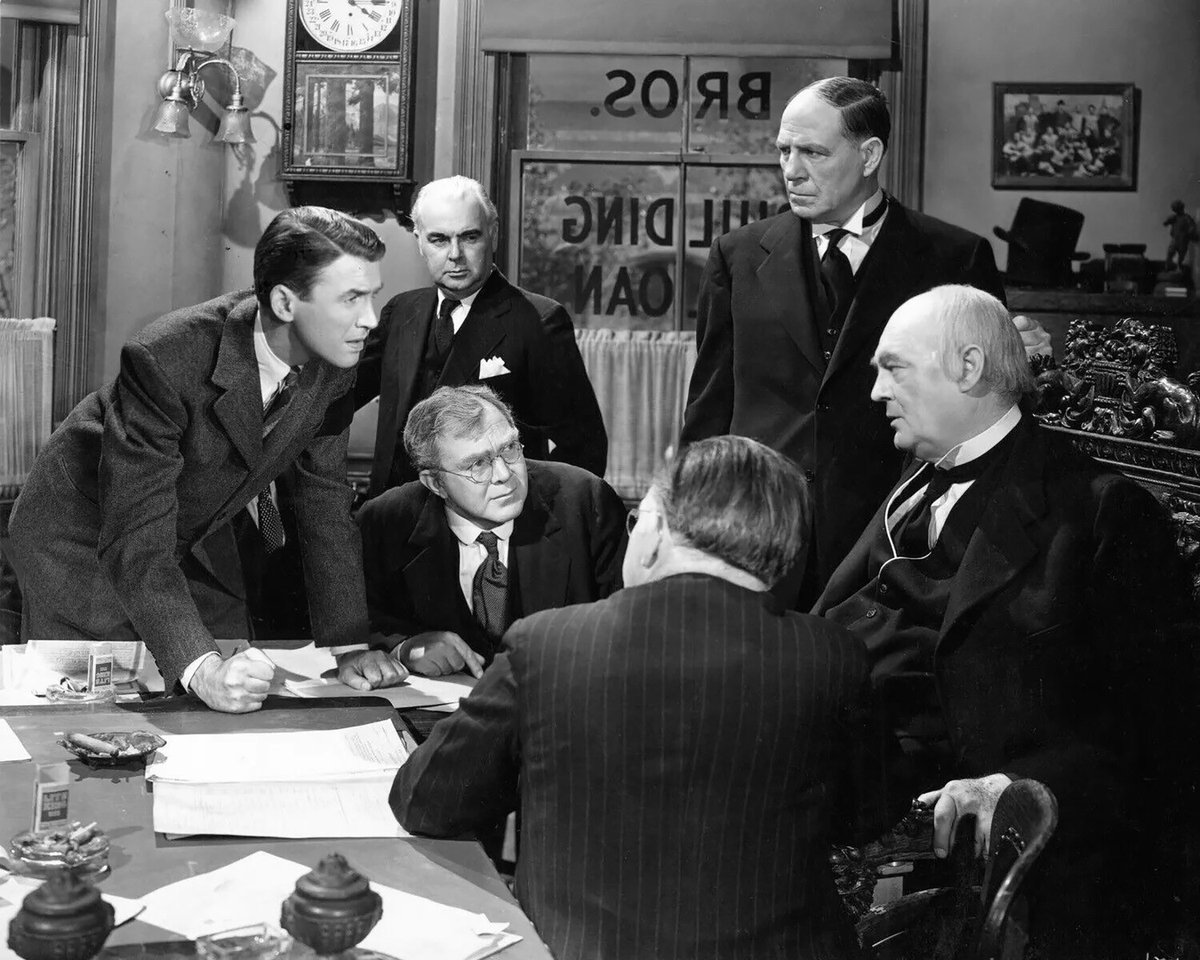
On a budget of $3.7m A Wonderful Life took just $3.3m at the box office, leaving Liberty Pictures half a million dollars in debt and with no option but to fold in 1951. The critics at the time weren’t bowled over either, calling the film “weak” and “simple-minded.”
45/47
45/47
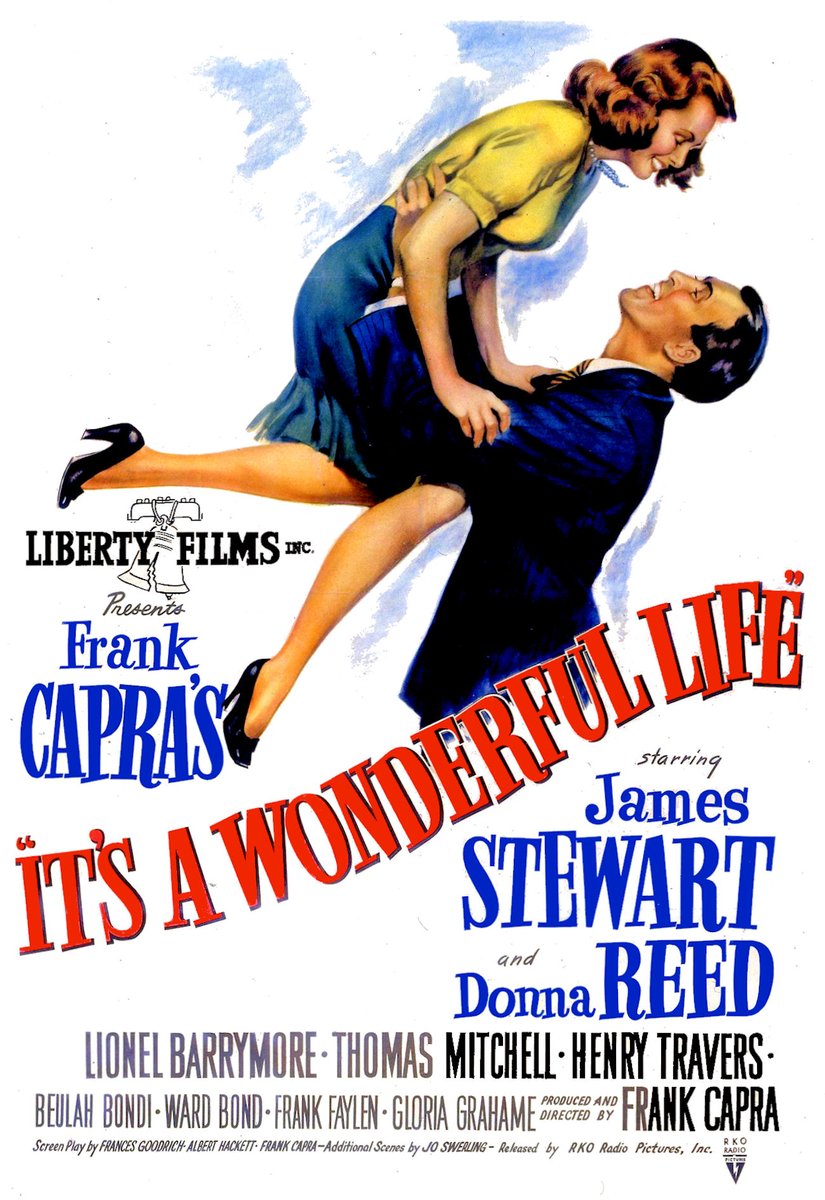
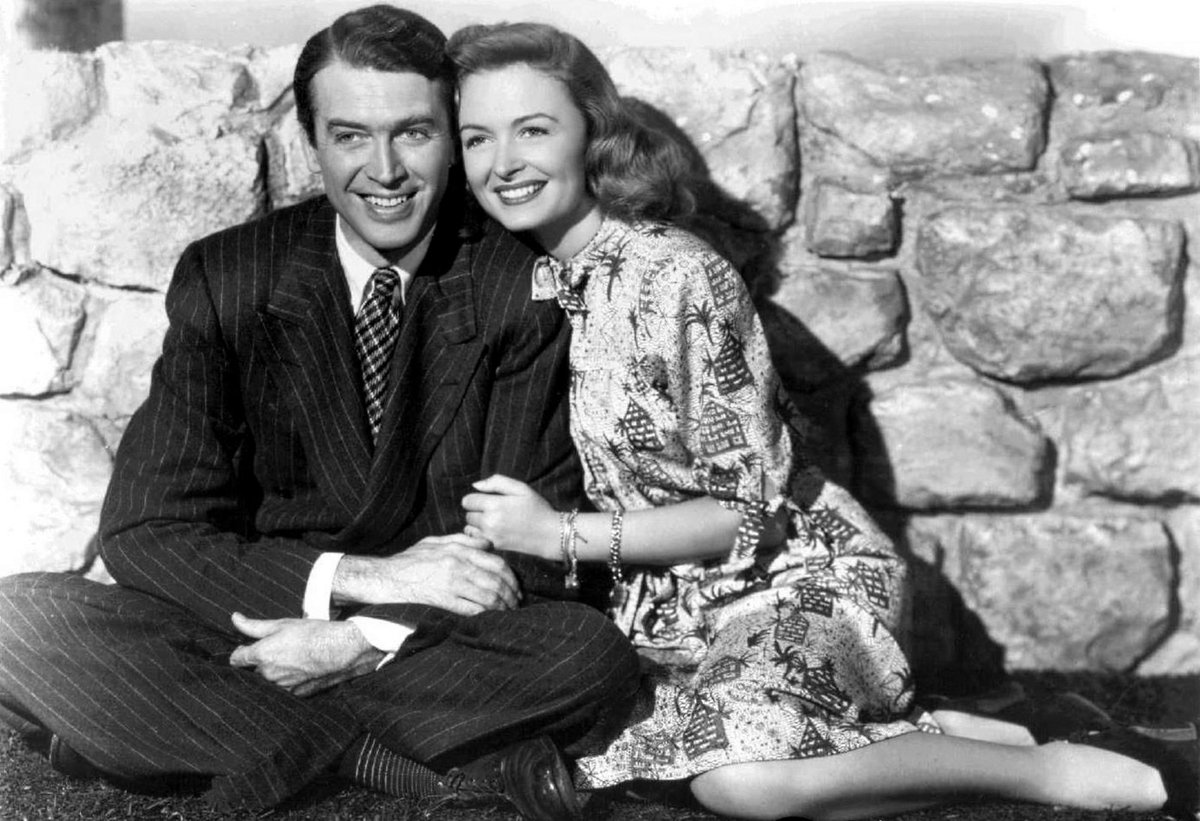
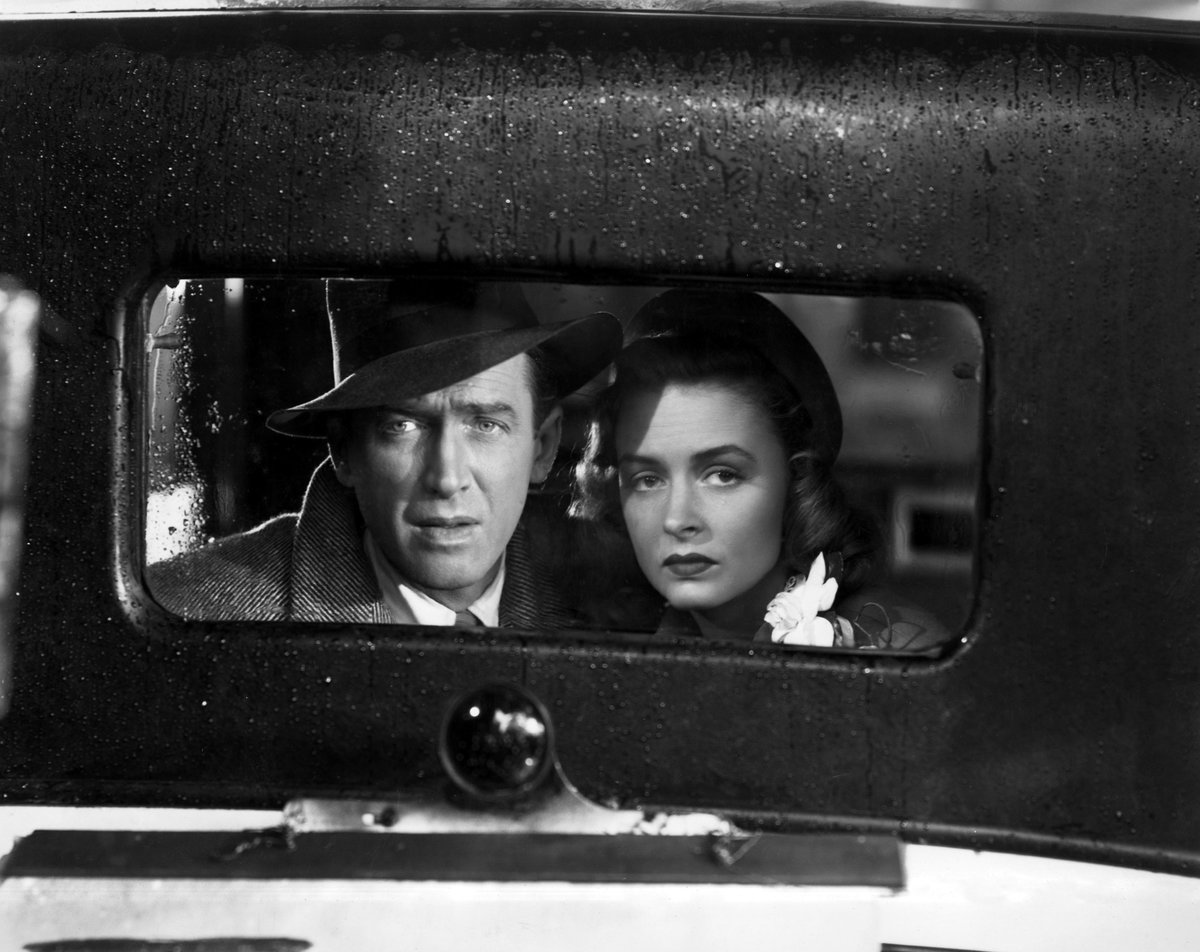
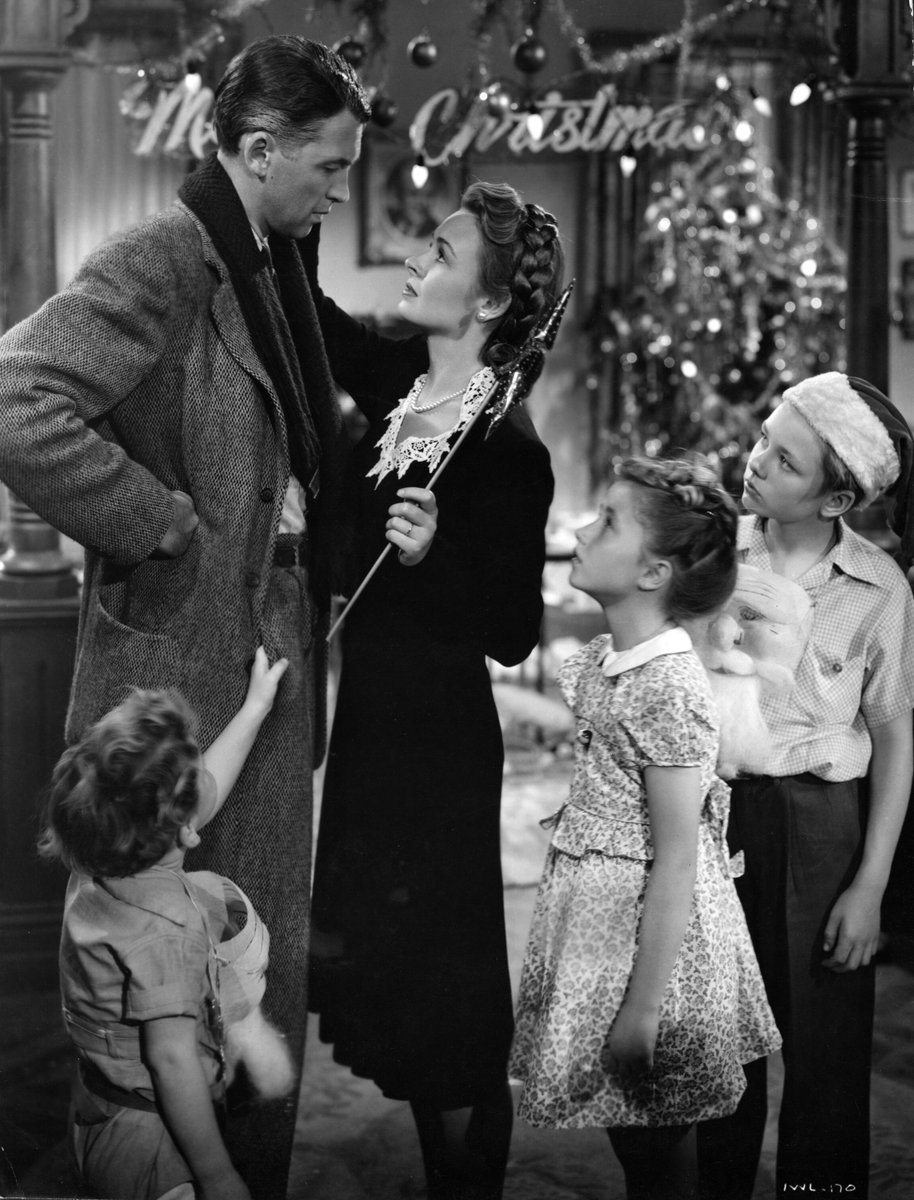
The film sat gathering dust for years until 1974 when, due to an error, the movie’s copyright wasn’t renewed, so the film passed into public domain. Free for TV stations to broadcast, it was shown again on TV and by the mid-80s was a firm Christmas classic.
46/47
46/47
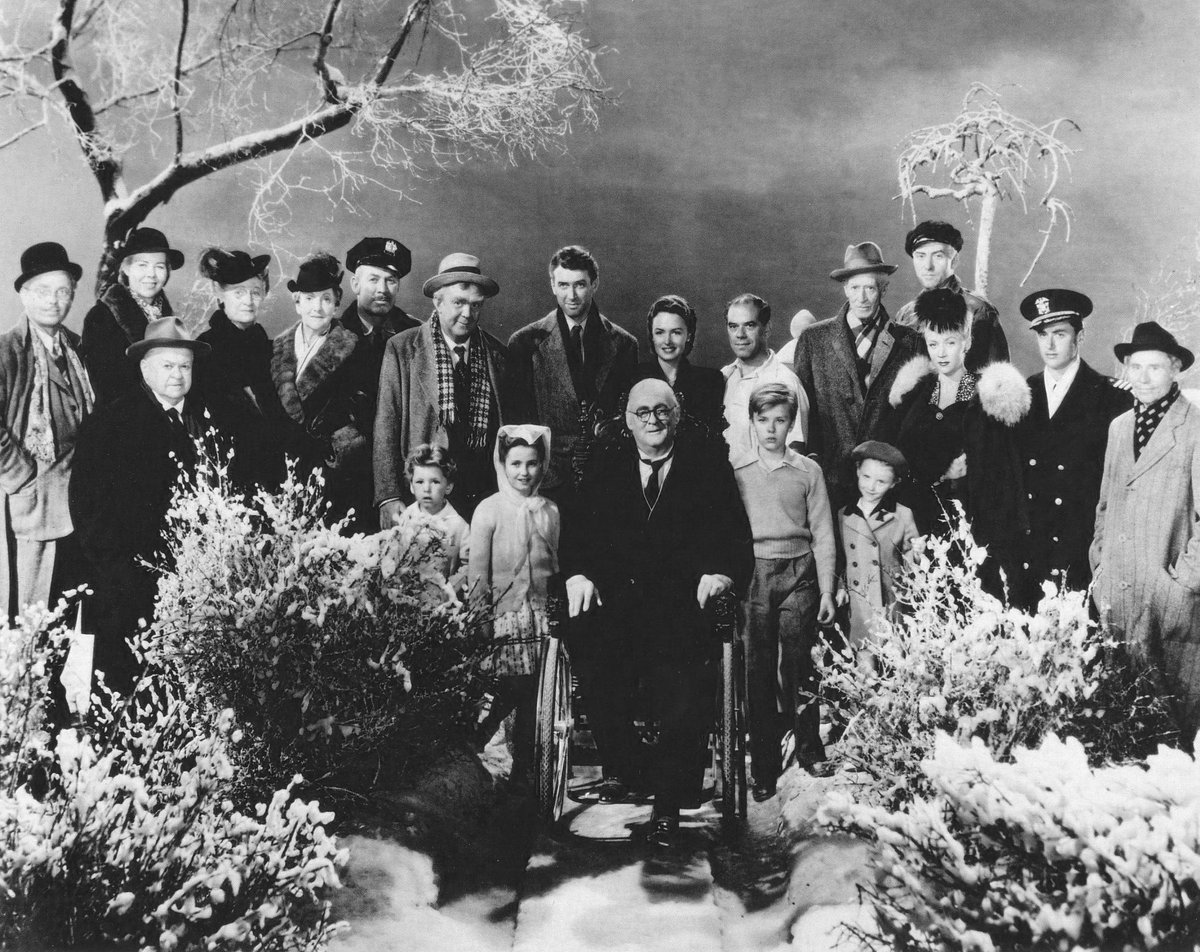
Finally… In 2013, producers called Allen J. Schwalb and Bob Farnsworth announced a sequel called It’s A Wonderful Life: The Rest Of The Story. It would follow George’s grandson (also named George) and feature Zuzu returning as his guardian angel. It didn’t happen, of course.
47/47
47/47
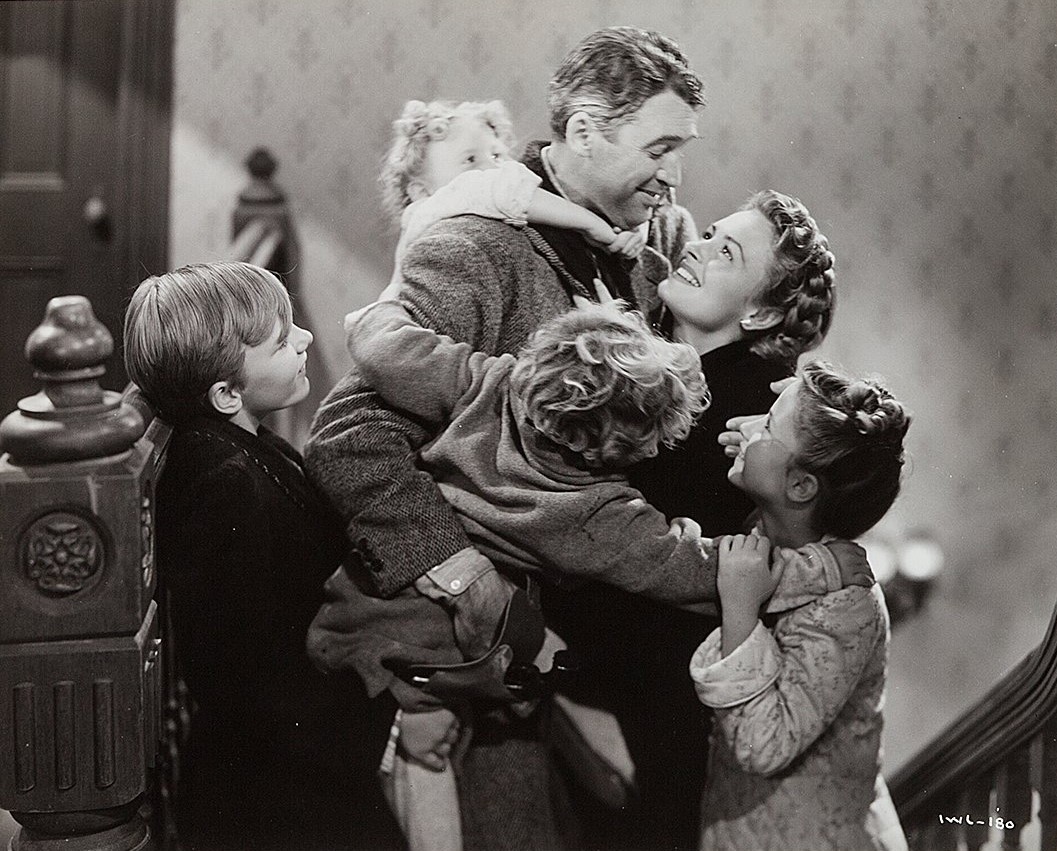
If you liked our making of story of IT’S A WONDERFUL LIFE, please share the opening post 😃
https://x.com/ATRightMovies/status/1868237508137349310
Our latest podcast is on THE TERMINATOR. Full of big laughs and opinions so please give it a listen 😃
alltherightmovies.com/podcast/the-te…
alltherightmovies.com/podcast/the-te…
• • •
Missing some Tweet in this thread? You can try to
force a refresh