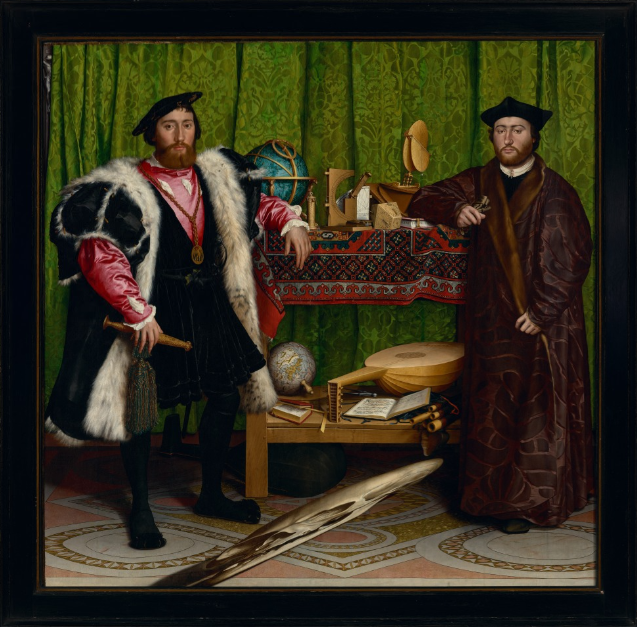
Holbein’s epic The Ambassadors is seen as one of the most mysterious paintings in Western art. But understand the circumstances in which it was made, in 1533, and the meaning becomes clearer. Let me try a thesis on you. Long 🧵
1/
1/

First, some thread info - the painting is in the National Gallery in London, worth a visit! My research is taken from my new book (The Invention of British Art). And the pictures are mostly from Google’s excellent high-res image, zoom in here:
2/
artsandculture.google.com/asset/the-amba…
2/
artsandculture.google.com/asset/the-amba…
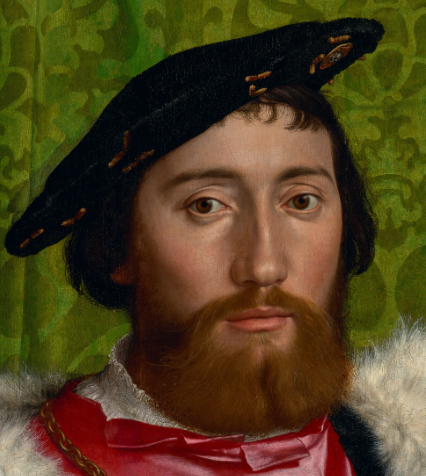
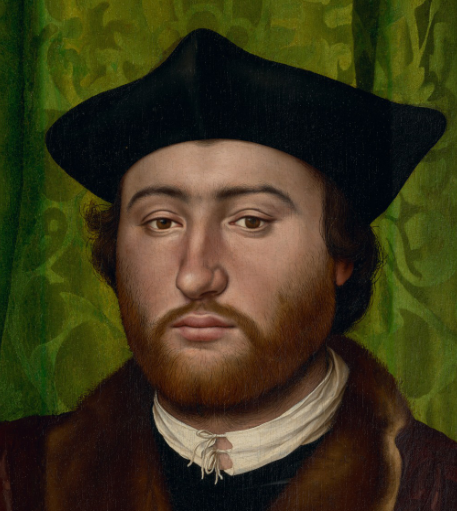
Let’s start with who we see in The Ambassadors. On the left is Jean de Dinteville, then the French ambassador to England. On the right is Georges de Selve, Bishop of Lavour, who visited de Dinteville twice in London in 1533.
3/
3/
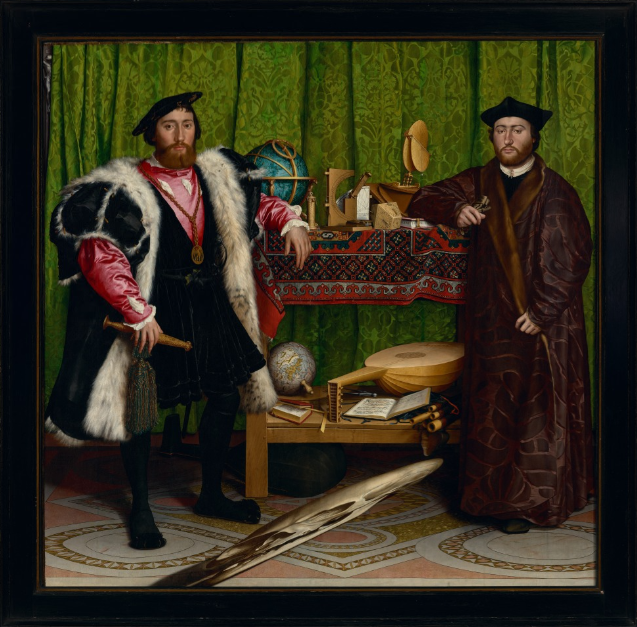
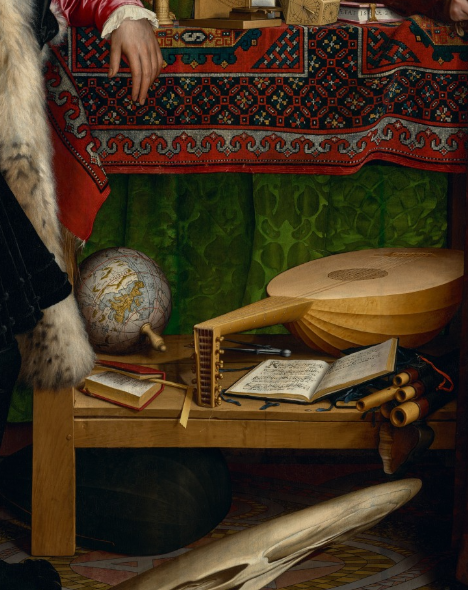
What do we see? Jean and Georges stand before a green curtain, on a patterned floor, beside a wooden table. On the top of the table are astronomical tools, guides to the heavens. Beneath are more earthly items; a lute, a globe, two books.
4/
4/
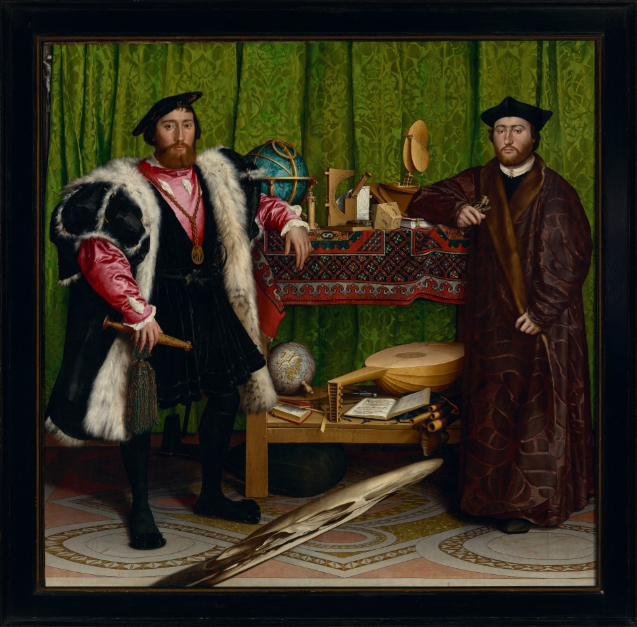
Holbein, one of the most gifted painters who ever lived, has painted the items with characteristic brilliance. Look closely at the carpet, and your brain struggles to understand that’s not a real carpet.
5/
5/

The items on the bottom of the table are an early clue to the picture’s meaning: the lute has a broken string; the flute case is missing a flute; there’s a set of dividers. Something isn’t right in the world.
6/
6/
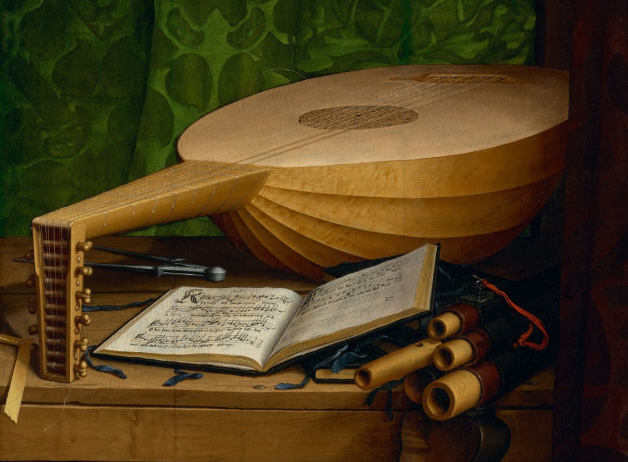
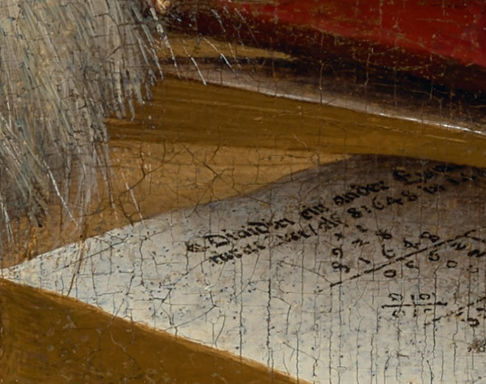
In addition, the first word in the book on the left is ‘dividirt’, German for divided (this is a page from an actual book, a merchant’s measuring manual by Peter Apian).
7/
7/
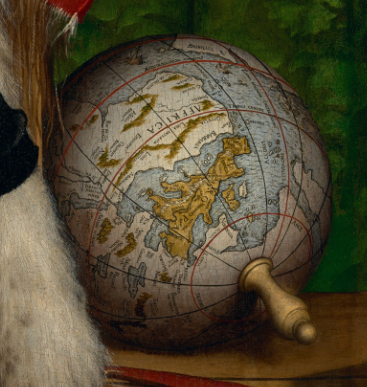
And in case we didn’t get the message, the world is literally turned upside down. At the time, the protestant Reformation was sweeping across Europe, pitting Protestant states against Catholic ones.
8/
8/
In England, Henry VIII and his Reformist advisers (including Thomas Cranmer, Archbishop of Canterbury) seized upon the Reformation as a means of getting around the Pope’s refusal to grant Henry a divorce from Katherine of Aragon.
9/
9/
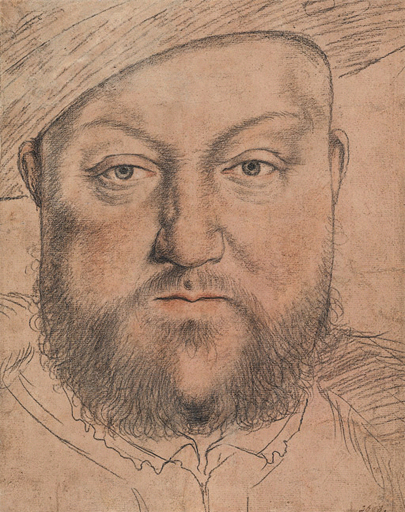
If Henry broke with Rome he could be head of the Church and grant himself a divorce. This he did, marrying Anne Boleyn in 1533. Now, before this, both Jean de Dinteville and his brother, Francois, had been involved in the divorce negotiations.
10/
10/

The failure of these negotiations made Jean dislike his time in London. He couldn’t wait to leave, writing to Francois, ‘I am growing very weary of this country’. Perhaps the visits of his friend, Georges de Selve, helped him get through.
11/
11/
But worse was to come. When Anne was crowned Queen in 1533 in Westminster Abbey, Jean had to attend, as a representative of one of only two countries who recognised Anne as queen (the other being Venice).
12/
12/

The coronation cost Jean a small fortune. And the crowds booed him, calling him a ‘French dog’. Now, it so happens that the floor we see in The Ambassadors matches the floor at Westminster Abbey, on which Anne was crowned.
13/
13/
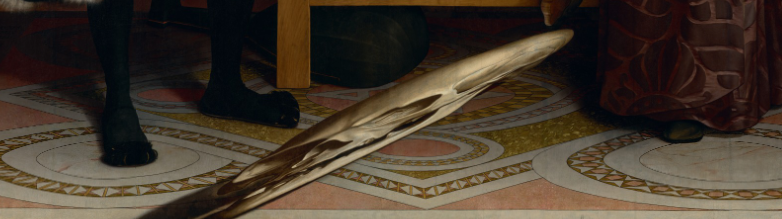
This is the ‘Cosmati pavement’ installed in the 1260s and still there today. The floor used to have an inscription, which told us it showed Earth in the centre of the universe, and around it the planets and heavens, all controlled by God.
14/
14/

I believe the floor likely establishes the painting’s narrative within Westminster Abbey, reflecting the most important event of Jean’s time in London as ambassador – Anne's coronation. (The painting was to hang in Jean's chateau at Polisy in France).
15/
15/
But the Westminster Abbey setting also gives rise to deeper meanings within The Ambassadors. For the Reformation would bring in profound changes not just for churches like the Abbey, but for artists like Holbein too.
16/
16/
Why? Two reasons. First, Protestantism didn’t believe in the miracle of transubstantiation, where (in Catholic mass) the bread and wine miraculously become the body and blood of Christ. For Protestants this was a purely symbolic rite.
17/
17/
Which meant that altars were no longer holy places where miracles occurred. So reformers replaced altars with wooden communion tables. As we see here from ‘The Temple well purged’ page in Foxe’s Book of Martyrs.
18/
18/
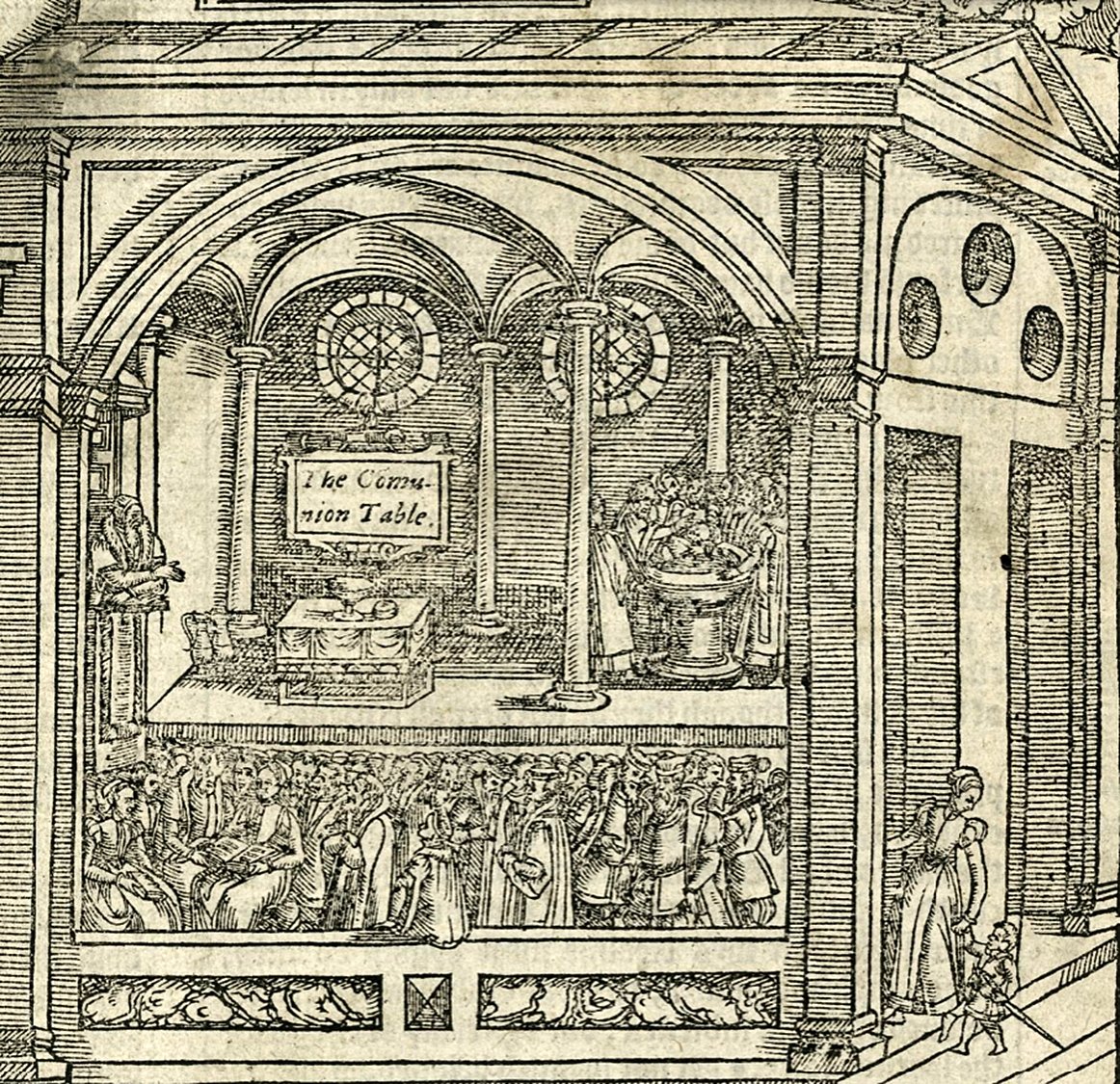
And this may be why we see a wooden table in Westminster Abbey, before the high altar, which is now covered by a green curtain. In 1533 it was clear to most people this was theological direction in which England was heading.
19/
19/
But this brings us to the second reason the Reformation matters to The Ambassadors (and Holbein). Protestantism regarded religious art as idolatrous, as per the Second Commandment; ‘Though shalt have no graven images…’
20/
20/
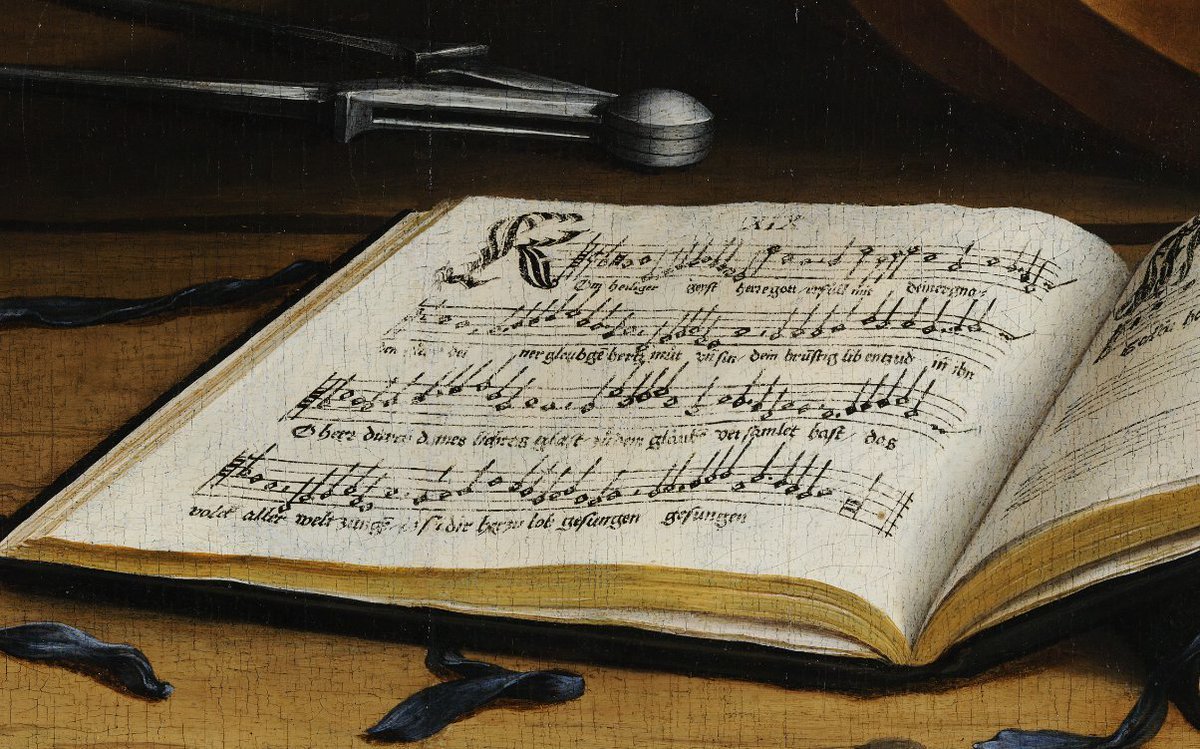
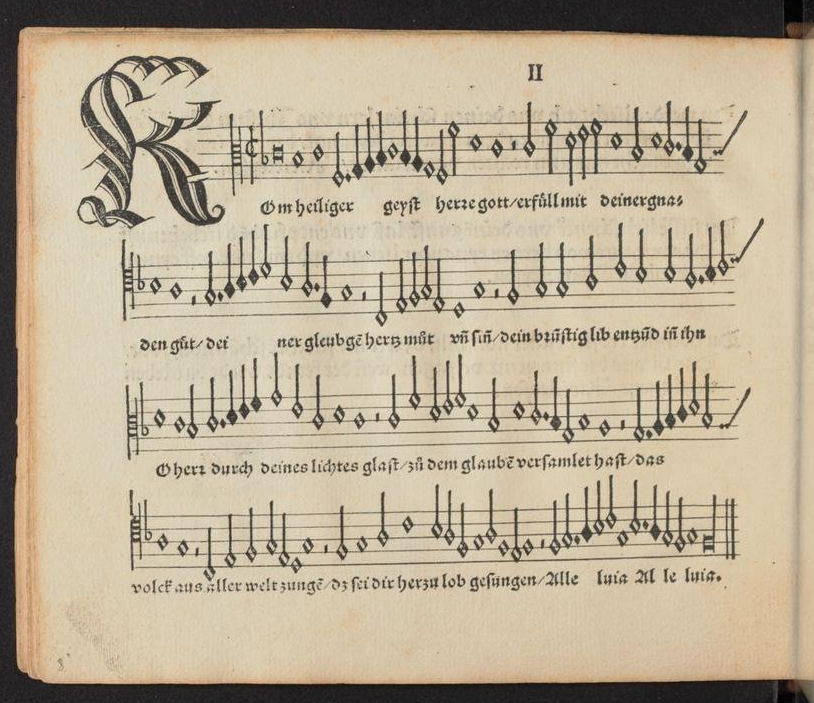
In fact, one of the songs we see in the Lutheran song book in The Ambassadors (an actual book called the Geystliche Gsangbuchlin, here on the right) is called The Ten Commandments.
21/
21/
In this section from the print ‘The Temple Well Purged’ we see religious art being stripped from the church and burned. For artists like Holbein, the destruction of religious art was bad news, meaning fewer commissions.
22/
22/
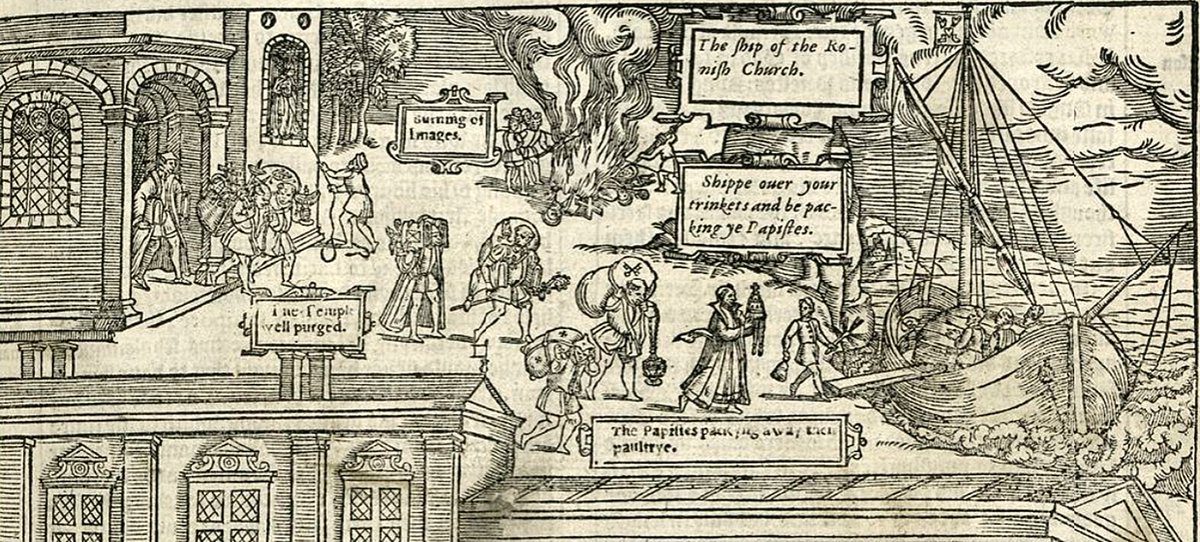
In fact, Holbein had come to England partly to escape the iconoclasms sweeping reformed Europe, as in his native Basel, where his own religious paintings were destroyed. As the theologian Erasmus wrote of Basel, ‘here the arts freeze’.
23/
23/

But Holbein’s move to London coincided with reformers like Anne Boleyn and Thomas Cranmer arguing for the destruction of religious art. Cranmer even wanted to burn crucifixes, like the one Holbein shows peeping out from behind the green curtain.
24/
24/
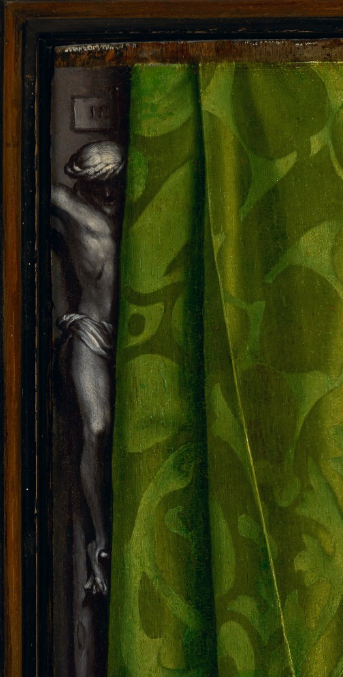
We know what was originally above the high altar in Westminster Abbey, the ‘Westminster Retable’ seen here. After the Reformation – after Holbein’s green curtain was metaphorically drawn over it – it was used as a cupboard door.
25/
25/
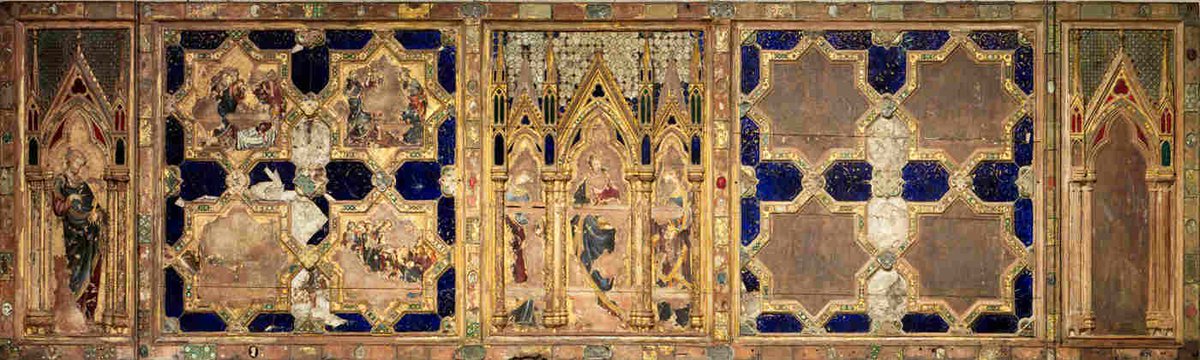
But Holbein’s painting is intended to show that despite the Reformation, and despite the destruction of religious art, the certainties of the universe, and of God, will still reign supreme.
26/
26/
For example, the astrological tools at the top of the table refer to the belief that God still controlled the planets - the heavens. This echoes the original message of the Cosmati pavement in Westminster Abbey.
27/
27/

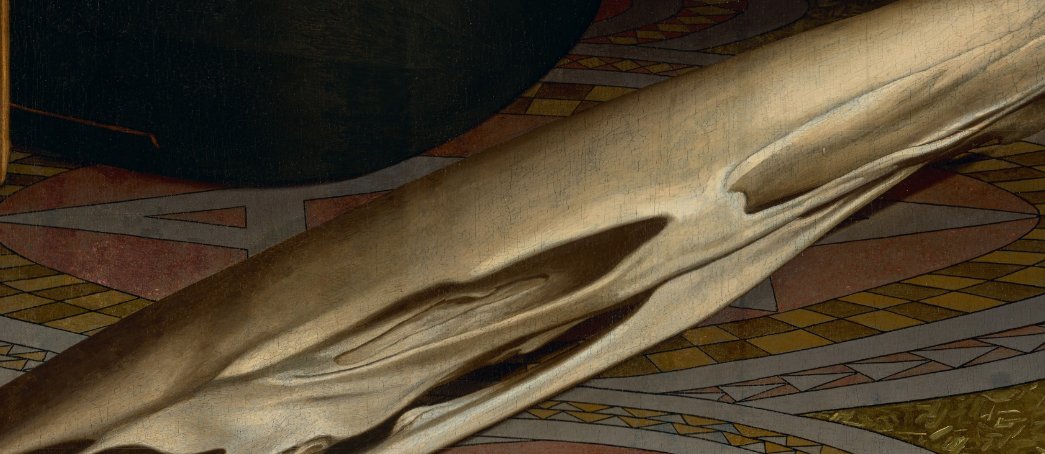
And then there is the famous skull in The Ambassadors, only properly visible when you stand at the side, reminding us that death is everywhere - we just might not see it. (Three of Jean de Dinteville’s siblings had died by 1533).
28/
28/
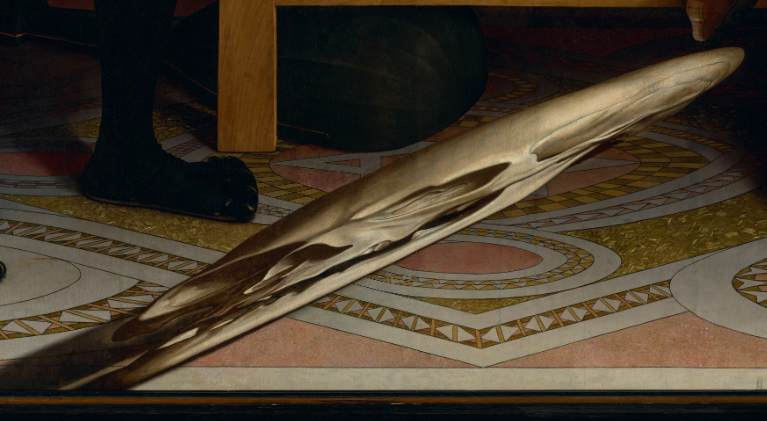
The skill with which details like the skull are painted may suggest Holbein saw it as an advert for his abilities in still Catholic France. Perhaps the skull, a hollow bone (in German, Hohl bein), was a pun on Holbein.
29/
29/
So there we have it? The Ambassadors is a record of Jean de Dinteville’s time in London, his fears (and Holbein’s) for what the Reformation would bring, and an allegory of both the passage of time and the inevitability of death.
30/
30/
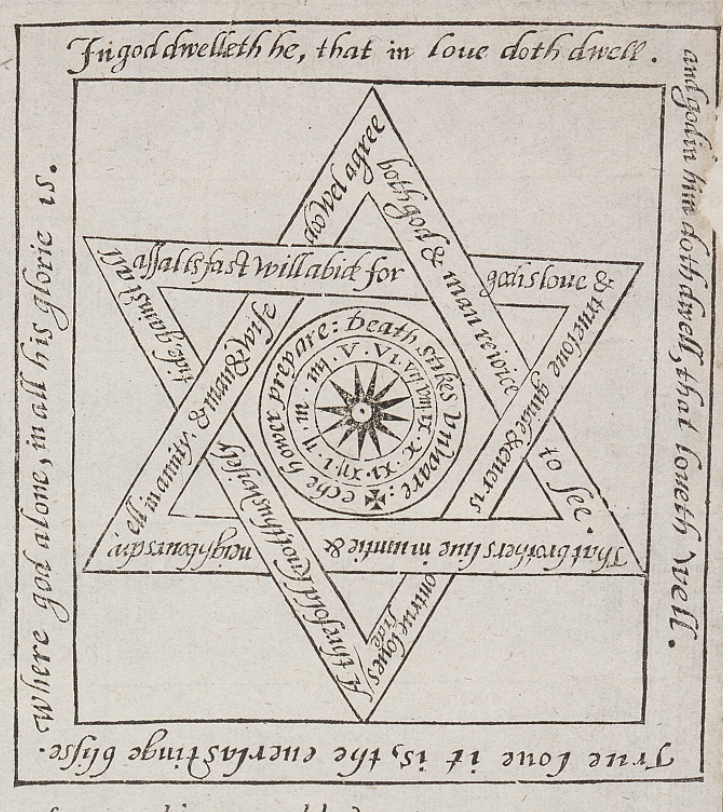
But with The Ambassadors there are many other possible meanings. For example, there's a detail in the floor not today seen in Westminster Abbey; a six-pointed star. I came across a later 16th century description of such a star…
31/
31/
…which included text, and which we could today best describe as a love knot. Does this refer to the relationship between Jean and Georges, standing as they are either side of the reformed altar?
32/
32/
There are many competing theories about this painting! But for more of my thoughts and Holbein's important place in the history of British art, see my new book The Invention of British Art. Thanks!
33/
.amazon.co.uk/Invention-Brit…
33/
.amazon.co.uk/Invention-Brit…
• • •
Missing some Tweet in this thread? You can try to
force a refresh