The Titanic didn’t sink the way you think.
The story isn’t just about an iceberg—it’s about human error, ignored warnings, and catastrophic decisions.
Here’s the truth about what really sank the ‘unsinkable’ ship:
The story isn’t just about an iceberg—it’s about human error, ignored warnings, and catastrophic decisions.
Here’s the truth about what really sank the ‘unsinkable’ ship:

When the Titanic left port on April 10, 1912, it wasn’t just the largest ship in the world—it was a symbol of progress.
An engineering marvel.
But beneath the polished exterior lay cracks.
To meet tight deadlines, the ship’s construction was rushed.
An engineering marvel.
But beneath the polished exterior lay cracks.
To meet tight deadlines, the ship’s construction was rushed.

Cheaper materials were used, including weak iron rivets that held the hull together.
Experts later discovered that these rivets buckled under pressure, tearing the ship open like a zipper when it hit the iceberg.
The Titanic wasn’t unsinkable. It was fragile and nobody knew it.
Experts later discovered that these rivets buckled under pressure, tearing the ship open like a zipper when it hit the iceberg.
The Titanic wasn’t unsinkable. It was fragile and nobody knew it.

On April 14th, the Titanic received 6 separate warnings of icebergs ahead.
Ships in the area urged caution.
Yet Captain Edward Smith didn’t slow down.
Instead, he kept Titanic steaming ahead at nearly full speed.
Ships in the area urged caution.
Yet Captain Edward Smith didn’t slow down.
Instead, he kept Titanic steaming ahead at nearly full speed.
Why? Because reaching New York early would cement Titanic’s reputation as the greatest ship ever built.
But the ship’s lookouts faced another problem: no binoculars.
A key box containing their binoculars was left behind—locked and inaccessible.
But the ship’s lookouts faced another problem: no binoculars.
A key box containing their binoculars was left behind—locked and inaccessible.
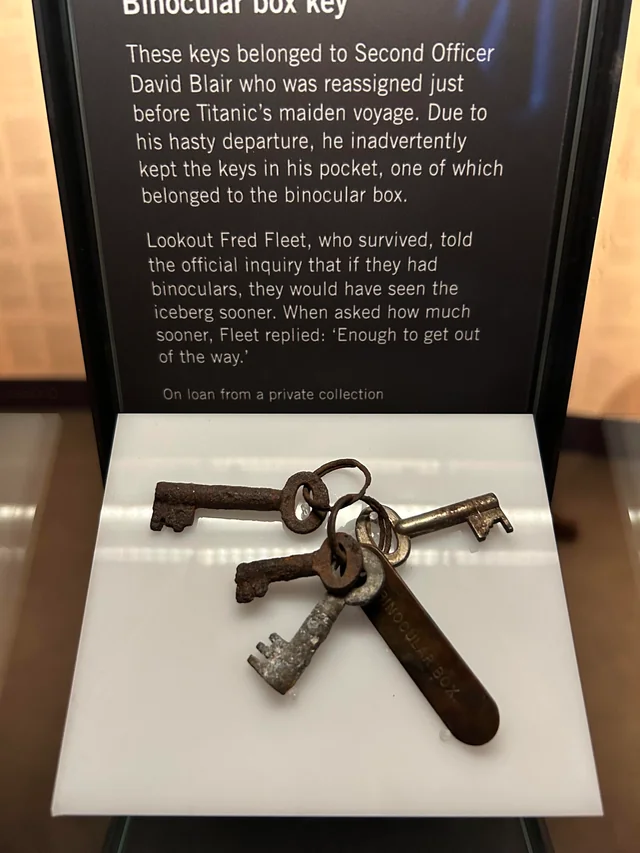
By the time they spotted the iceberg, it loomed just 500 meters away.
In that moment, the decision was made: turn the ship.
Ironically, this attempt to dodge the iceberg caused the greatest damage.
In that moment, the decision was made: turn the ship.
Ironically, this attempt to dodge the iceberg caused the greatest damage.
Instead of hitting it head-on, which might have limited the damage to one/two compartments, the iceberg scraped along the side, puncturing 6 compartments and sealing the ship’s fate.
Titanic wasn’t sunk by an iceberg alone.
It was sunk by a series of human choices and errors.
Titanic wasn’t sunk by an iceberg alone.
It was sunk by a series of human choices and errors.
The Titanic had lifeboats for just over half of the people on board.
Not because of space—there was room for more—but because too many lifeboats “ruined the aesthetic.”
It gets worse.
When the lifeboats were launched, they were half-empty.
Not because of space—there was room for more—but because too many lifeboats “ruined the aesthetic.”
It gets worse.
When the lifeboats were launched, they were half-empty.
The crew, unprepared for disaster, didn’t know how to organize the evacuation.
Lifeboats meant for 65 people left with 12 or 20.
Passengers were left screaming for help as the ship tilted into the freezing Atlantic.
Lifeboats meant for 65 people left with 12 or 20.
Passengers were left screaming for help as the ship tilted into the freezing Atlantic.
Over 1,500 people died that night—not because there weren’t enough lifeboats, but because arrogance blinded the planners.
When the Titanic sank, it wasn’t just passengers who drowned—it was the reputation of the White Star Line, the ship’s owners.
When the Titanic sank, it wasn’t just passengers who drowned—it was the reputation of the White Star Line, the ship’s owners.
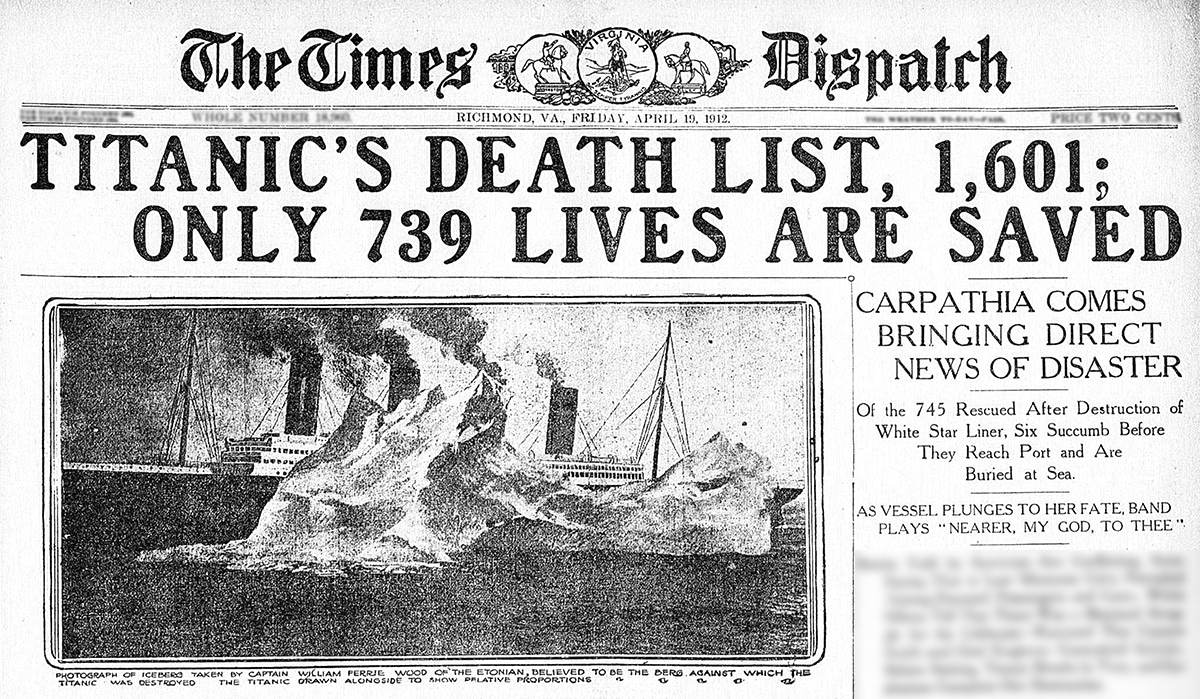
To protect themselves, they downplayed the tragedy.
- Survivors’ accounts were dismissed.
- Investigations avoided placing blame on human error.
- The world was told the iceberg was to blame, as if the disaster was inevitable.
- Survivors’ accounts were dismissed.
- Investigations avoided placing blame on human error.
- The world was told the iceberg was to blame, as if the disaster was inevitable.
But the truth was buried with the wreckage: Titanic didn’t have to sink.
It sank because human ego, greed, and pride refused to see the danger ahead.
It sank because human ego, greed, and pride refused to see the danger ahead.
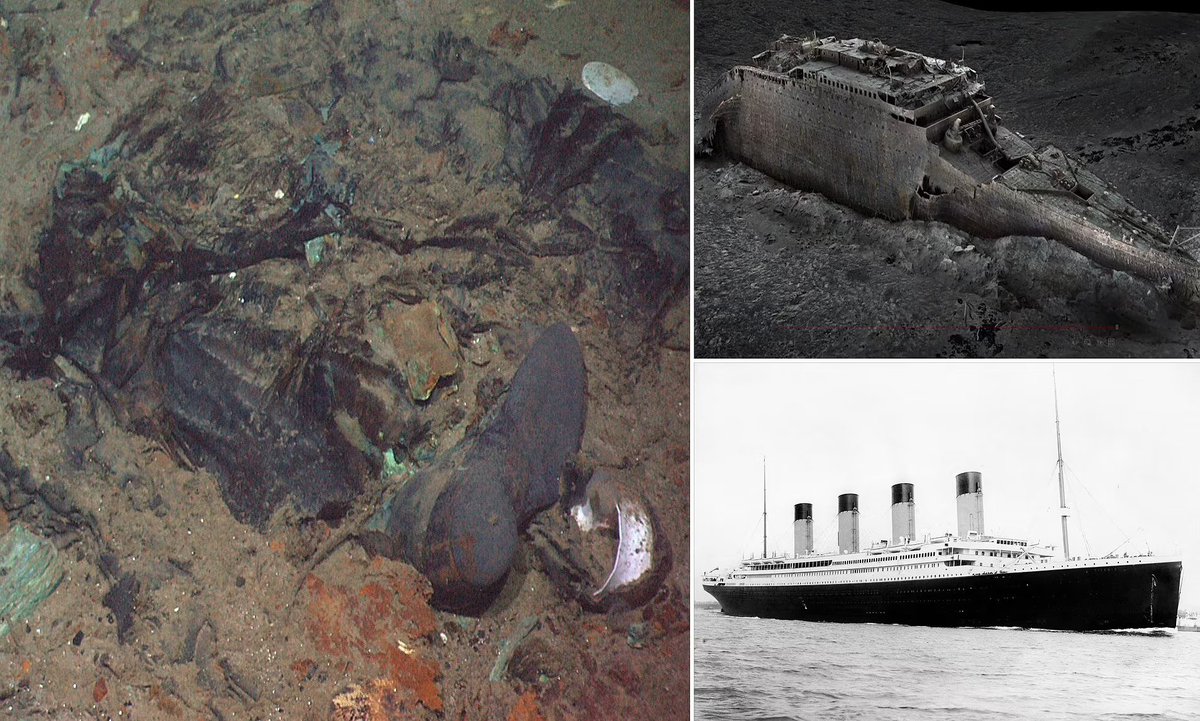
What according to you is the truth about the titanic?
Let me know...
Let me know...
If you like this thread, help me on my mission:
"The school and the media failed to teach you history.
My mission is to help you learn more about history and the key moments that defined our existence."
Follow me @_HistoryNerd for more...
"The school and the media failed to teach you history.
My mission is to help you learn more about history and the key moments that defined our existence."
Follow me @_HistoryNerd for more...

Get more historical data, documentaries and stories directly in your email every week:
historynerd.beehiiv.com/subscribe
historynerd.beehiiv.com/subscribe
• • •
Missing some Tweet in this thread? You can try to
force a refresh