Cards of History Profile picture
Dec 25 14 tweets 4 min read Read on X
Sometimes the best thing history can offer is contrast.

A selection of haunting wartime Christmas cards that will make you feel grateful you can be with your loved ones today.

Consider it my gift to you. Image
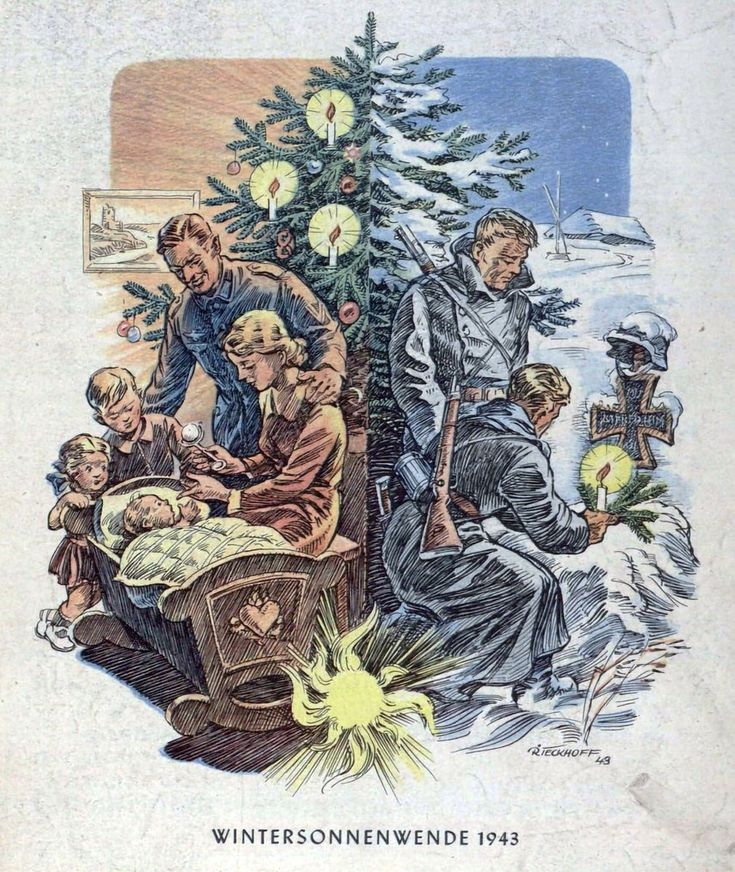
A German illustration from December 1943 captures a stark juxtaposition: A family celebrates Christmas in the warmth of home, while far away on the Eastern Front, soldiers light a candle at a comrade's grave.
During WWII, the British created a bold Christmas card for occupied Denmark.

The front featured a Christmas tree with Adolf Hitler hanging as an ornament among candles. Image
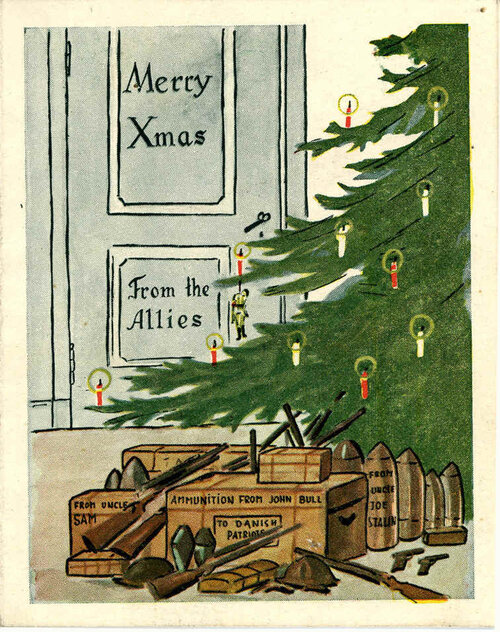
Gifts included crates labeled "Ammunition from John Bull" and "From Uncle Sam," alongside weapons marked "From Uncle Joe Stalin," symbolizing Allied support.
Another Christmas leaflet depicted a lonely mother with her children by a tree. One child asks, “Mom, why isn’t Daddy with us? Image
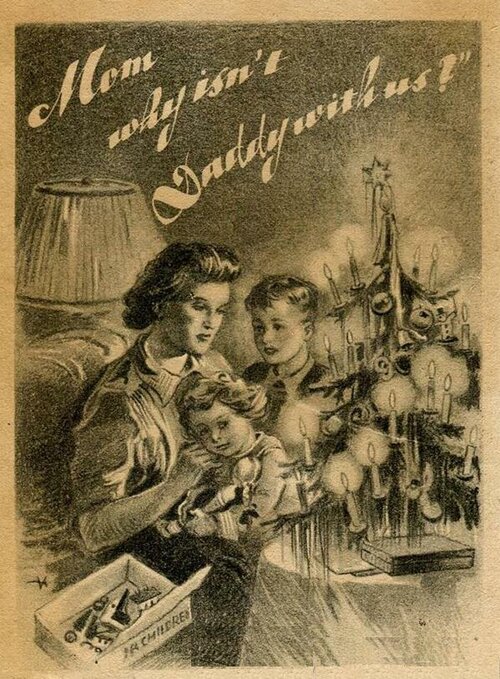
The reverse explained that fathers were absent, consumed by Europe’s endless war, emphasizing the toll of conflict on families during the German occupation.
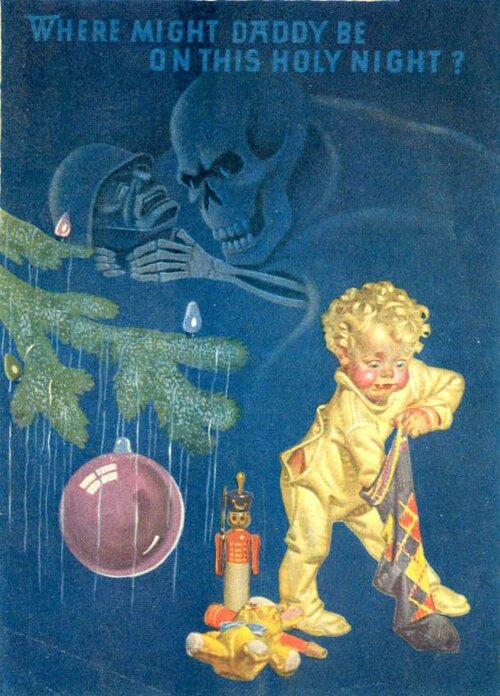
German leaflet showed a Yule scene with a child reaching into a Christmas stocking, toys scattered, and a tree nearby.

Over this idyllic image, the symbol of Death strangling a soldier loomed, accompanied by the text: "Where might Daddy be on this holy night?" Image
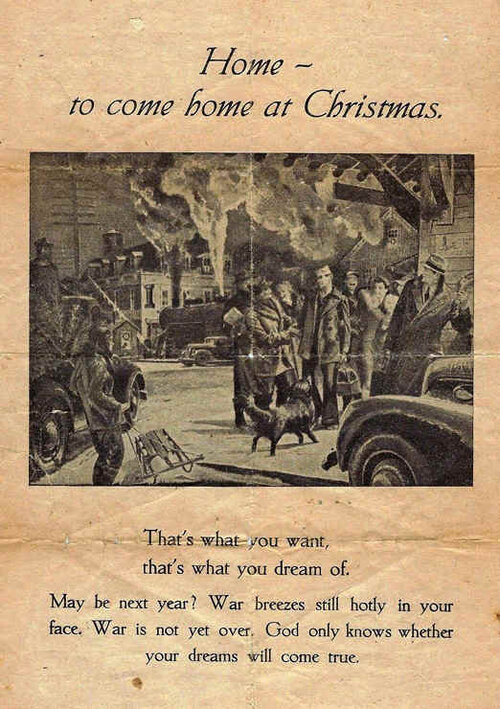
A joyful crowd gathers around a returning American serviceman during Christmas. This leaflet, first distributed in November 1944, bears the title:

"Home - To Come Home at Christmas" Image
On its reverse side, four somber paragraphs confront the American soldier with a stark reality:

the war is far from over, and there remains the grim possibility of returning home wounded or permanently maimed.
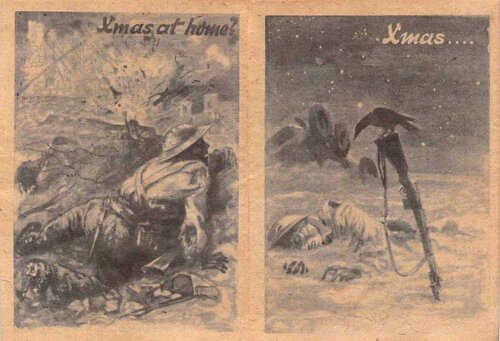
On the left, a soldier is depicted under intense artillery fire, accompanied by the ominous question:

"Xmas at home?"

On the right, the grim aftermath is shown—a lifeless soldier, his body still, as a crow perches on the stock of his rifle. The single, haunting word:

"Xmas…" Image
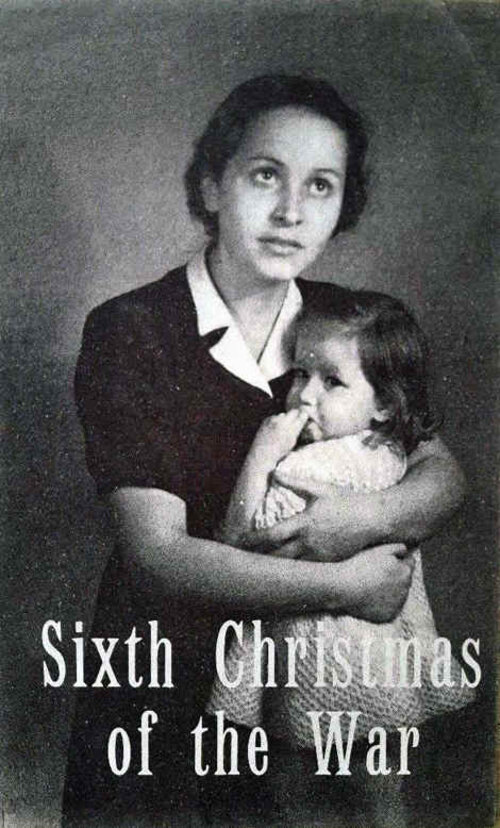
This American leaflet was aimed at German troops fighting in Italy.

The front features a photograph of a German wife at home with her young daughter. Her expression reveals deep worry and sorrow. Image
A card with on the back:

Well soldier, here you are in “no-Mans land,” just before Christmas far away from home and your loved ones.

Your sweetheart or wife, your little girl, or perhaps even your little boy, don’t you feel them worrying about you, praying for you? Image
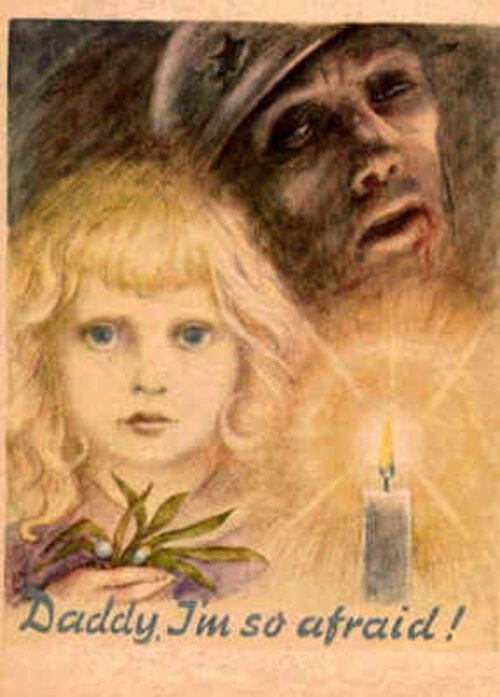
Yes old boy, praying and hoping you’ll come home again, soon.

Will you come back, are you sure to see those loved ones again?
Thanks for sticking with me.

Give your loved ones an extra hug today.

You are alive, warm, and most importantly, together.

A big shout out to SGM Herbert A. Friedman (Ret.) who has collected most of these illustrations.

• • •

Missing some Tweet in this thread? You can try to force a refresh

 

Keep Current with Cards of History

Cards of History Profile picture

Stay in touch and get notified when new unrolls are available from this author!

Read all threads

This Thread may be Removed Anytime!

PDF

Twitter may remove this content at anytime! Save it as PDF for later use!

Try unrolling a thread yourself!

how to unroll video
  1. Follow @ThreadReaderApp to mention us!

  2. From a Twitter thread mention us with a keyword "unroll"
@threadreaderapp unroll

Practice here first or read more on our help page!

More from @GodPlaysCards

Dec 24
The Christmas tree is one of the most powerful symbols of Western culture.

Its roots stretch back thousands of years, blending ancient pagan rituals, Christian traditions, and modern customs into the holiday centerpiece we know today.

A🧵 on our scared tradition. Nr 110 - Chirstmas Tree - Cards of History - Volume III
Long before Christmas, evergreen trees symbolized life and resilience during the winter months.

Germanic tribes celebrated Yule, adorning trees or sacred groves with offerings to honor their gods during the solstice. Illustration of an ancient Nordic Yule festival
For the Germanic peoples, trees were sacred.

The evergreen, which stayed green through the harshest winters, represented vitality and hope.

Decorated trees at midwinter festivals were a tribute to life itself. Yggdrasil, in Norse cosmology, is an immense and central sacred tree.
Read 12 tweets
Dec 23
What happens when a CIA officer switches sides?

A tale of greed, betrayal, and devastation—unveiling the story of the most damaging double agent in U.S. history.

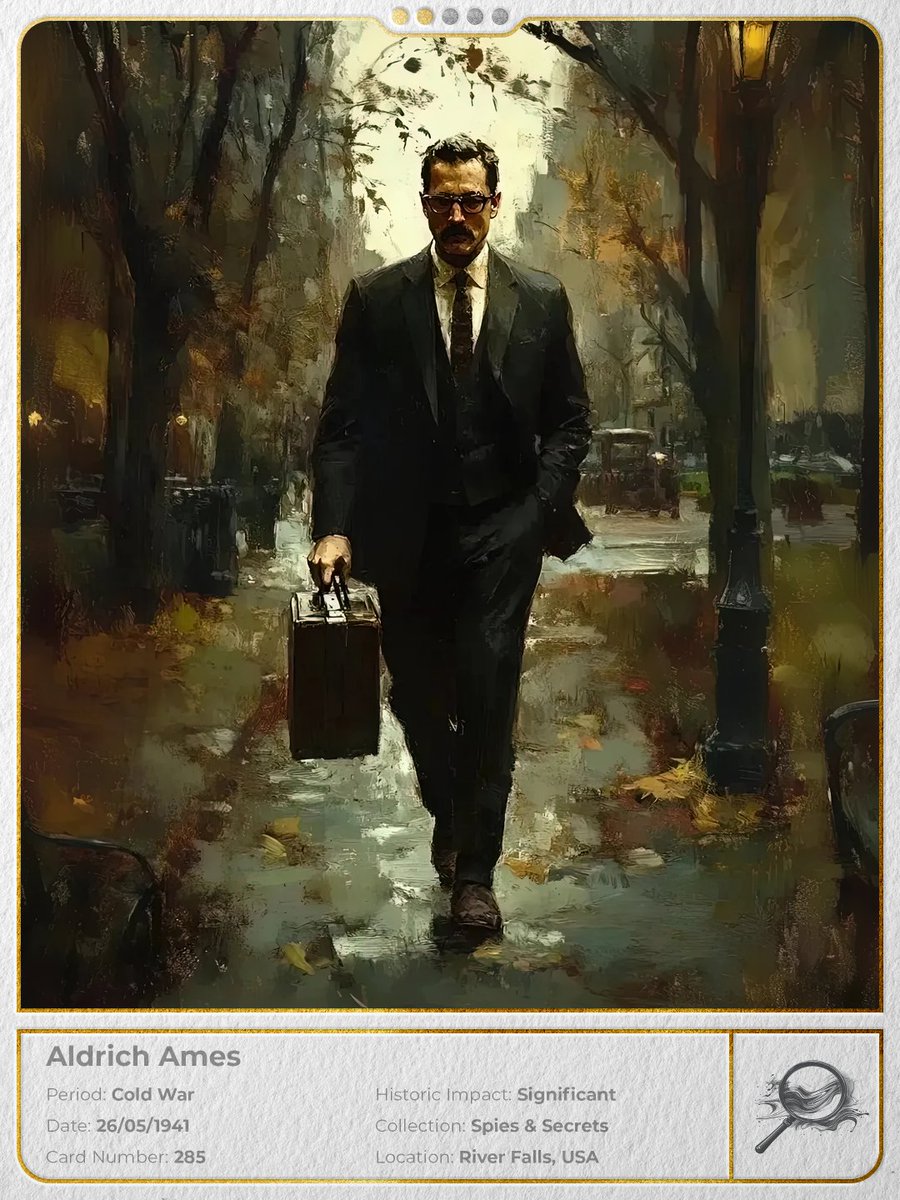
Here is all you need to know about "the Spy who sold America." Nr 285 - Aldrich Ames - Cards of History
Ames wasn’t the CIA’s most impressive officer. He had a reputation for mediocrity, a drinking problem, and a failing marriage.

But what he lacked in talent, he made up for in proximity to secrets. A young Ames in the 1958 McLean High School yearbook
As a counterintelligence officer, Ames had access to the identities of CIA assets operating in the Soviet Union—some of the agency’s most closely guarded information.
Read 17 tweets
Dec 20
Meet Germany's most lethal tank commander.

He destroyed an astonishing 138 Allied tanks and 132 armored vehicles.

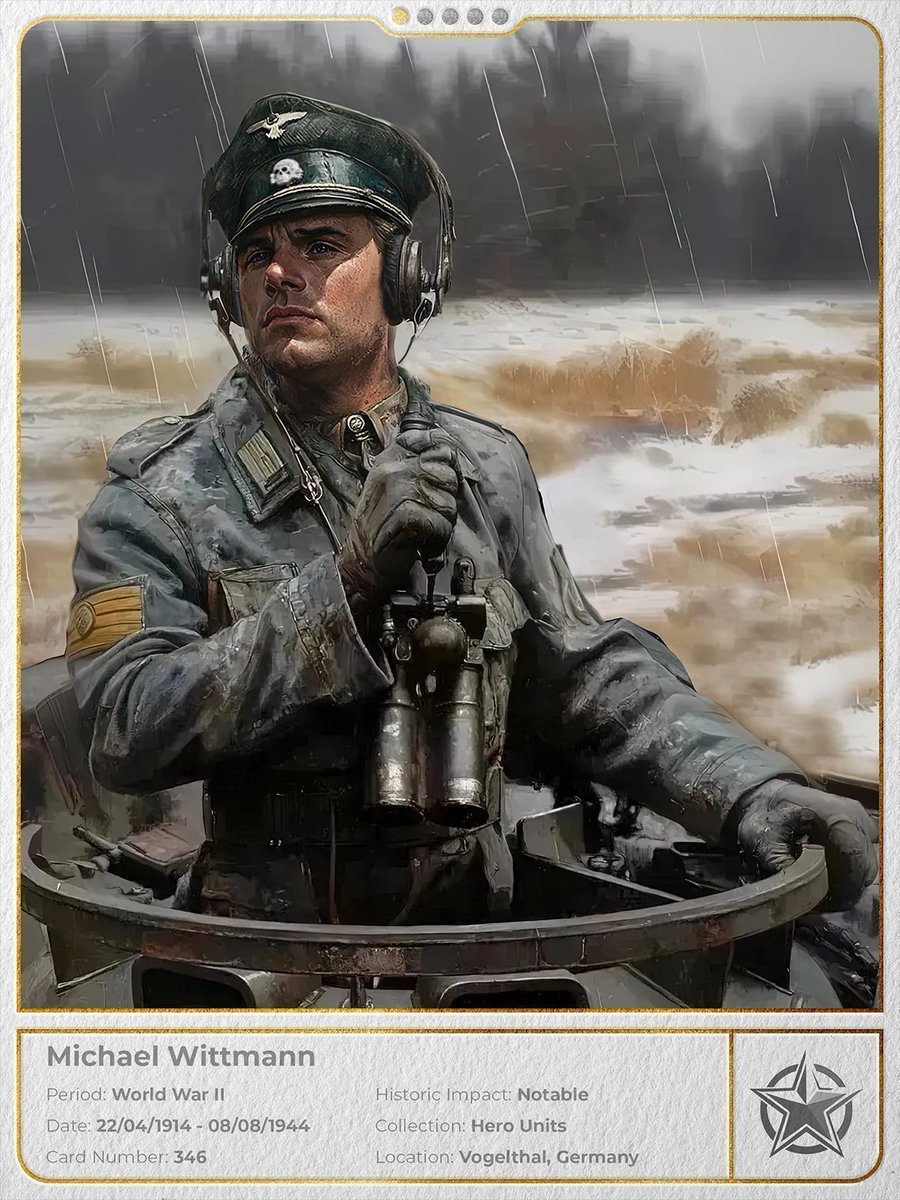
This is the story of the man who became a "Tiger Ace" by leaving a trail of complete destruction in his wake. Nr 346 - Michael Wittmann - Cards of History
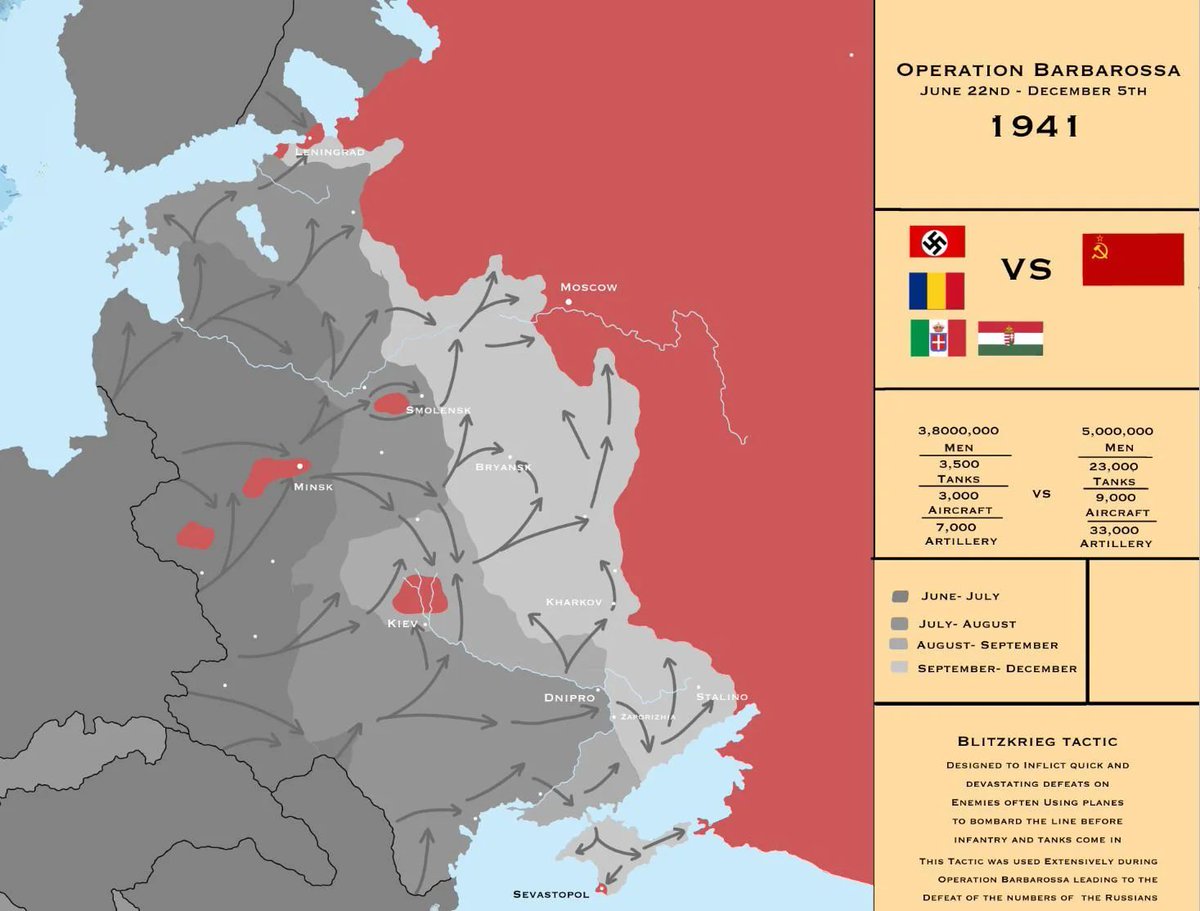
His career as a tank commander began in earnest during Germany’s invasion of the Soviet Union in 1941.

It was on the Eastern Front that Wittmann honed his skills, mastering the art of armored warfare and earning respect for his calm demeanor under fire. Operation Barbarossa
Wittmann’s success was not solely due to his technical skill.

His ability to read the battlefield, anticipate enemy movements, and exploit weaknesses set him apart.

His crew—highly trained and fiercely loyal—was an extension of himself.

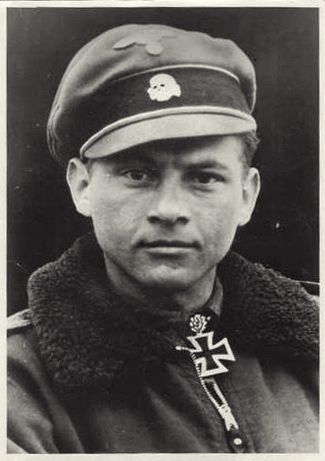
Together they formed a deadly team. Wittman with his Iron Cross, notice the skull icon on his cap.
Read 18 tweets
Dec 18
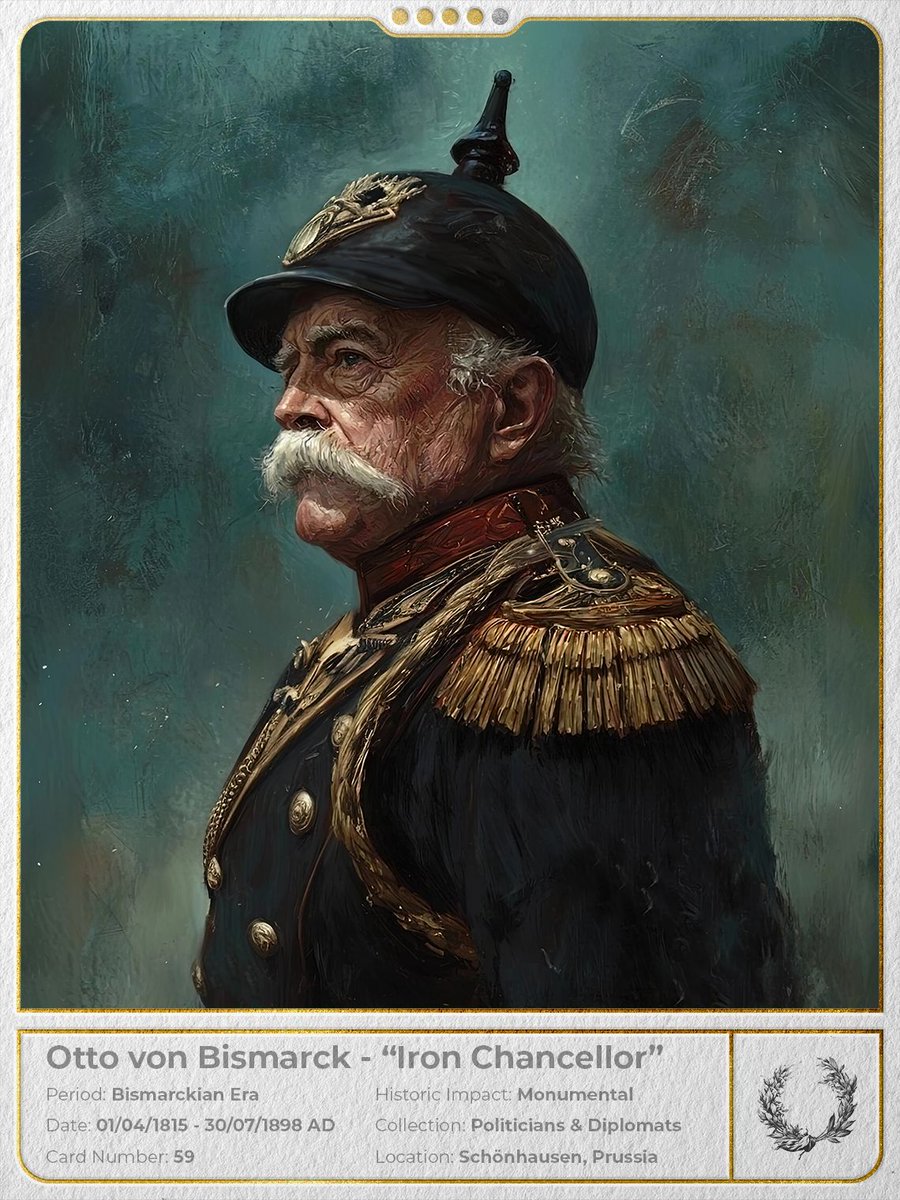
Otto von Bismarck was a master strategist, playing the game of power like a grand chessboard.

He unified Germany through war, but his true genius lay in his ability to keep Europe at peace.

A 🧵 on the lessons from the Iron Chancellor himself for those aspiring to wield power. Nr 59 - Otto van Bismarck - Cards of History - Volume II
1) Master the Art of Realpolitik

Politics is not about ideals, but about what is achievable.

Bismarck's "Realpolitik", was centered on pragmatic, goal-oriented policies rather than ideological purity.

Incentives, more often than not, are more important than ideologies. Image
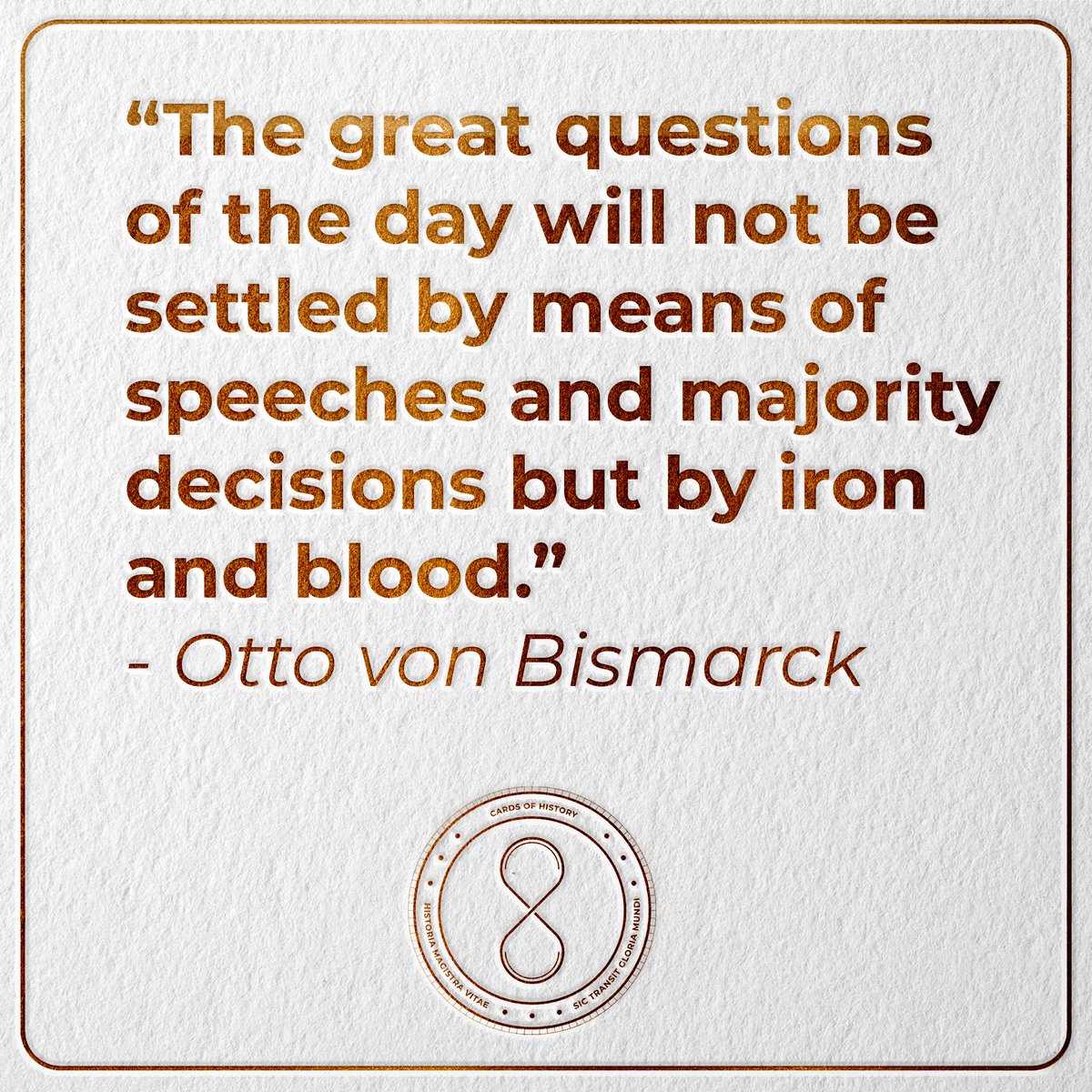
When liberal nationalists failed to unify Germany through speeches and revolutions, Bismarck did it through “iron and blood.”
Read 21 tweets
Dec 13
The Germans were one of the most advanced civilizations before entering WWII.

They had great scientists, fantastic engineers, and brilliant philosophers.

However, as the war unfolded, the very qualities that made German engineering exceptional became a double-edged sword.

🧵 Cards of History
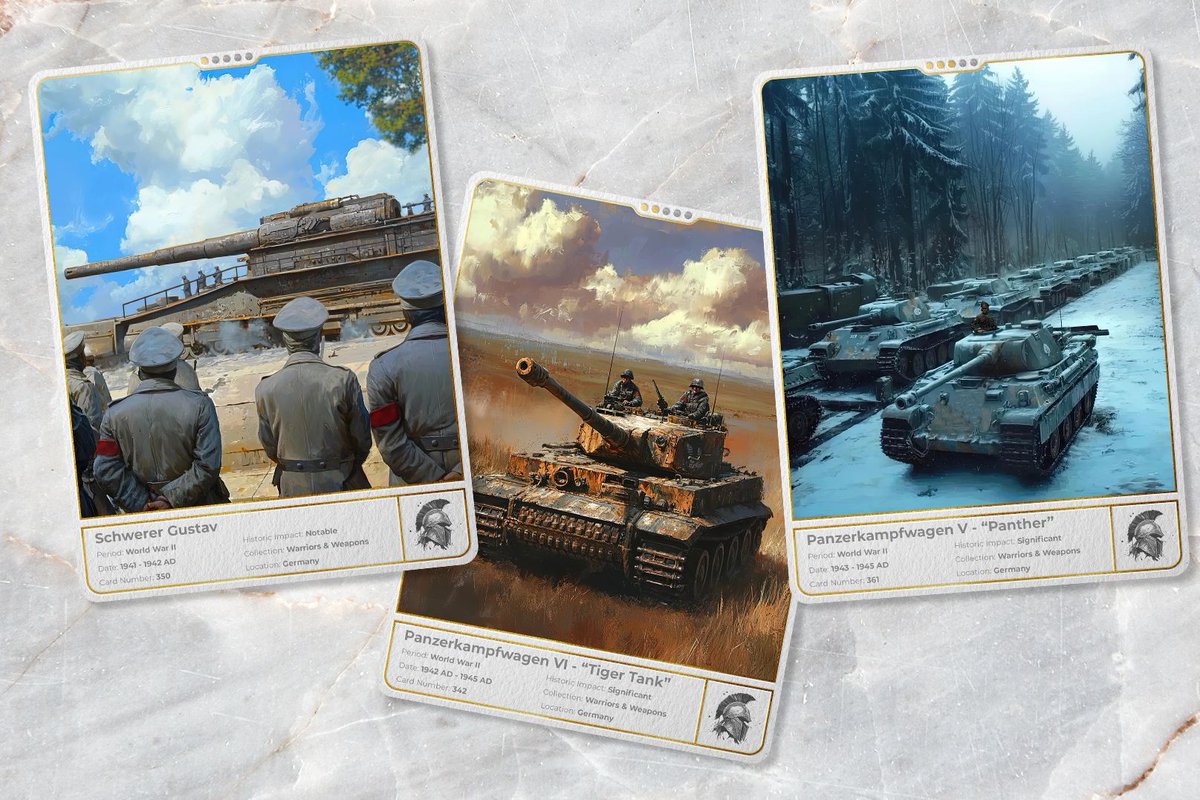
The meticulous nature of German engineering led to the creation of some of the most advanced weapons of the time.

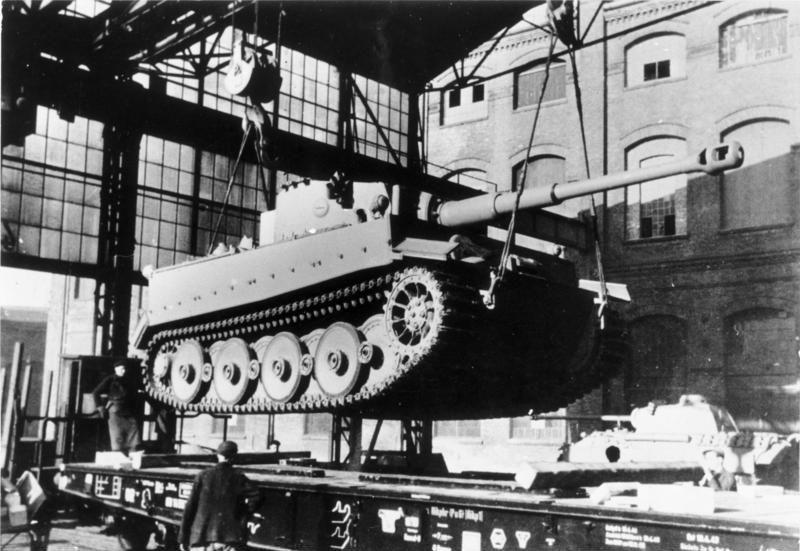
Tanks like the Tiger and Panther were marvels of military technology, boasting superior firepower, armor, and precision. Tiger Tank on the production line.
Yet, this precision came at a cost. These machines were incredibly complex to manufacture and maintain, requiring significant resources, time, and expertise to produce.
Read 14 tweets
Dec 12
"My god It works."

Those must’ve been the words running through Elon’s mind when his rockets took off.

Rewind a mere 120 years.

Two brothers standing in the cold December wind, watching their creation defy gravity for the first time.

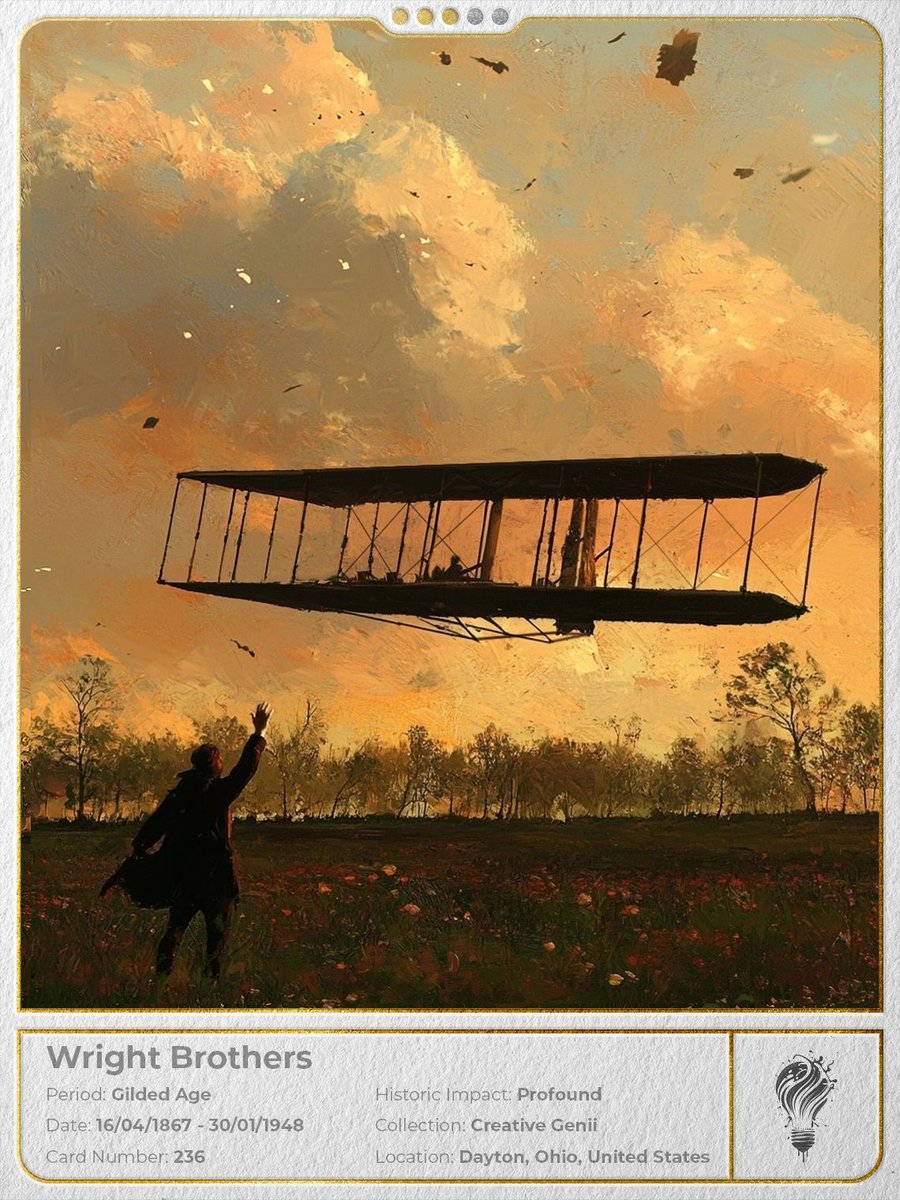
Here’s how they made history. 🧵 Image
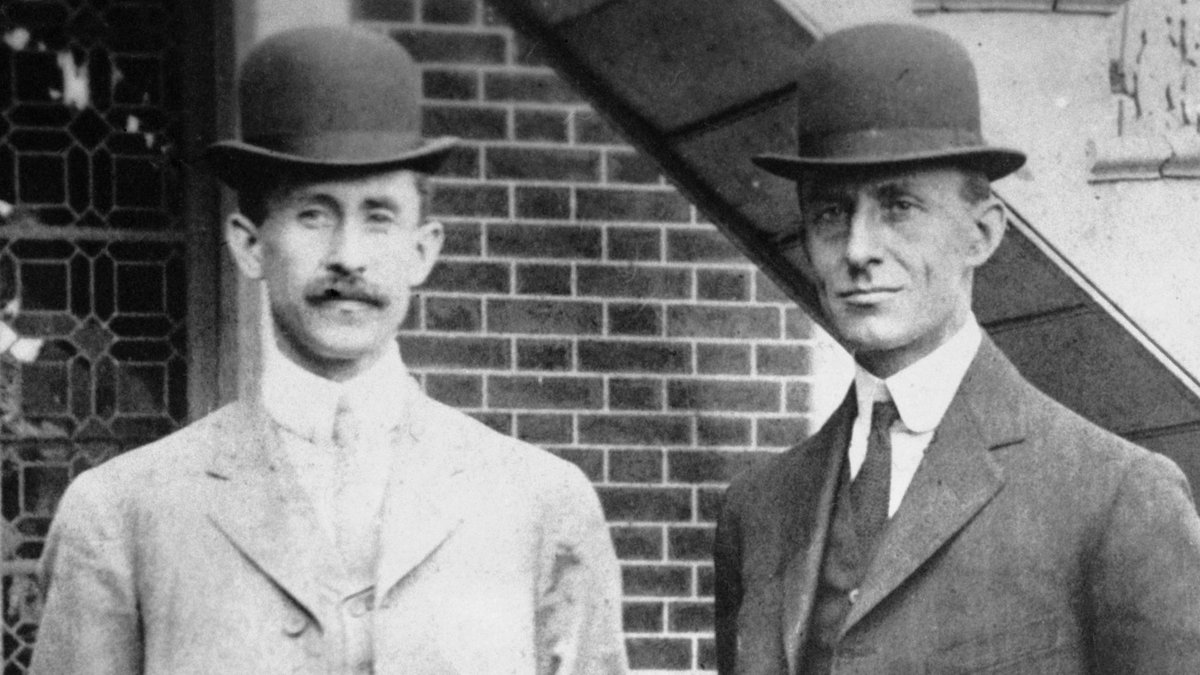
The Wright brothers, Orville and Wilbur, were two self-taught engineers from Dayton, Ohio. They weren’t scientists, and they didn’t have formal education beyond high school.

But they shared two key things: an obsession with flight and a knack for solving hard problems. The Wright Brothers
In the late 1800s, the dream of human flight was alive, but most attempts were disastrous.

People built gliders and contraptions that crashed more often than they soared.

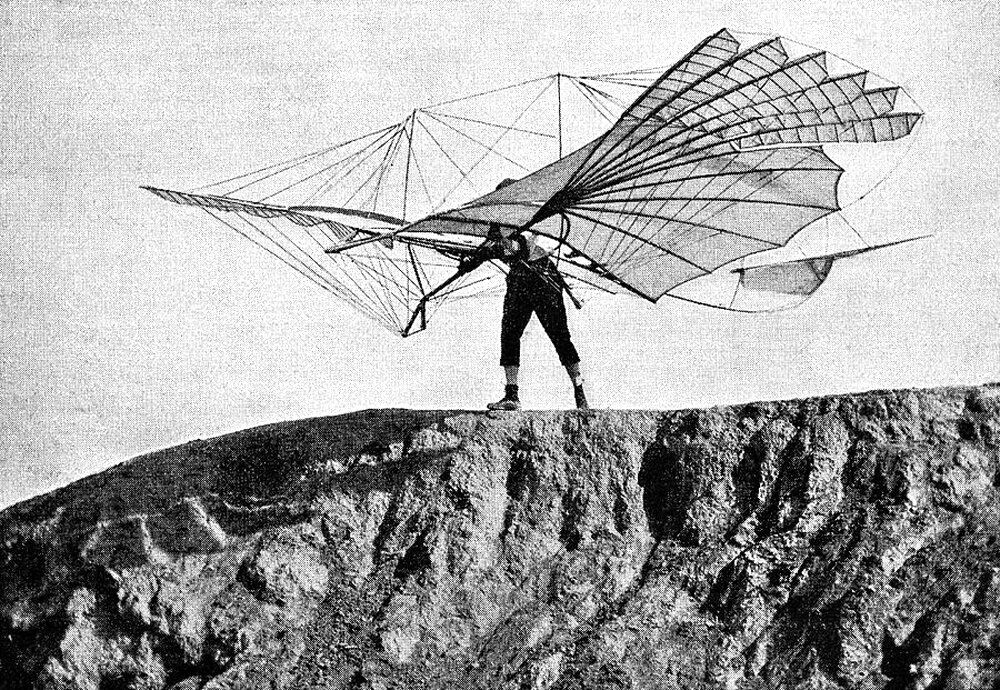
The Wrights knew the problem wasn’t just engines—it was control. To fly, you had to steer. Otto Lilienthal trying to fly with a glider prototype.
Read 15 tweets

Did Thread Reader help you today?

Support us! We are indie developers!


This site is made by just two indie developers on a laptop doing marketing, support and development! Read more about the story.

Become a Premium Member ($3/month or $30/year) and get exclusive features!

Become Premium

Don't want to be a Premium member but still want to support us?

Make a small donation by buying us coffee ($5) or help with server cost ($10)

Donate via Paypal

Or Donate anonymously using crypto!

Ethereum

0xfe58350B80634f60Fa6Dc149a72b4DFbc17D341E copy

Bitcoin

3ATGMxNzCUFzxpMCHL5sWSt4DVtS8UqXpi copy

Thank you for your support!

Follow Us!

:(