Elon Musk never finished his PhD in Industry Science.
Instead, he read 3 rocket science books and built a $350 BILLION space company.
How? A learning strategy so powerful, NASA engineers now use it.
Here's his genius framework for learning anything: 🧵
Instead, he read 3 rocket science books and built a $350 BILLION space company.
How? A learning strategy so powerful, NASA engineers now use it.
Here's his genius framework for learning anything: 🧵


Picture this: It's 1995.
A student sits in Stanford's PhD program, eager to dive into applied physics.
But after just 2 days, he makes a decision that shocks everyone:
He drops out.
Little did they know this "failure" would reshape the future of space travel...
A student sits in Stanford's PhD program, eager to dive into applied physics.
But after just 2 days, he makes a decision that shocks everyone:
He drops out.
Little did they know this "failure" would reshape the future of space travel...
His professors thought he was throwing his life away.
His parents were devastated.
Even his friends questioned his sanity.
But Elon had spotted something they hadn't:
The internet boom was coming. And with it, an opportunity to revolutionize multiple industries.
His parents were devastated.
Even his friends questioned his sanity.
But Elon had spotted something they hadn't:
The internet boom was coming. And with it, an opportunity to revolutionize multiple industries.
Fast forward to 2001.
Elon has just sold his first company for millions.
Most would retire. Buy a yacht. Sip cocktails.
But Elon? He had a wild idea:
"What if we could make space travel 10x cheaper?"
The response from experts? Pure laughter.
Elon has just sold his first company for millions.
Most would retire. Buy a yacht. Sip cocktails.
But Elon? He had a wild idea:
"What if we could make space travel 10x cheaper?"
The response from experts? Pure laughter.

The space industry was a fortress.
Dominated by giants like Boeing and Lockheed Martin.
Protected by government contracts.
Guarded by PhDs with decades of experience.
But Elon had a secret weapon:
A learning framework so powerful it would change everything.
Dominated by giants like Boeing and Lockheed Martin.
Protected by government contracts.
Guarded by PhDs with decades of experience.
But Elon had a secret weapon:
A learning framework so powerful it would change everything.
First, he borrowed 3 books:
• "Rocket Propulsion Elements"
• "Aerothermodynamics of Gas Turbine and Rocket Propulsion"
• "Fundamentals of Astrodynamics"
Then, instead of memorizing facts, he searched for underlying principles.
Here's how:
• "Rocket Propulsion Elements"
• "Aerothermodynamics of Gas Turbine and Rocket Propulsion"
• "Fundamentals of Astrodynamics"
Then, instead of memorizing facts, he searched for underlying principles.
Here's how:
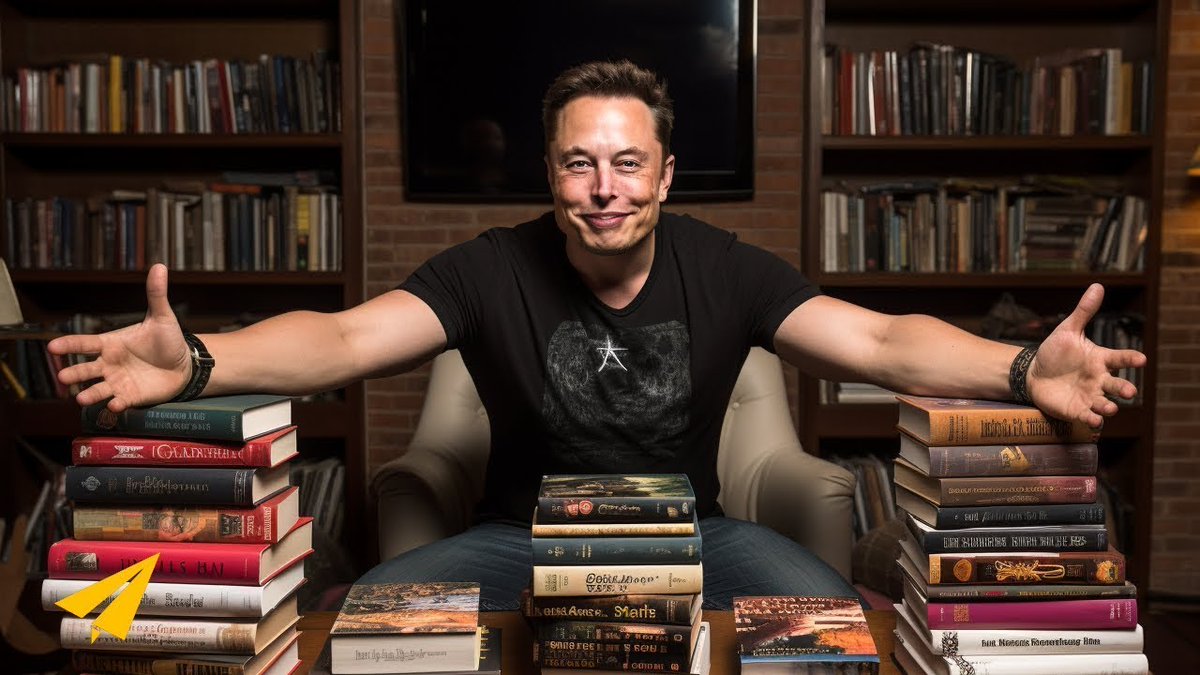
His framework has 2 parts:
1. Deconstruct knowledge into fundamental principles
Like taking apart a complex machine to see how it works.
Break everything down to its most basic elements.
But that's just the start...
1. Deconstruct knowledge into fundamental principles
Like taking apart a complex machine to see how it works.
Break everything down to its most basic elements.
But that's just the start...
2. Reconstruct those principles in new ways
Instead of following established methods, combine principles to create new solutions.
This is where innovation happens.
And this approach led to his biggest breakthrough:
Instead of following established methods, combine principles to create new solutions.
This is where innovation happens.
And this approach led to his biggest breakthrough:
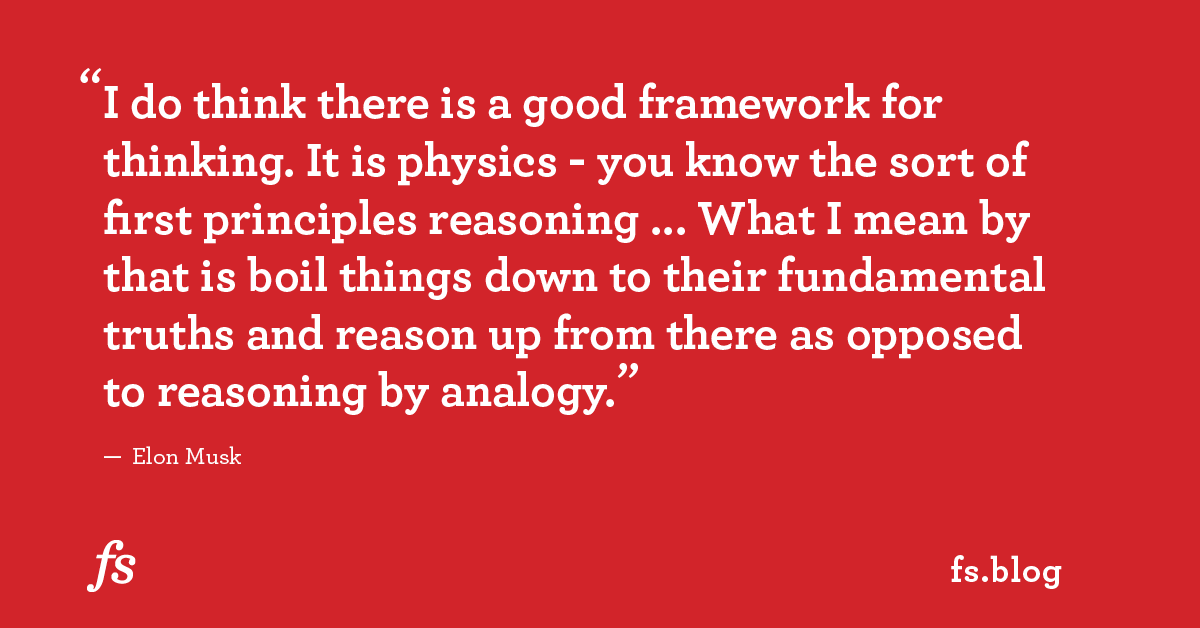
Take rockets:
Traditional rockets were single-use.
Like throwing away a plane after one flight.
But by understanding the fundamental principles, Elon saw something different:
Traditional rockets were single-use.
Like throwing away a plane after one flight.
But by understanding the fundamental principles, Elon saw something different:
The materials in rockets cost only 2% of the total price.
The rest? Pure markup.
This insight led to reusable rockets:
• Traditional rocket cost: $200M per launch
• SpaceX Falcon 9 cost: $62M per launch
Instead of "established methods"...
The rest? Pure markup.
This insight led to reusable rockets:
• Traditional rocket cost: $200M per launch
• SpaceX Falcon 9 cost: $62M per launch
Instead of "established methods"...

He cut costs by 70%.
But the framework goes deeper:
Musk doesn't just read - he builds mental models:
Each principle becomes a building block.
This allows him to solve problems across different fields:
But the framework goes deeper:
Musk doesn't just read - he builds mental models:
Each principle becomes a building block.
This allows him to solve problems across different fields:

For example:
He applied physics principles to battery technology.
Result? Tesla's battery costs dropped from $600 to $80 per kilowatt-hour.
Same framework, different industry.
But there's one more crucial element:
He applied physics principles to battery technology.
Result? Tesla's battery costs dropped from $600 to $80 per kilowatt-hour.
Same framework, different industry.
But there's one more crucial element:
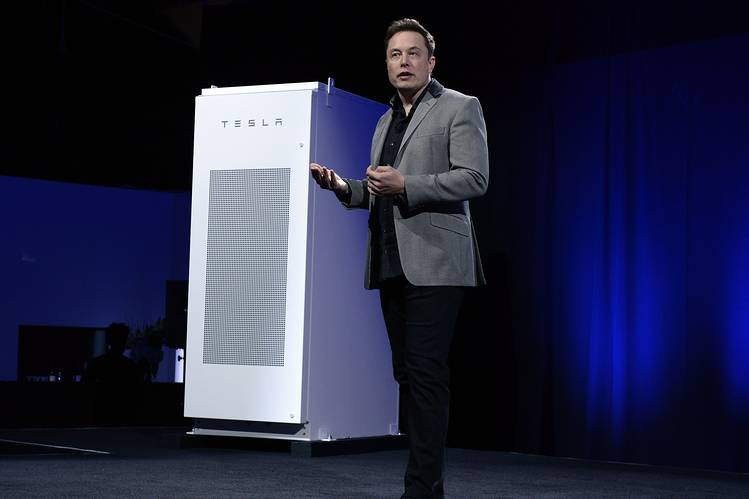
Musk emphasizes learning transfer:
Take principles from one field and apply them to another.
This is how he jumped from:
• Online payments (PayPal)
• To electric cars (Tesla)
• To space travel (SpaceX)
The framework in action:
Take principles from one field and apply them to another.
This is how he jumped from:
• Online payments (PayPal)
• To electric cars (Tesla)
• To space travel (SpaceX)
The framework in action:
1. Break down complex topics into basic principles
2. Rebuild those principles in new ways
3. Transfer insights across different fields
This is how he built a space company without a PhD.
But here's what most people miss:
2. Rebuild those principles in new ways
3. Transfer insights across different fields
This is how he built a space company without a PhD.
But here's what most people miss:
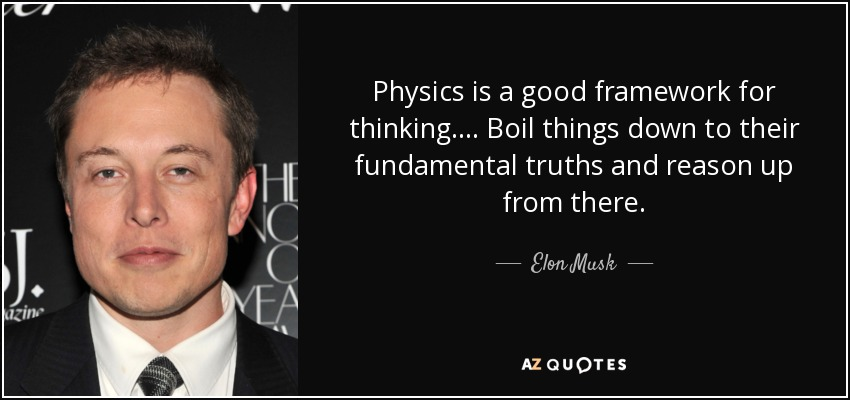
The real power of this learning framework?
It's not just for tech billionaires.
It's transforming how Fortune 100 companies approach innovation and automation.
Here's what tech leaders are discovering:
It's not just for tech billionaires.
It's transforming how Fortune 100 companies approach innovation and automation.
Here's what tech leaders are discovering:
Breaking down complex systems into fundamental principles isn't just a learning hack.
It's the key to mastering the programmable economy.
From APIs to automation, the companies winning today are the ones who:
• Understand core principles
• Rebuild them in novel ways
It's the key to mastering the programmable economy.
From APIs to automation, the companies winning today are the ones who:
• Understand core principles
• Rebuild them in novel ways
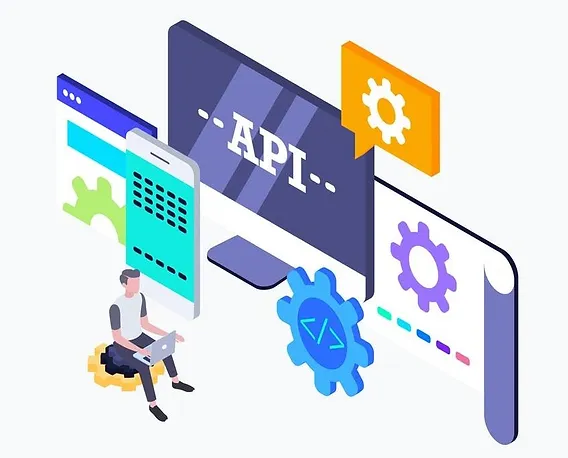
This is why I'm passionate about helping tech leaders navigate this transformation.
At APIdays, we've built a community of 300,000+ innovators who are reshaping the future of technology.
Want to be part of this revolution?
At APIdays, we've built a community of 300,000+ innovators who are reshaping the future of technology.
Want to be part of this revolution?
Join us at APIdays in 2025 where we'll dive deep into:
• Future of Tech
• AI & Automation
• GreenIT & GreenOps
• The Programmable Economy
Are you ready to become the future of tech?
• Future of Tech
• AI & Automation
• GreenIT & GreenOps
• The Programmable Economy
Are you ready to become the future of tech?
• Join our 300K+ community
• Follow @BaptisteVicini for more on APIs, tech, and the future of AI.
• Repost for your network if you found it helpful! ♻️
The future's connected. 🌐
Become part of it... apidays.typeform.com/to/i1MPEW
• Follow @BaptisteVicini for more on APIs, tech, and the future of AI.
• Repost for your network if you found it helpful! ♻️
The future's connected. 🌐
Become part of it... apidays.typeform.com/to/i1MPEW
I am Baptiste Parravicini:
• Tech entrepreneur & API visionary
• Co-founder of apidays, world's leading API conference
• Passionate about AI integration & tech for the greater good
Follow for insights on how APIs are connecting our future
Repost for your network 🔄:
• Tech entrepreneur & API visionary
• Co-founder of apidays, world's leading API conference
• Passionate about AI integration & tech for the greater good
Follow for insights on how APIs are connecting our future
Repost for your network 🔄:
https://twitter.com/2880807161/status/1872306139045724299
• • •
Missing some Tweet in this thread? You can try to
force a refresh