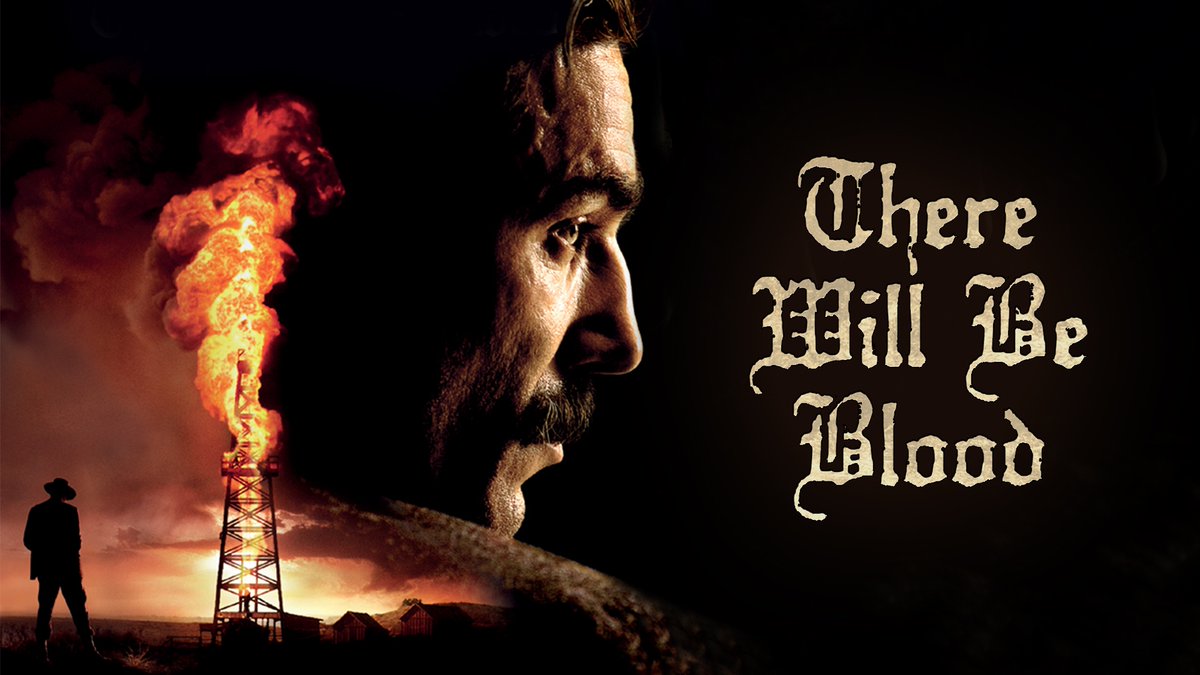
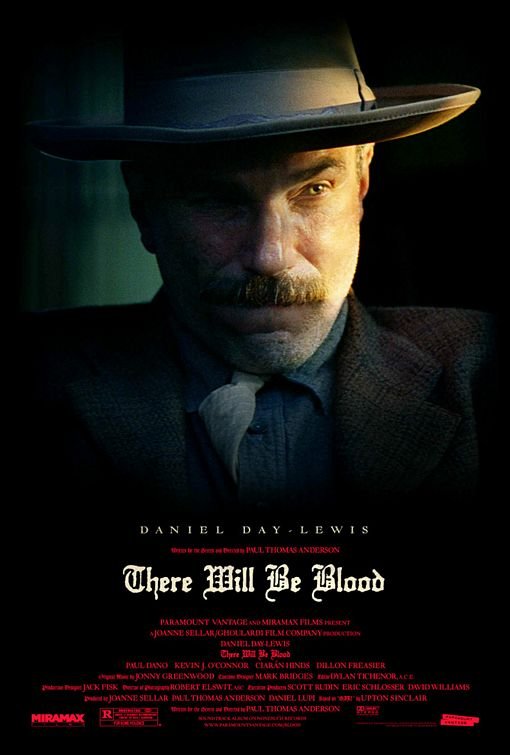
THERE WILL BE BLOOD was released 17 years ago today. Acclaimed as one of the greatest films this century and among Paul Thomas Anderson’s most popular, reading the making of story is like striking oil…
1/43
1/43
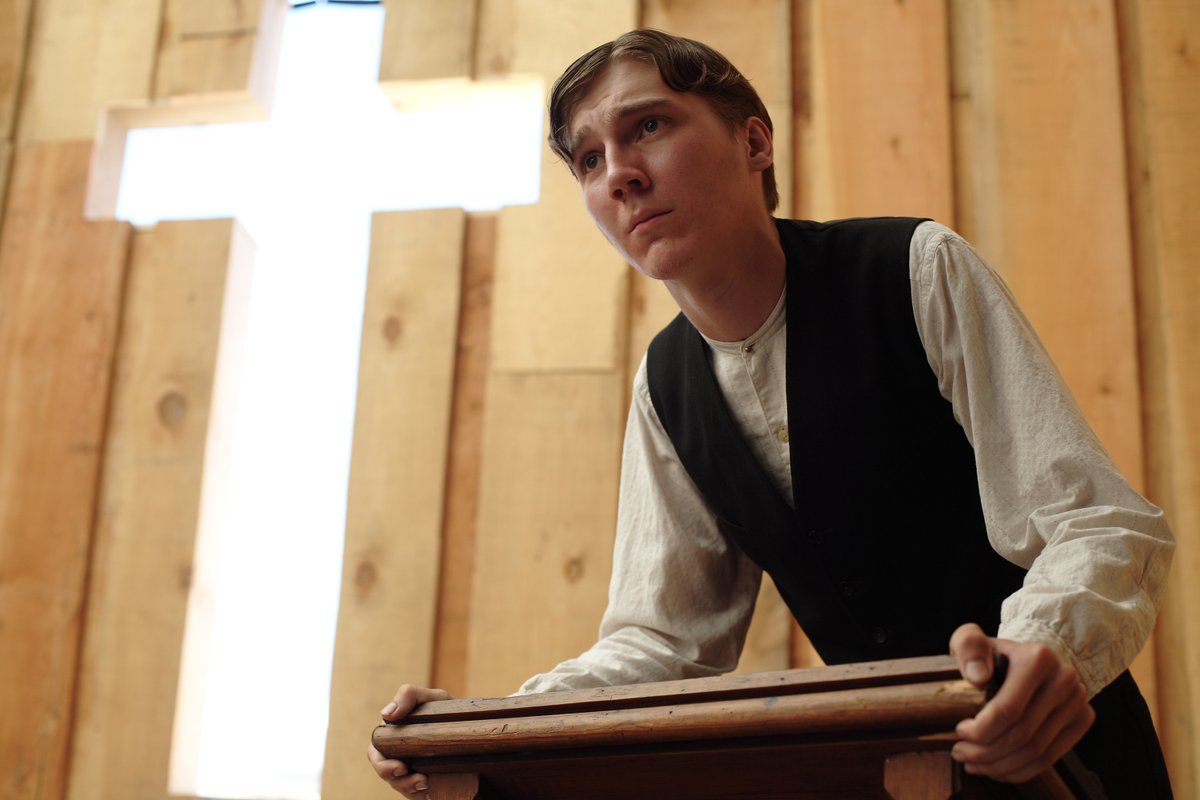

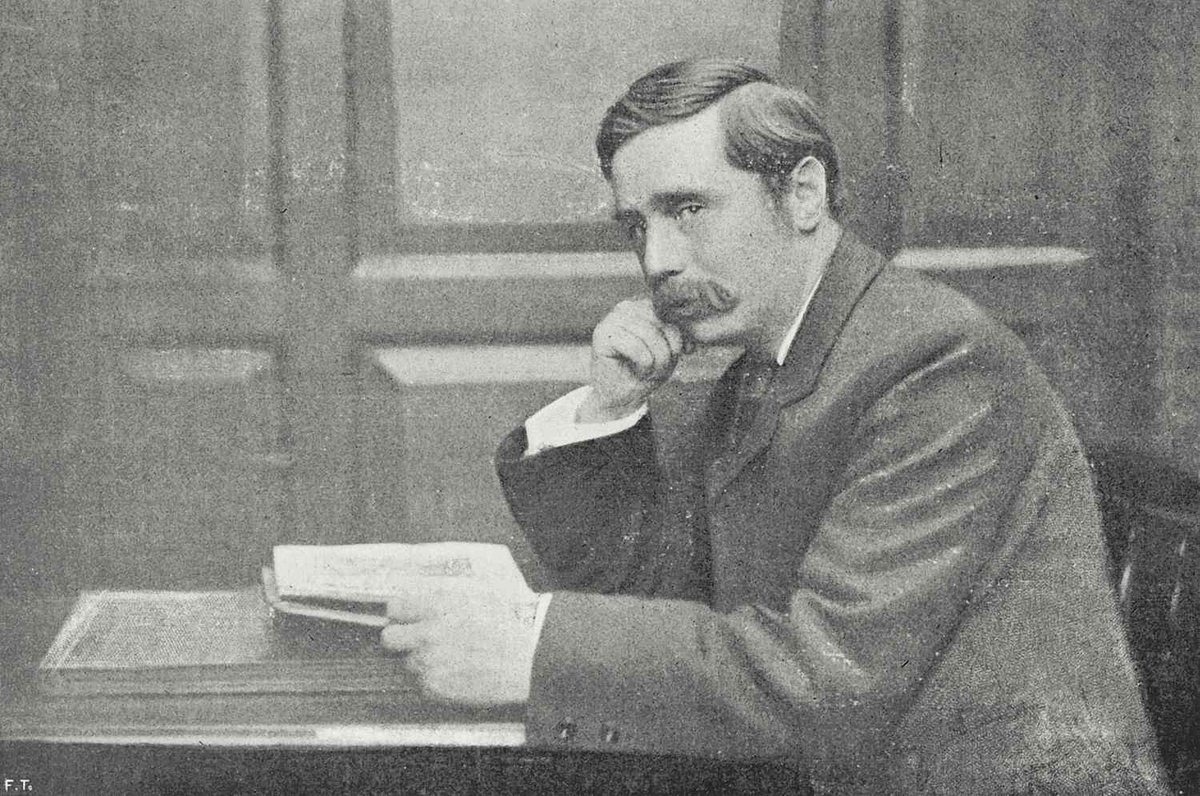
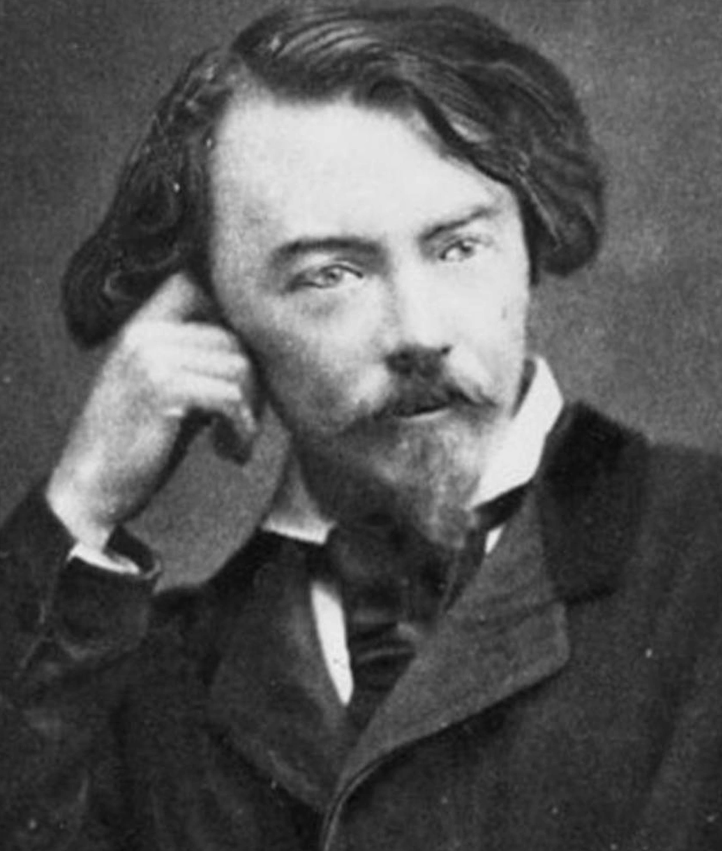
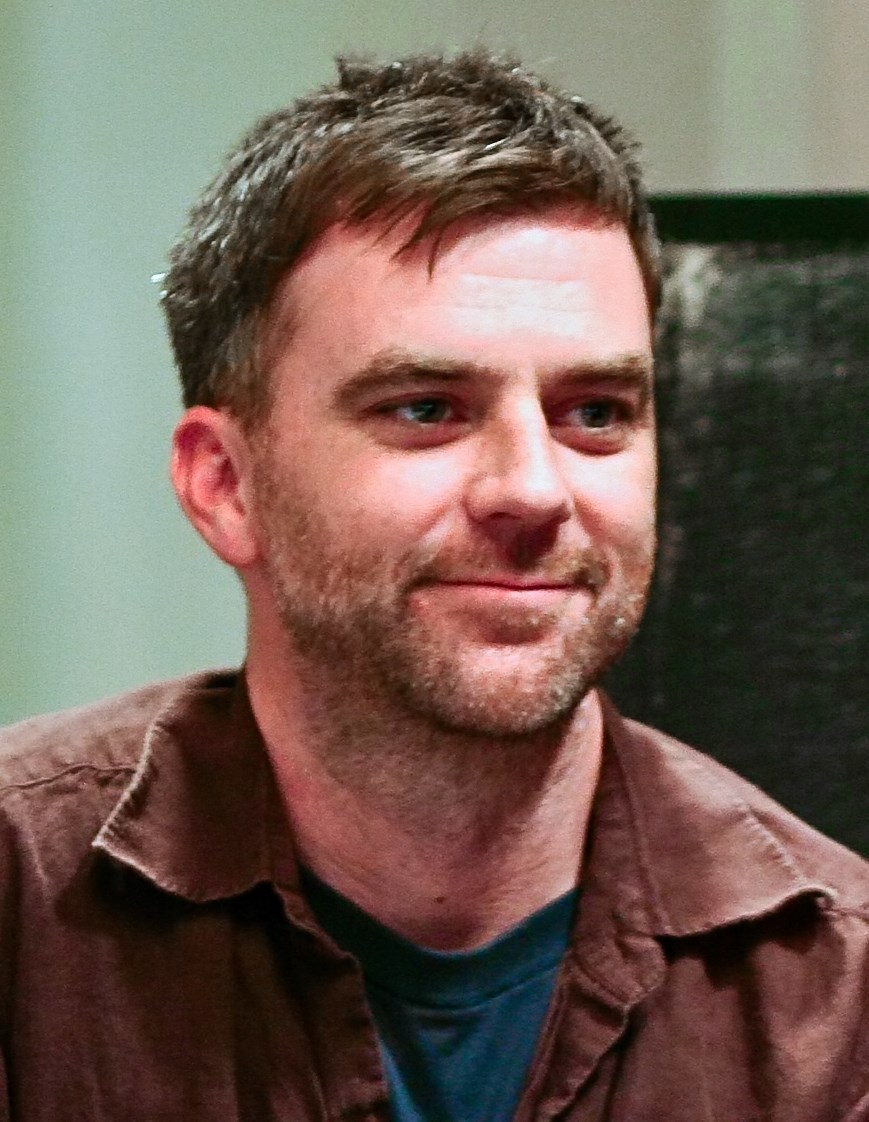
2 years after the success of Punch Drunk Love (2002), Paul Thomas Anderson was working on a new screenplay. It was a drama revolving around two wearing families but writer’s block set in. To inspire his creativity, Anderson read a few books, one of which was called Oil!
2/43
2/43
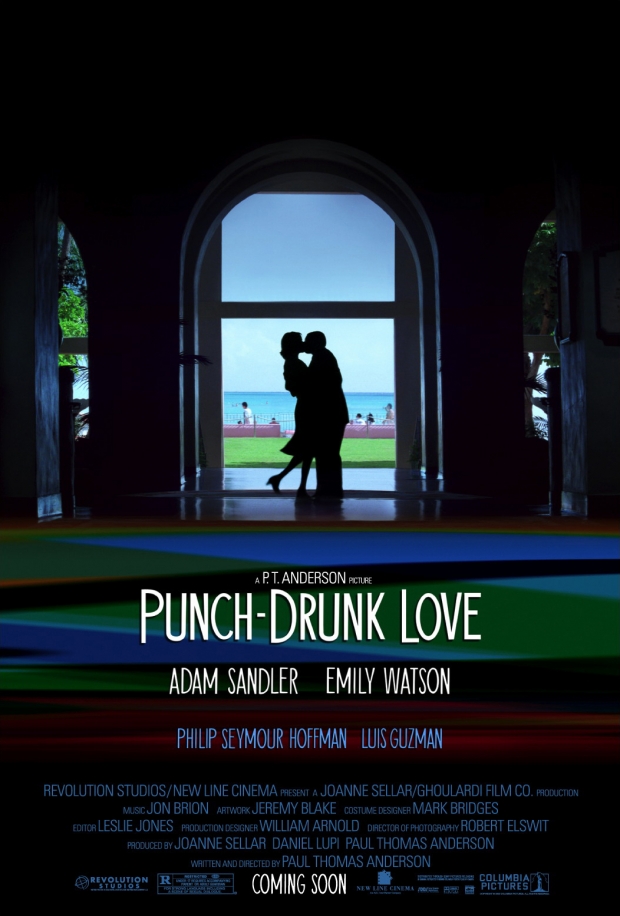
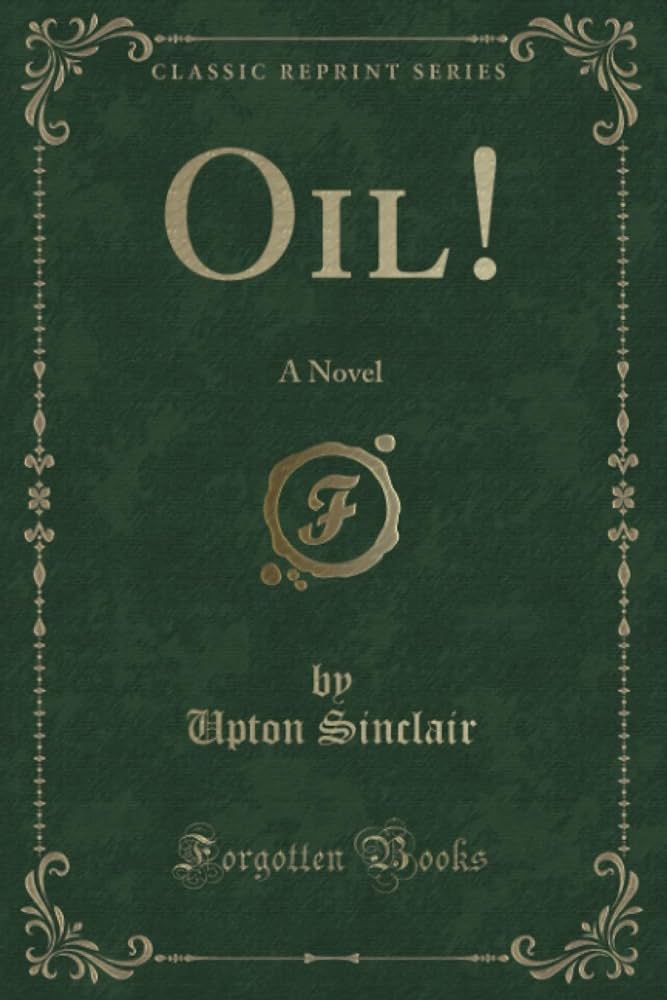
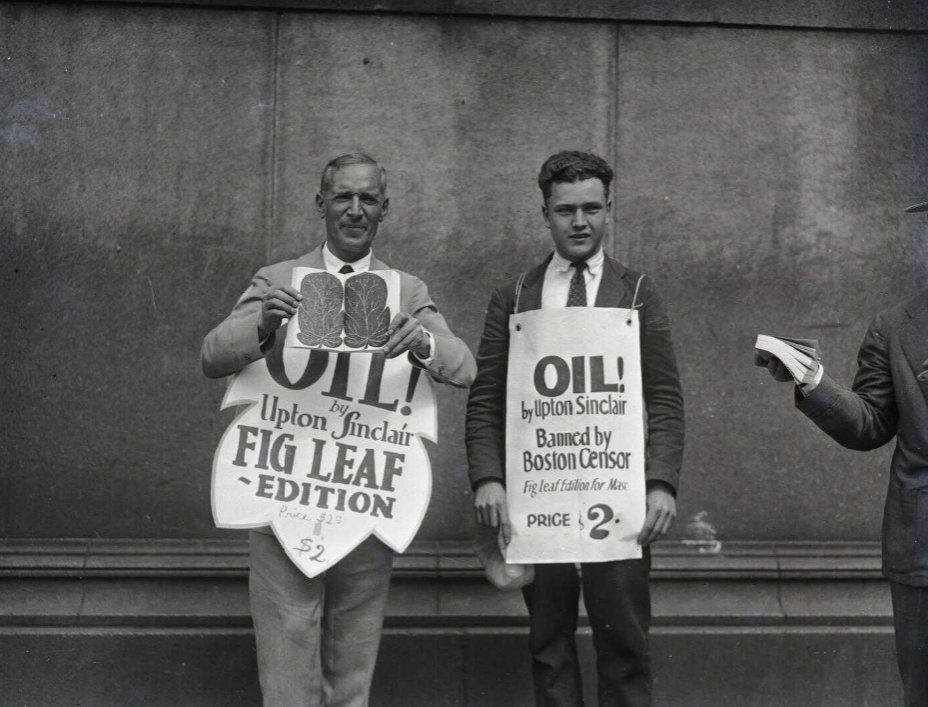
Written in 1926 by Upton Sinclair, Oil! Dramatizes the oil boom of the US, with themes around greed and capitalism powering the narrative. Anderson became so enamoured with Sinclair’s novel he approached Eric Schlosser, who owned the rights to the book, about adapting it.
3/43
3/43
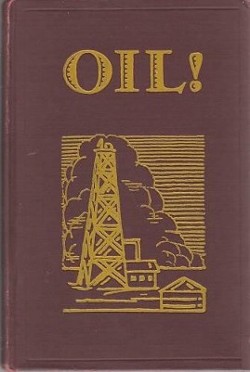
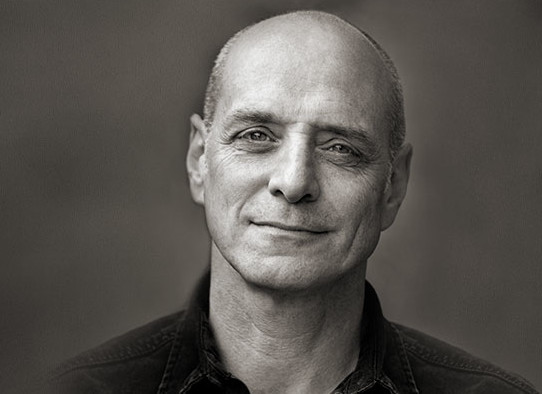
Anderson adapted the first 150 pages of the book into a screenplay then, fuelled by research into the oil trade, fleshed it into new directions. Anderson felt like he was “collaborating” with Sinclair rather than adapting him and changed the title to There Will Be Blood.
4/43
4/43
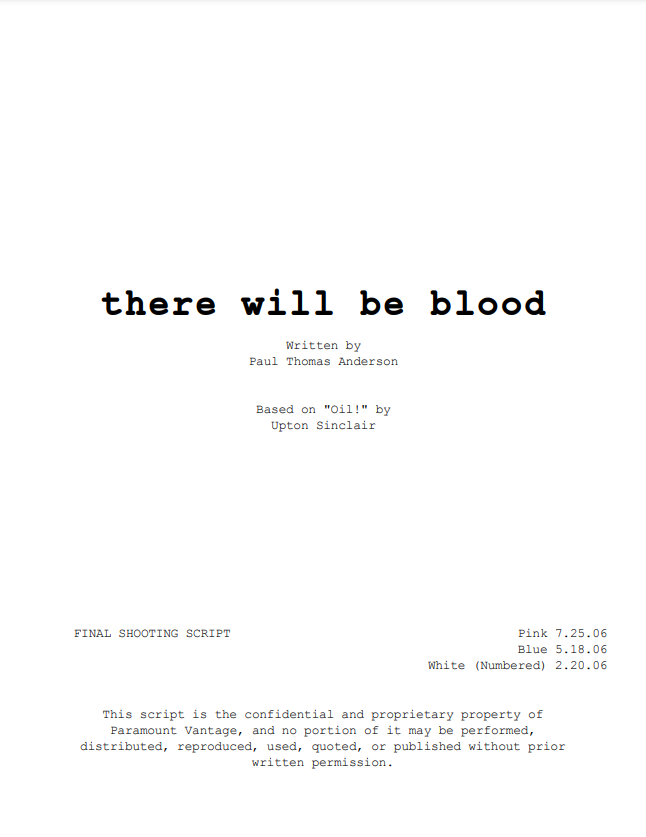
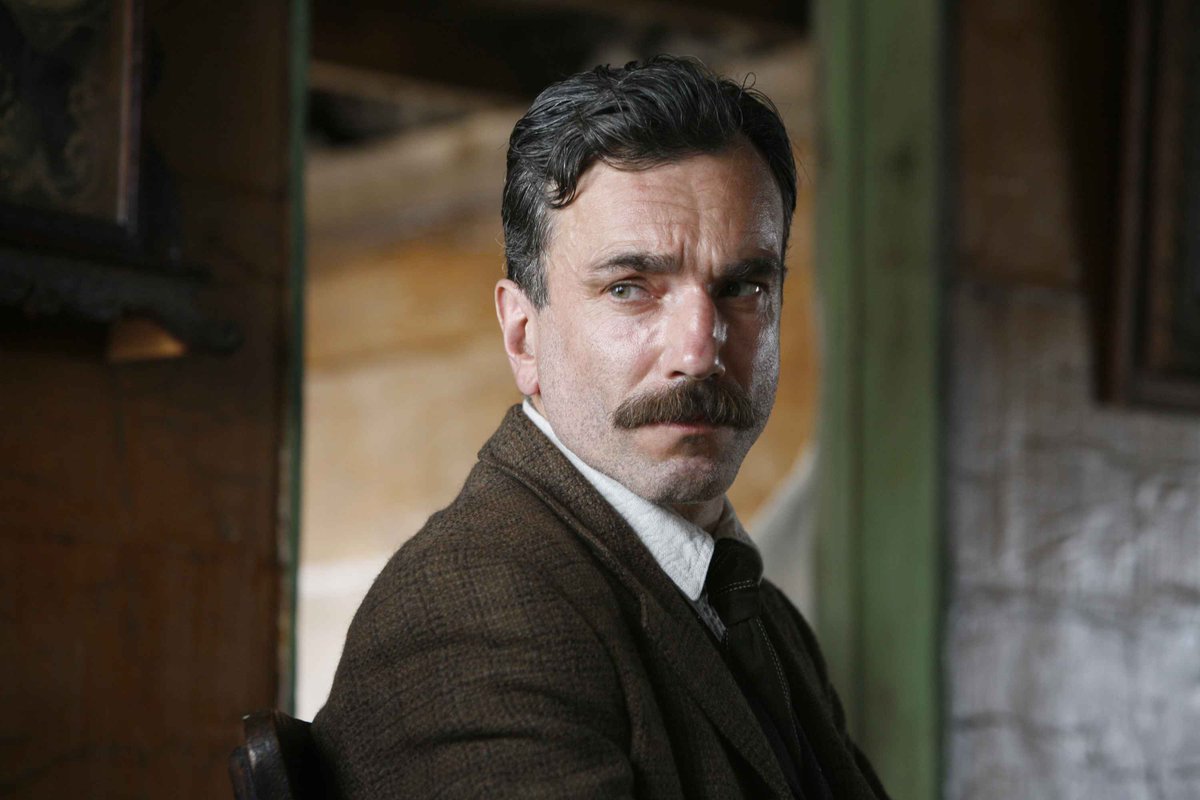
Anderson had always liked the idea of working with Daniel Day-Lewis and wrote the lead part of oil man Daniel Plainview with Day-Lewis in mind. Similarly, Day-Lewis was a big fan of Punch Drunk Love and wanted to work with him.
5/43
5/43
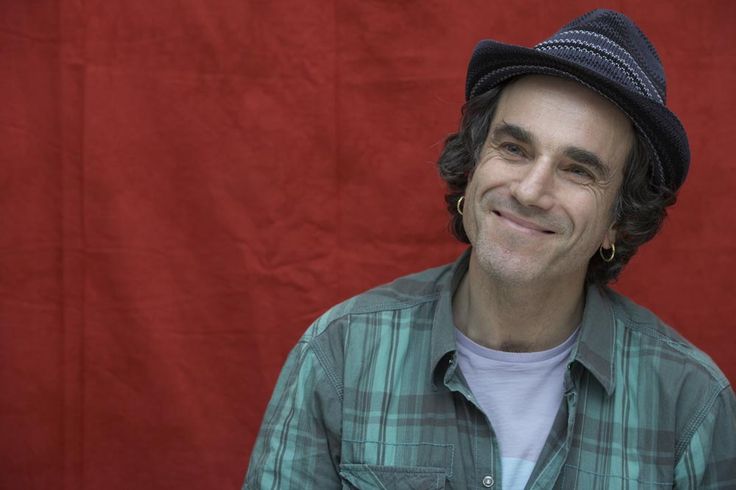
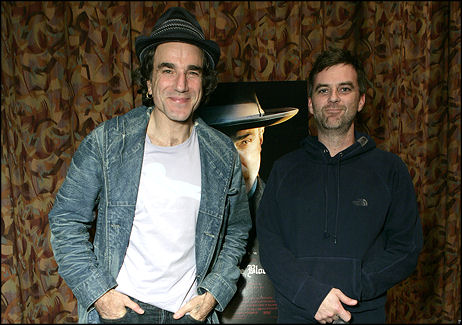
PTA sent DDL the script before he’d even finished it (unheard of for Anderson) and Day-Lewis liked it immediately. He said he was drawn to the film as he could explore the dark recesses of his psyche with Plainview and it was appealing to play a character so unlike himself.
6/43
6/43
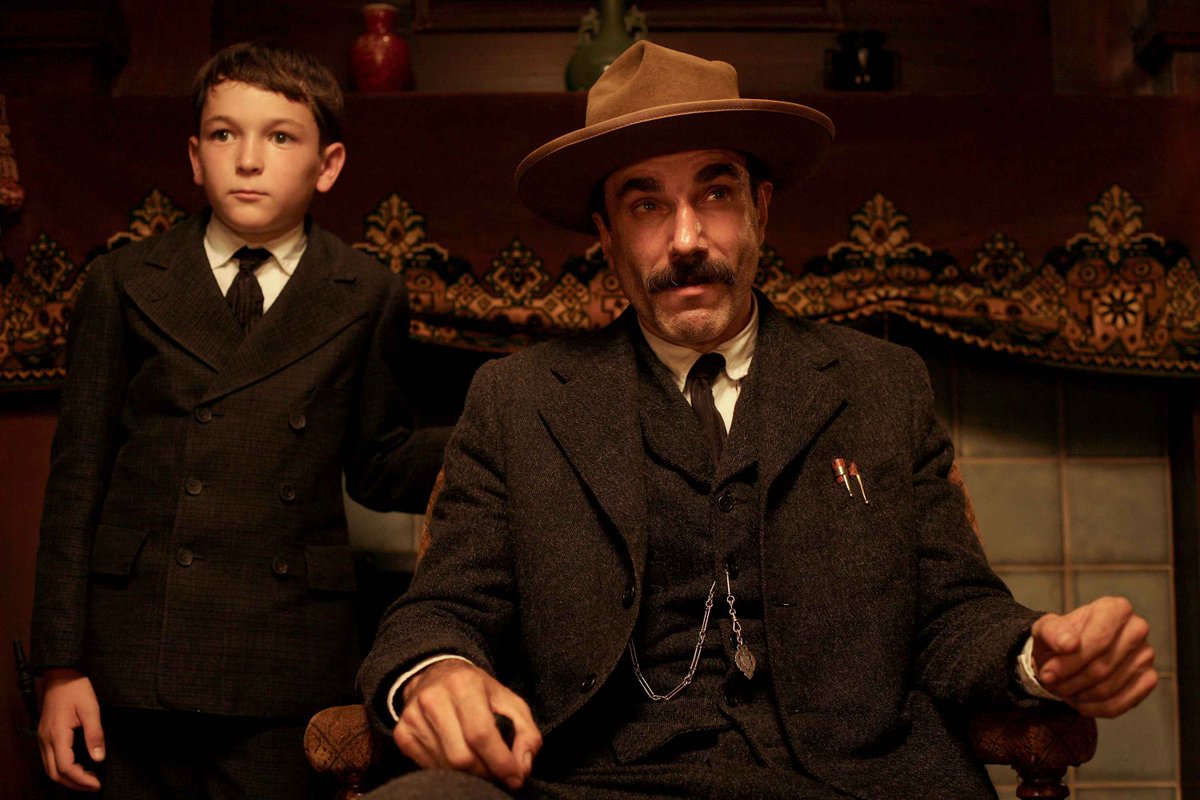
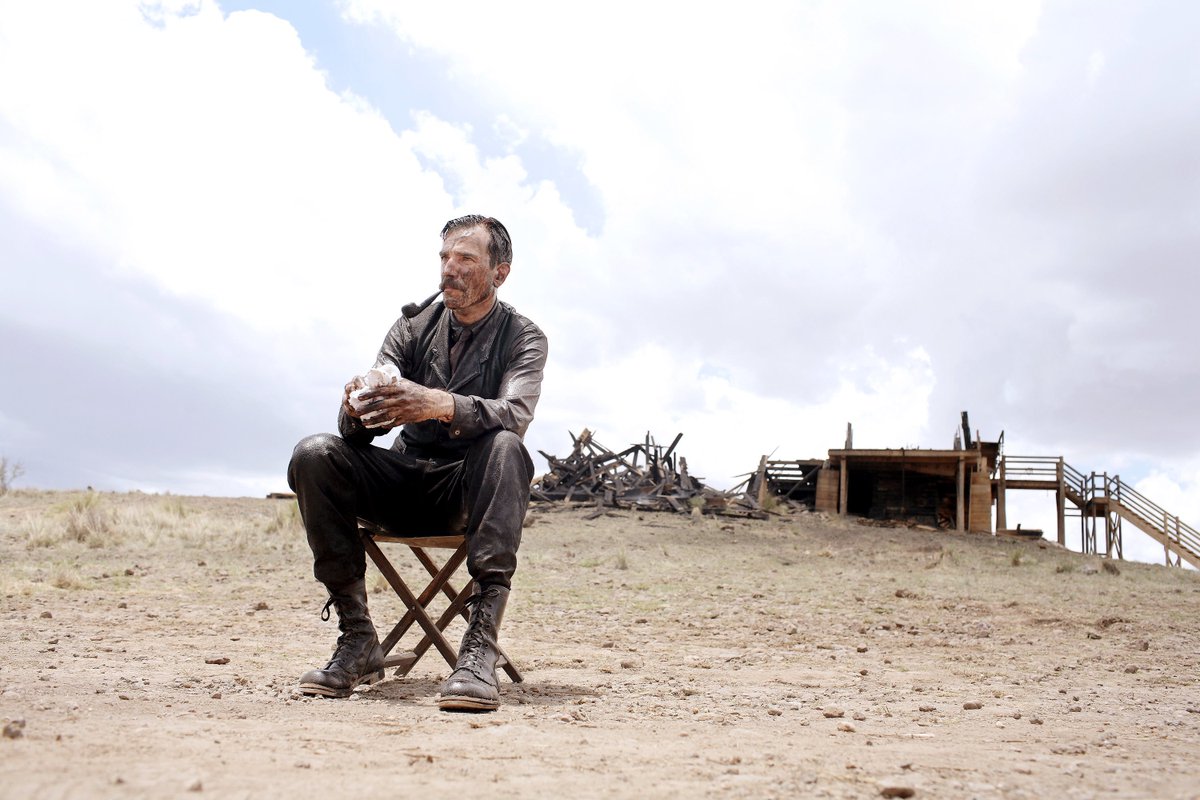
Daniel Day-Lewis is famous for being a method actor and worked on the part of Daniel for over a year before filming started. There were rumours he had an oil derrick built at his home in Ireland in preparation, but Day-Lewis says that wasn’t true.
7/43
7/43
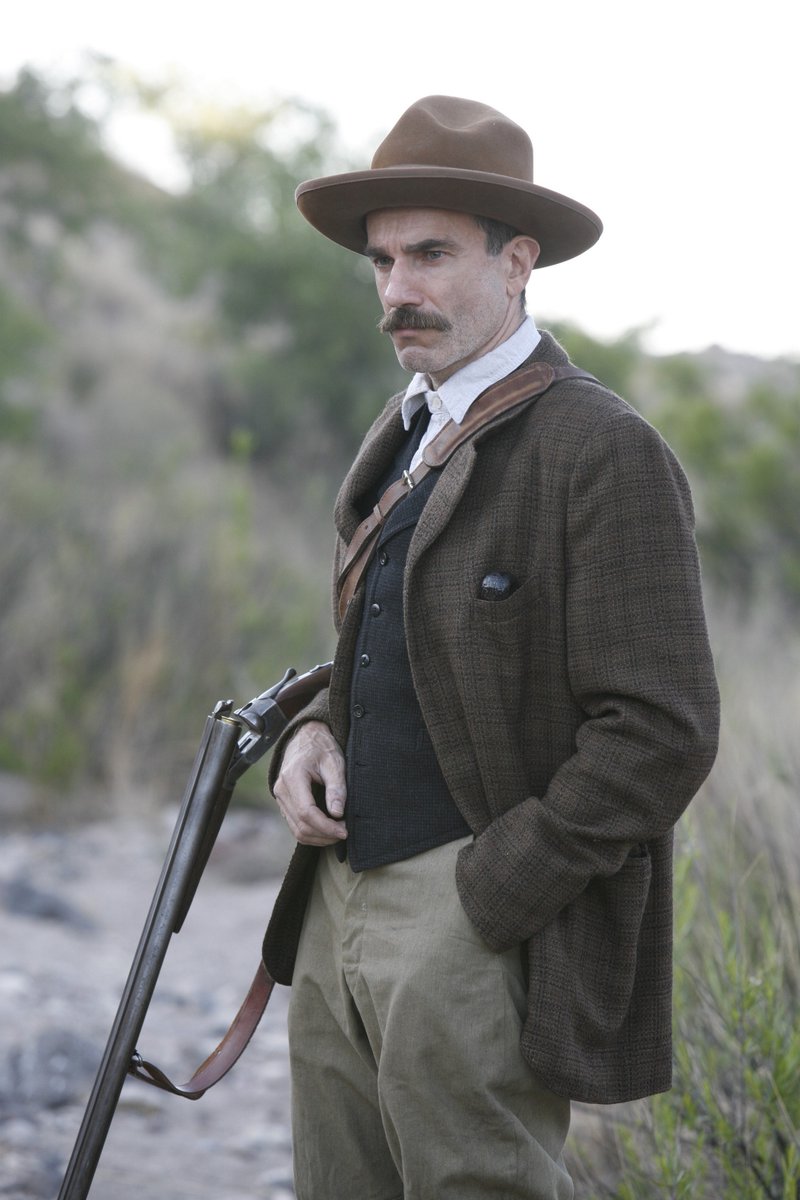
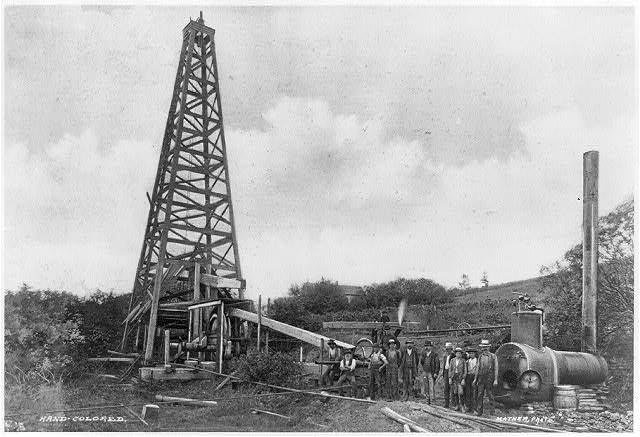
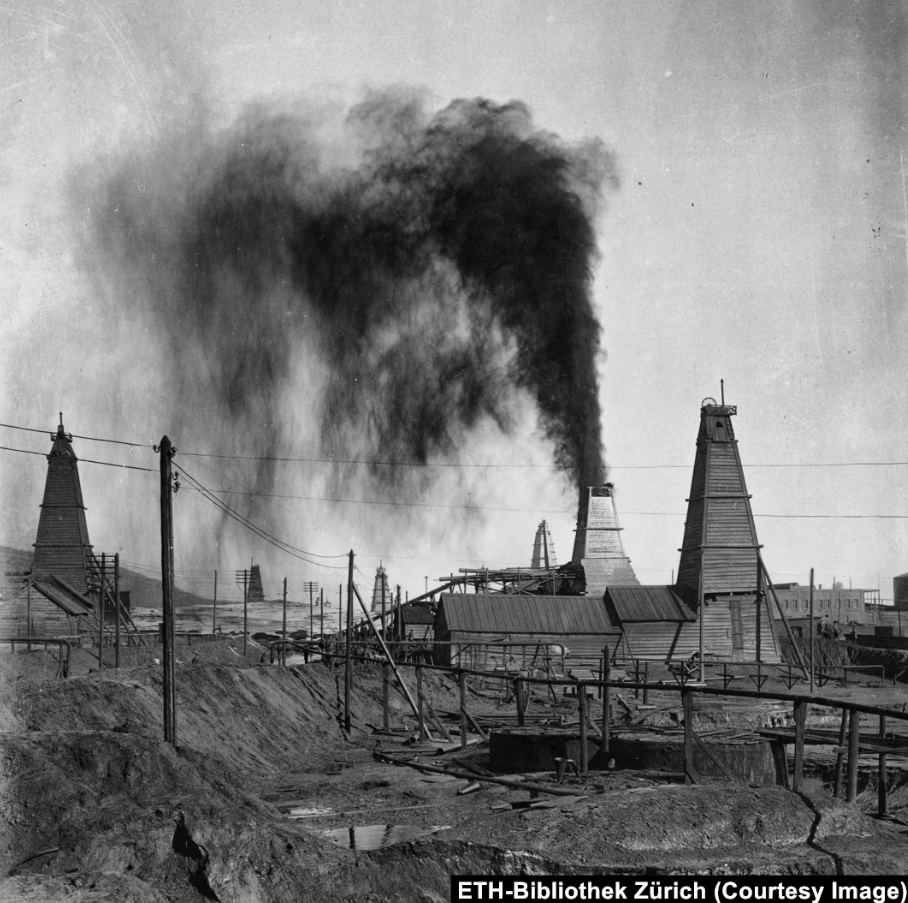
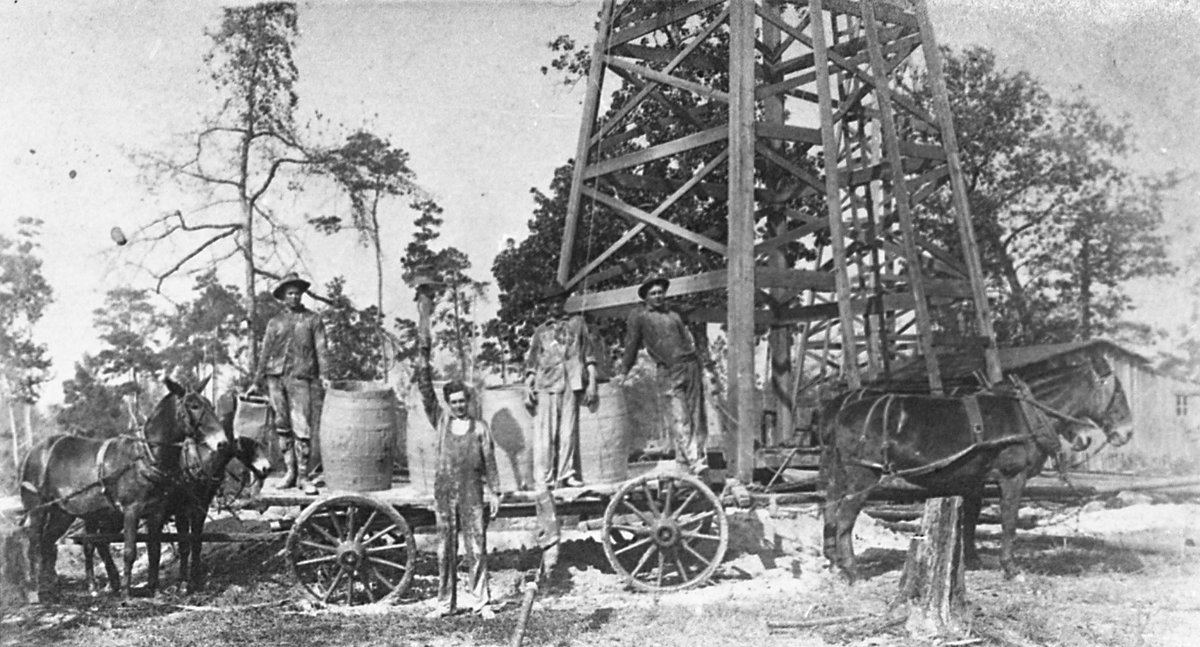
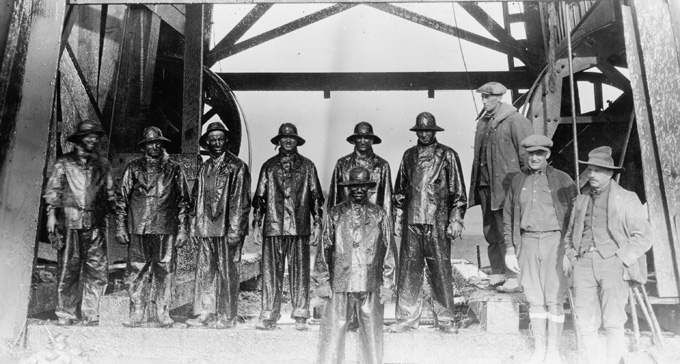
Anderson sent Day-Lewis some old documentaries about the early 20th century oil boom as inspiration. DDL also read letters written by men who worked in the oilfields at that time. He said the letters were “full of sentimentality, love and loss.”
8/43
8/43
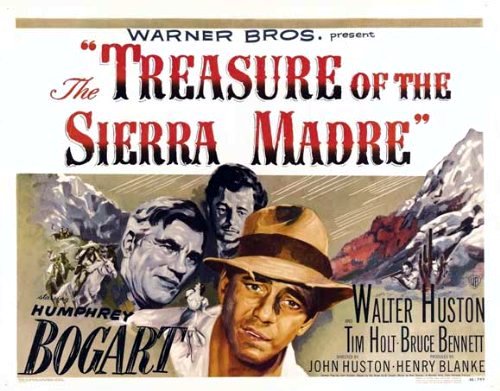
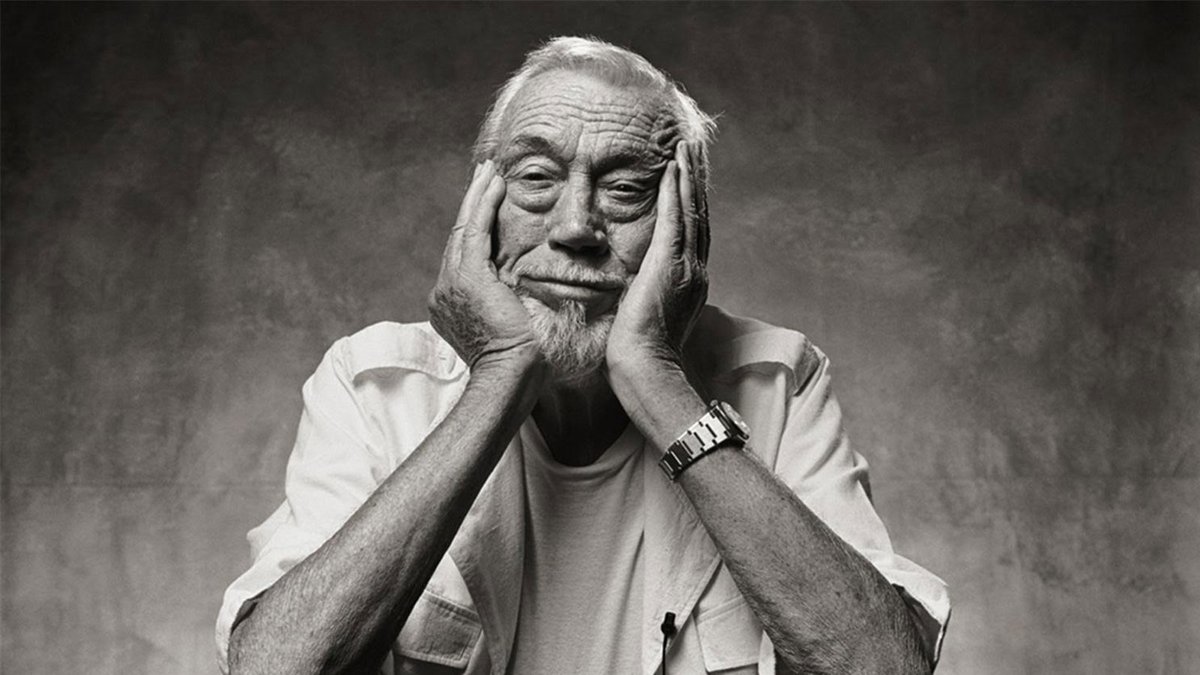
During filming, PTA reportedly watched Treasure of the Sierra Madre a lot, inspired by its visuals. Another link is that Daniel Day-Lewis listened to recordings of its director, John Huston, and took inspiration from his voice in creating Daniel’s unique phrasing.
9/43
9/43
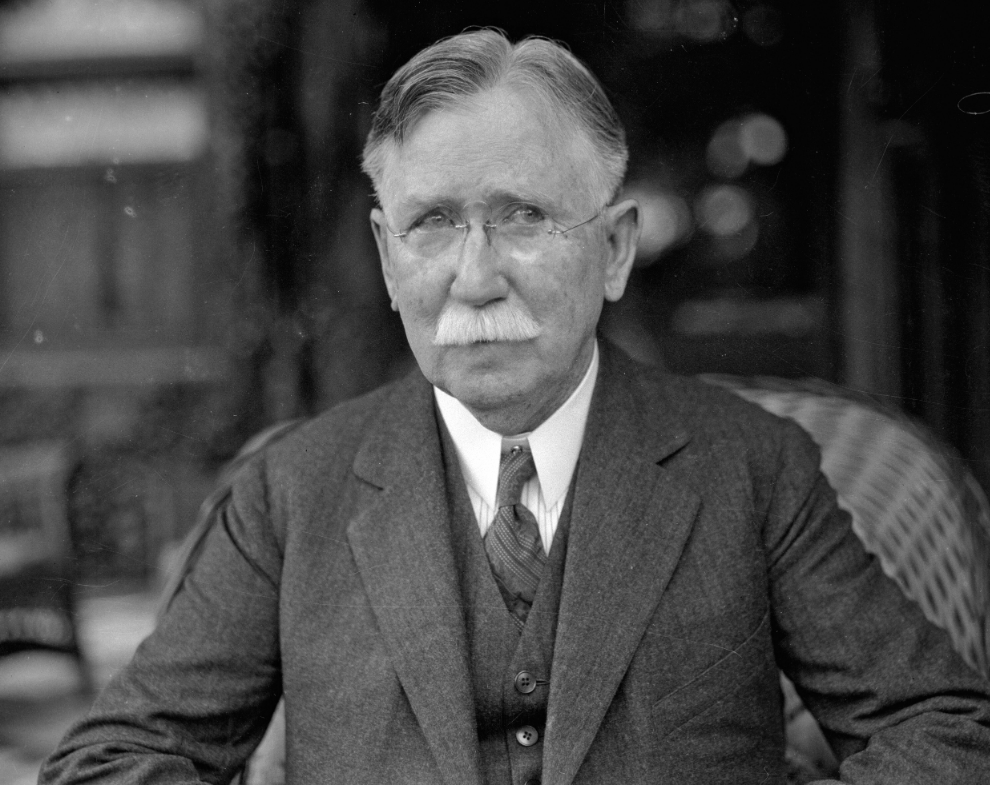
There was an oil tycoon called Edward Doheny and Daniel is based loosely on him:
· Both are from Fond du Lac, Wisconsin
· Both worked for Geological Survey, Kansas
· Daniel’s milkshake speech is based on transcripts from hearings of the Teapot Dome Scandal, involving Doheny
10/43
· Both are from Fond du Lac, Wisconsin
· Both worked for Geological Survey, Kansas
· Daniel’s milkshake speech is based on transcripts from hearings of the Teapot Dome Scandal, involving Doheny
10/43
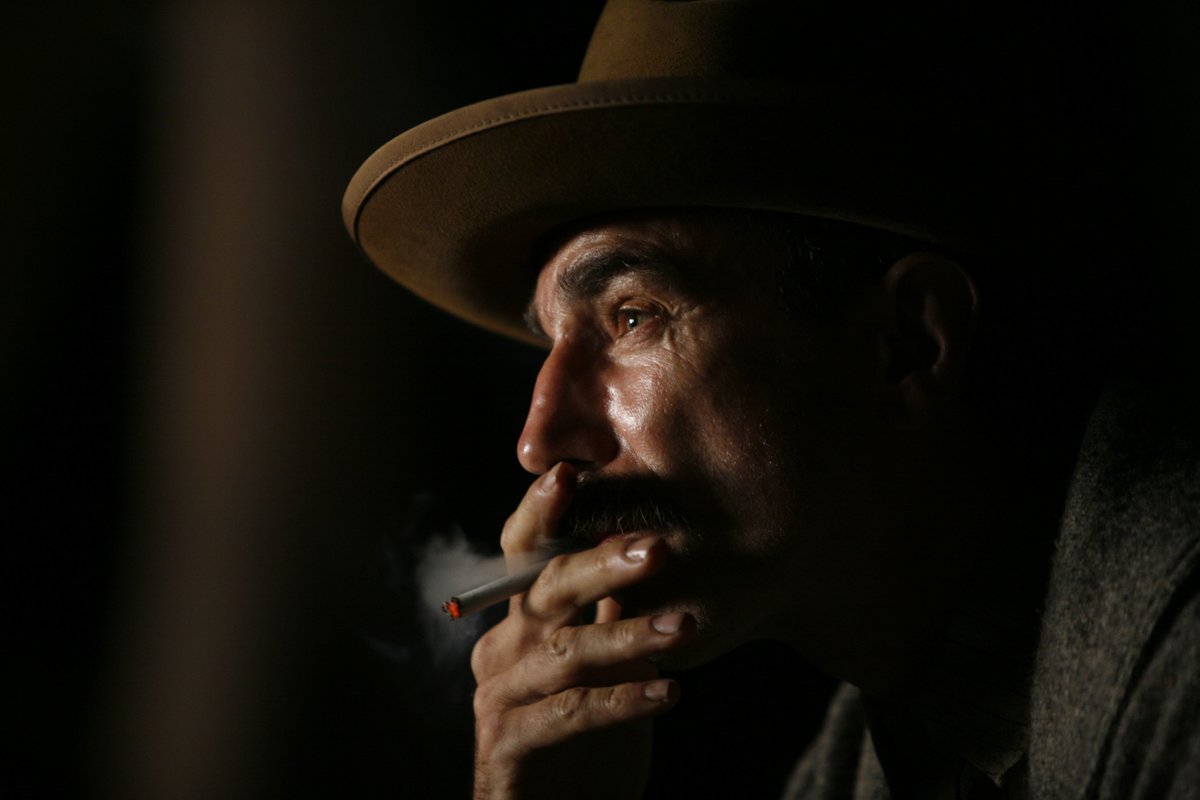
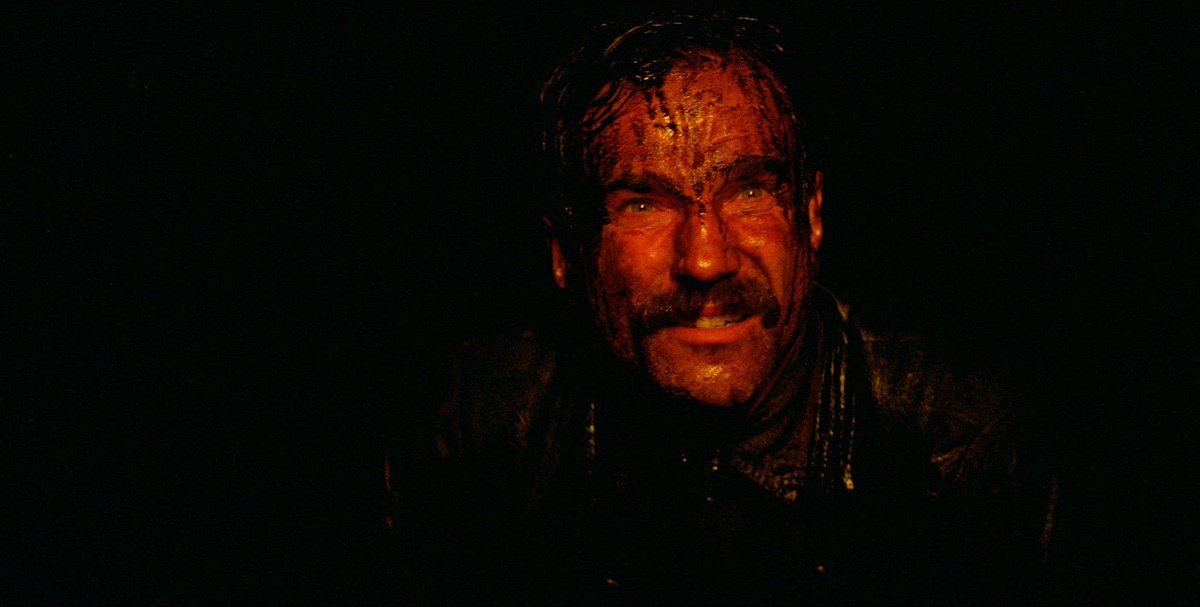
It’s been said PTA based Daniel on Dracula in some ways:
First time we see Daniel in the mine he’s in darkness, protected from sunlight
Daniel thirsts for oil, the blood of the land
His enemy is a man of God
By the end he’s living alone in a castle-like mansion
11/43
First time we see Daniel in the mine he’s in darkness, protected from sunlight
Daniel thirsts for oil, the blood of the land
His enemy is a man of God
By the end he’s living alone in a castle-like mansion
11/43

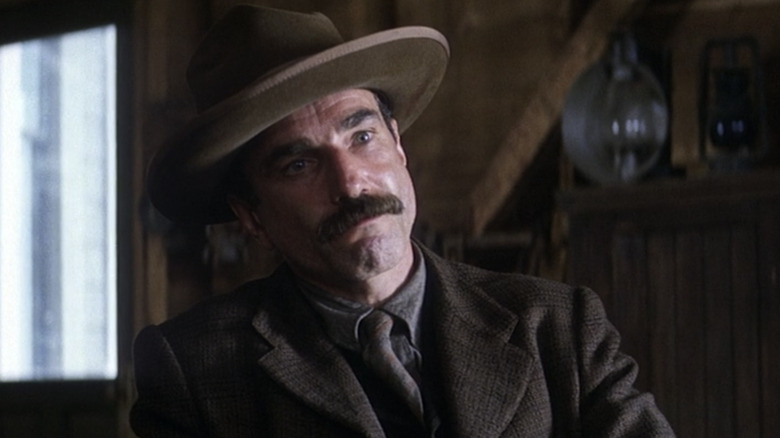
Costume Designer Mark Bridges said DDL made Daniel’s clothes important to character - specifically his hats. Bridges showed Day-Lewis 3 hats. DDL took them for 3 days and picked one. Bridges said you knew Day-Lewis was in character because he’d have the hat on.
12/43
12/43
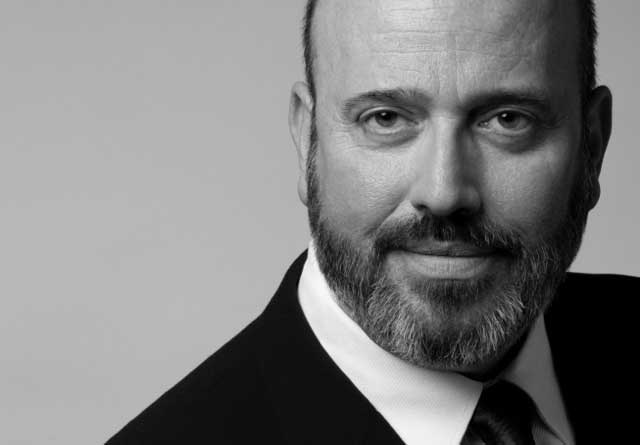
The first person cast as Preacher Eli Sunday was Kel O’Neill. After a few weeks of shooting, Anderson decided it wasn’t working with him as Eli so O’Neill was fired. O’Neill later took responsibility and no longer acts professionally.
13/43
13/43
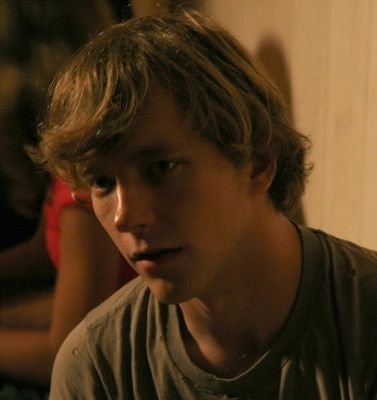
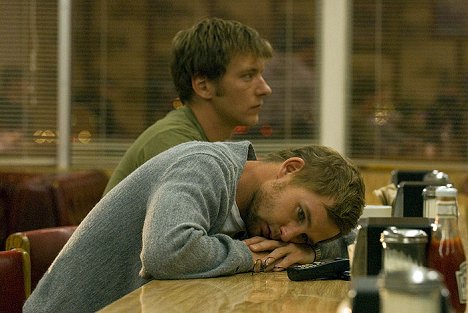
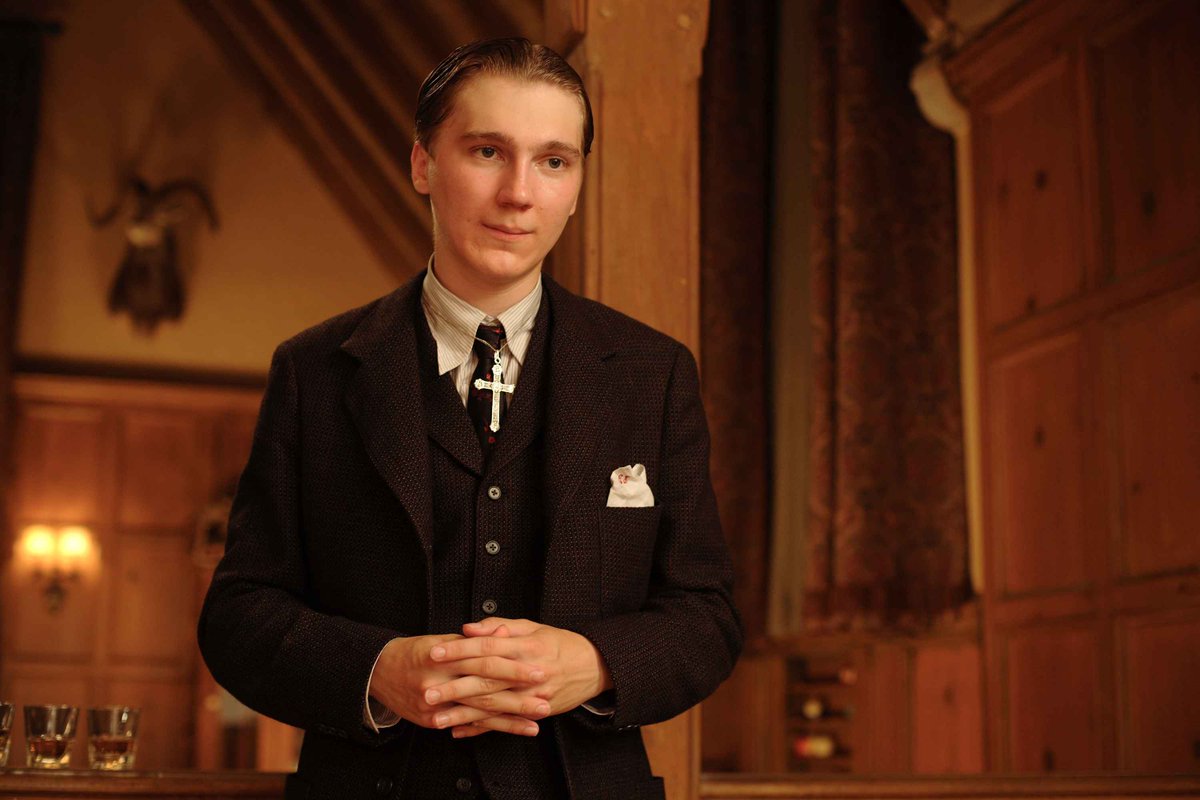
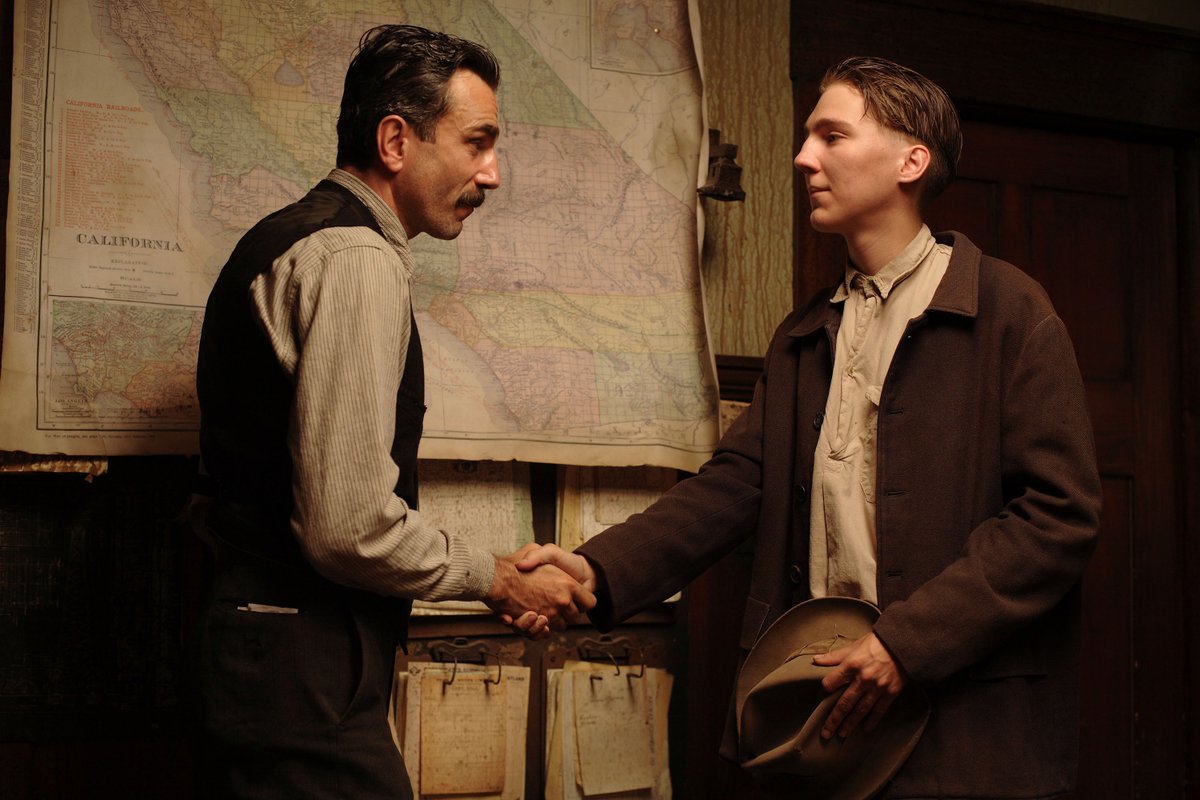
Paul Dano was already playing Paul Sunday, so Anderson asked if he could play both Paul and Eli if he changed them to be twins. Where Day Lewis took over a year to prepare the part of Daniel, Dano had 4 days to prepare for Eli.
14/43
14/43
In casting young H.W., Casting Director Cassandra Kulukundis contacted schools around Marfa, Texas, to find some child actors. She was recommended Dillon Freasier, met with him did some improv with him. She was impressed so recommended him to Paul Thomas Anderson.
15/43
15/43
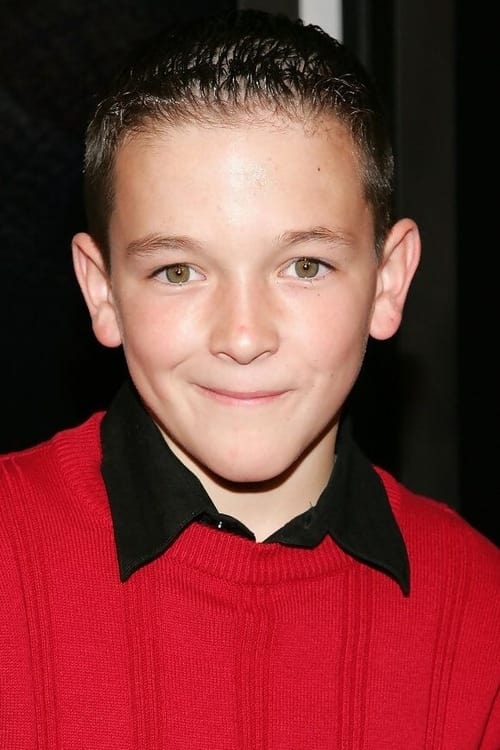
On the night she went to meet Dillon, Kulukundis got pulled over for speeding. The state trooper asked where she was headed and said “That’s my place.” Turned out it was Dillon’s mother. She let Kulukundis off with a warning.
16/43
16/43
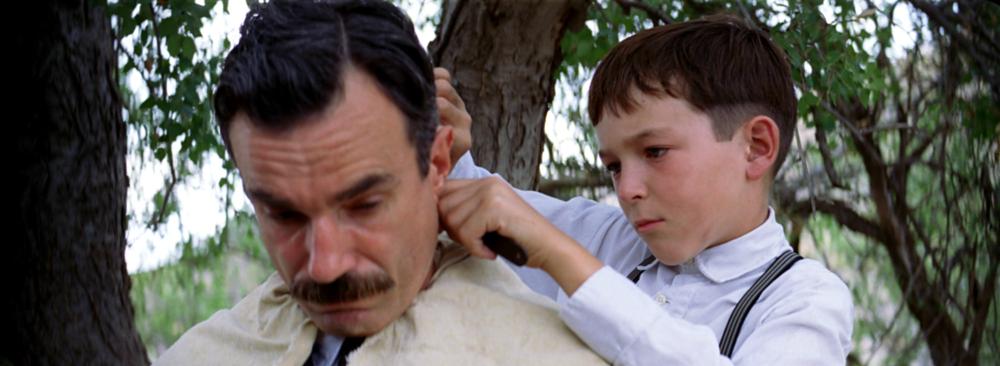
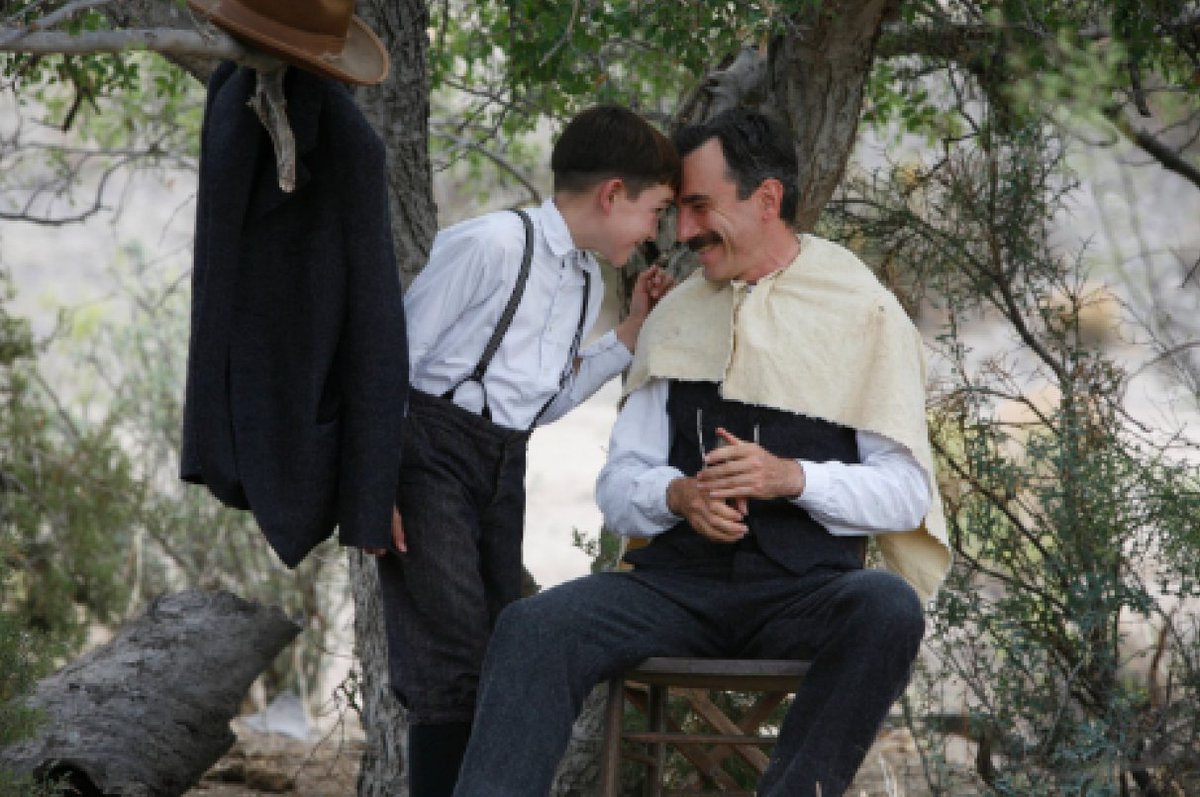
Dillon Freasier was 11 so when he was offered the part, Dillon's mother rented a copy of Gangs of New York. She was terrified at the thought of her child being with Bill The Butcher so Kulukundis quickly had a copy of Age of Innocence sent over.
17/43
17/43
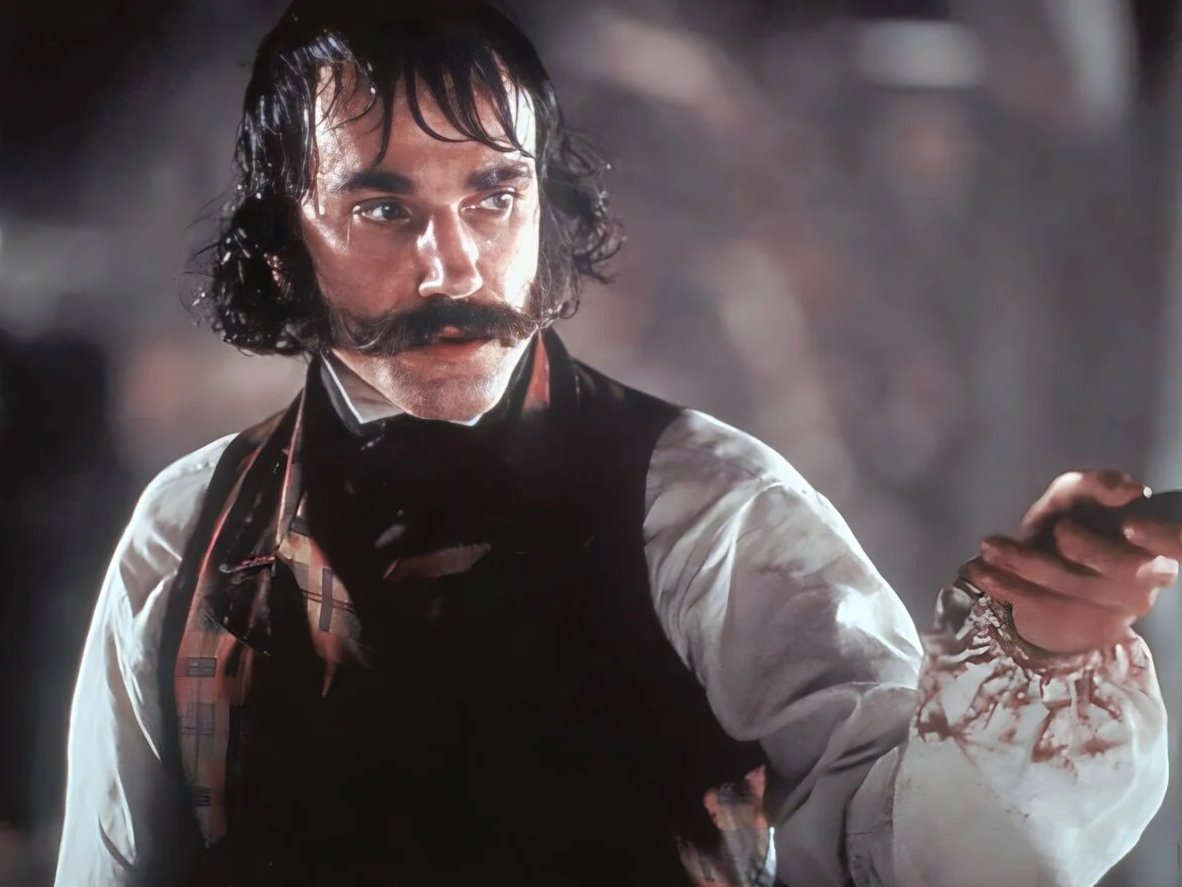
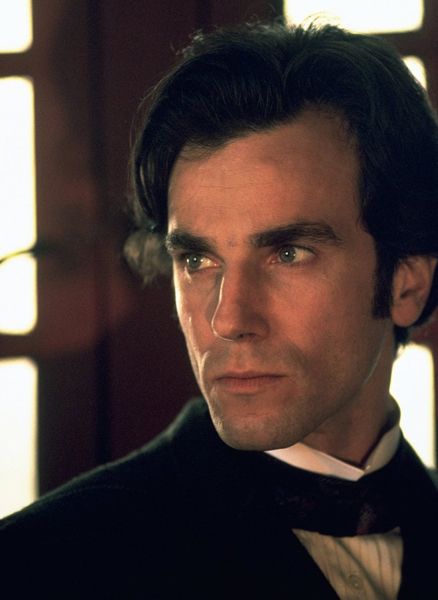
Russell Harvard is the actor who plays older H.W. at the end of the movie. Harvard is deaf in real life, as older H.W. is.
18/43
18/43
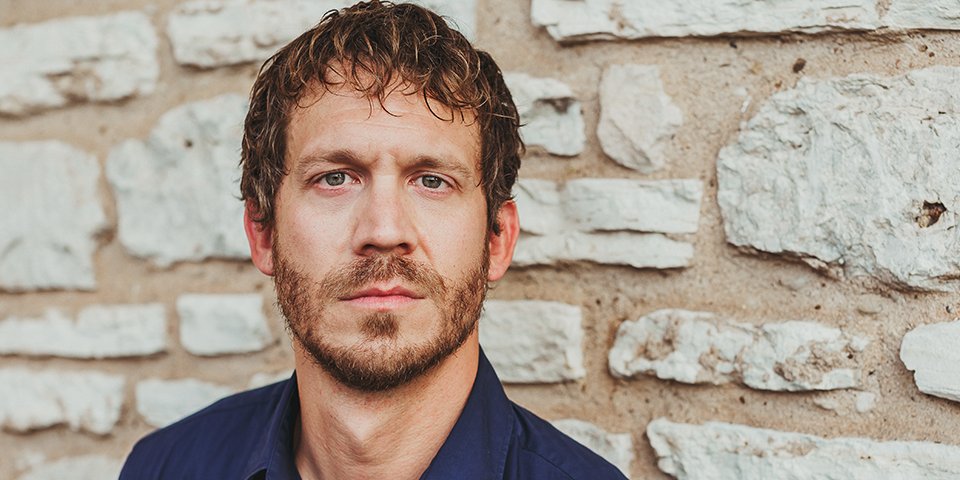
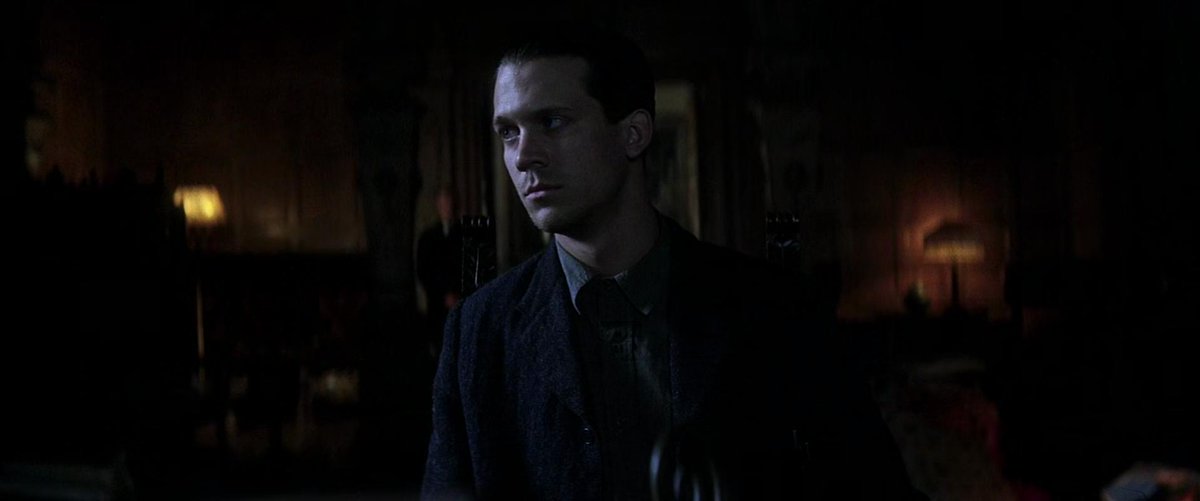
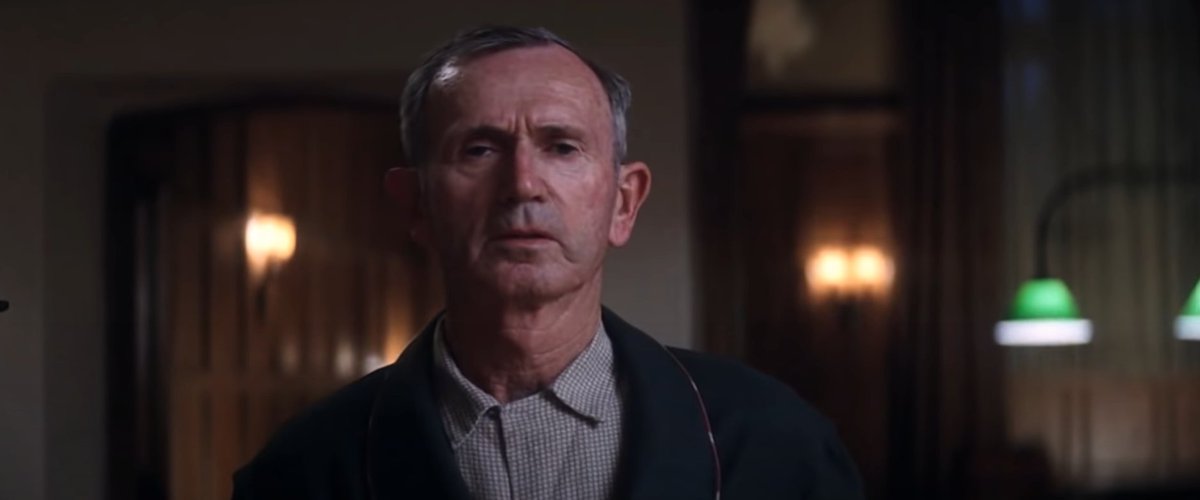
Both Phil Shelly and Vince Froio are credited as playing Daniel’s butler on IMDb. During filming, a photographer sneaked on set and ran an article saying how Daniel Day-Lewis had completely transformed himself for this new role alongside a picture of the butler.
19/43
19/43
There are differences to the book:
- The lead character name of J. Arnold Ross became Daniel Plainview.
- The time period changes too. Sinclair’s novel is set in the 1920s, but PTA moved it to about 20-30 years earlier – the beginning of the US oil boom.
20/43
- The lead character name of J. Arnold Ross became Daniel Plainview.
- The time period changes too. Sinclair’s novel is set in the 1920s, but PTA moved it to about 20-30 years earlier – the beginning of the US oil boom.
20/43
Some character’s are based on real figures:
- Daniel’s business partner is H.B. Ailman. He was a real oil man who worked with Edward Doheny.
- The Standard Oil workers H. M. Tilford and J. J. Carter were real prospectors who worked for Standard Oil at that time.
21/43
- Daniel’s business partner is H.B. Ailman. He was a real oil man who worked with Edward Doheny.
- The Standard Oil workers H. M. Tilford and J. J. Carter were real prospectors who worked for Standard Oil at that time.
21/43
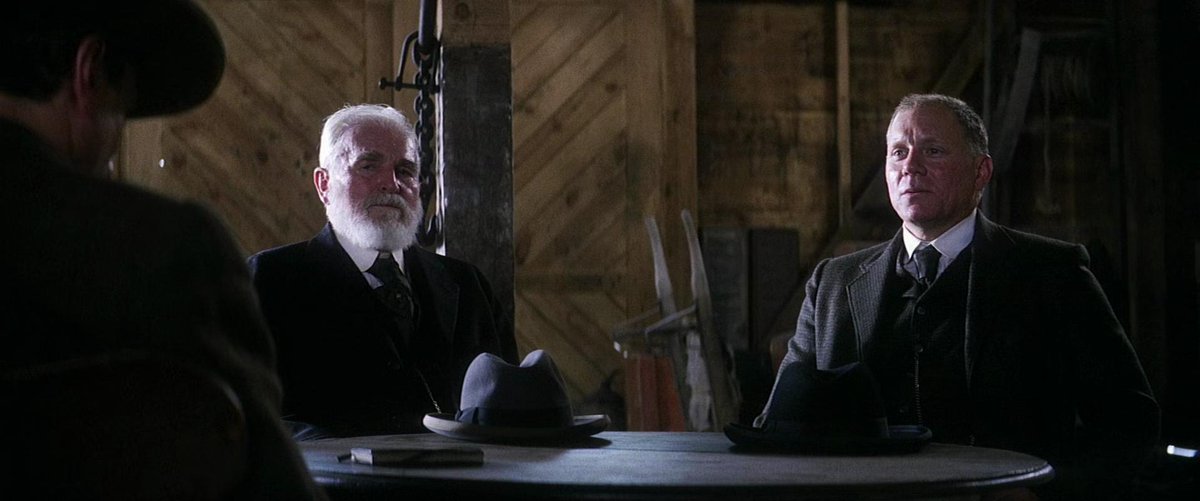
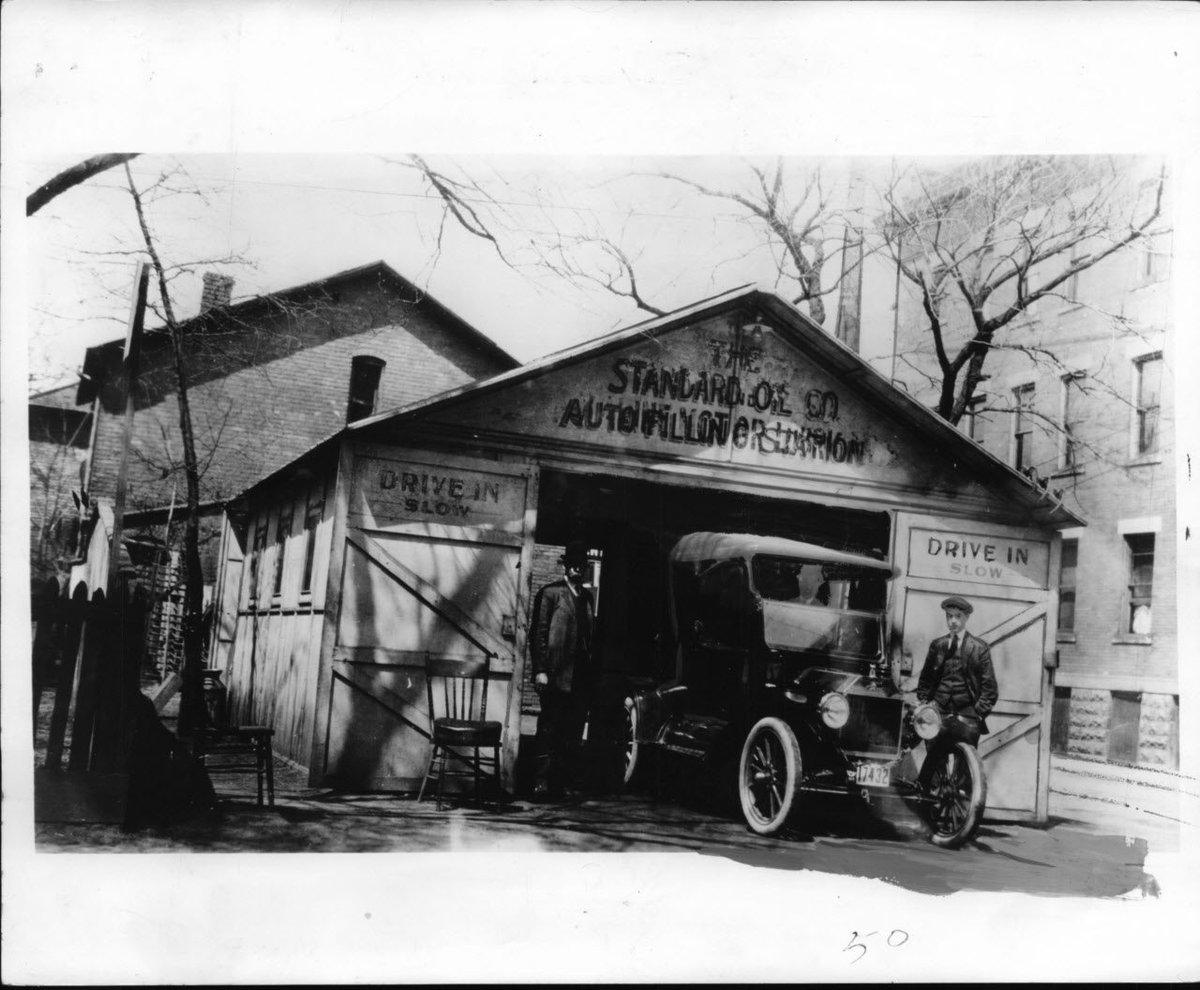
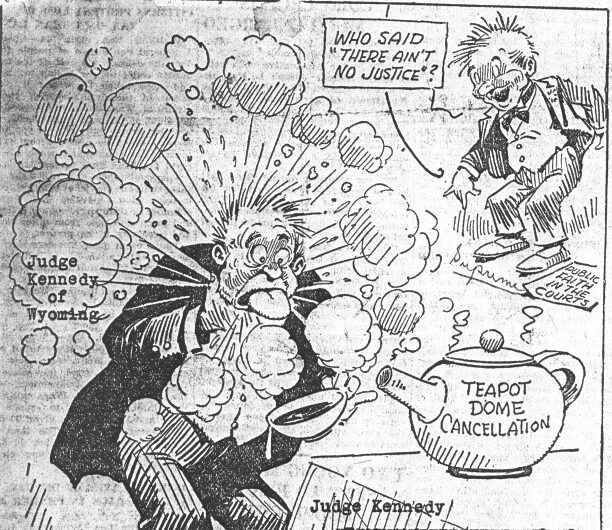
The most famous line is “I drink your milkshake.” PTA said he found it in transcripts from the Teapot Dome Scandal - a controversy around oil companies bribing officials for land.
22/43
22/43
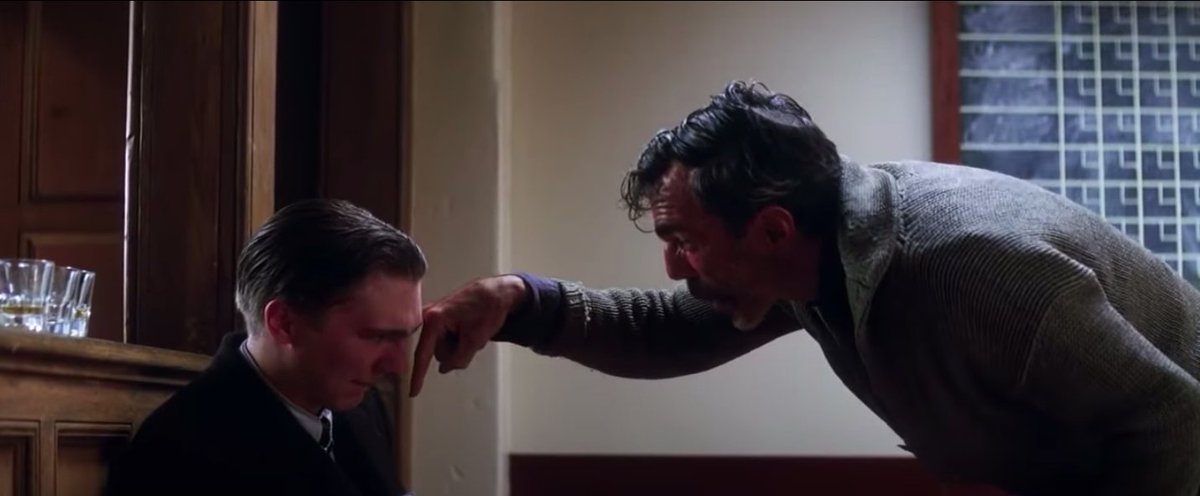
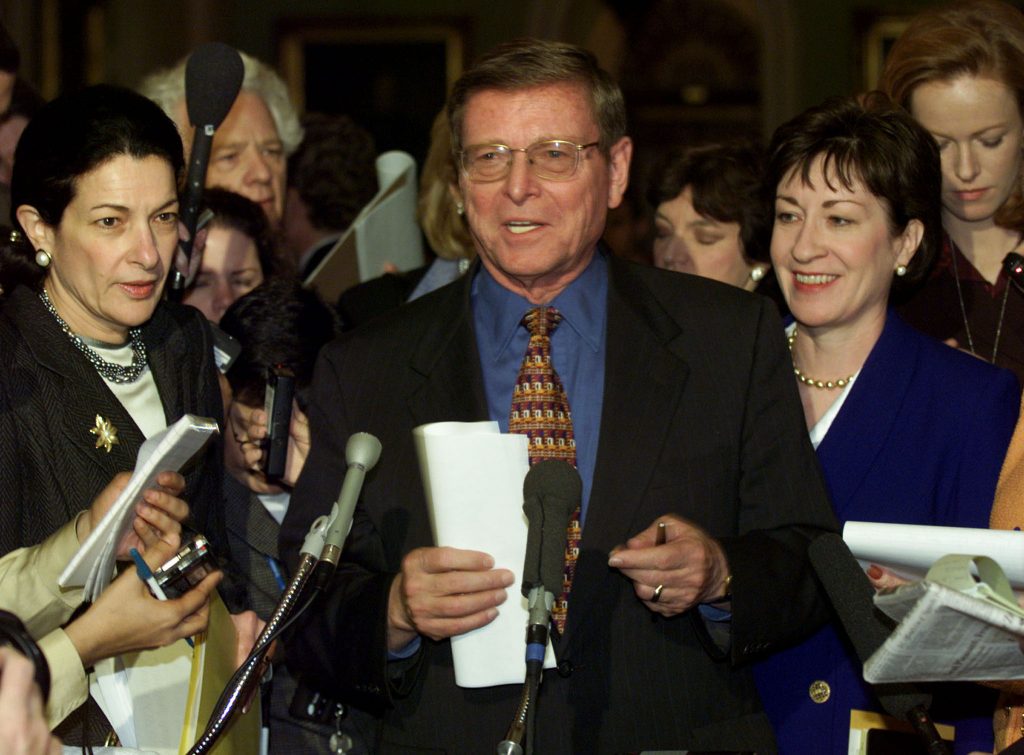
It’s also been speculated that the line came from Senator Pete Domenici who, in 2003, said drilling oil was like a child drinking milkshake in the kitchen from their bedroom.
23/43
23/43
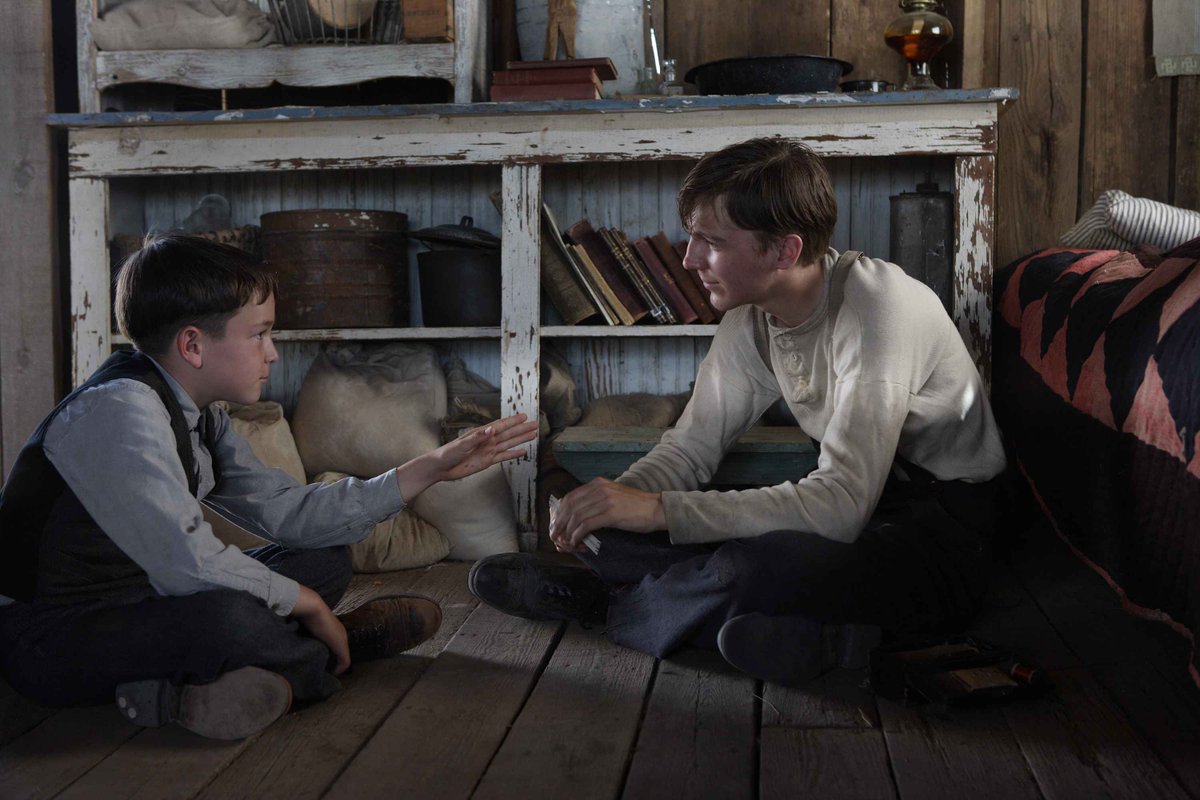
The film was always meant to end with Daniel killing Eli. But in Anderson’s first drafts, he killed him with a silver tumbler, instead of a bowling pin. PTA changed it to be (slightly) less graphic.
24/43
24/43
Radiohead guitarist Johnny Greenwood wrote the score. He said the creative process was that he wrote hours of music and he and PTA then stripped it back to 33 minutes. “I tried to write to the scenery and the story rather than creating theme tunes for characters.”
25/43
25/43
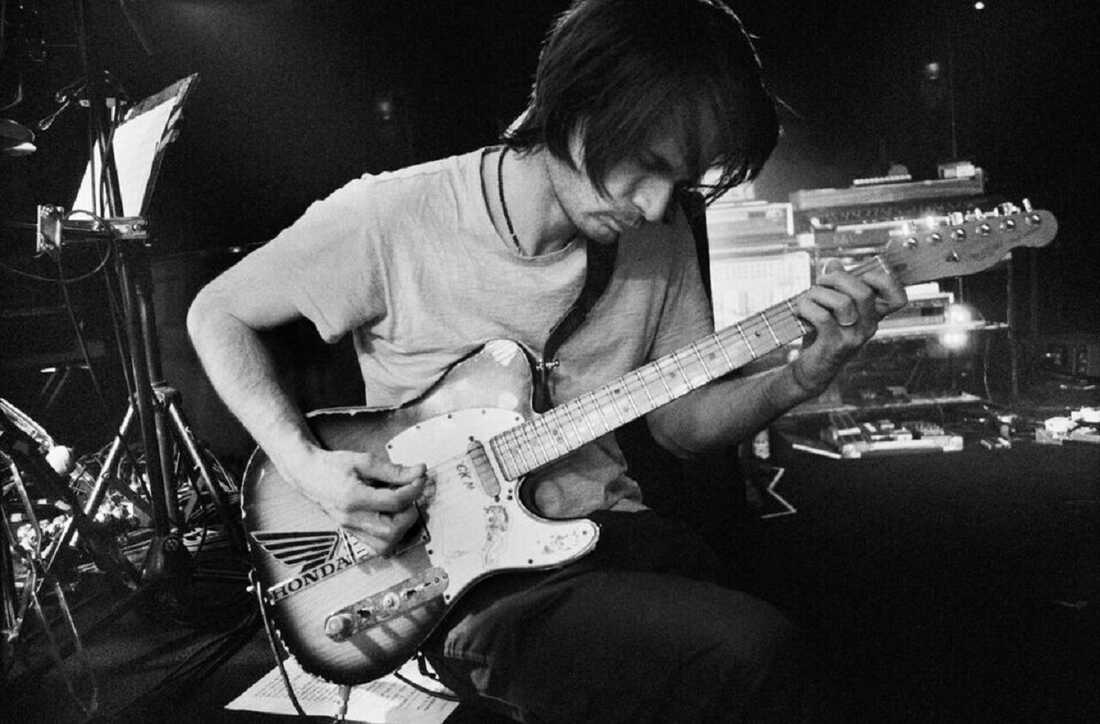
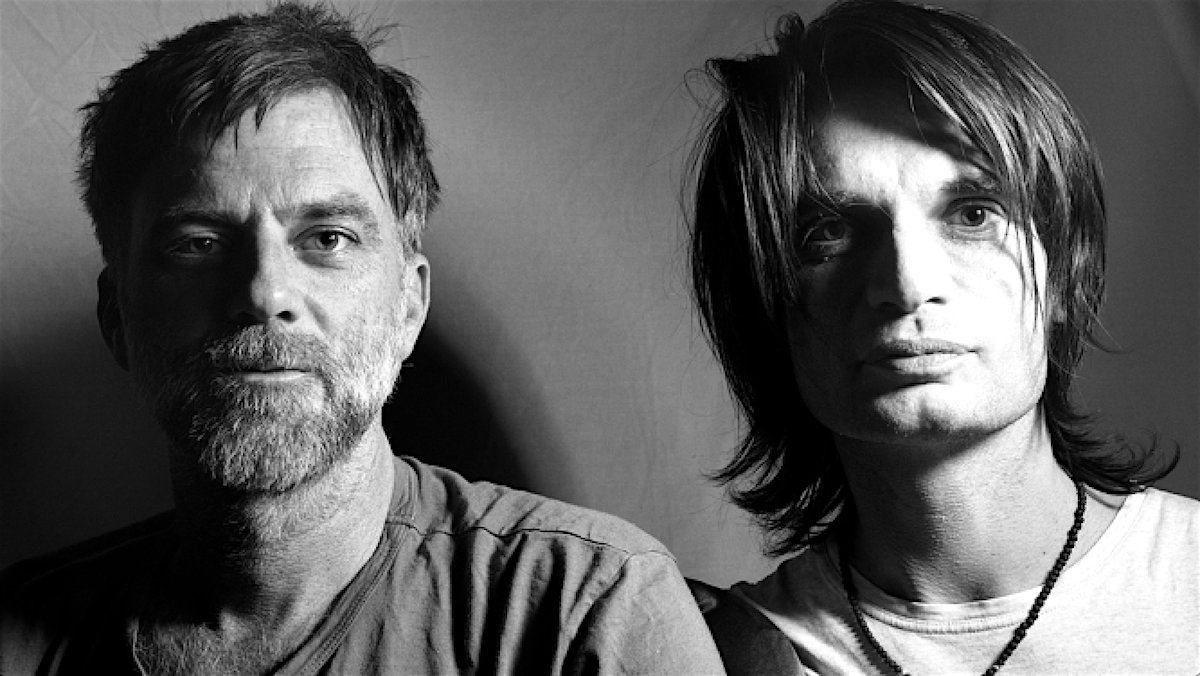
Greenwood's score was very well-received but deemed not eligible for Best Original Score at the Oscars. This was because it used parts of some music Greenwood had written previously for a 2003 documentary called Bodysong.
26/43
26/43
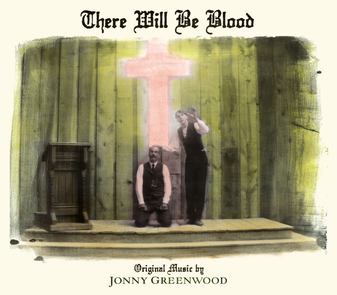
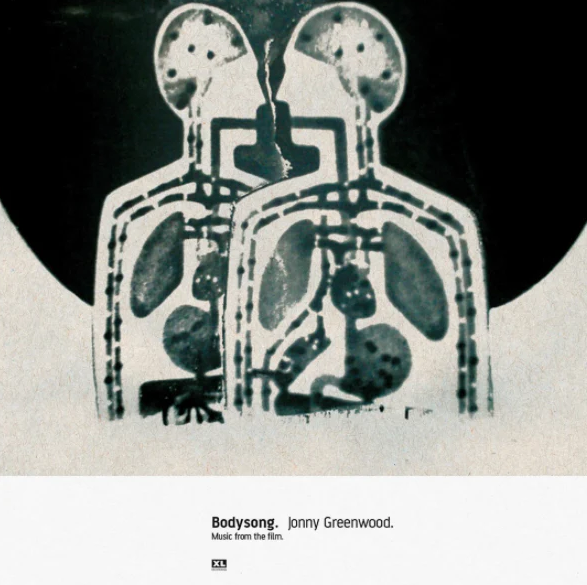
There’s some traditional music on the soundtrack too. Two Christian hymns are sung by Eli’s congregation. One is called There Is Power In The Blood - which links back to the title - and one called What A Friend We Have In Jesus.
27/43
27/43
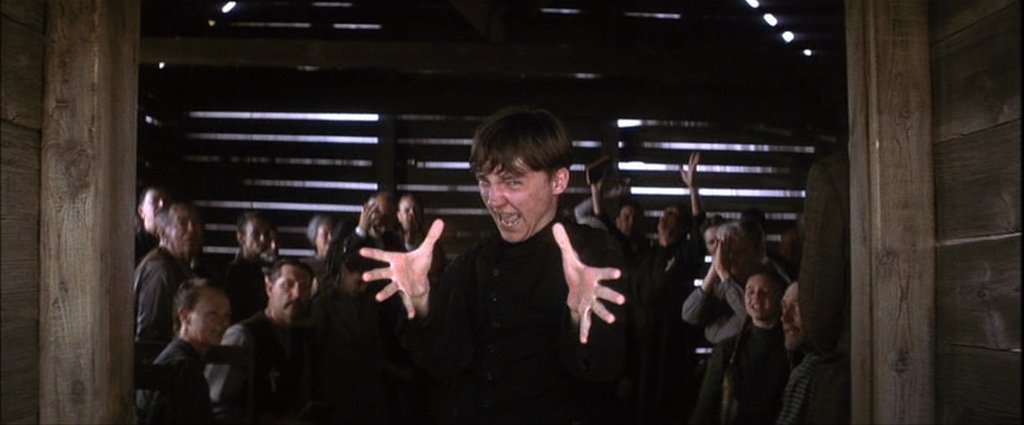
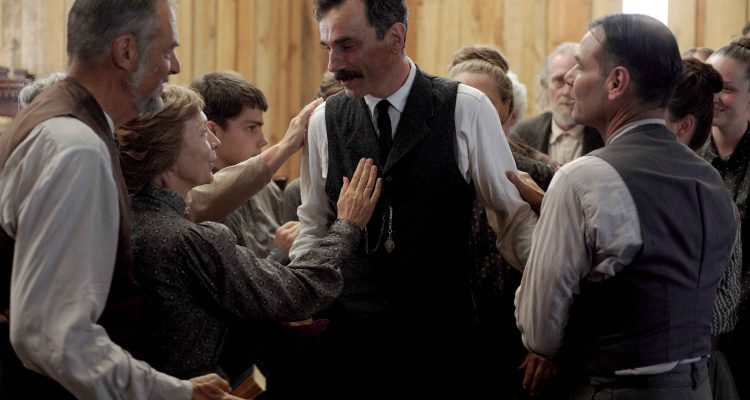
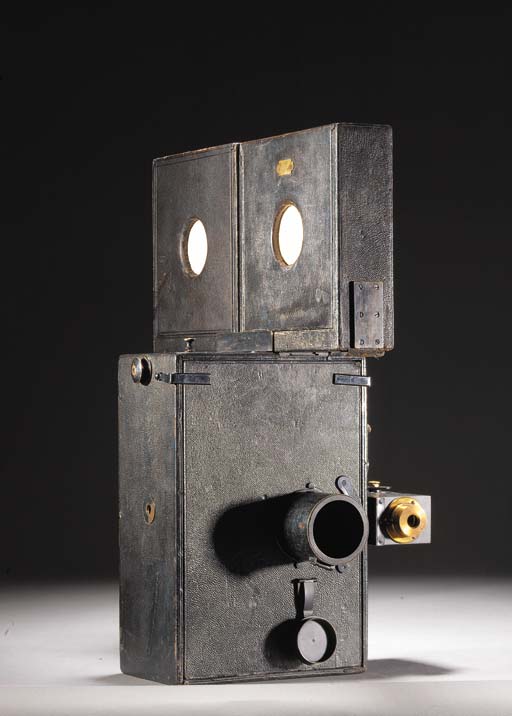
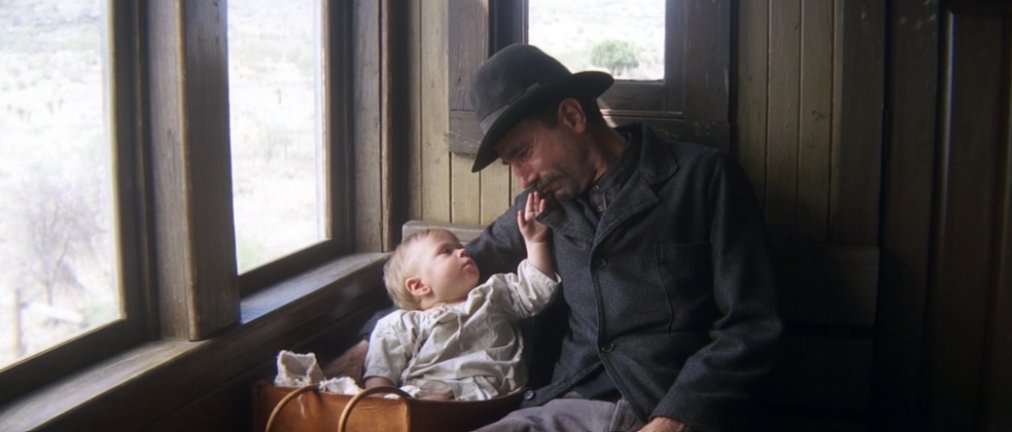
To reflect the time period, PTA used the lens from a vintage 1910 Pathe camera he owned to shoot some scenes, like the shot on the train where we see Daniel sleeping with H.W. The lens has a slightly lower resolution and removes some colour from the corner of the frame.
28/43
28/43
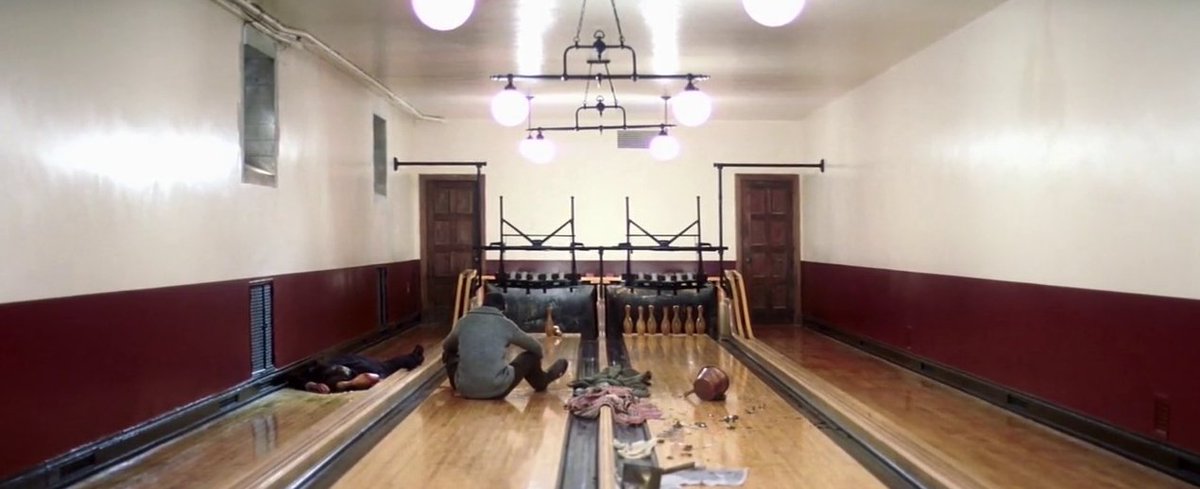
The DP Robert Elswit played a part in the colour palette. PTA’s plan was for the bowling alley to be painted white to make it striking. Elswit said that would limit the lighting and convinced him to change it so they could make it look more menacing and dramatic.
29/43
29/43
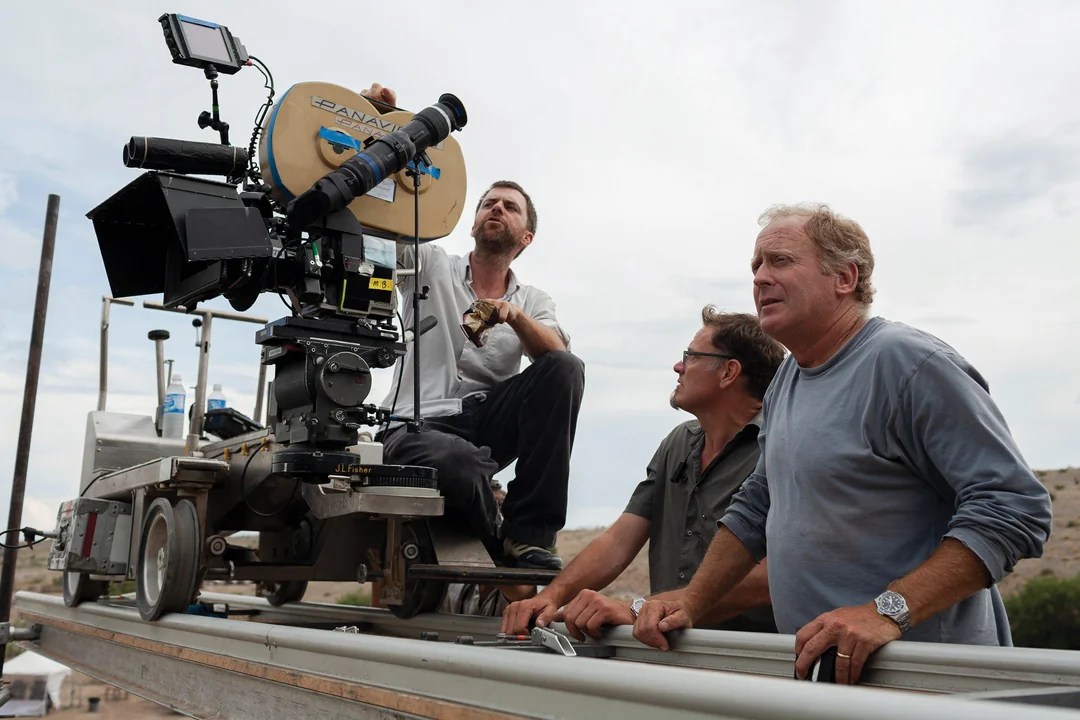
The opening of Daniel mining was shot at the Presidio mine in Shafter, Texas, a booming mining town in the early 1900s. By the time they came to film only 11 people lived there.
30/43
30/43
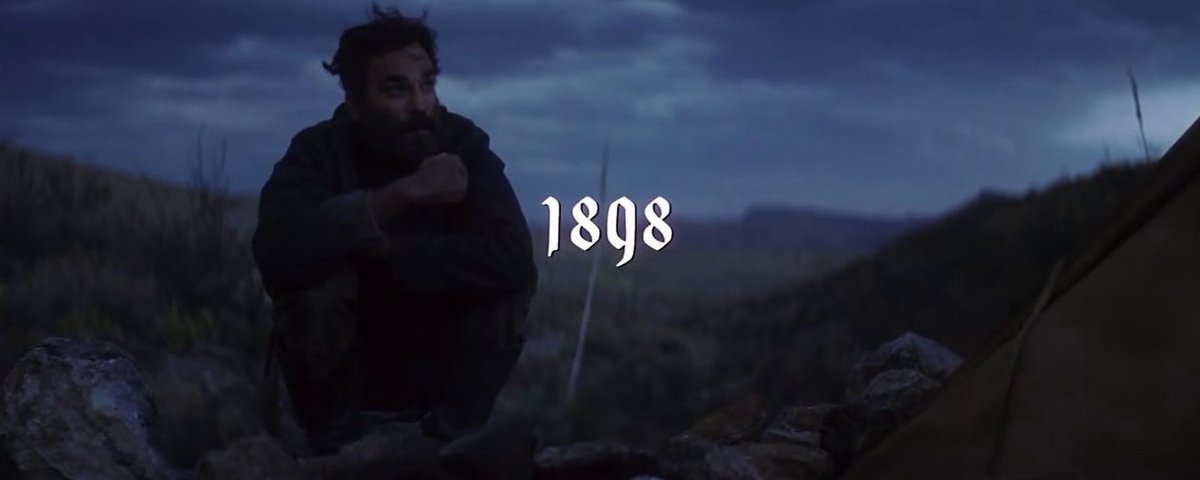
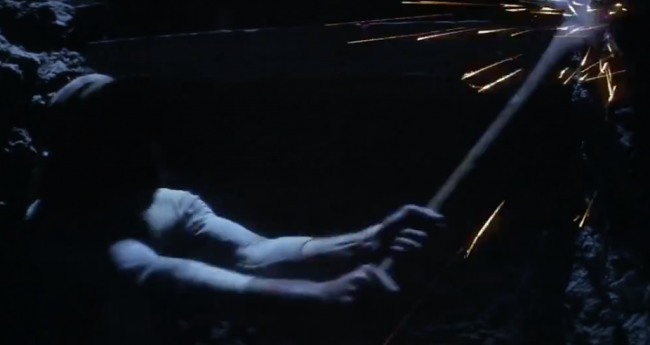
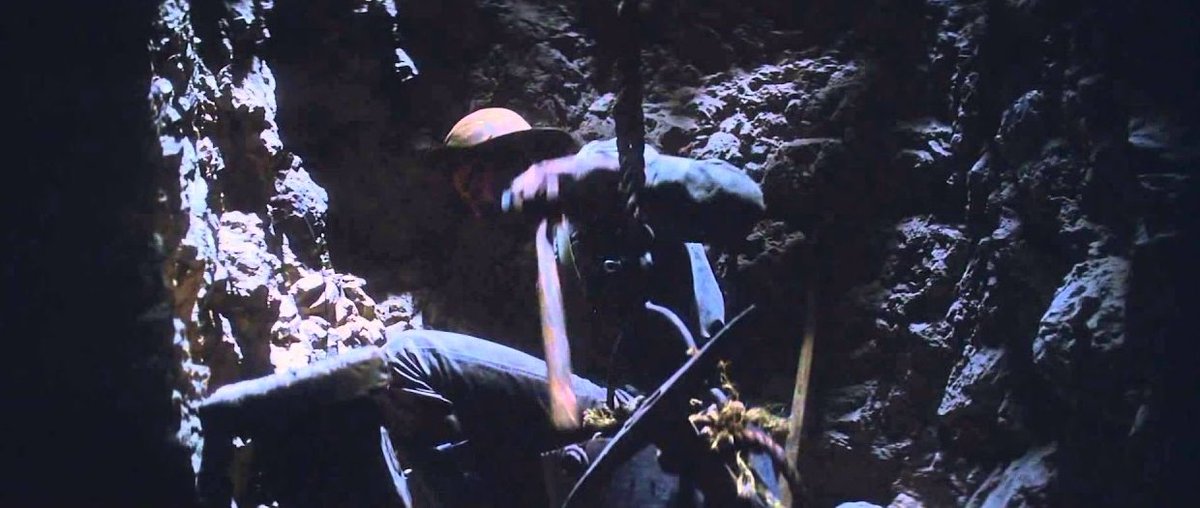
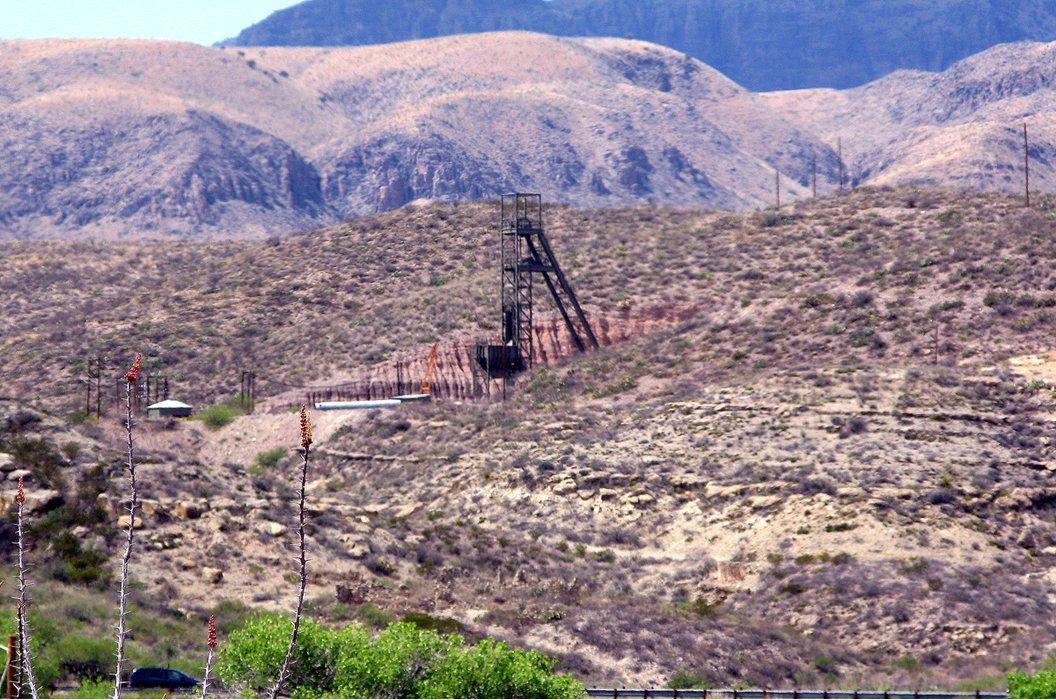
The first line is Daniel saying “No” then “There she is” after 4m 55s. The next line is at almost 15m. PTA later said: "I had a dream about making a movie that had no dialogue in it - just music and pictures. The closest I got was the beginning of There Will Be Blood."
31/43
31/43
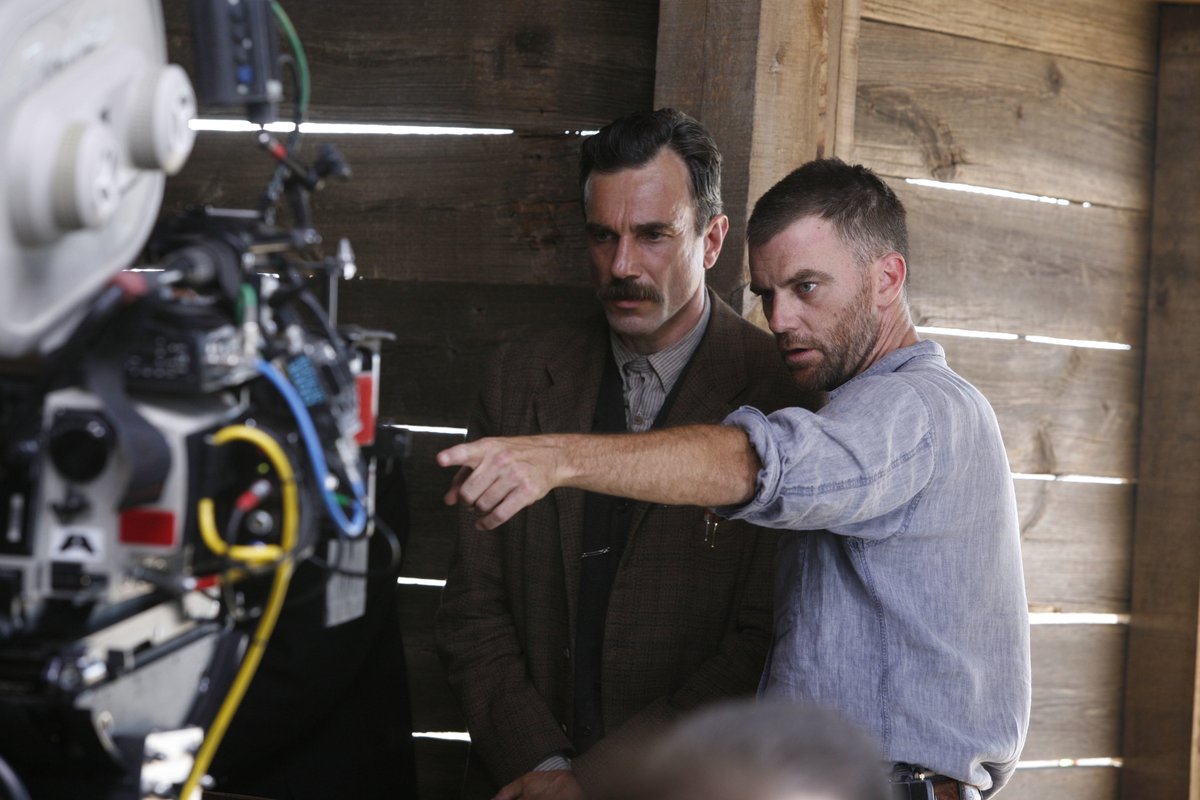
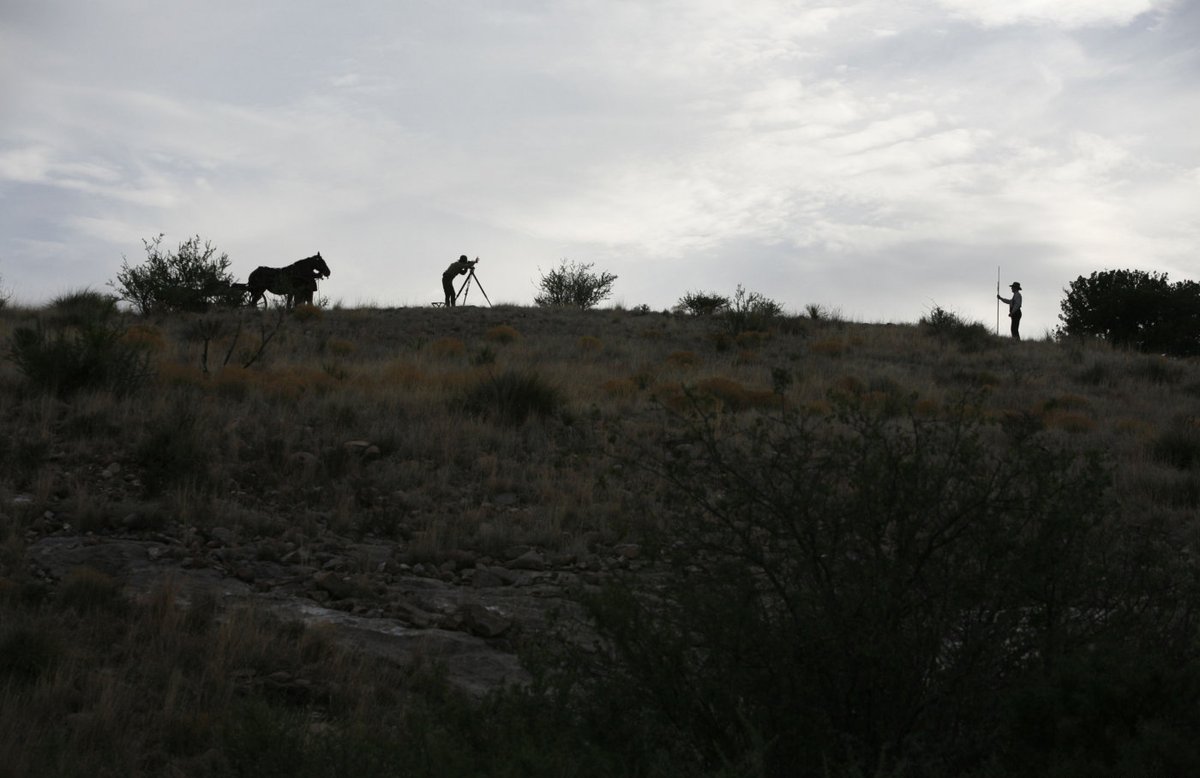
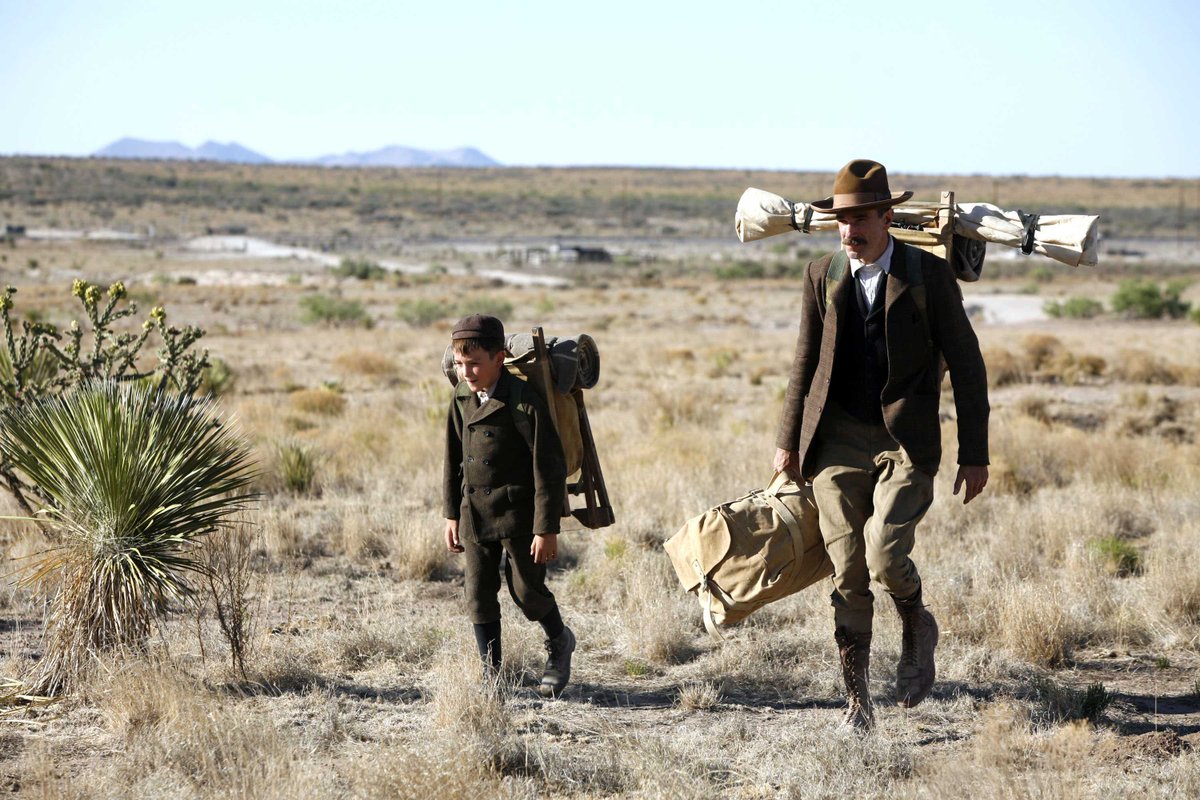
PTA wanted to film in California in the area where the film’s set. He and the location scouts drove all over the state but couldn't find anywhere there that looked like California in the early 1900s. So they ended up shooting most of the film in Marfa, Texas.
32/43
32/43
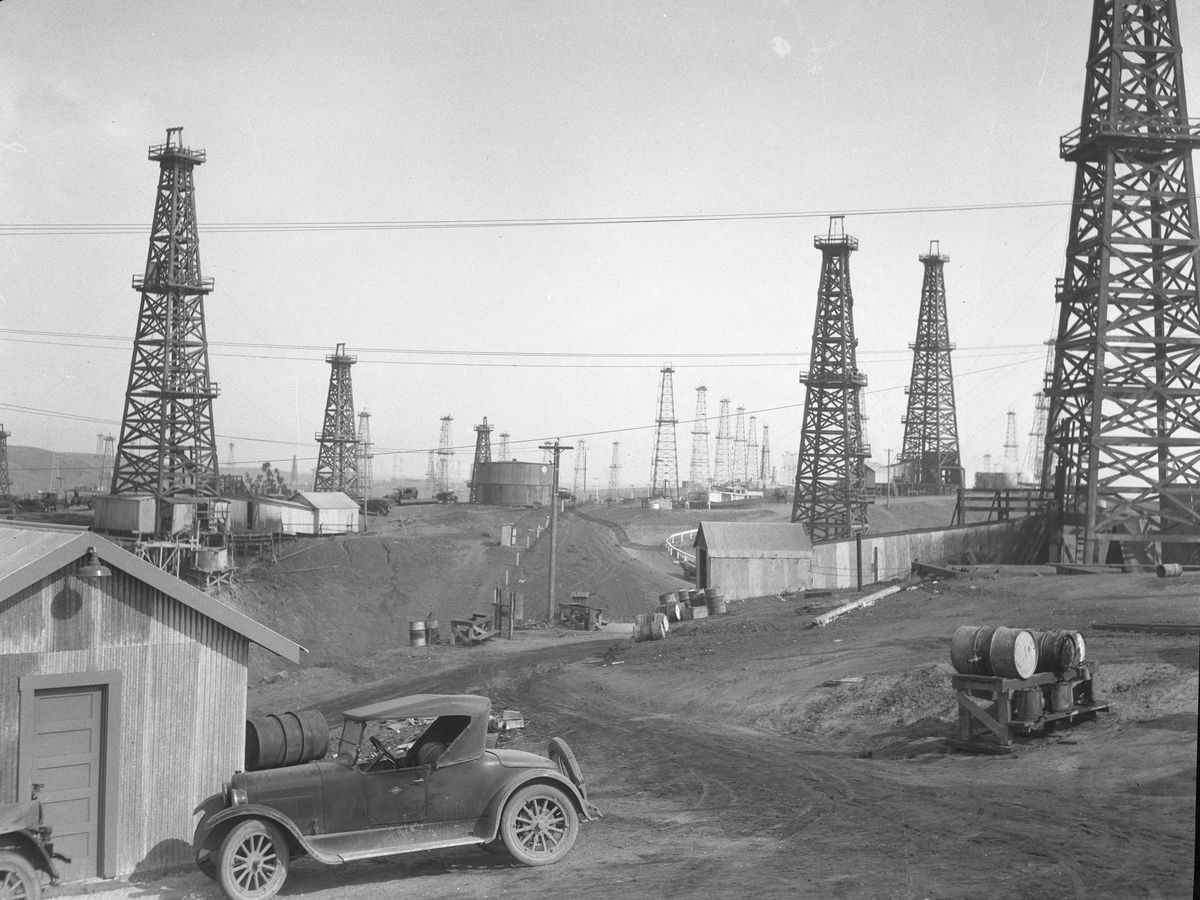
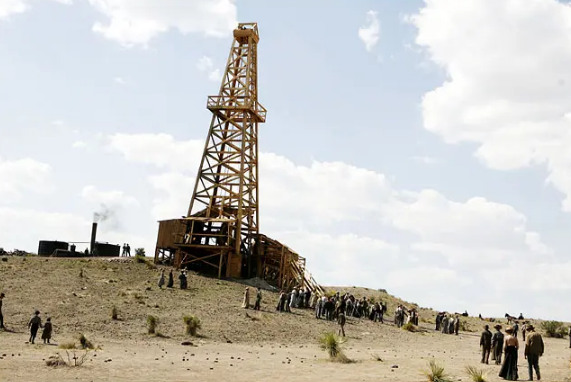
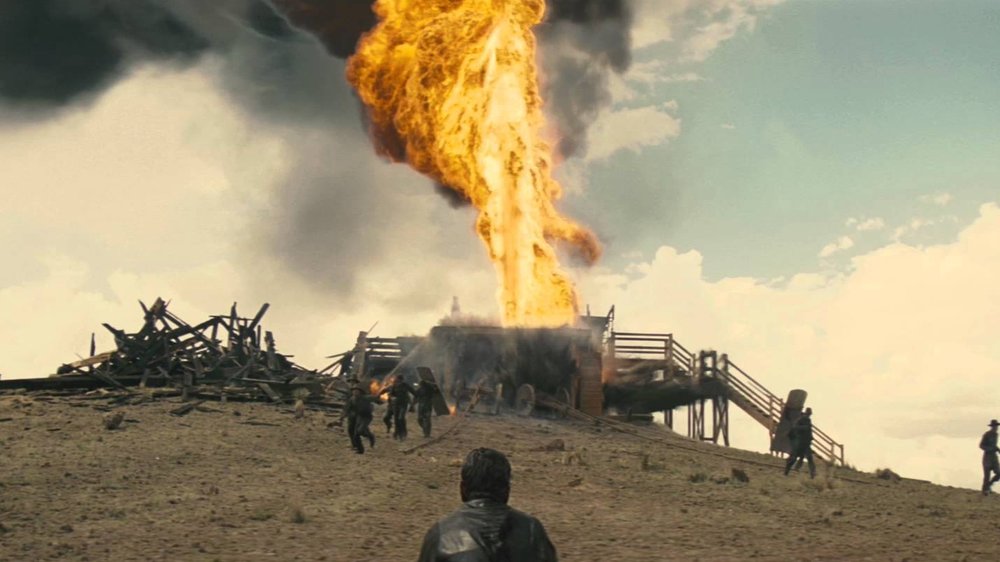
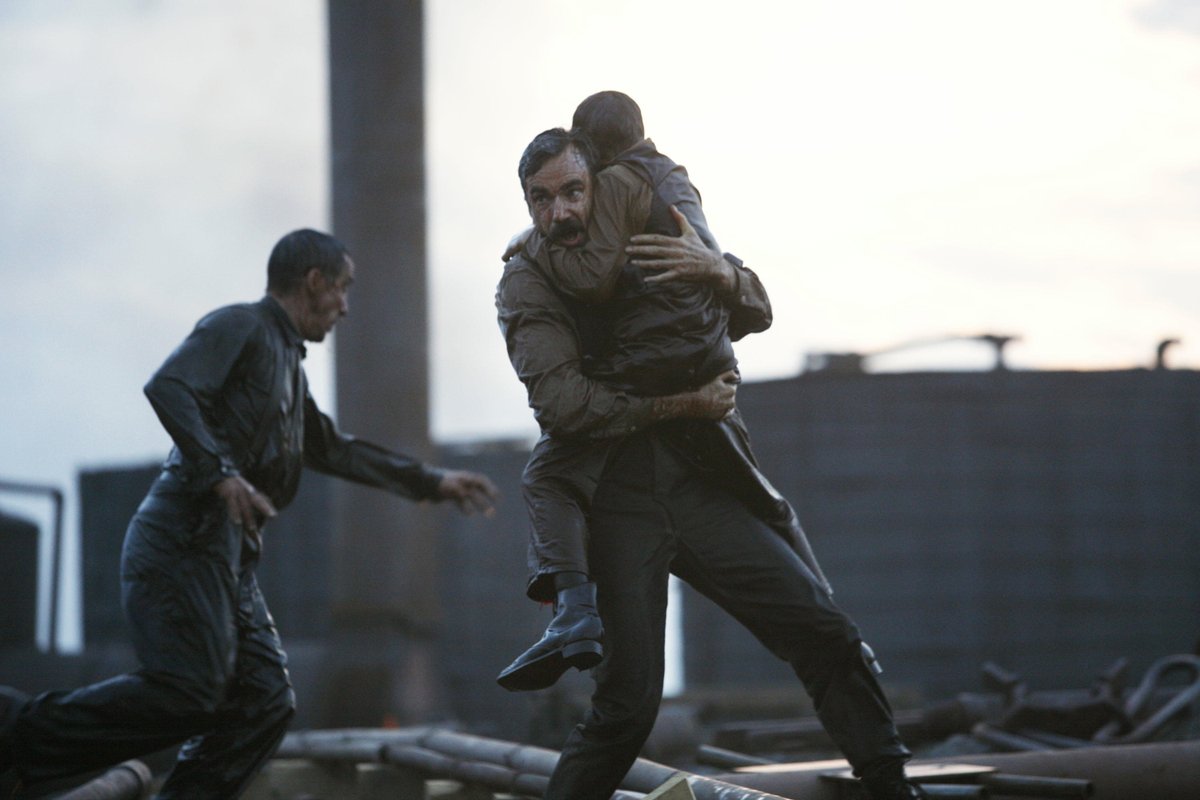
No Country For Old Men was shooting in Marfa at the same time. One day the There Will Be Blood crew were testing effects for the oil derrick explosion, causing a huge smoke cloud for miles around. It meant the Coens had to shut down production for a day on No Country.
33/43
33/43

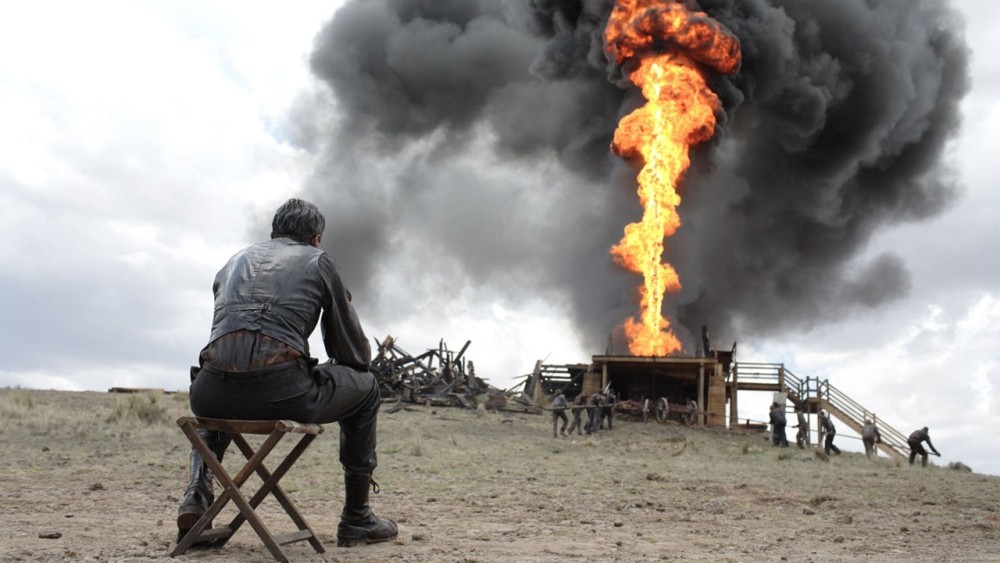
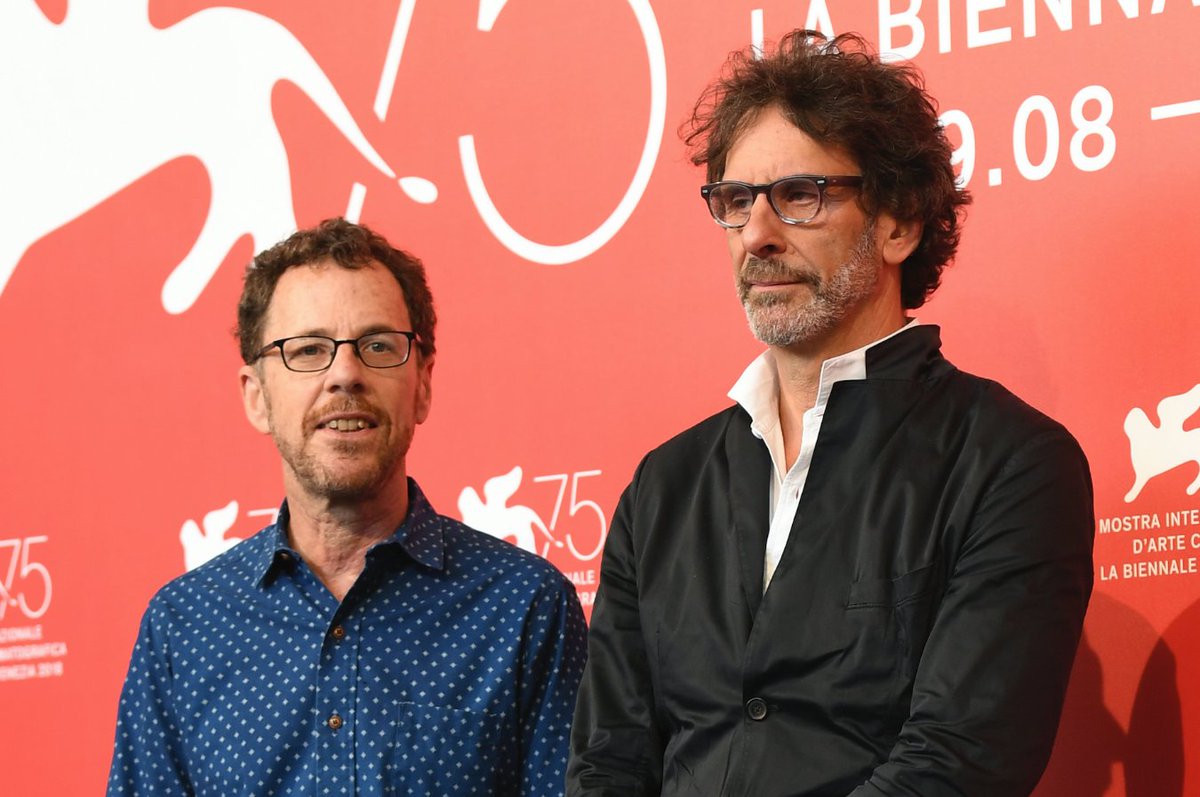
Apparently, when the Coen brothers found out both films were shooting in Marfa, they booked up all the rooms in the biggest motel in town. PTA called them, “Sneaky bastards.”
34/43
34/43
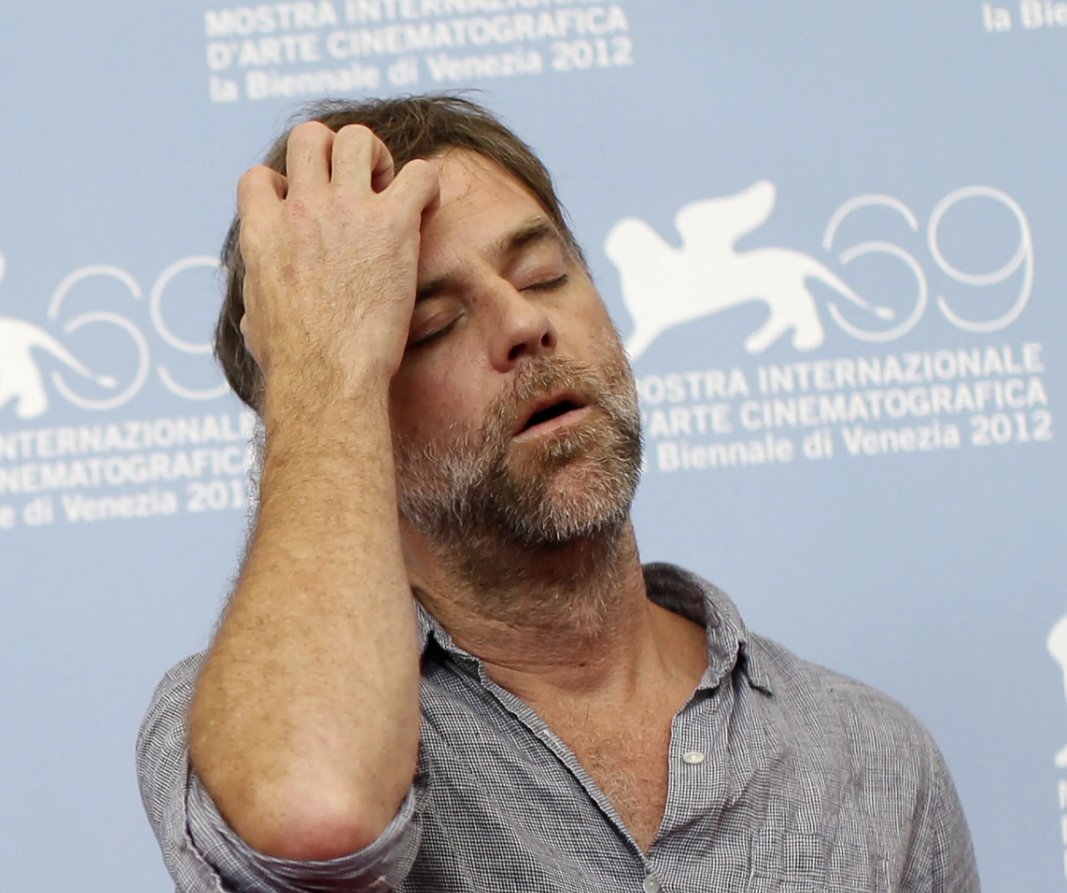
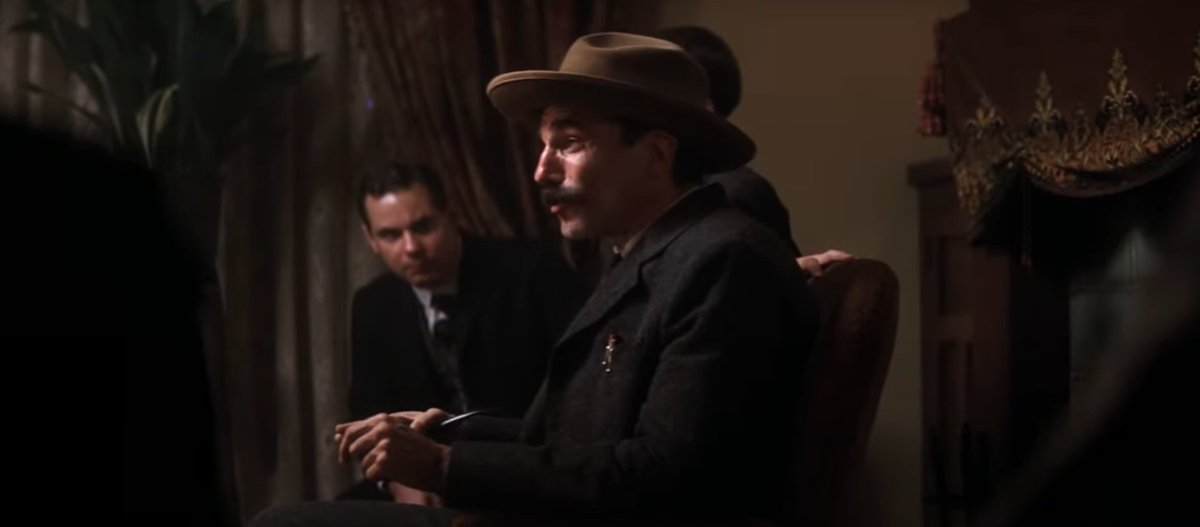
Day-Lewis did some improvising on the set. The speech that Daniel gives to the people of Little Boston where he talks about building schools and bringing bread to the town was all DDL. Anderson loved it and said, “It was delicious. It was Plainview on a platter.”
35/43
35/43

The inspiration for the oil derrick explosion came from Giant, a 1956 film starring James Dean and Liz Taylor. That’s one of PTA’s favourite films apparently, and there is a famous scene where an oil geyser blows.
36/43
36/43

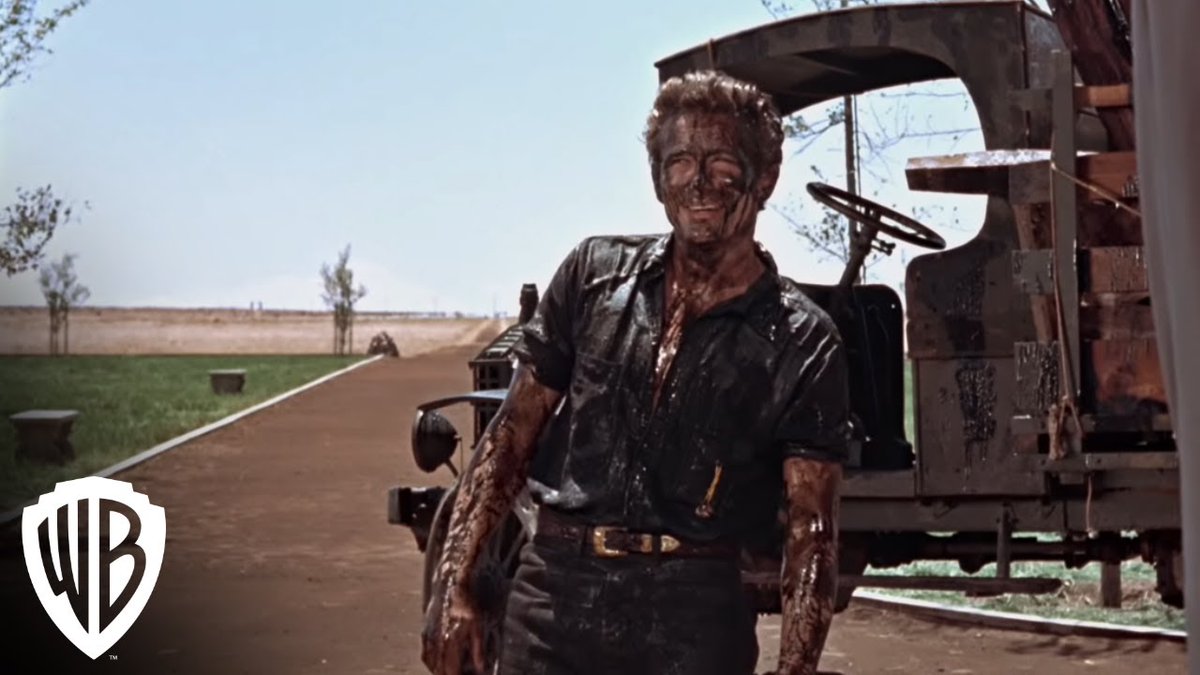
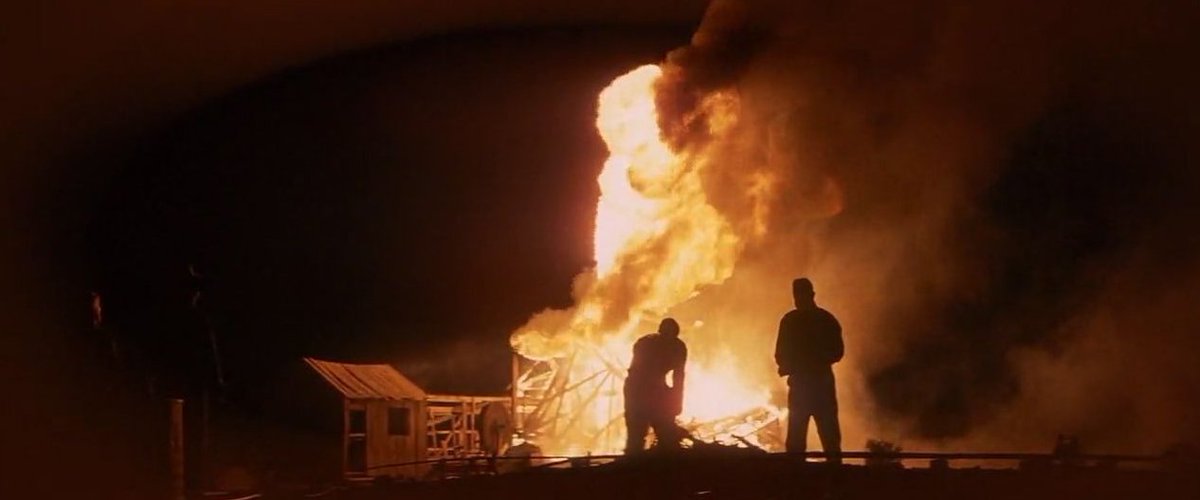
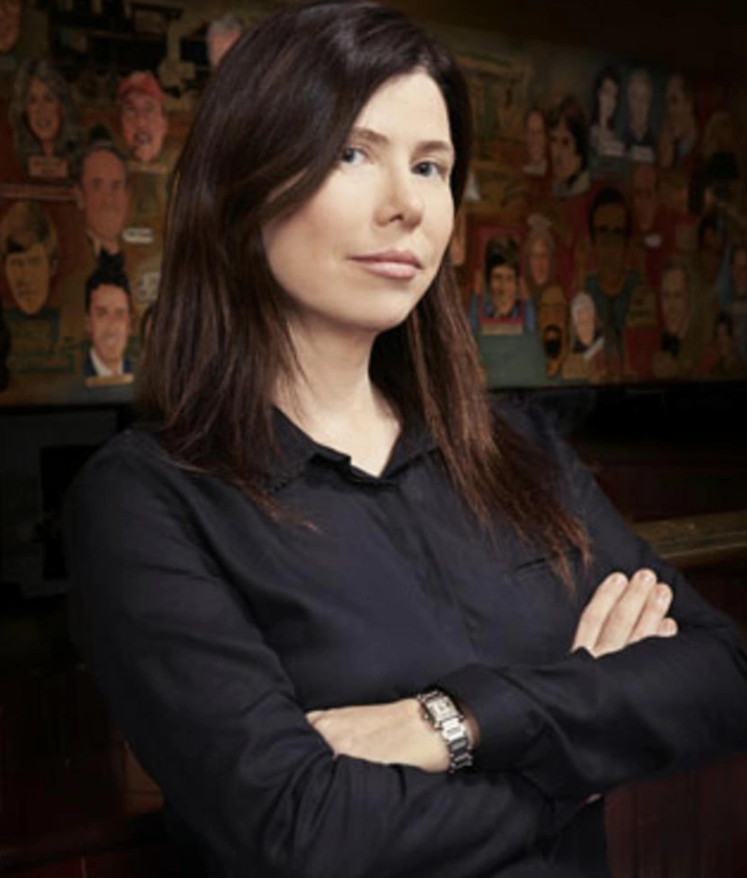
Robert Elswit and he said filming explosion scene was “a nightmare.” It was meant to be shot over 2 nights but at the end of the first night they couldn’t put the fire out and it was a mad rush to get every shot before the derrick collapsed.
37/43
37/43
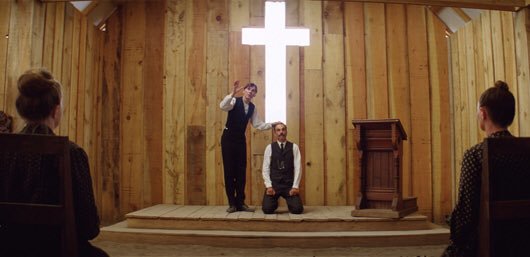
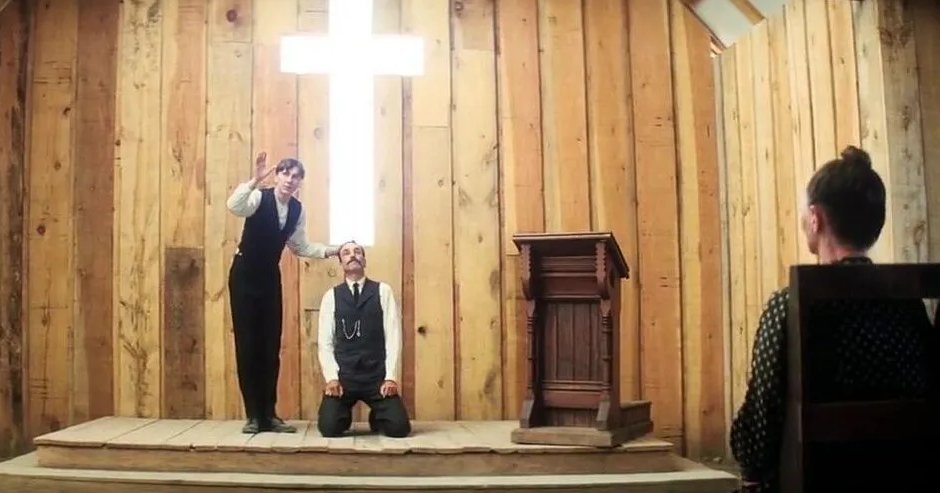
When putting together the shooting schedule with producer JoAnne Sellar, Anderson made sure to shoot the scene Eli baptises Daniel scene the day after they filmed the one where Daniel wrestles Eli to the ground - so getting roughed up was fresh in Paul Dano’s memory.
38/43
38/43
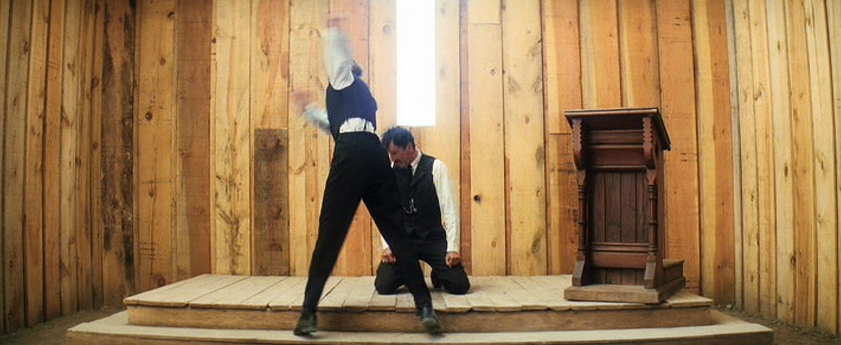
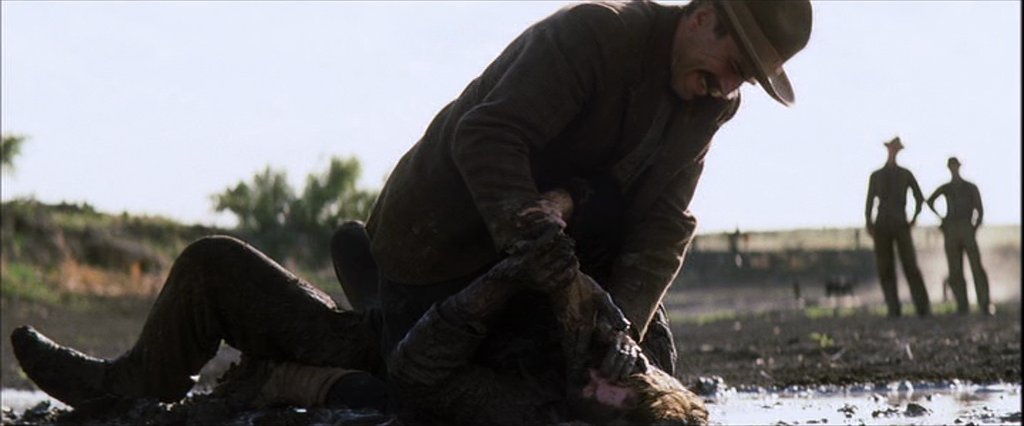
There was a deleted scene in the script where Daniel told his fake brother Henry "my c**k doesn't work," and then there’d be a scene where we see them both with prostitutes. And this is what Eli is referring to in the baptism when he says Daniel has "lusted after women."
39/43
39/43
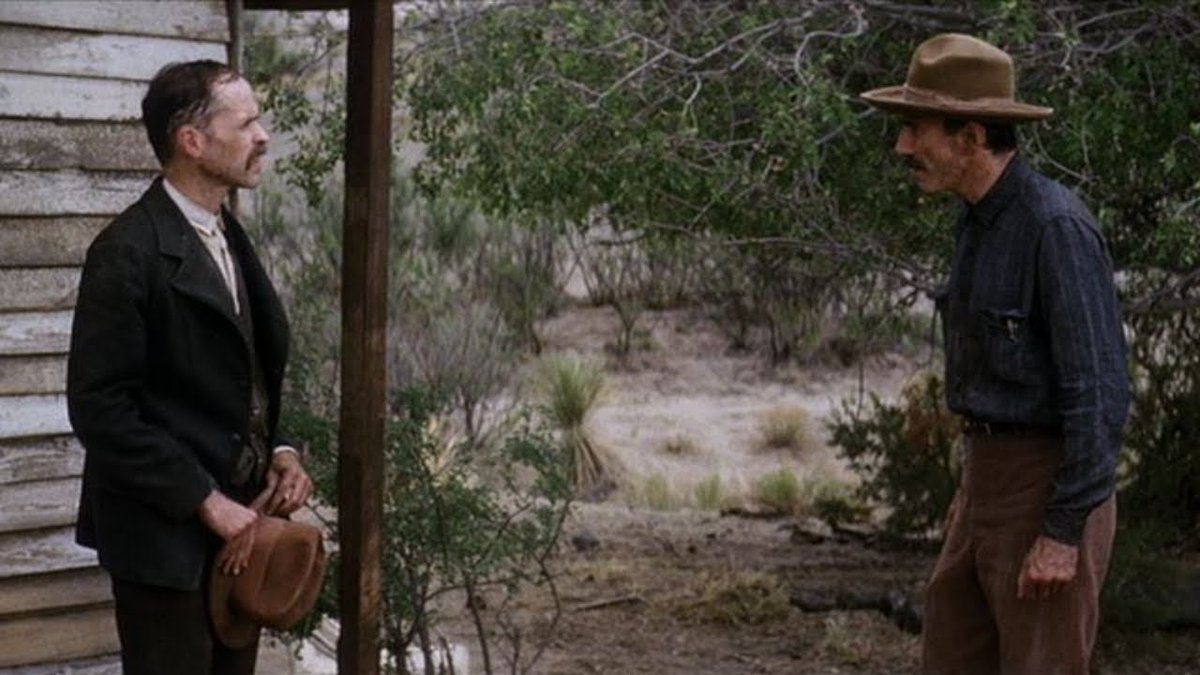
PTA and his editors would have one night per week where they would have steak and straight vodka for dinner. The idea was that it would keep them in the mentality of Daniel Plainview – DP eats dry steak and drinks vodka from the bottle at the end of the movie.
40/43
40/43
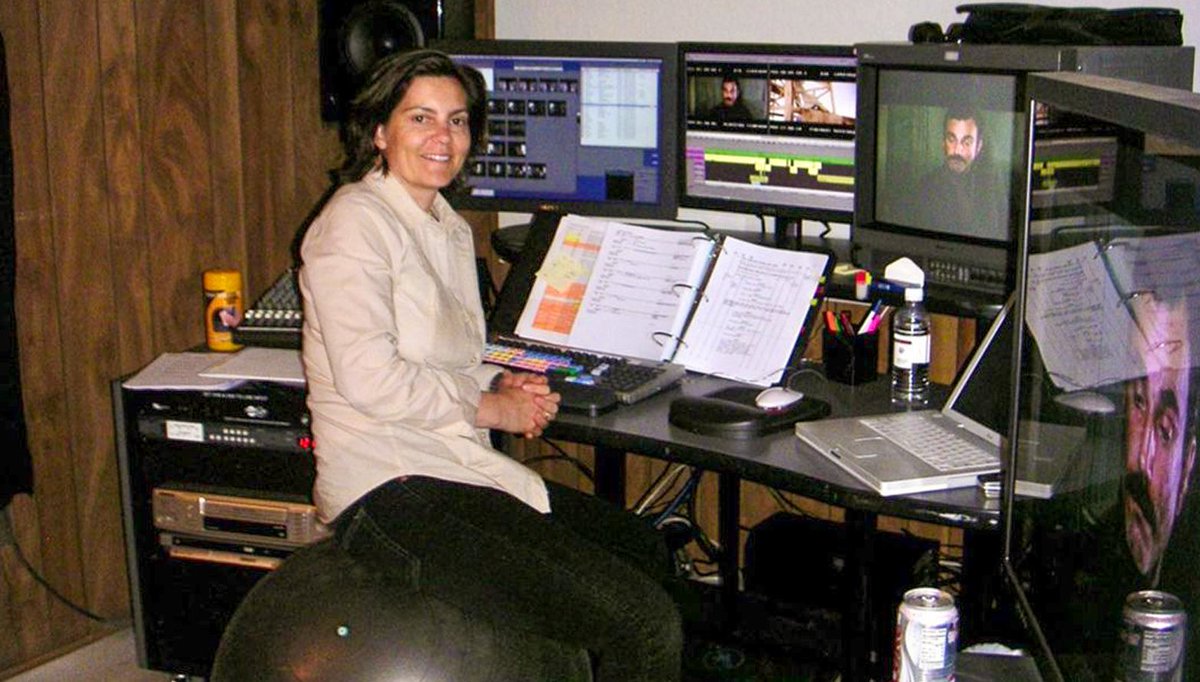
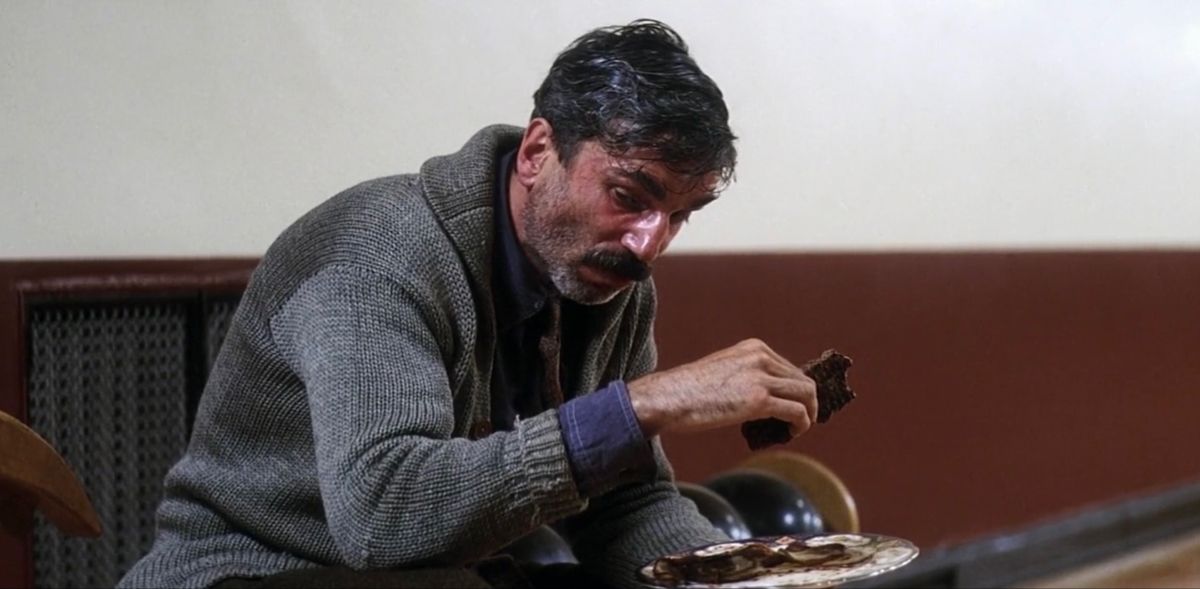
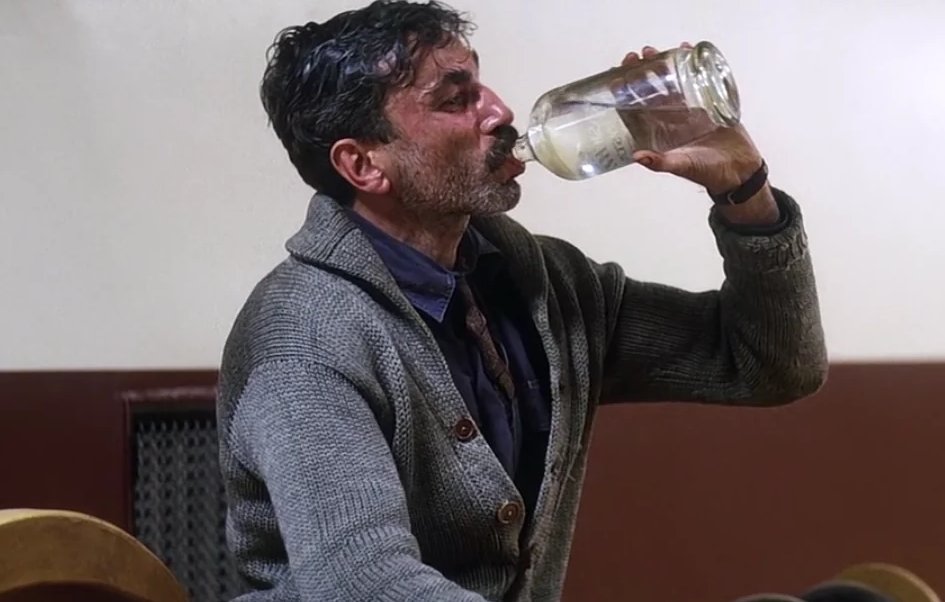
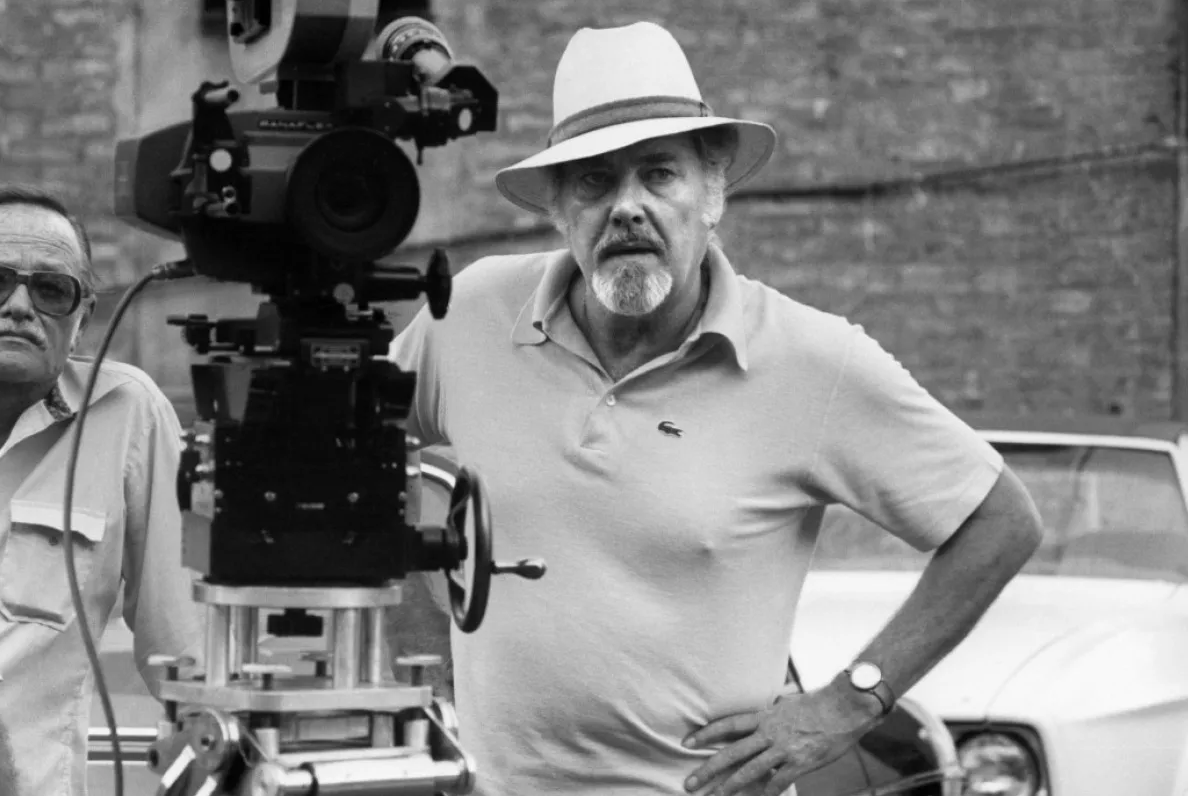
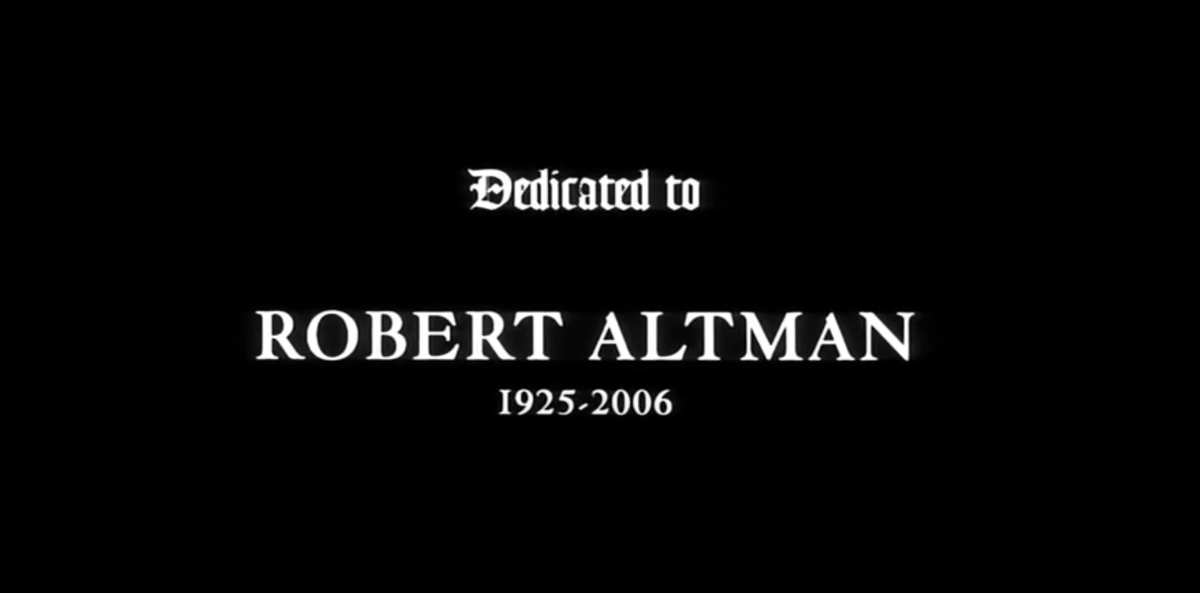
Also during editing, the great director Robert Altman died. He was a big influence on Anderson and that’s why There Will Be Blood is dedicated to Robert Altman.
41/43
41/43
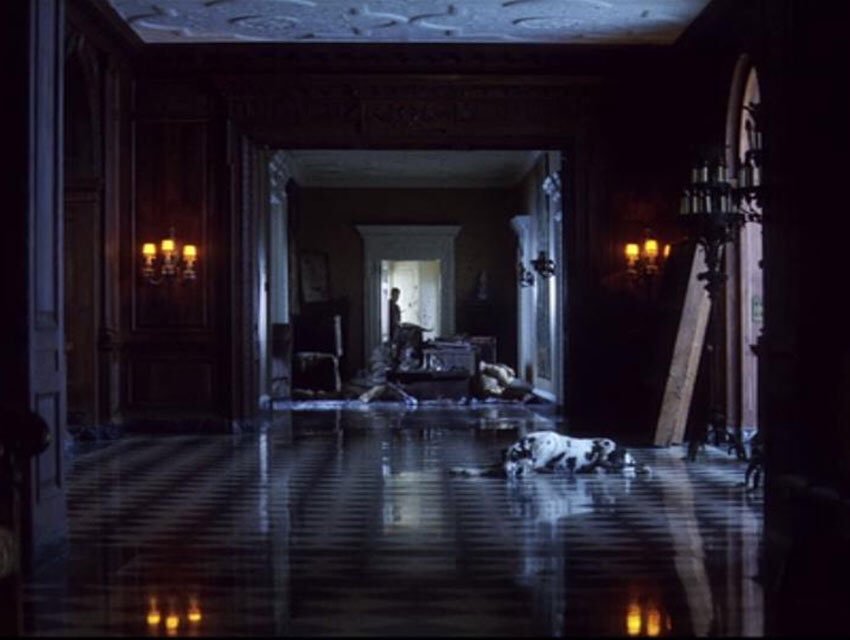
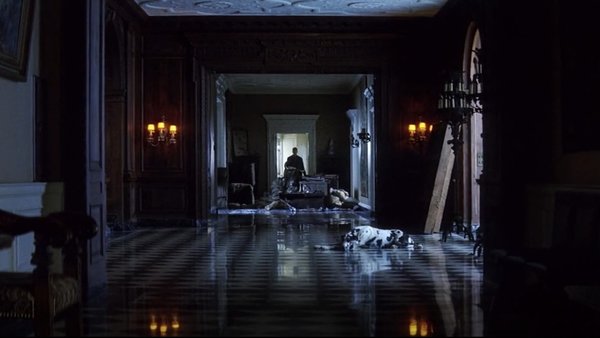
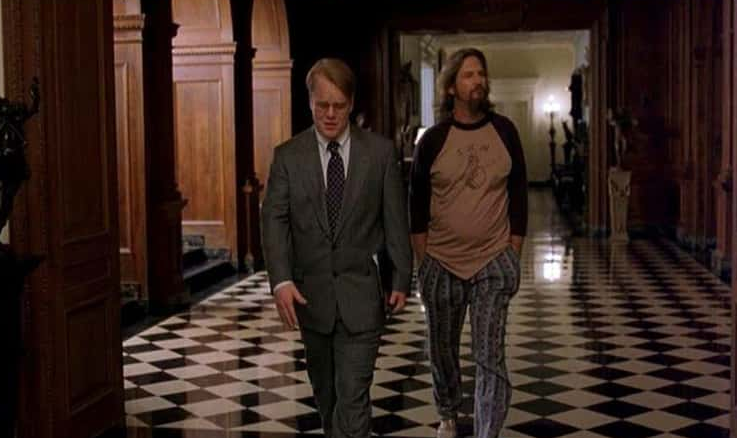
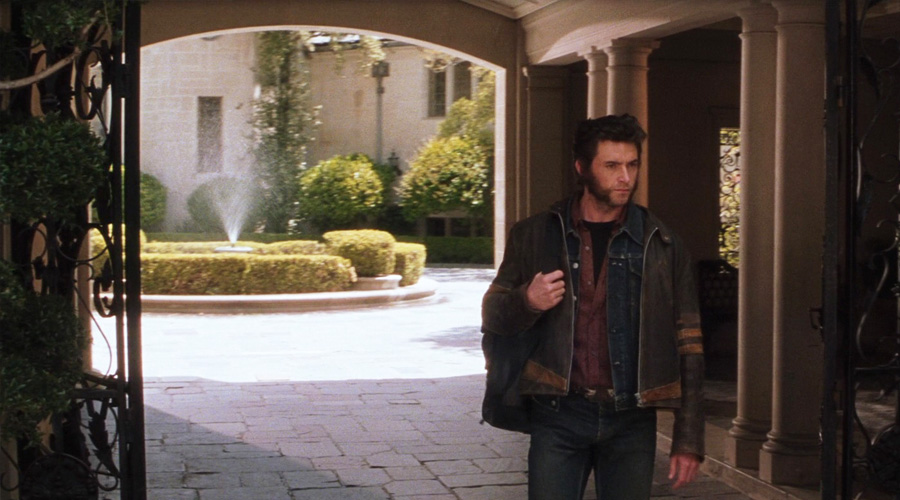
Greystone Mansion in Beverly Hills was used to film the finale. It’s been in many other films including The Big Lebowski, The Prestige, and X-Men.
42/43
42/43

There Will Be Blood did well. On a budget of $25m it took $76.2m - Anderson’s most profitable film at the time. It was nominated at the Oscars for Best Picture, Director and Adapted Screenplay. And won for Best Actor and Best Cinematography.
43/43
43/43

If you liked our making of story behind THERE WILL BE BLOOD, please share the first post 😄
https://x.com/ATRightMovies/status/1872603455782842697
Our latest podcast is on TRADING PLACES. Full of big laughs and opinions so please give it a listen 😁
alltherightmovies.com/podcast/tradin…
alltherightmovies.com/podcast/tradin…
• • •
Missing some Tweet in this thread? You can try to
force a refresh