This is what angels look like according to the Bible.
A thread explaining the 9 types, and why they say when they appear:
"Be not afraid"... 🧵
A thread explaining the 9 types, and why they say when they appear:
"Be not afraid"... 🧵

"Angel" (from the Greek "angelos") just means messenger.
We think of God's messengers as winged humanoids, but encounters in the Bible get far more interesting than that...
We think of God's messengers as winged humanoids, but encounters in the Bible get far more interesting than that...
Theologians have spent centuries making sense of their various descriptions.
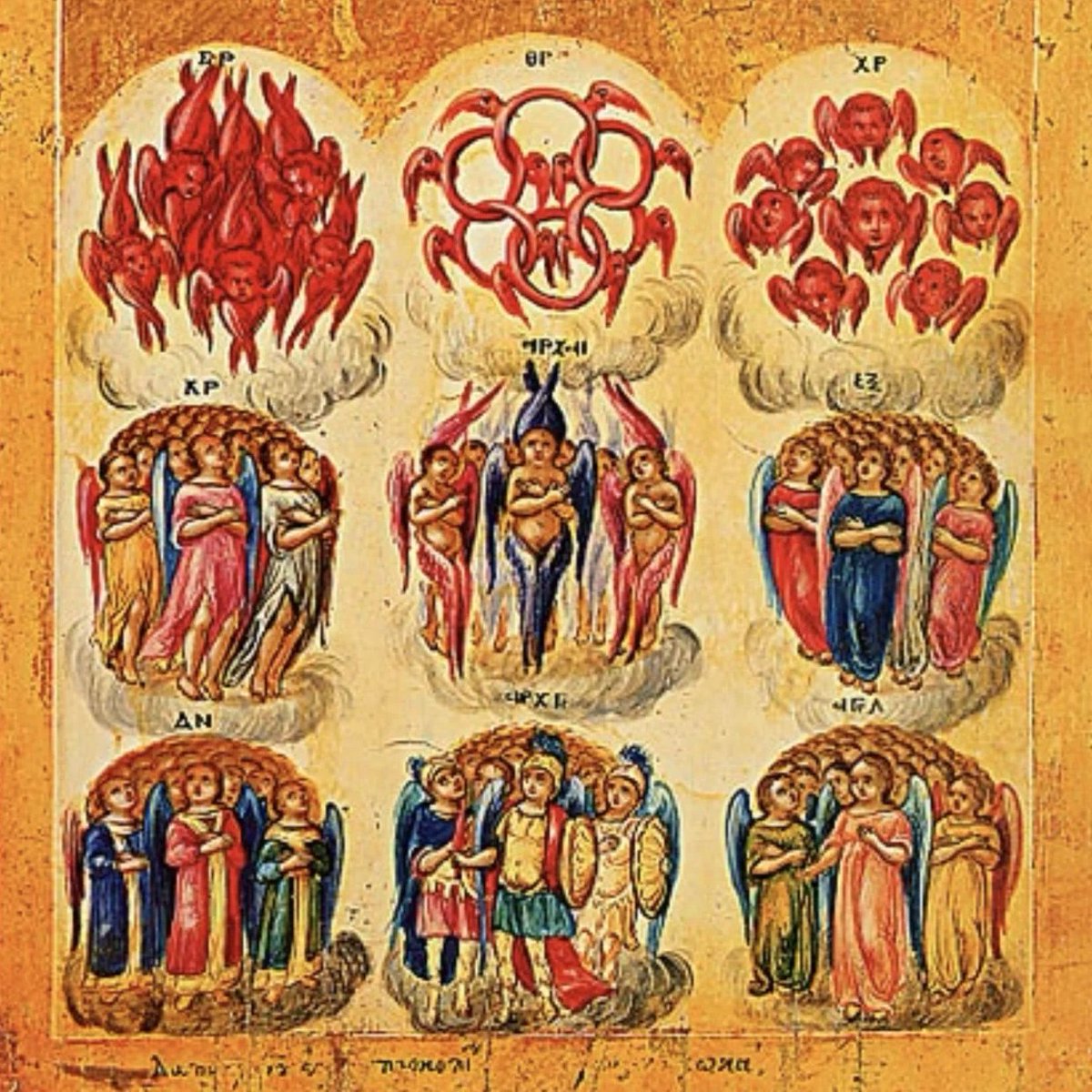
Aquinas identified 9 separate types of angel — from the mostly-humanoid to the much more abstract.
Aquinas identified 9 separate types of angel — from the mostly-humanoid to the much more abstract.

Aquinas also grouped them into 3 orders:
• First order: servants closest to God, in Heaven
• Second: heavenly rulers, but affecting Earthly events
• Third: interact directly with humans on Earth
• First order: servants closest to God, in Heaven
• Second: heavenly rulers, but affecting Earthly events
• Third: interact directly with humans on Earth
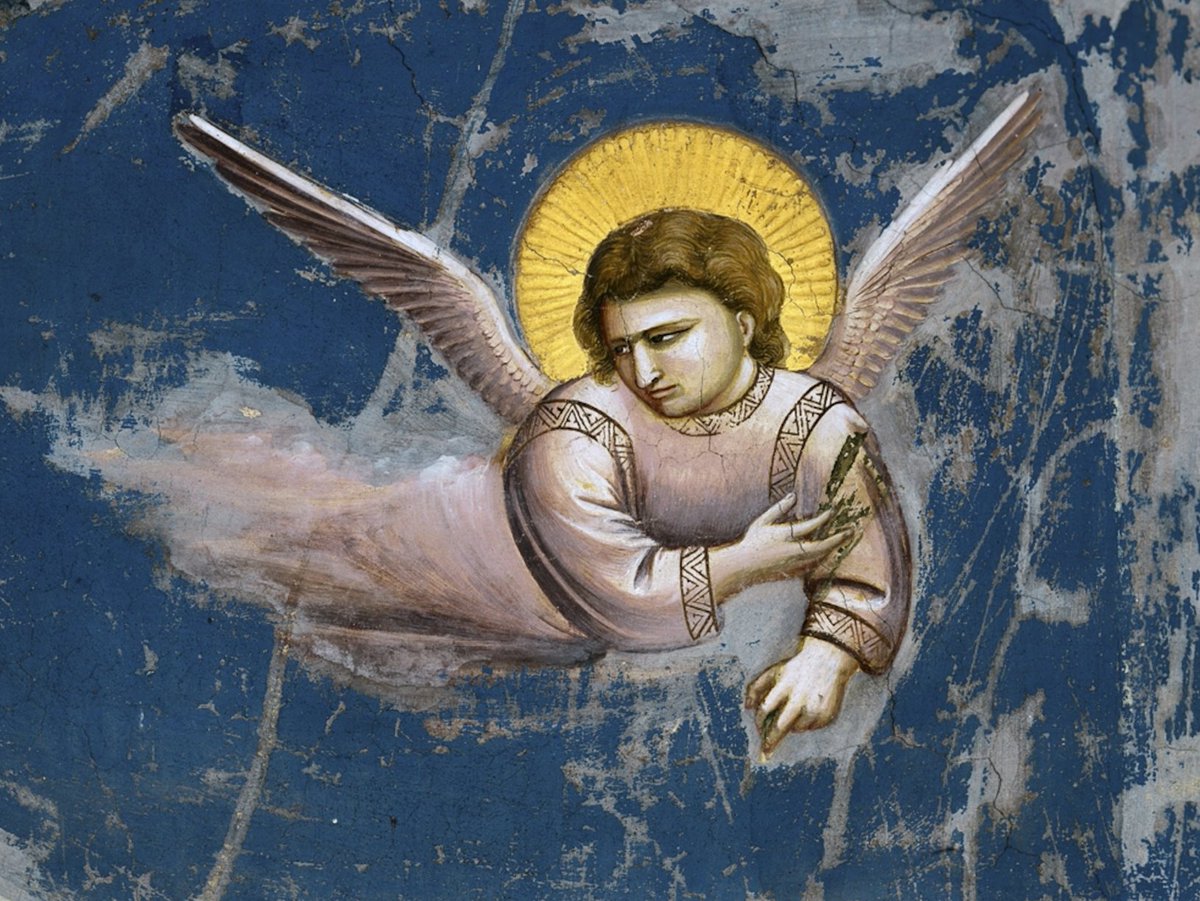
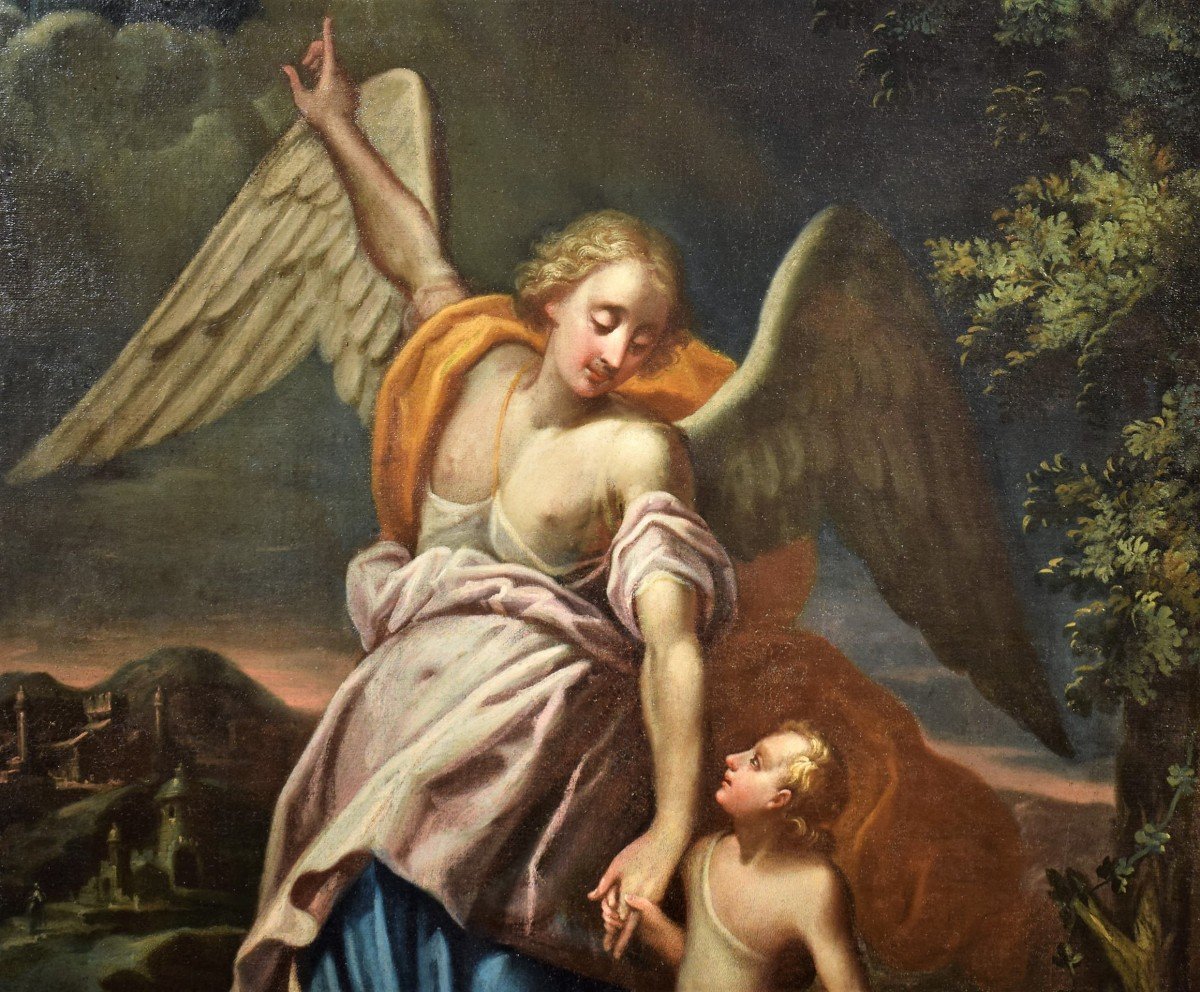
Ranked 9th are simply "angels": messengers that offer spiritual guidance on Earth.
Aquinas thought every soul has a guardian angel looking over it. An "innumerable company" walk among us, or travel about with wings.
Aquinas thought every soul has a guardian angel looking over it. An "innumerable company" walk among us, or travel about with wings.
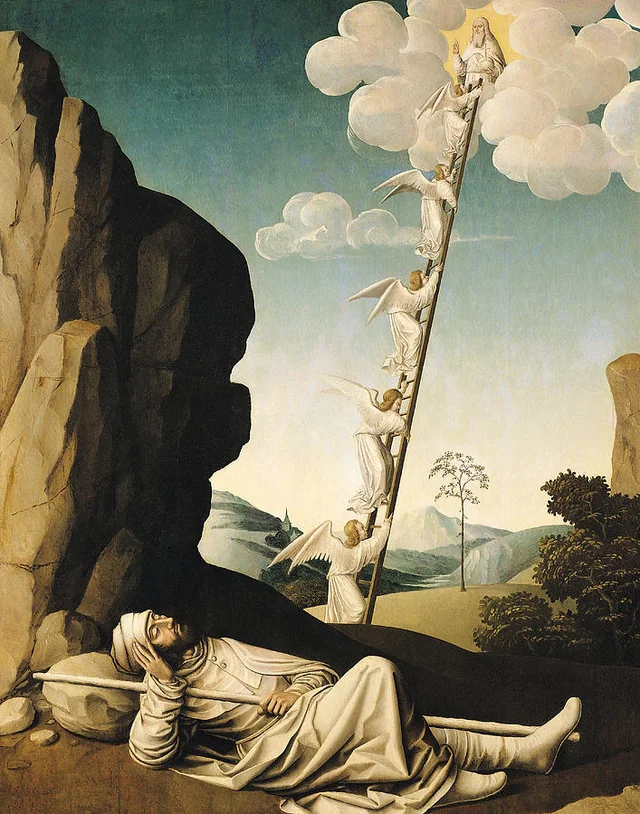
It's these "common" angels that Jacob sees moving up and down Jacob's ladder.
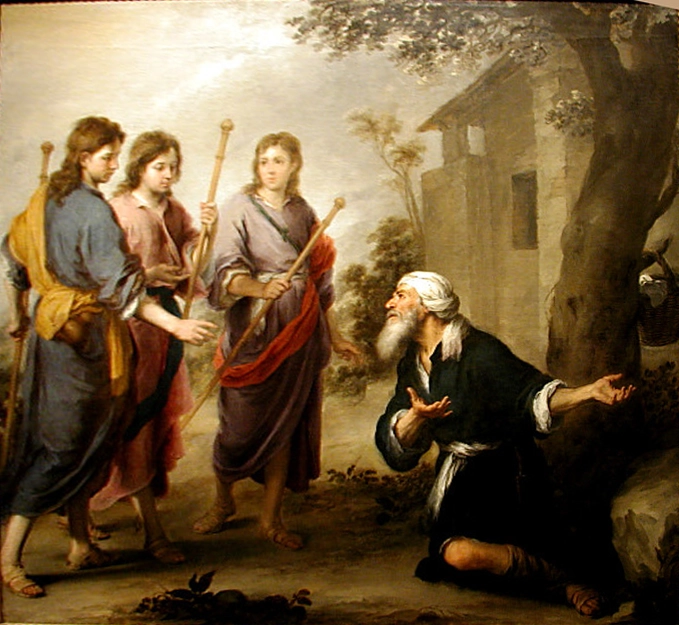
Sometimes they don't even have wings — in Genesis, three appear to Abraham as ordinary men.
Sometimes they don't even have wings — in Genesis, three appear to Abraham as ordinary men.
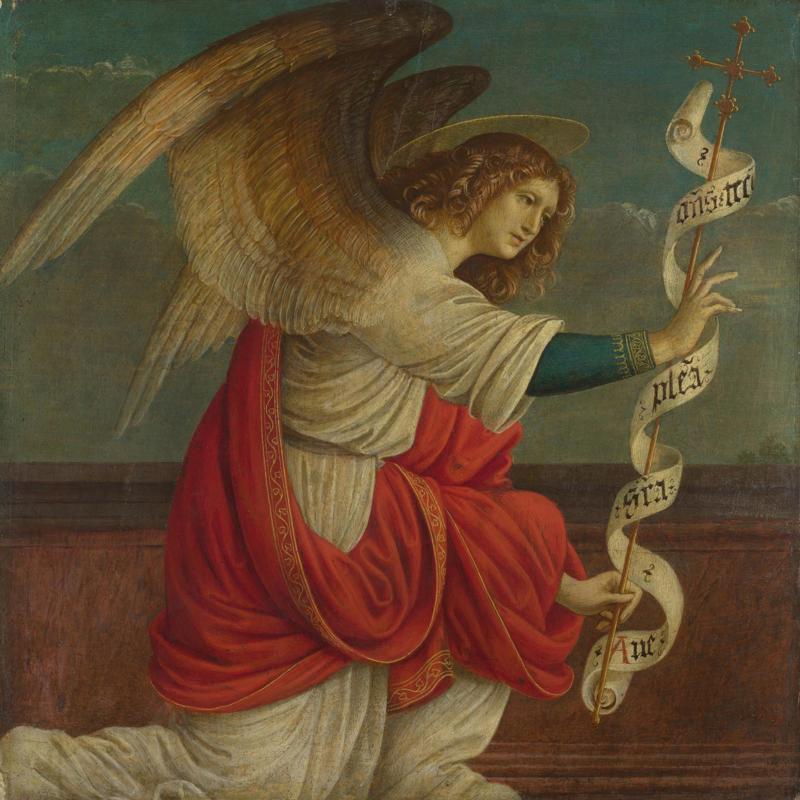
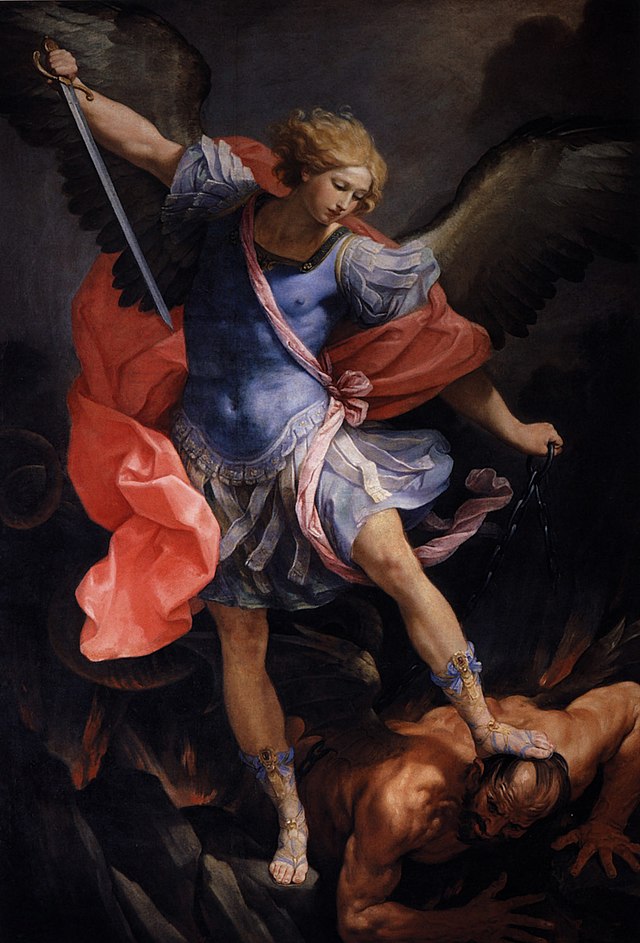
8th are the archangels: similar, but responsible for the most important jobs on Earth,and sometimes Heaven.
Archangel Gabriel announced Mary's pregnancy, and Michael cast Satan out of Heaven.
Archangel Gabriel announced Mary's pregnancy, and Michael cast Satan out of Heaven.
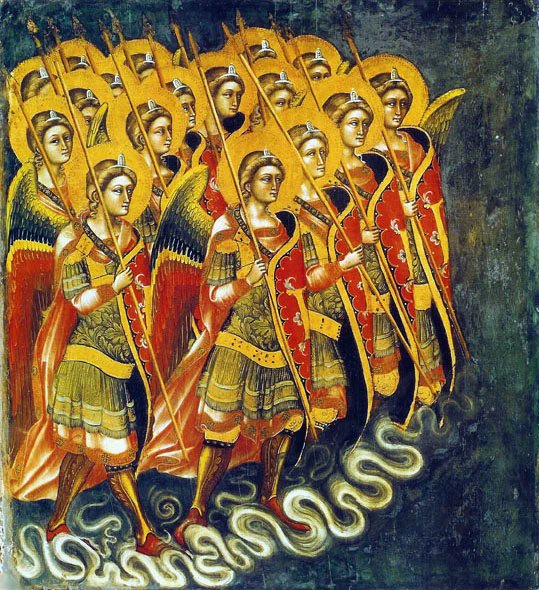
7th are the Principalities: the last angels mainly interacting on Earth.
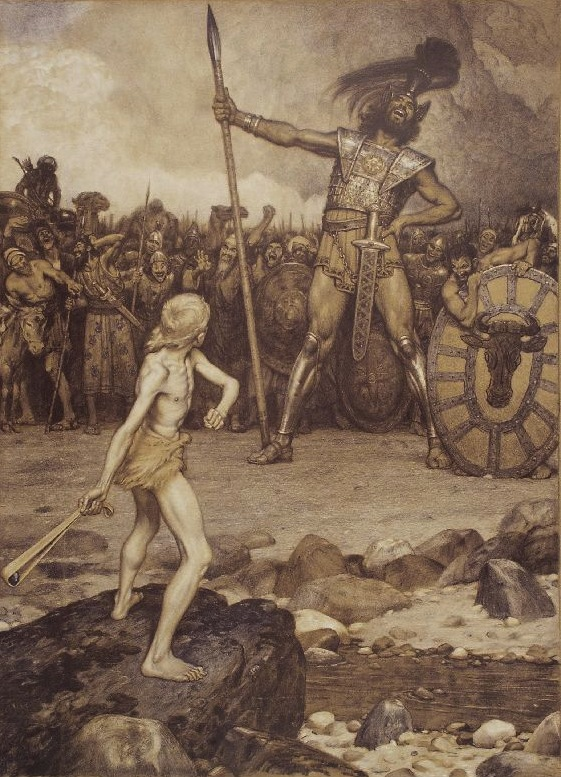
They preside over groups, nations or parishes, providing guidance to earthly leaders — like helping David slay Goliath.
They preside over groups, nations or parishes, providing guidance to earthly leaders — like helping David slay Goliath.
The next order exist in Heaven, but their actions still relate to us on Earth.
These, and Principalities, are not strictly mentioned in the Bible, but interpreted from this passage from Paul...
These, and Principalities, are not strictly mentioned in the Bible, but interpreted from this passage from Paul...
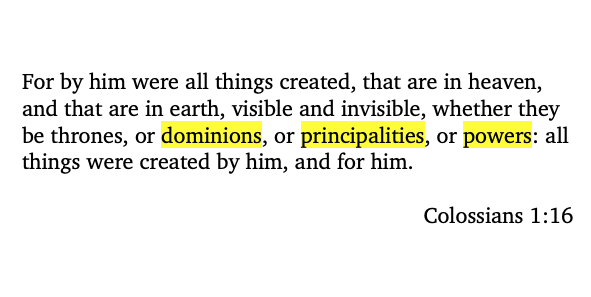
6th are the Powers: they guard the border between Heaven and Earth, and transport souls to Heaven.
You'll see them depicted in full armour, as they protect us from demonic invasion into the world.
You'll see them depicted in full armour, as they protect us from demonic invasion into the world.

5th are the Virtues: they have power over the elements, and play a hand in miracles.
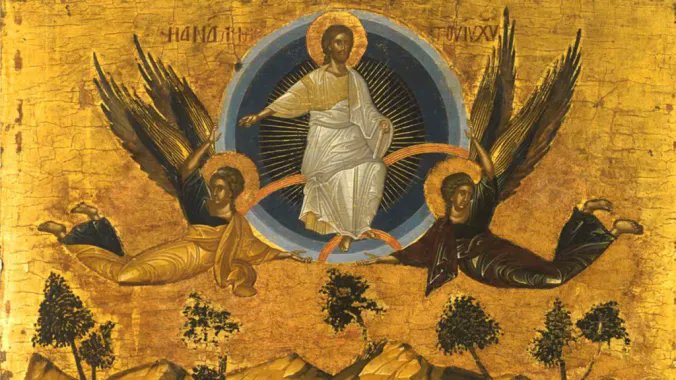
The two angels that appeared during Christ's Ascension are traditionally considered virtues.
The two angels that appeared during Christ's Ascension are traditionally considered virtues.
4th are the Dominions: tasked with governing angels beneath them and carrying out God's judgments.
Beautiful beings carrying golden staffs (symbolizing leadership) and God's seal (closeness with God).
Beautiful beings carrying golden staffs (symbolizing leadership) and God's seal (closeness with God).
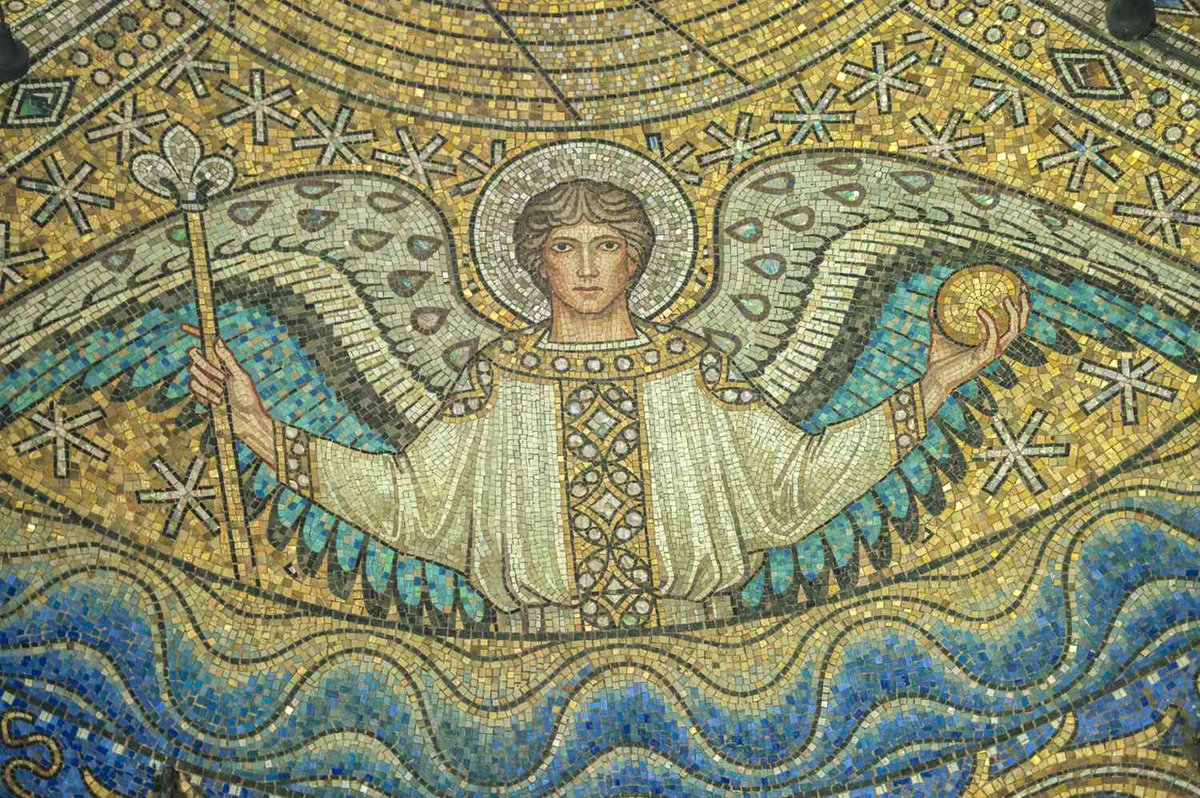
So, lower and middle order angels are usually seen as winged humans.
But the highest order angels are not — this is where "biblically accurate" angels get strange...
But the highest order angels are not — this is where "biblically accurate" angels get strange...
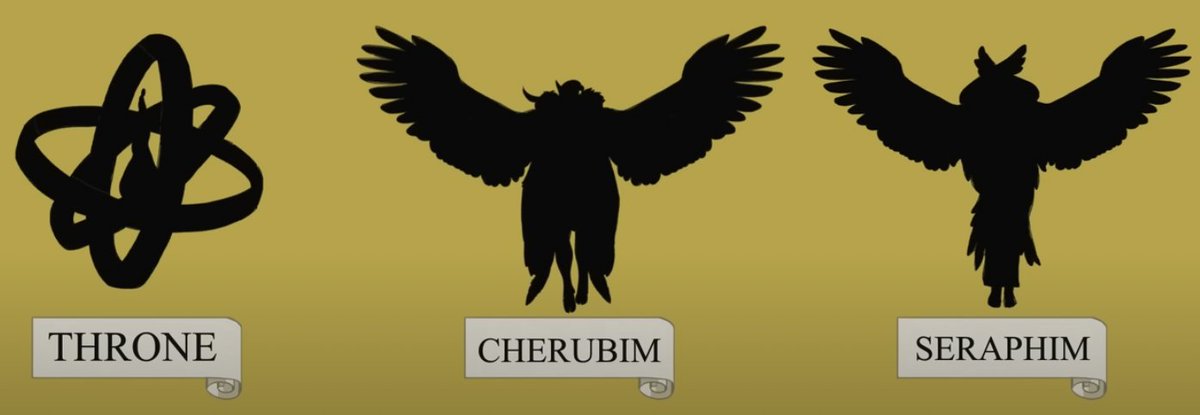
The Old Testament describes Ezekiel's vision of God's chariot — it's carried by angels akin to wheels with eyes:
"Like a wheel within a wheel", "the rims of all four were full of eyes all around"...
"Like a wheel within a wheel", "the rims of all four were full of eyes all around"...
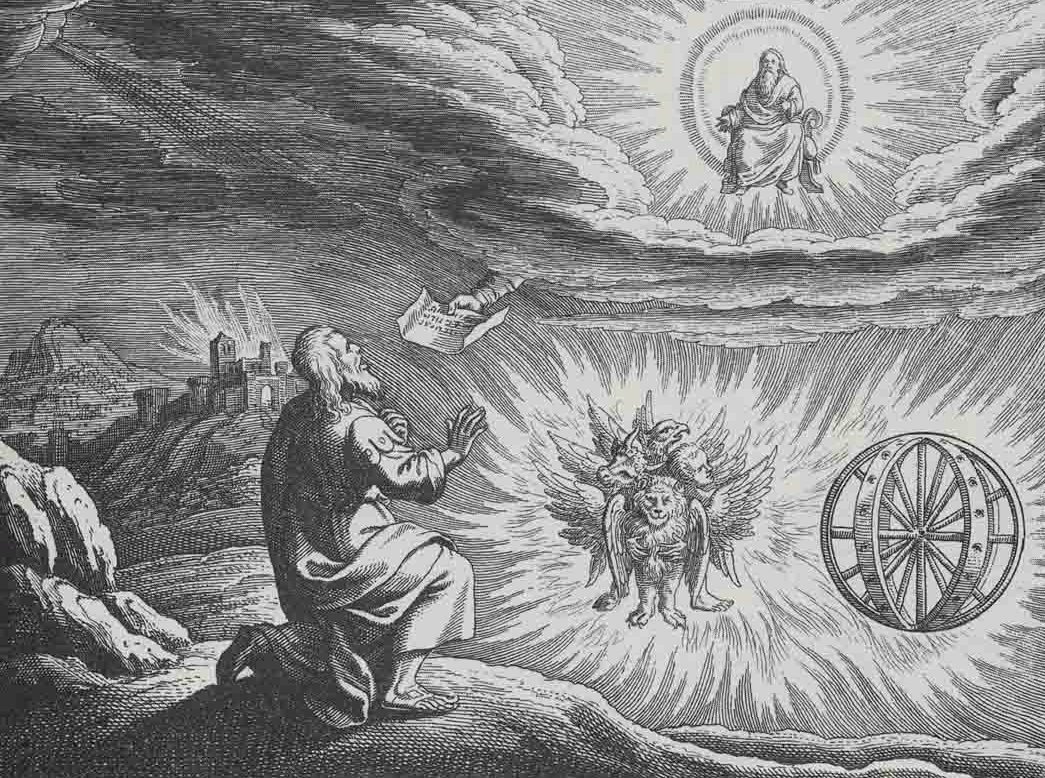
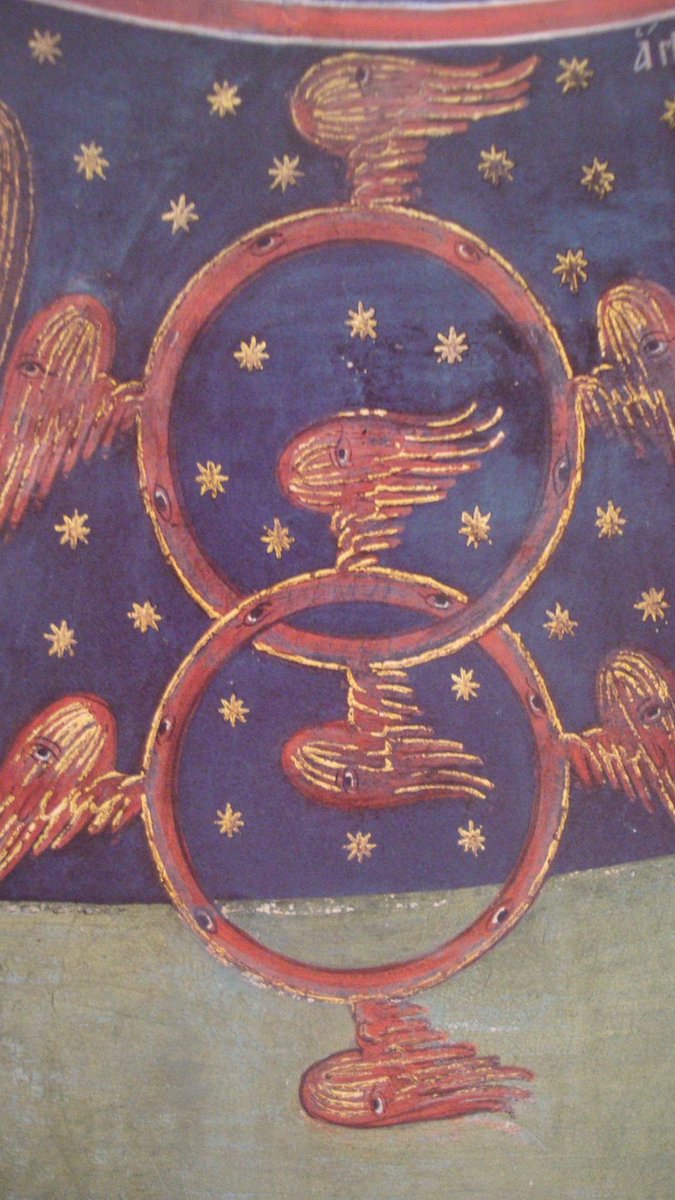
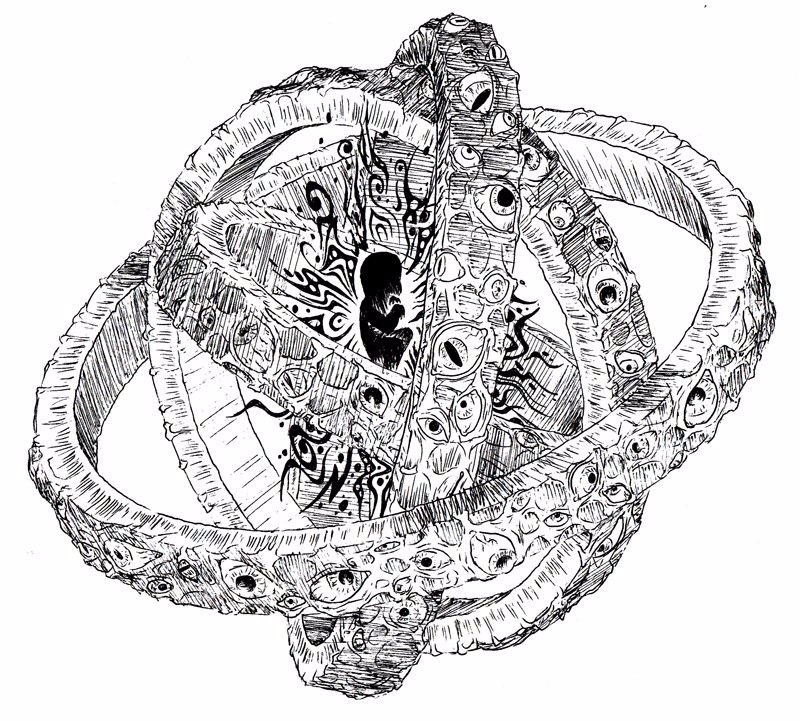
These "wheels" are known as Thrones: angelic beings that hold up and protect God's throne.
Traditionally, they've been depicted literally according to the text.
Traditionally, they've been depicted literally according to the text.
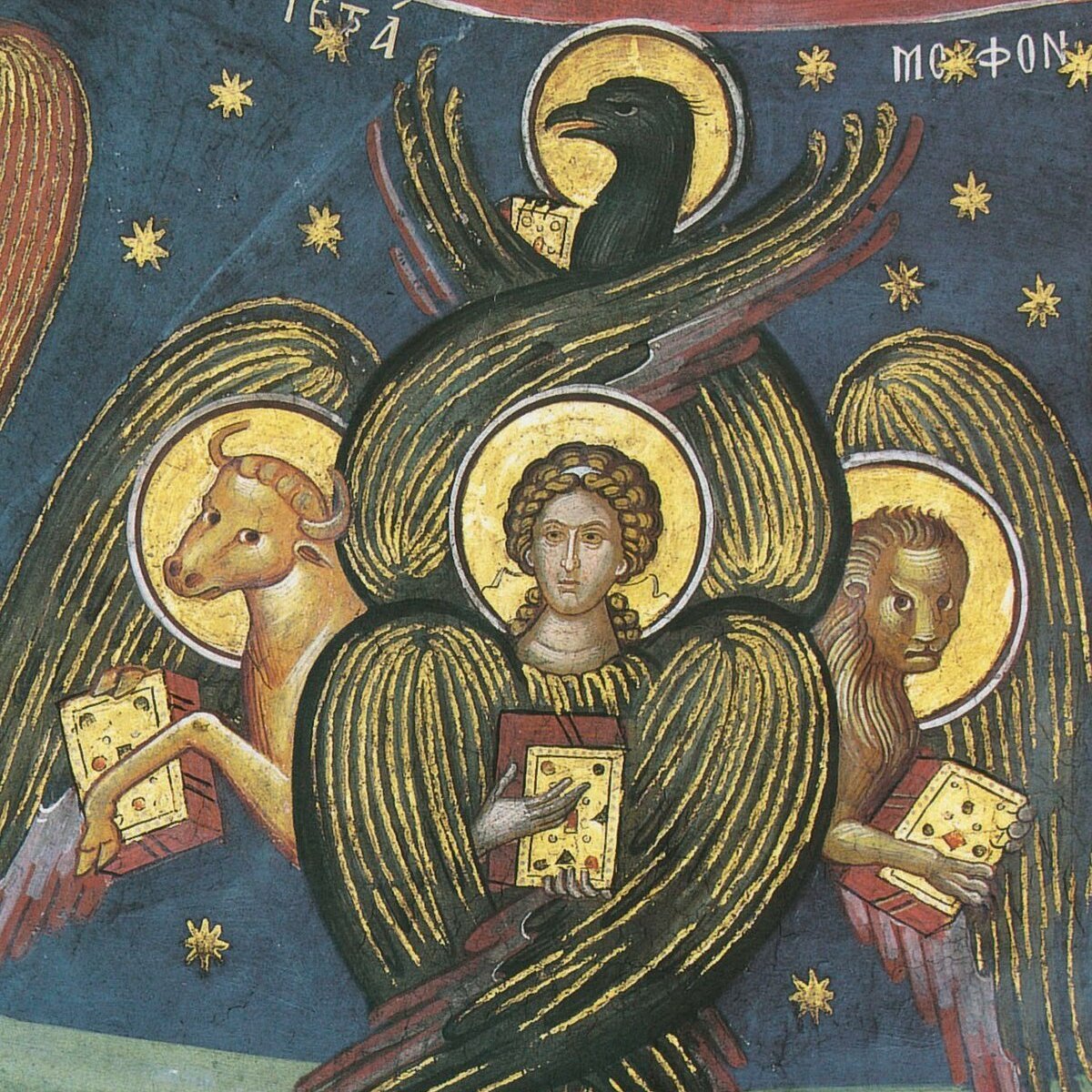
Ezekiel also witnessed the second highest angels: Cherubim.
Renaissance art turned them into winged babies (like Cupid in classical art), but this couldn't be further from the Bible...
Renaissance art turned them into winged babies (like Cupid in classical art), but this couldn't be further from the Bible...
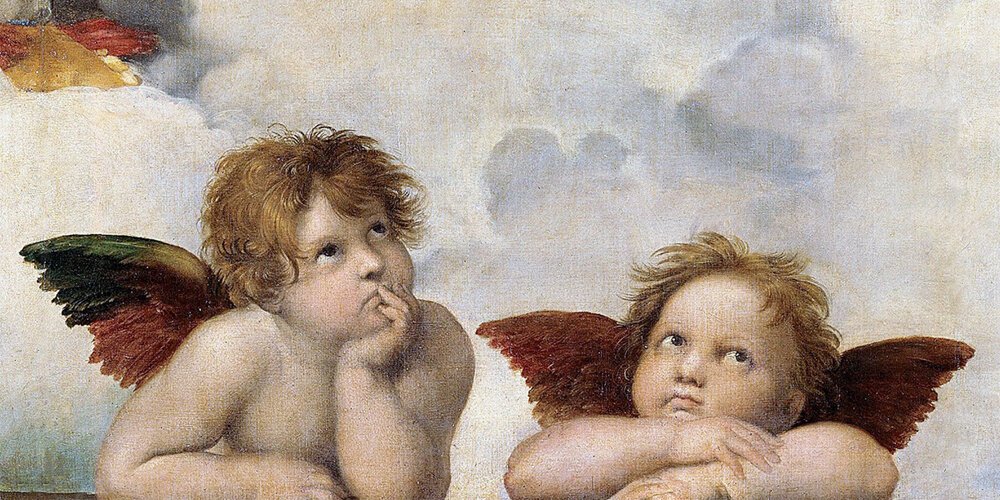
They have 4 wings and 4 faces: a lion, an ox, a man and an eagle.
We also meet them in Genesis, guarding Eden with flaming swords. They are defenders of sacred spaces and God's glory.
We also meet them in Genesis, guarding Eden with flaming swords. They are defenders of sacred spaces and God's glory.
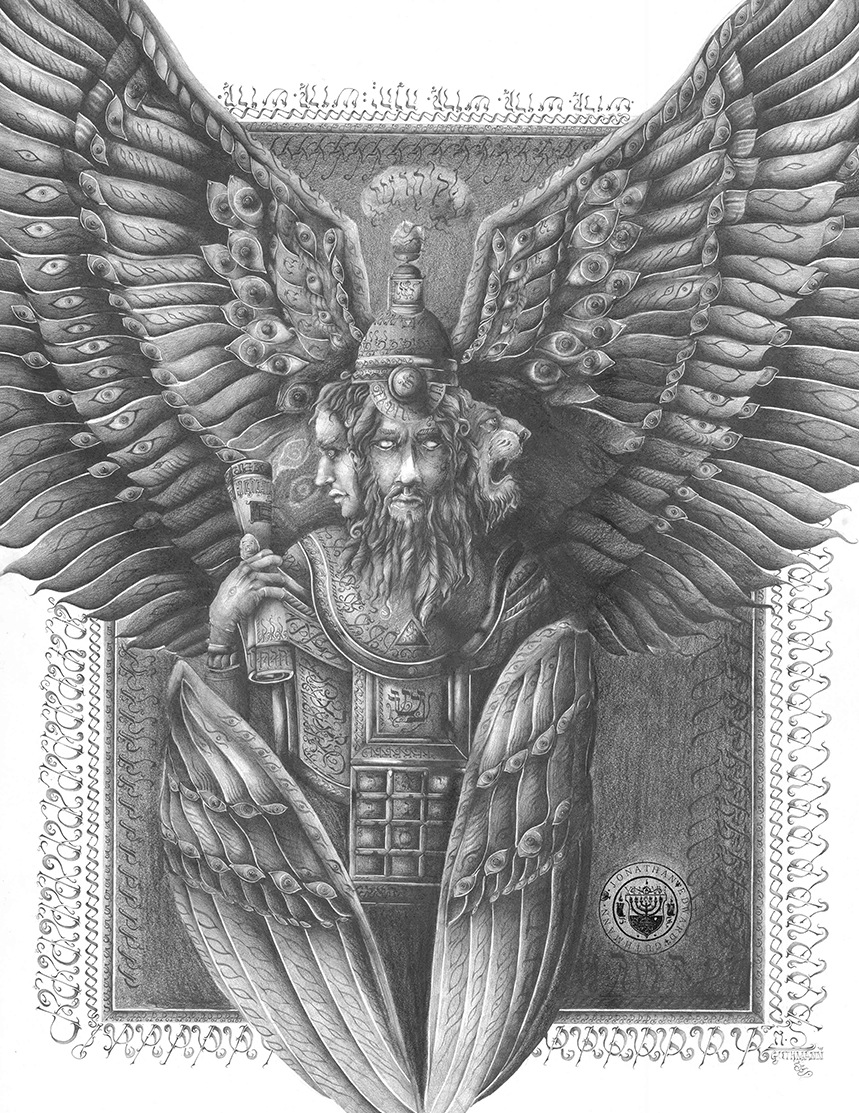
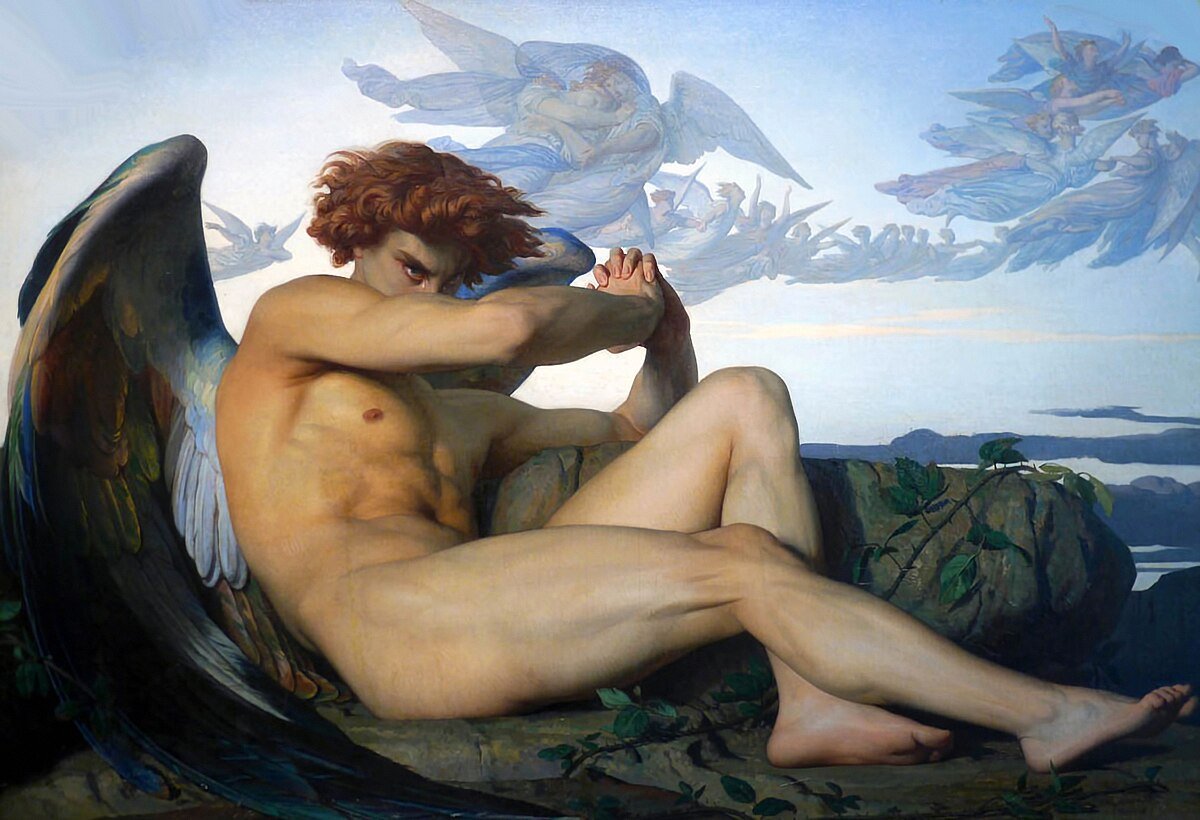
The Bible isn't clear on the precise nature of Satan, but Aquinas believed he was a fallen cherub — this is hinted at in a passage in Ezekiel.
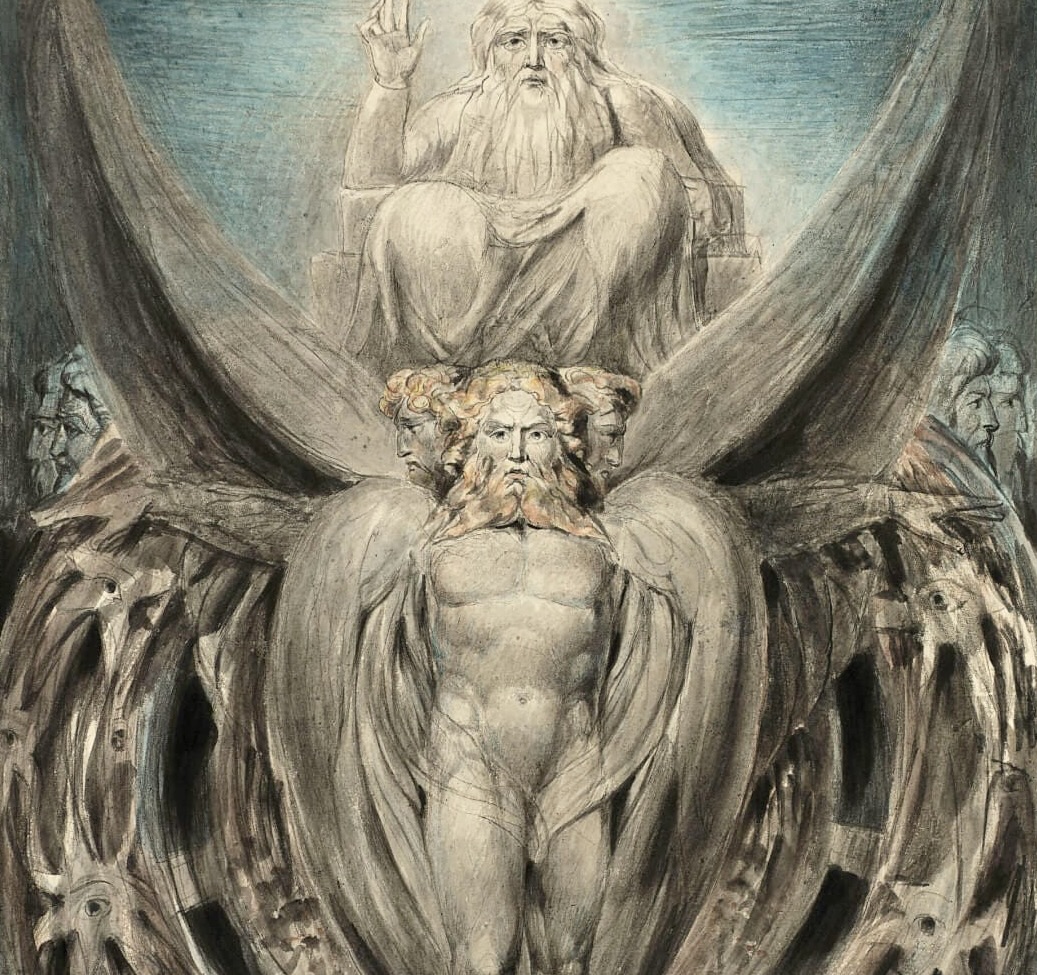
Finally, right next to God's throne are the "highest" angels: the Seraphim. They come from another Old Testament vision, that of Isaiah.
6 wings: 2 for flying, 2 cover their feet and 2 cover their eyes (humility in the presence of God).
6 wings: 2 for flying, 2 cover their feet and 2 cover their eyes (humility in the presence of God).
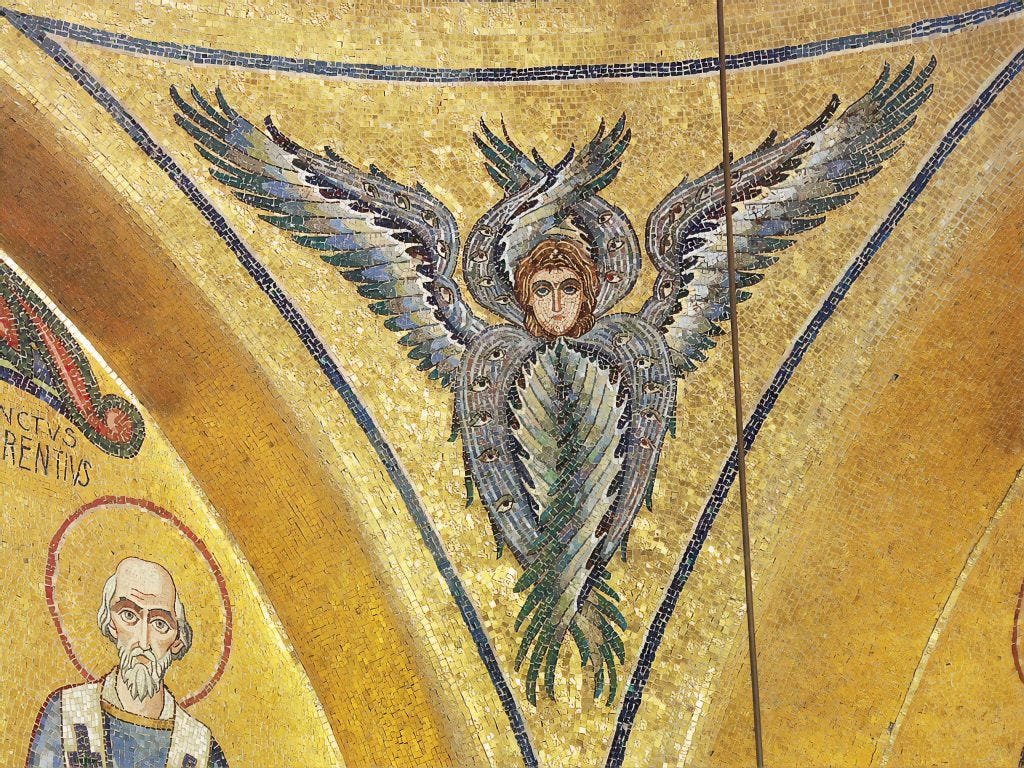
They appear again in the New Testament's Book of Revelation, but now their wings are covered in eyes.
All day and night they sing: "Holy, holy, holy, Lord God Almighty, who was and is and is to come!"
All day and night they sing: "Holy, holy, holy, Lord God Almighty, who was and is and is to come!"
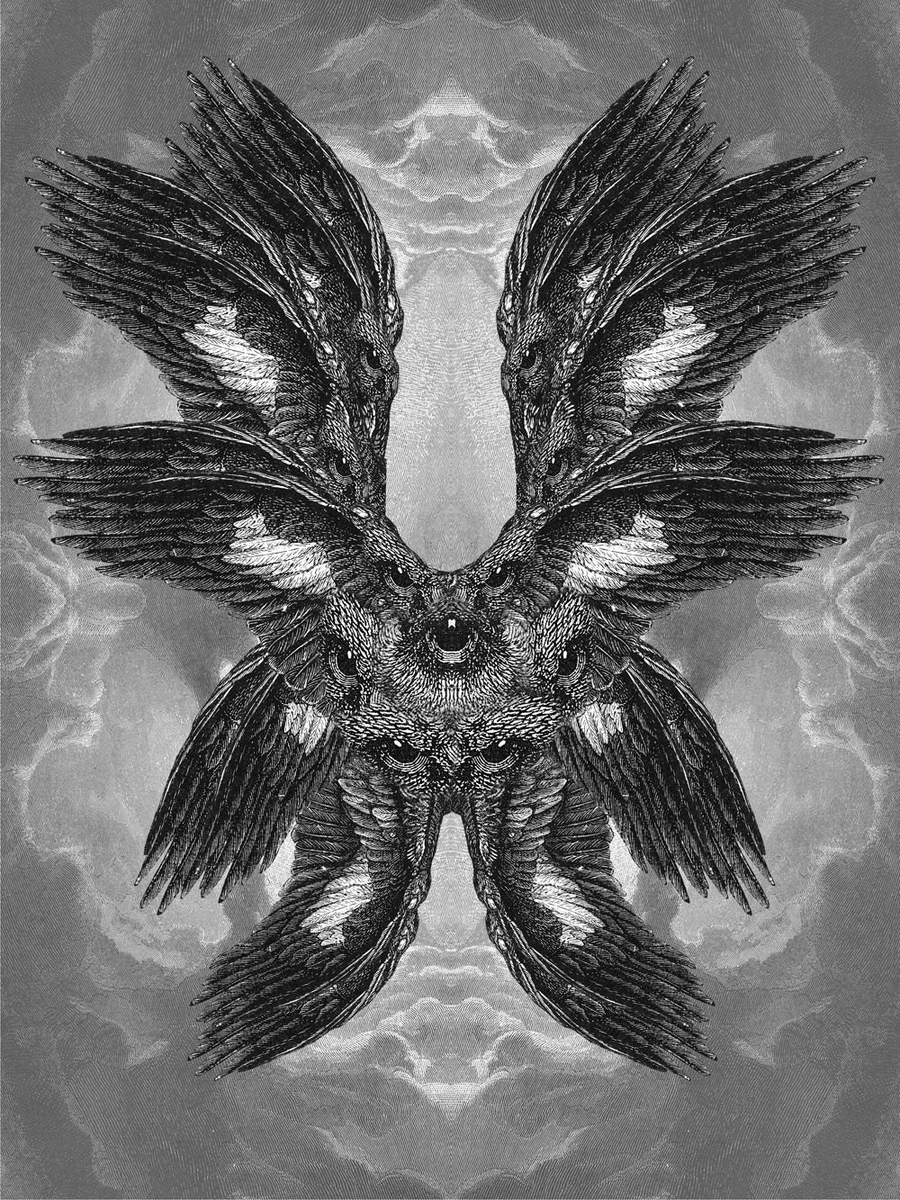
It's not exactly clear how to interpret all these curious descriptions, but they explain a phrase often uttered by angels when they appear to people:
"Be not afraid"...
"Be not afraid"...
If you enjoy these threads, join my FREE newsletter — it goes deeper on theological topics like this.
100,000+ people read it: history, art, and culture 👇
culture-critic.com/welcome
100,000+ people read it: history, art, and culture 👇
culture-critic.com/welcome
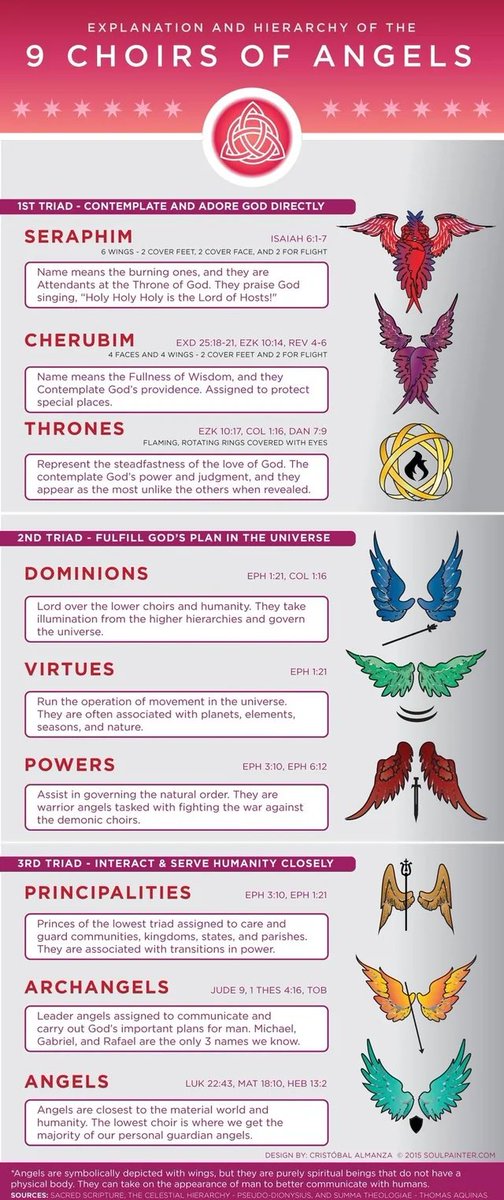
And here's an even simpler explanation of the 9 types, broken into their three "triads":
• • •
Missing some Tweet in this thread? You can try to
force a refresh