The handwriting of famous authors - thread 🧵
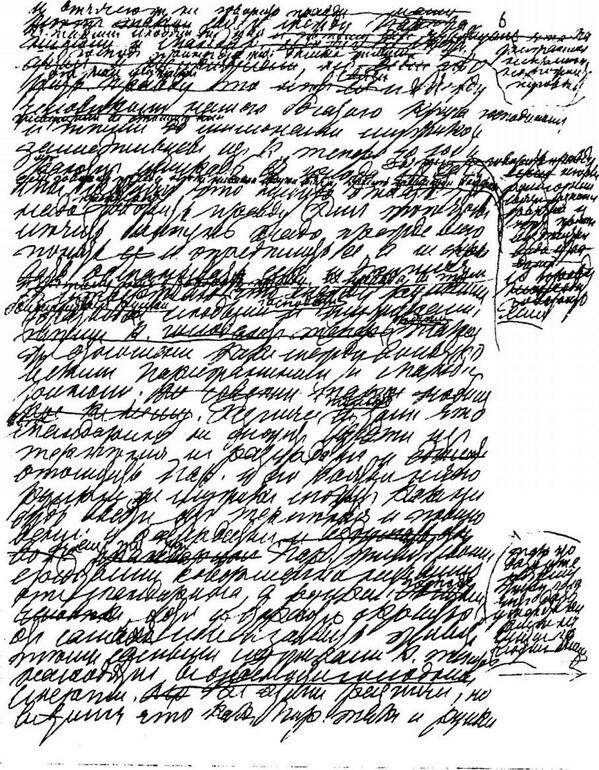
1. Fyodor Dostoevsky's manuscript draft of The Brothers Karamazov
1. Fyodor Dostoevsky's manuscript draft of The Brothers Karamazov

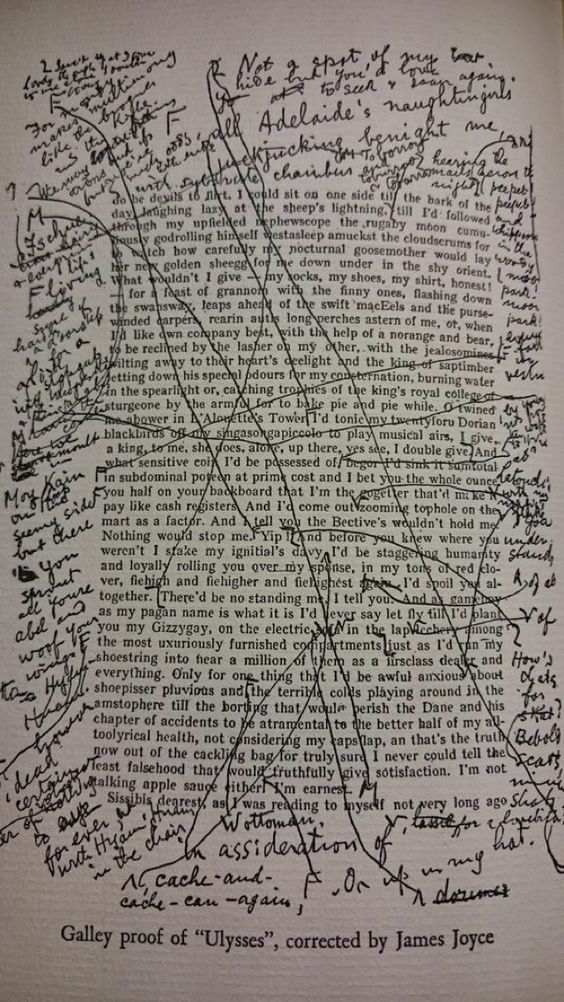
2. Feeling down? Imagine being the editor who found this James Joyce-revised manuscript waiting in the mailbox.
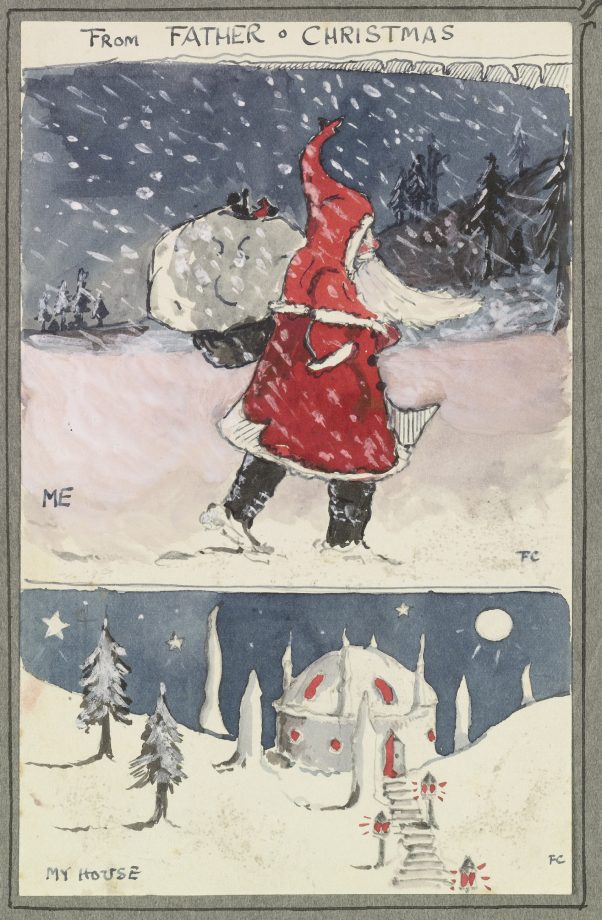
3. J. R. R. Tolkien's letter from Aragorn to Sam Gamgee, in which the King of Gondor informs the hobbit of his future visit and expresses his desire to "greet all his friends."
This handwritten letter, penned in Sindarin Tengwar, was created as an epilogue to The Lord of the Rings but was not included in the published edition.
This handwritten letter, penned in Sindarin Tengwar, was created as an epilogue to The Lord of the Rings but was not included in the published edition.

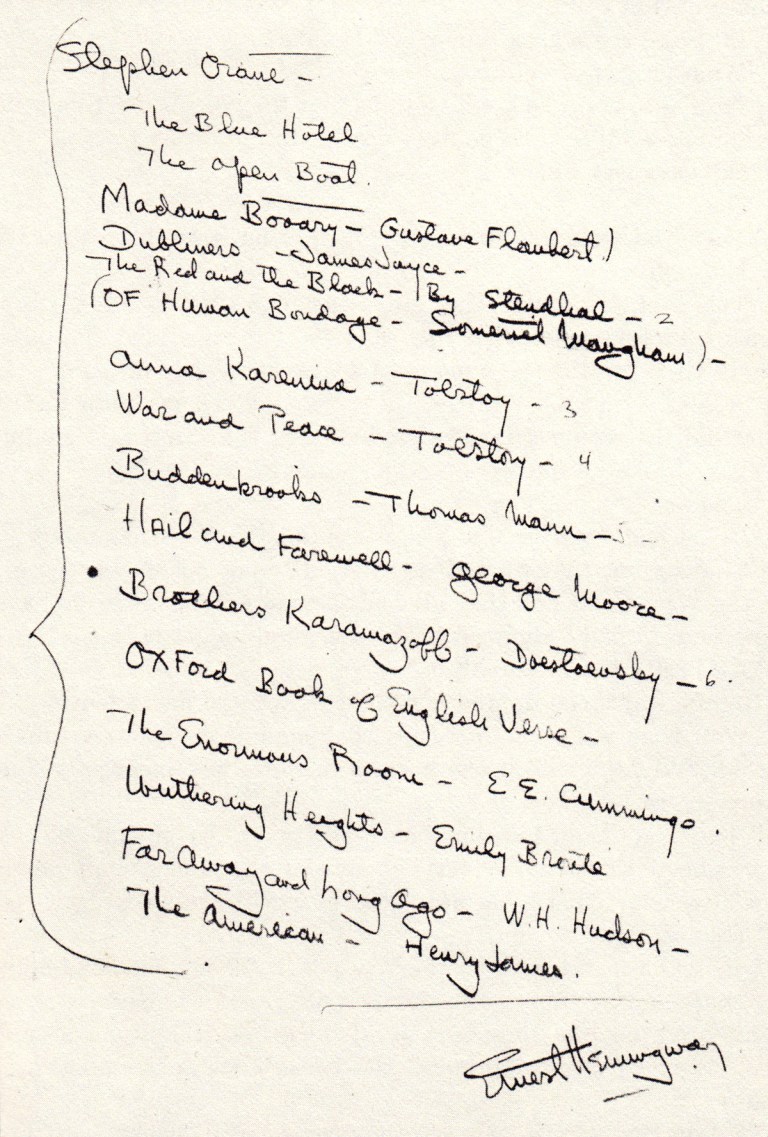
4. Ernest Hemingway's reading list for a young writer
5. War and Peace handwritten by Leo Tolstoy
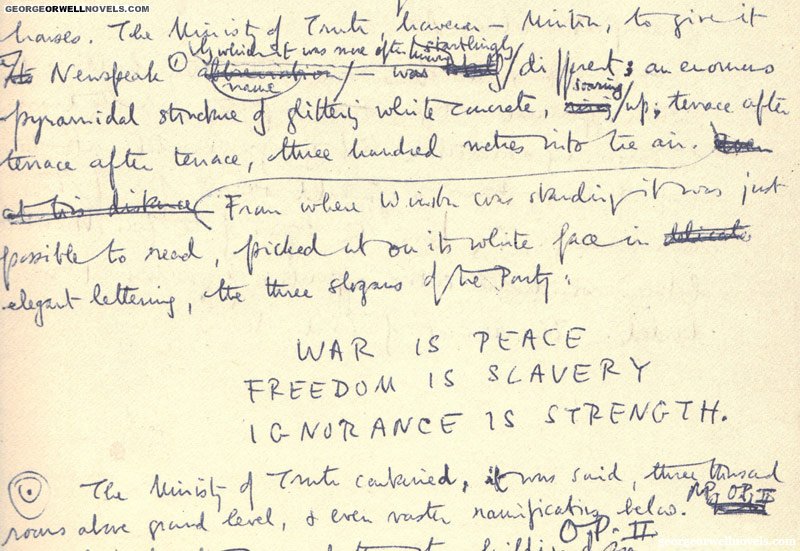
6. George Orwell's 1984 manuscript
"The three slogans of the Party:
War is Peace
Freedom is Slavery
Ignorance is Strength"
"The three slogans of the Party:
War is Peace
Freedom is Slavery
Ignorance is Strength"
7. Even in his final hours, the night before he died, C.S. Lewis took time to write a letter to a child:
"Dear Philip, to begin with, may I congratulate you on writing such a remarkably good letter; I certainly could not have written it at your age. And to go on with, thank you for telling me that you like my books, a thing an author is always pleased to hear. It is a funny thing that all the children who have written to me see at once who Aslan is, and grown ups never do!"
"Dear Philip, to begin with, may I congratulate you on writing such a remarkably good letter; I certainly could not have written it at your age. And to go on with, thank you for telling me that you like my books, a thing an author is always pleased to hear. It is a funny thing that all the children who have written to me see at once who Aslan is, and grown ups never do!"

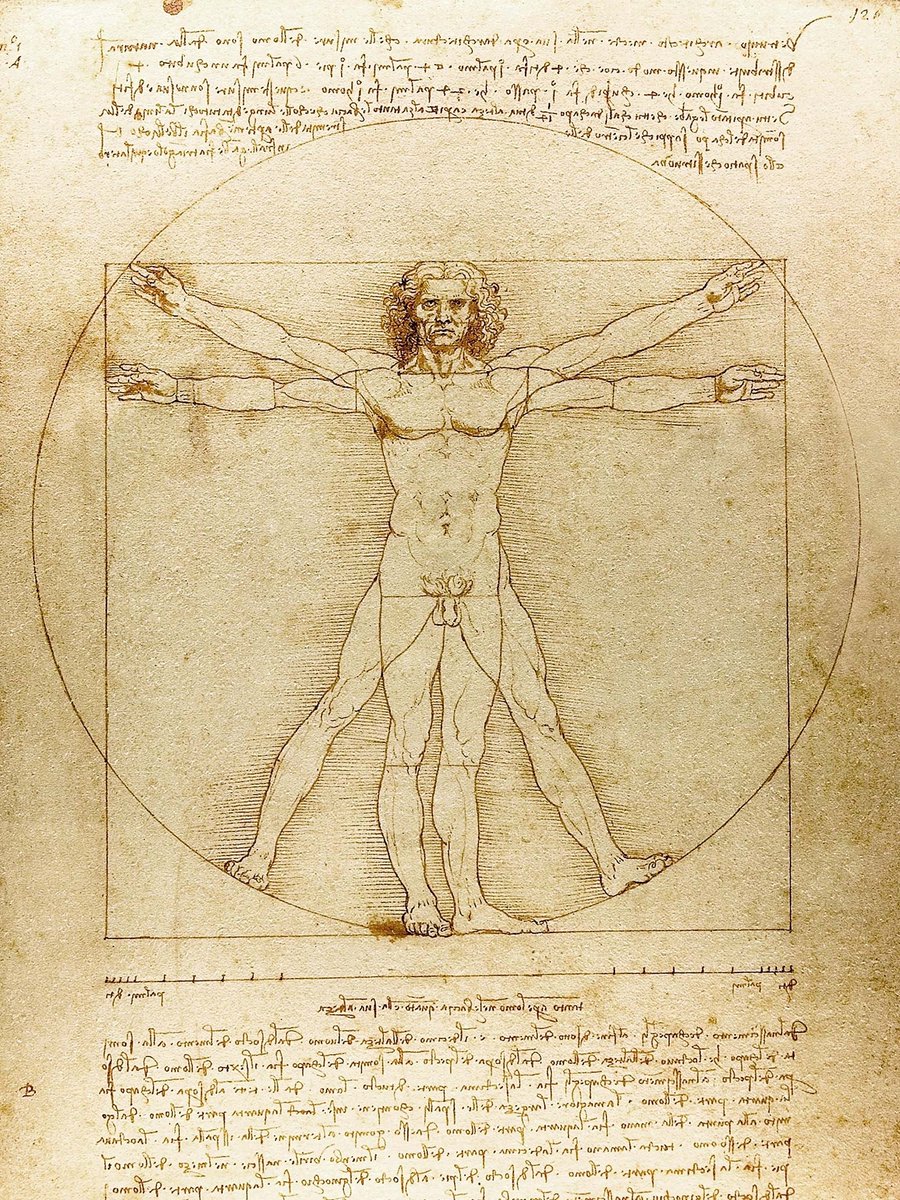
8. Leonardo da Vinci, the legendary left-handed polymath, was well-known for his use of mirror writing, where the text appears reversed.
To this day, his decision to use this method remains a topic of debate among experts:
• Many suggest that it prevented smudging, common for left-handed writers
• Some propose it as a form of reinforcement learning
• Another theory is that it protected his ideas from being stolen
To this day, his decision to use this method remains a topic of debate among experts:
• Many suggest that it prevented smudging, common for left-handed writers
• Some propose it as a form of reinforcement learning
• Another theory is that it protected his ideas from being stolen
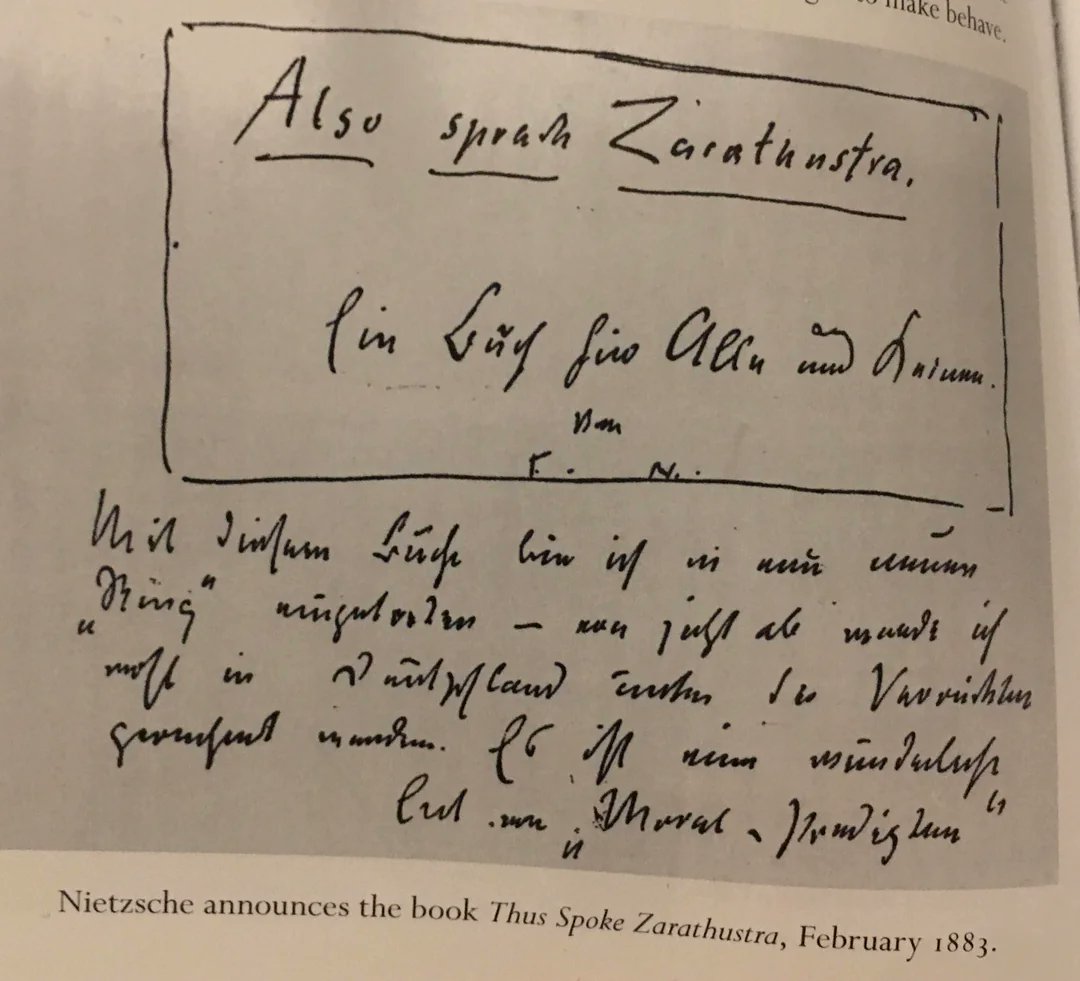
9. Friedrich Nietzsche announces the title of his new book (Thus Spoke Zarathustra) in a letter to Heinrich Köselitz.
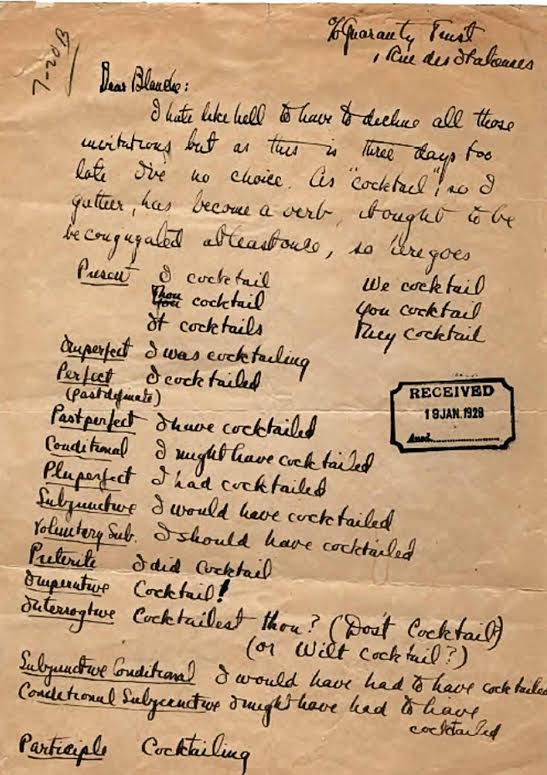
10. F. Scott Fitzgerald conjugates "to Cocktail," the Ultimate Jazz-Age Verb, in a 1928 letter to Blanche Knopf.
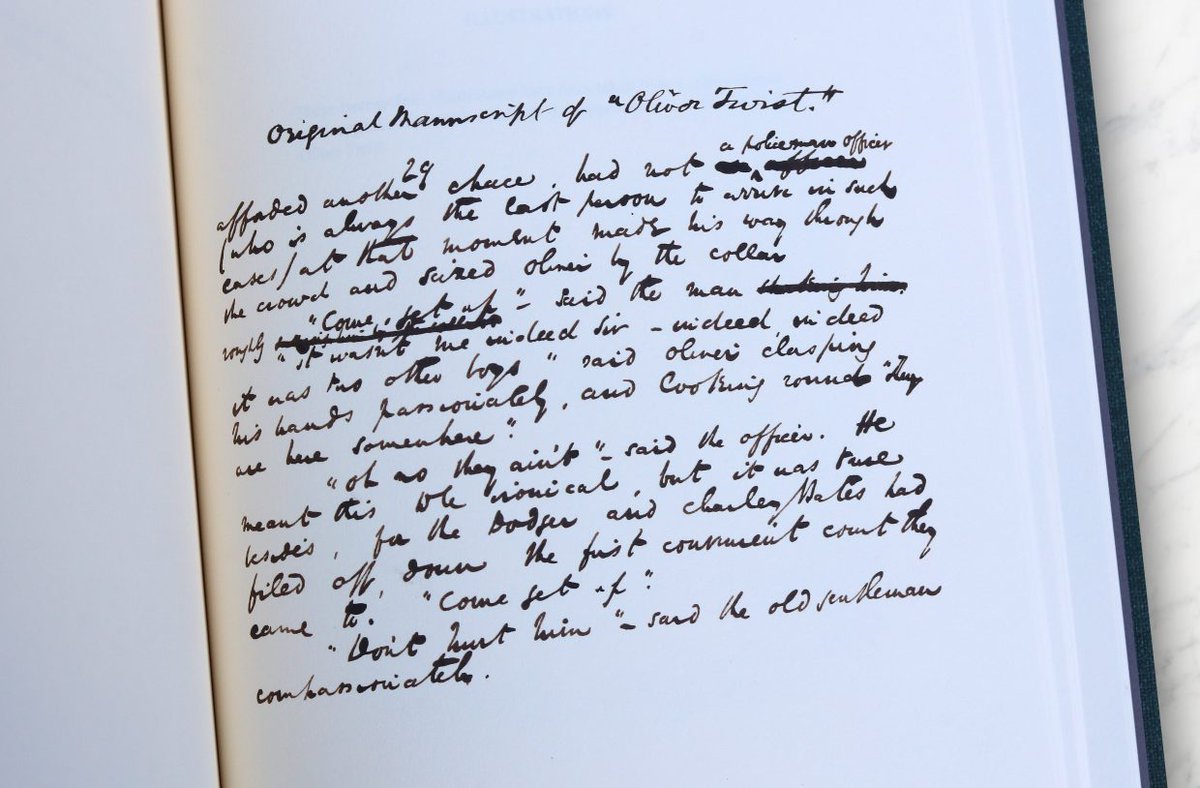
11. Charles Dickens's handwritten manuscript of Oliver Twist
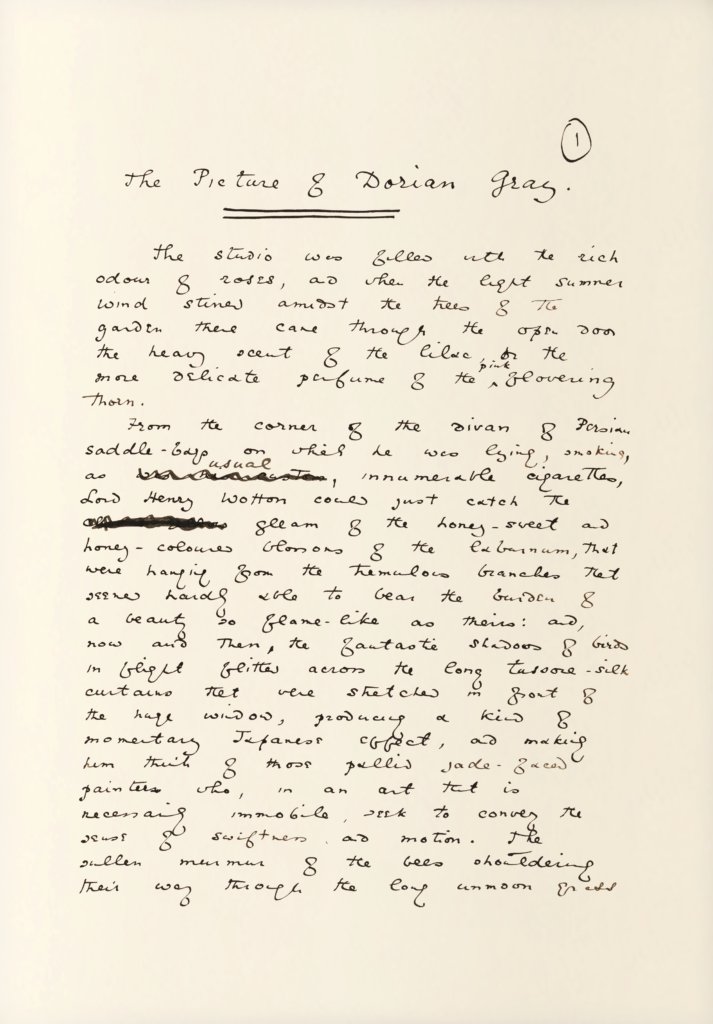
12. Oscar Wilde’s edits to The Picture of Dorian Gray
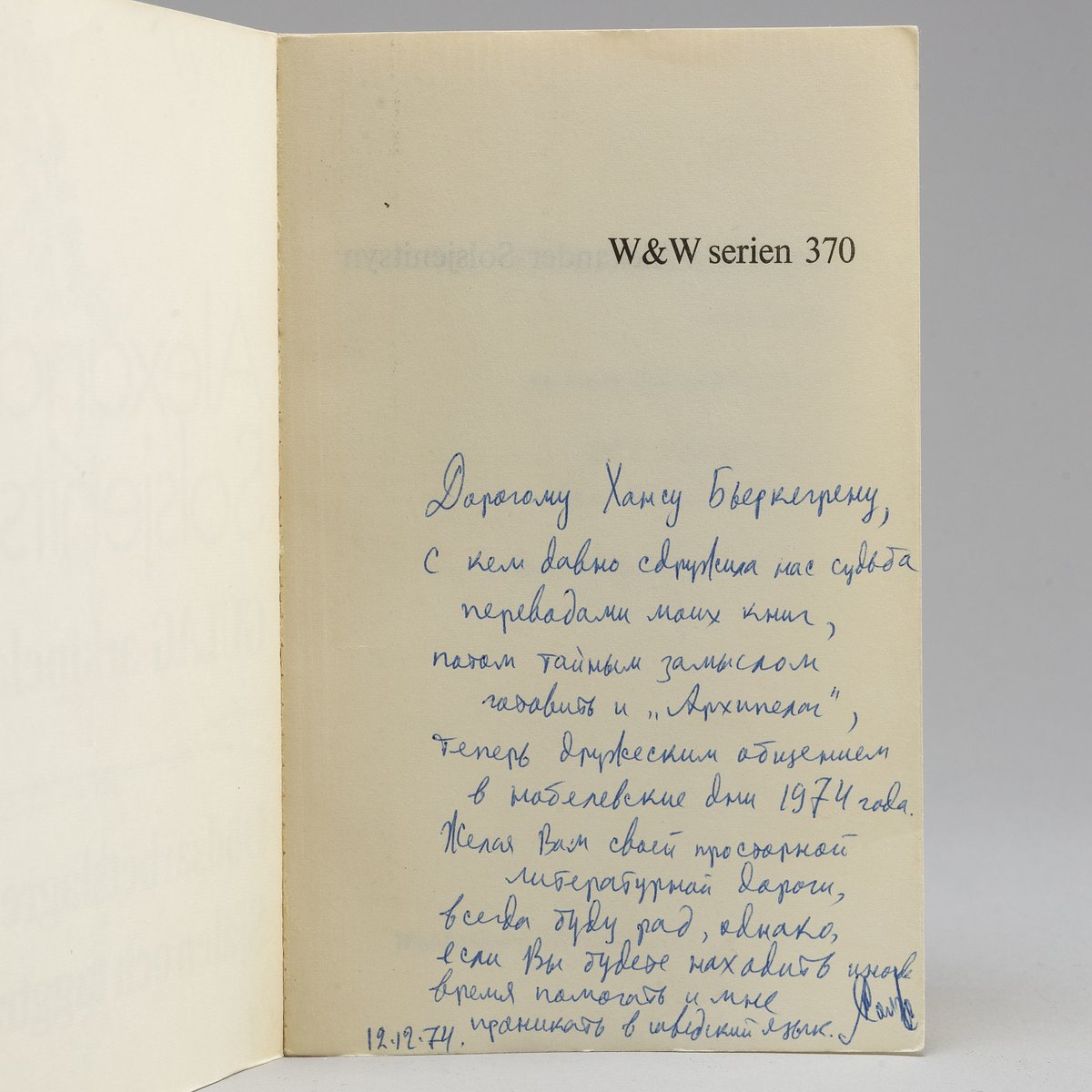
13. A 1974 copy of The Gulag Archipelago with a magnificent inscription by Nobel prize–winner Aleksandr Solzhenitsyn.
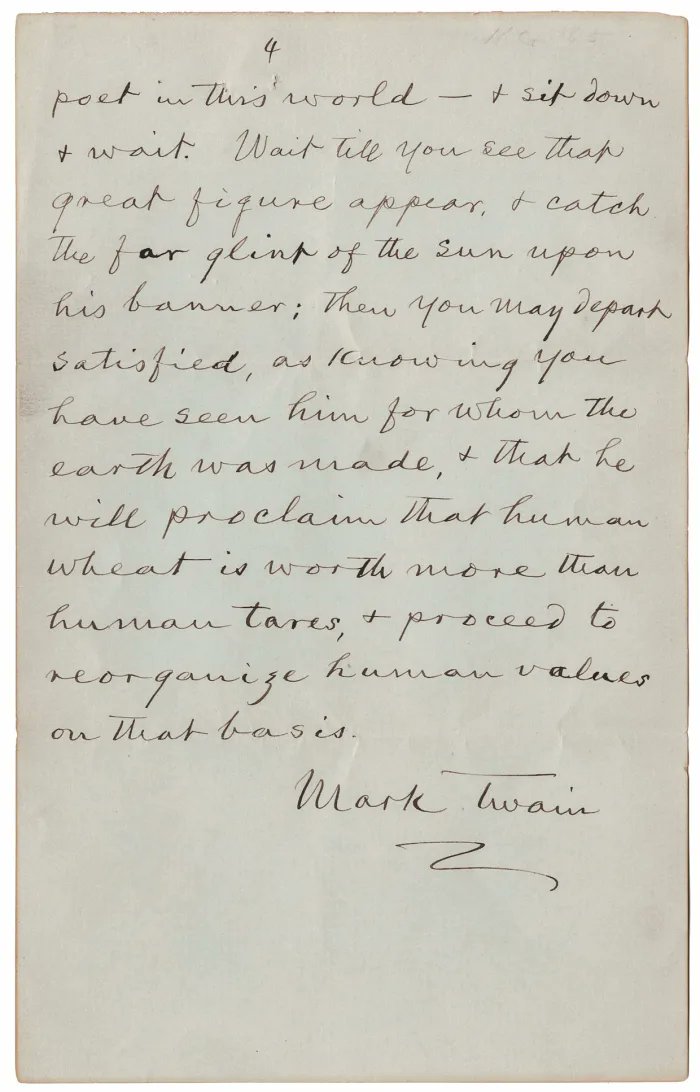
14. In May 1889, as Walt Whitman was approaching his seventieth birthday, Mark Twain wrote a letter of congratulations to "the father of free verse."
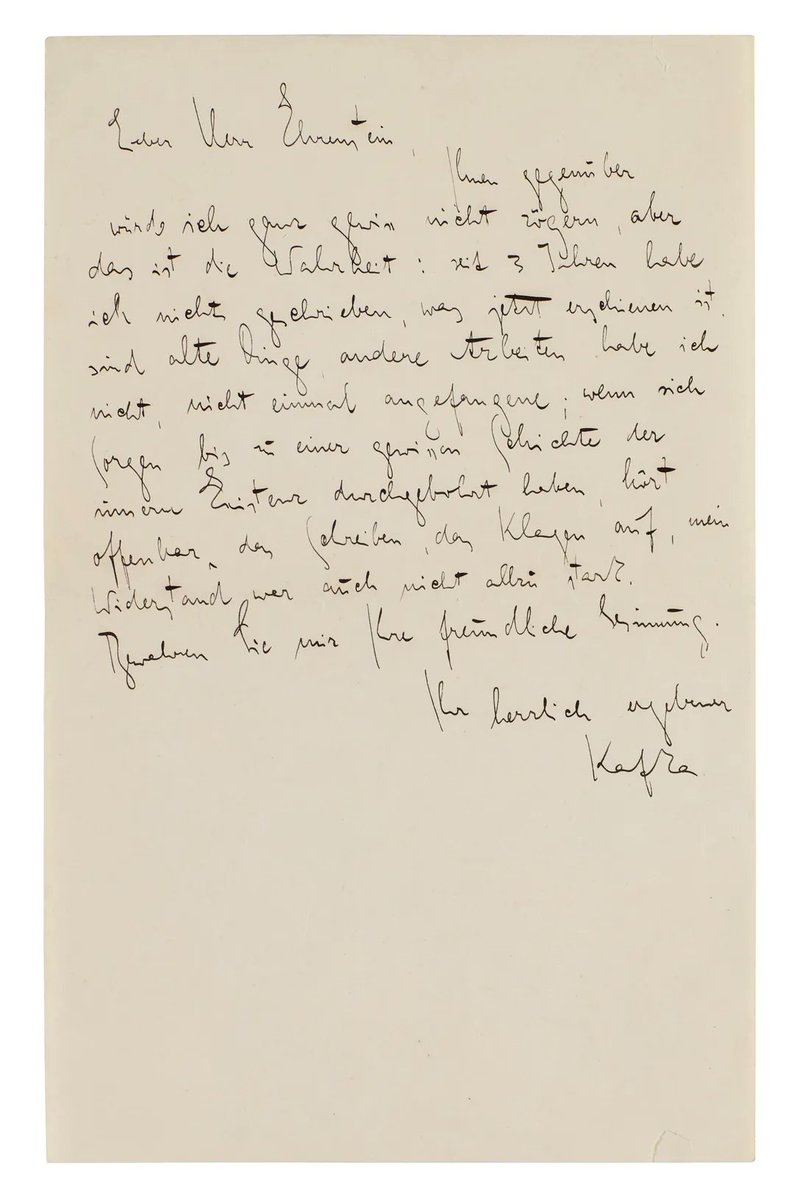
15. Franz Kafka complains about writer's block in handwritten letter to a friend
“I haven’t written anything for three years, what’s been published now are old things, I don’t have any other work, not even something I’ve started,” reads his letter.
“I haven’t written anything for three years, what’s been published now are old things, I don’t have any other work, not even something I’ve started,” reads his letter.
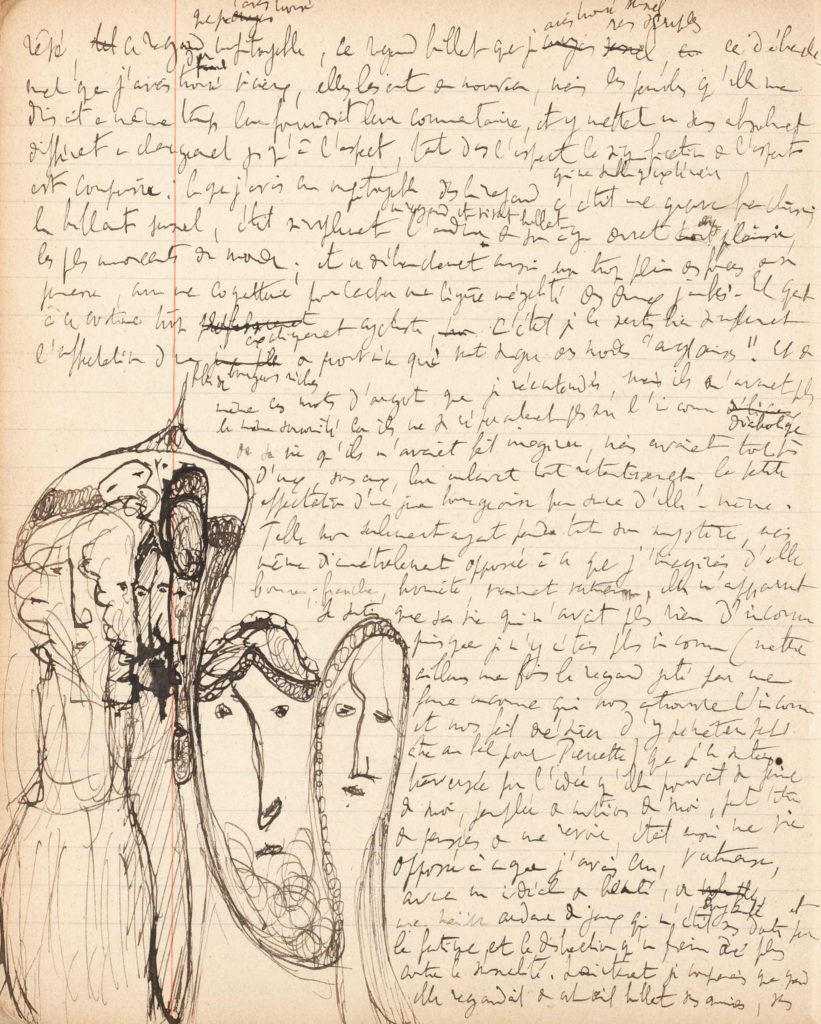
16. Marcel Proust’s In Search of Lost Time manuscript
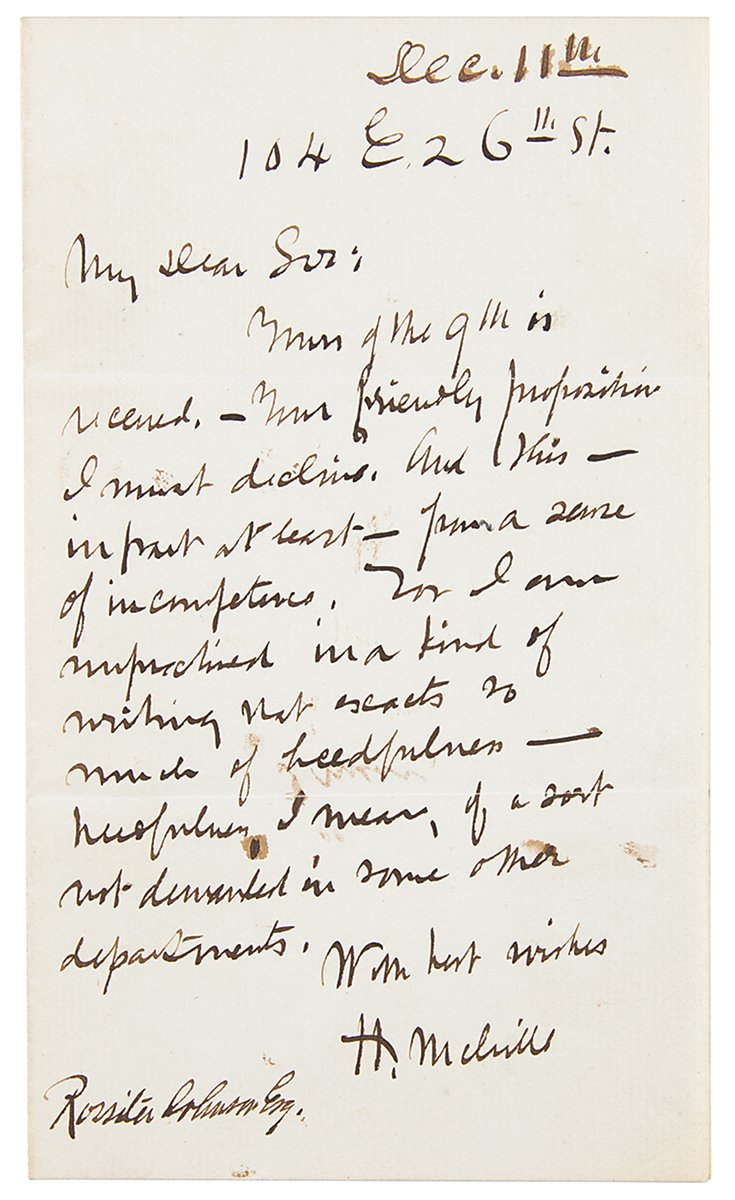
17. Herman Melville declines to write encyclopedia entries: "I am unpracticed in a kind of writing that exacts so much heedfulness" (December 11, 1887)
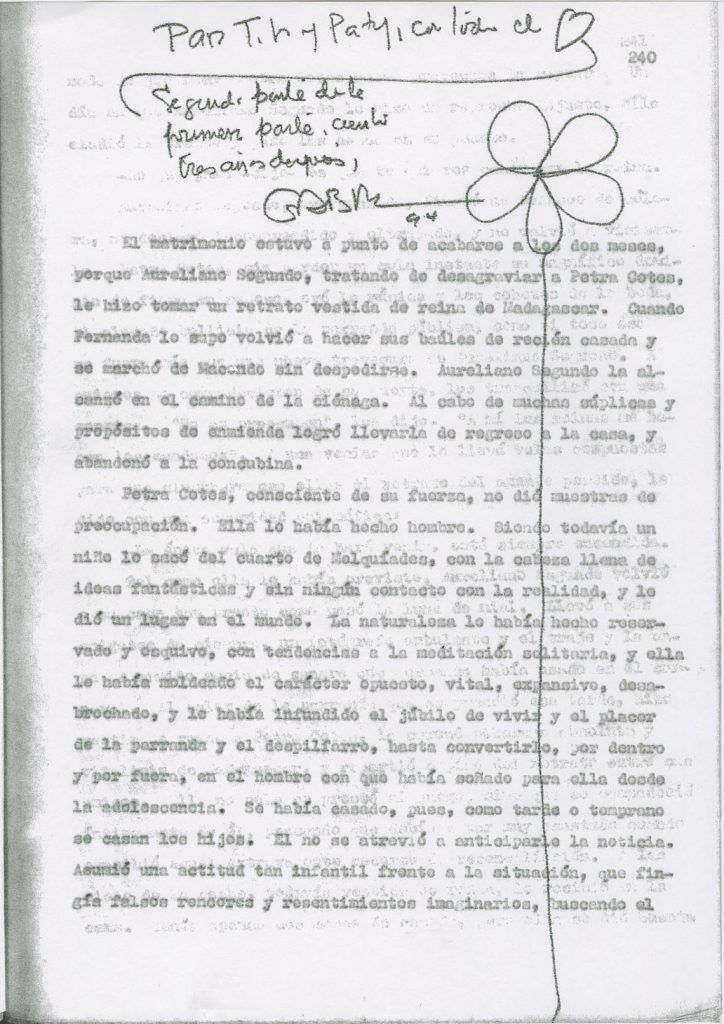
18. Draft page of Gabriel García Márquez’s One Hundred Years of Solitude, 1967
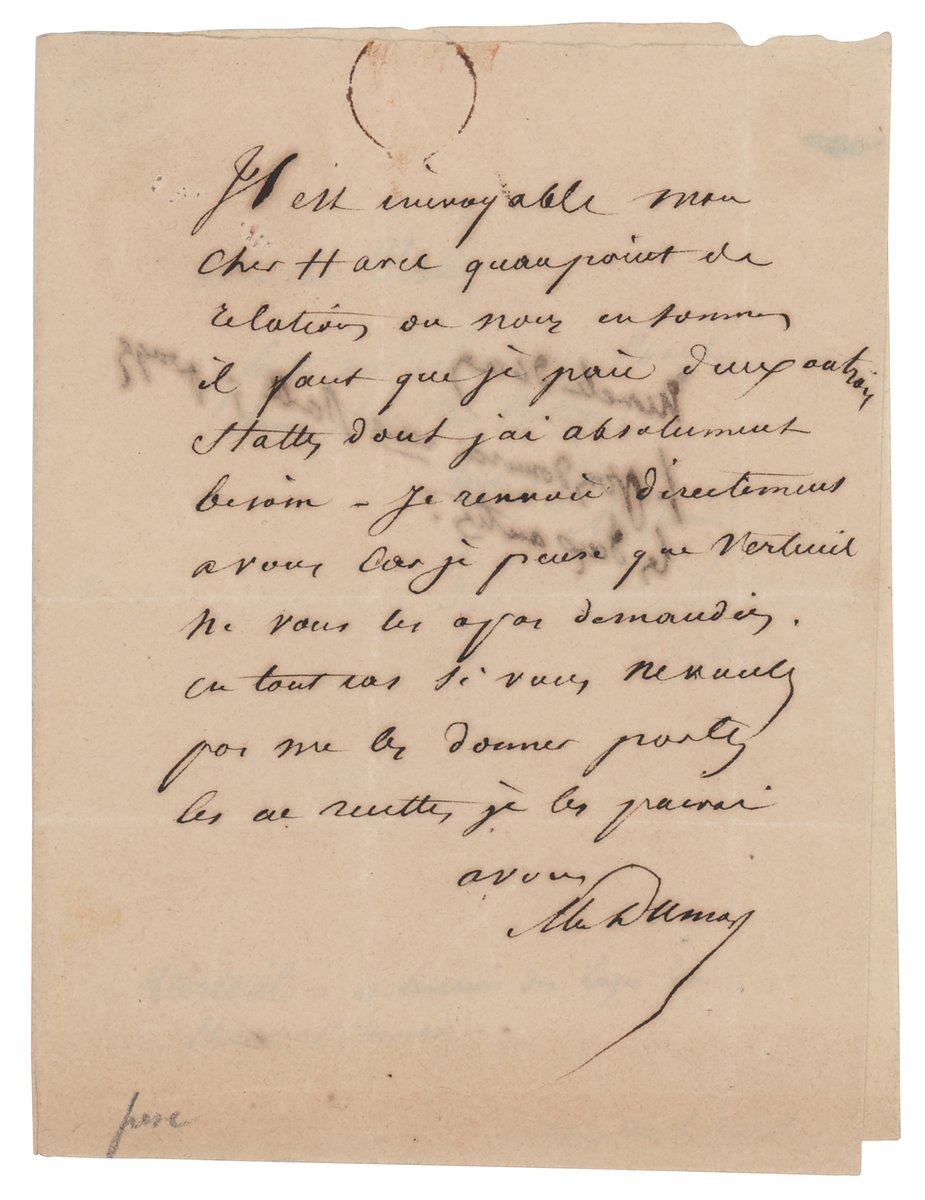
19. Autograph letter signed by Alexandre Dumas
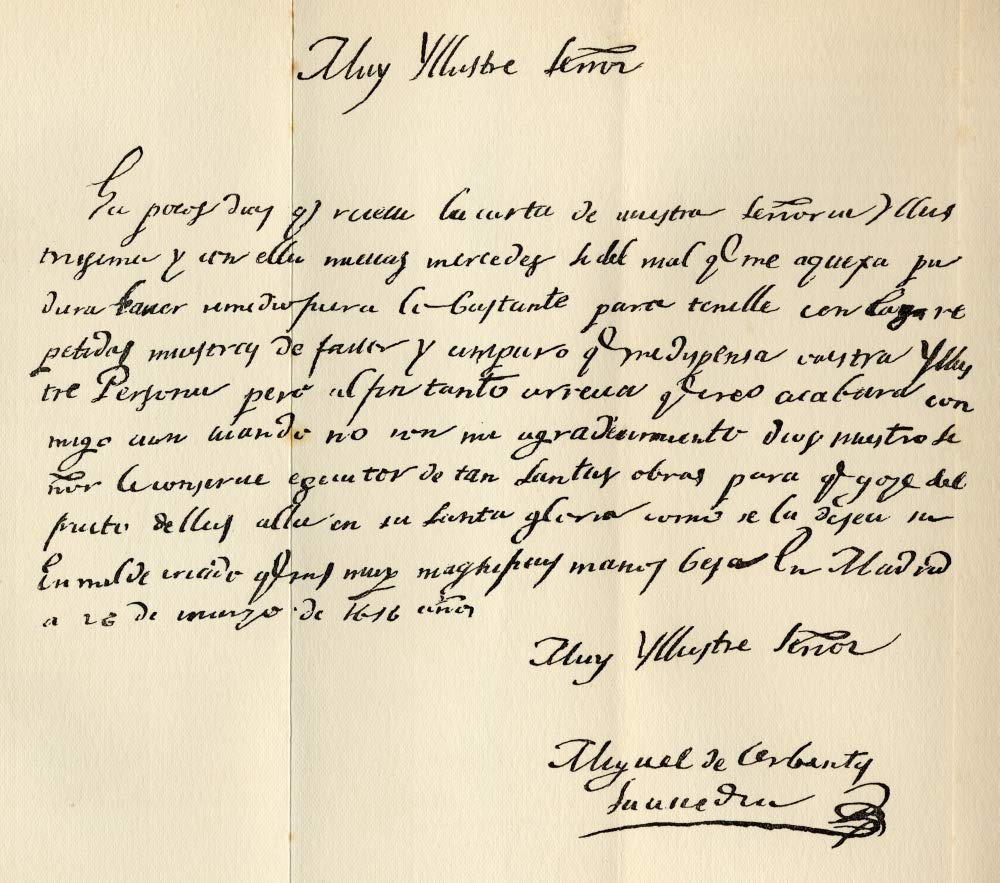
20. The handwriting of Miguel de Cervantes in a letter he wrote to the Archbishop of Toledo in 1616.
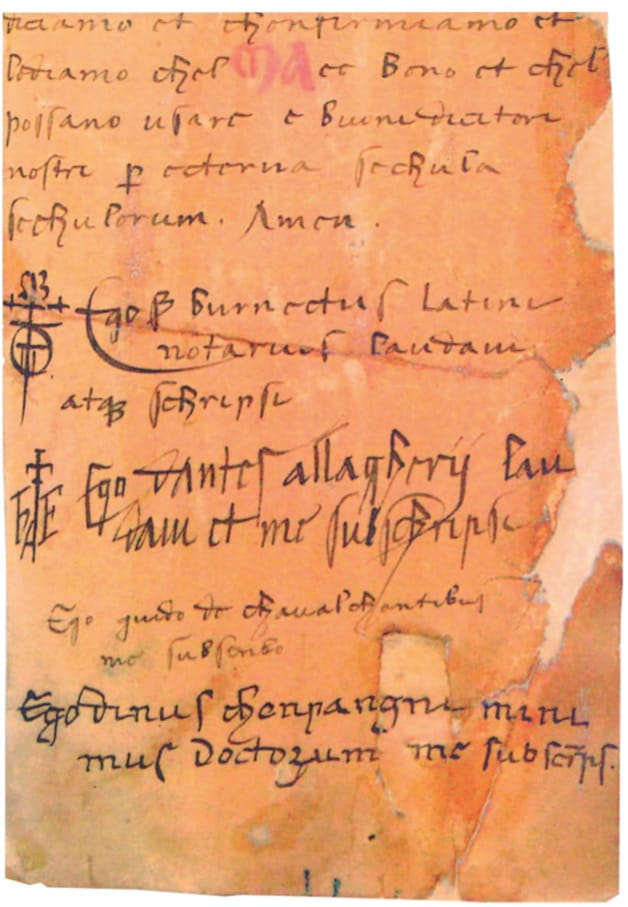
21. In 2022, esteemed scholar Virgiliano Rodolfo Signorini urged caution regarding a potentially groundbreaking discovery: a 1295 parchment possibly bearing Dante Alighieri's signature.
This could be the first example of handwriting attributed to Italy's 'national poet' and the father of modern Italian.
This could be the first example of handwriting attributed to Italy's 'national poet' and the father of modern Italian.
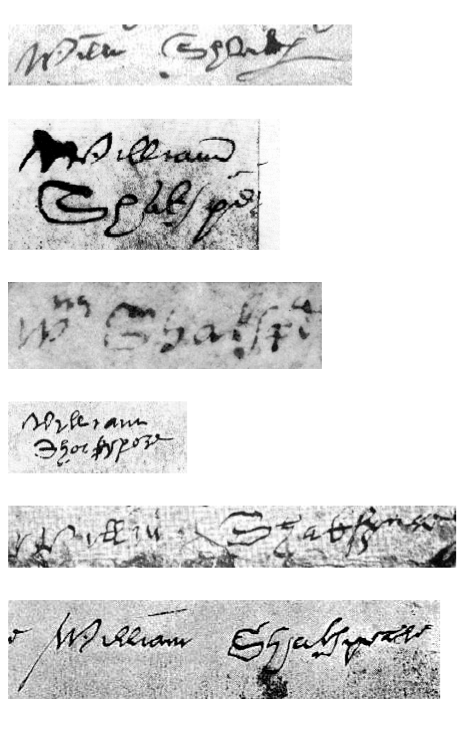
22. William Shakespeare's six surviving signatures are all from legal documents
23. Sir Arthur Conan Doyle's handwritten manuscript of Sherlock Holmes

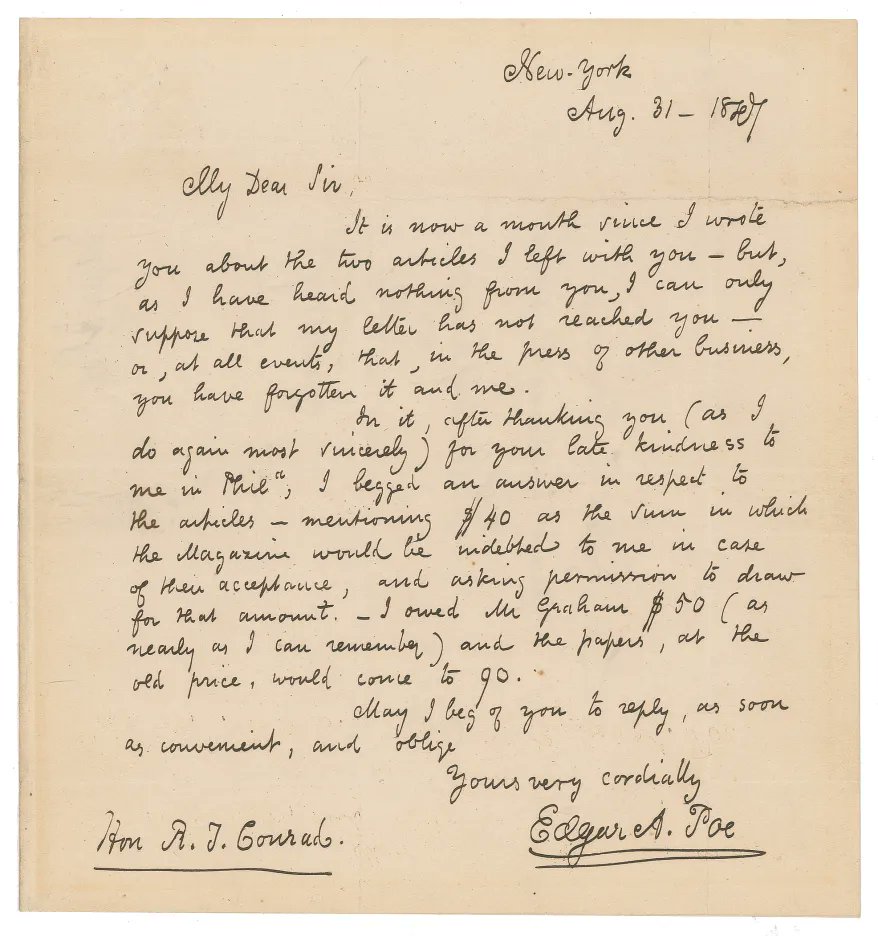
24. This Edgar Allan Poe’s letter pleading for $40 from a Philadelphia editor was sold 173 years later for $125,000
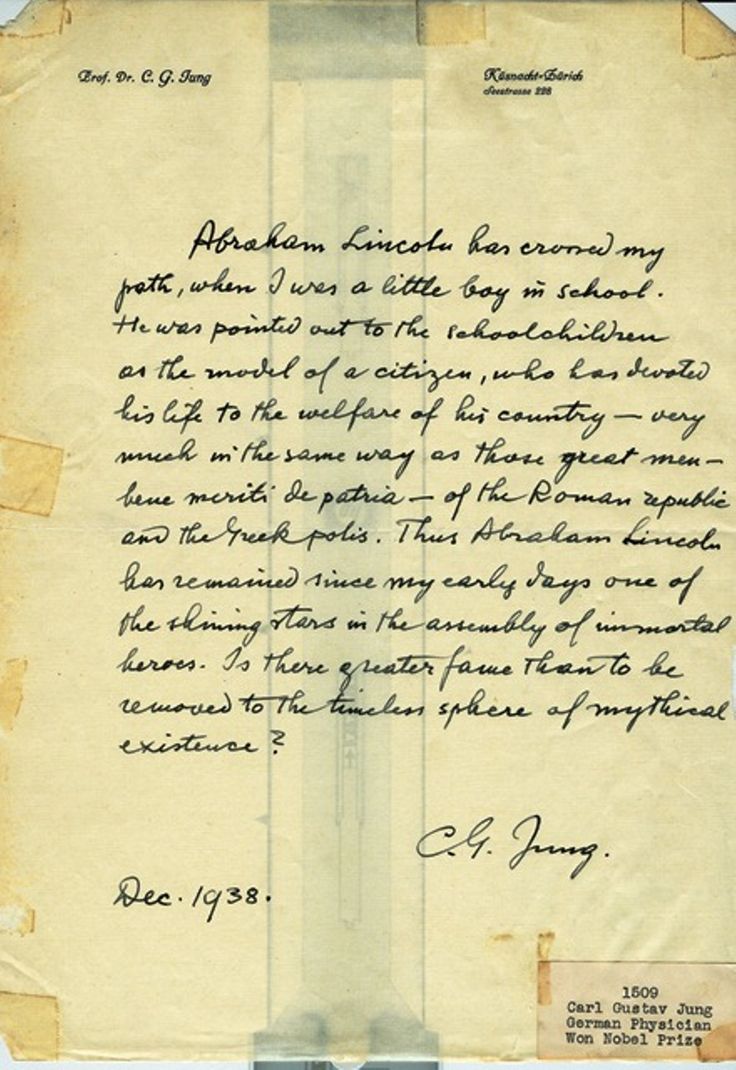
25. Carl Jung's 1938 letter about Abraham Lincoln
If you have a high school student here are some great ways to give them a taste of this tradition! info.cltexam.com/hubfs/2025%20C…
• • •
Missing some Tweet in this thread? You can try to
force a refresh