
Most people use Norse words dozens of times every day without noticing.
They’re everyday words like “take,” “sky,” and “want” — even a word as basic as “they” comes from the Vikings.
How did the English language become so Norse?
It’s a story that begins in bloodshed... 🧵
They’re everyday words like “take,” “sky,” and “want” — even a word as basic as “they” comes from the Vikings.
How did the English language become so Norse?
It’s a story that begins in bloodshed... 🧵
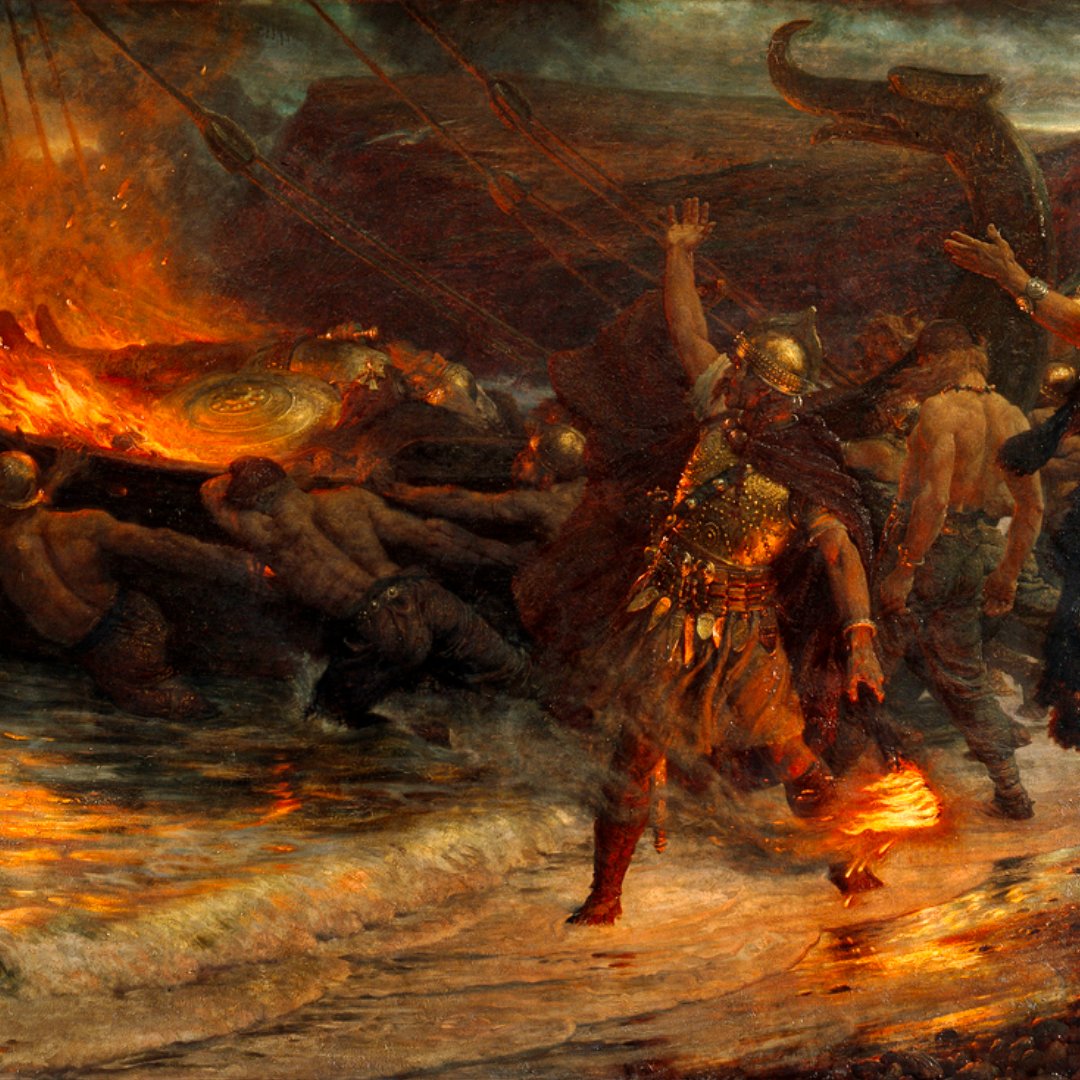
In 865 AD, a huge Viking army invaded England.
Vikings were Norse raiders who had tormented England for decades — but this time they were here to stay.
They conquered the northeast of England, creating a new territory called the Danelaw, where Danish/Norse law ruled...
Vikings were Norse raiders who had tormented England for decades — but this time they were here to stay.
They conquered the northeast of England, creating a new territory called the Danelaw, where Danish/Norse law ruled...
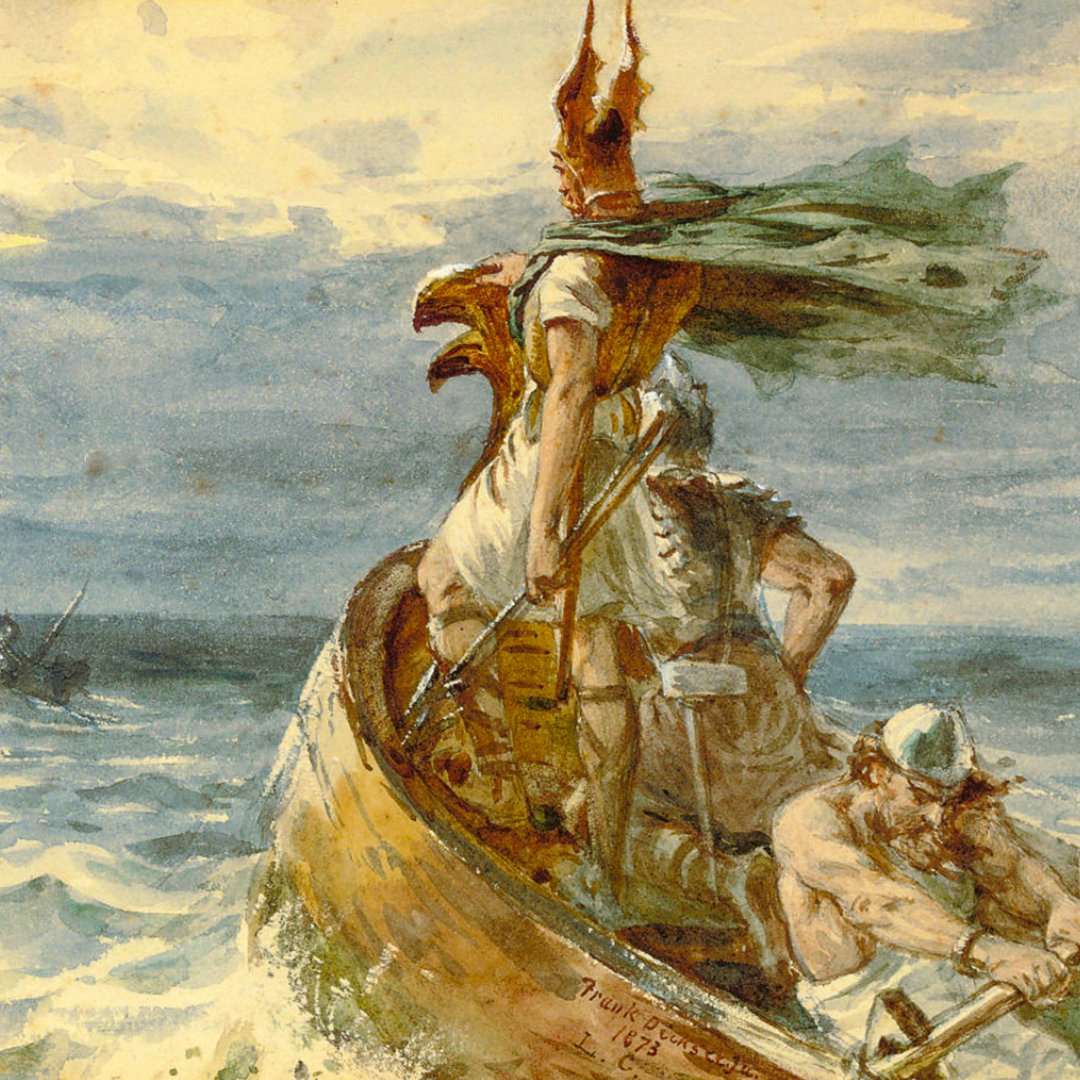
Along with Norse law came Norse settlers.
They lived alongside the English — and their languages were similar enough that they could partially understand each other.
And as they married and traded, their words began to mix...
They lived alongside the English — and their languages were similar enough that they could partially understand each other.
And as they married and traded, their words began to mix...

The Vikings brought their own Norse words for everyday things:
- sky, replacing “heaven”
- leg, replacing “shank”
- window, replacing “eye-door”
But the Norse influence on English went deeper than just borrowing words.
- sky, replacing “heaven”
- leg, replacing “shank”
- window, replacing “eye-door”
But the Norse influence on English went deeper than just borrowing words.
These Norse settlers changed how English worked at its core.
Even pronouns changed — “they,” “them,” and “their” all come from the Old Norse language.
And “they” filled a niche in English, since the Old English word for “they” was “hie” — a bit too close to “he” for comfort...
Even pronouns changed — “they,” “them,” and “their” all come from the Old Norse language.
And “they” filled a niche in English, since the Old English word for “they” was “hie” — a bit too close to “he” for comfort...
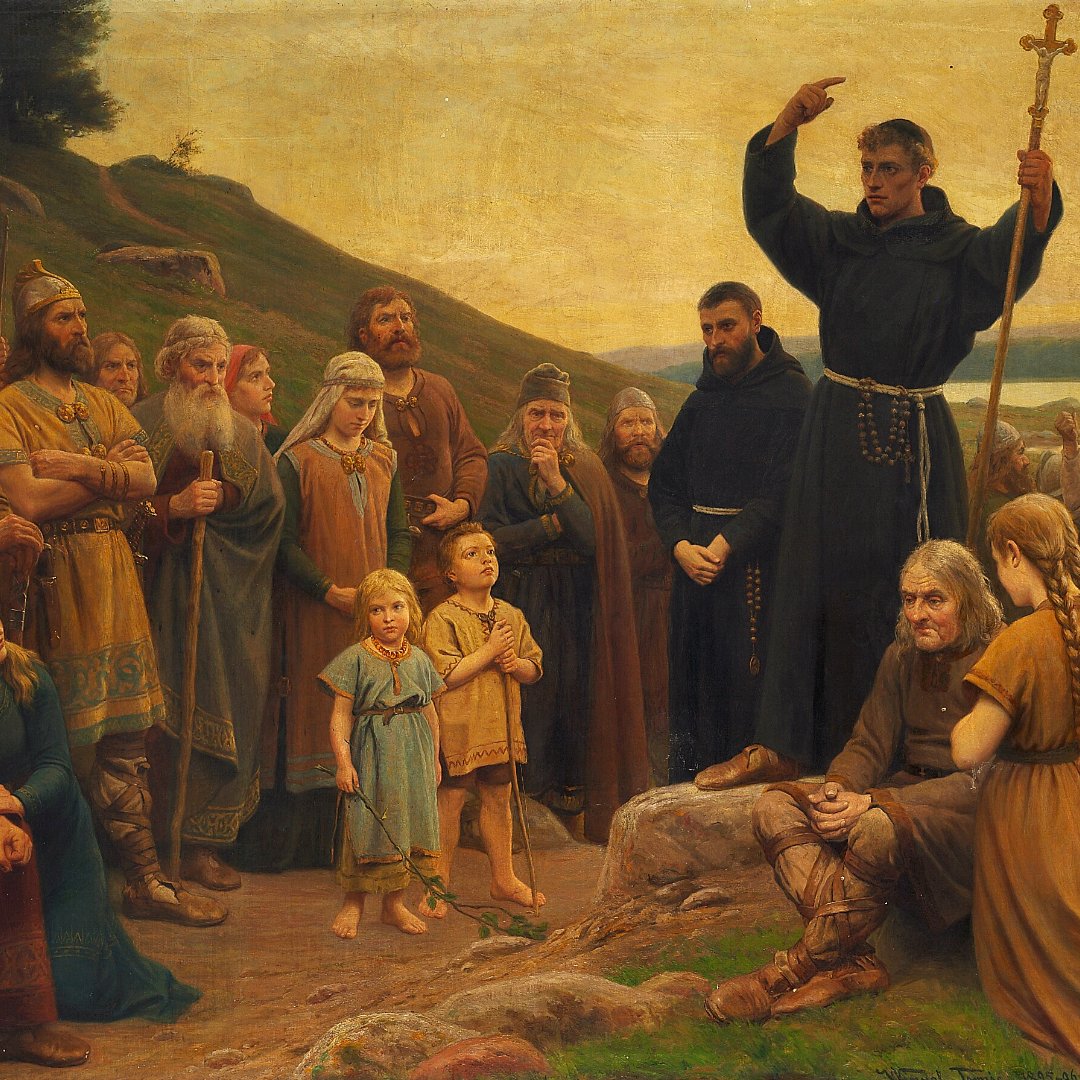
Modern English uses Norse words for some of our most basic actions:
take, give, get, want, raise, lift
These aren't fancy words — they're the basic building blocks of how we speak.
But they didn’t take over right away.
take, give, get, want, raise, lift
These aren't fancy words — they're the basic building blocks of how we speak.
But they didn’t take over right away.
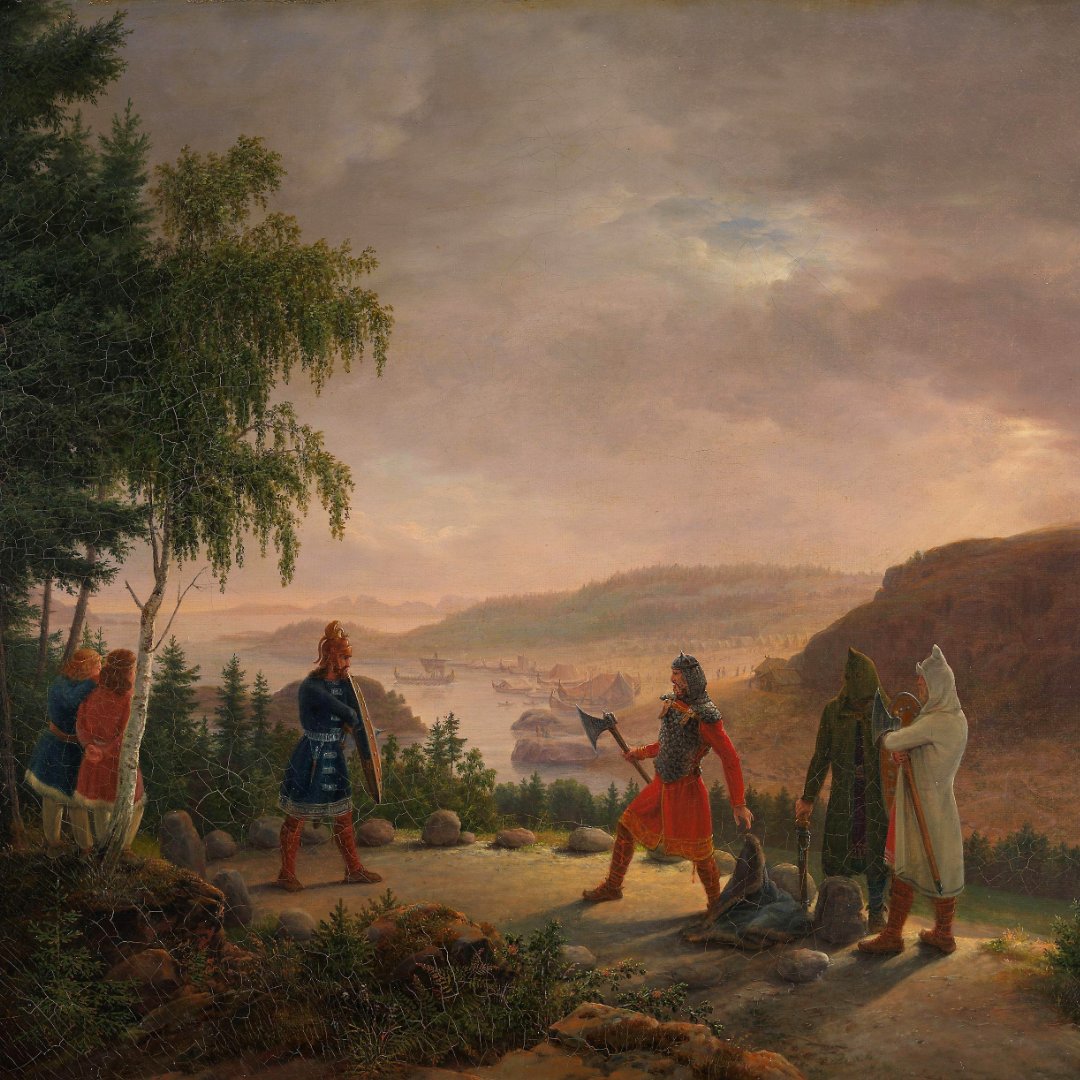
The first Norse words in English had to do with the invaders themselves.
Between 850–1100 AD, English adapted Norse words like “wicing” (viking), “lagu” (law), and “dreng” (warrior).
But the more basic Norse words didn’t appear in writing until the Danelaw was a distant memory.
Between 850–1100 AD, English adapted Norse words like “wicing” (viking), “lagu” (law), and “dreng” (warrior).
But the more basic Norse words didn’t appear in writing until the Danelaw was a distant memory.
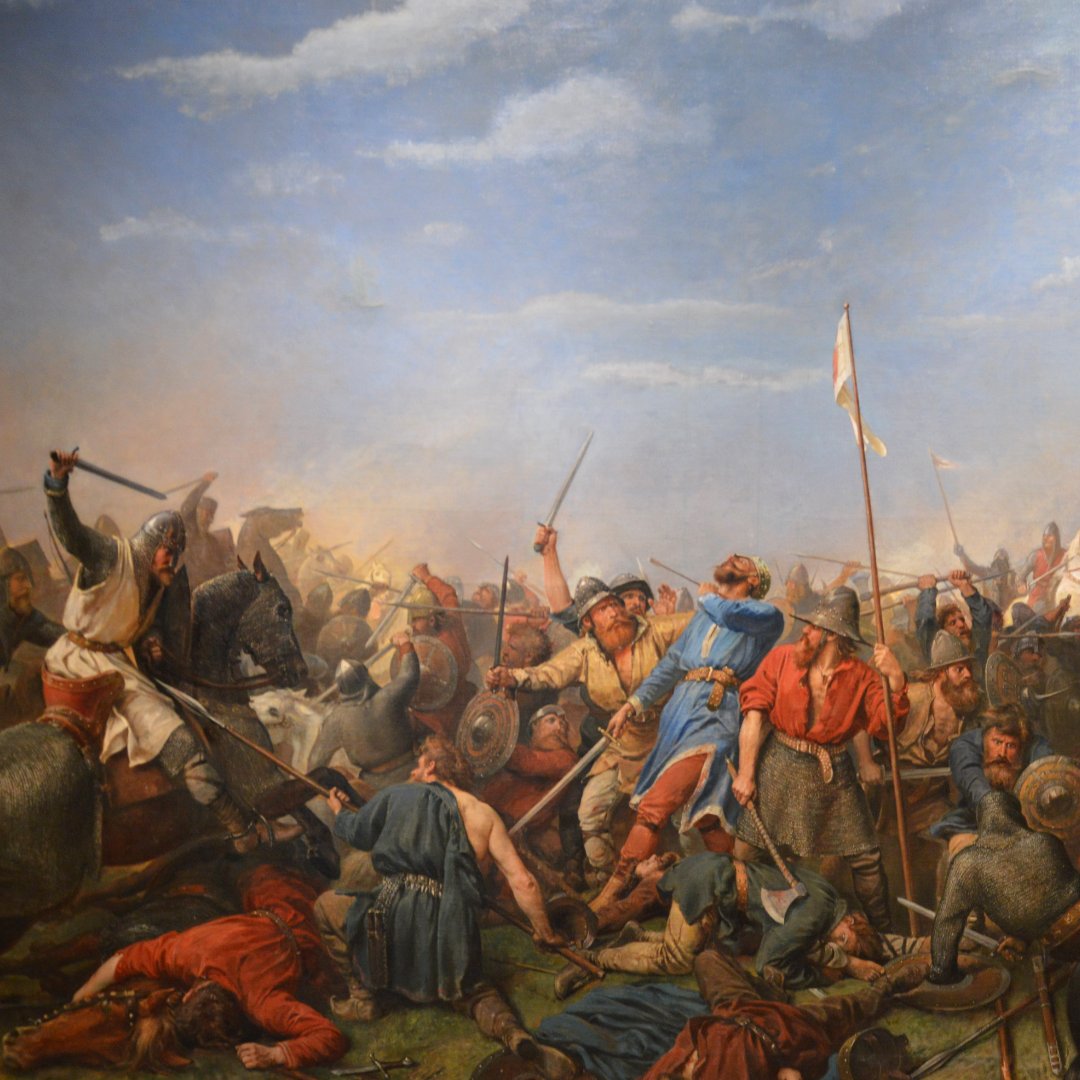
The Danelaw ended in 954 AD, but it’s not until the 13th century that most basic Norse words like “sky” were used in English.
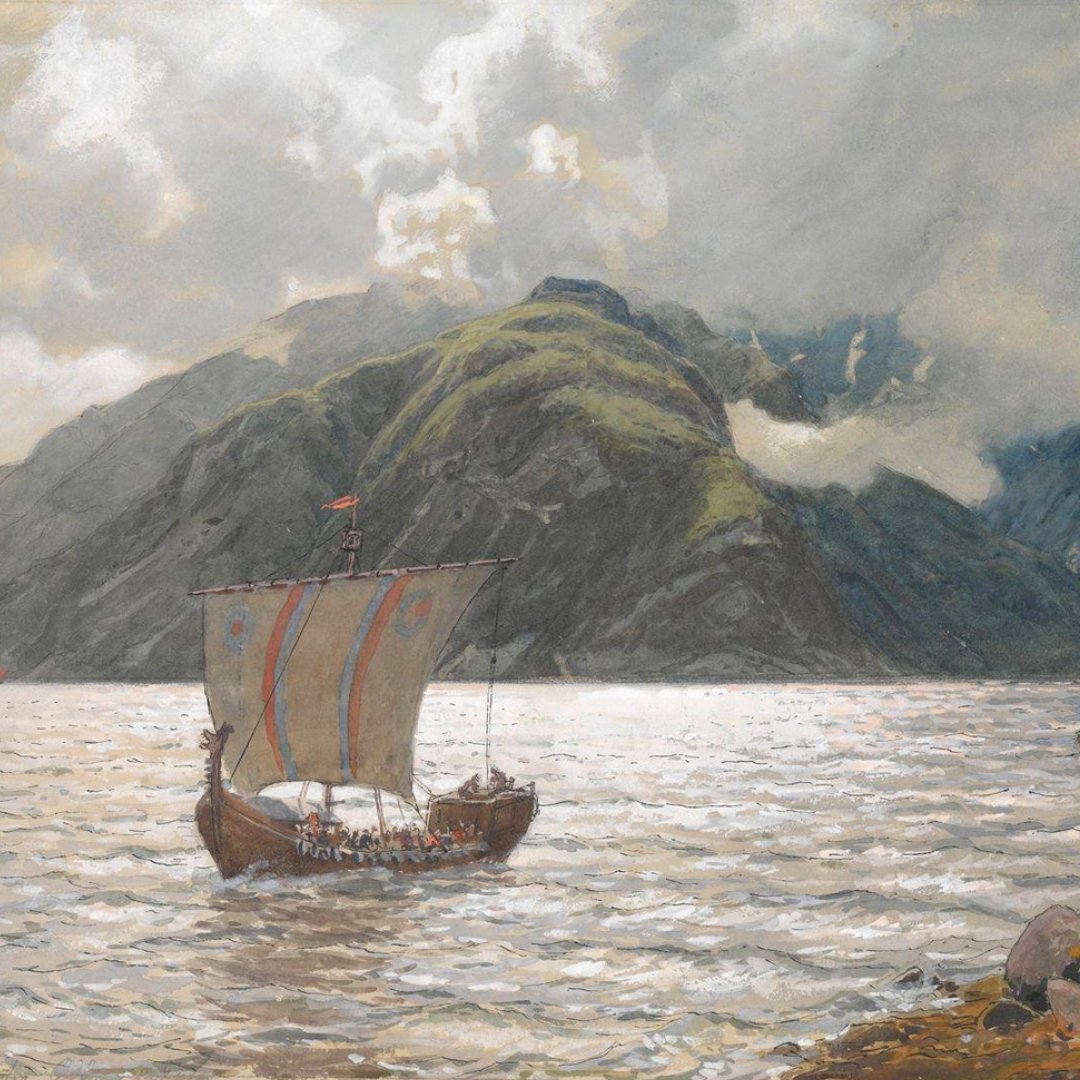
These Norse words show up first in texts from the north and east of England — exactly where the Vikings had settled.
The rest of England would follow.
These Norse words show up first in texts from the north and east of England — exactly where the Vikings had settled.
The rest of England would follow.
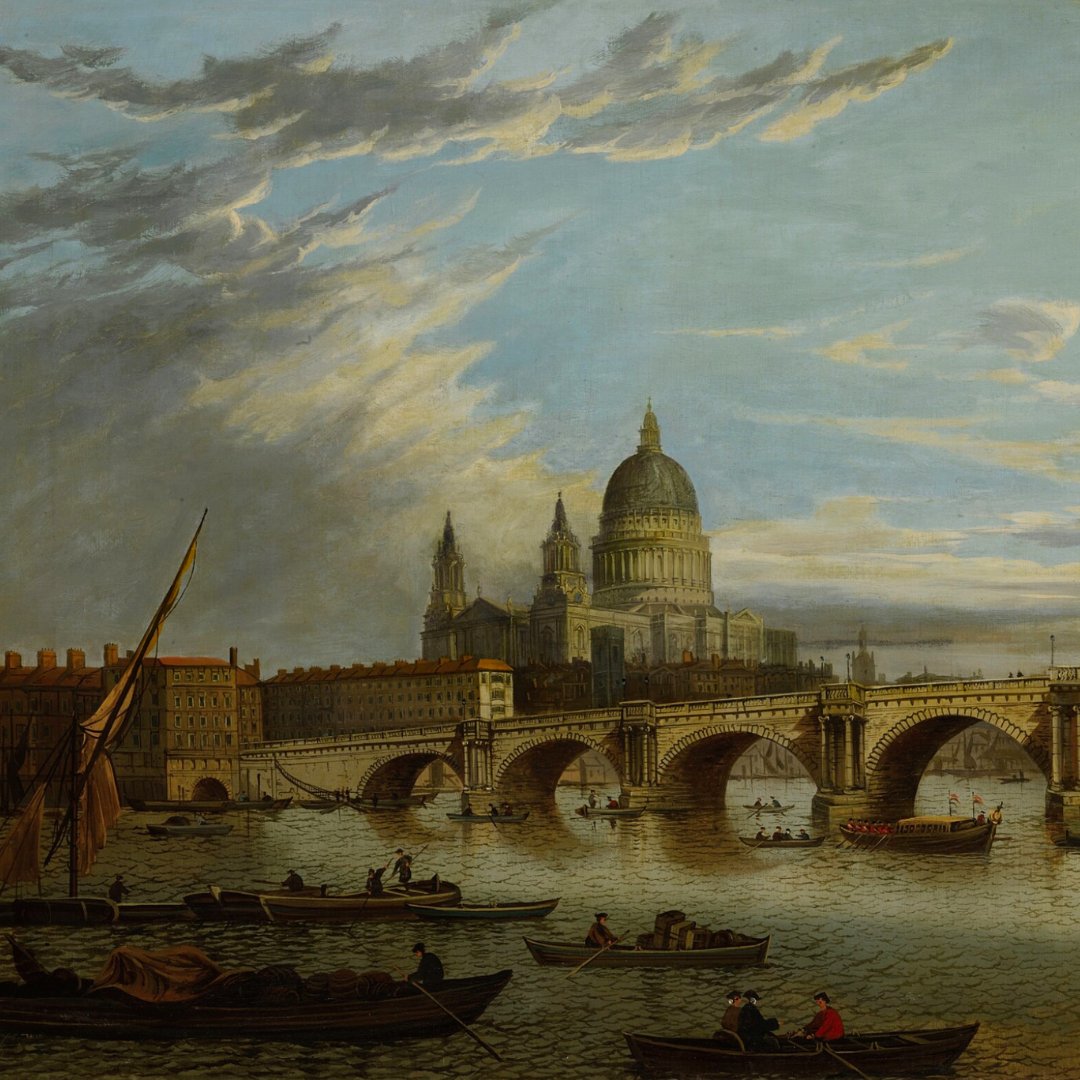
By the later Middle Ages, Norse words were appearing everywhere — even in London.
Why? Starting in the late Middle Ages, London was a magnet, attracting people from all over England.
When they came to London, they brought their ways of speaking — including their Norse words...
Why? Starting in the late Middle Ages, London was a magnet, attracting people from all over England.
When they came to London, they brought their ways of speaking — including their Norse words...
They also brought Norse-influenced grammar into English.
“Get up,” “take out,” “run away” — this pattern of combining verbs with directions was a typical Norse way of speaking.
The English picked it up in the Danelaw, and it spread across the country, changing the language...
“Get up,” “take out,” “run away” — this pattern of combining verbs with directions was a typical Norse way of speaking.
The English picked it up in the Danelaw, and it spread across the country, changing the language...
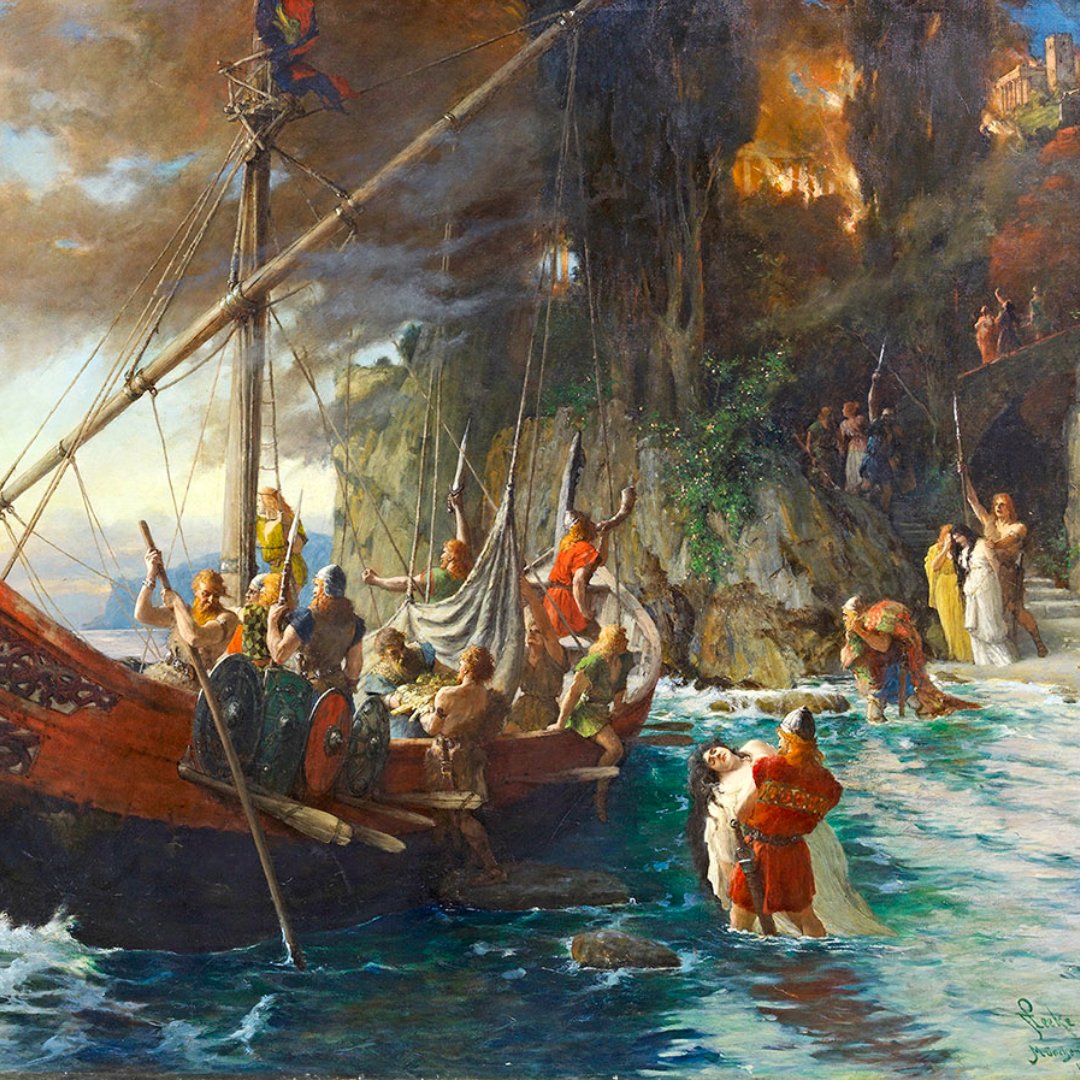
Without the Vikings, English would look very strange.
We wouldn’t “give”, we’d “yive.”
We wouldn’t “take,” we’d “nim.”
We wouldn’t “want” things, we’d “will” them.
Some of the old words, like “will,” have survived with other meanings — others, like “nim,” are gone for good.
We wouldn’t “give”, we’d “yive.”
We wouldn’t “take,” we’d “nim.”
We wouldn’t “want” things, we’d “will” them.
Some of the old words, like “will,” have survived with other meanings — others, like “nim,” are gone for good.
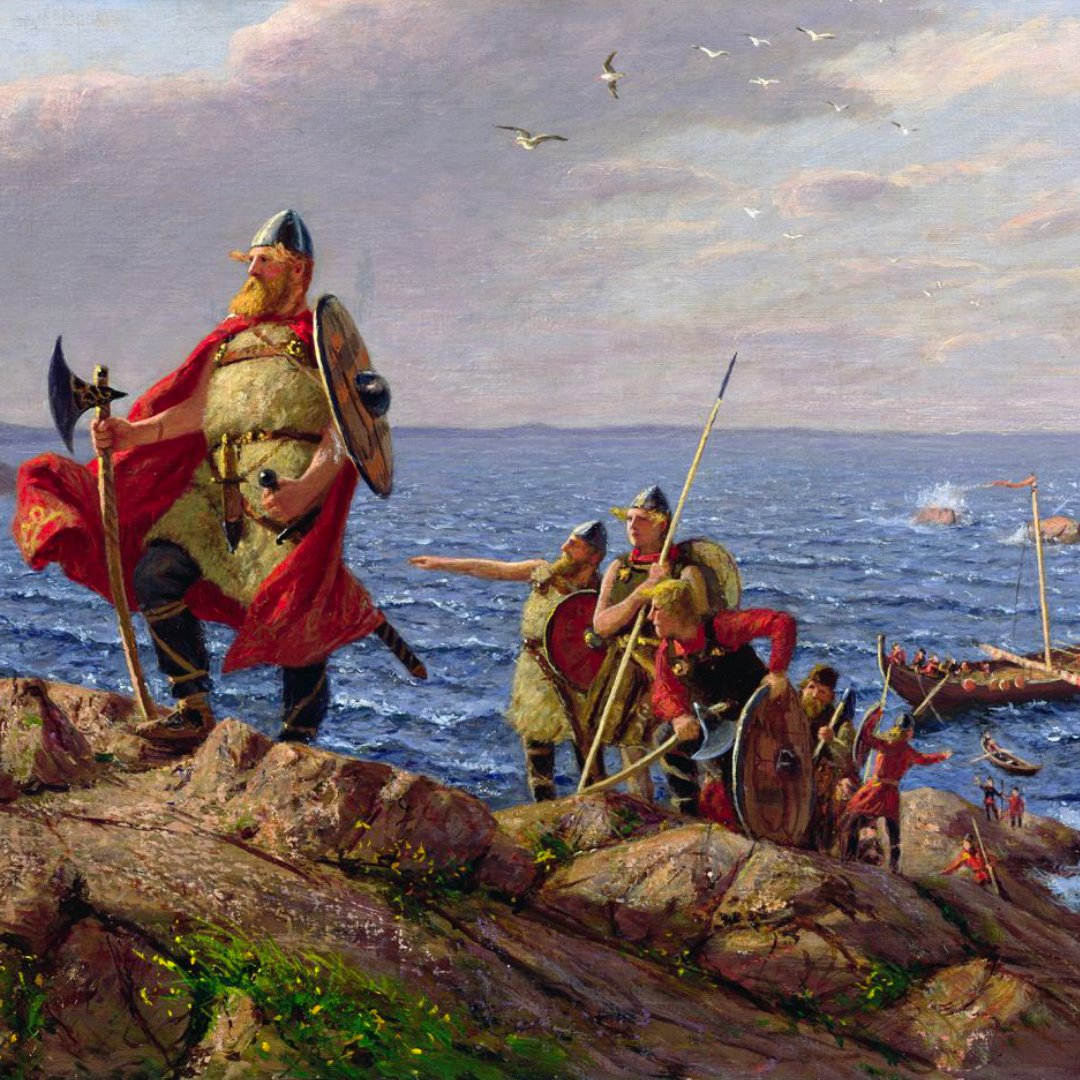
And so an invasion that began in bloodshed ended in a profound transformation of the English language — one that made Modern English what it is today.
So the next time you “give” something, “take” something, or look up at the “sky,” thank a Viking.
So the next time you “give” something, “take” something, or look up at the “sky,” thank a Viking.
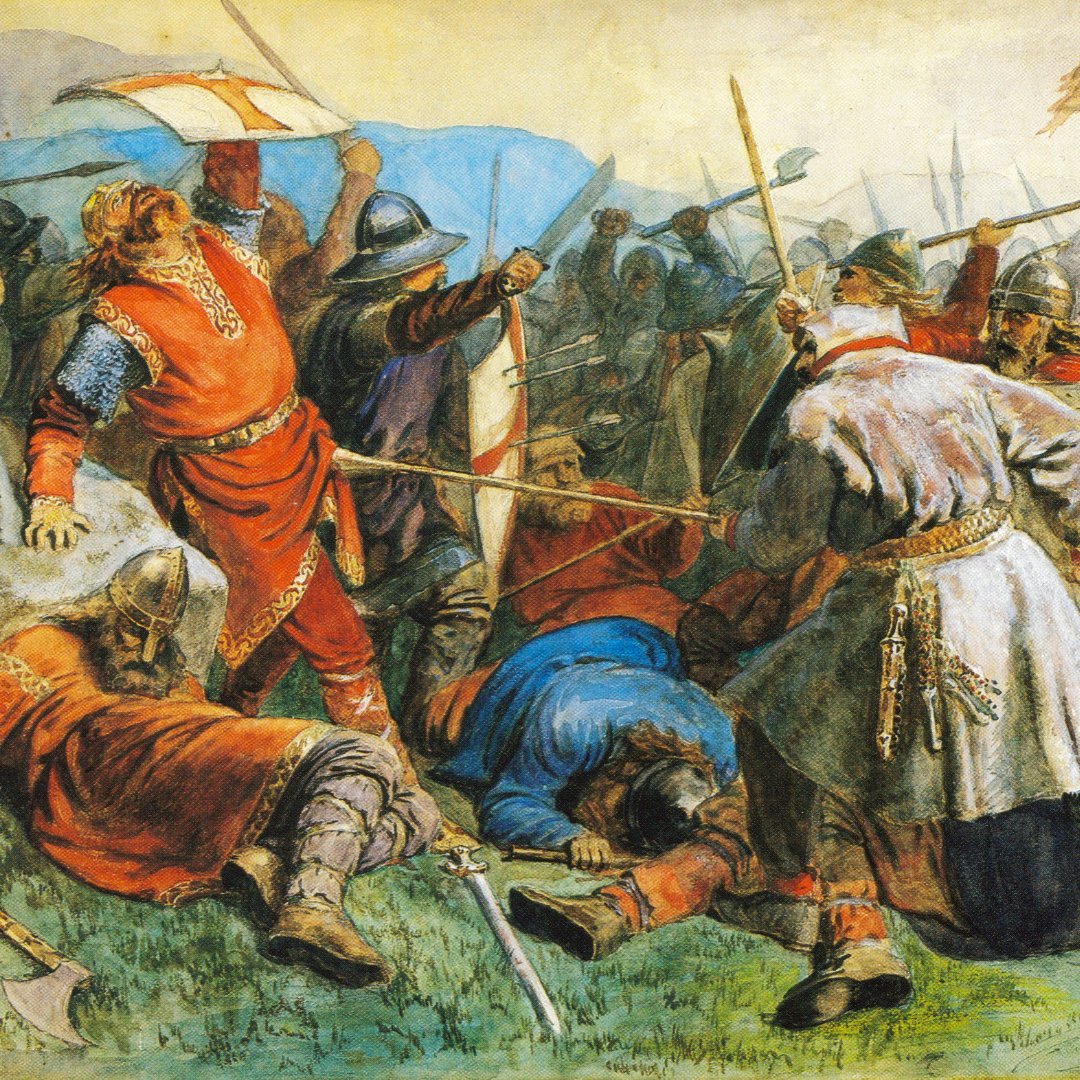
If you enjoyed this thread:
1) Please retweet the original post (linked below)
2) Follow for more threads about language, history, and culture!
1) Please retweet the original post (linked below)
2) Follow for more threads about language, history, and culture!
https://x.com/colingorrie/status/1880250495669006430
• • •
Missing some Tweet in this thread? You can try to
force a refresh






