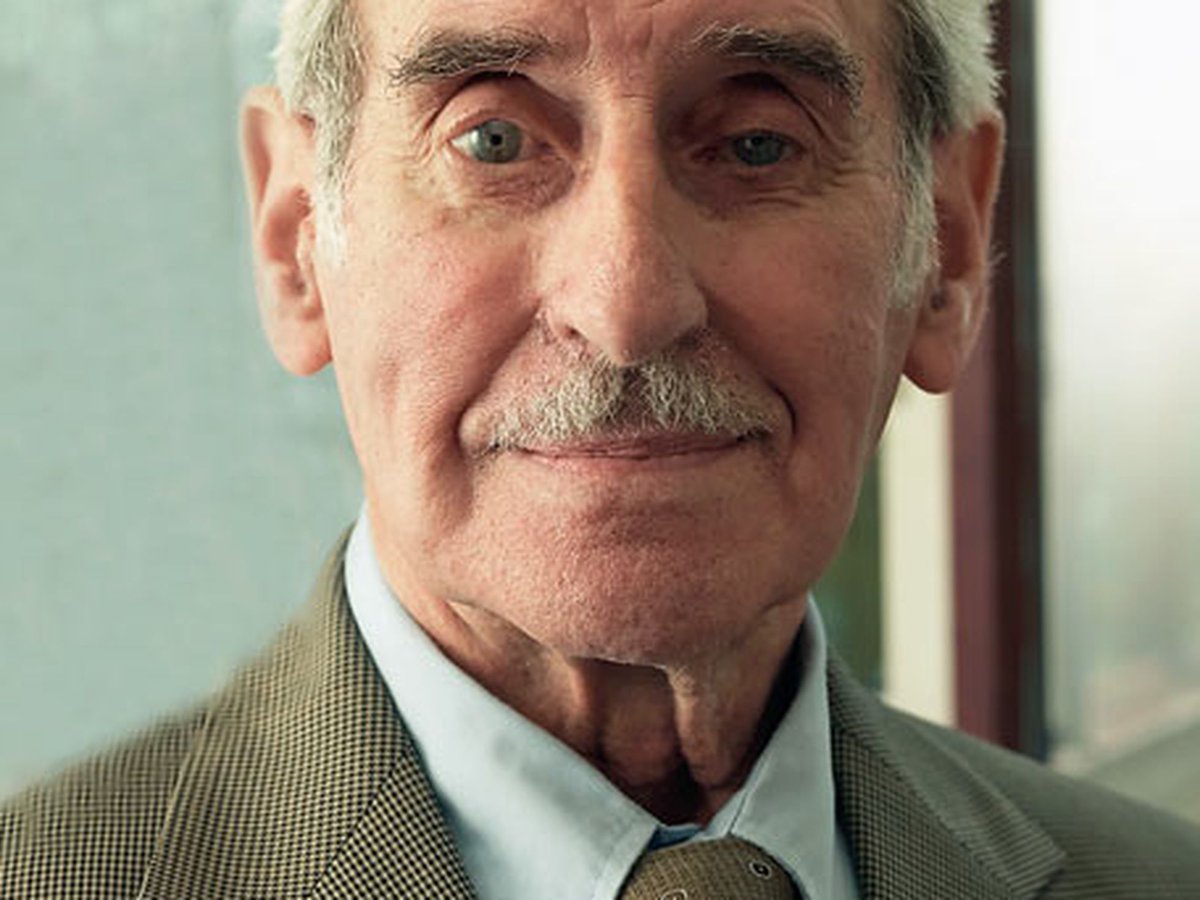
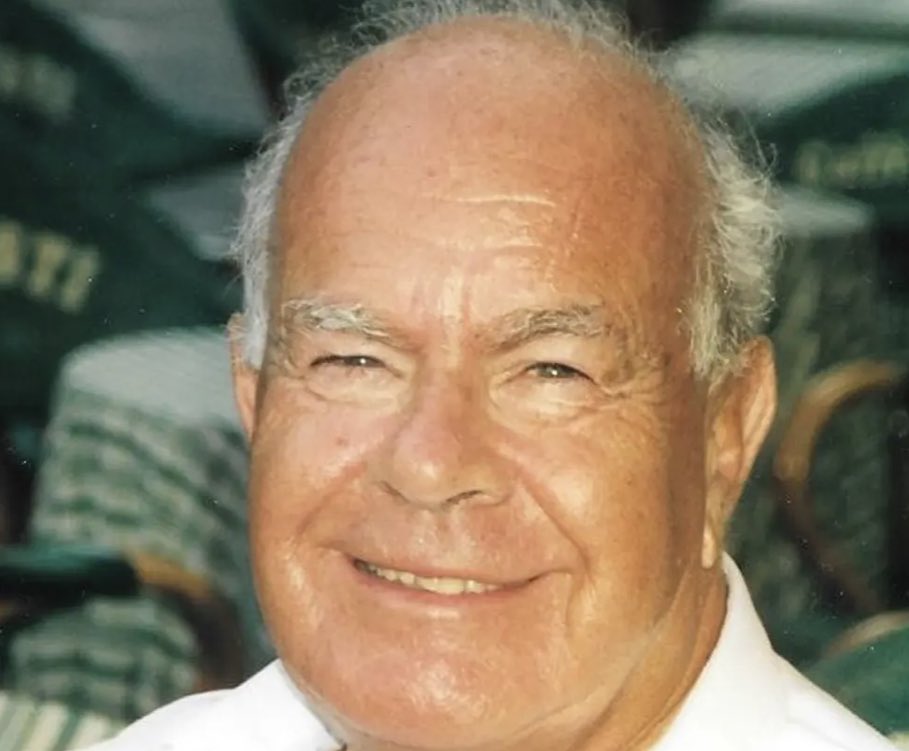
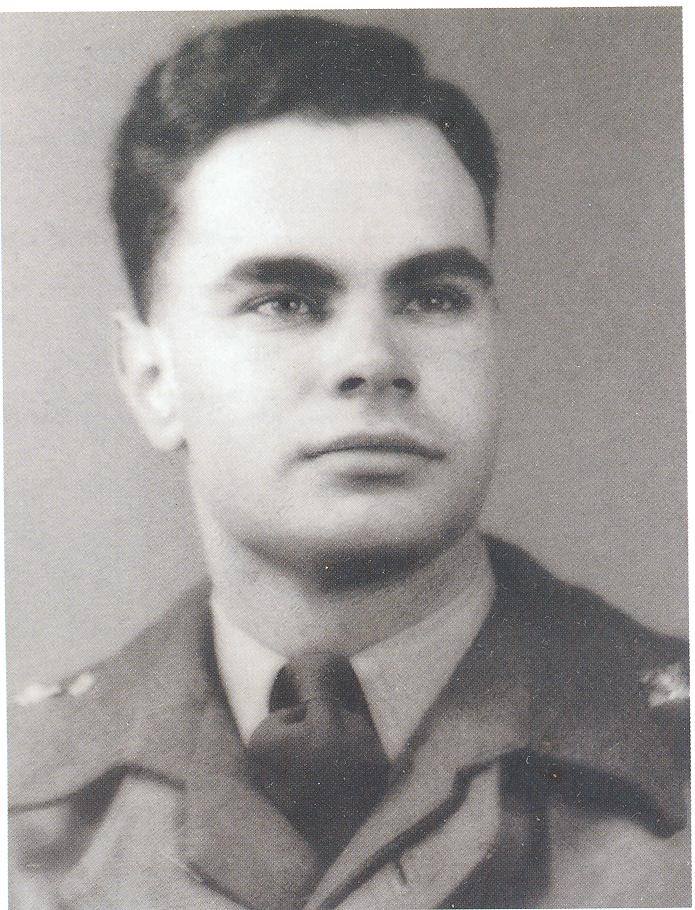
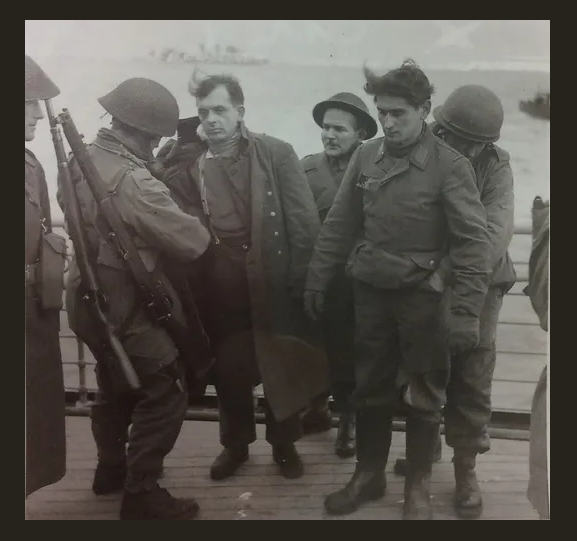
What was it like to parachute into Normandy in 1944, on the eve of D-Day?
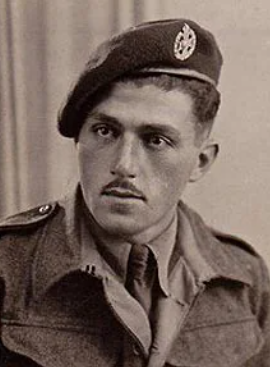
Paul Hamilton, as a 12th Battalion Parachute Regiment Pathfinder, did just that.
This is his personal story and eye-witness account:
(a thread)
Paul Hamilton, as a 12th Battalion Parachute Regiment Pathfinder, did just that.
This is his personal story and eye-witness account:
(a thread)

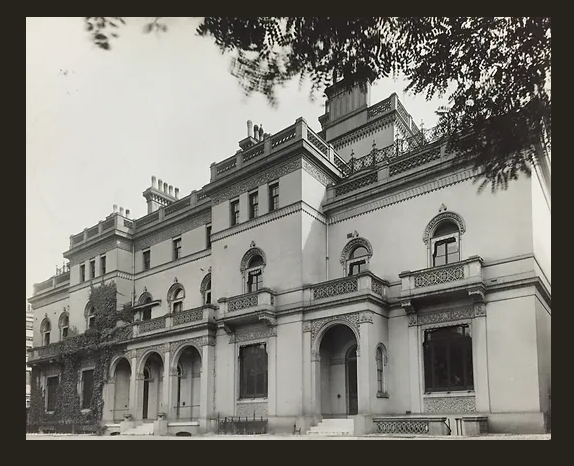
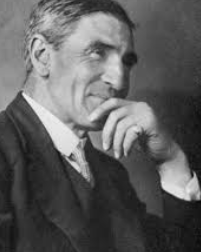
Born into a large prosperous Jewish family in Vienna, Paul Hamilton (Paul Herschan) came to England in 1939 on the Kinderstransport, sponsored by a prominent English psychiatrist Dr Hugh Crichton-Miller.
In 1942 he volunteered for the British Forces and joined the alien Pioneer Corps in Glasgow.
He was accepted for the RAF as a rear gunner, but was advised that it would be a long wait.
So, after a few months he was transferred to the Green Howards in Wakefield and afterwards posted to the Parachute Regiment, joining the newly formed 12th Battalion.
In 1942 he volunteered for the British Forces and joined the alien Pioneer Corps in Glasgow.
He was accepted for the RAF as a rear gunner, but was advised that it would be a long wait.
So, after a few months he was transferred to the Green Howards in Wakefield and afterwards posted to the Parachute Regiment, joining the newly formed 12th Battalion.
(From this point on, I've left out attached images. Allow your mind to build a picture of Paul Hamilton's parachute jump and try to conceive his bravery)
Continued:
He then retrained as airborne infantry, and underwent parachute training at Ringway near Manchester. He served most of his army career in the 12th Battalion the Parachute Regiment and the 6th Airborne Division.
He spent nearly two years from 1942 until 1944 acquiring
military experience with army commandos in Scotland and an attachment to the American 101st Airborne Division, and trained to be a sniper.
Continued:
He then retrained as airborne infantry, and underwent parachute training at Ringway near Manchester. He served most of his army career in the 12th Battalion the Parachute Regiment and the 6th Airborne Division.
He spent nearly two years from 1942 until 1944 acquiring
military experience with army commandos in Scotland and an attachment to the American 101st Airborne Division, and trained to be a sniper.
On 5 June 1944, Headquarters Company, 12 Para, jumped as pathfinders with the primary role of taking the landing zone for the 5th Brigade of the 6th Airborne Division in readiness for D-Day.
They were instructed to take a bridge on the Caen canal and hold the flank in the event of a German attack on the British beach landings. Just before the transport planes took off, the battalion chaplain (a Christian) gathered together the Jewish soldiers to reassure them that he had remembered the Jewish prayer for the dead, the Kaddish.
The risks were high, and those who were about to be parachuted into Normandy were well aware of them.
Paul was parachuted into France as a pathfinder and wrote about his experiences:
They were instructed to take a bridge on the Caen canal and hold the flank in the event of a German attack on the British beach landings. Just before the transport planes took off, the battalion chaplain (a Christian) gathered together the Jewish soldiers to reassure them that he had remembered the Jewish prayer for the dead, the Kaddish.
The risks were high, and those who were about to be parachuted into Normandy were well aware of them.
Paul was parachuted into France as a pathfinder and wrote about his experiences:
"I realised that I was being fired on: streams of red and green tracer were going past me. I suddenly observed that I was only about 50 feet off the ground right over a big wood. I prepared for a tree landing and went through just between the trees and had a hard landing on uneven ground. I quickly recovered my kitbag from a tree, slit it open with the dagger. I then cocked the rifle and fixed the bayonet and put on my pack. I instantly realised that we were in the wrong place – next door to a German anti-aircraft battery.
So I left the wood on the other side but didn’t see or hear any of the others. I was not to see them again. Then I noticed a movement in the hedge. I challenged it, no answer; so I charged. Yes, there was a German standing against a tree. I was faster than he. He died without a sound – a fat man.
I continued on my way and found an officer and a few men from my battalion. They were quite lost and I was pleased to lead the way with a sergeant who was a personal friend of mine. My ankle was giving me hell but somehow I kept going.
The sergeant and I spotted a post with two Germans in it with an anti-aircraft machine gun. We stalked them and eliminated them, taking each one. There was no noise.
We had covered about 1½ miles fairly well but now we were spotted and came under heavy machine gun fire. We took cover and got into a defensive position. They soon forgot about us as they had to fire at the gliders which were now coming in. The others then continued. I knew that I couldn’t make the rendezvous owing to my sprained ankle. I would do the rest of the journey the next night.
As dawn was breaking, 100 Lancasters came over and bombed a 4-gun battery nearby. They used blockbusters and they flattened it out in seven minutes. As soon as it was light, I surveyed the position and found that I was in the centre of a German company position. There were three platoons, one on each side. It was a sniper's paradise. So I got to work up and down a hedge. Each time one of them exposed himself, I fired. Then I always shifted my position at once – it was very important in my precarious position. They were fooled and started firing wildly in all directions, and it made me feel good."
So I left the wood on the other side but didn’t see or hear any of the others. I was not to see them again. Then I noticed a movement in the hedge. I challenged it, no answer; so I charged. Yes, there was a German standing against a tree. I was faster than he. He died without a sound – a fat man.
I continued on my way and found an officer and a few men from my battalion. They were quite lost and I was pleased to lead the way with a sergeant who was a personal friend of mine. My ankle was giving me hell but somehow I kept going.
The sergeant and I spotted a post with two Germans in it with an anti-aircraft machine gun. We stalked them and eliminated them, taking each one. There was no noise.
We had covered about 1½ miles fairly well but now we were spotted and came under heavy machine gun fire. We took cover and got into a defensive position. They soon forgot about us as they had to fire at the gliders which were now coming in. The others then continued. I knew that I couldn’t make the rendezvous owing to my sprained ankle. I would do the rest of the journey the next night.
As dawn was breaking, 100 Lancasters came over and bombed a 4-gun battery nearby. They used blockbusters and they flattened it out in seven minutes. As soon as it was light, I surveyed the position and found that I was in the centre of a German company position. There were three platoons, one on each side. It was a sniper's paradise. So I got to work up and down a hedge. Each time one of them exposed himself, I fired. Then I always shifted my position at once – it was very important in my precarious position. They were fooled and started firing wildly in all directions, and it made me feel good."
"That evening at 9 p.m., I saw a sight I shall never forget. About 400 gliders coming over, wave after wave protected by a big fighter screen. At a given point, they were released and went in to land while the glider tugs swung round and turned for home. By this time, I had collected a little party (glider pilots). We had a short council of war.
We advanced cautiously along hedges and through ditches, avoiding trip wires which were all over the place attached to anti-personnel mines. I was keeping on compass course which would get us to the Canal de Caen just to the right of our battalion position next door to the Orne bridges. Everything was OK for about a mile. Up till then, we had had plenty of cover. Now we had to cross about 300 yards of open country. We opened out still further and doubled 50 yards at a time and then went down to observe. I was up in front and spotted a slit trench about a hundred yards ahead.
We crawled forward within 50 yards and then I went forward while the others gave me cover. I had luck and got within ten yards of it until I got the German challenge, ‘Halt! Wer da?’
I rushed forward and dealt with the single Nazi corporal who was in it. But not before he could yell out 'Kamerad'. After that, the others [British] advanced up to me. Then, more Nazis came up from the reserve position. We prepared for a bayonet charge, knowing they don't like that at all. However, our friend, who was a bad soldier, threw a bomb which slipped out of his shaky hand. I didn't know it landed behind me, or I would have had time to pick it up and throw it away. One of the splinters hit me in the leg. I knew we didn't have a chance, so I told the others to clear out, which they did. I couldn't get up, so I rolled into the best cover I could find and started shooting. The Nazis threw more grenades, and I was hit again and again."
We advanced cautiously along hedges and through ditches, avoiding trip wires which were all over the place attached to anti-personnel mines. I was keeping on compass course which would get us to the Canal de Caen just to the right of our battalion position next door to the Orne bridges. Everything was OK for about a mile. Up till then, we had had plenty of cover. Now we had to cross about 300 yards of open country. We opened out still further and doubled 50 yards at a time and then went down to observe. I was up in front and spotted a slit trench about a hundred yards ahead.
We crawled forward within 50 yards and then I went forward while the others gave me cover. I had luck and got within ten yards of it until I got the German challenge, ‘Halt! Wer da?’
I rushed forward and dealt with the single Nazi corporal who was in it. But not before he could yell out 'Kamerad'. After that, the others [British] advanced up to me. Then, more Nazis came up from the reserve position. We prepared for a bayonet charge, knowing they don't like that at all. However, our friend, who was a bad soldier, threw a bomb which slipped out of his shaky hand. I didn't know it landed behind me, or I would have had time to pick it up and throw it away. One of the splinters hit me in the leg. I knew we didn't have a chance, so I told the others to clear out, which they did. I couldn't get up, so I rolled into the best cover I could find and started shooting. The Nazis threw more grenades, and I was hit again and again."
"Still I wasn’t going to throw my life away without a fight. I managed to pull myself together and threw my own grenades back at them but I don’t think they hit anything. However, it kept them at a respectable distance. Then I continued firing until my rifle got blown in half. Now I was defenceless, so I rolled right into the ditch. Then I got the special morphine syringe which we all carry in the paratroops' outfit and injected it. This was a godsend and within five minutes all pain was gone.
I surveyed the situation; both trouser legs had been blown off just above the knee, blood everywhere, on my face, left arm, and both legs. So I got my field and shell dressings out, also the spare pair of socks. With these, I covered the worst wounds. However, I hadn’t the strength to do up the safety pins or apply a tourniquet. It was clear to me that I was losing too much blood. I said to myself – well, this is it. You have had it. The funny thing is that it didn’t worry me. A pity to miss one’s life. Yes, but still, I had achieved a little. My people were avenged. I finished off my water, said a prayer, and fell asleep.
I woke up as two Nazis dragged me out of the ditch. 'Himmel, he is still alive. These English!' Too true, I thought, never say die! When they lifted me to their pillbox, I passed out."
I surveyed the situation; both trouser legs had been blown off just above the knee, blood everywhere, on my face, left arm, and both legs. So I got my field and shell dressings out, also the spare pair of socks. With these, I covered the worst wounds. However, I hadn’t the strength to do up the safety pins or apply a tourniquet. It was clear to me that I was losing too much blood. I said to myself – well, this is it. You have had it. The funny thing is that it didn’t worry me. A pity to miss one’s life. Yes, but still, I had achieved a little. My people were avenged. I finished off my water, said a prayer, and fell asleep.
I woke up as two Nazis dragged me out of the ditch. 'Himmel, he is still alive. These English!' Too true, I thought, never say die! When they lifted me to their pillbox, I passed out."
Paul was immensely proud that he fought for Britain during the war. He had fully expected to die on D-Day and saw his life thereafter as a bonus. He regarded himself as wholly British and formally took British citizenship in 1947. After the war, he became a respected architect, whose work included Paddington Maintenance Depot (which won the Concrete Award in 1969), the Alton and Barchester housing estates, Bletchley signal-box, the early refurbishments at London’s Liverpool Street station, and Helen House Children’s Hospice.
Was Paul Hamilton's firsthand account of parachuting into Normandy on the eve of D-Day an inspiration to you?
If you've found this thread to be compelling and educational, please consider following my account @DrHelenFry to discover more true stories from World War II.
(end).
If you've found this thread to be compelling and educational, please consider following my account @DrHelenFry to discover more true stories from World War II.
(end).

• • •
Missing some Tweet in this thread? You can try to
force a refresh