Mambo Italiano Profile picture
Jan 21, 2025 14 tweets 5 min read Read on X
Melania Trump’s inaugural ball gown has already entered the pantheon of iconic fashion moments

But let’s uncover its little secret!

A subtle tribute to the American Dream 🇺🇸

A Thread 🧵 Image

There’s no doubt about how stunning the gown looked on the statuesque First Lady of Slovenian origin

Melania remains one of the most beautiful First Ladies in the history of the United States 🇺🇸
The choice once again fell to the American designer of French origin, Hervé Pierre, who had already beautifully dressed the First Lady for her first inauguration at the White House in 2017

With a concept of elegance and wearability that was very similar ✨ Image
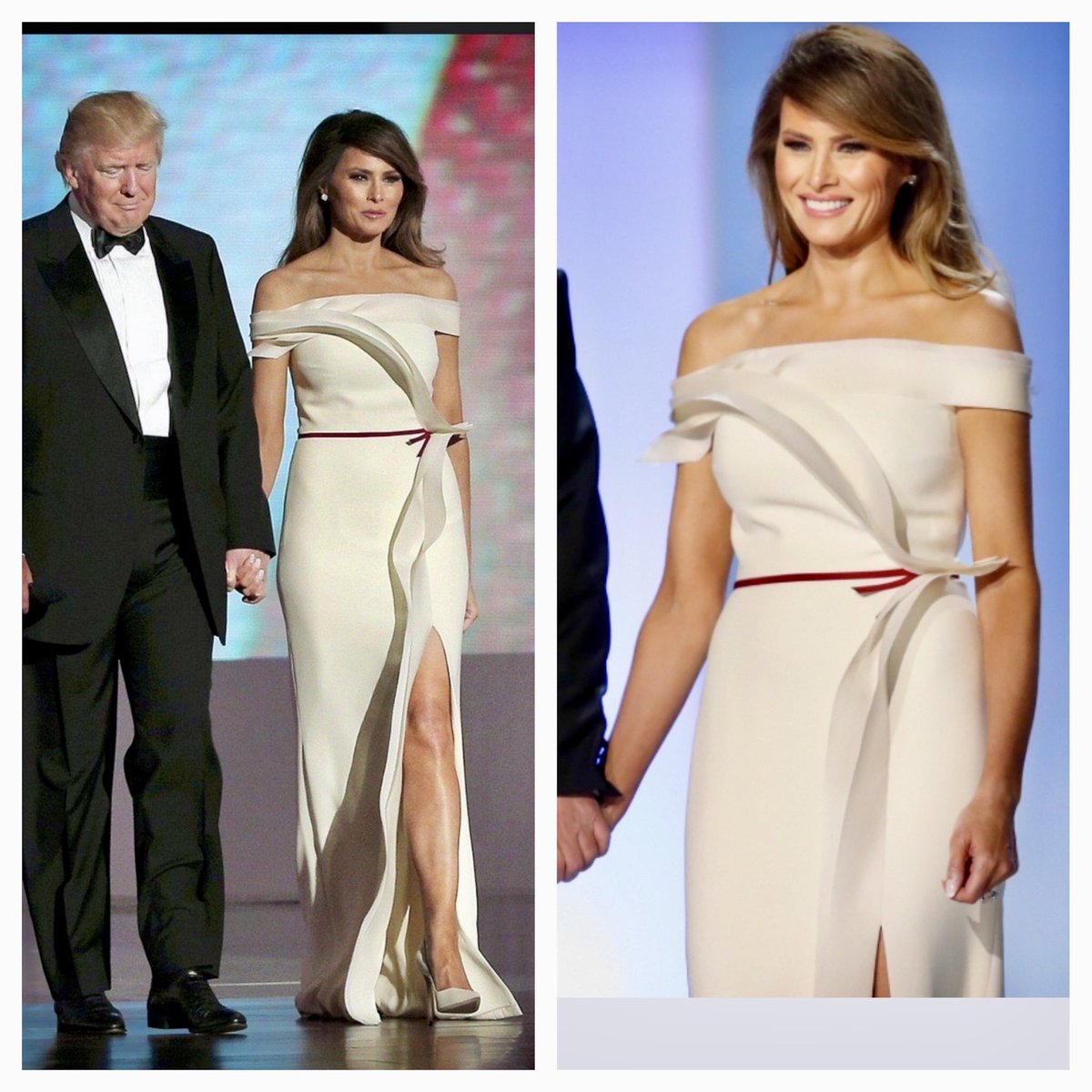
For those who weren’t so “online” in 2017, here’s a throwback to the beautiful inaugural dance to a rendition of “My Way”
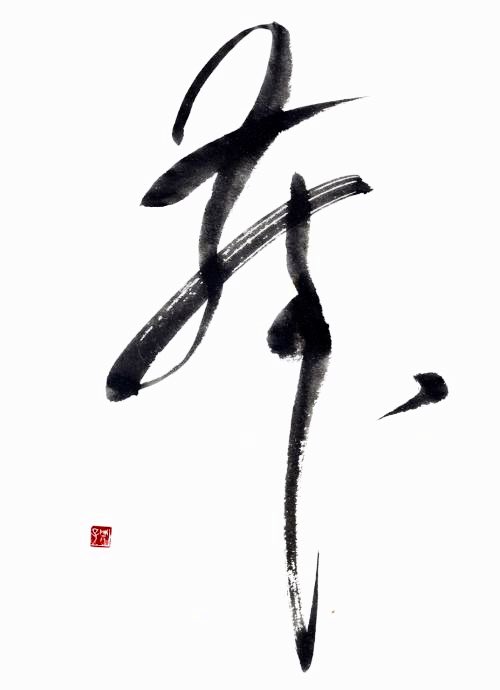
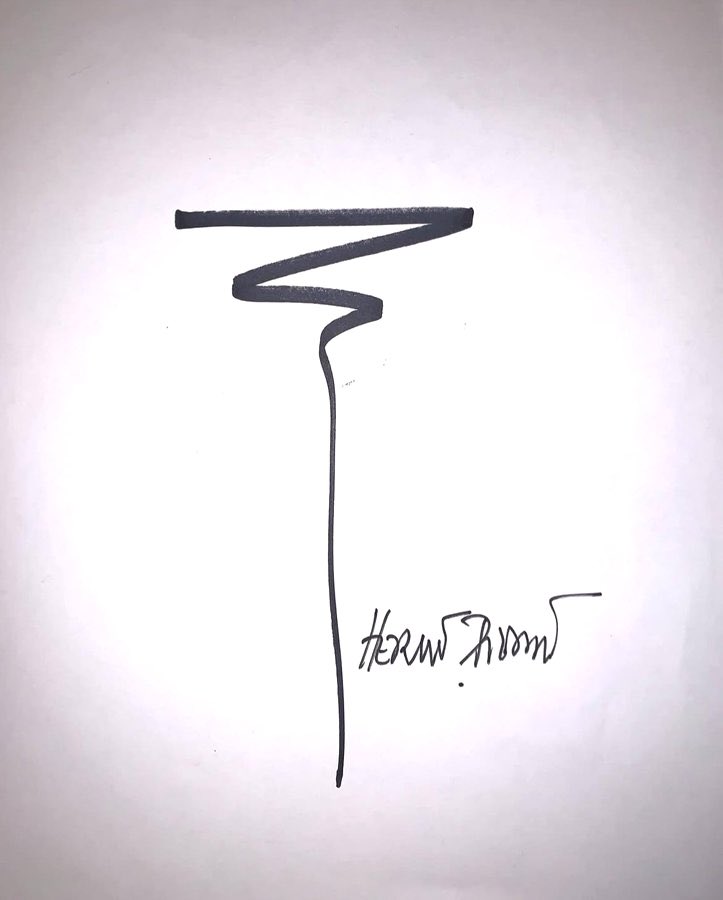
But let’s get back to Hervé Pierre, who, like a true artist, shared a signed sketch—the primordial idea of the gown as conceived by his exquisite creativity

Almost a little “doodle”, worthy of the finest “Zen calligraphy”… Image
Image
The result was this stunning sketch for Melania, from which it was already clear that the gown would become wonderfully iconic 🤍🖤 Image
Crafted in off-white silk crepe and strapless, the gown is adorned with two black gazar bands that bring the ensemble to life in a three-dimensional interplay of geometry, music, dance, and, according to some, a stylized bouquet ✨ Image

And here comes the masterstroke, the true brilliance!

The choker, with a breathtaking brooch 💎

Let’s uncover what it is Image
It is a brooch gifted for the occasion by the renowned high jewelry brand Harry Winston Image
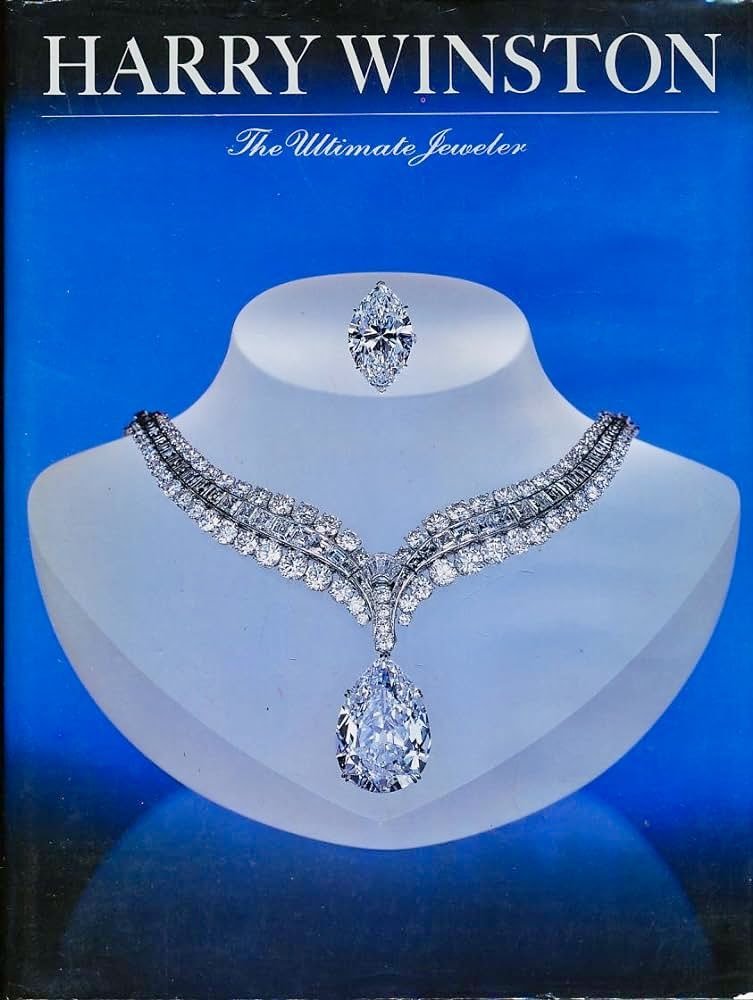
The brooch was designed and created in 1955 by Harry Winston, known as the “King of Diamonds” for his mastery as a jeweler Image
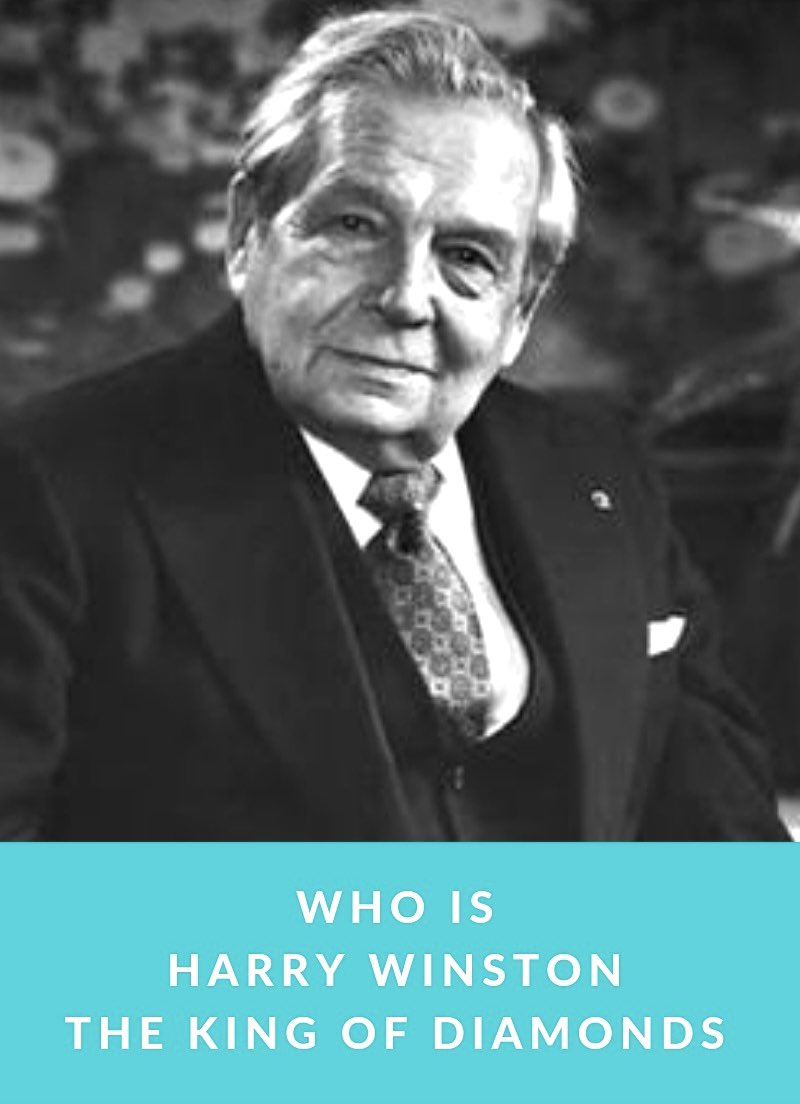
Harry Winston was born in 1896 to a family of Ukrainian immigrants
It is said that at just 12 years old, he made an $800 deal thanks to his knowledge of precious gems

He opened a jewelry store in New York in 1932, which led to the creation of his fortune 💎 Image
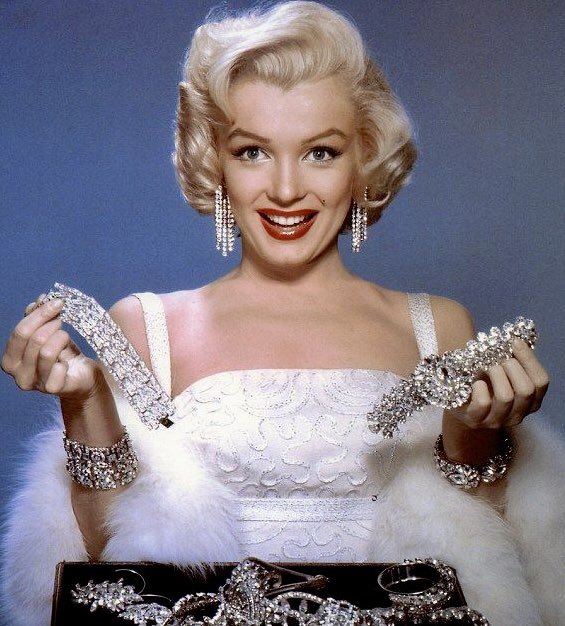
In just two decades, Winston became one of the most famous jewelers in the world, due to his exceptional skill in crafting fine jewelry, even being mentioned by Marilyn Monroe in the song “Diamonds Are a Girl’s Best Friend” 💎 Image
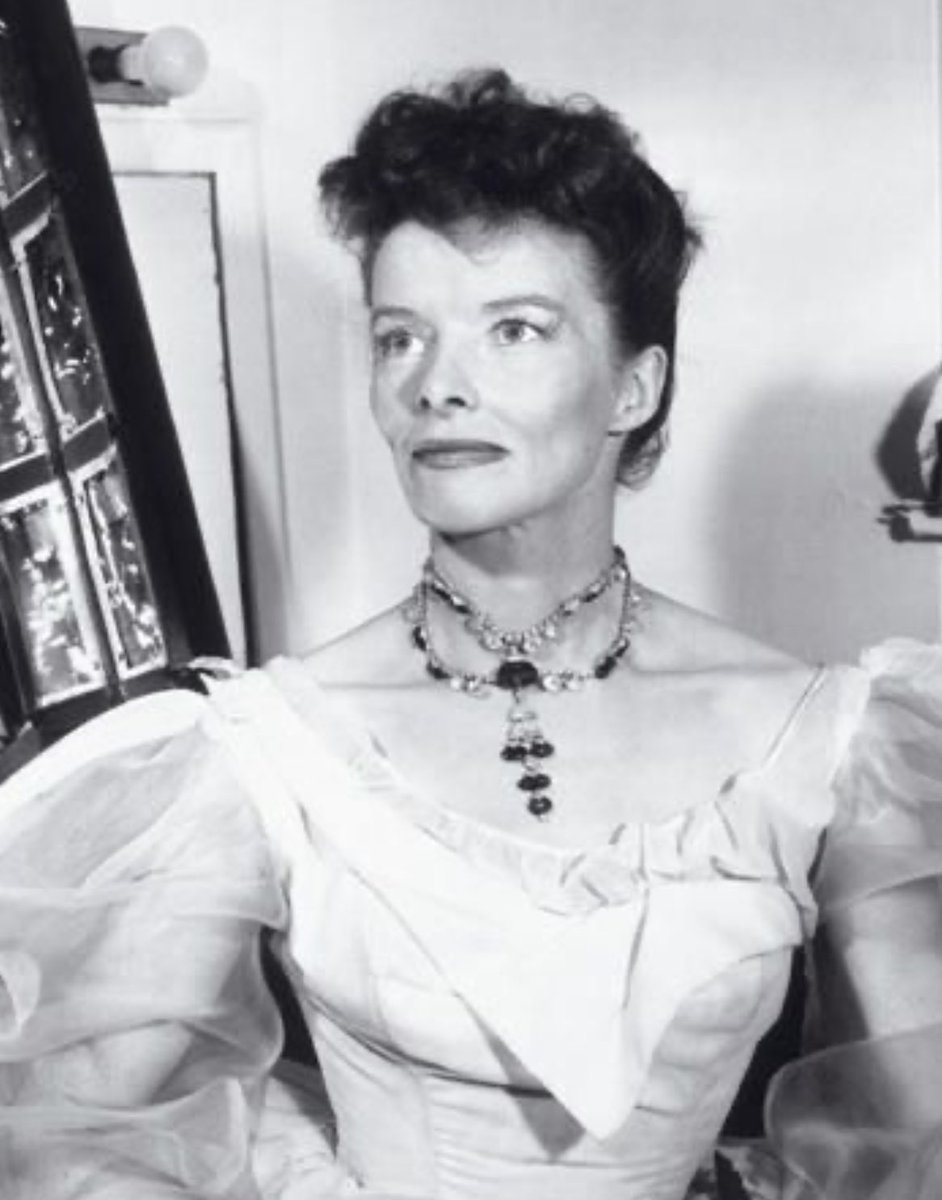
Harry Winston was also the first, in 1944, to come up with the brilliant idea of lending jewelry to actresses as “Testimonials” for ceremonies like the Oscars

Today, it’s a common practice, but at the time, it was a groundbreaking move Image
At the end of this analysis of the details, we can, with a bit of imagination—as fashion often invites us to do—see that this elegance pays homage to tradition, the American Dream, and prosperity 🇺🇸

The new golden age has just begun ✨! Image

• • •

Missing some Tweet in this thread? You can try to force a refresh

 

Keep Current with Mambo Italiano

Mambo Italiano Profile picture

Stay in touch and get notified when new unrolls are available from this author!

Read all threads

This Thread may be Removed Anytime!

PDF

Twitter may remove this content at anytime! Save it as PDF for later use!

Try unrolling a thread yourself!

how to unroll video
  1. Follow @ThreadReaderApp to mention us!

  2. From a Twitter thread mention us with a keyword "unroll"
@threadreaderapp unroll

Practice here first or read more on our help page!

More from @mamboitaliano__

Mar 13
Italian bombshells sorted by birth region

1. Monica Bellucci, Umbria 🇮🇹 Image
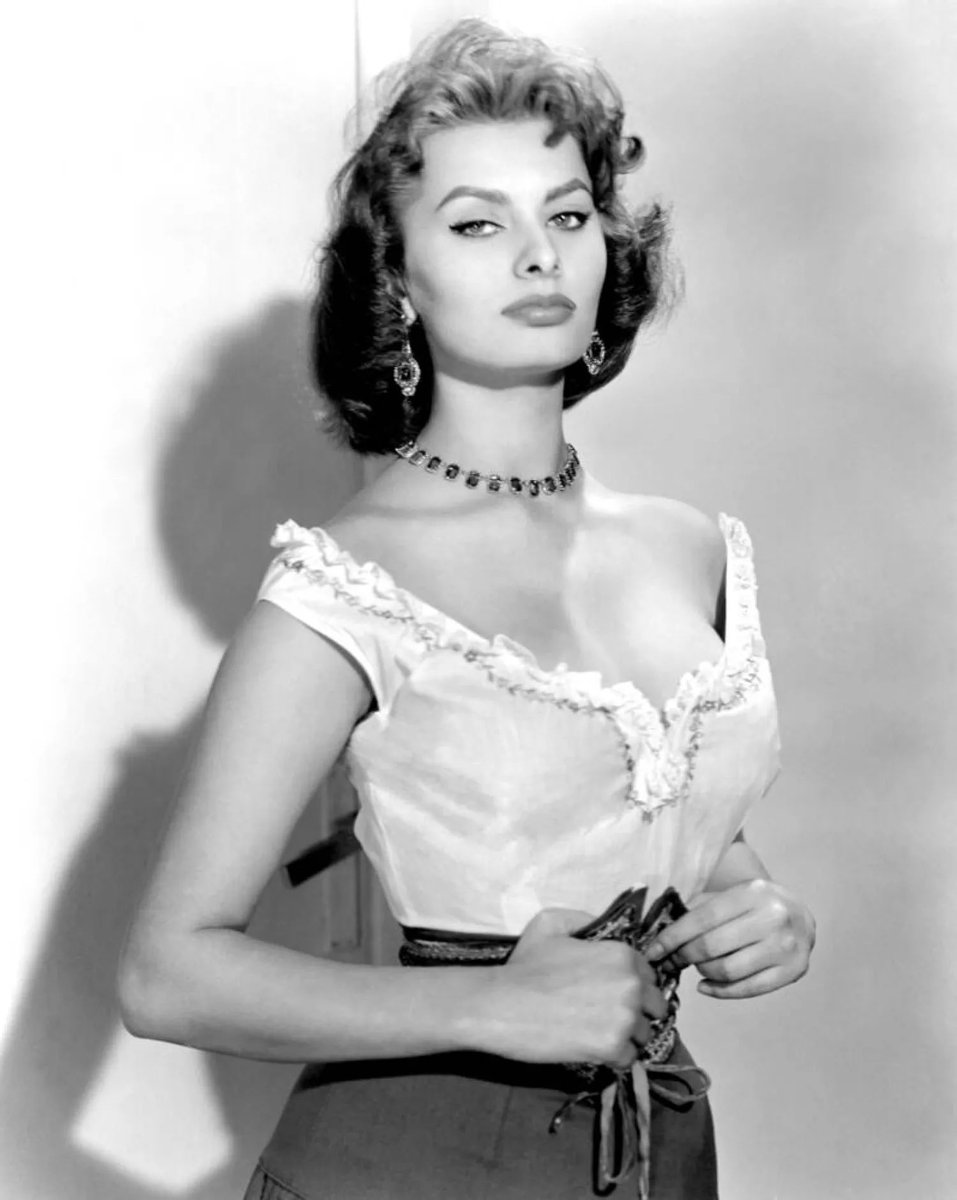
2. Sophia Loren, Lazio 🇮🇹 Image
3. Gina Lollobrigida, Lazio 🇮🇹 Image
Read 25 tweets
Nov 9, 2025
Why is Italy literally split in two? 🇮🇹

For me, the answer is obvious, I know the history of my country

But maybe not everyone knows the truth

I asked Grok, and it gave the best explanation ever!

I’ll share it in the comments 👇
Explanation part 1

The North–South Economic Divide in Italy: Historical, Economic, and Socio-Cultural Causes

The economic divide between Northern Italy (regions such as Lombardy, Veneto, Piedmont) and the South (the Mezzogiorno, including Campania, Apulia, Basilicata, Calabria, Sicily, and Sardinia) is one of the most persistent structural problems in Italian history.

Despite the unification of 1861, today the southern per-capita GDP stands at roughly 58–60% of that of the Centre-North, with unemployment rates twice as high (over 20% in the South versus 6–8% in the North) and a dependence on state subsidies that has generated a vicious circle of welfare dependency.

This imbalance is not innate but arises from a complex interplay of historical, economic, socio-cultural, and other factors (geographical, political, institutional).
Below is an exhaustive analysis—based on historical and economic studies—showing how the gap pre-existed the Unification but dramatically widened in the decades that followed.
Explanation Part 2

Historical Causes

The roots of the divide go back thousands of years, accentuated by unification and by dynamics of “internal colonialism.”
Before unification (that is, prior to 1861), the North benefited from autonomous development: the Lombard invasion (6th century) fostered the rise of medieval city-states (10th–13th centuries), which developed a mercantile and proto-industrial bourgeoisie and became integrated into European trade routes.

By contrast, the South was dominated by foreign monarchies (Normans, Swabians, Angevins, Spaniards, Bourbons), which imposed a centralized feudal system marked by unproductive latifundia and a lack of local autonomy.
The Kingdom of the Two Sicilies (1816–1861) had a primitive agrarian economy plagued by endemic malaria, deforestation, and poor irrigation, despite abundant natural resources; per-capita GDP was similar to or slightly higher than that of the North (according to Daniele and Malanima), yet the infrastructural gaps were enormous: 14,700 km of roads compared to 75,500 in the North, and only 184 km of railways versus more than 2,300.

The unification of 1861 imposed the Piedmontese model (centralist and liberalist), treating the South as an “internal colony”: southern resources financed northern debt (which had risen by 565% before 1860) and the “industrial triangle” (Turin–Milan–Genoa).
This led to brigantaggio (1860–1870), a peasant revolt suppressed by 120,000 soldiers under martial law (the Pica Law, 1863), which alienated the South from the nascent state and perpetuated hostility.

In the twentieth century, the First World War (1915–1918) channelled industrial contracts to the North, while Fascism (1922–1943) invested in southern infrastructure (e.g. the Apulian aqueduct) but in a clientelistic manner, without structural reform.
The Second World War devastated the South (Allied bombings, mafia-US alliances), and the post-war economic boom (1950–1970) industrialized the North through the Marshall Plan, leaving the Mezzogiorno largely agrarian.
Read 6 tweets
Oct 11, 2025
On October 8th, the MICHELIN Keys were unveiled!

The hotel world’s equivalent of the MICHELIN Stars 🗝️✨

Here’s the full list of breathtaking Italian hotels that earned this prestigious distinction

A 🧵 Thread that will make you dream Image
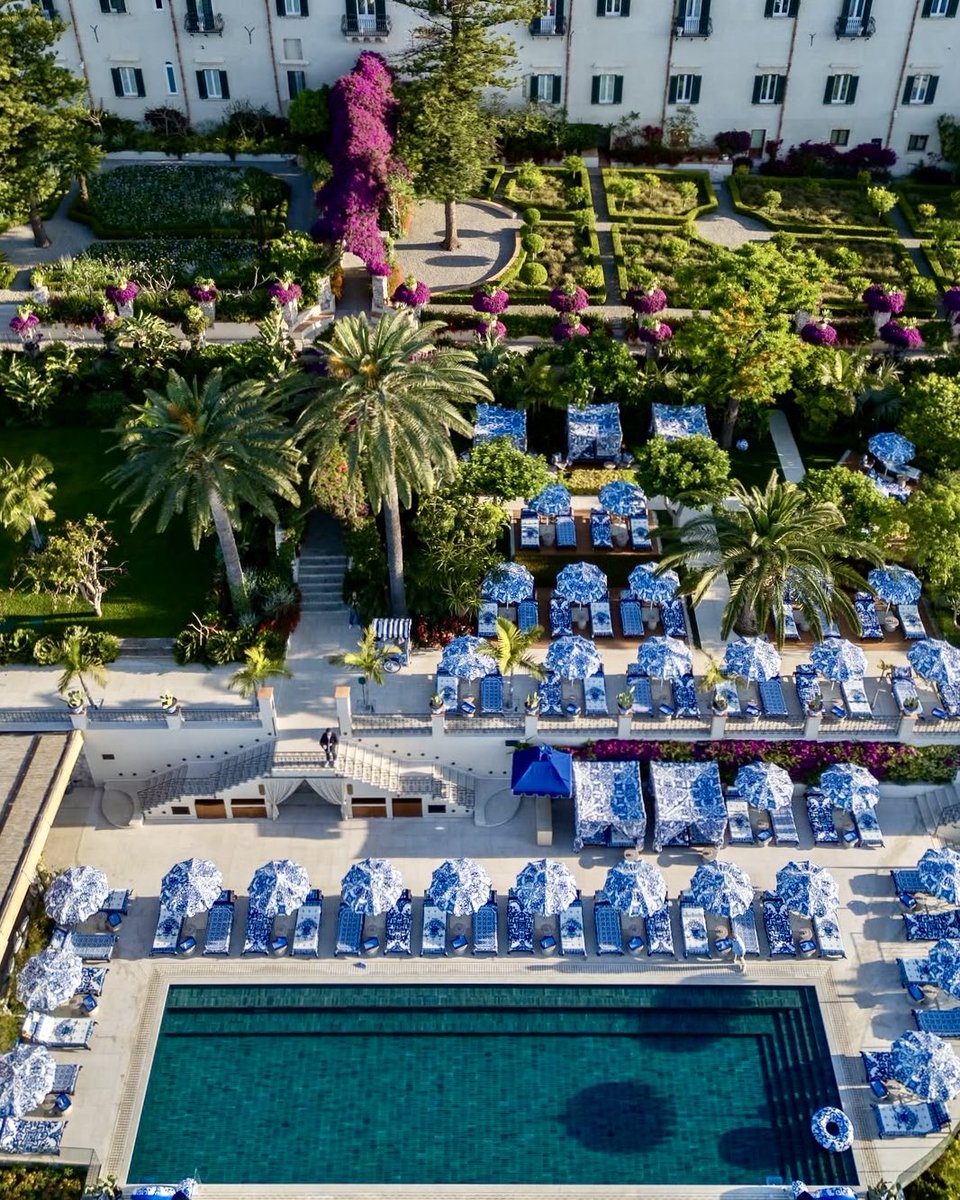
Four Seasons, Florence (🗝️🗝️🗝️)
Borgo Santo Pietro, Siena (🗝️🗝️🗝️)
Read 25 tweets
Sep 11, 2025
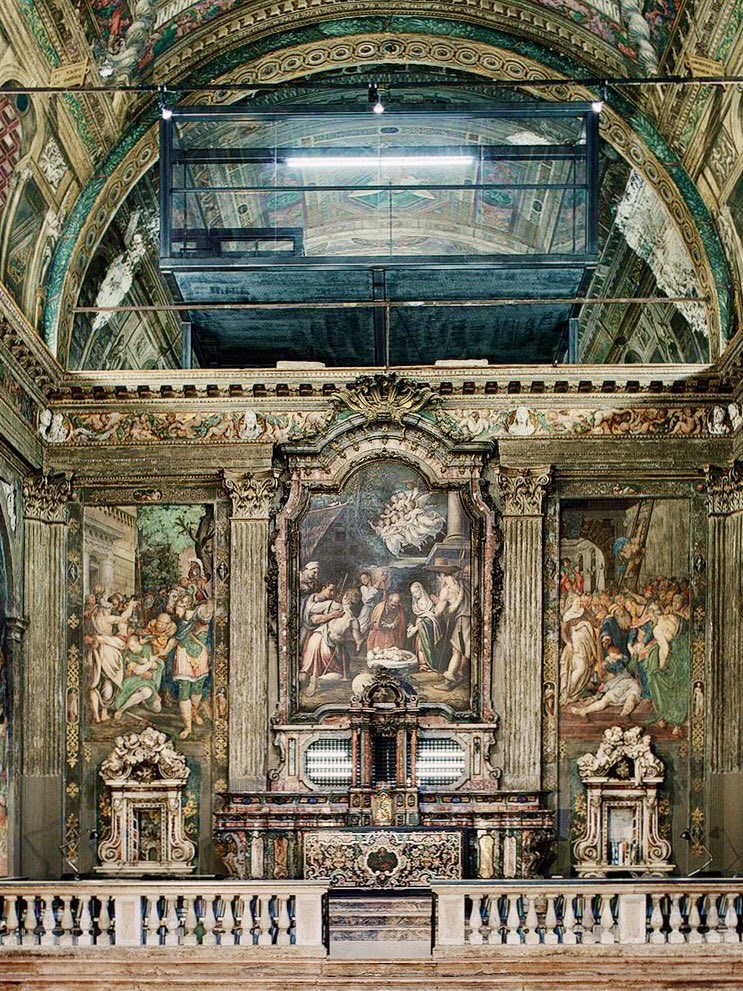
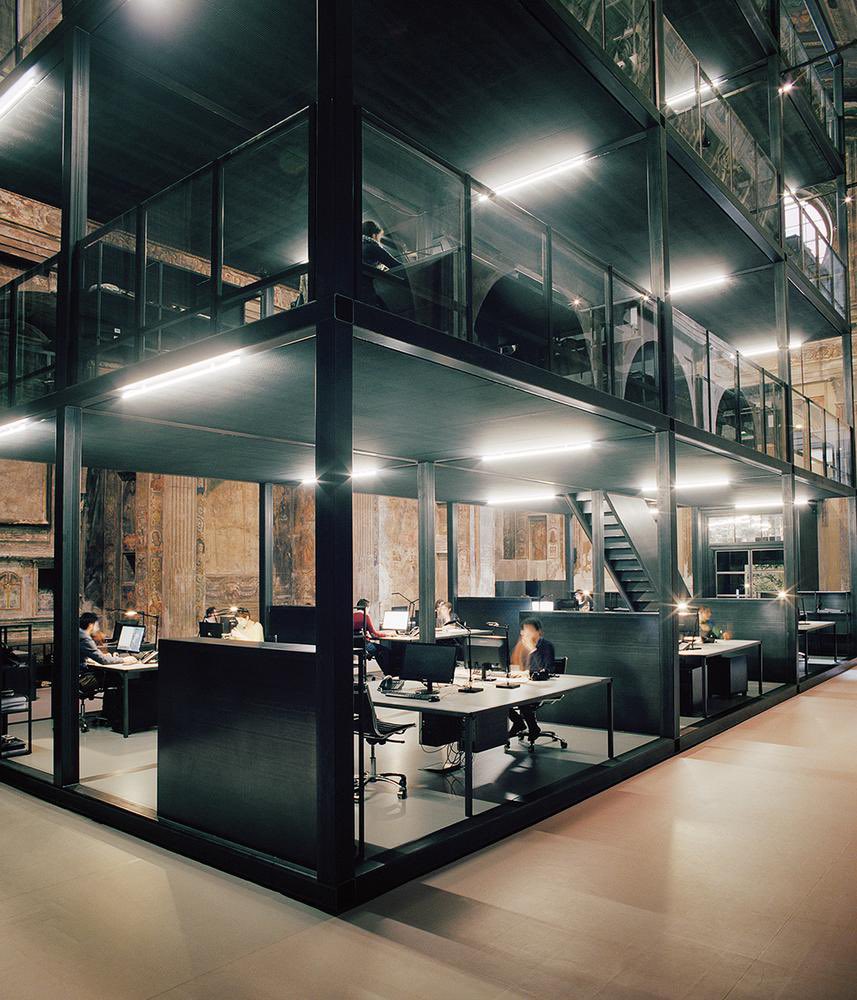
The curious tale of a deconsecrated Church transformed into a breathtakingly beautiful office and then demolished

Milan, Italy 🇮🇹

A Thread 🧵 Image
Location

San Paolo Converso sits on Corso Italia, right in the heart of Milan, a hidden gem among the city’s historic streets Image
CLS Studio Installation (2014)

In 2014, the architecture firm CLS transformed the church into their office

They built an impressive four-story glass-and-iron structure among the ancient vaults and frescoes, accommodating 70 workstations (project 👇) Image
Read 11 tweets
Sep 3, 2025
One of the smallest yet most brilliant and delicious Italian 🇮🇹 inventions of all time

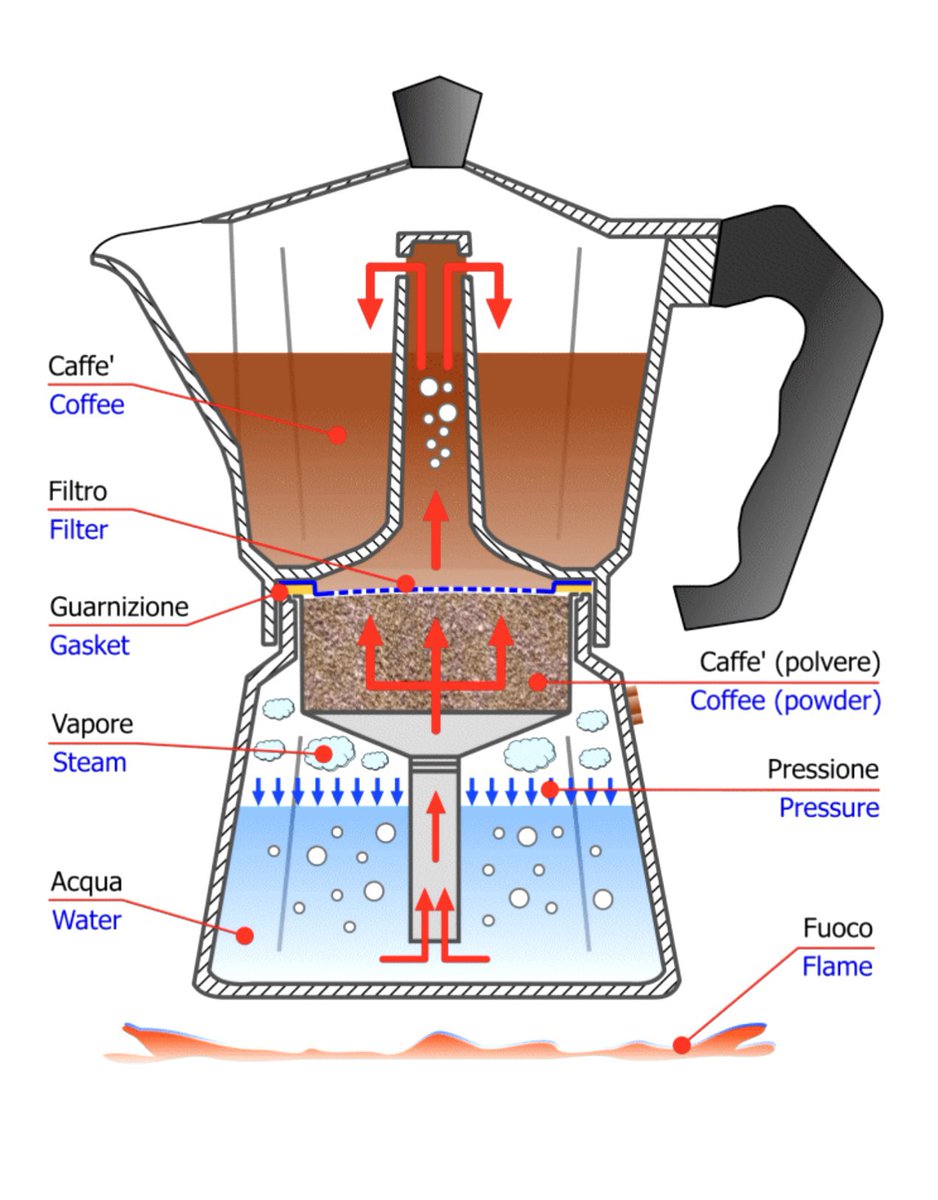
How the Moka works

A Thread 🧵 Image
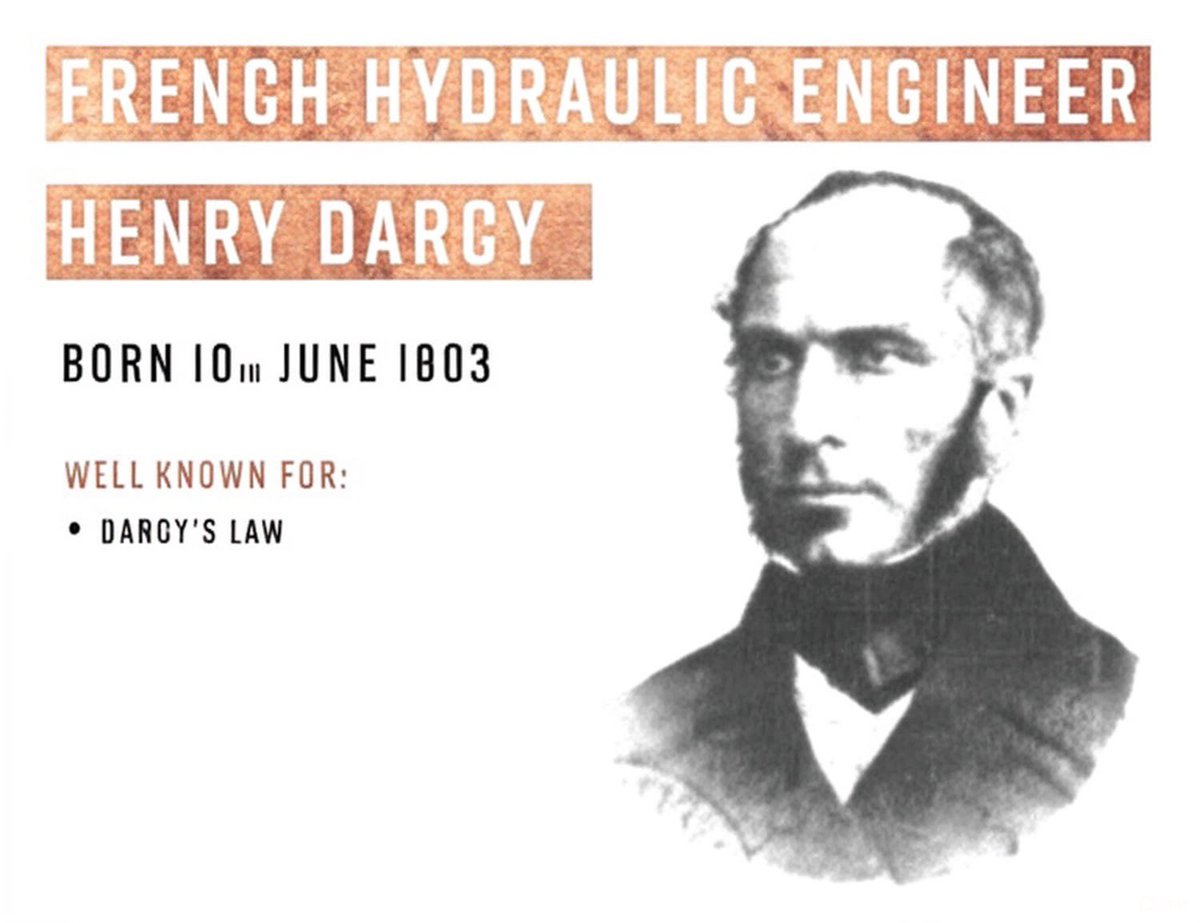
Henry Darcy, a French engineer and expert in hydraulics, is famous for Darcy’s law, formulated in 1856

It describes how fluid flows through a porous material depending on pressure differences, permeability, thickness, and viscosity Image
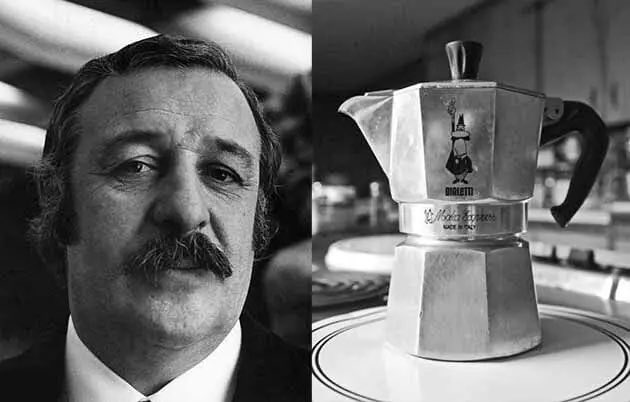
Fast forward to 1933: Italian engineer Alfonso Bialetti invented the moka pot

Thanks to Darcy’s law, his invention works perfectly and still sits in kitchens worldwide Image
Read 14 tweets
Sep 2, 2025
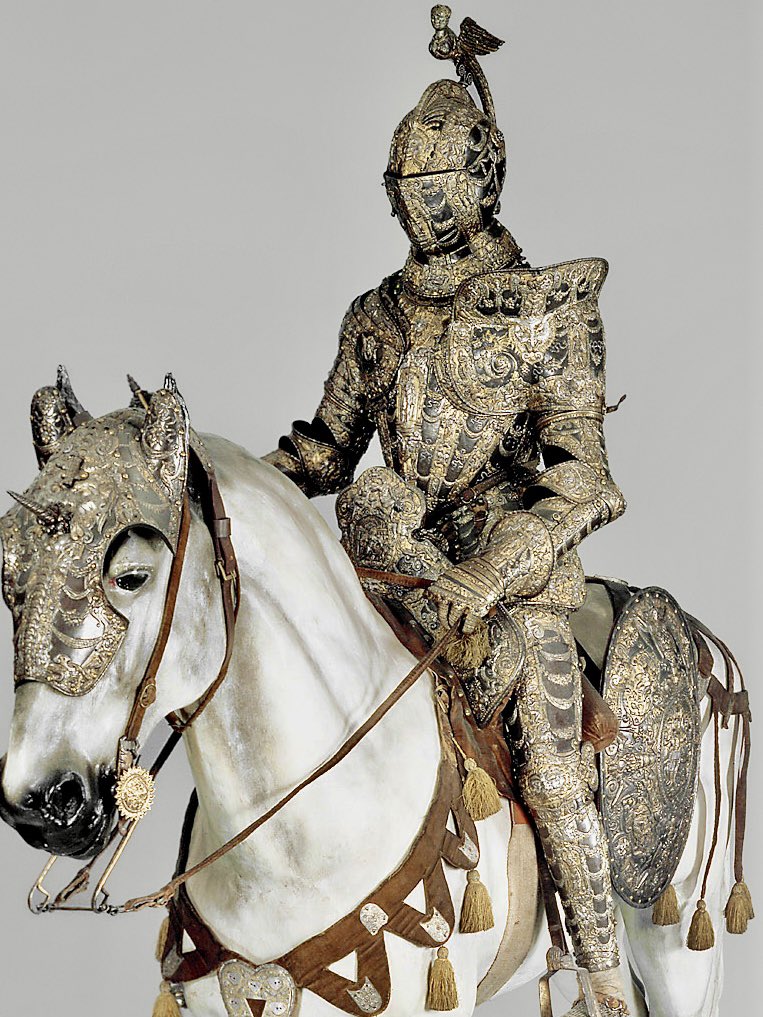
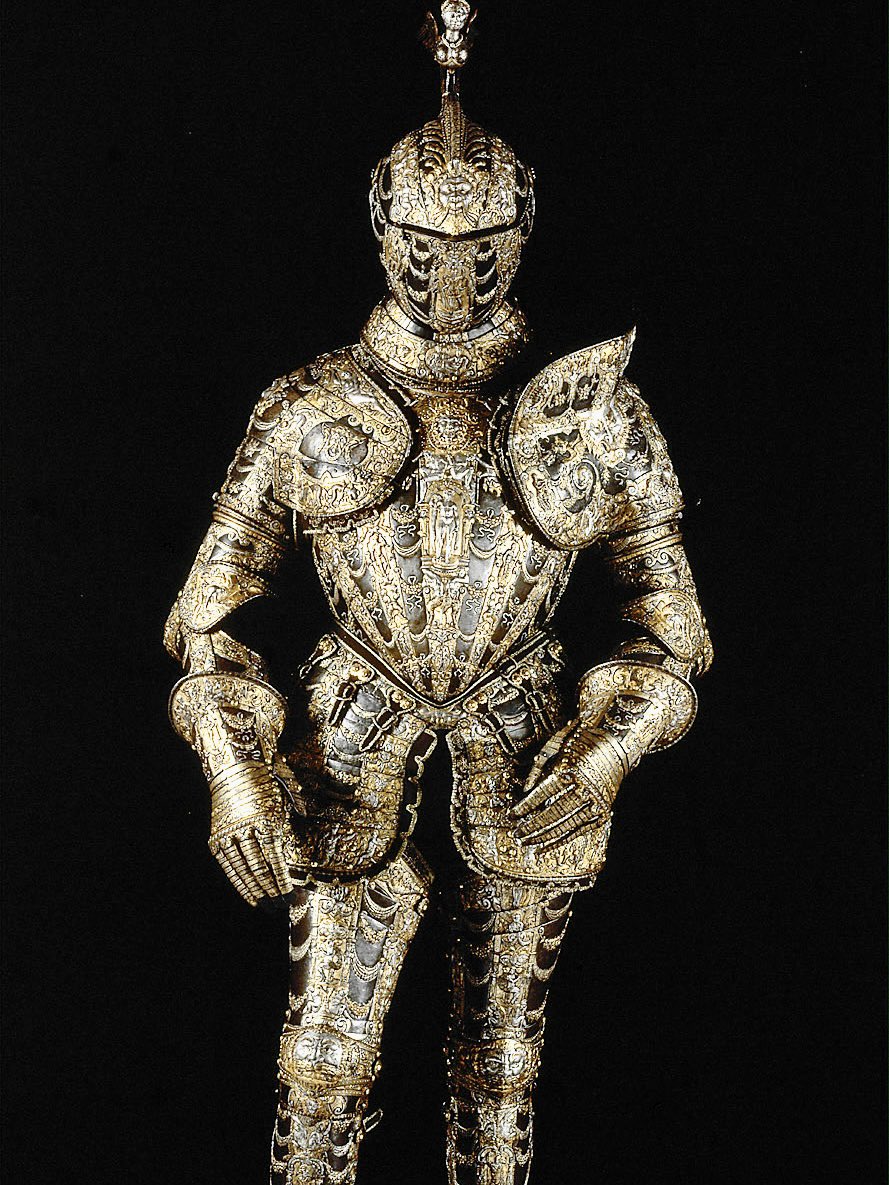
This set of antique-style armor, made for both man and horse, is one of the most richly decorated pieces of armor from the 16th century

It belonged to Alessandro Farnese, son of Ottavio Farnese and Margherita of Parma, the illegitimate daughter of Emperor Charles V Image
The armor was created between 1576 and 1580 and is the work of a Milanese master, possibly Lucio Piccinino

The designs were made by Andrea Casalini, a goldsmith active at the court of Parma Image
Read 9 tweets

Did Thread Reader help you today?

Support us! We are indie developers!


This site is made by just two indie developers on a laptop doing marketing, support and development! Read more about the story.

Become a Premium Member ($3/month or $30/year) and get exclusive features!

Become Premium

Don't want to be a Premium member but still want to support us?

Make a small donation by buying us coffee ($5) or help with server cost ($10)

Donate via Paypal

Or Donate anonymously using crypto!

Ethereum

0xfe58350B80634f60Fa6Dc149a72b4DFbc17D341E copy

Bitcoin

3ATGMxNzCUFzxpMCHL5sWSt4DVtS8UqXpi copy

Thank you for your support!

Follow Us!

:(