Modern art is becoming classical again!
These sculptors prove that classical techniques are thriving and turning heads worldwide. 🧵
These sculptors prove that classical techniques are thriving and turning heads worldwide. 🧵

1. Jago (Jacopo Cardillo)
Jago’s been called the ‘modern Michelangelo’—do you agree?
His marble sculptures are so raw and lifelike, they almost seem to breathe
Jago’s been called the ‘modern Michelangelo’—do you agree?
His marble sculptures are so raw and lifelike, they almost seem to breathe
2. Benjamin Victor
When your work ends up in the U.S. Capitol, you know you're doing something right.
Victor’s sculptures bring classical artistry to modern icons, packed with emotion and dignity.
When your work ends up in the U.S. Capitol, you know you're doing something right.
Victor’s sculptures bring classical artistry to modern icons, packed with emotion and dignity.

3. Hossein Behzadi
Behzadi takes Renaissance techniques and gives them a modern soul.
His sculptures don’t just capture beauty—they hold emotion.
Behzadi takes Renaissance techniques and gives them a modern soul.
His sculptures don’t just capture beauty—they hold emotion.
4. Sabin Howard
If you’ve seen the World War I Memorial, you’ve seen Sabin Howard’s genius.
His work feels like it belongs in an ancient temple—meticulously detailed, deeply human, and rich with storytelling.
If you’ve seen the World War I Memorial, you’ve seen Sabin Howard’s genius.
His work feels like it belongs in an ancient temple—meticulously detailed, deeply human, and rich with storytelling.

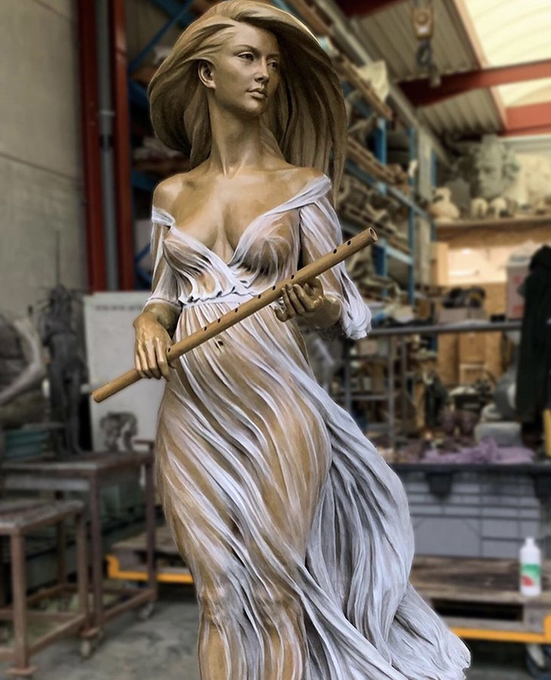
5. Luo Li Rong
Luo Li Rong sculpts the feminine form with a touch that feels like poetry in bronze.
Her figures capture movement and grace so perfectly, they seem to float.
Luo Li Rong sculpts the feminine form with a touch that feels like poetry in bronze.
Her figures capture movement and grace so perfectly, they seem to float.
6. Rubin Eynon
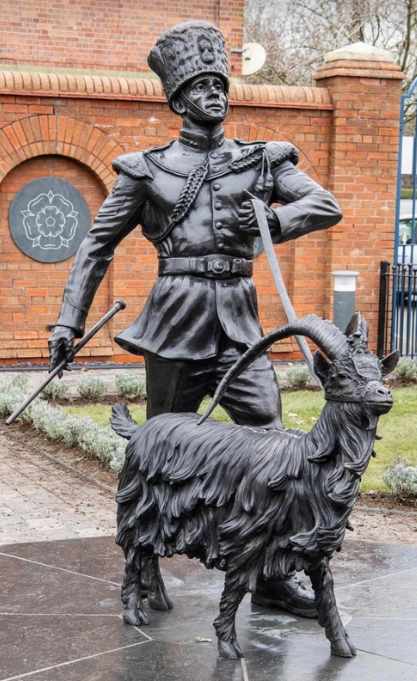
Eynon’s sculptures, like Gallos, are where history and myth collide.
His work feels like it’s always been there, blending effortlessly with the landscape.
Eynon’s sculptures, like Gallos, are where history and myth collide.
His work feels like it’s always been there, blending effortlessly with the landscape.
7. Philip Jackson
Jackson’s sculptures are all about atmosphere.
They have this haunting, mysterious quality that feels both classical and eerily contemporary at the same time.
Jackson’s sculptures are all about atmosphere.
They have this haunting, mysterious quality that feels both classical and eerily contemporary at the same time.
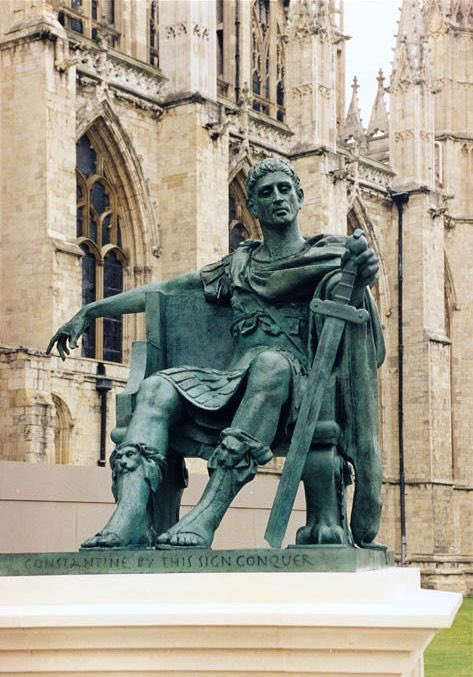
8. Atelier Missor and Artist colony in Nice, France
Based in Nice, he blends classical craftsmanship with a contemporary vision, creating sculptures that exude elegance, precision, and timeless beauty.
Based in Nice, he blends classical craftsmanship with a contemporary vision, creating sculptures that exude elegance, precision, and timeless beauty.
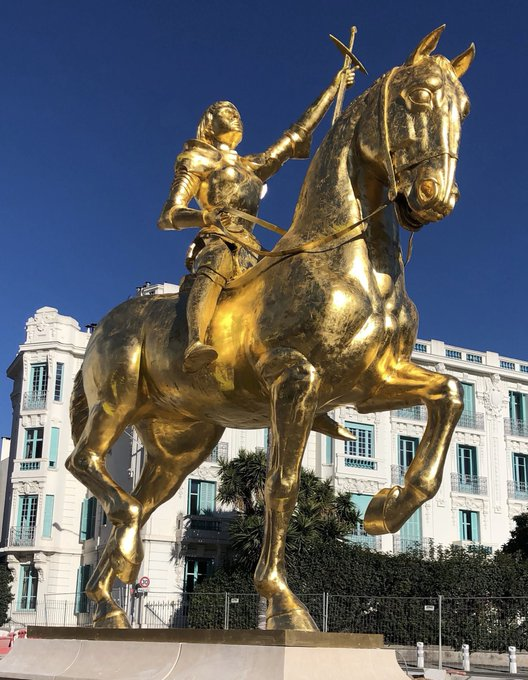
9. William Paquet
"A real artist's style develops naturally, a process of learning skills and the inner voice of aesthetics in form, line, color, etc. & inspiration from other artists."
"A real artist's style develops naturally, a process of learning skills and the inner voice of aesthetics in form, line, color, etc. & inspiration from other artists."

10. Kris Kuksi
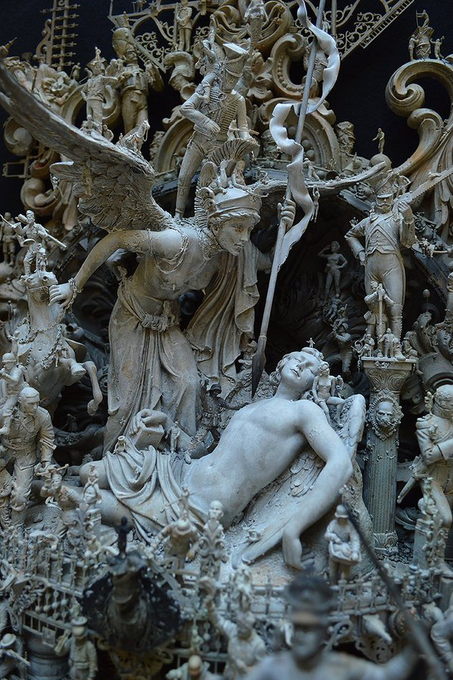
Kuksi doesn’t just sculpt—he creates entire worlds.
His pieces are a chaotic symphony of Gothic, Baroque, and surrealist elements, packed with so much intricate detail that you can get lost in them for hours.
Kuksi doesn’t just sculpt—he creates entire worlds.
His pieces are a chaotic symphony of Gothic, Baroque, and surrealist elements, packed with so much intricate detail that you can get lost in them for hours.
If you're enjoying this thread on modern sculptures, subscribe to my free newsletter? Get exclusive deep dives into hidden gems, history, and culture you won’t find anywhere else.
thecultureexplorer.beehiiv.com/subscribe
thecultureexplorer.beehiiv.com/subscribe
11. Richard MacDonald
MacDonald’s sculptures capture human movement with astonishing detail.
Pieces like The Flair freeze athletic grace in bronze, making time stand still.
MacDonald’s sculptures capture human movement with astonishing detail.
Pieces like The Flair freeze athletic grace in bronze, making time stand still.
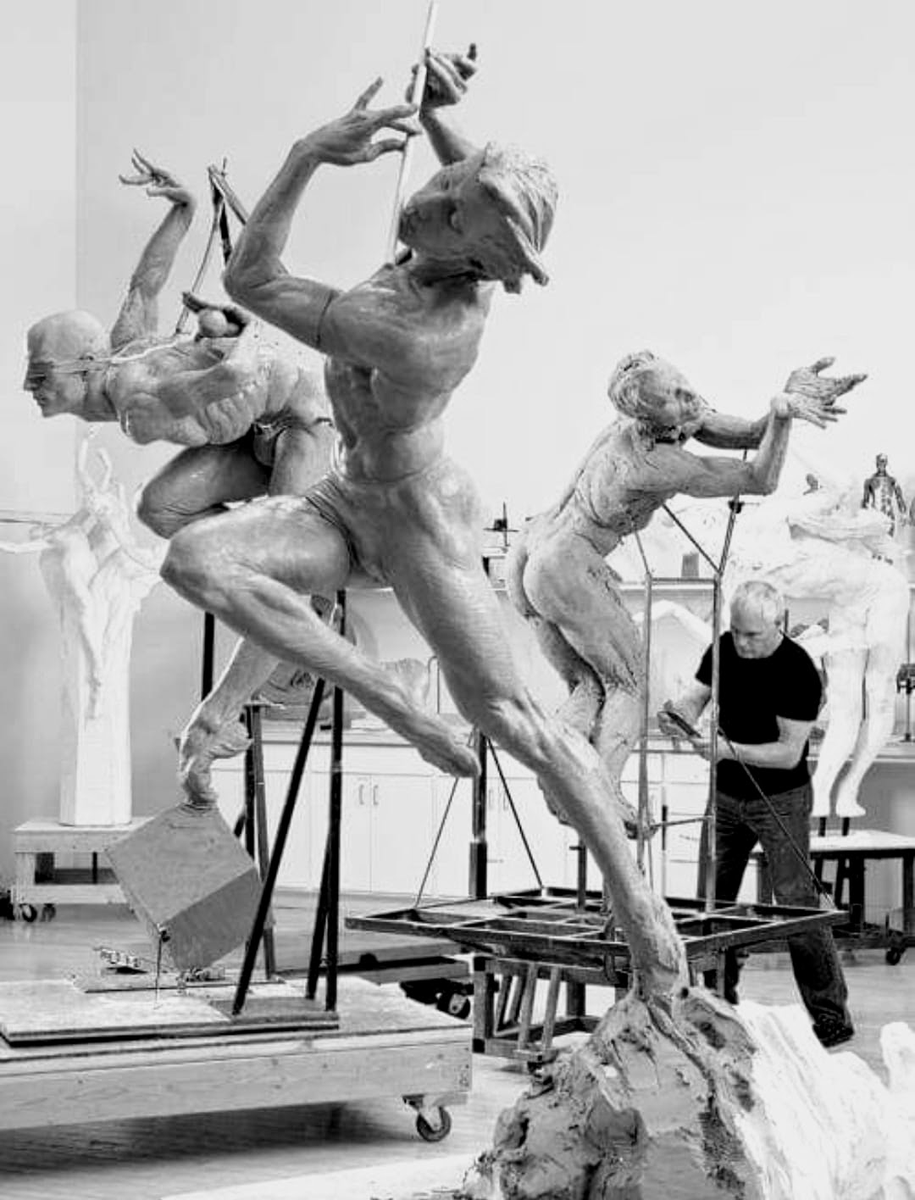
12. Zenos Frudakis
Ever seen Freedom? That’s Frudakis’ masterpiece. His work captures the human spirit in a way that feels deeply personal yet universally relatable.
Ever seen Freedom? That’s Frudakis’ masterpiece. His work captures the human spirit in a way that feels deeply personal yet universally relatable.
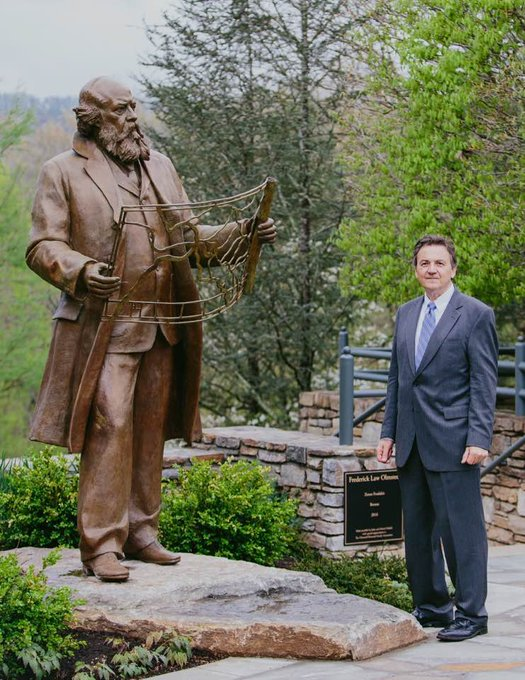
13. Christophe Charbonnel
Charbonnel’s sculptures are pure raw energy.
He combines classical techniques with a rugged, almost unfinished style that makes his figures feel powerful and alive.
Charbonnel’s sculptures are pure raw energy.
He combines classical techniques with a rugged, almost unfinished style that makes his figures feel powerful and alive.
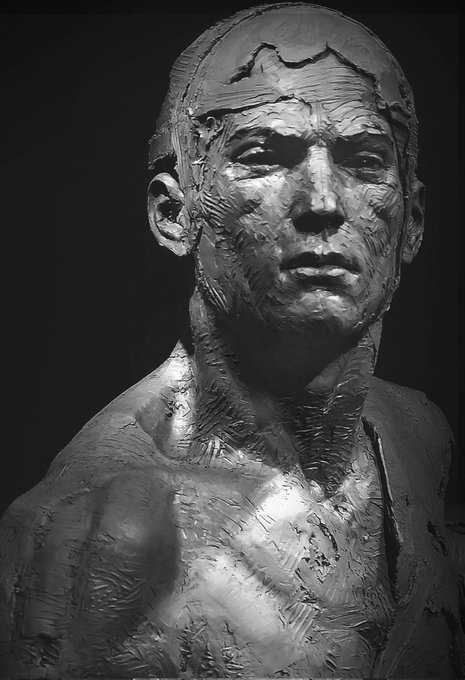
14. Albl Family
For centuries, the Albl family has been carving sacred art with precision and devotion.
Their woodwork feels like a bridge between the past and present.
For centuries, the Albl family has been carving sacred art with precision and devotion.
Their woodwork feels like a bridge between the past and present.
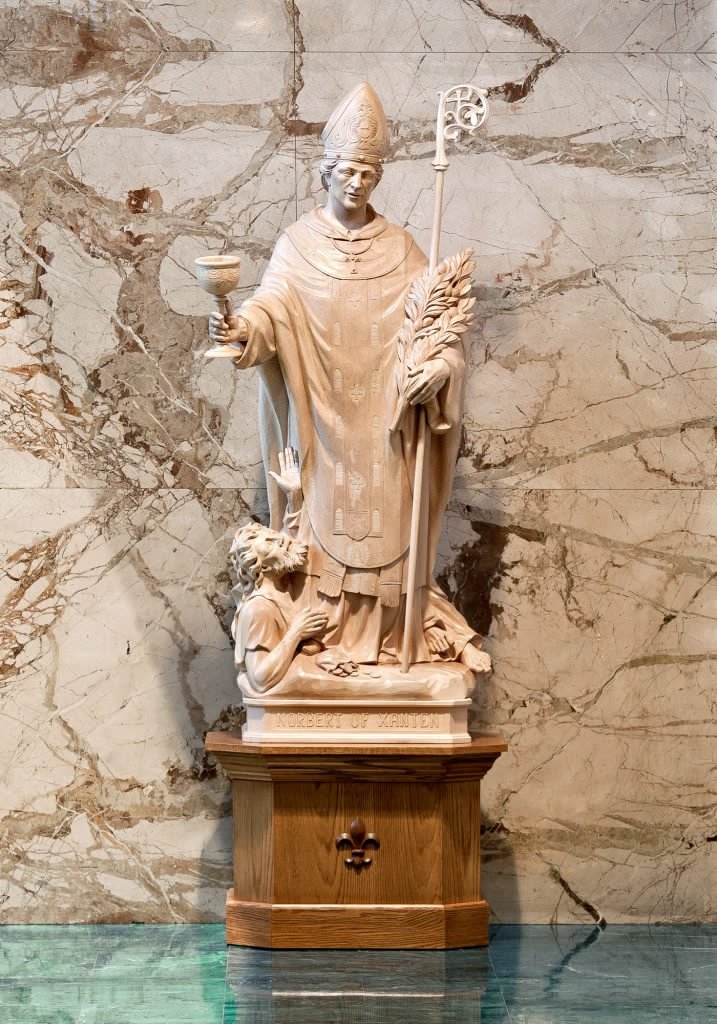
15. César Orrico
Orrico’s work blends classical beauty with modern materials, creating sculptures that feel both timeless and refreshingly new.
Orrico’s work blends classical beauty with modern materials, creating sculptures that feel both timeless and refreshingly new.

16. Vittorio Tessaro
Tessaro’s bronze sculptures focus on the human form with stunning detail, capturing emotion in every curve and contour.
Tessaro’s bronze sculptures focus on the human form with stunning detail, capturing emotion in every curve and contour.
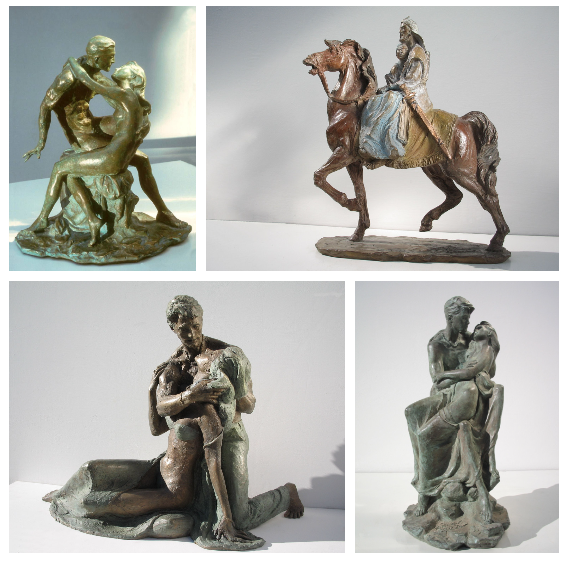
17. Patricia Cronin
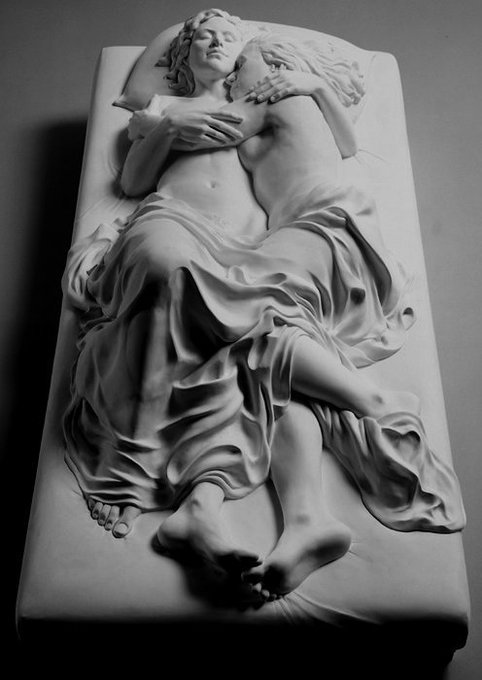
Patricia Cronin blends classical sculpture with contemporary themes, addressing identity, love, and social justice through powerful, thought-provoking works.
Patricia Cronin blends classical sculpture with contemporary themes, addressing identity, love, and social justice through powerful, thought-provoking works.
18. Nick Elphick
Elphick fuses old-school craftsmanship with modern themes, sculpting raw human emotions in a way that’s both powerful and relatable.
Elphick fuses old-school craftsmanship with modern themes, sculpting raw human emotions in a way that’s both powerful and relatable.
19. Dale Lamphere
Lamphere’s work is all about scale and connection.
His monumental sculptures blend seamlessly into their surroundings, telling stories rooted in place.
Lamphere’s work is all about scale and connection.
His monumental sculptures blend seamlessly into their surroundings, telling stories rooted in place.

20. Alexander Stoddart
Stoddart’s classical sculptures bring mythology to life.
His work feels like it was plucked straight from an ancient epic and placed in the modern world.
Stoddart’s classical sculptures bring mythology to life.
His work feels like it was plucked straight from an ancient epic and placed in the modern world.

Which of these sculptors stand out to you?
And who else deserves a spot on this list?
Sabin Howard’s WWI Memorial:
And who else deserves a spot on this list?
Sabin Howard’s WWI Memorial:
• • •
Missing some Tweet in this thread? You can try to
force a refresh