Friendship is universal. So are human-eating alien lizards in sunglasses. At least that's what we thought in 1983, thanks to one blockbuster TV mini-series.
This is the story of V...
This is the story of V...

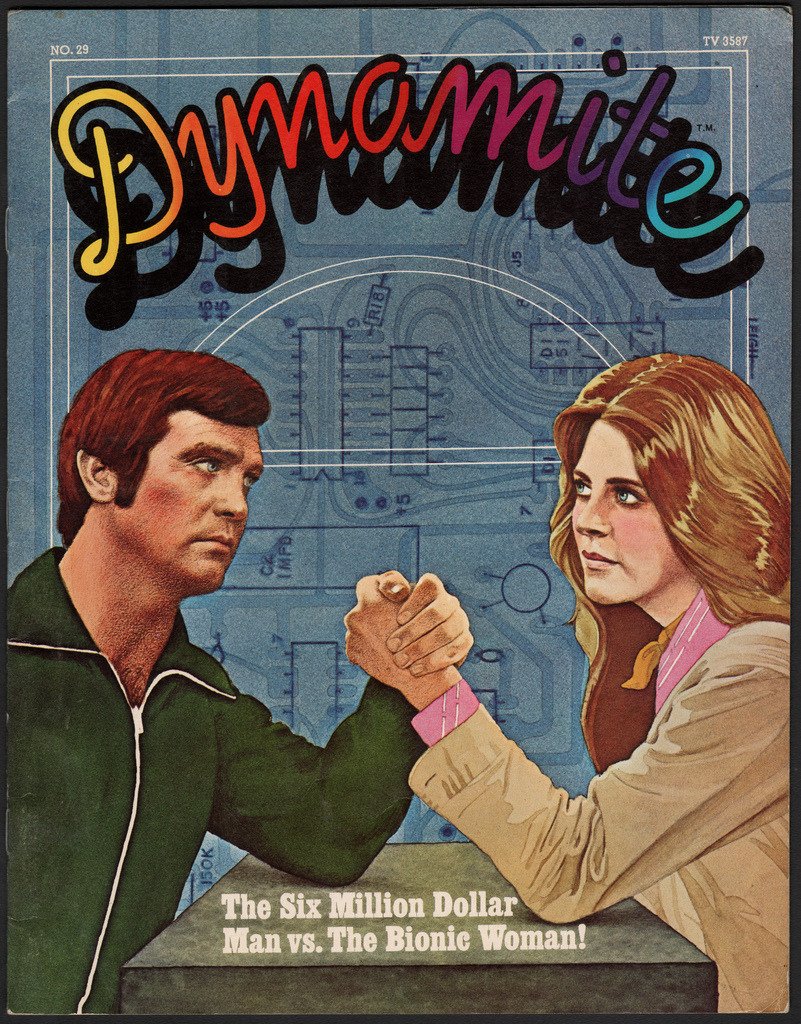
Writer Kenneth Johnson had a strong background in TV drama and sci-fi, having worked on The Incredible Hulk and The Six Million Dollar Man. In 1976 he created The Bionic Woman series.
But his next project would be more political...
But his next project would be more political...
Johnson was interested in Sinclair Lewis's 1935 novel It Can't Happen Here, a story about how fascism might take hold in America. He worked up a modern retelling of the story - called Storm Warning - and pitched the idea to NBC as a mini-series.
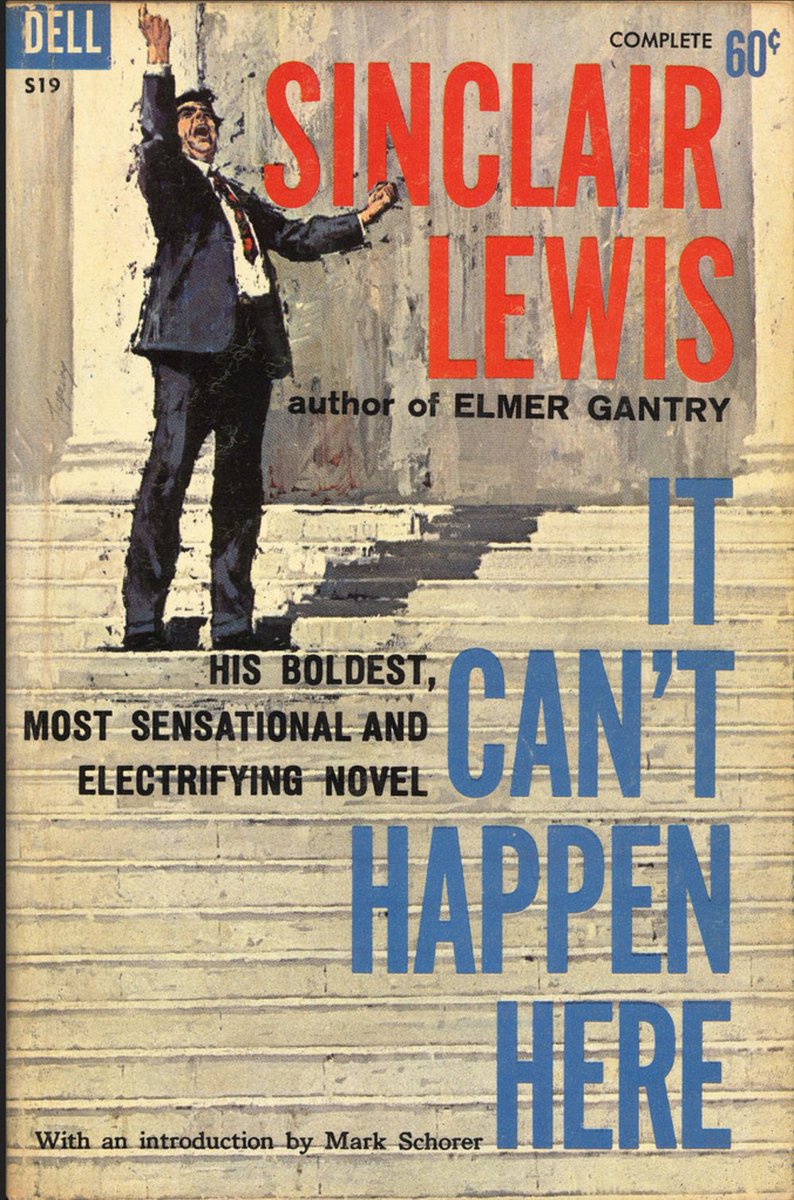
But NBC weren't sold on the idea. They thought it was too cerebral for prime time TV. Instead they suggested changing the villains from stormtroopers to space aliens, to broaden its appeal.
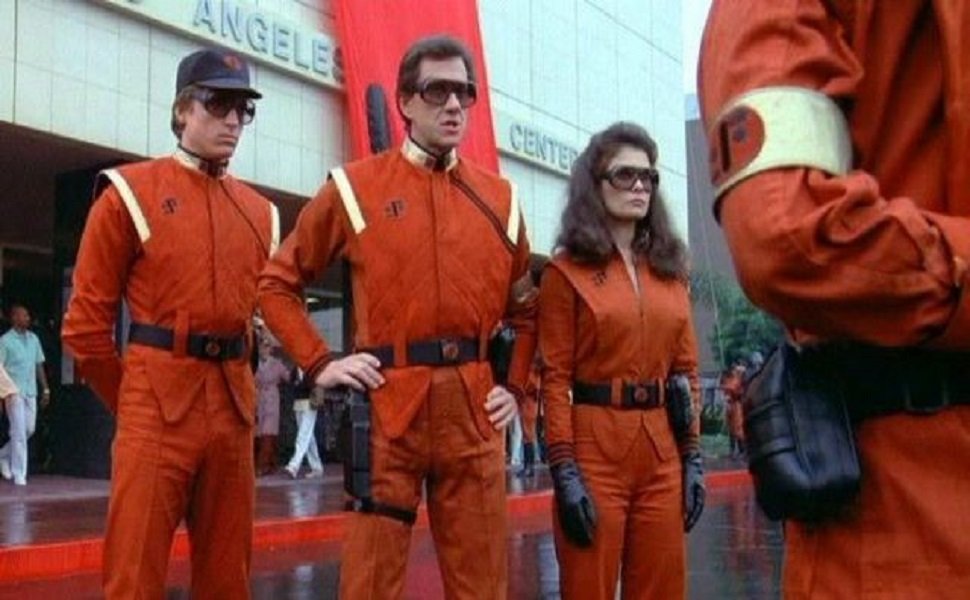
Johnson reworked his Storm Warning script into a science fiction story, but at its heart he kept the idea of Sinclair Lewis's novel. Dictatorship under the iron heel could happen here, but it would come in a UFO offering to be our friend.
He called the new story 'V'.
He called the new story 'V'.
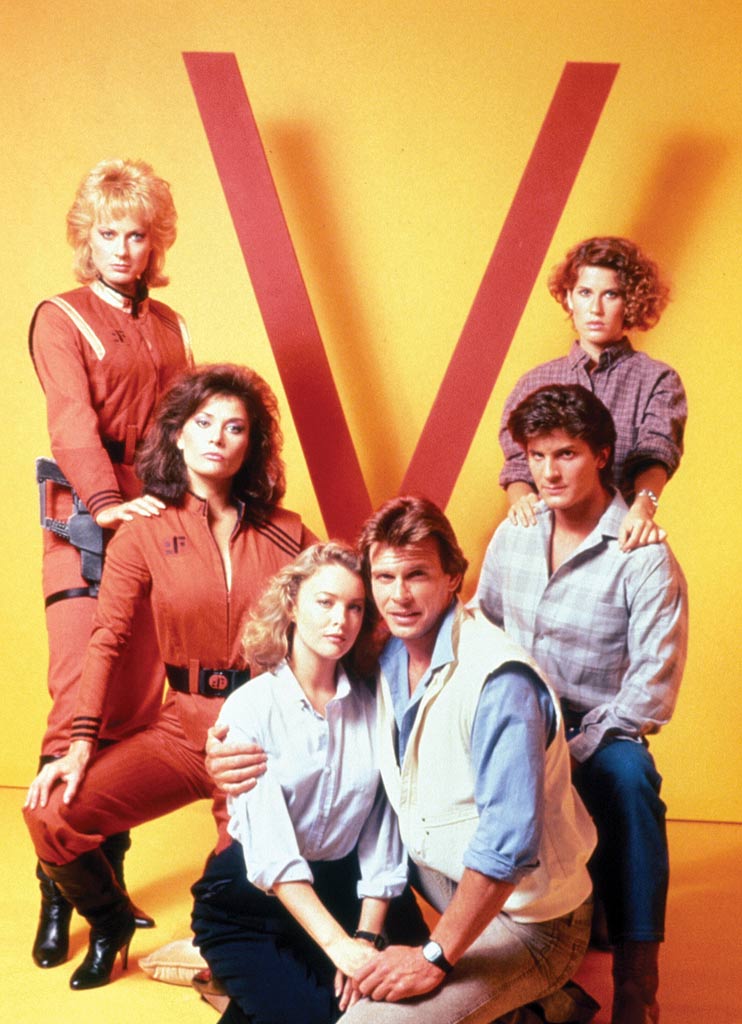
V is the story of what happens when human-like aliens arrive on Earth, offering friendship in return for help to save their strickened planet. Slowly they begin to take control of the media, then politics. Scientists are rounded up. Martial law is introduced.
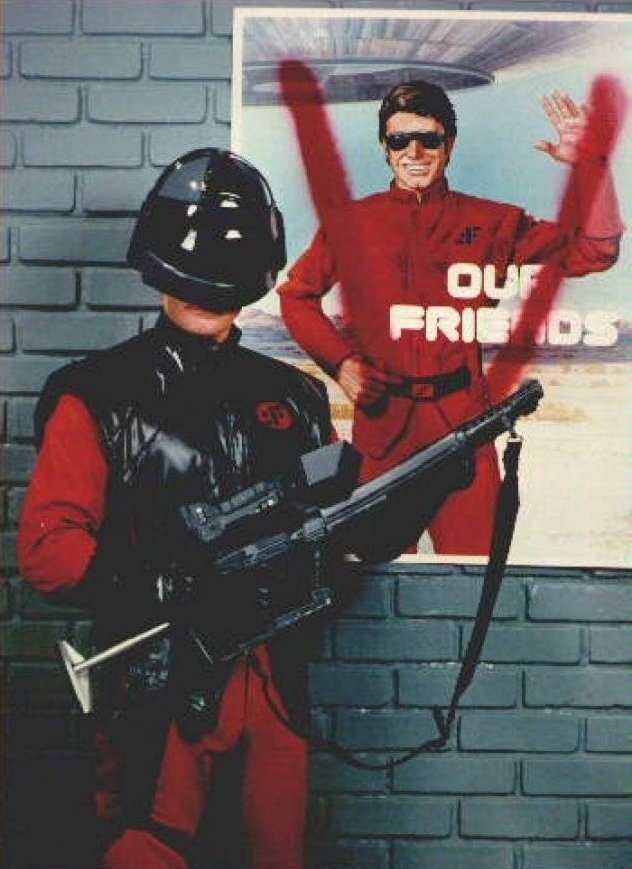
Actually the visitors are lizard-like aliens disguised as humans. Their aim is to enslave Earth, steal its water and harvest the humans for food. A resistance movement is formed, but by the story's end Earth is in the grip of the invaders.
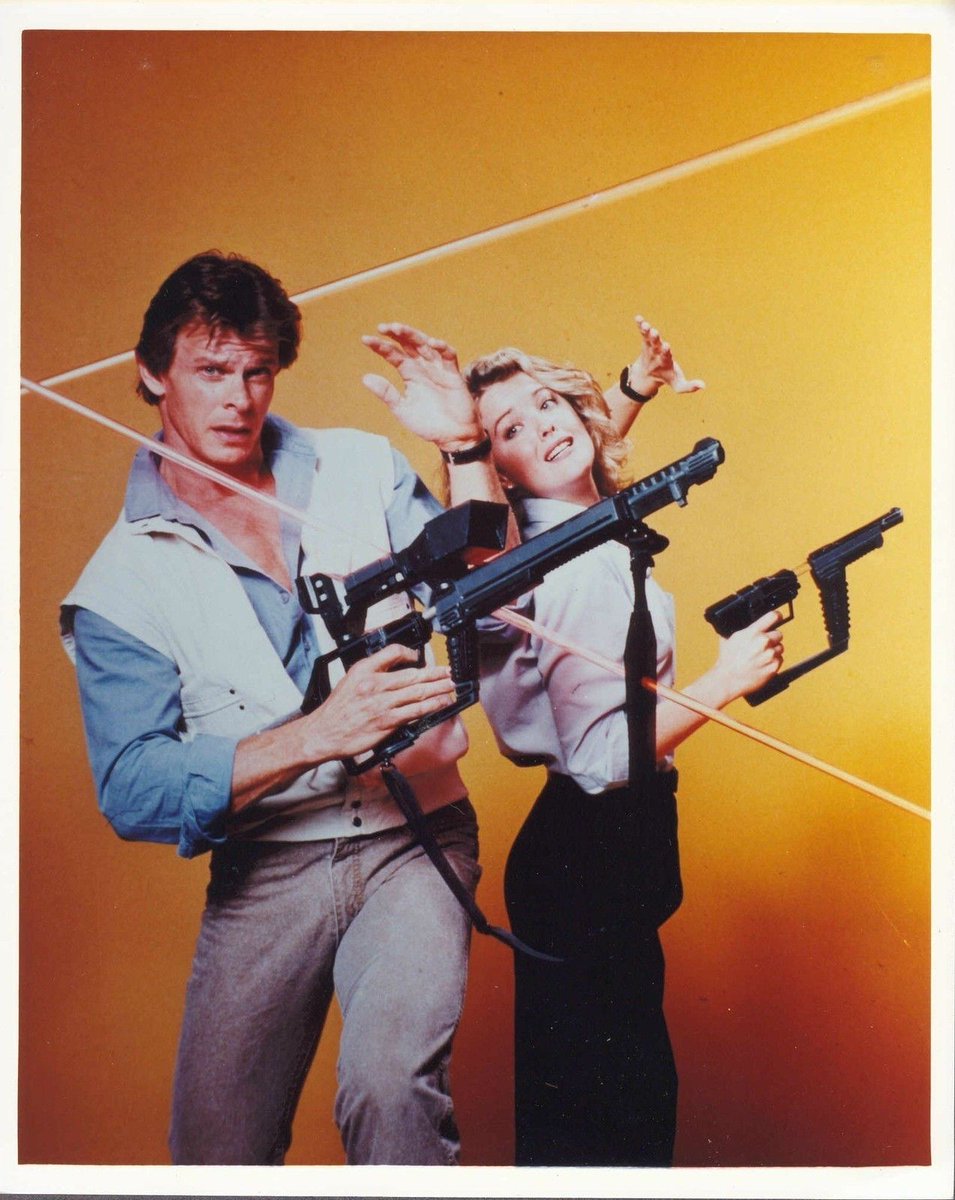
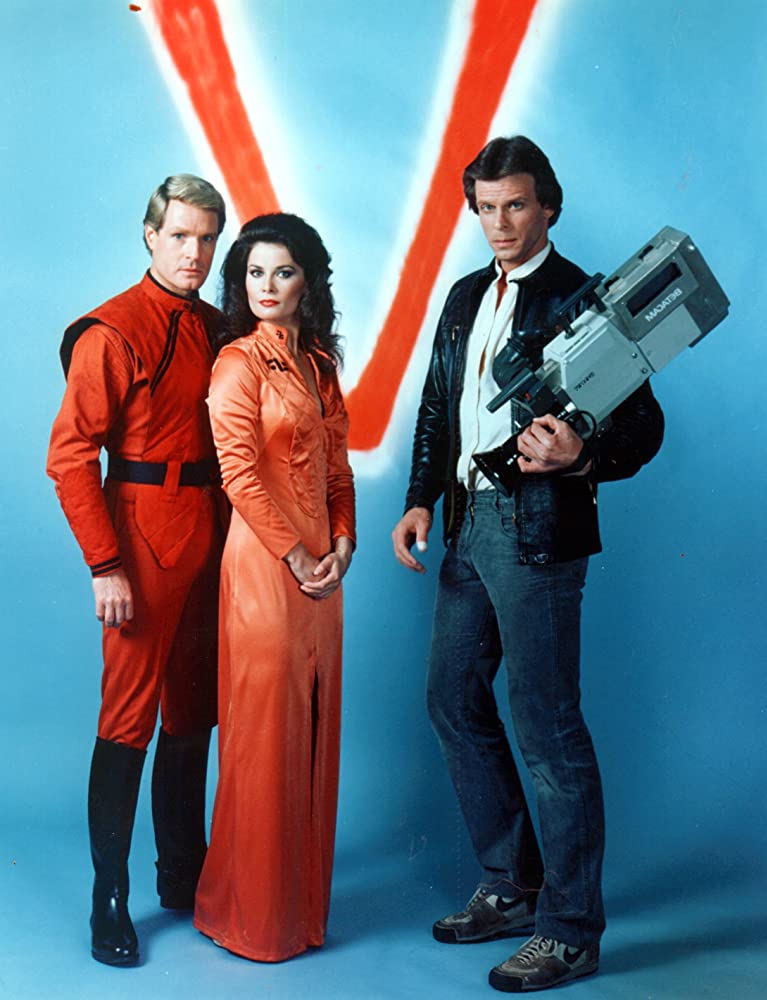
Filming for V - now scheduled as a two part mini-series - began in 1982. Marc Singer was cast as TV newsman and lead rebel Mike Donovan, with Jane Nadler as evil alien Diana. Robert Englund would play the more sympathetic alien Willie.
NBC launched a teaser PR campaign before V aired, with posters at bus stops and subway stations. The show premiered on 1 May 1983, attracting 80 million viewers, as well as critical plaudits.
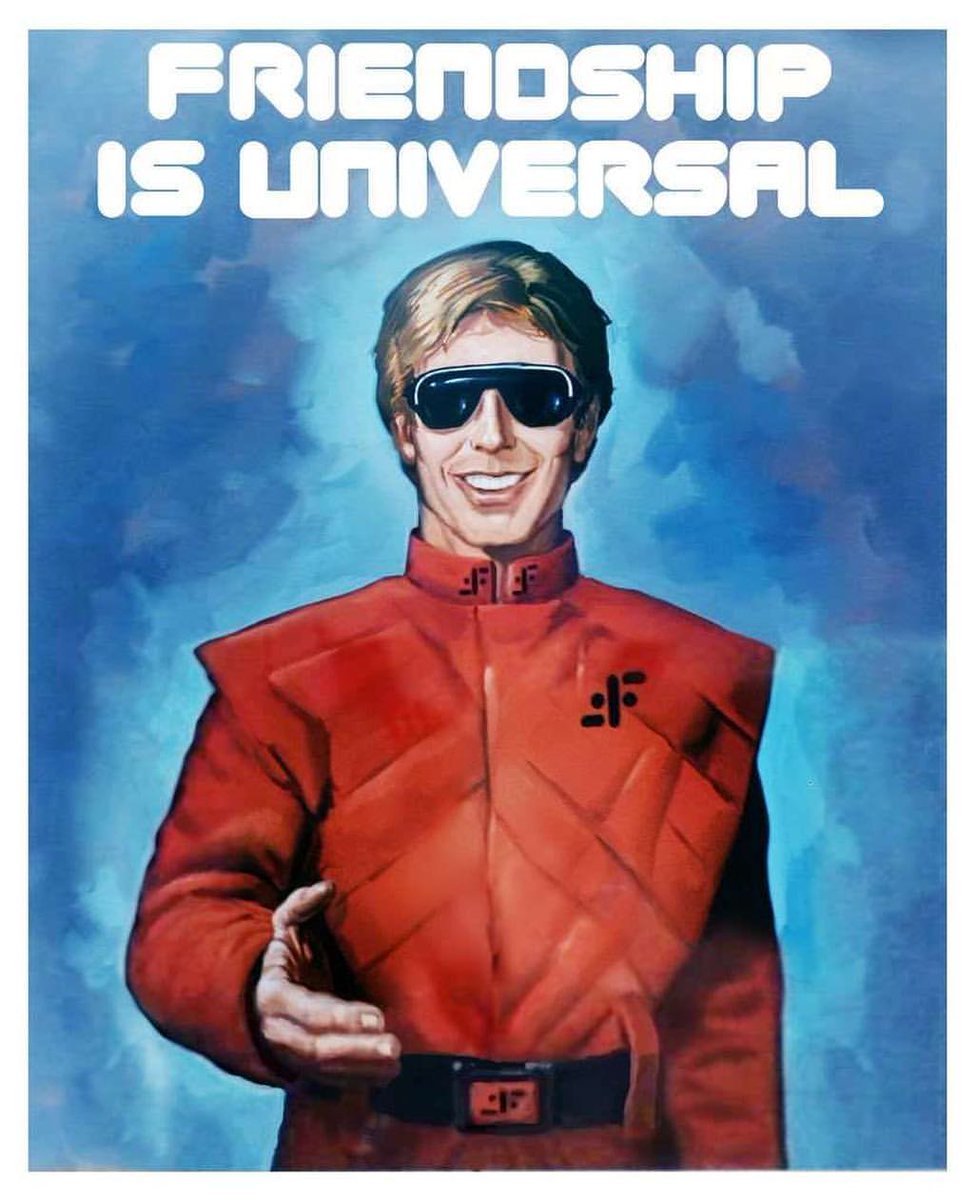
A follow-up mini-series "V: The Final Battle" was commissioned for 1984, although Kenneth Johnson would leave the project early due to creative differences. The show would be set several months after the original V and be broadcast in three parts.

V: The Final Battle junked the political themes of the original mini-series in favour of more straightforward science fantasy. The Resistance would battle the Visitors at various locations, unmasking them as alien lizards on live TV.
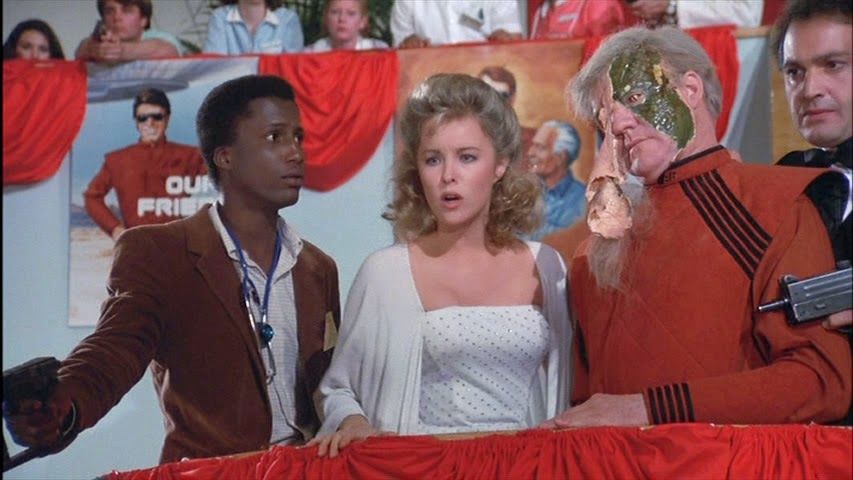
It all ends with a terrific battle, a doomsday device, a Visitor-killing 'Red Dust' and a Visitor-Human hybrid child with superhuman powers who saves the day. That may sound convoluted, but it was another ratings hit for the growing V franchise.
Determined to continue their winning streak NBC launched V: The Series in 1984. But trying to stretch the story into a weekly format just didn't work. It may have cost $1 million dollars an episode but it still bombed.

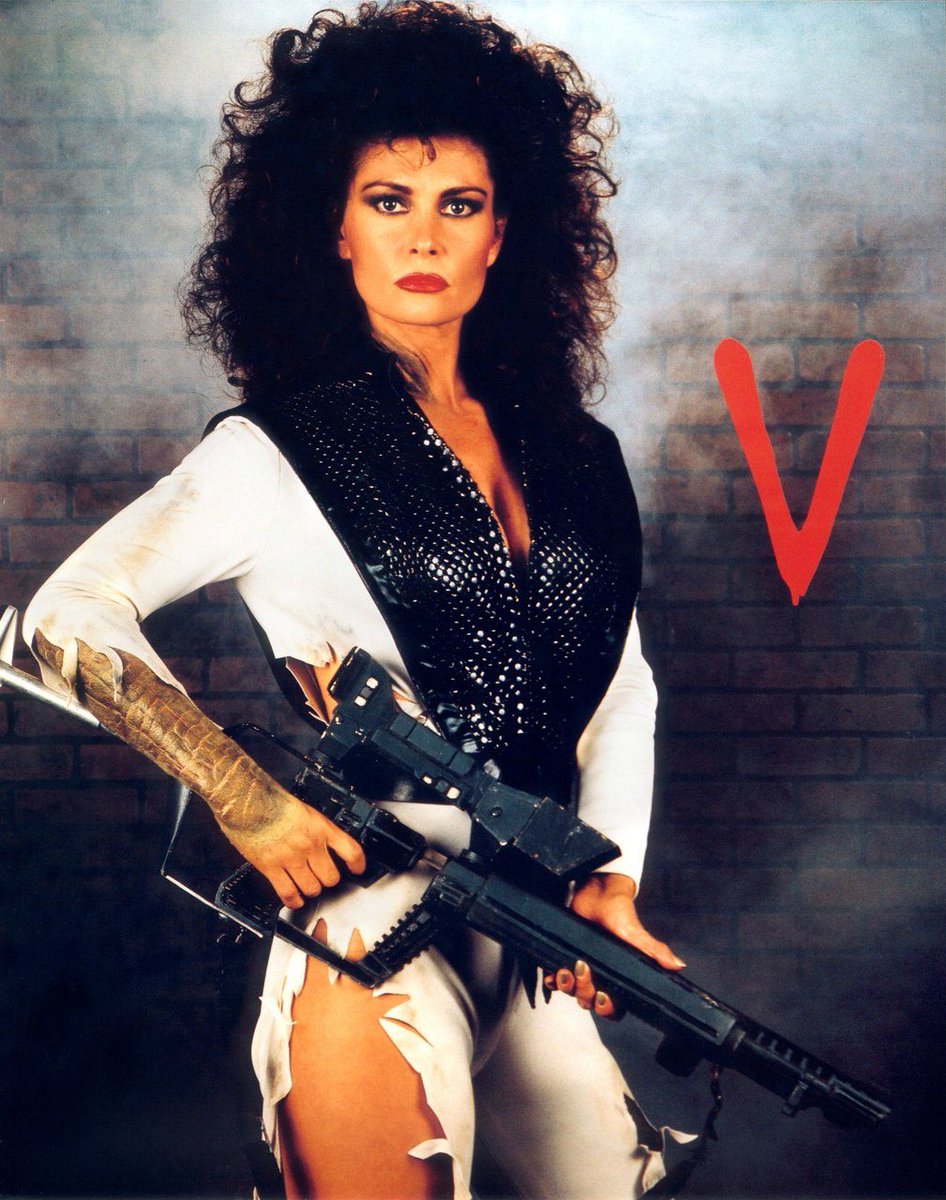
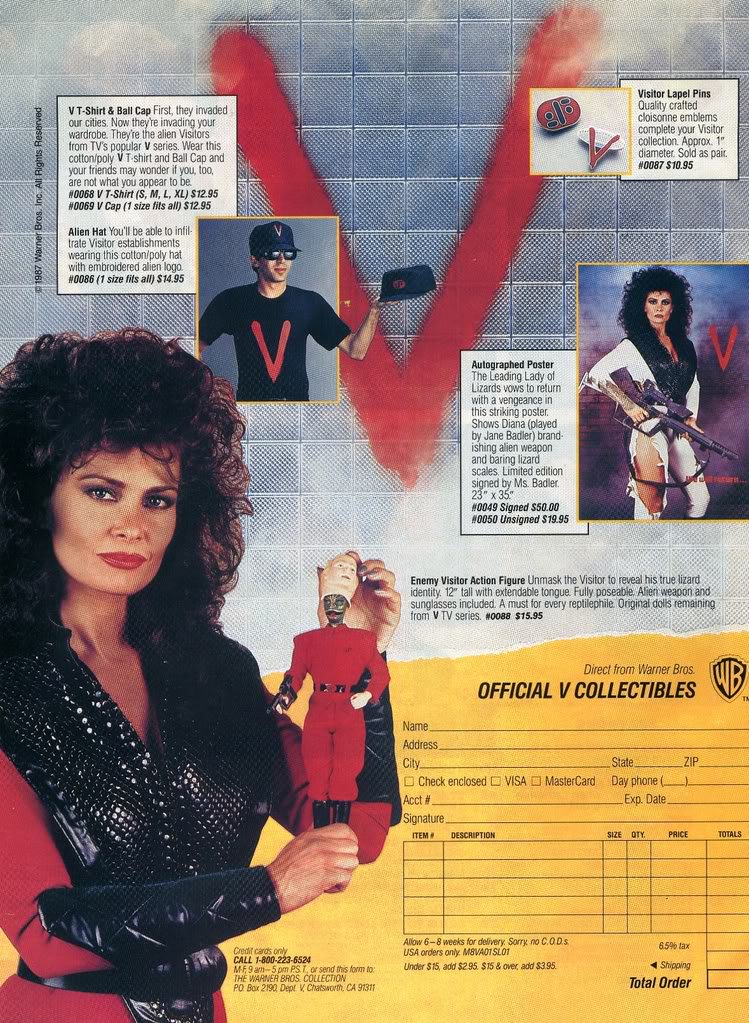
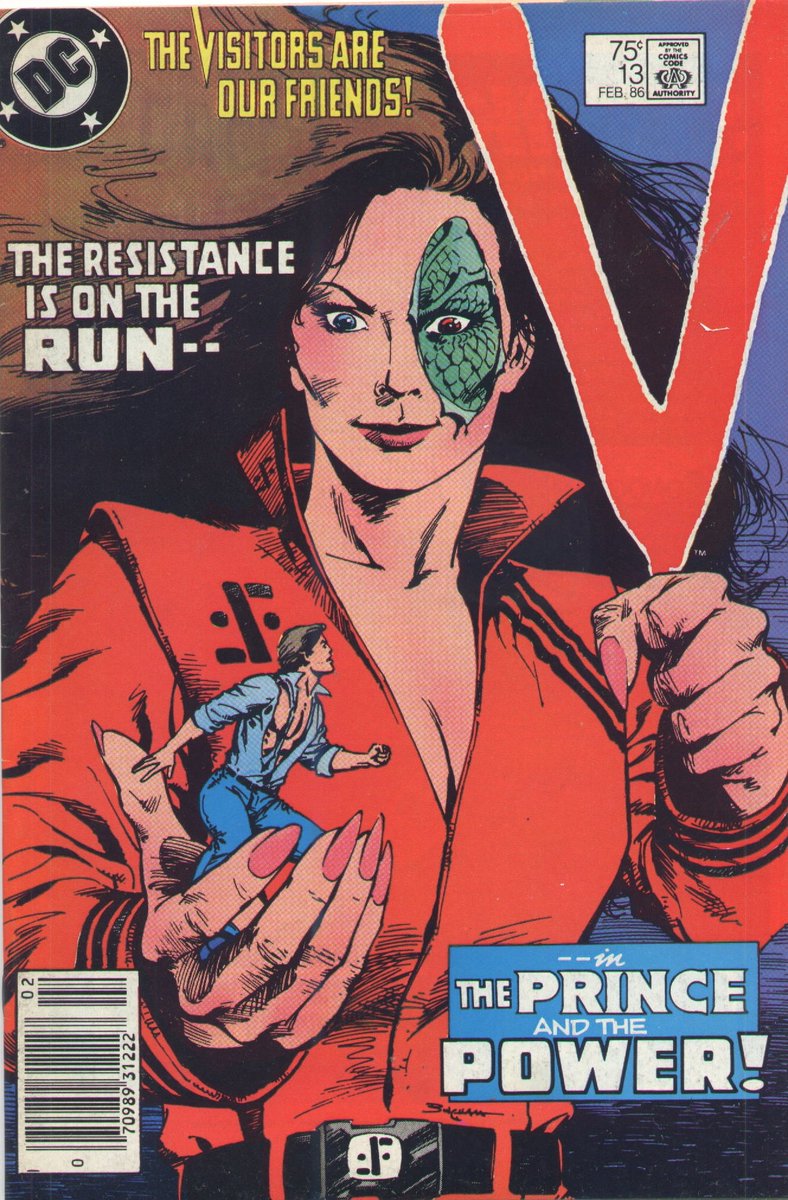
'Dynasty with reptiles' was one of the kinder reviews of V: The Series. And despite a heavy marketing push - toys, comics and trading cards - the series was abruptly cancelled after 20 episodes.
ABC's 2009 reboot of V reimagined the original story for a post-9/11 world. However poor ratings and some unimaginative plots led to its cancellation after two seasons.

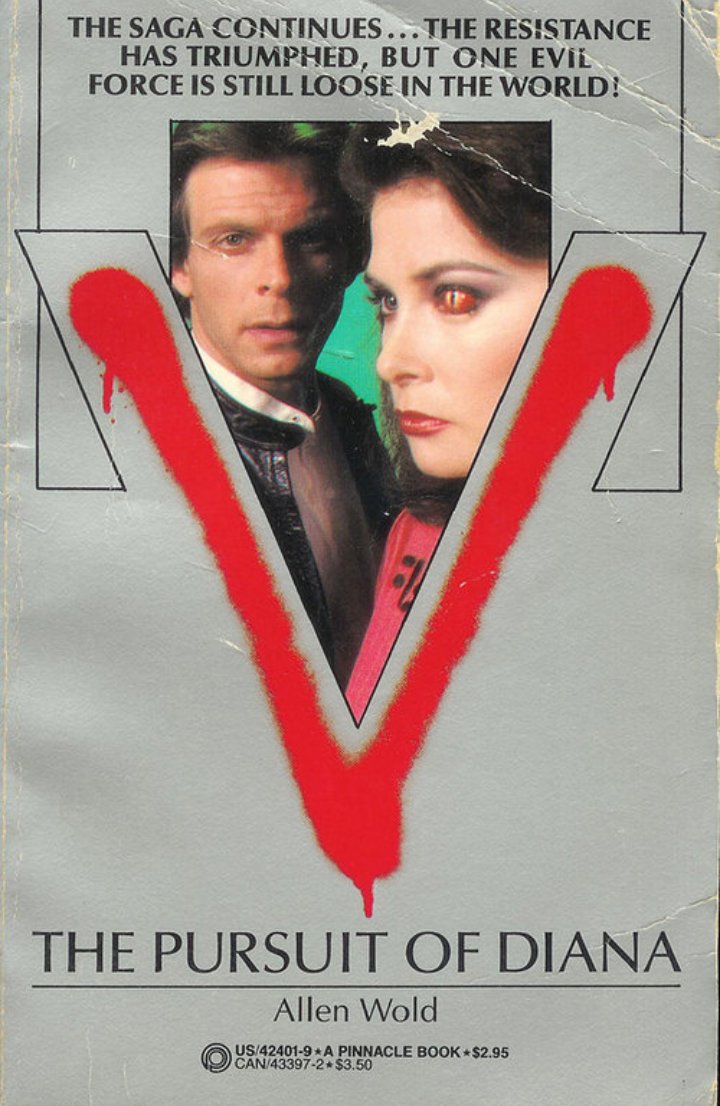
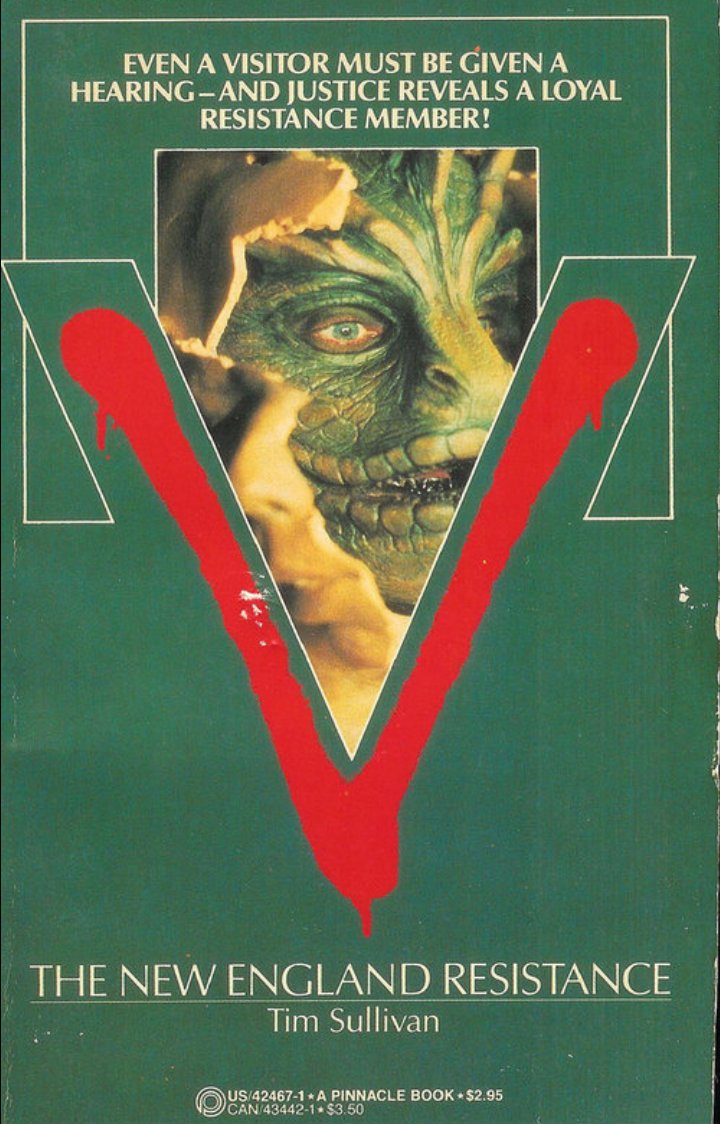
V did however continue in book form. 18 novels were published by various authors which expanded the V universe more intelligently than V: The Series did, with new characters and clever plot lines.
Does V stand the test of time? The 1983 mini-series is a wonderful time capsule of late Cold War hopes and fears, and a timely reminder of the perils of propaganda. All in all it was clever, stylish and impressive TV.
As for the later TV series? Well it was fun, and sometimes fun is enough. Plus it had really cool sunglasses!
More sci-fi stories another time...
More sci-fi stories another time...
• • •
Missing some Tweet in this thread? You can try to
force a refresh