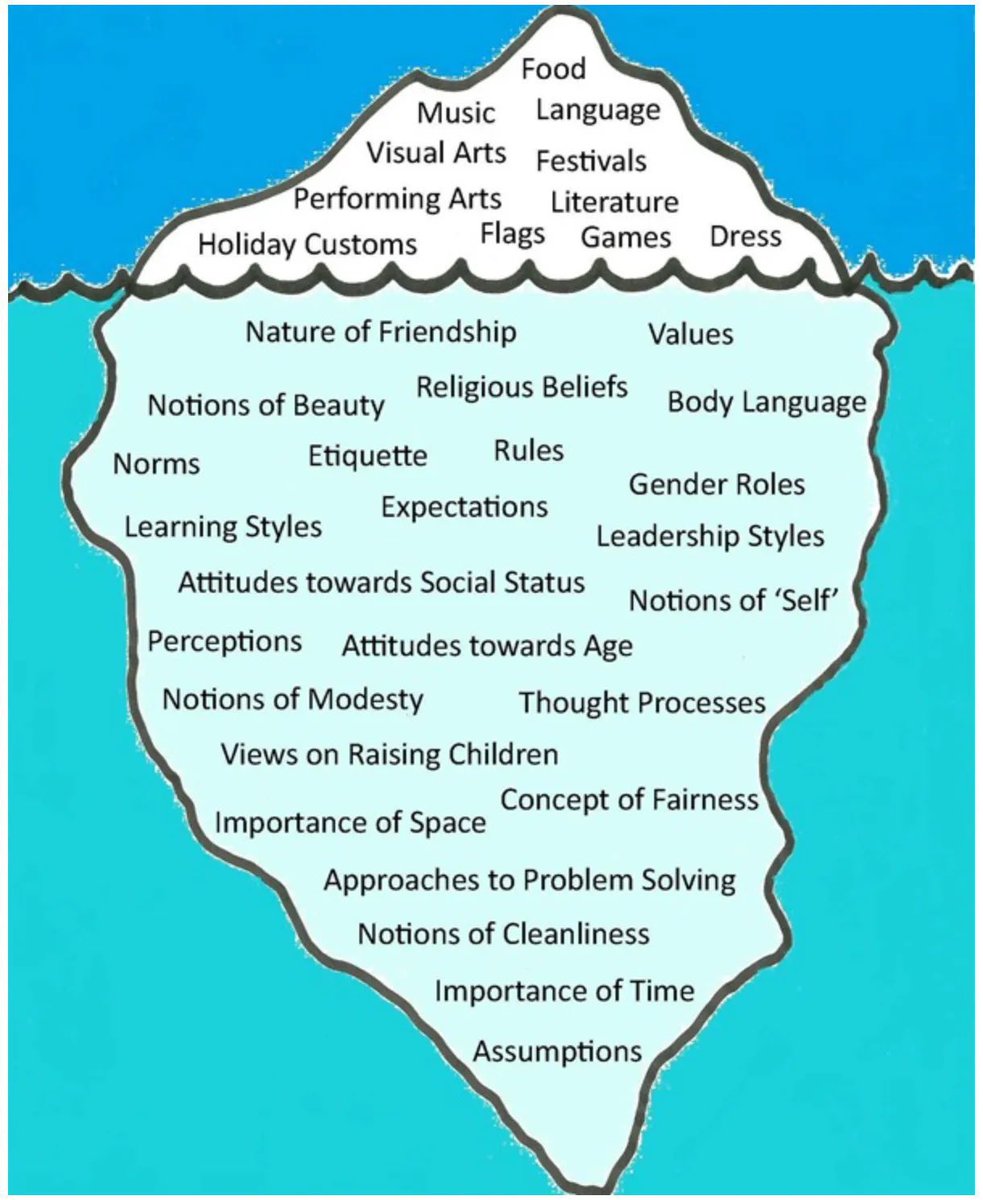
🧵After two world wars, liberal elites believed that “inherited culture” led to closed societies and conflicts between nations.
Their solution?
Creating open societies under “liberal democracy” by doing away with the old virtues that came with God, King, and Country. 1/8
Their solution?
Creating open societies under “liberal democracy” by doing away with the old virtues that came with God, King, and Country. 1/8
Philosopher Karl Popper and monumental two-volume work, "The Open Society and Its Enemies," contended that humanity's proclivity for dwelling within tribal or "closed" societies contributed to both World Wars. 2/8

Popper believed that "the principle of the national state, that is to say, the political demand that the territory of every state should coincide with the territory inhabited by one nation," is a myth.
Nationalism was the enemy of his "open society." 3/8
Nationalism was the enemy of his "open society." 3/8

Friedrich Hayek sought to combat the return of nationalism not through the critique of Western philosophy but through "free market" economics.
This free market philosophy was rooted in the belief that the unrestricted movement of people and goods was required for economic prosperity. 4/8
This free market philosophy was rooted in the belief that the unrestricted movement of people and goods was required for economic prosperity. 4/8
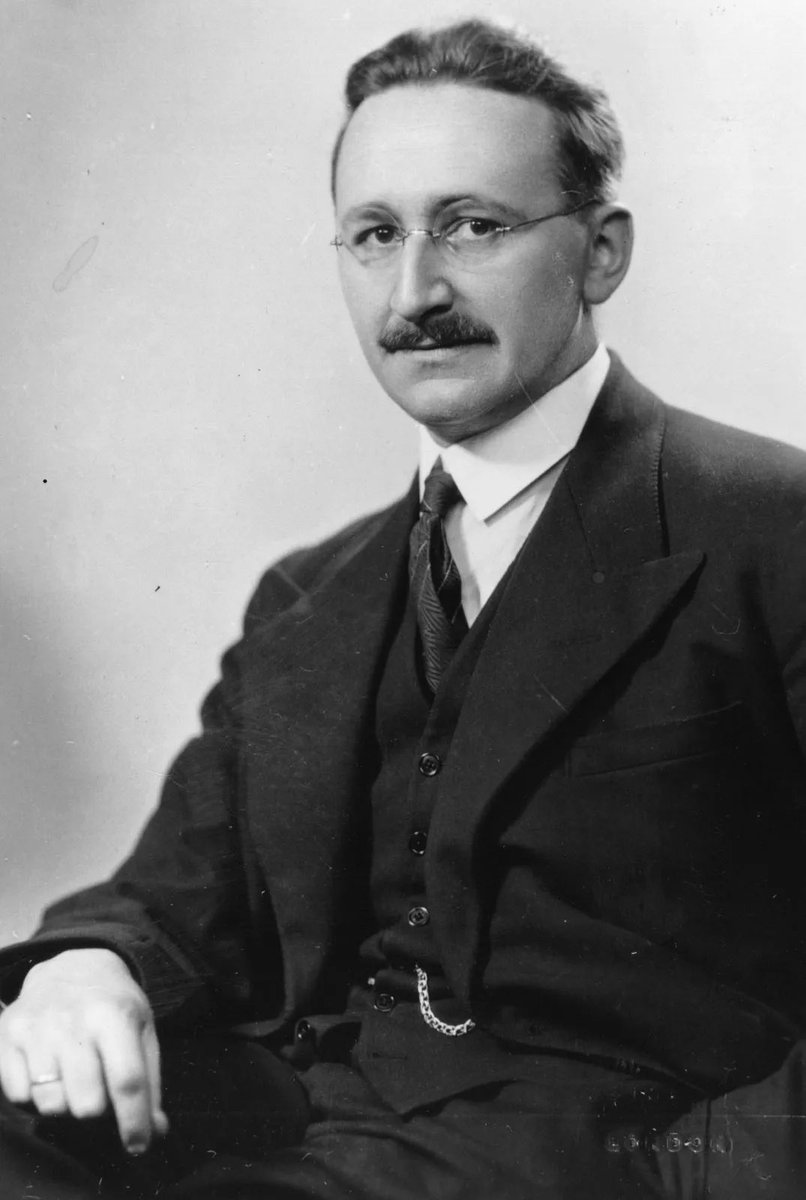
Although Hayek expressed concerns about unrestricted immigration, believing it would lead to a rise in nationalism, he stated that the "ultimate ideal is to a state of affairs in which national boundaries have ceased to be obstacles to the free movement of men." 5/8
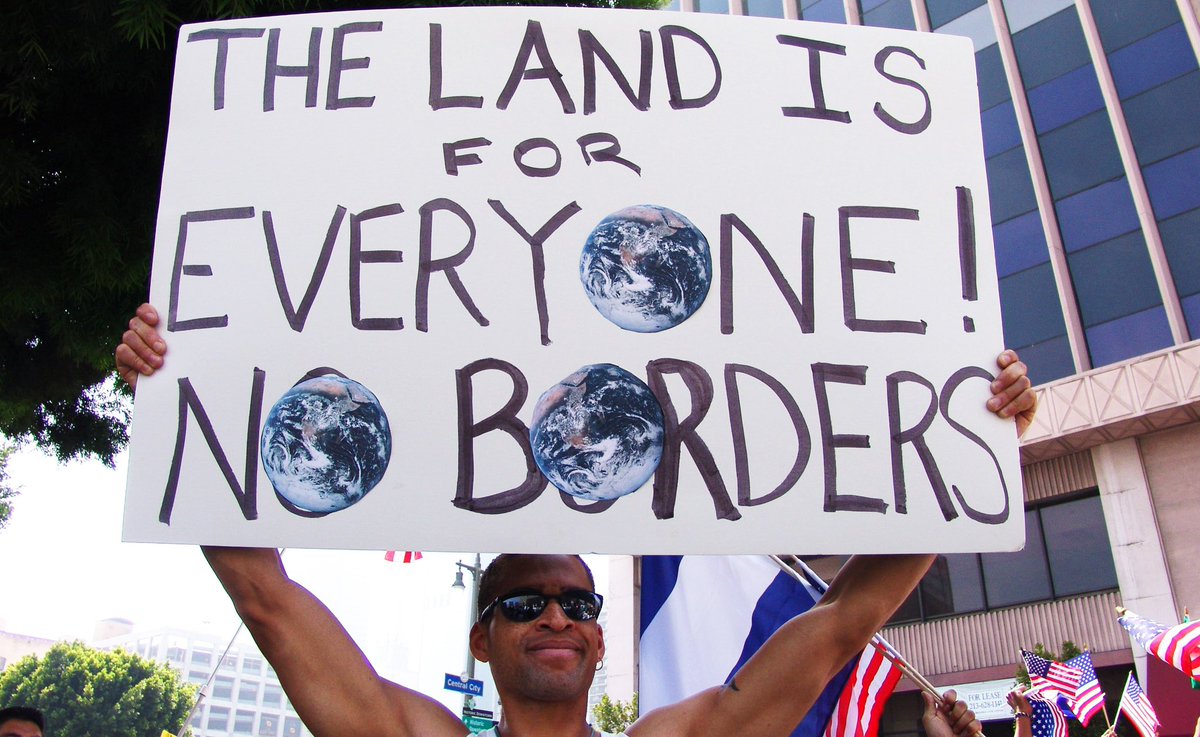
Numerous academic elites, as well as “philanthropists” like George Soros, aligned with the ideology of an “open society,” believing that the West's destiny hinged on embracing "openness" in both cultural and economic realms.
This laid the groundwork for the West's destruction. 6/8
This laid the groundwork for the West's destruction. 6/8

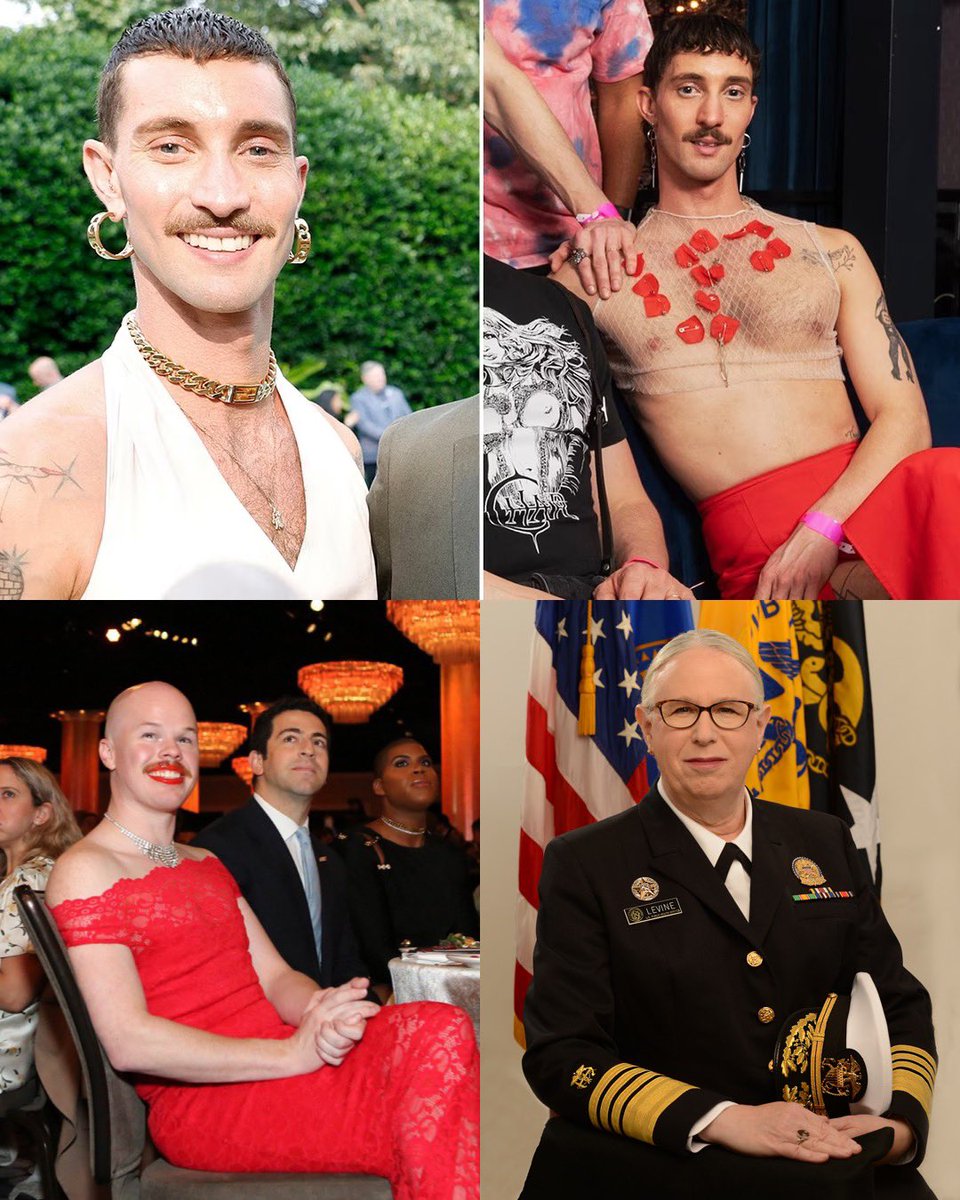
The rejection of nationalism and established Western norms and values through mass immigration has not produced the harmonious society envisaged by its liberal proponents.
In fact, it has had the opposite effect, as we see in the unrest burning throughout the West today. 7/8
In fact, it has had the opposite effect, as we see in the unrest burning throughout the West today. 7/8

If you learned something from this thread, consider sharing, following, and subscribing to my newsletter! 8/8
conquesttheory.com
conquesttheory.com
• • •
Missing some Tweet in this thread? You can try to
force a refresh