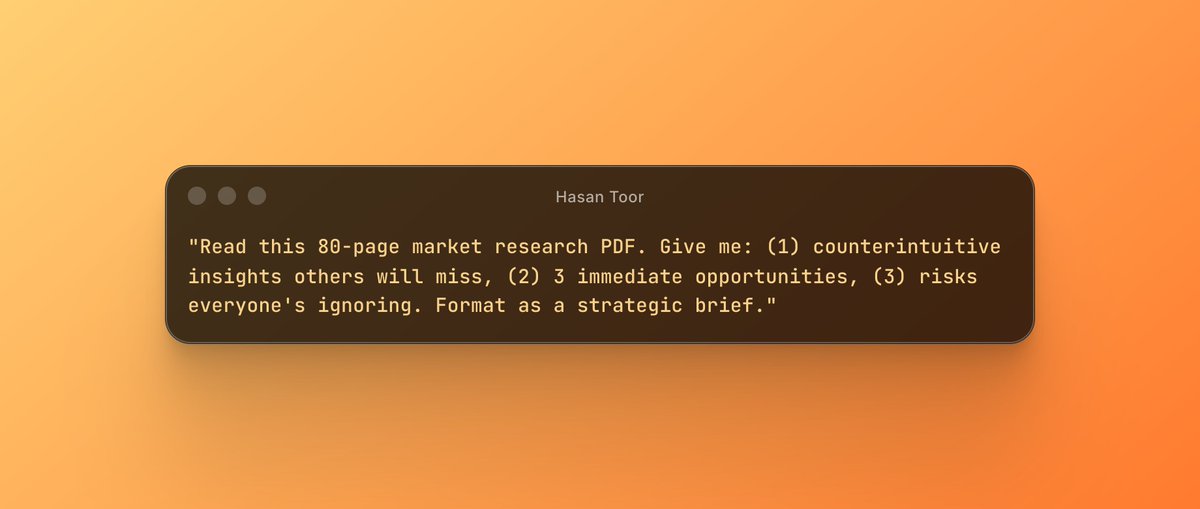
I ran a brutal comparison between DeepSeek-V3 and Qwen 2.5.
One AI dominated. One failed miserably.
Here’s what happened (with video): 👇
One AI dominated. One failed miserably.
Here’s what happened (with video): 👇

1/ Reasoning
• DeepSeek-V3: More detailed but overly verbose.
• Qwen2.5: Clear, structured, and to the point.
Winner: Qwen 2.5 (1-0)
• DeepSeek-V3: More detailed but overly verbose.
• Qwen2.5: Clear, structured, and to the point.
Winner: Qwen 2.5 (1-0)
2/ Image Analysis
• DeepSeek-V3: Couldn’t analyze the image.
• Qwen2.5 (VL-72B): Identified the winner and found the next match.
Winner: Qwen2.5 (2-0)
• DeepSeek-V3: Couldn’t analyze the image.
• Qwen2.5 (VL-72B): Identified the winner and found the next match.
Winner: Qwen2.5 (2-0)
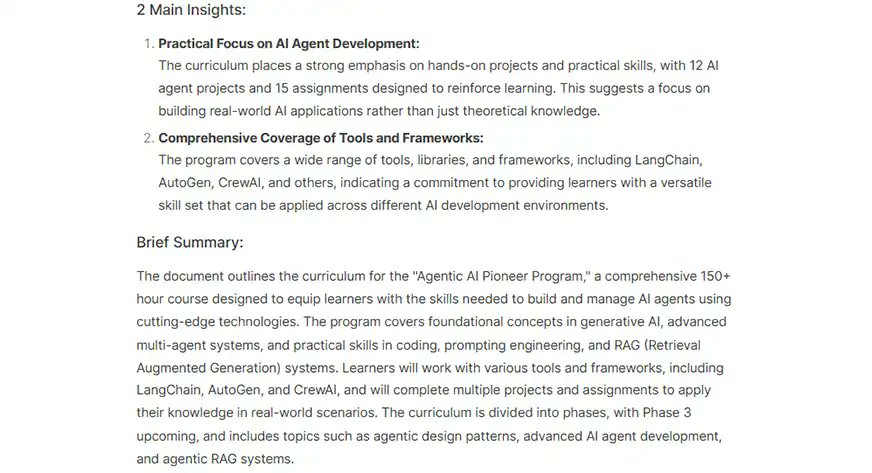
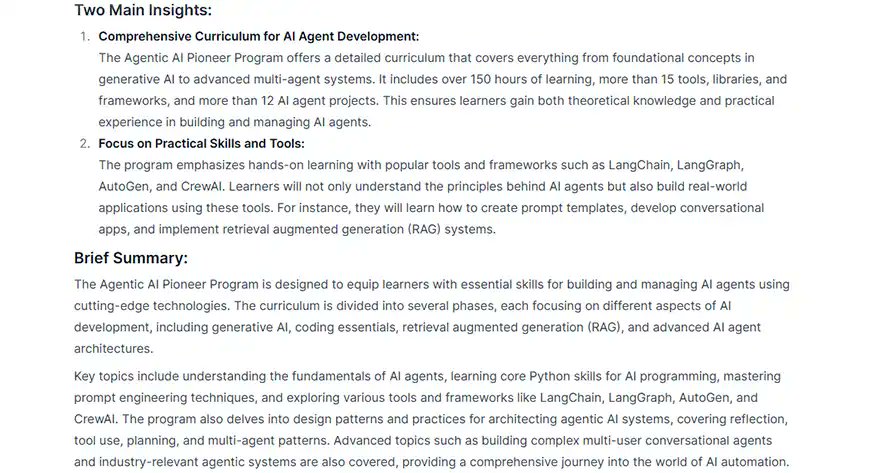
3/ Document Analysis
• DeepSeek-V3: Concise but missed some important details.
• Qwen2.5: More in-depth and captured all key points.
Winner: Qwen2.5 (3-0)
• DeepSeek-V3: Concise but missed some important details.
• Qwen2.5: More in-depth and captured all key points.
Winner: Qwen2.5 (3-0)
4/ Content Creation
• DeepSeek-V3: Data-driven and structured for investors.
• Qwen2.5: Narrative-driven and engaging, but less structured.
Winner: DeepSeek-V3 (3-1)
• DeepSeek-V3: Data-driven and structured for investors.
• Qwen2.5: Narrative-driven and engaging, but less structured.
Winner: DeepSeek-V3 (3-1)
5/ Coding
• DeepSeek-V3: Well-structured code with advanced features.
• Qwen2.5: Simpler code and was easy to navigate and work with
Winner: DeepSeek-V3 and Qwen (3-2)
• DeepSeek-V3: Well-structured code with advanced features.
• Qwen2.5: Simpler code and was easy to navigate and work with
Winner: DeepSeek-V3 and Qwen (3-2)
Qwen 2.5 code:
The results:
• DeepSeek-V3 = 2
• Qwen2.5 = 4
DeepSeek = Best for reasoning, structured responses, and coding.
Qwen2.5 = Best for in-depth analysis, modularity, and flexibility.
Both are powerful AI contenders to watch out for.
Would you use Chinese LLMs over GPT-4o or Claude?
Originally posted by @godofprompt
• DeepSeek-V3 = 2
• Qwen2.5 = 4
DeepSeek = Best for reasoning, structured responses, and coding.
Qwen2.5 = Best for in-depth analysis, modularity, and flexibility.
Both are powerful AI contenders to watch out for.
Would you use Chinese LLMs over GPT-4o or Claude?
Originally posted by @godofprompt
AI is not going to take your job.
Instead, it's going to make you rich and help you build businesses online.
You need to know the best tools, and that's all.
We can help you find the best business AI tools.
Check our tools directory today:
aimarketing.directory
Instead, it's going to make you rich and help you build businesses online.
You need to know the best tools, and that's all.
We can help you find the best business AI tools.
Check our tools directory today:
aimarketing.directory
Looking for more posts like this?
Follow me @thisguyknowsai and you'll get 1x post every single day.
And don't forget to repost the thread to reach more.
Thanks for checking!
Follow me @thisguyknowsai and you'll get 1x post every single day.
And don't forget to repost the thread to reach more.
Thanks for checking!
https://twitter.com/1390345932001189890/status/1886676719207375239
• • •
Missing some Tweet in this thread? You can try to
force a refresh