C.D.C. Deletes Evidence of Bird Flu Spreading Between Humans and Cats After Brief Release
1/11: 🧵For a fleeting moment, a buried chapter in the evolving bird flu crisis surfaced—only to be erased just as swiftly. A report from the Centers for Disease Control and Prevention (C.D.C.), briefly posted and then mysteriously deleted, suggested that bird flu (H5N1) may have spread between humans and household cats.
The article, originally published in The New York Times by Apoorva Mandavilli and Emily Anthes on February 6, 2025, exposes a troubling pattern of potential cross-species transmission—raising urgent questions about the government's commitment to public health transparency.
1/11: 🧵For a fleeting moment, a buried chapter in the evolving bird flu crisis surfaced—only to be erased just as swiftly. A report from the Centers for Disease Control and Prevention (C.D.C.), briefly posted and then mysteriously deleted, suggested that bird flu (H5N1) may have spread between humans and household cats.
The article, originally published in The New York Times by Apoorva Mandavilli and Emily Anthes on February 6, 2025, exposes a troubling pattern of potential cross-species transmission—raising urgent questions about the government's commitment to public health transparency.

2/11: The vanished data, retrieved before its deletion, documented two U.S. households where infected cats may have passed the virus to humans and vice versa. In one case, a cat allegedly infected an adolescent before dying just four days after showing symptoms. In another, a dairy farmworker fell ill first, followed by a cat that developed symptoms and died within three days.
This critical information had been buried within a C.D.C. report ostensibly focused on Los Angeles wildfires and air quality—data on bird flu that was not present in embargoed copies provided to journalists but inexplicably appeared when the report went live.
Then, without explanation, it vanished.
This critical information had been buried within a C.D.C. report ostensibly focused on Los Angeles wildfires and air quality—data on bird flu that was not present in embargoed copies provided to journalists but inexplicably appeared when the report went live.
Then, without explanation, it vanished.

3/11: The lack of clarity surrounding whether this was a bureaucratic error or a deliberate suppression of information has alarmed scientists and public health experts.
H5N1, a virus long considered an avian disease, has been spreading through dairy cattle since early 2024, infecting at least 67 Americans so far.
While the virus is not yet capable of sustained human-to-human transmission, its presence in mammals raises profound concerns about mutation risks. Dead cats on infected farms have become the first warning signs of an outbreak—sentinels of a virus creeping into new hosts.
H5N1, a virus long considered an avian disease, has been spreading through dairy cattle since early 2024, infecting at least 67 Americans so far.
While the virus is not yet capable of sustained human-to-human transmission, its presence in mammals raises profound concerns about mutation risks. Dead cats on infected farms have become the first warning signs of an outbreak—sentinels of a virus creeping into new hosts.

4/11: Public health experts are now demanding answers. Jennifer Nuzzo, director of Brown University’s Pandemic Center, did not mince words: “If new evidence about H5N1 is being held up for political purposes, that is completely at odds with the government's responsibility—to protect the American people.”
While scientists have long understood that cats are highly susceptible to bird flu, confirmed cases of feline-to-human transmission have, until now, remained elusive.
With at least 85 domestic cats infected in the U.S. since late 2022, the C.D.C.’s decision to delete this data raises pressing questions: Has H5N1 adapted to spread more easily between mammals?
If so, is this the first step toward a pandemic-capable strain?
While scientists have long understood that cats are highly susceptible to bird flu, confirmed cases of feline-to-human transmission have, until now, remained elusive.
With at least 85 domestic cats infected in the U.S. since late 2022, the C.D.C.’s decision to delete this data raises pressing questions: Has H5N1 adapted to spread more easily between mammals?
If so, is this the first step toward a pandemic-capable strain?
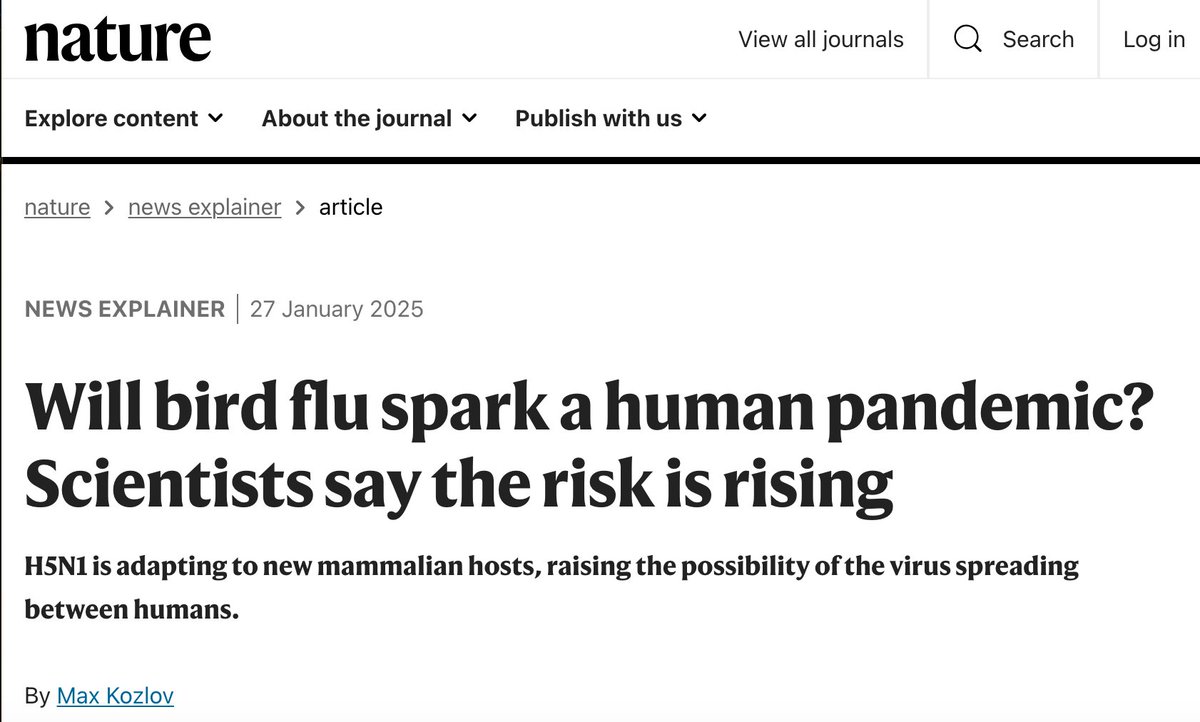
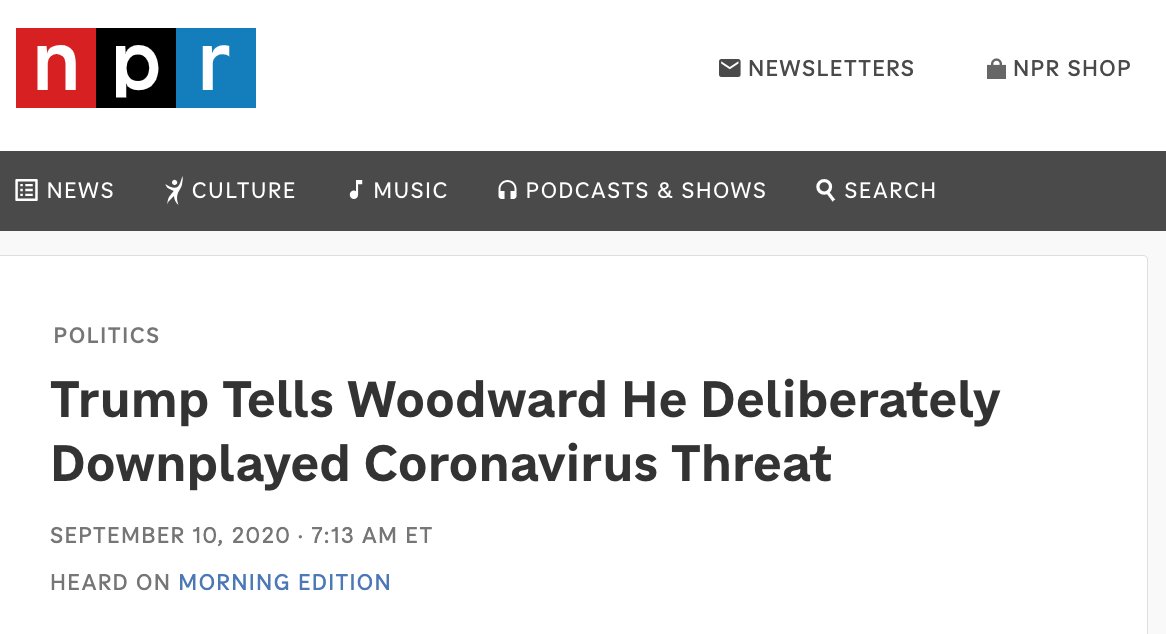
5/11: The implications extend far beyond feline health. The suppression of crucial pandemic data echoes a troubling global pattern—from China’s early cover-up of COVID-19 in Wuhan to the 2002-2003 SARS outbreak, when Beijing concealed the severity of infections for months.
In that case, whistleblowers who attempted to sound the alarm were silenced, and the virus spread unchecked.
The parallels to today’s C.D.C. decision are stark. While the U.S. prides itself on scientific transparency, political interference in public health data has increased dramatically in recent years.
Comparisons can also be drawn to Russia’s manipulation of tuberculosis outbreak data, where officials altered epidemiological reports to downplay rising cases, resulting in the unchecked spread of drug-resistant strains.
In that case, whistleblowers who attempted to sound the alarm were silenced, and the virus spread unchecked.
The parallels to today’s C.D.C. decision are stark. While the U.S. prides itself on scientific transparency, political interference in public health data has increased dramatically in recent years.
Comparisons can also be drawn to Russia’s manipulation of tuberculosis outbreak data, where officials altered epidemiological reports to downplay rising cases, resulting in the unchecked spread of drug-resistant strains.
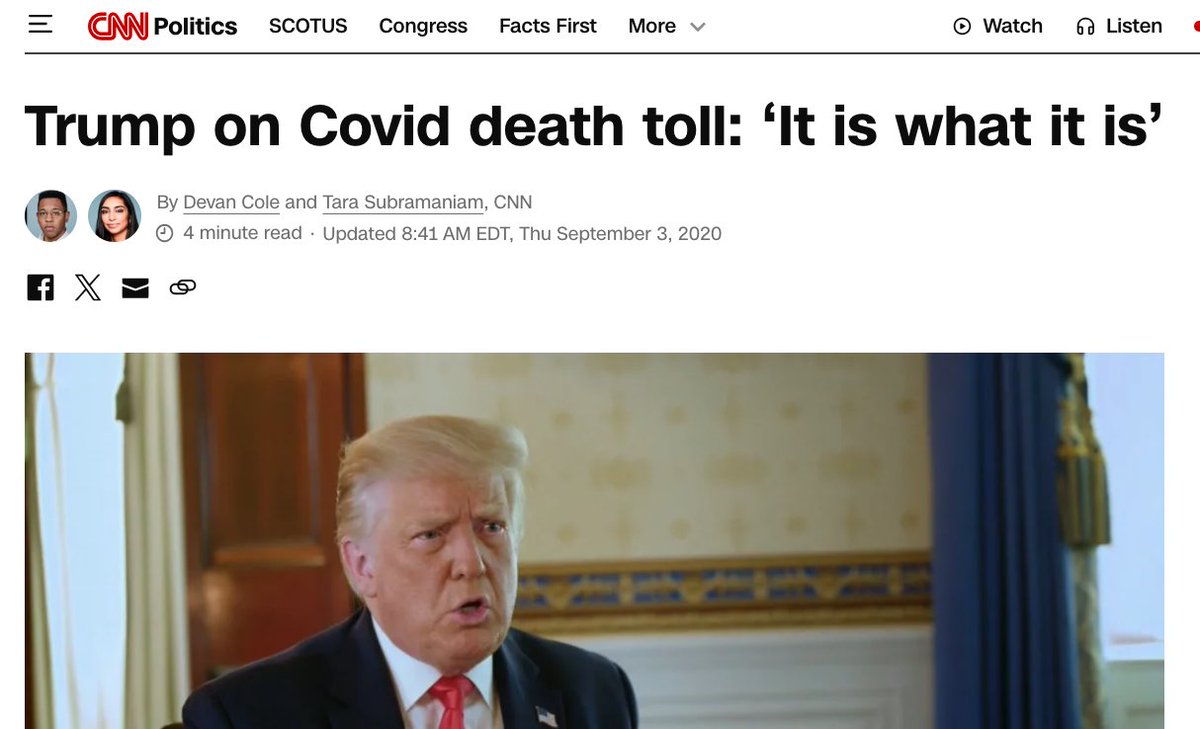
6/11: The consequences of concealing zoonotic threats are clear: when public health data is withheld, pandemics spiral out of control.
If the U.S. government is now engaging in similar patterns of obfuscation, it represents a catastrophic breach of public trust.
The potential stakes could not be higher.
Scientists warn that continued mammalian transmission gives the virus new opportunities to evolve, increasing the likelihood of a human-adapted strain emerging.
Given that H5N1 has a fatality rate exceeding 50% in known human cases, even a modest increase in transmissibility could have devastating consequences.
If the U.S. government is now engaging in similar patterns of obfuscation, it represents a catastrophic breach of public trust.
The potential stakes could not be higher.
Scientists warn that continued mammalian transmission gives the virus new opportunities to evolve, increasing the likelihood of a human-adapted strain emerging.
Given that H5N1 has a fatality rate exceeding 50% in known human cases, even a modest increase in transmissibility could have devastating consequences.
7/11: In recent years, the weaponization of public health data for political or economic reasons has become an increasing concern.
The sudden disappearance of key findings on zoonotic transmission may indicate a broader effort to downplay risks that could disrupt industries—especially agriculture, where dairy farms could face scrutiny if confirmed as vectors of transmission.
If the economic cost of acknowledging this risk is seen as too great, are policymakers willing to gamble with public safety instead?
At the core of this controversy is a simple but devastating question: Is the U.S. government prioritizing pandemic prevention, or repeating the fatal mistakes of past outbreaks by suppressing inconvenient truths?
Scientists, public health experts, and investigative journalists are demanding that the C.D.C. immediately release the full dataset—not just for academic review, but for the safety of the public.
Until then, Americans are left with a chilling uncertainty: If potential evidence of viral transmission is being quietly erased from official reports, what else are we not being told?
The sudden disappearance of key findings on zoonotic transmission may indicate a broader effort to downplay risks that could disrupt industries—especially agriculture, where dairy farms could face scrutiny if confirmed as vectors of transmission.
If the economic cost of acknowledging this risk is seen as too great, are policymakers willing to gamble with public safety instead?
At the core of this controversy is a simple but devastating question: Is the U.S. government prioritizing pandemic prevention, or repeating the fatal mistakes of past outbreaks by suppressing inconvenient truths?
Scientists, public health experts, and investigative journalists are demanding that the C.D.C. immediately release the full dataset—not just for academic review, but for the safety of the public.
Until then, Americans are left with a chilling uncertainty: If potential evidence of viral transmission is being quietly erased from official reports, what else are we not being told?
8/11: If you’ve ever wanted to support independent media, now is the time.
The Intellectualist aims to build an initial base of 1,000 subscribers, and we still have a long way to go. Your support would make all the difference in allowing us to continue.
buymeacoffee.com/theintellectua…
The Intellectualist aims to build an initial base of 1,000 subscribers, and we still have a long way to go. Your support would make all the difference in allowing us to continue.
buymeacoffee.com/theintellectua…
C.D.C. Deletes Bird Flu Data Suggesting Spread Between Humans and Cats
9/11: In this video, we discuss a New York Times report on the C.D.C. deleting public data suggesting bird flu (H5N1) may be spreading between humans and cats. Why was it erased?
9/11: In this video, we discuss a New York Times report on the C.D.C. deleting public data suggesting bird flu (H5N1) may be spreading between humans and cats. Why was it erased?
10/11: Please subscribe to The Intellectualist's new YouTube channel, where we present insightful videos analyzing the current events shaping the world.
Turn on notifications to receive the latest updates from the channel.
youtube.com/@TheIntellectu…
Turn on notifications to receive the latest updates from the channel.
youtube.com/@TheIntellectu…
11/11: If you are not following us, please do. We would appreciate it. Thank you. 🧵

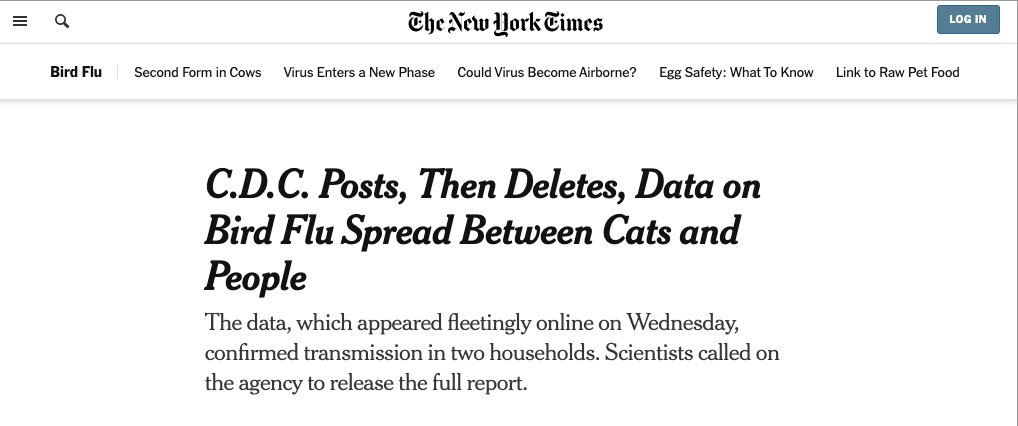
C.D.C. Posts, Then Deletes, Data on Bird Flu Spread Between Cats and People
The data, which appeared fleetingly online on Wednesday, confirmed transmission in two households. Scientists called on the agency to release the full report.
nytimes.com/2025/02/06/hea…
The data, which appeared fleetingly online on Wednesday, confirmed transmission in two households. Scientists called on the agency to release the full report.
nytimes.com/2025/02/06/hea…
• • •
Missing some Tweet in this thread? You can try to
force a refresh