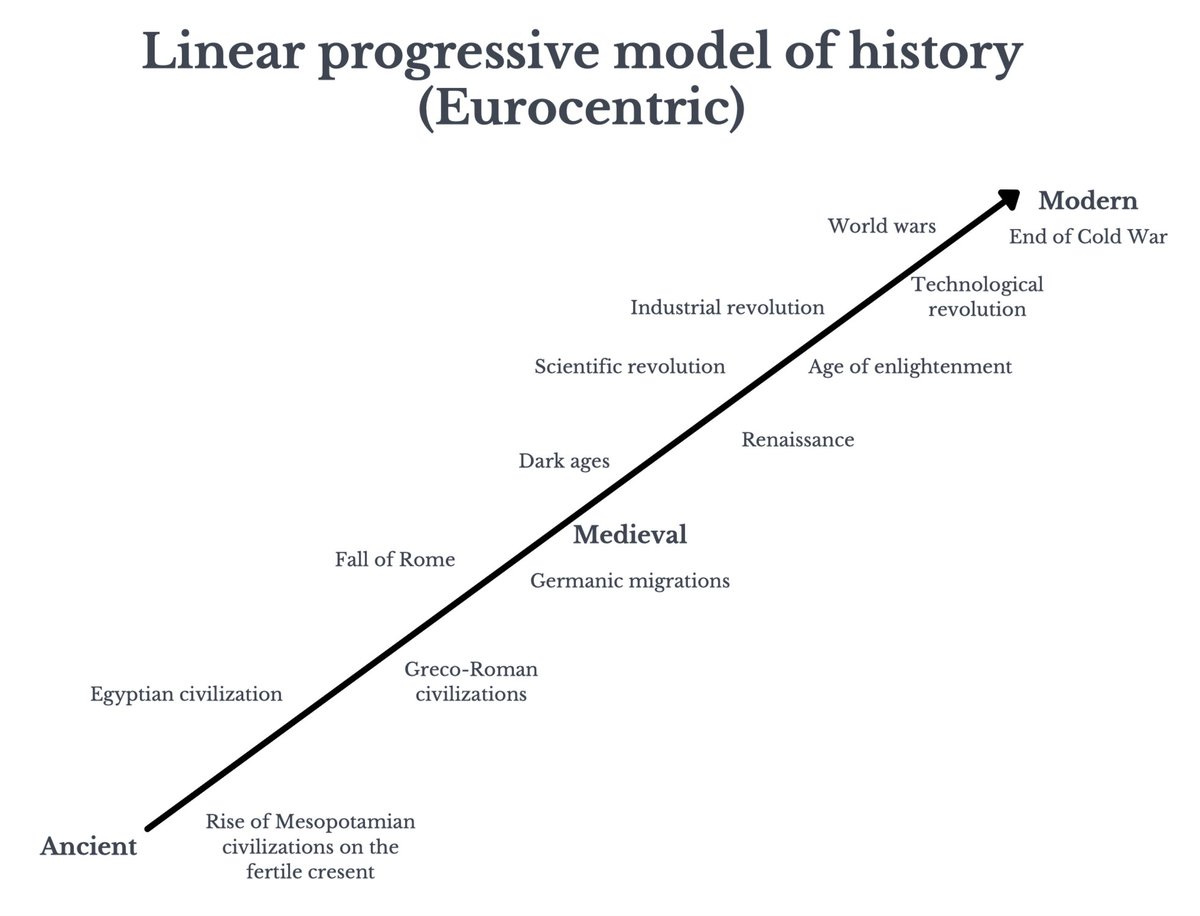
A startling number of new archaeological finds support the Bible story.
Here's a thread of discoveries that rewrote history.
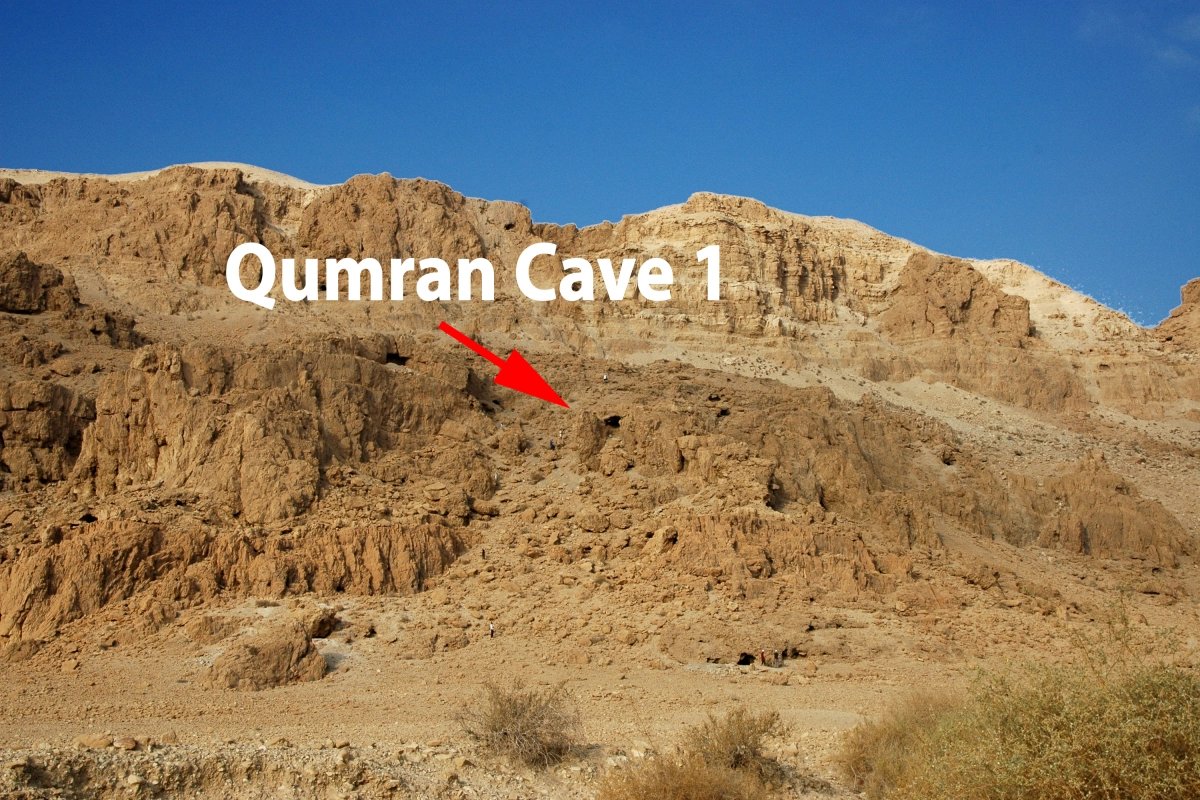
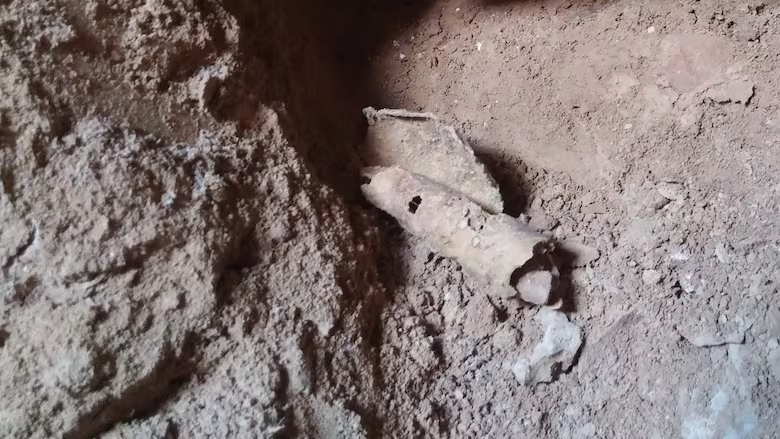
Starting with something astonishing found in this small cave... 🧵
Here's a thread of discoveries that rewrote history.
Starting with something astonishing found in this small cave... 🧵

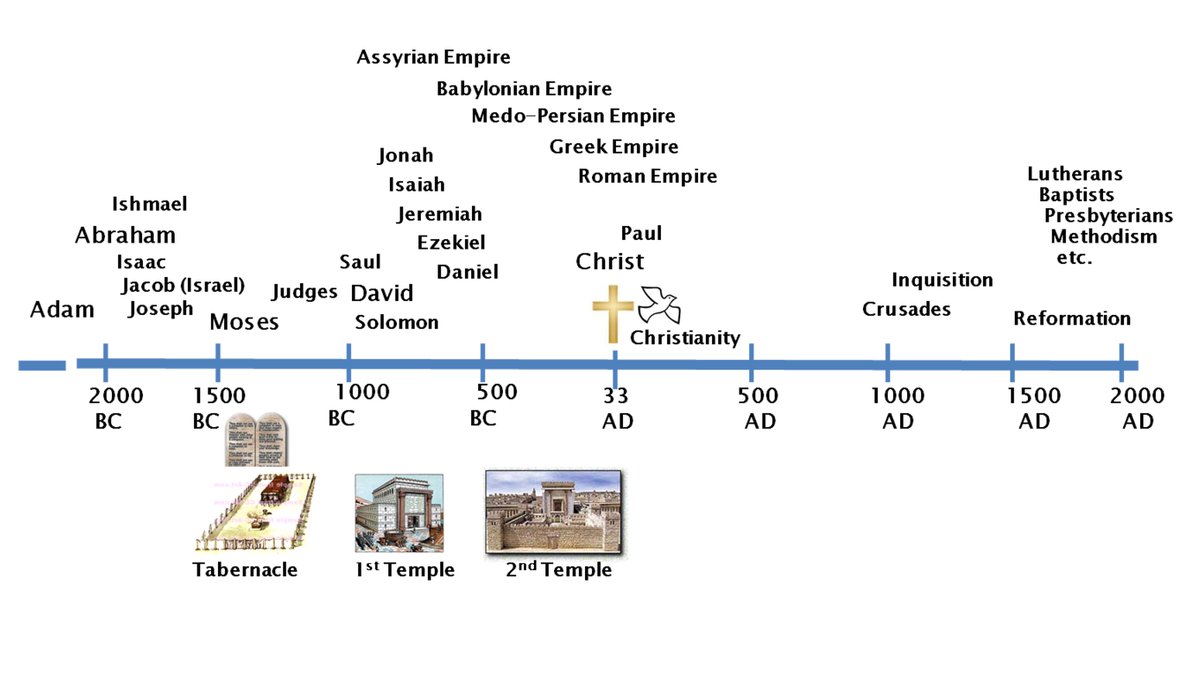
Here's a (very) approximate timeline of significant figures of the Bible and events since.
This thread focuses on David and onward. Before ~1500 BC, when the Jewish patriarchs lived (Abraham, Isaac, Jacob), is much harder to establish.
This thread focuses on David and onward. Before ~1500 BC, when the Jewish patriarchs lived (Abraham, Isaac, Jacob), is much harder to establish.
But first, the Qumran Caves.
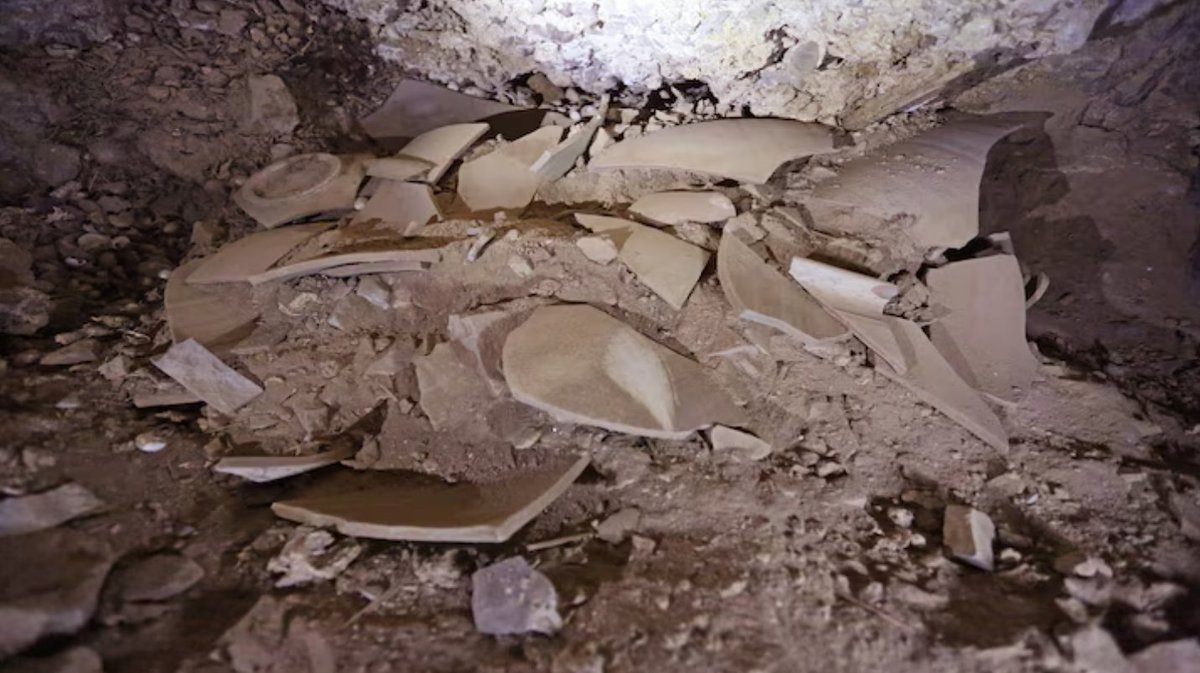
In 1947, a shepherd boy in the Judaean Desert idly tossed a stone through the cave in this picture, and heard the sound of breaking pottery...
In 1947, a shepherd boy in the Judaean Desert idly tossed a stone through the cave in this picture, and heard the sound of breaking pottery...
That lucky throw uncovered what are now known as the Dead Sea Scrolls.
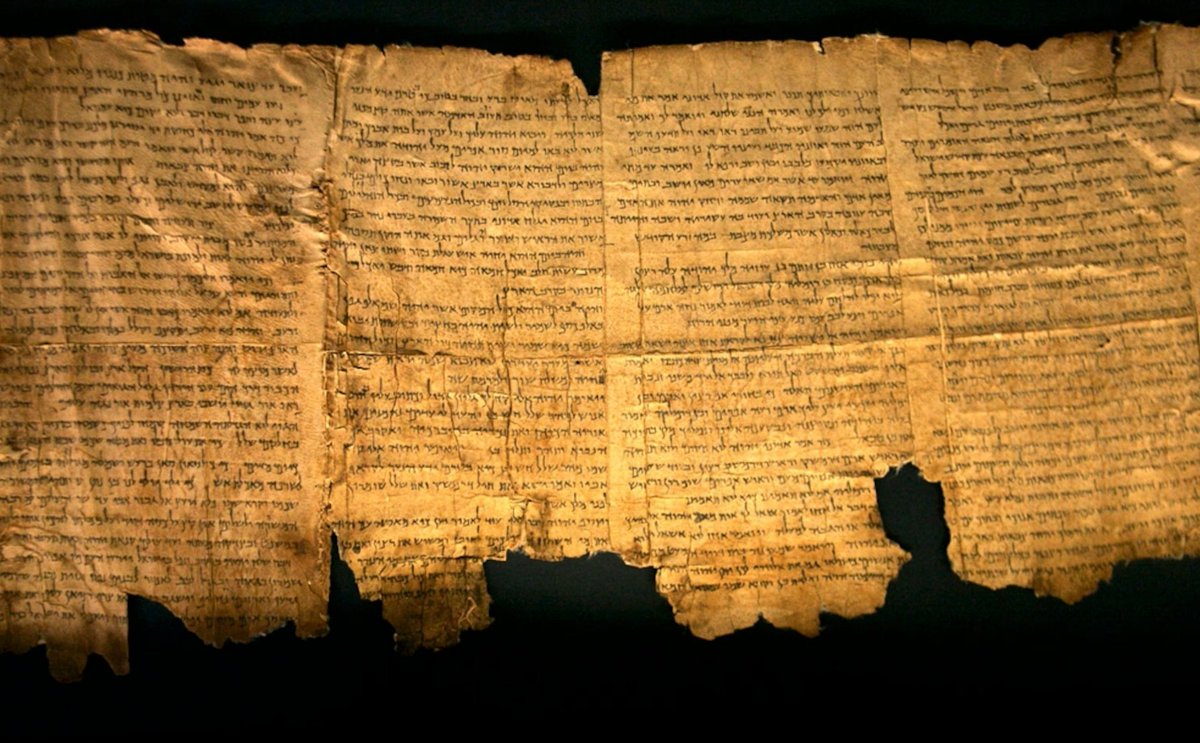
Manuscripts/fragments from almost every book of the Old Testament, written between 300 BC and 100 AD.
Manuscripts/fragments from almost every book of the Old Testament, written between 300 BC and 100 AD.
The big revelation of the scrolls was this: the Bible we have today is virtually identical to what they had over 2,000 years ago.
But what can we establish about the people and events described in the Old Testament themselves?
But what can we establish about the people and events described in the Old Testament themselves?
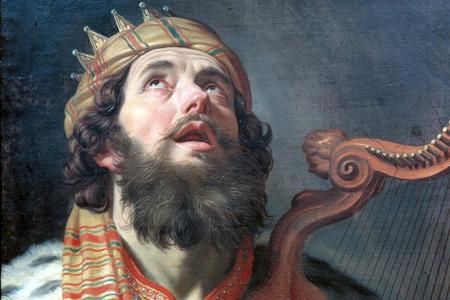
David, who united the tribes of Israel some years after toppling Goliath, was long thought by scholars to be pure myth.
That is, until this stele was found in 1993 — the first extra-biblical evidence of his existence...
That is, until this stele was found in 1993 — the first extra-biblical evidence of his existence...
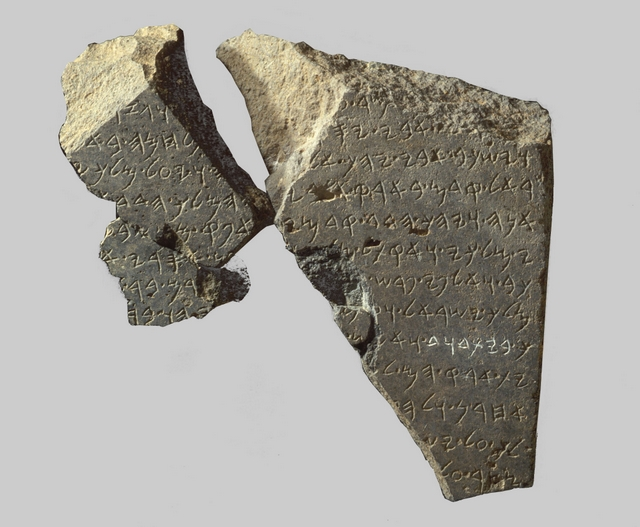
It's an account written by a foreign king in the 9th century BC, boasting about having killed King Jehoram of Israel and his son.
Specifically, "Jehoram King of the House of David".
Specifically, "Jehoram King of the House of David".

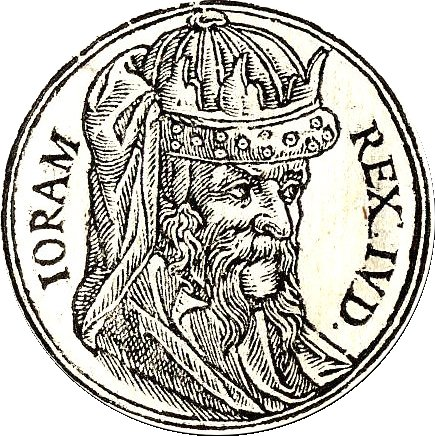
Granted, that's not a contemporary record — it was written some time after David lived.
So what is the oldest *contemporary* source for someone mentioned in the Bible?
So what is the oldest *contemporary* source for someone mentioned in the Bible?

This stele in the Louvre, nearly 3,000 years old, is the oldest extra-biblical source of an Israelite leader.
Again, a 9th century BC account of an enemy king (Mesha of Moab) defeating the son of a King of Israel: Omri.
Again, a 9th century BC account of an enemy king (Mesha of Moab) defeating the son of a King of Israel: Omri.
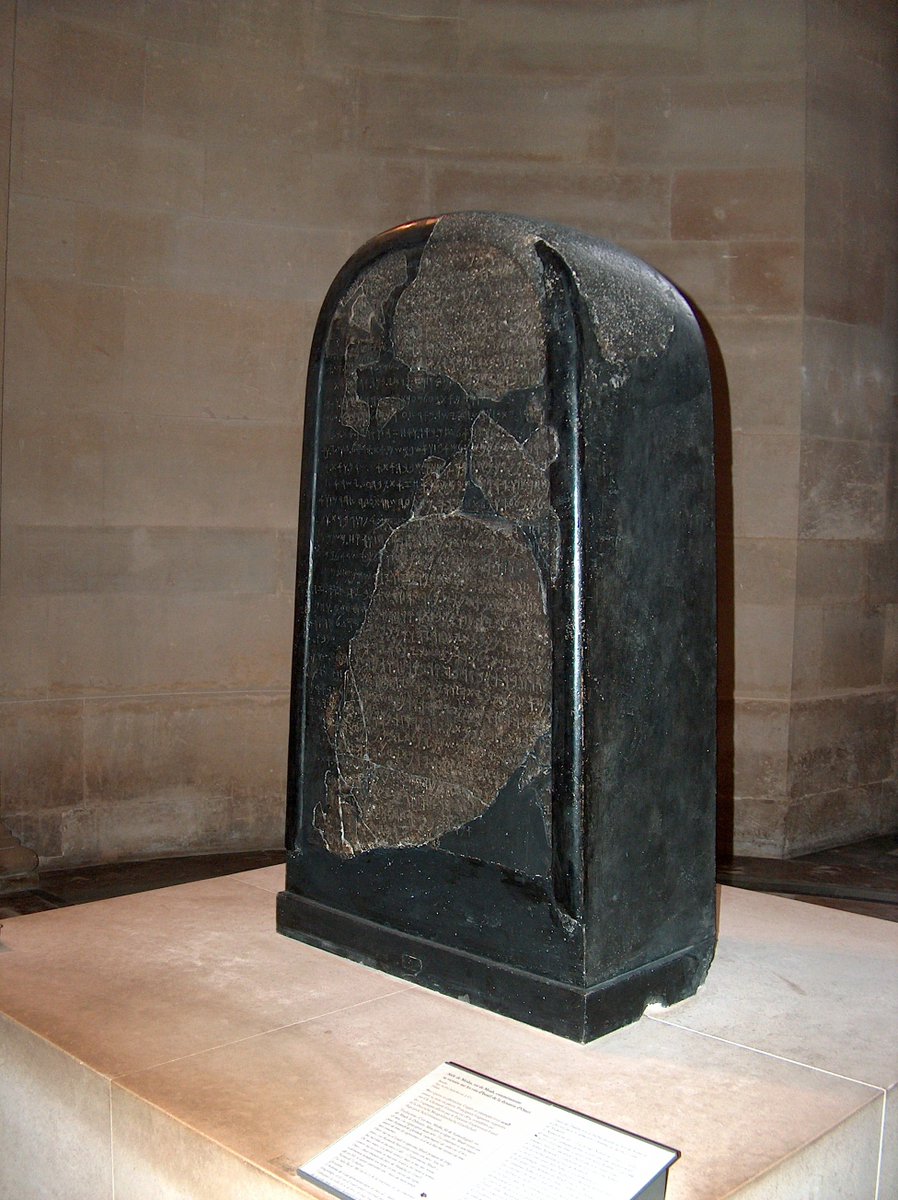
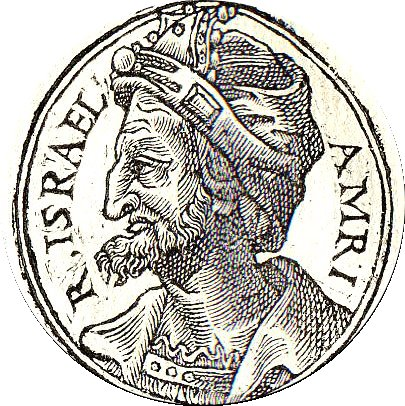
The Mesha Stele's story of war against the Israelites parallels the Biblical Book of Kings (2 Kings 3:4–27).
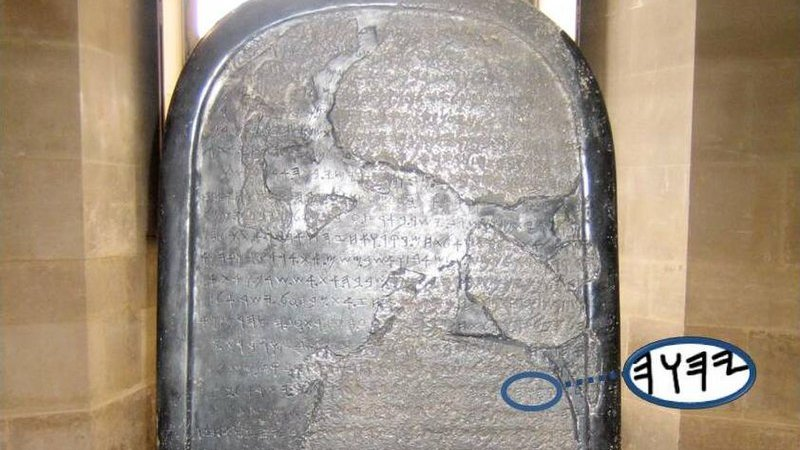
It's also one of the oldest extra-biblical references to the Israelite God "Yahweh".
It's also one of the oldest extra-biblical references to the Israelite God "Yahweh".
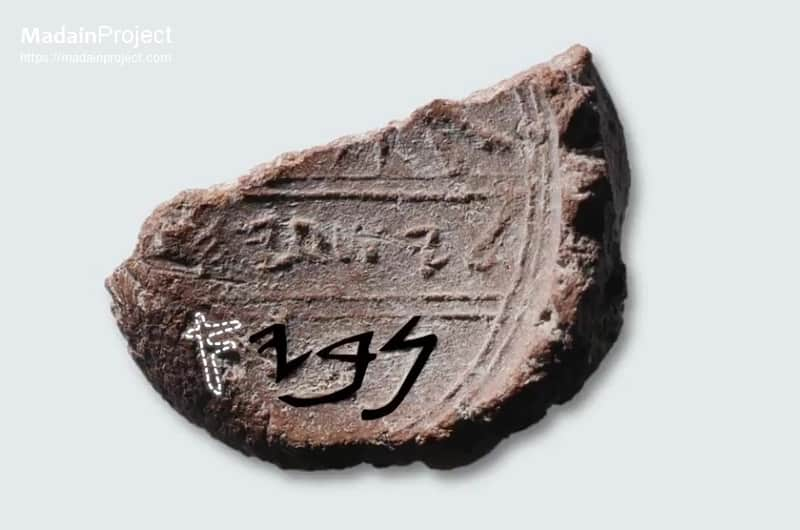
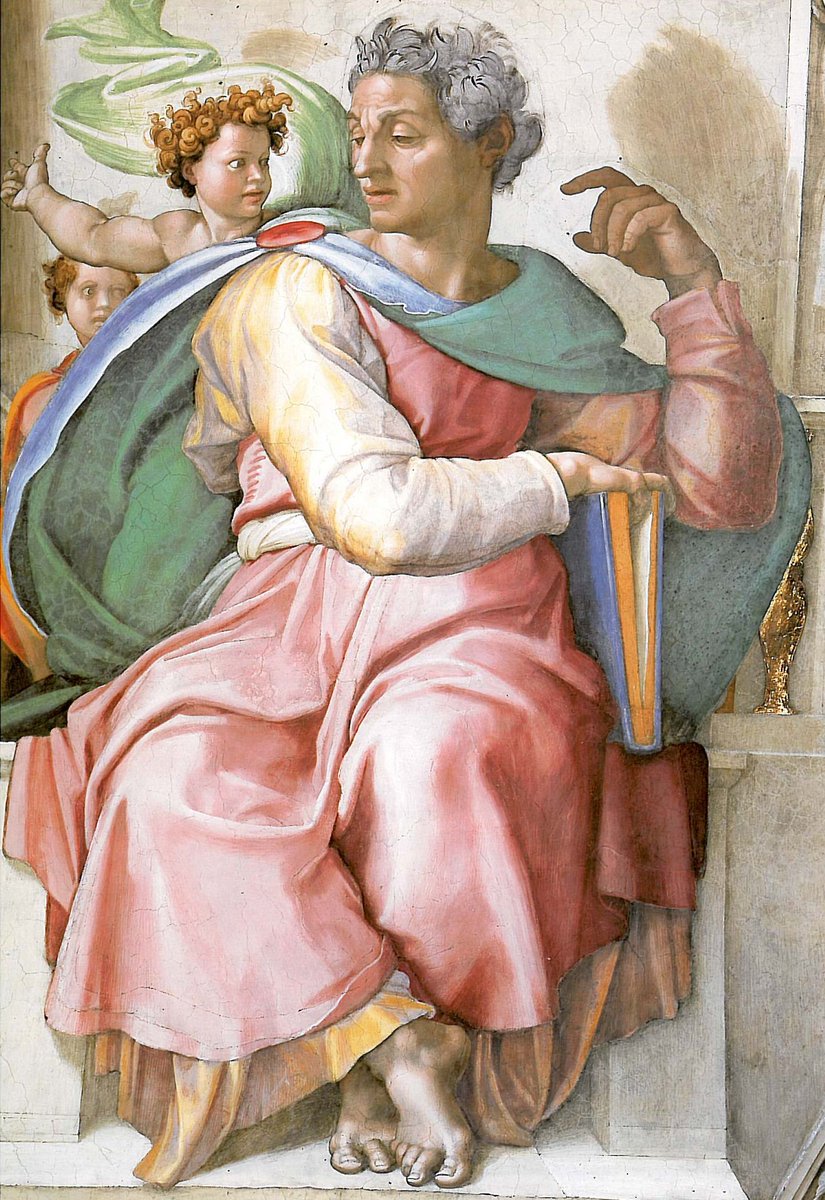
Some finds are amazingly recent. In 2018, a 2,700-year-old seal of the prophet Isaiah was announced — possibly made by Isaiah himself.
The very first reference to him outside of the Bible.
The very first reference to him outside of the Bible.
Even entire peoples mentioned in the Bible, long thought to be fictitious, have been found.
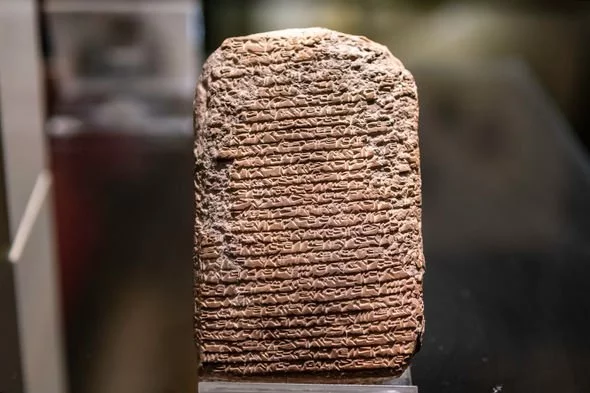
The Hittites weren't meant to exist — then clay tablets documenting their history were found in Turkey.
The Hittites weren't meant to exist — then clay tablets documenting their history were found in Turkey.

What about specific Biblical places or events?
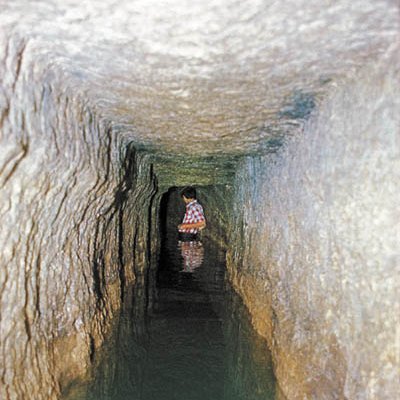
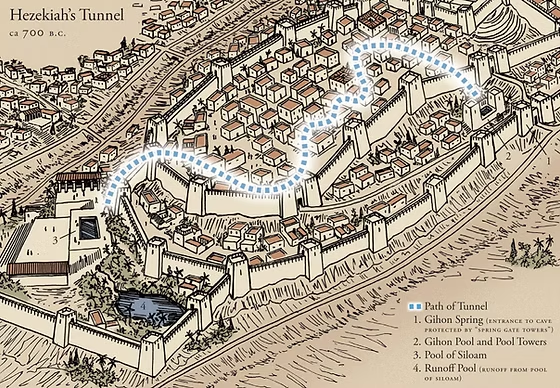
In Chronicles, it's stated that King Hezekiah of Judah dug a tunnel beneath Jerusalem to divert water in preparation for an Assyrian siege...
In Chronicles, it's stated that King Hezekiah of Judah dug a tunnel beneath Jerusalem to divert water in preparation for an Assyrian siege...
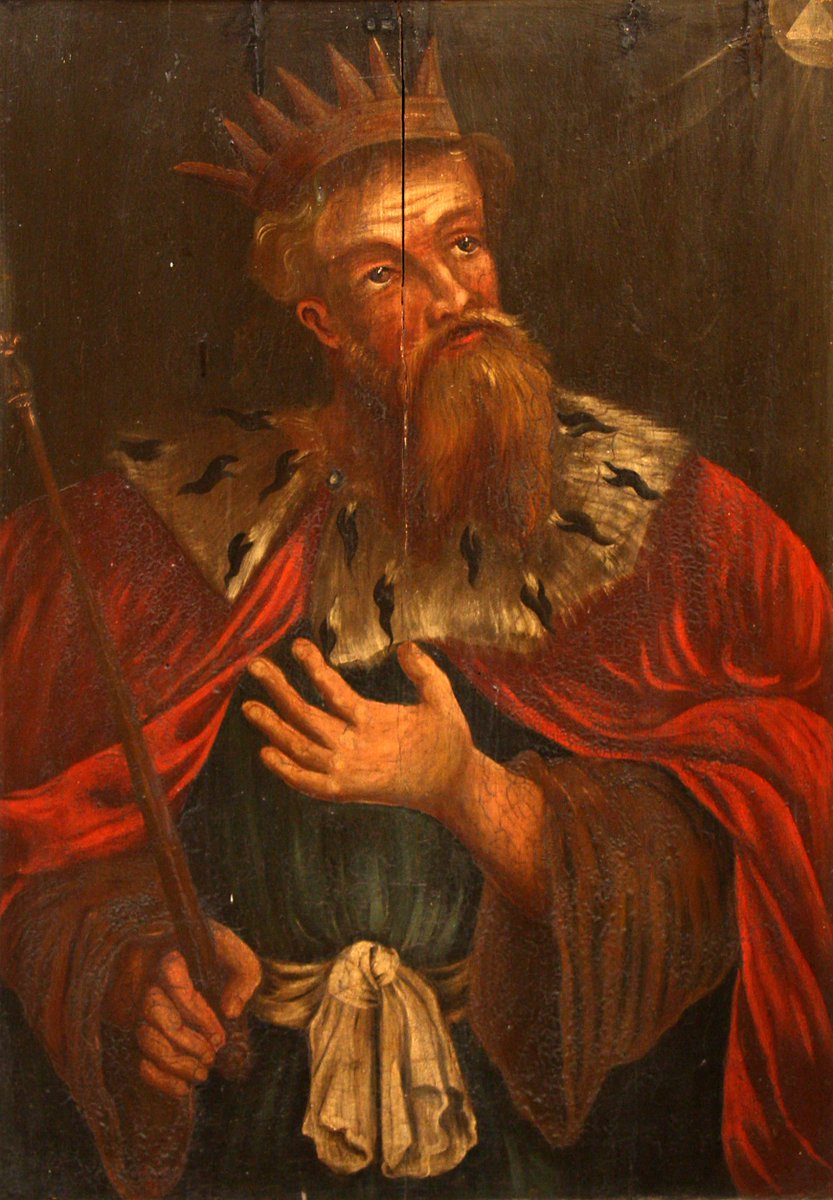
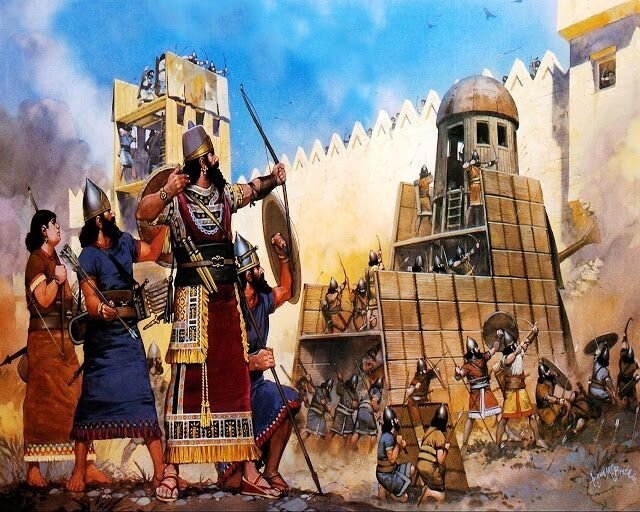
...and that very tunnel has been found beneath the city, over 2,600 years later.
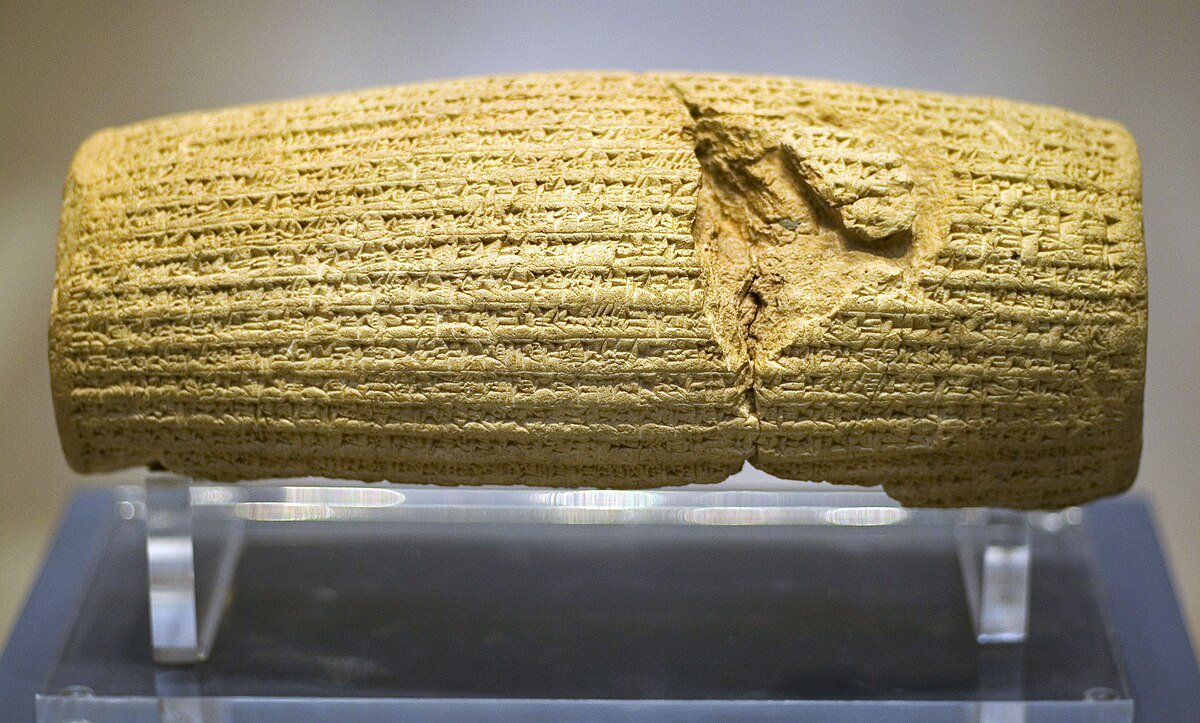
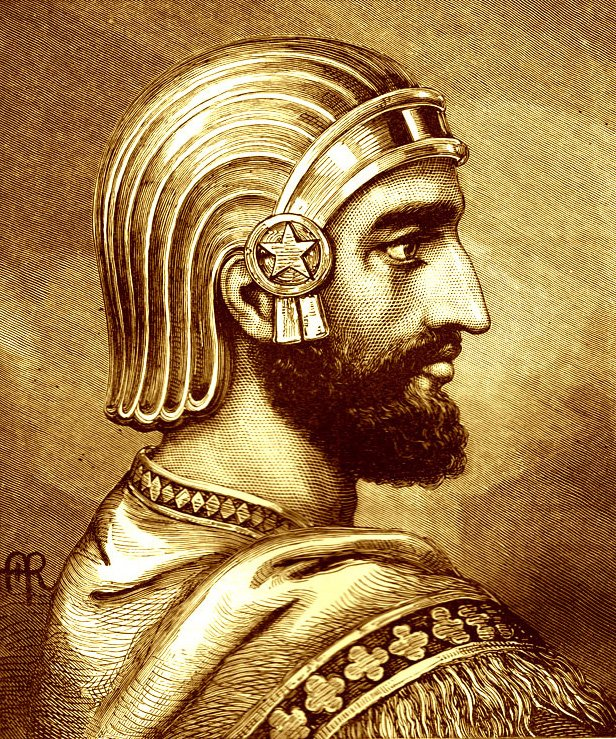
An even more significant find was the Cyrus Cylinder.
Text on a clay cylinder from Babylon coincides with the decree of King Cyrus of Persia, which allowed exiled Israelites to return to Jerusalem and rebuild the Temple — as in the Book of Ezra.
Text on a clay cylinder from Babylon coincides with the decree of King Cyrus of Persia, which allowed exiled Israelites to return to Jerusalem and rebuild the Temple — as in the Book of Ezra.
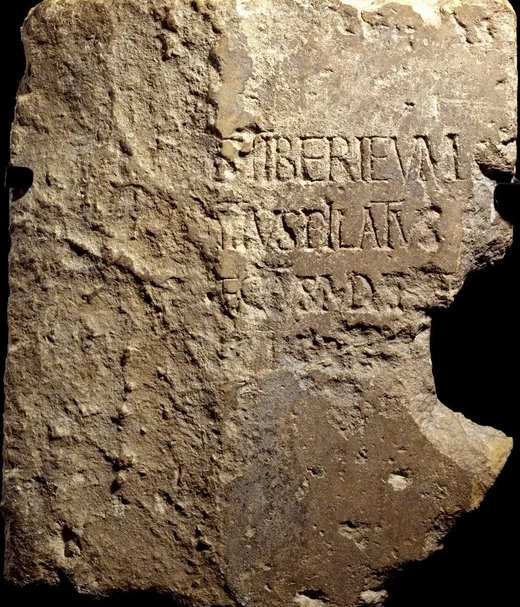
New Testament archaeology is a topic for another entire thread. But one 1st century inscription places the Roman governor who ordered Christ's Crucifixion firmly in written history. Found in 1961, it reads:
"Pontius Pilatus... Prefect of Judea".
"Pontius Pilatus... Prefect of Judea".
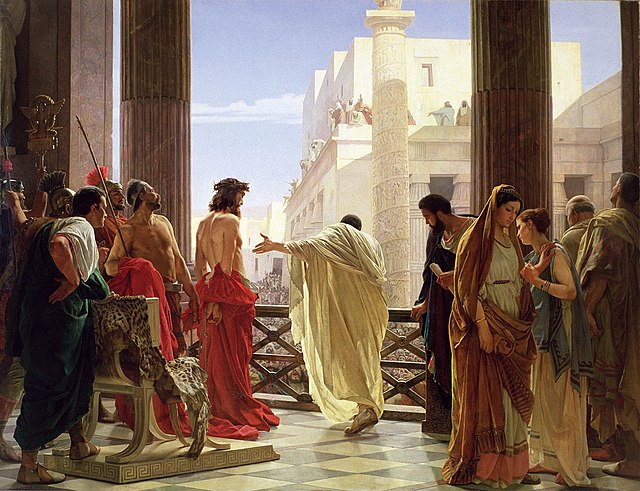
Establishing people and places is one thing — affirming supernatural claims is another.
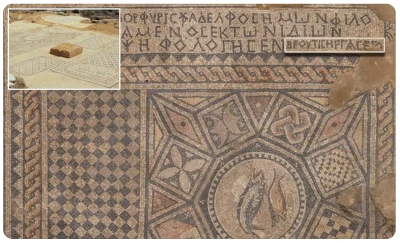
But a few months ago, one of the biggest finds since the Dead Sea Scrolls went on display: a 230 AD mosaic beneath an Israeli prison, devoted as follows:
But a few months ago, one of the biggest finds since the Dead Sea Scrolls went on display: a 230 AD mosaic beneath an Israeli prison, devoted as follows:

"God Jesus Christ".
Contrary to the suggestions of many scholars, it seems early Christians did in fact believe Jesus was the son of God from the very beginning...
Contrary to the suggestions of many scholars, it seems early Christians did in fact believe Jesus was the son of God from the very beginning...

I will soon do a MEGA thread on New Testament archaeology.
Follow and join my free newsletter so you don't miss it.
Read more / support us here (100,000+ readers) 👇
culture-critic.com/welcome
Follow and join my free newsletter so you don't miss it.
Read more / support us here (100,000+ readers) 👇
culture-critic.com/welcome
• • •
Missing some Tweet in this thread? You can try to
force a refresh