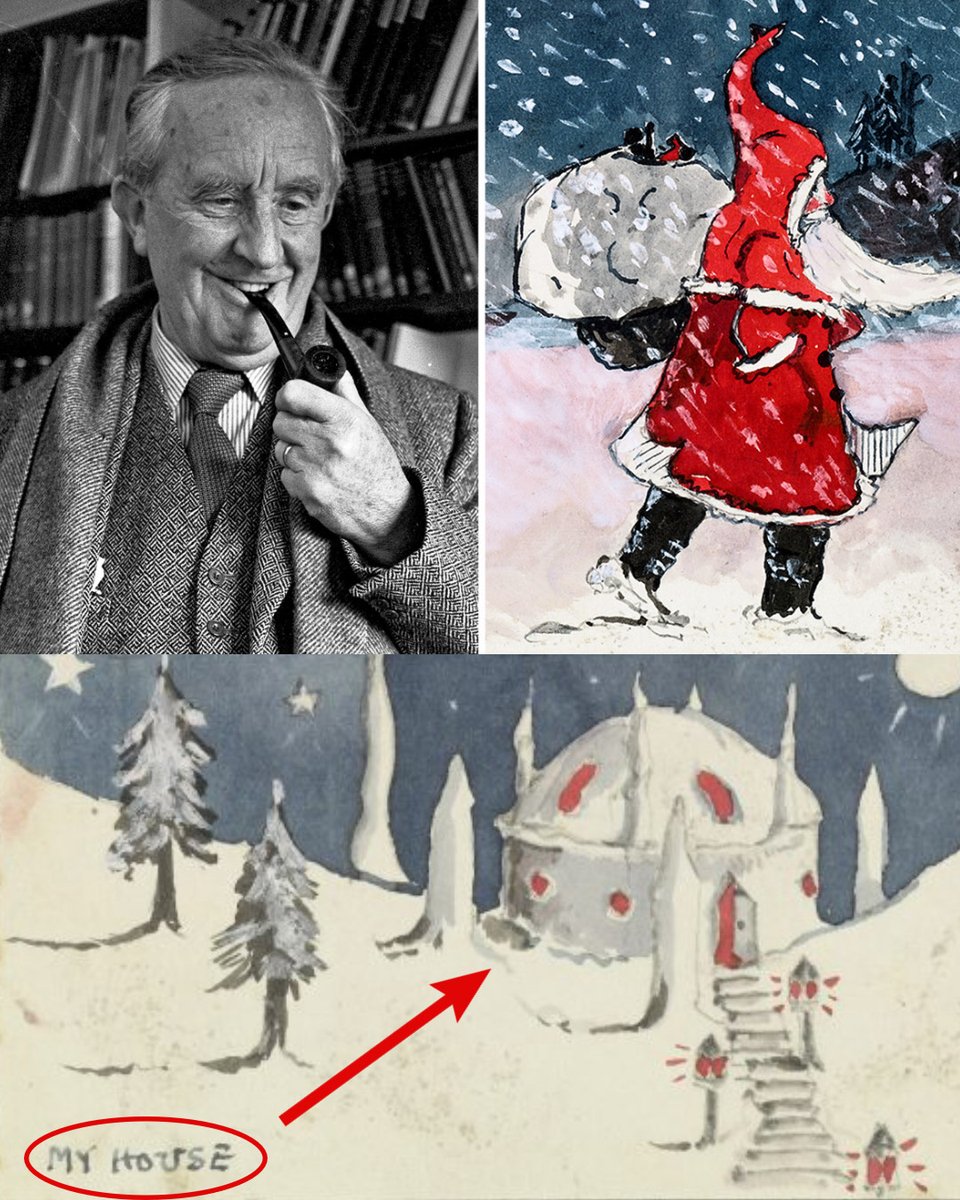
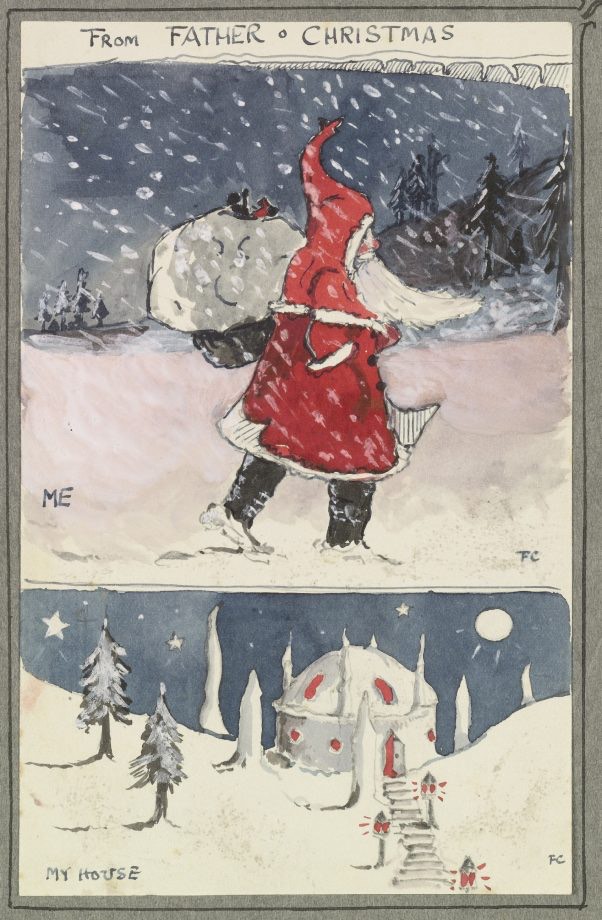
The desks of authors and historical figures 🧵
1. Einstein's desk on the day he died, 1955
1. Einstein's desk on the day he died, 1955

2. King Charles Albert’s 1840 desk
One of the finest writing tables of the 19th century, this desk epitomizes royal luxury with its magnificent craftsmanship, exquisite design, and ingenious secret compartments.
One of the finest writing tables of the 19th century, this desk epitomizes royal luxury with its magnificent craftsmanship, exquisite design, and ingenious secret compartments.
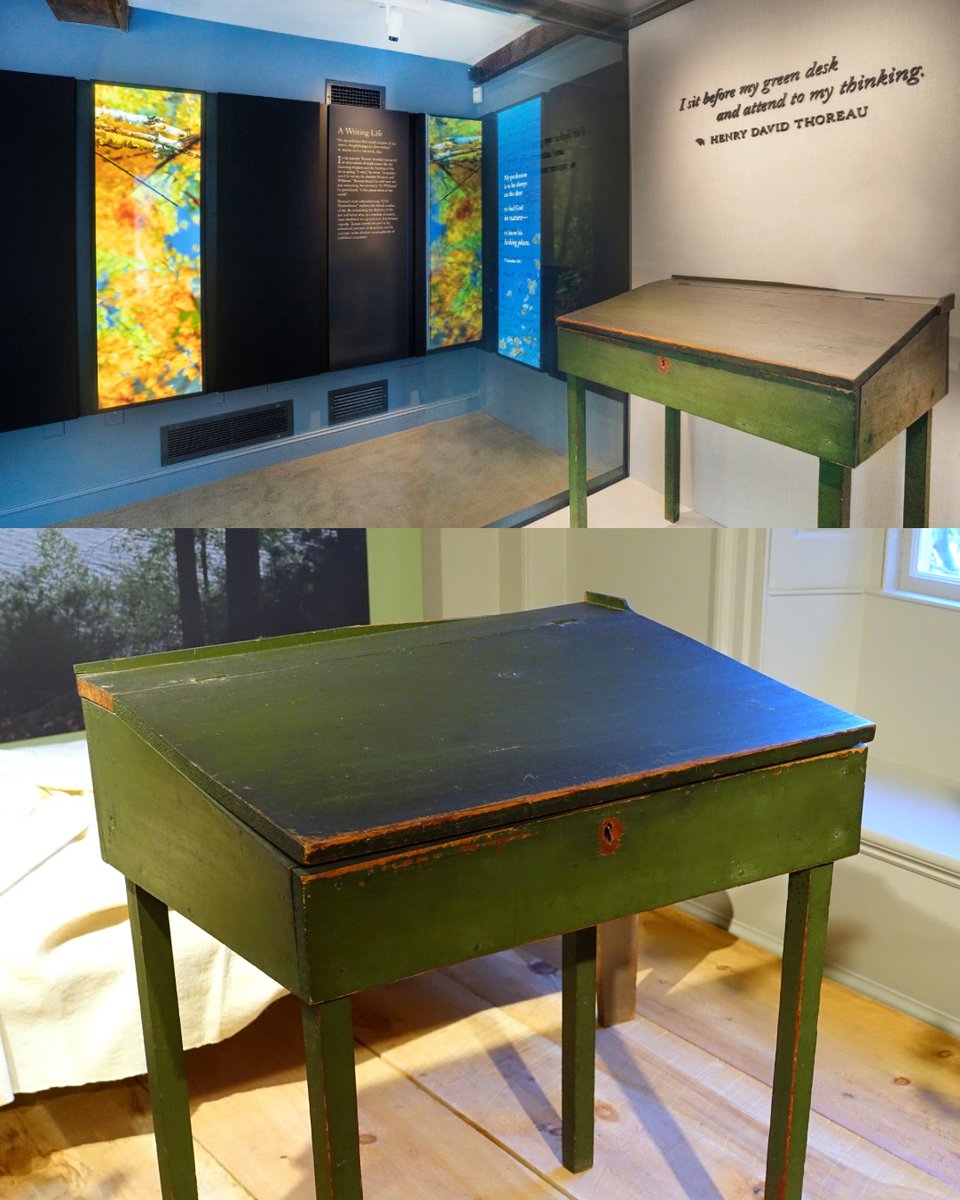
3. This is the simple green pine desk at which Henry David Thoreau wrote his influential work, Walden, while living in a small house he built himself at Walden Pond on land owned by his friend Ralph Waldo Emerson.
4. This stunning desk was built for Louis Bonaparte (Napoleon's brother) in the early 1800s
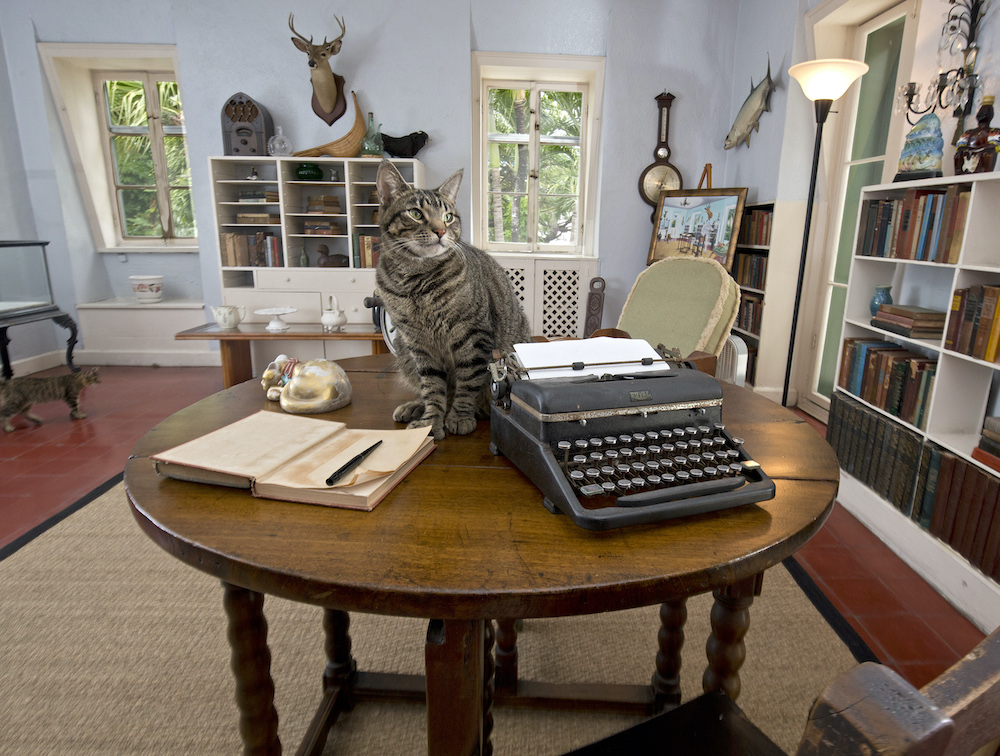
5. Ernest Hemingway’s desk in Key West still has the typewriter he used to write some of his best-known works.
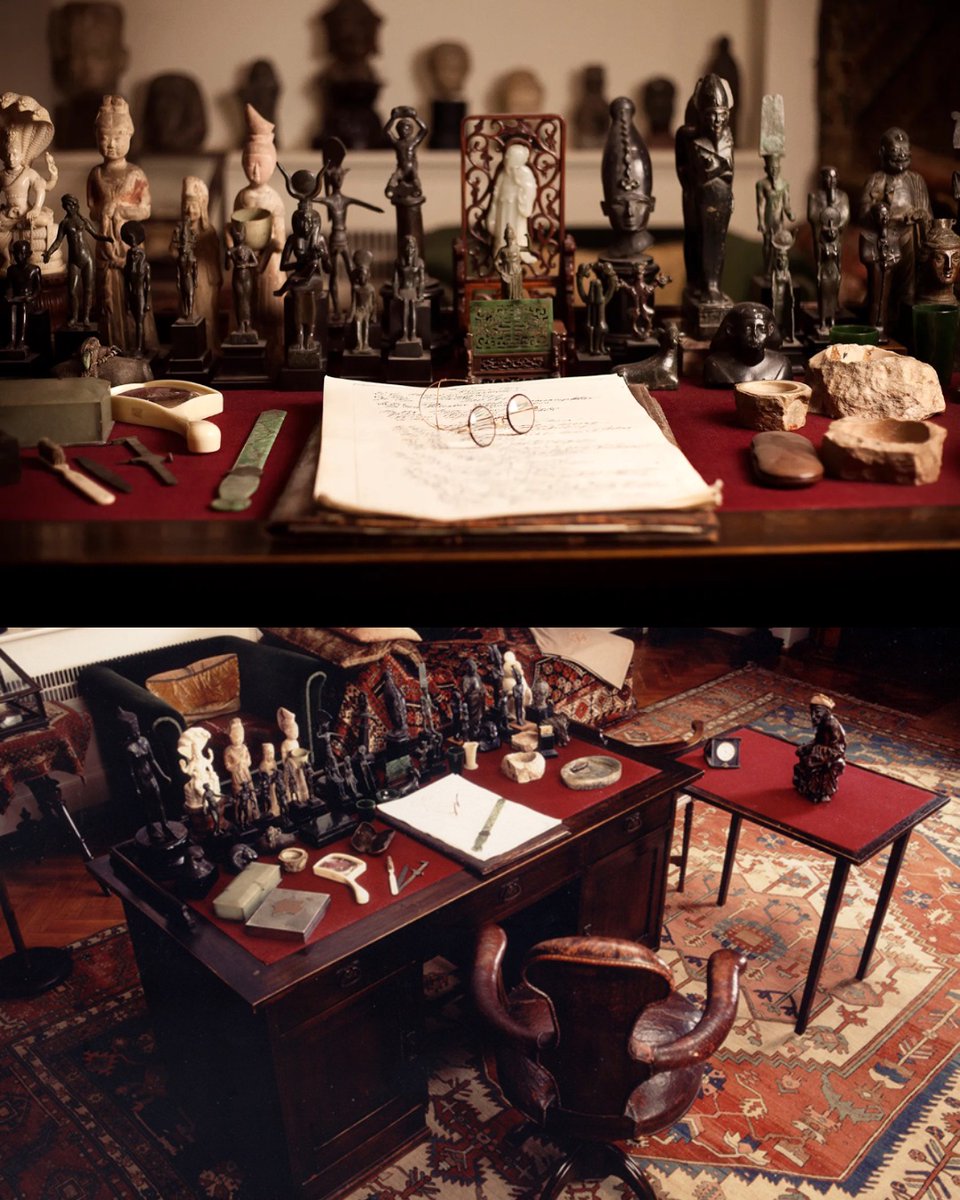
6. Sigmund Freud's desk
Since the 1890s, Freud collected over two thousand artifacts, often displaying them on his writing table.
“I must always have an object to love,” he confessed to Carl Jung.
Since the 1890s, Freud collected over two thousand artifacts, often displaying them on his writing table.
“I must always have an object to love,” he confessed to Carl Jung.
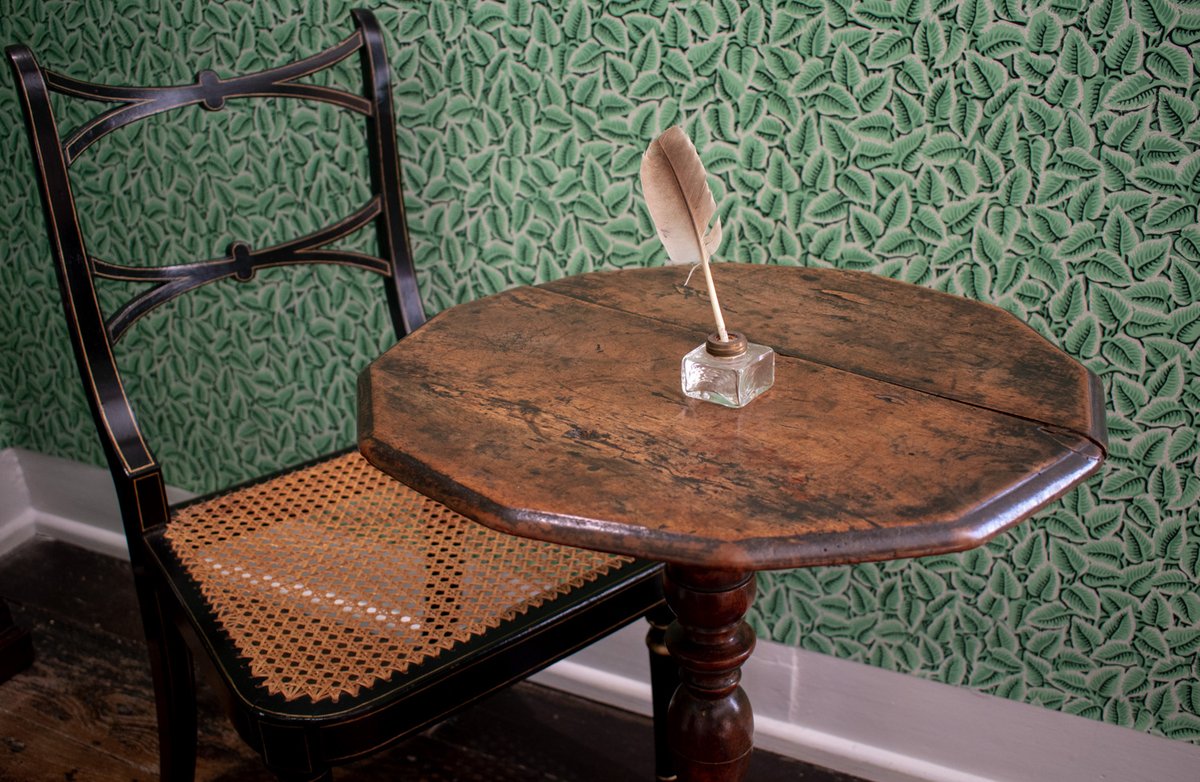
7. Jane Austen's writing desk at her family home in Hampshire, England
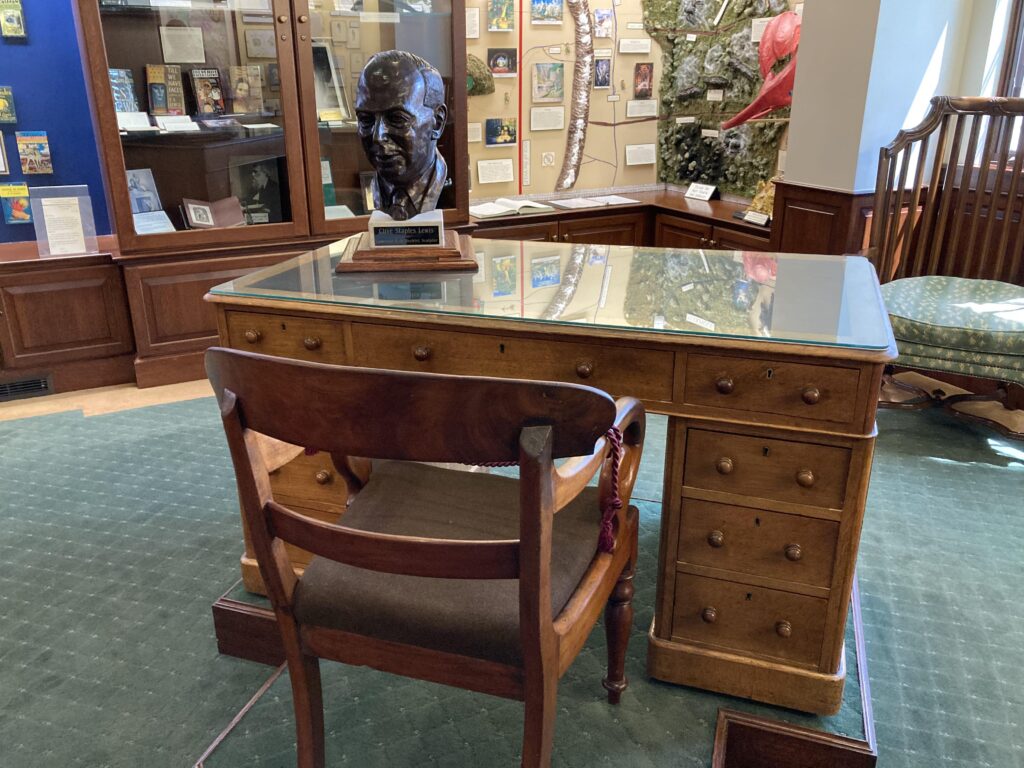
8. At this very desk, C.S. Lewis wrote much of his non-fiction, the Space Trilogy, and the Chronicles of Narnia.
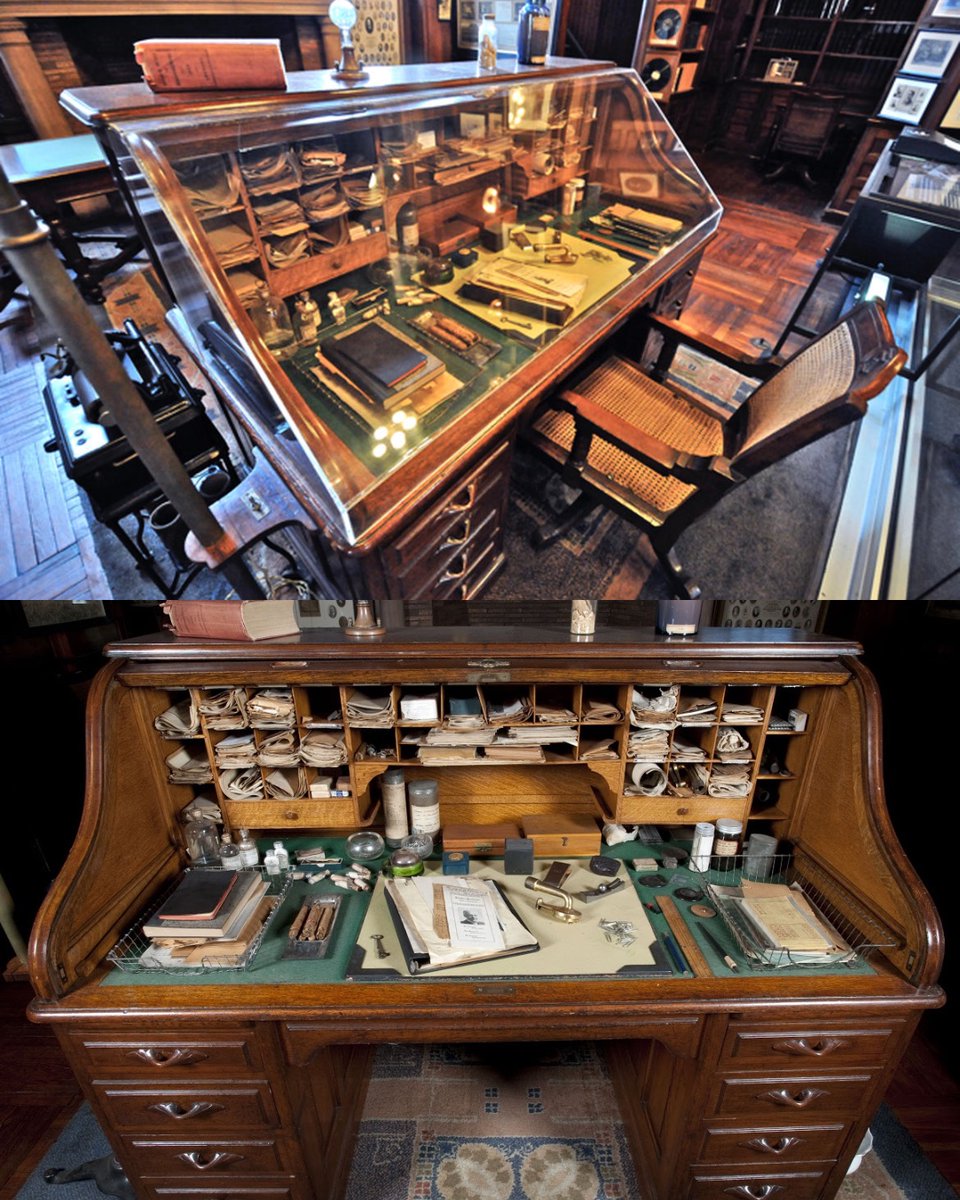
9. Thomas Edison's laboratory desk
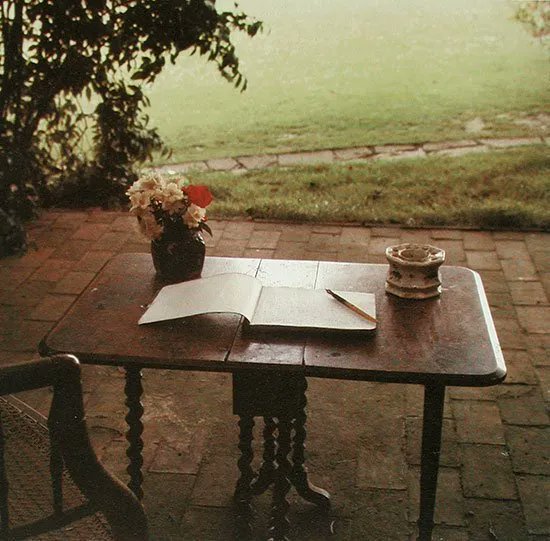
10. This is the working table used by Virginia Woolf at Monk’s House, East Sussex, photographed by Gisèle Freund in 1965:
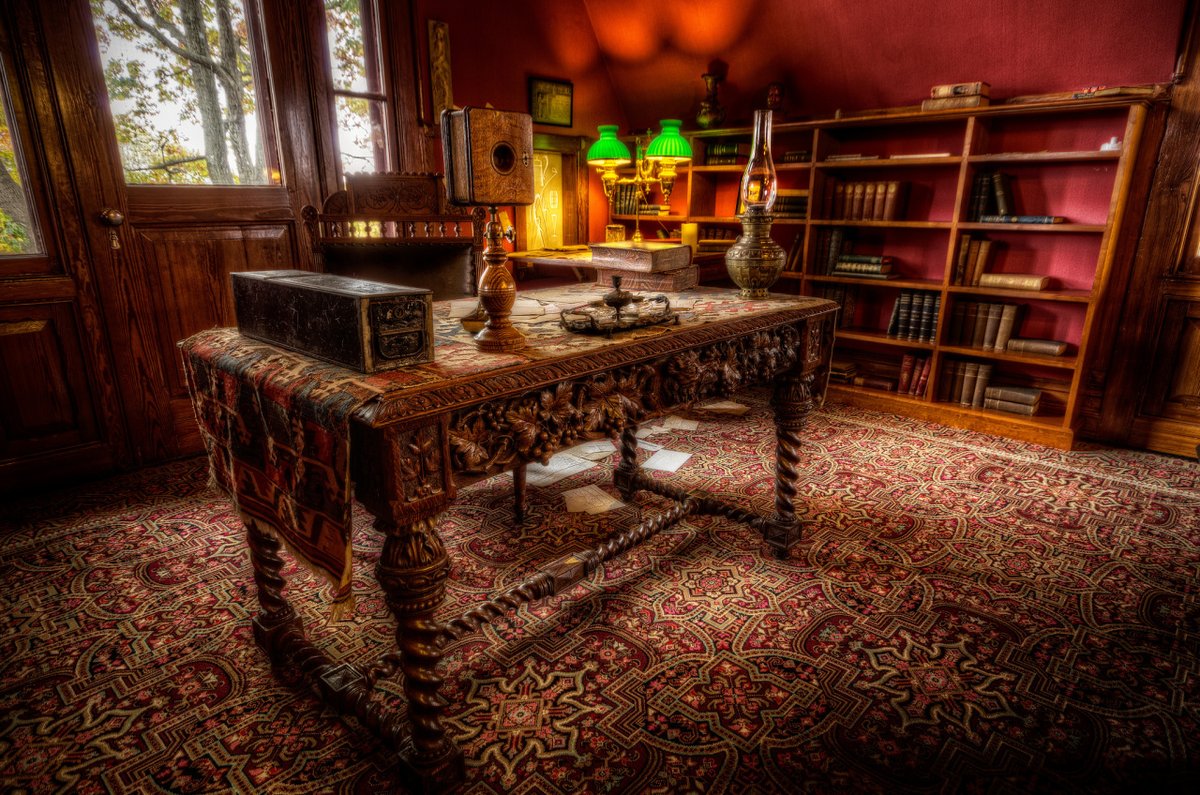
11. Mark Twain’s desk in his home in Hartford, Connecticut
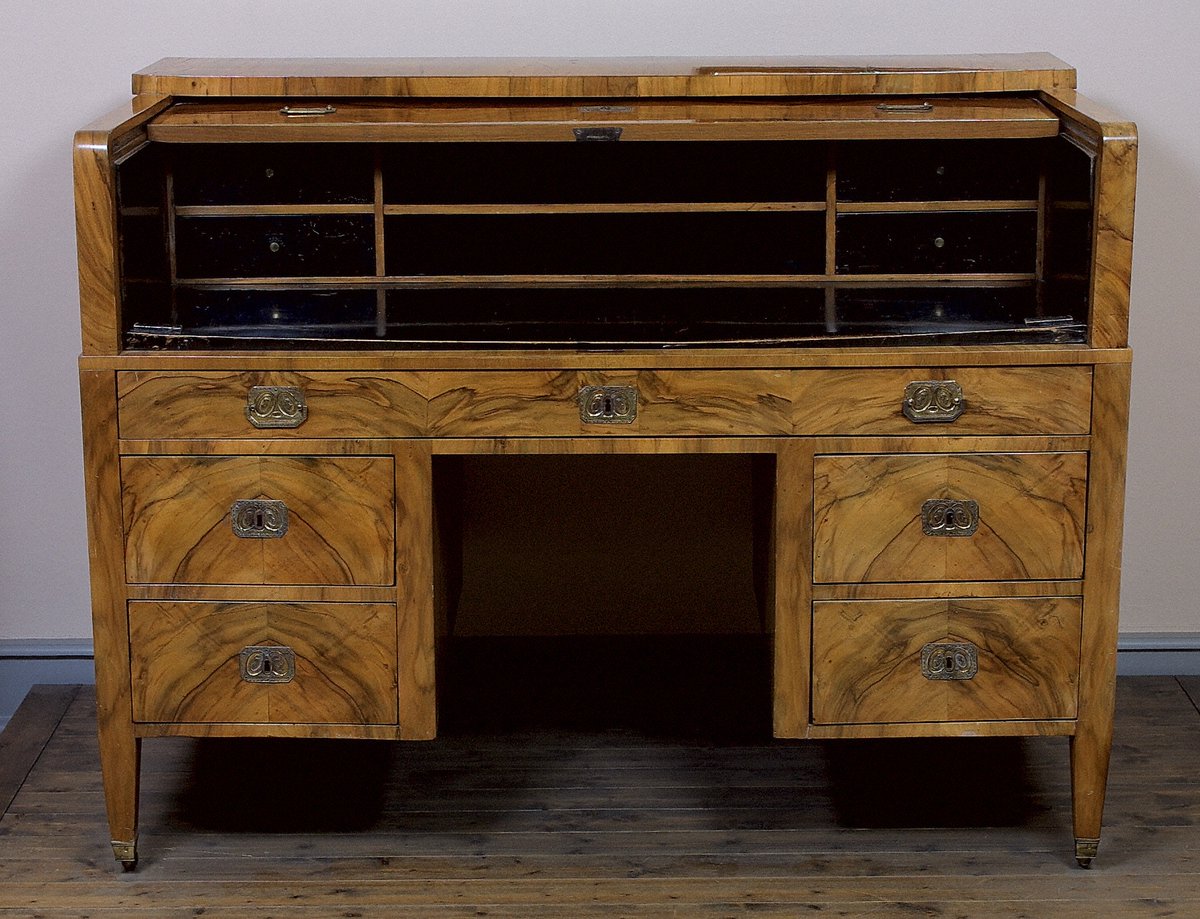
12. This writing table is one of Beethoven's few surviving pieces of furniture
13. In 1844, Abraham Lincoln began using this desk during his time as a lawyer.
After Mrs. Lincoln spilled ink on it, she threw it out, but he rescued and repaired it.
Years later, Lincoln wrote several speeches on it before becoming the 16th president of the United States.
After Mrs. Lincoln spilled ink on it, she threw it out, but he rescued and repaired it.
Years later, Lincoln wrote several speeches on it before becoming the 16th president of the United States.
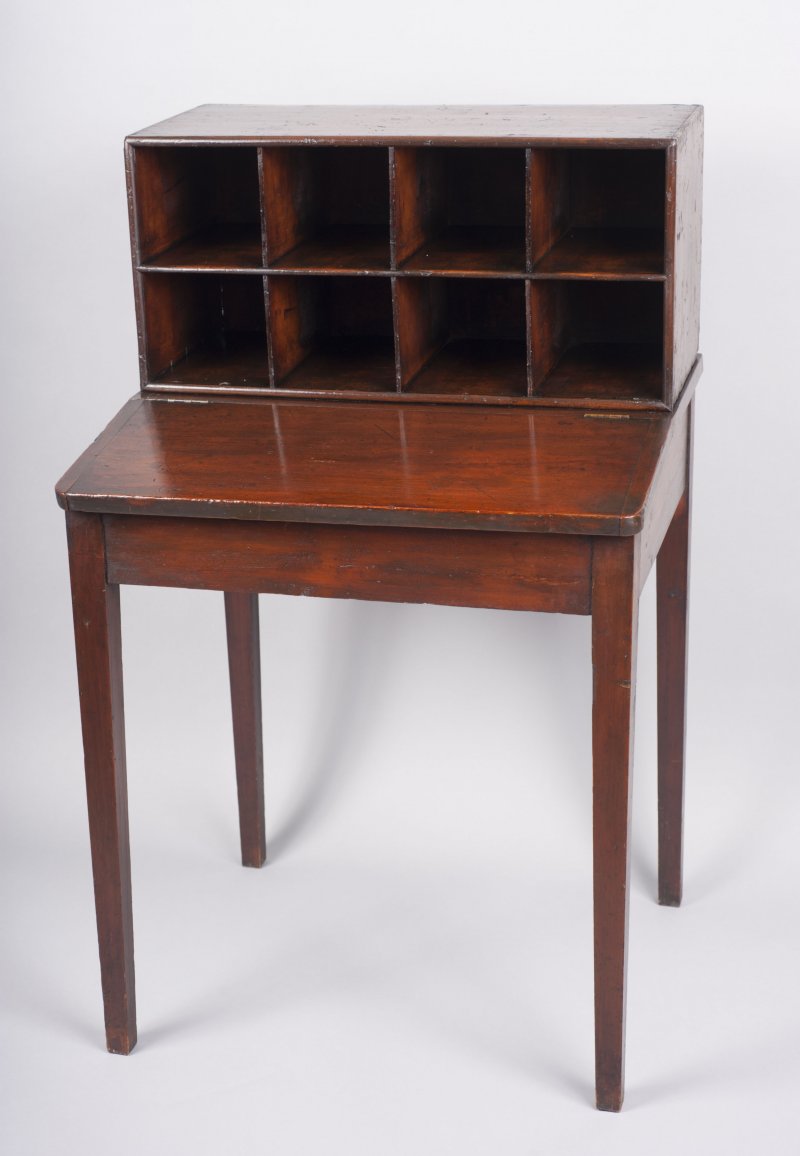
14. Winston Churchill's desk at Chartwell
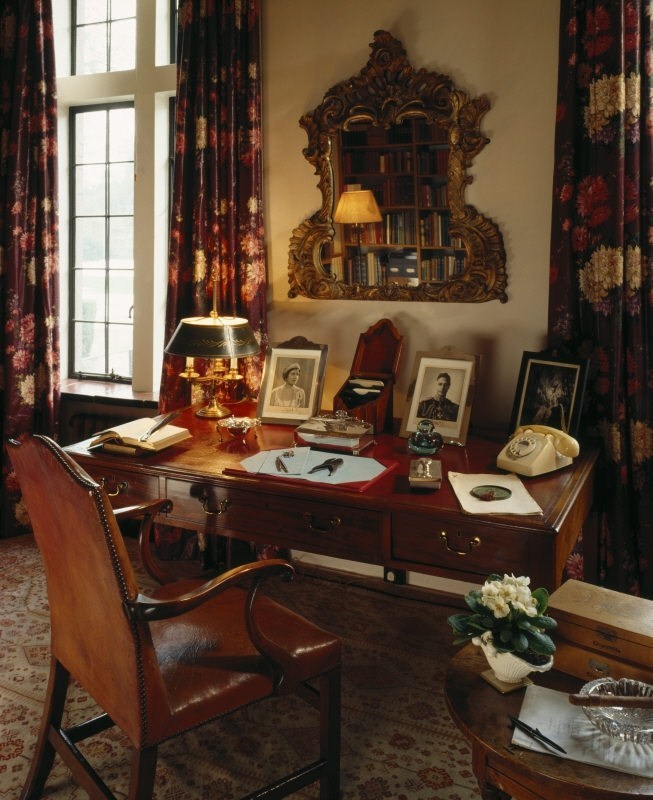
15. Charles Darwin’s 140-year-old desk
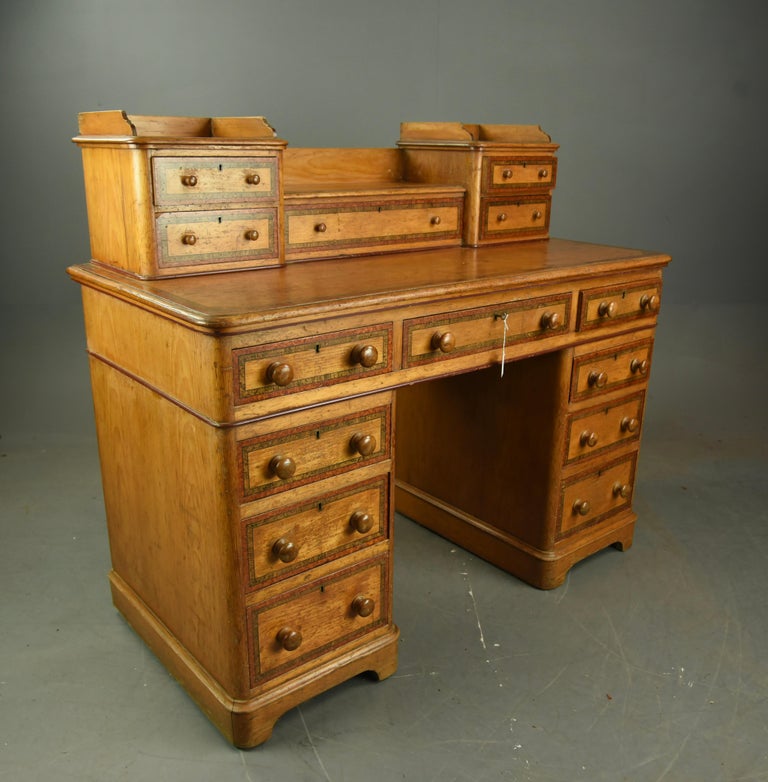
16. The writing table in author Jack London’s cottage near Glen Ellen, California
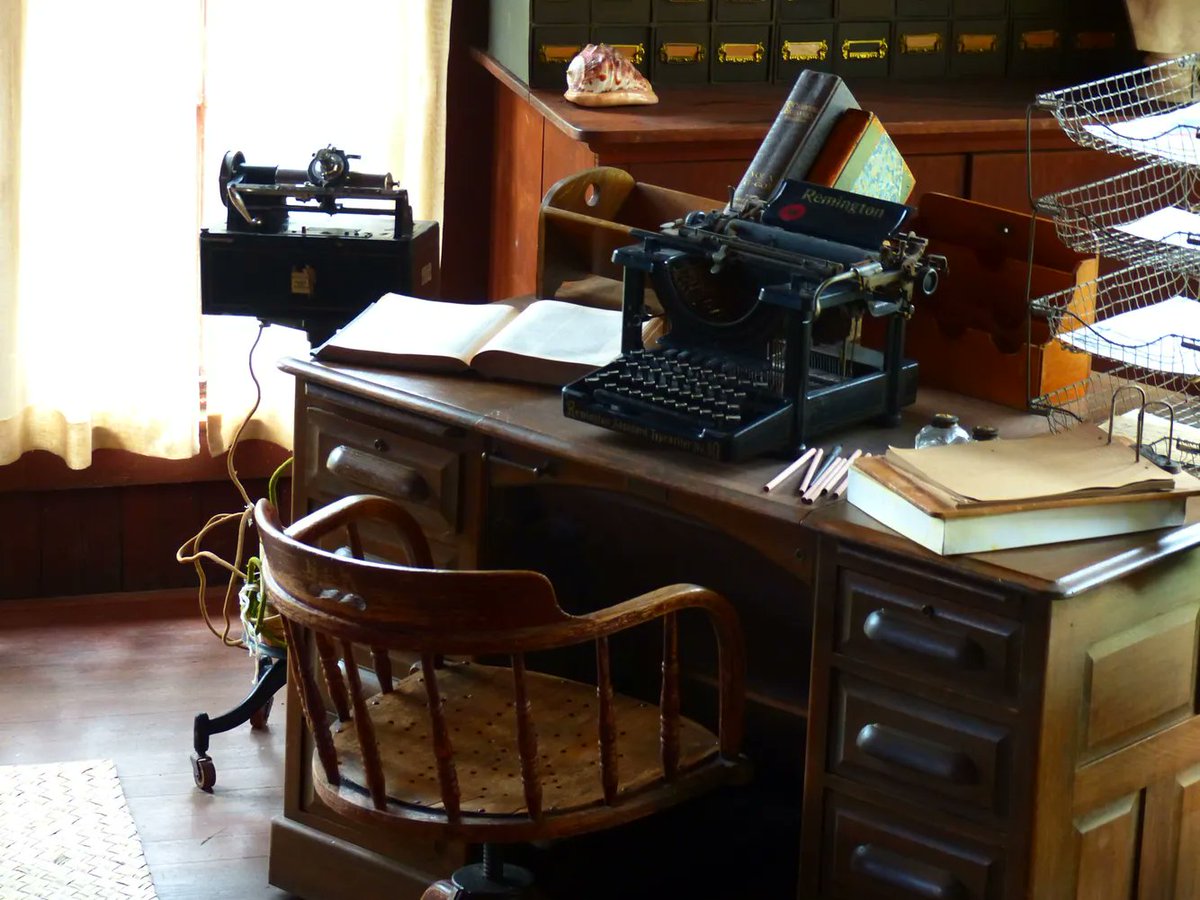
17. Desk and chair used by Charles Dickens in his study at Gad’s Hill Place, England
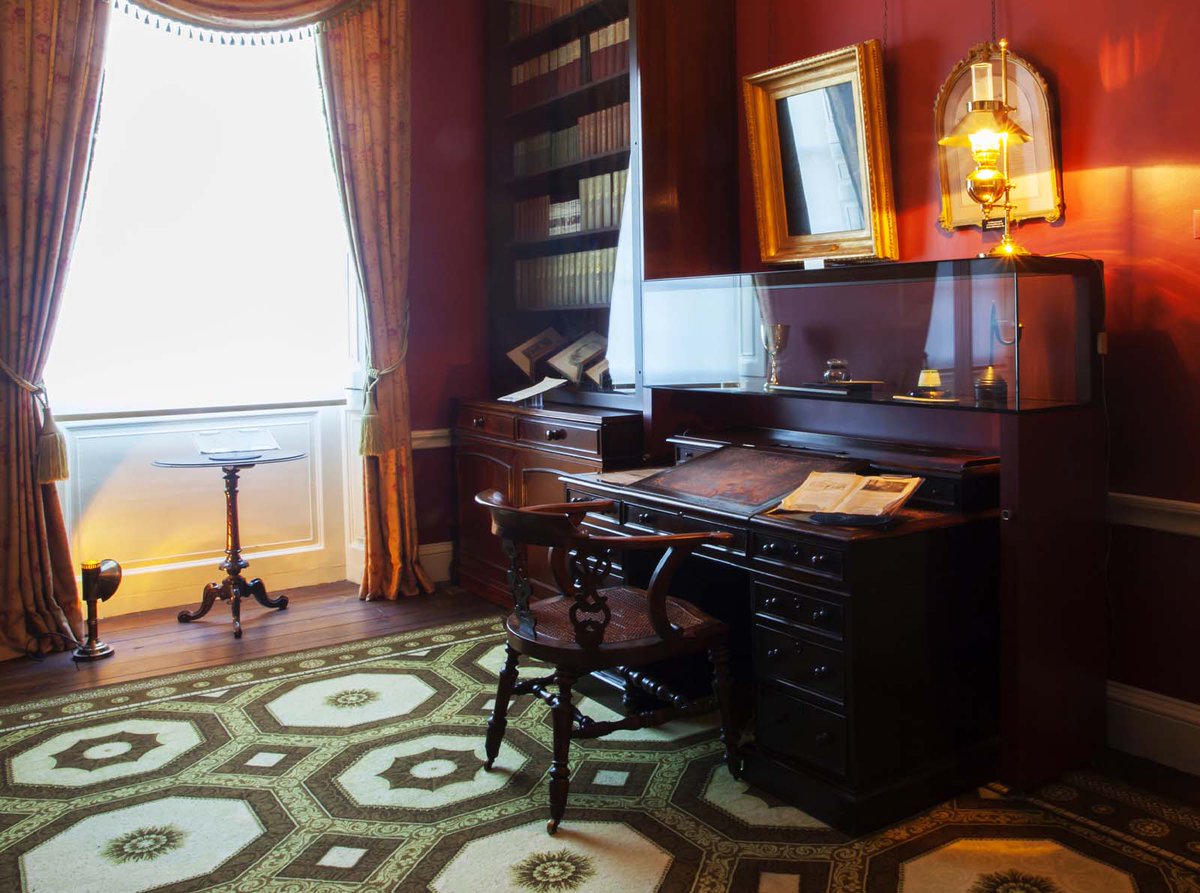
18. Nikola Tesla in his office at 8 West 40th Street, New York City in 1916
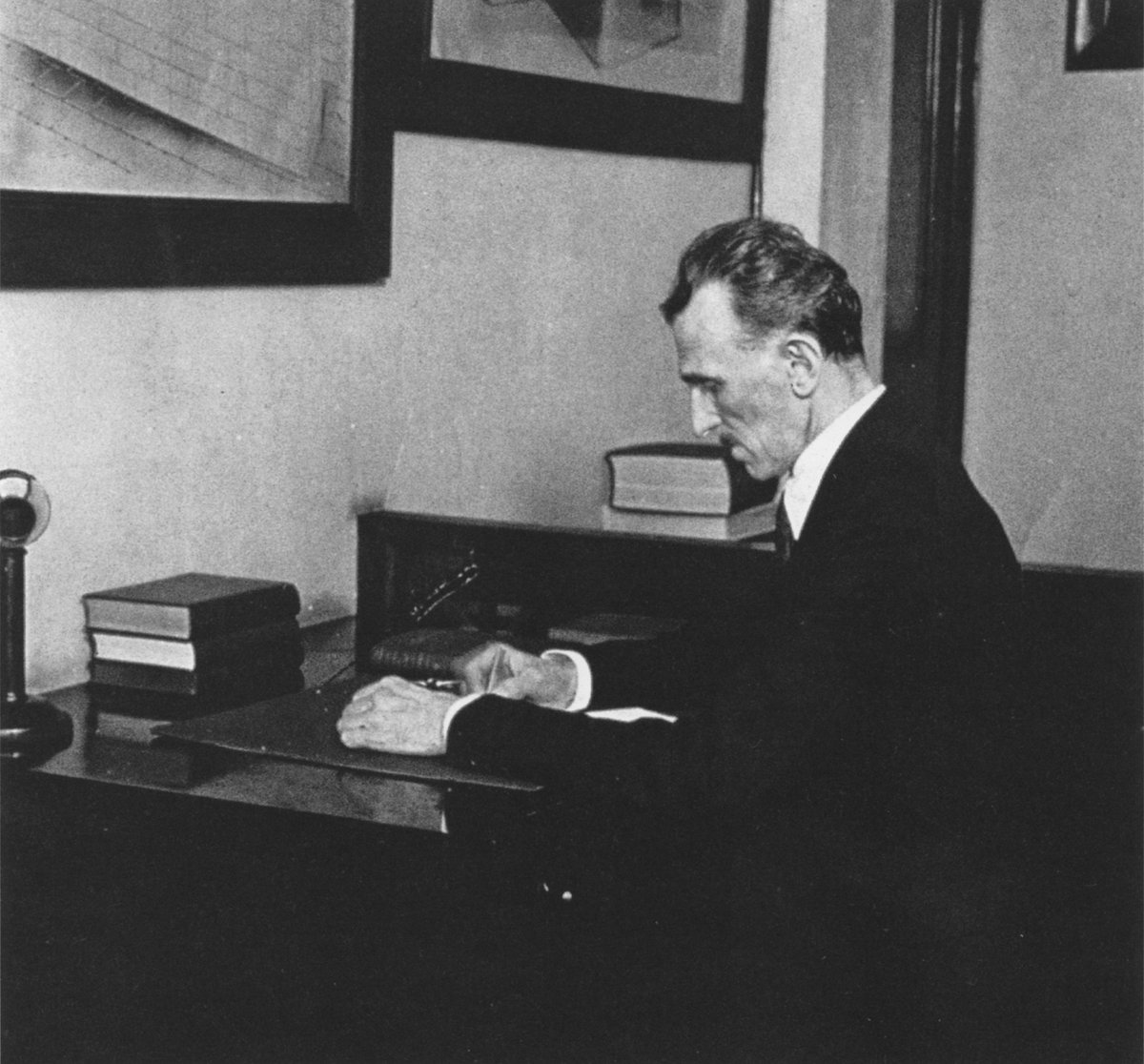
19. One of the United States' most precious historical relics is the lap desk Thomas Jefferson used to draft the Declaration of Independence in 1776.
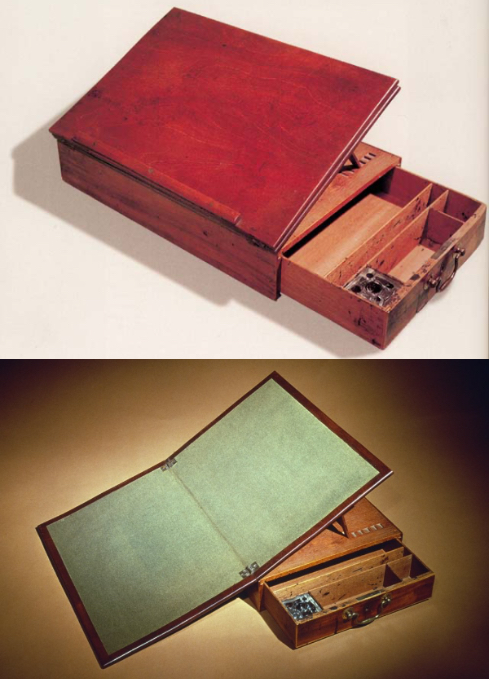
20. This is the desk where J.R.R. Tolkien wrote and illustrated The Hobbit

We are bringing these luminaries back into the classroom! cltexam.com/tests/authors/
Make sure to follow @CLT_Exam, @soren_schwab, @Culture_Crit, @JamesLucasIT
• • •
Missing some Tweet in this thread? You can try to
force a refresh