A country smaller than most cities—but it never fell.
While kingdoms crumbled and empires collapsed, San Marino remained independent for over 1,700 years. No invasions, no conquests—just survival.
How did this tiny republic outlast history’s greatest powers (bookmark this):
While kingdoms crumbled and empires collapsed, San Marino remained independent for over 1,700 years. No invasions, no conquests—just survival.
How did this tiny republic outlast history’s greatest powers (bookmark this):

A country the size of a small town, yet it survived centuries of war and conquest.
While empires rose and fell, San Marino—the world’s oldest republic—remained independent.
But how did this tiny mountain enclave resist popes, kings, and dictators?
While empires rose and fell, San Marino—the world’s oldest republic—remained independent.
But how did this tiny mountain enclave resist popes, kings, and dictators?

It all started with a stonecutter.
In 301 AD, a Christian stonemason named Marinus fled Roman persecution and settled on Mount Titano.
He founded a small community of outcasts and refugees—this was the birth of San Marino.
In 301 AD, a Christian stonemason named Marinus fled Roman persecution and settled on Mount Titano.
He founded a small community of outcasts and refugees—this was the birth of San Marino.

The land no one wanted.
Located high in the Apennine Mountains, San Marino was hard to reach.
It had no strategic rivers, fertile farmland, or valuable resources.
This made it less attractive to conquerors.
Medieval survival: alliances and diplomacy.
Located high in the Apennine Mountains, San Marino was hard to reach.
It had no strategic rivers, fertile farmland, or valuable resources.
This made it less attractive to conquerors.
Medieval survival: alliances and diplomacy.

By the 10th century, San Marino had evolved into a self-governing republic.
Unlike its powerful neighbors—the Papal States, Venice, and Florence—it didn’t seek expansion.
Instead, it relied on alliances, negotiation, and neutrality.
The Papal States respected them.
Unlike its powerful neighbors—the Papal States, Venice, and Florence—it didn’t seek expansion.
Instead, it relied on alliances, negotiation, and neutrality.
The Papal States respected them.

San Marino was a Catholic republic, and the Pope saw it as a loyal, harmless ally.
In 1291, Pope Nicholas IV recognized San Marino’s independence.
When Cardinal Alberoni invaded in 1739, San Marino outsmarted him.
In 1291, Pope Nicholas IV recognized San Marino’s independence.
When Cardinal Alberoni invaded in 1739, San Marino outsmarted him.

The Pope’s forces occupied San Marino, but the citizens launched a diplomatic resistance.
They sent appeals directly to the Pope, who ordered Alberoni to withdraw.
No war, no bloodshed—just clever negotiation.
Napoleon admired their freedom.
They sent appeals directly to the Pope, who ordered Alberoni to withdraw.
No war, no bloodshed—just clever negotiation.
Napoleon admired their freedom.

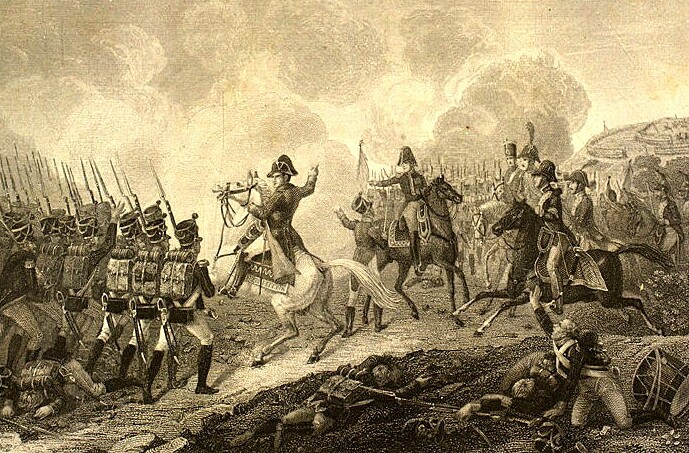
In 1797, Napoleon’s troops arrived.
Instead of attacking, he offered to expand their territory.
San Marino politely declined, fearing it would make them a target.
Napoleon left them alone, impressed by their commitment to independence.
Instead of attacking, he offered to expand their territory.
San Marino politely declined, fearing it would make them a target.
Napoleon left them alone, impressed by their commitment to independence.

Garibaldi and Italian Unification.
In the 19th century, Italy was unifying, and many small states disappeared.
San Marino sheltered Italian revolutionaries, including Giuseppe Garibaldi.
In the 19th century, Italy was unifying, and many small states disappeared.
San Marino sheltered Italian revolutionaries, including Giuseppe Garibaldi.

As a reward, Italy respected its independence when unification was complete.
World War survival: neutrality at all costs.
World War survival: neutrality at all costs.

In both World Wars, San Marino stayed neutral.
During WWII, it provided refuge to 100,000 Italians and Jews fleeing the Germans.
It was briefly bombed by the Allies, but quickly reaffirmed its neutrality.
The world’s oldest republic.
During WWII, it provided refuge to 100,000 Italians and Jews fleeing the Germans.
It was briefly bombed by the Allies, but quickly reaffirmed its neutrality.
The world’s oldest republic.

Founded in 301 AD, San Marino is the oldest continuously functioning republic in the world.
It still has a government structure from the Middle Ages, with two Captains Regent elected every six months.
The secret to its survival?
It still has a government structure from the Middle Ages, with two Captains Regent elected every six months.
The secret to its survival?

Geography: A mountain fortress with no strategic value.
Diplomacy: Avoiding unnecessary conflicts and playing politics wisely.
Neutrality: Staying out of larger wars while supporting the right causes.
Diplomacy: Avoiding unnecessary conflicts and playing politics wisely.
Neutrality: Staying out of larger wars while supporting the right causes.

Against all odds, San Marino remains independent to this day.
While much larger and more powerful states crumbled, this tiny republic endured.
More people should know this story.
The world’s smallest nations often have the most fascinating histories.
While much larger and more powerful states crumbled, this tiny republic endured.
More people should know this story.
The world’s smallest nations often have the most fascinating histories.

If you found this thread valuable, please:
✅RT the first tweet and help others find this thread
✅Join 4,100+ others and join my FREE newsletter — it goes deeper on topics like this:
athenaeum.beehiiv.com/subscribe
✅RT the first tweet and help others find this thread
✅Join 4,100+ others and join my FREE newsletter — it goes deeper on topics like this:
athenaeum.beehiiv.com/subscribe
• • •
Missing some Tweet in this thread? You can try to
force a refresh