
Never write a smart contract again.
Introducing the first agentic workflow protocol.
Introducing the first agentic workflow protocol.
Strong AI is here.
Chains, infrastructure, and on-chain services have proliferated.
This unprecedented growth has burdened developers with unending plumbing work – countless integrations, complex reliability logic, and multi-chain execution infrastructure.
Chains, infrastructure, and on-chain services have proliferated.
This unprecedented growth has burdened developers with unending plumbing work – countless integrations, complex reliability logic, and multi-chain execution infrastructure.
Smart contracts are obsolete.
Development is slow, expensive, and dangerous.
They demand 6-12+ month iteration cycles and costly audits – only to remain vulnerable.
Development is slow, expensive, and dangerous.
They demand 6-12+ month iteration cycles and costly audits – only to remain vulnerable.
Most apps don’t need smart contracts and just aim to stitch together protocols into workflows.
This is similar to how developers write web apps in high-level glue languages like JavaScript.
But, building a glue layer is hard.
This is similar to how developers write web apps in high-level glue languages like JavaScript.
But, building a glue layer is hard.
Operationalizing AI on blockchain is difficult and web3 risks falling behind.
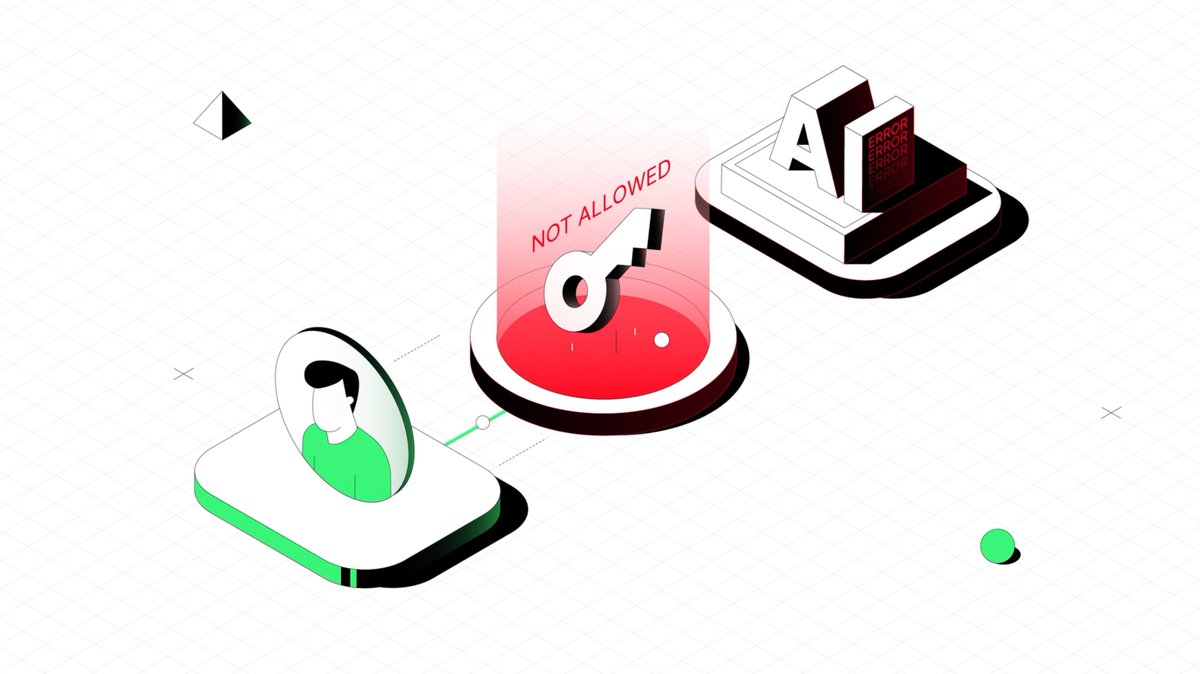
You can’t just hand your keys or assets to an AI system. That is neither safe nor compliant.
Businesses need guardrail systems and control over what agents can do.
You can’t just hand your keys or assets to an AI system. That is neither safe nor compliant.
Businesses need guardrail systems and control over what agents can do.
Enter Halliday: the first agentic workflow protocol.
Agentic workflows are a way to delegate tasks with immutable guardrails to autonomous systems, such as agents or software.
Safe on-chain AI is now possible.
Agentic workflows are a way to delegate tasks with immutable guardrails to autonomous systems, such as agents or software.
Safe on-chain AI is now possible.
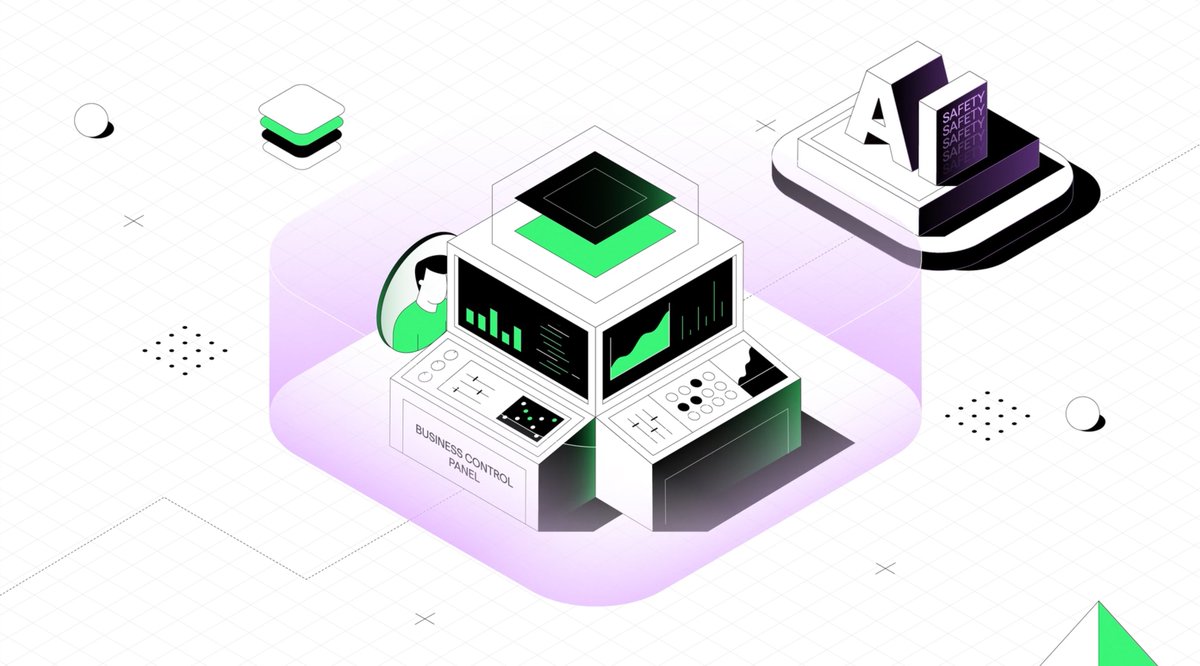
With Halliday, you can create high-level workflows without writing a single line of smart contract code.
Halliday handles all the heavy lifting: protocol integrations like bridges and DEXs, data translation, and reliable multi-chain execution.
Halliday handles all the heavy lifting: protocol integrations like bridges and DEXs, data translation, and reliable multi-chain execution.
This means:
▰ Integrate AI safely into your blockchain application.
▰ 6-12+ months of smart contract work turns into hours of business logic.
▰ 12+ months of multi-chain infrastructure is made available out-of-the-box.
▰ Integrate AI safely into your blockchain application.
▰ 6-12+ months of smart contract work turns into hours of business logic.
▰ 12+ months of multi-chain infrastructure is made available out-of-the-box.
Build breakthrough applications in hours not years.
With the agentic workflow protocol, build the following in hours, not years:
▰ Subscription product
▰ Liquidity / bridge aggregator
▰ Yield maximizer / treasury management
With the agentic workflow protocol, build the following in hours, not years:
▰ Subscription product
▰ Liquidity / bridge aggregator
▰ Yield maximizer / treasury management

Welcome to the agentic era of blockchain app development.
Builders join here - halliday.xyz/earlyaccess
Builders join here - halliday.xyz/earlyaccess
• • •
Missing some Tweet in this thread? You can try to
force a refresh




