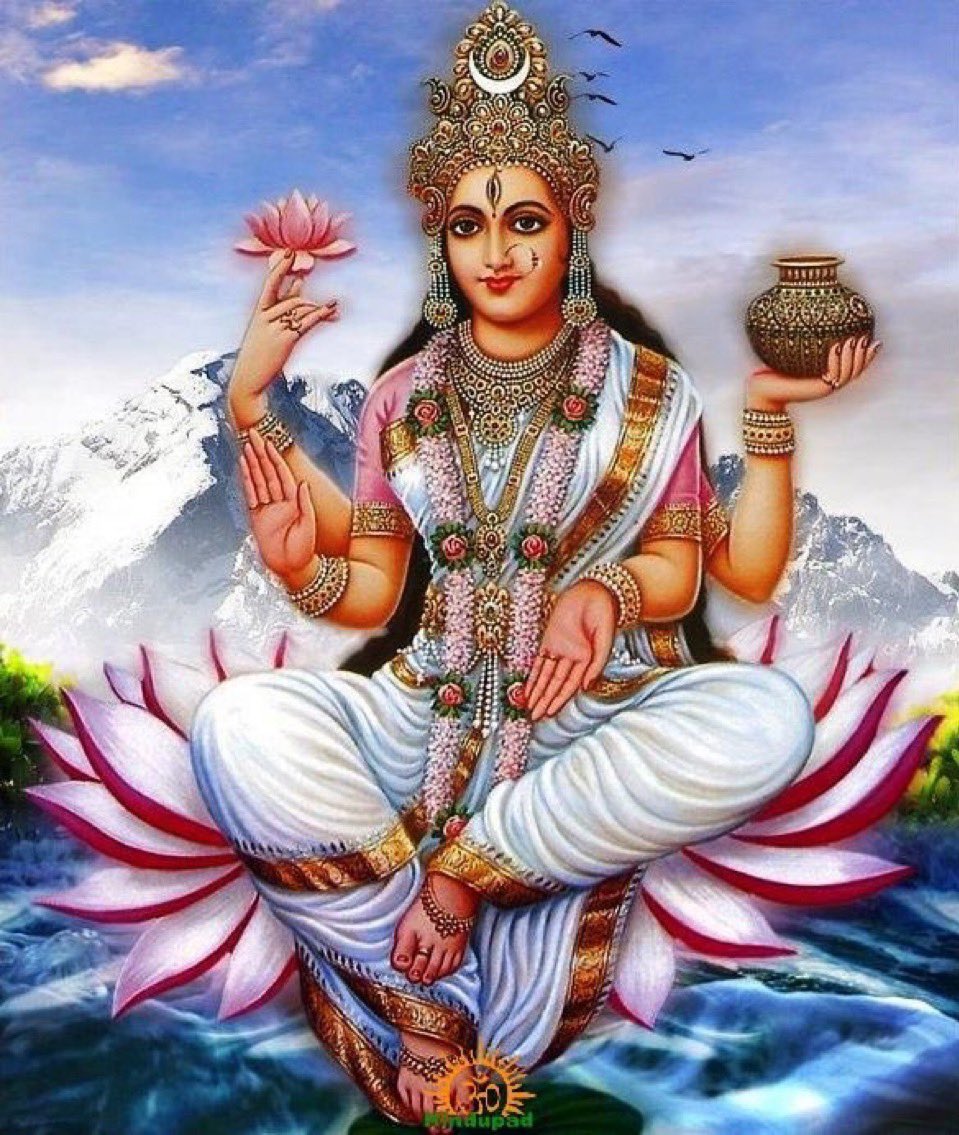
What is “KARMA”?
Please read the thread 🧵 🪡 thoroughly to know ‘The Law of Cause and Effect of KARMA’…
Please read the thread 🧵 🪡 thoroughly to know ‘The Law of Cause and Effect of KARMA’…

Karma is a profound concept rooted in ancient spiritual and philosophical traditions, notably Hinduism, Buddhism, and Jainism. At its core, karma represents the principle of cause and effect, emphasizing that every action we take-whether physical, verbal, or mental-creates an energy that influences our future experiences.

This idea has transcended its religious origins to become a universal principle that resonates with people from diverse backgrounds and belief systems.
The word “karma” originates from the Sanskrit root kri, meaning “to act” or “to do.” It conveys the idea that our actions—good or bad—shape our destiny. This concept goes beyond mere retribution or reward; it underscores the interconnectedness of all life and the power of intention behind our actions.

Karma is often misunderstood as a cosmic system of punishment or reward. However, it is better understood as a natural law, akin to gravity, that governs the flow of energy in the universe. Just as a seed grows into a tree, our actions bear fruit in due time, influencing our lives and the lives of those around us.
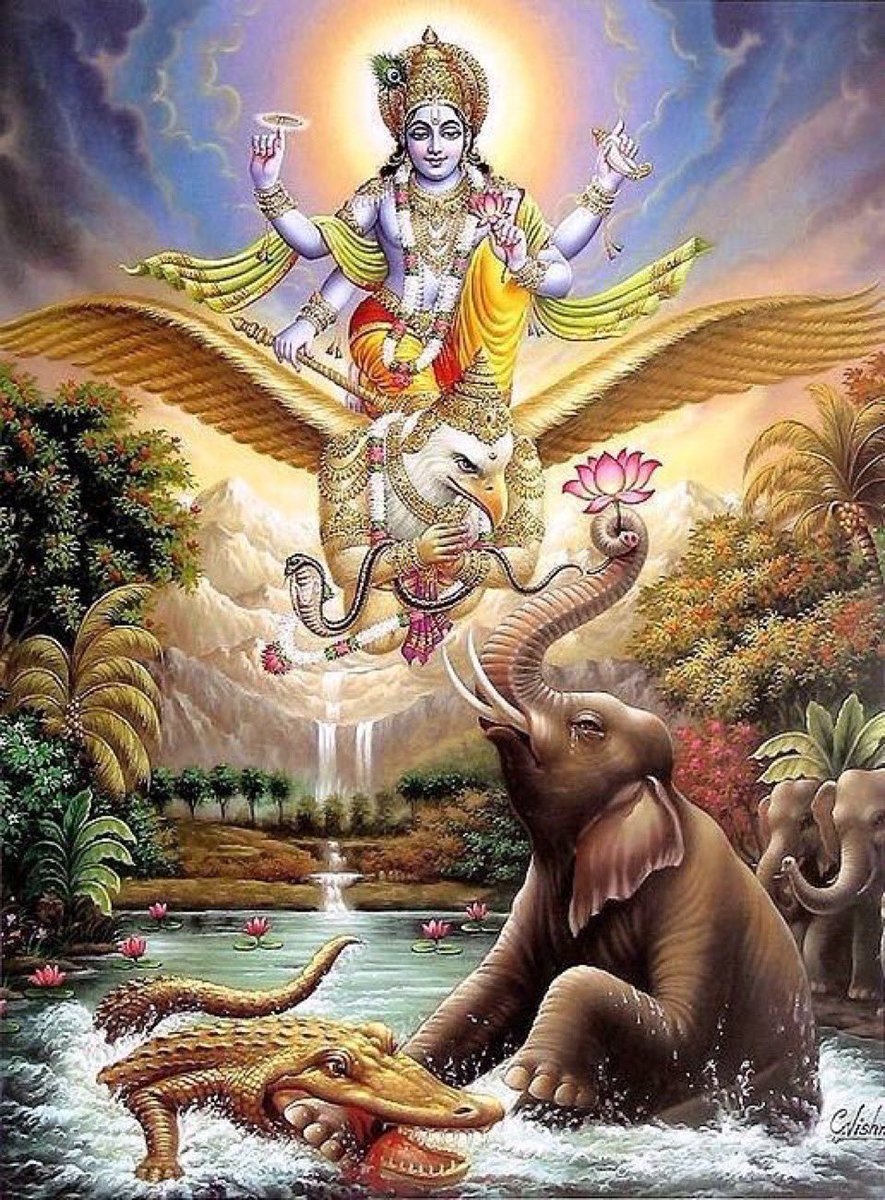
The Three Types of Karma
Karma is often categorized into three types, highlighting the dynamic interplay between past, present, and future actions:
1.Sanchita Karma (Accumulated Karma):
This refers to the sum total of actions and experiences from past lifetimes. It represents the “storehouse” of karma that shapes our current life circumstances.
Karma is often categorized into three types, highlighting the dynamic interplay between past, present, and future actions:
1.Sanchita Karma (Accumulated Karma):
This refers to the sum total of actions and experiences from past lifetimes. It represents the “storehouse” of karma that shapes our current life circumstances.

2.Prarabdha Karma (Matured Karma):
This is the portion of accumulated karma that has ripened and manifests in our present life. It accounts for the situations and challenges we currently face.
This is the portion of accumulated karma that has ripened and manifests in our present life. It accounts for the situations and challenges we currently face.

3.Kriyamana Karma (Current Karma):
Also known as “agami” karma, this represents the actions we perform in the present moment, which will shape our future experiences. It highlights the importance of free will and mindful living.
Also known as “agami” karma, this represents the actions we perform in the present moment, which will shape our future experiences. It highlights the importance of free will and mindful living.

In understanding karma, intention plays a pivotal role. It is not merely the action itself but the motivation behind it that determines its karmic weight. For instance, helping someone out of genuine kindness creates positive karma, whereas doing the same act for selfish gain may not yield the same results.

This principle emphasizes the importance of self-awareness and mindfulness in our daily lives. By cultivating pure intentions, we can align our actions with our higher self, fostering harmony and growth.

Karma and Free Will
One of the most intriguing aspects of karma is its relationship with free will. While our past actions influence our current circumstances, we are not prisoners of our karma. Each moment offers an opportunity to create new karma, to choose actions that uplift ourselves and others.
One of the most intriguing aspects of karma is its relationship with free will. While our past actions influence our current circumstances, we are not prisoners of our karma. Each moment offers an opportunity to create new karma, to choose actions that uplift ourselves and others.

The Role of Intention in Karma
This perspective empowers us to take responsibility for our lives. By acting with compassion, integrity, and wisdom, we can shape a brighter future, regardless of the challenges we face.
This perspective empowers us to take responsibility for our lives. By acting with compassion, integrity, and wisdom, we can shape a brighter future, regardless of the challenges we face.

Karma in Everyday Life
Karma is not an abstract concept reserved for spiritual discussions; it is deeply relevant to our daily lives. Here are a few ways to integrate the principles of karma into your routine:
1.Practice Mindfulness:
Be present in your thoughts, words, and actions. Recognize their impact on yourself and others.
Karma is not an abstract concept reserved for spiritual discussions; it is deeply relevant to our daily lives. Here are a few ways to integrate the principles of karma into your routine:
1.Practice Mindfulness:
Be present in your thoughts, words, and actions. Recognize their impact on yourself and others.

2.Cultivate Compassion:
Treat others with kindness and understanding. Your positive actions will ripple outward and return to you in unexpected ways.
Treat others with kindness and understanding. Your positive actions will ripple outward and return to you in unexpected ways.

3.Take Responsibility:
Own your mistakes and learn from them. Every challenge is an opportunity for growth.
Own your mistakes and learn from them. Every challenge is an opportunity for growth.

4.Give Selflessly:
Acts of generosity, when done without expectation, create powerful positive energy.
Acts of generosity, when done without expectation, create powerful positive energy.

5.Reflect and Grow:
Regularly evaluate your actions and intentions. Align them with your values and higher purpose.
Regularly evaluate your actions and intentions. Align them with your values and higher purpose.

Karma Beyond Life and Death
In many traditions, karma extends beyond a single lifetime. The cycle of birth, death, and rebirth—known as samsara—is influenced by karmic energy. Liberation from this cycle, or moksha, is achieved by transcending karma through self-realization and detachment.
In many traditions, karma extends beyond a single lifetime. The cycle of birth, death, and rebirth—known as samsara—is influenced by karmic energy. Liberation from this cycle, or moksha, is achieved by transcending karma through self-realization and detachment.

This understanding underscores the long-term consequences of our actions and the importance of spiritual growth in breaking free from karmic cycles.
The Universal Message of Karma
Karma teaches us that we are the architects of our destiny. It reminds us of the interconnectedness of all beings and the profound impact of our choices. By living consciously and compassionately, we can create a life of harmony, fulfillment, and purpose.
Karma teaches us that we are the architects of our destiny. It reminds us of the interconnectedness of all beings and the profound impact of our choices. By living consciously and compassionately, we can create a life of harmony, fulfillment, and purpose.
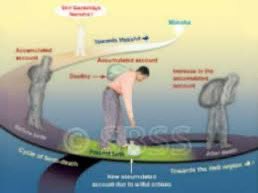
In a world often dominated by instant gratification and reactive behavior, the timeless wisdom of karma offers a path of mindfulness and accountability. It encourages us to sow seeds of goodness, knowing that the harvest will enrich not just our lives but the lives of others as well.

Ultimately, karma is not just about what happens to us but how we choose to respond. It invites us to take charge of our journey, embrace our imperfections, and strive to leave the world better than we found it.

If you appreciate this thread, kindly share it 🙏🏻❤️
Please follow @NayaBharatHoon for additional intriguing content.❤️
Please follow @NayaBharatHoon for additional intriguing content.❤️
• • •
Missing some Tweet in this thread? You can try to
force a refresh