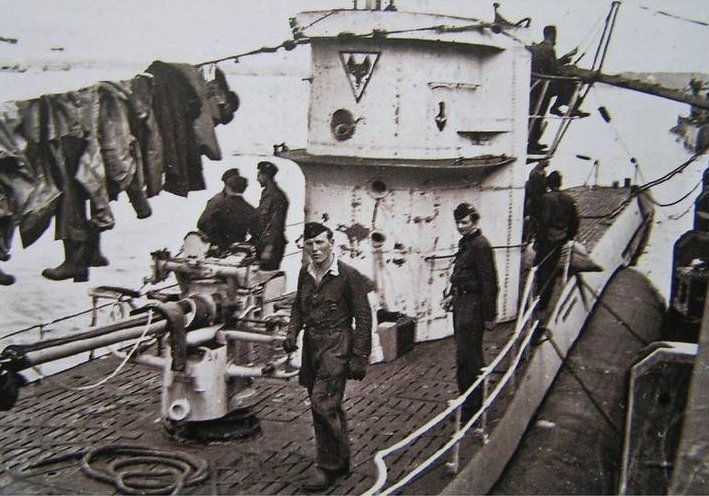
The Irish were among the first slaves in the Americas—sold, starved, and worked to death.
Their suffering was silenced, their story erased.
But this dark chapter shaped nations in ways few realize.
Here’s the forgotten truth about Ireland’s tragic history of slavery:
Their suffering was silenced, their story erased.
But this dark chapter shaped nations in ways few realize.
Here’s the forgotten truth about Ireland’s tragic history of slavery:
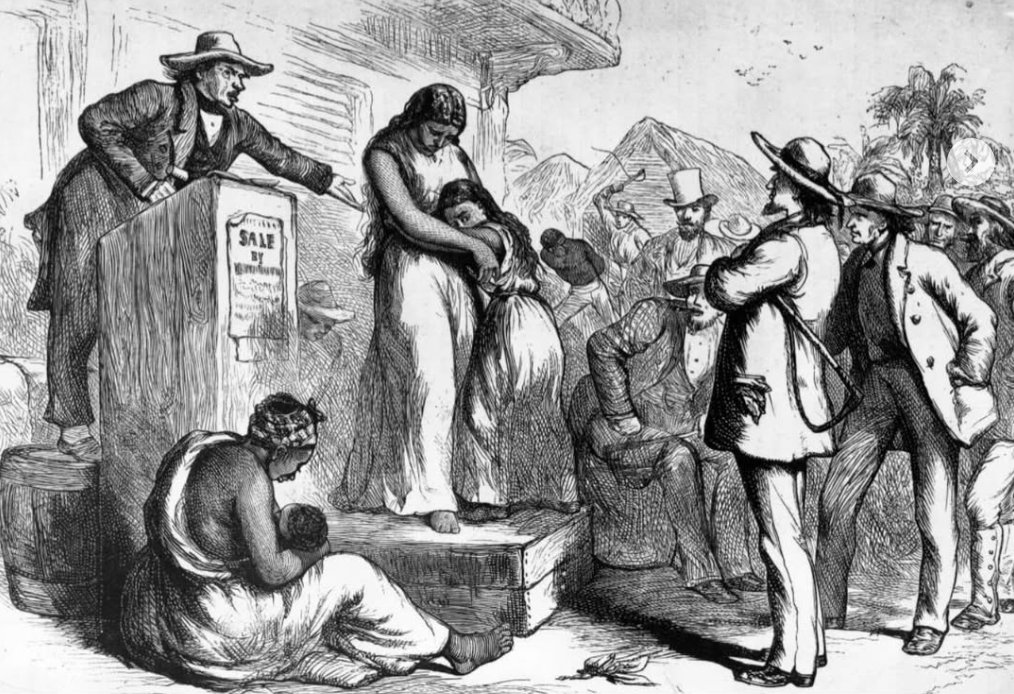
Ireland’s introduction to slavery began with Viking raids.
Starting in 795 AD, Norse invaders pillaged monastic towns like Armagh and Kildare, capturing Irish men and women as slaves.
Many were taken to Scotland, Norway, and Iceland, where they were ransomed, sold, or forced into labor.
Starting in 795 AD, Norse invaders pillaged monastic towns like Armagh and Kildare, capturing Irish men and women as slaves.
Many were taken to Scotland, Norway, and Iceland, where they were ransomed, sold, or forced into labor.
In 875, Irish slaves in Iceland staged a rebellion, one of the largest in Europe since the fall of Rome.
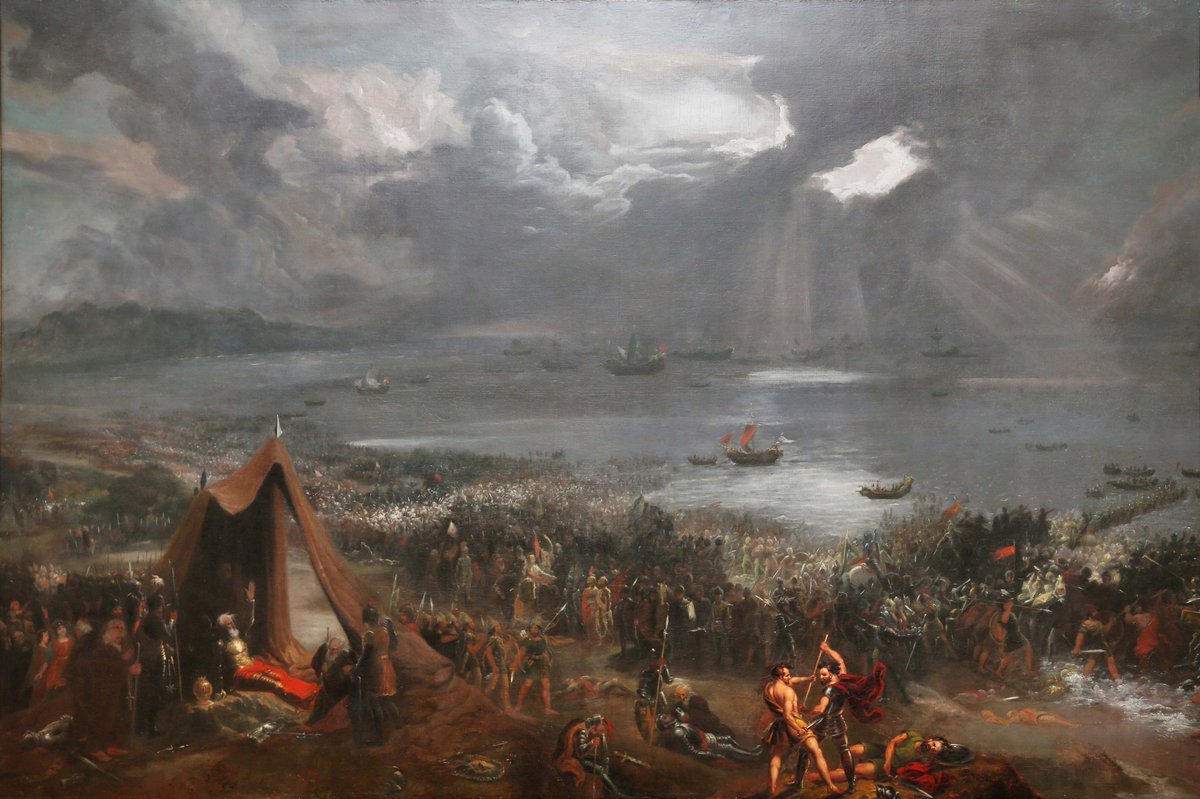
By 1014, after the pivotal Battle of Clontarf, Viking dominance waned, and thousands of slaves were freed.
By 1014, after the pivotal Battle of Clontarf, Viking dominance waned, and thousands of slaves were freed.
Though the Normans abolished traditional slavery in Ireland by 1102, they replaced it with serfdom.
Serfs were tied to the land, which meant they could not be sold like chattels but lived under the constant oppression of feudal lords.
Serfs were tied to the land, which meant they could not be sold like chattels but lived under the constant oppression of feudal lords.
The subjugation of the Irish reached new heights during the English colonization of Ireland.
As England tightened its grip, the Irish were systematically uprooted and sold into servitude and slavery across the Atlantic.
As England tightened its grip, the Irish were systematically uprooted and sold into servitude and slavery across the Atlantic.

During the Irish uprising against English rule, over 550,000 Irish were reportedly killed by English forces.
Another 300,000 were captured and sold as slaves.
- Political prisoners
- Military captives
- Women & children
Another 300,000 were captured and sold as slaves.
- Political prisoners
- Military captives
- Women & children
Oliver Cromwell’s brutal conquest of Ireland marked one of the darkest periods in Irish history.
- Tens of thousands of Irish were sold to the Caribbean, Barbados & Montserrat.
- The infamous proclamation "To Hell or Connacht" in 1654 ordered Irish families to move west of the River Shannon or face deportation—or worse.
- Tens of thousands of Irish were sold to the Caribbean, Barbados & Montserrat.
- The infamous proclamation "To Hell or Connacht" in 1654 ordered Irish families to move west of the River Shannon or face deportation—or worse.
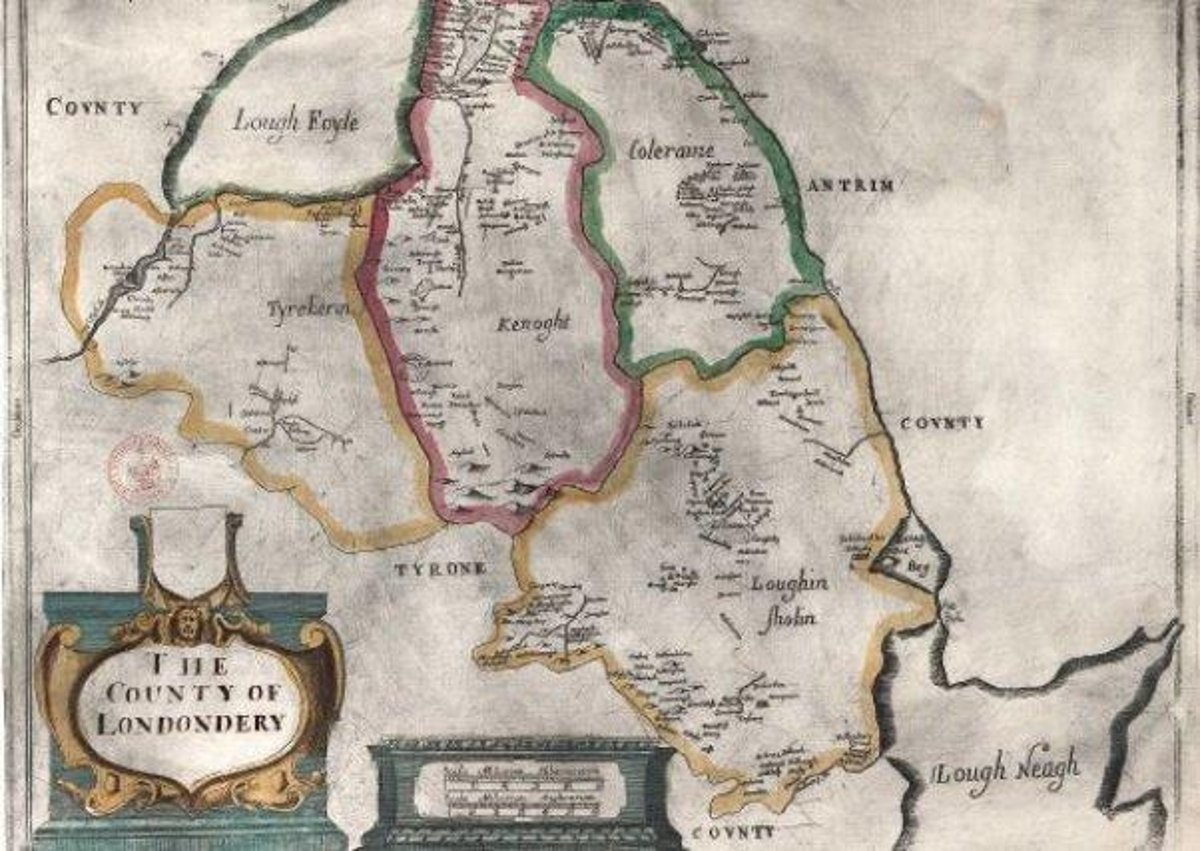
Irish men, women, and children were forcibly transported to the Americas.
While some were labeled as indentured servants, the conditions they endured often mirrored slavery.
While some were labeled as indentured servants, the conditions they endured often mirrored slavery.
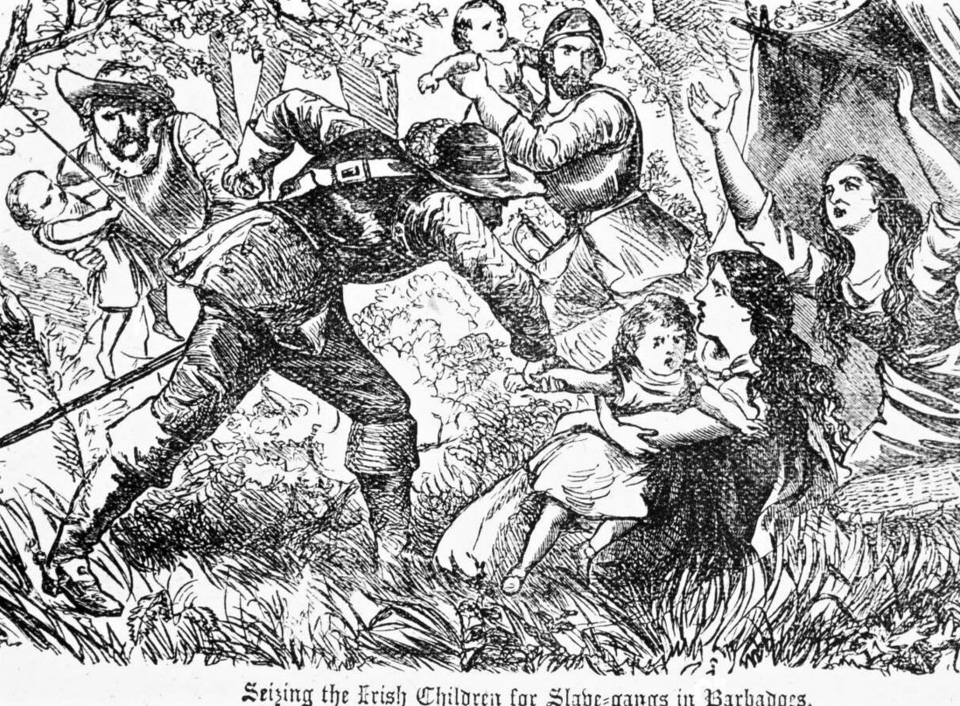
1. Barbados and the West Indies
By 1652, at least 12,000 Irish were sent to Barbados, where they labored on sugar plantations under harsh conditions.
Irish slaves were sold for as little as 900 pounds of cotton, making them a cheaper alternative to African slaves.
By 1652, at least 12,000 Irish were sent to Barbados, where they labored on sugar plantations under harsh conditions.
Irish slaves were sold for as little as 900 pounds of cotton, making them a cheaper alternative to African slaves.
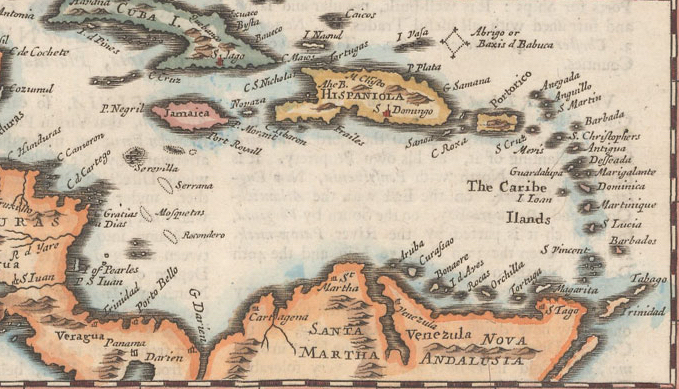
2. North America
Irish servants arrived in Virginia, the Carolinas, and New England. Many were children, often as young as 10.
Between 1629 and 1632, tens of thousands of Irish were transported to Guyana, Antigua, and other colonies.
Irish servants arrived in Virginia, the Carolinas, and New England. Many were children, often as young as 10.
Between 1629 and 1632, tens of thousands of Irish were transported to Guyana, Antigua, and other colonies.
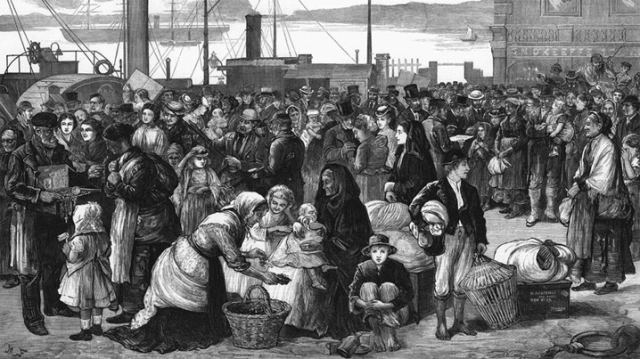
3. Montserrat
By 1637, 69% of Montserrat’s population was Irish, making it one of the most significant destinations for Irish servitude.
By 1637, 69% of Montserrat’s population was Irish, making it one of the most significant destinations for Irish servitude.
Historians continue to debate whether the Irish were slaves or indentured servants.
While indentured servitude involved contracts, many Irish captives were forcibly removed from their homeland and had no legal agreements.
While indentured servitude involved contracts, many Irish captives were forcibly removed from their homeland and had no legal agreements.
Many Irish laborers endured brutal treatment, similar to African slaves.
They were beaten, overworked, and denied basic freedoms.
The lack of surviving contracts for many Irish workers suggests that a significant portion were, in effect, enslaved.
They were beaten, overworked, and denied basic freedoms.
The lack of surviving contracts for many Irish workers suggests that a significant portion were, in effect, enslaved.
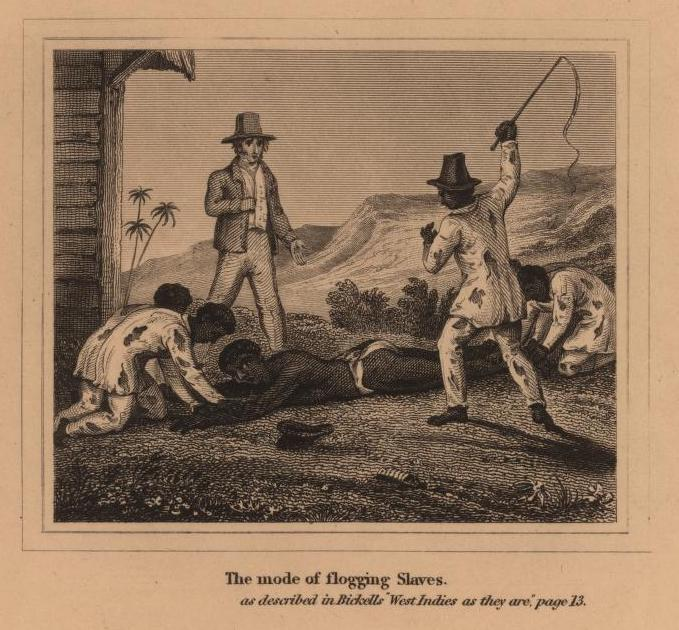
The story of Irish servitude has largely been overshadowed by the transatlantic African slave trade.
However, the legacy of Irish oppression has left a lasting mark.
However, the legacy of Irish oppression has left a lasting mark.
- Montserrat: Known as the "Emerald Isle of the Caribbean," it retains strong Irish cultural influences.
- Barbados: The term "Redlegs" refers to the descendants of Irish and Scottish laborers who lived in poverty for generations.
- Barbados: The term "Redlegs" refers to the descendants of Irish and Scottish laborers who lived in poverty for generations.
If you like this thread, help me on my mission:
"The school and the media failed to teach you history.
My mission is to help you learn more about history and the key moments that defined our existence."
Follow me @_HistoryNerd for more...
"The school and the media failed to teach you history.
My mission is to help you learn more about history and the key moments that defined our existence."
Follow me @_HistoryNerd for more...
Get more historical documents, data, and stories directly in your email every week for FREE:
Subscribe to History Nerd 👇
historynerd.beehiiv.com/subscribe
Subscribe to History Nerd 👇
historynerd.beehiiv.com/subscribe
• • •
Missing some Tweet in this thread? You can try to
force a refresh