The Lord of the Rings does not take place on an imaginary planet — it's Earth.
Middle-earth is our forgotten past, before recorded history, when Eden (Valinor) was a real place.
The truth of Tolkien's world will blow your mind... 🧵
Middle-earth is our forgotten past, before recorded history, when Eden (Valinor) was a real place.
The truth of Tolkien's world will blow your mind... 🧵

Middle-earth is our Earth long ago, as Tolkien said:
"I have (of course) placed the action in a purely imaginary (though not wholly impossible) period of antiquity, in which the shape of the continental masses was different."
"I have (of course) placed the action in a purely imaginary (though not wholly impossible) period of antiquity, in which the shape of the continental masses was different."

He even compared latitudes directly:
Hobbiton and Rivendell are about the latitude of Oxford, Minas Tirith the latitude of Florence, and Pelargir the latitude of ancient Troy.
Hobbiton and Rivendell are about the latitude of Oxford, Minas Tirith the latitude of Florence, and Pelargir the latitude of ancient Troy.


The reason is that Tolkien was writing a mythology for England, which he felt lacking next to Greek or Norse traditions. Middle-earth is Europe, several millennia before written history.
But it gets much more interesting than that...
But it gets much more interesting than that...

In Tolkien's legendarium, Earth (Arda) is flat when first created.
But then, at a critical juncture in history, it becomes a spherical globe like our own.
But then, at a critical juncture in history, it becomes a spherical globe like our own.

Why? A great flood took place in punishment for the pride of mankind, and it transformed the world.
The heart of human civilization, the island city of Numenor, was destroyed...
The heart of human civilization, the island city of Numenor, was destroyed...

In the process, Valinor (where immortal elves live) was separated from Arda so men could never reach it.
These are the Undying Lands that Frodo "sails" to — a special exception made for him as a mortal.
These are the Undying Lands that Frodo "sails" to — a special exception made for him as a mortal.

So what does all this mean?
Well, Tolkien (a devout Catholic) believed the Garden of Eden was once a real, physical place on Earth — before the Biblical Fall of Man.
His Valinor is a representation of Eden...
Well, Tolkien (a devout Catholic) believed the Garden of Eden was once a real, physical place on Earth — before the Biblical Fall of Man.
His Valinor is a representation of Eden...

Notice the close parallels.
Two Trees bring life to Tolkien's Valinor. In Genesis, there are two important trees: the Tree of Life and the Tree of Knowledge of Good and Evil.
Two Trees bring life to Tolkien's Valinor. In Genesis, there are two important trees: the Tree of Life and the Tree of Knowledge of Good and Evil.

The Fall of Man in Tolkien's lore happens after Sauron convinced the Númenorean king that men should seize access to Valinor (and immortality) like the elves.
Just like the snake's poisonous influence in Eden.
Just like the snake's poisonous influence in Eden.

The elves are purer, immortal beings (though not sinless) who reside in Valinor — why?
They are what Man was supposed to be before the Fall, "freed from those limitations which [Man] feels most to press upon him."
They are what Man was supposed to be before the Fall, "freed from those limitations which [Man] feels most to press upon him."


It isn't even just Biblical parallels.
Tolkien saw Numenor as a version of the Atlantis myth in Greek tradition — a lost city of the western ocean, destroyed by cataclysm, which lingers on in humanity's collective unconscious.
Tolkien saw Numenor as a version of the Atlantis myth in Greek tradition — a lost city of the western ocean, destroyed by cataclysm, which lingers on in humanity's collective unconscious.

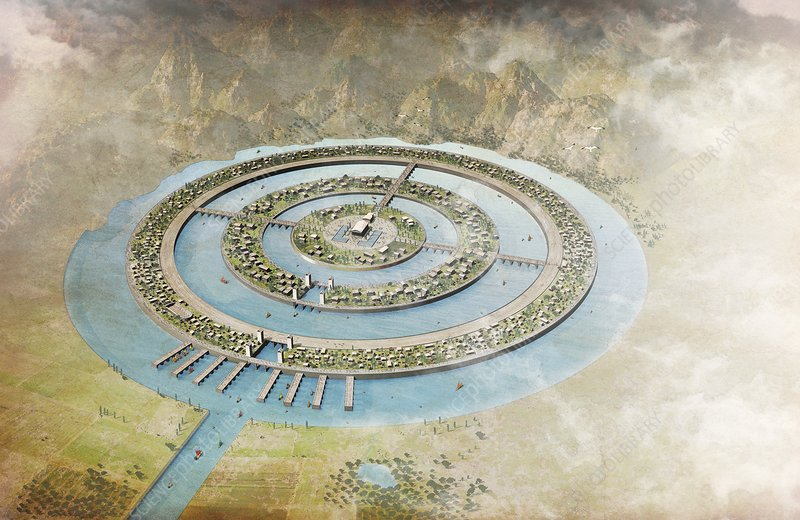
His lore is therefore a mythology that runs parallel with all great deluge myths throughout history.
It leads right up to recorded history and the present day — the events of LOTR take place in his 3rd age, and we are living in the 6th or 7th.
It leads right up to recorded history and the present day — the events of LOTR take place in his 3rd age, and we are living in the 6th or 7th.

Tolkien was devoted to the study and creation of myths because he knew that myths are not lies, but the exact opposite:
"Myths convey the essential truths, the primary reality of life itself."
"Myths convey the essential truths, the primary reality of life itself."

Myths are God's mode of communication, and a lens through which humanity can know its true self.
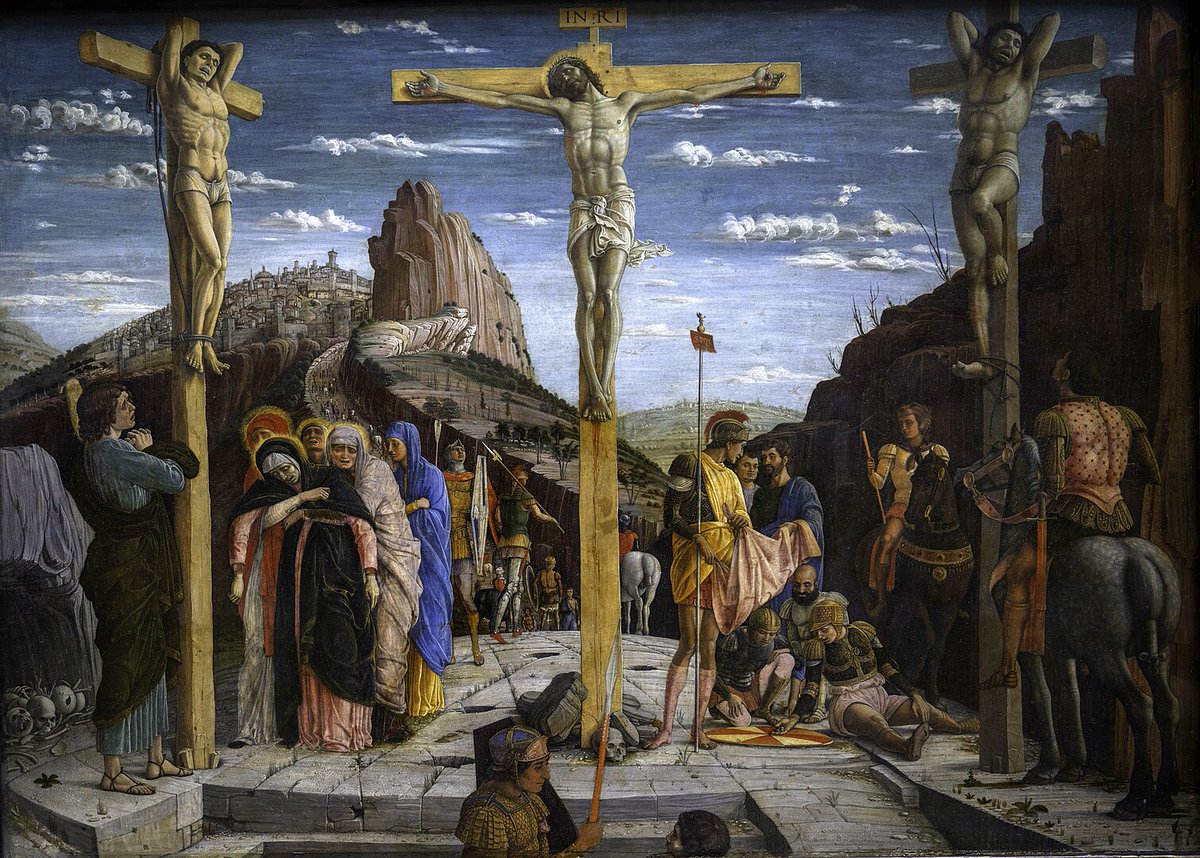
For Tolkien, humanity lived *inside* a myth — the one true myth — the culmination of ancient stories finally fulfilled by a real event...
For Tolkien, humanity lived *inside* a myth — the one true myth — the culmination of ancient stories finally fulfilled by a real event...
Tolkien's lore goes FAR deeper than most realize.
I'm going to break it down further soon — join my free newsletter so you don't miss it!
110,000+ people read it: culture, art and history 👇
culture-critic.com/welcome
I'm going to break it down further soon — join my free newsletter so you don't miss it!
110,000+ people read it: culture, art and history 👇
culture-critic.com/welcome
• • •
Missing some Tweet in this thread? You can try to
force a refresh